

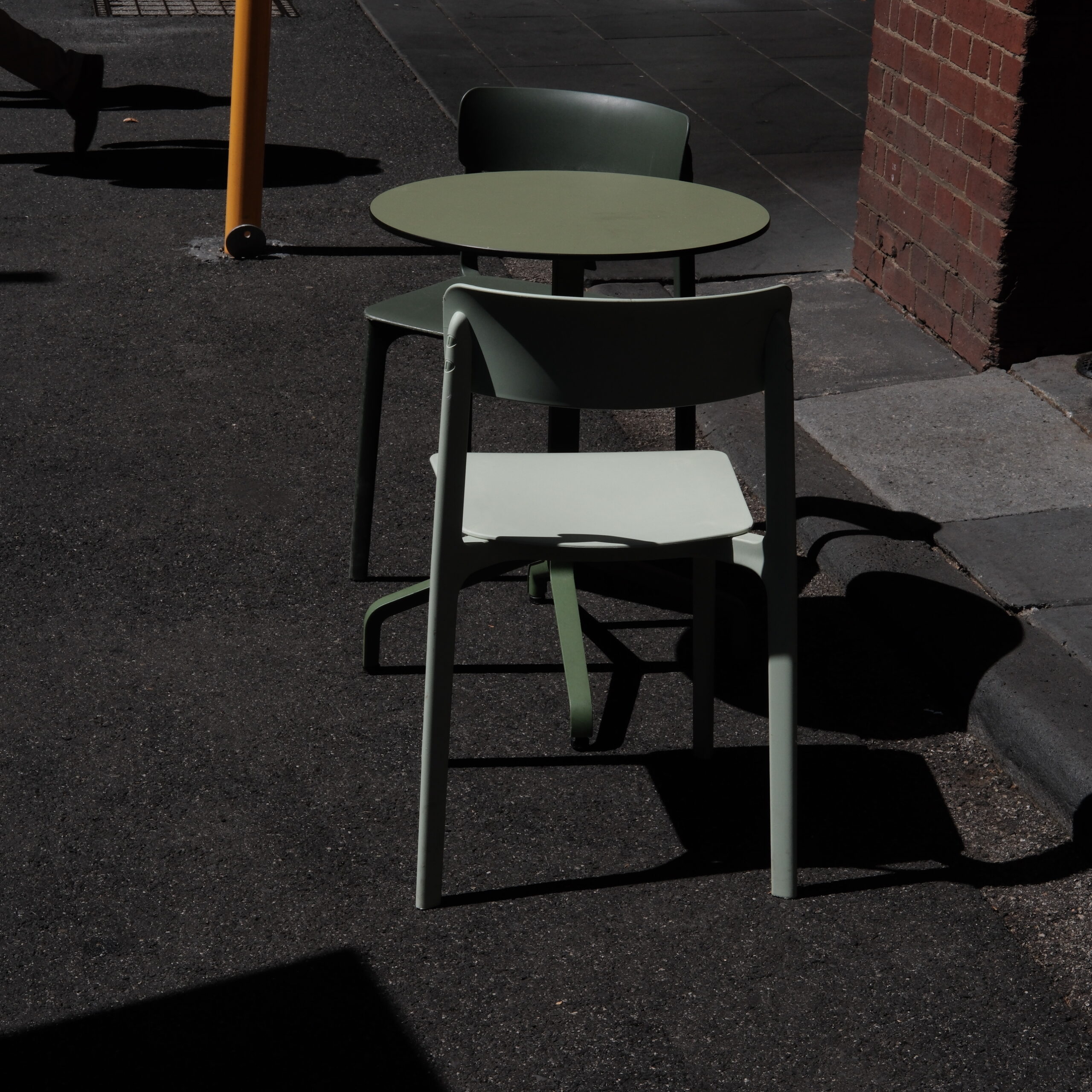
I recently bought a new digital camera, a Fujifilm X-T5 and while setting it up on and began to wonder about all the different automatic options. I have never really liked Autofocus, it’s convenient but can be annoying, if like me you use one focus point but want to focus on something not taken in by that point, either by moving the camera and pressing a button or making a change on the touchscreen. So, I thought, why not try manual focus, I focus my Hasselblad with a plain screen with no problems, damn it, I focus some cameras by guesstimating, I figured that the EVF on the X-T5 should be good enough to focus with, and it was.
Having gone down this rabbit hole it occurred to me that I could also use the EFV to judge exposure, so I set the sensitivity to 400asa and aperture and shutter to manual and off I went. This felt very natural to me having been taking photos for nearly 50 years, focus set the shutter and aperture till it looks ok to the meter or my best guess and press the button. I’m sure others have tried this before so I can’t claim to have made a great discovery, I just wanted to share what has been for me a new perspective on digital photography.
Why not just stick to the cameras auto functions? With focus this makes me think about what I am focusing on and move that focus point without taking my eye off the subject. I don’t use the electronic focus aids built into the camera because they are too intrusive and obscure my view. As for exposure I like being able to quickly see what changing the exposure will make and adjust accordingly, I tend to set the shutter speed and ASA and then work with the aperture to get the results I want. I leave the auto white balance alone, shoot JPEG and pick a film simulation that suits me.
Is it better or easier? I’m not sure on either, but it feels very natural to me and feels like I have much more control, no need to use the exposure compensation dial and I now tend to take more than one picture at different exposures, like old fashioned bracketing. One other advantage is that I should be able to switch between camera brands without too much relearning. This of course works best with mirrorless cameras, or ones with hybrid viewfinders.
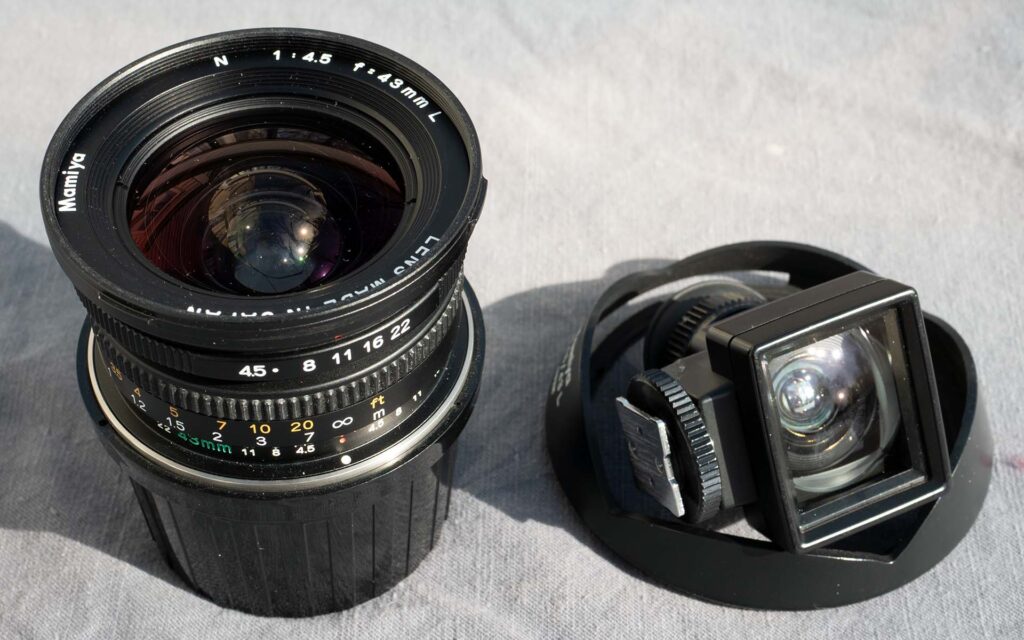
One thing that annoys me is that modern lenses don’t often come with focus markings, I have confidently guesstimated focus on many cameras and would be happy to try the same on a digital. If anyone else has tried this or wants to try I would love to hear there thoughts
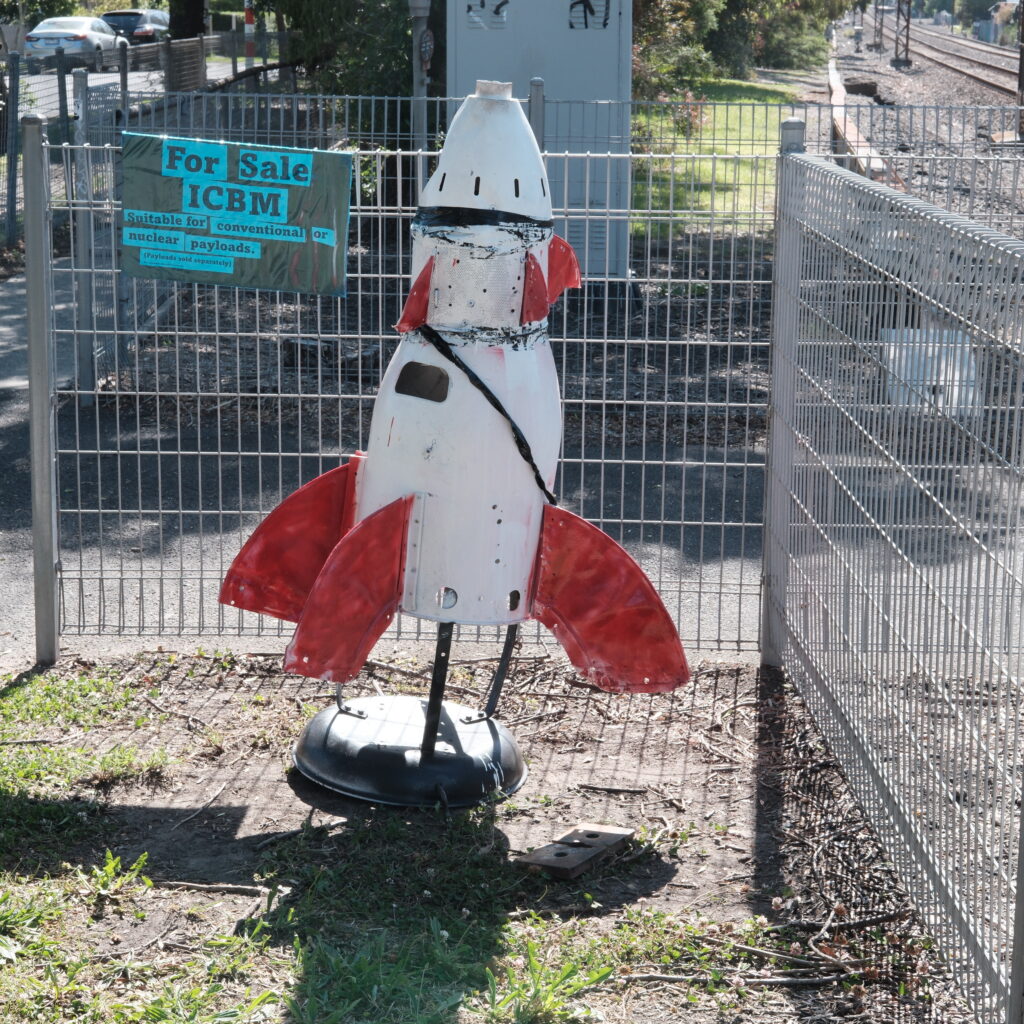
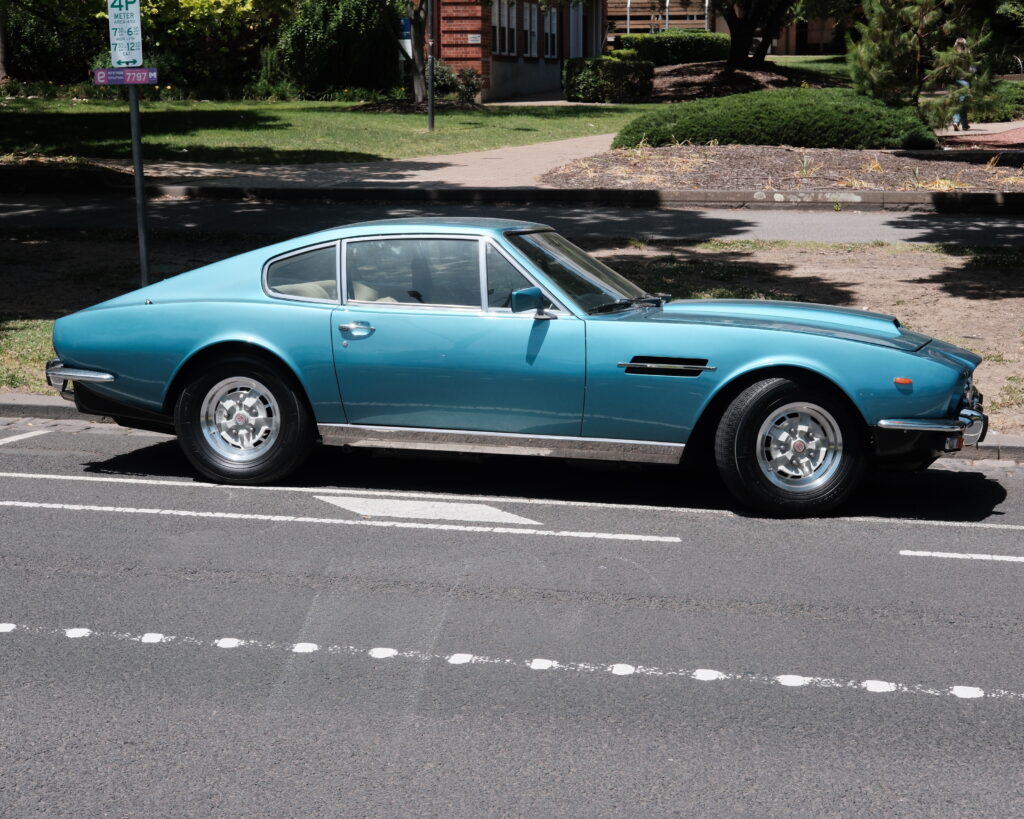
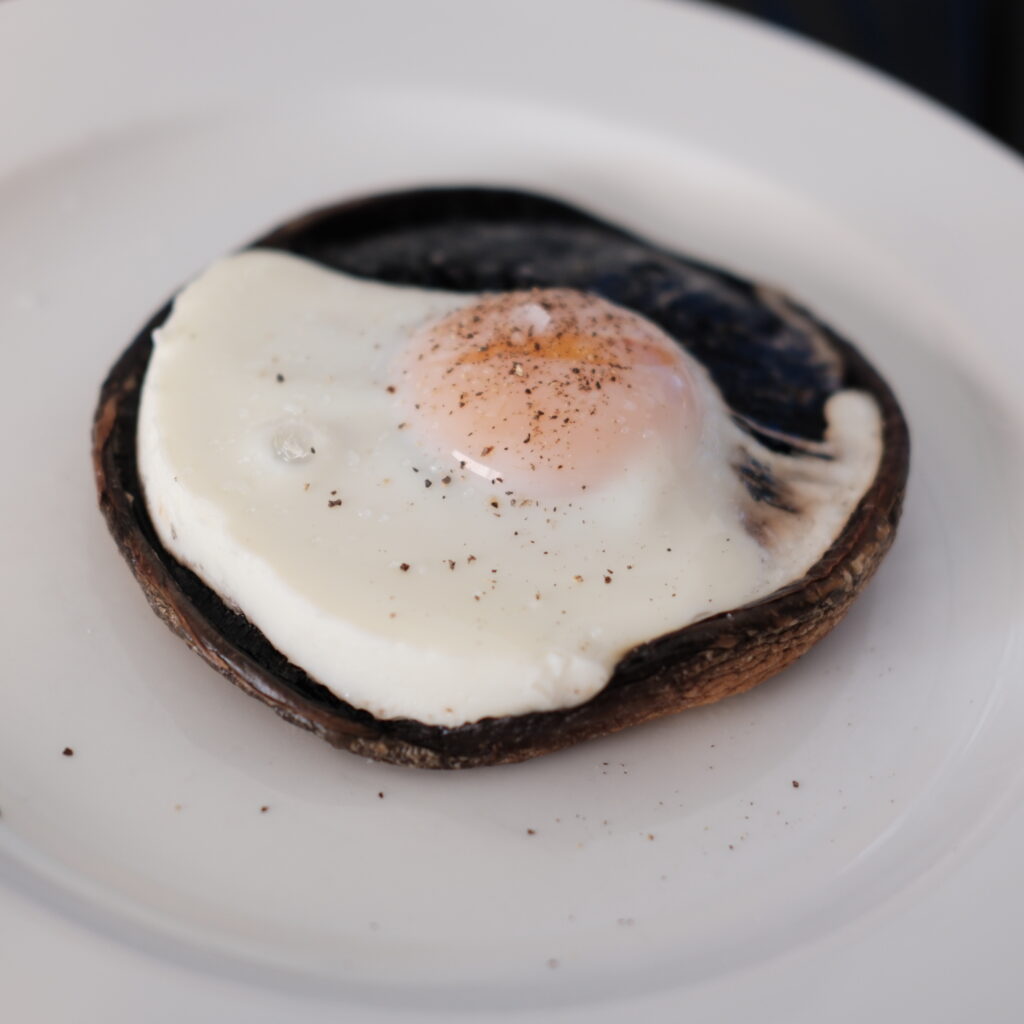
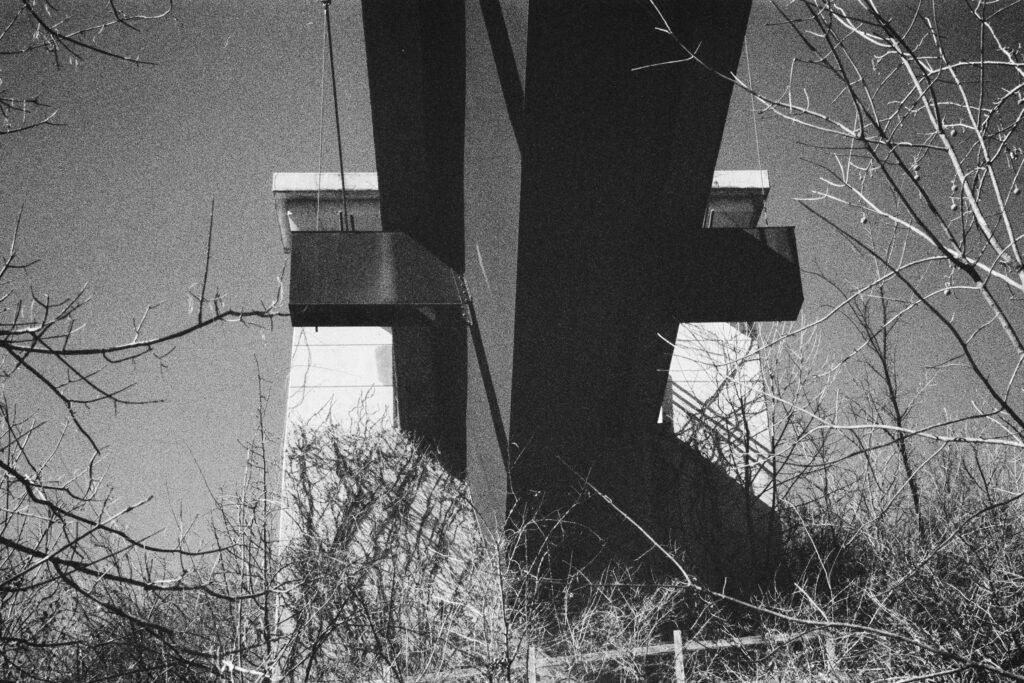
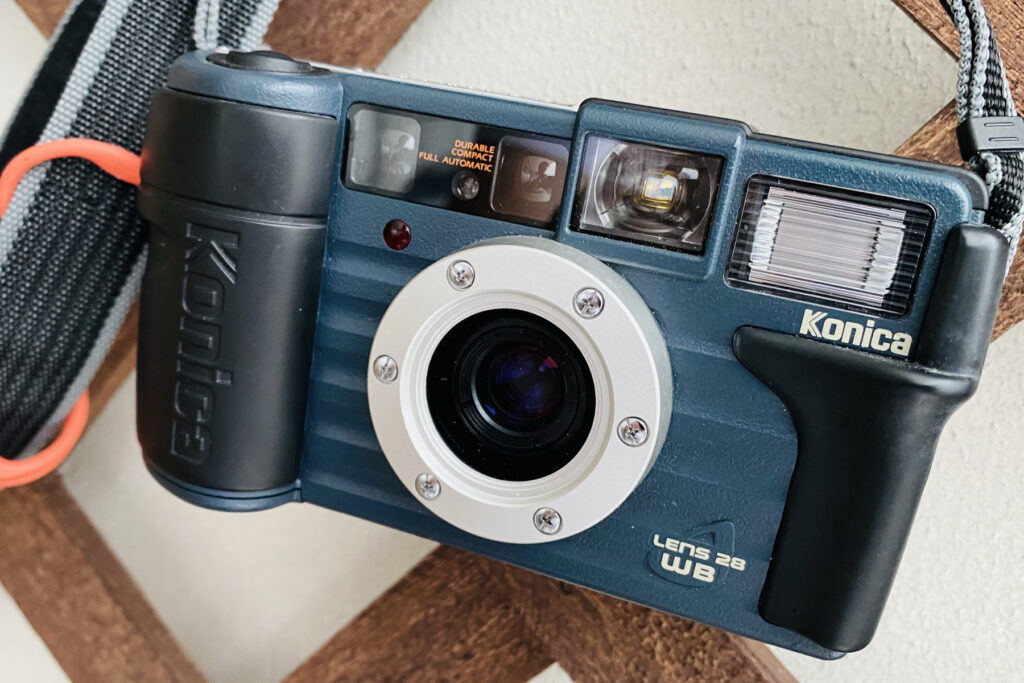
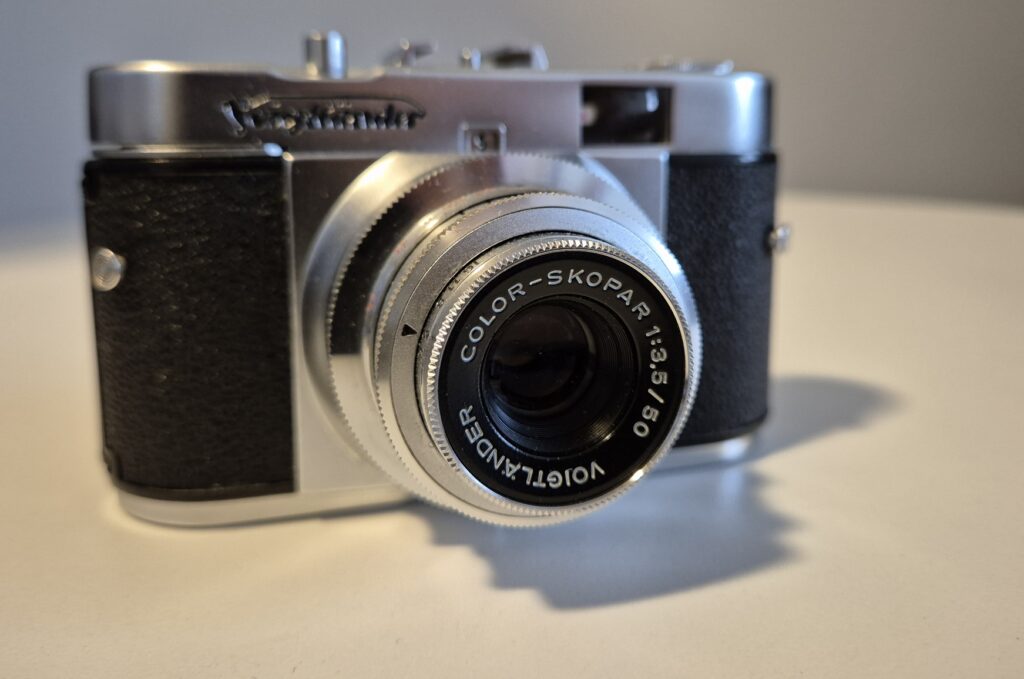
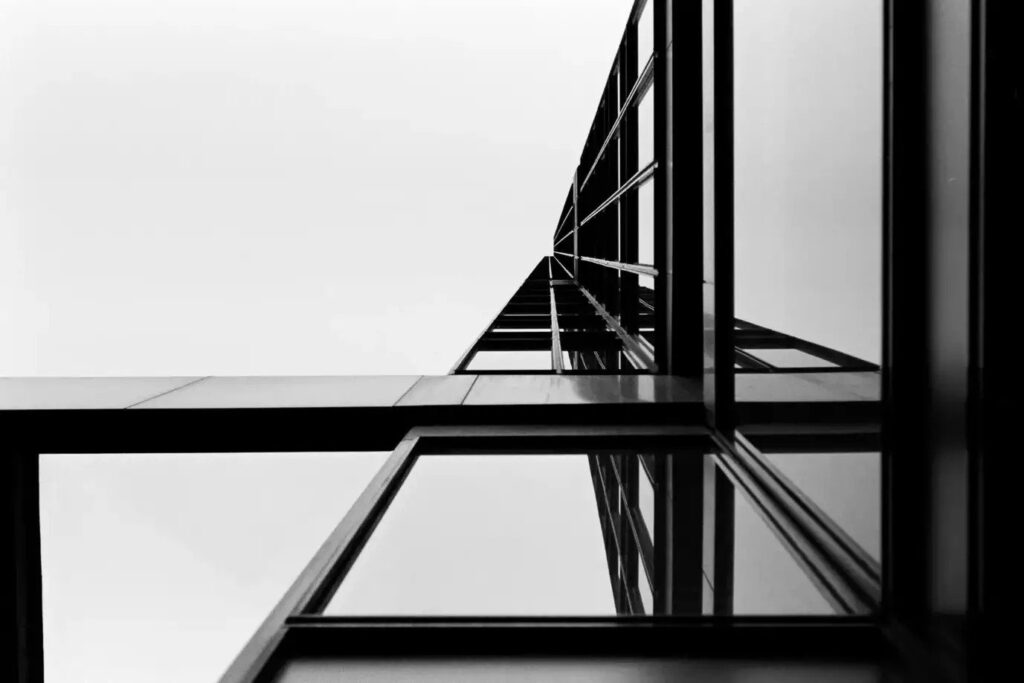
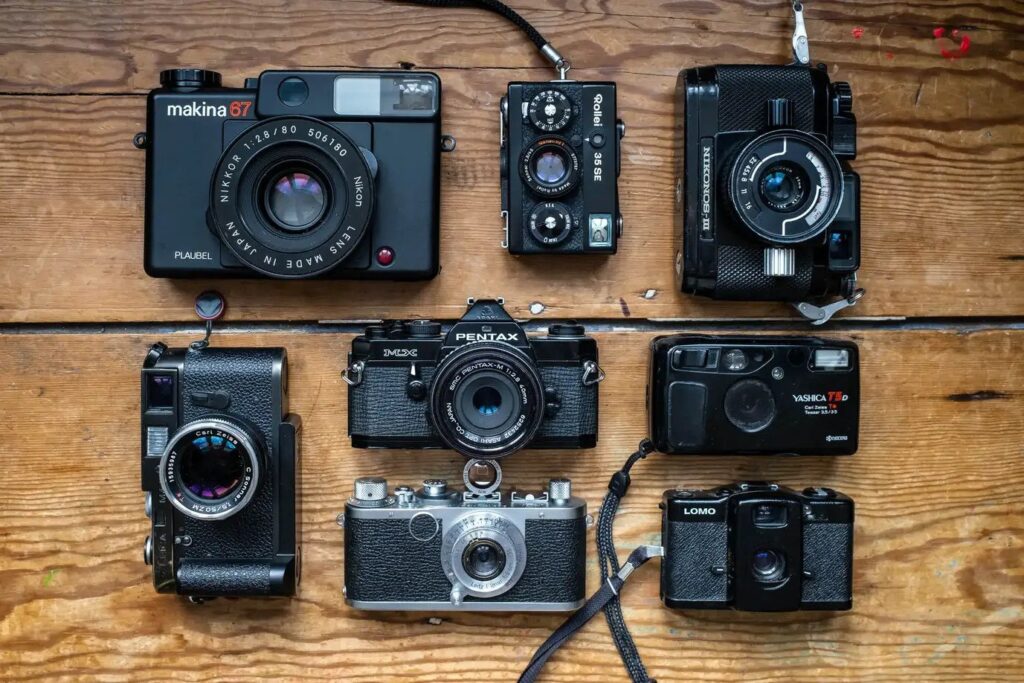
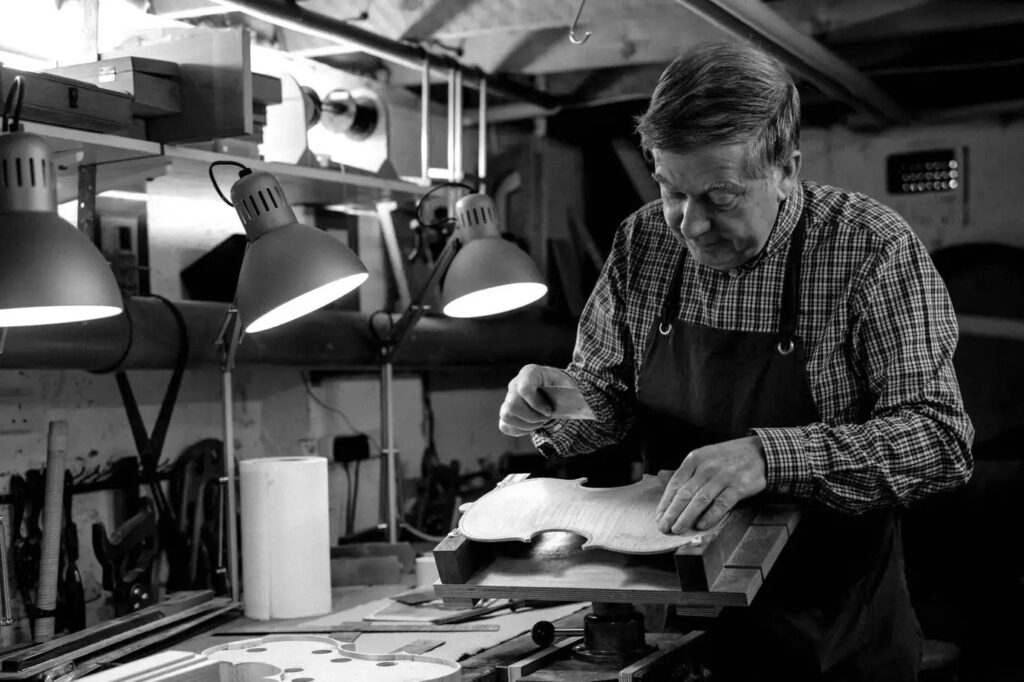
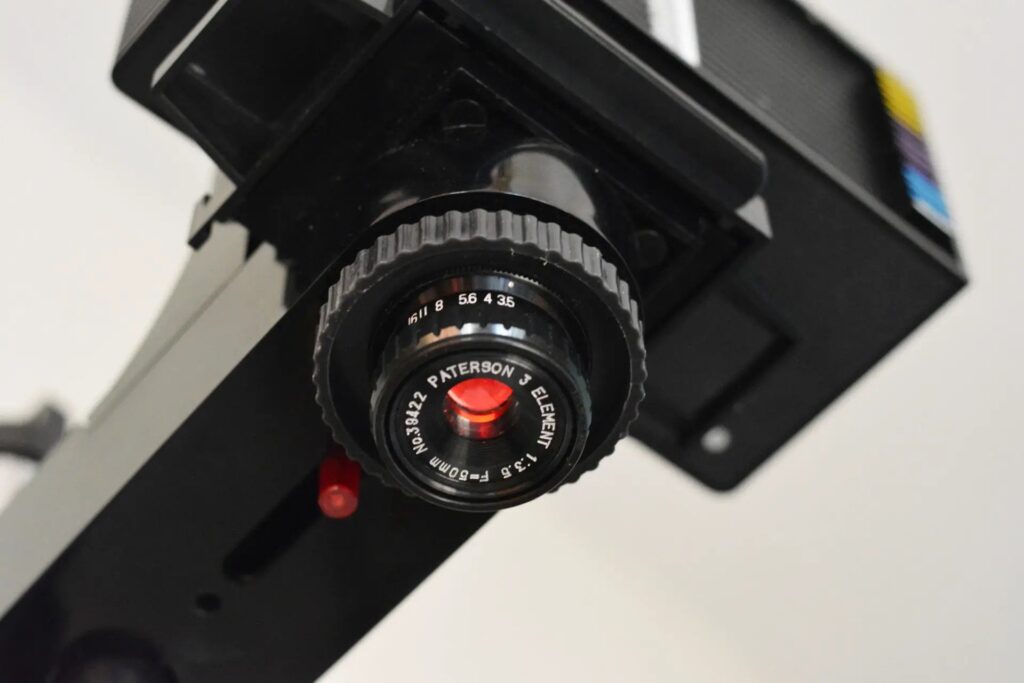
All photos were shot with a Fujifilm X-T5 set at 400 ASA using classic -chrome


Share this post:

Comments
Miguel Mendez on 5 Frames with a Fujifilm X-T5 – Back to Basics Naturally
Comment posted: 04/02/2026
Marcus Gunaratnam on 5 Frames with a Fujifilm X-T5 – Back to Basics Naturally
Comment posted: 04/02/2026
Comment posted: 04/02/2026
Comment posted: 04/02/2026
Sroyon on 5 Frames with a Fujifilm X-T5 – Back to Basics Naturally
Comment posted: 05/02/2026
Khürt Williams on 5 Frames with a Fujifilm X-T5 – Back to Basics Naturally
Comment posted: 09/02/2026
Your use of the EVF as a continuous exposure preview is how I work as well. I think that’s disciplined seeing: deciding on exposure before the shutter fires. Fuji’s commitment to direct, physical controls is what makes that approach feel right to me; it’s not something most mirrorless systems encourage in the same way.
A small terminology note, offered gently: on a modern digital camera like the X-T5 the sensitivity setting is ISO rather than ASA, which is now a deprecated film standard. The exposure logic you’re describing is completely sound — it’s just that the language sometimes lags behind the technology, as it often does for those of us who learned on film.
I should also say that while I admire the manual focus mindset you describe, I personally lean heavily on autofocus these days — multiple eye surgeries mean I’d probably be done with photography without it. That said, the way of thinking you outline still feels very familiar.
Your post nicely captures why I moved to Fuji nearly ten years ago and stayed: these cameras are clearly designed by people who remember how photographers used to work, and who trust that memory rather than trying to abstract it away.
As David duChemin has said:
The hardest job of the photographer is seeing the way the camera sees.
Thanks for sharing this — it’s a quietly affirming reminder that digital can still reward intentional, hands-on photography.
Jeffery Luhn on 5 Frames with a Fujifilm X-T5 – Back to Basics Naturally
Comment posted: 10/02/2026
I laughed out loud at the ICBM shot!!! Can I show that to my photography students? The car shot (Iso Grifo?) looks like it's going 100mph while it's standing still. I have shot with Fujifilm cameras and I love their layout and feel. I wish they had come out earlier. I'm so invested in Nikon that a new brand would be an expensive distraction, but if a deal comes up on one, I may bite. Regarding auto-focus: I could not live without it. Of course my vintage folding cameras are rangefinders, and my various TLRs are ground glass...and they are difficult for my 73-year-old eyes. My Pentax 645N has auto focus and for being an old camera, it's spot on. Super fast focus, even at dusk. To each his own. Keep posting!