

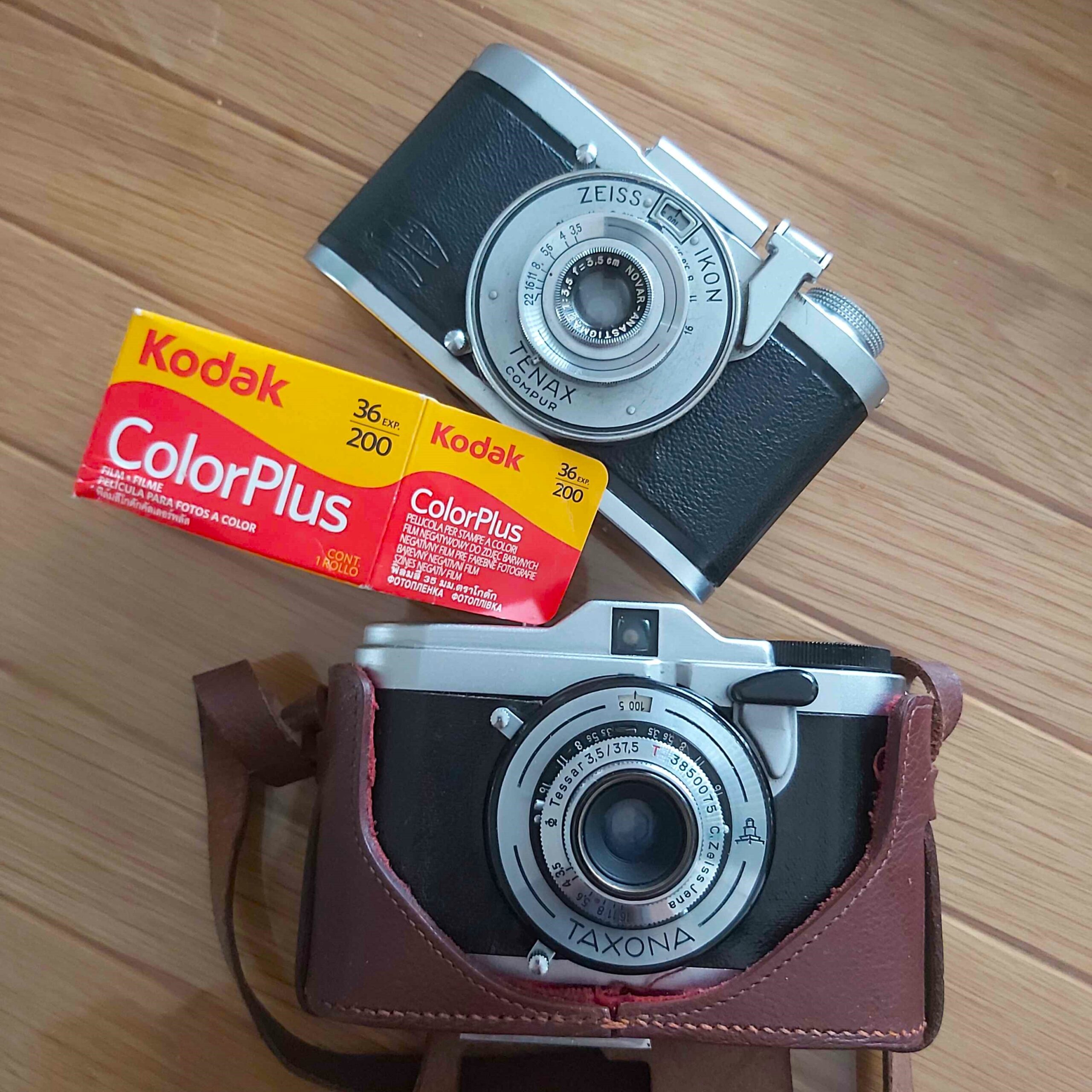
I read plenty about pushing film when I dived into film photography a few years ago: you willingly underexpose your pictures and later compensate in development, leaving the film longer in the chemicals. The main outcome expected from pushing is more contrast to your images. Sometimes, one pushes film because of this boost in contrast; sometimes, because one only had 100 speed film on their person but the situation called for a more light-sensitive stock; and some other times it’s because one forgot to change ISO settings and left those at 100 instead of 400. Pulling film does the opposite: it creates “flatter” images, i.e. less contrasted images.
Results for pushed black and white stocks are plentiful online. Some photographers are daredevils, like atticdarkroom on YouTube (I love the guy), who pushed Portra 400 to 12800 and Pan F to 3200. He also pulled HP5 down to EI 5! As one of the few to experiment pulling to such degrees, he too probably asked himself why finding images of pulled stocks were so sparse (and realised why): why would one willingly choose to shoot film as if it were less light-sensitive than it actually was? After all, don’t we all want faster film? Aren’t all the young and hip photographers of the Internet shooting decade-long expired Superia 800 or Natura 1600?
Well, for fun! And experience’s sake. I know that modern negative emulsions are incredibly tolerant to overexposure, but again, I just wanted to know what it’d look like.
This experiment was mainly inspired by these two pages taken from the National Geographic Photographer’s Field Guide, from 1981.
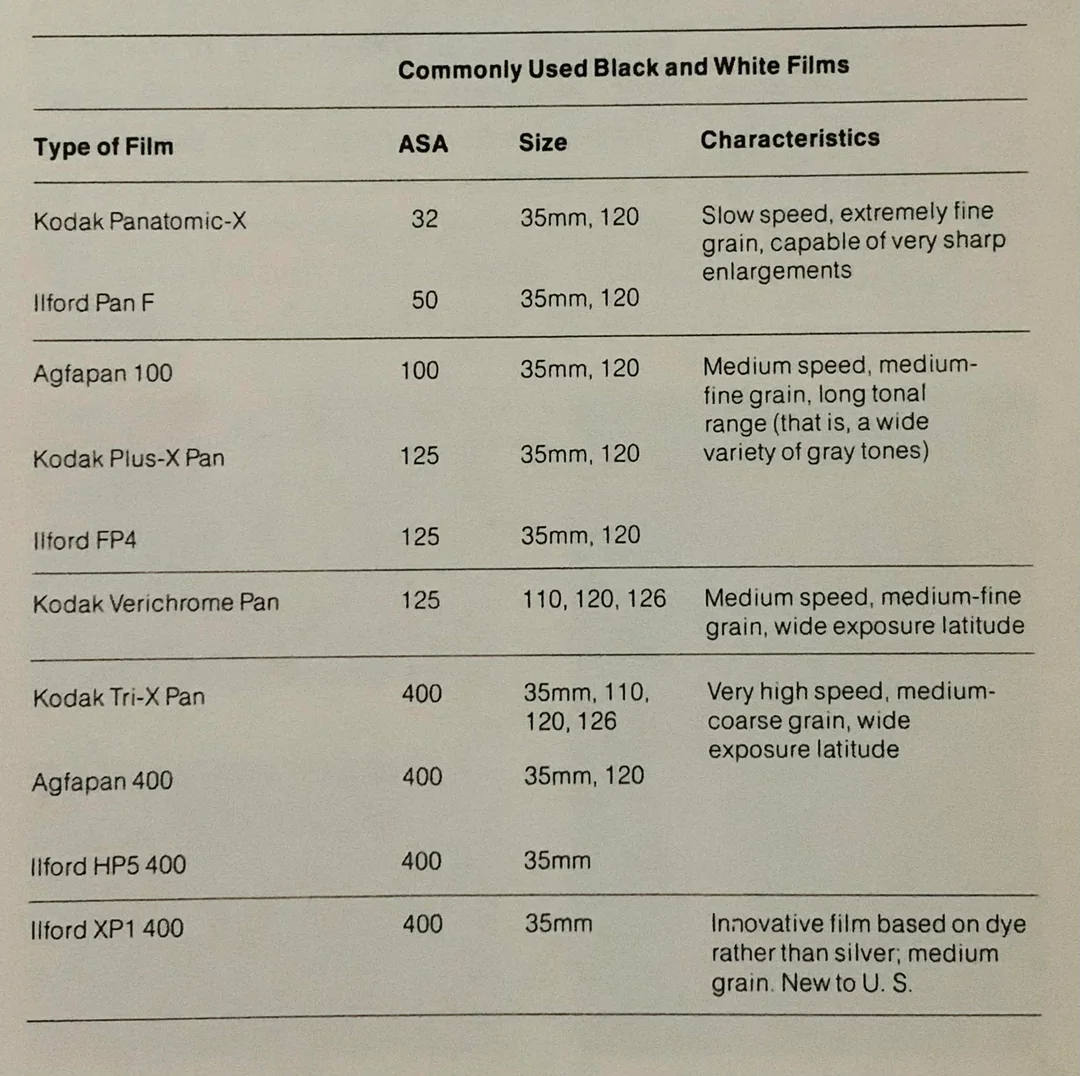
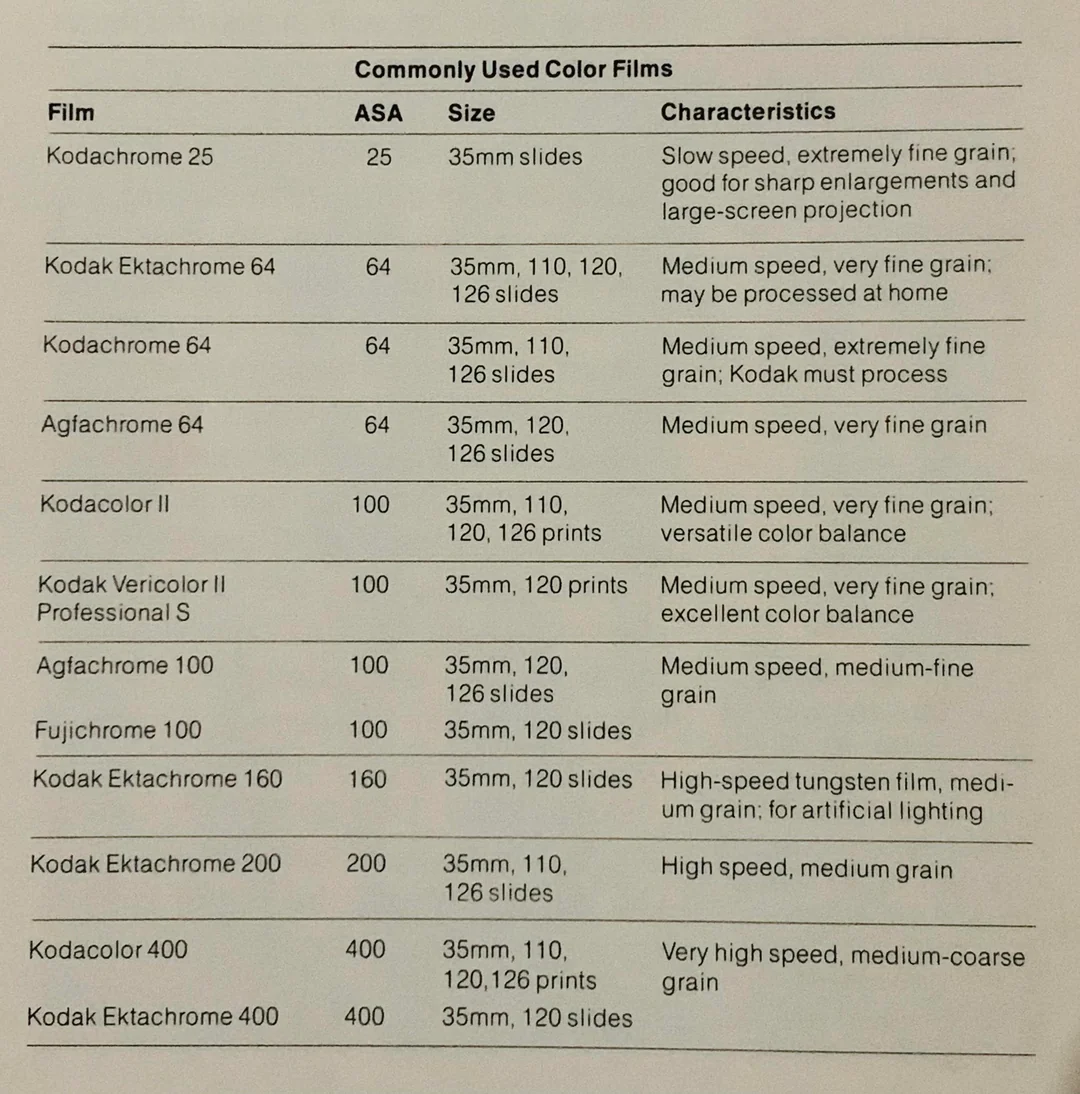
The slower the film, the finer the grain must be, surely? Well…
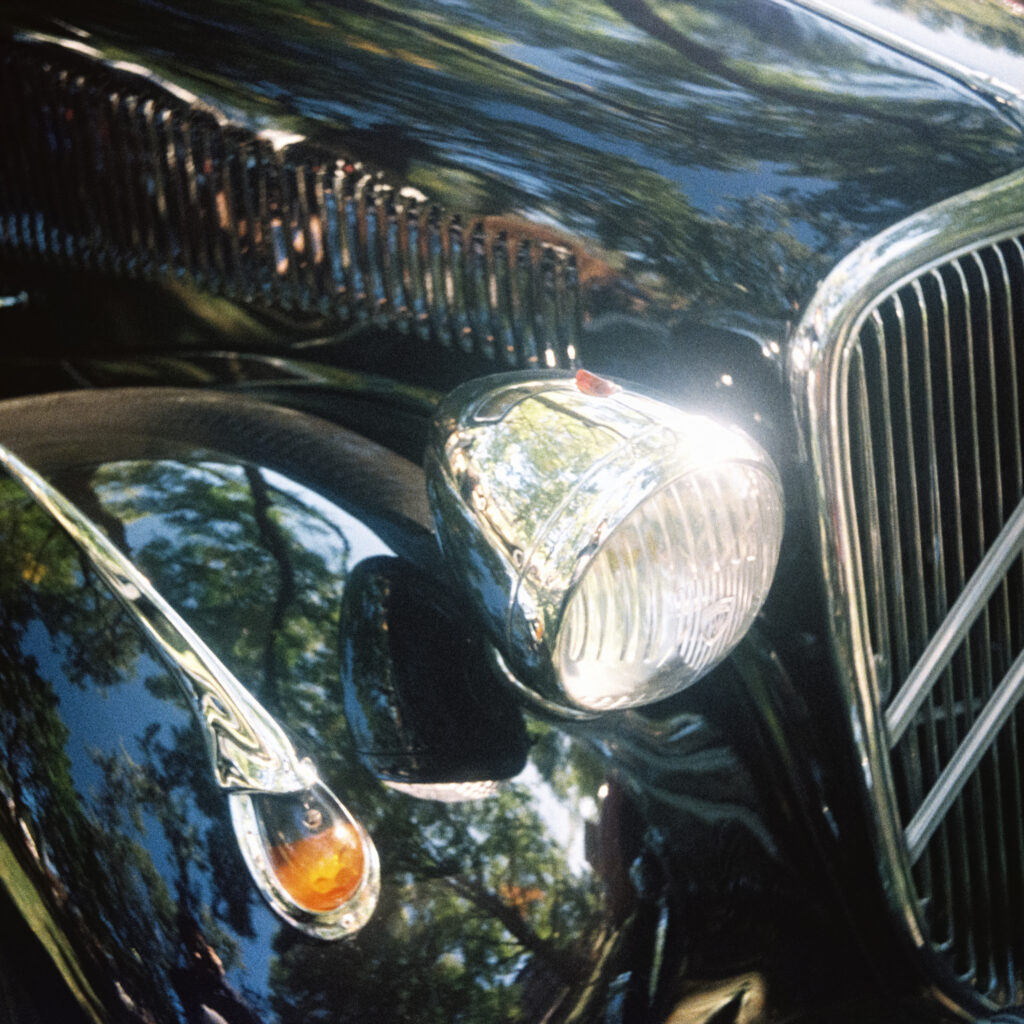
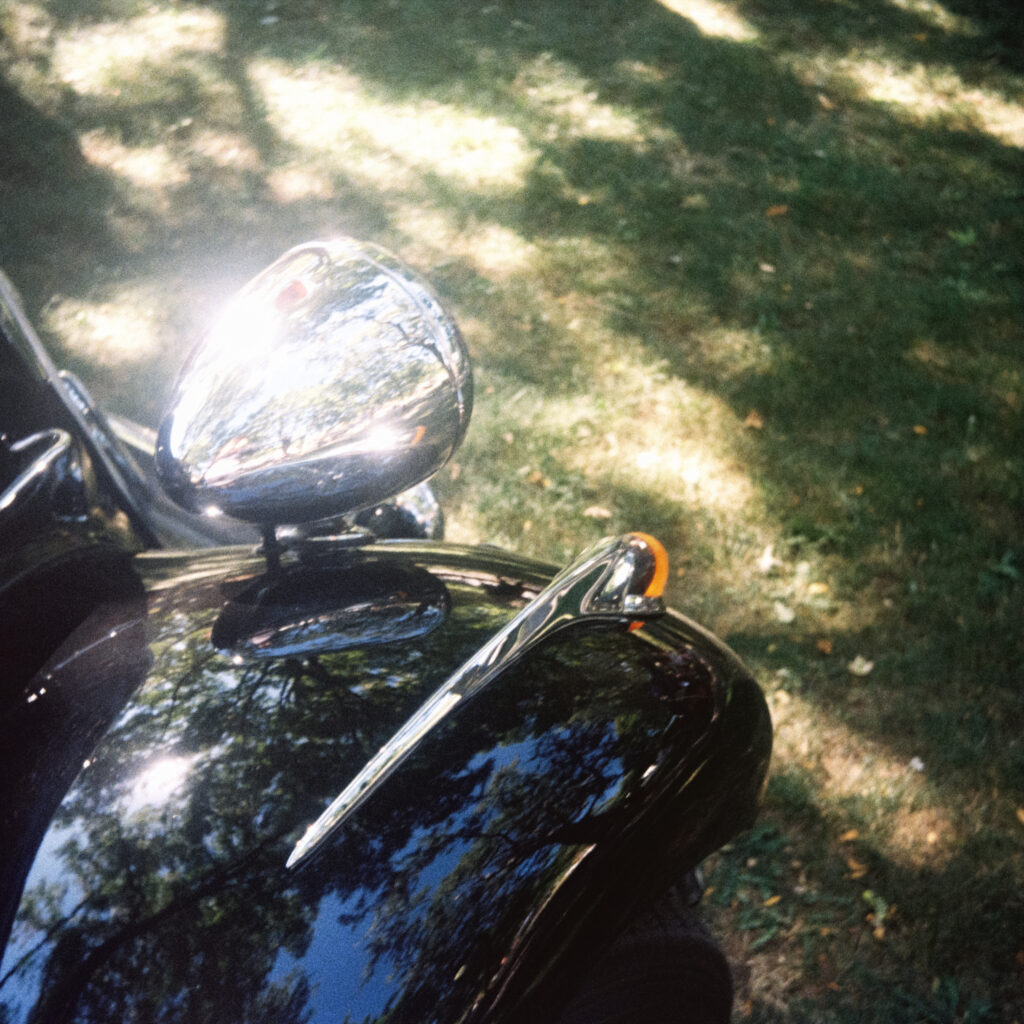



Oh dear. I shot a roll of Ultramax 400 and of Kodak Gold 200 at EI 25. Ultramax is an all-around, competent film, but it is grainy, even pulled. The same goes for Gold. On the bright side, the scans don’t look particularly flat to me. I overexposed Ultramax by four stops (EI 25) but only asked the roll to be pulled by three (EI 50). The lab I chose developed both rolls but on my second visit, one of the lab technicians refused to pull three stops for the Gold roll. He explained to me that by two stops the developing times were quite short and that any shorter would cast a magenta tint. As such, these pictures are all overexposed by at least one stop.
I thought this would be a good “hack” if one wanted finer-grained film with “coarse” consumer film, but I guess not! I think I’ll try Ektar 100 and Vision3 50D next…
Share this post:





Comments
Geoff Chaplin on 5 frames of pulling color film two stops for no good reason
Comment posted: 07/12/2025
Huy Tran on 5 frames of pulling color film two stops for no good reason
Comment posted: 09/12/2025
Omar Tibi on 5 frames of pulling color film two stops for no good reason
Comment posted: 13/12/2025