

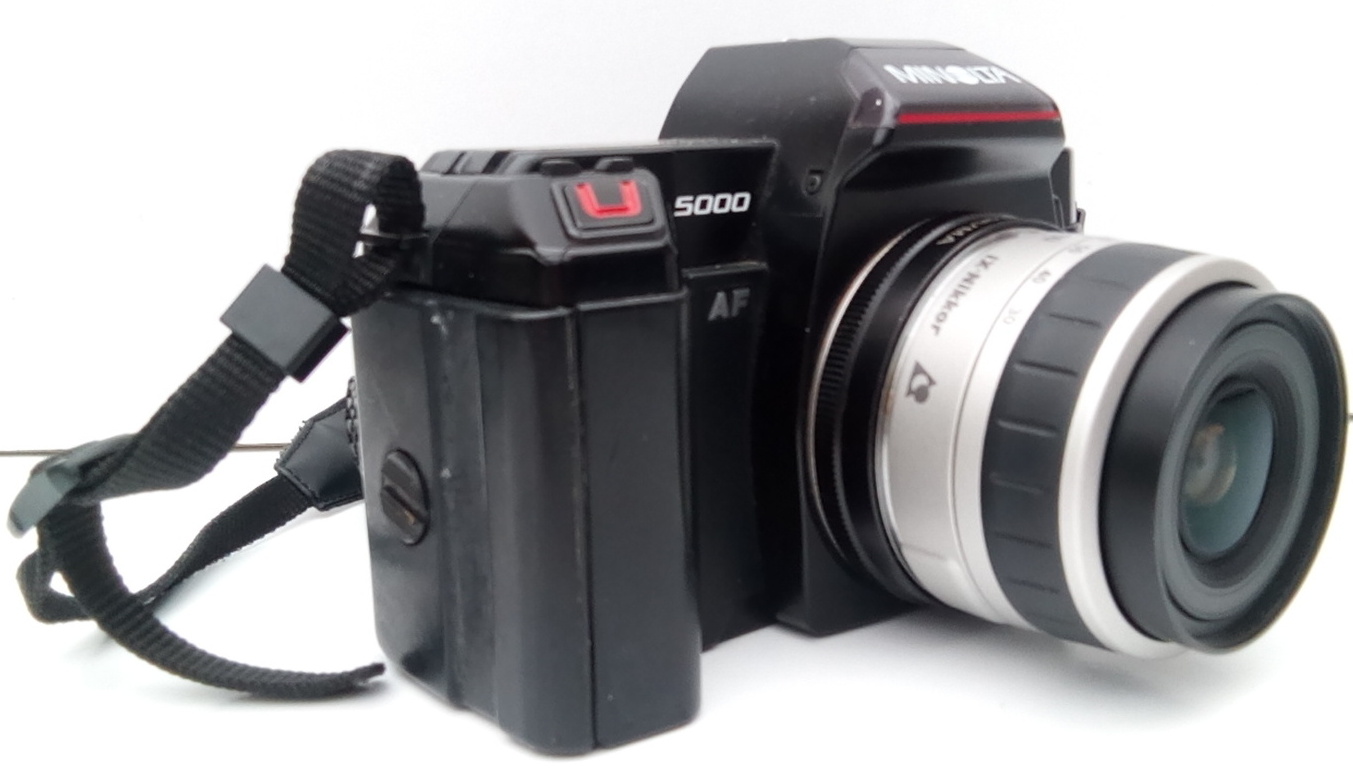
I am writing here of the Nikon Pronea S, more specifically the APS Nikon 30-60mm lX kit lens that could not be used on any other Nikon brand SLR camera because the camera end of the lens protruded too far out of its barrel; it would hit the mirror on the upward lift when taking a photograph.
I held on to my Pronea in what I thought would be a vain hope that at some time I would be able to sort out this conundrum or at least Nikon would. With Nikon, that never happened.
My first attempt at making the lens useful again was to buy an adaptor for one of my M42 screw cameras (Zenit TTL to be exact), thinking that I would be able to adapt the normal Nikon ‘F’ lens flanges to the Pronea IX lens fitting (it was only later I discovered that the Pronea fitting is Nikon AI). This did not work as the flanges could not be adapted, although it solved the lens protrusion issue. I left it for a few years and then, on an impulse, thought I would try again.
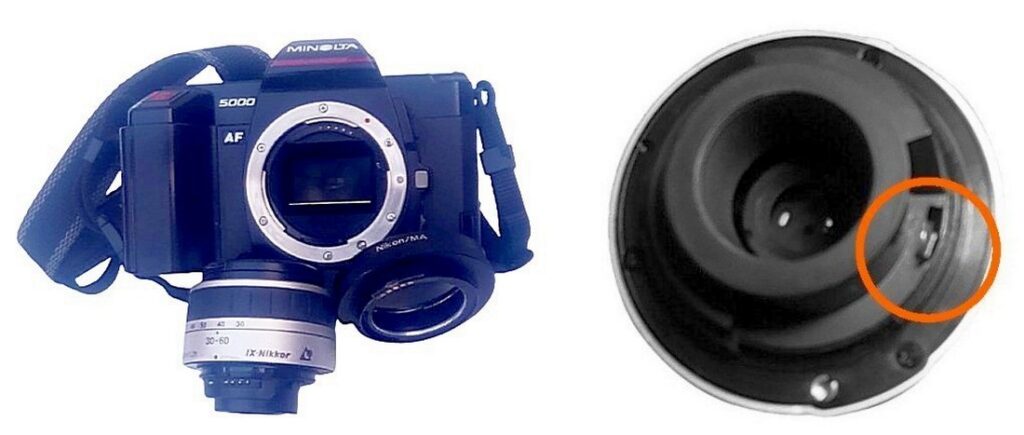
I had, quite by chance, seen an advert for an adaptor from Minolta ‘A’ lens to Nikon AI, so I thought ‘why not’, the adaptor was not expensive and in my collection of film cameras I had a Minolta 5000AF, which is a Minolta ‘A’ mount camera. Much to my surprise, the camera adaptor fitted perfectly, as did the IX lens to the other end.
I now had a 35mm camera to which the IX lens could be fitted, and because of the depth of the adapter, the lens would not hit the camera mirror. Now that the physical issue of fitting the lens had been solved, it was time to explore if any of the electronics worked; in short, they didn’t. Although the contacts on the adaptor seemed to be lined up with those on the lens and the adaptor with the camera’s, the electronics were dead, so no auto focussing etc. What I did have, though, was the auto exposure meter, which is integral to the Minolta camera, and a very, very small Fresnel screen in the viewfinder (none of the other inbuilt focusing aids, ie split screen, etc, worked as they depended on the electronics but not the Fresnel). Thankfully, there is the ability to adjust the focusing manually on the lens.
This brought me nicely to the next issue. The lens, because there were no electronics, was fully stopped down to not much more than a pinhole and I wondered whether there would be enough ambient light through the lens to make focusing possible. I decided to take a chance.
So off I went camera with lens and tripod in hand. The first subjects for photographing were some of the weather-beaten gnomes (I know, not everyone’s cup of tea) in the garden but I do believe they enjoyed the attention. The exposures were necessarily long, over 1 second or longer because of the aperture. After taking a couple of exposures I realised and metaphorically kicked myself for not remembering to put the viewfinder blank in place, (we’ve all done it), absolutely necessary for the length of exposure required; as the shoot went on I did not forget again.
The focussing was very difficult not so much for more distant scenes but for relatively close use. This is where a viewfinder eyecup would have been really helpful when composing a picture as it would have kept out extraneous light whilst trying to focus using the minute Fresnel screen. Unfortunately it was the one Minolta accessory that I did not have. Another issue with the lens is that the focal plane was not exactly aligned with the film plate at the back of the camera because of the adaptor; to correct this the lens needed to be set off to the right of infinity by a smidgin (and I mean a smidgin) otherwise the landscape photos would have been seriously out of focus but I think I just about managed it with the landscapes; bearing in mind the limitations of the ultra-small aperture.
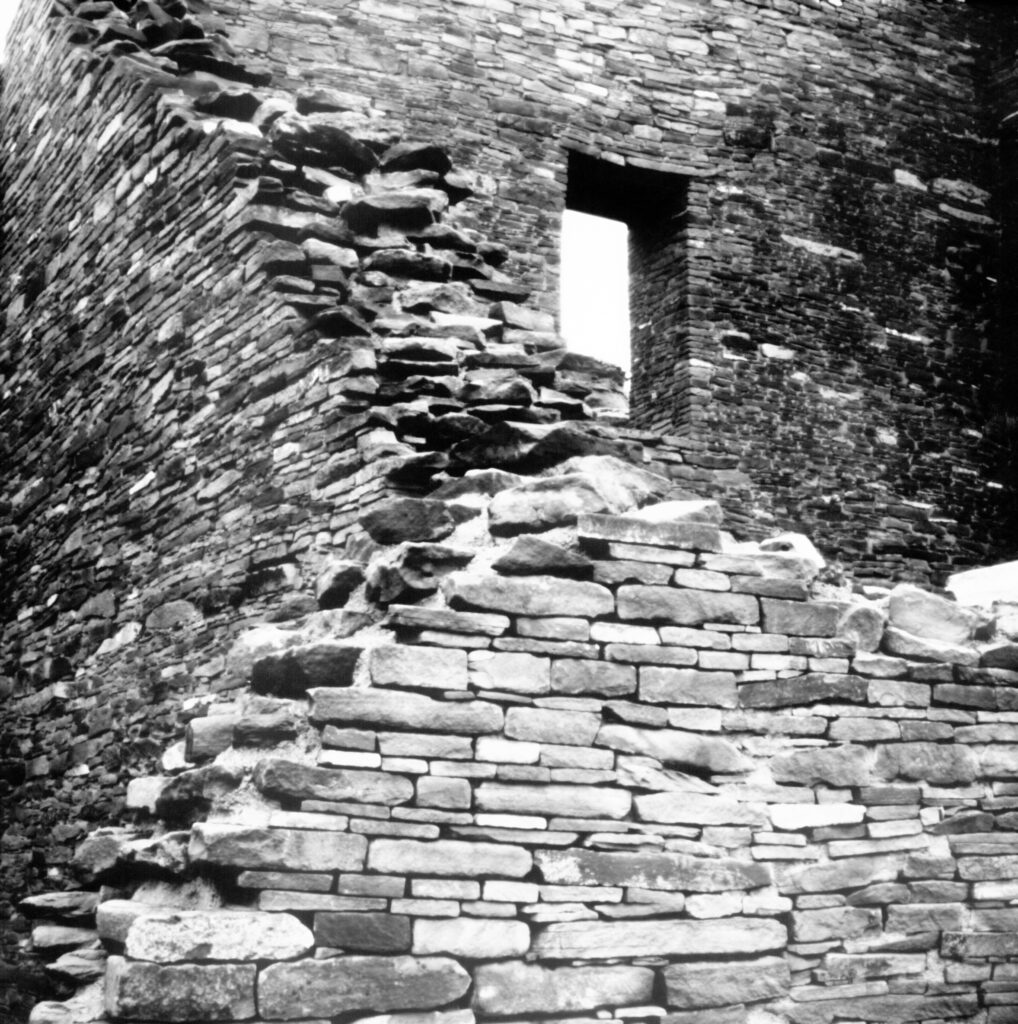
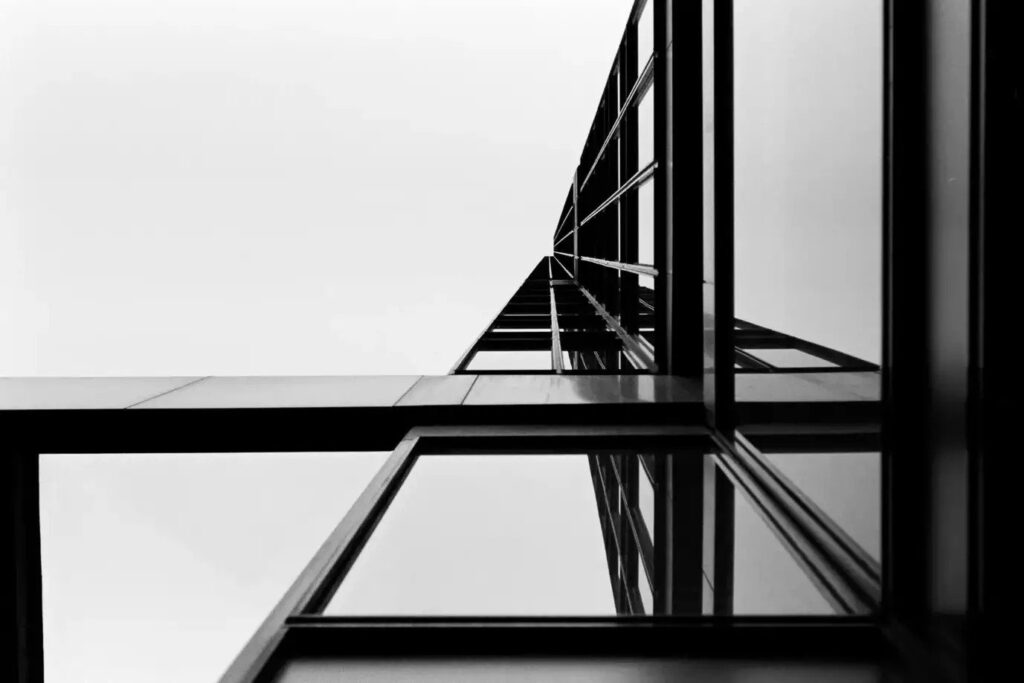
Here are the resulting photo’s:
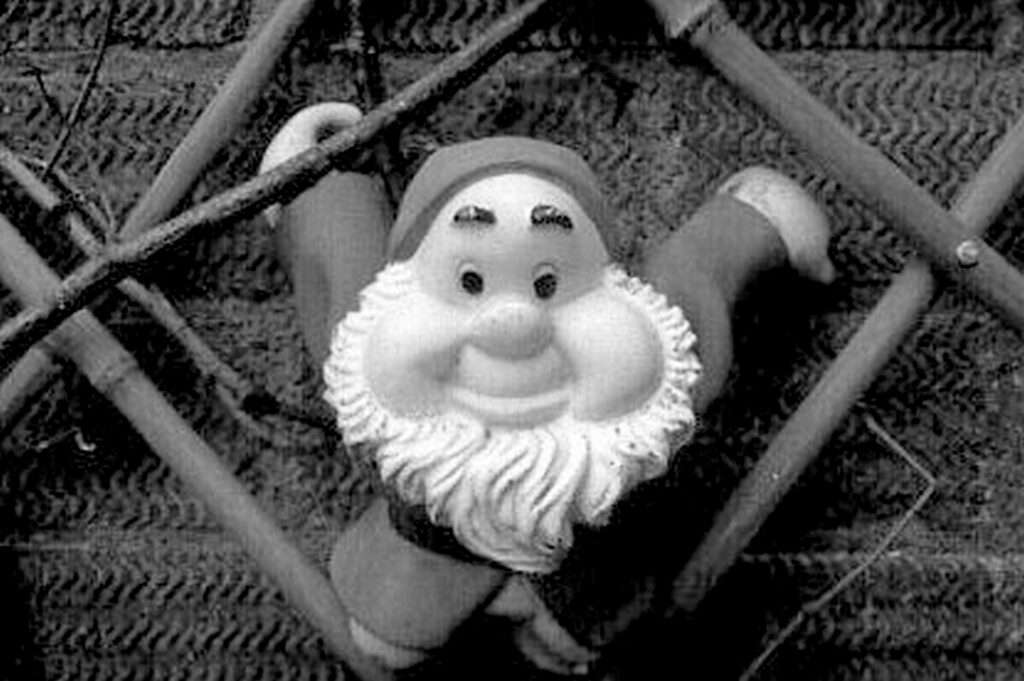
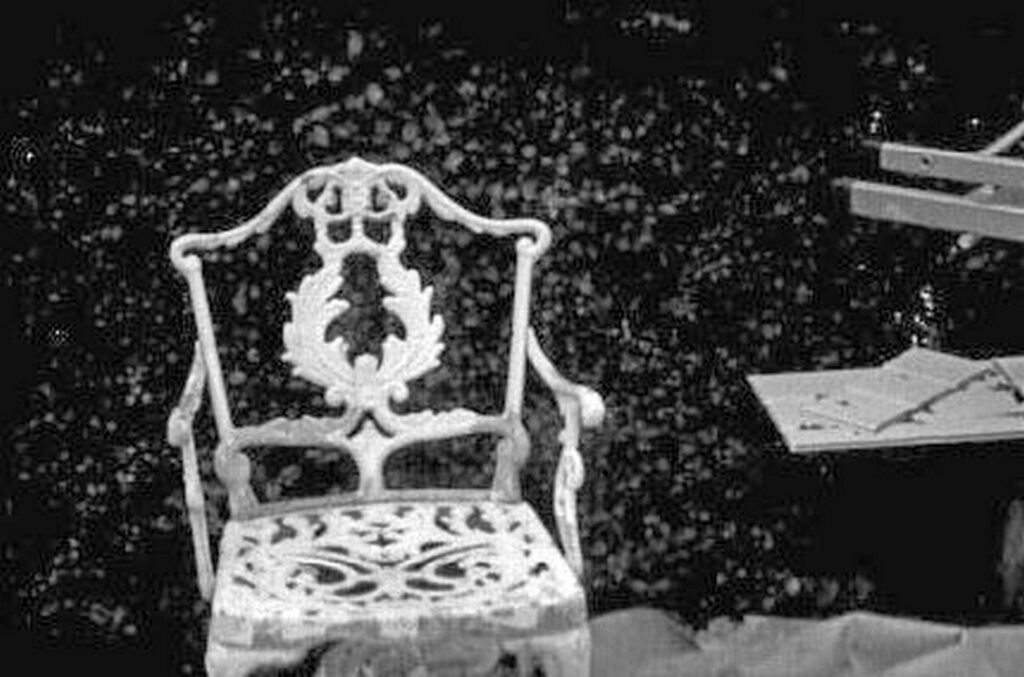
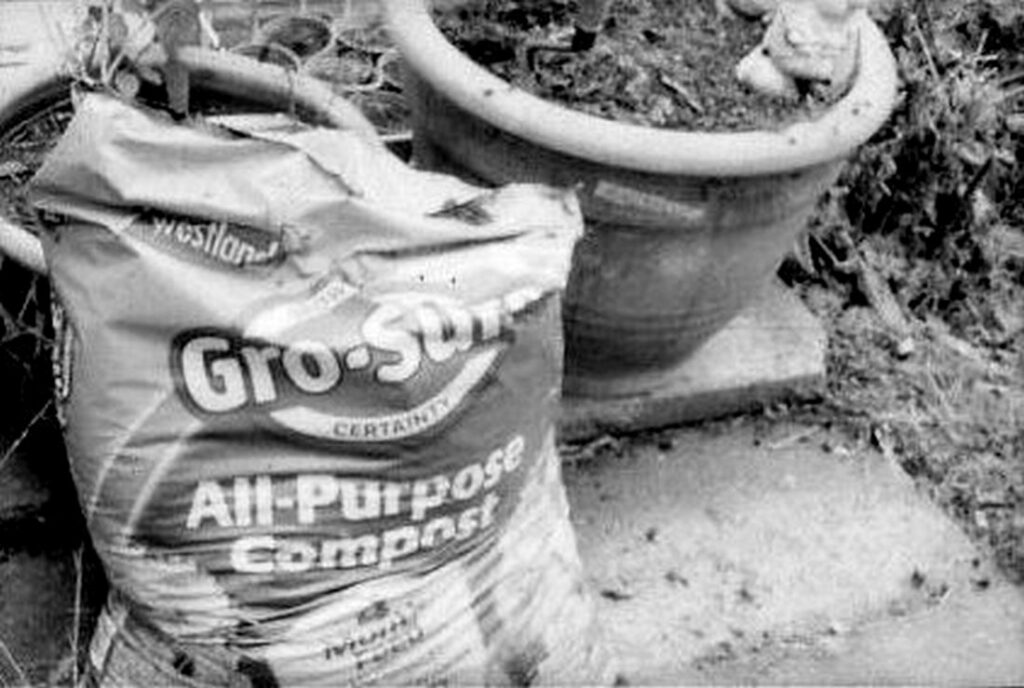
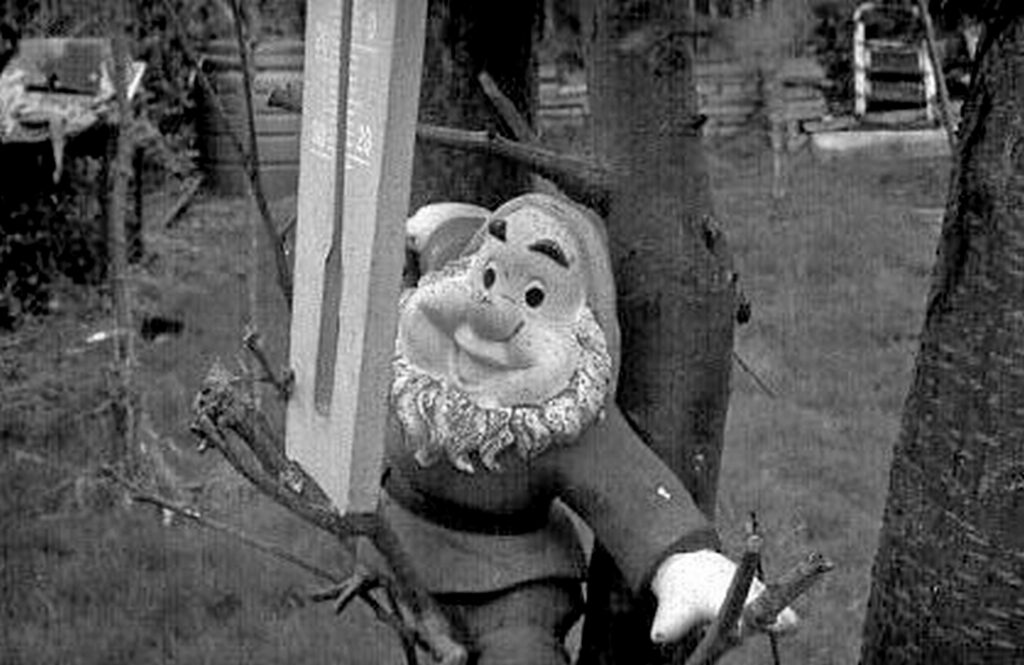
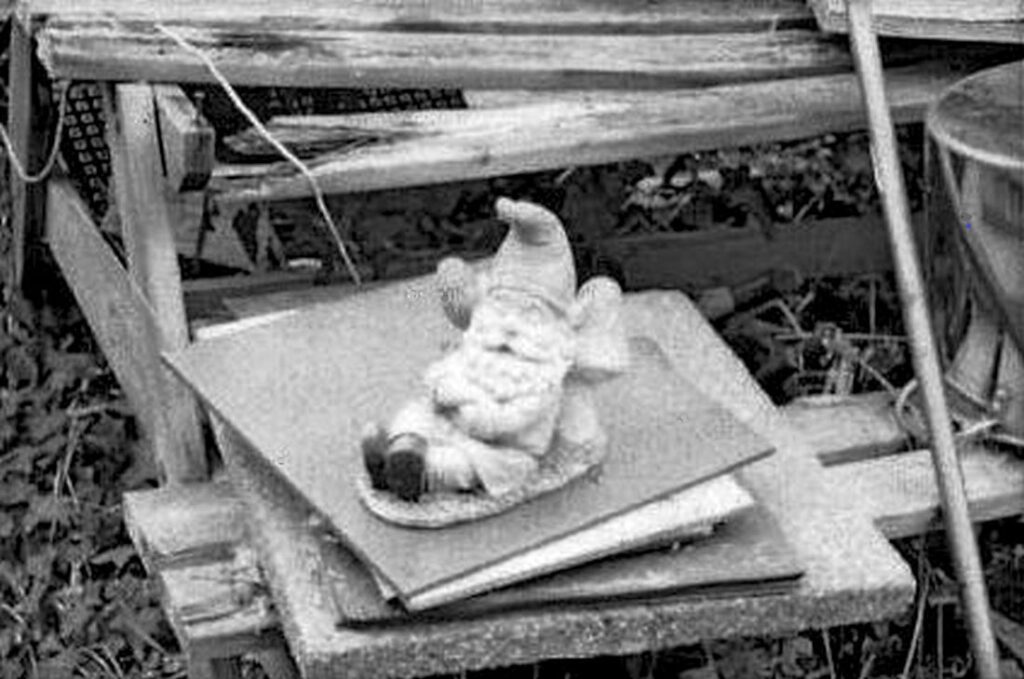
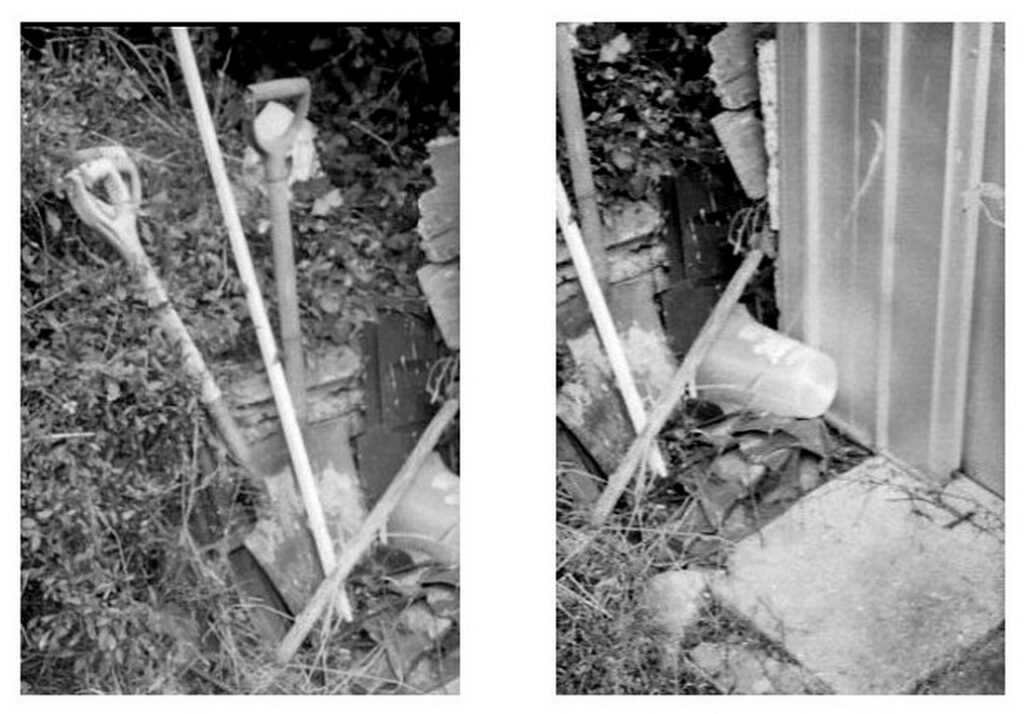
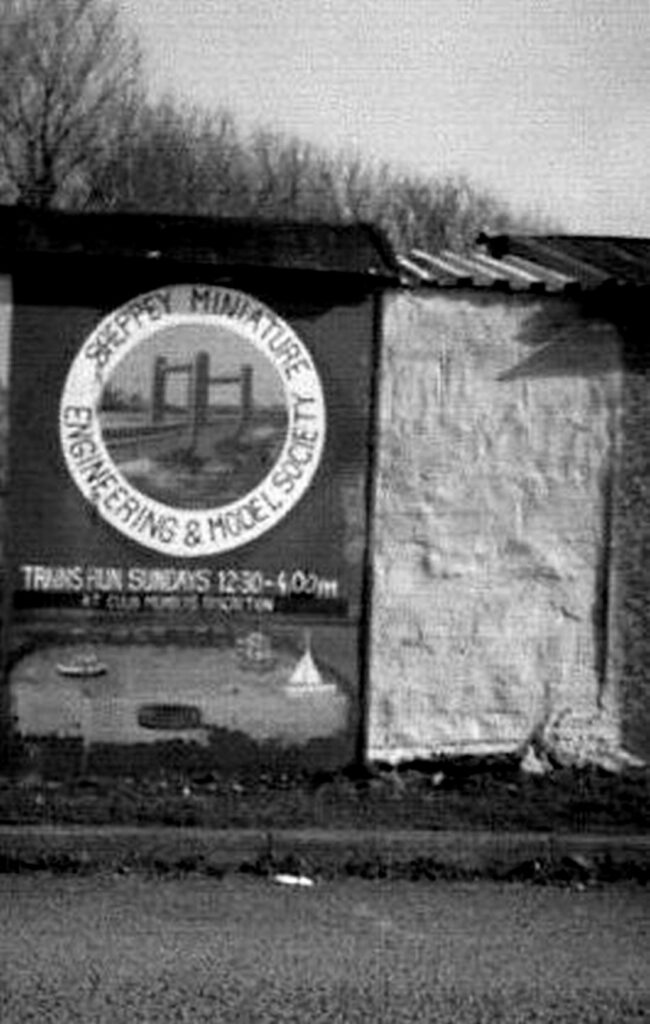
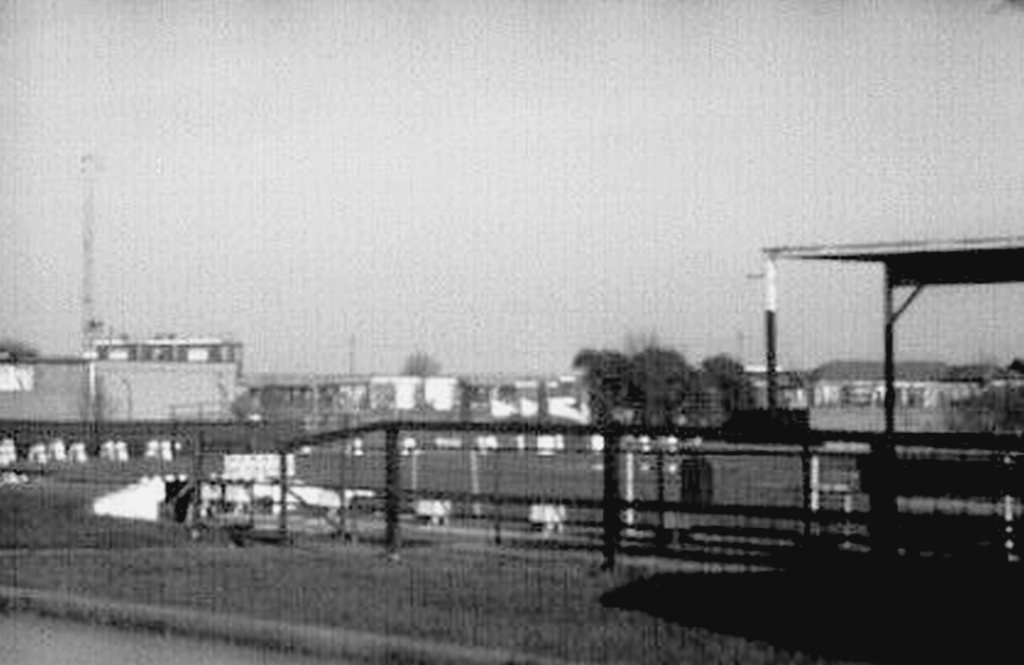
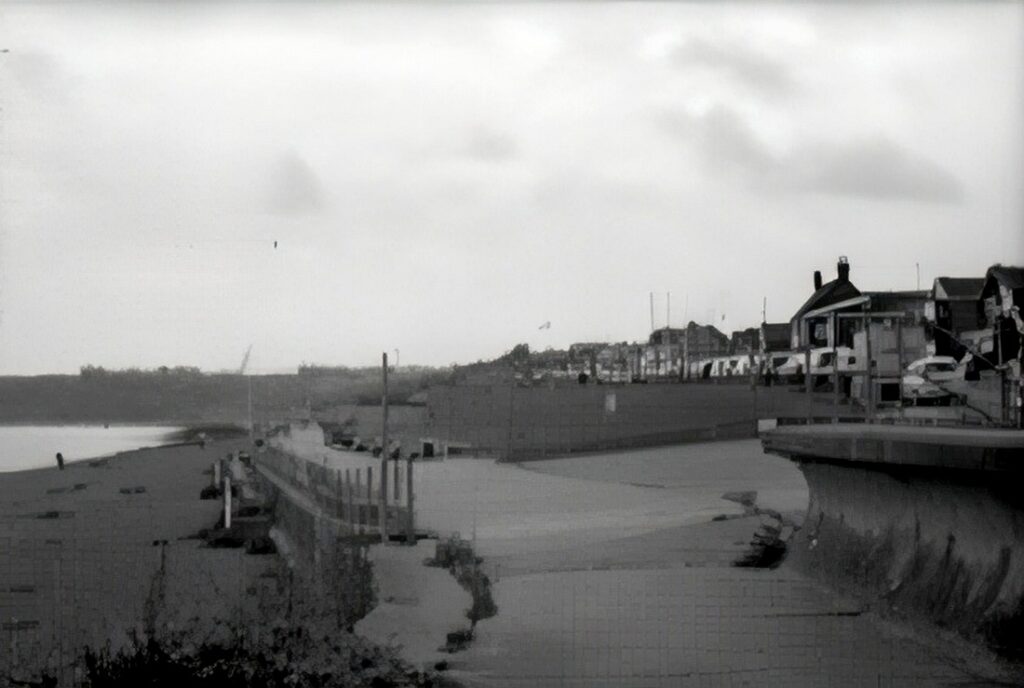
The lens is excellent and gives reasonable images with moderate clarity and detail and no soft edges and this is particularly impressive especially as it was never designed for my Heath Robinson set up. You will see where I did not get the smidgin of a turn to the right quite correct in the two landscape shots; the final coast shot is best. What I later discovered was the there is a aperture adjustment lever near the base of the lens which would have been operated by the camera electronics. The lever now however would need to be set manually. I did try to open the aperture more after taking the photo’s using my always go to ‘fix all’ (Blu Tack) as I did not want to damage the lens but the lever always slowly crept back. I now believe I will have to insert a tiny sliver of wood to the required horizontal distance, in the slot, should I decide to take the camera/lens out again, which is unlikely, much as I like the lens. Something to be careful of when using the sliver if wood method is that the sliver needs to be recoverable as there is a void underneath the slot which would ruin the lens mechanism if it were to slip in. The photo below shows where the lever is (to the right near the rim, just below the the centre) should anyone else wish to try this arrangement of lens and camera but make the lens aperture larger than the completely stopped down one that I used.
I really enjoyed this ‘proof of concept’ project and proves, I think, that if you wait long enough the answer will come… or perhaps I am just an optimist!
As I really liked this lens I will remount it on to its original Pronea S body and put some well OOD APS film through it and see what happens. Alternatively I may well adjust the lens aperture, but not using Blu Tack this time, and use it on the Minolta 5000 again; this should give better focusing. Watch this space. The other mistake was to use 100asa film, 400asa would have been far better vis a vis the aperture size.
Technical: Camera: Minolta 5000AF, Lens: IX-Nikkor, Film: Agfa APX 100, Scanner: Epson Stylus SX415 adapted to scan film, DPI: 300, Developer: Foma Universal (1+3)
Share this post:

Comments
Gil Aegerter on Nikon IX 30-60mm – Resurrection of a Redundant Lens
Comment posted: 09/01/2026
Bob Janes on Nikon IX 30-60mm – Resurrection of a Redundant Lens
Comment posted: 09/01/2026
Jeffery Luhn on Nikon IX 30-60mm – Resurrection of a Redundant Lens
Comment posted: 09/01/2026
Quite an interesting journey to overcome several obstacles. This reminds of the Beatles lyric, "The amazing mr K performs his feat on Saturday, jumping through a hogshead of real fire." The glut of gear in the world that works well allows me to sidestep activities like the ones you enjoy! Keep posting, as we all enjoy your stuff. Jeffery
Walter Reumkens on Nikon IX 30-60mm – Resurrection of a Redundant Lens
Comment posted: 09/01/2026
https://www.digicamclub.de/showthread.php?t=25559