

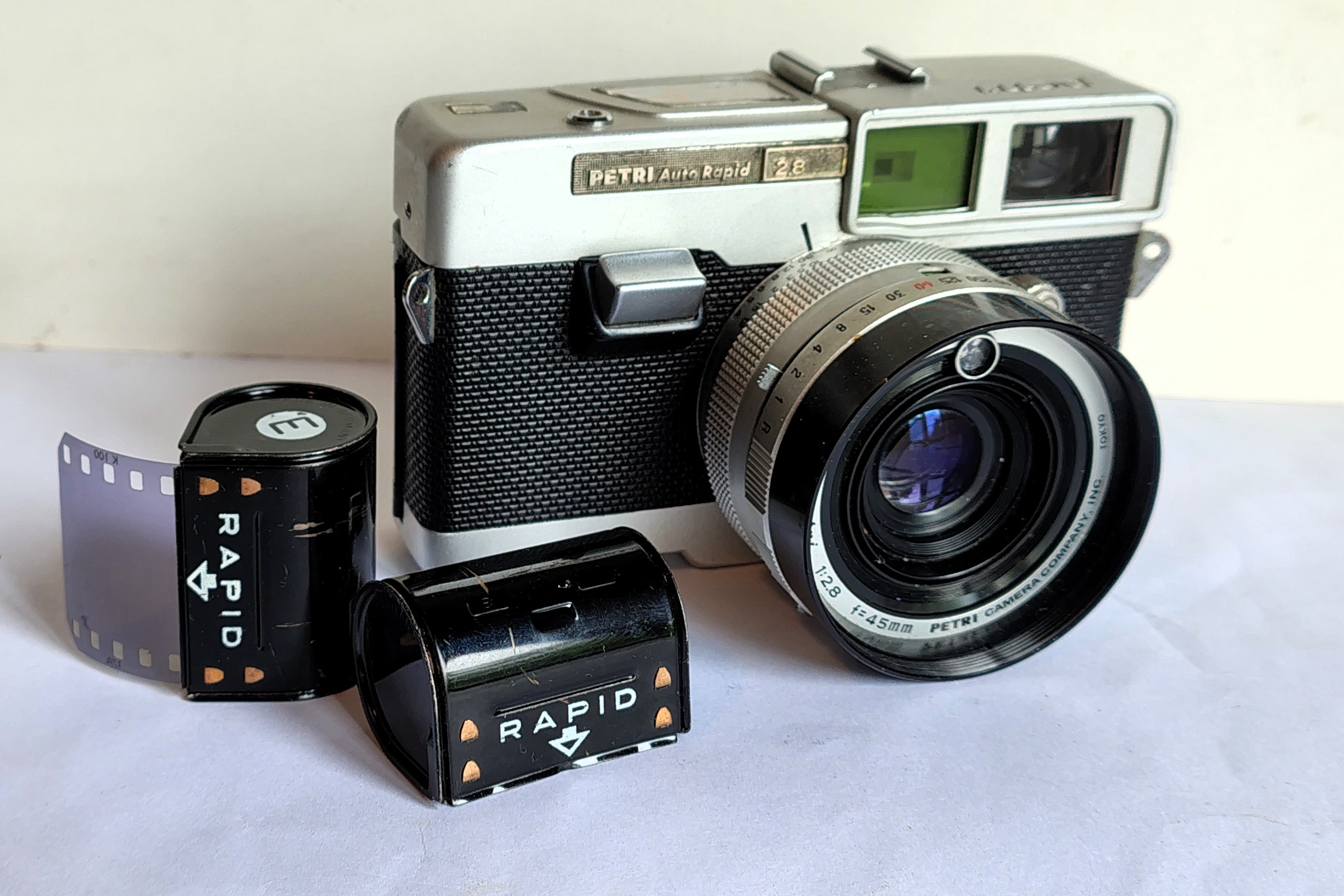
A year ago I had never heard of the Agfa Rapid system and now I have five Rapid cameras, and counting – what’s going on!
I had picked up an Agfa Iso Rapid IF for a dollar, initially thinking it was a variation of the Instamatic, but when I opened the camera I found an unusual cassette inside. Research identified it as belonging to the Agfa Rapid film system. Tony Warren’s recent post (Jan 8th) provides an excellent summary about this system and how it works.
I understood what I had and was very keen to try it out, but needed a pair of cassettes and only had one. So back to the auction sites and op shops and soon I had another Iso-Rapid, two Isomat Rapids and a Petri Auto Rapid – plus six cassettes.
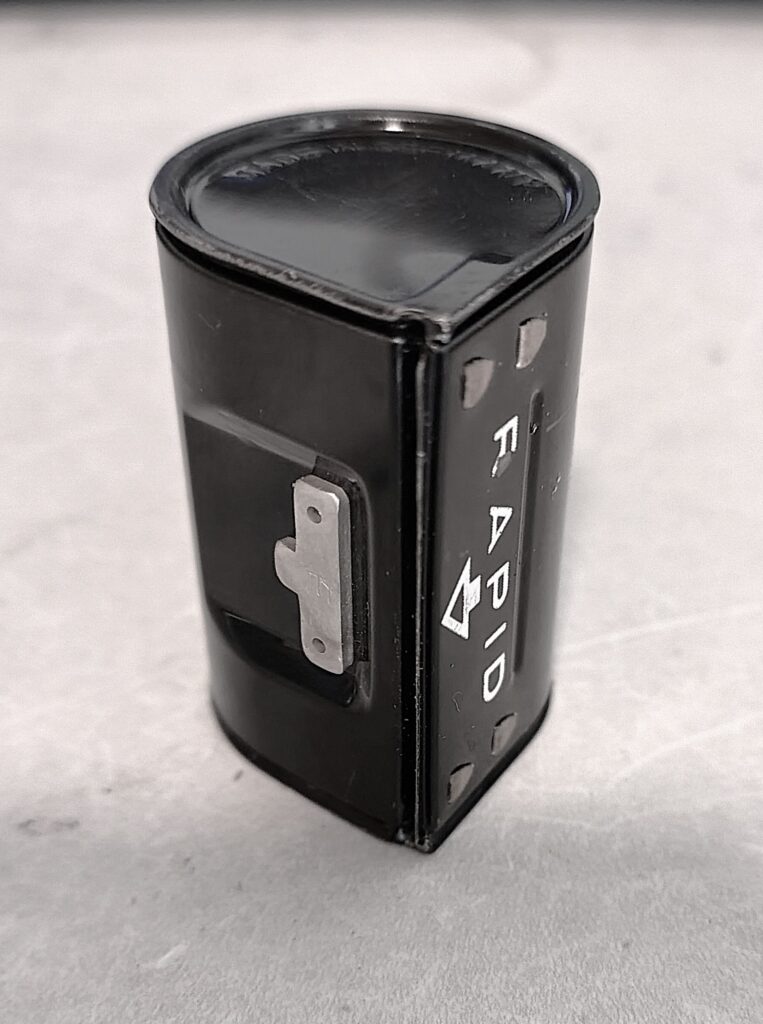
Loading a cassette proved to be easy, basically pulling the appropriate length of film (about 60cm) out of the bulk loader and pushing it into the cartridge. Loading the cameras was even simpler, just insert the cassette, lay the film along the film plane, shut the back and wind it on. So far it has worked every time. Luckily the cassettes have proven to be light tight, so once loaded can be treated like standard 35mm cassettes.
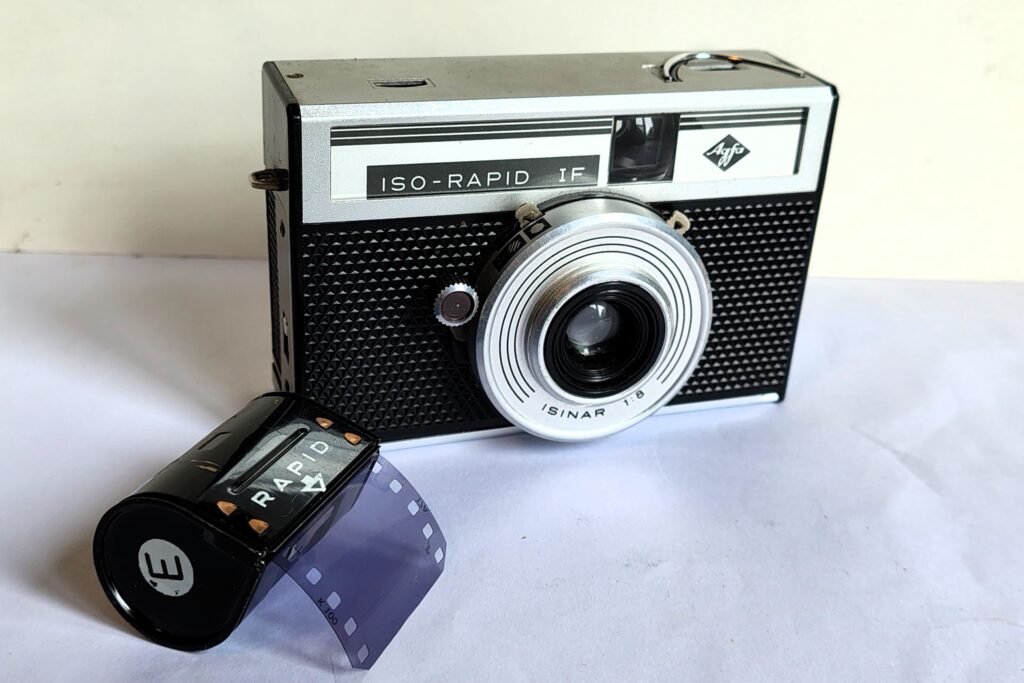
Agfa Iso-rapid IF
This is a simple camera, made of plastic and light metal. The glass lens is a fixed focus single element 42.5mm with an f8.5 aperture that can be changed to f11 or f16. The shutter has two speeds, 1/80 or 1/40, marked as sunny or overcast/flash. On top there is a slot for a flash bulb and a retractable reflector. The Rapid cassette holds enough 35mm film for about 16 square frames.
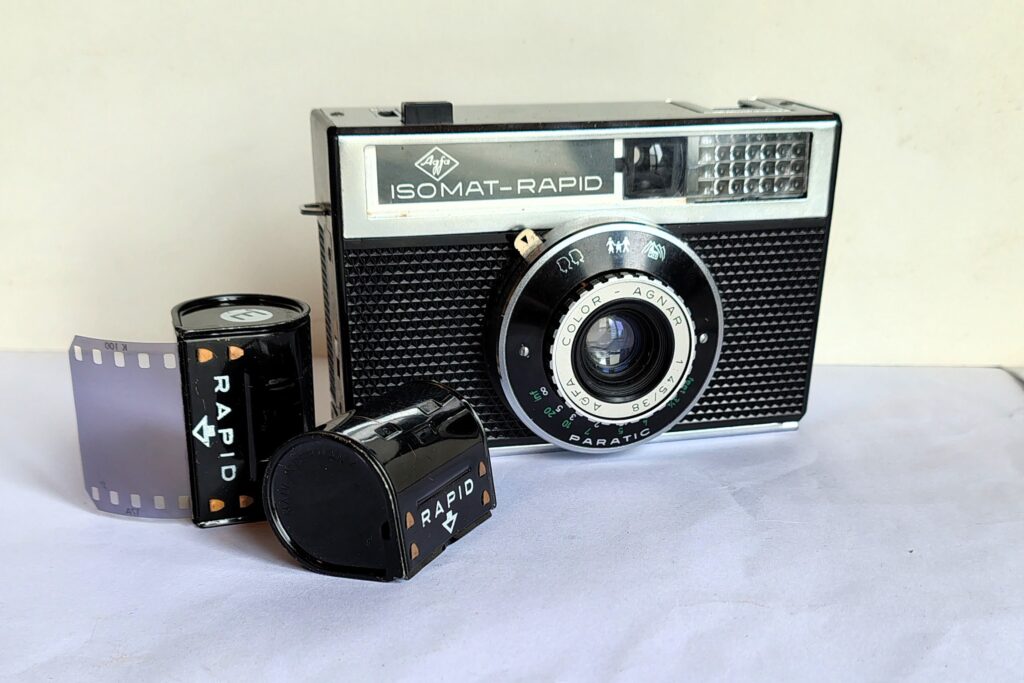
Agfa Isomat-Rapid
Although very similar in look and feel to the Iso-rapid, the Isomat is a little more sophisticated. It features a three element 38mm lens capable of focusing down to about 1 meter and is also marked with focusing zones. Exposure is set automatically via a selenium meter linked to an adjustable aperture. In the Auto mode the shutter is fixed at 1/70. For flash photography the aperture can be set manually from F16 to f4.5; however the shutter speed drops to 1/30.
The Rapid system has a method of setting the film speed in the camera, using a metal tab attached to the cassette, where the length of the tab is sensed in the camera and the ASA set accordingly. The Isomat has that capability.
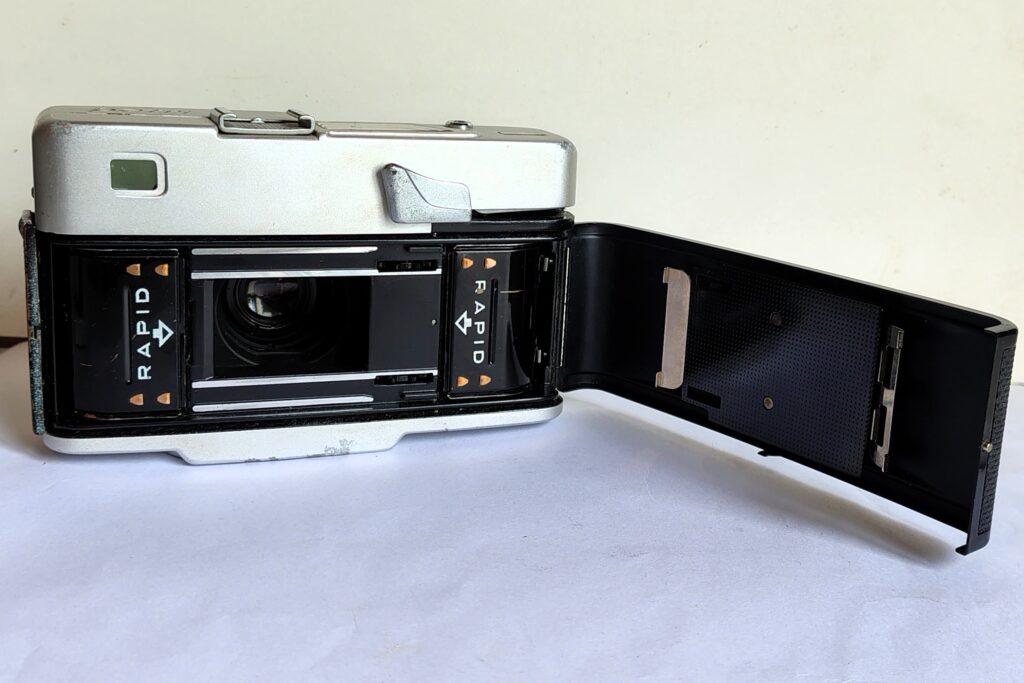
Petri Auto Rapid
This is a classic 60’s rangefinder camera with typical features of the era, including a self timer, X & M flash options, remote shutter release and a full range of shutter speeds from 1/500 to 1 second. The lens is a 45mm f2.8 capable of focusing down to 0.8m. 35mm format is retained, which reduces the number of frames in a cassette to about 12. Exposure is set manually using a coupled Cds meter with a match-needle display in the viewfinder. The film speed is set using the Rapid system cassette tab. The camera itself appears to be a reworked version of the Petri Racer, with the same compact and ergonomic features that were highly regarded at the time. Certainly it feels excellent in the hand with everything in just the right place.
Results
The Agfa Iso-rapid is easy to use, just set the sunny or cloudy tab and point and shoot. The viewfinder is clear, the film advance is smooth and the shutter release is nicely weighted, so for what was budget camera, it is a pleasant shooting experience. The results were similar, not outstanding but quite decent and certainly would have been acceptable to the customer base it was aimed at.
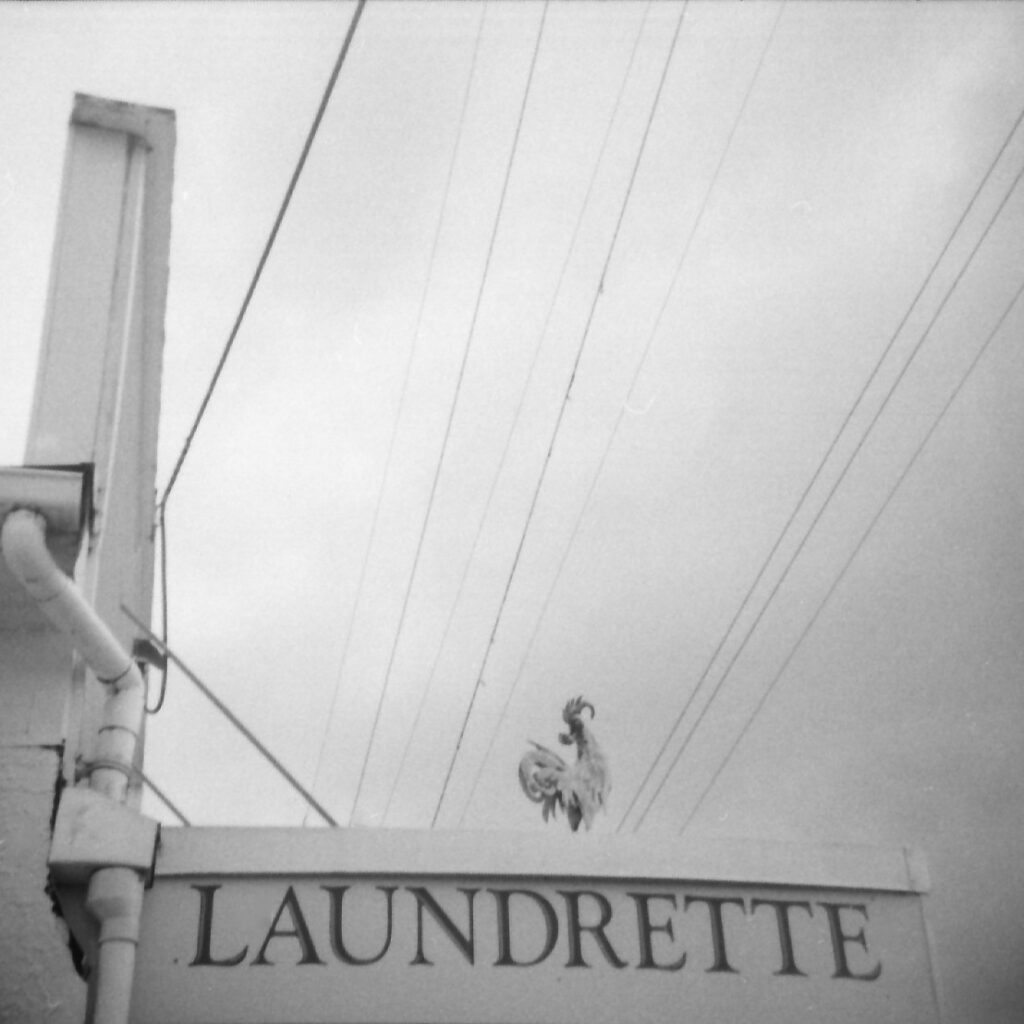
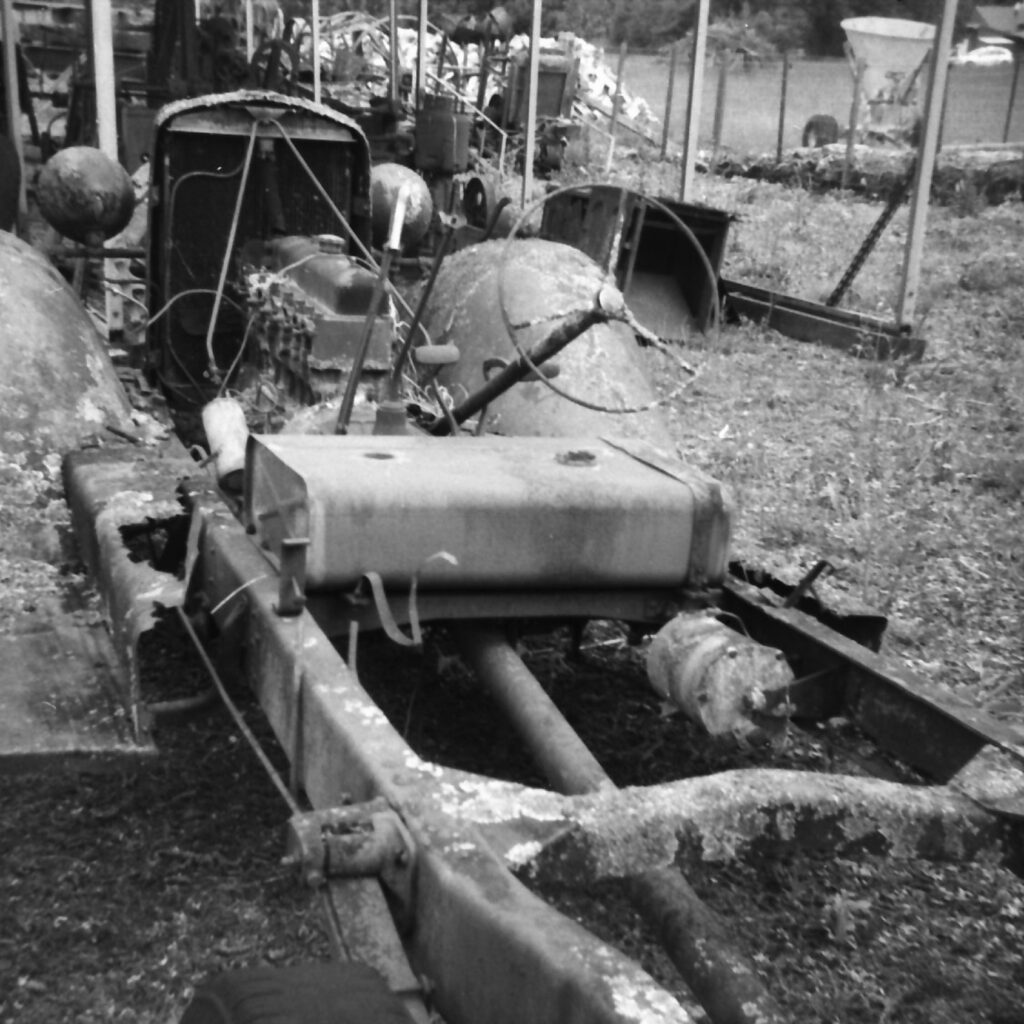
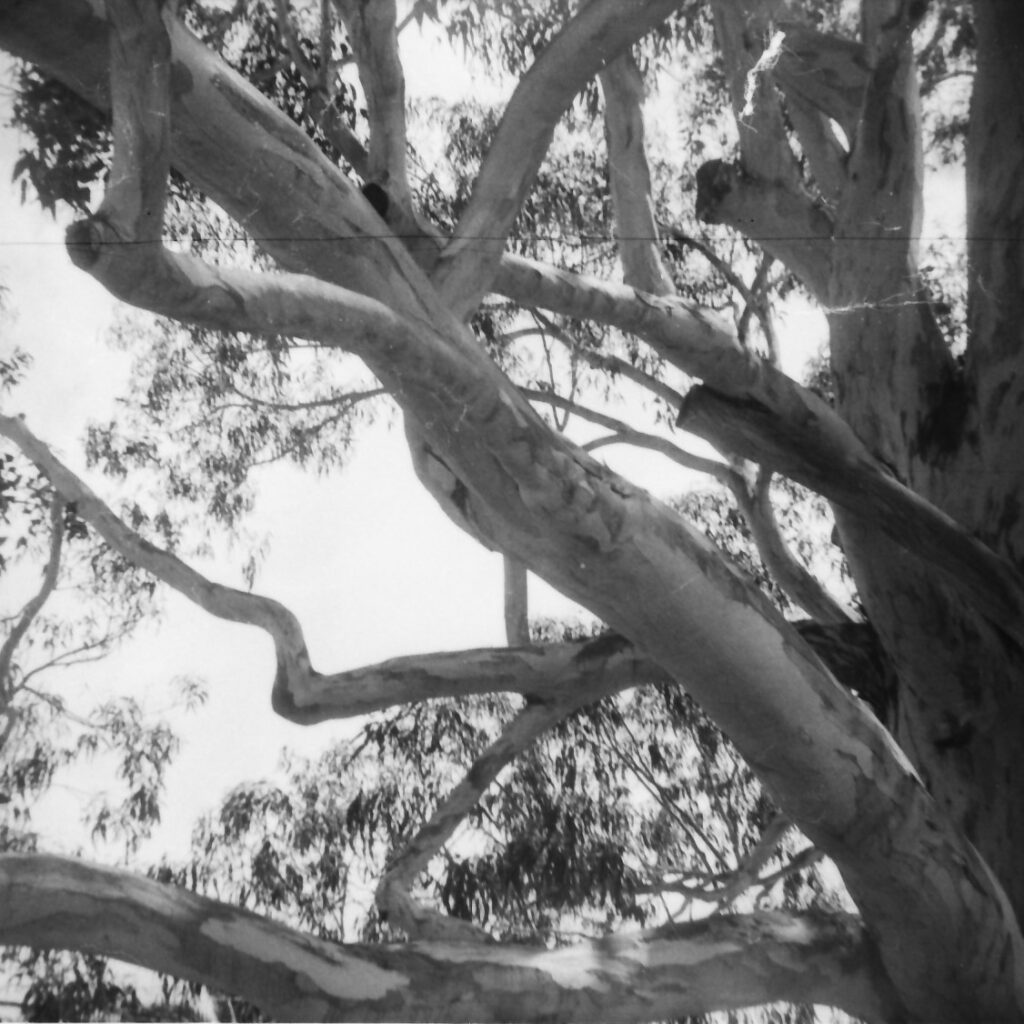
The Agfa Isomat was also simple to use, although you had to remember to set the focus correctly and check the red/green exposure indicator in the viewfinder. But it had a shortcoming with the shutter release. This is mounted on the top of the camera and does not feel quite right to me. It has a long throw and requires some pressure to operate. Therefore it is harder to hold the camera steady and has an awkward feel, not a pleasant shooting experience. I expected better results with this camera but was disappointed. The shots were over exposed and a bit soft. I subsequently tested the shutter speed and found it to be about 1/30, half what it should be. Hence the over-exposure, and combined with the awkward shutter release, camera shake prevented any real assessment of how good the lens was. I doubt I will try and sort out the shutter problem, it was not really a fun camera to use.
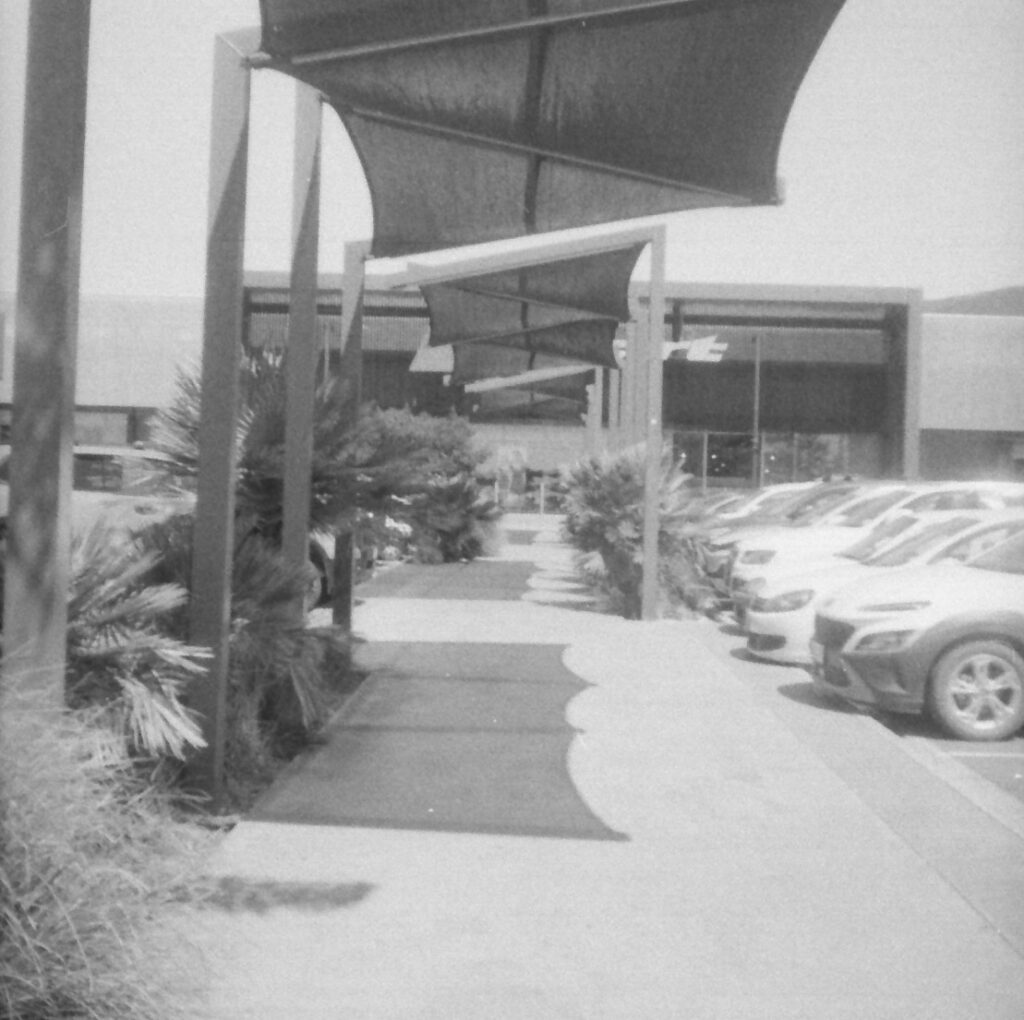
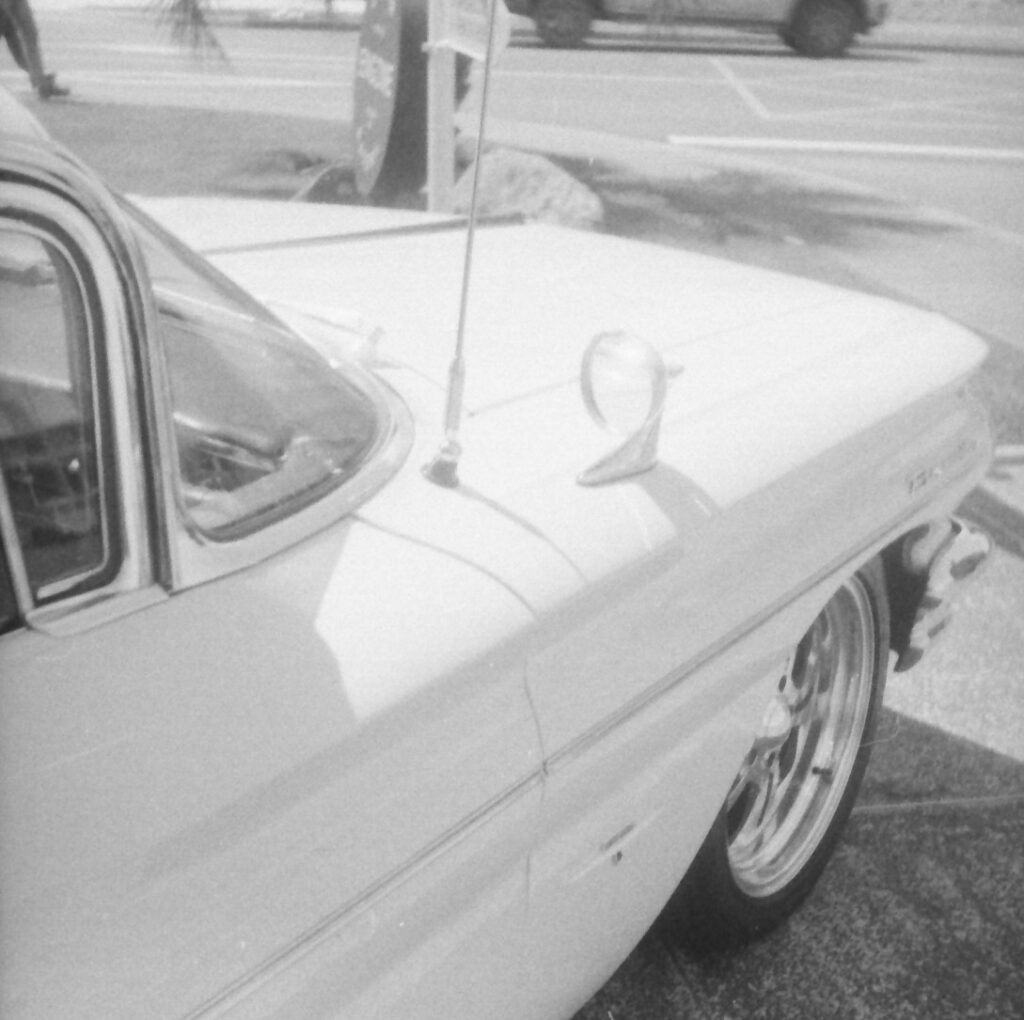
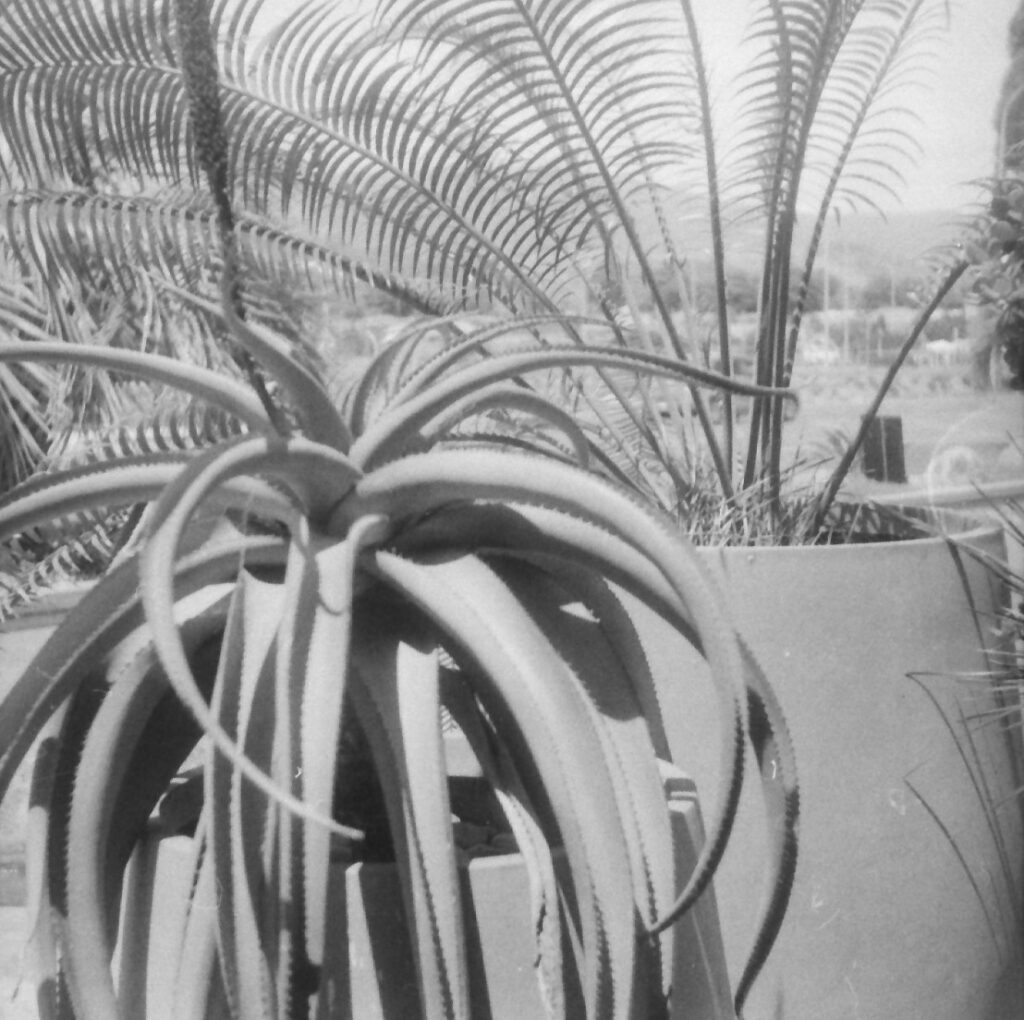
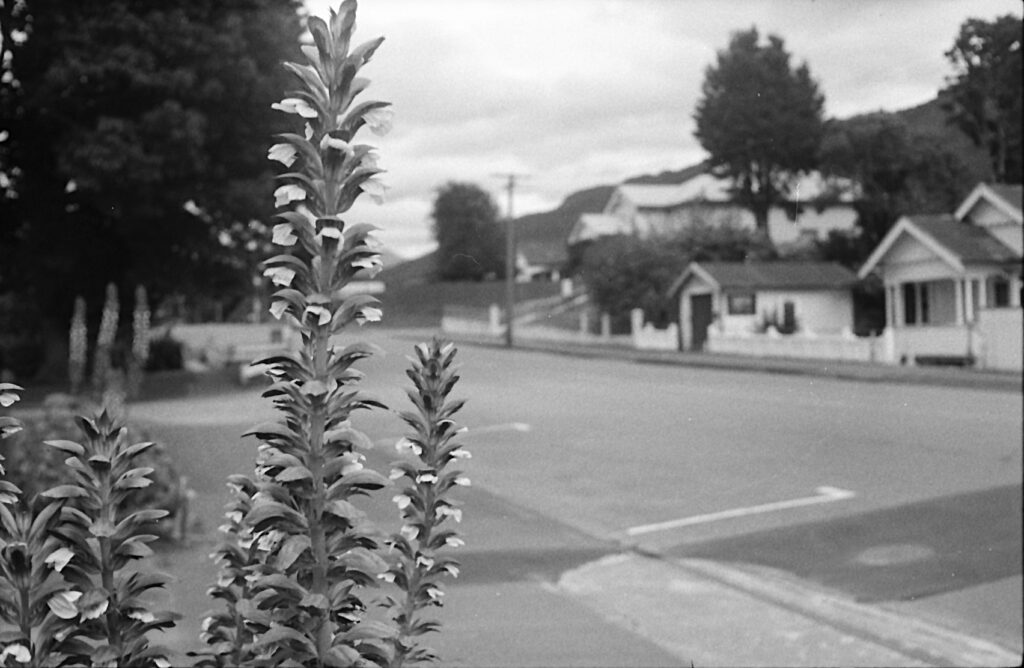
The Petri was a joy to use; the controls were smooth and well placed, the viewfinder bright and clear, making for easy focusing and exposure setting. The results were also very good with sharp well exposed images. There is a downside of retaining the 35mm format, 12 frames per film compared with 16 on most other Rapid system cameras. That said, I would use this camera any time. Given the ease of loading cassettes – you don’t even need a bulk loader – load up two or three cassettes and off you go.
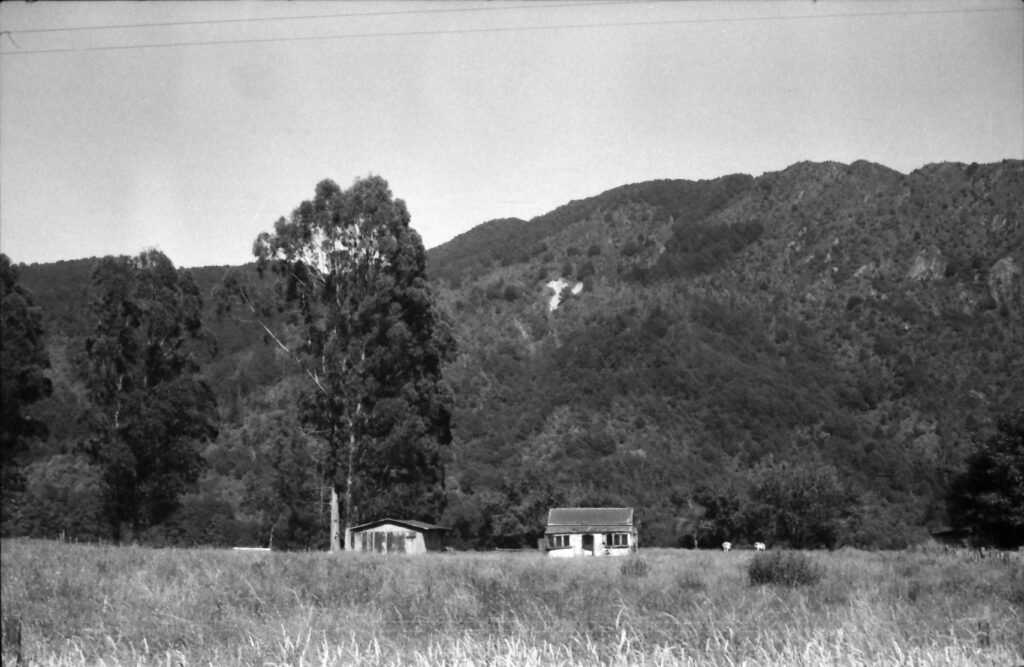
In Conclusion
The Agfa Rapid film system is simple and easy to use, yet it is now a side line in the history of consumer photography. It appears having 16 frames per film, compared with 24 on Kodak’s Instamatic system was a factor. However I would guess the power and market dominance of Kodak at the time was the main reason and it would have needed something outstanding to disrupt that market (like digital images!)
I will continue down the Rapid rabbit hole for a while, I particularly like the ease of loading cassettes with bulk 35mm film. The virtues of the system seem well suited to the DIY photographer but would not have influenced the average snap shooter. So I will continue looking for other Rapid cameras to try. Initially there were about 20 companies making Rapid cameras, including Canon, Fuji, Minolta and Olympus, but many are quite rare now. The Petri is an excellent camera, and I wonder if other brands are as good.
Note: I used Kentmere 100 to test the two Agfa cameras, and a long expired FP4 in the Petri. I did not try the flash systems, the bulbs and batteries have been obsolete a long time.
Share this post:


Comments
Keith Devereux on Agfa Rapid – Down the Rabbit Hole
Comment posted: 20/02/2026