

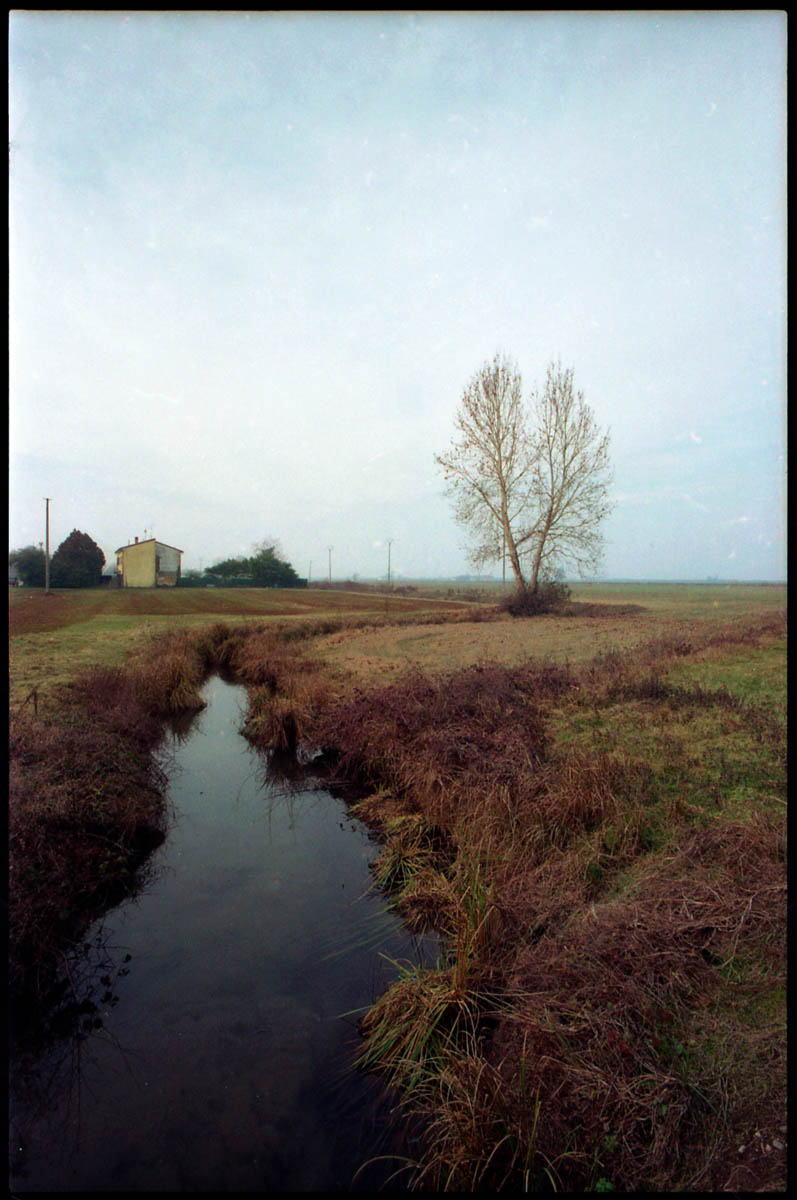
About three years ago, after having lived on the outskirts of Verona for many years, my landlord decided against renewing my lease. It was August, and my family and I had until December to leave what had been my sanctuary for years. What a trauma it was, having to find a home in such a short time.
Only after a few weeks did we realize that COVID and the years that followed had changed everything: rentals were scarce, and houses for sale were incredibly expensive. We had to make fast decisions to avoid ending up homeless, and the most natural option was to move further away from the city: from the suburbs to the countryside. Lower costs, more choice, and greater distance from town. There wasn’t much time to think, and the choice fell on a house in a farming village about twenty kilometers from the city; it was easy to find.
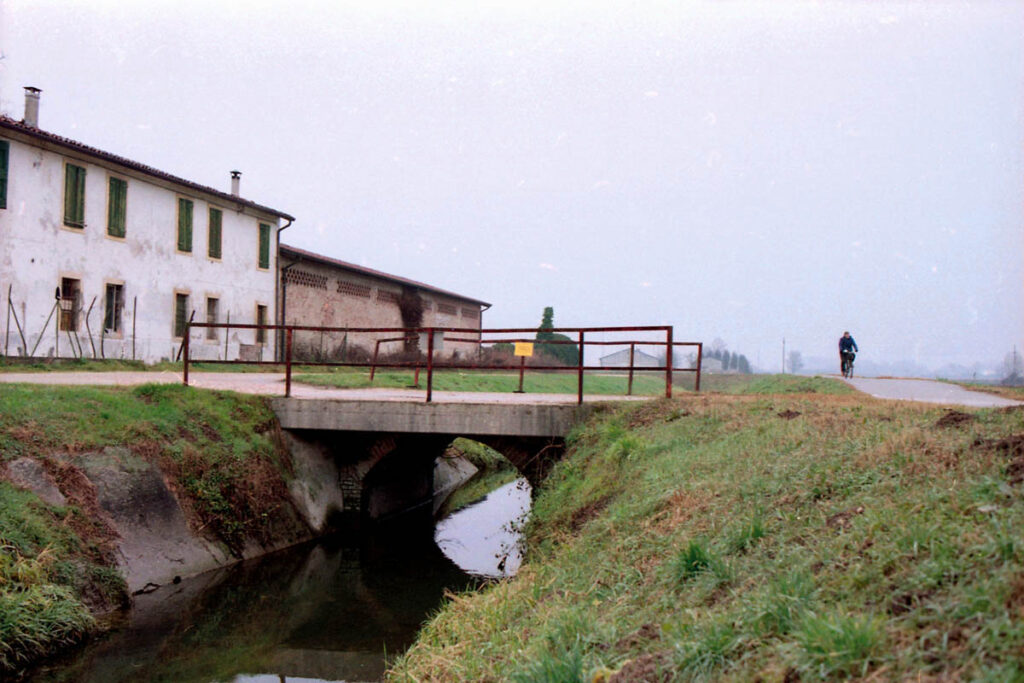
For me, it was a shock. I had always lived on the outskirts. I didn’t want to be in the city center, but being far from it scared me too: I would lose my habits and my conveniences. No more Sunday bike rides through the city streets, no more walks down deserted avenues on mid-summer days. Now I was in the country, and I didn’t know what I was getting myself into. Cultural isolation, a drift into unrefined living, endless driving distances: I was thinking more or less about this while I was moving.
But there was no choice; we needed a house, and the one we found was the best solution after months of searching.
My stay in the countryside began on cold winter days, and I wasn’t the first to get used to it—my dog was. Suddenly, he found he could walk for hours off-leash with the freedom to explore at will. There were streams, trees, bushes, and so many other things to get dirty with freely.
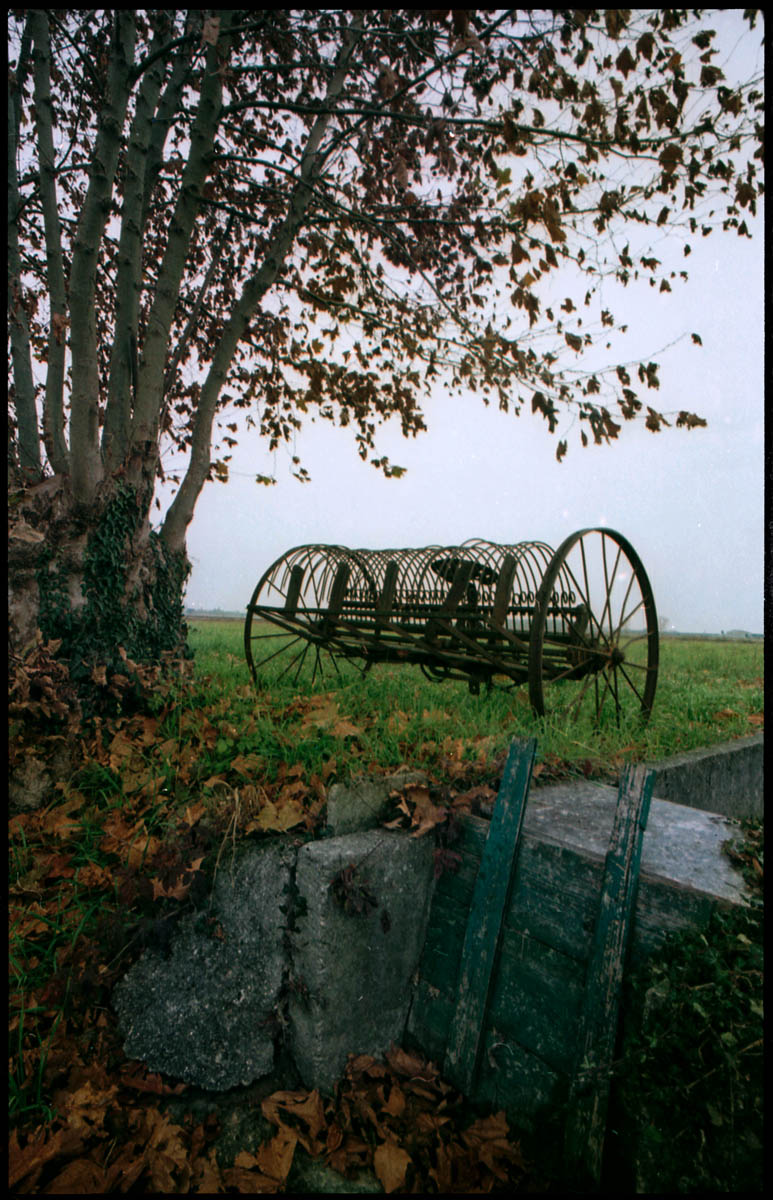
It took me a few months longer. The cold, the vast space, the changed habits—it took about a year for them to be replaced. By the second winter, however, I began to equip myself; I saw the countryside and the surrounding environment as a location worthy of being photographed. A mix of memory and landscape to remember the foggy mornings or the colors of nature when it stops to rest. A spontaneous documentation of rural environments during the winter to “freeze” colors and atmospheres. A simple thing, really. In those months, I still had some Fuji 200 ISO rolls—the basic ones, you know, the kind they used to give away for free years ago when you went to develop and print photos… how much time has passed, and how expensive film has become…
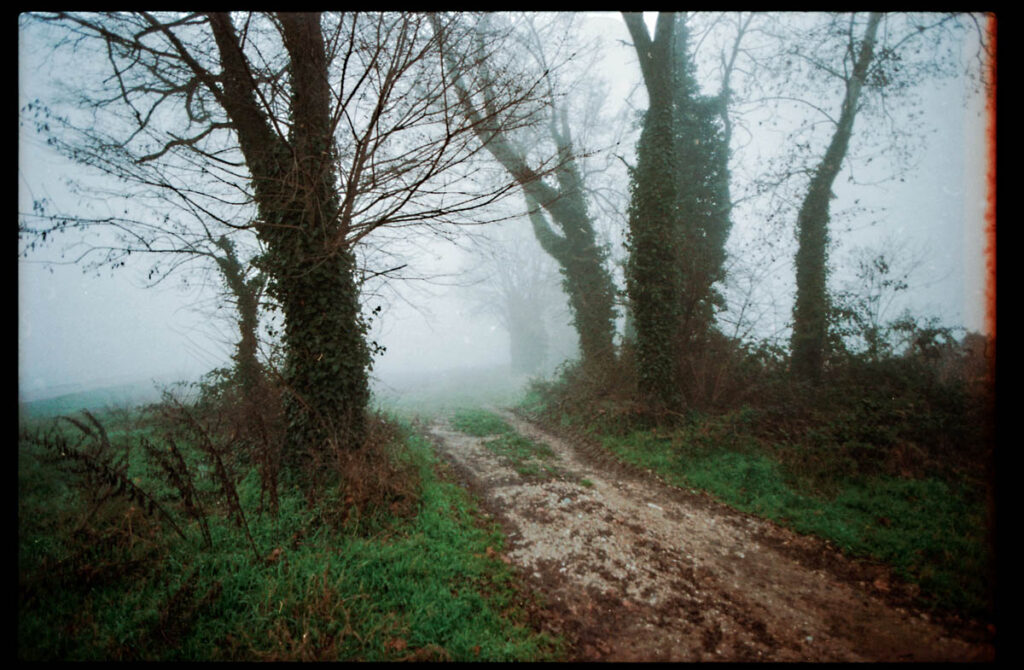
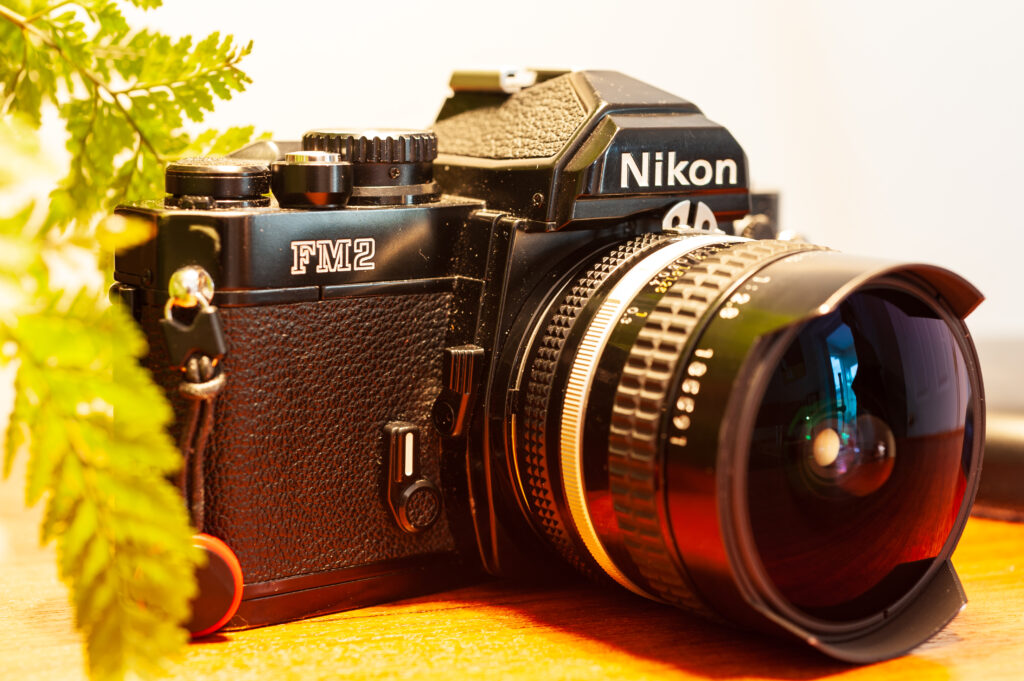
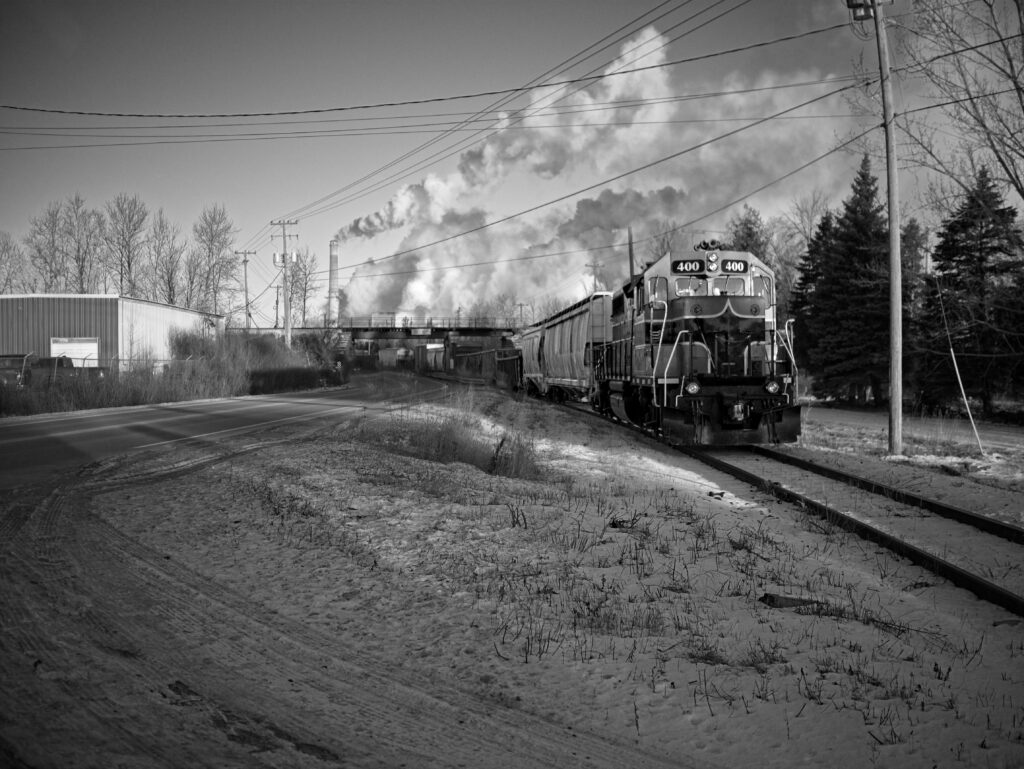
So here are these photos taken with a Nikon F2 and a wide-angle lens during my outings in the countryside. Nothing happens in the images; they are just atmospheres of certain moments when, while walking, I notice that some perspectives are interesting. The fog helps a little, some minimal geometry helps a little, but in practice, it is just rural landscape.
.
Share this post:

Comments
Geoff Chaplin on Rural Landscape
Comment posted: 07/01/2026
Marco Alessi on Rural Landscape
Comment posted: 07/01/2026
Karen Jesina on Rural Landscape
Comment posted: 07/01/2026
Gerard on Rural Landscape
Comment posted: 07/01/2026
Karen McBride on Rural Landscape
Comment posted: 07/01/2026
Danilo Leonardi on Rural Landscape
Comment posted: 07/01/2026
Walter Reumkens on Rural Landscape
Comment posted: 07/01/2026
David Pauley on Rural Landscape
Comment posted: 07/01/2026
Gary Smith on Rural Landscape
Comment posted: 07/01/2026
Thanks for your article and photos.
Jeffery Luhn on Rural Landscape
Comment posted: 08/01/2026
Alexander Seidler on Rural Landscape
Comment posted: 08/01/2026