

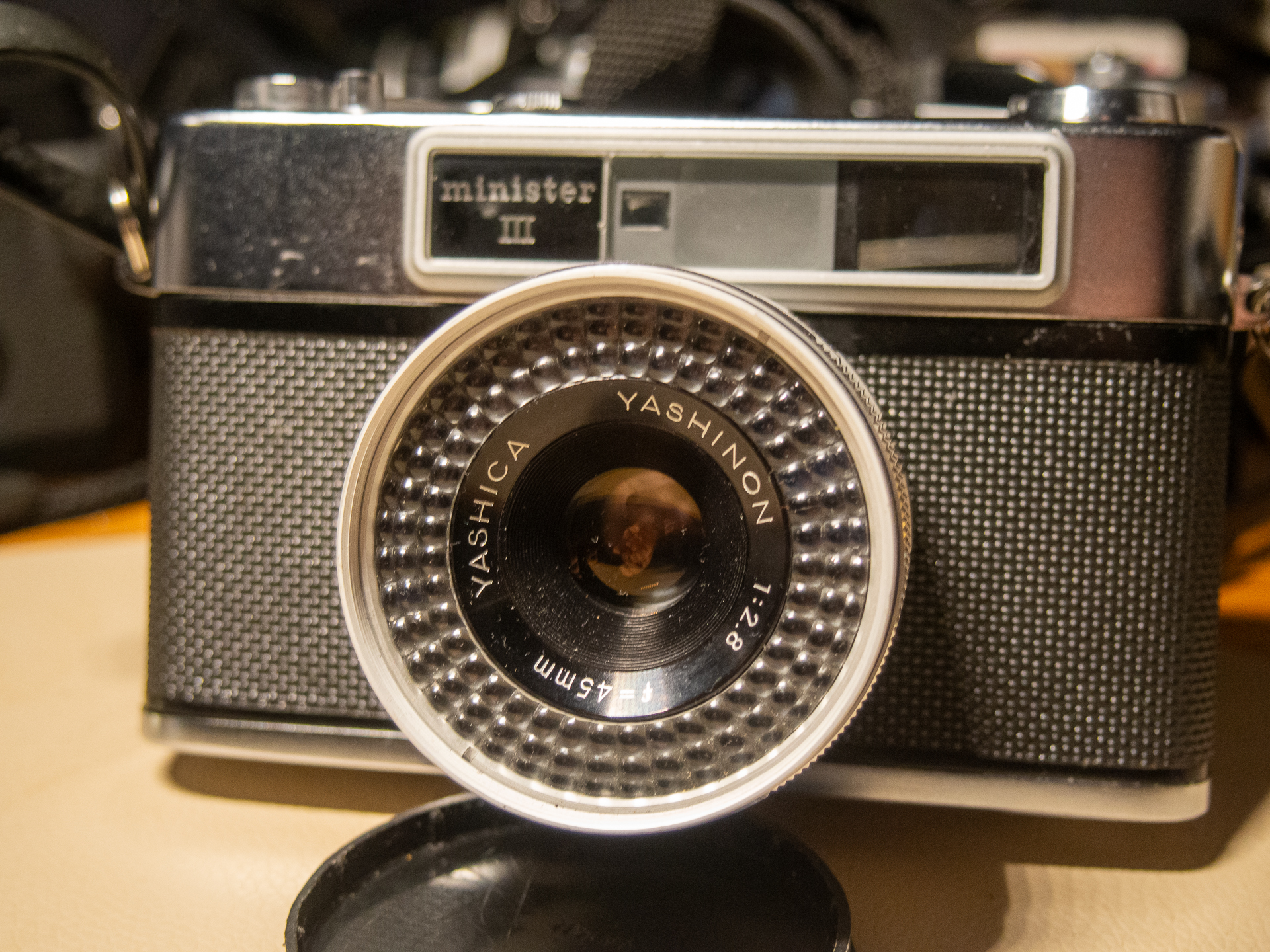
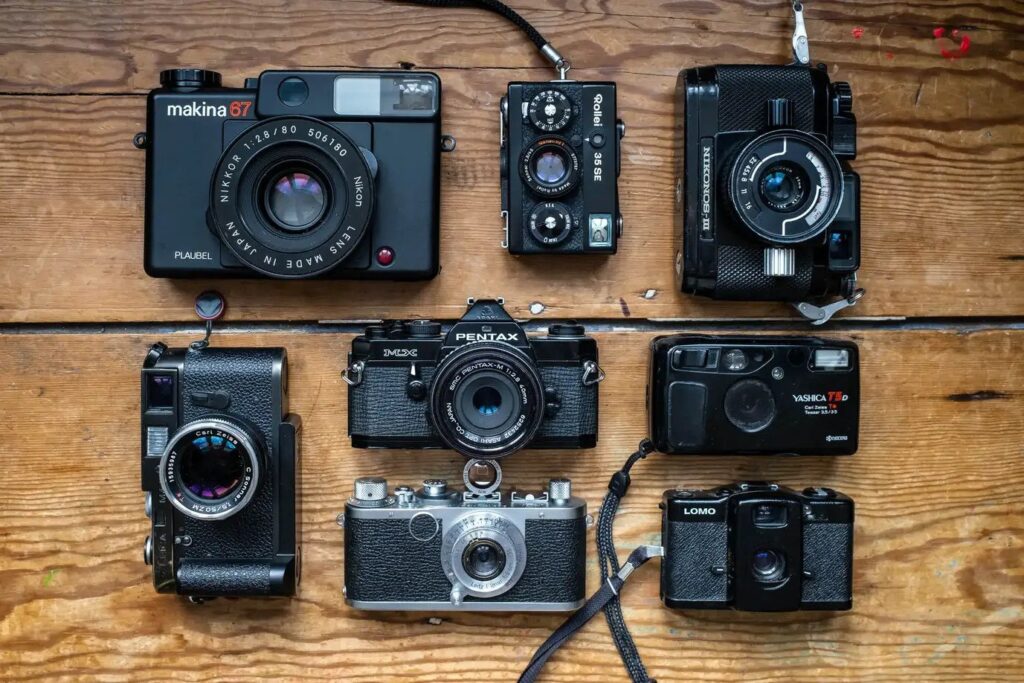
When the name Yashica appears in 35mmc, it is often in connection with a CONTAX camera, after Zeiss agreed to collaborate with Yashica Kyocera on the construction of Contax SLR cameras. It was not without reason that Yashica, which had previously produced good cameras with very good lenses, but had led a shadowy existence, at least in Germany, was chosen. When I became interested in rangefinder cameras a few years ago, I didn’t choose a Leica camera, which would have been obvious given the proximity of the Leitz factory, but instead chose cameras from Canon, Konica, Olympus, Yashica, Voigtländer and even FED, Kiev and Zorki. All together, they were perhaps as expensive as a serviced Leica with a Cron 50mm lens, but not necessarily inferior in quality and results. After all, it is the photographer who takes the photo. The film also plays a role. And so on and so forth. But I don’t want to go into that further here; it is an individual decision and also depends on experiences in the environment. Less so on publications in the media.
So four years ago, this Yashica Minister III came into my possession, purchased in Bologna, Italy, freshly serviced by a small dealer for €70, and fully functional. The technical details of this camera can be found in abundance on the internet, so I won’t go into them here short of sharing these specifications:
- Lens: Yashinon-DX
- Focal length: 45mm
- Aperture: f/2.8 to f/22
- Focus range: 0.8 m (2.6 ft)
- Lens mount: Fixed
- Shutter: Citizen
- Speeds: 1 s to 1/500 s
- Flash: PC socket
- Film size: 35 mm
This is a rangefinder camera from Yashica, which was fairly standard for its time (1960). It is almost exactly the same size as Zeiss Ikon’s Contessa LKE from the same period and also looks very similar. It is slightly larger than Voigtlander’s Vitomatic II, which is a little older.
The camera is quite heavy – 656 g including a 24-exposure film cartridge. You’ll really notice this weight at the end of a busy day of shooting. It is 135mm long and 85mm high. The body is 35mm thick, which increases to 85mm with the lens attached.
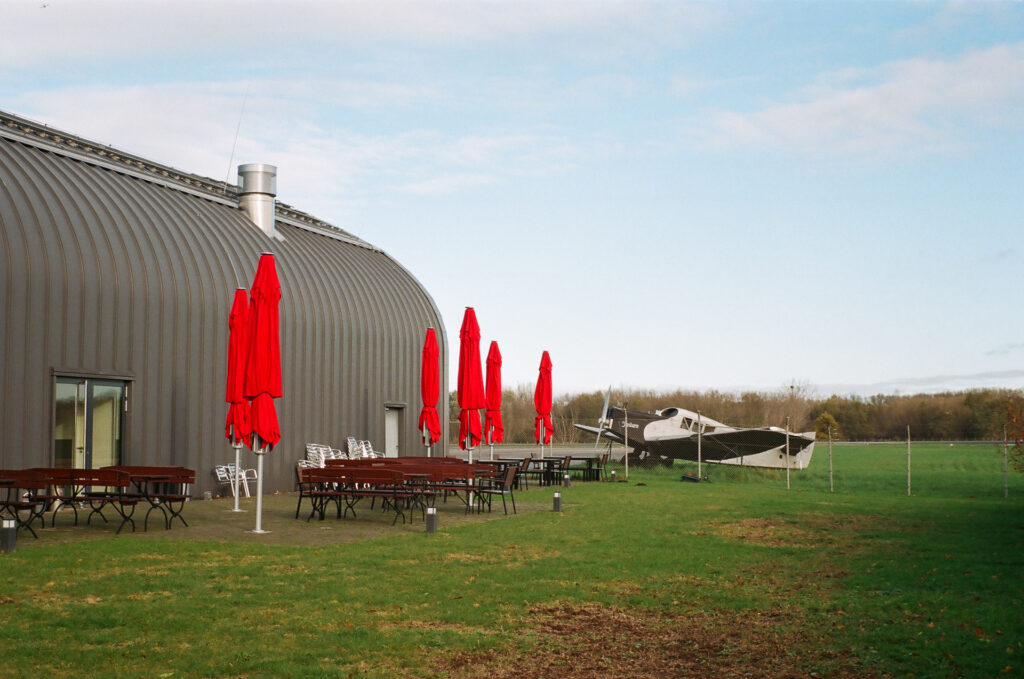
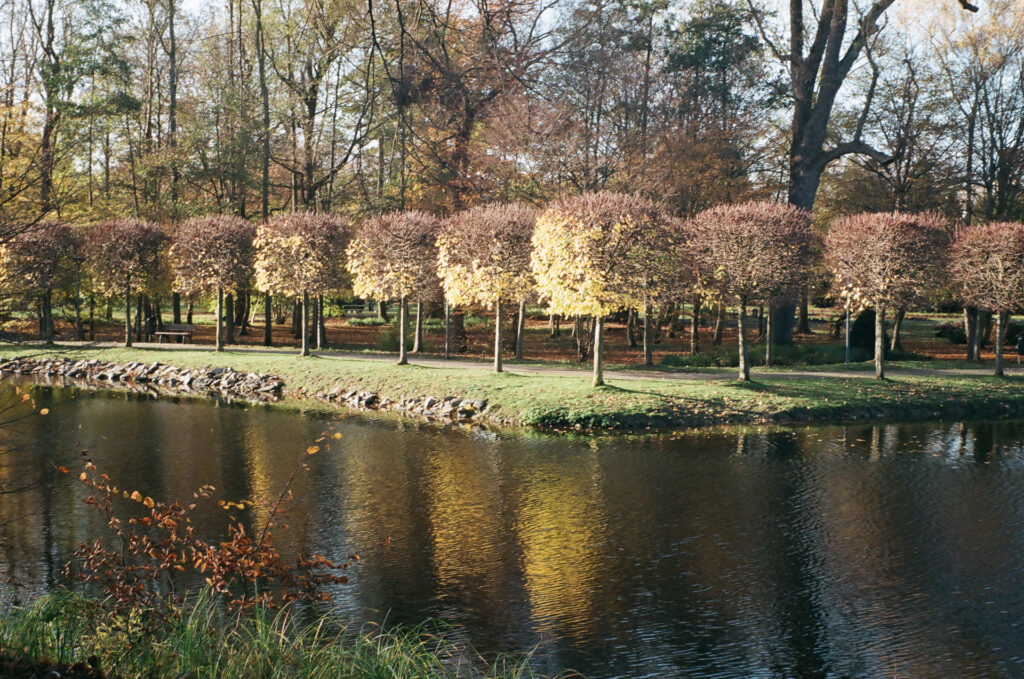
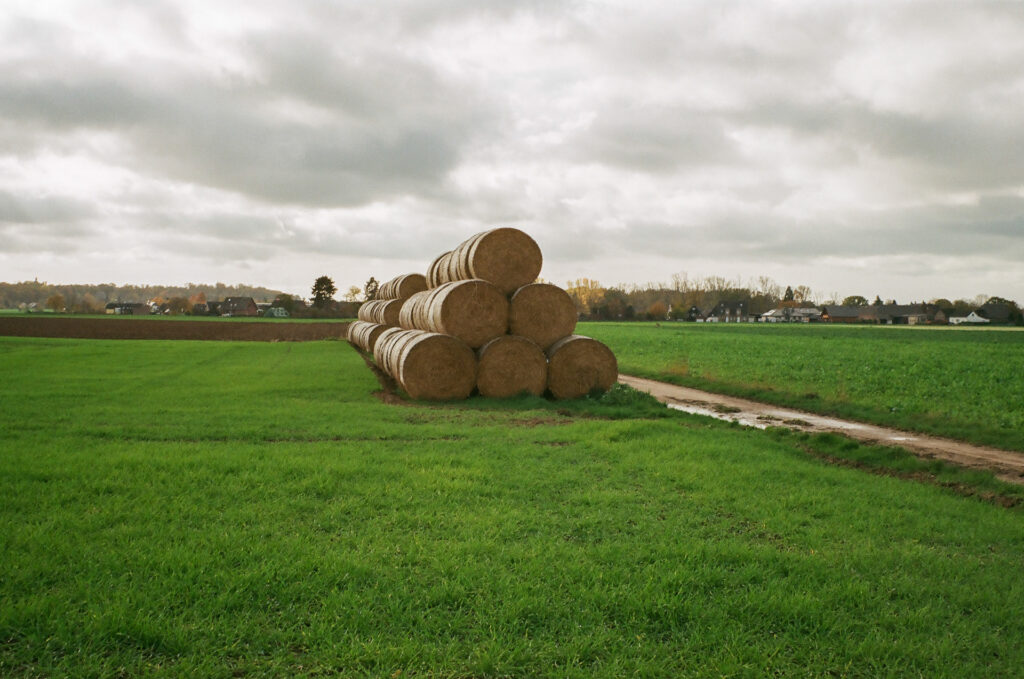
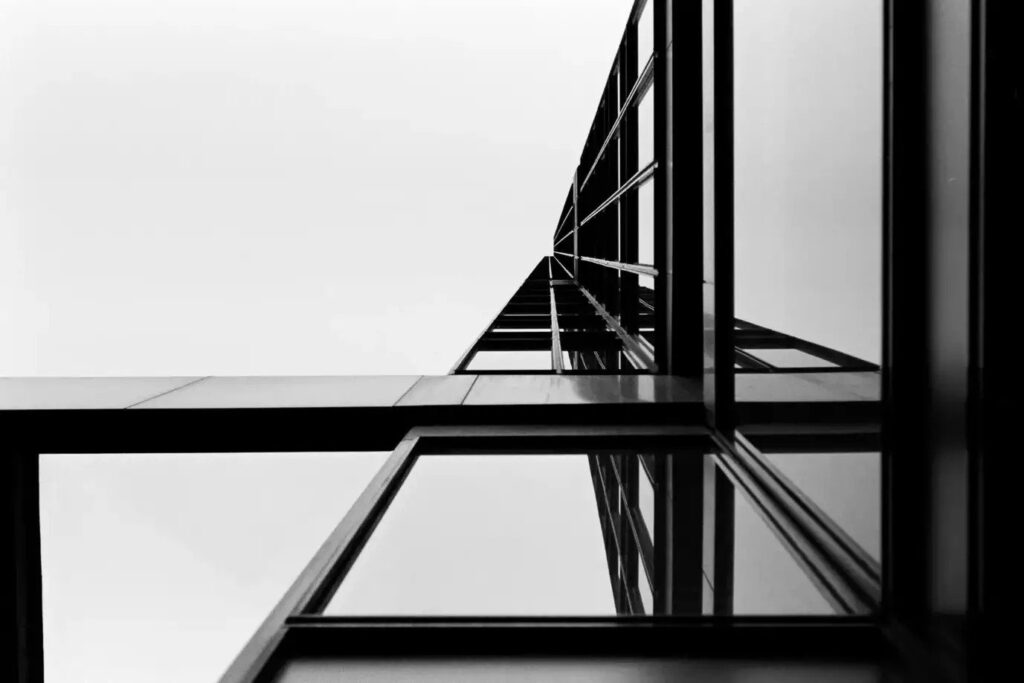
I took my first shots with it using a Fujifilm C200 and was quite impressed. The camera is easy to use – the exposure meter works well, as does the viewfinder. I had some flare when shooting into the sun, but I didn’t use a remote aperture. In general, the lens has good contrast and colour reproduction. The shots were taken on a hike in my local area. The exposure was set with the camera, and comparative measurements with the Sekonic Twinmate L-208 did not yield any different results.
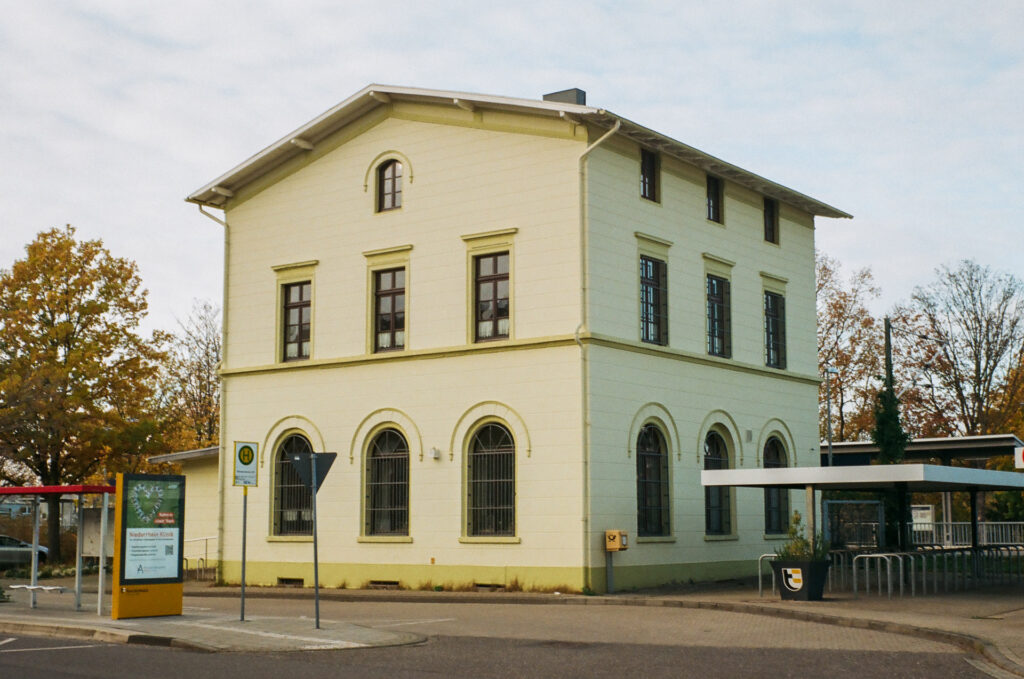
The film was developed and scanned at my local minilab without any processing.
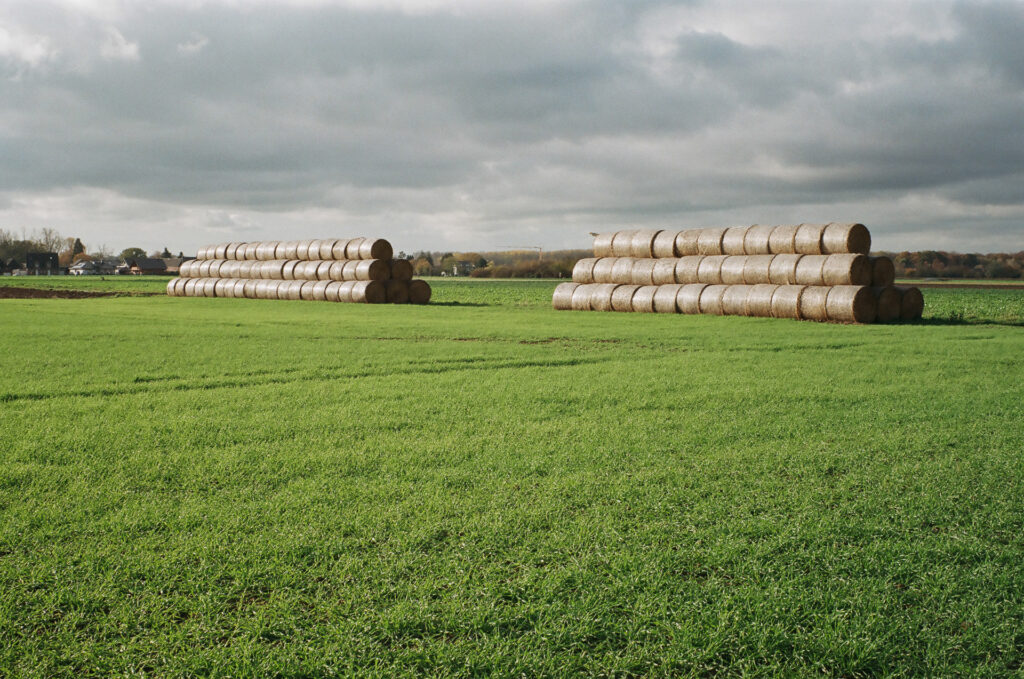
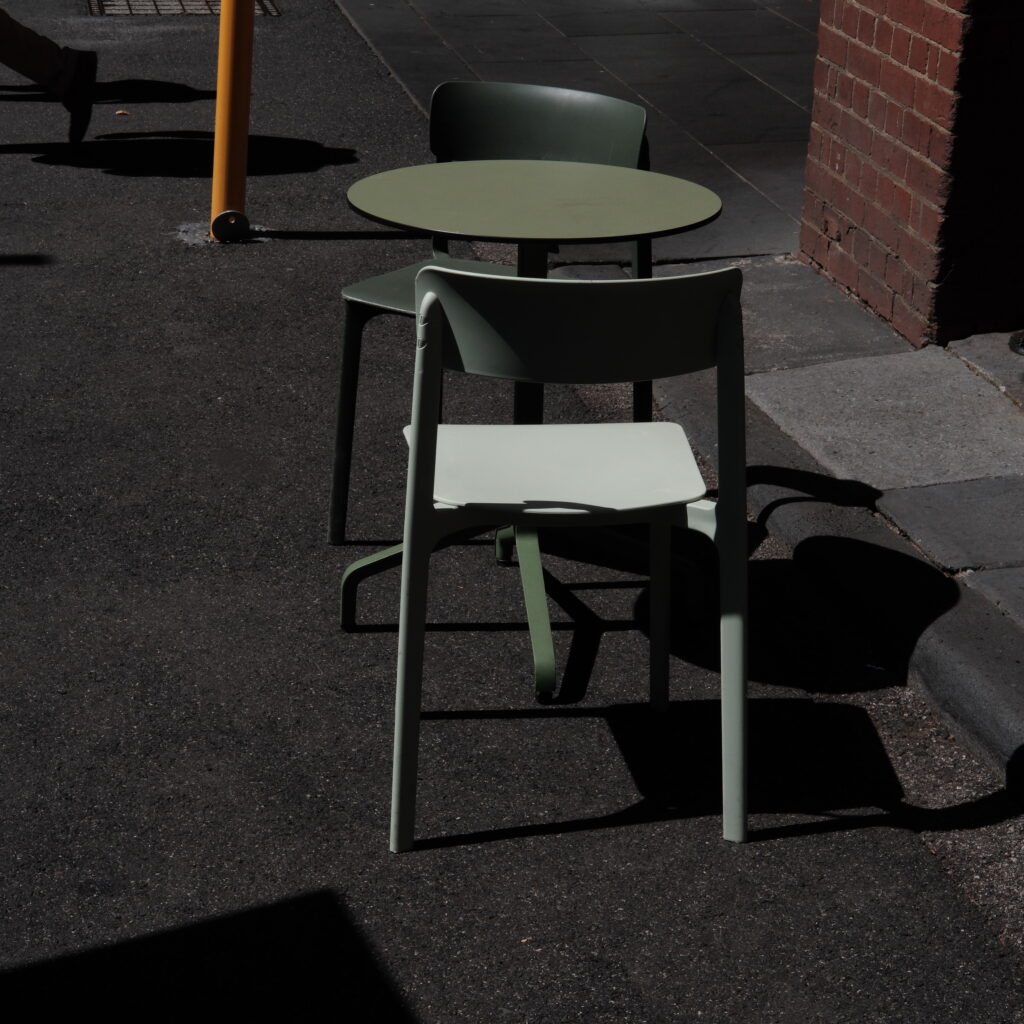
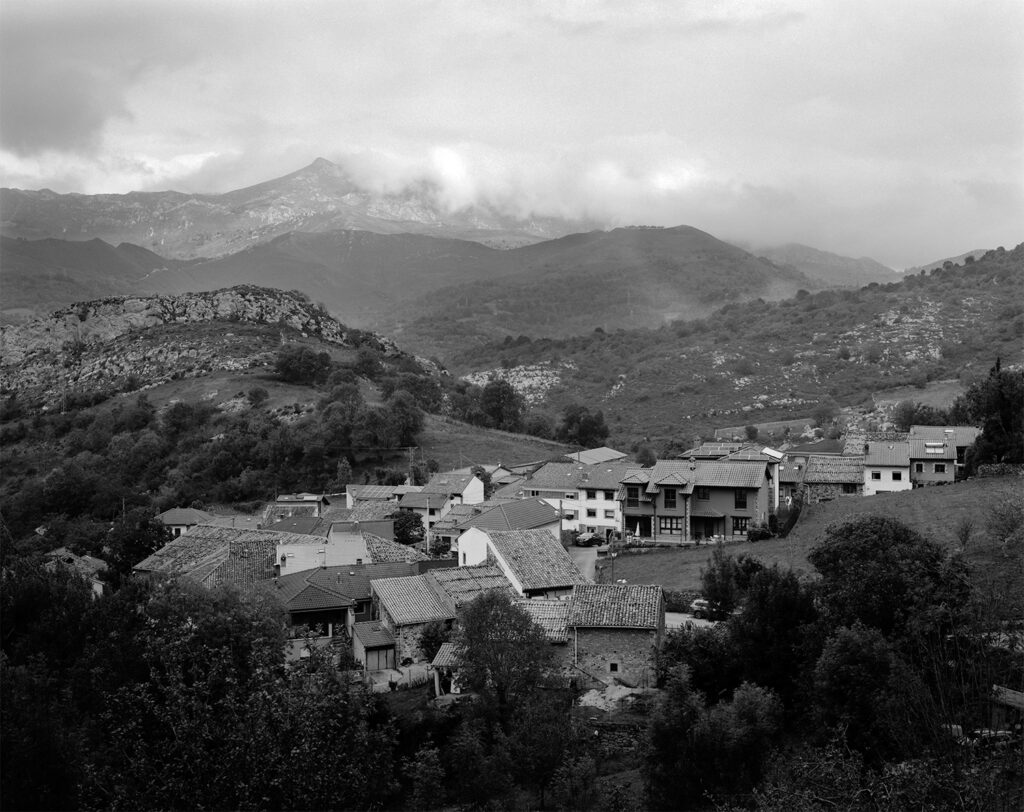
Please judge for yourself.
Share this post:

Comments
Michael Zwicky-Ross on 5 Frames with the Yashica Minister III
Comment posted: 07/02/2026
Comment posted: 07/02/2026