

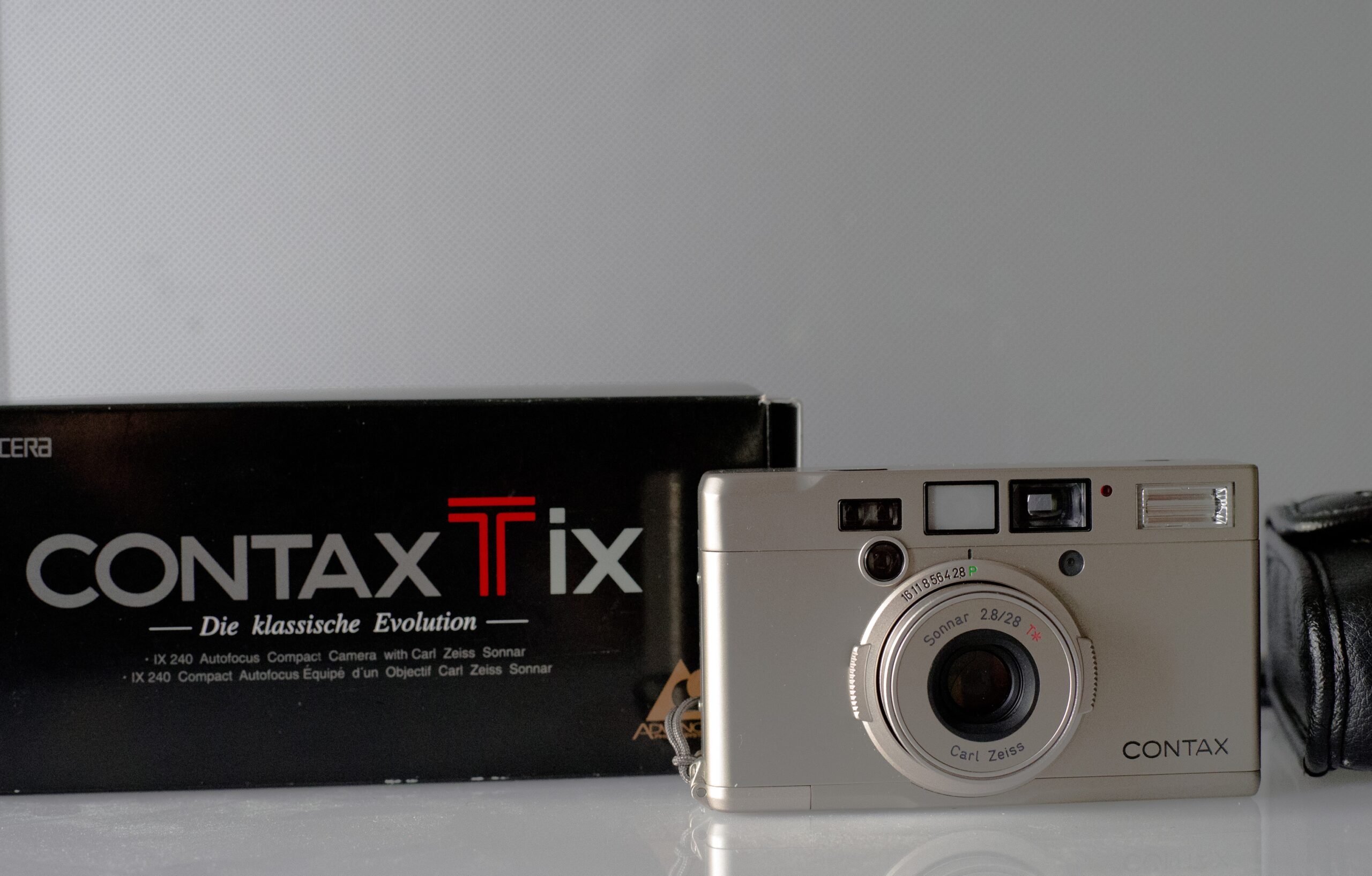
A rather unknown camera legend, not a T1, not a T2 or Tv/s. Not TRI-X but CONTAX Tix from Kyocera! With a Carl Zeiss Sonnar 2.8/28mm T* lens, autofocus from 1997 for Advanced Photo System, or APS for short. The last cartridge in the film and camera industry before the triumph of digital photography. When new, it cost as much as a used Contax T2 does today, around $1,000. Twenty years after the camera was introduced, in 2018, I paid €100 for it, in NEW condition, unused and fully functional.
Why so cheap? As already mentioned in my article on the Fujifilm Tiara, production was discontinued after a few years, both for the camera and APS film. The APS system didn’t stand a chance. It came too late. Naturally, there were no buyers, unless you had GAS syndrome.
This Contax is packed with technology; the few suppliers had drawn on their full resources. I won’t go into details here, as it would go beyond the scope of this article. There is plenty of information available on the internet.
When I bought this camera – I have two more from Fujifilm and Konica – film production had already been discontinued, but the expiry date had not yet passed. I bought films from Agfa and Fujifilm and still have plenty of expired cartridges stored in the fridge.
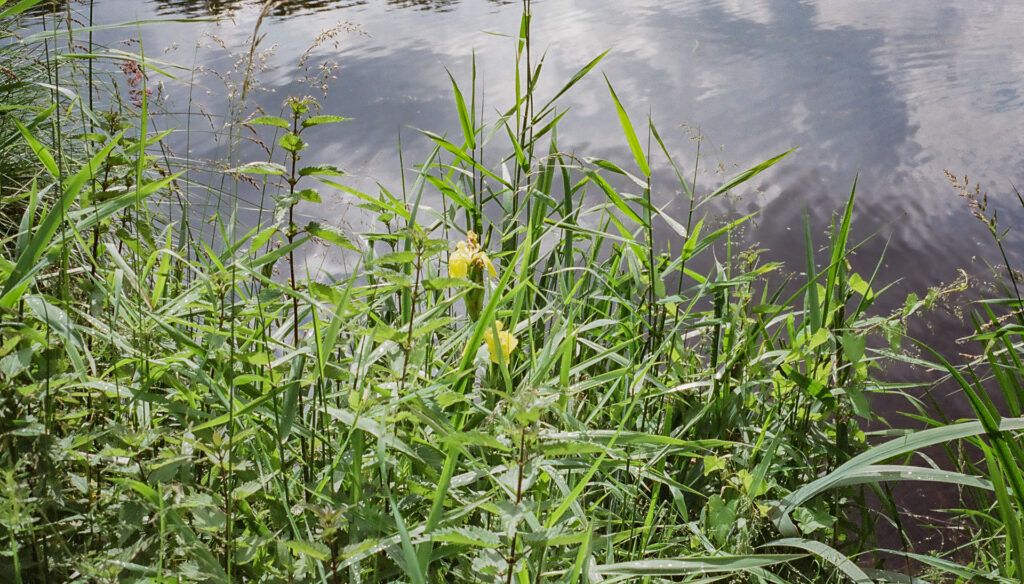
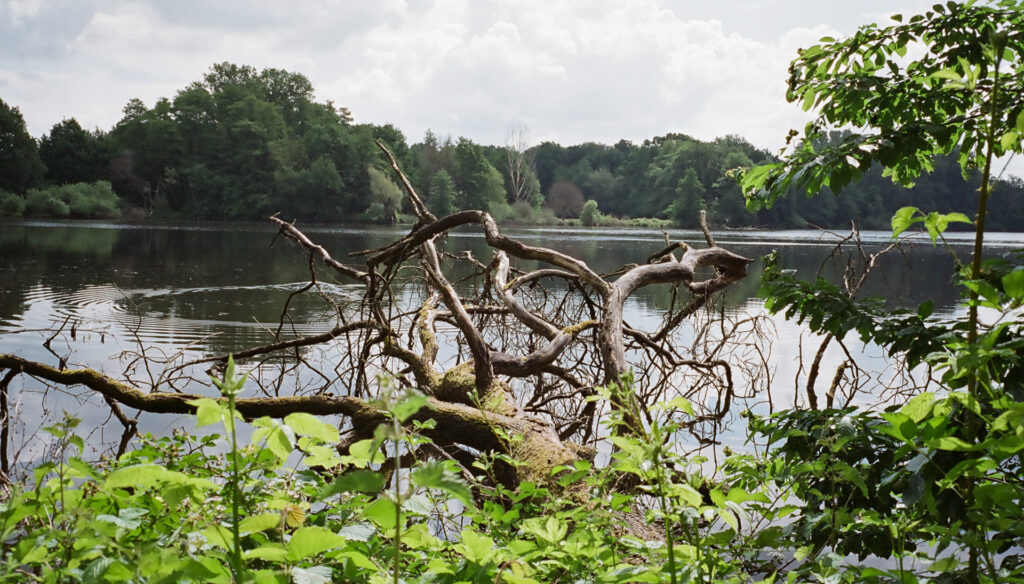
The five photographs I am showing here were taken with a FUJIFILM Nexia A200; there are 25 exposures in the cassette. As is typical for Fujifilm, the images have a slightly greenish cast. As with 35mm film, development is carried out using the standardised C41 process. My minilab, which I have had since 1989, can develop this film; the negatives are slightly smaller than 135 mm film. The negatives were scanned with a Noritsu Koki at a resolution of 2382×1358 pixels.
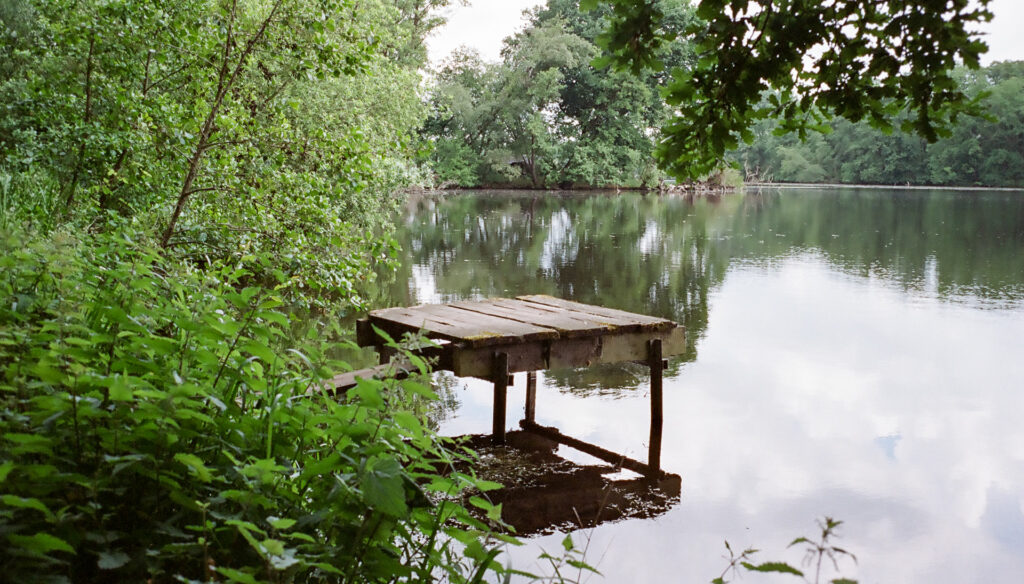
I took the nature and landscape photos near where I live. None of the photos have been edited. I show my photos in the middle of my explanations without going into detail. Everyone can form their own opinion. Questions are, of course, very welcome. I had two cameras with me on this hike, the Contax was my second camera. It is also an automatic camera, but I used the programme mode for my first film. I didn’t see any problem with this for these landscape shots. Otherwise, I rarely use it.
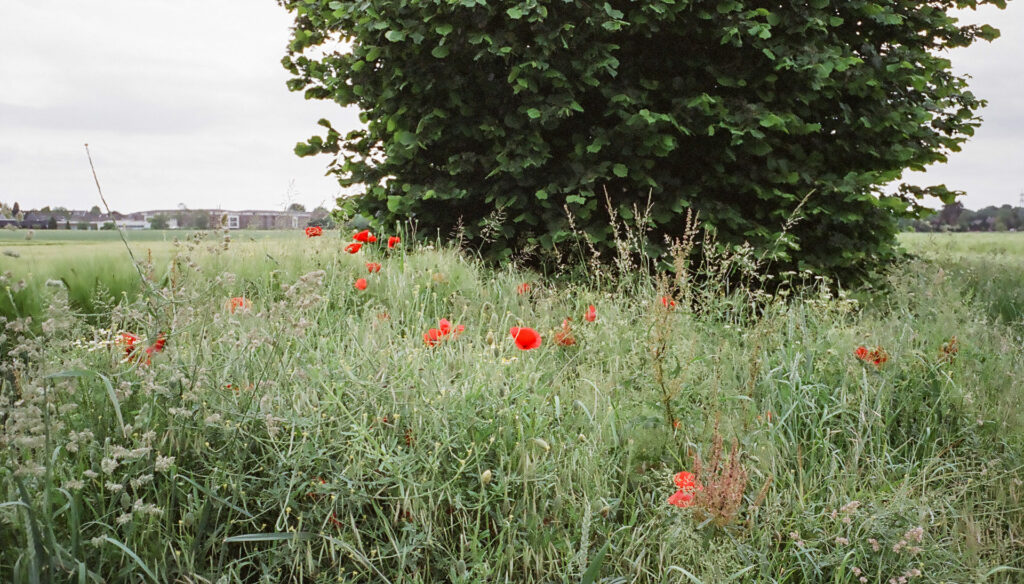
For those of us who have never held an APS film in our hands, here are a few tips. The sealed cartridge is placed in the film compartment and the cover is closed. When the camera is turned on, the film is threaded, and after 25 exposures, it is completely back in the cassette. After development, the negatives are in the cassette, which I keep.and, if necessary, take it to the lab for later printing. I think it’s a great solution for occasional photographers. But the cameras on offer were expensive and there were already plenty of digital cameras on the market.
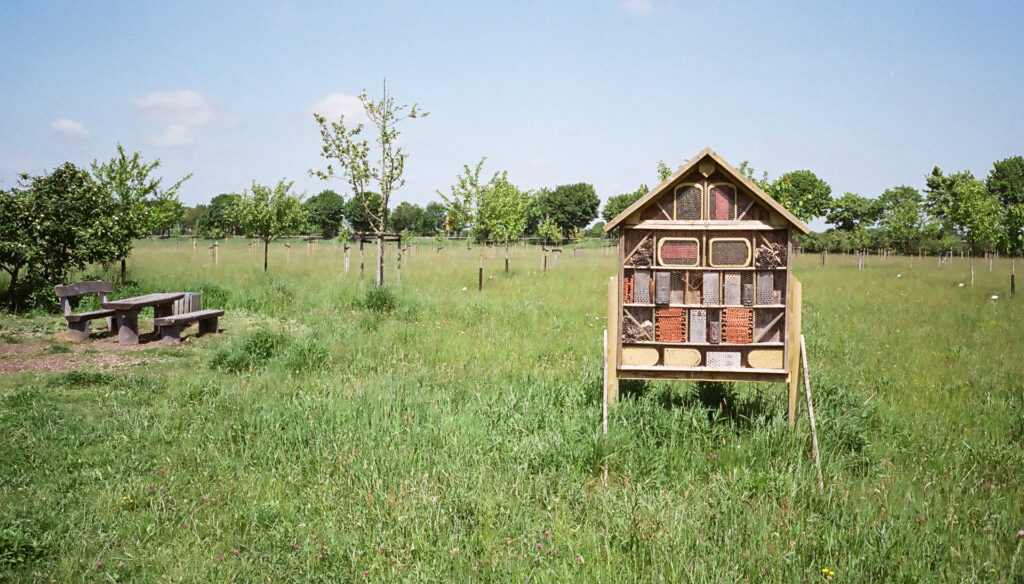
I can’t think of anything else at the moment, but feel free to ask questions. Will I be able to answer them all? I don’t use the camera often enough for that. There is plenty of information available on the internet. I’m sure there are quite a few specialists here at 35mmc. I think the image quality is very good. I haven’t come close to exhausting the possibilities of the Contax Tix. I have to admit that I don’t use APS cameras very often. I’m more interested in my analogue 35mm cameras without autofocus, SLR and rangefinder cameras with and without interchangeable lenses, and cameras with roll film. And then there are those with CF and SD cards and whatever else is out there. It’s just GAS, and there are only 24 hours in a day.
Thank you very much for reading!
Share this post:

Comments
Ibraar Hussain on 5 Frames with the CONTAX Tix APS-Film Camera with Carl Zeiss Sonnar 2.8/28mm T*
Comment posted: 08/01/2026
Lovely camera
Gerard on 5 Frames with the CONTAX Tix APS-Film Camera with Carl Zeiss Sonnar 2.8/28mm T*
Comment posted: 08/01/2026
I myself bought the Leica at the time for my wife after I ruined her AFC-1. It even had three formats to choose from.
Comment posted: 08/01/2026