

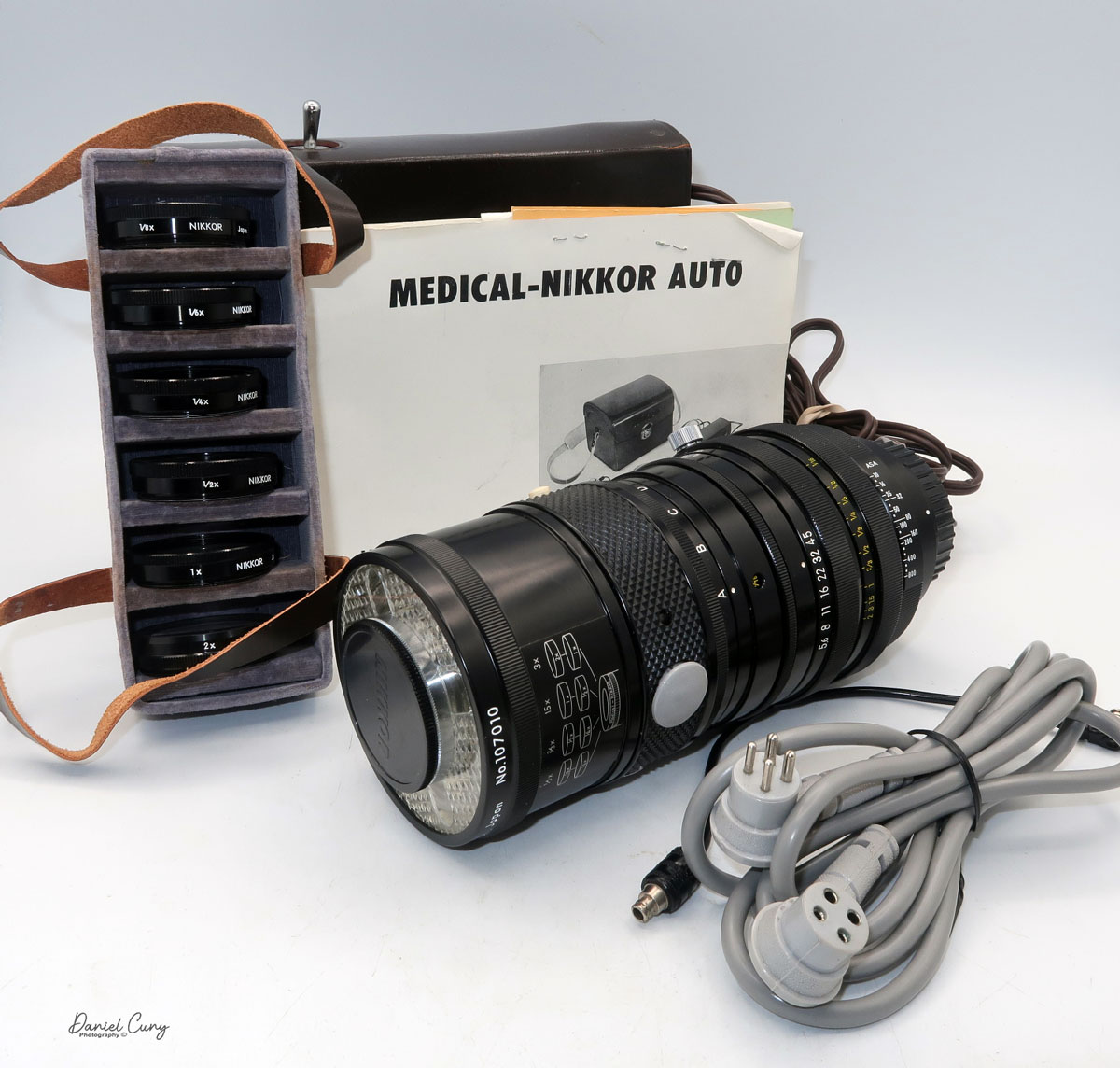
I am a lifelong Nikon fan and own a variety of Nikon cameras. I have very vivid memories of working in a camera store in the mid-to-late 1970s, where I spent almost 20 years. The Nikon 200mm Medical Nikkor was a lens I had only seen in catalogs and brochures. I’m sure I had seen the lens in showcases at conventions.
I’m not sure why I’ve been drawn to this lens for so long. It has something to do with the lens being very specialized, its unique look, and the built-in ring flash around the lens. It also had to do with my love for macro photography and the idea that a lens like this would make it so much easier.
It wasn’t until very recently, while browsing items for sale at a local estate sale, that I had the opportunity to hold a Nikon 200mm Medical Nikkor lens and examine it closely. The estate sale was for a retired doctor who had two Nikon Medical Nikkors, along with a variety of other medical and photography equipment. The lenses were complete with the power supply, close-up lenses, and connecting cables. One of the kits included an AC power supply, while the other featured a DC power supply.
The asking price seemed high, so I walked away from the sale, knowing that the prices would decrease in the days that followed. I crossed my fingers and hoped that when I came back on the final day of the sale, the lenses (and several other items) would still be there.
When I went back on the final day of the sale, both lenses were still there, but the pricing was still too high. Talking to the owner of the estate sale, he mentioned that on Tuesday, after the sale ends, if these items are still there, he’d consider offers. I contacted him on Monday. He said there were some items still available and that if I wanted to meet him on Tuesday morning, he’d listen to offers.
When I arrived at the sale on Tuesday, not only were the two Medical Nikkors still there, but several other items I was interested in were as well. I made a bundle deal and gave him a price for all, which he accepted.
Once I got the lenses home, I started to piece the items together. I plugged them into the AC power supply and found that both lenses were in good working condition. The modeling lights work, and both lenses flashed as they should. The only negative thing I found was that one of the connecting cables from the power supply to the lens was missing. Additionally, the DC power supply requires four “D” size batteries, which is not an issue; however, it also accepts an older 240V photo battery, which is no longer available from my searches. The “D” size batteries power the focusing lights, and the 240V powers the flash.
Using the Lens:
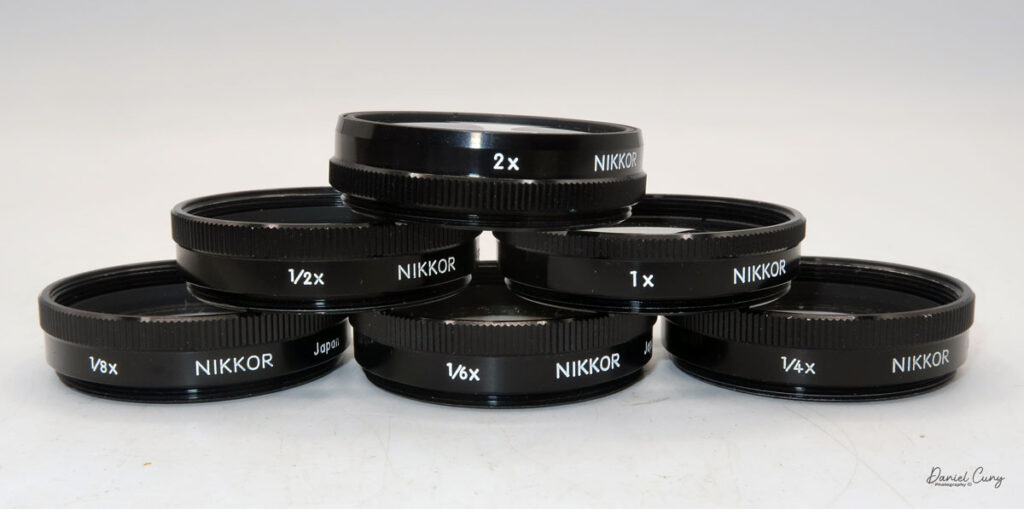
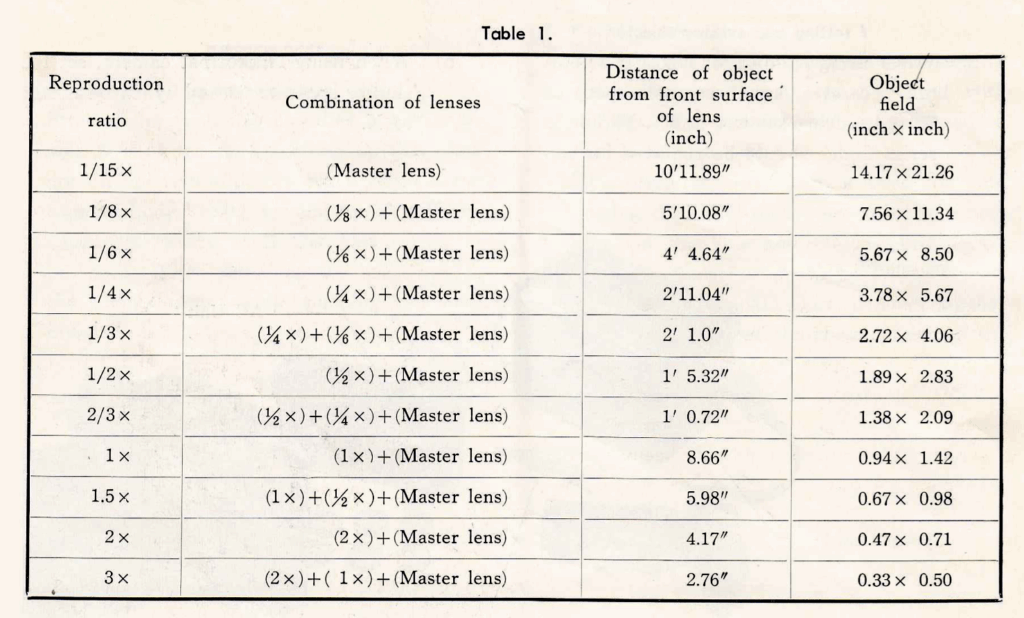
When you first look at the lens, it can be confusing, so let me give you some basics about the Nikon 200mm Medical Nikkor lens. There is no focusing ring on the lens itself. Instead, the lens uses a series of six close-up lenses that screw into the 38mm filter ring on the front of the lens. These close-up lenses are 2x, 1x, 1/2x, 1/4x, 1/6th and 1/8x. These close-up lenses are threaded on both sides, allowing them to be stacked for a closer view of your subject. The only one not double-threaded is the 2x. The combination of the close-up lenses along with the master lens allows the lens to have a wide range of ratios, from 1/15 to 3x.
Here’s a table in the instruction manual that shows when to use the specific close-up lenses, the distance from the subject, and the subject’s size in inches.
One of the unique features of the Nikon 200mm Medical Nikkor lens is the built-in ring flash, which consists of two flash tubes. This ring flash provides even and shadowless lighting, making it ideal for macro photography. Additionally, there is a series of four small lights around the lens that can be turned on to aid focusing. These lights are beneficial when you’re getting close to the subject, as they illuminate it and make it easier to find the proper focus point. The focusing lights are user-replaceable by unthreading the front of the lens, which exposes the focusing lamps.
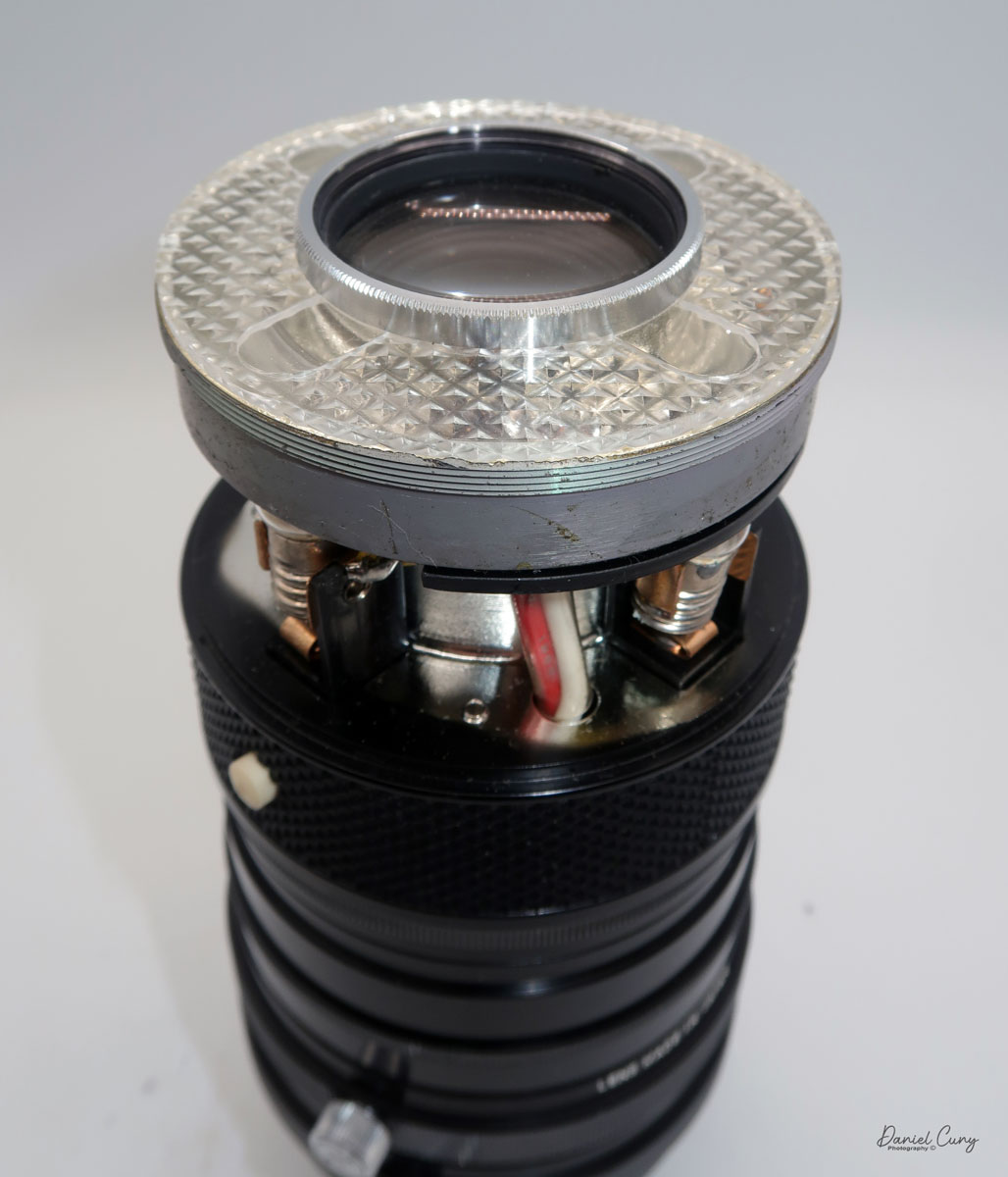
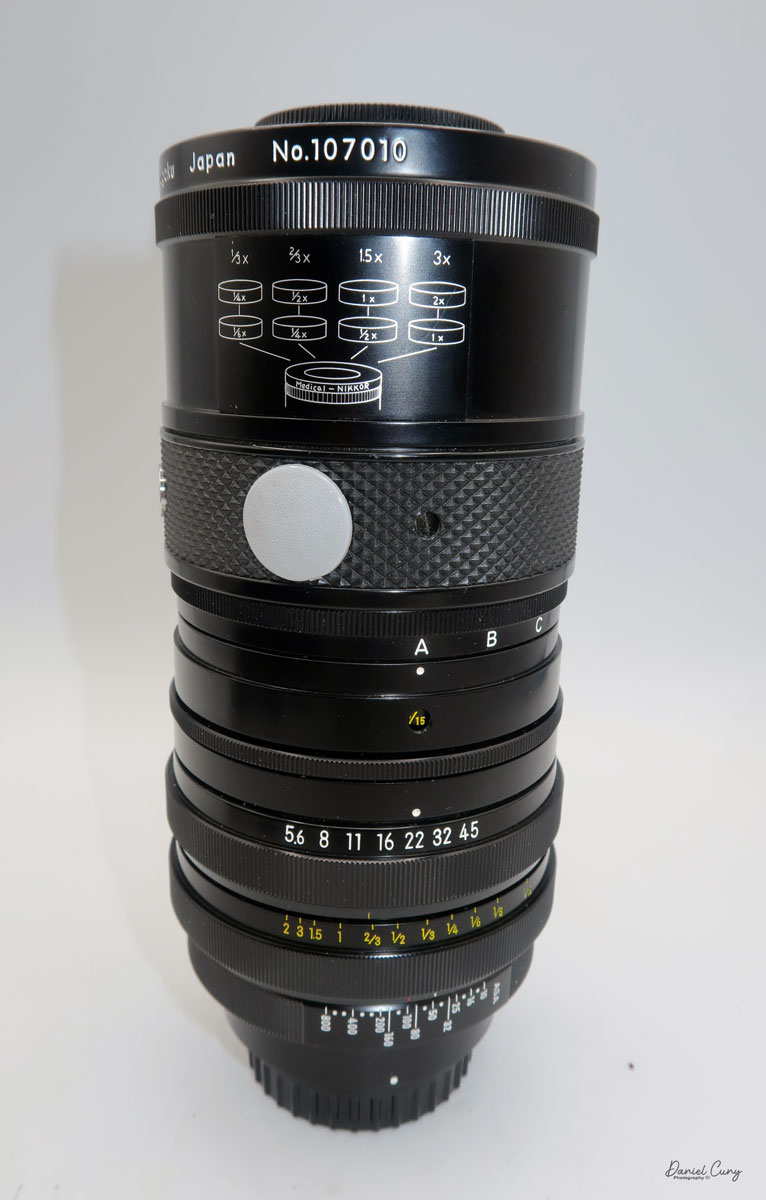
Just below the removable top, which exposes the focusing lamps, is a knurled ring that has the PC connector, which connects the PC cable from the camera to the lens. Next to that is the socket where the connecting cable from the power supply fits. There is a grey cover on both lenses that keeps the connector from getting dirty. Next to the socket is a small window with the ready light, which indicates that the flash is fully charged and ready to fire. And last but not least, on the other side of the PC connector is a small, great button that you press in to turn on the focus lights. These are something I use often, especially when close to the subject.
Since the Nikon 200 mm Medical Nikkor lens does not have a focusing ring, achieving the correct focus point on your subject requires physical movement of the lens. The built-in focusing lights are a tremendous help in this process, especially when working in darker areas. Without these lights, achieving a sharp focus would be challenging. To use the lens, you need to physically move the lens in and out to find the proper focus point on your subject. Being able to light your subject with the focusing light is a tremendous help. Without the focusing light, it would be challenging to achieve a sharp focus, especially in darker areas, which is often the case when using this lens. Let me walk you through the process of using the lens: [detailed steps].
The Nikon 200 mm Medical Nikkor lens features a unique capability that enables you to imprint a number on your image. This imprint can be for a case number, date, frame number, etc. The lens has a thin ring with the letters A, B, C, and D, which is used to intensify the number imprinted on your frame. Just below the ABCD ring is the number being put onto your frame. The numbers range from 1 to 39 in white and 3 to 1/15 in yellow, corresponding to the chosen ratio, if that’s what you would like to have imprinted. This feature can be handy for organizing and categorizing your images, adding a unique touch to your photography.
The next two rings on the lens are for exposure settings, and it actually works very well. Both of these rings have locking screws to hold the settings in place. The ring closest to the camera body and farthest down on the lens is the film speed, or the film’s light sensitivity (ISO), you are using in the camera. There are two lines: one is red for color film, and the other is white for black-and-white film. The difference between the red and white lines is one F-stop. I use the red line for my camera.
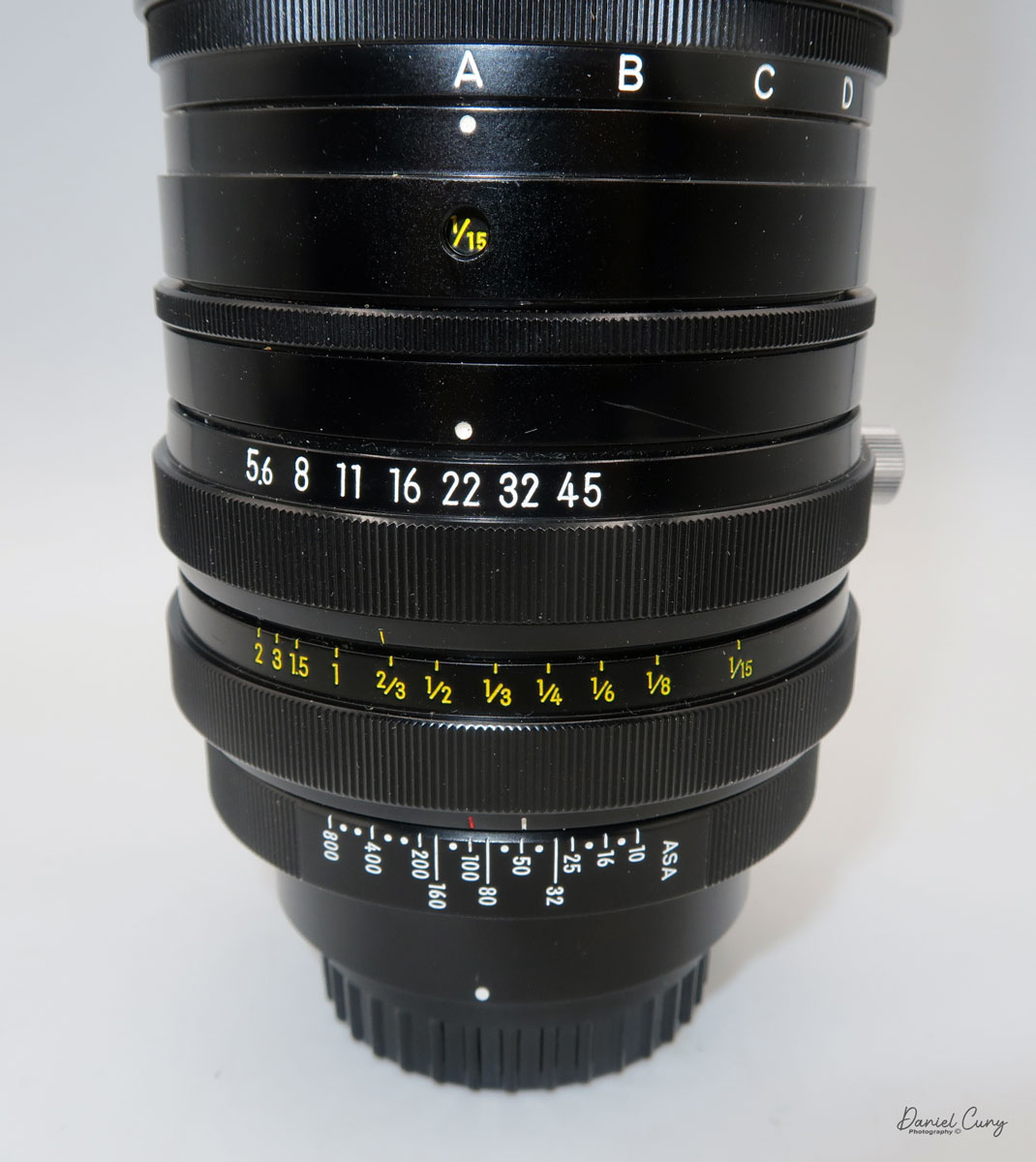
The next ring above the film speed is the aperture setting. Below the aperture setting is a guide that corresponds to the close-up lenses used. Match the close-up lenses you put on the front of the master lens to the proper aperture needed for a properly exposed image. You can also lock down that setting, so it doesn’t get changed during focus. As you change magnification, you’ll need to adjust the lens’s aperture setting. This system works great, and the exposure is accurate. You can also lighten or darken as needed by just changing the aperture up or down, depending on your preference.
The wonderful thing about this lens is that it is compatible with both new and old camera bodies. The lens mount is a very generic Nikon mount with automatic aperture control. To use and test the lens, I attached it to my Nikon D850, set the camera to manual mode, and set the ISO to 100; it performed well.
While doing an initial test on the lens, I took 7-8 images, then I heard a small pop and the flash stopped working. Having worked in the photo industry, and more specifically working with commercial flash, that wasn’t a good sound. I took the top off the power supply after unplugging it and found that one of the small capacitors had blown. I looked online and found one that appeared to have the exact electrical needs, so I ordered it. Once it arrived, I replaced the capacitor and soldered it in. Put the top back on, and the power supply started to work again.
Before the capacitor blew, I tested the lens and took images with a camera I recently wrote about on my camera-collecting blog. The one thing that struck me was the appearance of the ring flash. I’ve always enjoyed how the ring flash gives a halo effect around the subject, very similar to some of the fashion shoots in the 1980s and 90s, before it became unpopular.
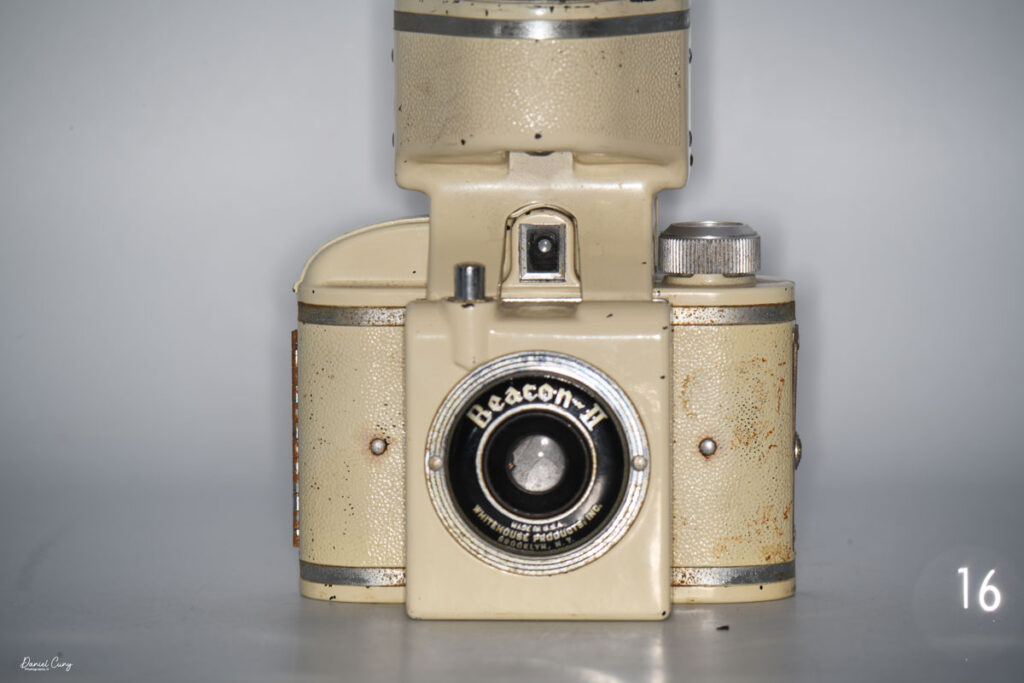
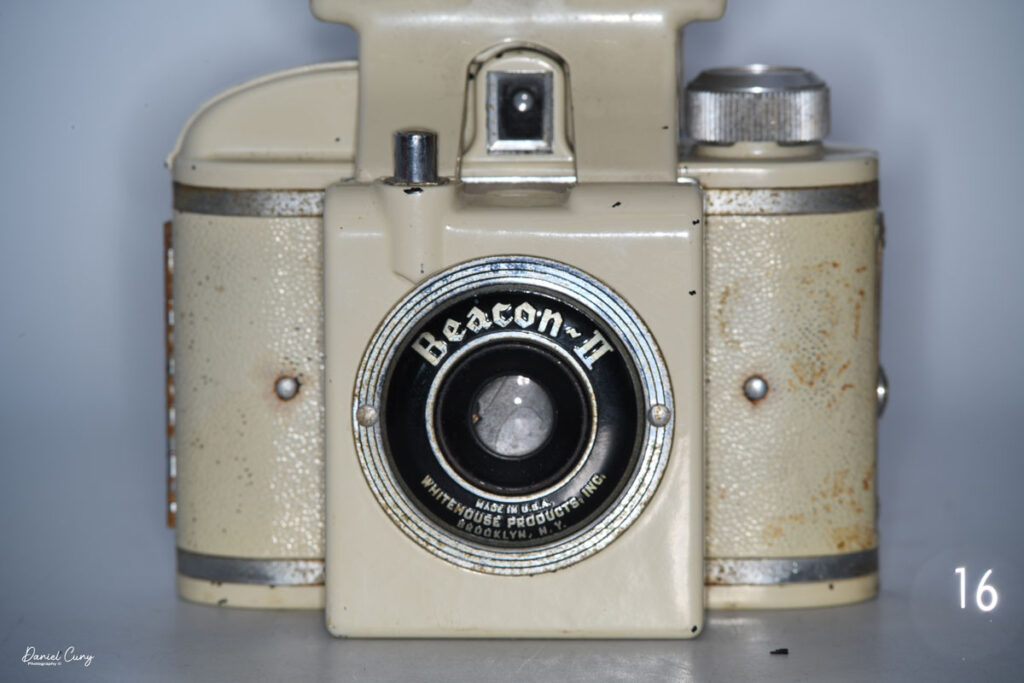
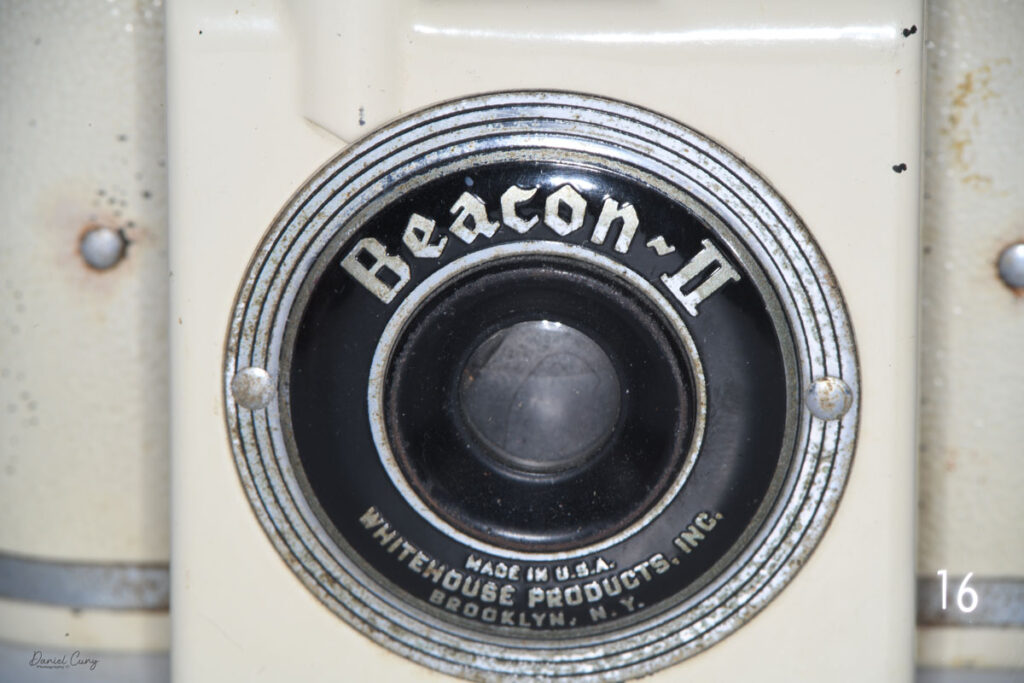
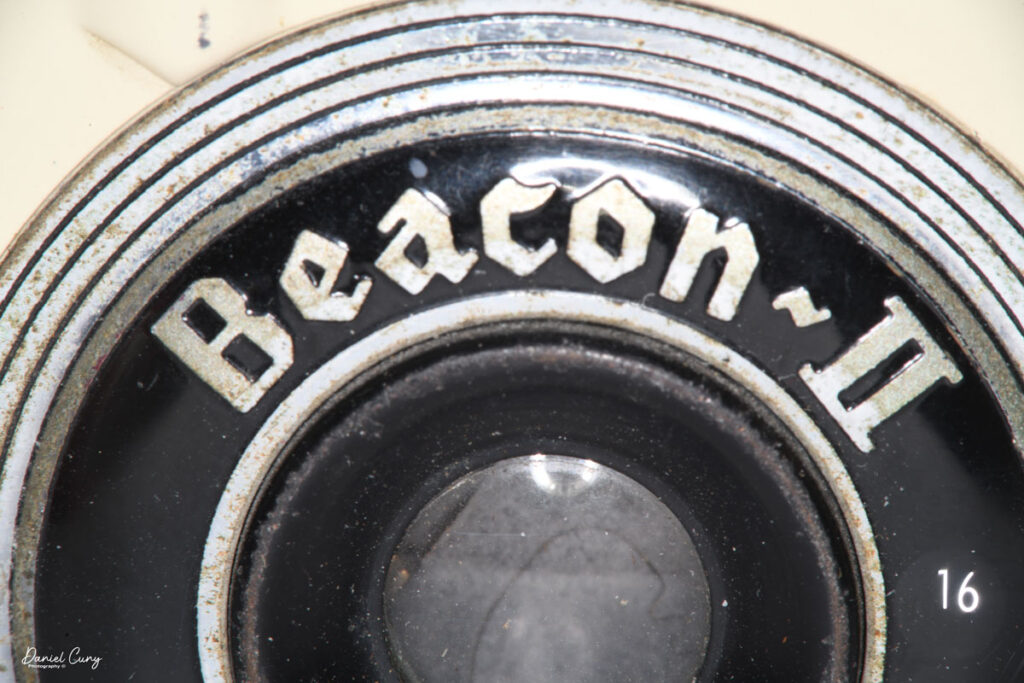
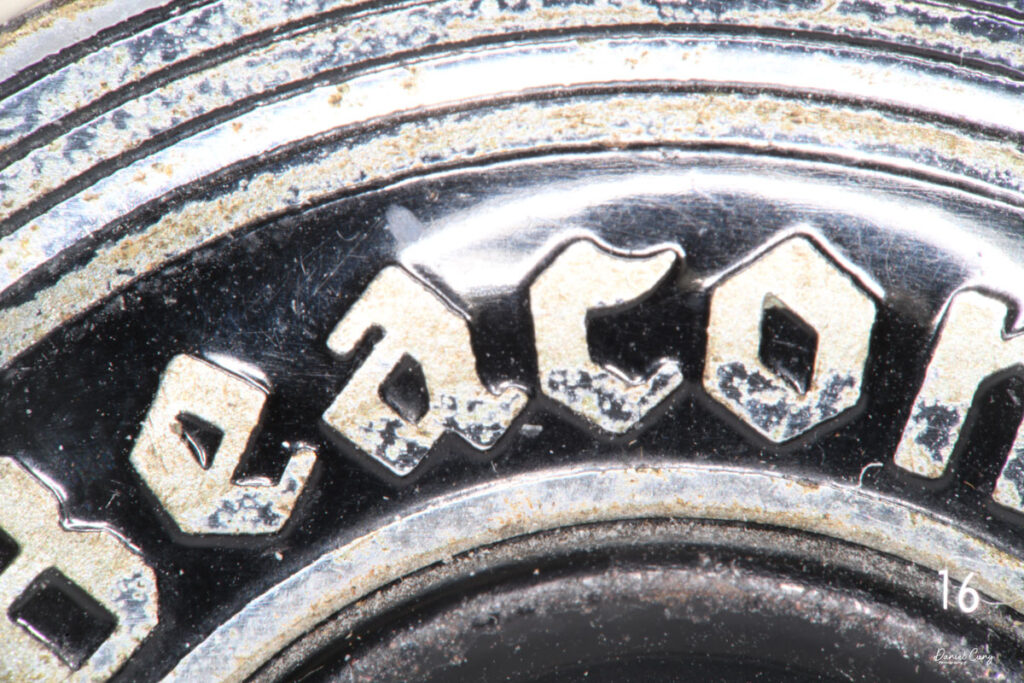
I also wanted to try the lens on a coin and possibly a few different objects to see how it performed on them. I didn’t have a stamp to try the lens on, but I did have a few other coins to use instead.
Results:
Here are some of the images I made with the Nikon 200mm f/5.6 Medical Nikkor lens. I attached the lens to my Nikon D850, set the camera to manual mode, and adjusted the shutter speed to 1/60 to ensure proper flash synchronization.
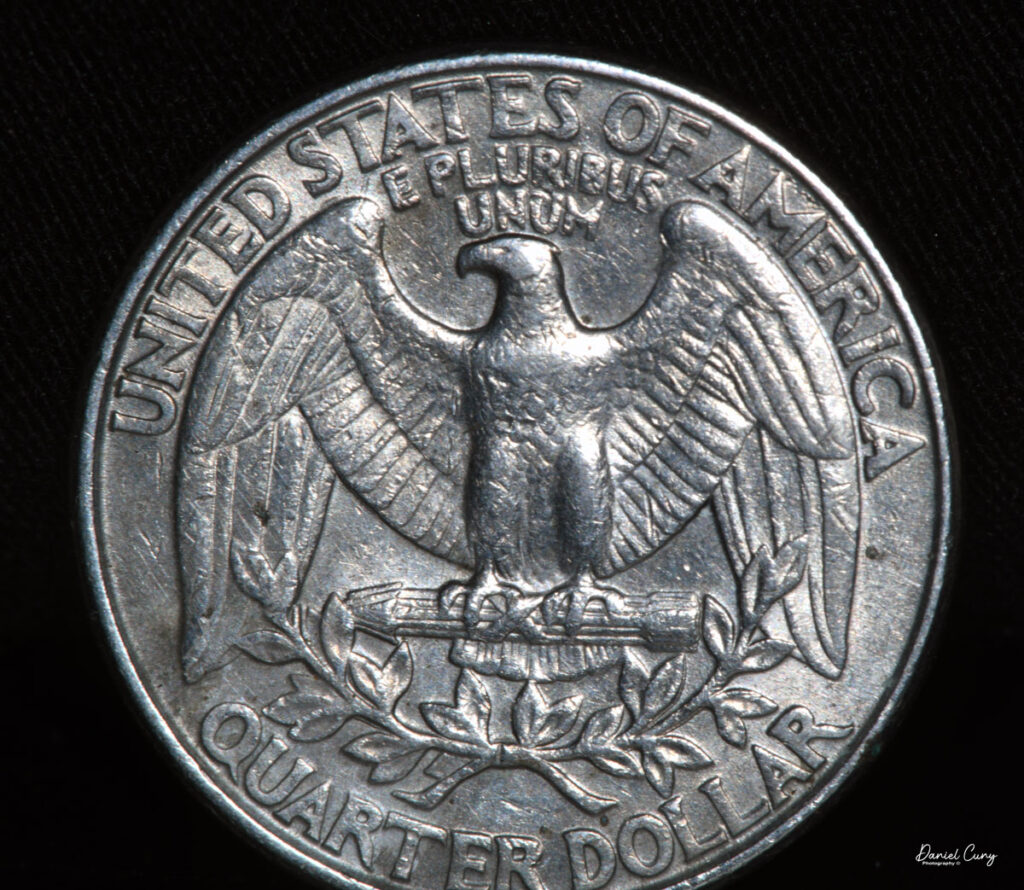
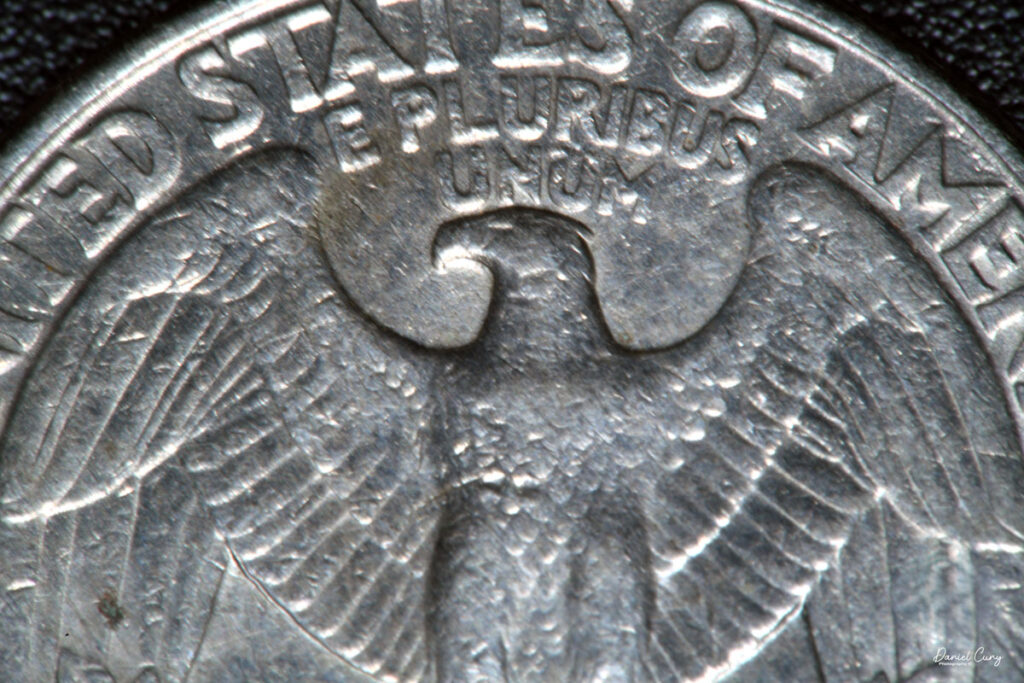
I also tried to get a mix of hard and soft materials to shoot—hard shiny metals, plants, coins, etc.
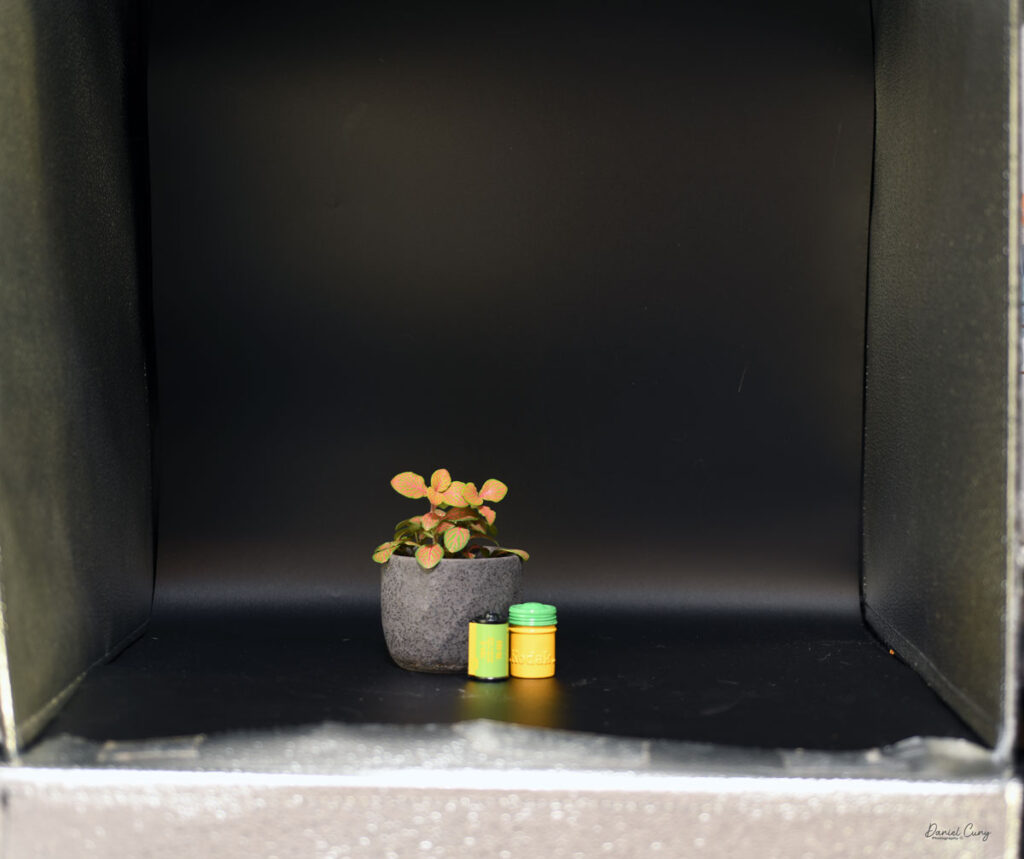



Conclusion:
I don’t understand why the Nikon 200mm Medical Nikkor isn’t more popular for small products, such as coins, given that it features a built-in focusing light, a ring flash for very even illumination, and, as a telephoto lens, you’re positioned far away from the subject.
The lens produced clean, sharp images; the ring light did a fantastic job on the coins; and the pictures of the plants were perfect, all for being hand-held images. I also like the product shots; the built-in ring flash gives the photos a distinct look that’s different from most, which is not typical of the younger generation.
Share this post:






Comments
Kodachromeguy on Nikon 200mm Medical-Nikkor – A Vintage Macro Lens with Built-in Ring Flash
Comment posted: 08/12/2025
Comment posted: 08/12/2025
Gary Smith on Nikon 200mm Medical-Nikkor – A Vintage Macro Lens with Built-in Ring Flash
Comment posted: 08/12/2025
Comment posted: 08/12/2025
David Dutchison on Nikon 200mm Medical-Nikkor – A Vintage Macro Lens with Built-in Ring Flash
Comment posted: 08/12/2025
Comment posted: 08/12/2025
Omar Tibi on Nikon 200mm Medical-Nikkor – A Vintage Macro Lens with Built-in Ring Flash
Comment posted: 08/12/2025
I've been interested in a C/Y mount medical lens for my own lineup, but I don't do almost any macro photography, so I've been staving off the GAS for now. Have fun shooting!
Comment posted: 08/12/2025
Russ Rosener on Nikon 200mm Medical-Nikkor – A Vintage Macro Lens with Built-in Ring Flash
Comment posted: 09/12/2025
Comment posted: 09/12/2025