

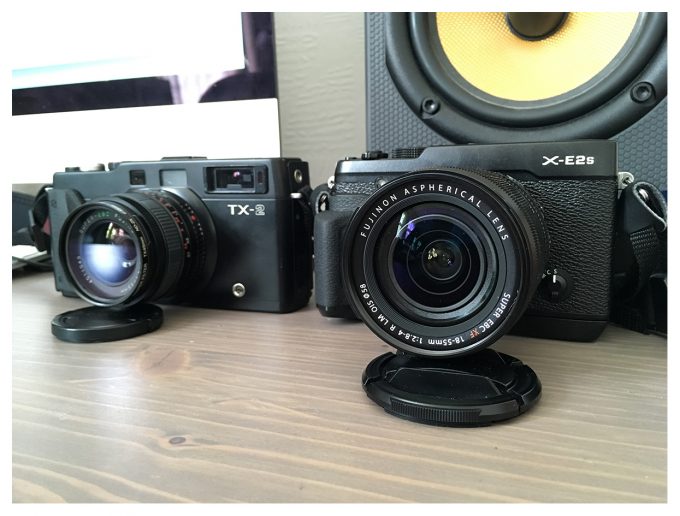
Part III of my “Seeing Panoramic” series. You can see Part I which features this same Fujifilm TX-2 Xpan)
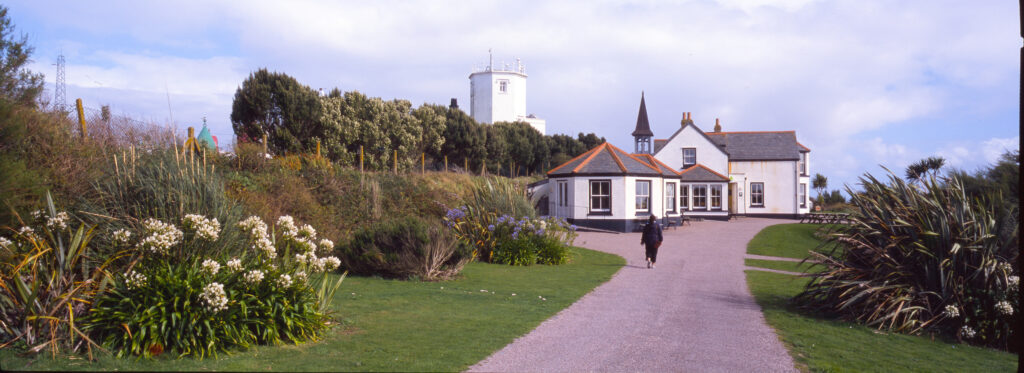
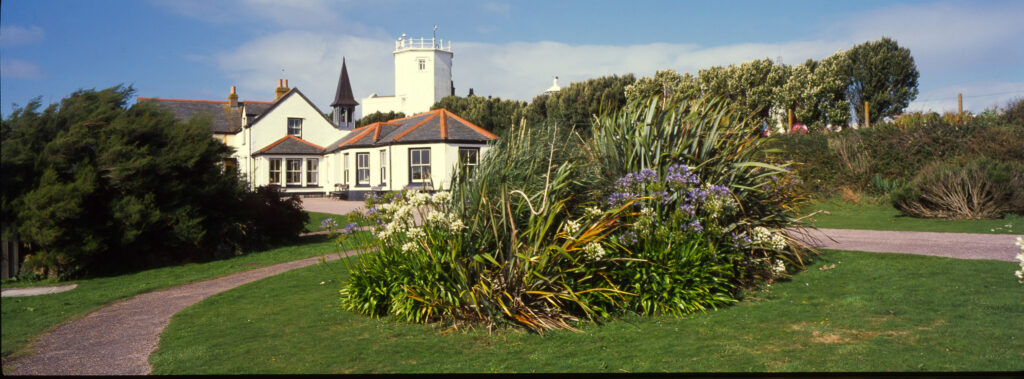
I went to Cornwall once (Kernow in Cornish –Baner Peran) . It was a lovely place, I was lucky that it wasn’t full of tourists when I went. It was a place I’d read about since I was a child; of windswept moors, Pirates and secret Coves.
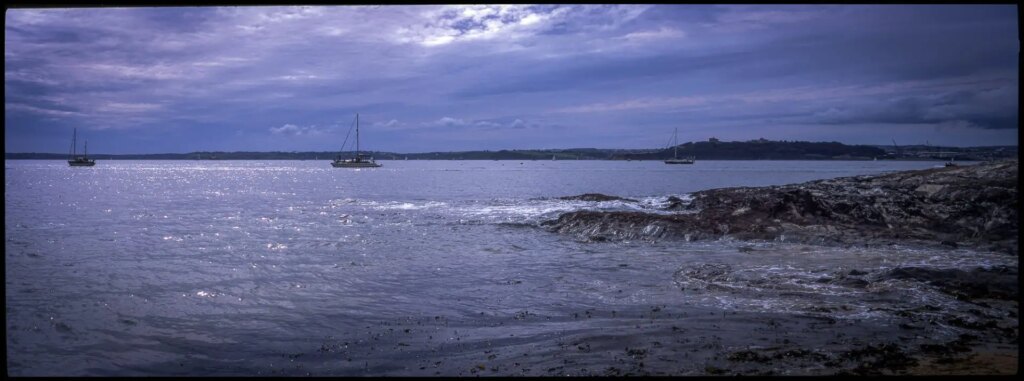
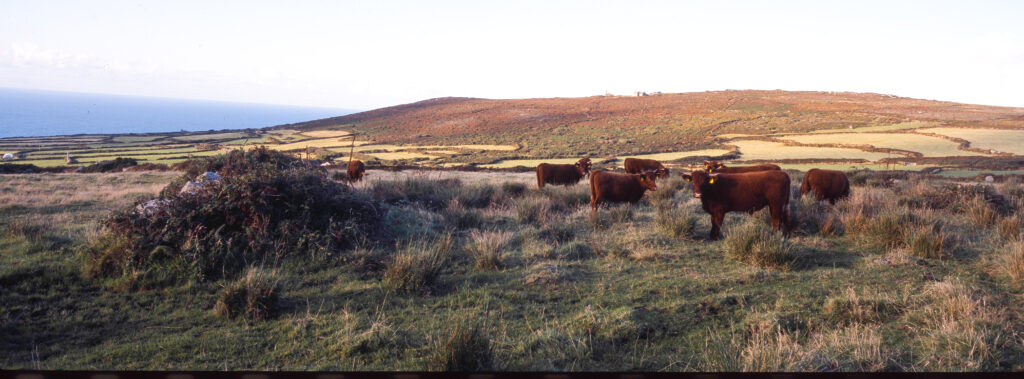
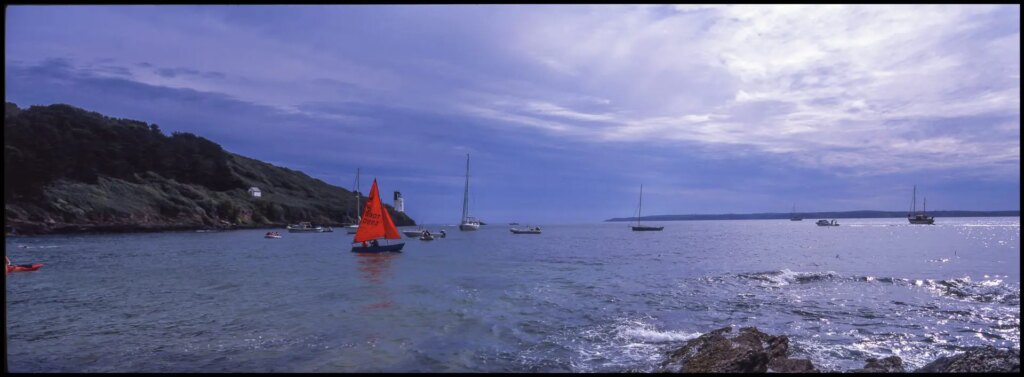
There was something mystical and magical about the place. I remember reading Michael Moorcock’s Corum books years back, where Corum settled down to live on Moidel’s Mount; St. Micheal’s Mount set in an alternative universe.
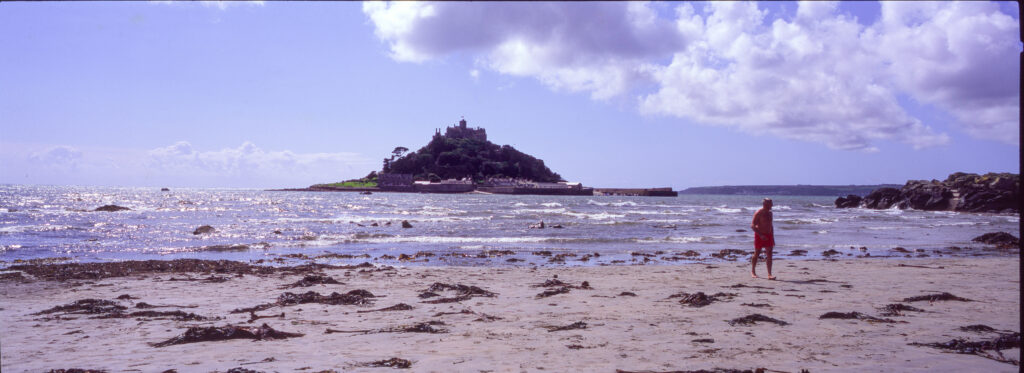
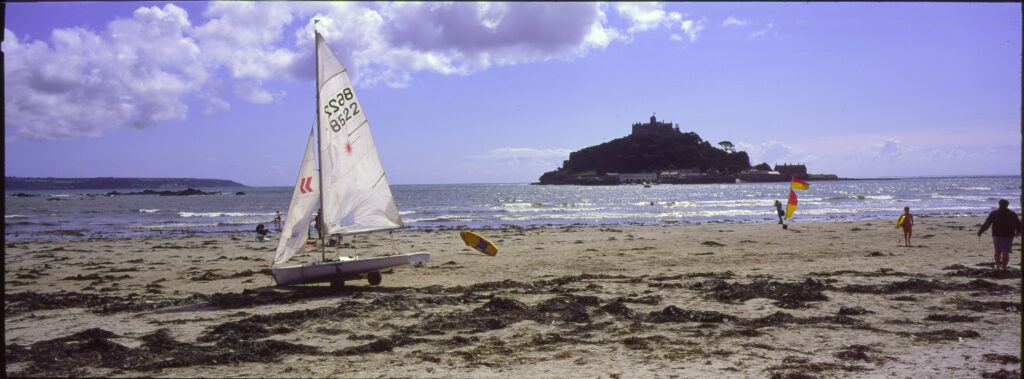
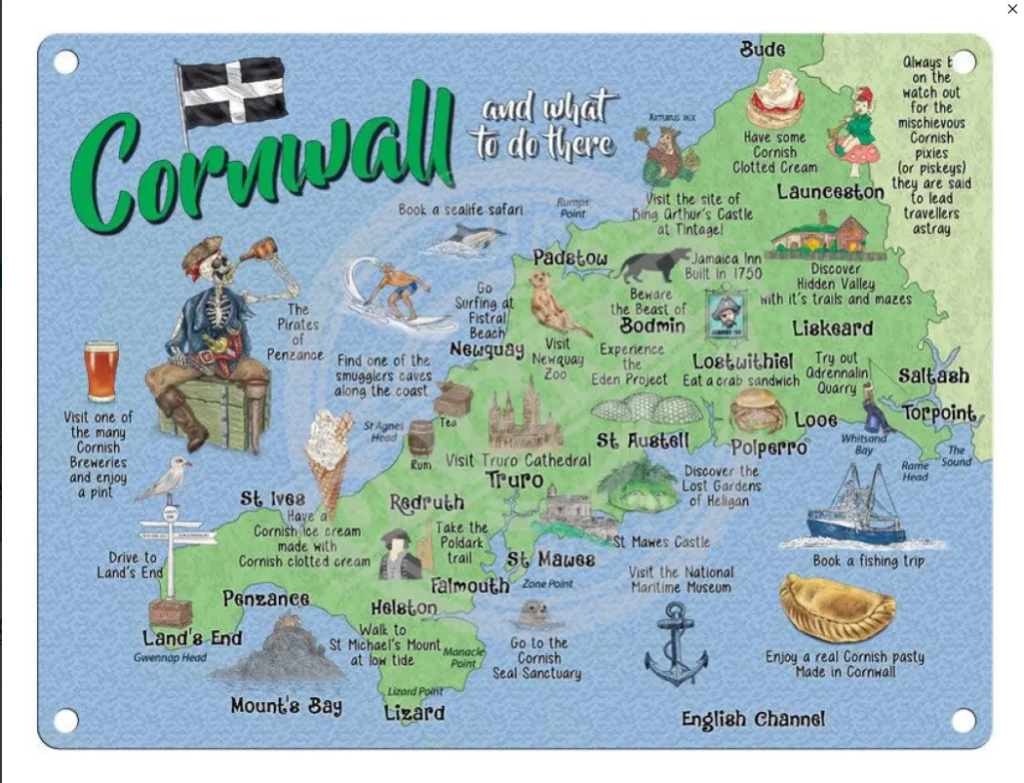
Cornwall features in books and novels from years and years past; Daphne Du Maurier with Jamaica Inn and Rebecca, amongst multitudes of others.
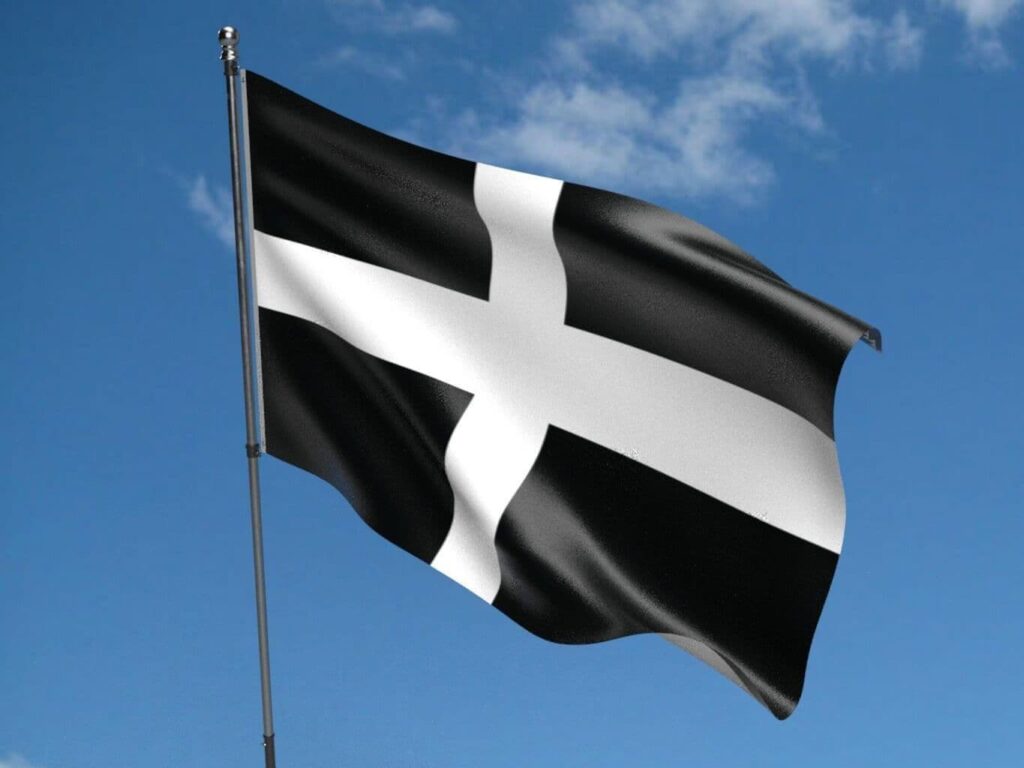
Then you have Lands End, famous for being the southern most tip of Britain, and ancient Megaliths and stone circles, such as the Merry Maidens (below). Cornwall has it’s own flag and language which is a close relative of Welsh/Breton, the original Britons and inhabitants of this island.
Cornwall (/ˈkɔːrnwəl/;[5] Cornish: Kernow[ˈkɛrnɔʊ] or [ˈkɛrnɔ][6]) is a ceremonial countyin South West England.[7] It is one of the Celtic nations and the homeland of the Cornish people.
There is a lot of culture and history here, the accent is also very very old and rhotic, in that just as in Scotland, Ireland and North America, they pronounce their ‘R’s in the distinctive West Country accent, which is easily confused with accents such as those to be found in Norfolk and Suffolk (also known as Farmers or Pirates Accents). Sam Gamgee and the inhabitants of Bree in the Lord of the Rings films are examples. (No idea why Captain Jack Sparrow in Pirates of the Caribbean was speaking in a Brummie accent).
Both regions preserve older layers of English. Much of rural East Anglia and the West Country retained phonetic features from Middle and Early Modern English that urban centres elsewhere lost during the expansion of Received Pronunciation (RP) and other standardizing influences.
Anglo-Saxon settlement patterns: both areas were early Anglo-Saxon strongholds (East Anglia with the East Angles; large parts of the West Country with West Saxon and other Anglo-Saxon groups). That early linguistic substrate left durable features.
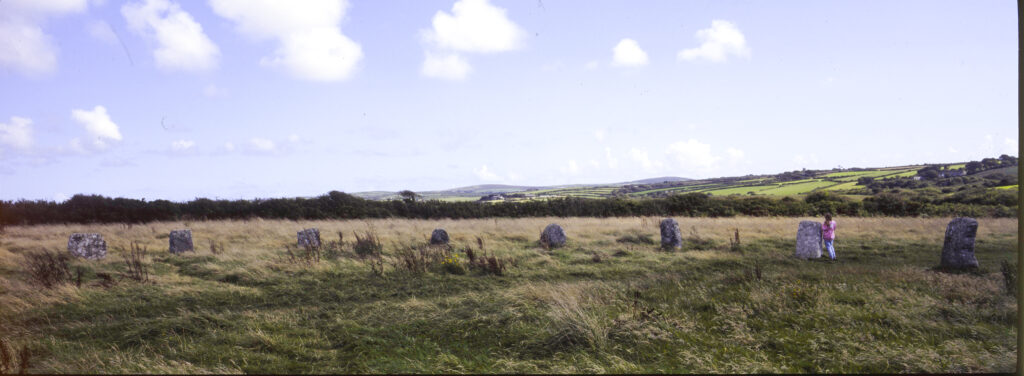
The Merry Maidens (grid reference SW432245), also known as Dawn’s Men (a likely corruption of the Cornish Dons Men “Stone Dance”) is a Late Neolithic stone circle located 2 miles (3 km) to the south of the village of St Buryan, in Cornwall. A pair of standing stones, The Pipers is associated both geographically and in legend.
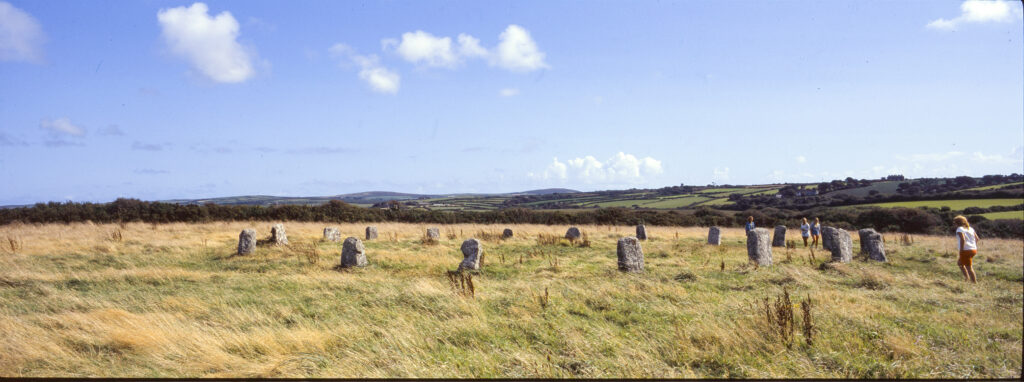
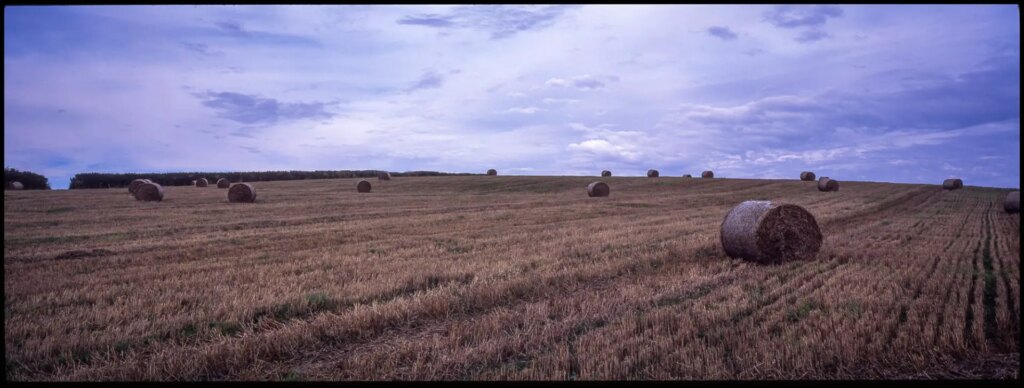
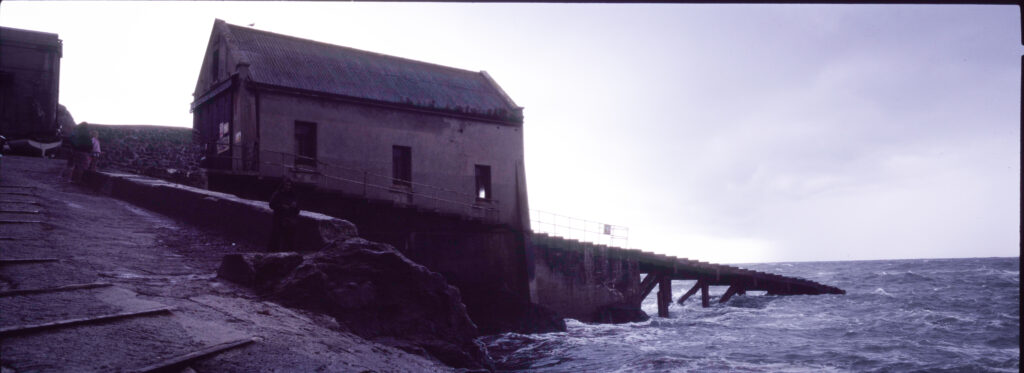
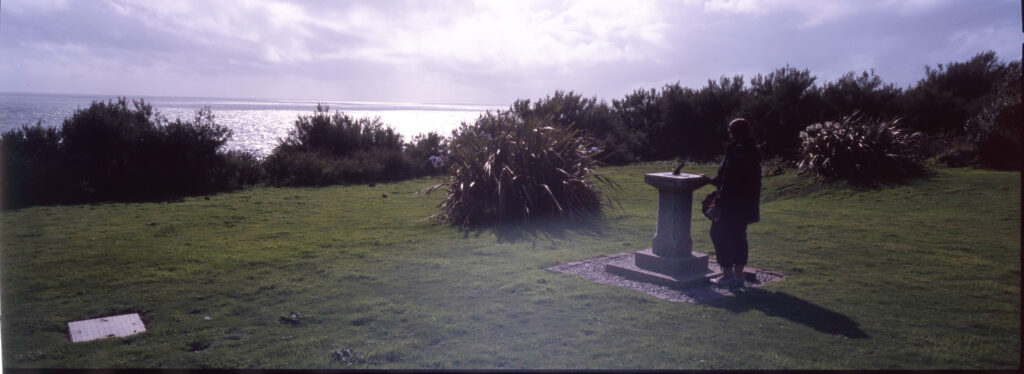
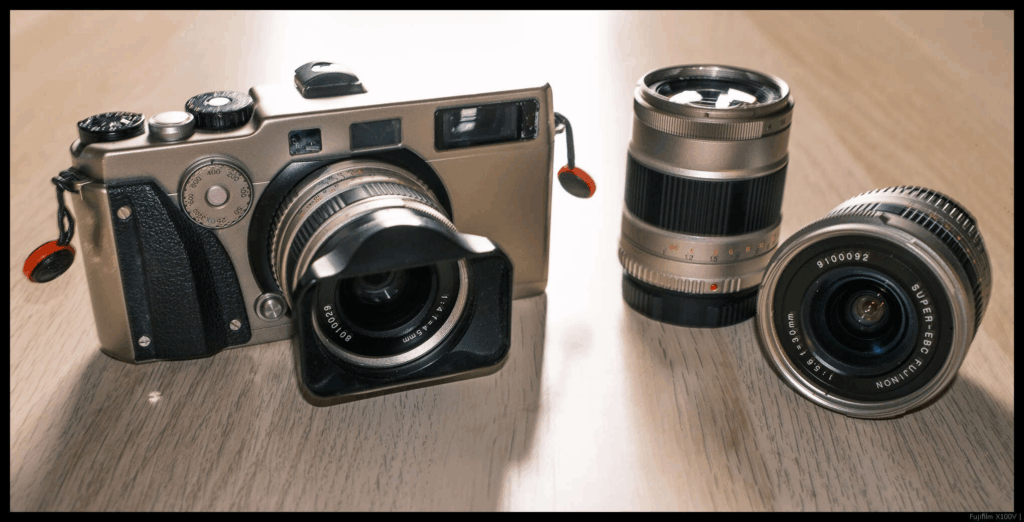
I took a Fujifilm Professional TX-2 with me, with a 45mm lens. A camera now way beyond my reach, but I have since discovered that a Minolta SLR with Panoramic option plus a sharp 24mm lens and good Film could get you much the same, in the same format, so all is not lost. Panoramic photography can be difficult, I just compose the usual way sticking strictly to the rule of thirds, usually with a subject placed 1/3 across the frame, but I have to ‘see’ in the format, which requires a change in the way I view and compose a scene.
I had shot around England and Wales, here are a few from Aberystwyth in West Wales.
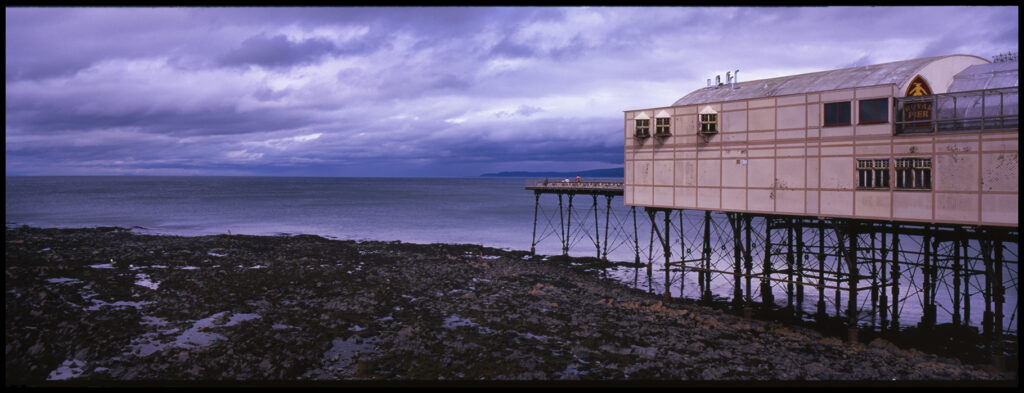
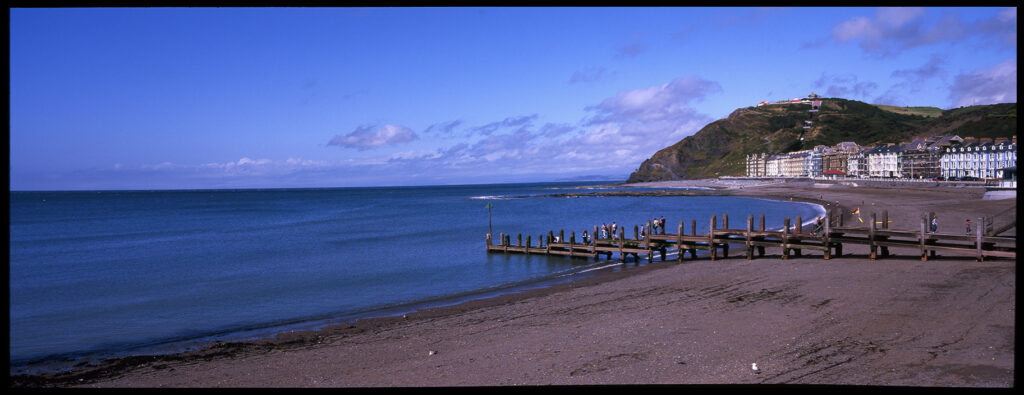
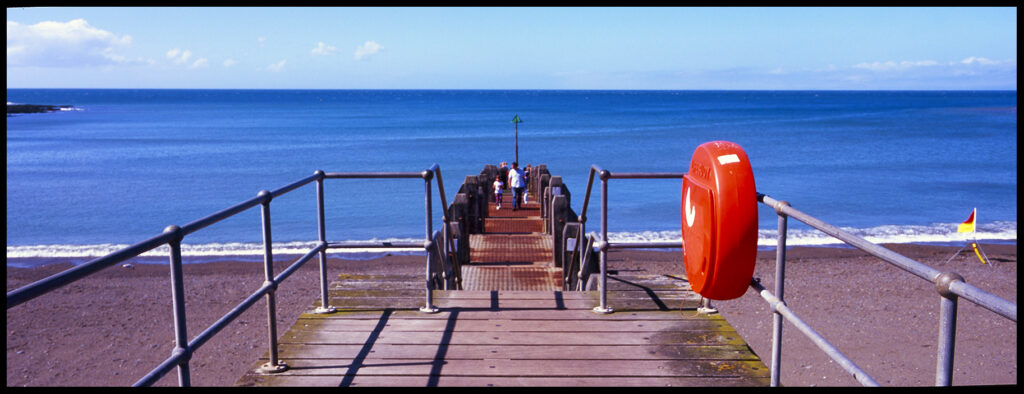
I’ve since lost most of the slides but found some scans, colour is probably way off but the feel of the place is apparent in the landscape snapshots. These were shot with Agfa Precisa 100 and I think Fuji Velvia.
Regarding the camera, I wrote:
The TX-2 is a lovely camera and one which would be great as a back up for when you want to shoot high quality panoramic – it’s lovely but not £7k lovely. Massively overpriced – if you’re loaded and can splurge £7k on a secondary camera go for it
if you don’t or can’t spunk $4 to $7k on one of these or the older version, get yourself a Minolta Alpha Sweet II (or Alpha a-807si Japanese domestic) SLR with Panoramic functions and a high quality Minolta lens, which is faster, more versatile, more fun, better metering and you won’t cry if you lose, break it or it fails.
Ah Cornwall, I shall go back this Summer with a Minolta, to try some Panoramic Format again.
Share this post:


Comments
No comments found