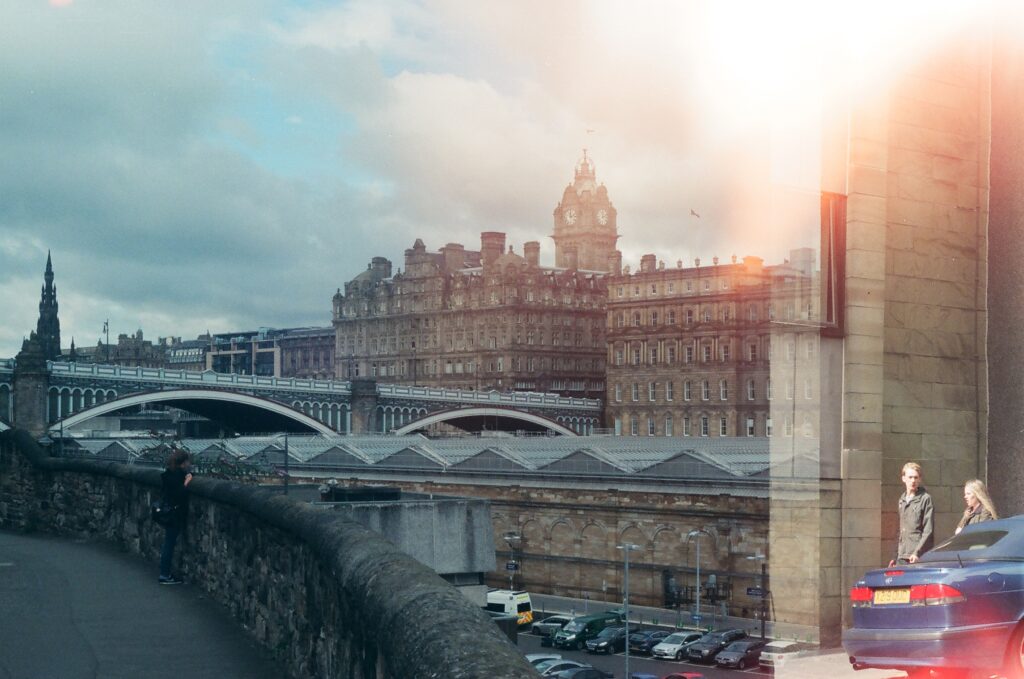
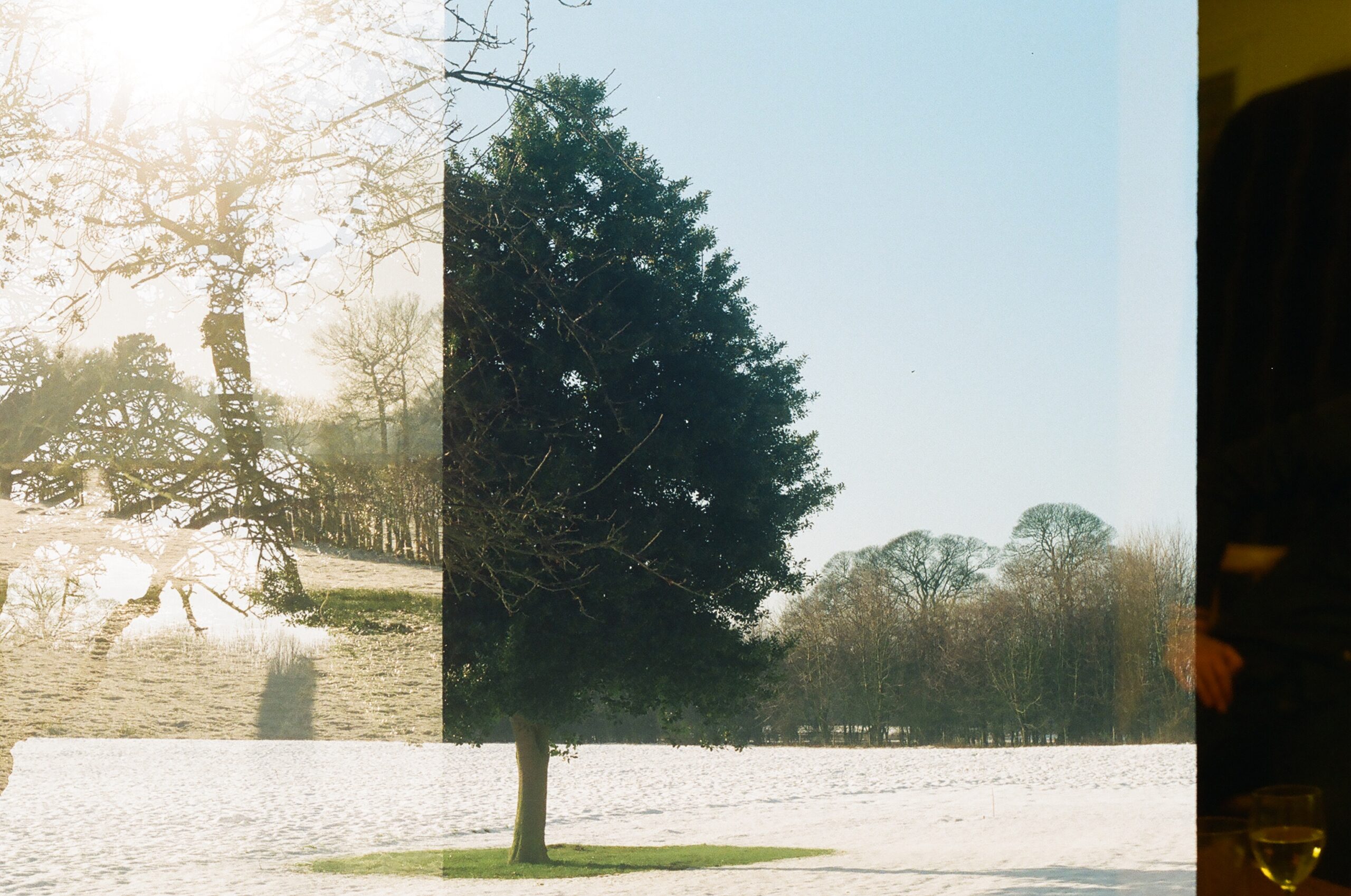
Accidental multiple exposures. Yorkshire, 2013

Remembering an old, broken camera.

By Simon Helm

More than a decade ago, and I remember this as though it were yesterday, I was sitting in a North London pub waiting for my girlfriend to arrive. I had been taking photos with digital cameras for several years, but my thoughts had recently turned to film photography. I thought that film photography would not only be a fun medium to explore, but perhaps slower and more deliberate as well. It could also have been nostalgia for a time when we were more connected, physically, to the work we did. So I sat in the pub, drank my pint, and absent mindedly scrolled eBay looking at the options. I had no idea about film cameras back then, but when I saw an auction with only 10 minutes left and no bids, I decided that £12 was worth a punt and I became the proud owner of a Praktica MTL5b.

I remember loading film into it for the first time. I don’t remember what it was, probably Lomography 400, but I do remember feeling like I was performing open heart surgery. Quickly, I became more familiar with the process and began to fall in love. The MTL5b proved to be a simple and reliable camera for a year or so. As I used it more regularly, I developed that strange, personal affection that people can feel for inanimate things.
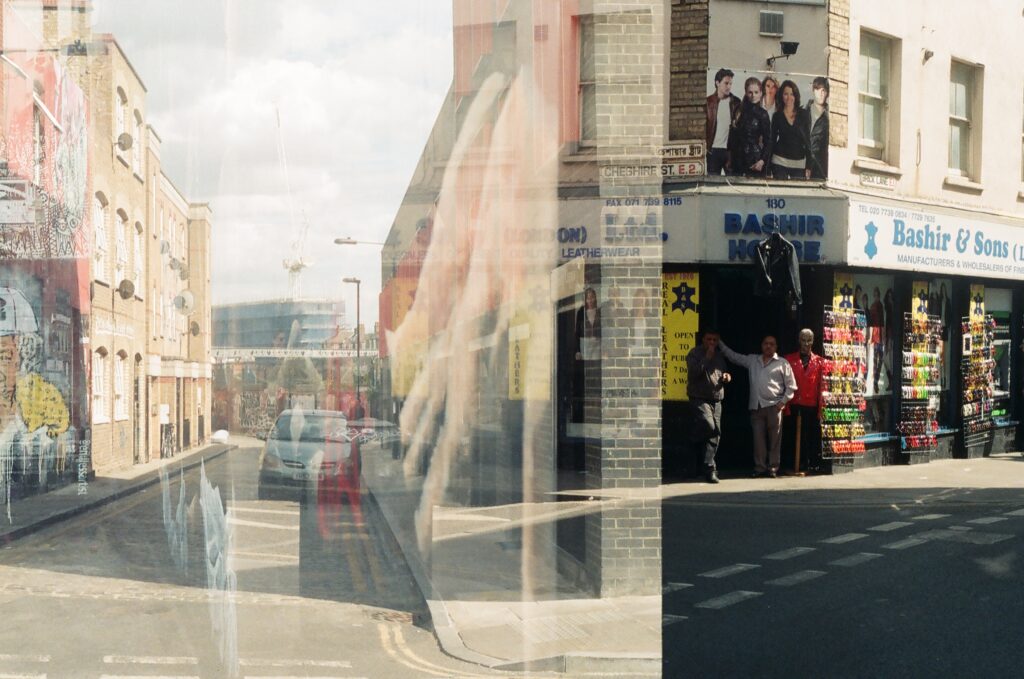
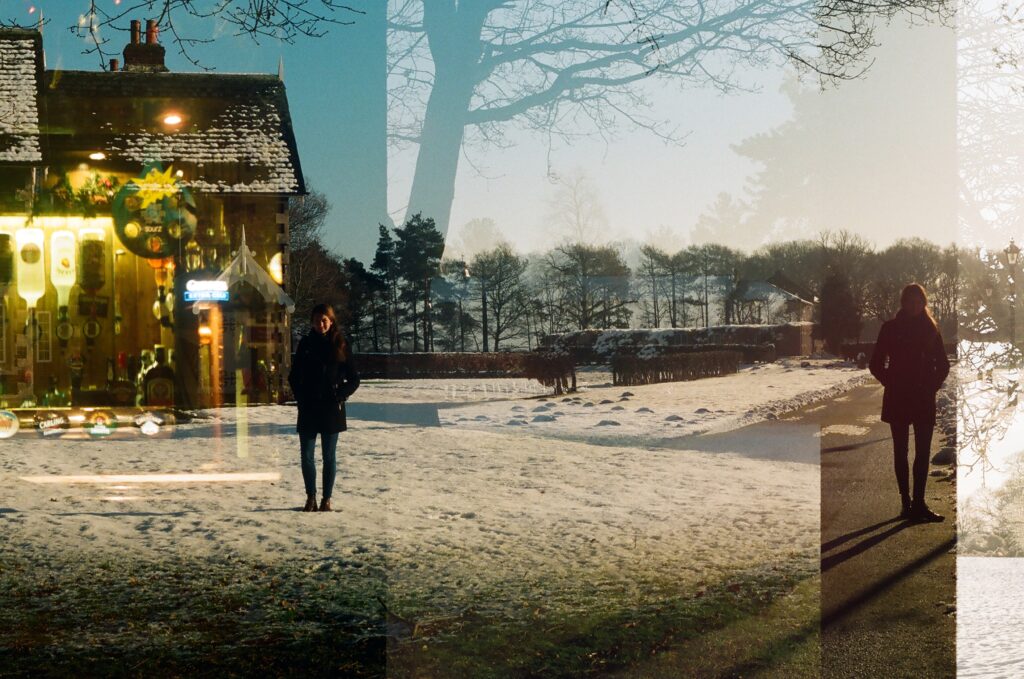
Accidental multiple exposures, Edinburgh 2014.
Edinburgh, 2014
Accidental multiple exposures. Yorkshire 2013
Yorkshire, 2013
Accidental multiple exposures. Edinburgh 2014
Edinburgh, 2014

And then it began to break, and it was the best thing that could have happened. Gradually, over the course of another year or so, the camera evolved from being a faithful recorder of the scene in front of it, to a producer of dazzling, confusing images. The best of them were a chaos of multiple accidental exposures, all covered in light leaks. The camera was letting go of reality, right before my eyes. I take no credit for any beauty that people can find in the images: the MTL5b was just doing its own thing.
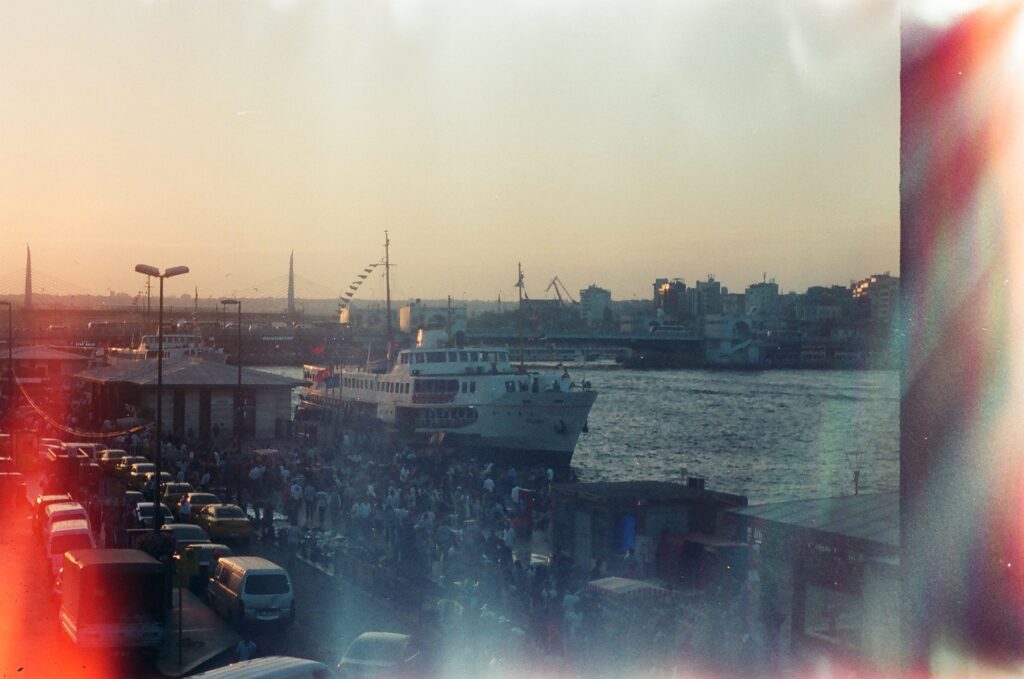
Light leaks, Istanbul 2014

I took it with me on a trip to Turkey in a sweltering summer, and I used it extensively throughout the following winter. I used a DSLR concurrently, and the difference between the two is stark. The DSLR produced images which were accurate, precise renderings of the scene. They act as a good record of the time and place. The photos with an old, broken camera feel so much more than that, and I have returned to them much more often since.

The inevitable eventually happened. Something inside rattled audibly whenever it was picked up and it refused to function in any way. Its life was over. I don’t mind admitting that it made me sad. I wondered what to do next. I could have bought another old camera and hoped for the same thing to happen again. I could even have dropped it on the floor a few times if it refused to misbehave. In the end, I did nothing. It became a lesson in mono no aware: the Japanese love of fleeting beauty, coupled to the eventual sadness of its passing. That camera was my cherry blossom tree. I didn’t even keep it: I sent it for recycling along with a broken lamp.

I have used many more film cameras in the years since, but these are still the images I think about most fondly.

Thank you for reading. You can find me on Instagram here

Share this post:

Find more similar content on 35mmc

Use the tags below to search for more posts on related topics:

Donate to the upkeep, or contribute to 35mmc for an ad-free experience.

There are two ways to contribute to 35mmc and experience it without the adverts:

Paid Subscription – £5 per month and you’ll never see an advert again! (Free 3-day trial).

Subscribe here.

Content contributor – become a part of the world’s biggest film and alternative photography community blog. All our Contributors have an ad-free experience for life.

Sign up here.

Make a donation – If you would simply like to support Hamish Gill and 35mmc financially, you can also do so via ko-fi

Donate to 35mmc here.

Comments

Rita Heinz on Remembering an old, broken camera.

Comment posted: 18/03/2025

Thats the Point way i love filmphotography…..
The surprise of what comes out in the end
Reply

Leave a Reply

Your email address will not be published. Required fields are marked *


Gary Smith on Remembering an old, broken camera.

Comment posted: 18/03/2025

Thanks Simon, those are pretty cool shots! You'd be hard-pressed to manually come up with multi-image composites with the same feel.

Great post!
Reply

Leave a Reply

Your email address will not be published. Required fields are marked *


Alan on Remembering an old, broken camera.

Comment posted: 18/03/2025

Stunning. The slightly grumpy side of me normally can't stand accidental lomo-inspired types of images, but these are awesome. Image 3, in particular, suggests a poignancy that is deeply moving.
Reply

Leave a Reply

Your email address will not be published. Required fields are marked *


Ben G on Remembering an old, broken camera.

Comment posted: 18/03/2025

I love this. Most of my best shots on film were accidents. The accidents inspired me to figure out how to mess up on purpose! This is also a loving eulogy for a camera many seem to hate (Praktica slrs in general).
Reply

Leave a Reply

Your email address will not be published. Required fields are marked *


David Hume on Remembering an old, broken camera.

Comment posted: 19/03/2025

Great images and a lovely story - but I disagree with, "I take no credit for any beauty that people can find in the images: the MTL5b was just doing its own thing." because I think, in continuing with the process once you realised that the camera was doing its own thing you embraced the situation and made these images - the camera did not zoom about and press its own button! Nice work!.
Reply

Leave a Reply

Your email address will not be published. Required fields are marked *


Jeffery Luhn on Remembering an old, broken camera.

Comment posted: 20/03/2025

Simon,
I really liked shot #2. It's an interesting combination of street scenes and one that looks like a surveillance photo! Cool! It reminds me of a Praktica episode over 50 years ago.
When I was in high school photo class I borrowed a Praktica from the father of a friend. I asked my instructor to help me figure it out. He said, half joking, "These cameras are a communist plot to disrupt art in the west." He was a little off base, and I laughed at the time. After having many mishaps with the camera that included film advance issues and shutter freezes, I returned it to the owner.
Fast forward 55 years. I have a Praktica 35mm and a few Russian Mockva 120 cameras that produce really good images. They are quirky, but fun to use. I guess after the cold war ended the cameras started behaving themselves.
Reply

Leave a Reply

Your email address will not be published. Required fields are marked *


Olexander on Remembering an old, broken camera.

Comment posted: 13/01/2026

Hi! If you want to get another camera with a similar glitch (overlapping frames), you can 'recreate' it very cheaply by buying an old soviet era Zorki-4 (but not Zorki-4K!) camera, and turning it's film advance knob in the opposite direction, until the spring that prevents the film from winding itself back bends out of shape and pops out of it's holder (it will became visible under the take up spool, that usually completely covers it; if the spring is visible, then the camera is already broken). Most of modern cameras have a hook that prevents the take up spool from turning back, but in this camera the tension of this spring is the only preventing mechanism, and, when it's bent, the film would wind back under the tension from the springs in the shutter mechanism, causing the same overlapping pattern. Note, that this is an irreversible damage, and the only way to fix the camera with the weakened spring is to buy another similar camera and use it as a donor, you can't just bend the spring back; also, when the frames start to overlap, the shutter speed mechanism would stop working, resulting in only one speed, the fastest one, 1:1000, but it's acceptable and even preferable for the double exposures. The spring is surprisingly easy to damage when winding the film in a hurry, especially if you are not familiar with this camera. Usually I'm against diving advices that could led to equipment damage, but there are thousands of these cameras (it was in production for more than a decade), and they are very cheap. Older (1959-early 1960s) Zorki-4 cameras had better mechanism, but their shutter curtains are more susceptible to dry rot; avoid them, and look for more common late 1960s-early 1970s cameras with no strap lugs, they'll usually have shutters that stuck at low speeds (irrelevant in this case), but the curtains themselves are usually fine.
Reply

Leave a Reply

Your email address will not be published. Required fields are marked *


Leave a Comment

Leave a Reply

Your email address will not be published. Required fields are marked *