

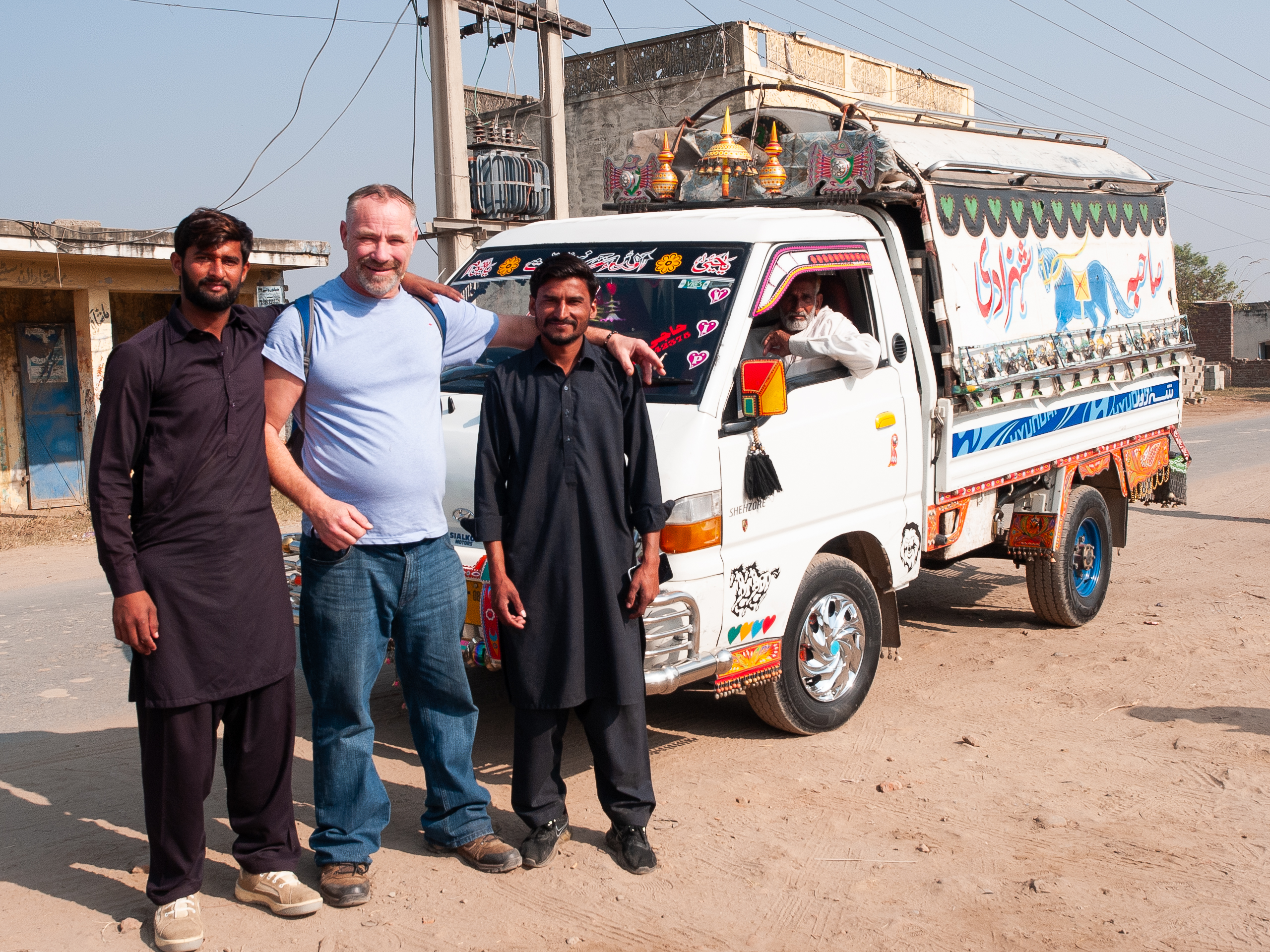
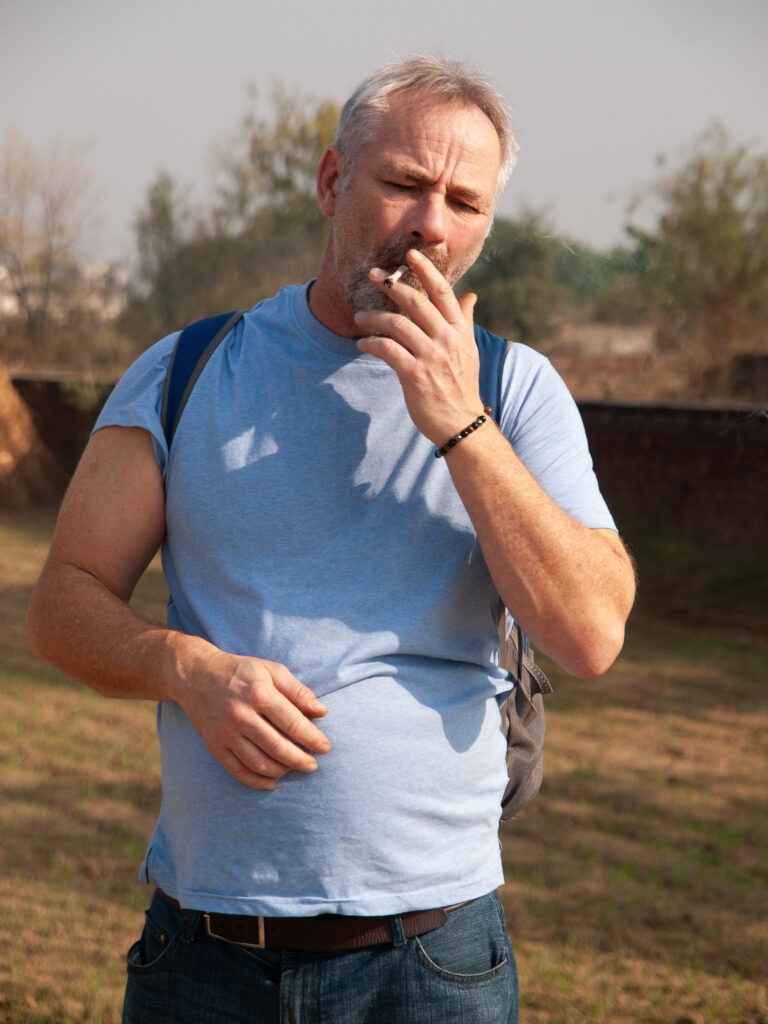
So, off I went to Pakistan again, but this time with my Welsh mate Steve. Been exploring the place for 33 years and only scratched the surface.
Steve wanted to go to Pakistan, as not many people do go. Most are put off by nonsense scare stories and reputation, their loss and as they don’t know what they’re missing.
Just ask Steve, he went wherever he wanted to go, walked in the most rural and desolate parts, and everyone loved him! He did spend most of his time sampling the ‘herb’ which grows wild anywhere and everywhere! Can’t ask for much else – good fresh organic food, well water and weed!
Not many places you can go where shopkeepers and food vendors don’t want your money, don’t con you, where you’re given gifts and treated like an honoured guest. Where you’re protected and respected and where you’ll see sights and delights to be seen nowhere else on Earth.
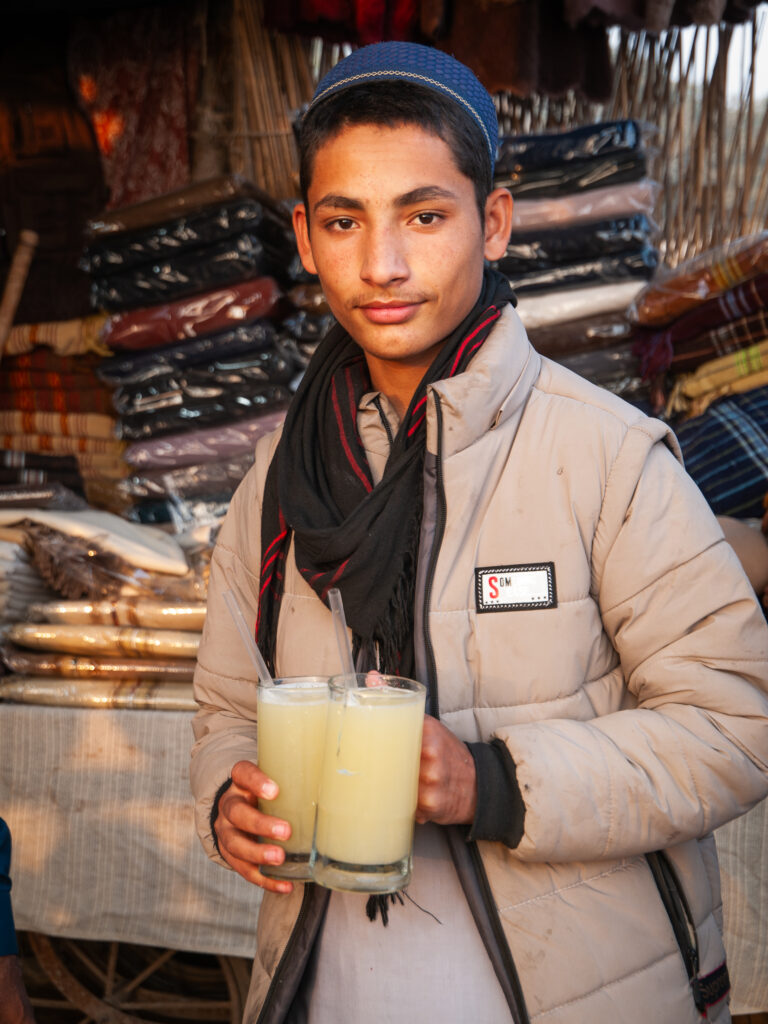
Olympus E3
12-60 ISO 400
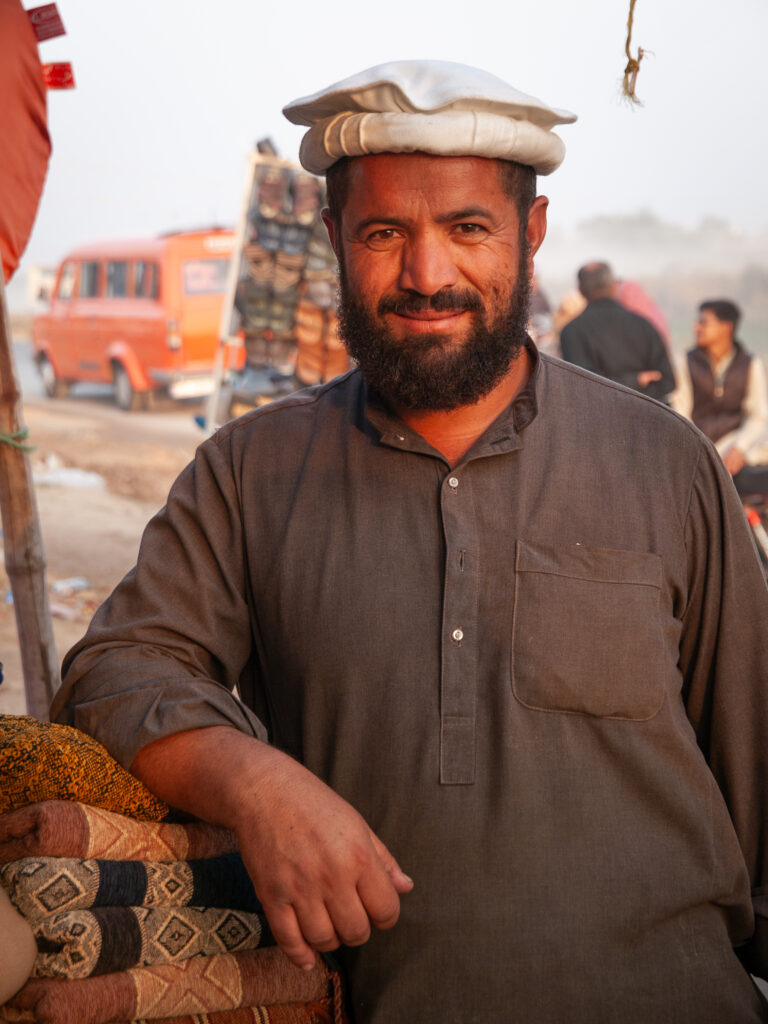
GT Road Sarai Alamgir
Olympus E3 12-60 ISO 100
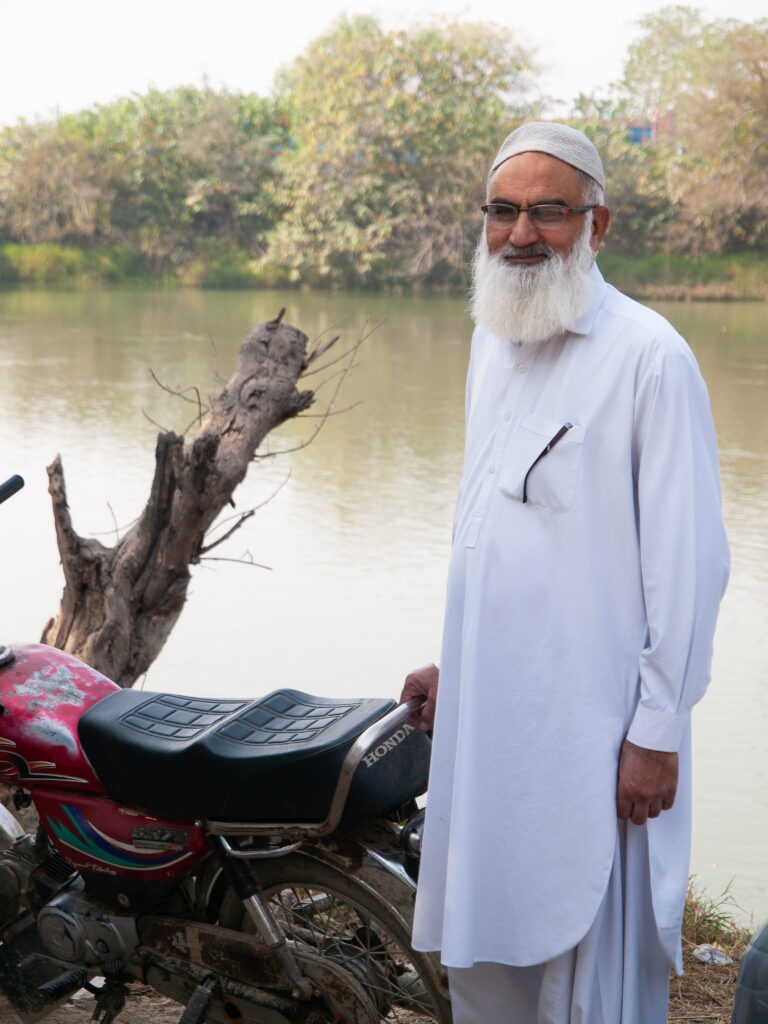
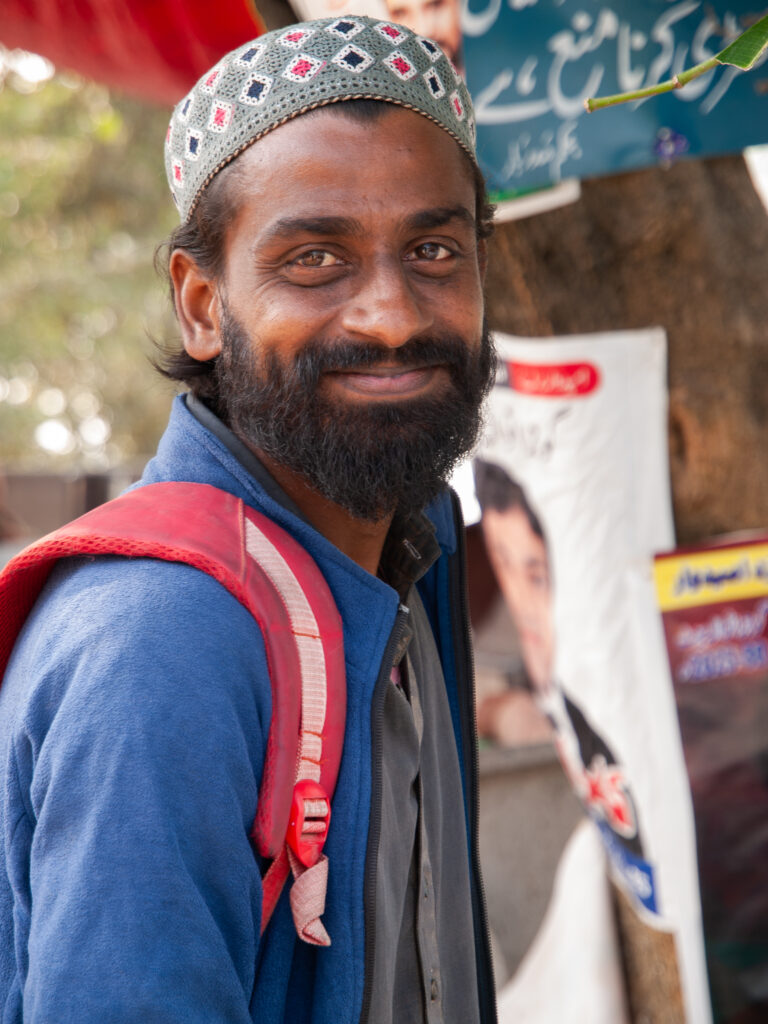
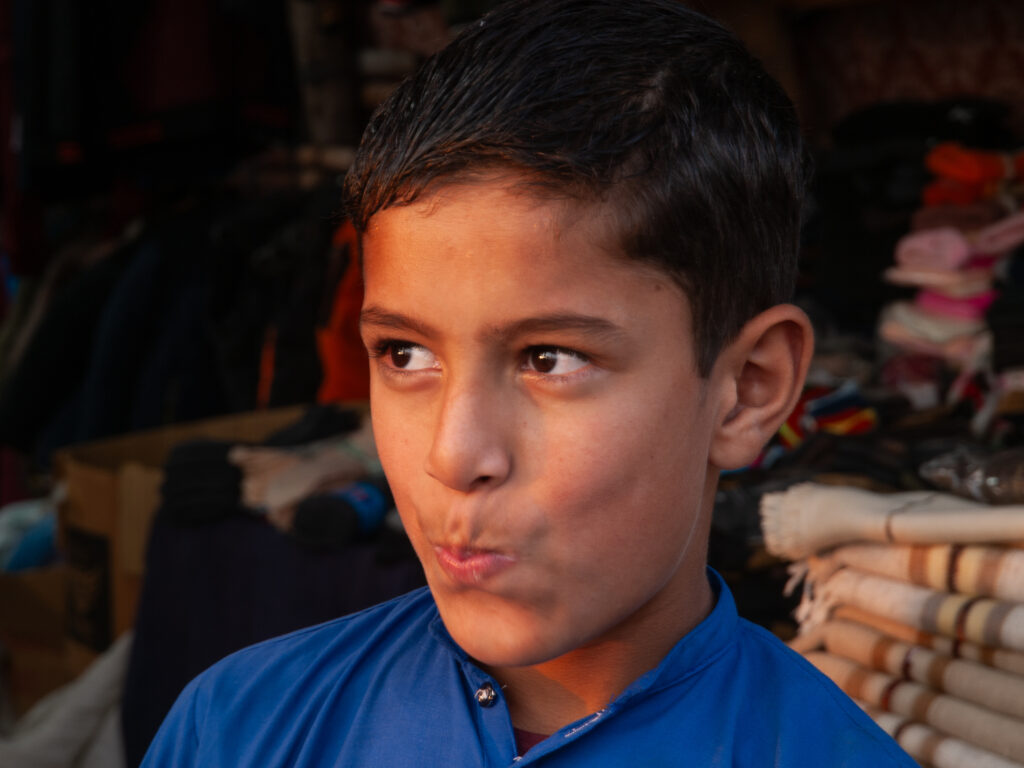
Olympus E3 12-60 ISO 100
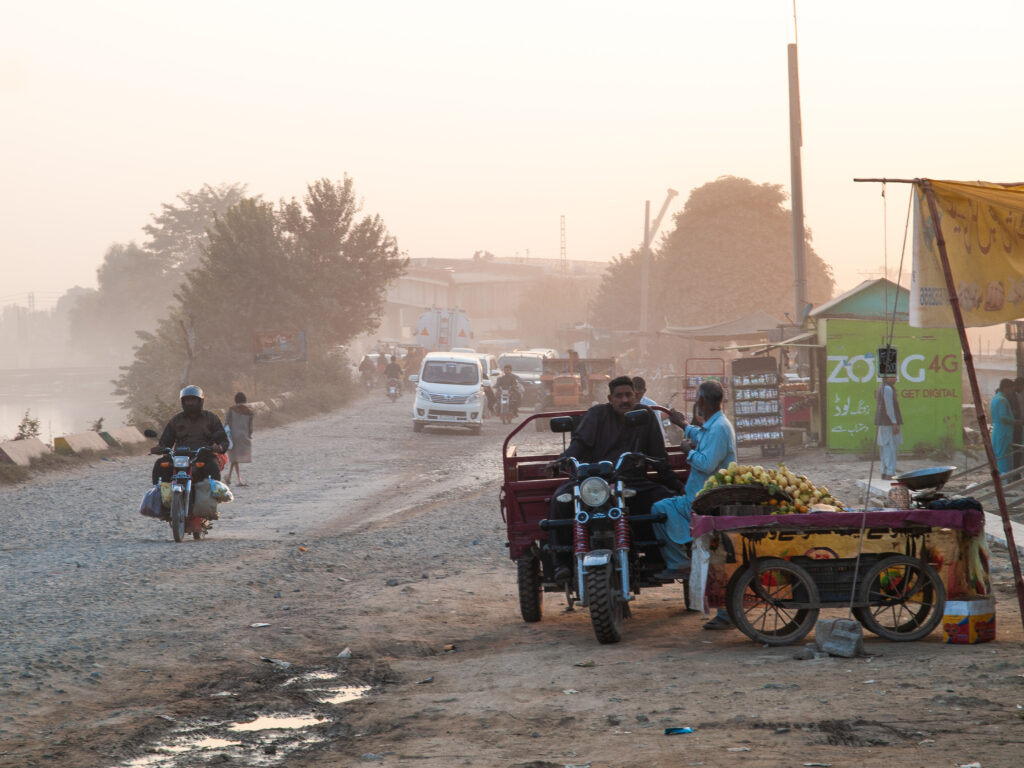
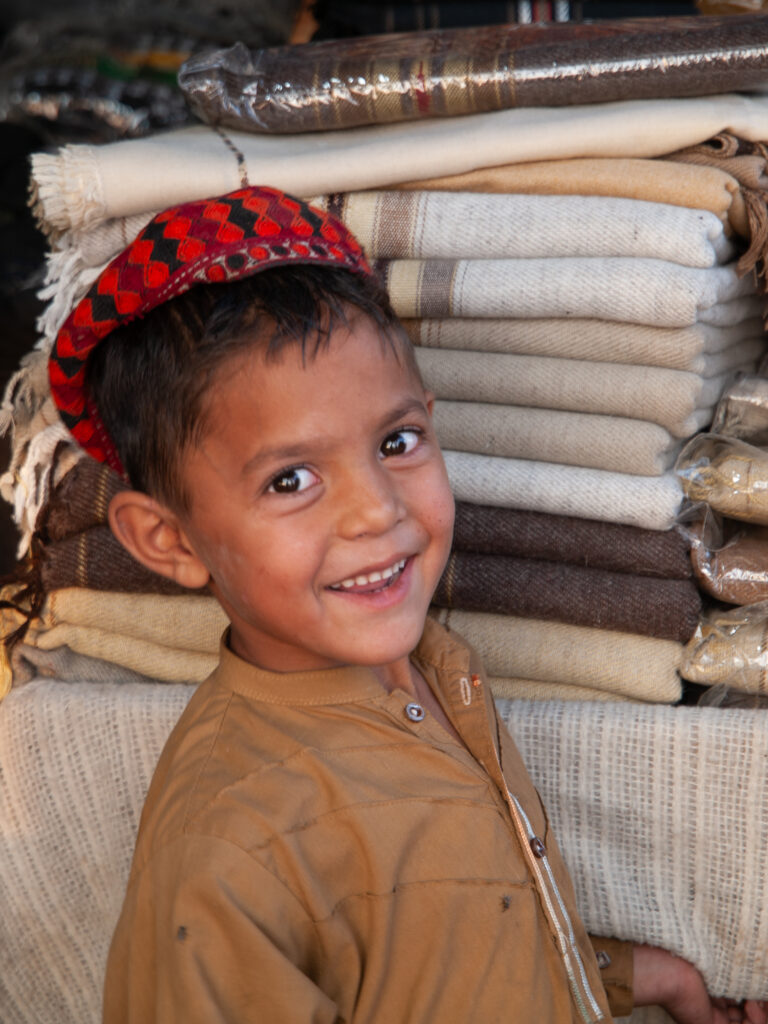
Not many places where strangers invite you to their homes, give you honour – regardless whether you’re in the Rural plains of the Punjab, bustling through Mega cities such as Rawalpindi and Islamabad, or high up in the most wildest and tallest mountains on Earth from Skardu to Malakand in the North West Frontier Province.
I’ve been around Latin America, The Near East, Asia and Africa and Pakistan is simply The Best out of these places I’ve visited (my experience). No hawkers nor fraudsters, the food is world famous (being together with what ‘Indian’ food actually is) and as Steve says; the People make it even more special. The diversity of the people is something to behold – with cultures, language, religion, music and tradition all differing markedly from place to place.
I had a couple of things to sort out there, as a Pakistani National (having recently acquired my Citizenship) my late Father’s Estate needed to be sorted out so I had to fly out, Steve decided to come with me so I extended the trip from 10 days to 3 weeks. I couldn’t walk much so no hiking – my knee is toast after an assault and injury.
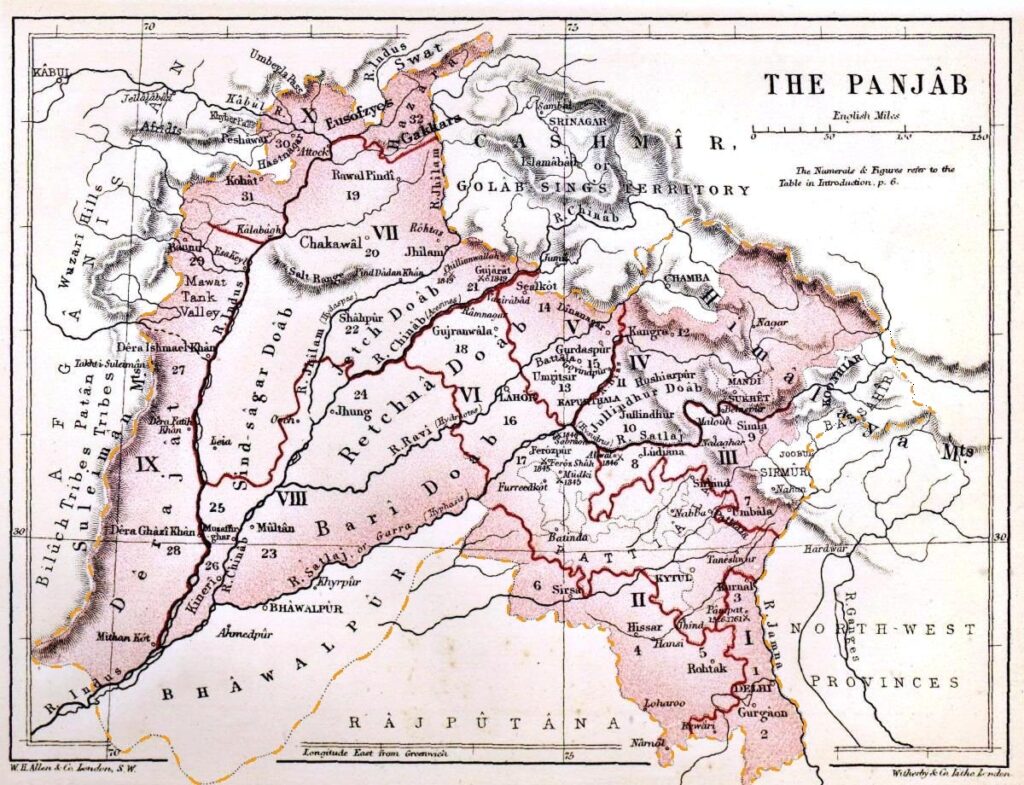
We travelled from Islamabad to Rawalpindi, then to Jhelum by Rail. Spent some time in the Rural Punjab from Jhelum to Sargodha, Followed by a flight to Skardu in Baltistan, onto Gilgit, up to Hunza, Gojal and Passu, then West to Ghizer and Phunder, over the Shandur Pass to Mastuj and the NWFP, down to Chitral and through Dir to Swat and Malakand then back.
It seemed like the perfect opportunity to take a couple of cameras and spend time shooting.
Now bear in mind, I spend most of my time in rural village parts which I love, and I didn’t get the opprtunity to photograph or capture any of the ancient Cities and other cultural sites.
I’ve been exploring the country for over 33 years and haven’t actually explored much, this was supposed to include more exploration of major tourist cities and sites further away in the Southern Punjab and Sindh, but that wasn’t to be. I tend to get an opportunity for shooting only when I need to go for whatever other reason. These trips also then end up being ridiculously expensive which limits what I can do. I had planned to do a lot, but again, just scratched the surface.
This is a shame as I’d like nothing better than to be able to shoot and travel freely, wherever I want, perhaps an assignment with set goals in mind – this freedom would enable me to unleash some concentrated creativity with purpose and an aim, rather than ad-hoc snap shots such as the ones here. One day, I shall, with my E1 again plus maybe a modern camera, we shall see.
Anyway, Pakistan is as much worth a visit as any other country; I’d stick my neck out and go as far as to say it’s more diverse than India, as in more accessible and easier to travel in. A more closer concentration of heritage, cultural and natural monuments, with huge peaks, National Parks and World Heritage sites that much easier to travel to. It also has a diversity or language, culture, tradition and history which is mind blowing.
For Westerners a 90 day Visa is applied for ONLINE and takes a couple of hours to receive a response to, and it’s FREE!
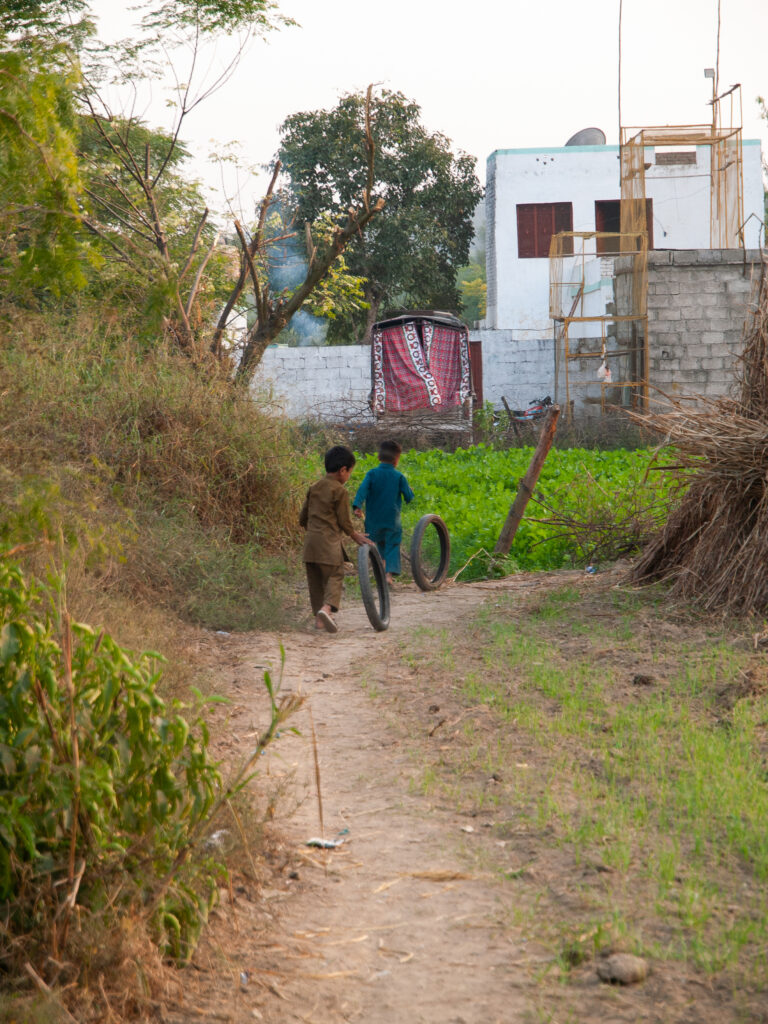
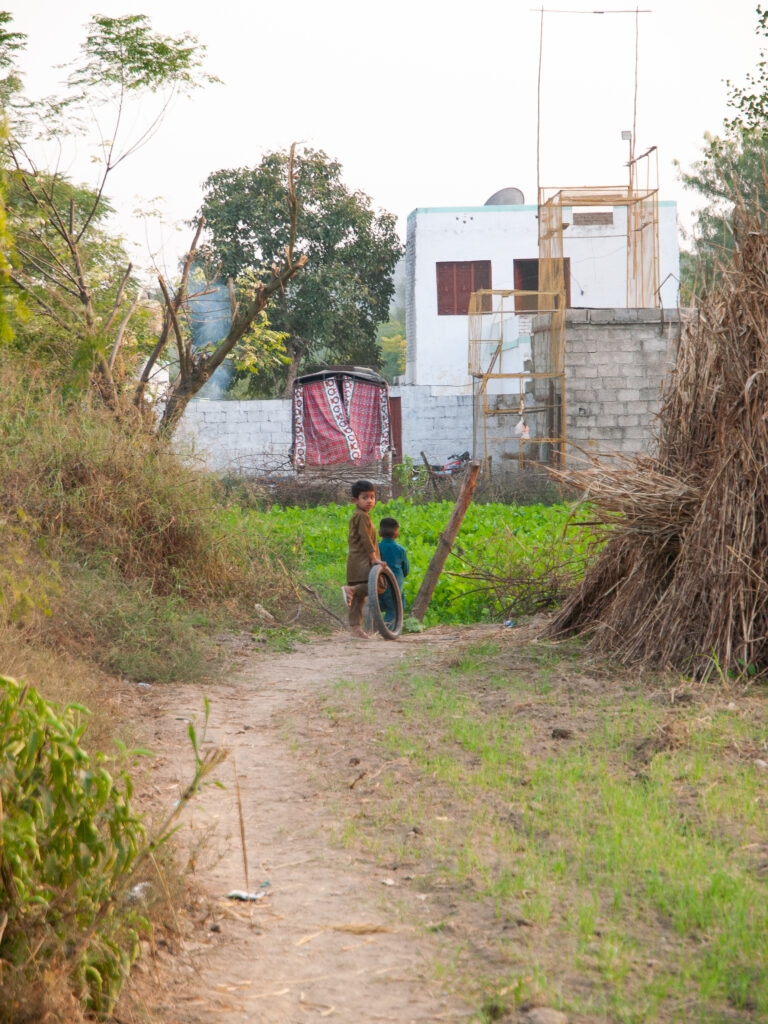
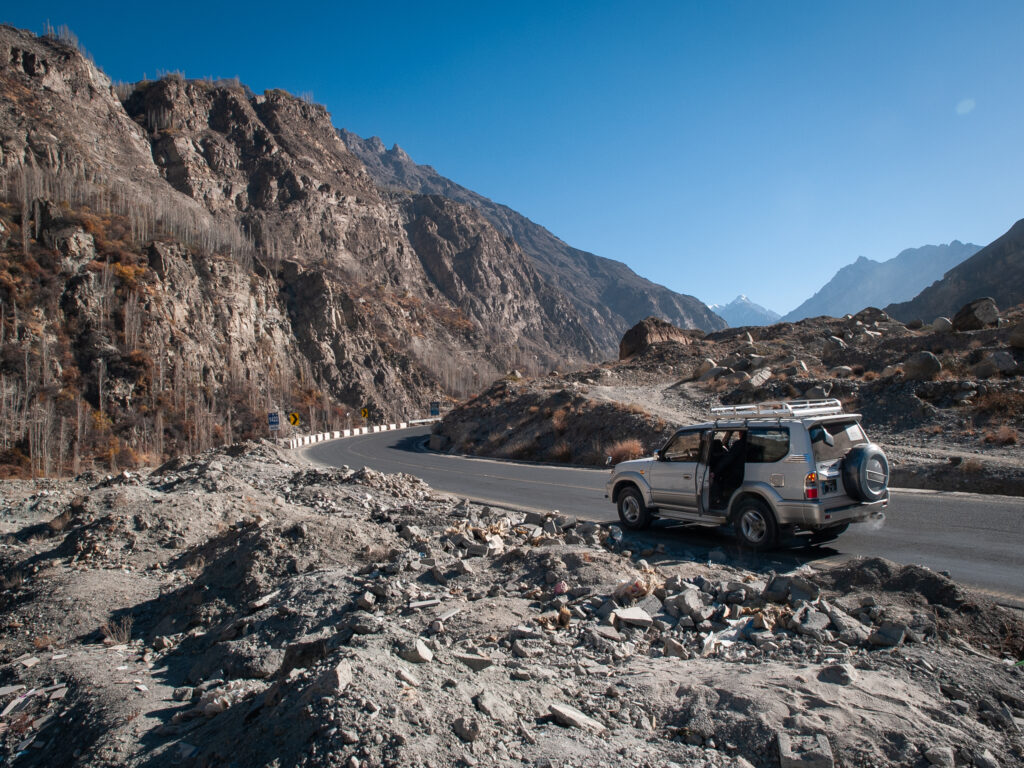
The highlight was a 4×4 9 day journey from Skardu in Gilgit-Baltistan (Karakoram) through the Western Himalaya, over the Indus to the Hindu Kush, across the Shandur Pass and into Chitral, then South to Dir, Swat and Malakand where we then further along crossed back into the Punjab.
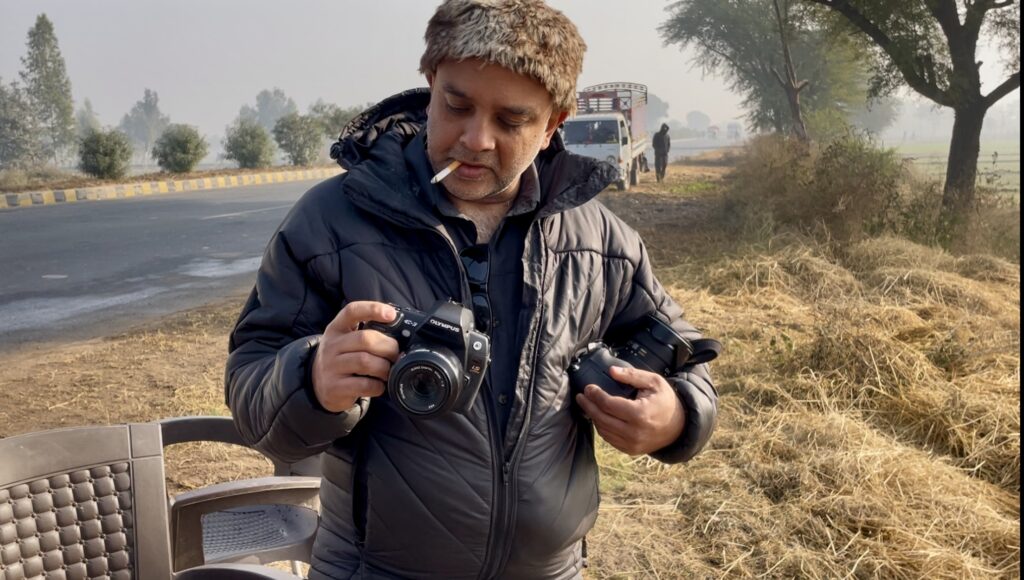
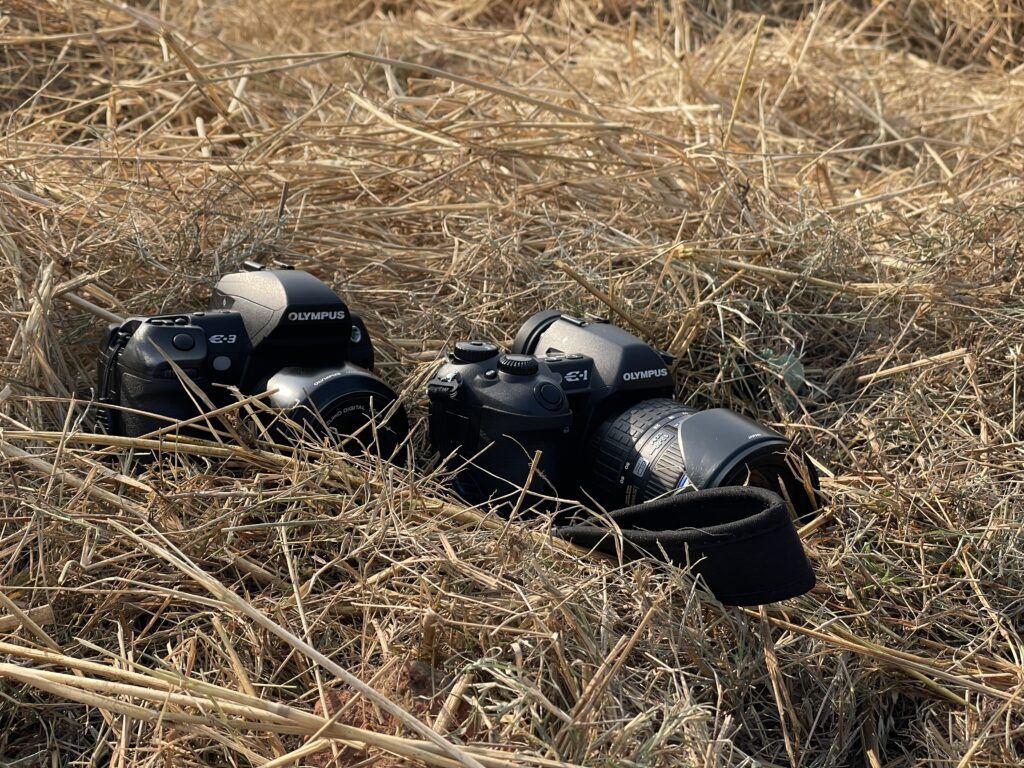
The Cameras – The Olympus E1 and E3.
I decided to take my 2003 Olympus E1 and I also bought a companion; the 2007 Olympus E3. just two ancient Olympus DSLR’s with Four Thirds mount, the 12-60mm (24-120mm) f2.8 – f4 permanently attached to the Olympus E1 and the 50mm f2 Macro (100mm) Short Tele/ Portrait lens attached to the E3.
I’ve written about the E1 many times here, most recently a trip to Essaouira in Morocco.
Well, I did chop and change the lenses a couple of times, but generally left them like this.
Both cameras were faulty. The Moroccan trip this summer affected the E1 and the LCD is damaged, so I shot as with Film without an LCD. The E3 had a broken LCD and intermittent read out in the View Finder. (I mean I bought it for £40 quid!)
So I just had fun. Using my experience and intimacy with the E1 I had absolutely no issues, the camera is the most perfect designed camera I’ve ever used, of any sort. I know exactly how much exposure to apply and take away as and when depending on conditions, I judged the E3 to be much the same.
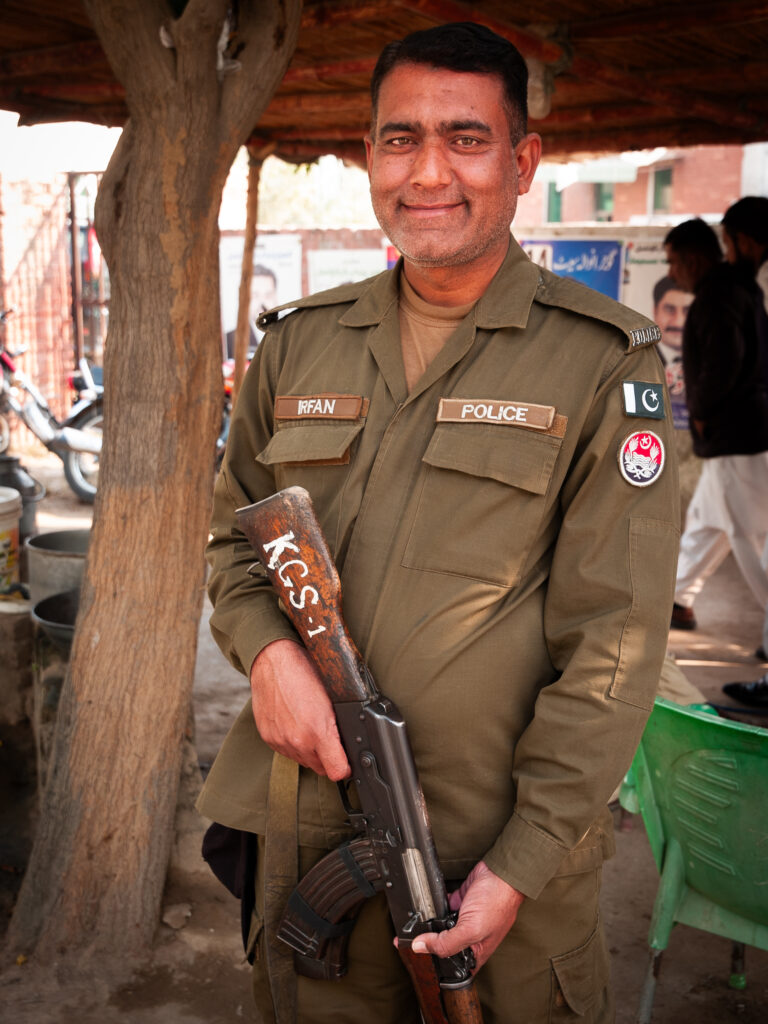
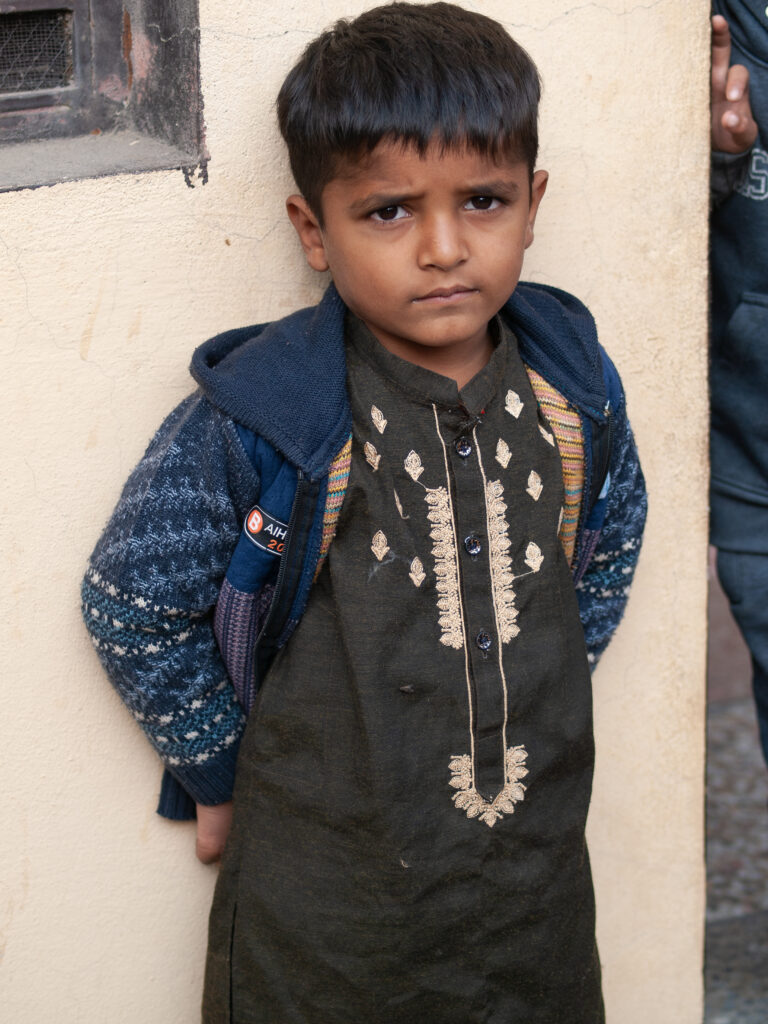
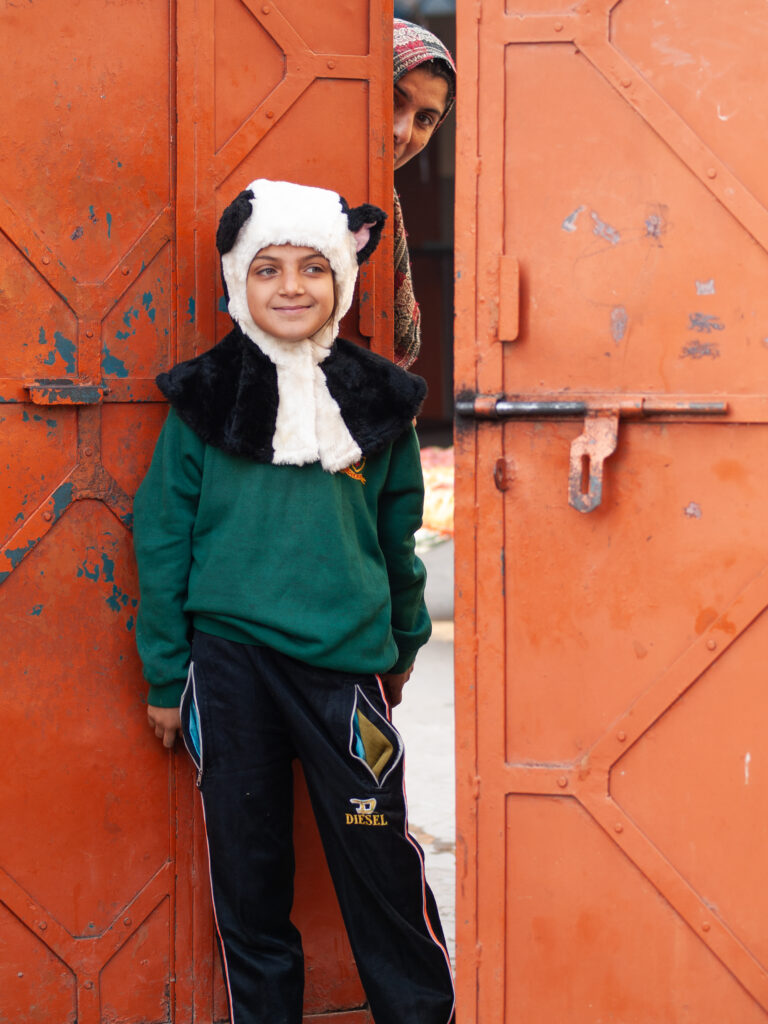
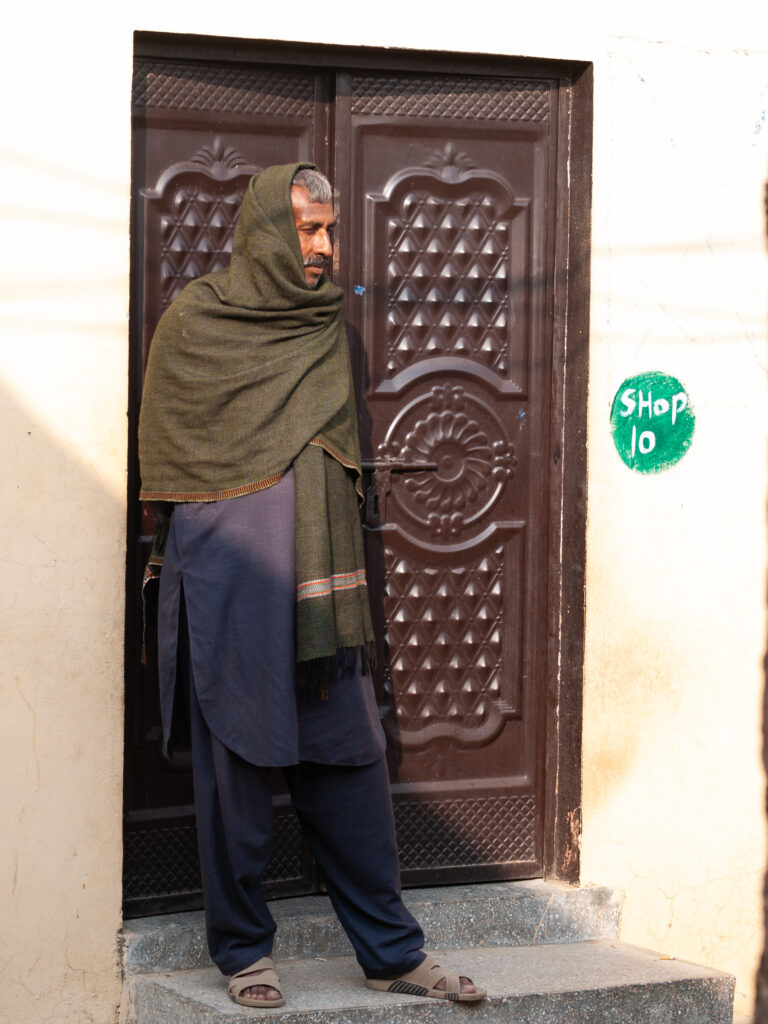
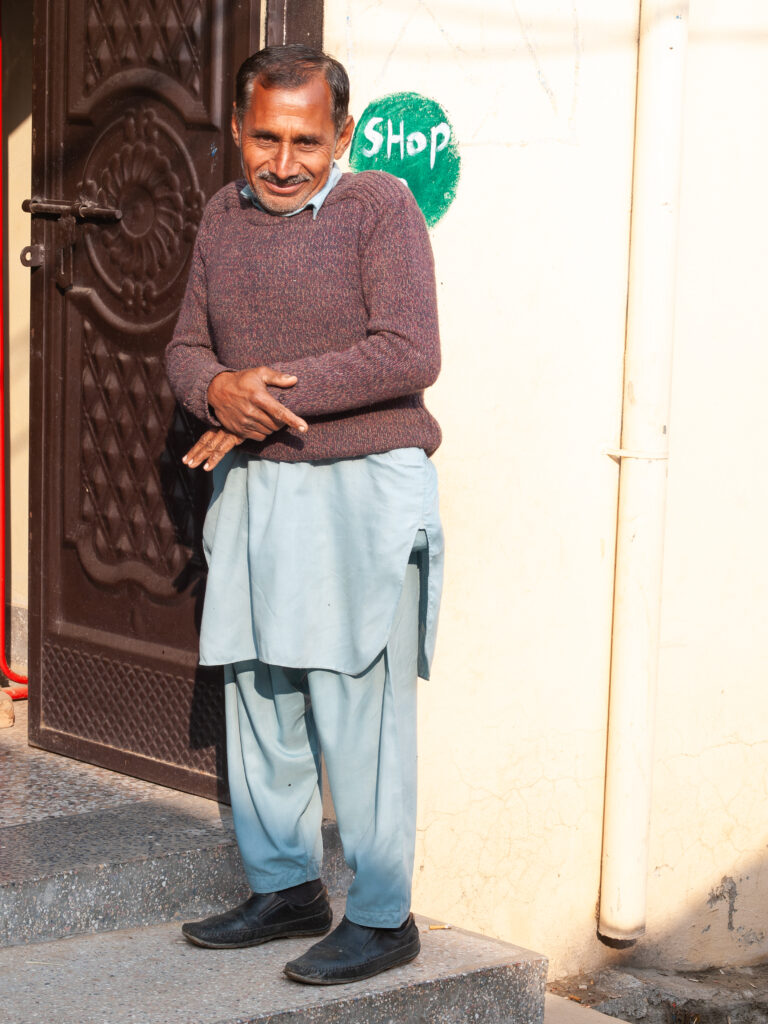
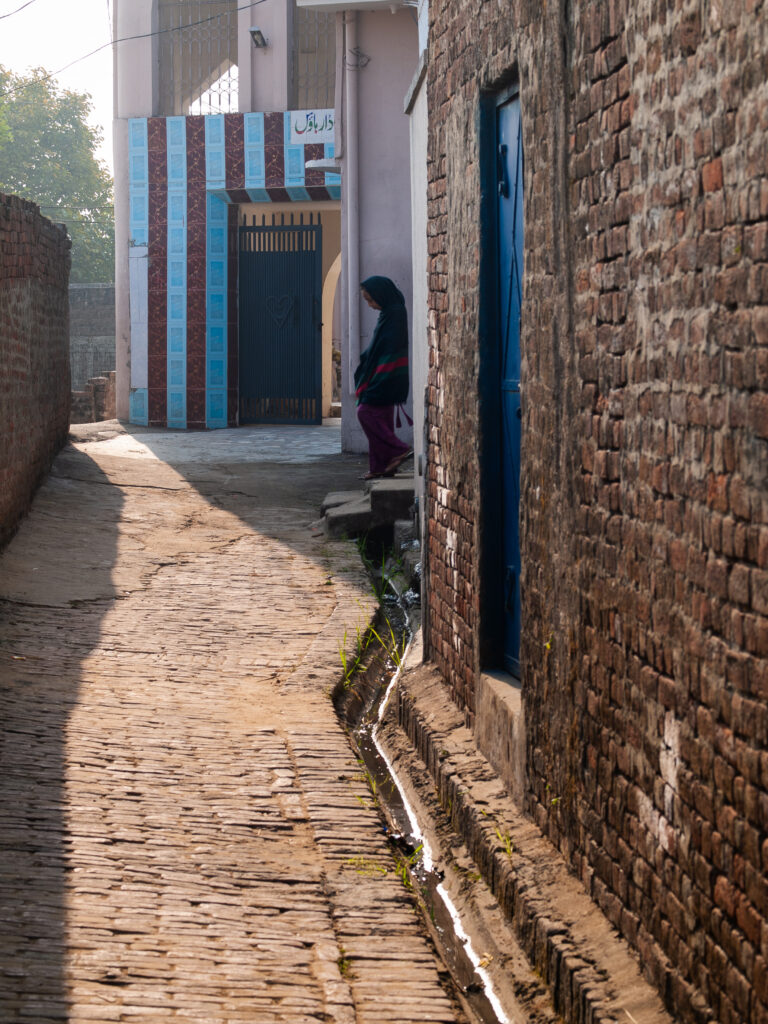
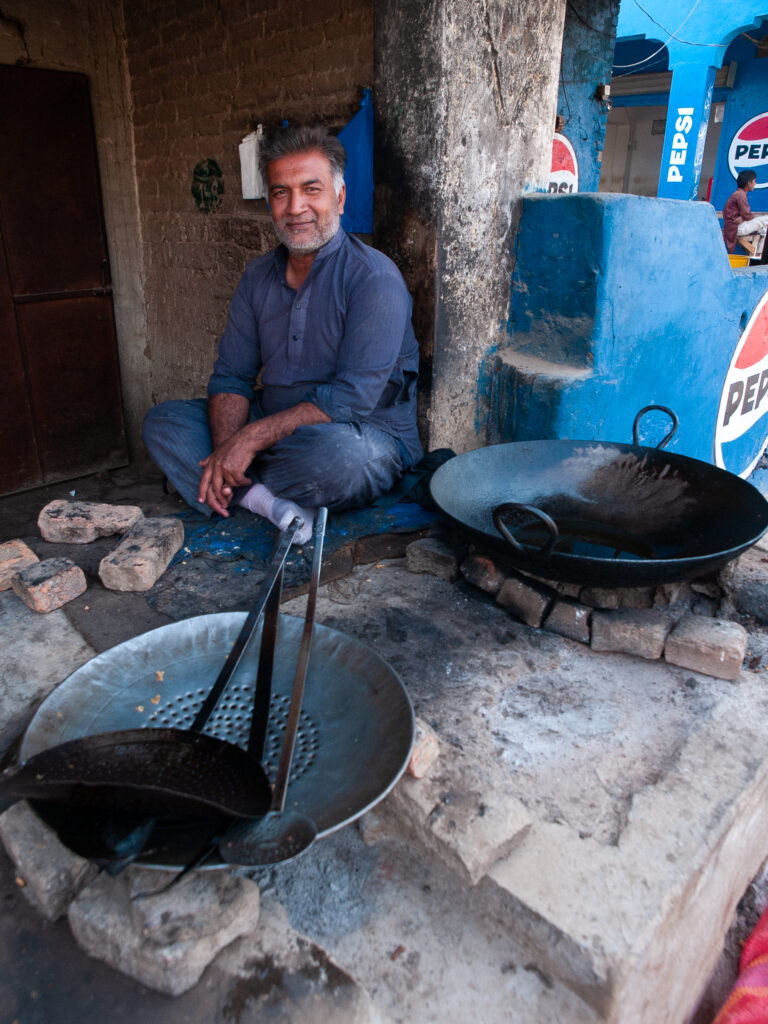
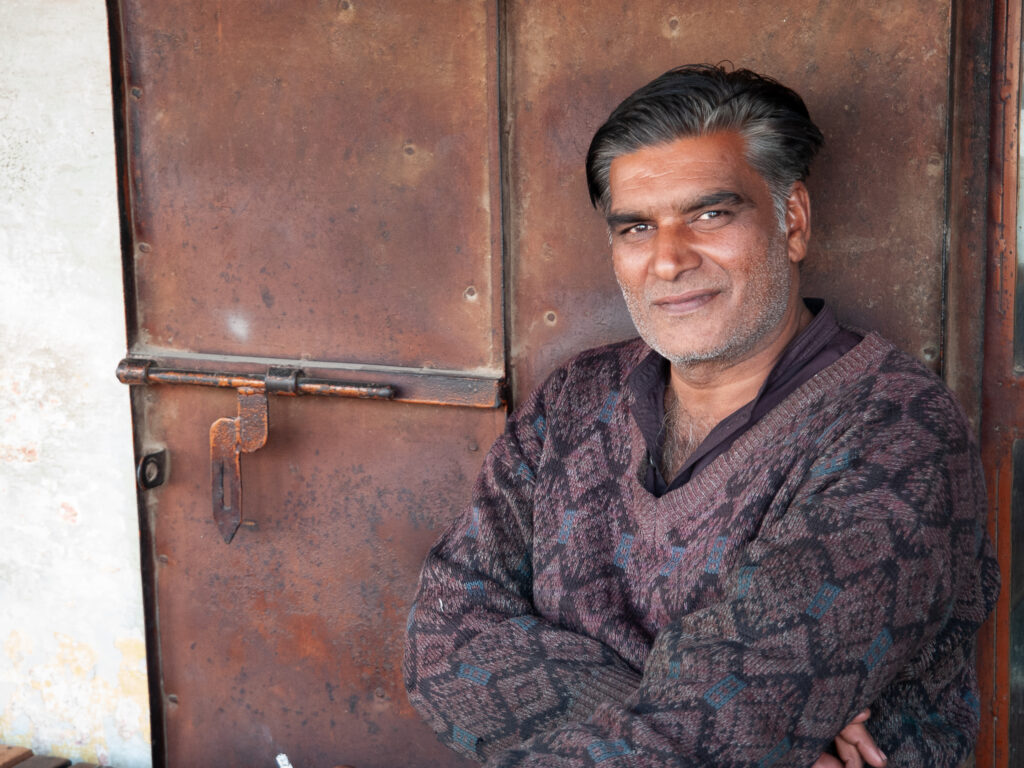
The Olympus E3
The E3 is a curious camera, I’ve no idea why Olympus abandoned the perfect form and ergonomics of the E1 and decided to stay safe with the regular design of the E3. Both are rock solid Pro level build, but the E1 is if anything better built.
The E3 toggles are oddly placed and lacks the perfect positioning and ergonomics of the E1. Don’t get me wrong, by itself the E3 is splendid and any OMD users will be familiar with it, but the E1 I think is superior. The E3 in someways excels as it has an almost Full Frame DSLR sized VF!
I mean the E1 has a large bright one, but the E3 is even bigger. Focussing is also rapid and nailed on the E3 with it’s many more focus points, it’s also made to be used with the 12-60 SWD lens I have, giving snappy AF and pretty much stress free use.
The E3 is also unique as it is one of the only cameras to use a MOS sensor. It isn’t CCD neither is it CMOS, it also has a very unique signature. Colour is very un-Olympus like and more Kodak Gold. The ‘look’ is very very nice, not as nice as the E1 but in it’s own way, with much character and grit, it gives fantastic results.
The E3 is rather noisy as to be expected, and I doubt I’d want to shoot it anywhere over ISO 400. I mean even at ISO 320 it’s quite gritty. But there’s something about it.
Overall it’s a very professionally built camera which is relatively quick and responsive with a Huge VF. I quite like the signature and the distinctive character. The E1 is cleaner and more pleasant (at lower ISO) and there is a marked difference between the results. Though the E3 has higher resolution, wider DR – and I did tend to use the E3 more in the Punjab, more so than the E1 as being ‘new’ it was a novelty.
NB. In hindsight I have misjudged the E3. Upon returning and testing it I see that I had every single noise reduction feature set to Off. I should’ve left on Noise Filter as Standard which now I see has a very nice natural affect.
if you’re curious, the E3 is now selling at an almost give away price compared to its E1 and later E5 brethren. It’ll give you a nice combination of pro level build, fast AF, a huge Finder with the bonus of being able to use the splendid yet bargain priced high grade Zuiko lenses such as the 14-54 or 12-60 and the 50mm f2 and a look/ colour signature which has bags of very nice character.
I took many keepers, many memorable photos with both cameras and I wish I could share them all with you here and discuss each frame,
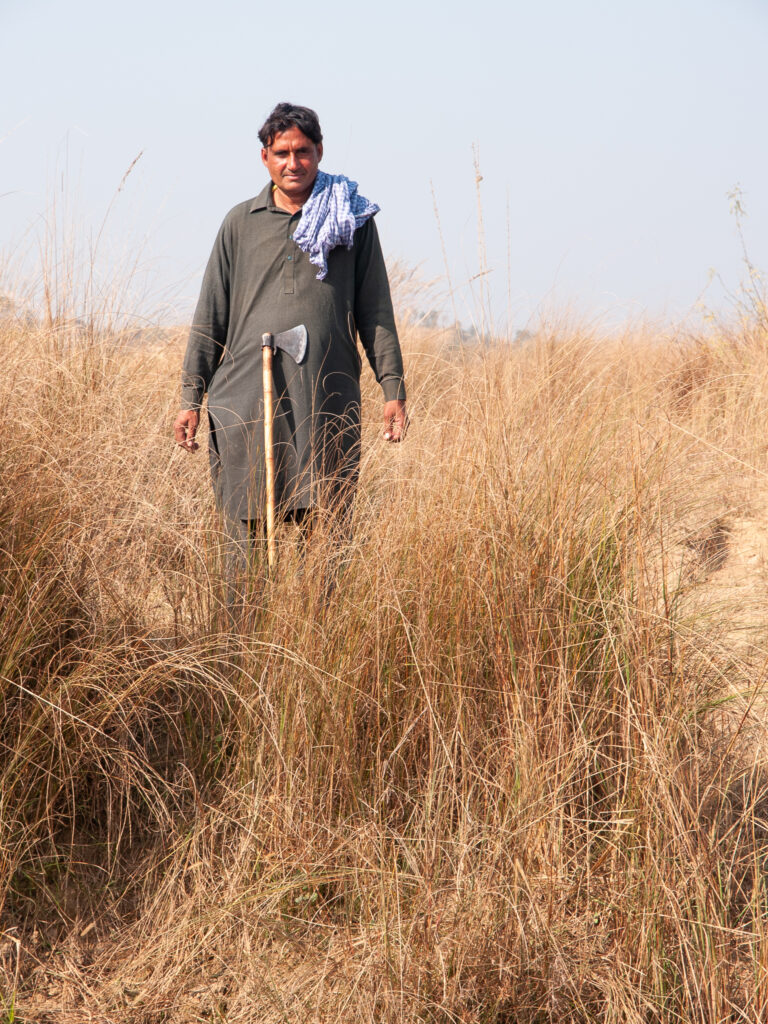
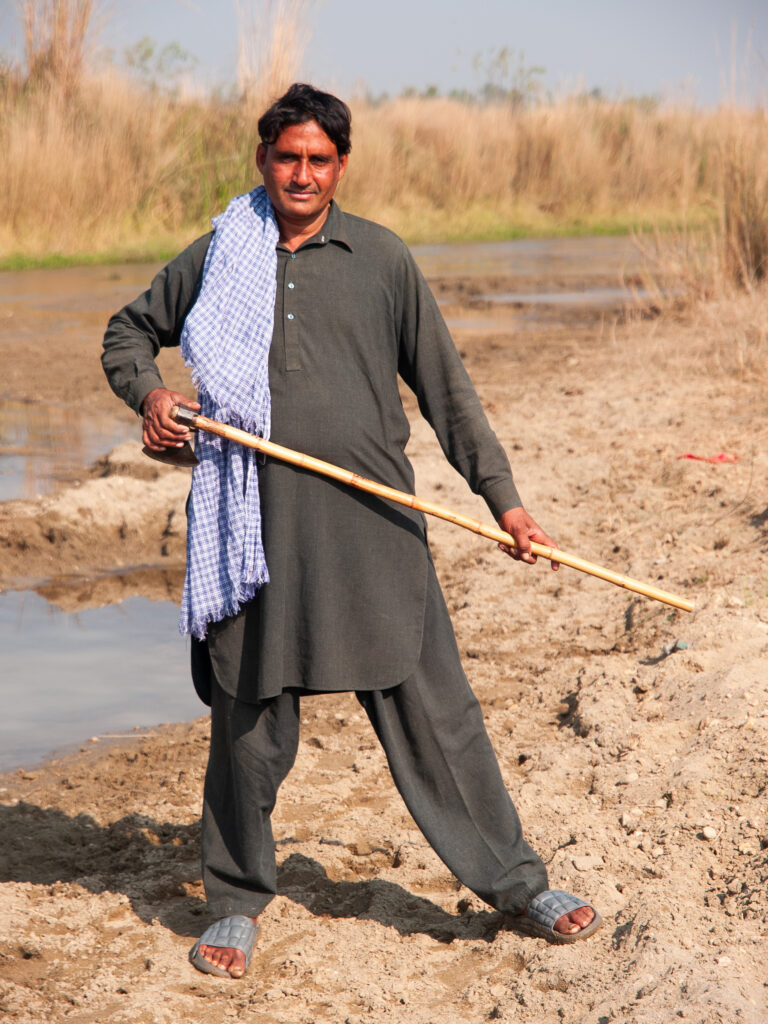
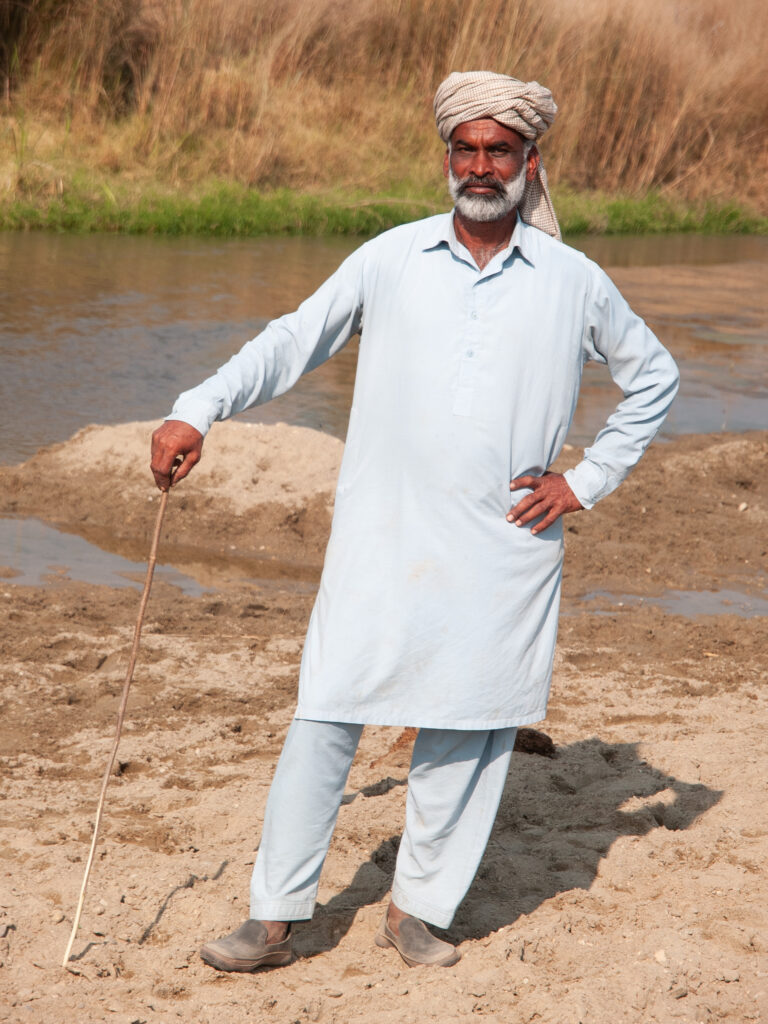
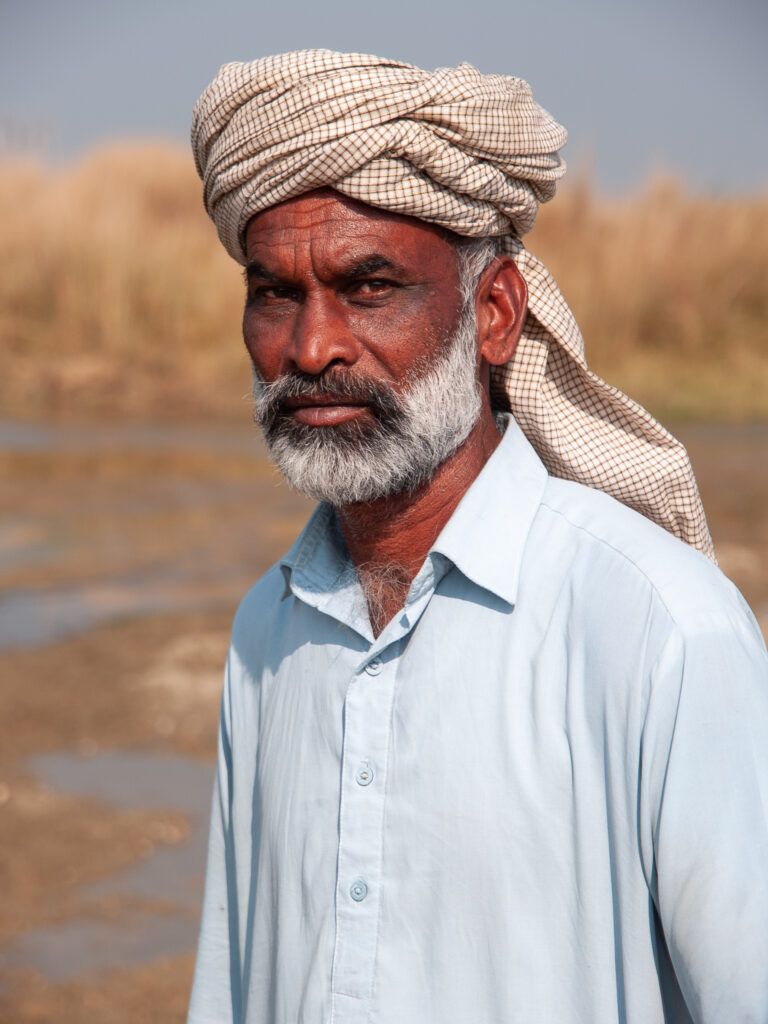
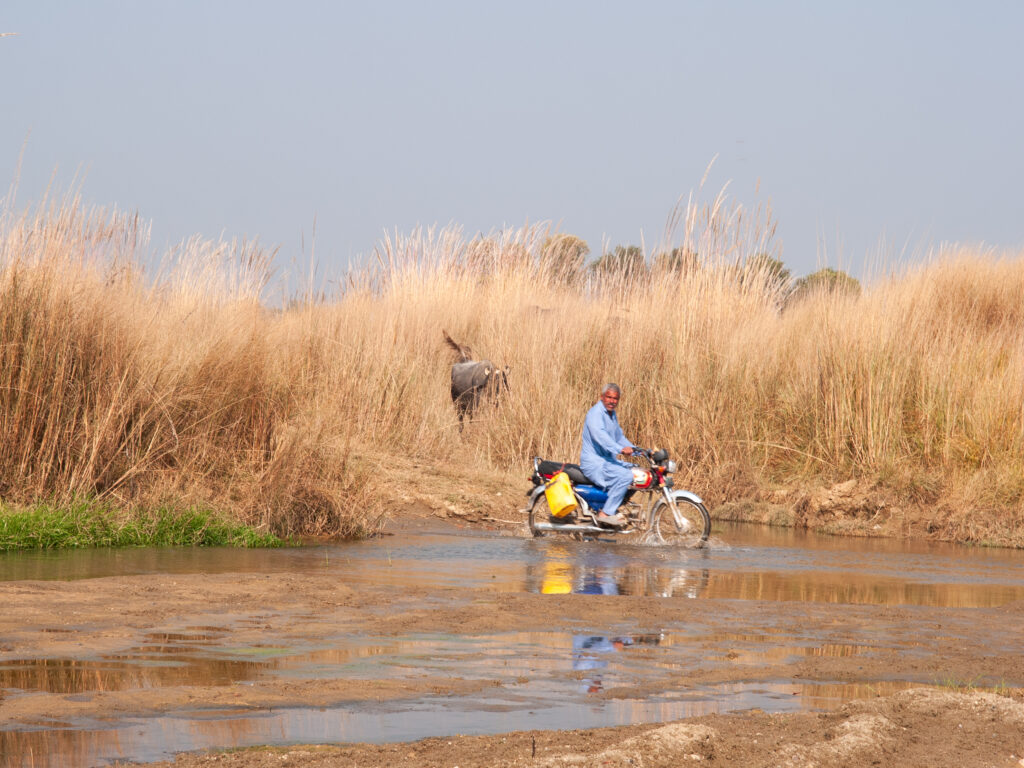
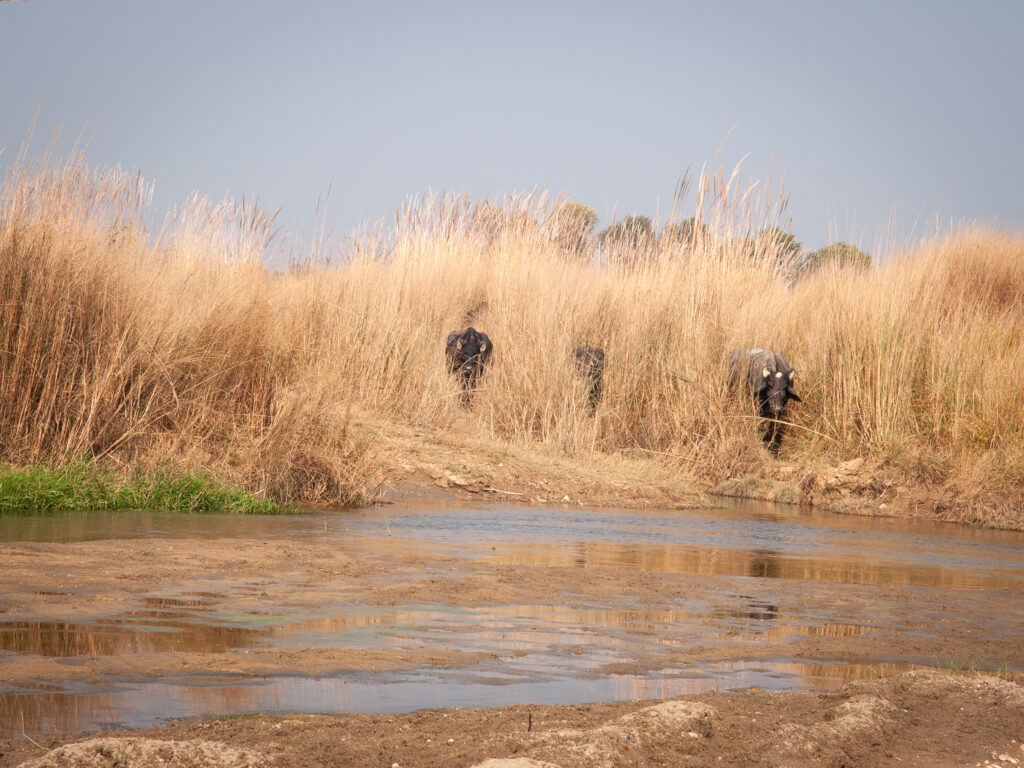
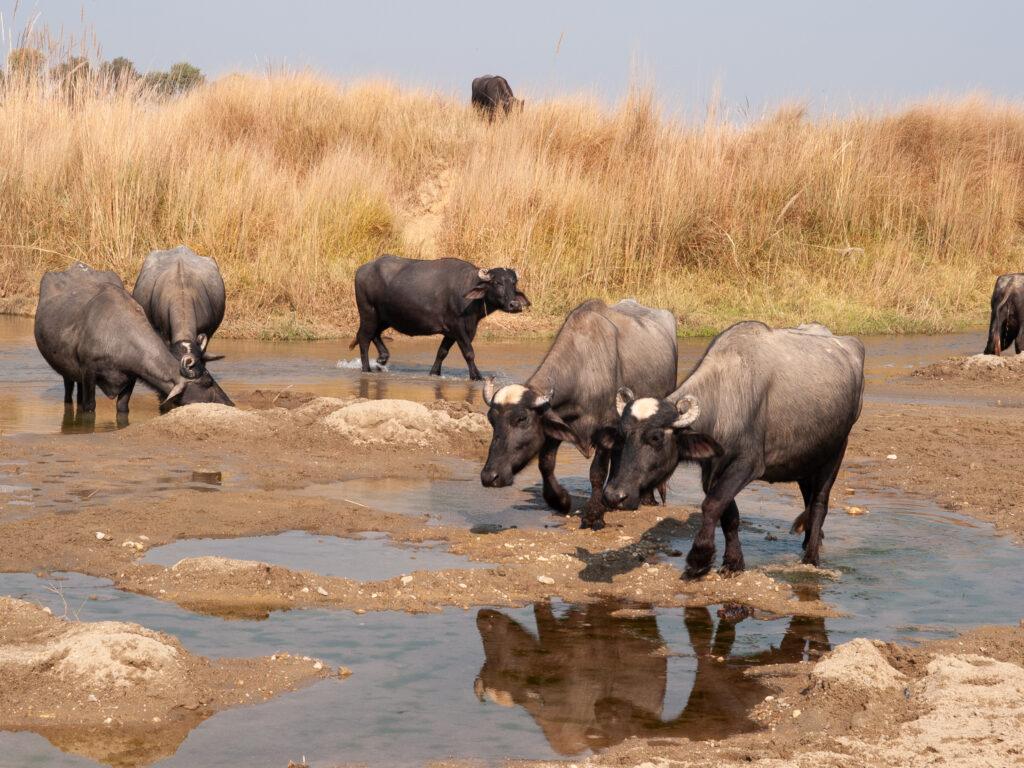
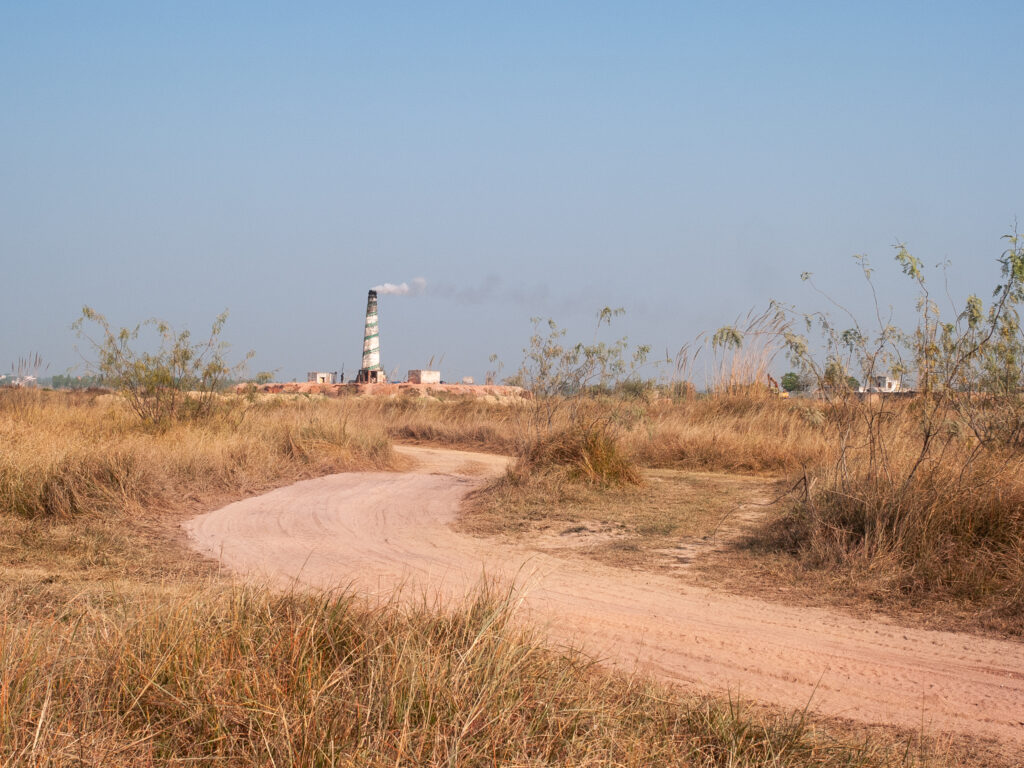
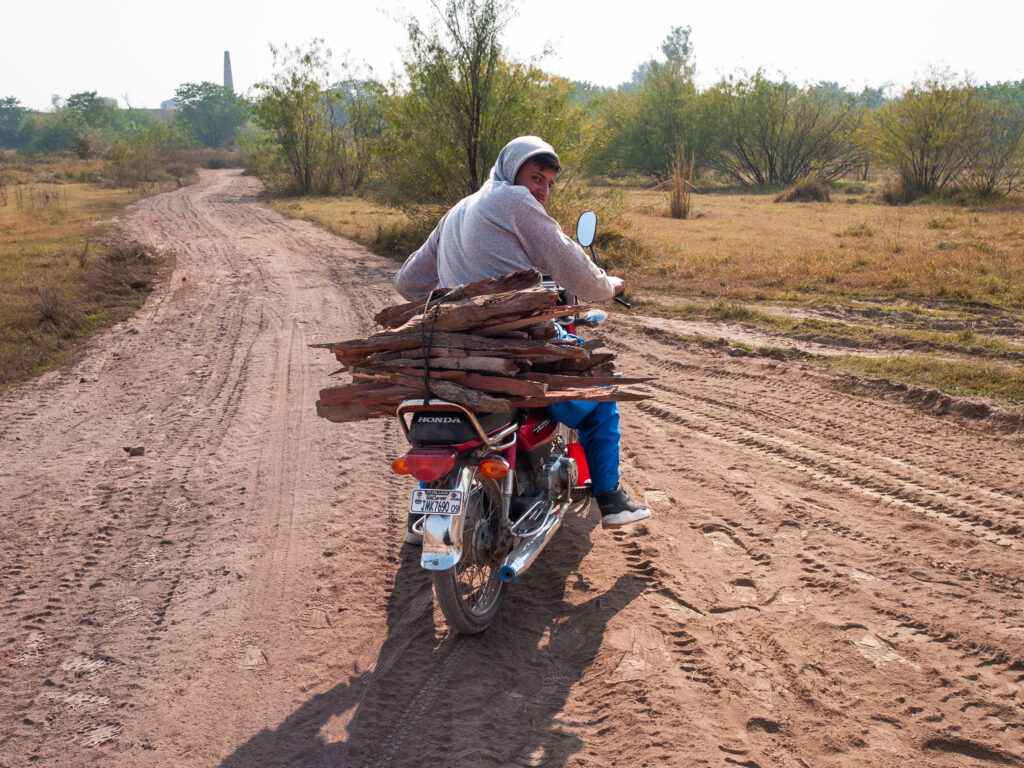
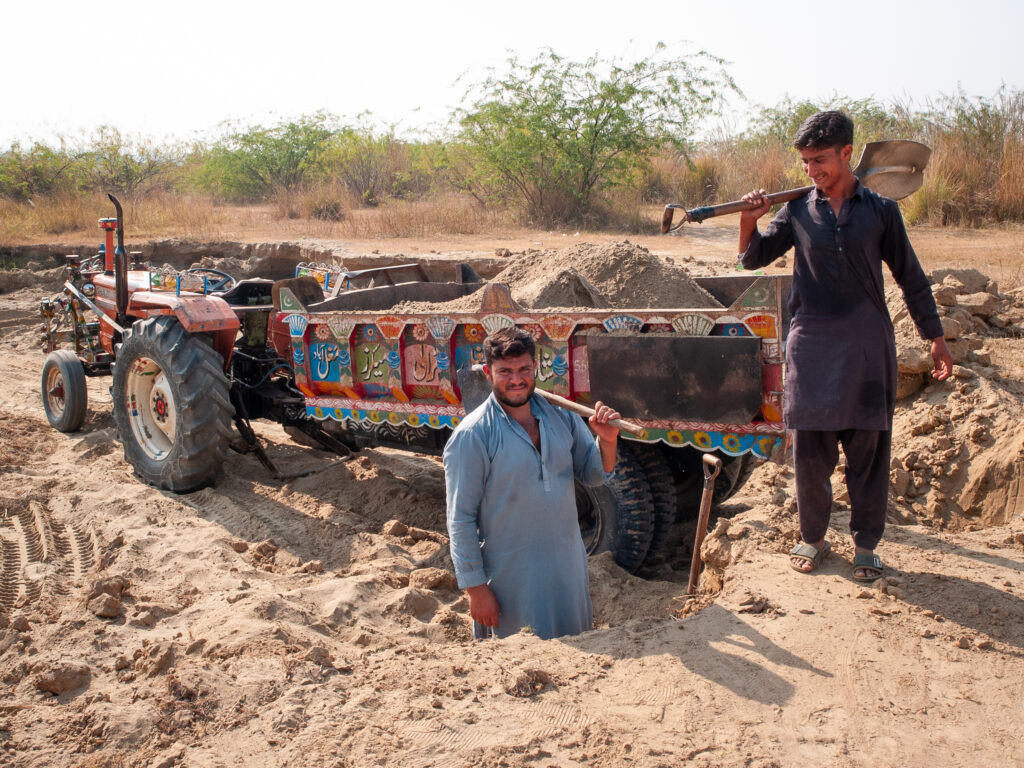
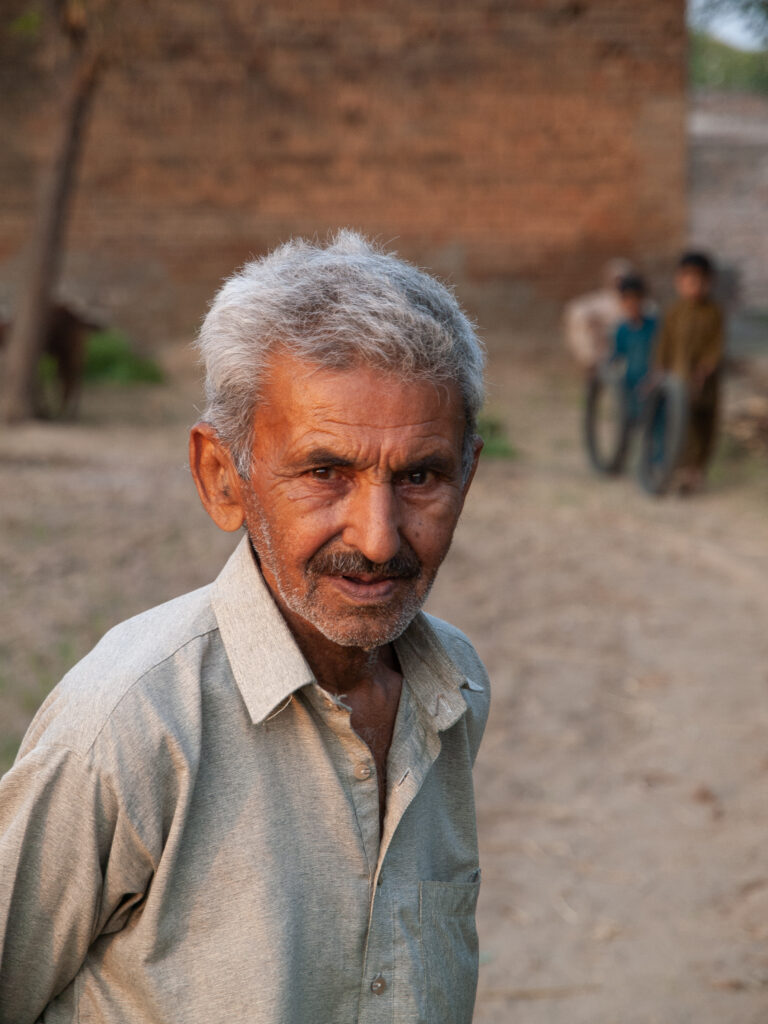
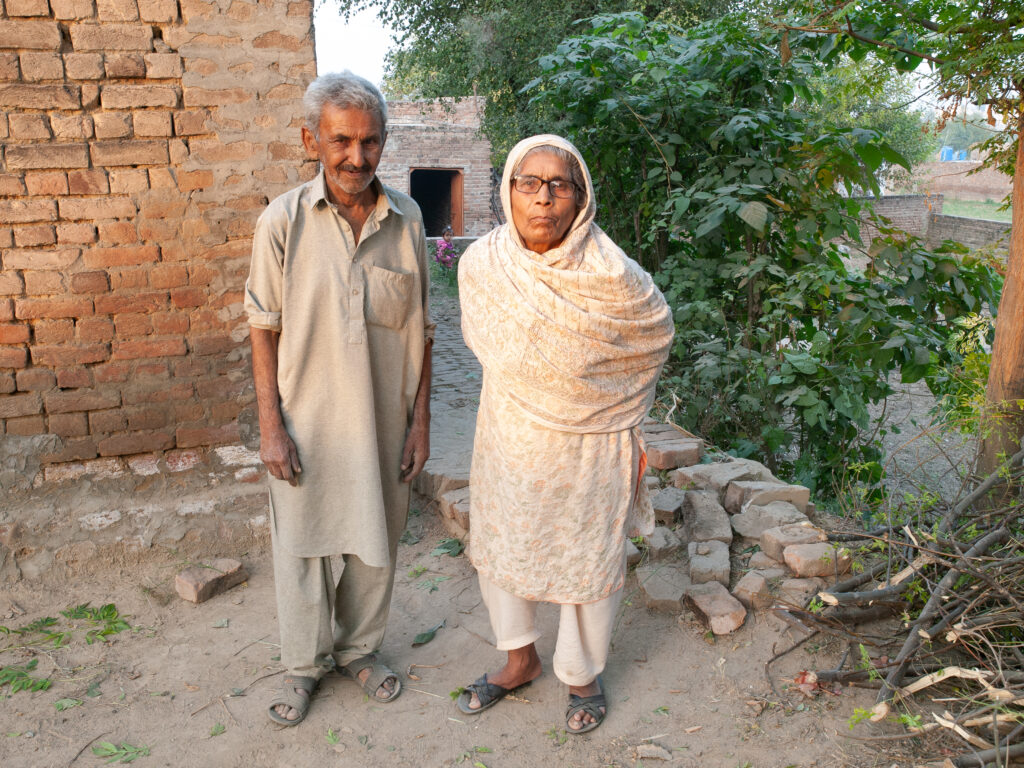
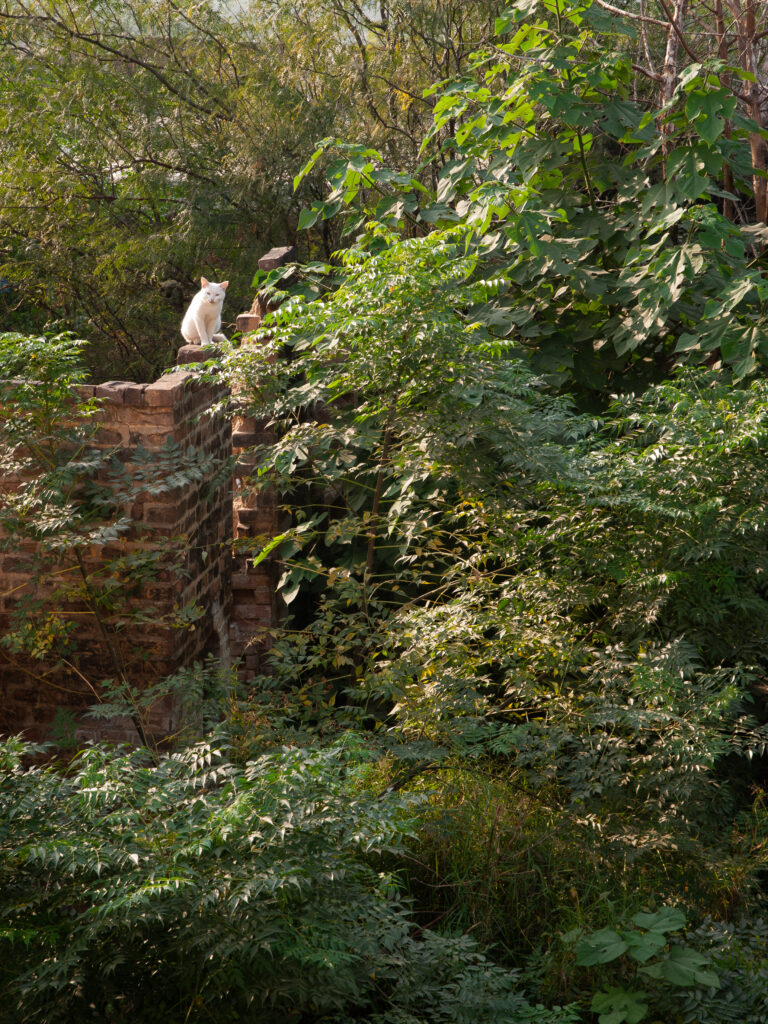
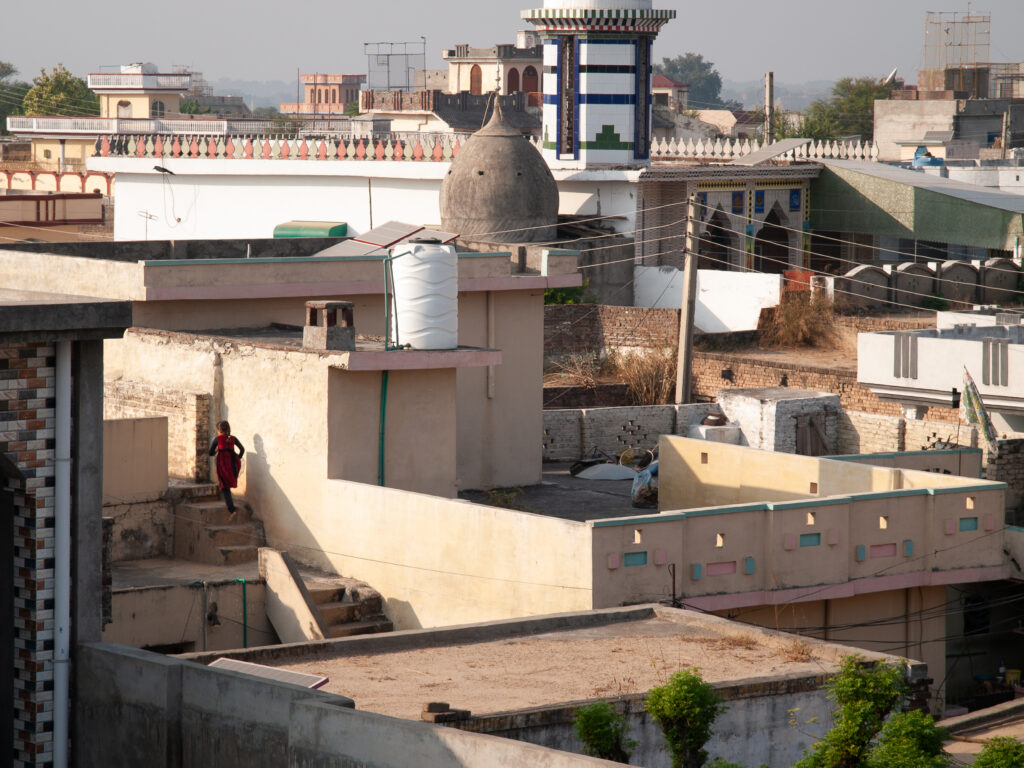
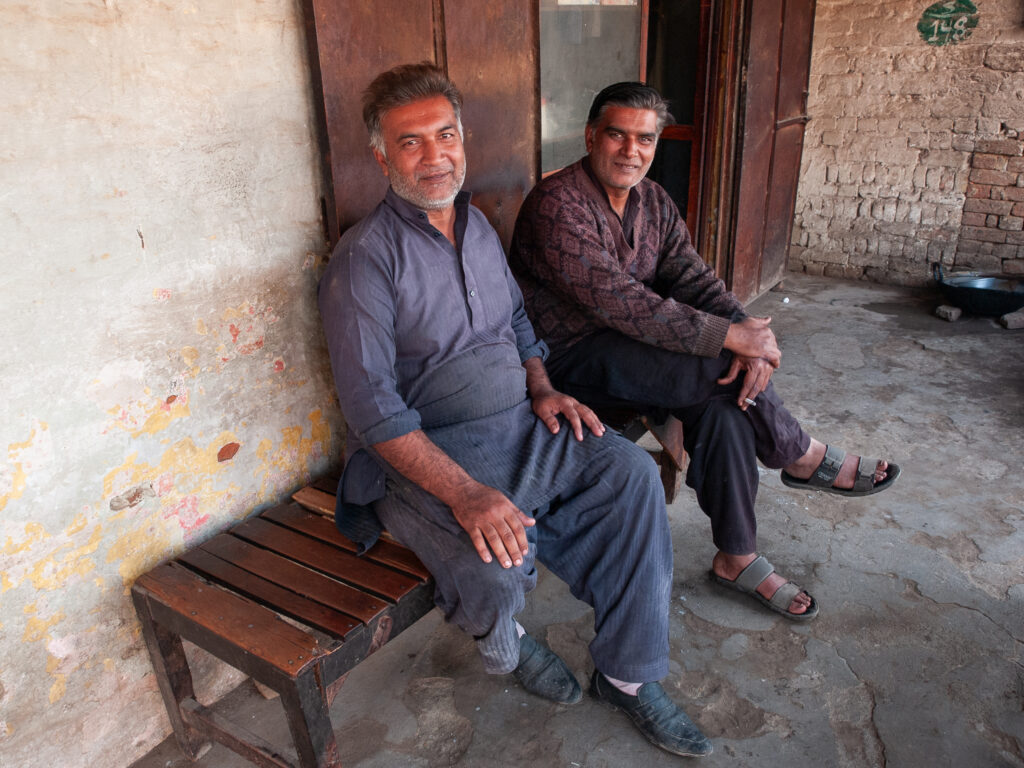
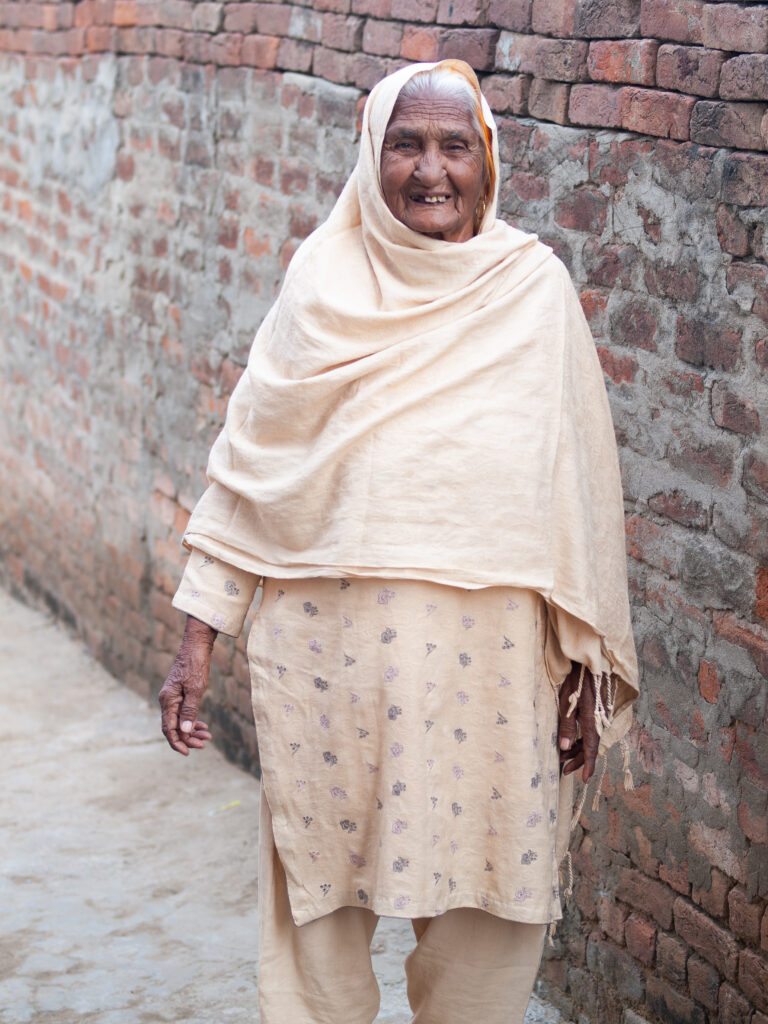
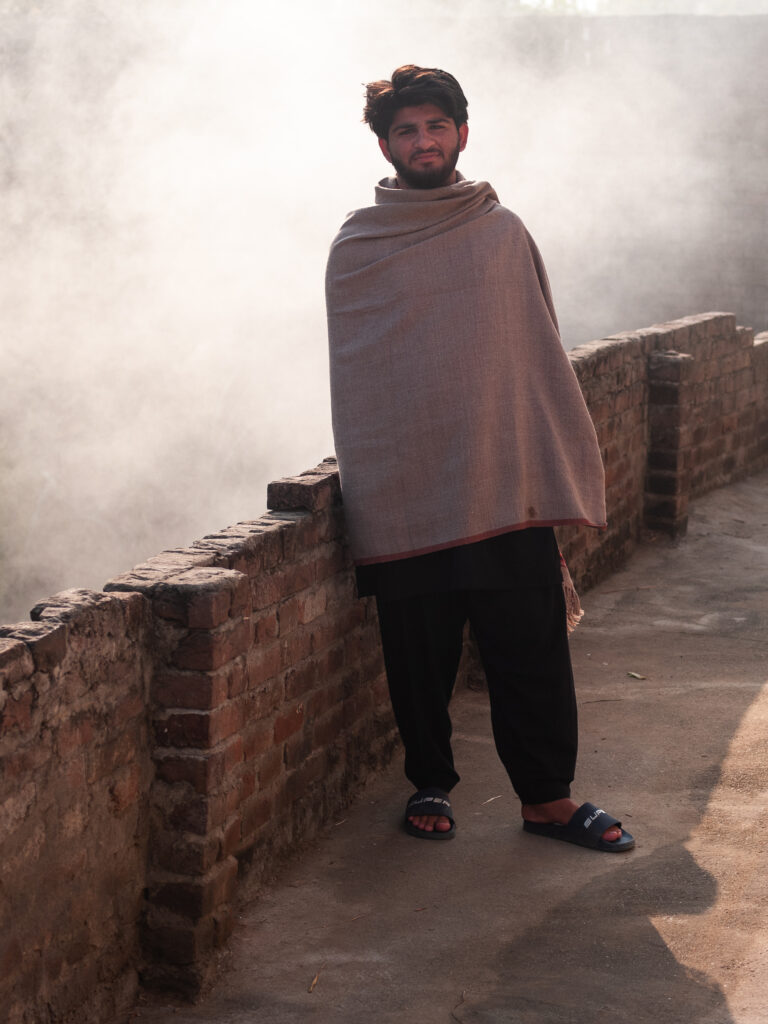
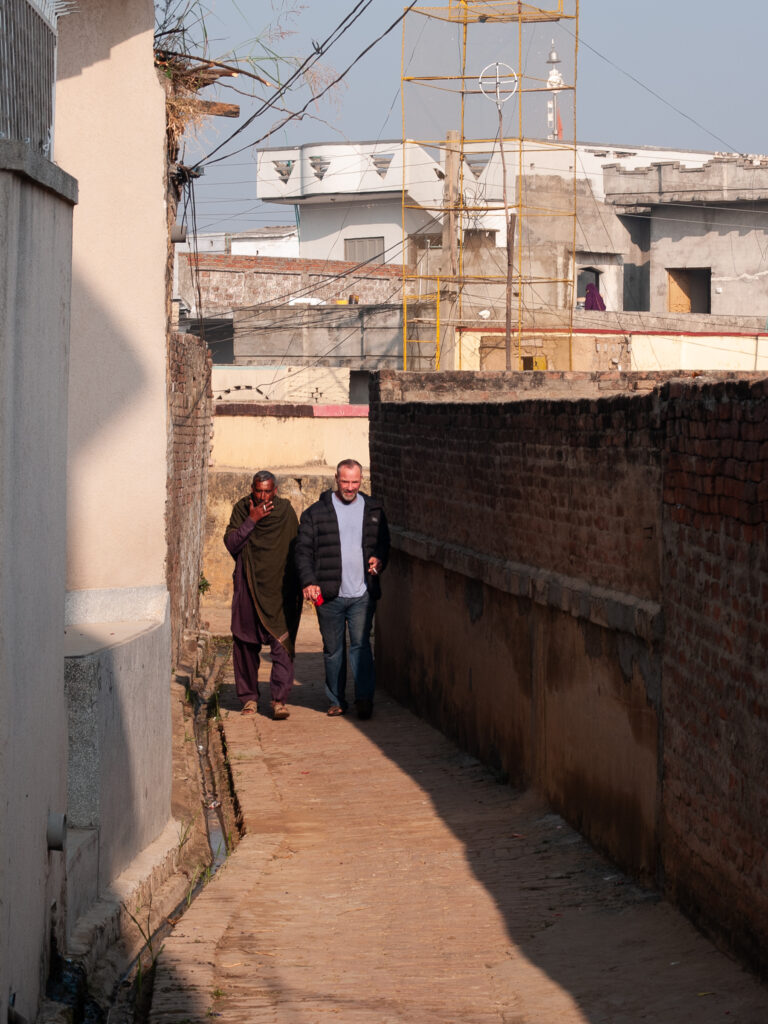
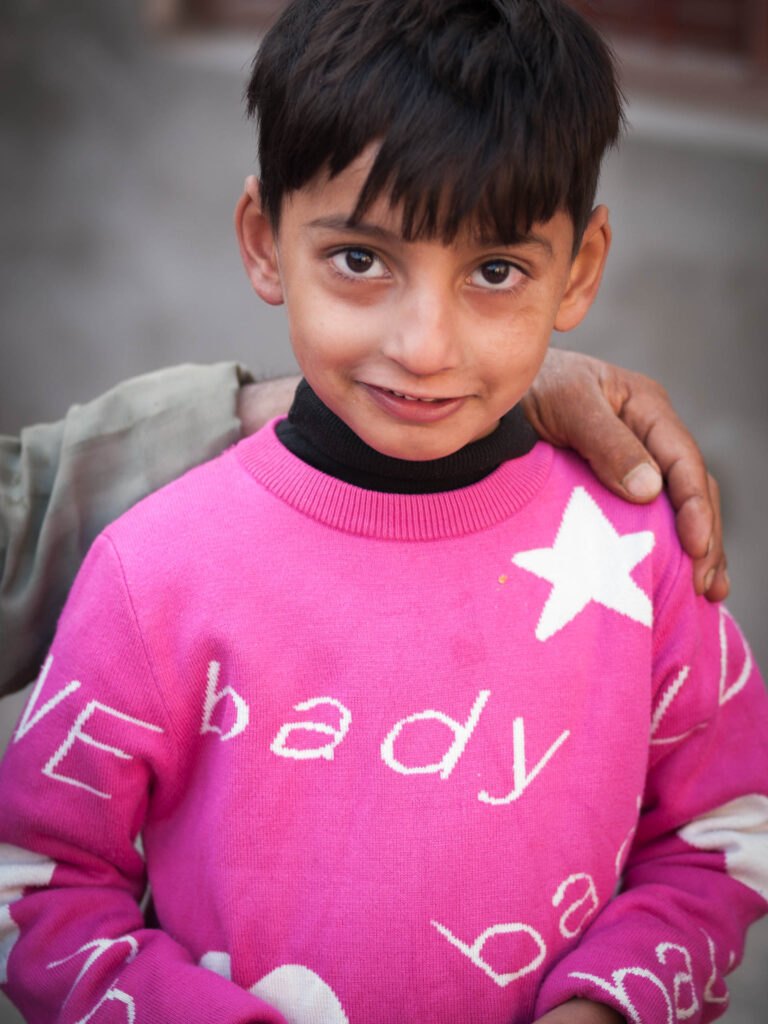
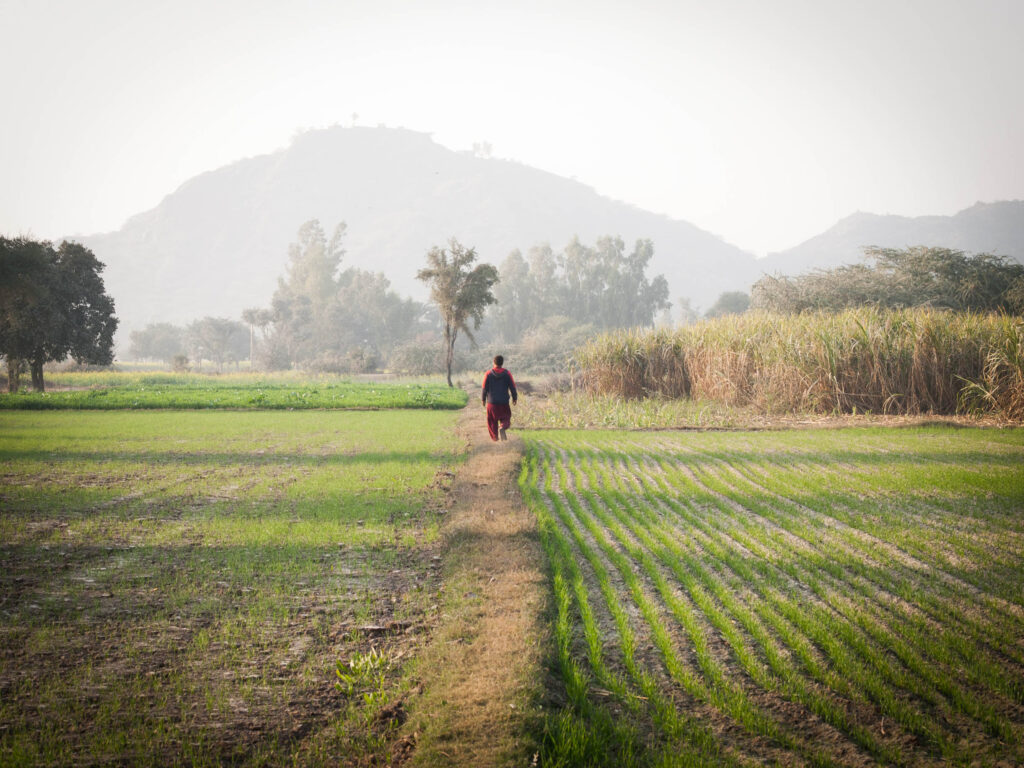
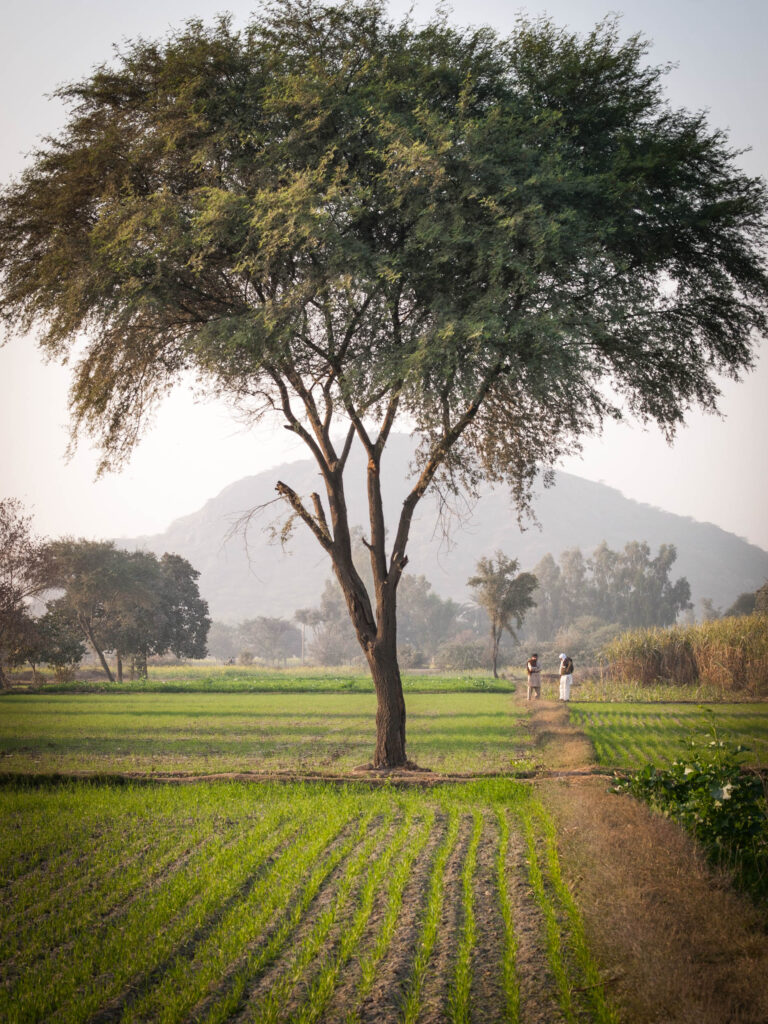
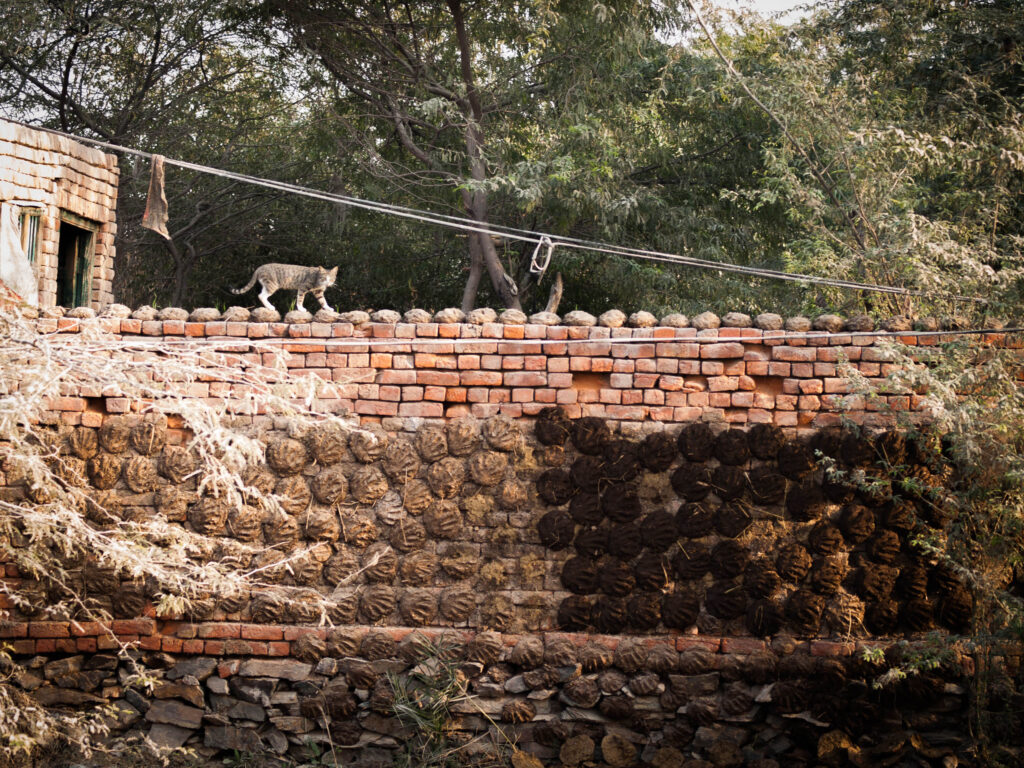
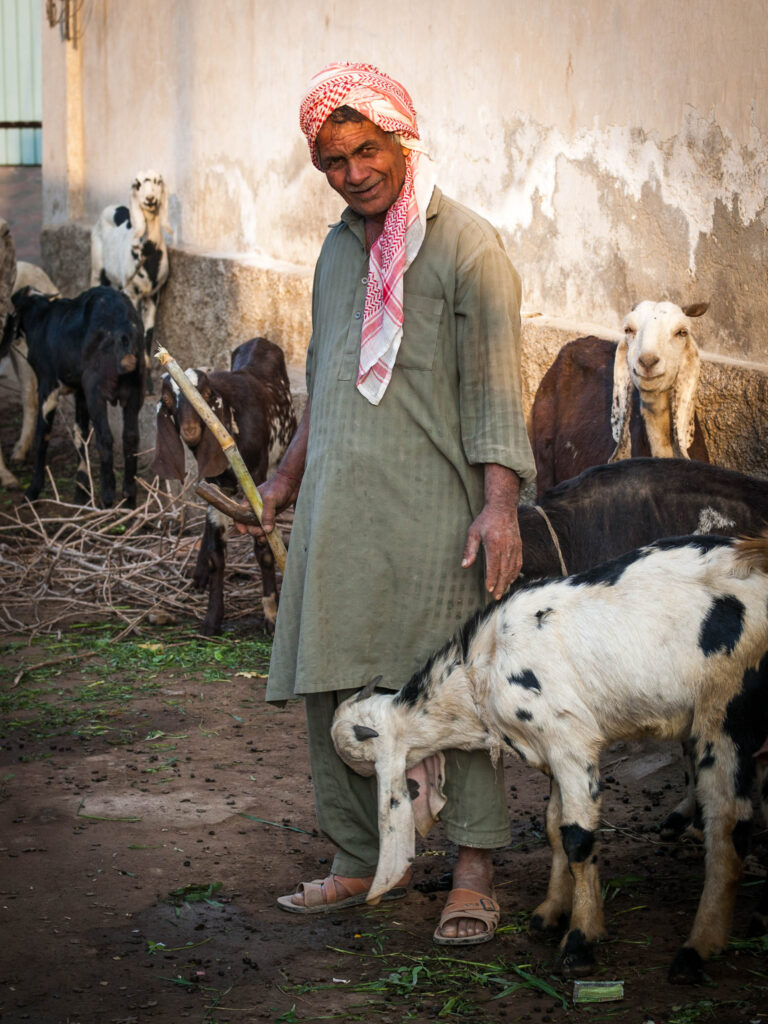
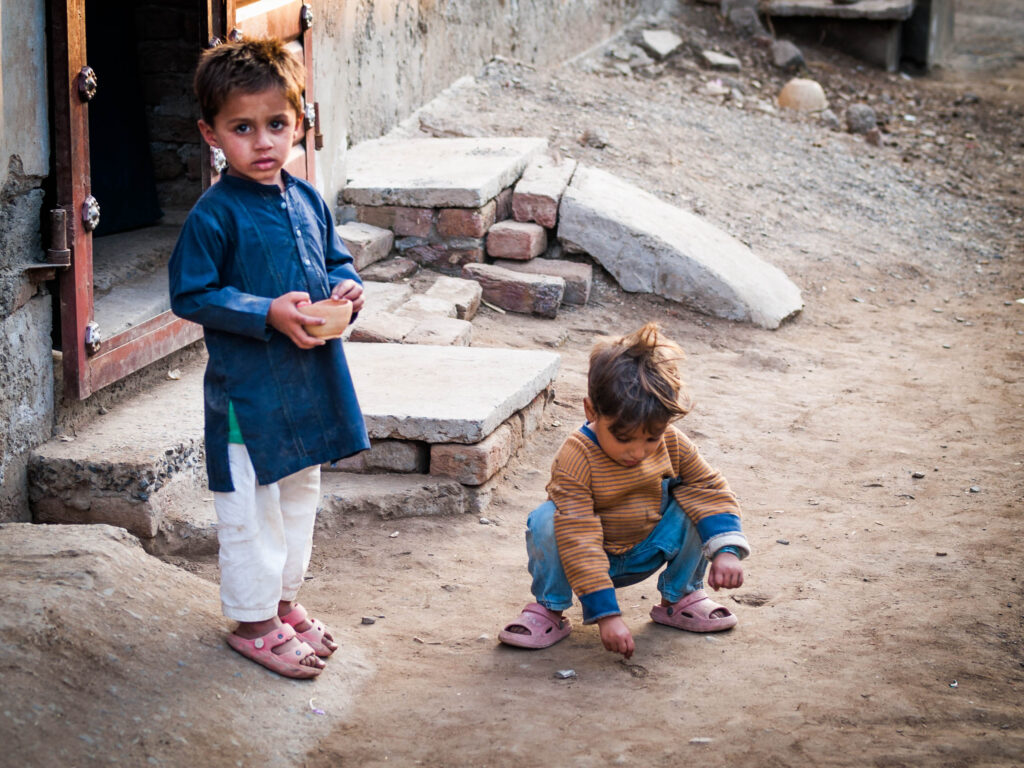
I mixed it up, generally portraits, some street stuff, candids and the odd rural scape. I enjoyed it thoroughly.
The cameras stayed in the camera bag for the first couple of days, I was too busy taking in the sights and chatting to people – to travel by Rail especially is a delight; it’s like being back in time, with things having changed little in over 100 years, with the sights, smells, sounds, timeless stations and sidings, catch points and rail yards. Even the signalling system is still the old mechanical solid cable one; with cabins nestled by Level Crossings and depots.
Inside the carriage you’ll get to meet people and see faces from all parts of the country; European faces from the North, Turkic and Mongol, Persian and Pashtun, to Punjabi, Balochi, Saraiki, Sindhi and Mekrani from the South, and the talk, the conversations, a real pleasure, unlike the reserved silence of a British Railway car, here you’ll talk to your fellow passengers and share stories and tea.
Even hanging around Level Crossings such as this one on the Grand Trunk Road, reveals such curiosities. Strange child singing to himself as he crossed the ‘Patak’ at the Upper Jhelum Canal.
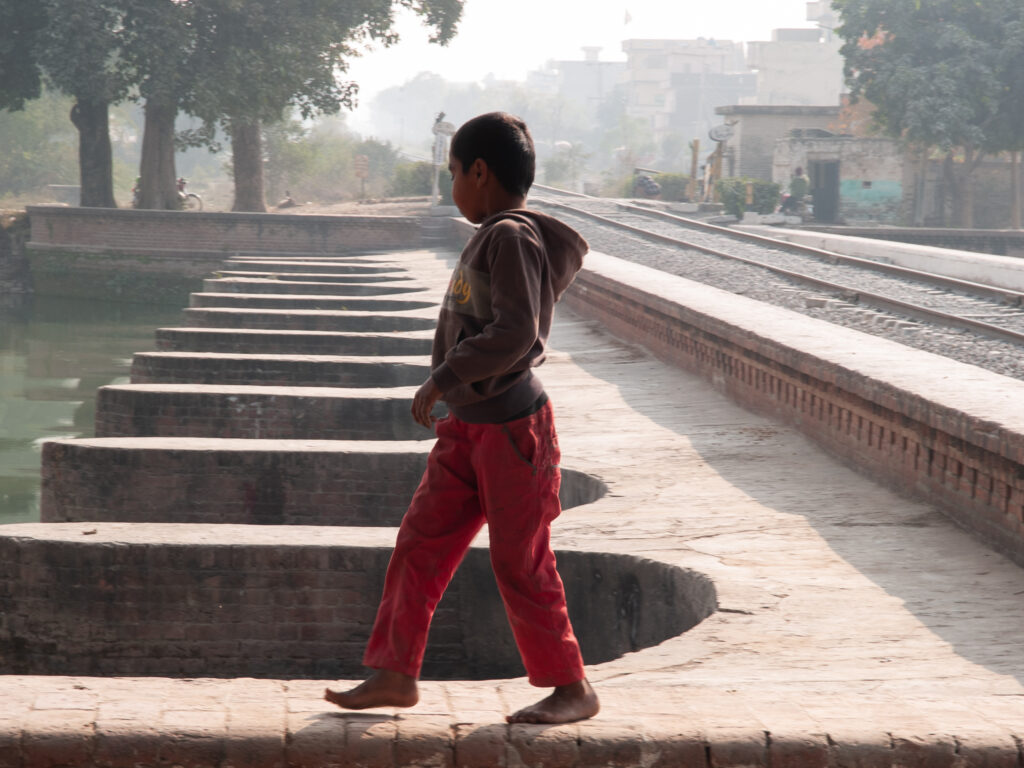
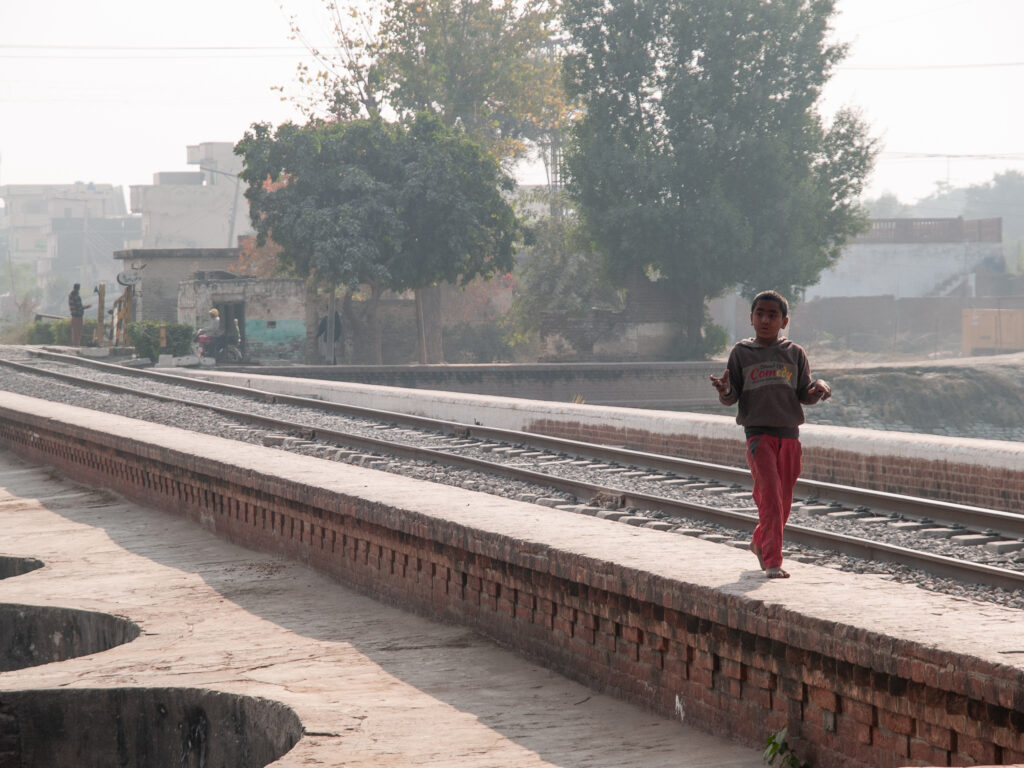
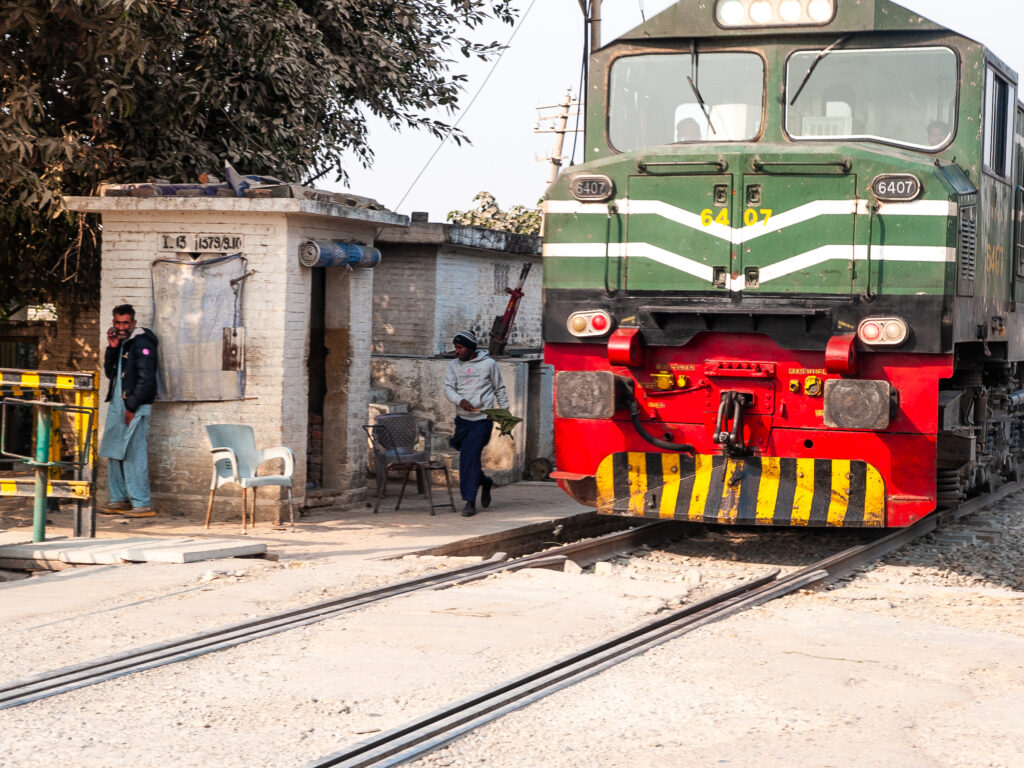
Olympus E1 12-60mm ISO 100
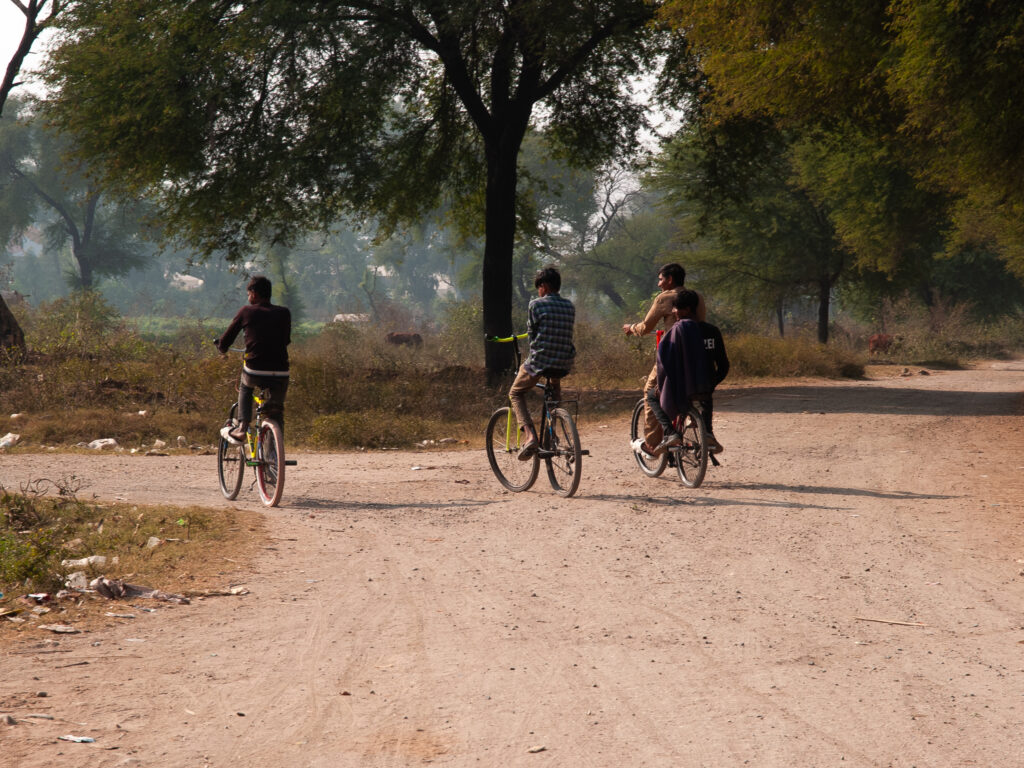
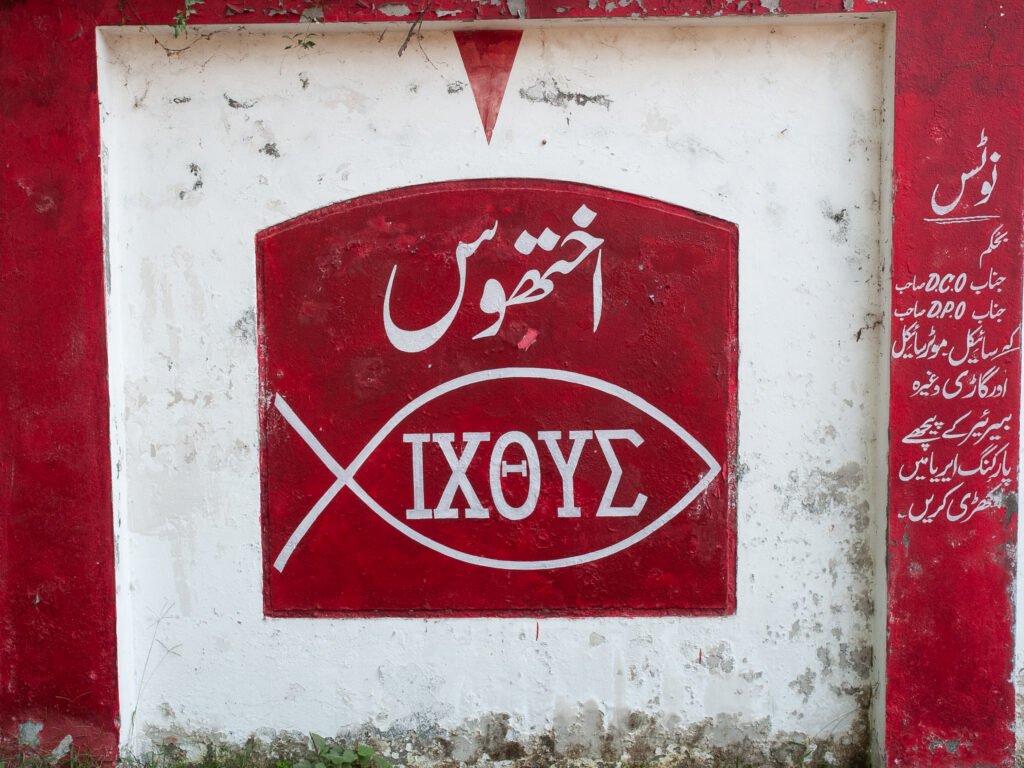
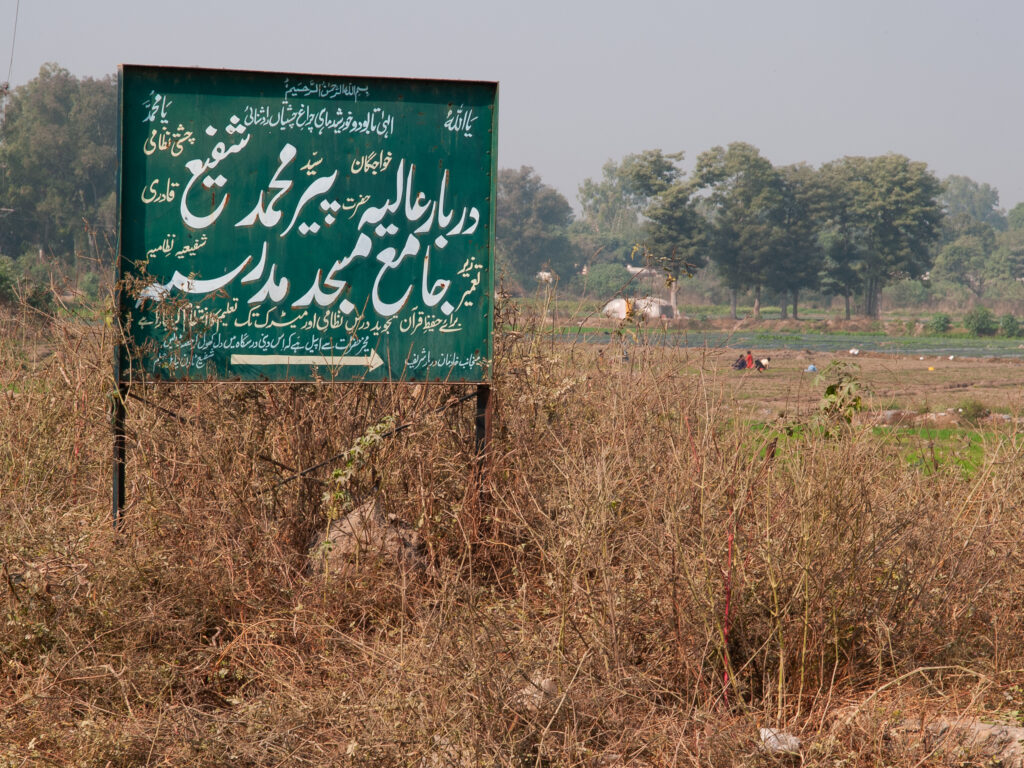
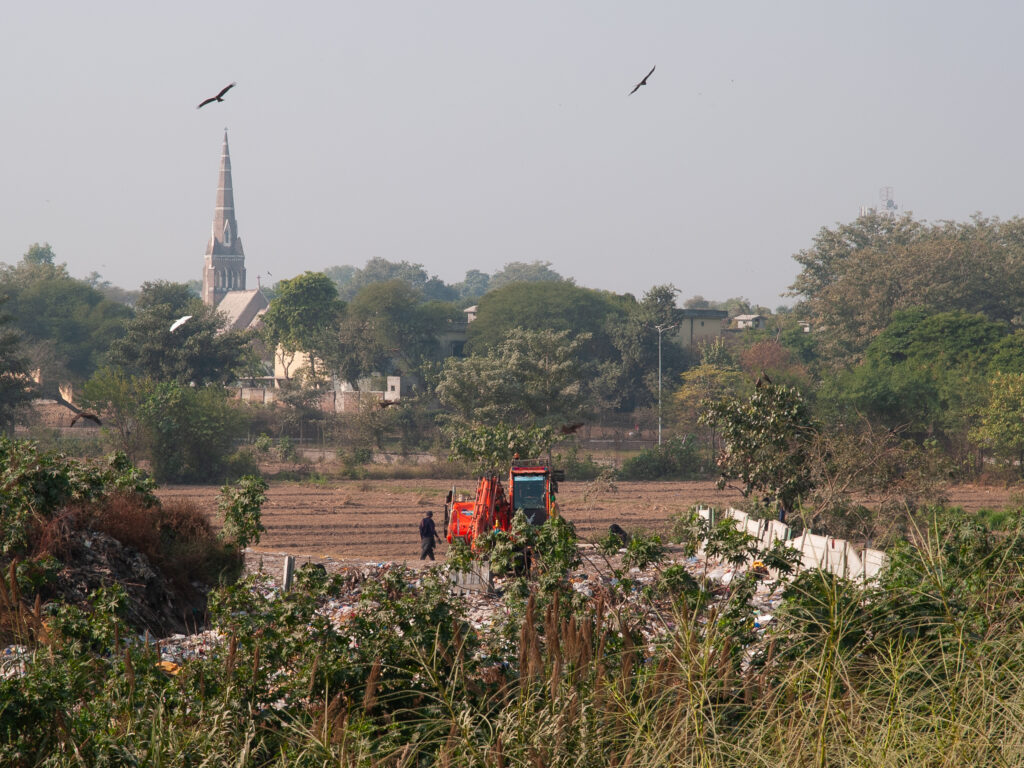
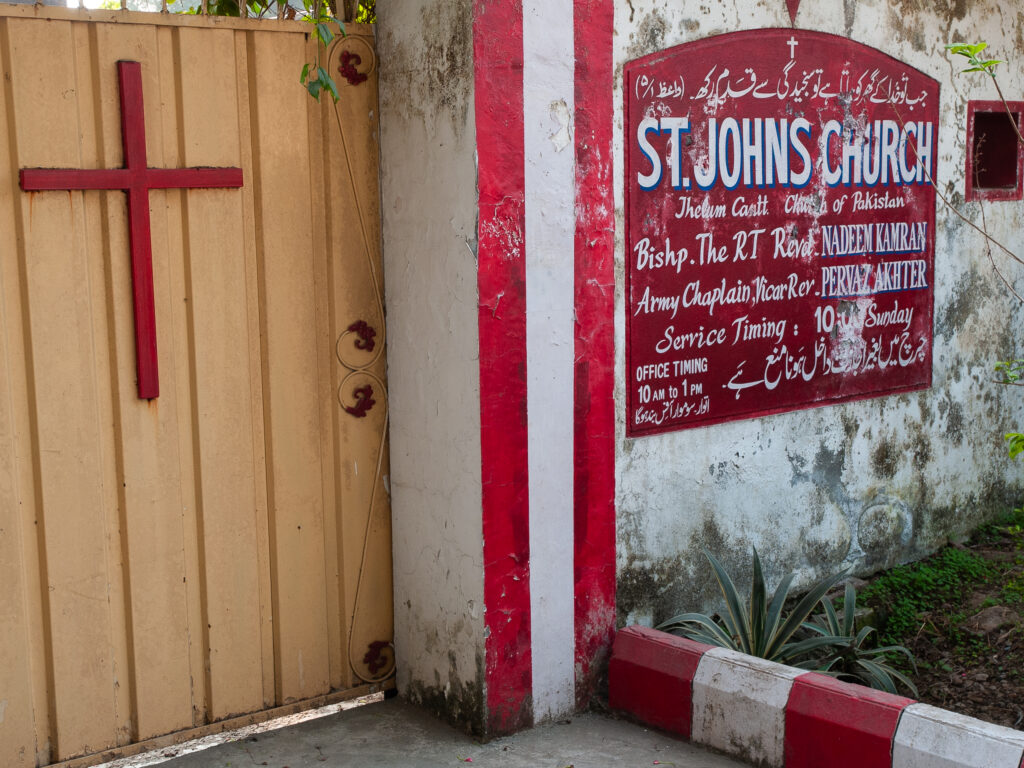
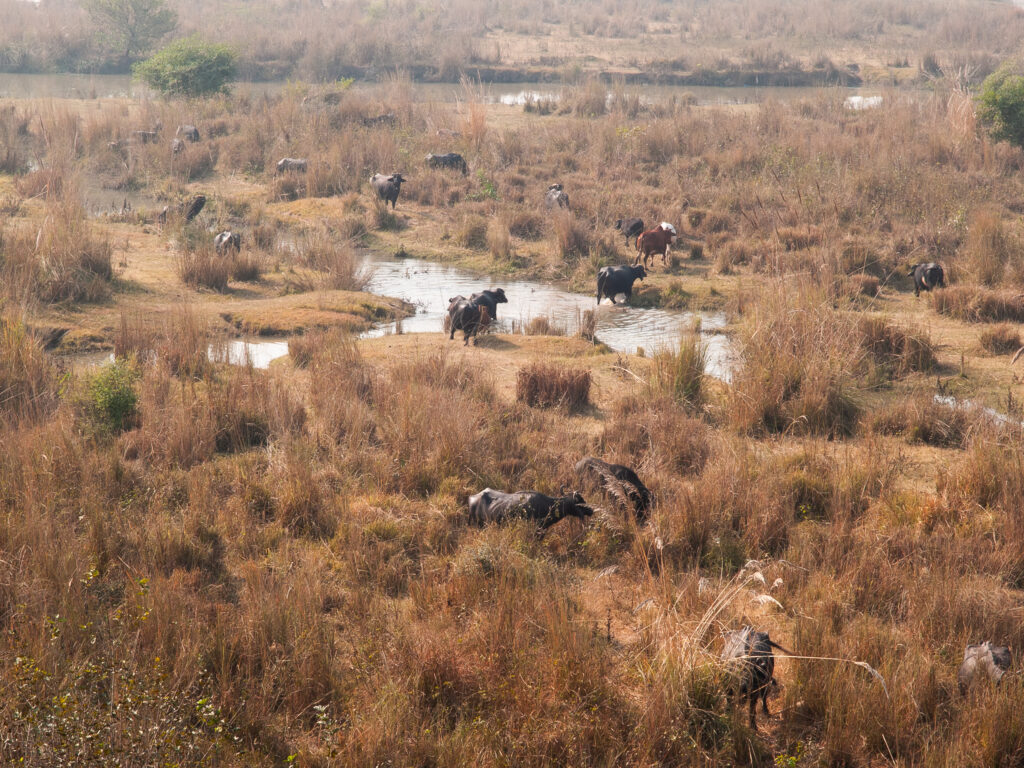
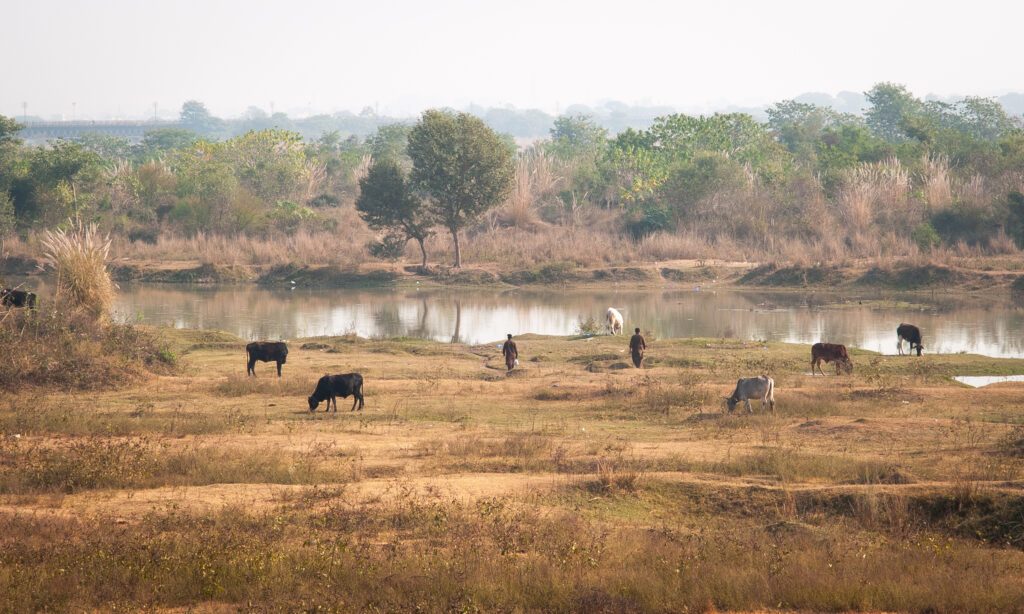
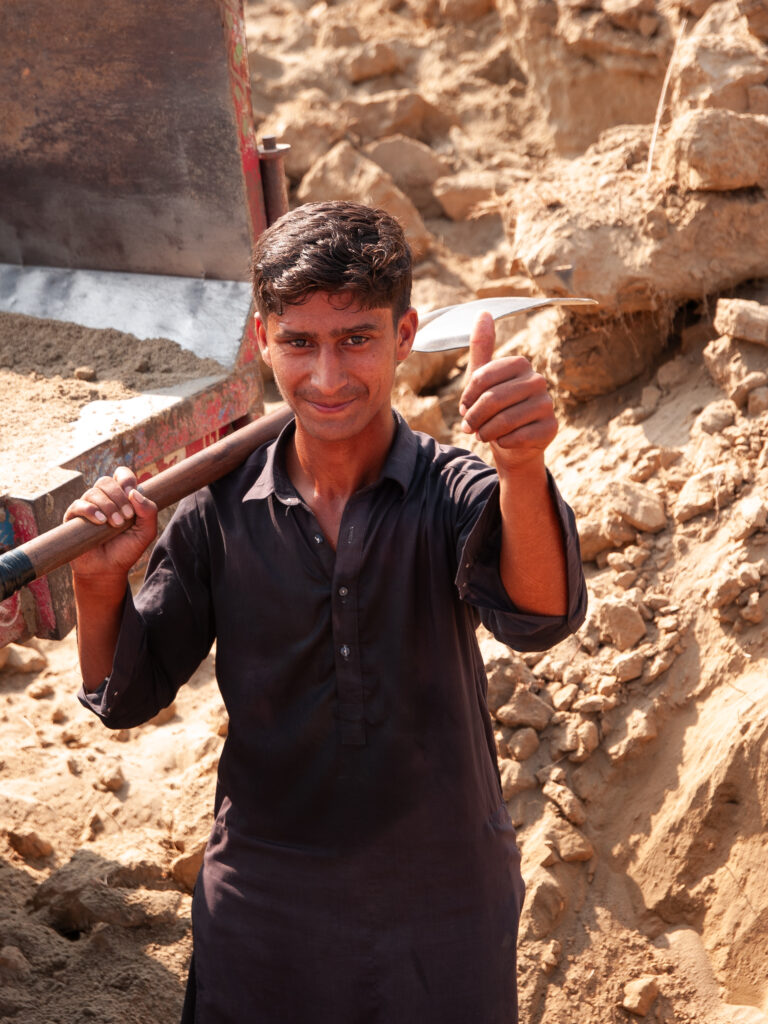
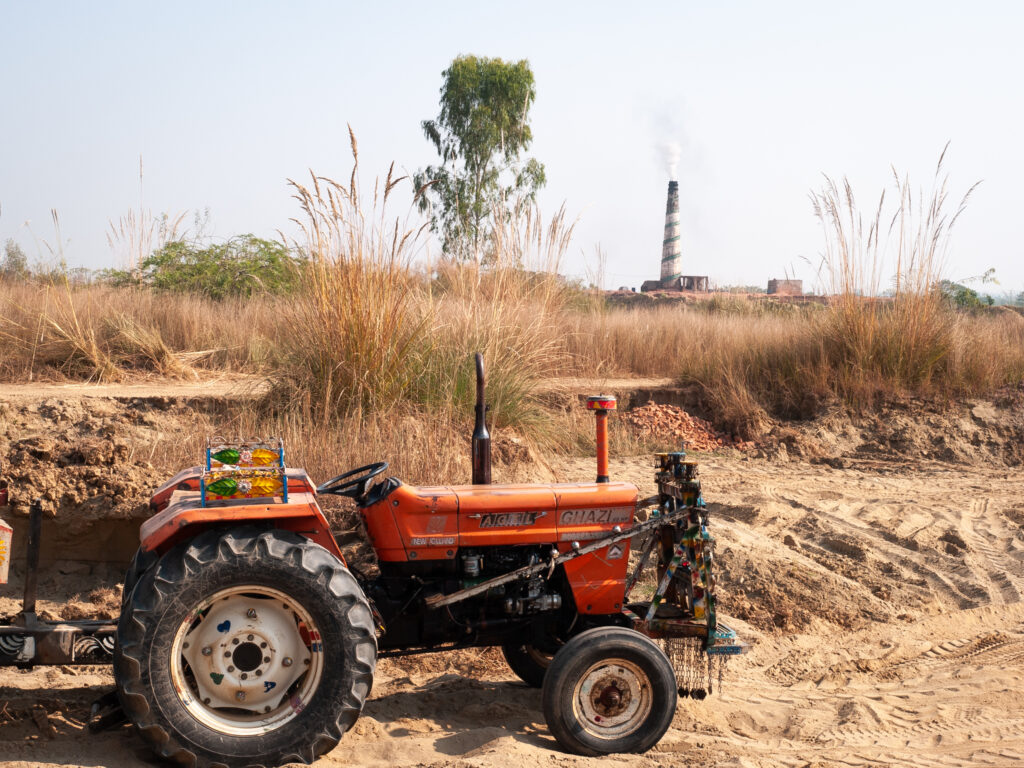
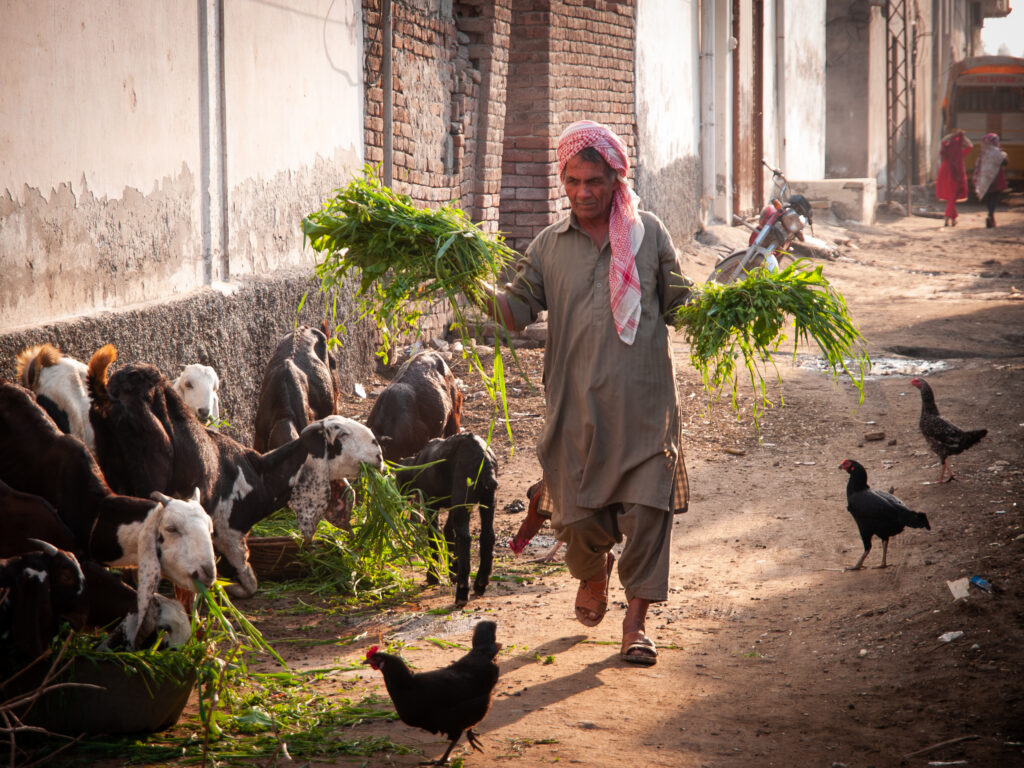
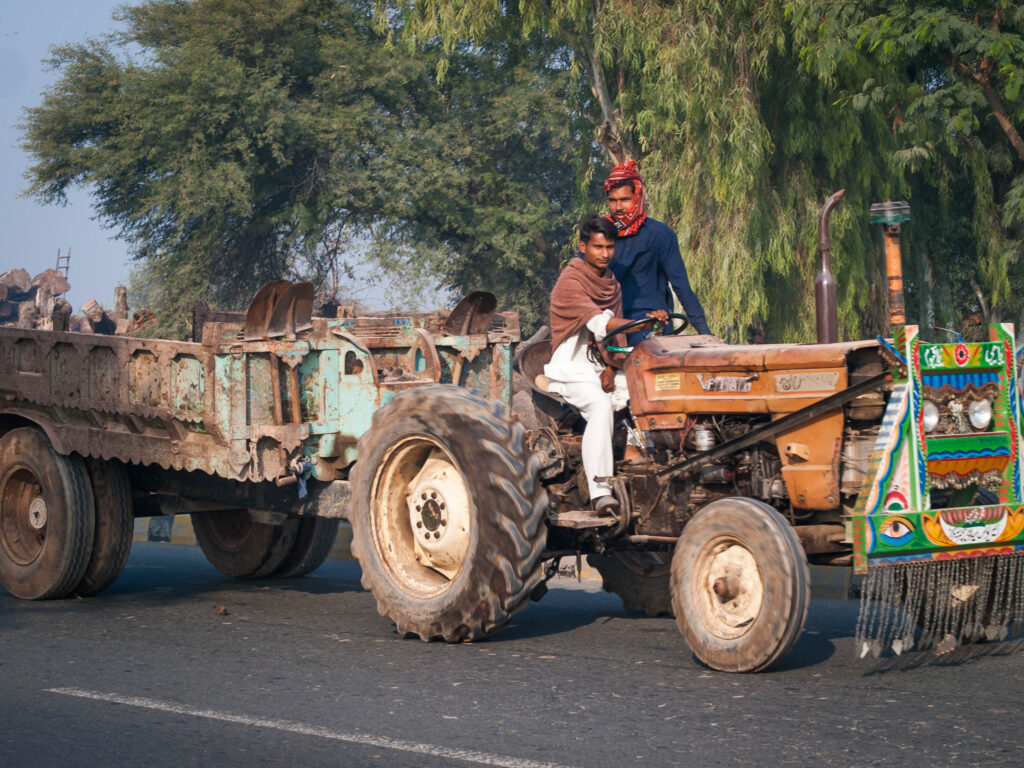
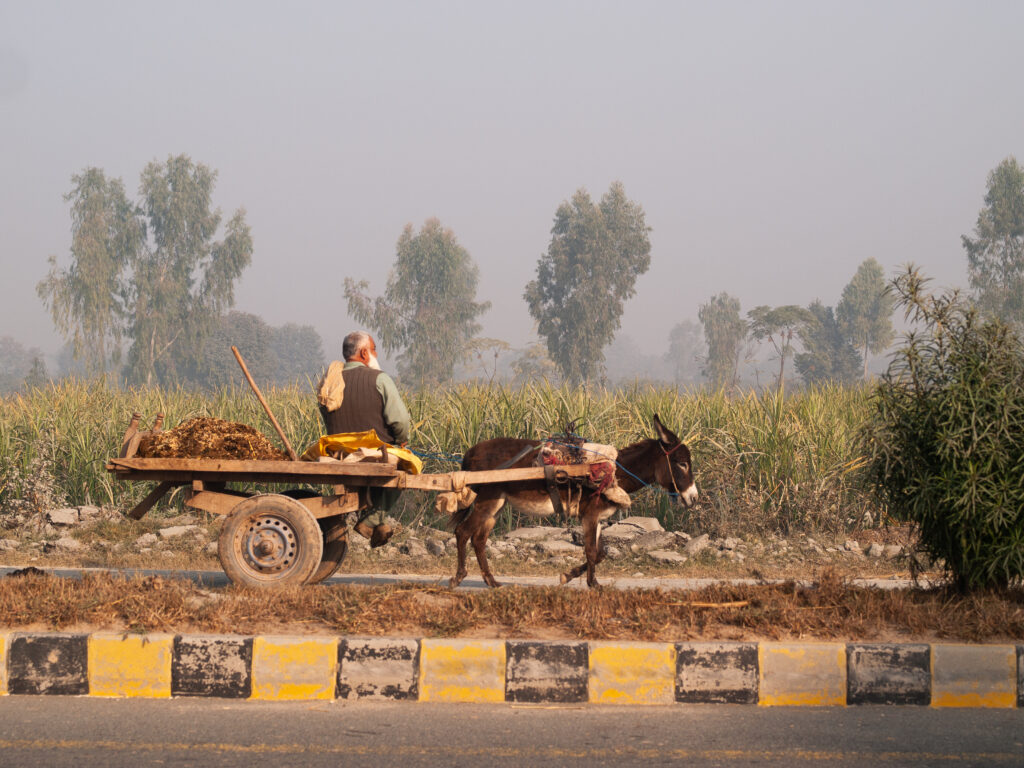
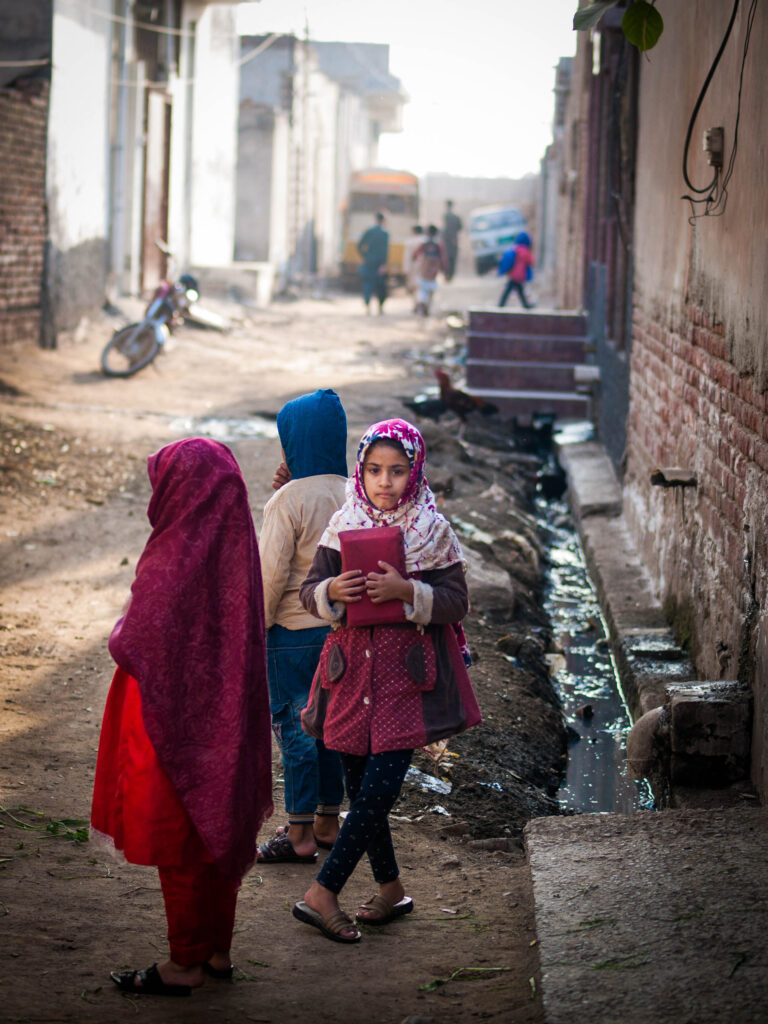
There isn’t actually that much real poverty, or rather I never saw any. No homeless, no rough sleepers and hardly any beggars to speak of. There were such dumps around the River and Jhelum City, but as the livestock and tractors/ lorries show, people make money here.
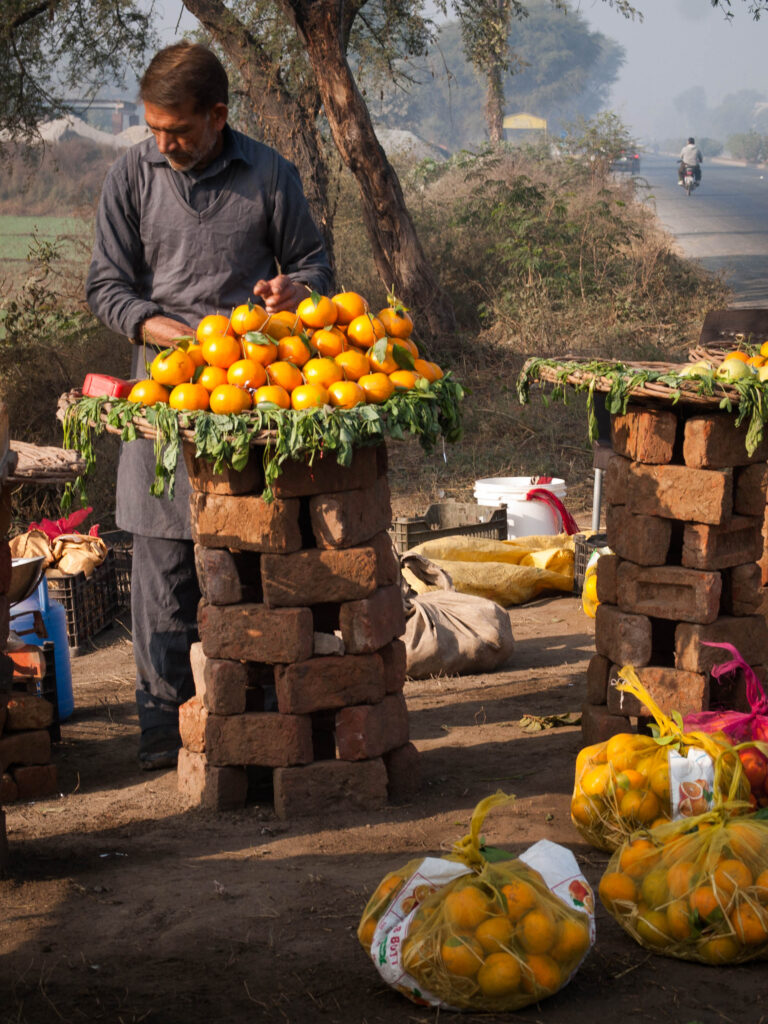
Needless to say I approached and spoke to almost everyone – from Street Food vendors to passers by, Herdsmen, Villagers and Commuters. Everyone was fantastic.
I had been shooting with the E1 at ISO 400 in early morning light, it was then that I made a really ‘good’ mistake, I forgot to change it back to ISO 100. The photos at ISO 400 in very good light were fantastic. As ‘Filmic’ as I could imagine.
This Part 1 is a selection from the Punjab. Part 2 will be the North.
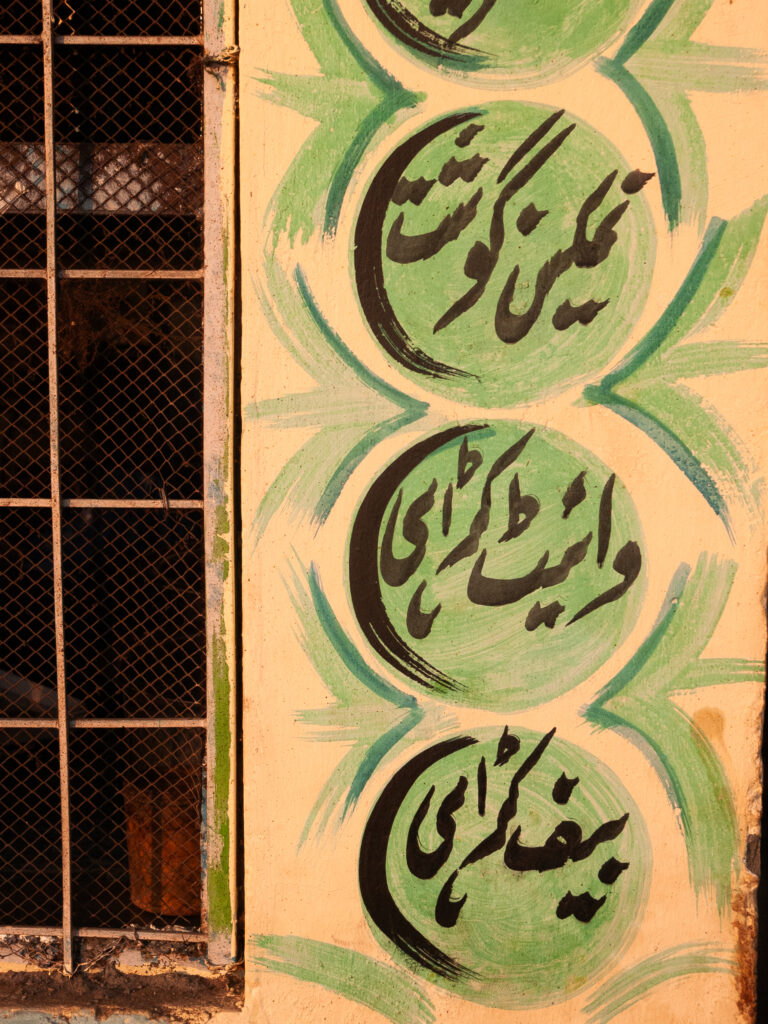
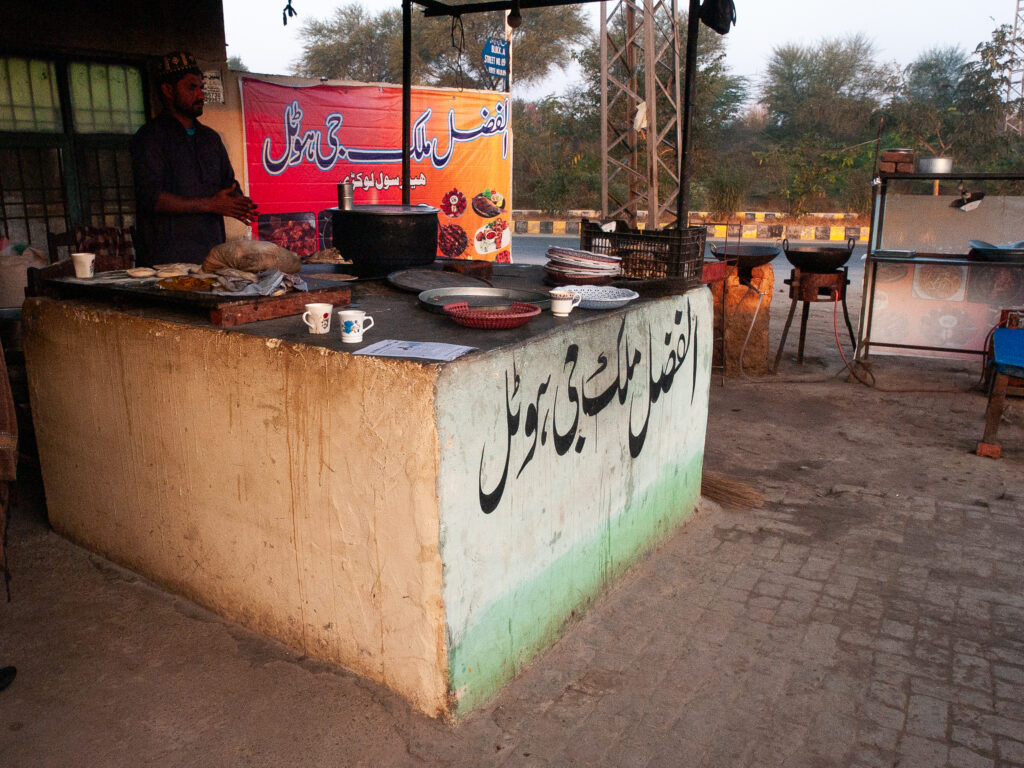
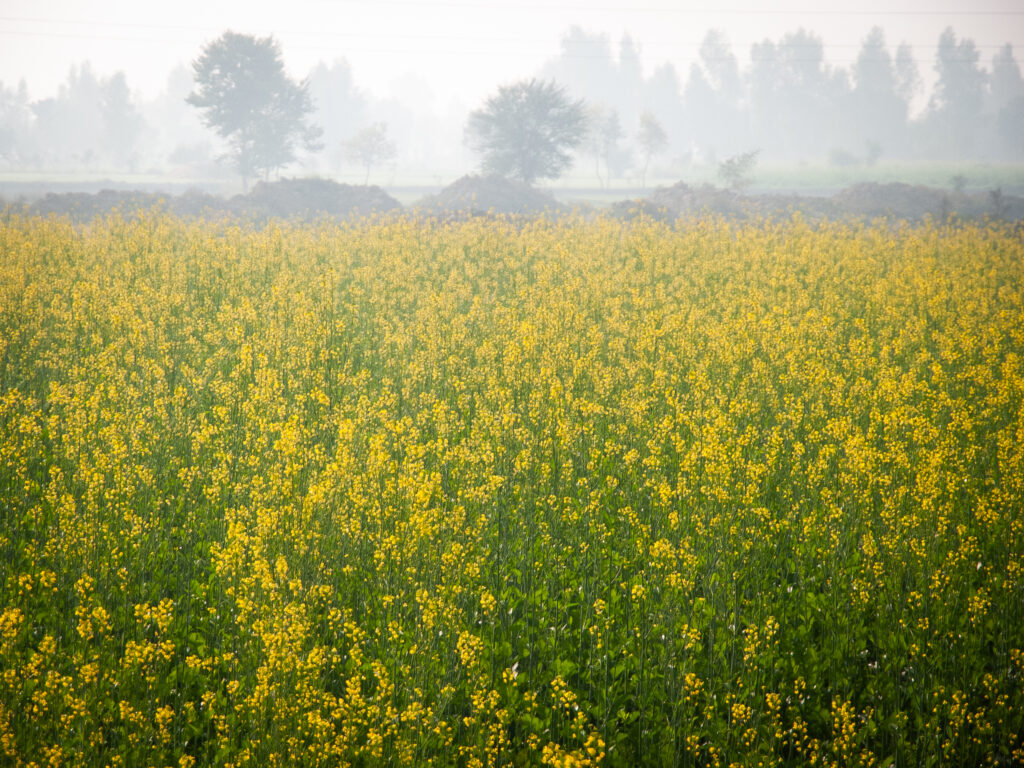
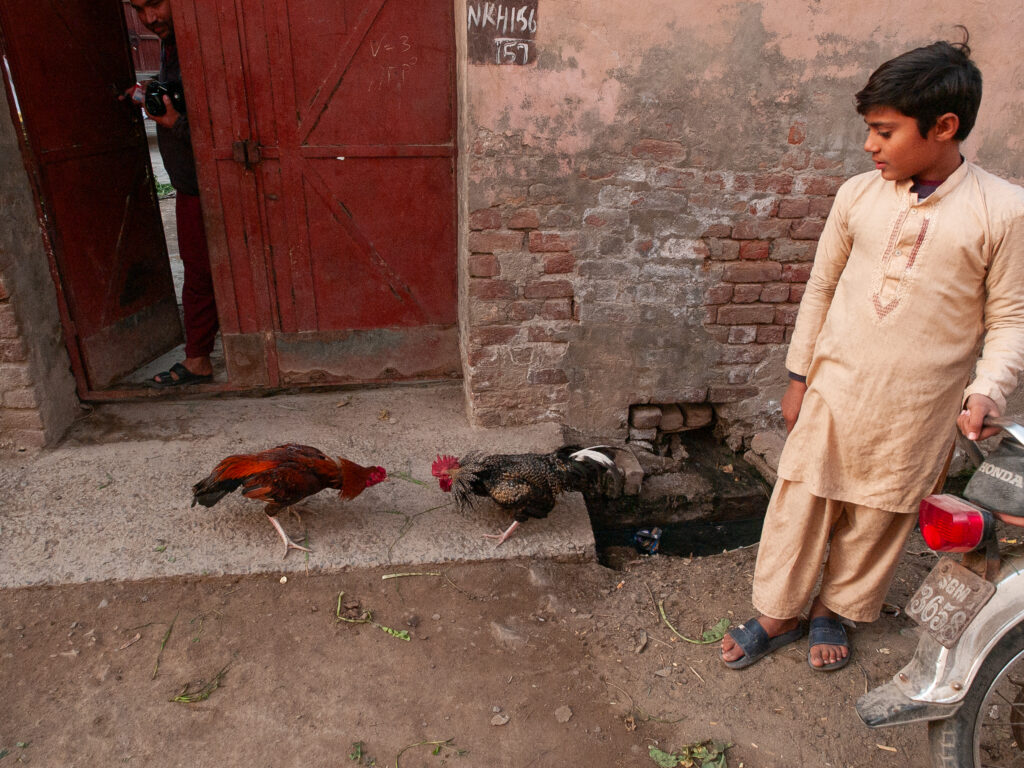
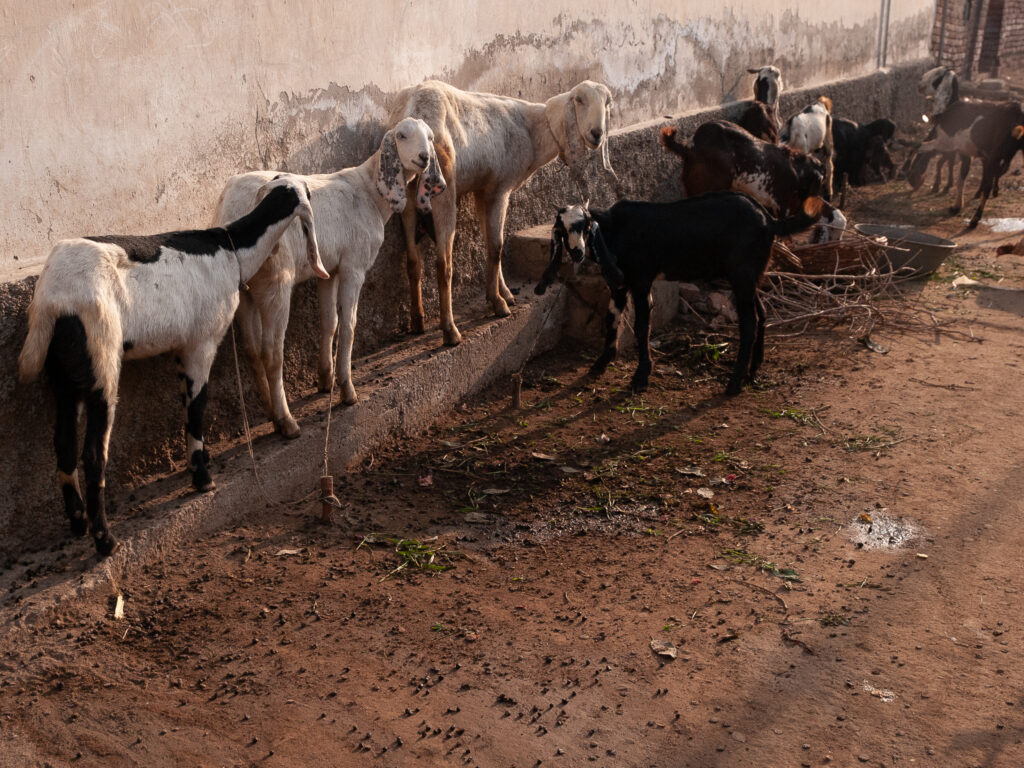
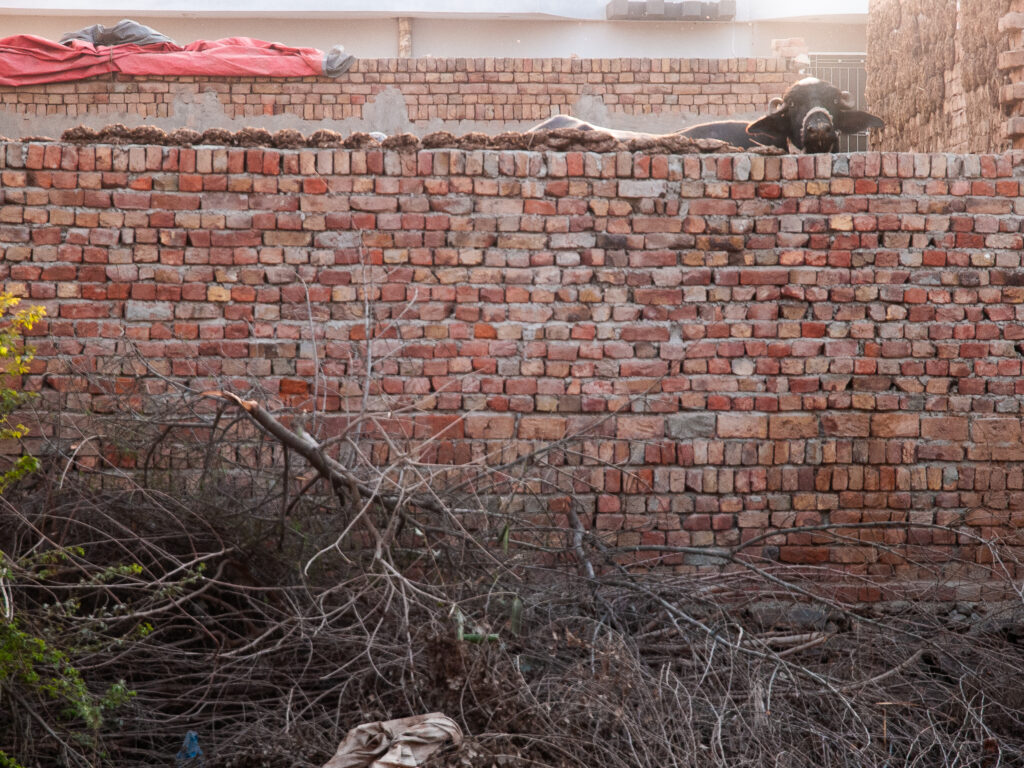
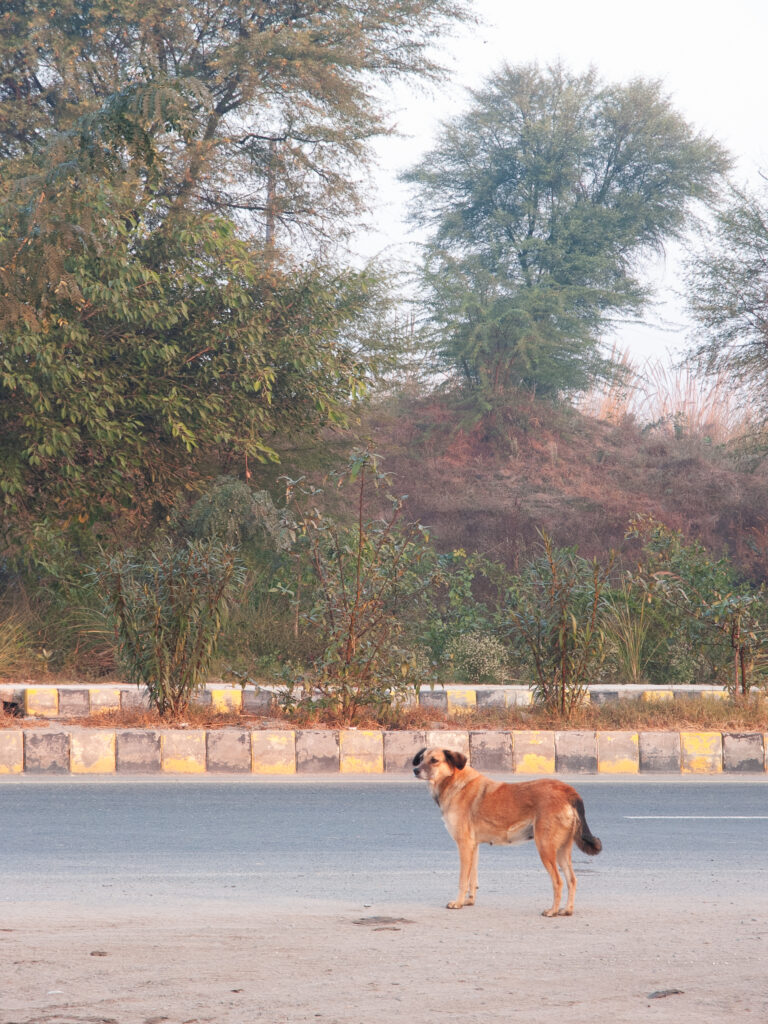
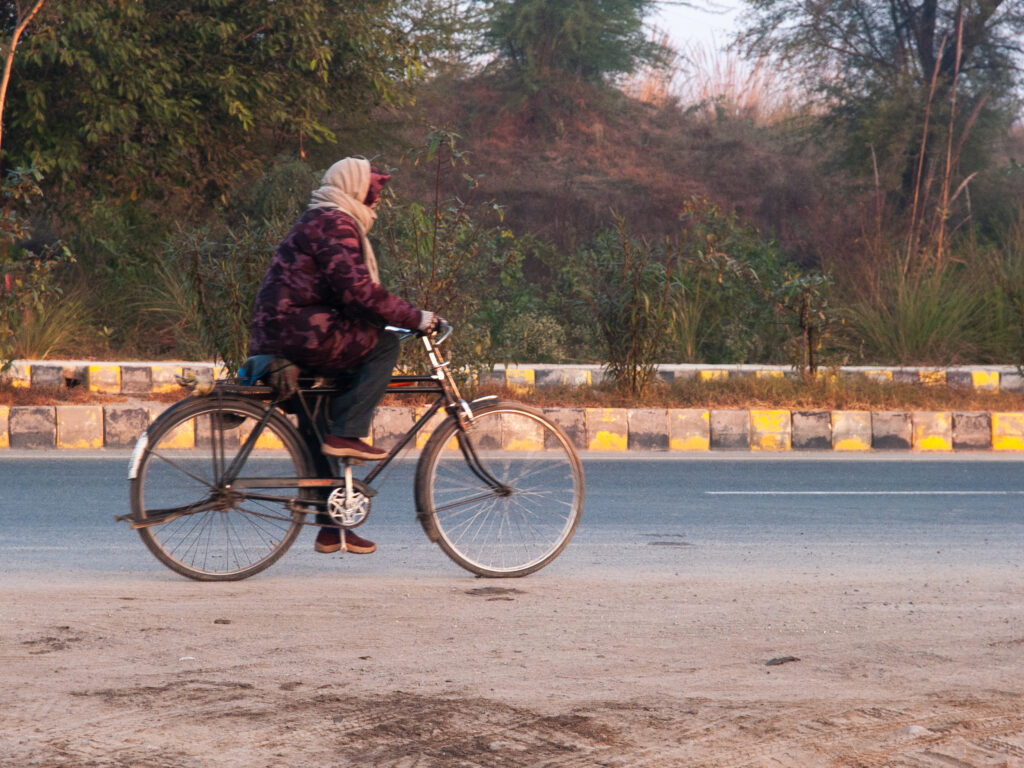
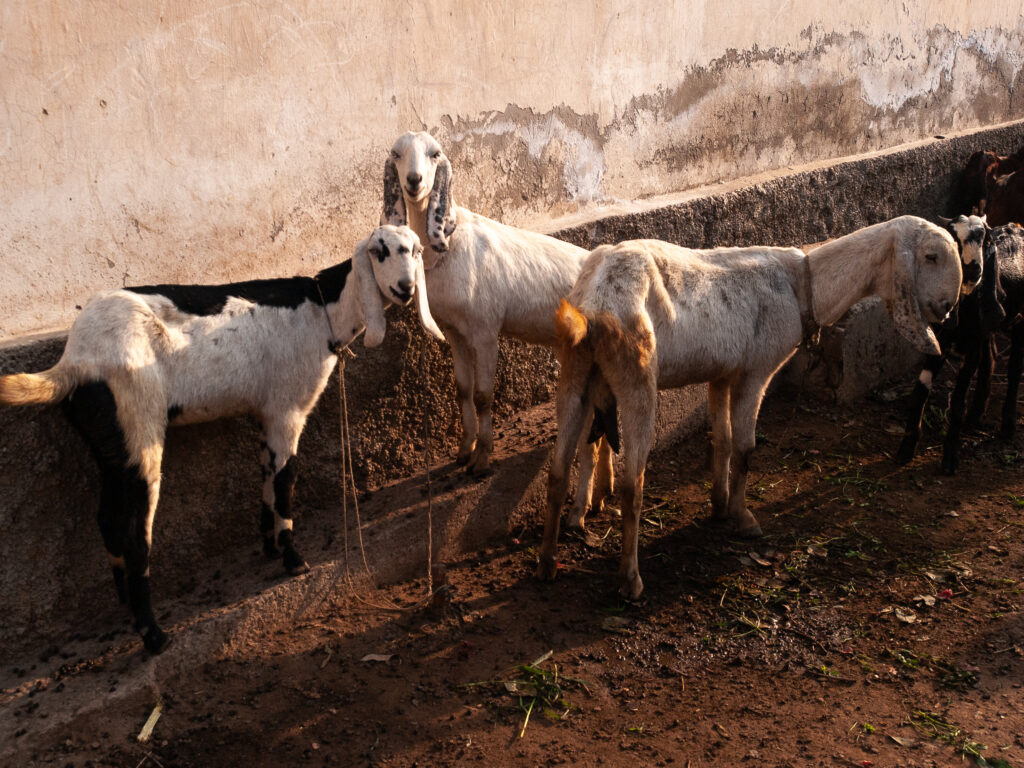
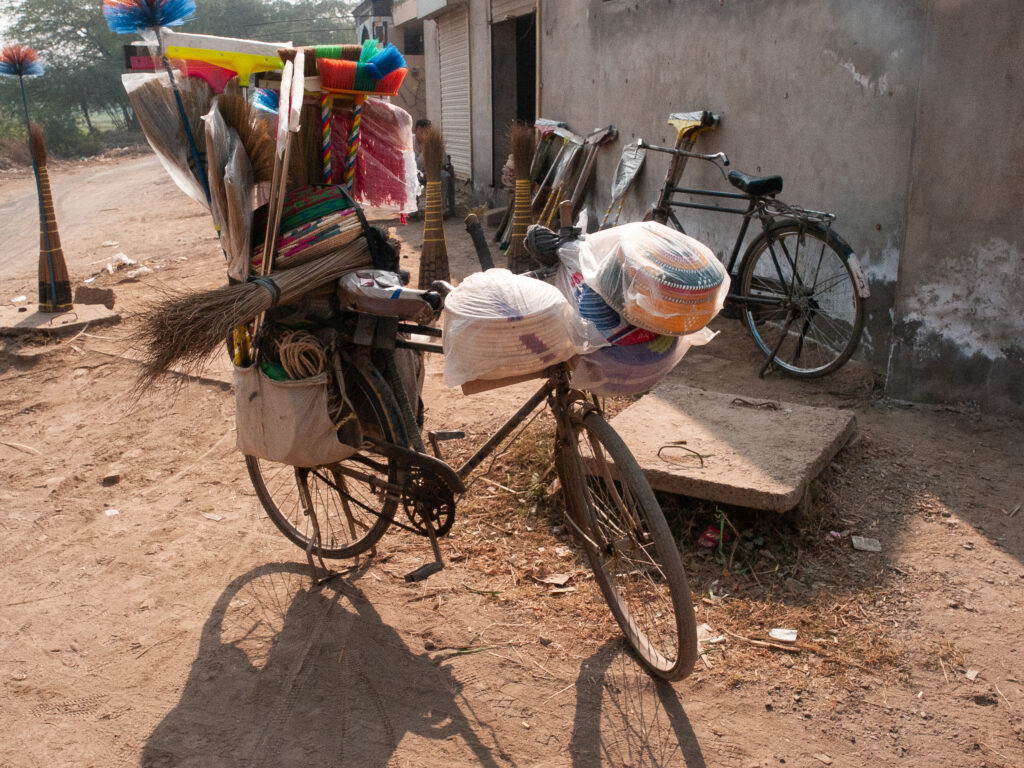
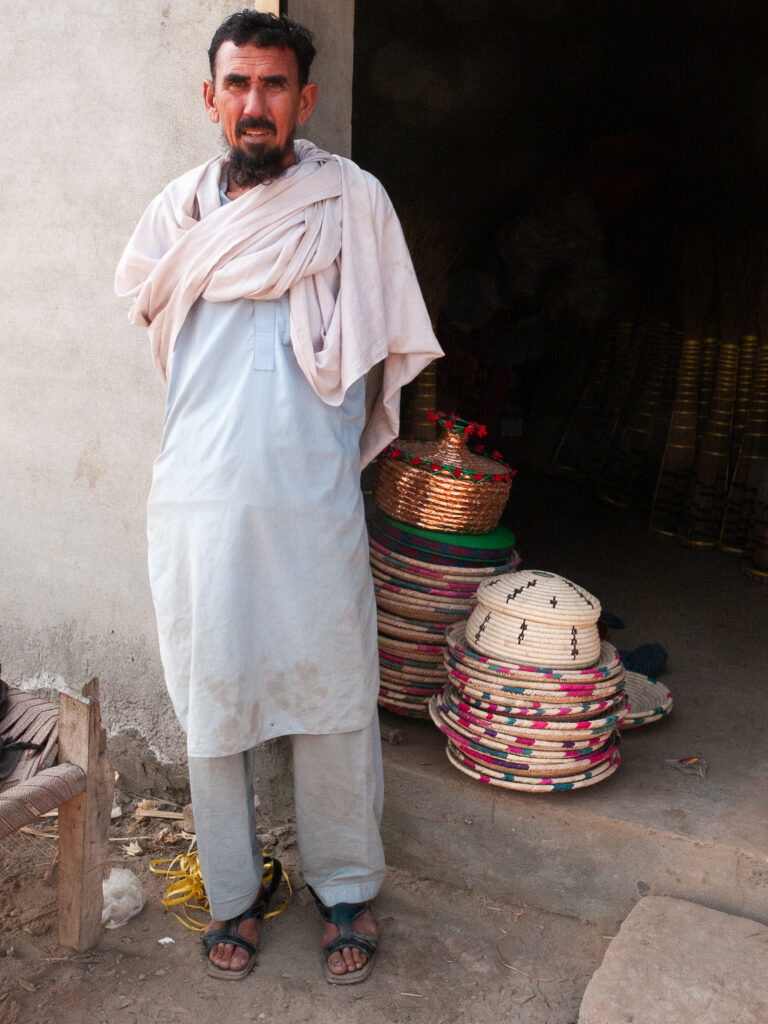
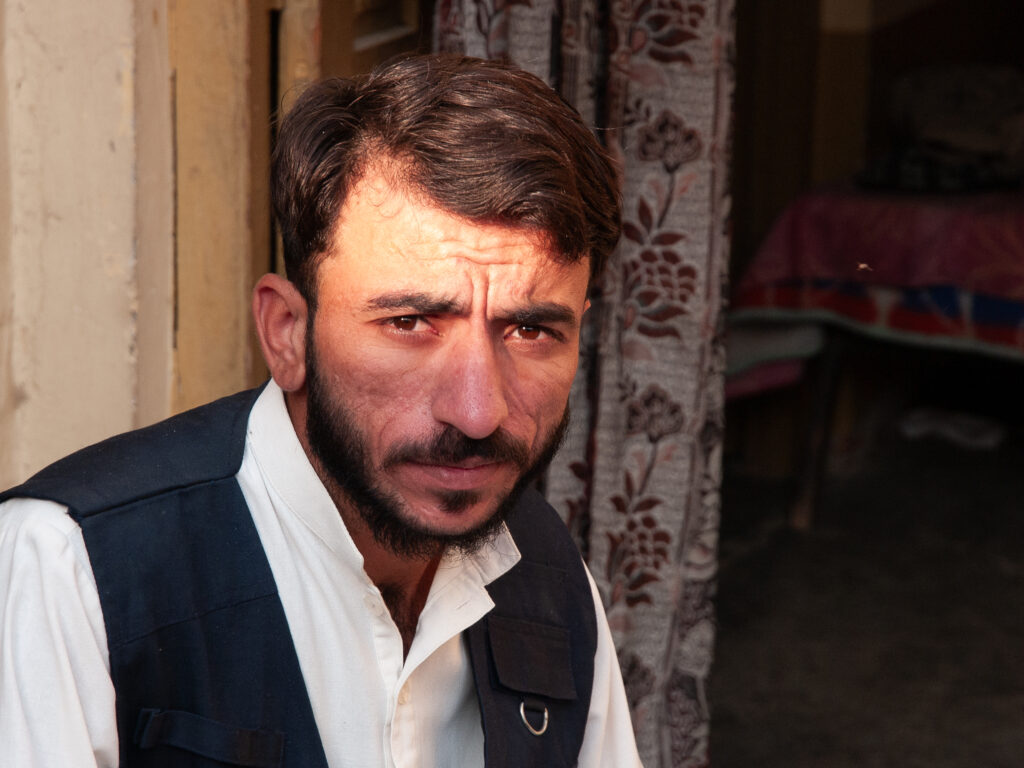
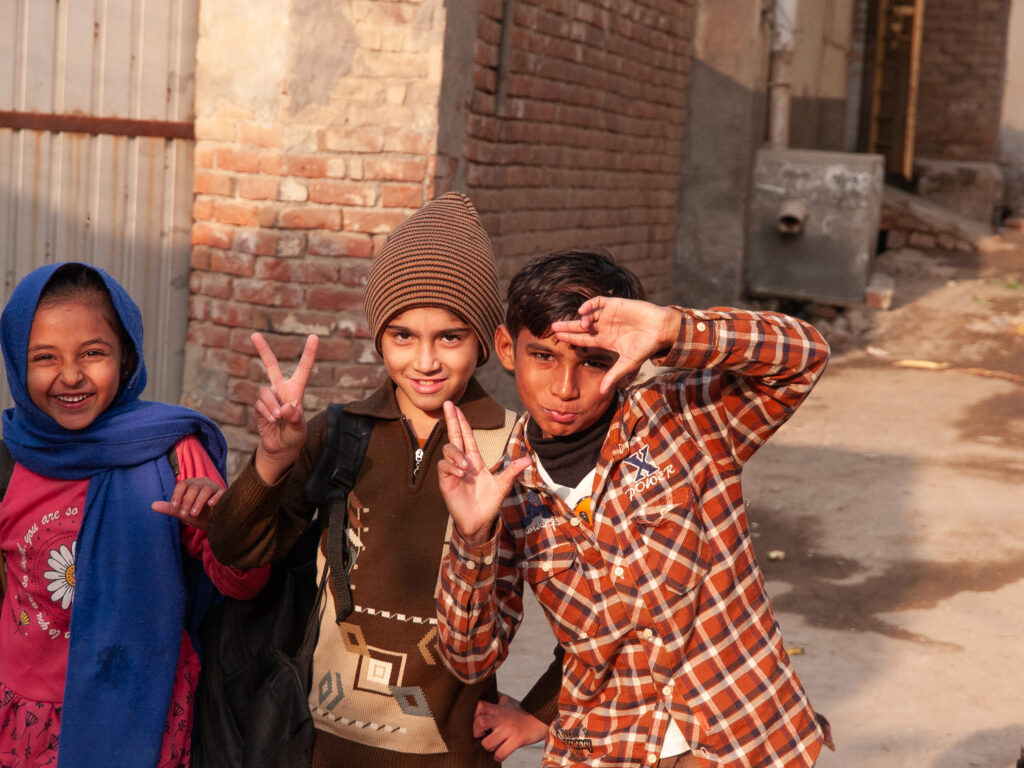
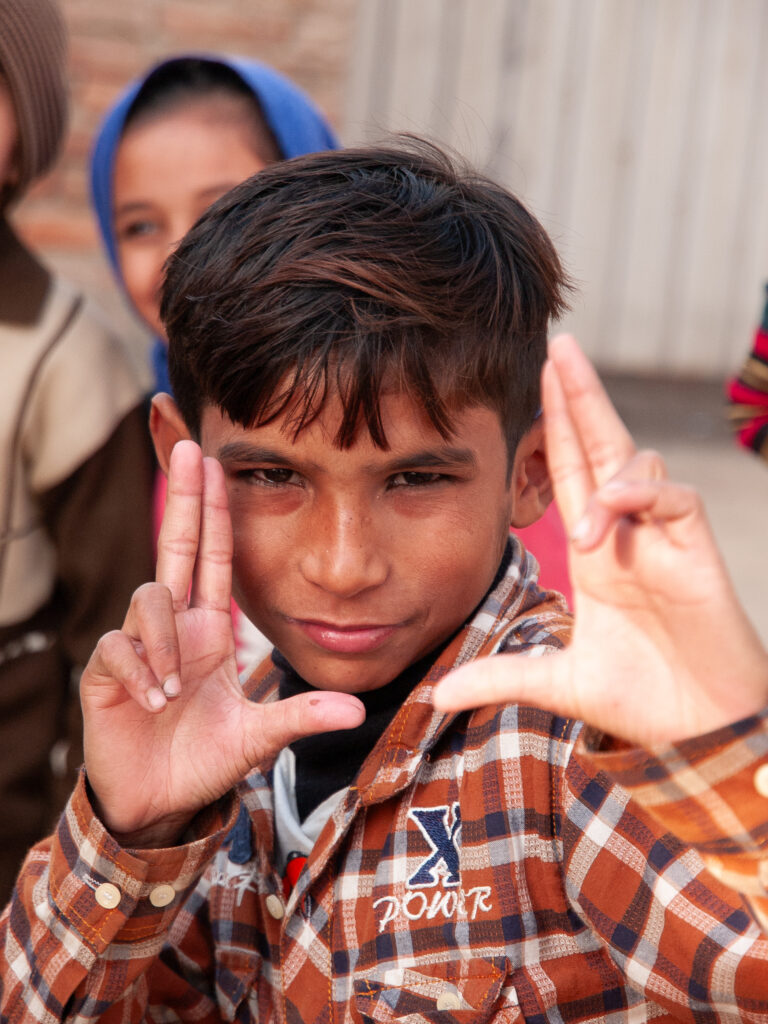
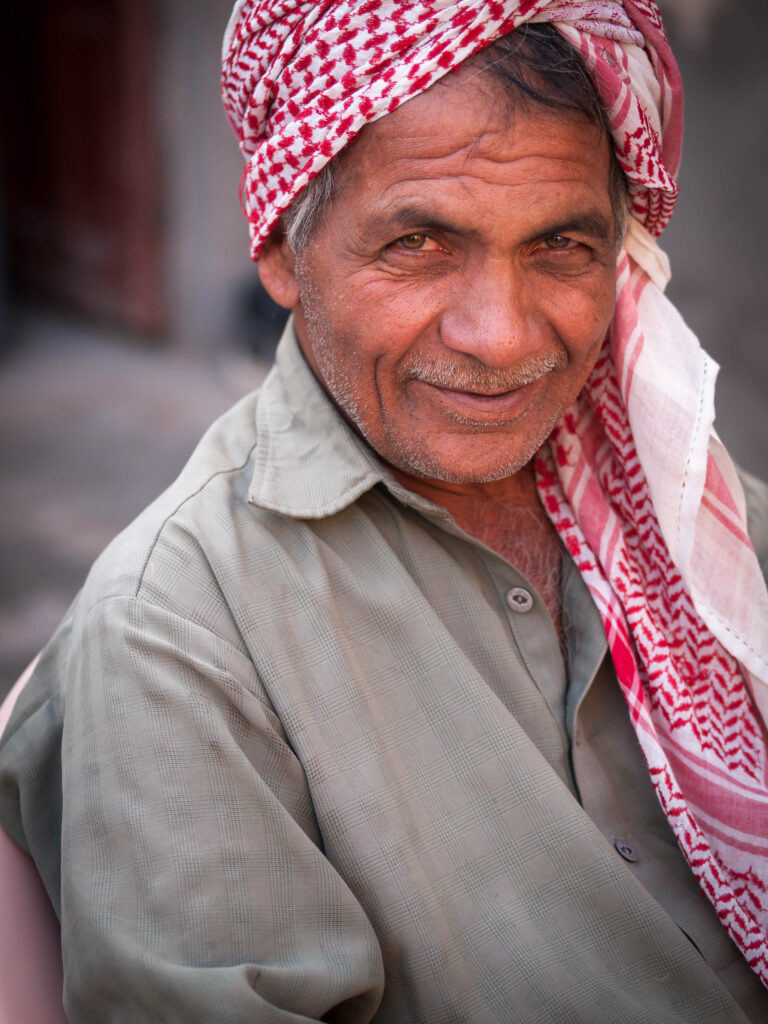
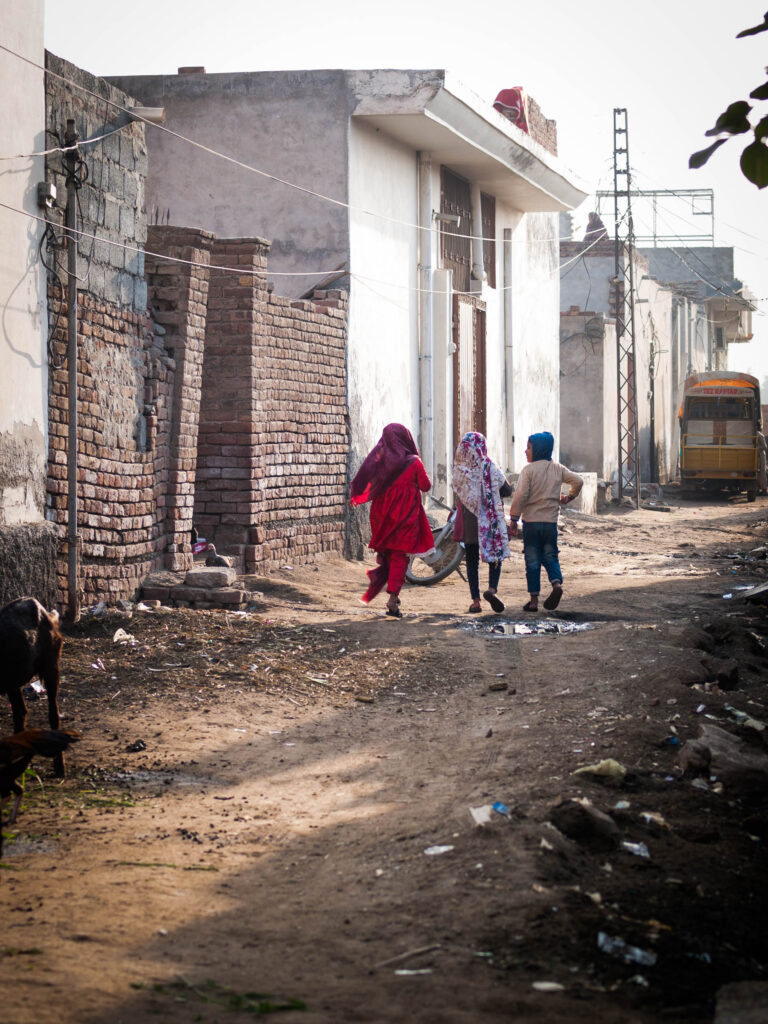
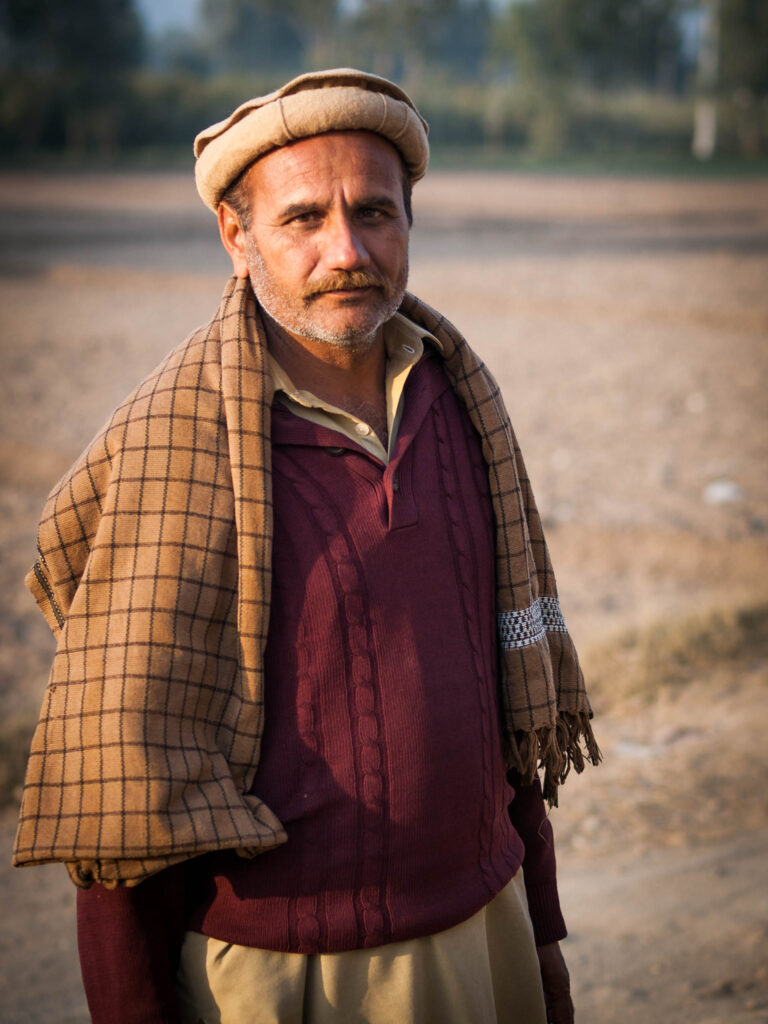
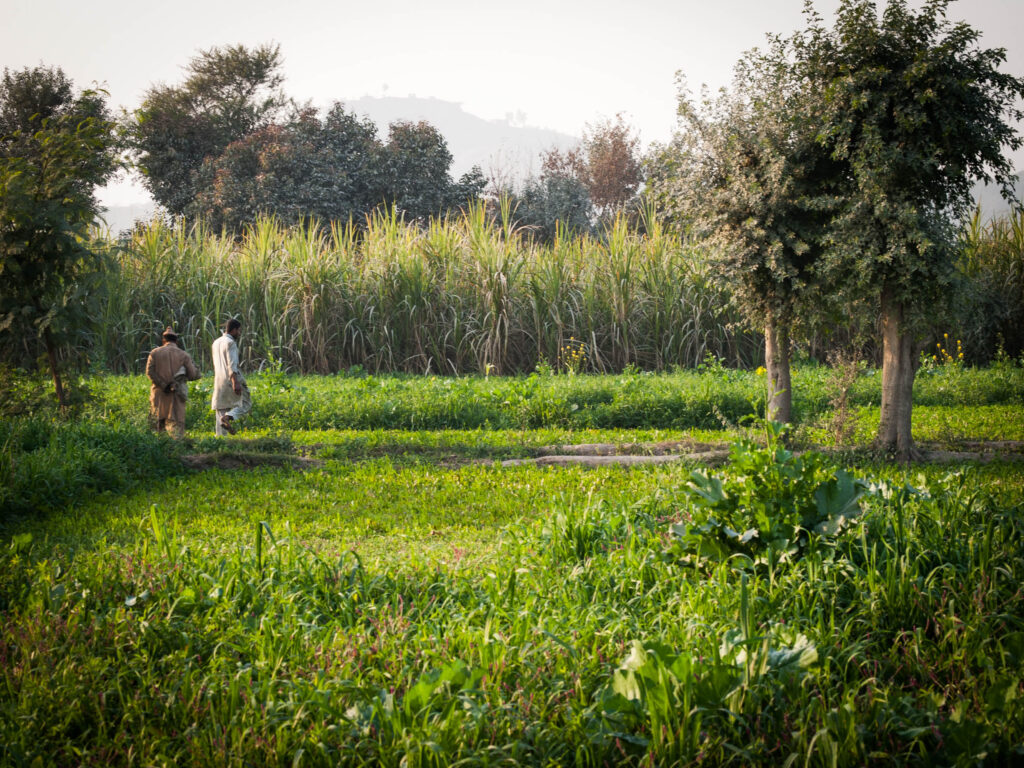
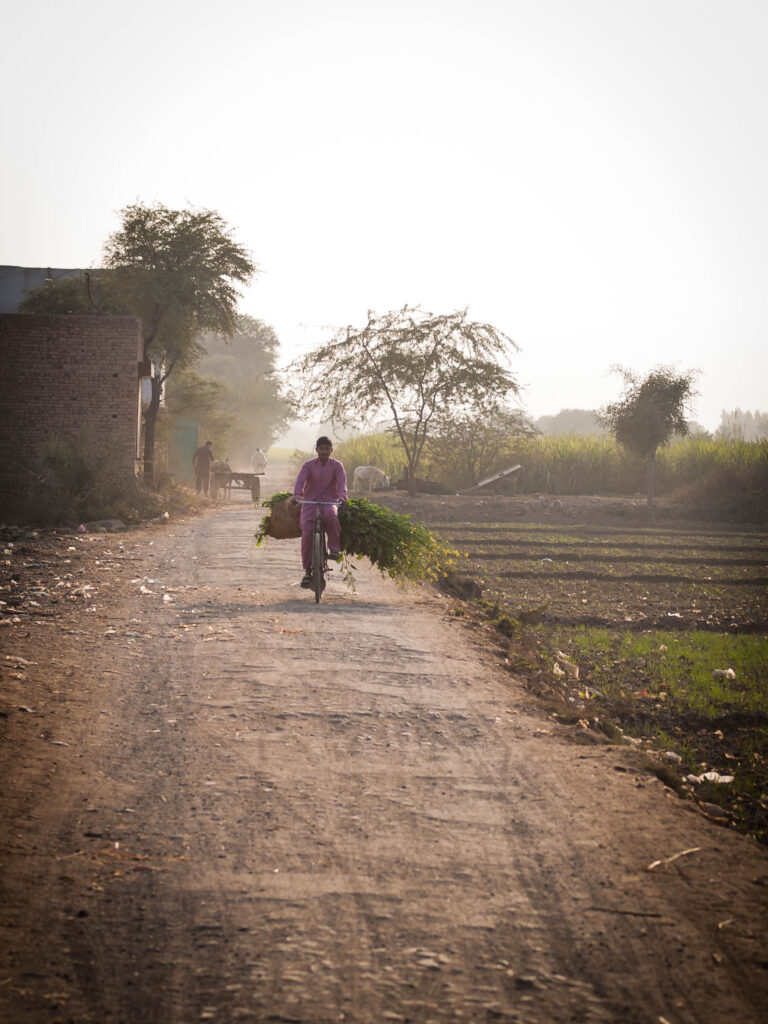
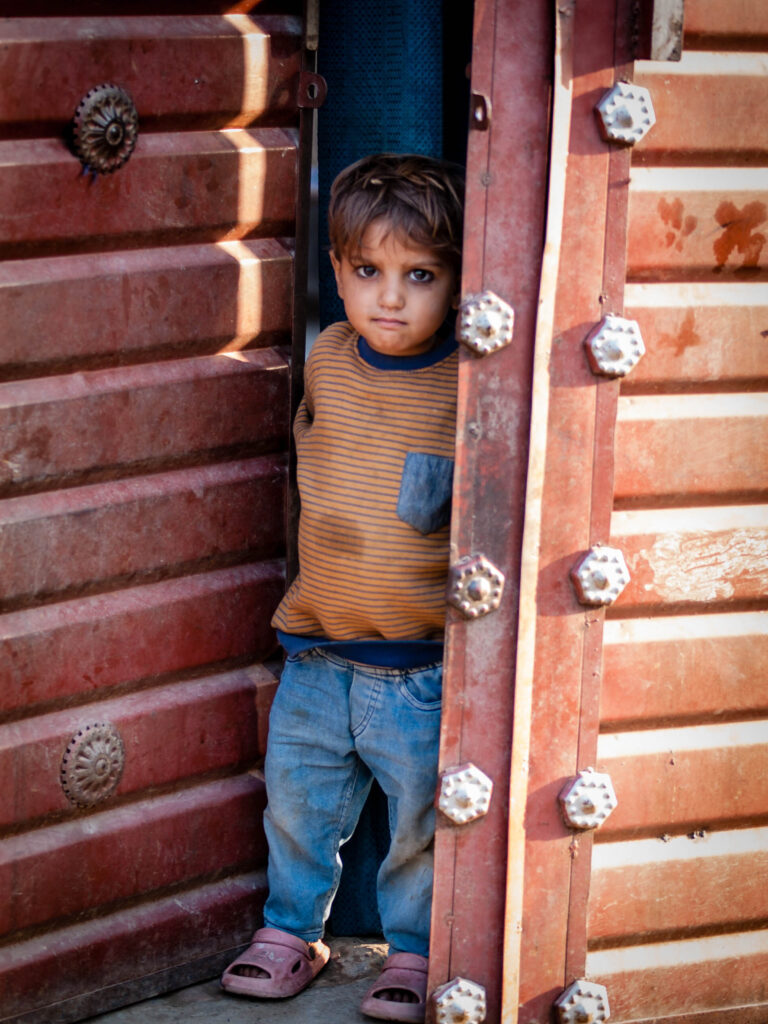
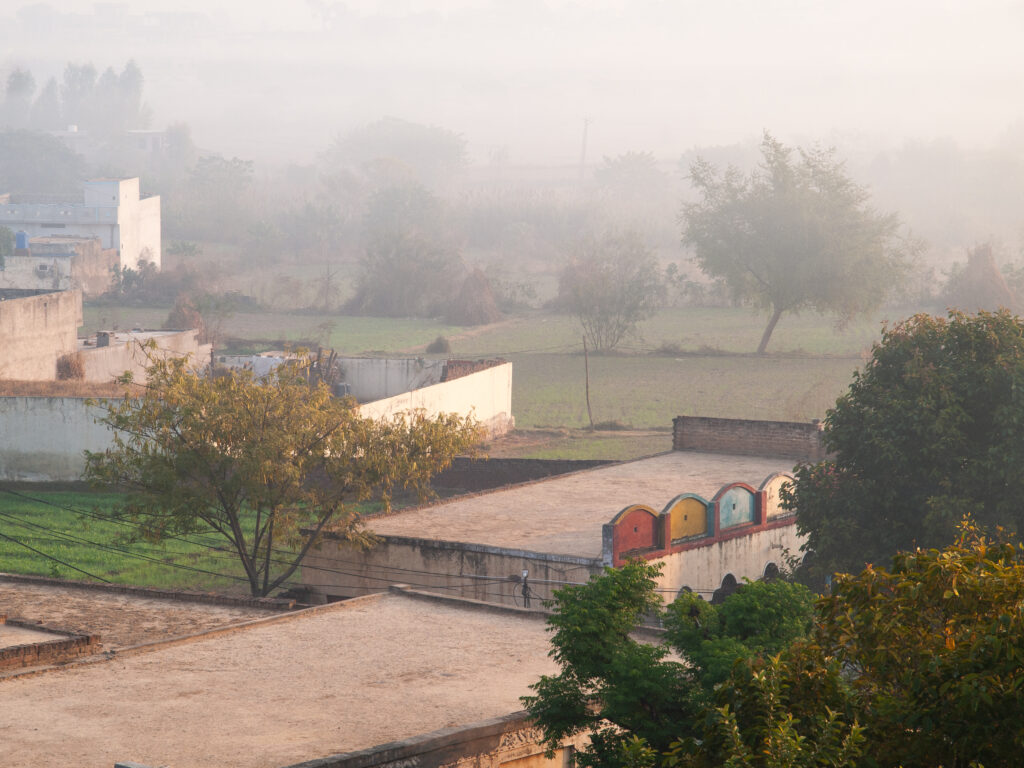
Olympus E3 50mm f2 ISO 100
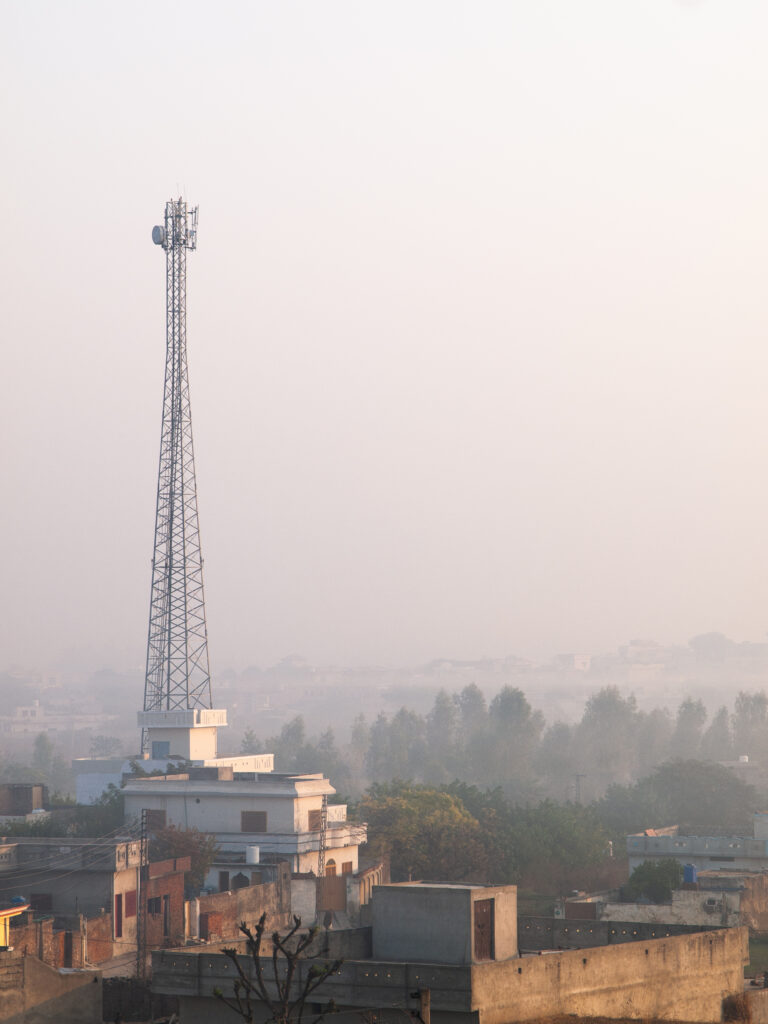
Olympus E3 50mm f2 ISO 100
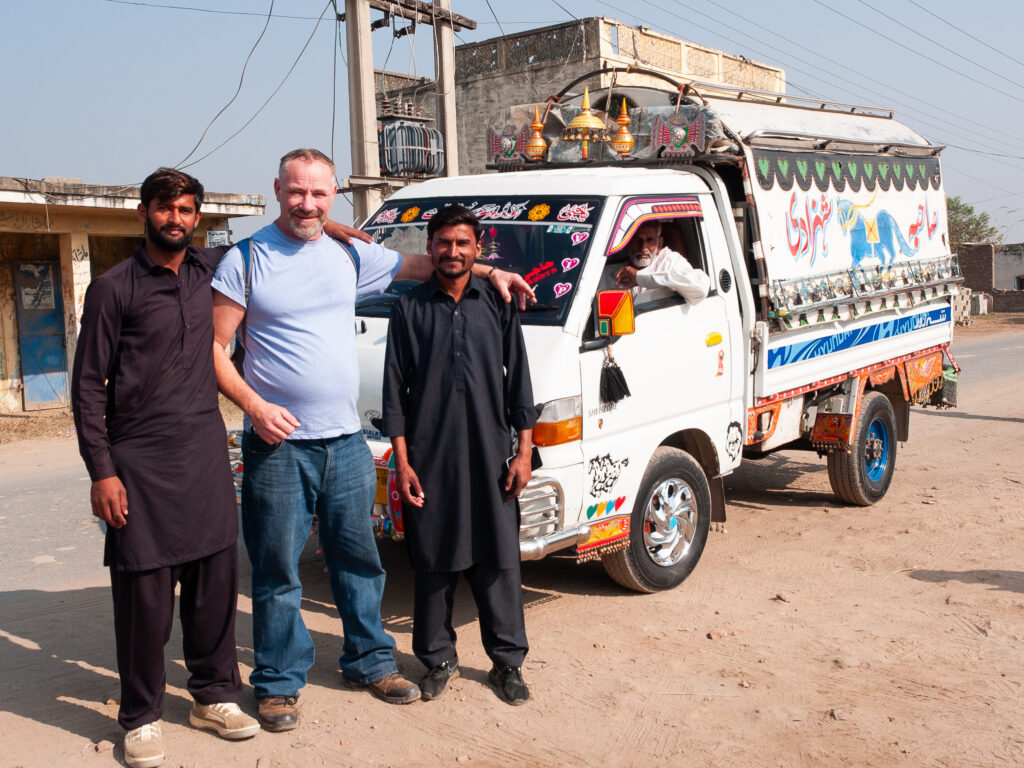
Besa Bulani ka Adda
Olympus E1
12-60mm ISO 100
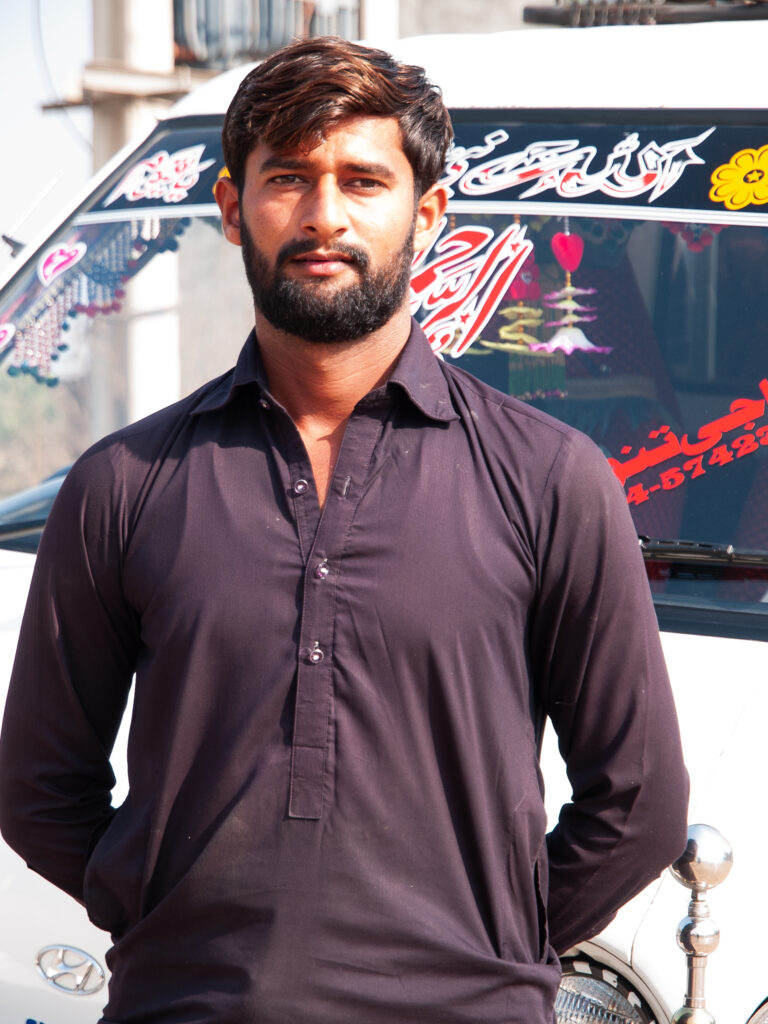
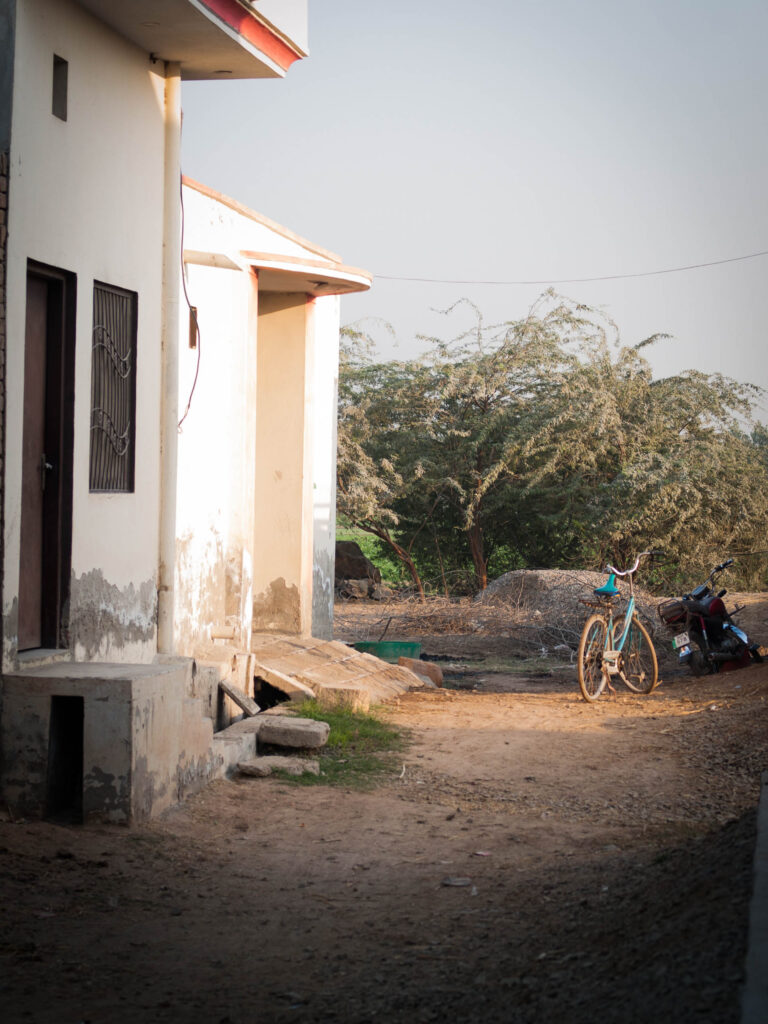
Besa Bulani ka Adda
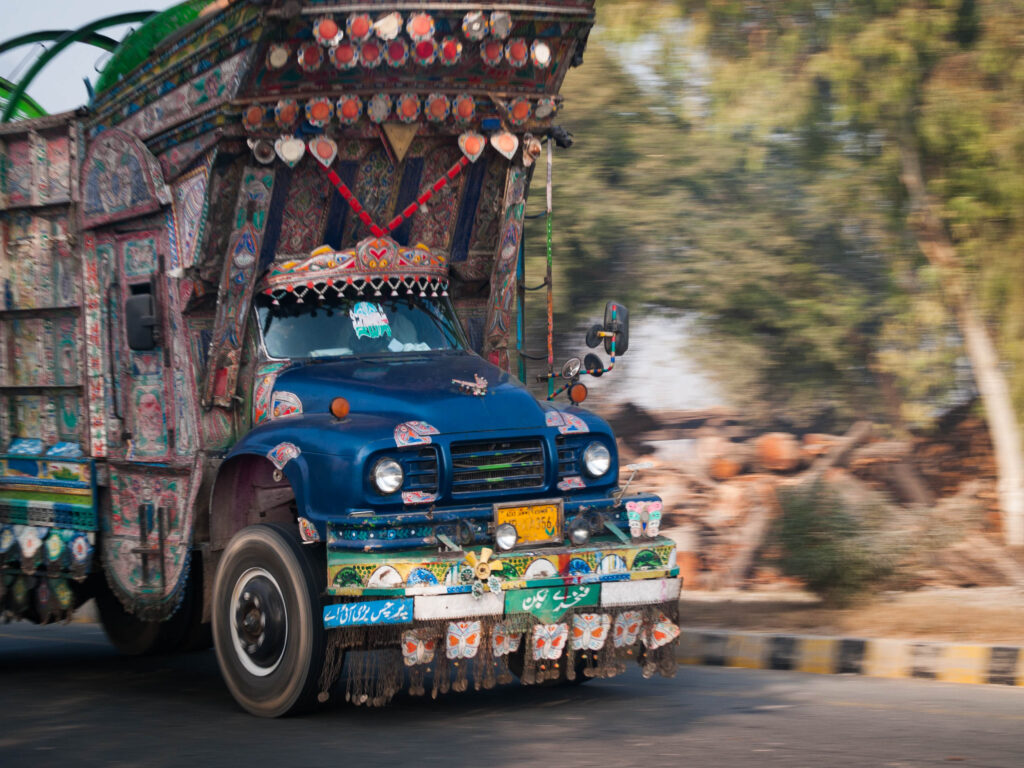
Olympus E1
12-60mm ISO 100
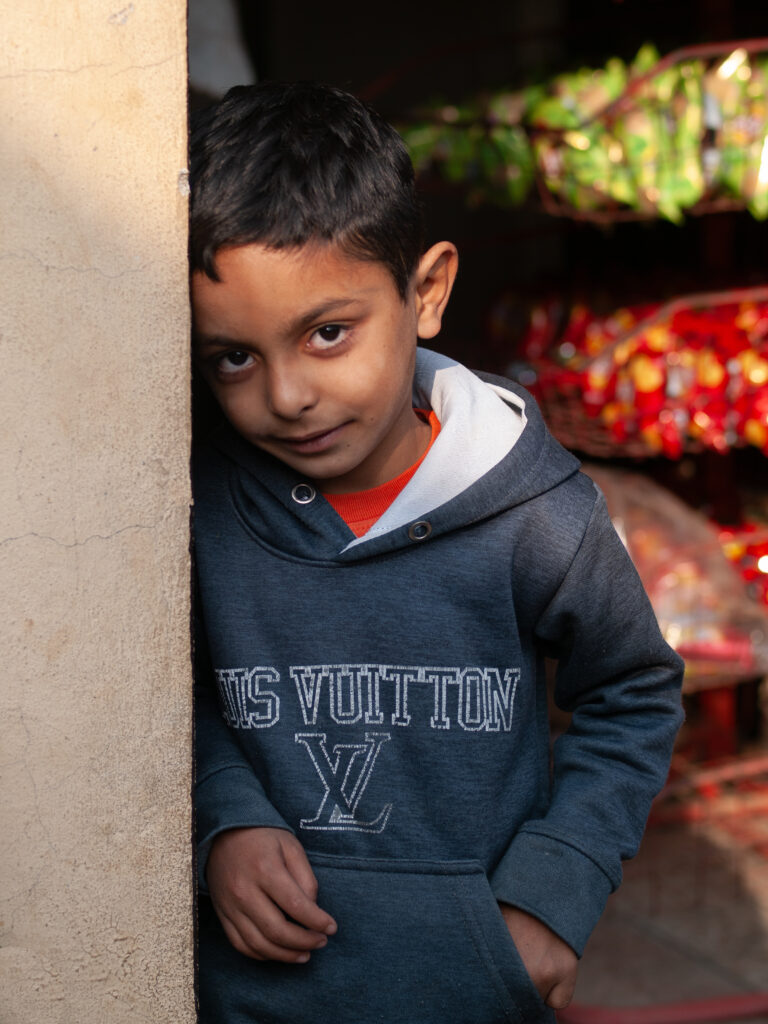
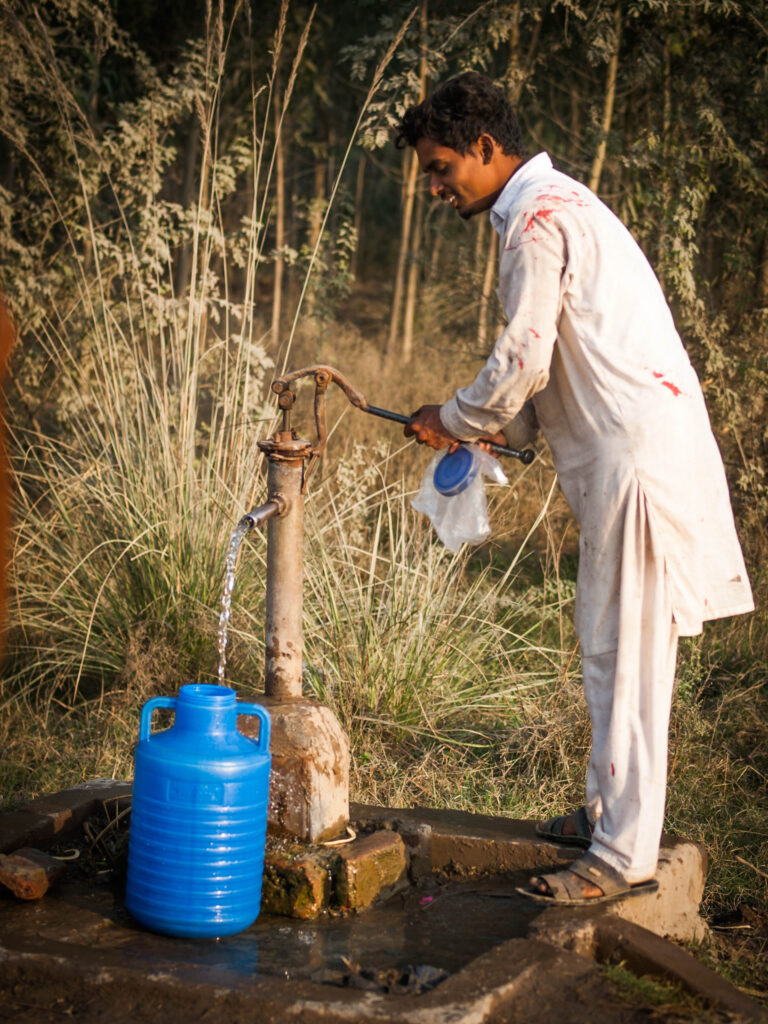
Olympus E3
50mm f2 ISO 100
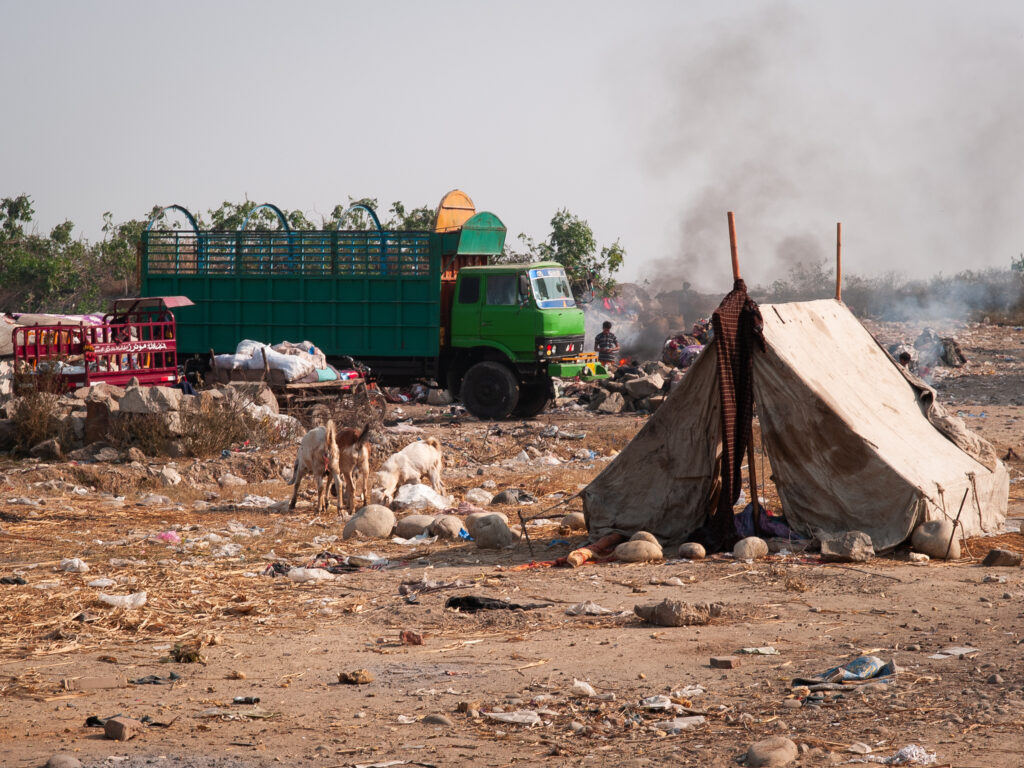
Overall, considering these are two ancient Digital cameras, I was very impressed with the results. Both with bags of character and decent resolution and feel within ISO 100 – 400. I need to sit down and actually review the E3. I just chucked it into the deep end with no testing. Just set it up as close to what I like as possible and shot.
I took a total of 4 battery packs, 2 each. And after 3 weeks of shooting in the Punjab and North I didn’t have to make a single charge. Absolutely no issues.
So until Part 2. Skardu to Chitral, I hope you enjoyed this selection of Travel Photographs taken with these two old Olympus DSLR’s – Part 2 I shot mainly with the Olympus E1, with some good results.
Share this post:





Comments
John Hillyer on Pakistan – 33 Years exploring – With the Olympus E1 and E3 DSLR’s and Steve – Part 1 in The Punjab
Comment posted: 19/01/2026
Comment posted: 19/01/2026
Comment posted: 19/01/2026
Comment posted: 19/01/2026
Comment posted: 19/01/2026
Marcus Gunaratnam on Pakistan – 33 Years exploring – With the Olympus E1 and E3 DSLR’s and Steve – Part 1 in The Punjab
Comment posted: 19/01/2026
Comment posted: 19/01/2026
Mark Ellerby on Pakistan – 33 Years exploring – With the Olympus E1 and E3 DSLR’s and Steve – Part 1 in The Punjab
Comment posted: 19/01/2026
Comment posted: 19/01/2026
Neal A Wellons on Pakistan – 33 Years exploring – With the Olympus E1 and E3 DSLR’s and Steve – Part 1 in The Punjab
Comment posted: 19/01/2026
Comment posted: 19/01/2026
Walter Reumkens on Pakistan – 33 Years exploring – With the Olympus E1 and E3 DSLR’s and Steve – Part 1 in The Punjab
Comment posted: 19/01/2026
Comment posted: 19/01/2026
Tony Warren on Pakistan – 33 Years exploring – With the Olympus E1 and E3 DSLR’s and Steve – Part 1 in The Punjab
Comment posted: 19/01/2026
Comment posted: 19/01/2026
Gary Smith on Pakistan – 33 Years exploring – With the Olympus E1 and E3 DSLR’s and Steve – Part 1 in The Punjab
Comment posted: 20/01/2026
Comment posted: 20/01/2026
Gary on Pakistan – 33 Years exploring – With the Olympus E1 and E3 DSLR’s and Steve – Part 1 in The Punjab
Comment posted: 20/01/2026
Comment posted: 20/01/2026
Alexander Seidler on Pakistan – 33 Years exploring – With the Olympus E1 and E3 DSLR’s and Steve – Part 1 in The Punjab
Comment posted: 20/01/2026
Comment posted: 20/01/2026
Geoff Chaplin on Pakistan – 33 Years exploring – With the Olympus E1 and E3 DSLR’s and Steve – Part 1 in The Punjab
Comment posted: 21/01/2026
Comment posted: 21/01/2026
Danilo Leonardi on Pakistan – 33 Years exploring – With the Olympus E1 and E3 DSLR’s and Steve – Part 1 in The Punjab
Comment posted: 21/01/2026
Comment posted: 21/01/2026
Omar Tibi on Pakistan – 33 Years exploring – With the Olympus E1 and E3 DSLR’s and Steve – Part 1 in The Punjab
Comment posted: 21/01/2026
Comment posted: 21/01/2026
JimW on Pakistan – 33 Years exploring – With the Olympus E1 and E3 DSLR’s and Steve – Part 1 in The Punjab
Comment posted: 23/01/2026
Comment posted: 23/01/2026
Stephen Meese on Pakistan – 33 Years exploring – With the Olympus E1 and E3 DSLR’s and Steve – Part 1 in The Punjab
Comment posted: 24/01/2026
Comment posted: 24/01/2026
David Pauley on Pakistan – 33 Years exploring – With the Olympus E1 and E3 DSLR’s and Steve – Part 1 in The Punjab
Comment posted: 24/01/2026
Comment posted: 24/01/2026
Gerard on Pakistan – 33 Years exploring – With the Olympus E1 and E3 DSLR’s and Steve – Part 1 in The Punjab
Comment posted: 28/01/2026
Comment posted: 28/01/2026