

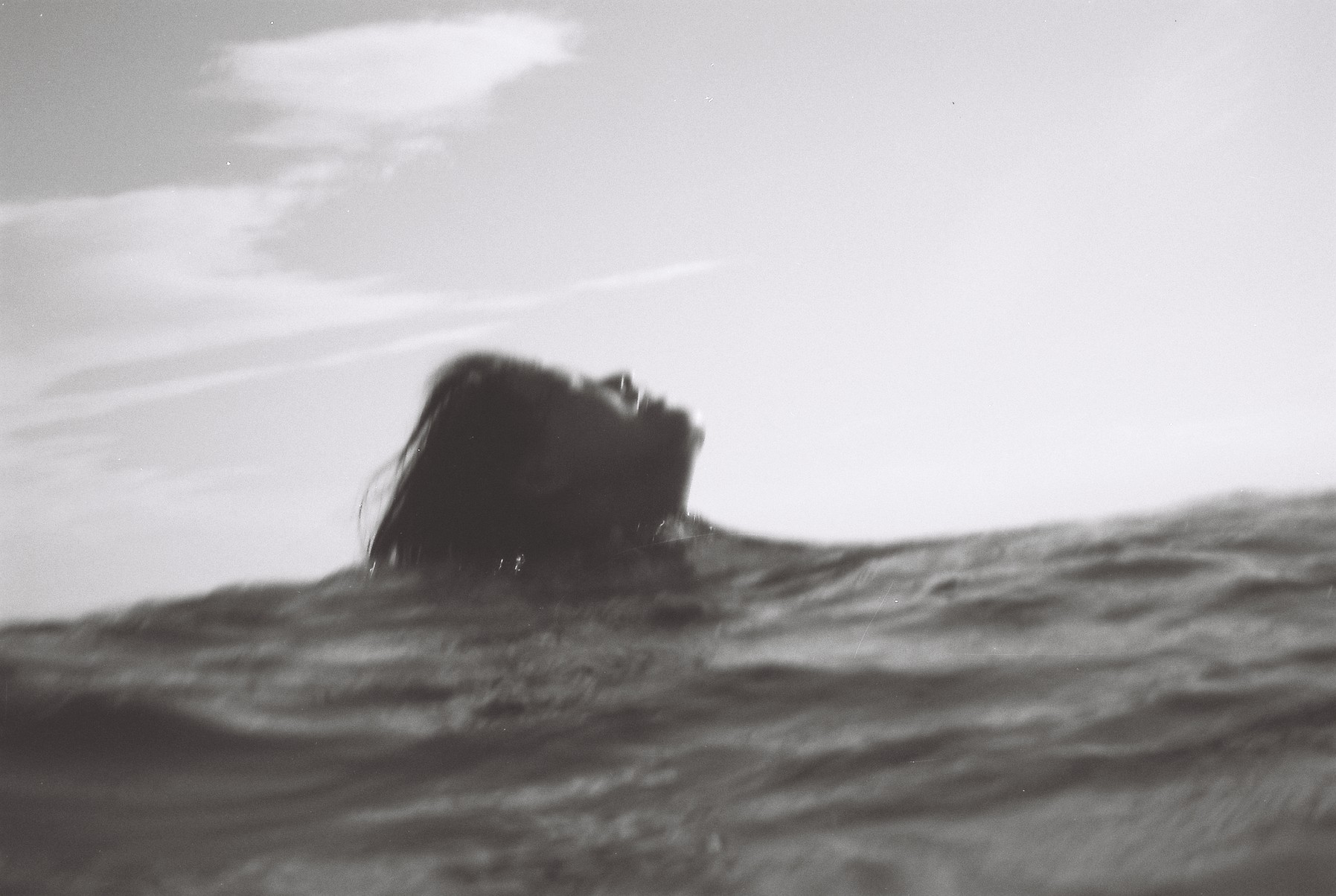
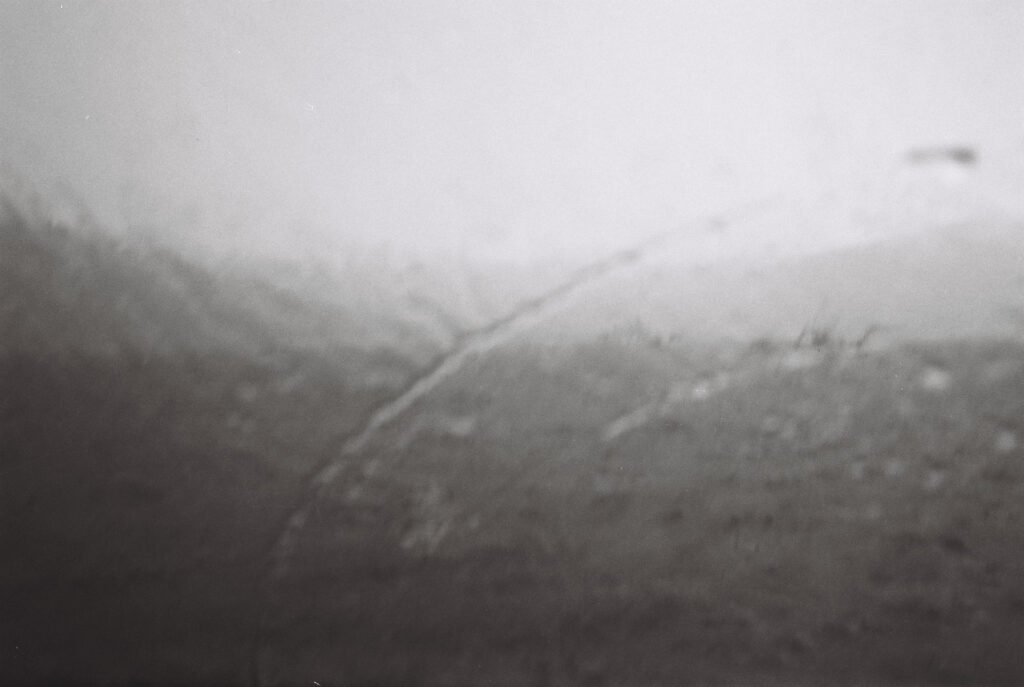
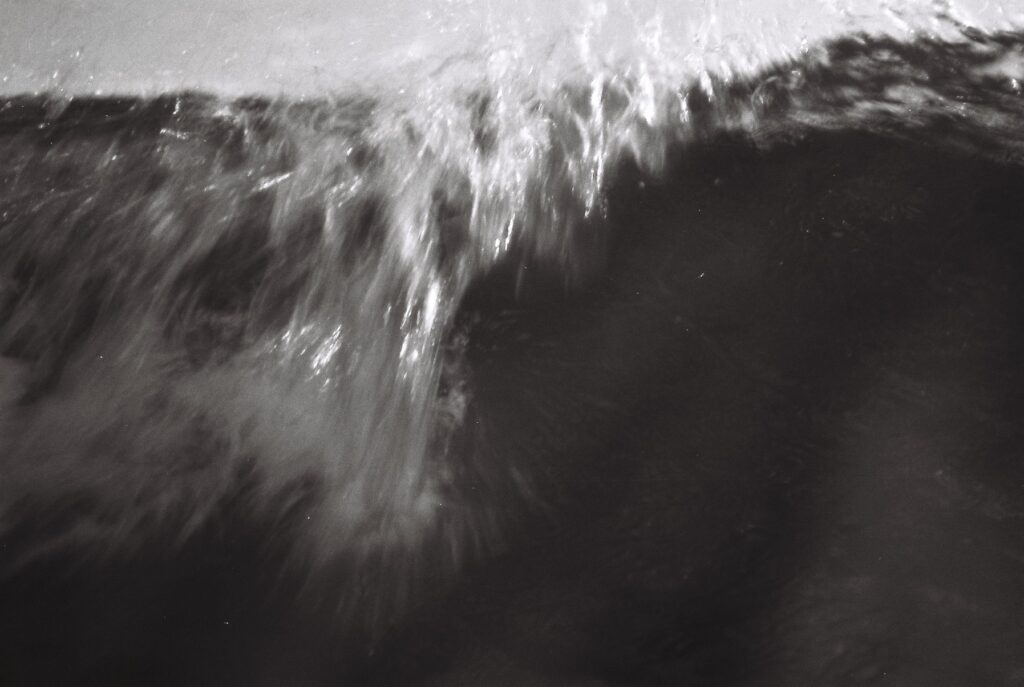
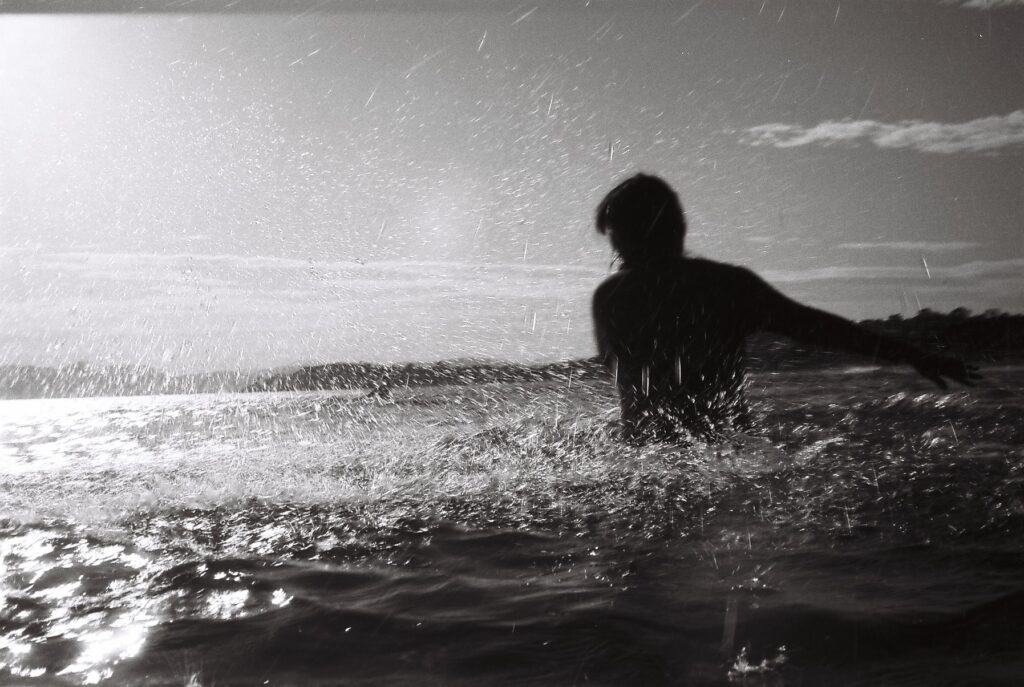
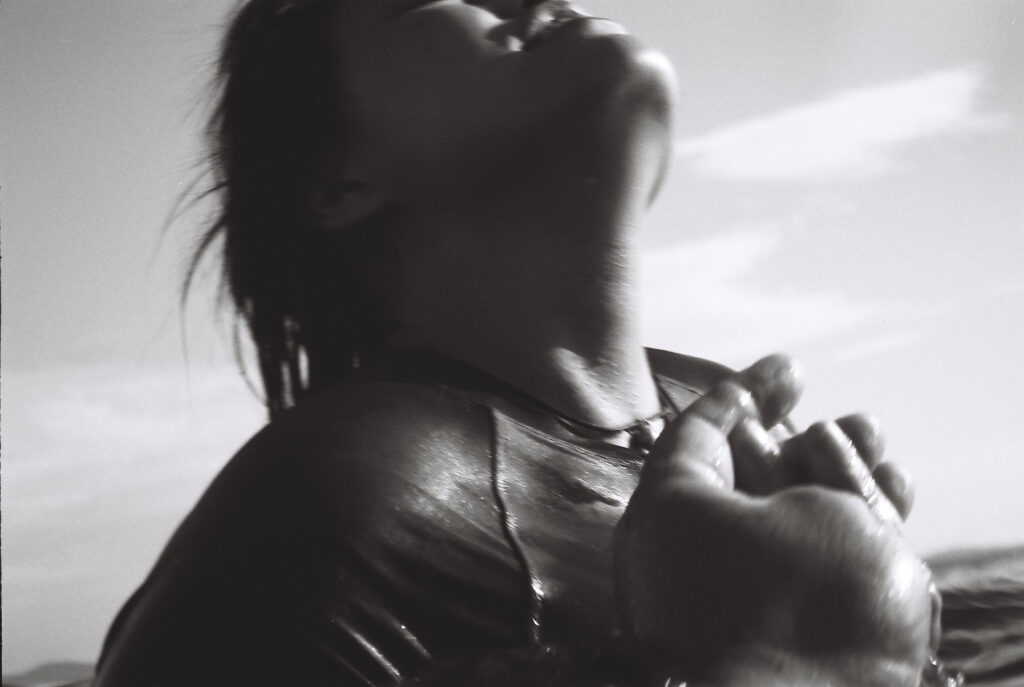
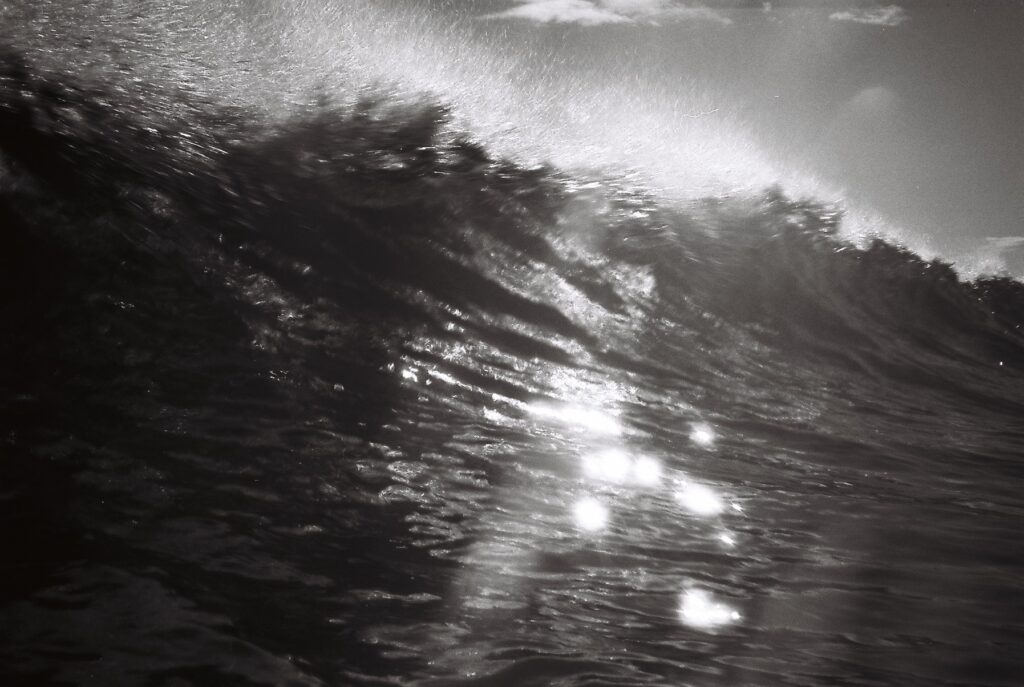
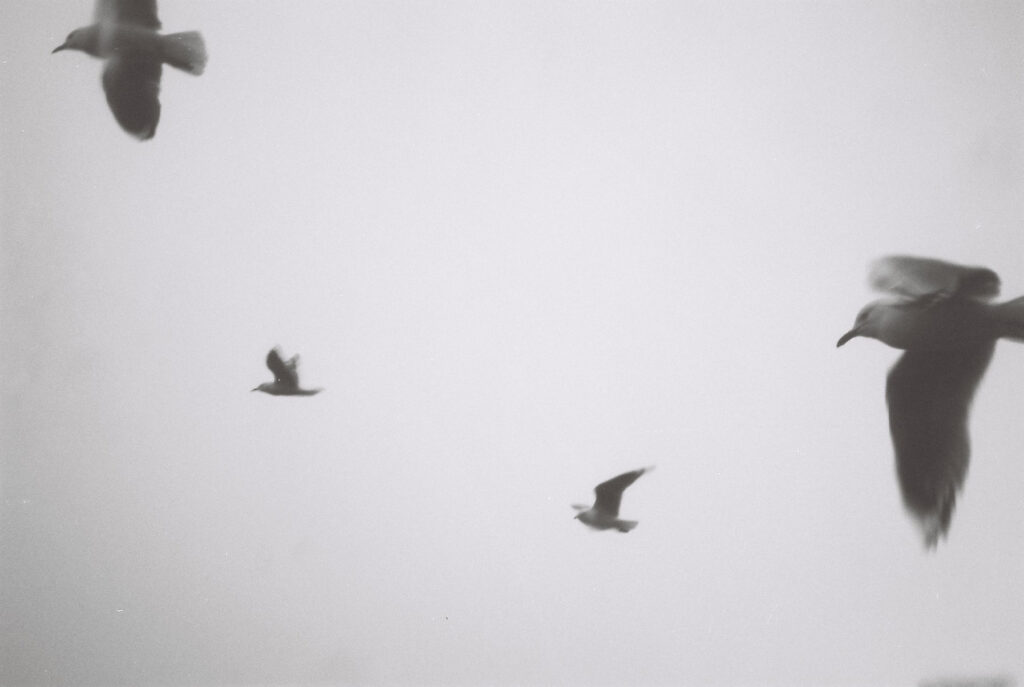
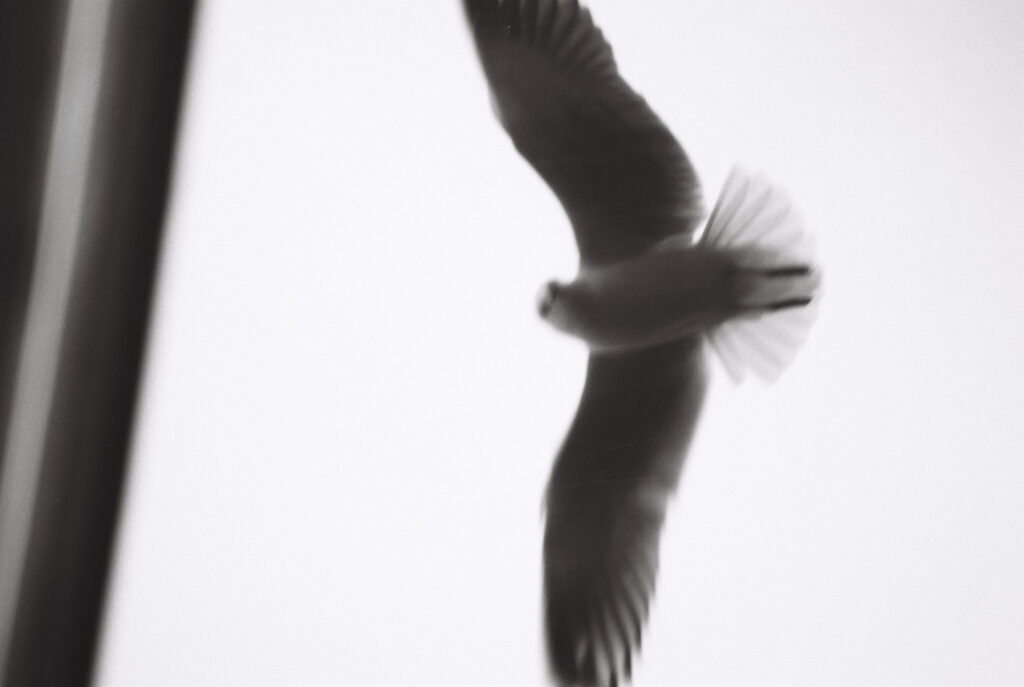
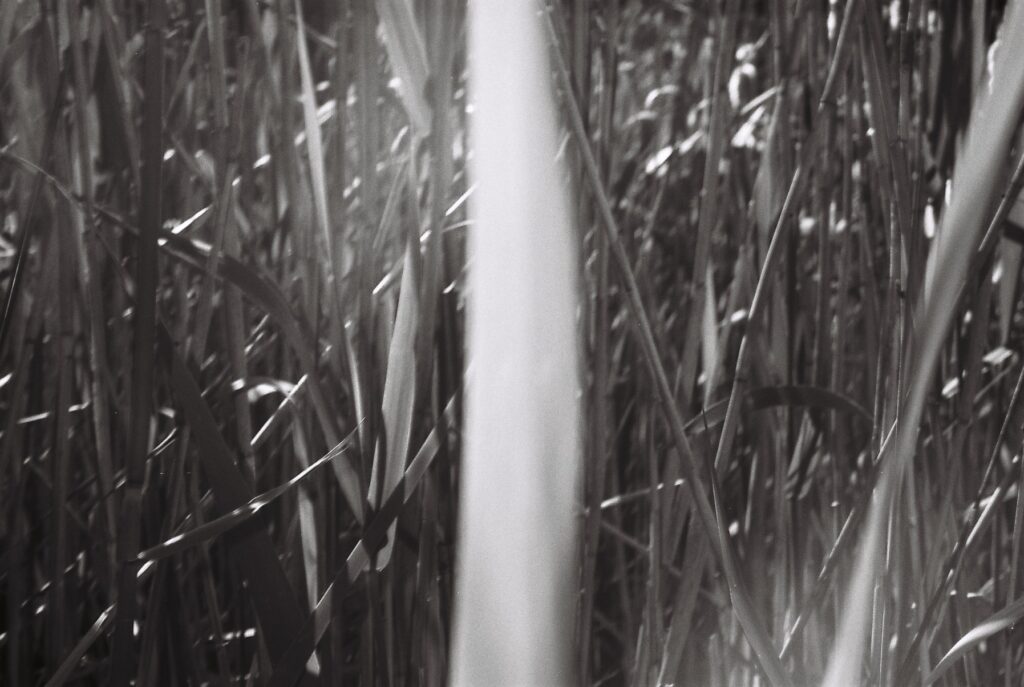
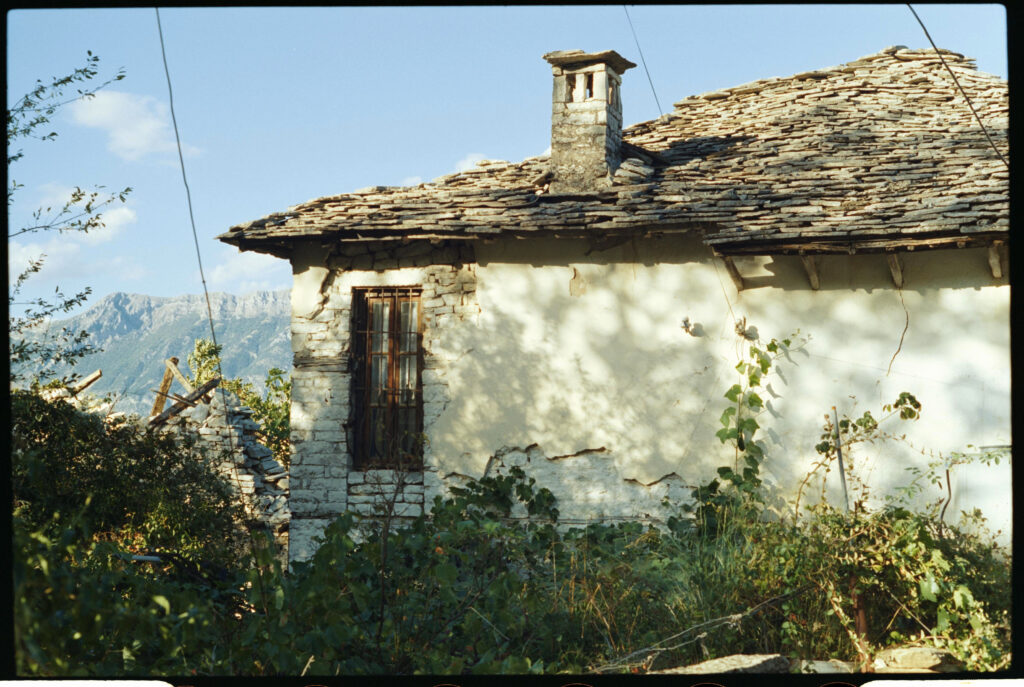
The first roll from my recently acquired Minolta Weathermatic Dual 35 is soft, partly due to its toyish optics and partly because of its quirky AF mechanism. It is so soft that I can hardly tell whether the focus point is lost somewhere inside or outside the frame.
But I like it.
And maybe that is the real problem. Liking this imperfection means something else has drifted off. What is truly lost is not the focus in the photo, but the focus in my pursuit of photography, at least from a mainstream perspective.
In recent years, I have been using toy cameras more often than the serious equipment. I have started to ignore the technical disciplines that I once obeyed almost religiously. In other words, I find myself betraying the principles I have held for two decades. And honestly, this feels awful. My confidence, or even my belief in the new direction, keeps being undermined by the mismatch between pain and gain.
I know perfectly well what kind of photo wins applause. There are formulas: sharp gear, disciplined technique, predictable aesthetics. I know the path to get there too. It is nothing more than hard work, a bit of talent, and some luck. It is not easy, but it is pursuable. And there is always some reward for the effort. I can occasionally produce those shots too. And when I post them online, my ego gets well-fed on strangers’ compliments. It feels good.
But once the compliments fade, my inner self stays unsatisfied. Those photos are just recordings of eye-catching subjects. They are not ‘mine’.
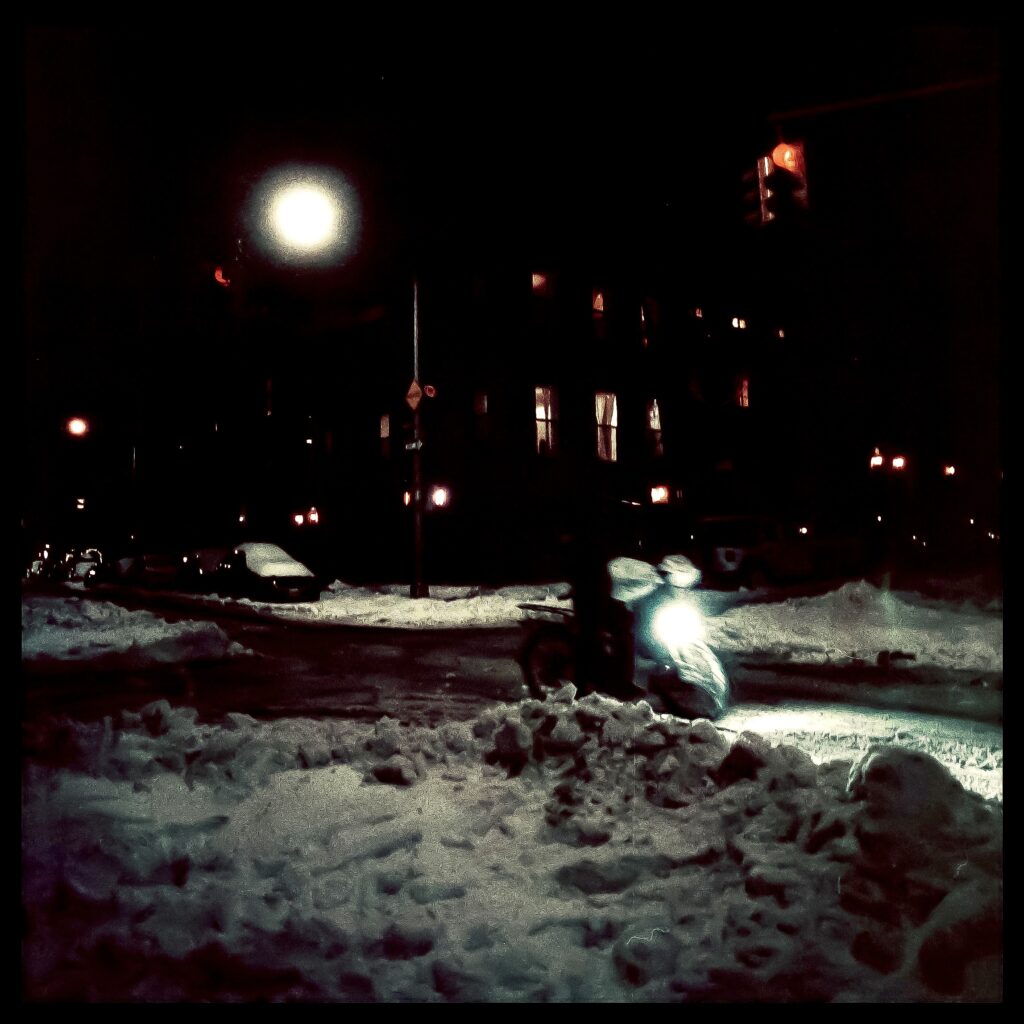
The photos that come from my inner feelings are desolate by comparison. There is no gain, no matter how much effort I put into them, because they rarely speak to others. When viewers are generous, they say the images must mean something only inside my head. When they are honest, they say the frames are rubbish, no better than what a GoPro hanging from a cat’s neck might capture. That is frustrating. But the even worse part is that there is no recipe for what I try to capture. Every satisfying frame is an accident. It is a collision between my mood, my years of experience, and the timing. It cannot be replicated on another day.
Perhaps that is the natural order: emotion without polish is meant to die quietly. I see powerful images made by nobodies. And no one remembers their names. When unpolished work does gain attention, it is limited to a tiny handful of names, like Daido Moriyama, Nobuyoshi Araki. And critics dress their work with heavy meanings: social tension, economic transformation, cultural pressure, anything to make those photos sound important. I of course love those photos, but I doubt those made-up meanings were in Moriyama-San’s head at the moment of the shutter. Perhaps he was simply following a feeling, and everything else came much later, including the accidental fame.
Maybe it is just like an urban legend about Picasso’s saying:
“It took me four years to paint like Raphael, but a lifetime to paint like a child.”
And I think this is the point of what I am trying now. I watched my three year old son draw a car. It was a dense mess of lines, which he called ‘speed’. I want to make images that work in the same way, as close as possible to the raw feeling of the moment. I know that, from the outside, the work simply looks unfocused. And I accept it as the cost of continuing this way.
Share this post:

Comments
Erik Brammer on The Lost Focus
Comment posted: 21/12/2025
I find them all fantastic, and in particular the angled waterline in the featured image - this is like the spice to the dish.
Also, your sentiments on how these accidental photographs, based on a good doss of serendipity, are your own and cannot be replicated the next day, not even by yourself - I fully sympathise with that.
Best regards,
Erik
Comment posted: 21/12/2025
Miguel Mendez on The Lost Focus
Comment posted: 21/12/2025
Comment posted: 21/12/2025
Geoff Chaplin on The Lost Focus
Comment posted: 21/12/2025
Comment posted: 21/12/2025
Tony Warren on The Lost Focus
Comment posted: 22/12/2025
Comment posted: 22/12/2025
Ron on The Lost Focus
Comment posted: 22/12/2025
Comment posted: 22/12/2025
Dean Lawrence on The Lost Focus
Comment posted: 23/12/2025
All the best,
Dean.
Comment posted: 23/12/2025
Michael Murray on The Lost Focus
Comment posted: 24/12/2025
Comment posted: 24/12/2025