

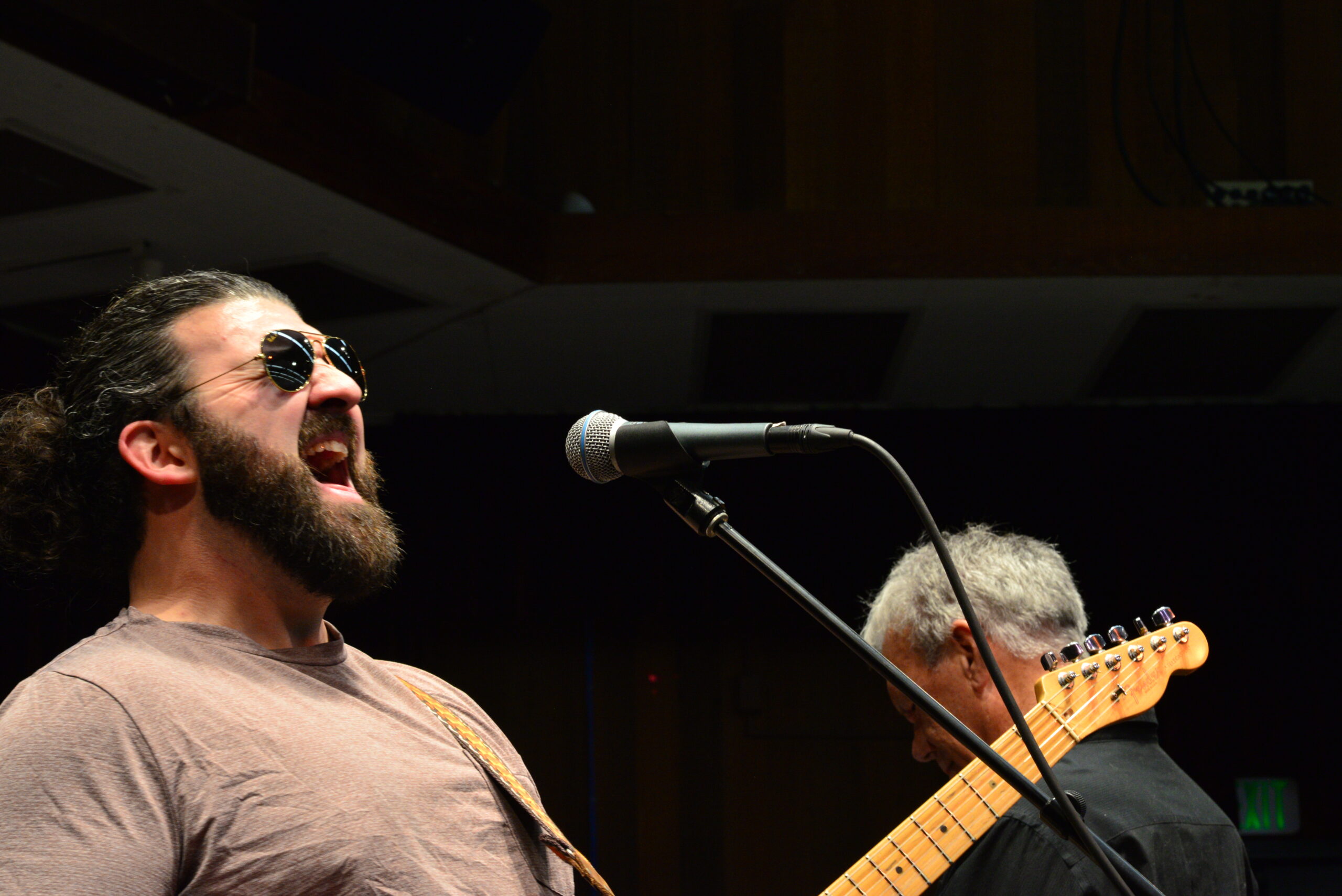
If you’ve read any of my posts on 35mmc, you’d think I was a strictly a B&W film shooter. There are times, however, when I fall off the film wagon and shoot digital for two reasons:
- The necessity for projects that require lots of low light shooting with quick turnarounds.
- Events that require distribution of the finished shots to a long list of people.
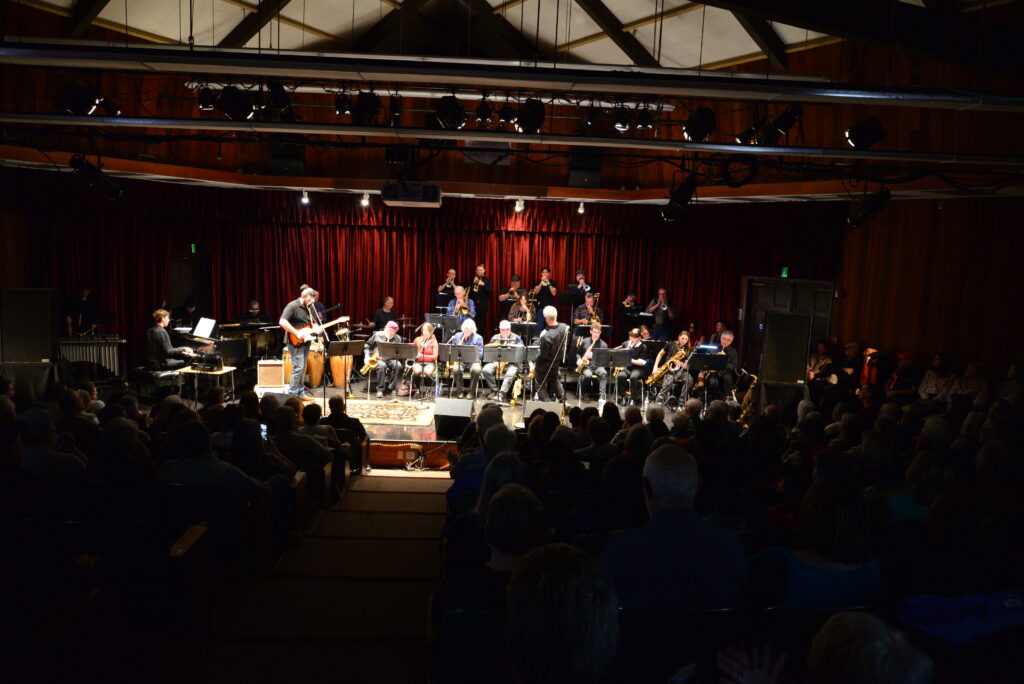
Sunday, February 1, 2026, was a project that met all the specifications; An indoor concert with the Columbia College 25-piece jazz band featuring phenom guitarist and vocalist Alex Lucero doing two sets of fantastic tunes from Tower of Power, Blood Sweat and Tears, Electric Flag, and The Chicago Transit Authority. These bands may not mean anything to folks that didn’t live through the jazz-rock-funk-horn-band renaissance in the U.S. during 1968-1990, but for San Francisco Bay Area elders like myself, it was a pulsating era.
There really hasn’t been a wave of bands like that since the mid 90s because the cost of feeding a big group is prohibitive. Additionally, many music performers use synthesizers and pre-recorded tracks on stage. Back in the day, bands with 10-15 members put out great live music without the karaoke junk of today.
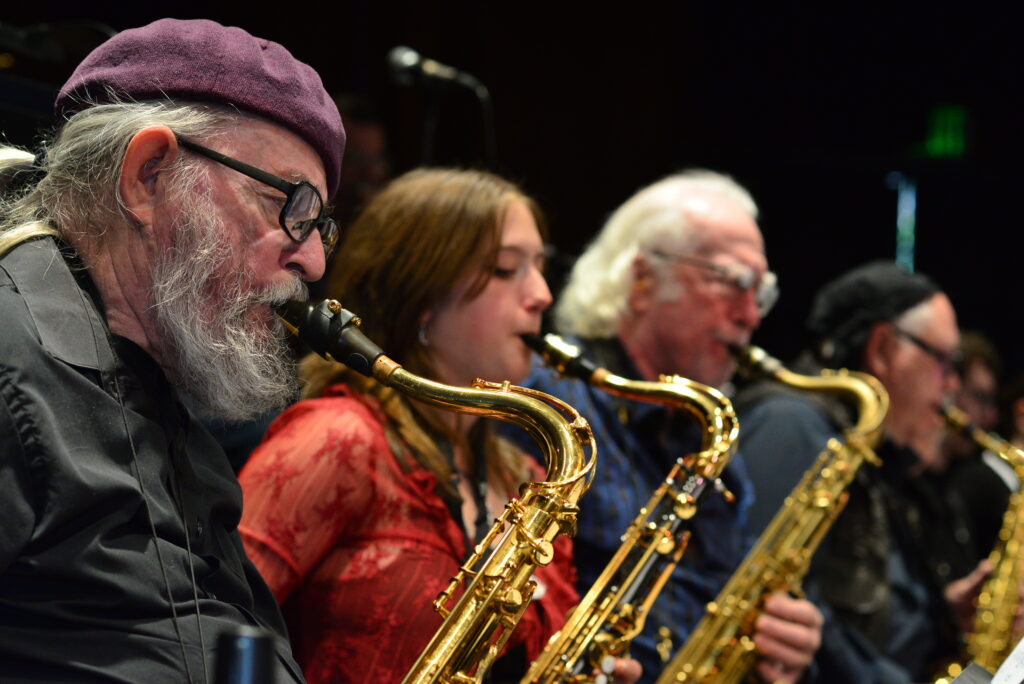
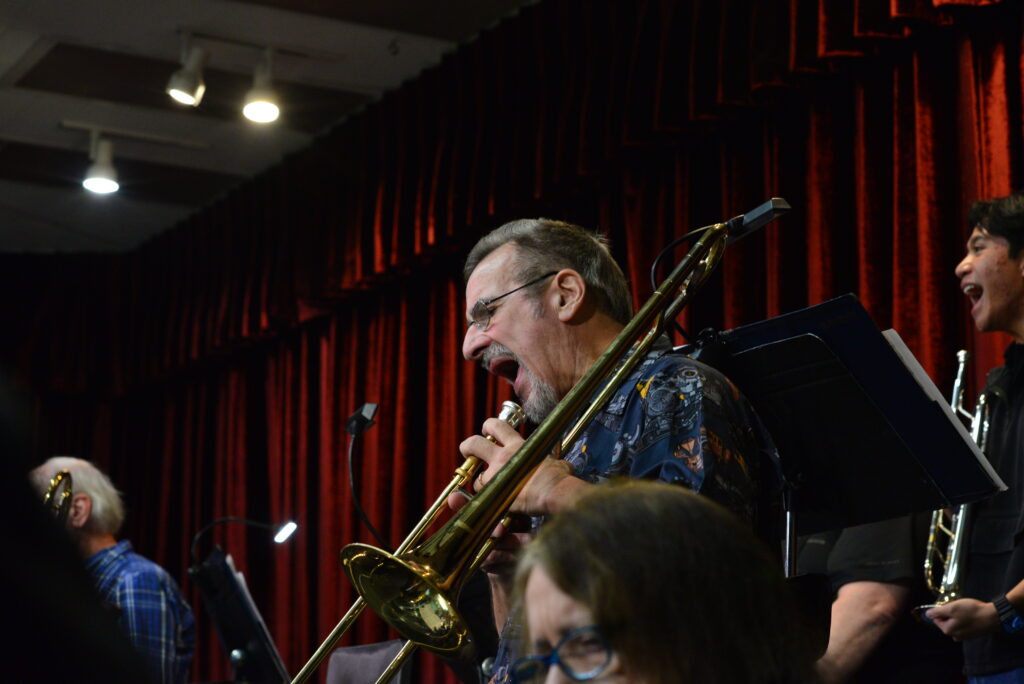
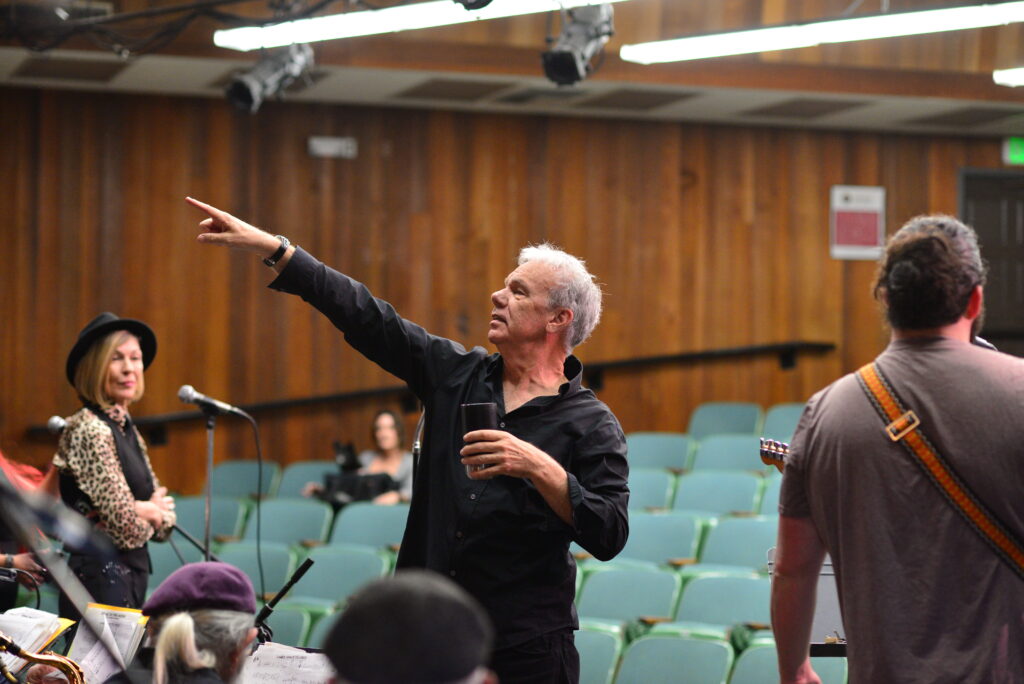
The theater on the Columbia, California campus is just big enough for the band and vocalists, with no room for photographers to climb around on stage. I shoot a few live shows in various theaters in northern California every year, and this small venue is the most challenging. This time I wanted to get at least one shot of every member, so I showed up for the 2-hour pre-show rehearsal. I often play bass in this big band, but this time the leader, Rod Harris, brought in former players from Tower of Power, so I was a civilian with a camera shooting photos of my fellow musicians.
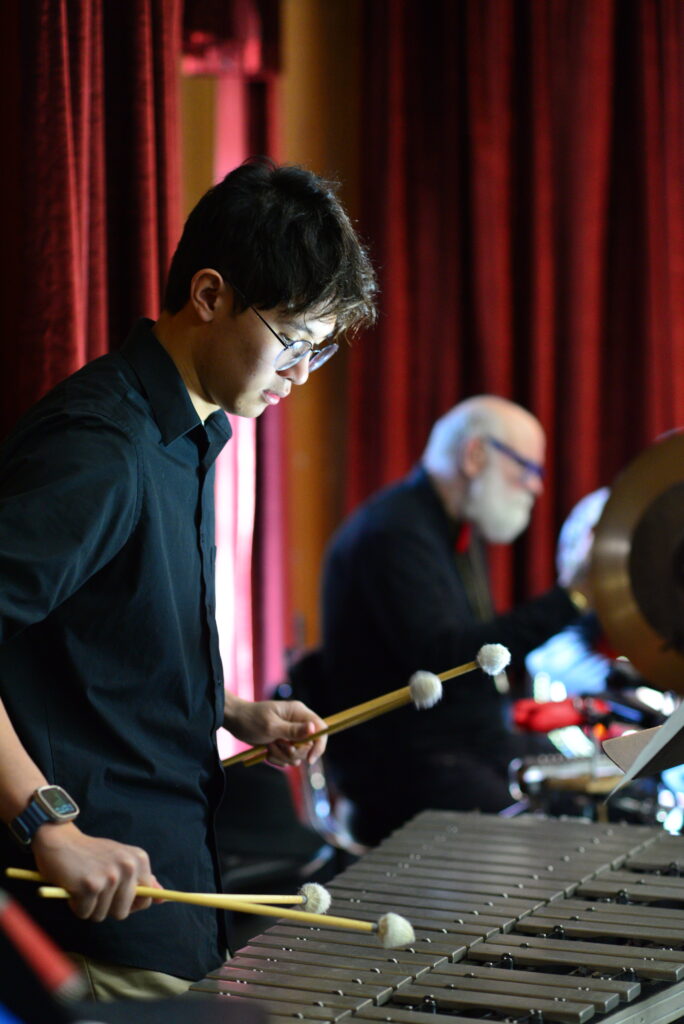
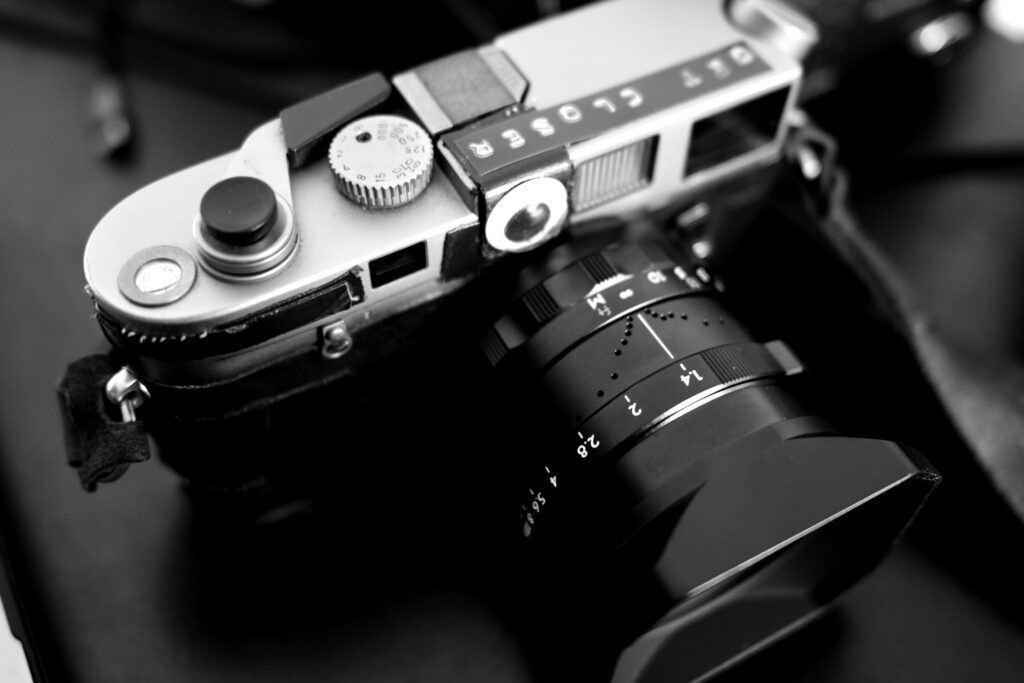
Equipment and background: I have been very disappointed with the 85mm 1.8 D AF Nikkor lens for my full frame Nikon 610 camera. It always focused on a point that was further behind the spot I’d chosen, even using the smallest auto-focus spot. I recently read an article that described how to recalibrate the camera to adjust for that focus shift, and it worked great. I’m embarrassed that I had the camera and lens for 13 years and didn’t know the adjustment was possible. This project was the first one after the adjustment, and the lens performed very well. All of the photos shown here were shot with the D-610 and the 85mm at ISO 2000 in JPEG with no post-production alterations. Right out of the camera.
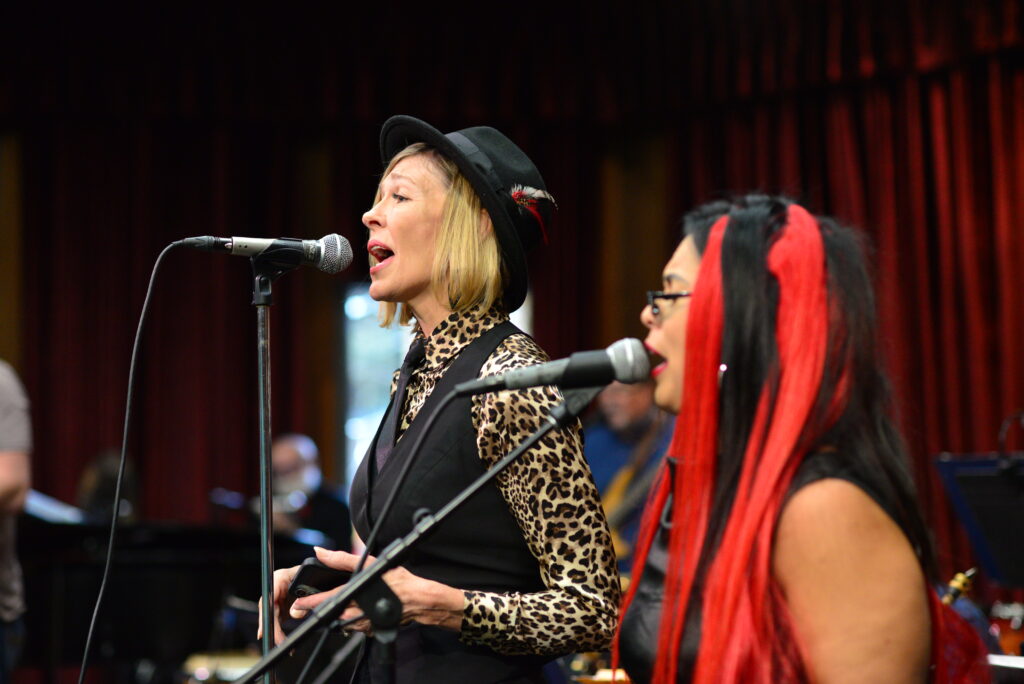
That’s it. Check out recordings from the aforementioned bands, and come see the Columbia Big Band if you’re ever in Northern California.
Share this post:


Comments
Niall Keohane on Nikkor AF 85mm 1.8 D – A Rediscovery
Comment posted: 25/03/2026
Can I ask how the focus adjustment was done?
Shubroto Bhattacharjee on Nikkor AF 85mm 1.8 D – A Rediscovery
Comment posted: 25/03/2026
Most phase-detect AF systems, like the one in your D610 and my Nikons, drive the lens to what that system determines to be the point of optimal focus, methinks.
It is thus the body, not the lens, that “front/back-focuses”, which is why you “recalibrate” the in-body mechanism and not the lens.
The body stores your offset for several lens types, from memory .
Happy to be corrected…
Do continue sharing your delightful stories and pics!