5 lenses for the Nikonos amphibious cameras compared

By Adrian Riu

The Nikonos are a series of amphibious cameras that Nikon developed starting in the early 1960’s and discontinued in 2001. There were five models (the original, based on the French Calypso camera, followed by models II, III, IV-A, and V) that shared the same uncoupled, water-tight lens mount. There was also the short-lived “Nikonos RS” SLR in the early 1990’s that had a completely different lens mount. There is a whole section of 35mmc on rugged and underwater cameras, where various aspects of the Nikonos cameras have been discussed.

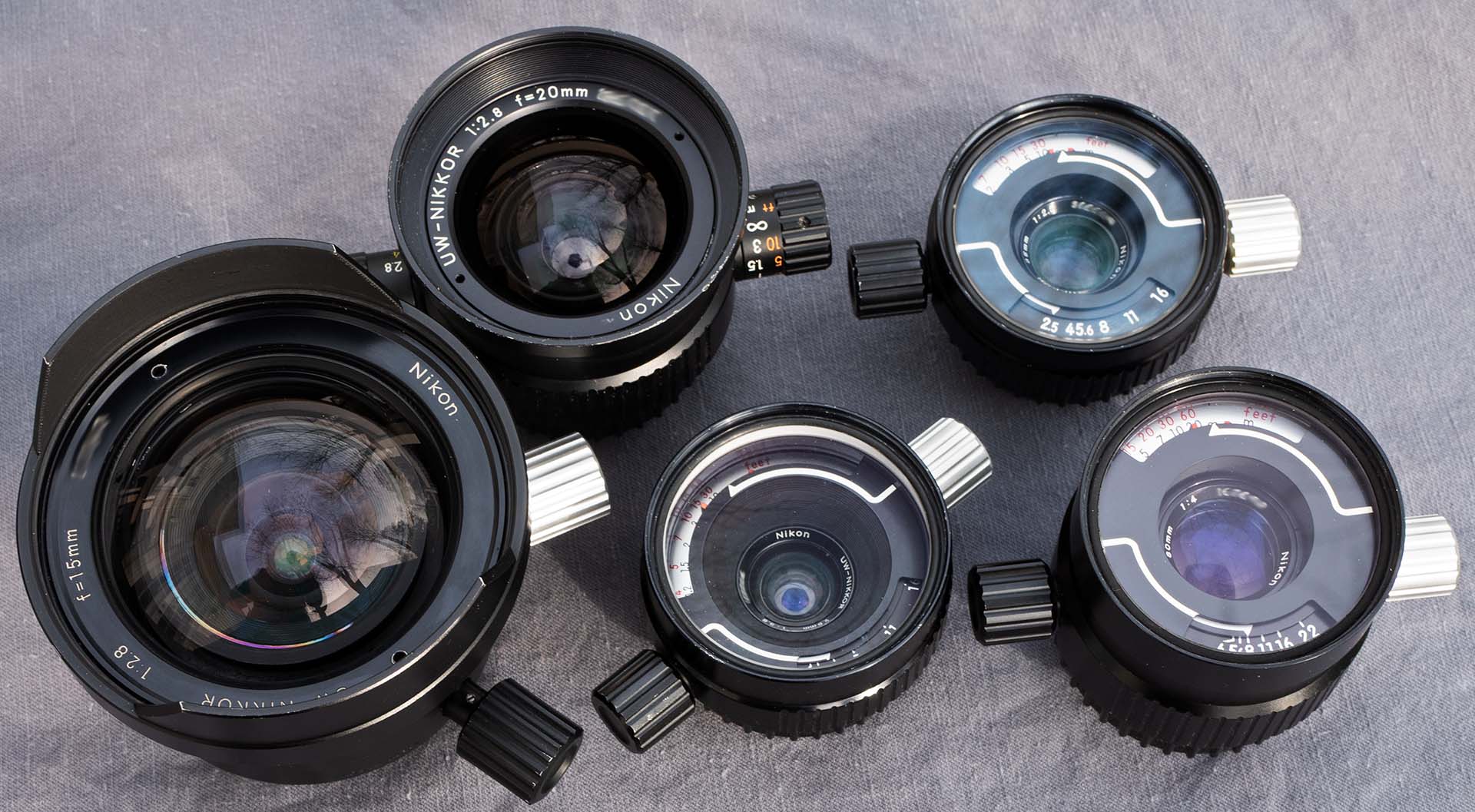
In this post, I want to show photographs taken with the different Nikonos lenses to provide a feel for these old optics as a whole. Over a nearly 40-year period, Nikon marketed seven different lenses for the Nikonos cameras. There were four underwater-only UW-Nikkor lenses (two optically different versions of the 15mm f/2.8, a 20mm f/2.8, and a 28mm f/3.5), two amphibious W-Nikkor lenses (35mm f/2.5, 80mm f/4.0) and one land-only lens (LW-Nikkor 28mm f/2.8). I have never seen the LW-Nikkor, and I have only used the second version of the 15mm. With those limitations, and the evident caveat that my comments are based on the specific copies of the lenses I have owned, here are some Nikonos photos.

The underwater lenses

Because the refractive indices of air and water are different, putting a flat piece of glass in front of a lens and taking it underwater results in both, a narrowing of the field of view, and considerable edge distortion. Nikon (as well as others) solved this problem by adding an additional “water-contact” element to the front of their UW-Nikkor lenses. The four lenses are very well corrected, but cannot focus in air, and are therefore exclusively for underwater use.


Akumal, México, Nikonos V, UW-Nikkor 20mm f/2.8 in air, Fuji Superia 400

The 15mm f/2.8 UW-Nikkor was manufactured in two versions. Up to the Nikonos III, the design was near-symmetric (Biogon-like, 8 elements in 4 groups, plus the water-contact element), and protruded deeply into the camera. The Nikonos IV-A and V have TTL metering, and to avoid blocking their sensors, Nikon designed a second, retrofocal version of the 15mm lens. This is an outstanding optic, and its only weakness is that it is quite large in relation to the camera. The springs on the Nikonos bayonet mount are not very strong, and judging by the number of damaged lenses on the secondary market, it is fairly common to knock the 15mm UW-Nikkor off the camera while submerged. The dedicated Nikonos accessory finders (which came in two version as well) are of very high quality.

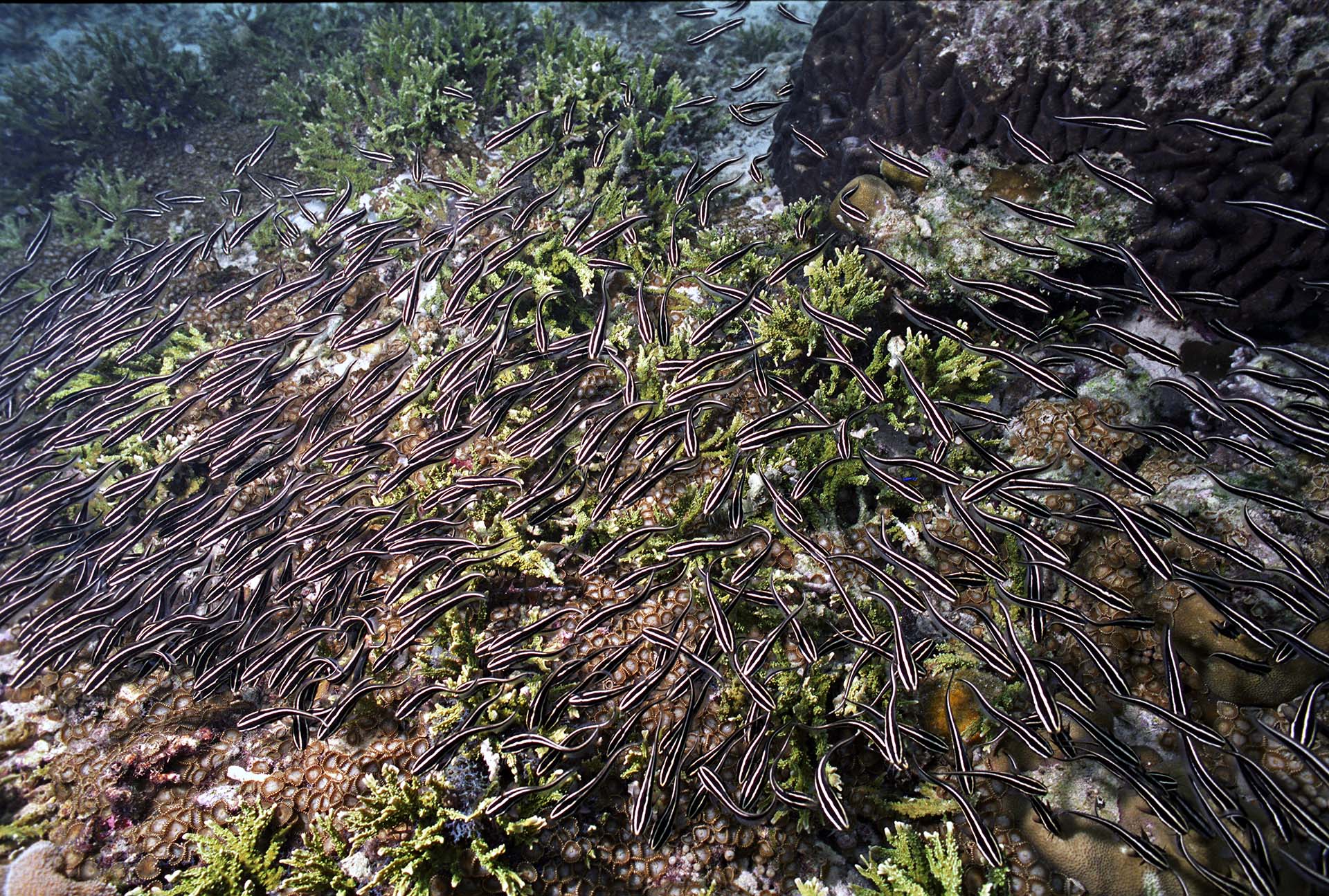
Raja Ampat, Indonesia, Nikonos V, 15mm f/2.8, Fuji Pro 400H

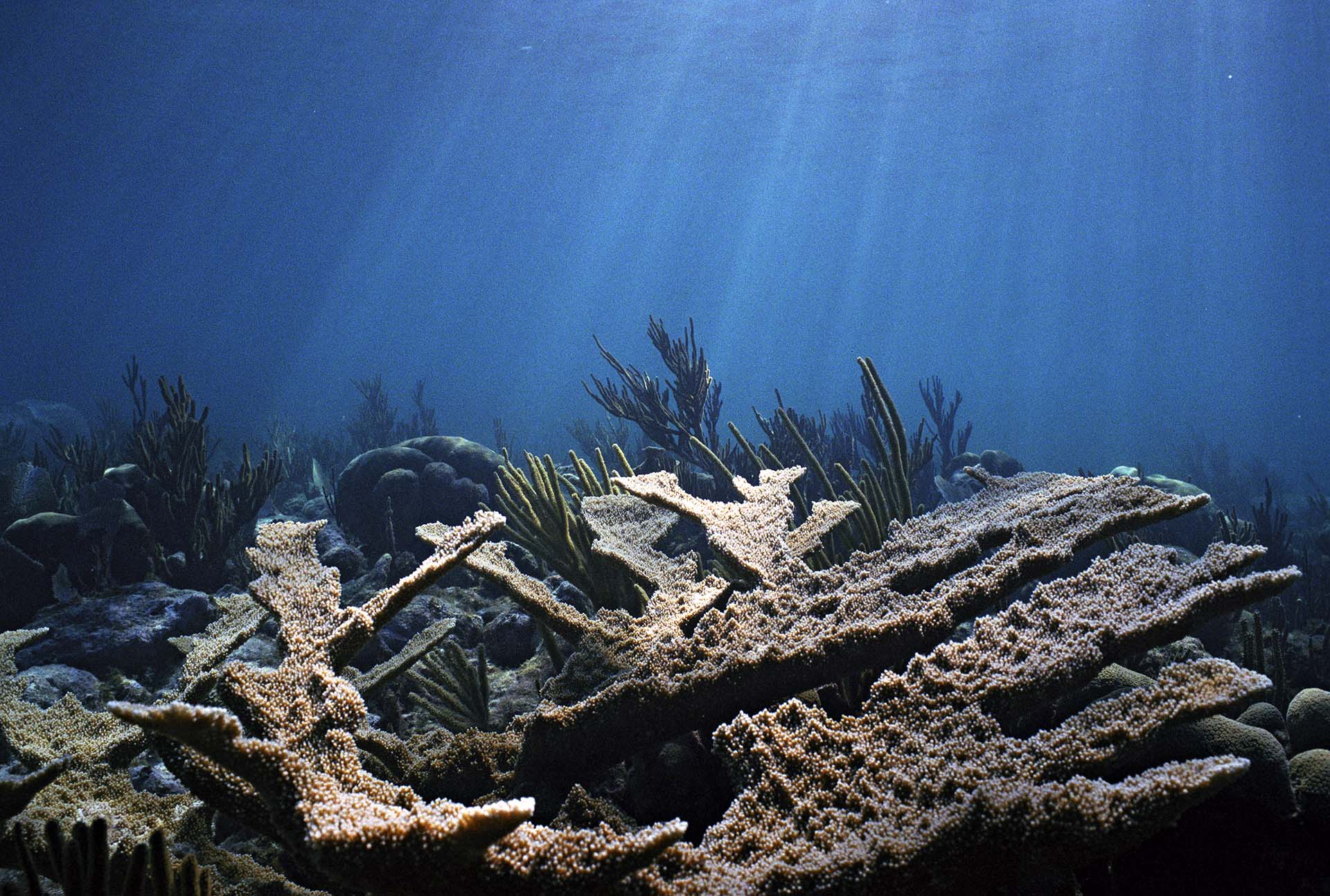
The 20mm f/2.8 UW-Nikkor is much smaller than the 15mm lenses, and while of more limited angular coverage (78° vs. 94°), also an excellent optic. It is a retrofocal design, and therefore can be used with any of the Nikonos cameras. Nikon made a dedicated underwater finder; this came with a removable mask, for use with the 28mm UW-Nikkor.
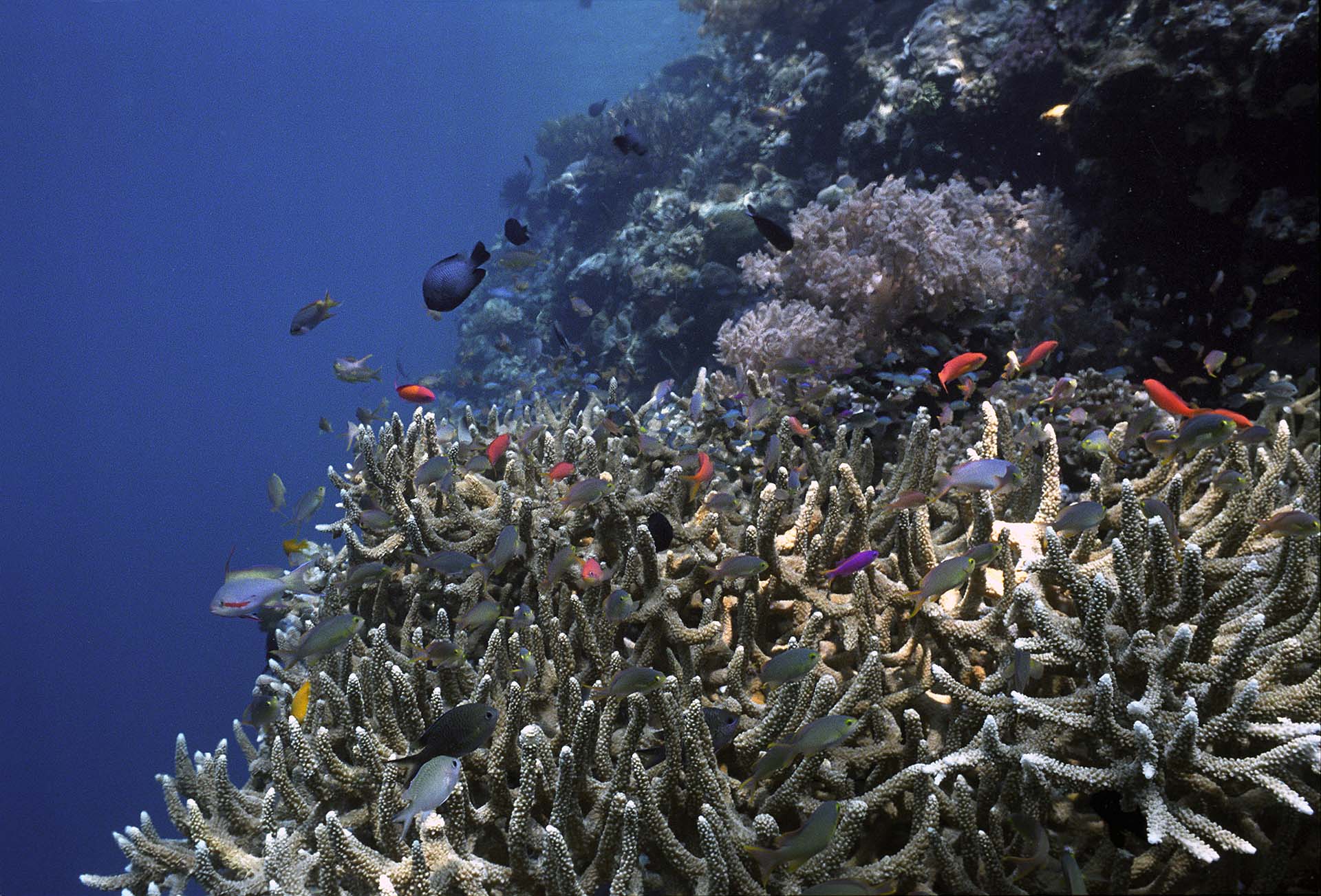
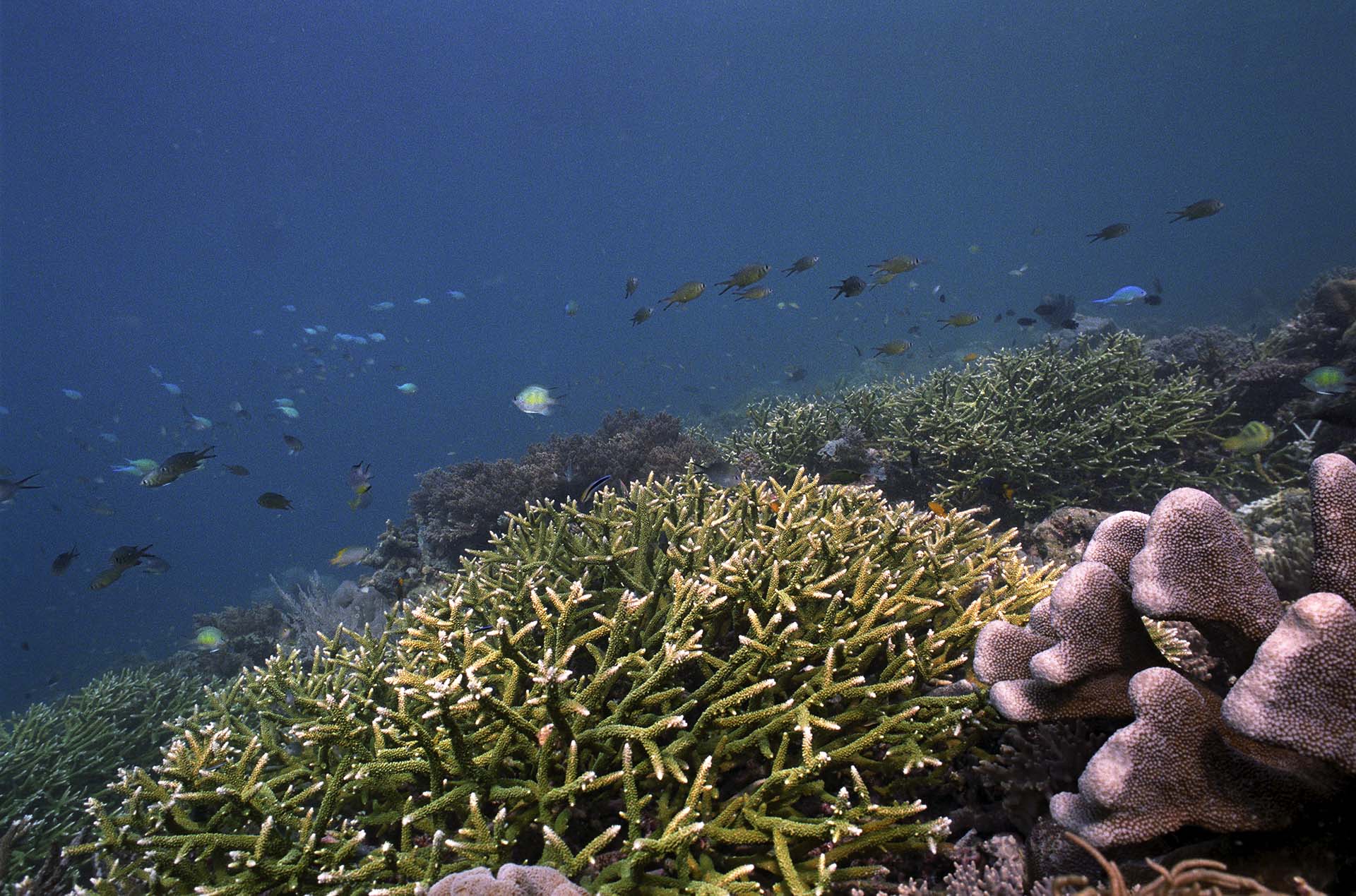
Menjengan Island, Indonesia, Nikonos V, 20mm f/2.8, Fuji Pro 400H
Akumal, México, Nikonos V, 20mm f/2.8, Fuji Superia 400

The 28mm f/3.5 was the least expensive of the UW-Nikkor lenses, and while of modest angular coverage (59°) compared to the 15mm and 20mm, can produce photographs of outstanding sharpness underwater. Nikon made an external optical finder for this lens that also had a detachable mask, in this case for use with the 35mm lens.
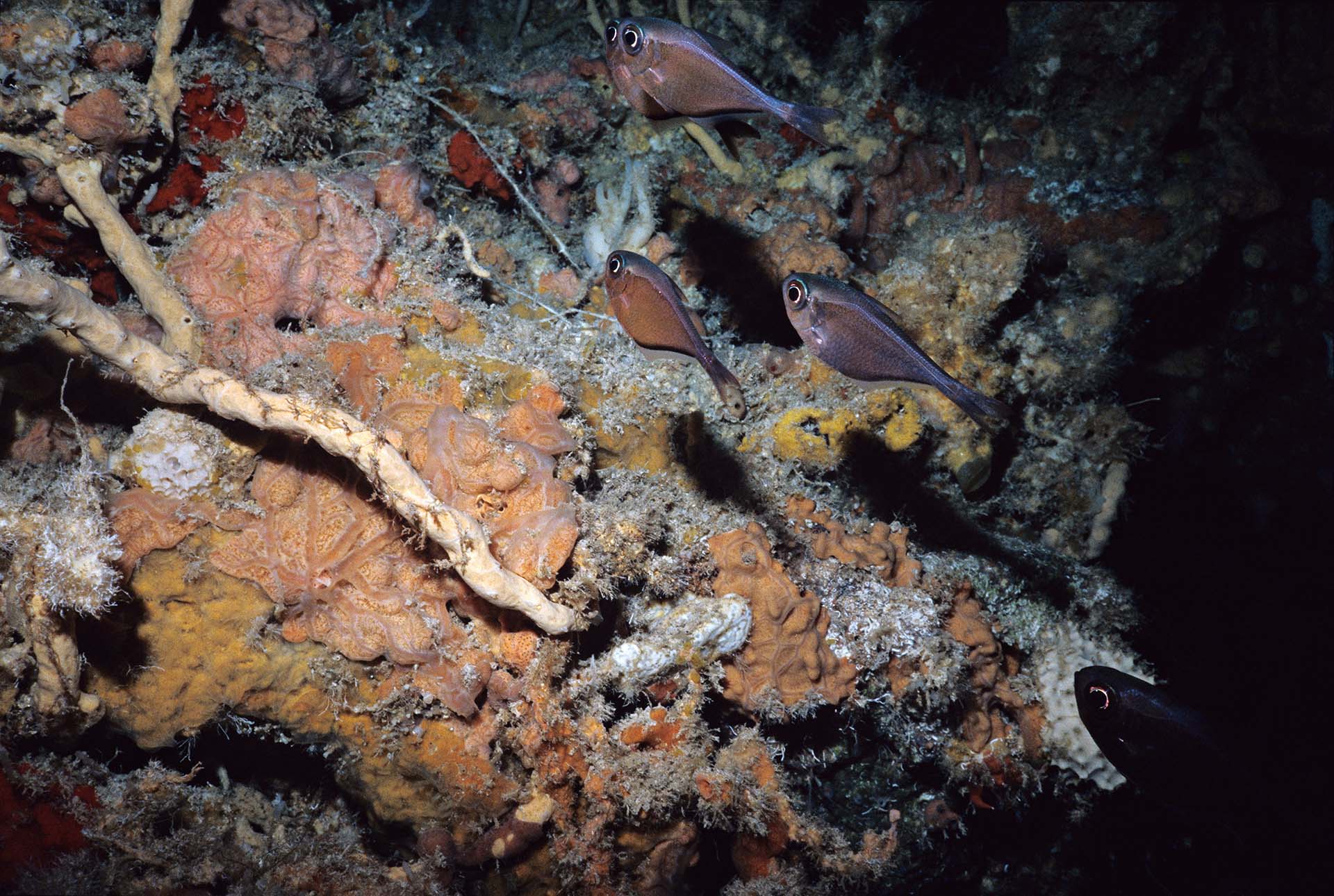
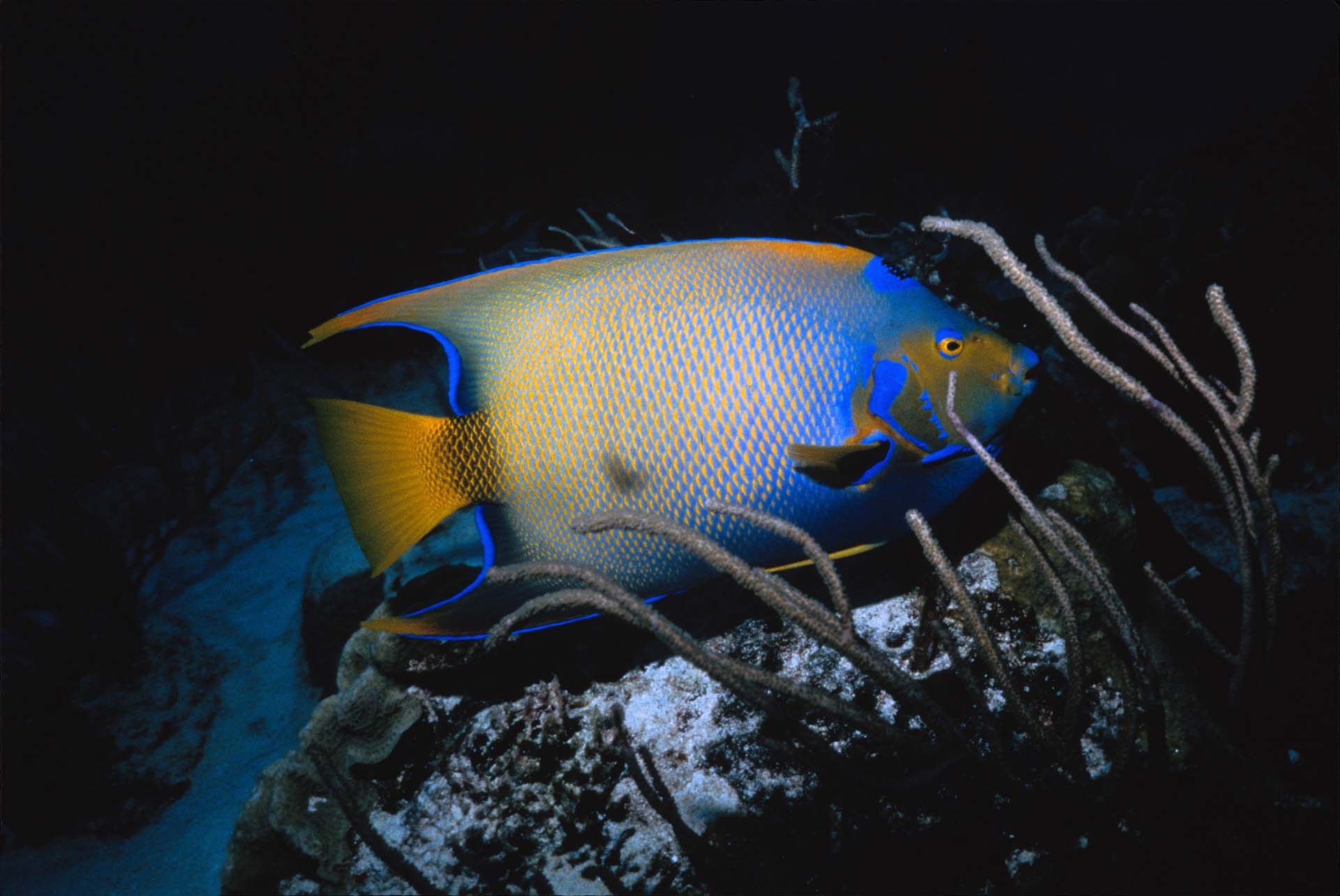
Cozumel, México, Nikonos III, 28mm f/3.5, Ektachrome 64

The amphibious lenses

The 35mm f2.5 W-Nikkor was the first of the Nikonos lenses, and therefore an old design; Nikon never updated this double-Gauss lens (with an optical flat added to its outside). Underwater, its field of view is like that of a normal lens (46.5°; the lens covers 62° in air), and depending on the subject, the distortion on the corners is not too distracting. The Nikonos cameras all had Albada finders with framelines for the 35mm. With a diving mask on, however, it’s difficult to squint through them, and the external finder that Nikon sold for the 28mm and 35mm lenses is a nice accessory to have. I find the 35mm acceptably sharp only when stopped down past f/5.6.
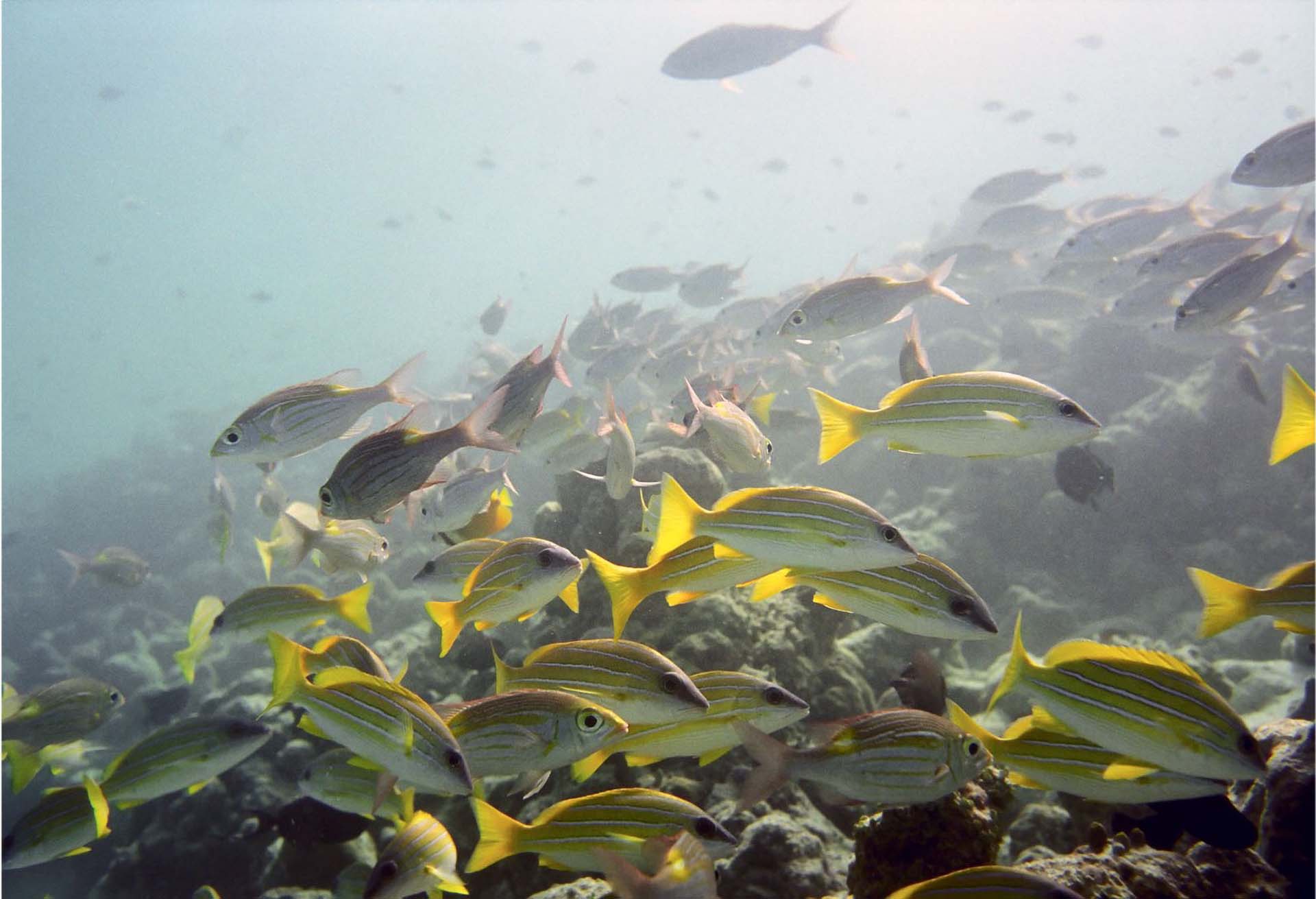

Dhidhoofinolhu Island, Maldives, Nikonos V, 35mm f/2.5, Fuji Superia 400
Village children, Xkalak, México, Nikonos III, 35mm f/2.5, Kodacolor II

The longest of the Nikonos lenses is the 4-element 4-group 80mm f/4.0 W-Nikkor. I have never used this lens underwater. The Nikonos cameras do not have a coupled rangefinder, so the subject-to-camera distance has to be either guessed or measured using an external rangefinder. Nikon did make an accessory 80mm viewfinder (for use on land only), which itself needs to be adjusted for parallax depending on the distance to the subject. Thus, using the 80mm lens on the Nikonos is a slow process. The simple optical formula of this lens produces a not insignificant amount of chromatic aberration, limiting, for my taste, its use on color film. However, on black-and-white, I like its less-than-clinical rendering.

Waikiki from Diamond Head, Hawaii, Nikonos V, 80mm f/4.0, Ilford Delta 100, yellow filter

Nikon made a doublet close-up lens that works in front of its 28mm f/3.5, 35mm f/2.5, and 80mm f/4.0 lenses (focusing and framing were with a cumbersome external attachment). In addition, a huge variety of Nikonos accessories (including lenses) were sold by other manufacturers. That is for a separate post, but in closing, here are some macro photographs taken either with Nikon’s close-up adapter, or with extension tubes made by Sea & Sea.
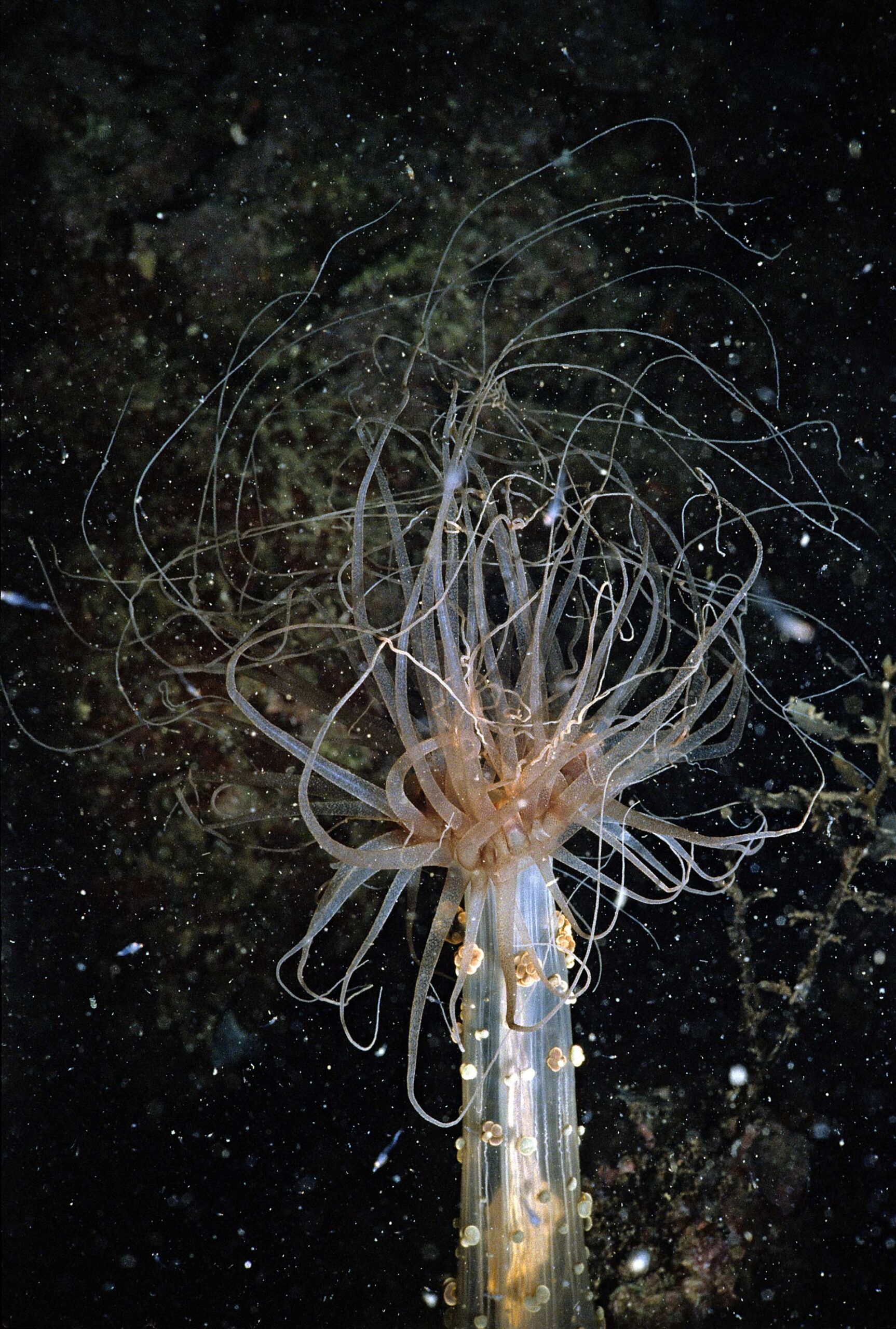
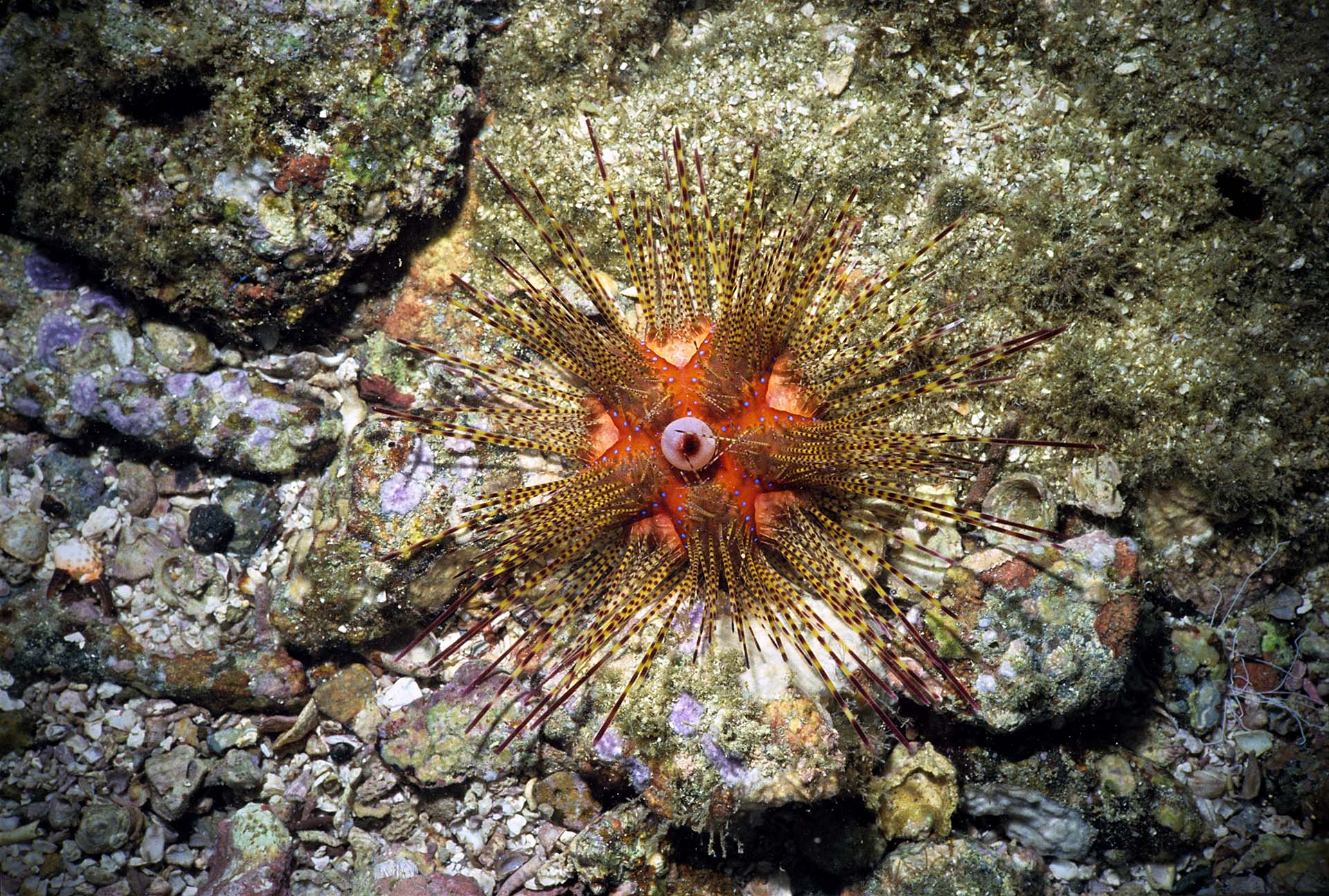
Guaymas, México, Nikonos III, 28mm f/3.5, Nikonos close-up lens, Ektachrome 64
Saboga Island, Panamá, Nikonos III, 28mm f/3.5, Nikonos close-up lens, Ektachrome 64
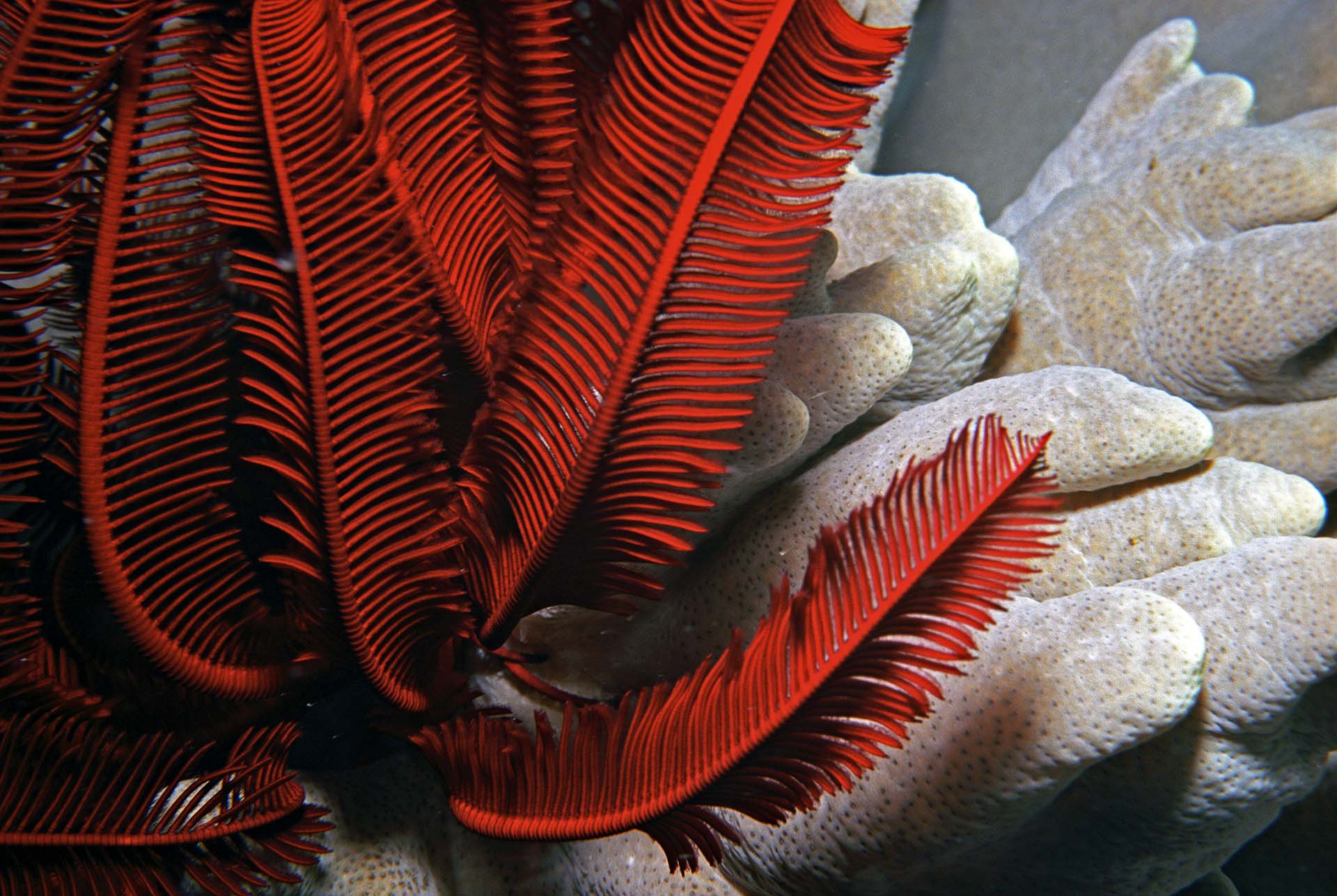
Raja Ampat, Indonesia, Nikonos V, 35mm f/2.5, 1:3 extension tube, Kodak Ektar 100
Manzanillo, México, Nikonos III, 35mm f/2.5, 1:1 extension tube, Kodachrome 25

Share this post:

About The Author

By Adrian Riu
When not working as an experimental scientist (biophysics), in Maryland, USA, Adrian enjoys being outdoors, preferably with a camera. He got started in photography as a teen, back in the late 1970s. That first camera was a Canonet with the f/1.9 lens ...
Read More Articles From Adrian Riu

Find more similar content on 35mmc

Use the tags below to search for more posts on related topics:

Donate to the upkeep, or contribute to 35mmc for an ad-free experience.

There are two ways to contribute to 35mmc and experience it without the adverts:

Paid Subscription – £3.99 per month and you’ll never see an advert again! (Free 3-day trial).

Subscribe here.

Content contributor – become a part of the world’s biggest film and alternative photography community blog. All our Contributors have an ad-free experience for life.

Sign up here.

Make a donation – If you would simply like to support Hamish Gill and 35mmc financially, you can also do so via ko-fi

Donate to 35mmc here.

Comments

Gary Smith on 5 lenses for the Nikonos amphibious cameras compared

Comment posted: 13/03/2026

Those shots from Raja Ampat are awesome! They look like you may have been snorkeling - do you also do scuba?

My only experience with underwater photography has been while snorkeling and using the digital TG-1 from Olympus.
Reply

Leave a Reply

Your email address will not be published. Required fields are marked *

Adrian Riu replied:

Comment posted: 13/03/2026

Thanks for the compliments! I used to scuba with the Nikonos. Most of my film underwater photography has been snorkeling for some time now. For scuba, not having to change film after 36 shots is a big reason to use digital.

Reply

Leave a Reply

Your email address will not be published. Required fields are marked *

Art Meripol on 5 lenses for the Nikonos amphibious cameras compared

Comment posted: 13/03/2026

Great info on that system and great photos to back it up. All the underwater shots are lovely. Really like the black and white of Hawaii too. I tried underwater work a couple times with a Nikonos back in the late 70’s and early 80’s and found it required me to un-learn a lot of what I naturally do shooting. I loved the camera though. I was living in a very rainy environment and would use it to shoot in storms and rain. Wish I still had it.
Reply

Leave a Reply

Your email address will not be published. Required fields are marked *

Adrian Riu replied:

Comment posted: 13/03/2026

Thanks for the kind words!

Reply

Leave a Reply

Your email address will not be published. Required fields are marked *

Walter Reumkens on 5 lenses for the Nikonos amphibious cameras compared

Comment posted: 13/03/2026

Some truly impressive photos, accompanied by interesting and informative details about the Nikonos equipment.
Reply

Leave a Reply

Your email address will not be published. Required fields are marked *

Adrian Riu replied:

Comment posted: 13/03/2026

Thanks for the kind words!

Reply

Leave a Reply

Your email address will not be published. Required fields are marked *

Thomas Wolstenholme on 5 lenses for the Nikonos amphibious cameras compared

Comment posted: 14/03/2026

Thank you for this article. I have found little written and almost no samples regarding the Nikonos lenses, although there is generally a fair amount written about the Nikonos I to V cameras. I still use my Nikonos V from time-to-time although usually only canoeing with the 80mm lens, I typically found no problems using either the 20mm or 35 mm lenses underwater, but perhaps your own difficulty arose from the type of face mask, not so much the camera viewfinder. I noticed this for both my IV-A and V after switching from a single lens full width mask to a twin lens, low volume mask, (one in which the lenses were individual corrective vision ones). in passing, I again thank you for the information regarding the 15mm lens as I've never seen one.
Reply

Leave a Reply

Your email address will not be published. Required fields are marked *

Adrian Riu replied:

Comment posted: 14/03/2026

They are long out of print, but I found the Nikonos guidebooks by Cathy Church to be very informative.

Reply

Leave a Reply

Your email address will not be published. Required fields are marked *

Thomas Wolstenholme replied:

Comment posted: 14/03/2026

Thank you for that reference. i found a nice copy online and have ordered it.

Reply

Leave a Reply

Your email address will not be published. Required fields are marked *

Simon Foale on 5 lenses for the Nikonos amphibious cameras compared

Comment posted: 14/03/2026

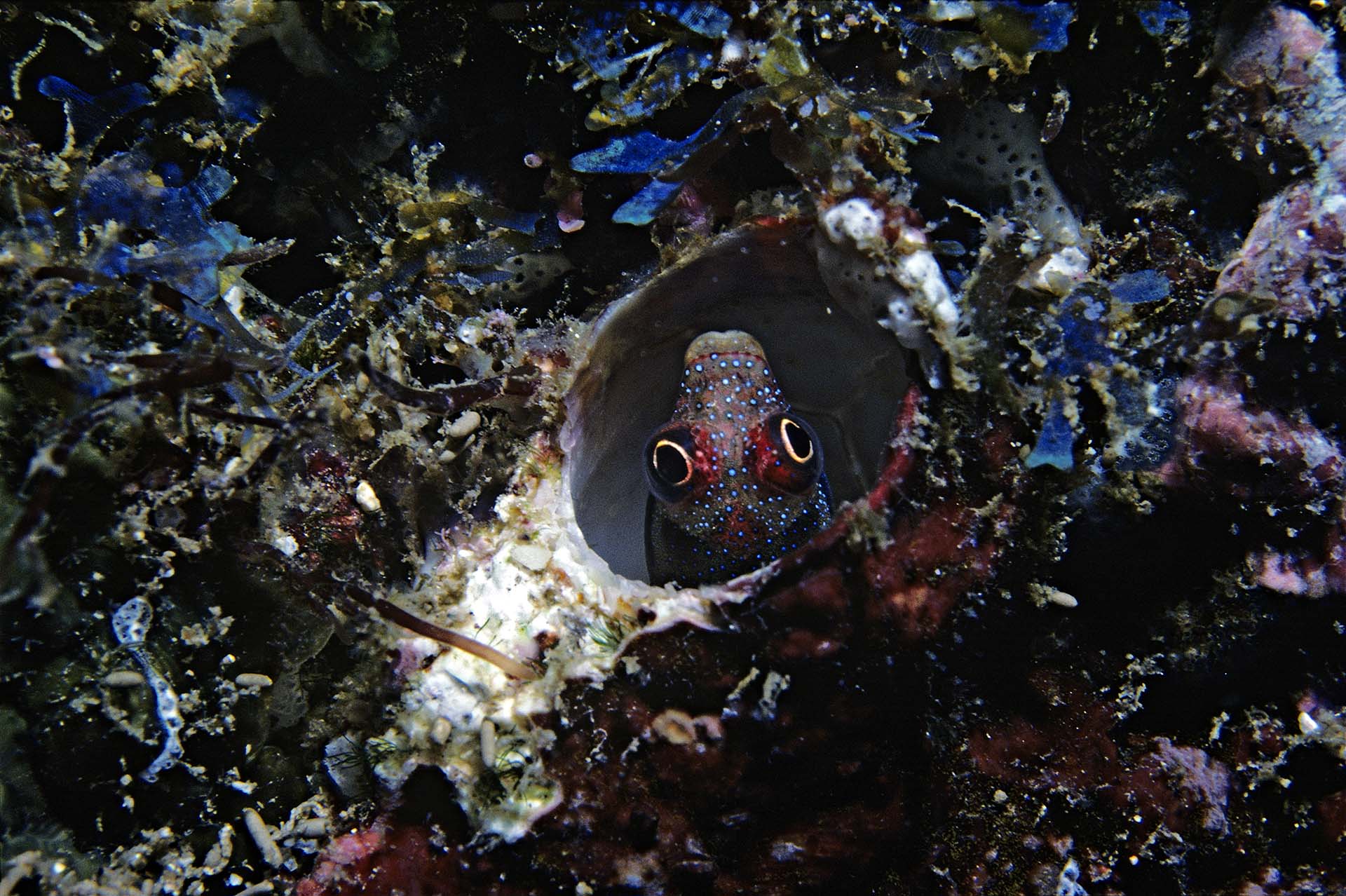
That's a great angelfish portrait Adrian! I like your final image too. I did a review of the 15mm lens here: https://www.35mmc.com/18/01/2021/nikonos-15mm-f-2-8-lens-mini-review/ and the 35mm lens here: https://www.35mmc.com/01/08/2022/nikonos-v-as-rugged-travel-camera-a-retrospective-by-simon-foale/ It was only through writing the latter story that I discovered that the 15mm lens was used by James Cameron in the making of Avatar: Way of Water, via a comment from Pawel Achtel, who invented the digital platform they used the lens on for the movie. In any case it's a testament to the superlative design of this old lens that it remains one of the best wide-angle optics for underwater work, even with high resolution digital backs, which are much less forgiving than film.
Reply

Leave a Reply

Your email address will not be published. Required fields are marked *

Zach on 5 lenses for the Nikonos amphibious cameras compared

Comment posted: 14/03/2026

Great writeup on the lenses, Adrian! I have a V that I bought from a supervisor when he retired from SCUBA diving. He had quite the kit: lenses, flash brackets, close-up frames, the works. All but the 35mm had been sold prior to, not that I'd have much use for them, but seeing what they could do is fascinating. Especially those macro shots; I'd imagine those took quite a bit of light

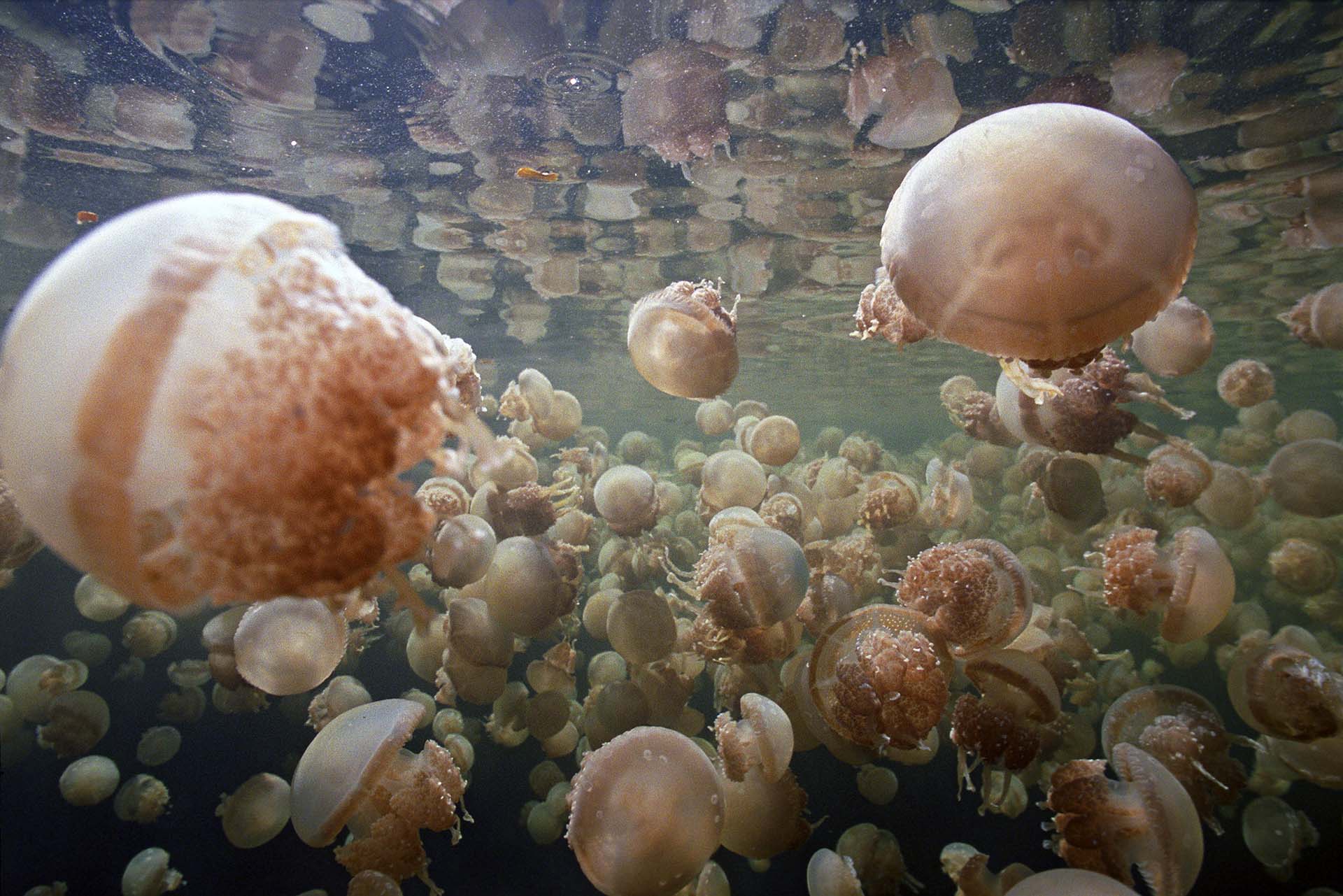
The photo with the jellies is striking with the light falloff and the further ones fading into the water as visibility drops. Makes you wonder what's past that point (probably more jellies)
Reply

Leave a Reply

Your email address will not be published. Required fields are marked *

Adrian Riu replied:

Comment posted: 14/03/2026

Thanks for the compliments! Those moon jellies have photosynthetic symbionts, so they swim around the lake following the sun (the inland saltwater lake is surrounded by rain forest). So, where there is shadow, no jellies. That said, there are thousands of them, so you can (gently) swim past quite a few before you exit the patch. The macro shots all used flash. It's the only practical way to get enough depth-of-field.

Reply

Leave a Reply

Your email address will not be published. Required fields are marked *

Omar Tibi on 5 lenses for the Nikonos amphibious cameras compared

Comment posted: 15/03/2026

Excellent overview of the system Adrian, and thanks for the really wonderful shots! Seeing the undersea world on film gives a unique perspective, I feel. The Nikonos family is something I have a serious fascination with, though I don't have any reason to justify acquiring one... :) Do you go diving much these days?
Reply

Leave a Reply

Your email address will not be published. Required fields are marked *

Adrian Riu replied:

Comment posted: 15/03/2026

Thanks for the kind words. Nauticam manufactures underwater housings for full-frame Sony mirrorless cameras that accept the 15mm and 20mm UW-Nikkor lenses, with reportedly excellent results. I am hoping one day to try this marriage of the old and the new.

Reply

Leave a Reply

Your email address will not be published. Required fields are marked *

Simon Foale on 5 lenses for the Nikonos amphibious cameras compared

Comment posted: 16/03/2026

That’s a great angelfish portrait Adrian! I like your final image too. I did a review of the 15mm lens here: https://www.35mmc.com/18/01/2021/nikonos-15mm-f-2-8-lens-mini-review/ and the 35mm lens here: https://www.35mmc.com/01/08/2022/nikonos-v-as-rugged-travel-camera-a-retrospective-by-simon-foale/ It was only through writing the latter story that I discovered that the 15mm lens was used by James Cameron in the making of Avatar: Way of Water, via a comment from Pawel Achtel, who invented the digital platform they used the lens on for the movie. In any case it’s a testament to the superlative design of this old lens that it remains one of the best wide-angle optics for underwater work, even with high resolution digital backs, which are much less forgiving than film.
Reply

Leave a Reply

Your email address will not be published. Required fields are marked *

Adrian Riu replied:

Comment posted: 16/03/2026

Simon, Thanks for the kind words! I have included hyperlinks to both of your excellent 35mmc posts. I agree that the 15mm UW-Nikkor is something special.

Reply

Leave a Reply

Your email address will not be published. Required fields are marked *

Leave a Comment

Leave a Reply

Your email address will not be published. Required fields are marked *