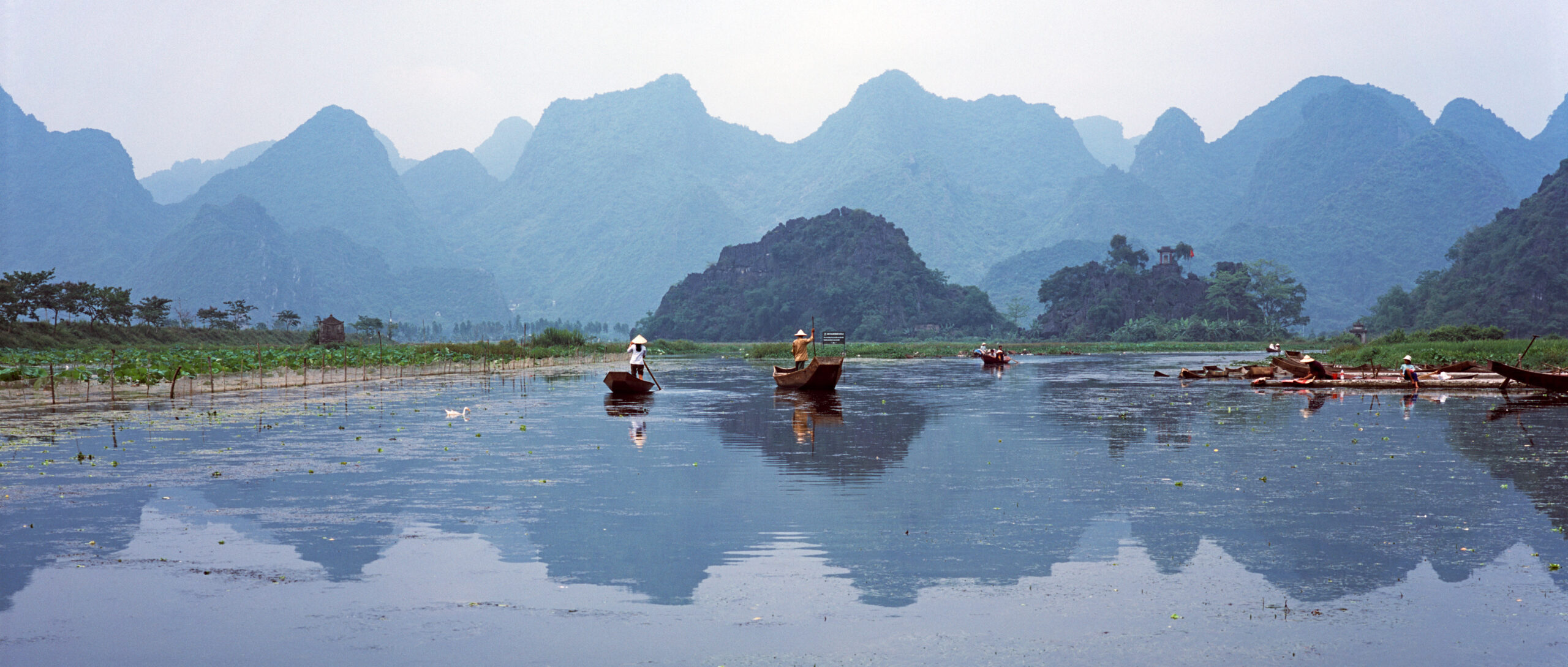
Mountains and reflections, North Vietnam

Xpan on the Cheap

By Simon Foale

Some recent articles on 35mmc and elsewhere brought to my attention the marvels of the Hasselblad Xpan, also sold as the Fujifilm TX-1. It can expose a frame of 65 x 24mm on 35mm film, which is slightly less than two whole ‘normal’ frames of 36 x 24mm, and the aspect ratio is 2.74:1 which is even wider than Cinemascope, which varied between 2.35:1 and 2.66:1.

The thing fans emphasise about the Xpan/TX-1 is that the panoramic aspect ratio helps us to adjust our mental perspective to see the world in a way that is perhaps closer to how we actually view it with ‘both eyes open’. I have to admit to being intrigued by this concept, while at the same time not the least bit interested in forking out the ludicrous amounts of money that these exotic cameras sell for these days.

So naturally I started thinking about workarounds. Stitching two or more images made with more affordable cameras that shoot 3:2, 4:3 or even square formats is an option but requires a static subject, distortion-free lens and, if you are going to do it properly, rotating the camera around the nodal point of the lens.

While cropping a 35mm frame doesn’t make a lot of sense to me, cropping a 6x6cm or 9x6cm (or larger) original does, despite the obvious ‘wastage’ of film (I waste plenty of film anyway, so no big deal really). This approach appeals because I already have cameras with good lenses that produce these image sizes. As it happens, the Mamiya 6MF that I acquired 25 years ago (which I must acknowledge has also since become absurdly expensive) even has a panoramic adapter that allows you to shoot 35mm film, with an image size of 54x24mm, giving an aspect ratio of 2.25:1. Only 11mm less wide than the Xpan/TX-1 images. The Mamiya’s viewfinder has framelines for this option. But I have never used it and may or may not get around to trying it out. I’m more comfortable having the whole frame to work with and the option to crop later, if necessary. With 9×6 cameras, cropping to the 2.74:1 aspect ratio using the whole frame width produces an 83 x 30.3mm image.

So in this post I’m presenting some 9×6 and 6×6 film scans from my archive that I’ve cropped to either 2.74:1 or 2.35:1 (the ‘narrowest’ of the Cinemascope formats) just to see how they look. I was pleasantly surprised by many of them and am interested to know what others think. I do like the panoramic format, but I guess I’ve just got commitment issues (I know, the Xpan/TX-1 does let you shoot 3:2 if you want, but that doesn’t really solve the problem for me).

The featured image is from northern Vietnam, made with the Mamiya 6MF and 50mm lens. Fuji transparency film. Cropped at 2.35:1.
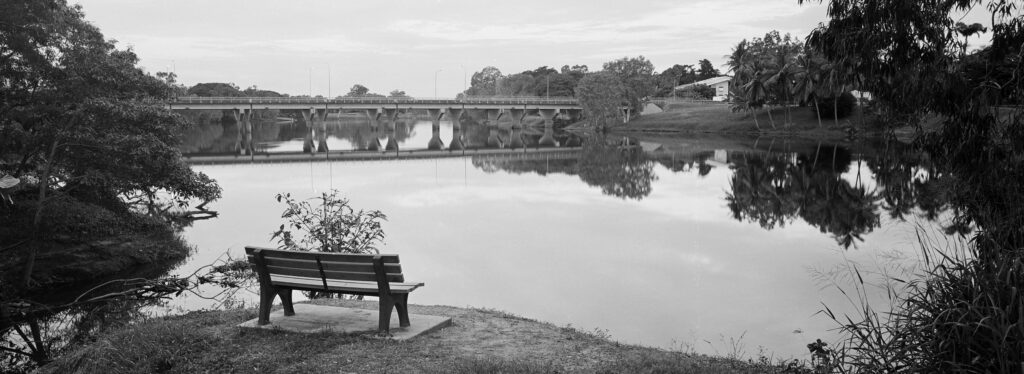
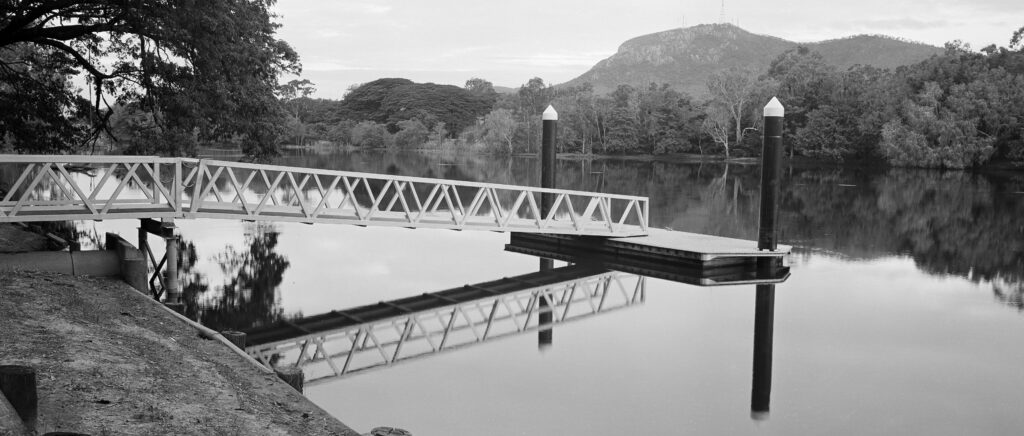
Ross River bench and bridge
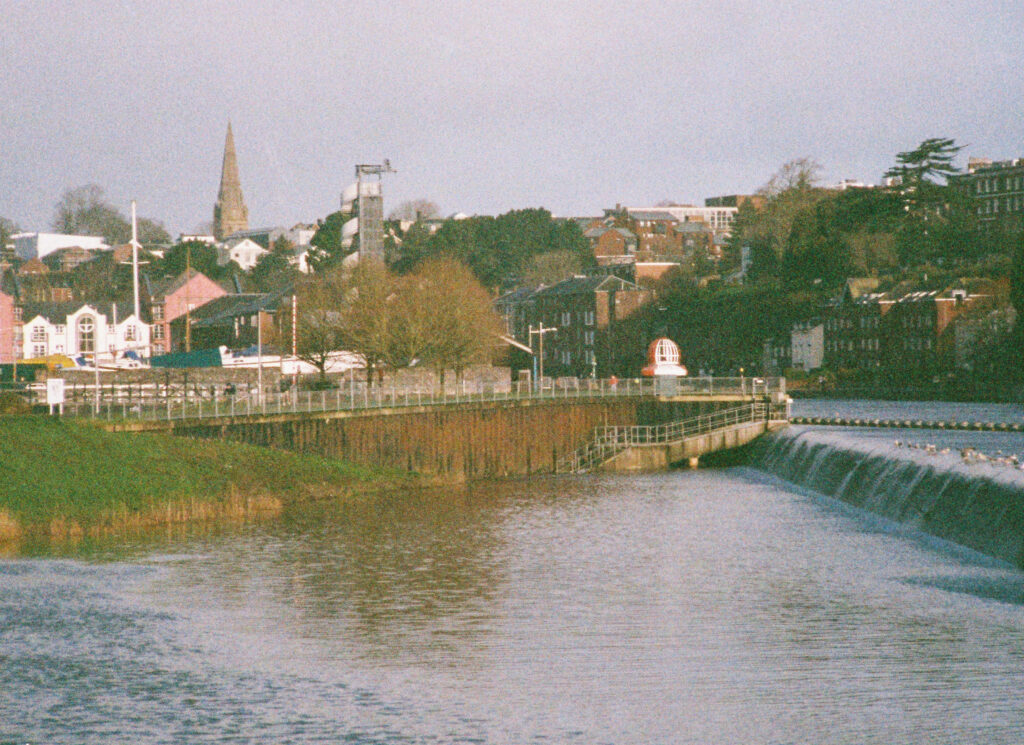
The Ross River in Townsville, Australia on a windless day. Chroma Six:9 and Rodenstock Apo-Sironar Digital 70mm F5.6; Ilford Pan-F; 2.74:1 crop. Wulgurukaba Country.
Ross River pontoon
The Ross River. Chroma Six:9 and Rodenstock Apo-Sironar Digital 70mm F5.6; Ilford Pan-F; 2.74:1 crop. Wulgurukaba Country.
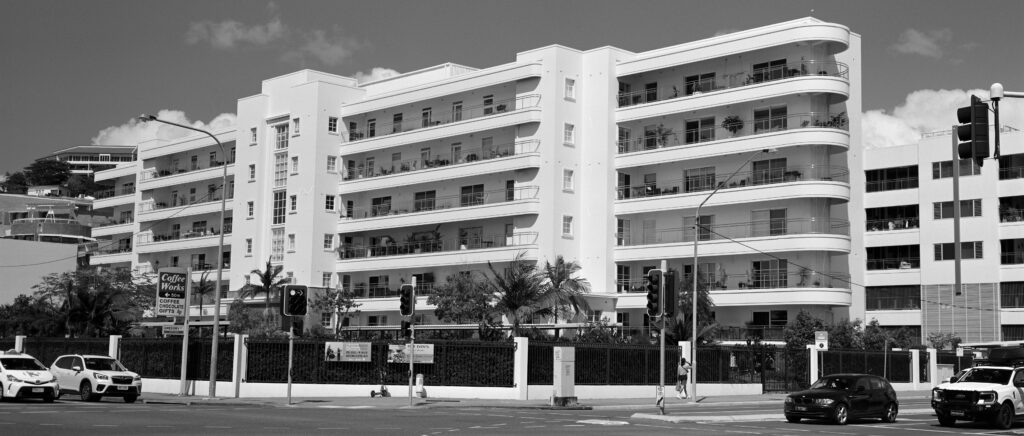
Townsville, old hospital
The former Townsville General Hospital (now converted to flats). Fuji GL690, 100mm F3.5, Ilford Delta 100; 2.35:1 crop. Wulgurukaba Country.
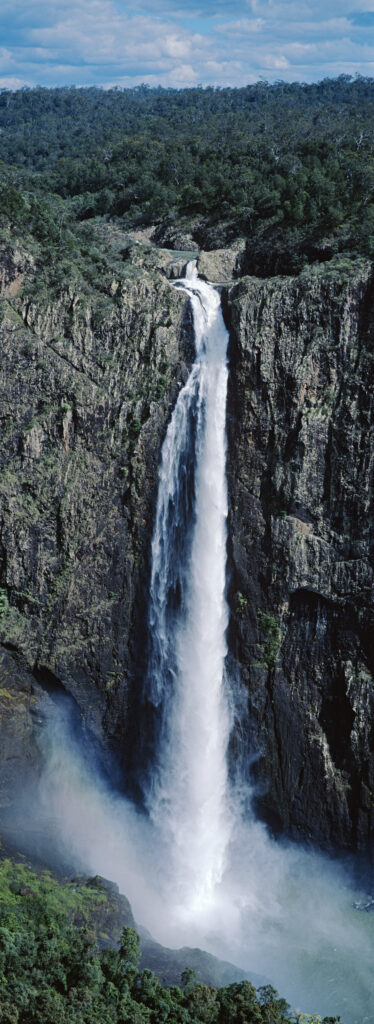
Wallaman Falls vertical crop
Wallaman Falls, North Queensland; Fuji GW690, Kodak E100; 2.74:1 crop; Warrgamaygan Country.
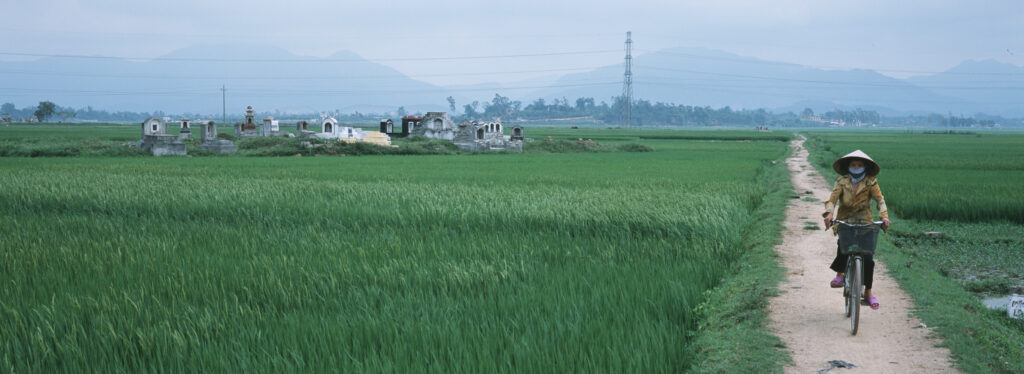
Vietnam rice paddy and cyclist
Rice paddy, cemetery and cyclist, central Vietnam; Mamiya 6MF and 50mm lens; Fuji transparency film; 2.74:1 crop.
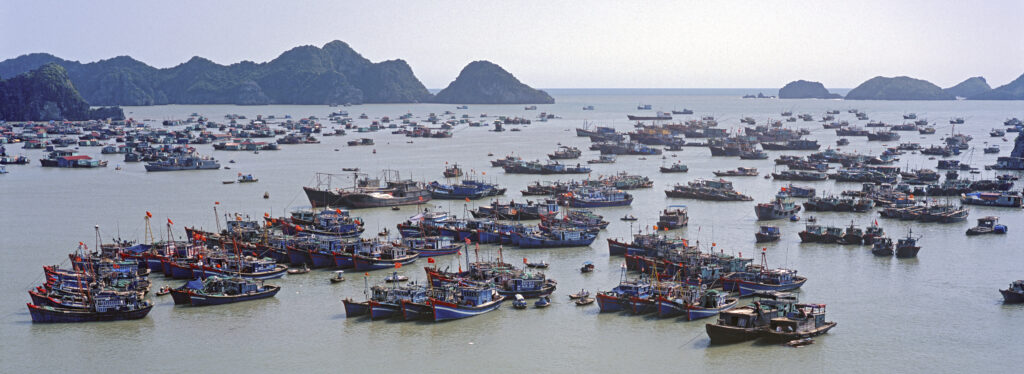
Fishing Boats Ha Long Bay
View of fishing boats from Cat Ba Island, Ha Long Bay, northern Vietnam. Mamiya 6MF and 50mm lens; Fuji transparency film; 2.74:1 crop.
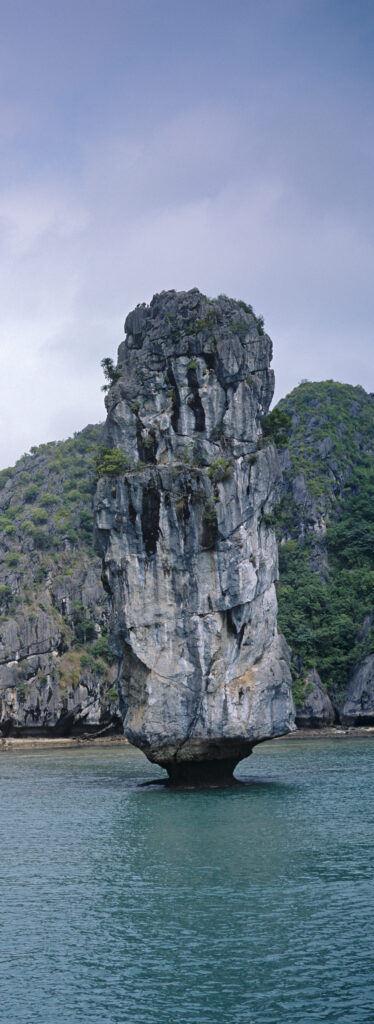
Ha Long Bay rock pillar
Limestone pinnacle, Ha Long Bay, Vietnam. Mamiya 6MF and 75mm lens; Fuji transparency film; 2.74:1 crop.
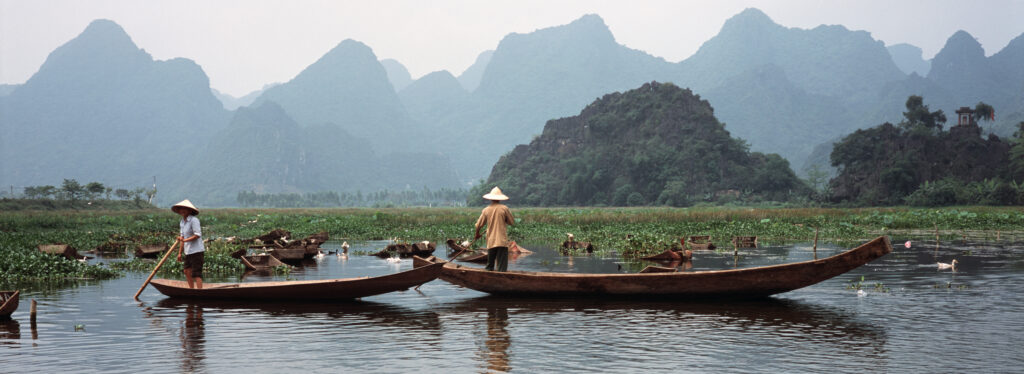
Vietnam river boats and mountains
River canoes and mountains, northern Vietnam. Mamiya 6MF and 50mm lens; Fuji transparency film; 2.74:1 crop.
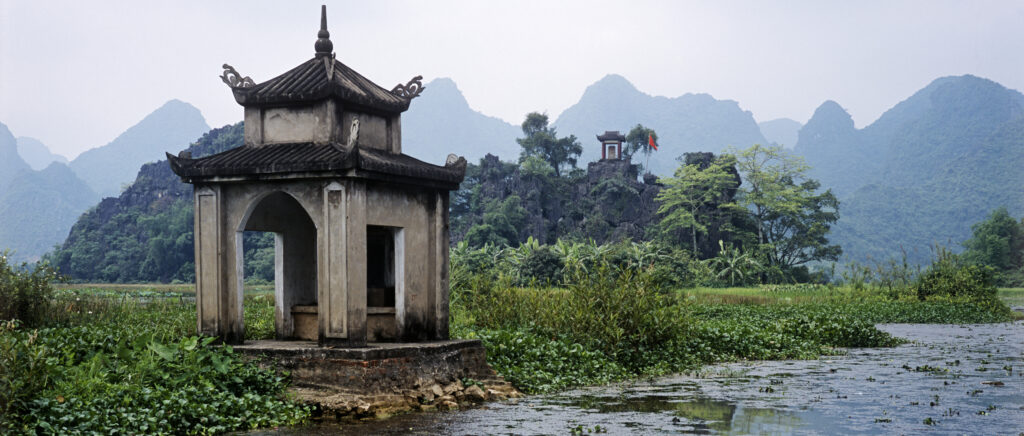
Pagoda
Riverside pagoda, northern Vietnam; Mamiya 6MF and 50mm lens; Fuji transparency film; 2.35:1 crop.
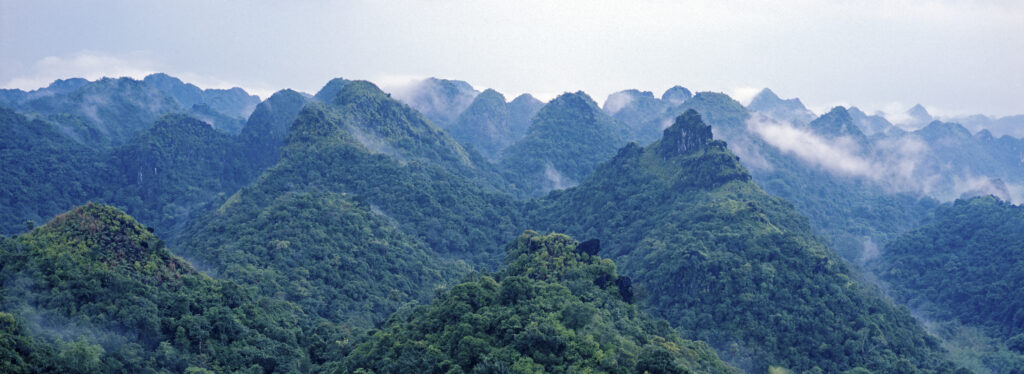
Forested mountains, Cat Ba Island, Vietnam
Forested mountain range of Cat Ba Island, Northern Vietnam. Mamiya 6MF and 50mm lens; Fuji transparency film; 2.74:1 crop.
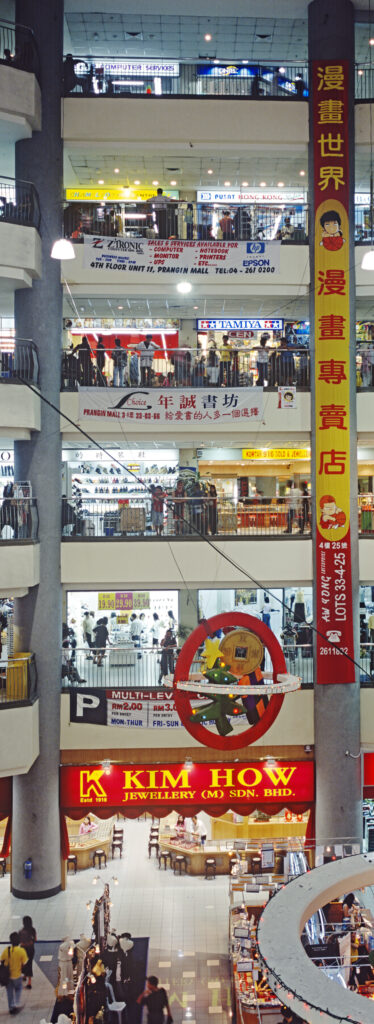
Penang shopping mall, vertical crop
A shopping mall in Penang, Malaysia. Mamiya 6MF and 50mm lens; Fuji transparency film; 2.74:1 crop.
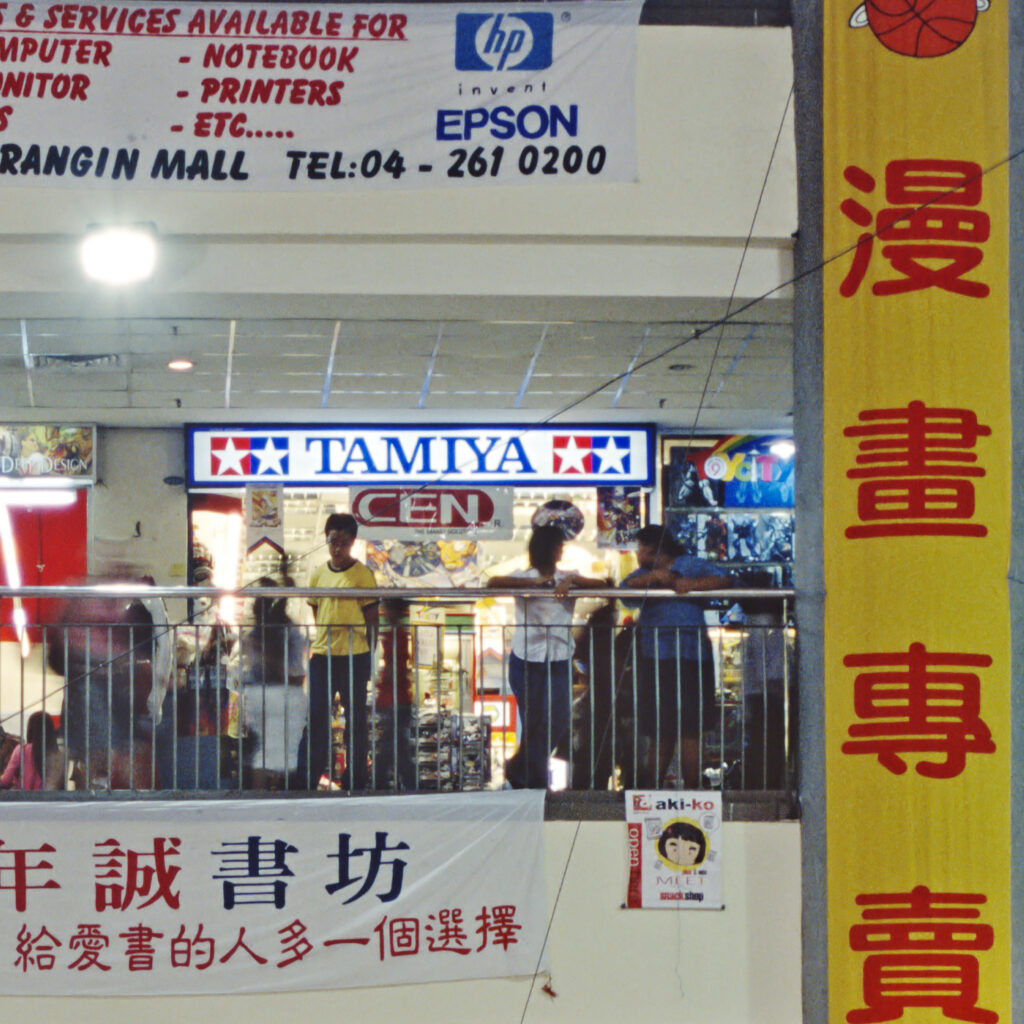
Crop from Penang shopping mall image
1500×1500 pixel crop from the above image
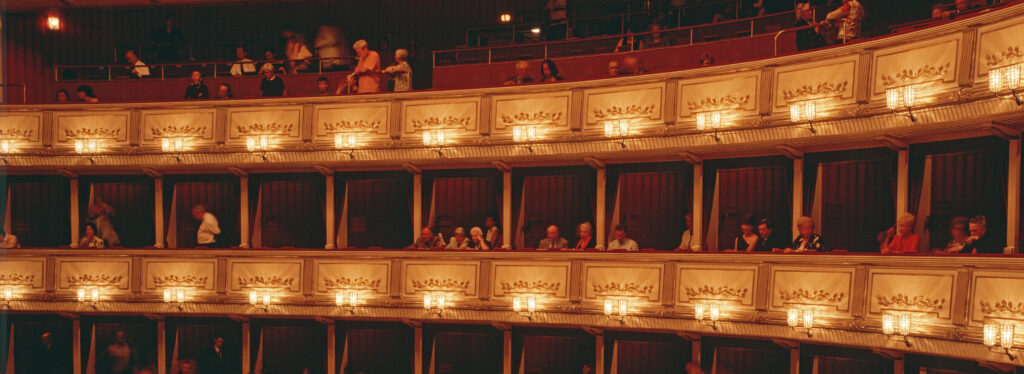
Vienna opera house seating
Opera house seating, Vienna. Mamiya 6MF and 50mm lens; Fuji transparency film; 2.74:1 crop.
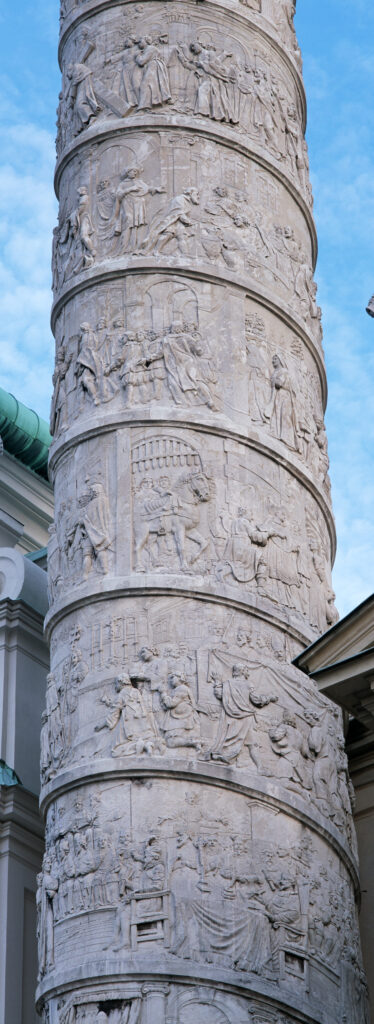
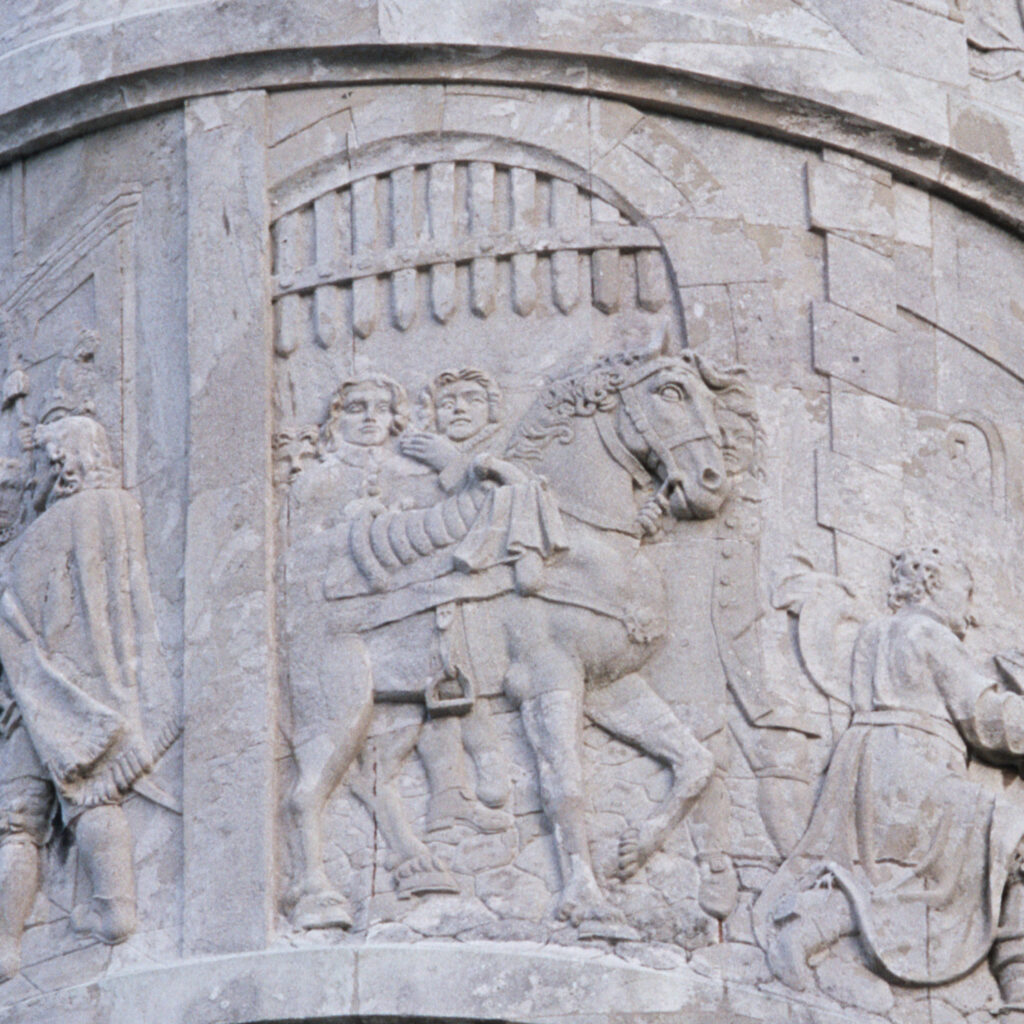
St Pauls pillar
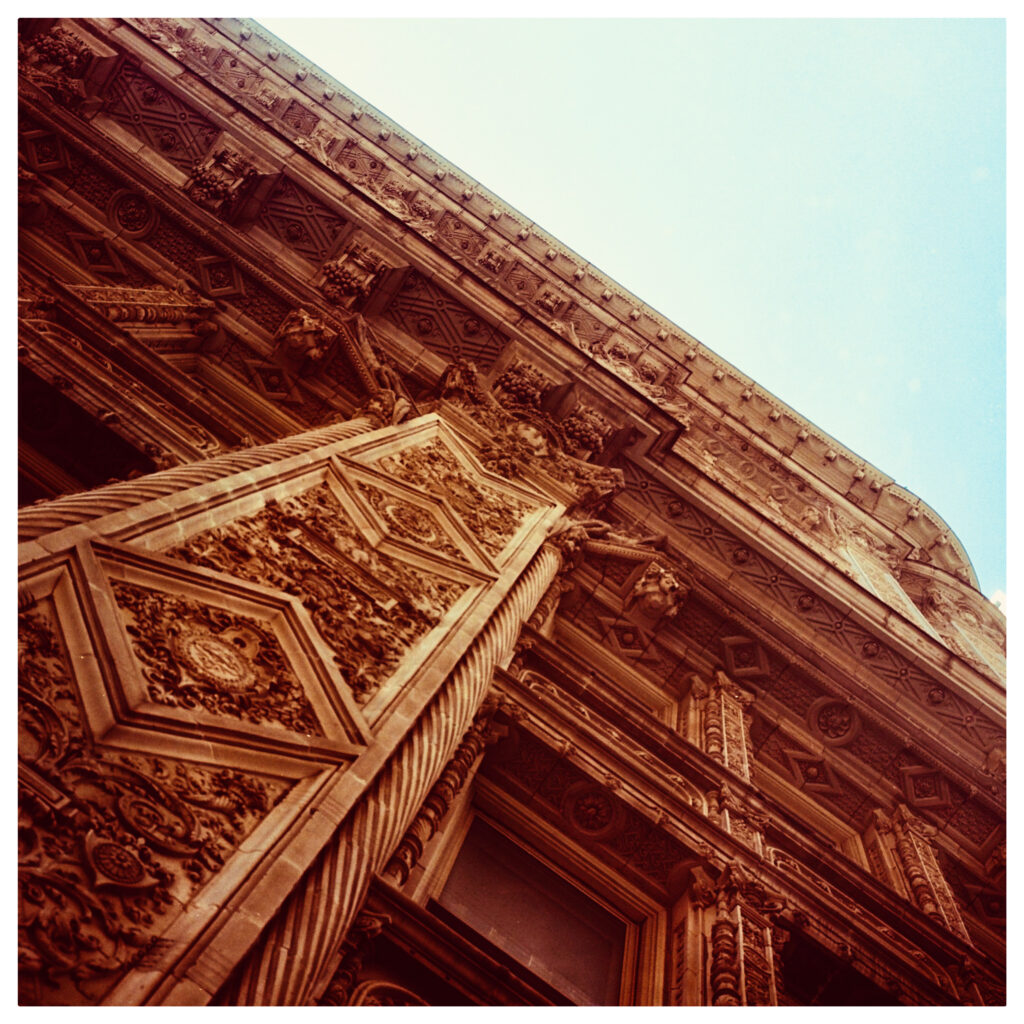
One of the two pillars flanking the entrance to St Pauls in Vienna. Mamiya 6MF and 50mm lens; Fuji transparency film; 2.74:1 crop.
detail from St Pauls pillar
1500×1500 pixel crop from the above image.
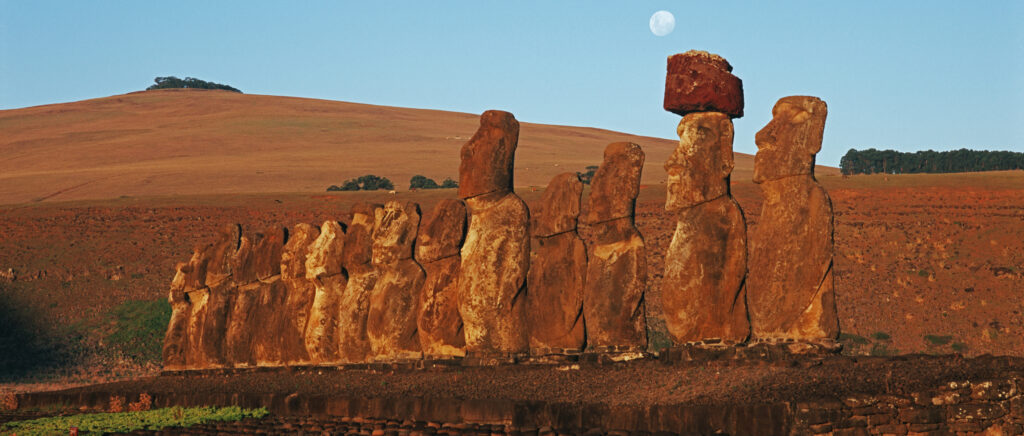
Ahu Tongariki
Ahu Tongariki at moonrise, Rapa Nui, Mamiya 6MF and 50mm lens; Fuji transparency film; 2.35:1 crop.
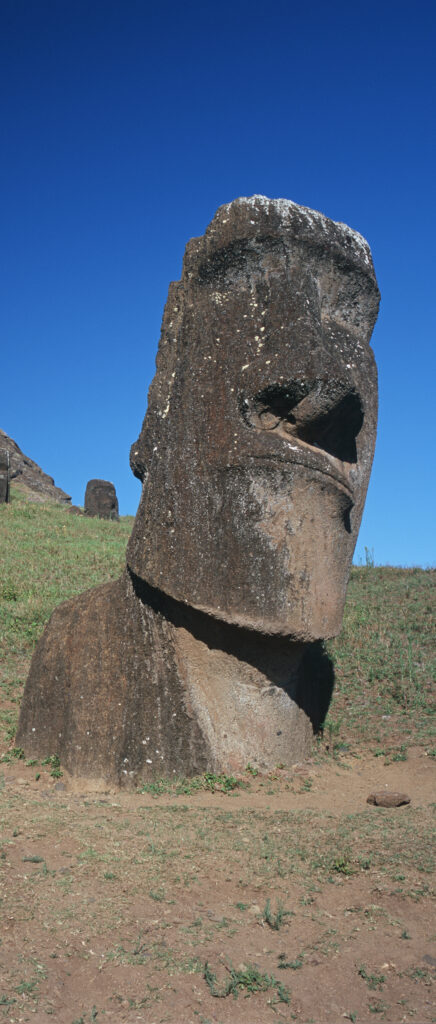
Rano Raraku moai
Rano Raraku moai, Rapa Nui. Mamiya 6MF and 50mm lens; Fuji transparency film; 2.35:1 crop.
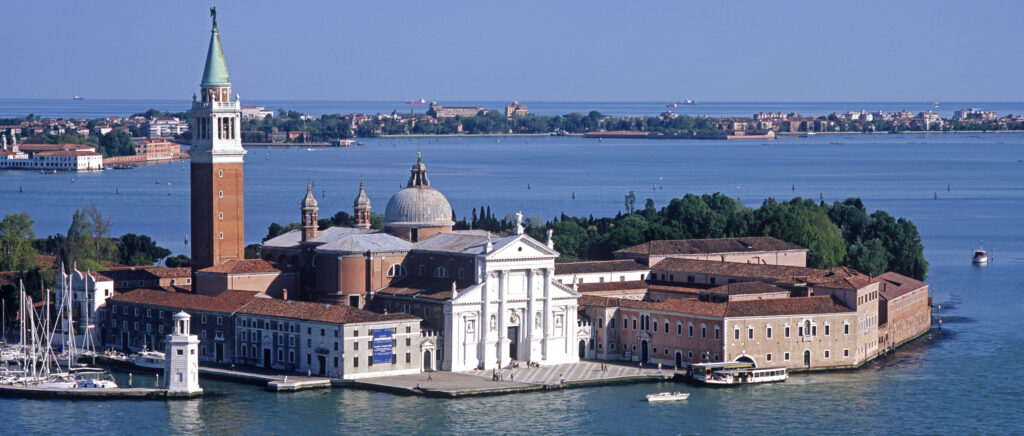
Venice island
Abbazia di San Giorgio Maggiore, Venice. Mamiya 6MF and 150mm lens; Fuji transparency film; 2.35:1 crop.
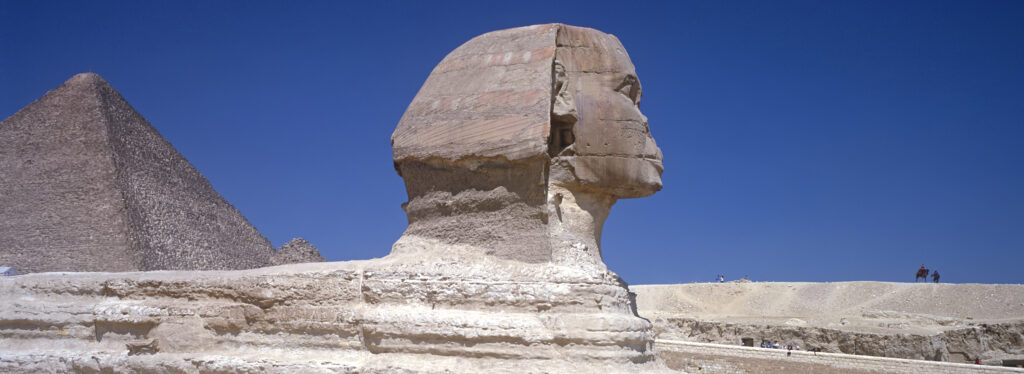
Sphynx and pyramid
Sphynx and pyramid, with camel and horse riders. Mamiya 6MF and 50mm lens; Fuji transparency film; 2.74:1 crop.
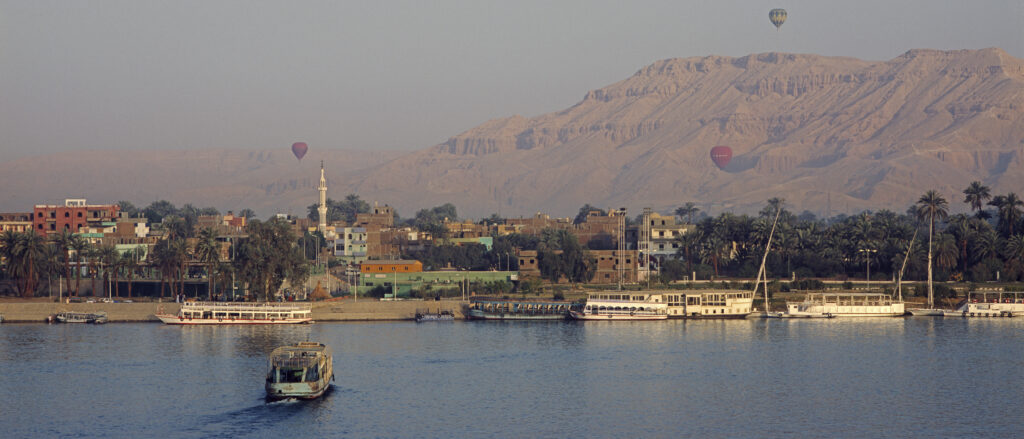
Nile River at Luxor
Nile River at Luxor with ferry and hot air ballons. Mamiya 6MF and 150mm lens; Fuji transparency film; 2.35:1 crop.
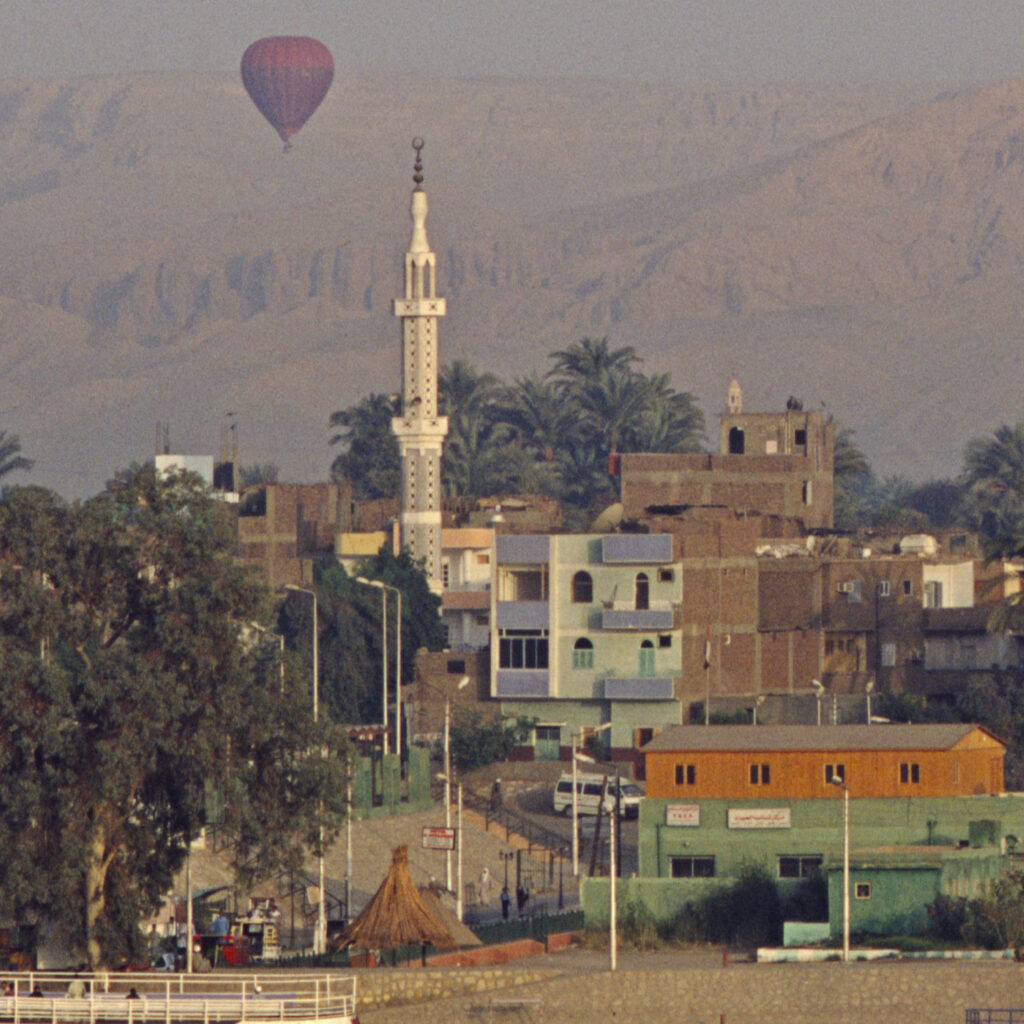
detail from Nile River image
1500×1500 pixel crop from the above image.
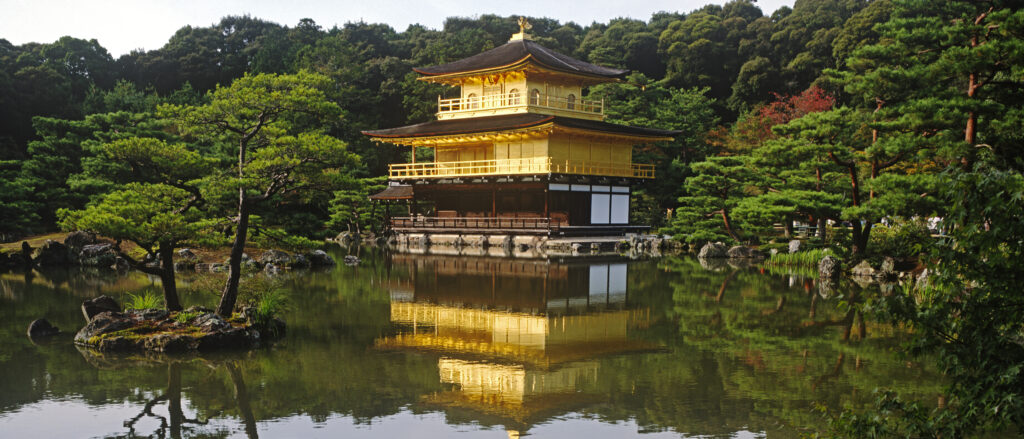
Golden Temple
Golden Temple, Kyoto. Mamiya 6MF and 50mm lens; Fuji transparency film; 2.35:1 crop.
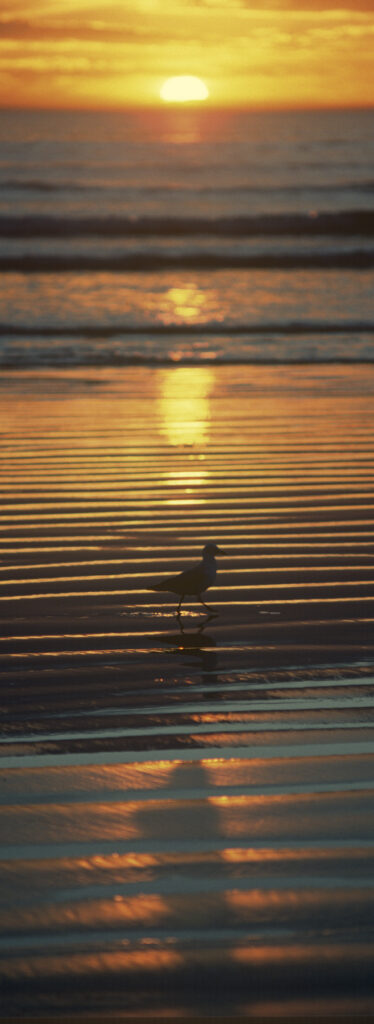
Sunset and Pacific gull
Beach sunset with Pacific Gull, Wamoon (Wilson’s Promontory, Victoria; Bunurong Country). Nikon F801S and Ai-s Nikkor 135mm F2.8; Kodachrome 25. 2.74:1 crop. I figured I could maybe get away with doing this on 35mm with this particular film.
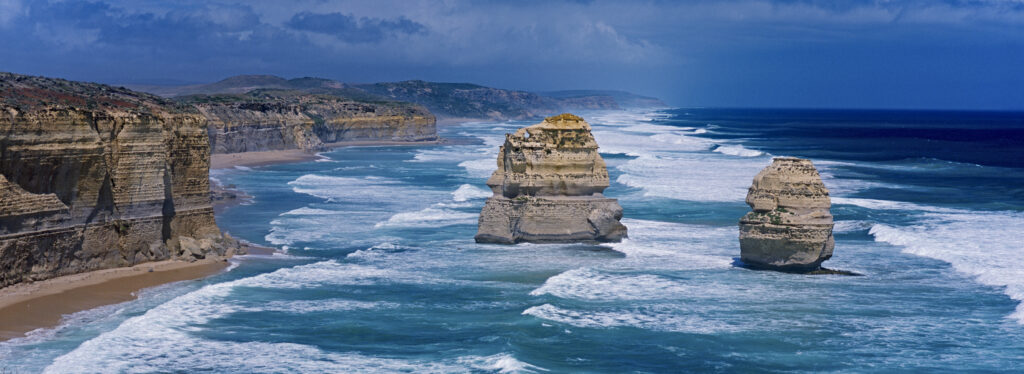
Two Apostles
The ‘Two Apostles’, Port Campbell, Victoria; Giraiwurung Country. Rolleiflex 2.8F, Fuji Transparency film. 2.74:1 crop.

While I quite like most of these panorama crops (wouldn’t post them if I didn’t), plenty of the above images also work fine (for me) in their original (often square) format, or in some cases cropped to other common formats including 3:2, 4:3, 5:4 and even 7:6.
Thanks for reading.

My Flickr page

Share this post:

About The Author

By Simon Foale
Repairing and trying out my late grandfather's 1914 No.1 Autographic Kodak Junior initially led me down the film rabbit hole but now that I'm here I might stay for a bit. I am currently based in North Queensland, Australia. I used film for over 20 years before digital but these days I'm keen to indulge my curiosity about some film types I never tried back in the day, including some of the so-called 'document' films. I also like sharing stuff from my film archive.
Read More Articles From Simon Foale

Find more similar content on 35mmc

Use the tags below to search for more posts on related topics:

Donate to the upkeep, or contribute to 35mmc for an ad-free experience.

There are two ways to contribute to 35mmc and experience it without the adverts:

Paid Subscription – £3.99 per month and you’ll never see an advert again! (Free 3-day trial).

Subscribe here.

Content contributor – become a part of the world’s biggest film and alternative photography community blog. All our Contributors have an ad-free experience for life.

Sign up here.

Make a donation – If you would simply like to support Hamish Gill and 35mmc financially, you can also do so via ko-fi

Donate to 35mmc here.

Comments

Ibraar Hussain on Xpan on the Cheap

Comment posted: 26/03/2026

I really enjoyed this article Simon
Grrat shots - lovely use of the format and Compositi with the popping colours I like
Even though I disagree with you when you say cropping a 35mm frame doesn’t make a lot of sense (it does to me) thank you for pursuing this as the ridiculous prices of Xpans puts them out of reach to many
Reply

Leave a Reply

Your email address will not be published. Required fields are marked *


David Pauley on Xpan on the Cheap

Comment posted: 26/03/2026

Amazing photographs from around the world, Simon. The format work-around via cropping definitely works; if you'd told me they were all made with a panoramic camera I would believe it, though obviously being medium format there is a big boost in resolution. I have a book of photographs of Fan Ho's where he crops his monochrome Rolleiflex images from the 1950s into all kinds of narrow slivers, while just as often leaving the squares intact. Needless to say they are amazing photos...but that's because he's an amazing artist. I have generally tended to view my square format frames as sacrosanct, but your article is helping me to reconsider that. Your Vietnam photos in particular blew me away...! Thanks .
Reply

Leave a Reply

Your email address will not be published. Required fields are marked *


Colin O'S on Xpan on the Cheap

Comment posted: 26/03/2026

Great selection of photos.

Just a small point - "TX-1" was the Fuji name for the original model that came out in 1998. When the XPan II was released in 2003, Fuji similarly updated their model name to "TX-2".
Reply

Leave a Reply

Your email address will not be published. Required fields are marked *


Erik Brammer on Xpan on the Cheap

Comment posted: 26/03/2026

Hi Simon,

thanks for sharing this interesting perspective on image perception. Your selection of images does indeed work very well for these panoramic or very tall crops. Using the Shen Hao TFC617-B myself (native 6x17, but I also created masks for 6x12 and even 6x9), what I find attractive is to select the scenes upfront that could work in panoramic format. Cropping in post is something that I personally do rarely either - an occasional 16:9 or 2:1 in case the top or bottom portions of the original image are distracting rather than adding anything.

Cheers,
Erik
Reply

Leave a Reply

Your email address will not be published. Required fields are marked *


Leave a Comment

Leave a Reply

Your email address will not be published. Required fields are marked *