

Some recent articles on 35mmc and elsewhere brought to my attention the marvels of the Hasselblad Xpan, also sold as the Fujifilm TX-1. It can expose a frame of 65 x 24mm on 35mm film, which is slightly less than two whole ‘normal’ frames of 36 x 24mm, and the aspect ratio is 2.74:1 which is even wider than Cinemascope, which varied between 2.35:1 and 2.66:1.
The thing fans emphasise about the Xpan/TX-1 is that the panoramic aspect ratio helps us to adjust our mental perspective to see the world in a way that is perhaps closer to how we actually view it with ‘both eyes open’. I have to admit to being intrigued by this concept, while at the same time not the least bit interested in forking out the ludicrous amounts of money that these exotic cameras sell for these days.
So naturally I started thinking about workarounds. Stitching two or more images made with more affordable cameras that shoot 3:2, 4:3 or even square formats is an option but requires a static subject, distortion-free lens and, if you are going to do it properly, rotating the camera around the nodal point of the lens.
While cropping a 35mm frame doesn’t make a lot of sense to me, cropping a 6x6cm or 9x6cm (or larger) original does, despite the obvious ‘wastage’ of film (I waste plenty of film anyway, so no big deal really). This approach appeals because I already have cameras with good lenses that produce these image sizes. As it happens, the Mamiya 6MF that I acquired 25 years ago (which I must acknowledge has also since become absurdly expensive) even has a panoramic adapter that allows you to shoot 35mm film, with an image size of 54x24mm, giving an aspect ratio of 2.25:1. Only 11mm less wide than the Xpan/TX-1 images. The Mamiya’s viewfinder has framelines for this option. But I have never used it and may or may not get around to trying it out. I’m more comfortable having the whole frame to work with and the option to crop later, if necessary. With 9×6 cameras, cropping to the 2.74:1 aspect ratio using the whole frame width produces an 83 x 30.3mm image.
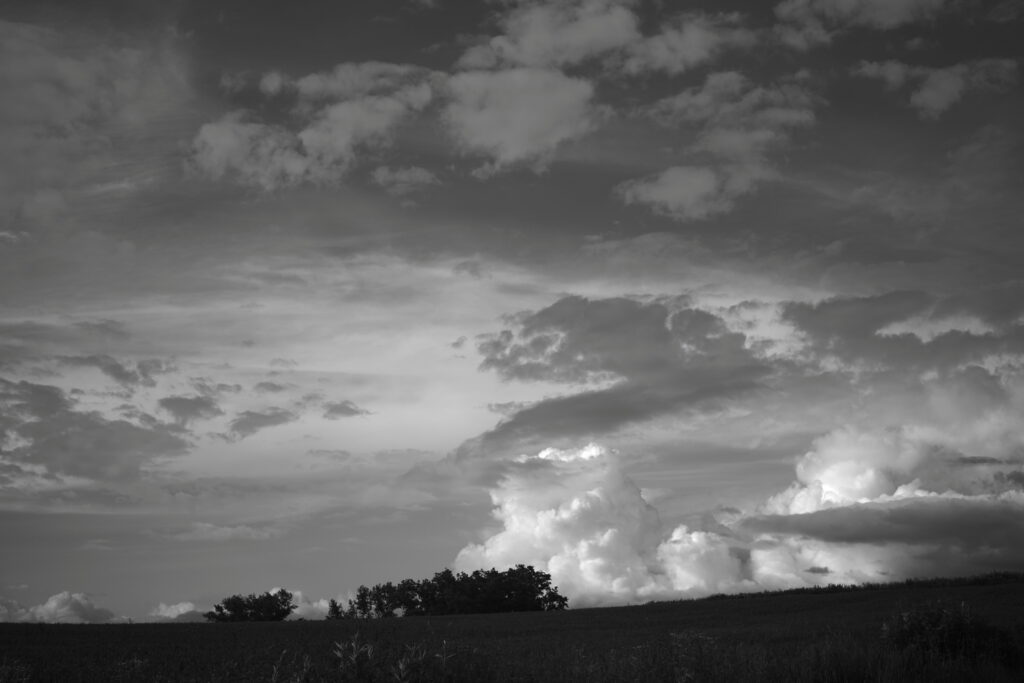
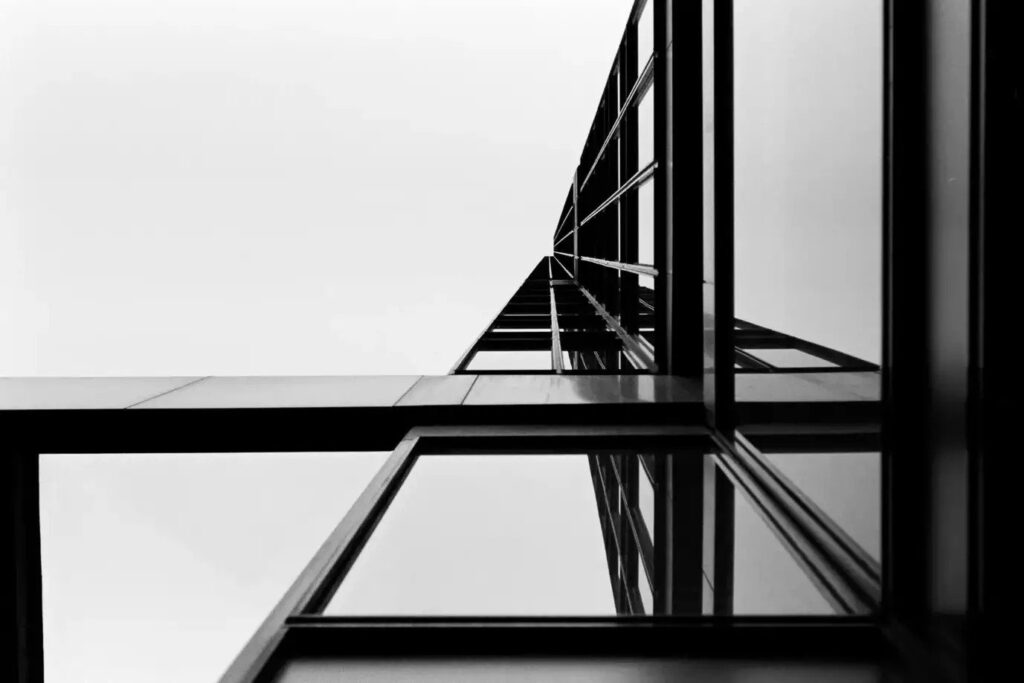
So in this post I’m presenting some 9×6 and 6×6 film scans from my archive that I’ve cropped to either 2.74:1 or 2.35:1 (the ‘narrowest’ of the Cinemascope formats) just to see how they look. I was pleasantly surprised by many of them and am interested to know what others think. I do like the panoramic format, but I guess I’ve just got commitment issues (I know, the Xpan/TX-1 does let you shoot 3:2 if you want, but that doesn’t really solve the problem for me).
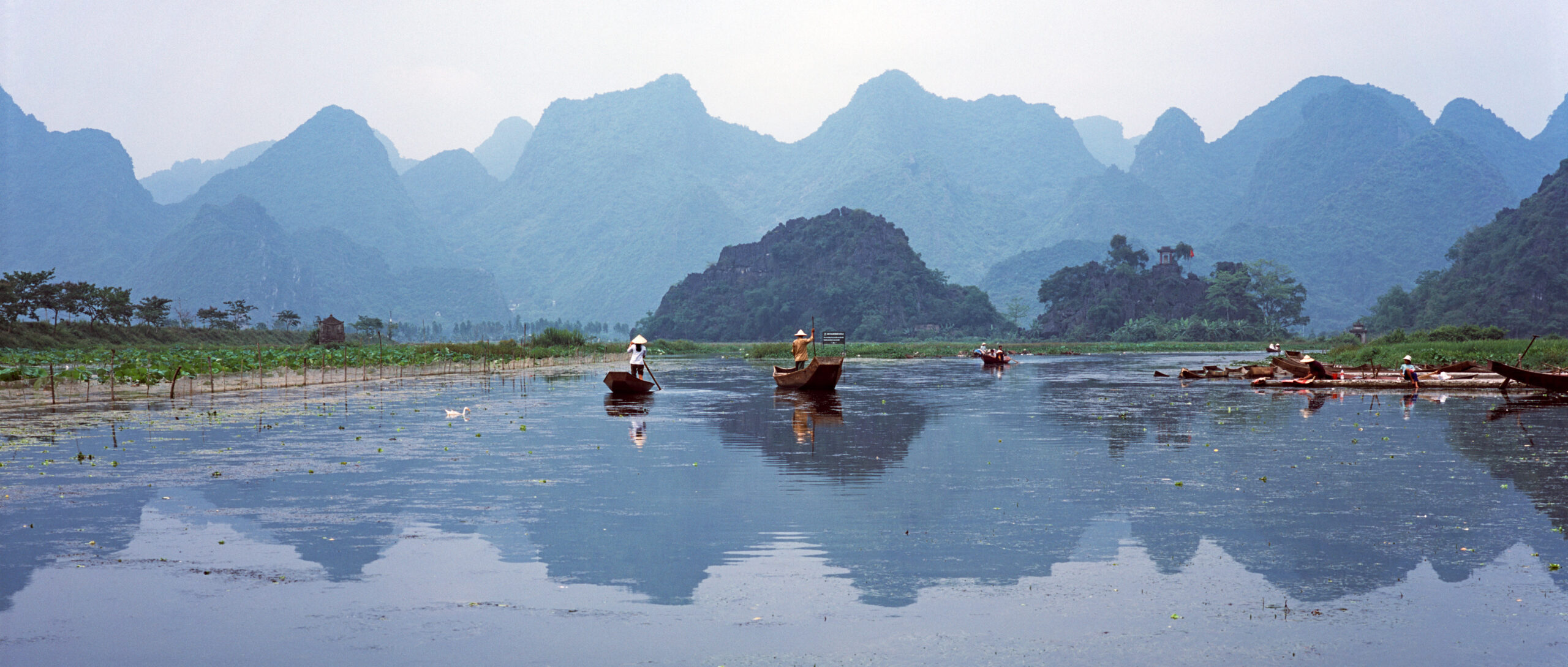
The featured image is from northern Vietnam, made with the Mamiya 6MF and 50mm lens. Fuji transparency film. Cropped at 2.35:1.
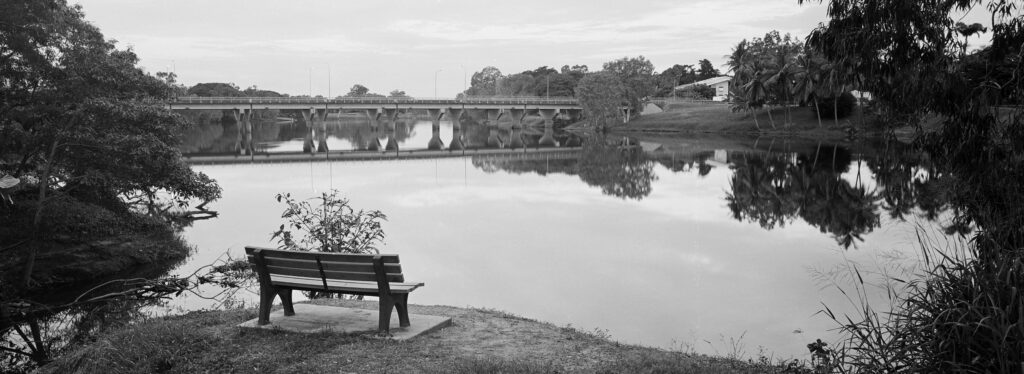
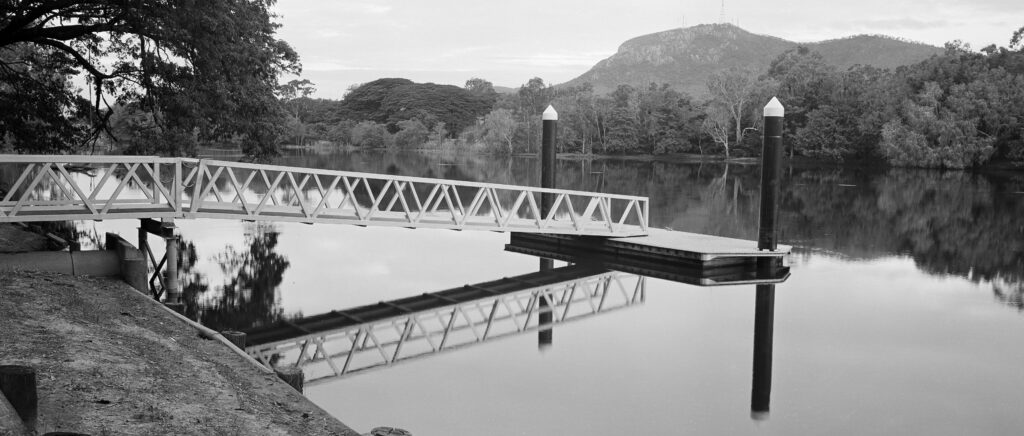
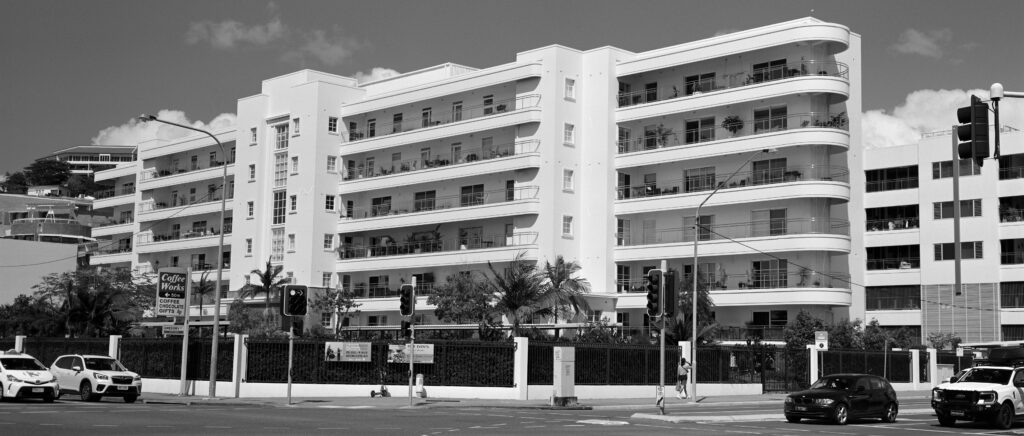
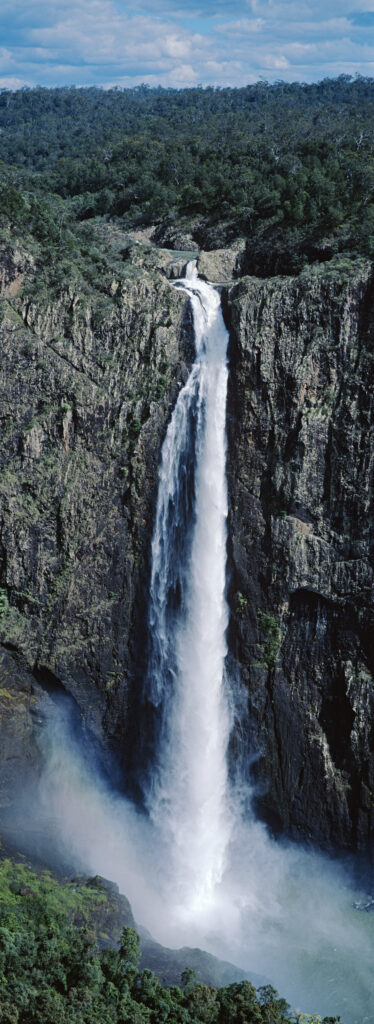
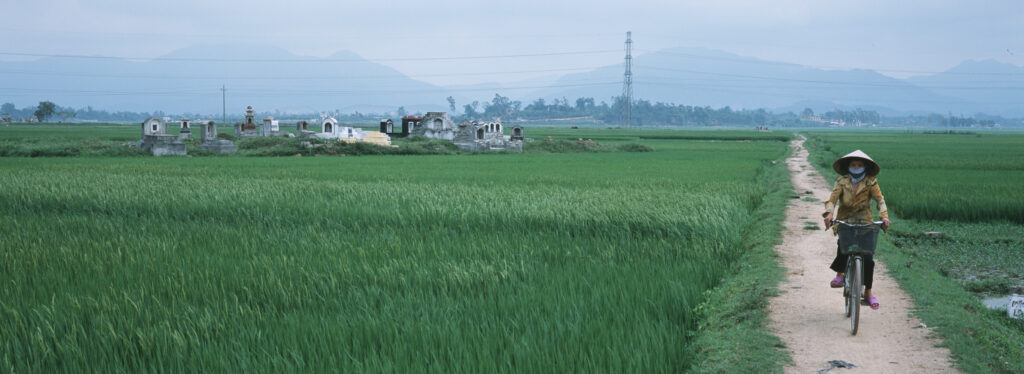
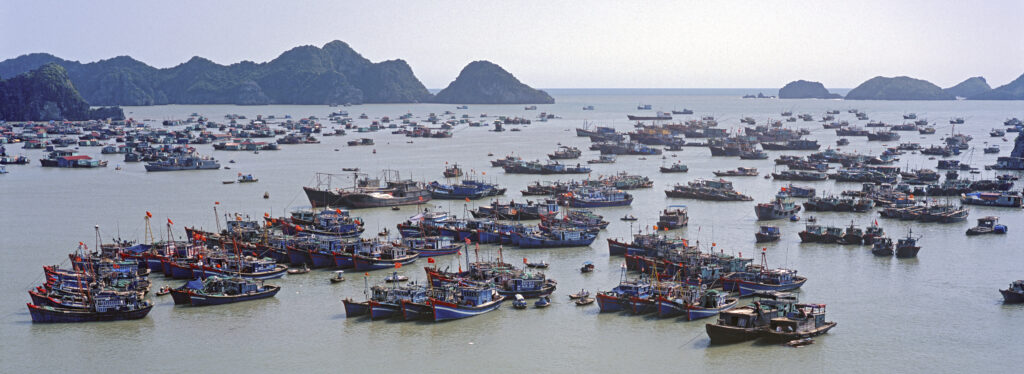
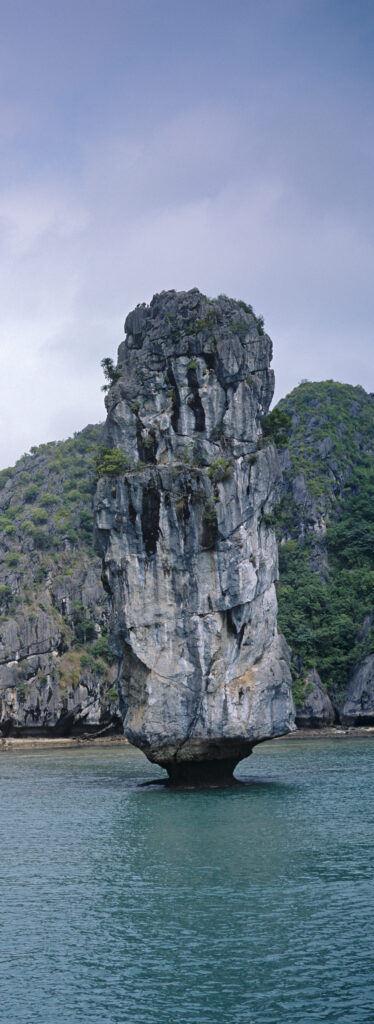
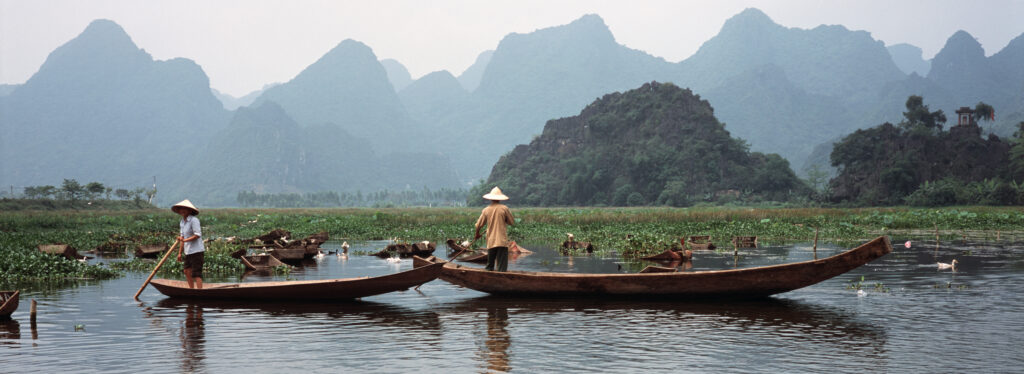
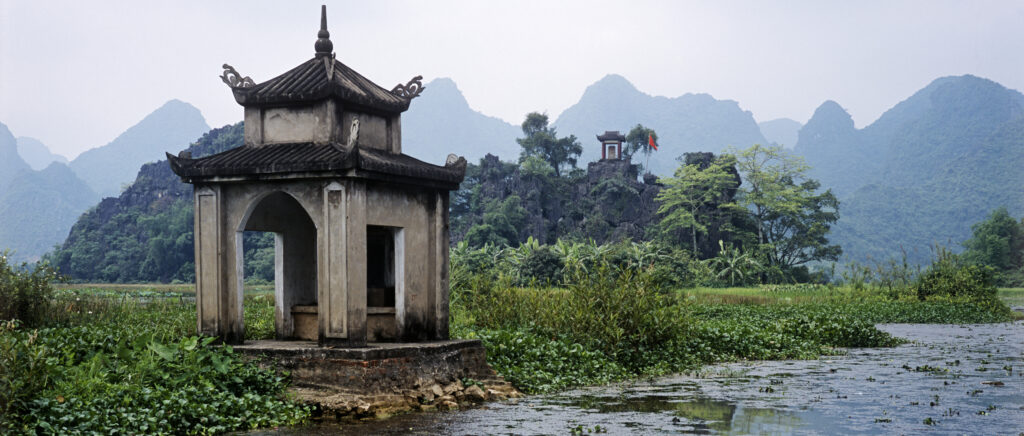
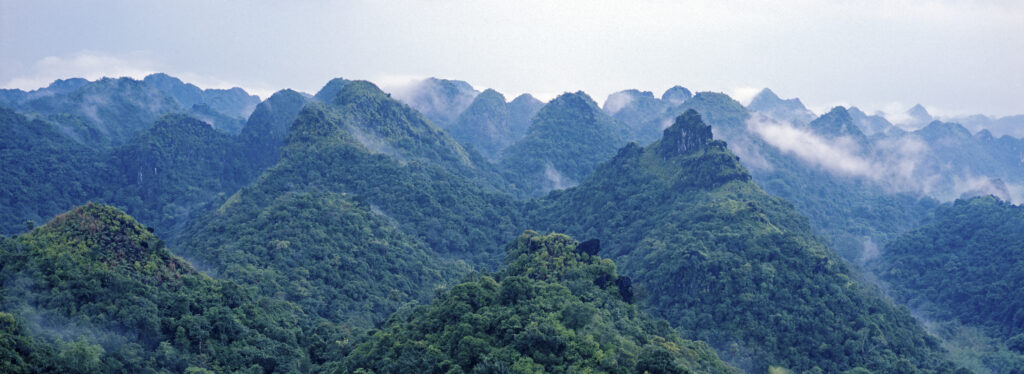
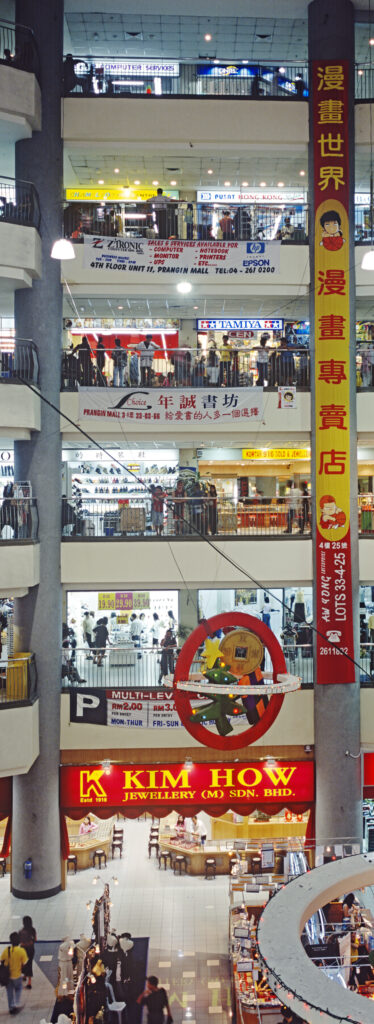
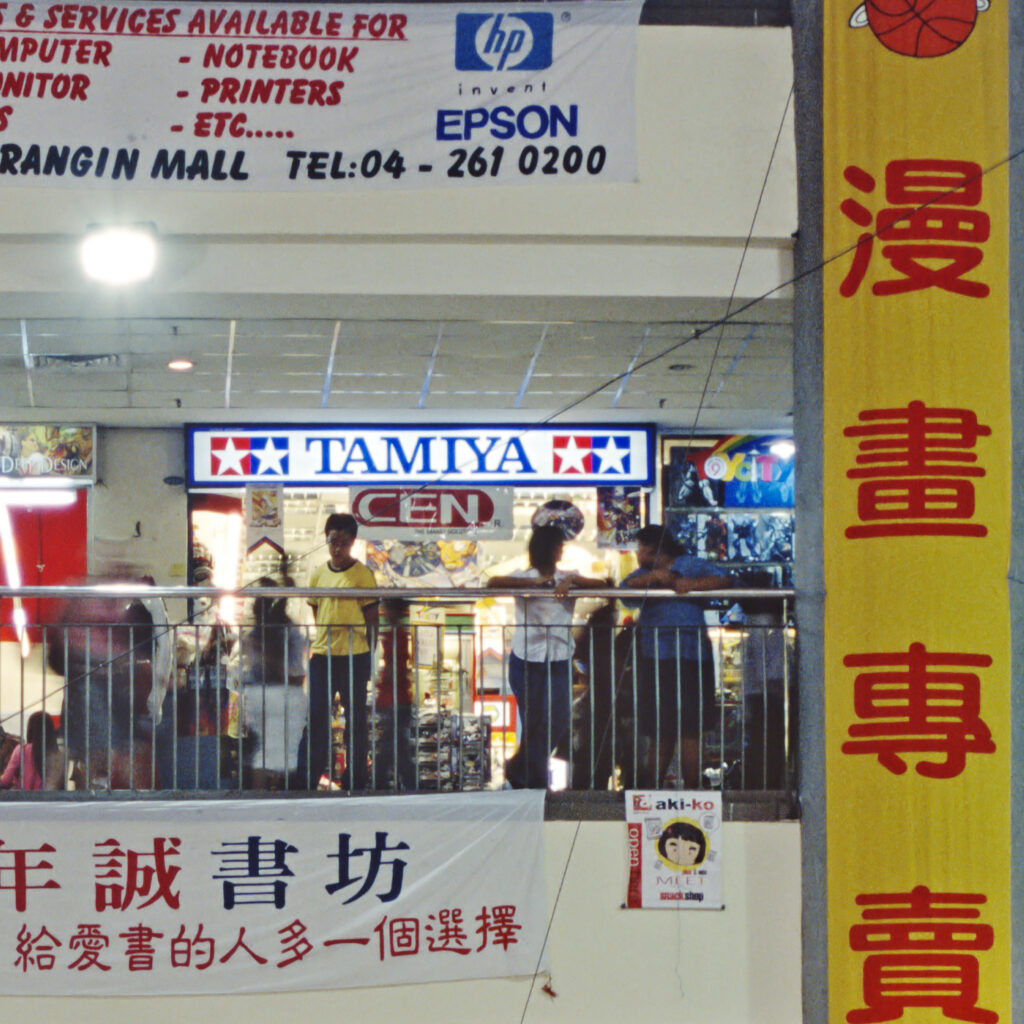
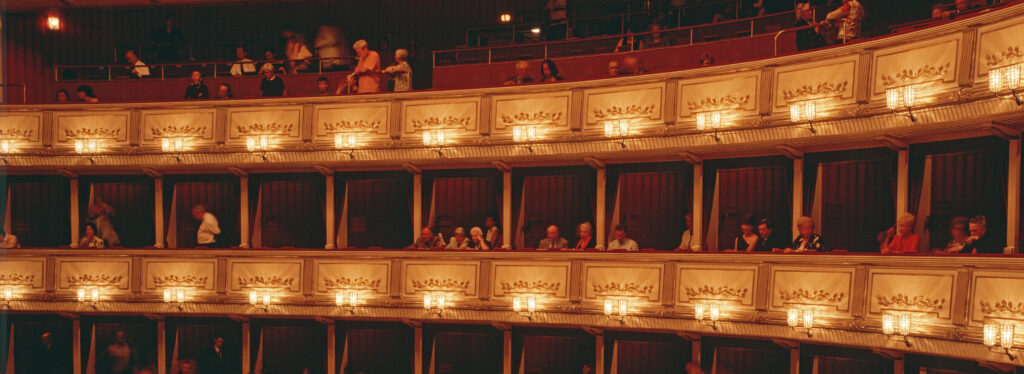

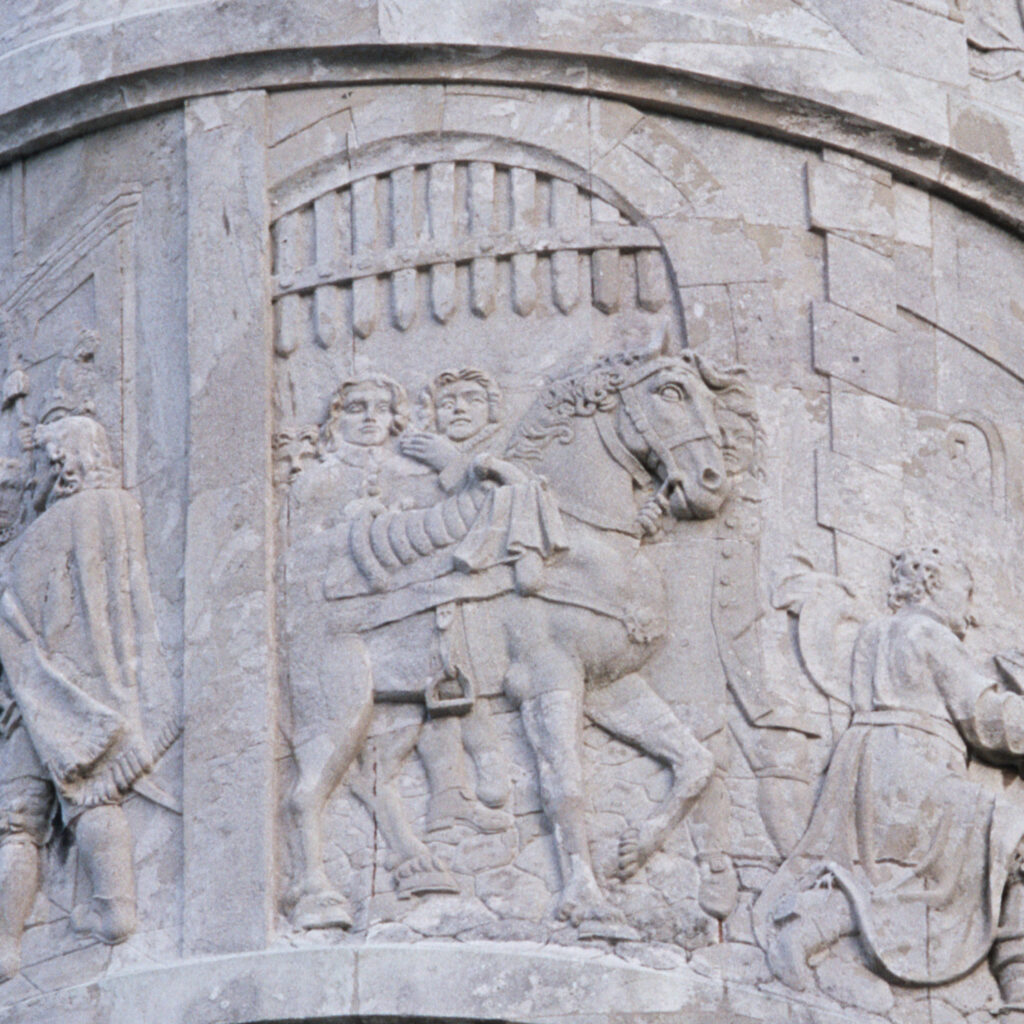
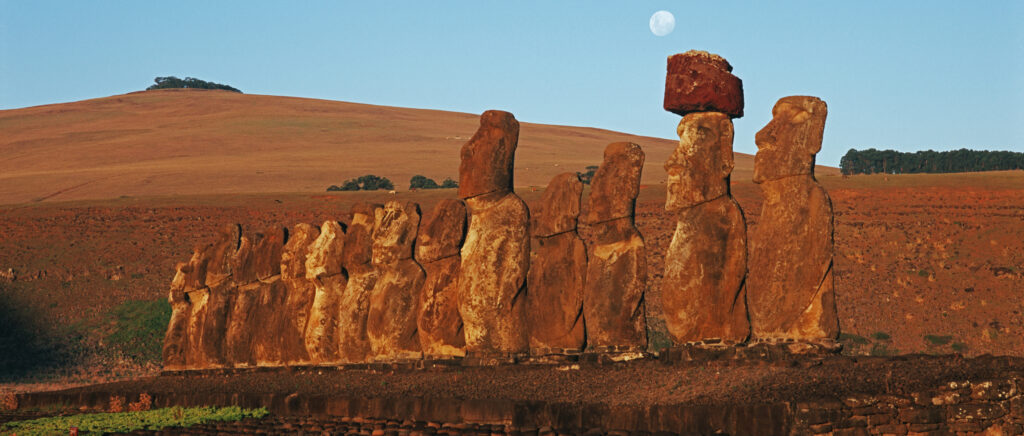
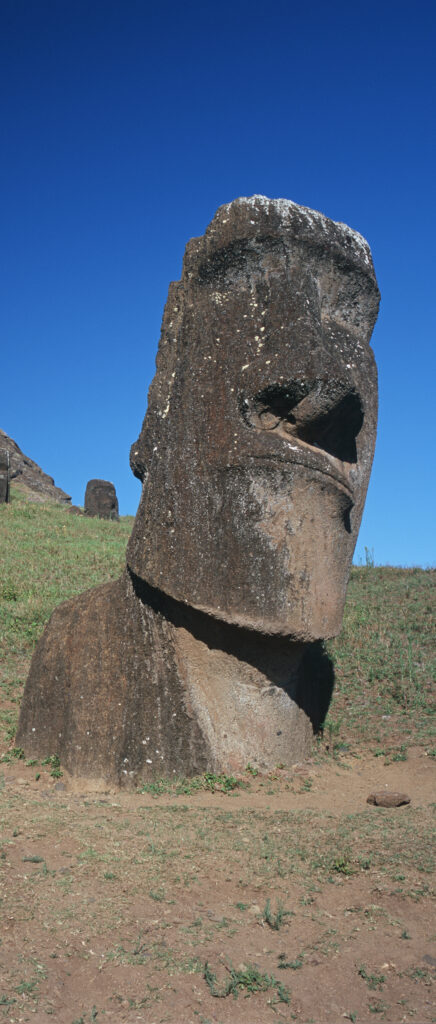
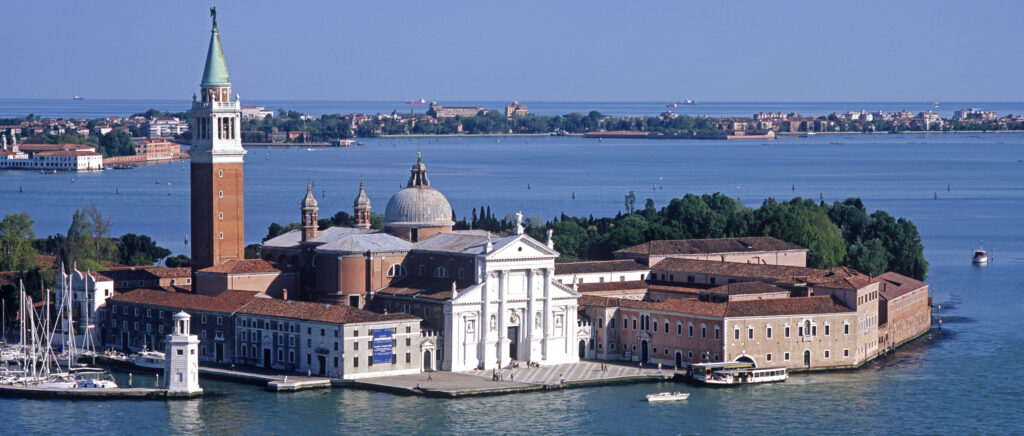

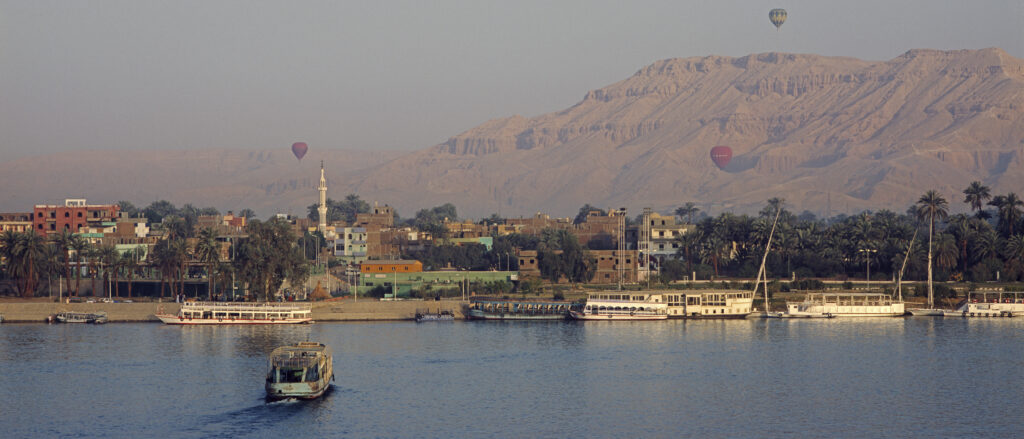
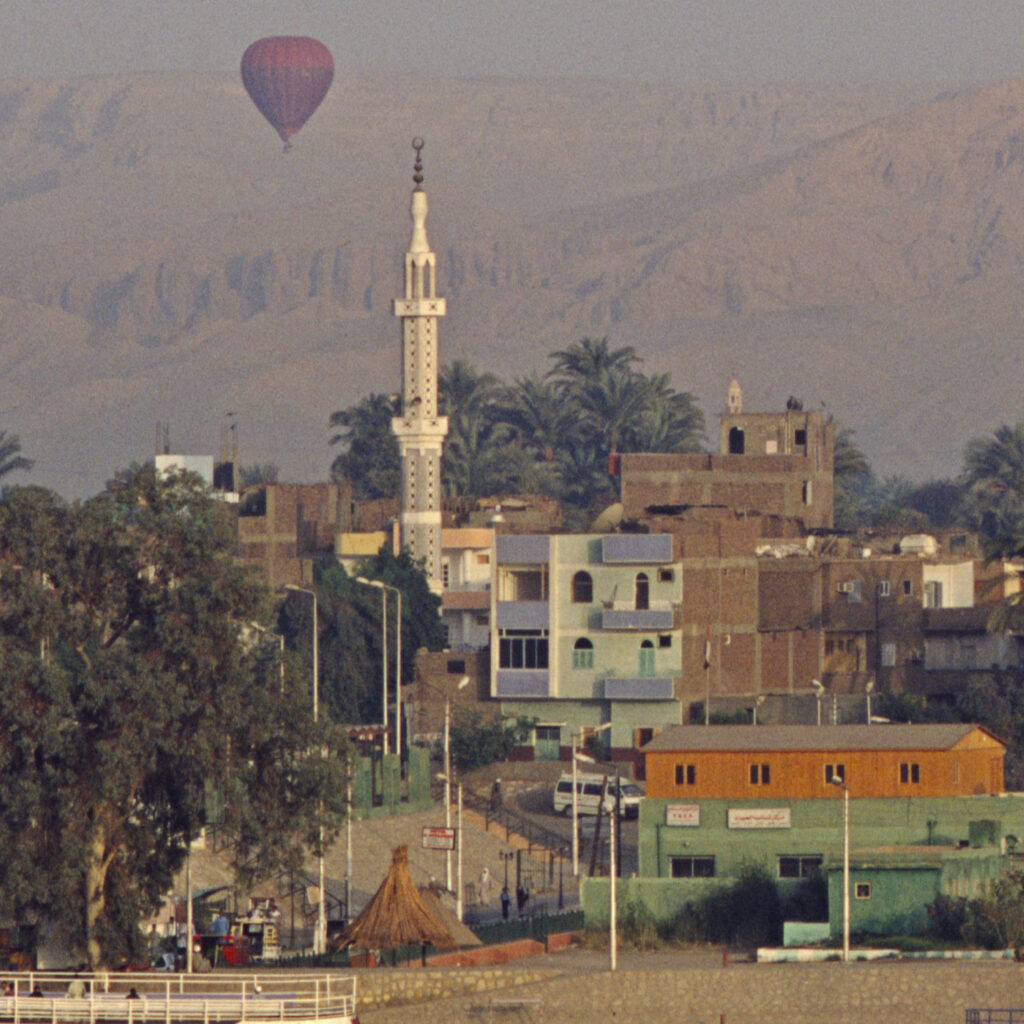
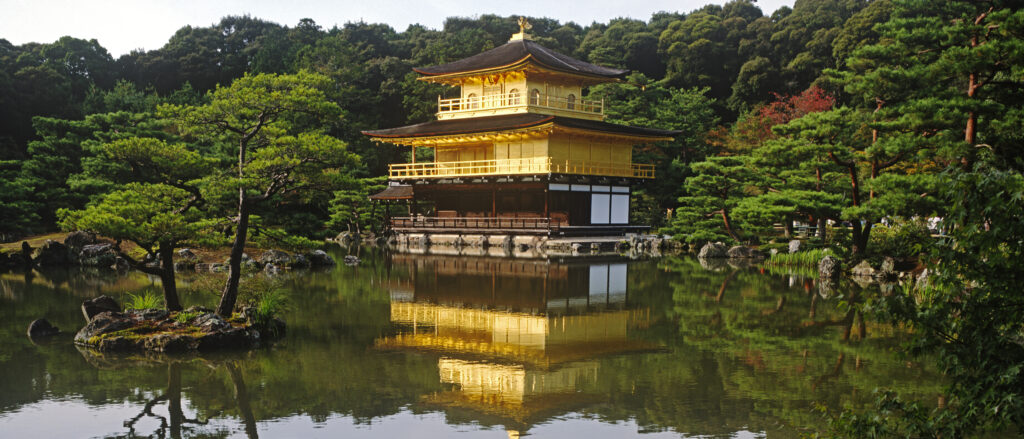
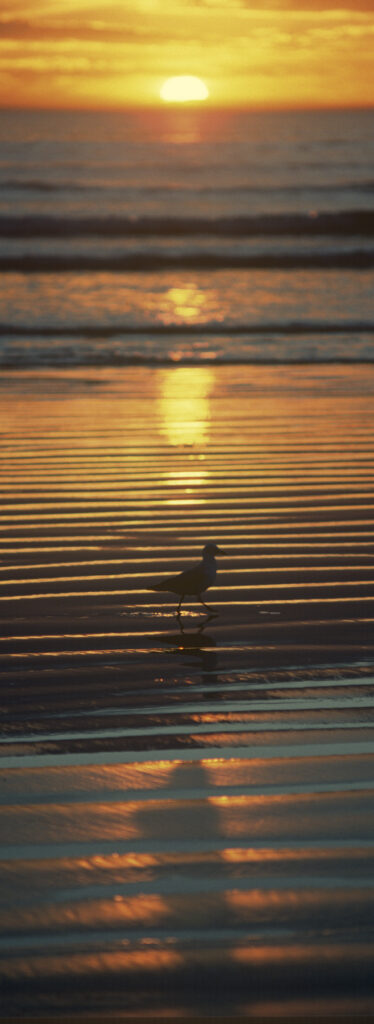
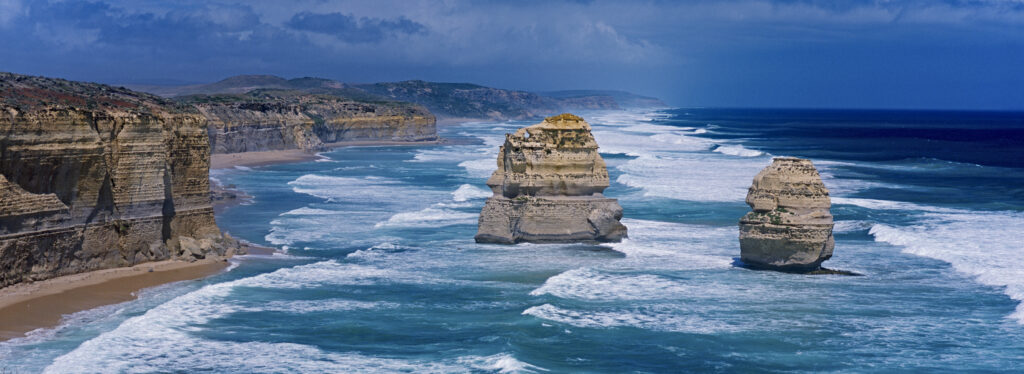
While I quite like most of these panorama crops (wouldn’t post them if I didn’t), plenty of the above images also work fine (for me) in their original (often square) format, or in some cases cropped to other common formats including 3:2, 4:3, 5:4 and even 7:6.
Thanks for reading.
Share this post:

Comments
Ibraar Hussain on Xpan on the Cheap
Comment posted: 26/03/2026
Grrat shots - lovely use of the format and Compositi with the popping colours I like
Even though I disagree with you when you say cropping a 35mm frame doesn’t make a lot of sense (it does to me) thank you for pursuing this as the ridiculous prices of Xpans puts them out of reach to many
Comment posted: 26/03/2026
David Pauley on Xpan on the Cheap
Comment posted: 26/03/2026
Comment posted: 26/03/2026
Colin O'S on Xpan on the Cheap
Comment posted: 26/03/2026
Just a small point - "TX-1" was the Fuji name for the original model that came out in 1998. When the XPan II was released in 2003, Fuji similarly updated their model name to "TX-2".
Comment posted: 26/03/2026
Comment posted: 26/03/2026
Comment posted: 26/03/2026
Erik Brammer on Xpan on the Cheap
Comment posted: 26/03/2026
thanks for sharing this interesting perspective on image perception. Your selection of images does indeed work very well for these panoramic or very tall crops. Using the Shen Hao TFC617-B myself (native 6x17, but I also created masks for 6x12 and even 6x9), what I find attractive is to select the scenes upfront that could work in panoramic format. Cropping in post is something that I personally do rarely either - an occasional 16:9 or 2:1 in case the top or bottom portions of the original image are distracting rather than adding anything.
Cheers,
Erik
Comment posted: 26/03/2026
Scott Ferguson on Xpan on the Cheap
Comment posted: 26/03/2026
Lovely post and especially lovely photos! I'm impressed with the scope of your travels!! Coming out of some recent posts, I've been thinking about some less expensive 'workarounds' to achieve panoramic images without spending a very large amount on an XPan or Fuji equivalent. I was offered a used XPan a year or so ago, and it was tempting, but when I looked into the system I steered away because of the lack of ongoing repairs and maintenance that would turn it into a paperweight sooner or later. Coming into still photography from a cinema background, I was intrigued by the idea of shooting in a panoramic format, so I picked up a 645 back for my Hasselblad 500CM and an XPan viewfinder mask. But I found that I didn't love shooting with the mask on -- one of the visceral pleasures of shooting with a Hasselblad is the giant bright image on the waist level finder, so making it a small rectangle was reducing the quality of the experience. I'm also not sure I think/see in "pano" despite my cinema background. But some of the recent 35mmc posts have rekindled my interest and I've been doing some shots that are framed for 'pano' over the last couple of weeks. I tried the XPan mask at first and found that I still don't like it, but if I see a potential pano photo when I'm out and about, I'll put the 645 back on and just try to center the image top to bottom in a satisfying pano frame and take the shot, and often revert to 645 for the next photo, or even swap backs for a full 6x6 frame if needed. I've been traveling in Iceland this week and will be excited to see how I like the pano frames from this trip, and if they are interesting enough for a 35mmc post, that may be something we see in a month or so.
Cheers,
s
Comment posted: 26/03/2026
Miguel Mendez on Xpan on the Cheap
Comment posted: 26/03/2026
Fue un placer verlas y ver tu perspectiva.
Comment posted: 26/03/2026
Roger on Xpan on the Cheap
Comment posted: 26/03/2026
Comment posted: 26/03/2026
Charles Young on Xpan on the Cheap
Comment posted: 26/03/2026
Chuck
Comment posted: 26/03/2026
Walter Reumkens on Xpan on the Cheap
Comment posted: 26/03/2026
Comment posted: 26/03/2026
Bob on Xpan on the Cheap
Comment posted: 26/03/2026
What does the final aspect ratio end up being when shooting 35mm on a 120 camera like the Mamiya 7?
24x60? Not including sprockets?
Comment posted: 26/03/2026
John Eaton on Xpan on the Cheap
Comment posted: 26/03/2026
Many thanks for your excellent article and magnificent photos, which I loved (and which made me envious of the breadth of your travels!) I've been curious about panorama images and even cropped a few 35mm negatives of Hong Kong harbour in the old days (1980s & 90s, not with great success) -- but now you've now provoked me into looking back through scans of some of my long-ago negatives from my Fuji 690, and maybe I'll even get to take out again! Thanks for the inspiration!
Comment posted: 26/03/2026
Gary Smith on Xpan on the Cheap
Comment posted: 26/03/2026
I did notice that you example shots did seem to span the globe - it's nice to travel!
Thanks!
Comment posted: 26/03/2026
Bradley Newman on Xpan on the Cheap
Comment posted: 26/03/2026
Comment posted: 26/03/2026
Röd White on Xpan on the Cheap
Comment posted: 26/03/2026
I purchased an Easy-35 scanner from Valoi, many years ago which has absolutely transformed my film scanning to a new level. Whilst not a hard and fast rule as you say, a 35mm frame isn’t the best film source for the XPAN crop, but I’ve been put off shooting medium format film as I’d need to go back to my flat-bed scanner which is dreadfully slow and cumbersome and after using the easy-35, I can’t be bothered with it.
For that reason, I’ve preferred to extract 65:24 crops from high res digital files and recently took advantage of the market being flooded with Hasselblad cameras recently after the launch of X2D II, which finally gives me the lovely crop natively.
However, this has just reignited my desire to achieve this crop on film, and medium format is clearly the way to go. I note that Valoi now do an easy-120 scanner but it’s more than double the price of the 35mm version!
Your article has inspired me to shoot my Yashica TLR again and I’m going to try extracting the X-PAN crop. I’ll start with the dreaded flat-bed scanner, or maybe just pay to get the film scanned. I can see that Easy-120 joining my home lab in the near future. It’s just a shame they can’t do it at a more sensible price.
Out of interest, how are you scanning your medium format film?
Comment posted: 26/03/2026
Comment posted: 26/03/2026
Paul Quellin on Xpan on the Cheap
Comment posted: 26/03/2026
Comment posted: 26/03/2026
Alexander Seidler on Xpan on the Cheap
Comment posted: 27/03/2026
should be connected to camera used, and framing should be done "in camera"
But your results speak a lot for cropping in post...
Comment posted: 27/03/2026
Steve Abbott on Xpan on the Cheap
Comment posted: 29/03/2026
Comment posted: 29/03/2026