

It’s got this kind of… mmm…
It’s burn-y, melty… it’s not really a smoky taste…
It’s kind of like this ‘ba-boom! zap!’ kind of taste.
Don’t you think?
– Remy, Ratatouille (2007)
That is what many street photographers are chasing. That moment when an image hits harder than it should, in a way that’s difficult to describe. We have tried many approaches, and over time we learn that many of them simply don’t work.
I once saw another shooter aiming at a piece of graffiti under a bright summer sun for nearly half an hour, waiting for the right person to walk past it. I greeted him, smiled, and walked away. Inside, I laughed. Not at him, but at myself. I had done the same thing countless times before realizing it wasn’t giving me the kind of photograph I was actually looking for.
Decades ago, I learned a golden rule of photojournalism: the photographer should not be part of the scene. The ‘recorder’ should be invisible, letting the story unfold as if no one is watching. I tried that approach with telephoto lenses: big autofocus zooms for fast capturing, and, at the other extreme, tiny sized manual primes meant to minimize my presence.
At the same time, I heard the other argument just as often: a professional street photographer should get close. I’ve seen photojournalists confront their subjects and release the shutter at the exact moment the subject responds. But with privacy becoming increasingly sensitive, even in public spaces, this is far easier said than done. And when getting really close, a common tactic is shoot-and-run. But this approach leans heavily on luck, hoping the subject happens to fall into the right position, with the right gesture and the right expression. I tried it. Most of the results were simply nonsense, not in any artistic way, just fragments that failed to hold together.
So most of the time, I worked carefully. I entered a scene well prepared: pre-setting manual exposure, imagining what might happen and how I would frame it, then approaching quickly and quietly when the timing felt right, trying to capture what looked like a meaningful moment.
Most of those efforts resulted in competent images. Solid. Credible.
But not ‘ba-boom! zap!’
The real surprise came later, during review. Some of the photos that stood out the most, the ones that hit like lightning hitting Remy’s mushroom, were taken almost randomly. Those images shouldn’t have worked, at least not according to any method I trusted.
Looking closer, I can see a few shared conditions among these photos. I’m separated from the subject: the story continues without me, and they don’t know I’m photographing. Nothing is completed: there is no event, no performance, no symbolic meaning. The image remains open: it holds tension, invites imagination, but does not explain itself.
This is usually the point where people argue that a good photograph should have a theme, or at least an idea. I don’t disagree.
But when I try to recall what I was actually doing when those lightning-struck images were made, my memory offers very few clues. At the moment, I probably had just no idea. It usually happened when I was already exhausted by earlier attempts, or in a particular state of mind. In that state, I would see something, think ‘screw it, just do it’, and release the shutter. The thought lasted less than a second, just long enough to act before the scene vanished.
So what, exactly, was I photographing in those moments, without methods or ideas?
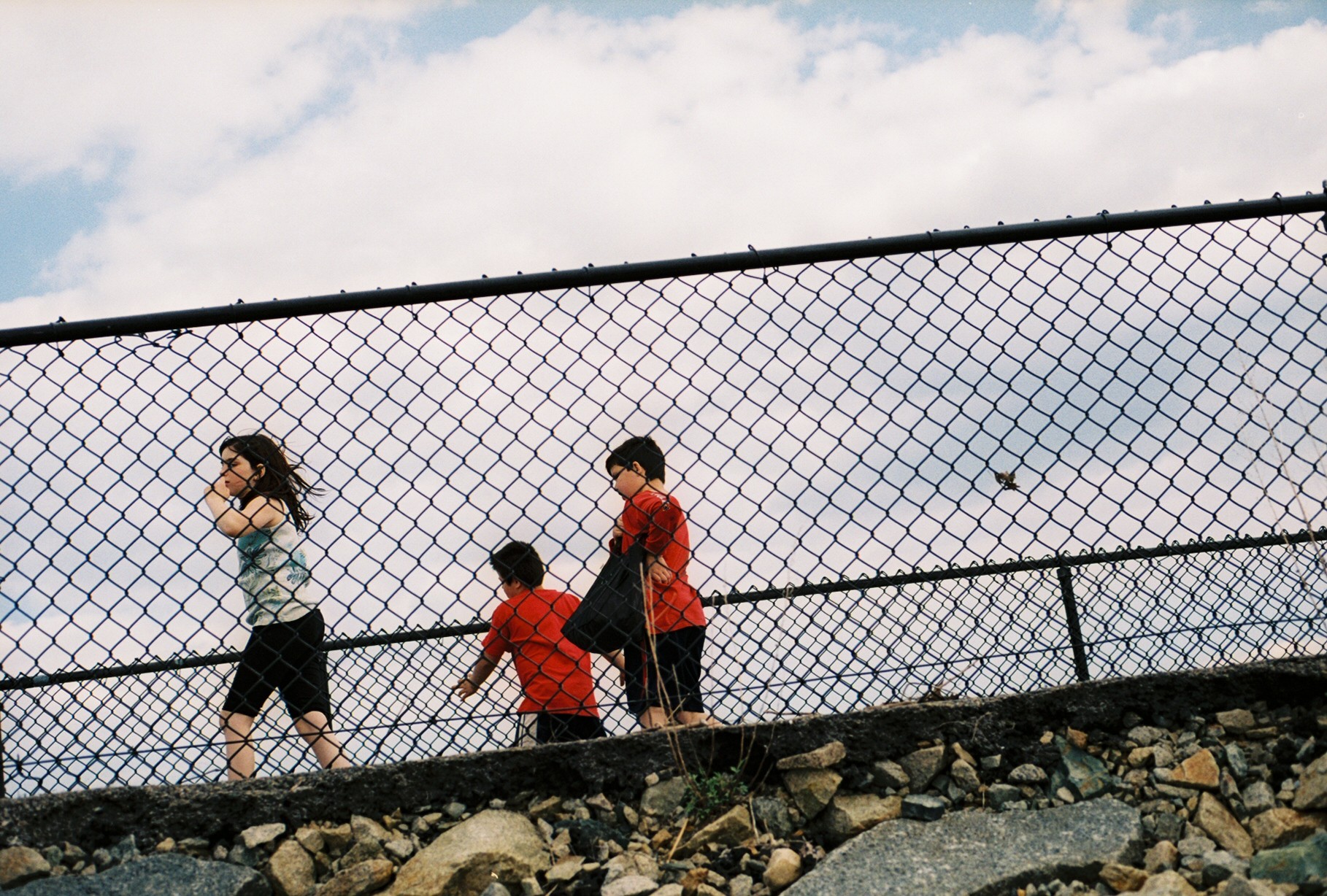
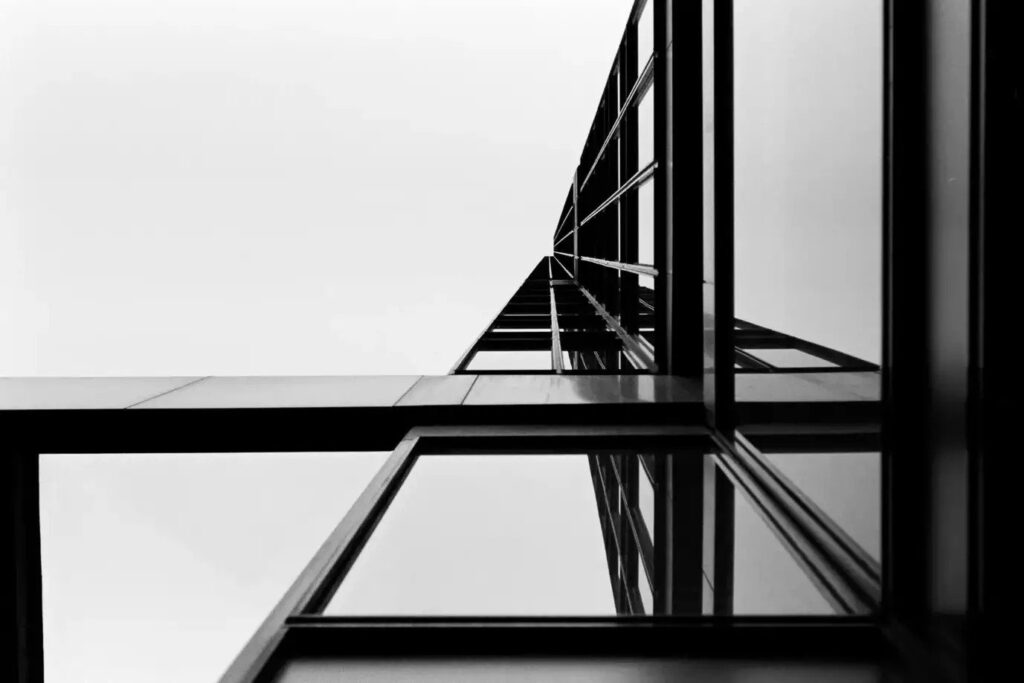
Photograph: South Boston, April 2010
Share this post:


Comments
Art Meripol on Sometimes I Don’t Know What I Was Photographing
Comment posted: 27/01/2026