

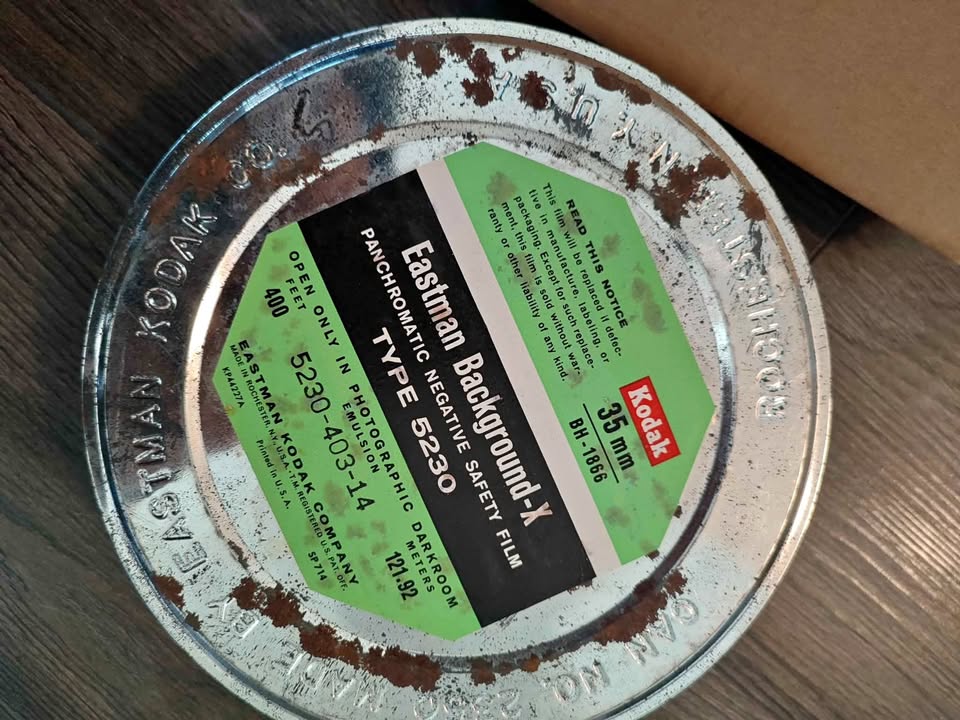
It was in late July this summer when I spotted a curious listing on Facebook Marketplace. The add was captioned “Kodak 5230 bulk film roll” and described simply as, “Black and white motion picture film 35mm format, never opened with original seal. Comes with original box. Can self load with bulk loader“. Included with the add was this picture of the film in its canister.
Three things caught my eye. First was the quite obviously advanced age of the film with the wear and rust evident on the tin; the quantity, some 400 feet; and of course the offering price of just $70 plus postage. Although I was quite suspect of the films usability, the seller said in a brief exchange between us, that he had successfully developed some in D76. No images were offered. What could go wrong? Feeling adventurous I made an offer of $65 including postage to my address. The seller accepted.
The film adventure was to begin.
While awaiting arrival of the film, I searched high and low for any information I could on this “Kodak” but more correctly – Eastman 5230. All I found was a very brief reference to it on a website of archival Eastman Kodak films. It seems that Eastman Background-X Panchromatic Negative Safety Film Type 5230 was manufactured in the early 1960’s and was replaced by mid decade. I wasn’t feeling optimistic that it would produce any usable images – despite what the vendor had told me. The film was nearly as old as I was! It wasn’t until a number of days later when the film arrived that I was able to gather a little more information. The original paper box arrived with the tin film canister in it. Its age showing as well, as pictured below. Note the reference on the label to R.C.A.F. a reference to the Royal Canadian Air Force. Perhaps it had been used as a stock in surveillance work? Aerial photography?
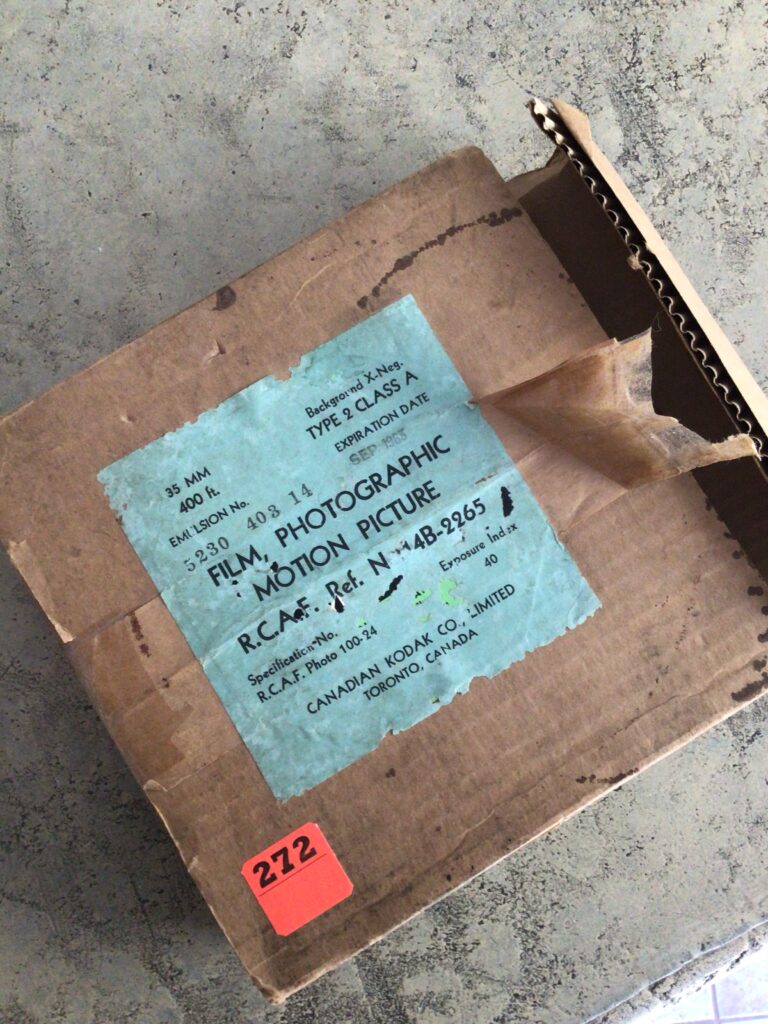
I had found through one on-line source that the film was rated at EI 40 which was confirmed on the old cardboard box. EI is an exposure index and apparently doesn’t readily convert to ISO. It’s a rating used in cinematography. As far as what I’d read, the relationship between EI and ISO was either equivalent; that ISO was one stop faster than EI; or that EI is just a suggested speed and very much dependent on the situation and the desired effect one wanted. So with a rather vague notion that this was a low speed film, I started my experimentation with ratings between 12 and 40 ISO.
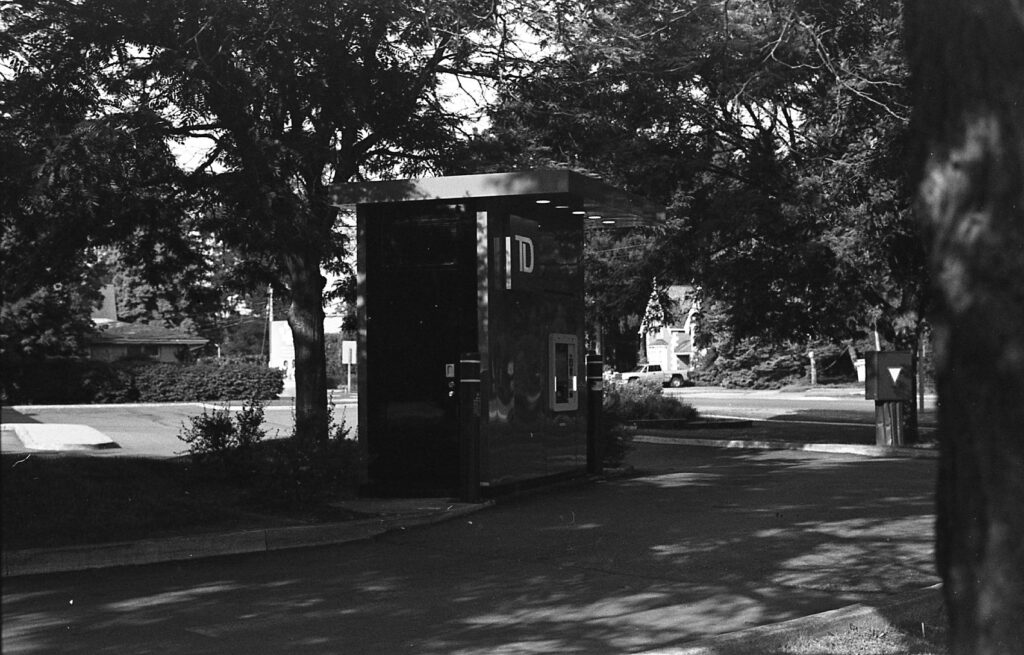
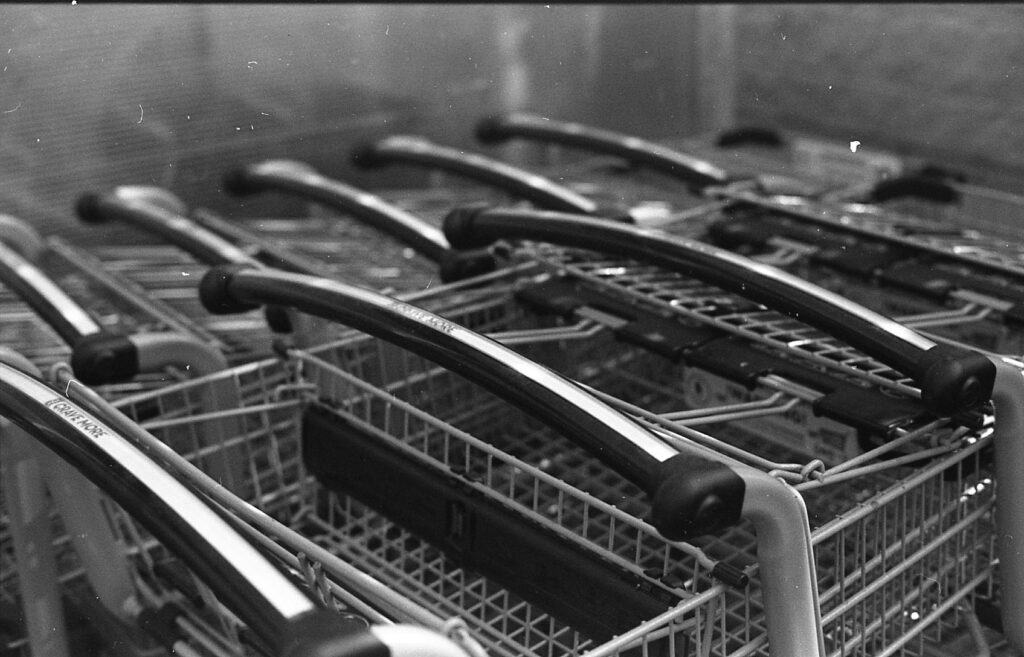
I bulk loaded several rolls to play with. I took ten images shot at 40 ISO and developed five of them in HC 110 ‘B’ for four minutes and the other five for six minutes. Both batches appeared under exposed, as shown in the two following images below. The negatives appeared very thin and with too much contrast. I was otherwise encouraged. There were actual images captured on the film. There was a good level of detail. Apparently quite fine grain and little apparent physical film degradation. I was on the right track it seems.
Next, I loaded a roll of 25 exposures and shot them at ISO 12, 20, 25 and 32. I developed these for five minutes in HC 110 ‘B’.
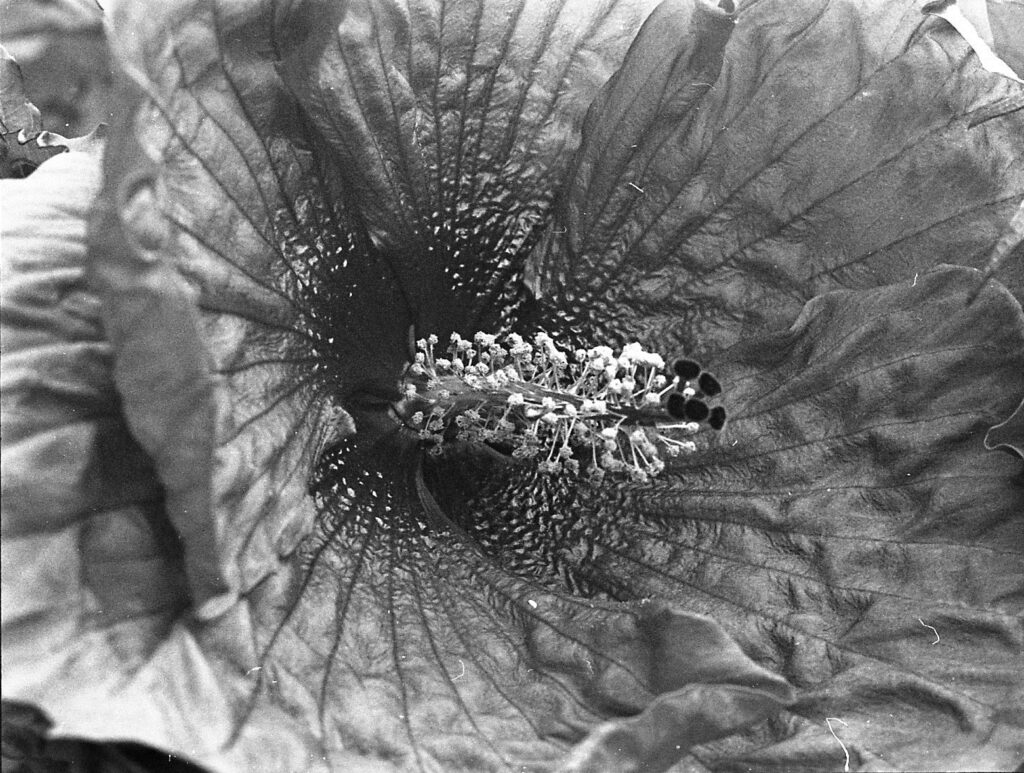
Better! For instance, this one was at 25 ISO taken with a Nikkor Micro 55mm mounted on my Nikon FE. Note the fine grain and detail.
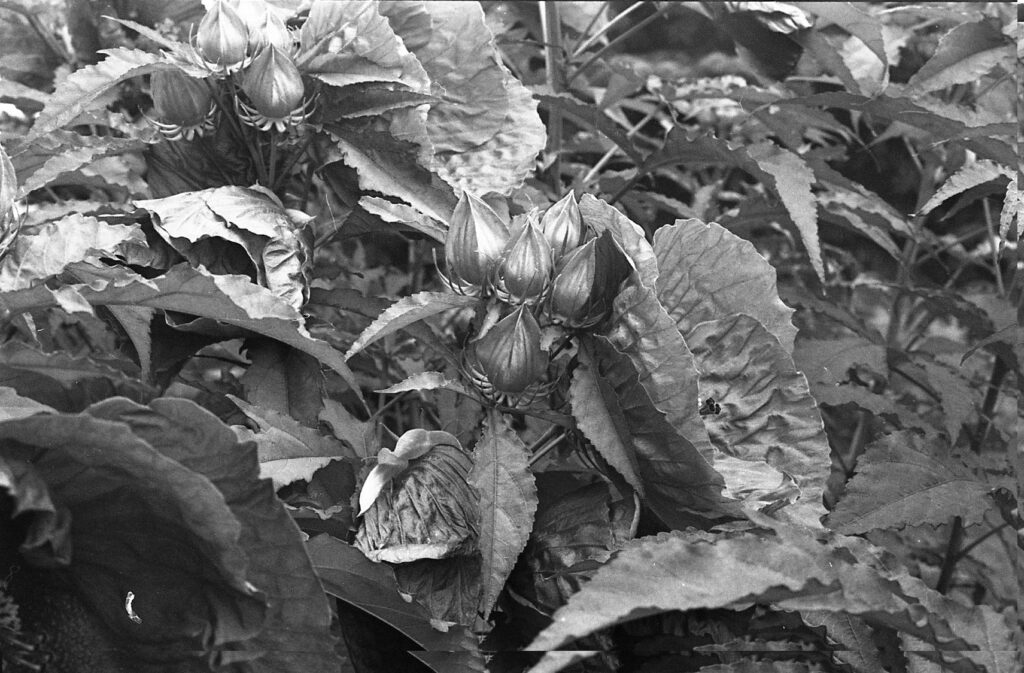
And this one shot at ISO 12.
I thought that perhaps stand development might be another option I could explore. The next batch were shot at ISO 32 once again on the Nikon FE and semi-stand developed in HC 110 (1:100) for an hour. I found the negatives to lack much contrast and for the first time for me, the stand development process led to bromide drag. I’ve not seen bromide drag on any other films I’ve developed this way. You can see it in the following shots, “dragging” from the top of the frames. It’s much more evident in the dark areas and much less so in the highlights.
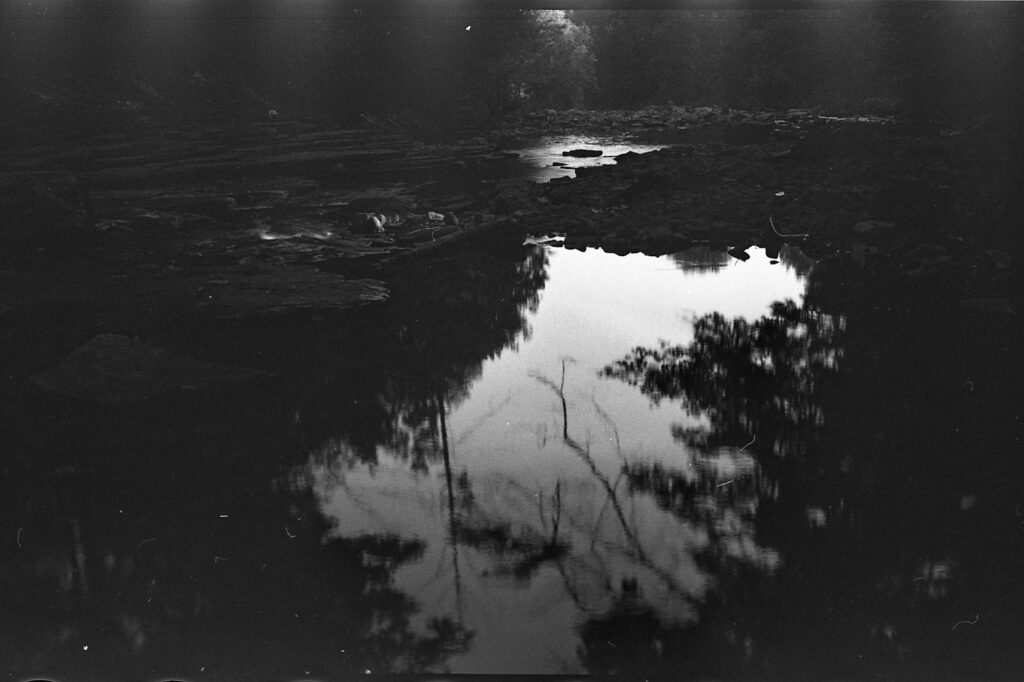
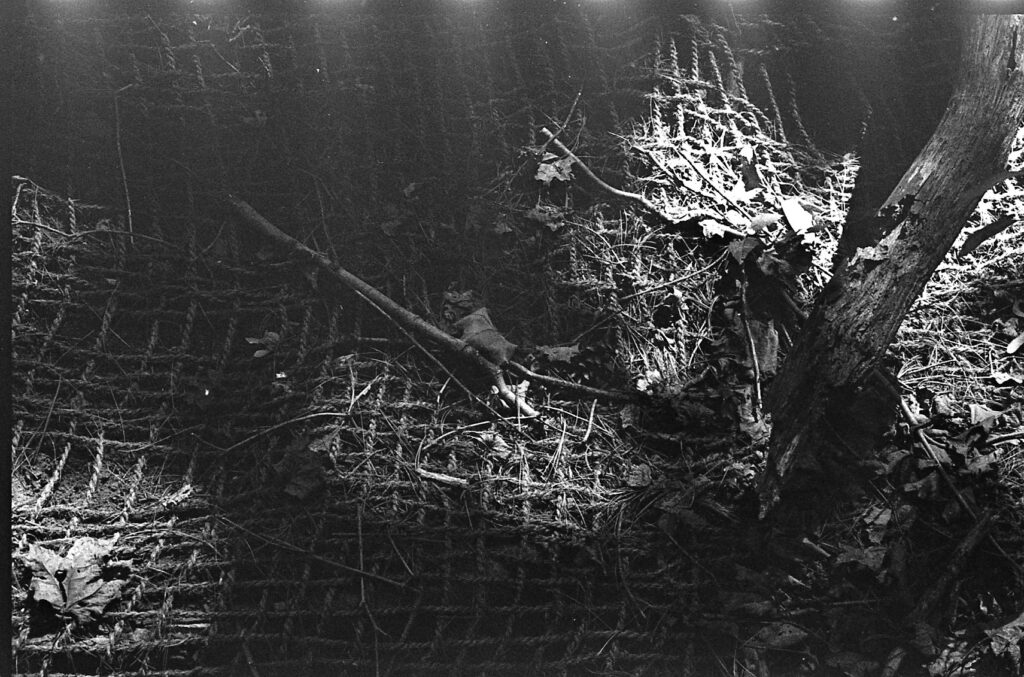
I hadn’t given up quite yet on stand developing this film. Next I tried a pre-wash of the film for about four minutes and then developing, but this time with a dilution of 1:120 and with more frequent agitation in an attempt to mitigate the bromide drag. I agitated with two inversions each 15 minutes. I got better results – to a point – with images like this.
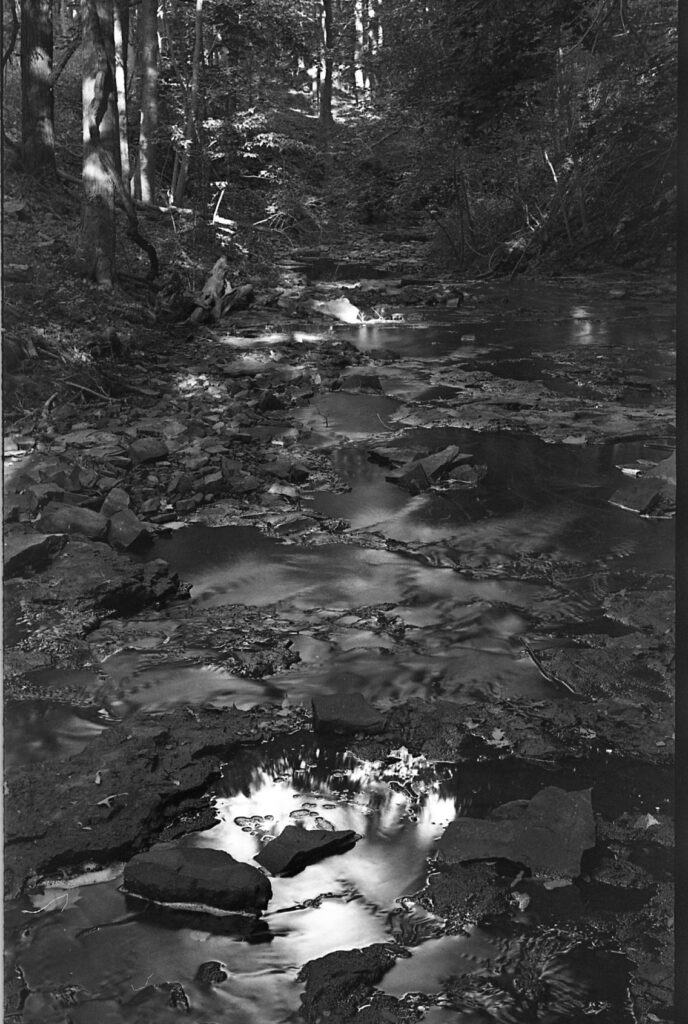
Other frames on the same roll still showed some bromide drag. It was evident the stand developing wasn’t the answer here. Back to the drawing board and back to a standard dilution of HC 110.
It was late September now. A time when I usually become more active with my photography. I was getting close figuring this film out. I knew I had a hold of a really nice film in the Eastman 5230 and was determined to get the most out of it. I loaded yet another home rolled batch, this time into my Nikon FM2. I set the ISO to 25 and once again mounted the Nikkor 55mm Micro, and both 24mm and 28mm wide angle lenses. It was HC 110 ‘B’ for six minutes and agitating five times each thirty seconds. It was kind of a Eureka moment! Look here.
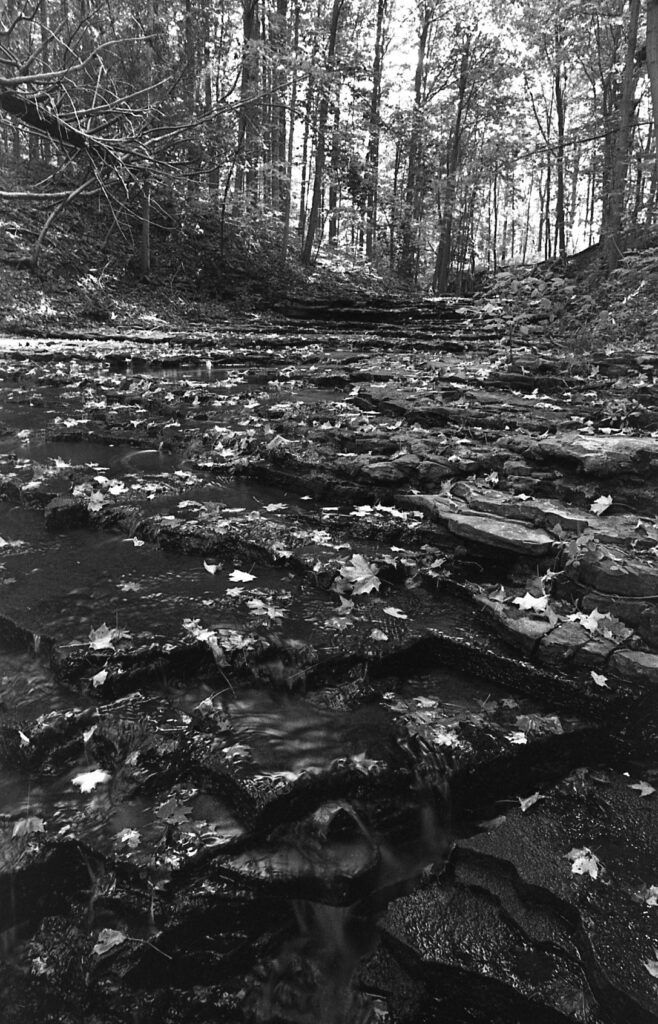
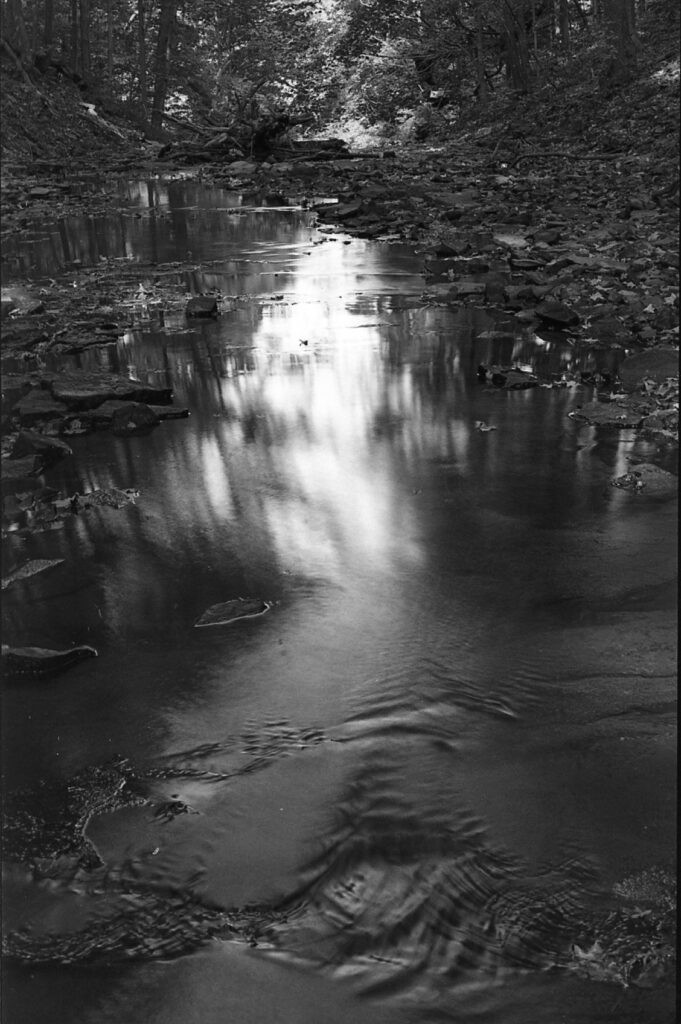
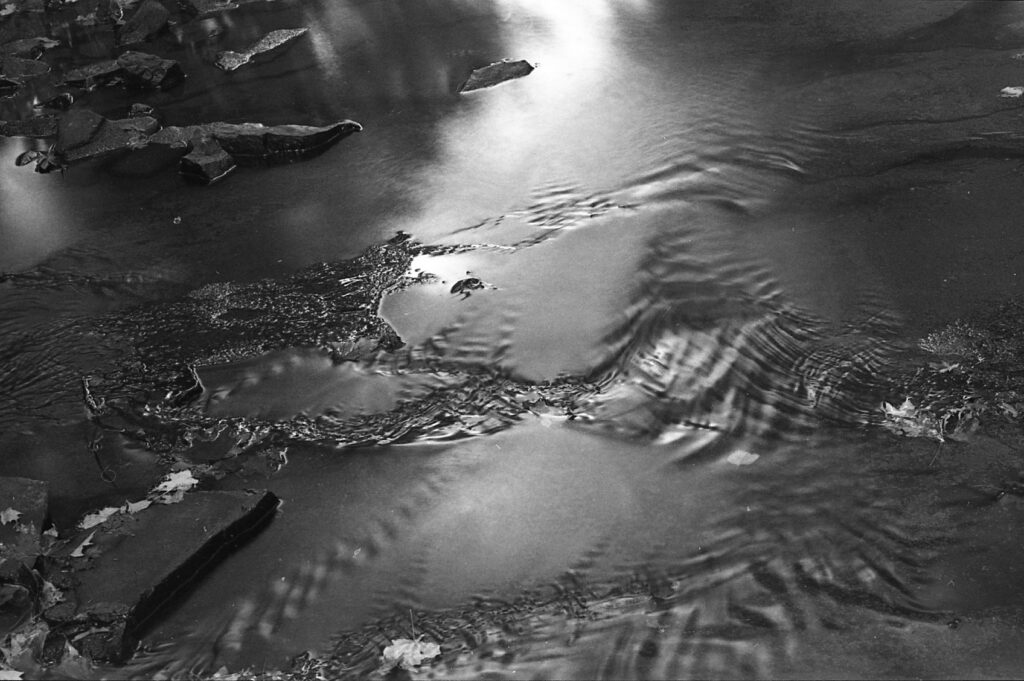
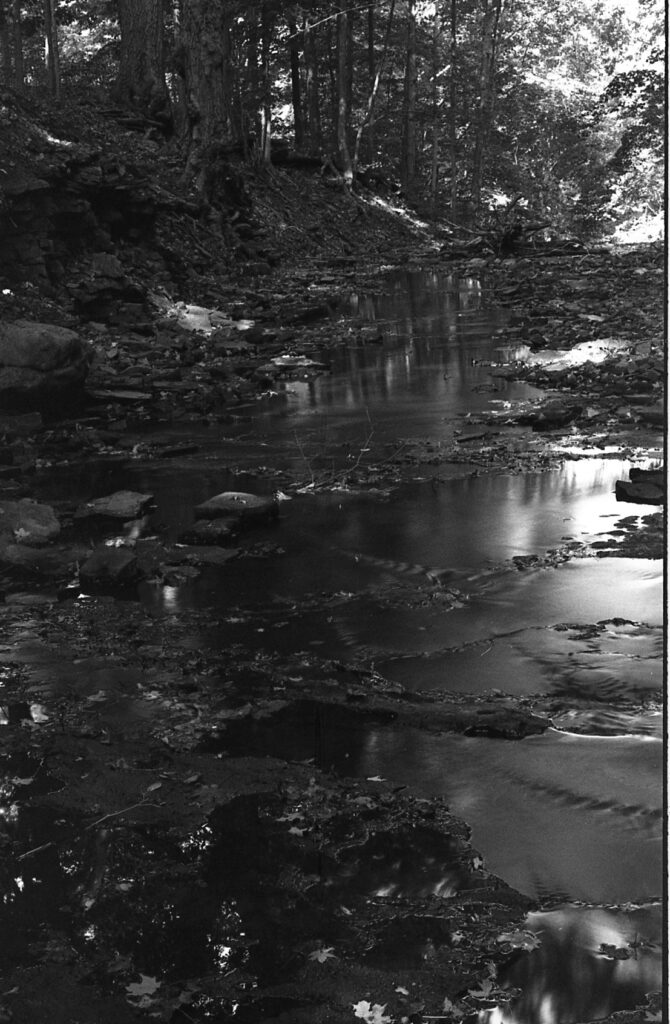
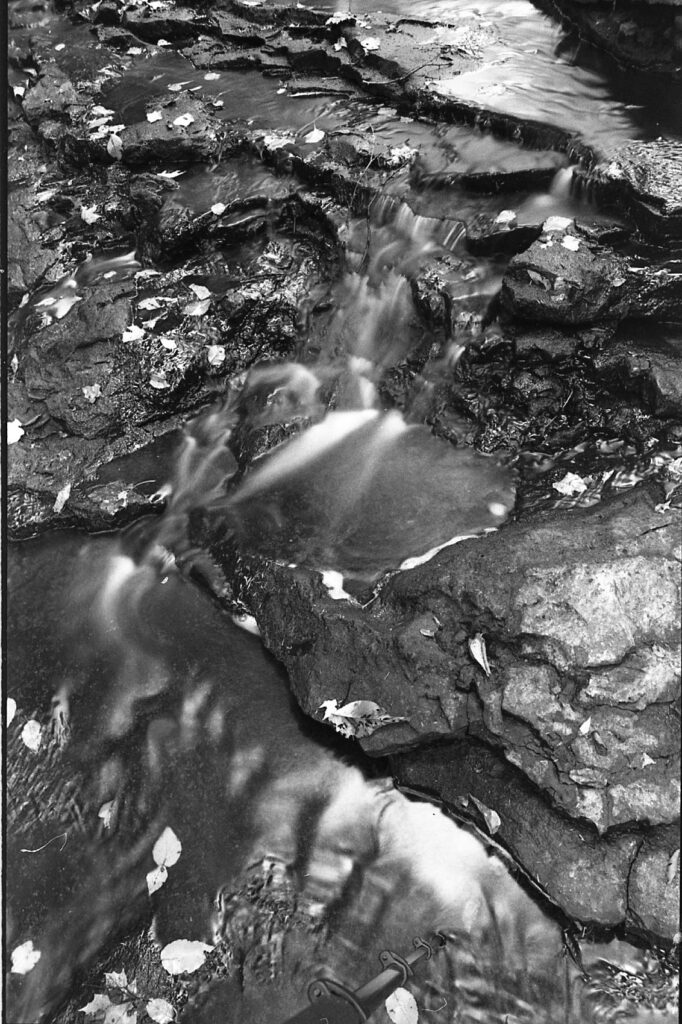
For me, this film exhibits pretty decent latitude. I got some nice results rating the film at 12 ISO and up to 40. The sweet spot seems to be around 25 ISO for me. HC 110 ‘B” works very nicely. I’m sure there are other developers that may work as well or better.
It seems to my eye, this old film resembles somewhat, the results I get with the modern Eastman Double X 5222. This Eastman 5230 though is more smooth and with finer grain. I only have about another 390 feet of the stuff! I better be careful how I use it!
I took a bit of a flyer buying this film. Being over sixty years old; storage unknown, the likelihood of it being useable was rather slim. In my experience, lower ISO films age much better than faster films. I got lucky.
I think I’ll play with it next in Photographers Formulary PMK, and I’d like to see how it performs in brighter conditions. In the meantime, I think I have a winning combination here! Isn’t analog photography the best?
Share this post:

Comments
M on Kodak Eastman 5230 – The Time(s) I Shot This Curious Eastman Background Film
Comment posted: 29/12/2025
You've got 70+ 36 exp films to play with at under a dollar a throw! The bargain of 2025. Enjoy and have fun
andy hertig on Kodak Eastman 5230 – The Time(s) I Shot This Curious Eastman Background Film
Comment posted: 29/12/2025
a really great article about this old film. I always find it fascinating that such old films still deliver such good results.
Thank you very much and Happy New Year, Andy
instagram.com/f16.ch
Eugene de Bruin on Kodak Eastman 5230 – The Time(s) I Shot This Curious Eastman Background Film
Comment posted: 29/12/2025