

Ever since I can remember my Granda used to say goodbye in the same manner. Whether I was to see him tomorrow or a year from then I got the same response each time.
See you for Sunday dinner? (This being a Saturday night.)
Yes, all being well.
He never took next time as a given, and I teased him about it relentlessly. Jeez Granda how can you be so morbid, you don’t think you’ll make it to Tuesday? The problem is with such a statement is that the sayer will have the right of it in the end. Or so he thought.
In the summer of 2022 I had taken a trip home (I’d moved away from Ireland years back) at the end of which we had performed our usual ritual. A few days after leaving I got a call that he had been admitted to hospital. When I learned he had weeks to live I booked a flight home.
I felt like a herald of doom as I walked into that ward, and we both knew that there would be no next time. We’d have to think of something different to say.
I spent a week with him, visiting the hospital for hours at a time each day. I fed him, shaved his face, combed his hair and tried to decipher what he was saying as his speech deteriorated. We watched Father Ted and talked when we could. Throughout that week I remember him thinking that my step-dad having to work the night shift was greatest injustice in the world.
The day I left we sat mostly in silence watching the clock. What do you talk about when your last time together is measured in minutes? When the time came my Gran replaced me in the room. Go, he said, and I did. I lingered in the hall looking back, he clenching his fist, he raised his voice to get the word out. Strong.
Photography differentiates itself from other art forms in it’s ability to capture a place and time. This ability is so strong that it can capture the absence of something. A place and time where something has been lost.
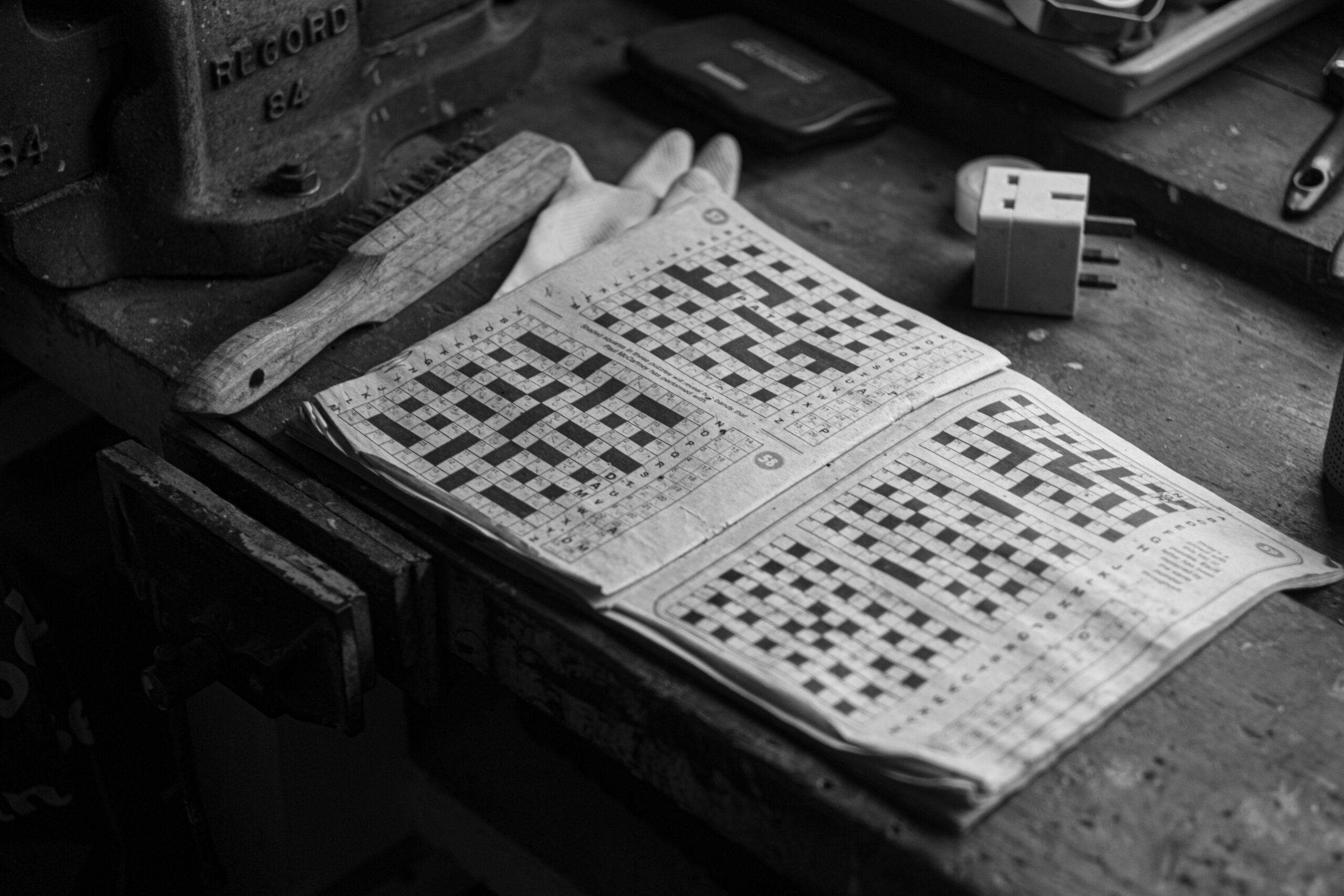
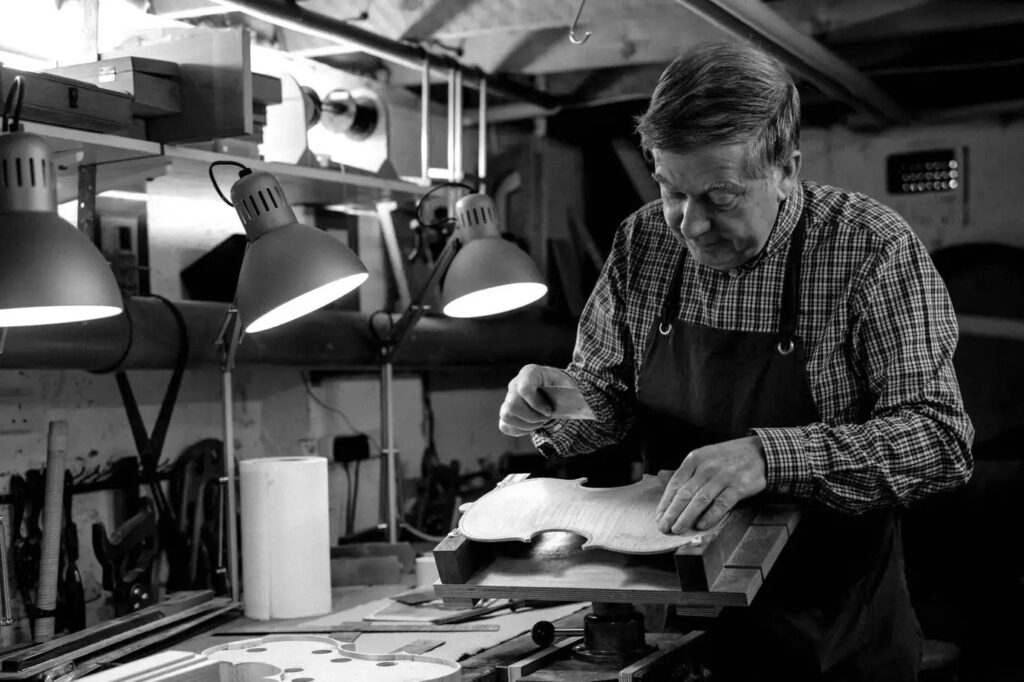
This place was his place, frozen in time as if he were coming back to it. His workbench overlooks the garden through barred windows which he’d installed to save them from our wayward footballs. His garage is full of tools, and knick-knacks acquired from the center aisle in Lidls. His wood-burning stove is still lit daily with a little kettle set on top brewing away.
I took this photo two years after he passed. Technically this photo isn’t perfect; hand-held in low light, I missed the focus by setting my aperture too wide. And that’s perfectly okay.
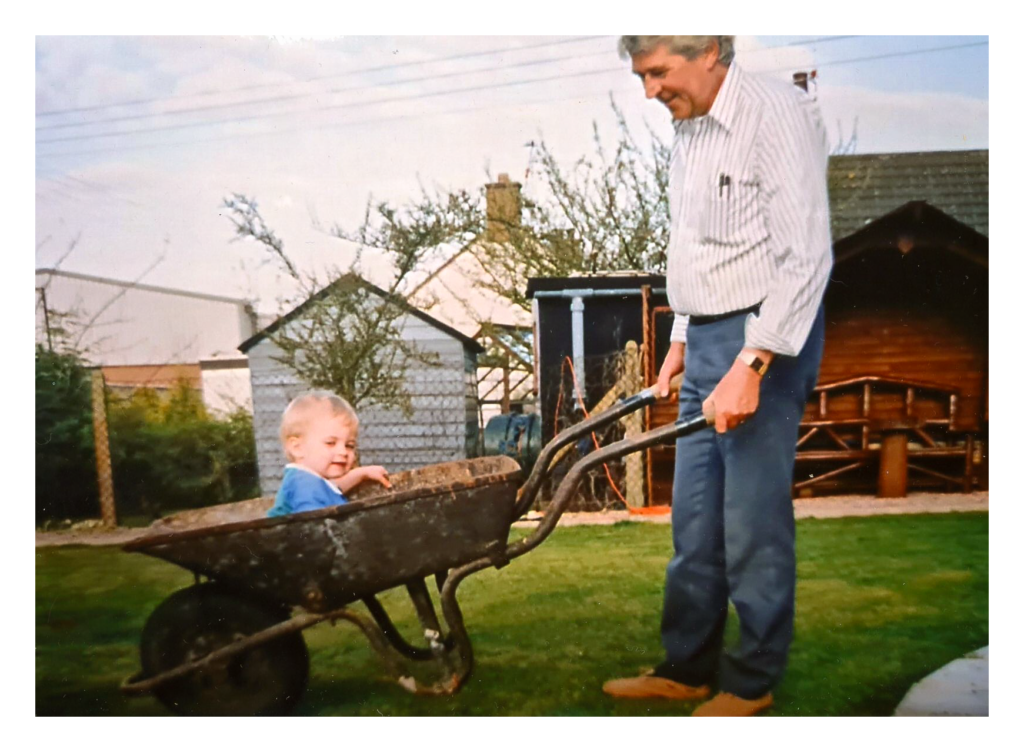
His name was Jim Sibbett and I still think about him a lot. A few years before he died he confessed that he felt like he had never amounted to anything, that he had never done anything with his life. It was a dark moment for him, full of frustration from losing much of his mobility following a stroke. Those words have stuck with me; he took nothing for granted except himself.
Growing up he brought my brother and me to school every morning without fail and picked us up in the afternoon before going to manage the late shift at a crisp factory which I’ll not name but you can probably deduce. Several former coworkers came to see him, by this point he had been retired 15 years. They talked about old times, and shared with us how he used to throw the best Christmas parties. On those nights he would cover the factory floor in case anyone higher up came snooping while they ate, drank and danced to the radio. They laughed about how he would take the odd loose brick from the castle which he used to pave the walk in his front garden.
To have inspired such love and loyalty from the people who worked under him – that amounts to something I think.
In our final goodbye he didn’t sign off like he usually did. We knew the future at that point. Thinking about that phrase years later I’ve come to see it in a new light. It wasn’t morbid, it was hopeful.
James Robert Sibbett (1942-2022).
Share this post:



Comments
Charles Young on “All Being Well” – One Shot Story
Comment posted: 04/05/2026
Comment posted: 04/05/2026
Charles Young on “All Being Well” – One Shot Story
Comment posted: 04/05/2026
Steve Kotajarvi on “All Being Well” – One Shot Story
Comment posted: 04/05/2026
Hannah Gimblett on “All Being Well” – One Shot Story
Comment posted: 04/05/2026
Thank you for sharing this, David.
Comment posted: 04/05/2026
Gary Smith on “All Being Well” – One Shot Story
Comment posted: 05/05/2026
Thanks David!
Comment posted: 05/05/2026
Bill Brown on “All Being Well” – One Shot Story
Comment posted: 05/05/2026
Comment posted: 05/05/2026
David Pauley on “All Being Well” – One Shot Story
Comment posted: 06/05/2026
Comment posted: 06/05/2026
Leonel Leyva C on “All Being Well” – One Shot Story
Comment posted: 09/05/2026
Your story is full of emotion and very touching.
You were very fortunate to be able to share all those moments with your grandfather.
Thank you for sharing your experiences with us; they help us appreciate the great significance of all the people with "normal lives" who are part of our family and our daily lives.
Seeing the two pictures you shared confirms how important it is to have photos of our loved ones, photos that become a legacy for our family in the future...
Thank you for sharing your story.
David Mackay on “All Being Well” – One Shot Story
Comment posted: 10/05/2026