

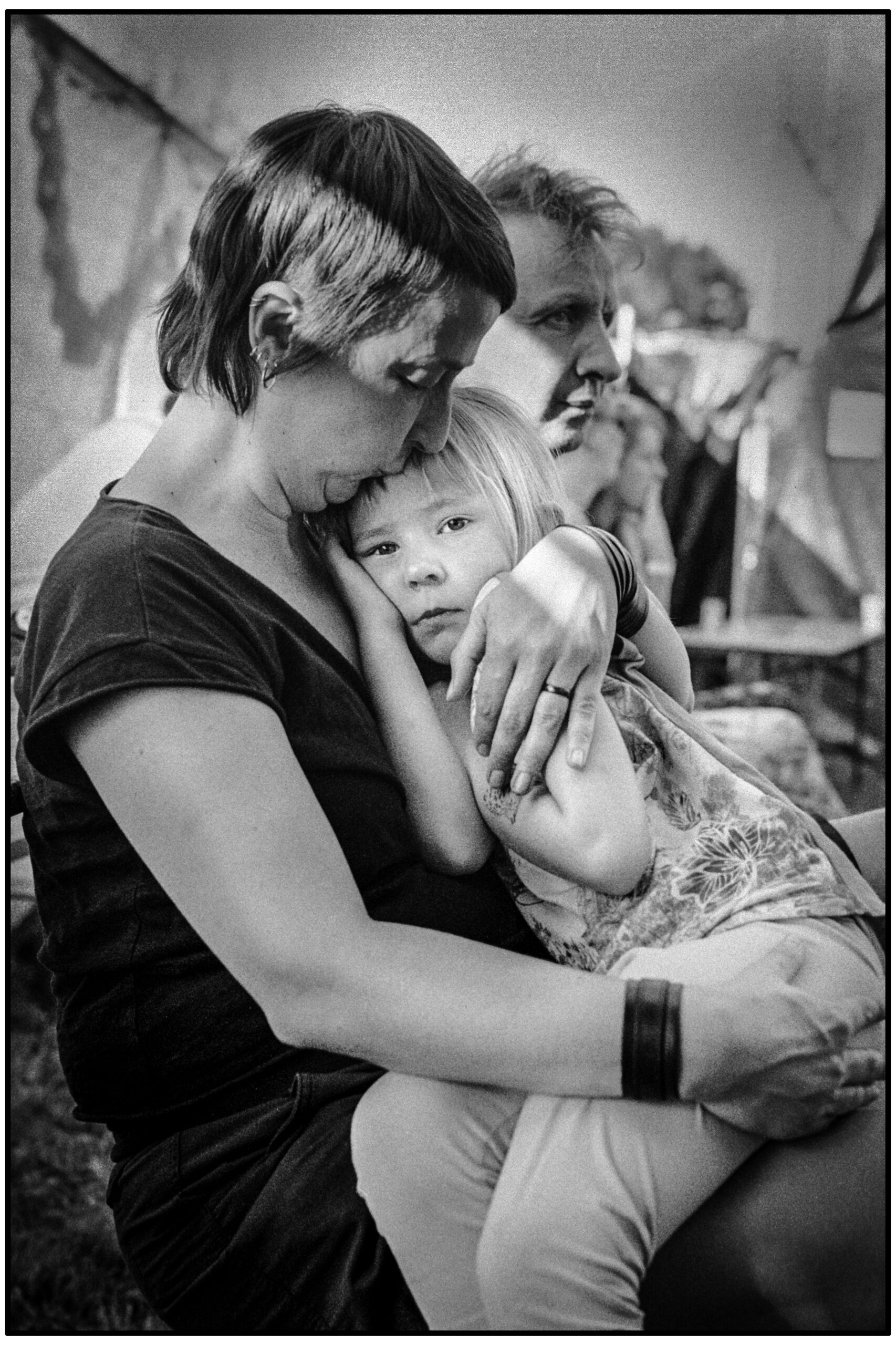
Now that the technical basics have become second nature — the things that let me work faster, think less, and shoot more deliberately — I would like to dive into the artistic side of my photography. If you missed the previous article about The Technical Side of My Photography, it’s here.
Shooting, for me, is no longer a reflex, it has now become a deliberate choice.
I first stepped into photography through the streets with a fully manual camera and one goal: mastering what I believed at the time to be the most difficult genre possible. The fast pace, the need to stay alert, the constant awareness of people around me — all in pursuit of that fleeting, precious moment. It was irresistible. It demanded focus, intuition, and what I naïvely believed was mastery of my craft.
I was only half right. In truth, I hadn’t mastered anything. Most of those early frames were lucky shots, born from endless practice and countless attempts. I even started with the wrong camera (Fuji X‑Pro1), chasing the romance of a rangefinder and falling headfirst into gear obsession, convinced that a fast 50mm would magically boost my keeper rate. Spoiler: it didn’t.
A Quick Detour: What Is a Professional Photographer?
This has been covered up in a lot of comments and articles, but I would also like to give you my definition of it: A professional photographer is someone who gets paid for their work. That’s it. Not image quality. Not editing skills. Not gear. Payment defines professionalism.
I’m rarely paid, so I don’t call myself a professional. I’m just someone who attended workshops, studied the fundamentals, and learned discipline through film. Shooting film taught me patience: no screen to check, committing to an ISO, composing carefully, shifting my position by a meter, staying conscious of light and surroundings. All the small, instinctive habits that defined earlier generations of photographers.
The Turning Point
Then I met someone who became a dear friend — a true professional with a rock‑solid grasp of the basics. He changed everything. He pushed me to experiment, to rethink my approach. When he returned to film, I was stunned. His results were a revelation. Often we’d shoot just meters apart, yet our perspectives produced completely different images. That was magic.
I had dabbled with film in my youth, so I thought returning would be easy. Wrong again. But gradually, I embraced it. After a year of trial and error, I discovered the freedom of film: no electronics, no batteries, no memory cards, less weight. Just me and the camera. Pure liberation. My friend guided me further — ISO 400, 1/45s, then 1/30s, then slower. Through this, I learned to truly understand depth of field and how shutter speed shapes an image. Today, in low light, if a group asks me for a photo, I’ll grab my 35mm, open at f/4, line them up on the same plane, shoot at 1/8s, and usually get a keeper.
Instinct Takes Over
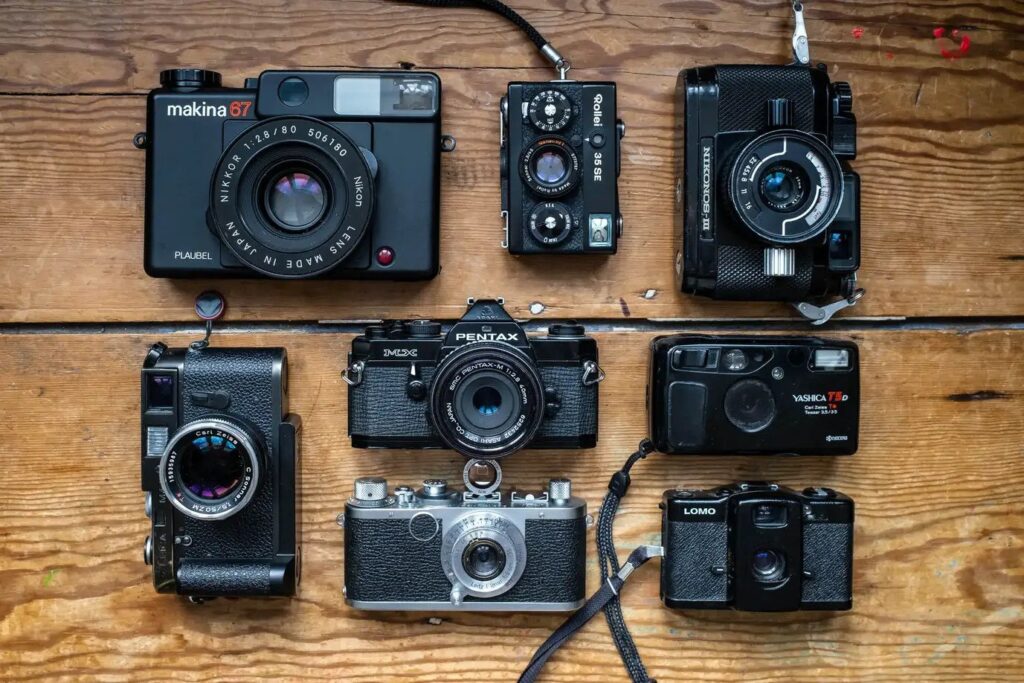
It took me years to find the lenses that felt right, but gradually my kit grew lighter. No more zooms. As Robert Capa said: “If your pictures aren’t good enough, you’re not close enough.” That philosophy fits me perfectly. Now, when I see a scene, I instinctively know which focal length will deliver the image I want. The picture forms in my head before I even raise the camera. It’s natural, automatic, effortless. These days, I usually carry three or four cameras, each with a different lens. My speed and aperture shift instinctively with the light. I take my position, focus, frame, and wait for the moment. Sometimes it’s instantaneous, sometimes it takes five minutes — it doesn’t matter. If something catches my eye, I’m ready.
Not every shot is a keeper, but when it works, the reward is immense. Hanging a roll to dry and seeing consistent exposures, then watching the images appear during scanning — that’s pure bliss.
It could be anything; a stranger lost in thought, a shadow falling just right, a hand gesture that lasts half a second, a moment that feels like it’s about to appear. These are the things that make me shoot now. Not obligation. Not habit. Not the pressure to “produce.” Just instinct — the quiet pull that tells me this is worth remembering.
And here’s the funny part: the more I learn technically, the less I shoot. Mastery didn’t make me trigger‑happy. It made me selective. Shooting has become a deliberate act, not a reflex. I don’t walk around firing off frames hoping one will land. I wait. I observe. I let the scene breathe. And when something clicks — internally, not mechanically — that’s when I raise the camera.
Integrated version
Let me walk you through what I mean — the way I see it:
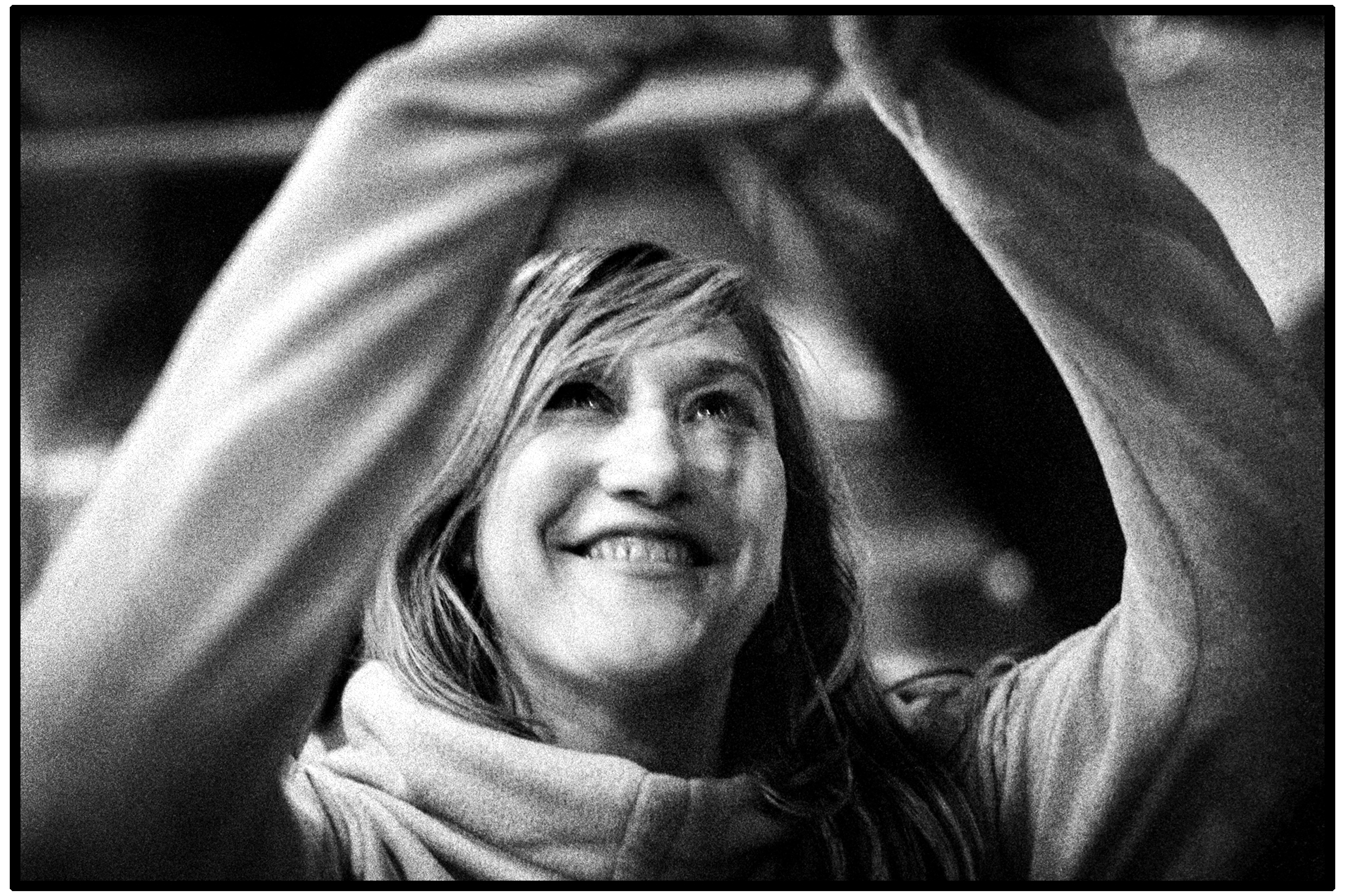
A Friend Smiling
Here is a friend smiling
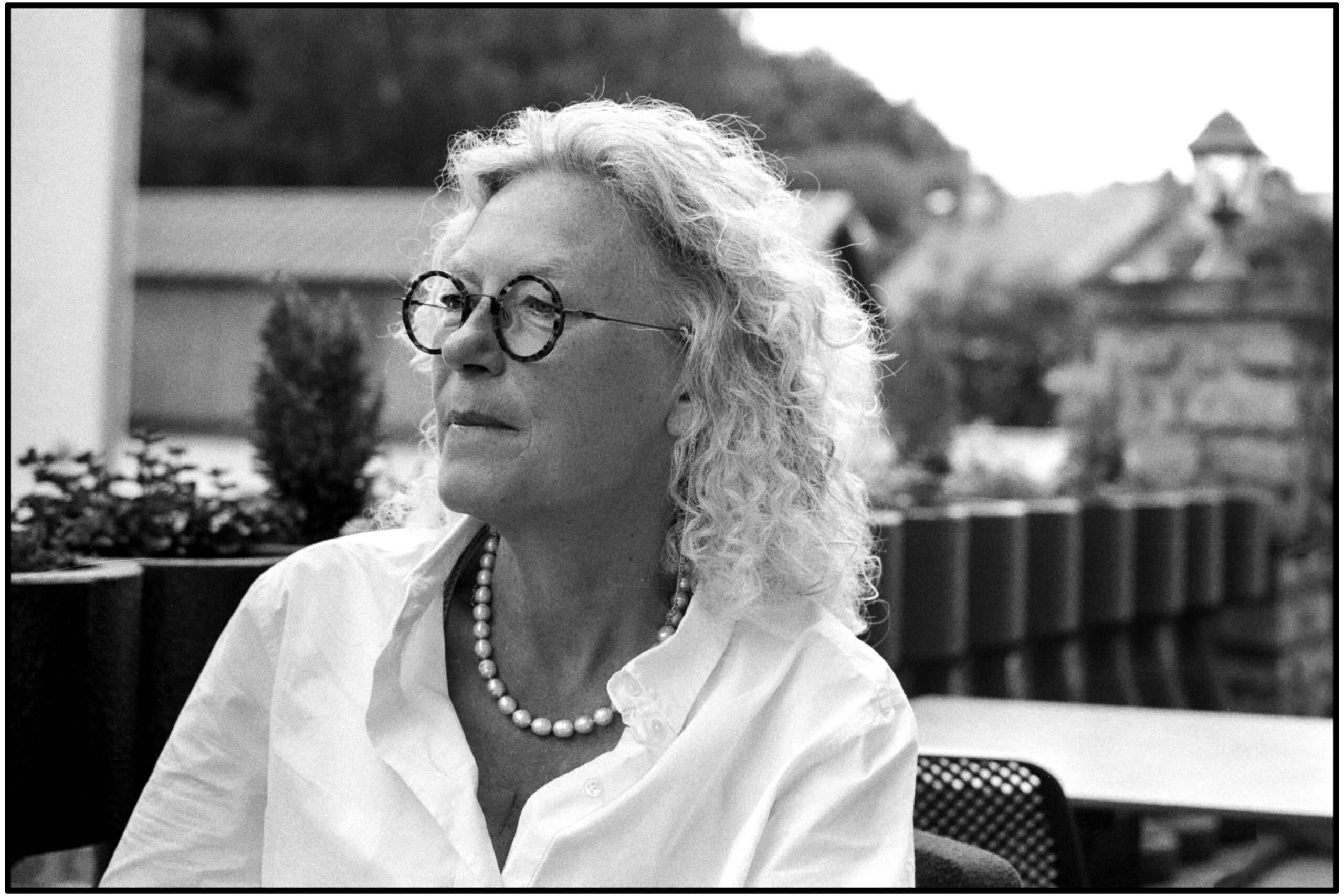
Another moment I love capturing: a friend deep in discussion, completely unaware of the camera. The irony is that she hates being photographed, yet when she’s lost in thought, the expressions, the gestures, the natural flow — they’re pure gold. It’s not about sneaking a shot, but about preserving unguarded authenticity.
Technically, it’s a challenge. I have to stay invisible, anticipate the rhythm of the conversation, and be ready with the right focal length and exposure. It’s a dance between patience and instinct. And when it works, the result feels alive — a frame that tells a story far beyond the moment it was taken.
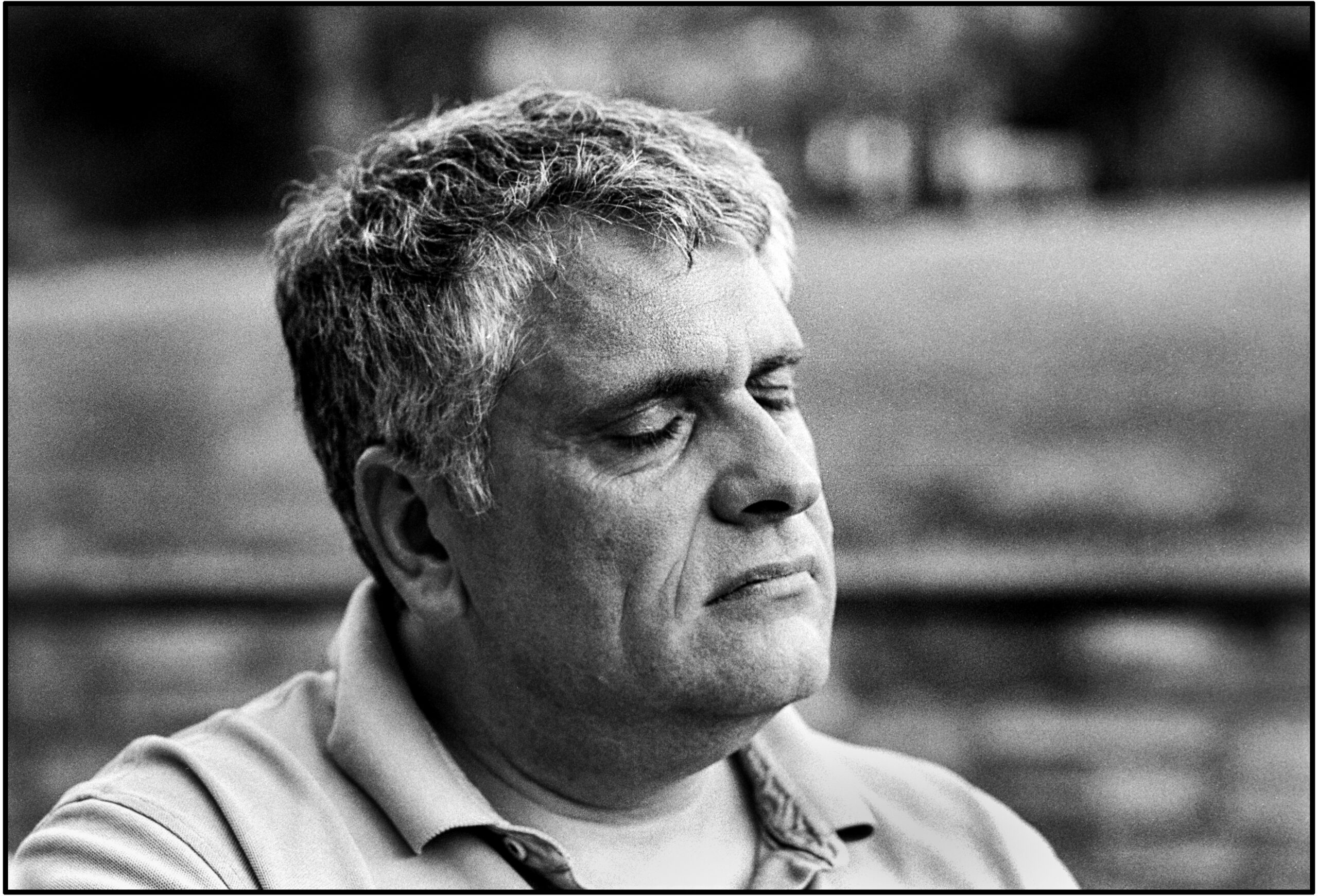
The Stolen Portrait
One of my favorite kinds of shots is the stolen portrait — the kind taken while someone is having a good time, completely unaware of the camera. There’s magic in those moments: the laughter, the relaxed posture, the genuine spark that disappears the second someone “poses.”
I choose the right focal length, I frame quickly, and let the light do its work. The subject doesn’t know they’re being photographed, and that’s exactly why the image feels so alive. It’s not staged, not forced — just pure authenticity captured in a fraction of a second.
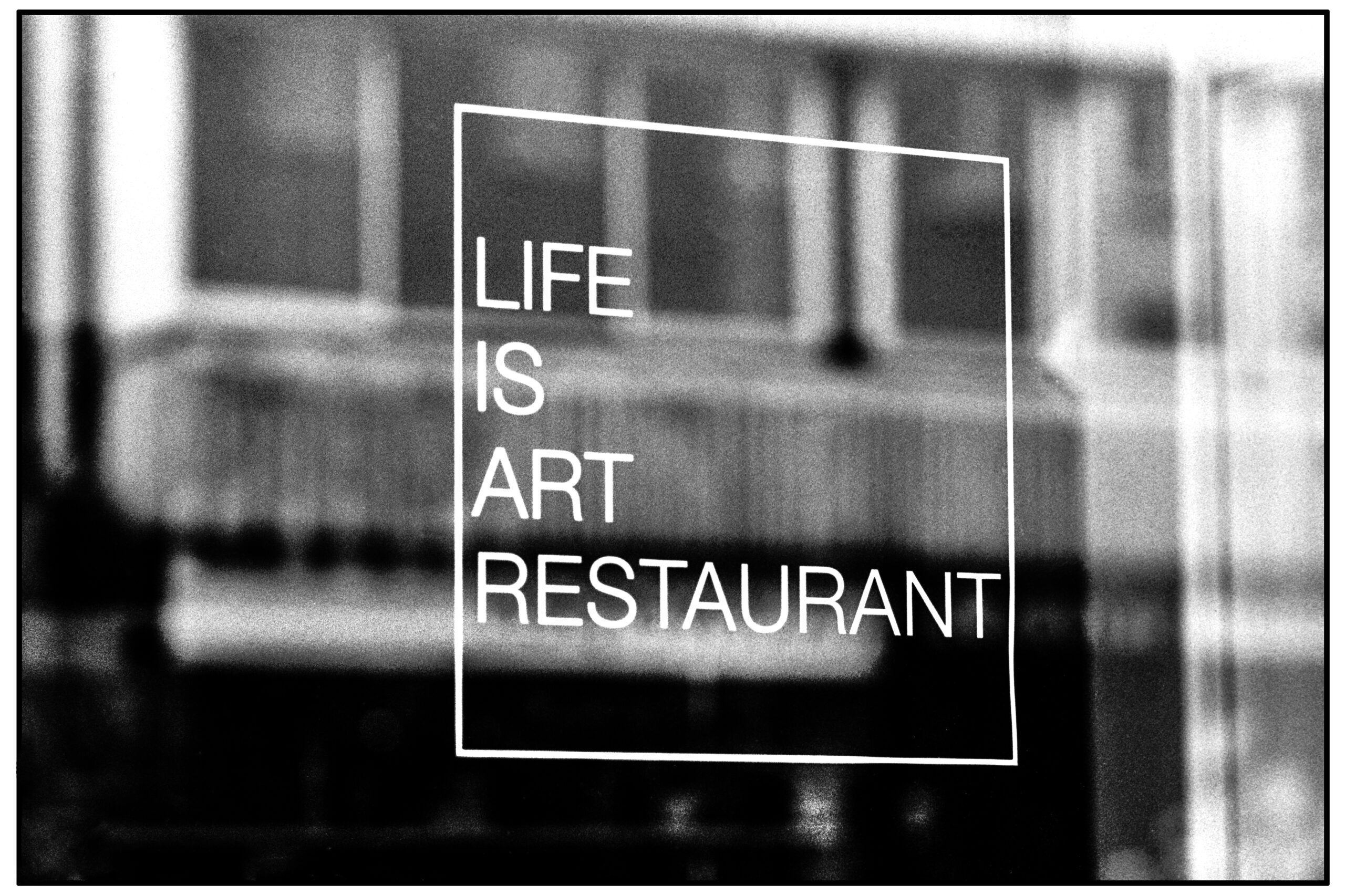
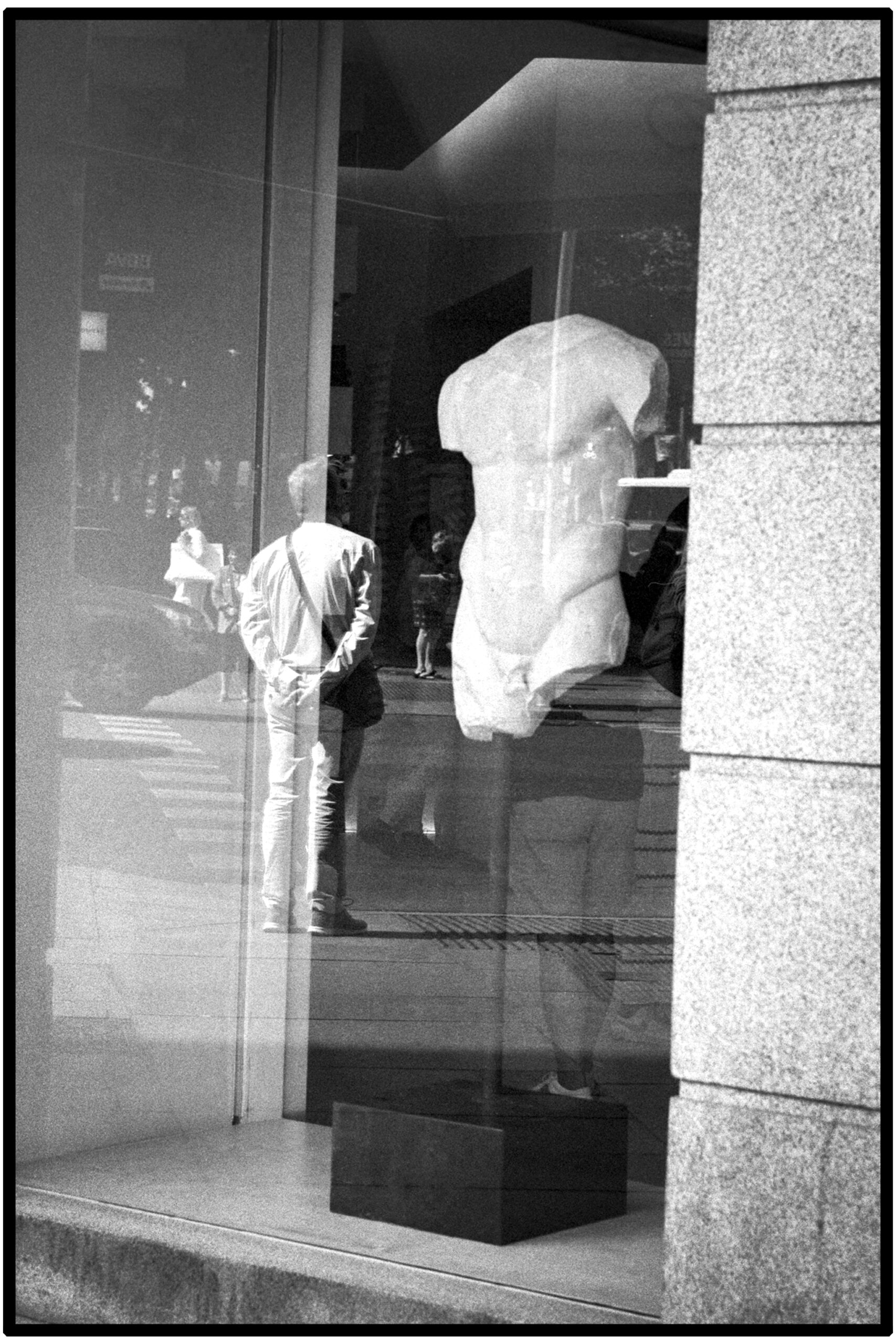
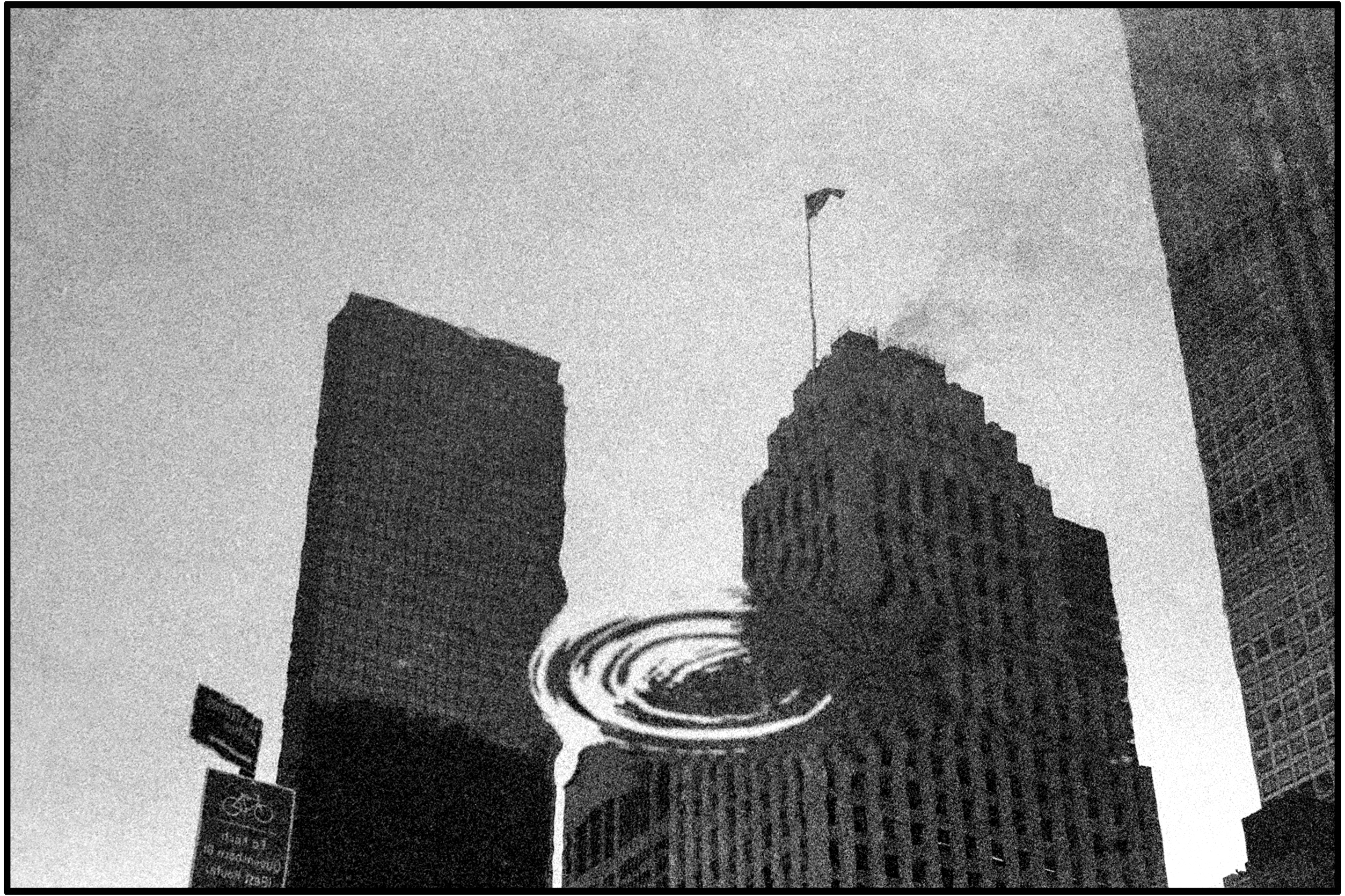
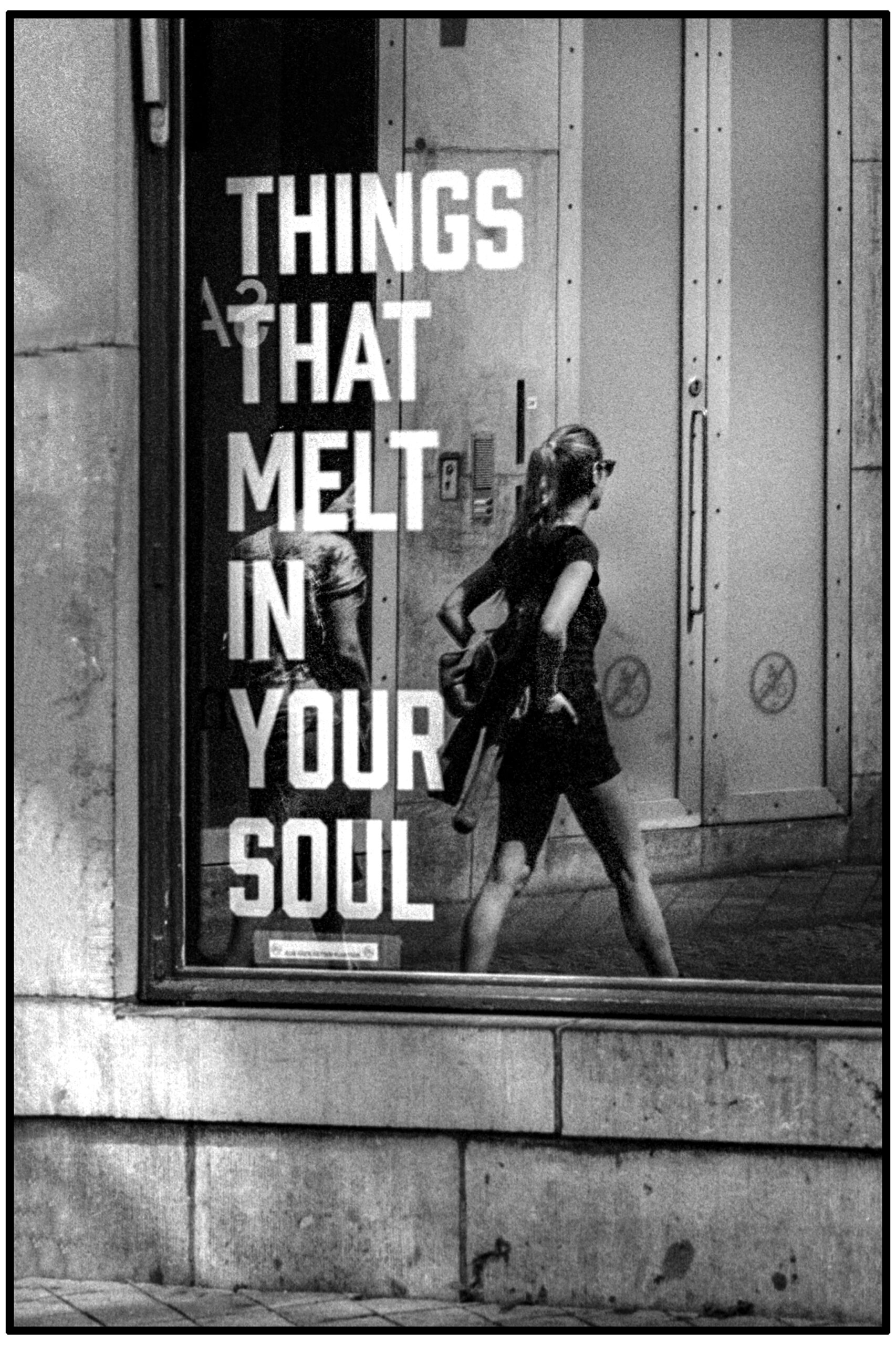
Reflections: Bending Reality
Reflection photography is a playground for creativity. By mastering light, angles, and surfaces, you can transform everyday scenes into surreal, layered compositions that surprise the viewer.
It feels like bending reality. You’re not just capturing what’s in front of you — you’re capturing what bounces back. I think It opens up endless possibilities: doubling subjects, creating illusions, turning puddles into portals.
The One‑Frame Story
Sometimes I stumble upon a scene that doesn’t need any introduction: a single frame that says it all. One shot, one story. The image carries the weight, opens the conversation, and invites interpretation without me adding a single word.
That’s the beauty of photography: when the technical choices fade into the background and what remains is pure narrative.
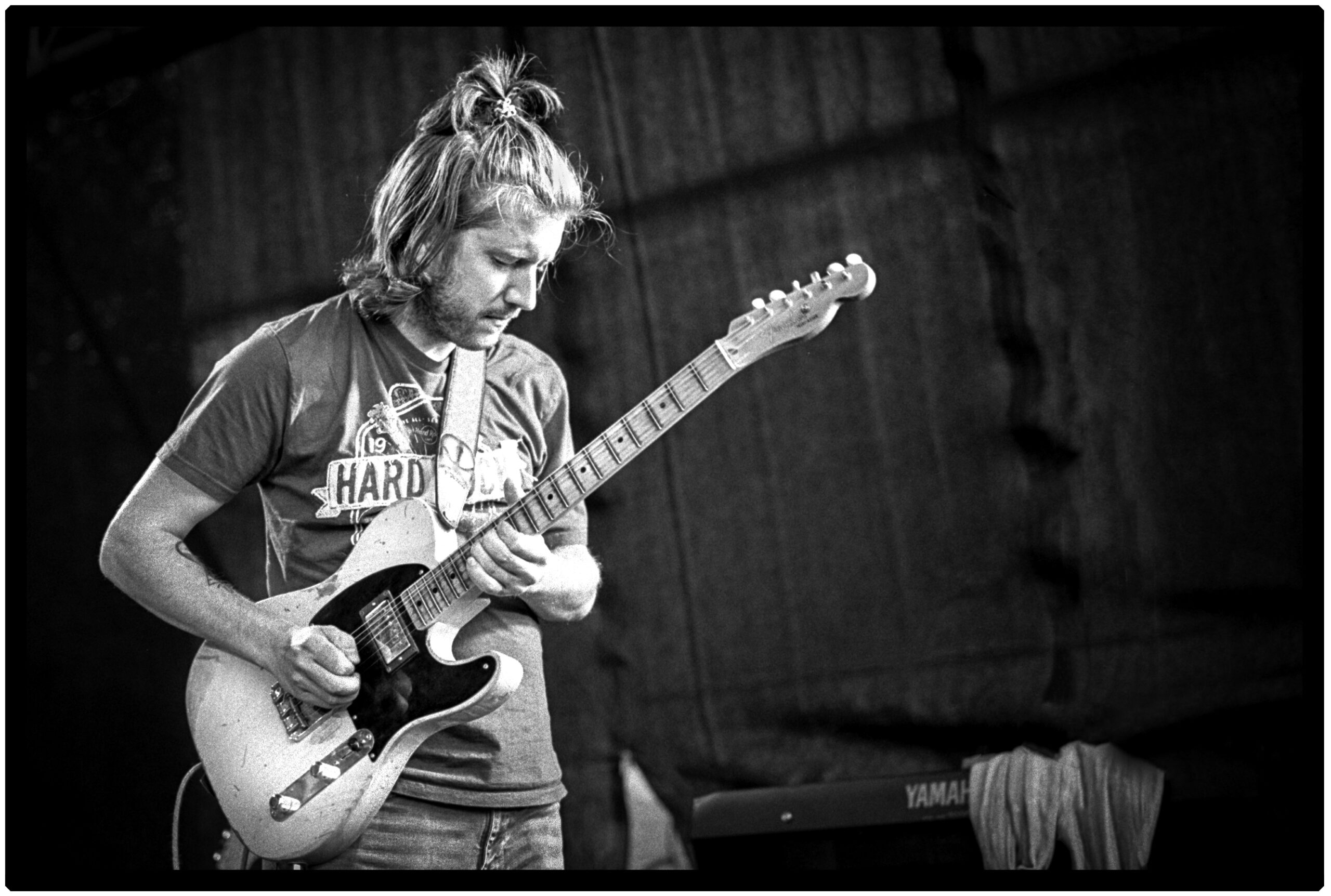
The Musician
A musician lost in the music — that’s a moment where technique fades into instinct. Fingers move automatically, yet the intensity on their face tells the real story: focus, passion, and that fragile balance between control and surrender.
The audience hears the melody. The photographer feels everything else.
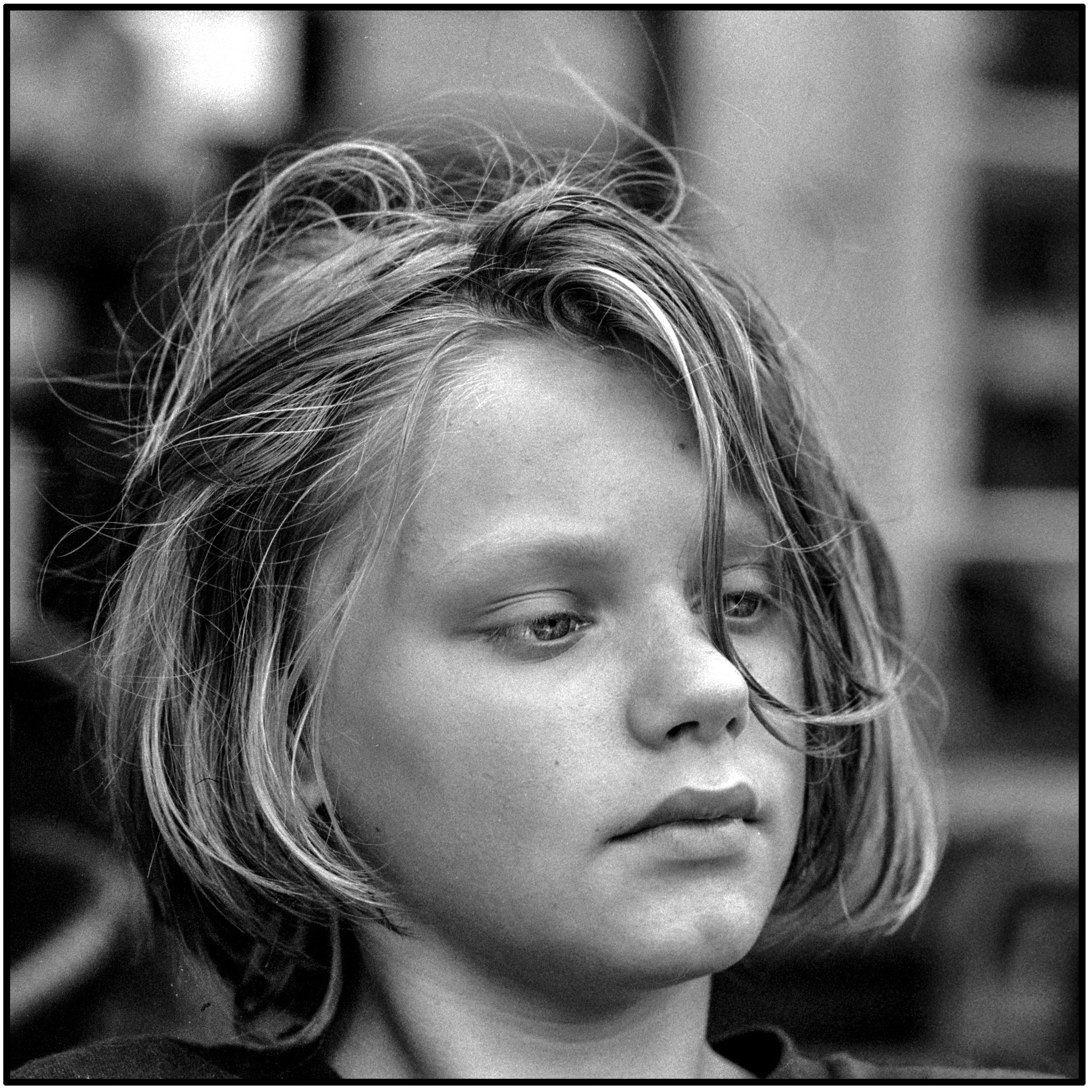
The Teenager Lost in Thought
I love capturing a teenager lost in his own world. Eyes drifting, completely absorbed. The beauty lies in that bubble of concentration, where the outside world fades and the moment becomes entirely his. Technically, it’s about patience and discretion. I choose the right focal length, frame quietly, and wait for the instant when his expression reveals the story.
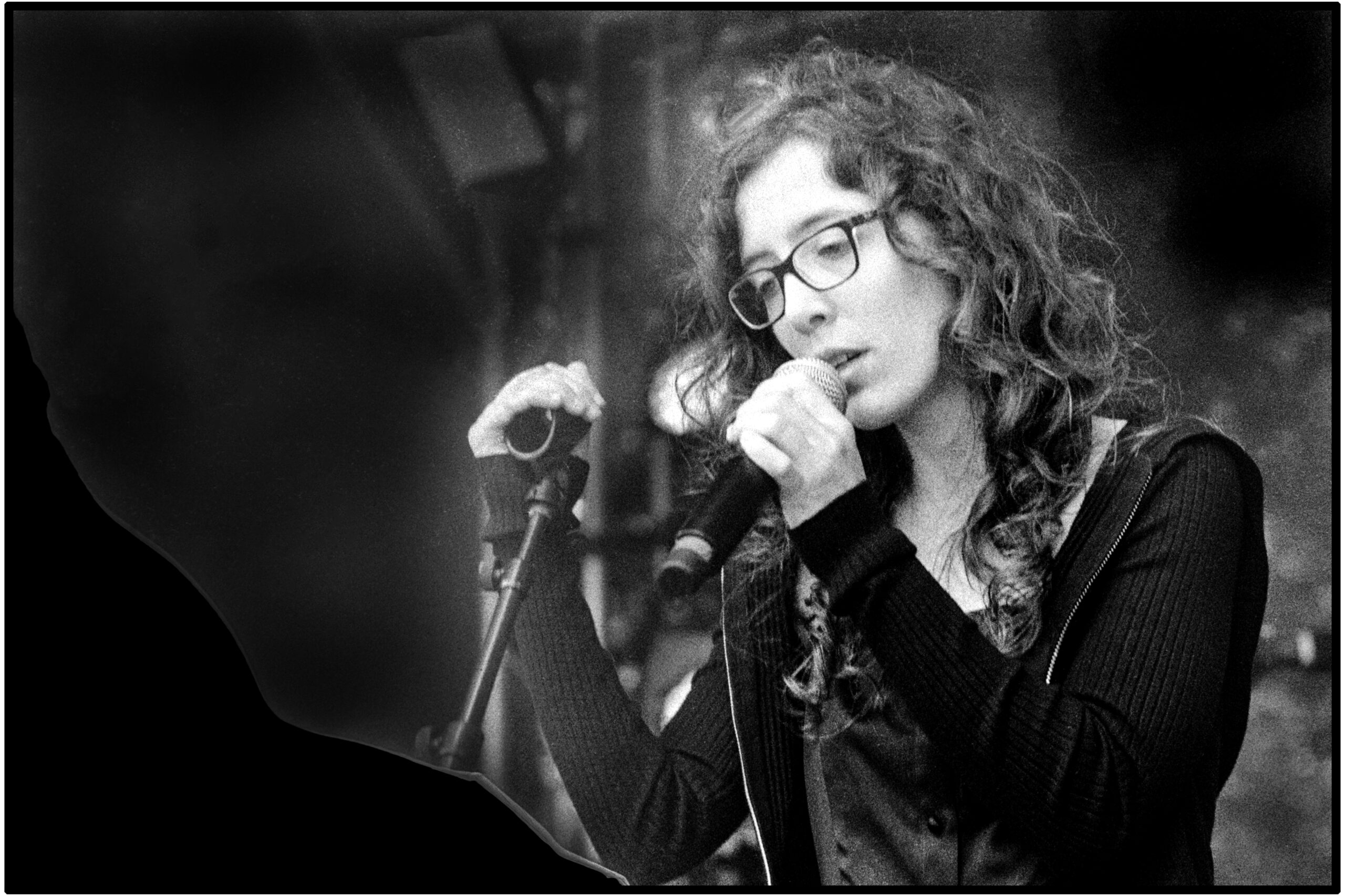
The Singer Living Her Song
A singer who is truly living her song — that’s a gift. She’s not performing; she’s inhabiting the music. Every gesture, every breath, every glance is charged with emotion.
I watch the rhythm, the rise and fall of her voice, the way the light hits her face. I time the shutter to catch the instant when music and emotion align.
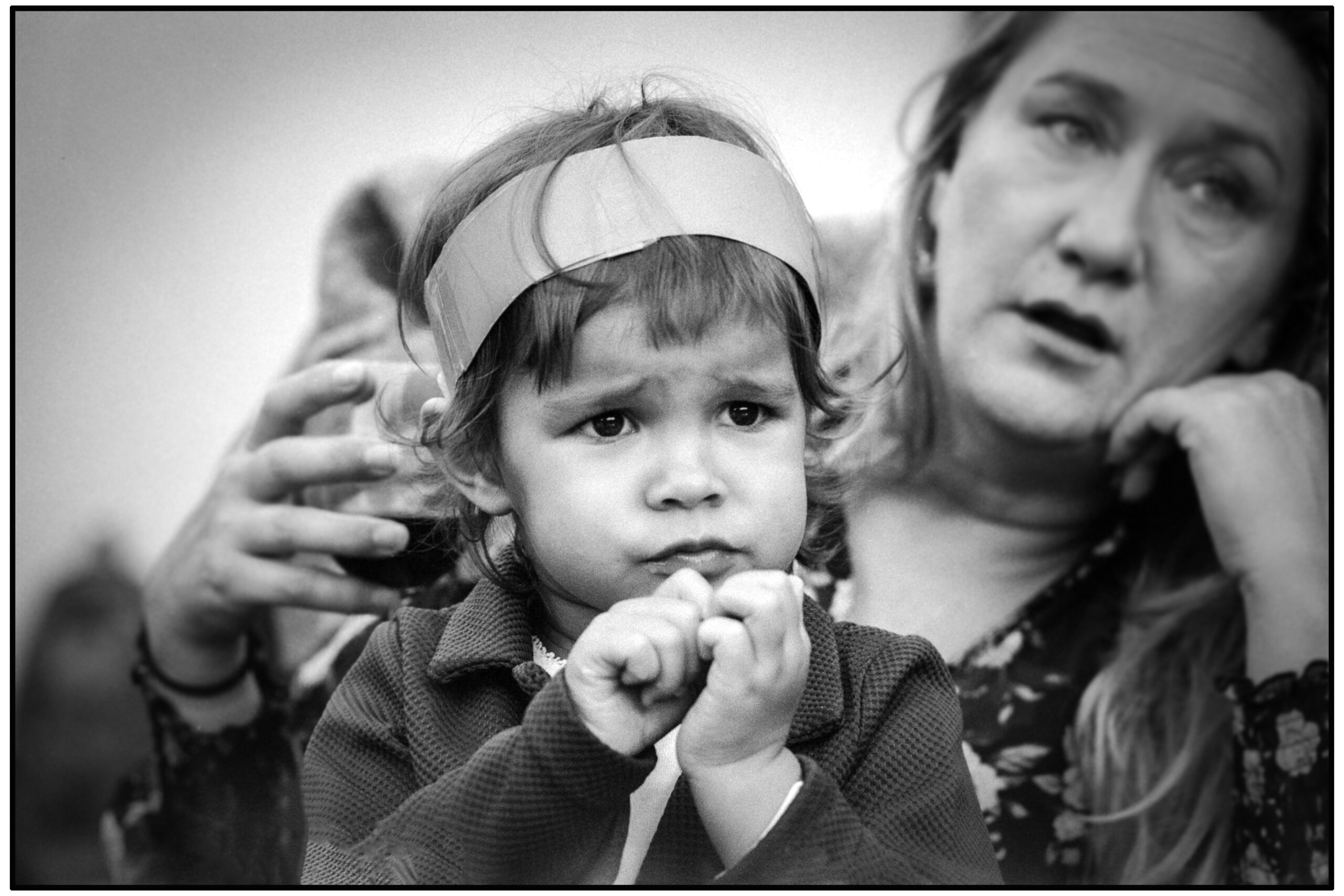
The Child Being Herself
One of the most rewarding moments to capture is a child simply expressing herself, unfiltered and genuine. A burst of laughter, a curious glance, a playful gesture — no performance, no posing, just pure authenticity. The spontaneity, the movement, the light — all of it comes together in a way no staged portrait ever could.
Your Journey Will Be Different
Everything I’ve shared here is just my experience. What I’m really trying to convey is that everyone’s photographic journey is unique. To grow, I think you need curiosity, knowledge, and evolution — not just new gear. I also think it is important to learn enough technical skill to achieve the vision you’re chasing. Once you reach that point, the joy is immense — almost indescribable. I hope you’ll experience that for yourself! My advice? When you get there, don’t stop. Keep experimenting. Try new approaches. Explore different techniques. And only then test new equipment to see if it truly serves your vision/need.
But before all else: Know thy stuff.
Happy shooting,
Alex
PS: As you probably know, I’m not a writer. The ideas and raw text are mine, but I refined them with some help of AI and then some editorial guidance from Hamish. It worked beautifully, I’m glad the process preserved my thoughts and reflections while keeping them front and center.
Share this post:


Comments
Anon on The Aritistic Side of my Photography – A Reflection on When I Shoot
Comment posted: 11/02/2026
Comment posted: 11/02/2026
Comment posted: 11/02/2026
Comment posted: 11/02/2026
Comment posted: 11/02/2026