

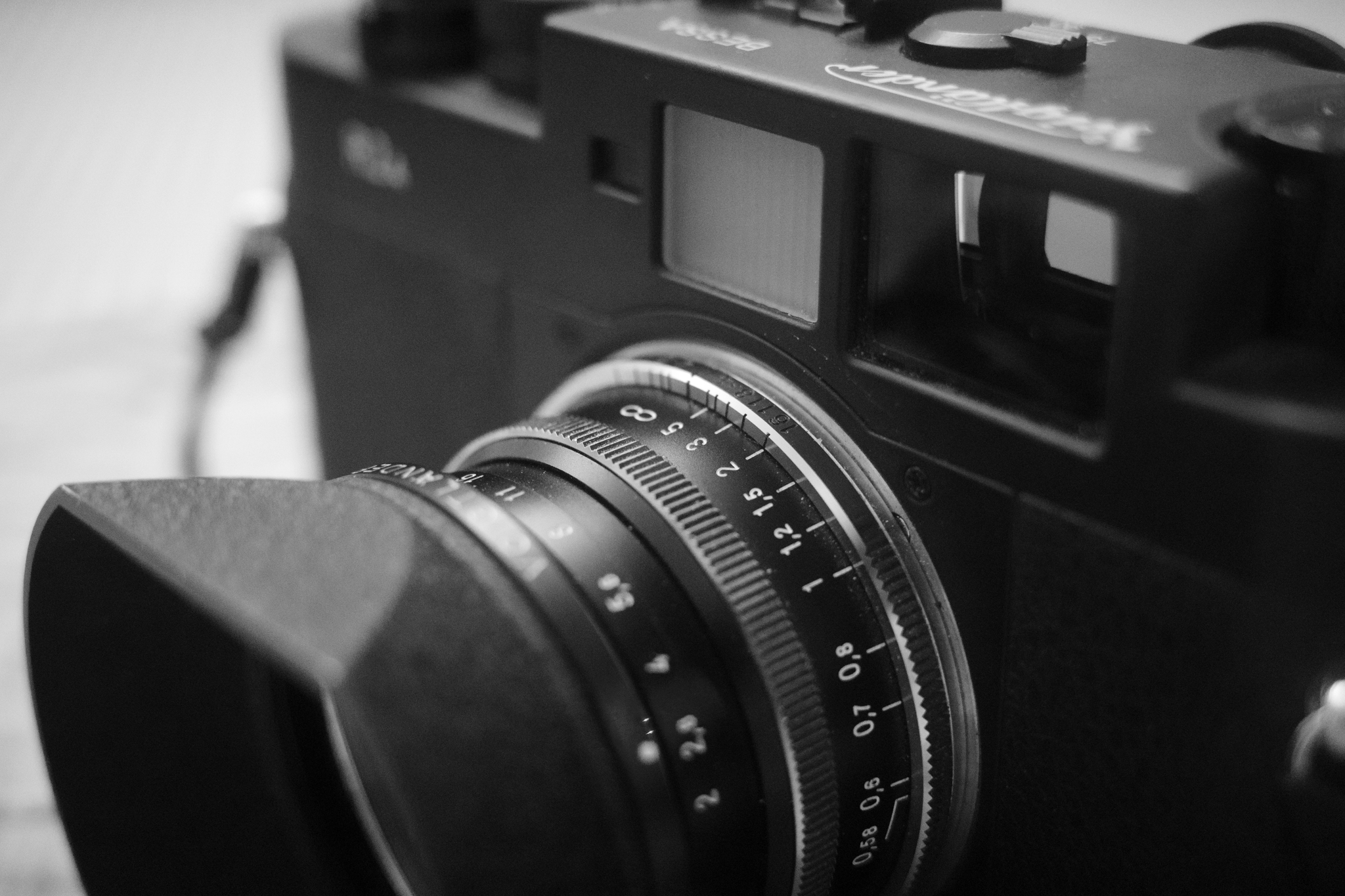
Just a quick opening note: This article was originally written in French and then translated into English. As a French speaker, it may seem surprising that I chose to write a review of the Bessa R2A on an English-language site, but in reality it is the articles here that inspired me to contribute my modest input. I hope it will be of interest to knowledgeable readers and will also teach something to those who want to discover this range of cameras. I also hope the translation does not hinder the understanding of my explanations. Enjoy your reading!
Introduction
I have been the happy owner of a Voigtländer Bessa R2A for 6 months now. It follows me everywhere, and so I would like to share my experiences through a fairly complete review.
This camera has the rare distinction of being a relatively recent analog rangefinder – the Bessa R series was produced from 2000 to 2015. The early models used an ltm mount, and the later models – including my R2A makes use of an m-mount. The series included automatic (aperture priority) and manual models meaning they directly competed with the Leica M7 and M6 respectively.
For those interested, here’s a basic outline of the different models:
Bessa R: First model under this name, released in 2000, uses M39 screw mount (Leica thread mount). Fully manual camera. 0.7x viewfinder.
Bessa R2: Released in 2002, evolved to Leica M mount. Manual camera, 0.7x viewfinder.
Bessa R2A and R2M: Released in 2004 and 2007, still M mount. R2A is aperture-priority automatic, R2M is fully manual like its predecessors. Framelines: 35, 50, 75, 90mm. 0.7x viewfinder.
Bessa R3A and R3M: Released the same year as R2 series. Framelines: 40, 50, 75, 90mm. 1x viewfinder.
Bessa R4A and R4M: Released in 2007. Framelines: 21, 25, 28, 35, 50mm. 0.52x viewfinder.
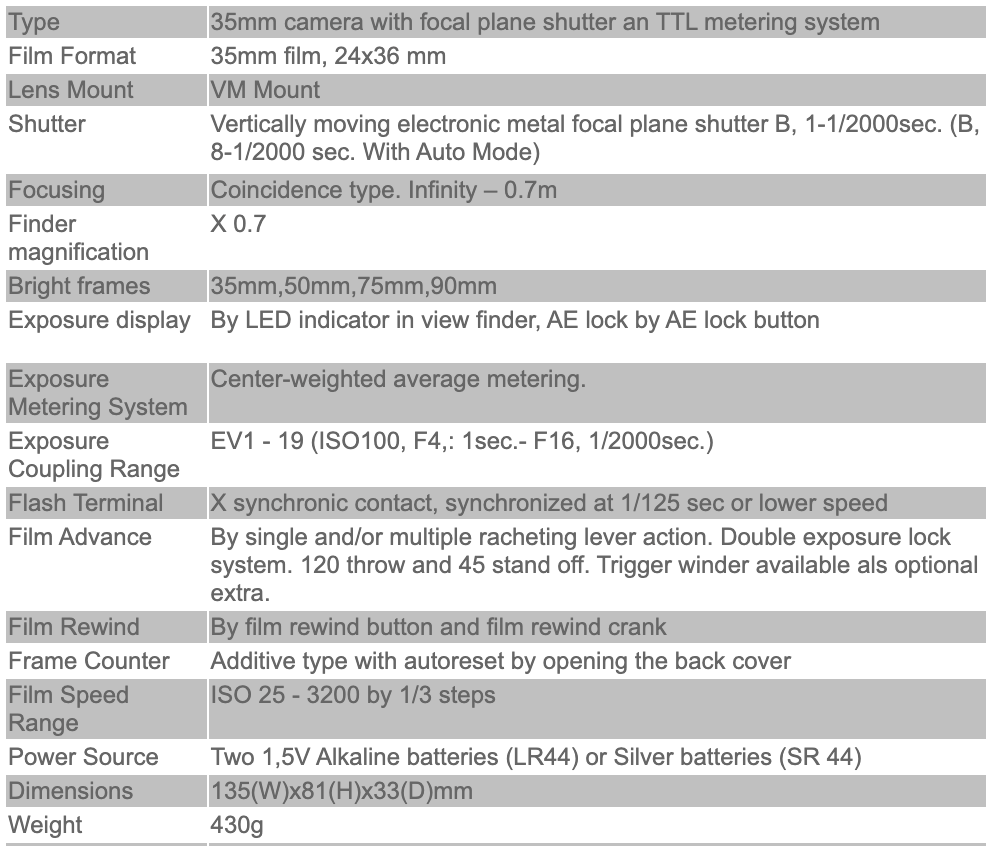
If you take a look at the Wayback Machine (web.archive.org) and visit the Voigtländer website (voigtlander.de) in 2011, you will info on the Bessa R models available at the time. Here’s a screenshot of the specifications for the R2A model discussed in this review:
Handling
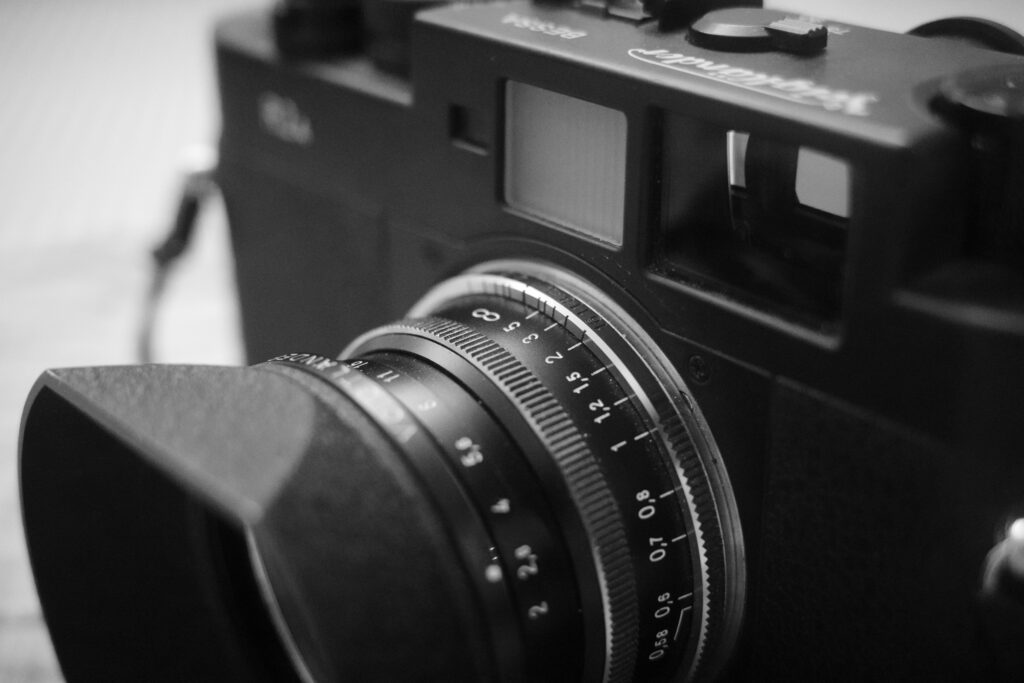
The Voigtlander R2A is very pleasant to use. It is quite heavy and feels solid due to its metal construction, somewhat reminiscent of cameras from the 1970s. On the front, the body is flat with a grip typical of this type of camera. On the back, there is a small protrusion offering slight thumb support.
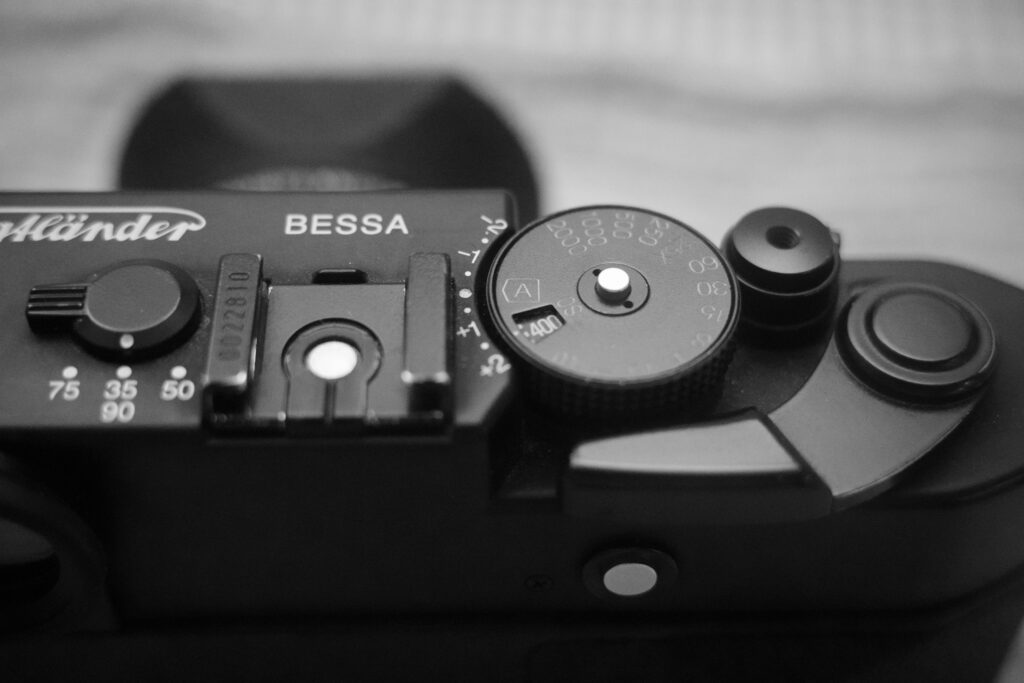
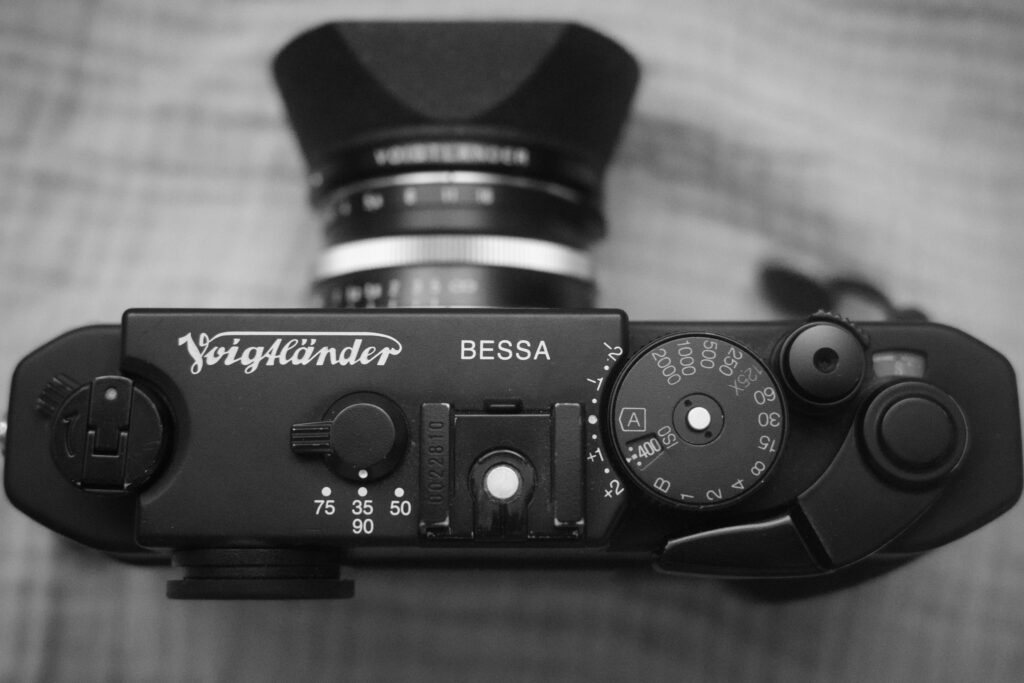
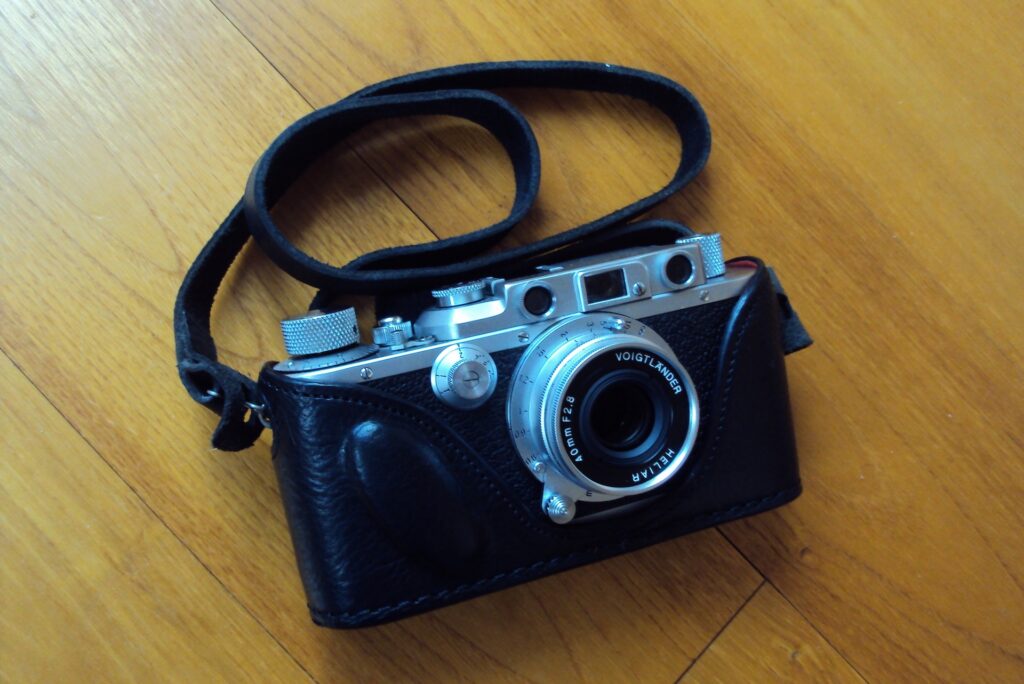
On the top plate, we find a classic film advance lever on the far right hand side. In front of the film advance (visible in second photo down in the article) there’s a small frame counter window with metallic digits on a black background. This resets when opening the back door. Alongside, there’s the shutter release button – a half-press of which will activate the light meter. The Shutter button is also surrounded by the power switch for the camera.
The shutter speed dial has three functions: Speeds from 1s to 1/2000s plus Bulb mode, secured by a stop. It also has an exposure compensation from +2 to -2, with a stop and reset via a central gray button. The ISO selection is achieved by lifting the shutter speed dial’s outer ring.
Further along the top plate there’s a hot shoe, and then a frame line selector for 75, 35/90 and 50mm frame lines – there is no automatic frameline selection as there is on Leica M-mount cameras.
On the left shoulder of the camera there’s a rewind lever, which with a release of the lock and a pull, also allows the back door to open.
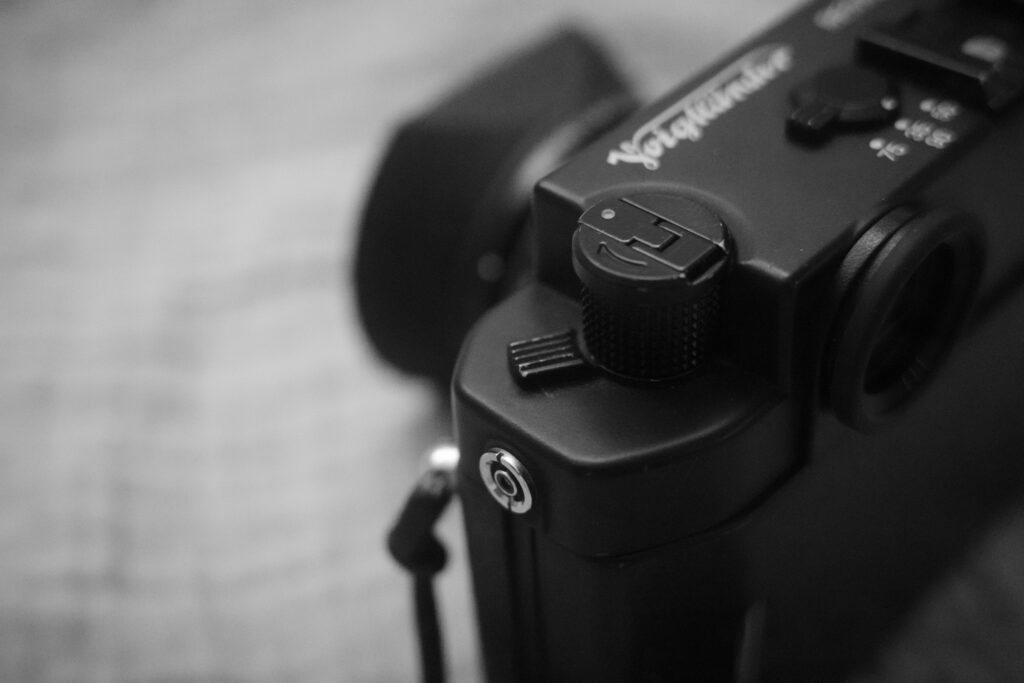
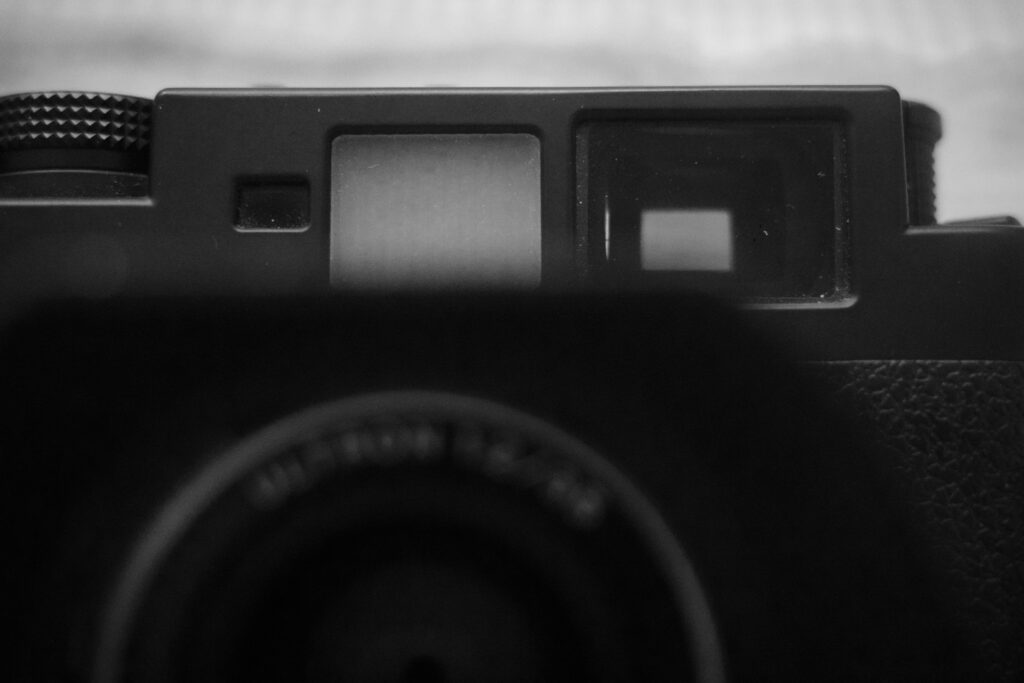
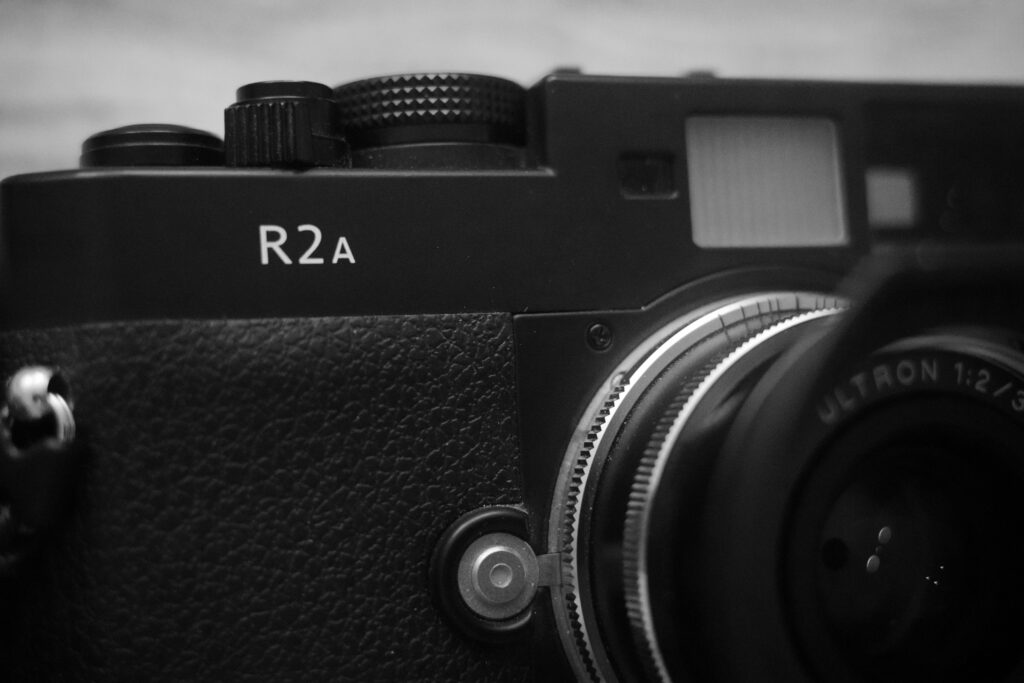
On the front there is only the lens release button, the viewfinder window, rangefinder window, and an illumination window for the framelines are present. The strap lugs are located almost on the front of the camera too. This is somewhat unfortunate, as when carried around the neck, the camera tends to tilt backwards due to the weight distribution. It would have been difficult to place the lugs on the sides because of the film door. Leica cameras do not have this issue since film loading is done from the bottom.
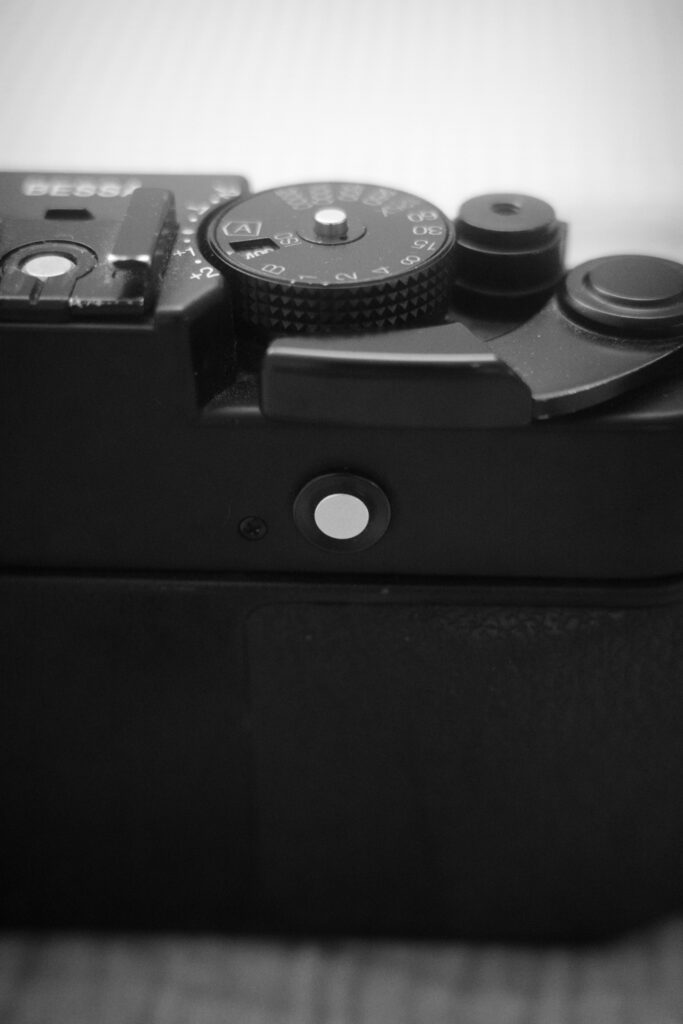
On the rear of the camera there is an exposure lock button, which I find not very practical. You must half-press the shutter to meter, then press this button to lock exposure, reframe, and shoot. I think it would have been better if the half-press alone locked exposure.
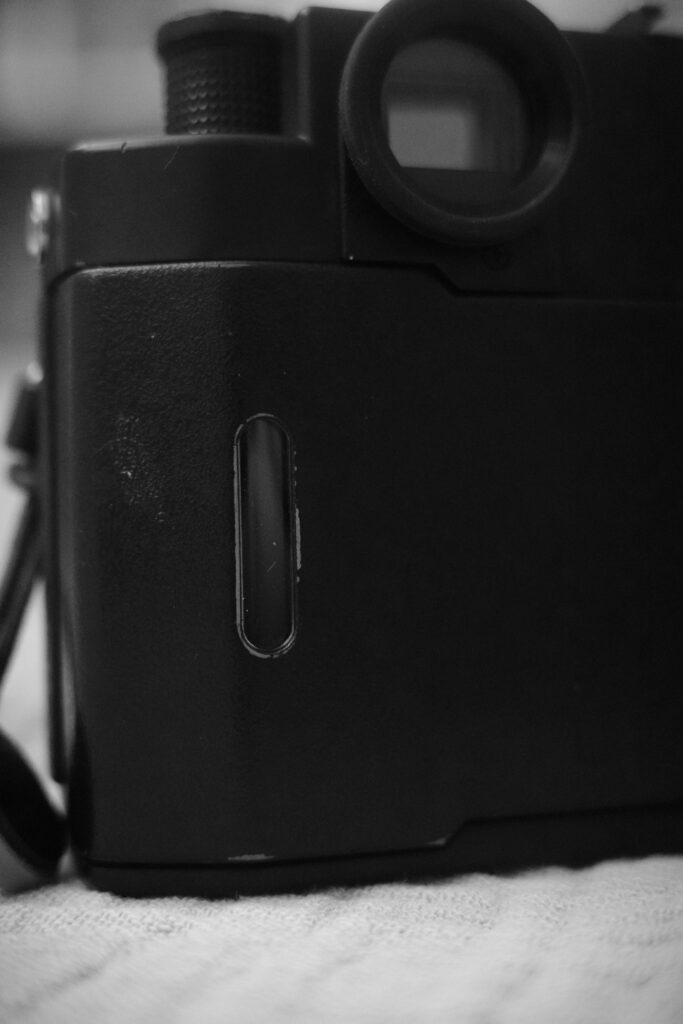
There is also a small window showing the loaded film, which I really appreciate.
The viewfinder is fairly standard, without diopter correction, as is often the case with m-mount rangefinders, but the eyepiece can be replaced and screwed in to adjust diopter correction.
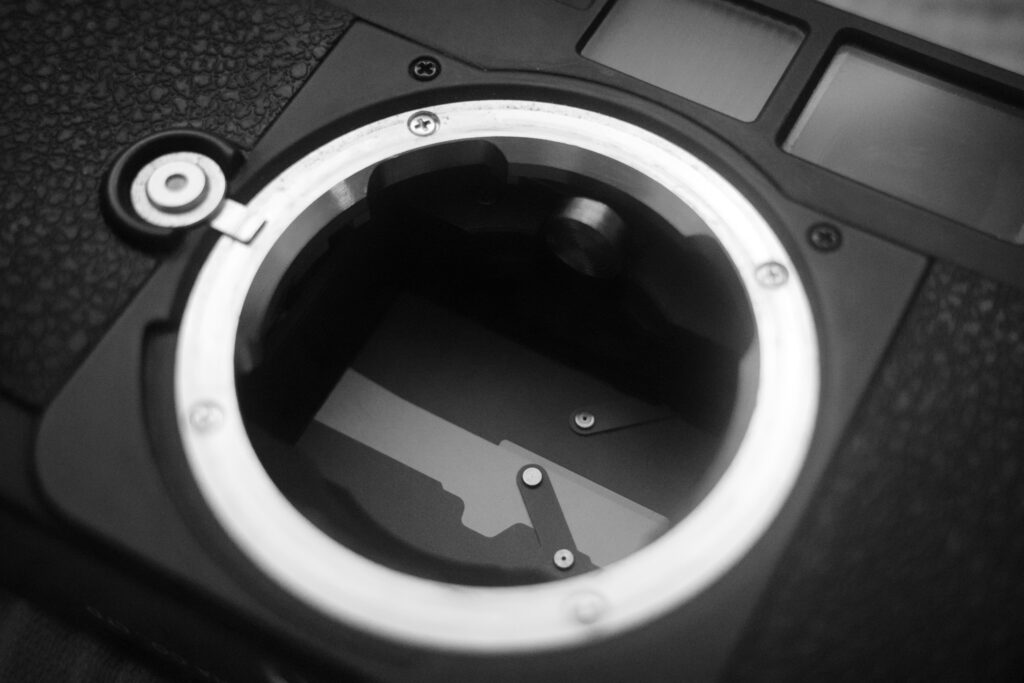
On the bottom of the camera, we find a tripod socket, battery compartment, film rewind release button, and a mechanism for attaching a winder to advance film without removing the eye from the viewfinder.
In summary, the camera offers many good features, excellent handling, and only two small drawbacks in my opinion: the front-positioned strap lugs causing imbalance, and the awkward exposure lock button.
Lenses
With its M mount, this camera offers access to a very wide range of lenses for all budgets.
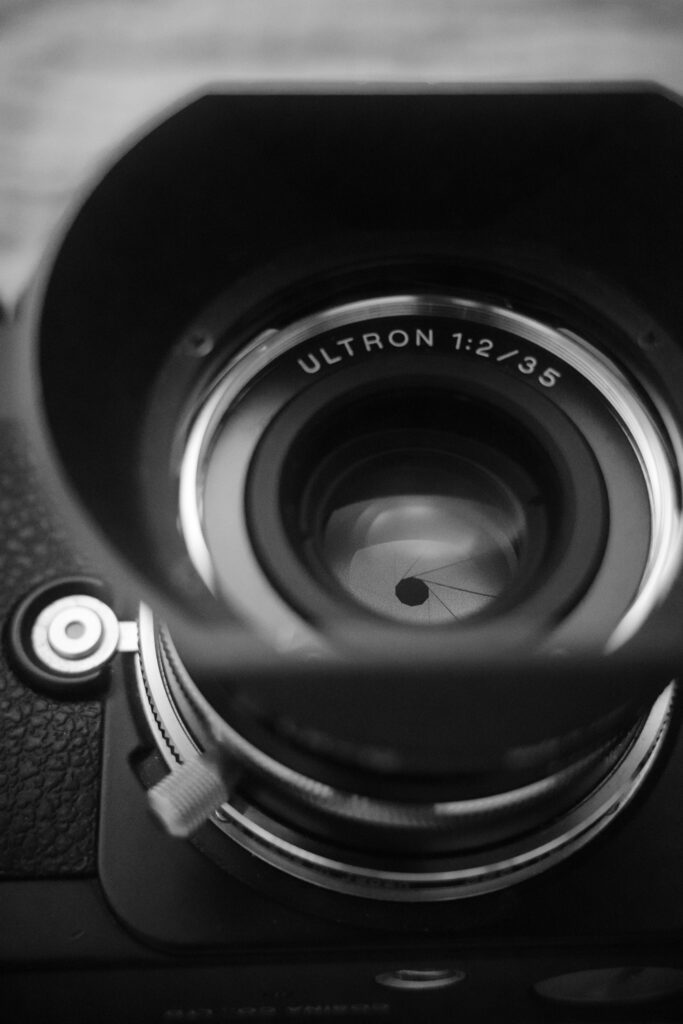
You can aim for excellence with Leica lenses, or choose very affordable but still quality lenses from Chinese brands like TTArtisan or 7Artisans. Between the two, Voigtländer and Zeiss lenses offer excellent options.
As with all rangefinders, these are manual focus, fixed focal length lenses. It is important to determine your preferred focal lengths before choosing a Bessa R model. The R2A matches my practice well, as I do not go wider than 35mm.
Another major advantage is the compact size of the lenses, due to the absence of internal motorization and the fixed focal length. Also, rangefinders do not have a mirror, so the flange distance is short, making the system very compact and discreet for street photography.
Today, this advantage is mostly found in mirrorless cameras.
For those who enjoy vintage rendering or good value, Leica M39 lenses can be used with an adapter on M mount cameras too.
On the downside, these lenses are not suitable for macro (minimum focusing distance is 70cm). Prices can also be very high for top-tier lenses. Finally, fixed focal length may not suit photographers seeking versatility.
Rangefinder Viewfinder
A quick note on the rangefinder system: it takes some getting used to, unlike SLR systems which are perhaps more immediately intuitive.
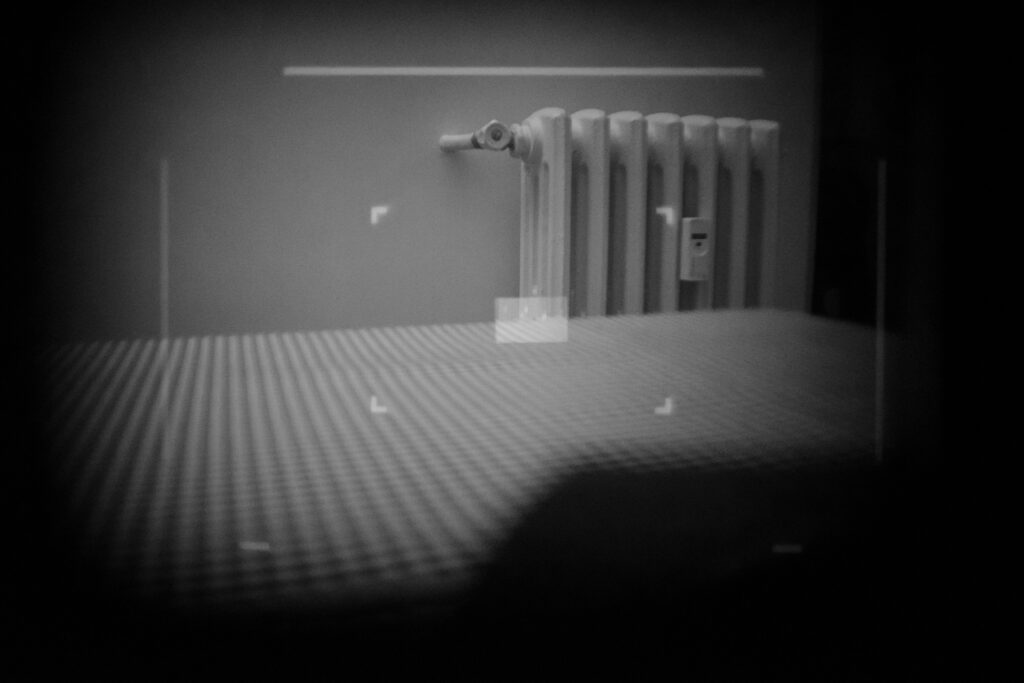
Advantages:
* You see outside the framelines, which helps composition
* You can simulate different focal lengths by switching framelines
* It is satisfying to achieve shallow depth-of-field shots
Drawbacks:
* Horizontal patterns may require rotating the camera vertically to focus
* Framelines are not perfectly accurate to the final image
Excellent for Street Photography
A major advantage is the very quiet shutter sound. The absence of a mirror significantly reduces noise. Only the vertical metal shutter produces a soft click, barely noticeable in urban environments.
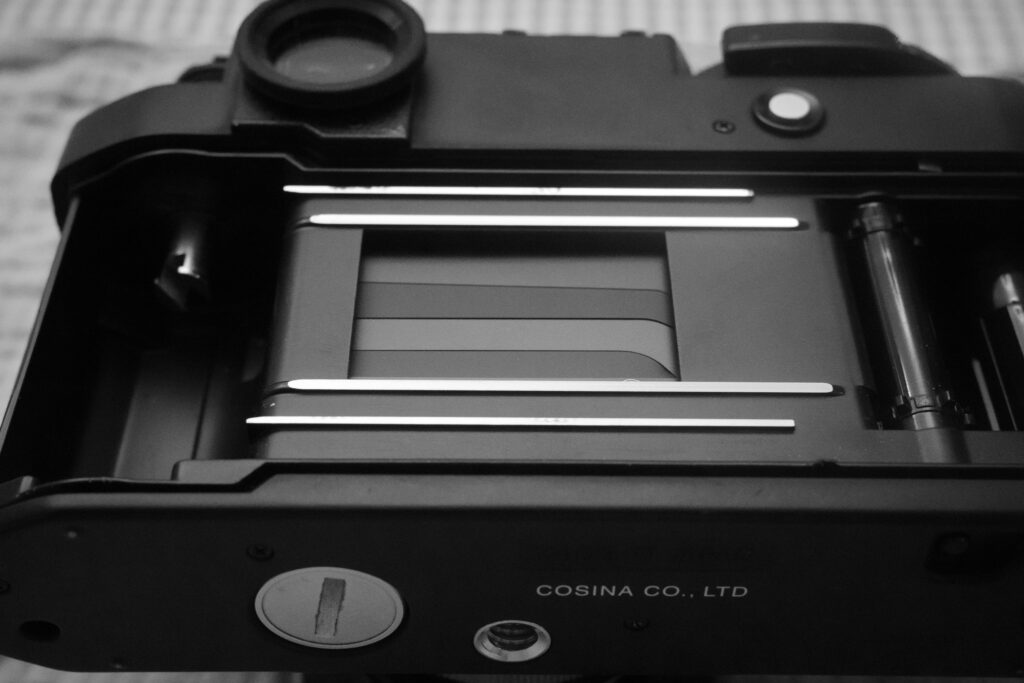 Aperture-priority versions (R2A, etc.) provide great shooting comfort and agility too.
For street photography, I use a 35mm lens set around f/11 with aperture priority and 400 ISO film. With shutter speeds up to 1/2000s, this covers all outdoor situations. I set focus to hyperfocal distance or around 2.8m, giving sharpness from about 1.6m to 10m.
What I like
Aperture priority mode is a key advantage for me. The 1/2000s shutter speed is also rare in older rangefinders. The film window is very useful. The camera is beautiful and very pleasant to handle. Controls are well optimised. I find the frame line selector is useful. The winder is practical and comfortable. The shutter is very quiet. Lens selection is excellent. Shooting satisfaction is high.
What I like less
The exposure lock button is not practical. Manual mode is less pleasant due to difficult readability of settings. Shutter speed dial is not always easy to use. Metering requires half-press activation of the film advance lever. Price is high today (around €1500 with lens vs €769 at release).
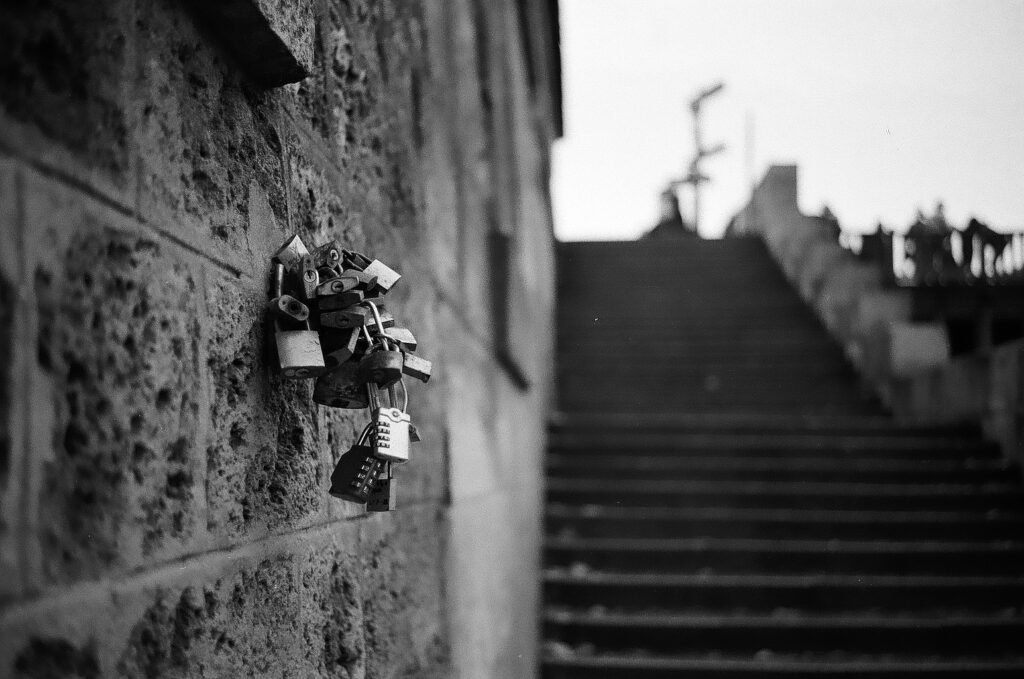
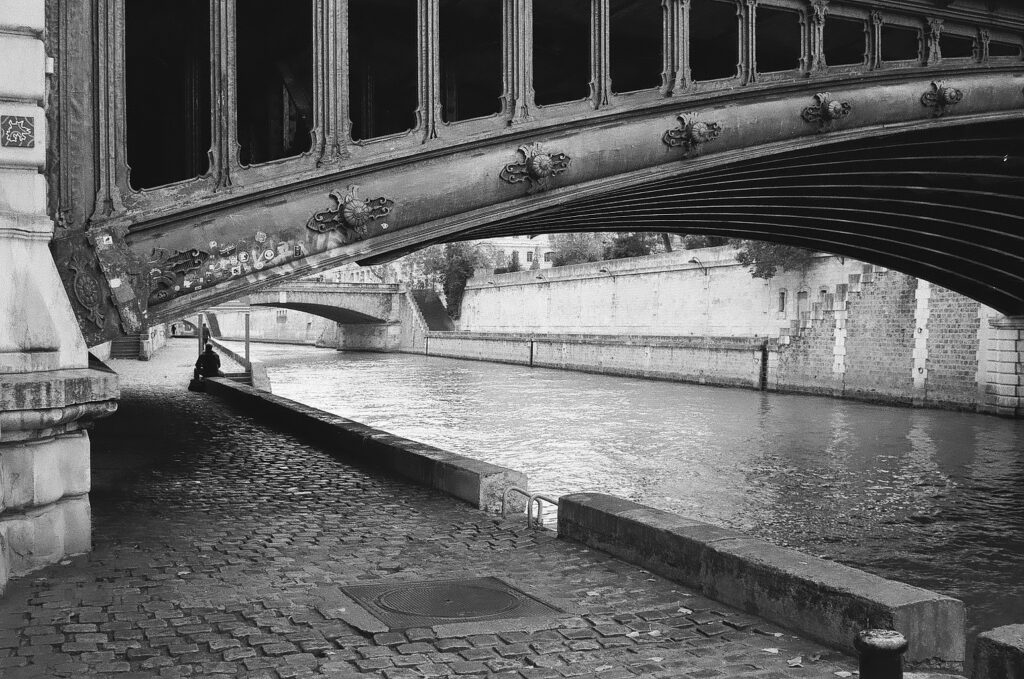
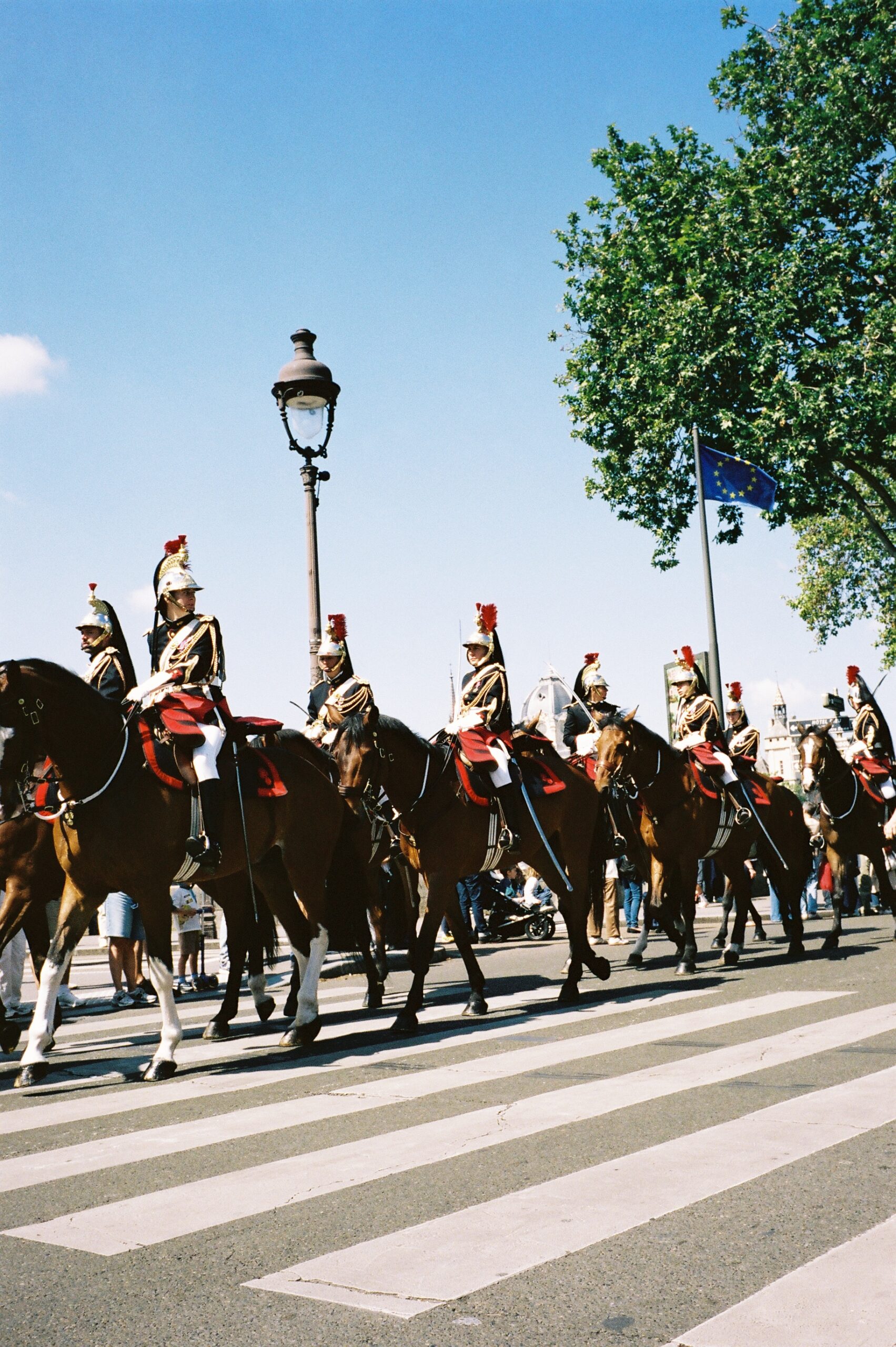
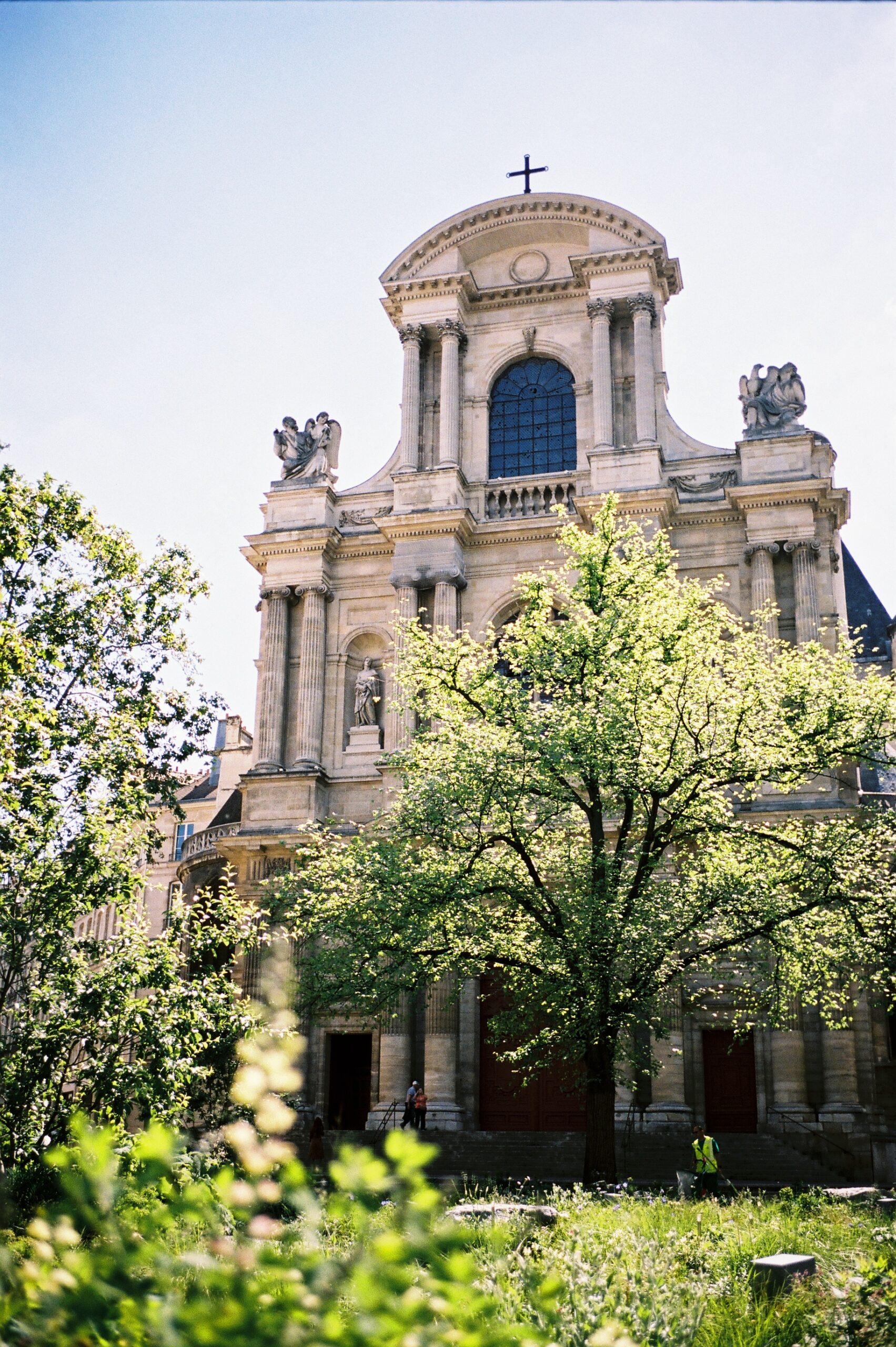
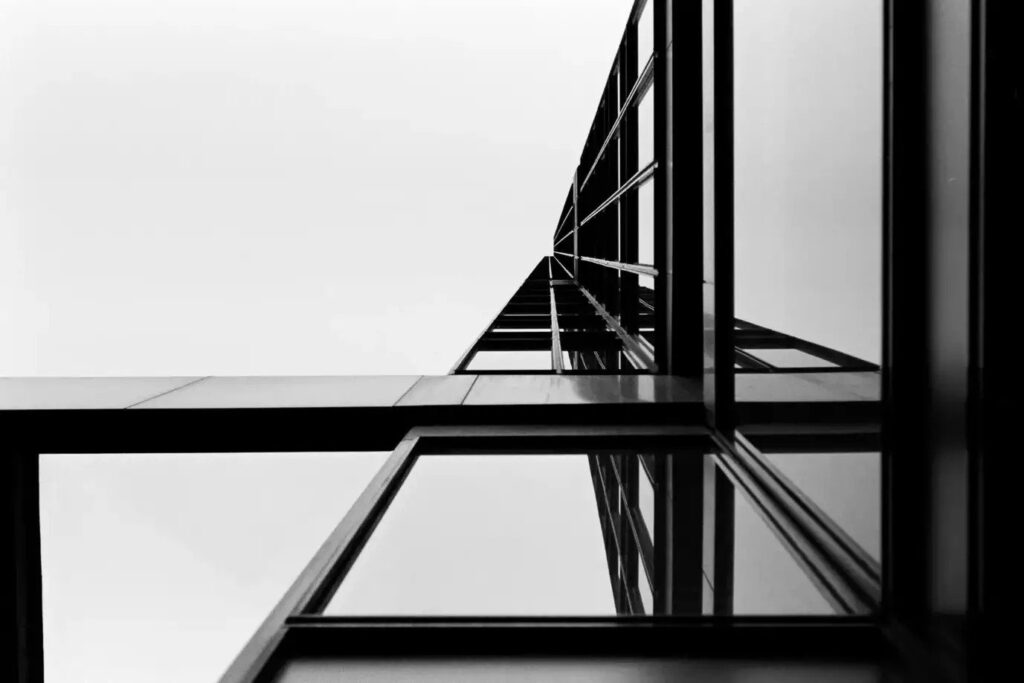
Some Photos
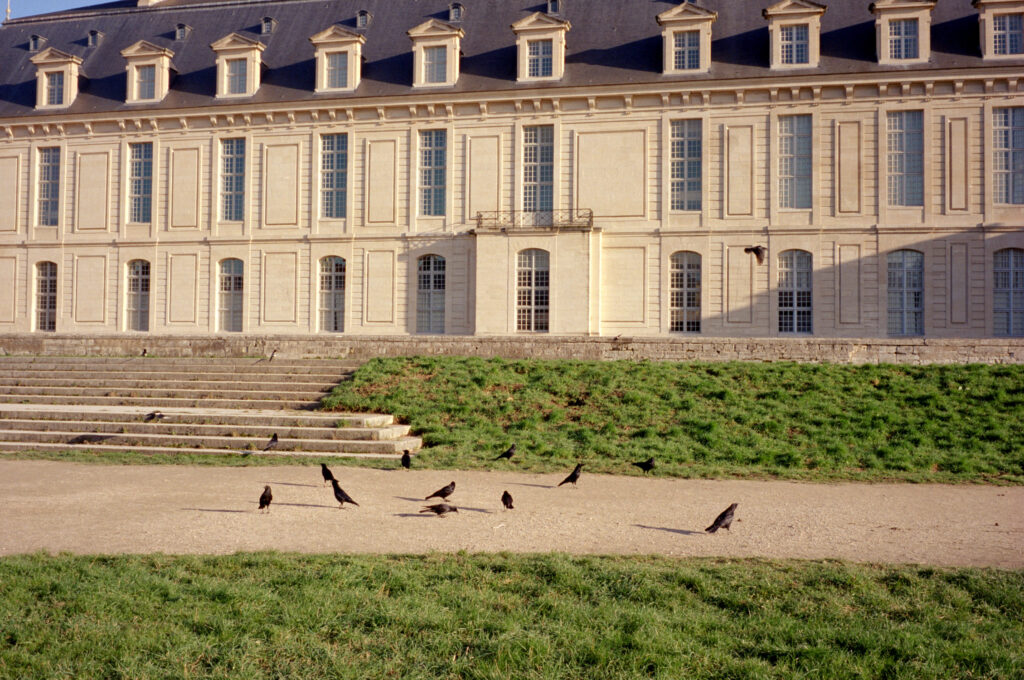
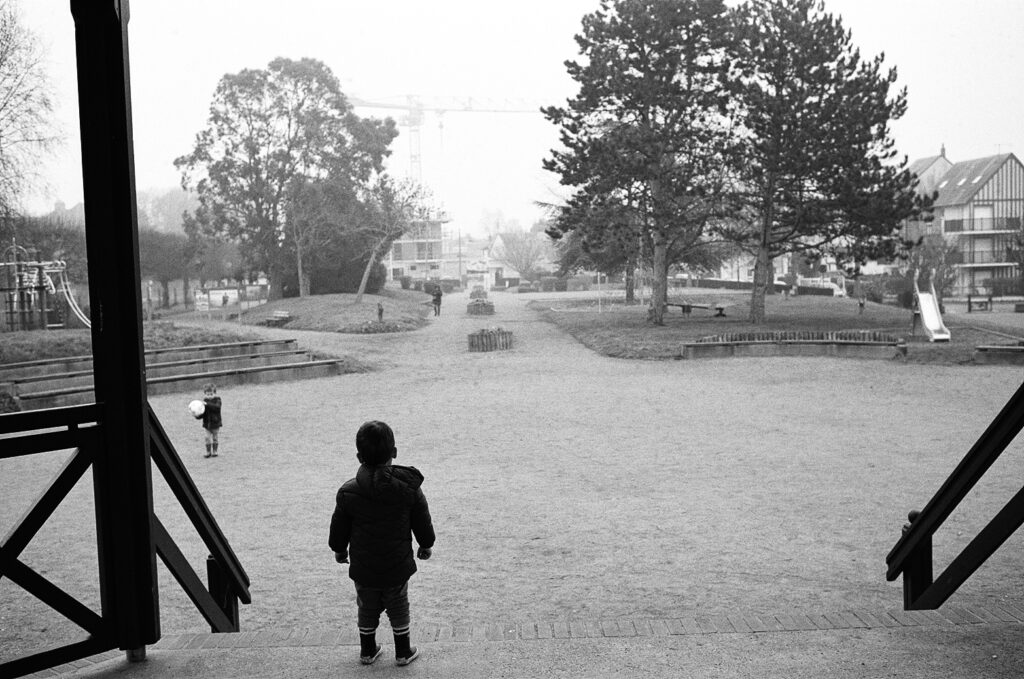
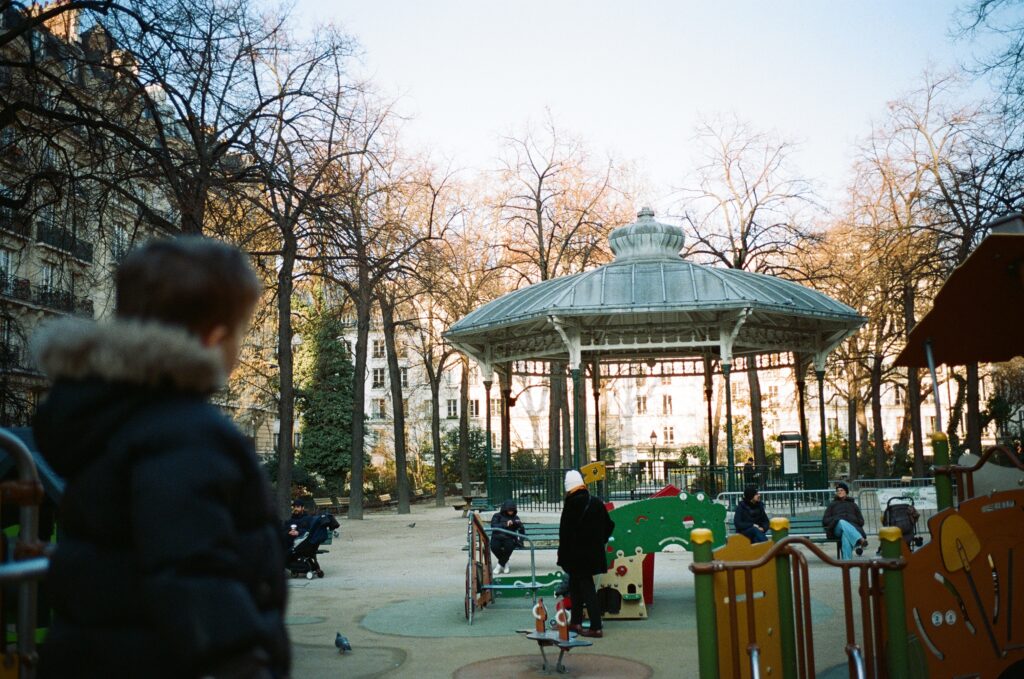
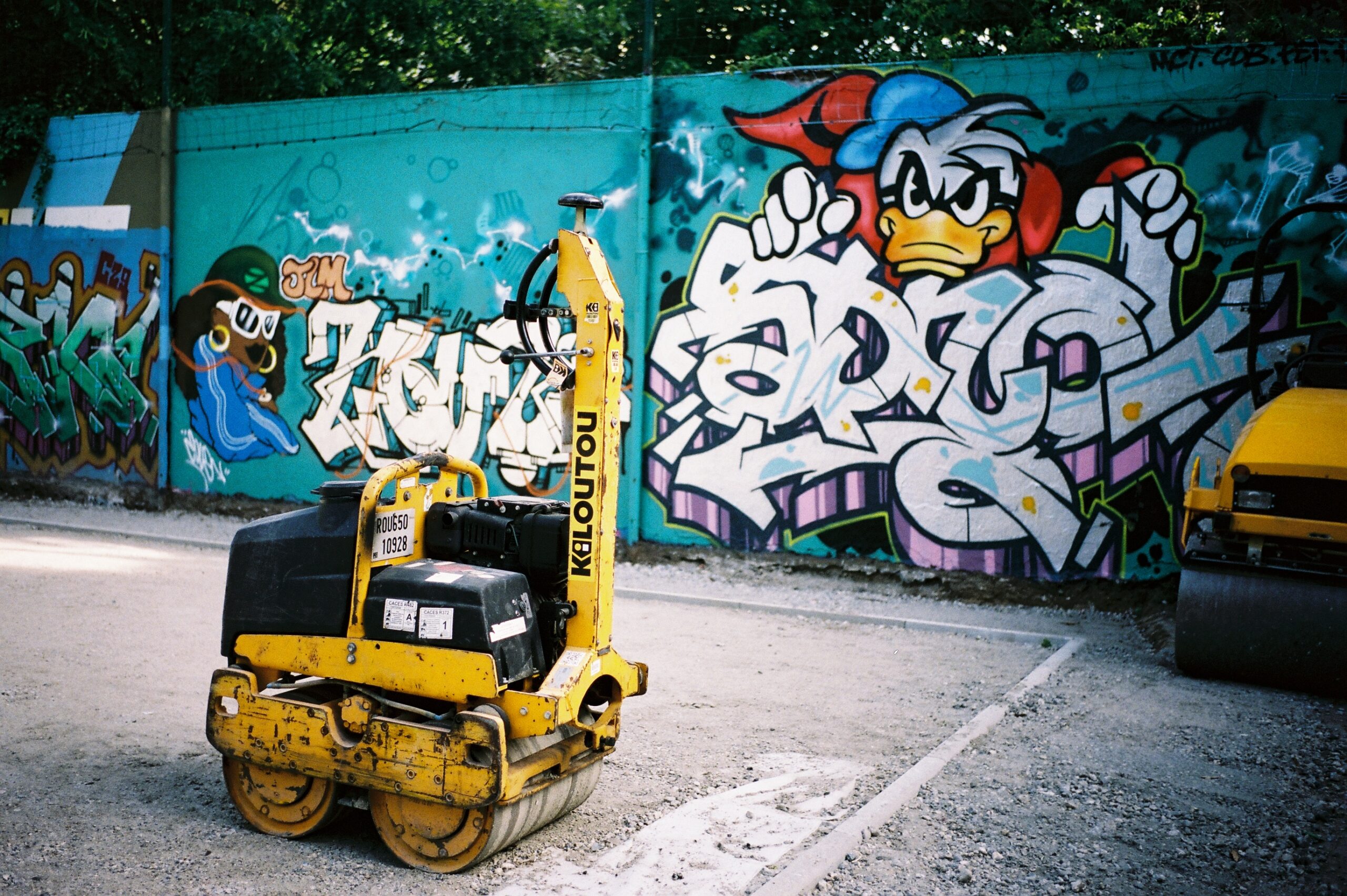
In Summary
This camera provides a lot of enjoyment and fits my photographic practice very well. It is especially suitable for aperture-priority shooting. Manual mode is less comfortable in my opinion. For manual shooting, I prefer OM-1 and Canon EF, which I find more simple.
Thank you for reading my review
You can read another review of the R2A and R3A here on 35mmc
Share this post:

Comments
Bob Janes on Voigtländer Bessa R2A – My thoughts after 6 months of use
Comment posted: 18/05/2026
Comment posted: 18/05/2026