


The Leica D-Lux 8 has been reviewed to death, so this is not a review. It’s personal observations about how I came to buy this camera, how I didn’t bond with it at first, and how it performed in the real-life scenario of functioning as my travel camera on a trip to India.
It’s a two part series because it was too tedious to read when I tried to squeeze everything into one piece. I tried and failed. An additional reason is that in the month after returning from the trip I found that the camera had been more competent than I had hoped, and I’m now starting to develop what I might pretentiously call a “project” from part of the trip.
If you’re not familiar with this camera and want to know more here is I what feel to be the best YouTube review that explains in a balanced way the case for this camera.
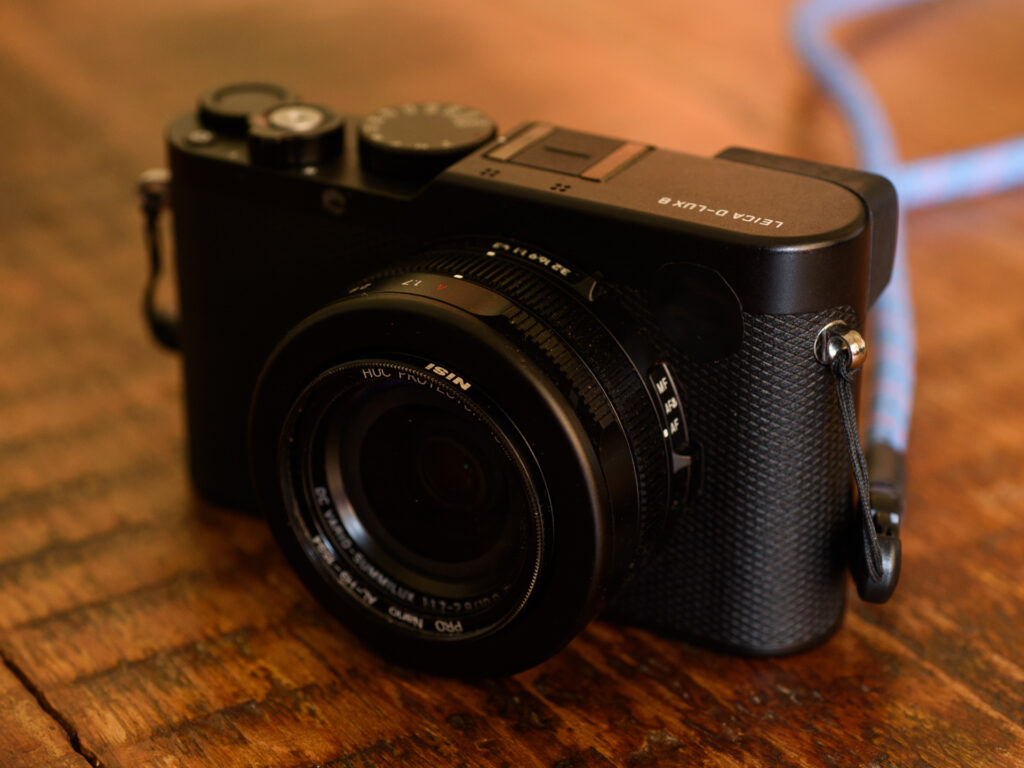
To sum up, the Leica D-Lux 8 is a 4/3 compact camera with a fixed zoom, 24-75mm equivalent, f1.7 – 2.8 The effective resolution changes with aspect ratio, but it’s 17MP if you shoot t 4:3 and that’s the most you can get. It carries on from a line of Leica D-Lux cameras that were very close to Panasonics. This camera carries over the lens and sensor from the D-Lux 7 (Panasonic LX 100 II). However, it’s got a new body with killer looks and great ergonomics, a nicer rear screen, nicer EVF and menu structures like a Q. These features have not been carried over into a Panasonic camera, and current intel is that there is no plan for Panasonic to do so. Whether this is contractual or not, who knows?
So – all well and good. What’s not to like? The elephant in the room is the price of this camera. DPReview’s Richard Butler in his review described its price as, “…somewhere between fanciful and absurd.” It cannot be bought as a value proposition based on specs. (Hell, I’m a Fuji guy and this money would have bought me an X100VI if there were any available) And yet there was/is a big line of people waiting to buy them. On the other hand I spent the first few months of owning it admiring it good looks, not using it much at all, and wondering if I could flip it, and maybe I would’ve done that if it would not have either been a big hassle or lost me a fair bit of money.
And the reason I didn’t bond with it is because it’s a zoom, and I’m not a zoom guy. But I bought it because it’s a zoom, so there’s no one to blame but me. My reasoning was thus: for travel I’d want some flexibility with focal length, so I either would need to go down the Fixed Wide Lens in Front of a High Res Sensor (eg X100VI) route or the Short Zoom in Front of a Reasonable Res Sensor (eg Leica D-Lux 8) route, and the D-Lux 8 was a more compact option.
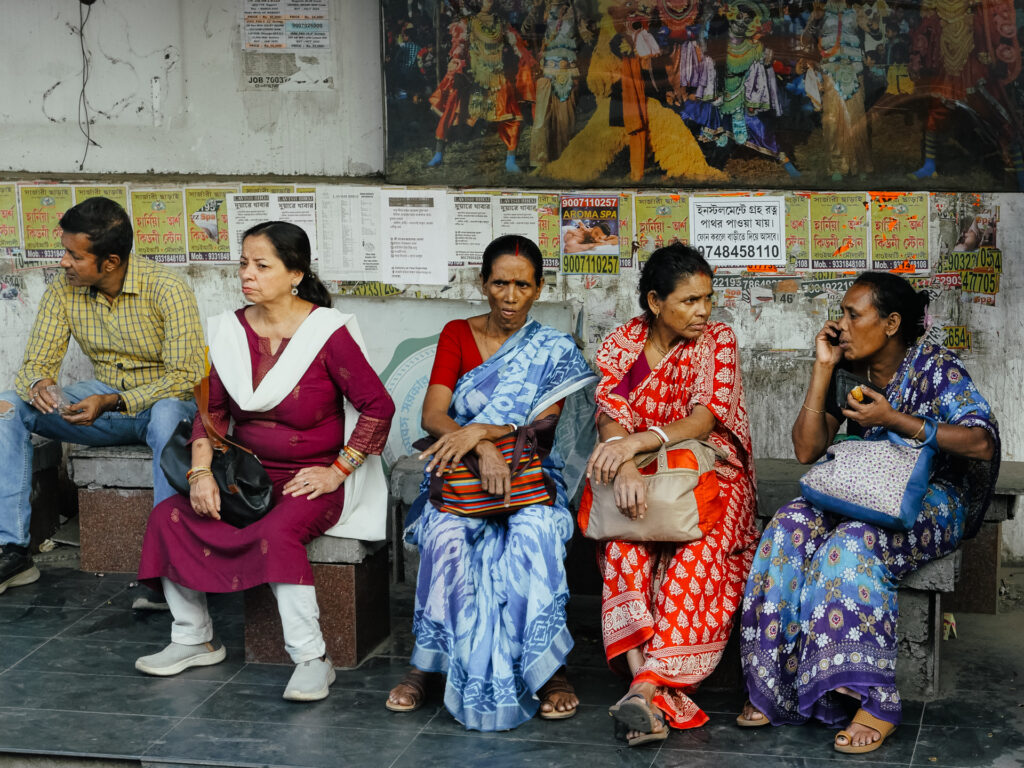
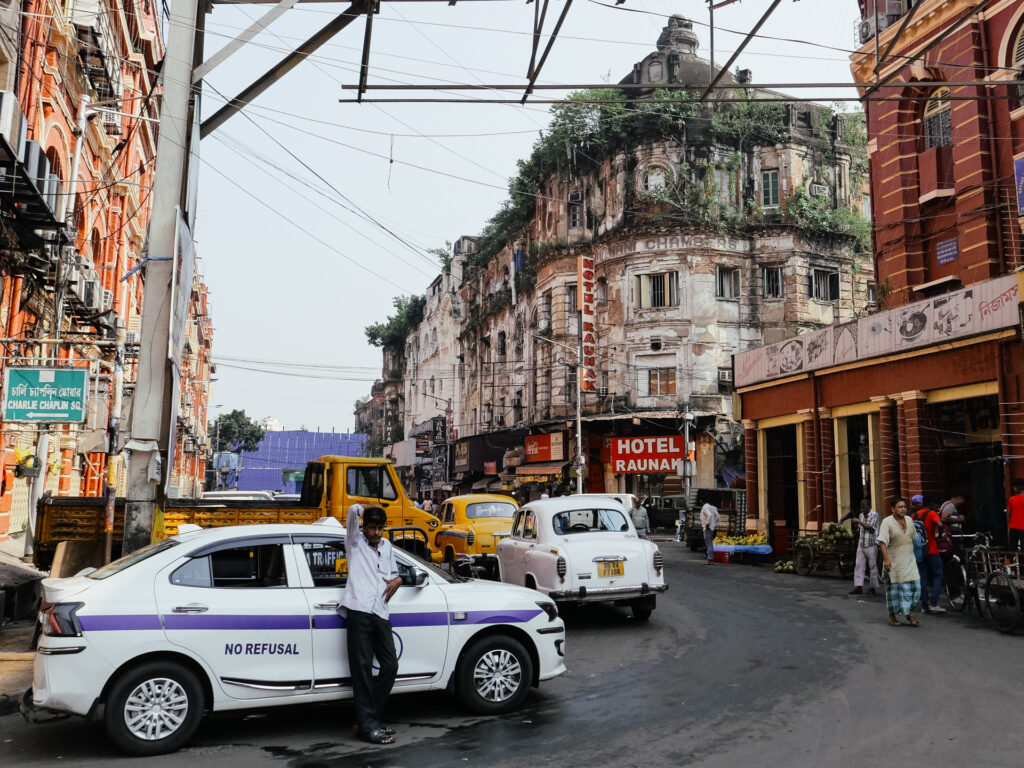
So, again; this would not be a photographic trip. This would be a trip that I documented with photographs, not one in which photography was the prime motivation for travelling.
Thoughts before I left:
- The Money: As I’ve said, price is the elephant in the room with the Leica D-Lux 8 – so let’s get this out of the way first. There’s no need to list all the cameras that are better value. Believe me – I crunched the numbers thoroughly before I bought this.
Conclusion – it’s worth it. (To me.) I’ll explain why as I go, but the answer is clear. I don’t regret the money. Please let’s not go all DPReview in the comments on this – if it’s not your cup of tea that’s fine, but it is my cup of tea. I’ll just state that. So it’s not about why X,Y,or Z is way better value. What is interesting is how all the small nice things about this camera seem to add up so that (for me) it became a happy purchase.
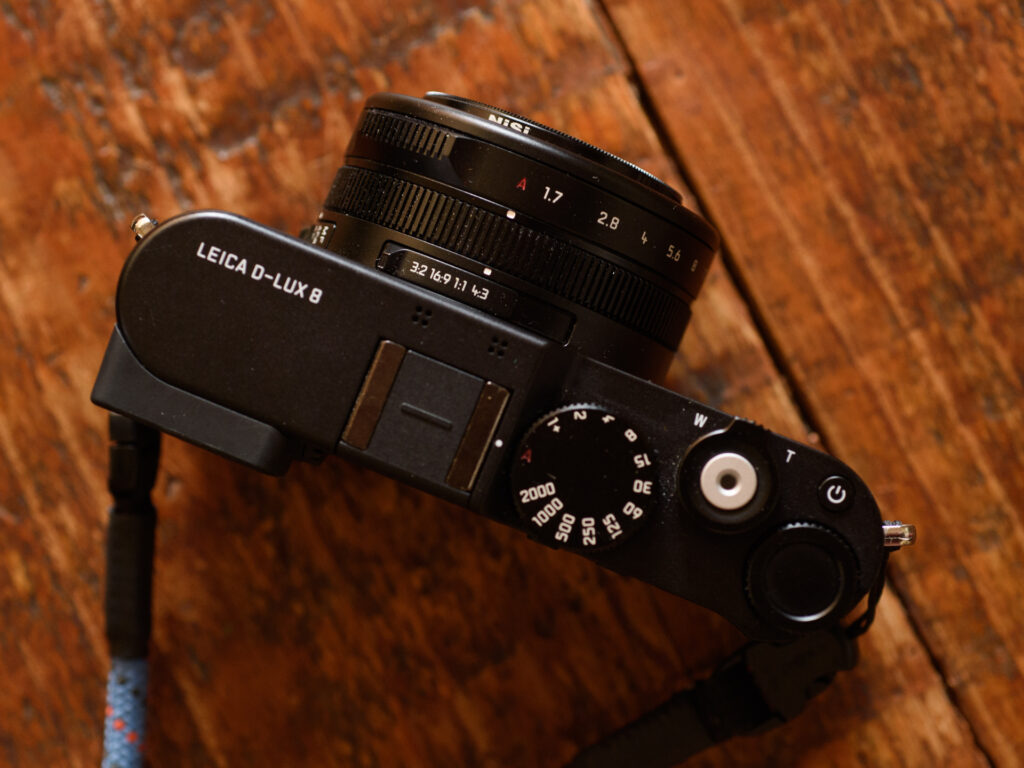
What I liked:
- The looks – it’s gorgeous.
- The ergonomics. They are lovely. The controls and simplicity of menus are superb. It really makes a difference for me. I don’t own any other (you might say any real) Leicas. I doubt I’d ever be an M guy, but would a well-used Q be out of the question? I admit I have been looking at prices…
- The EVF – It’s great. The Rear screen – delicious. Lovely res and colour, the menus look really crisp on it too. Every time I look at that screen or through the EVF I feel like I’m getting a nice experience that was worth the price of admission.
- The size – it’s small for what it does.
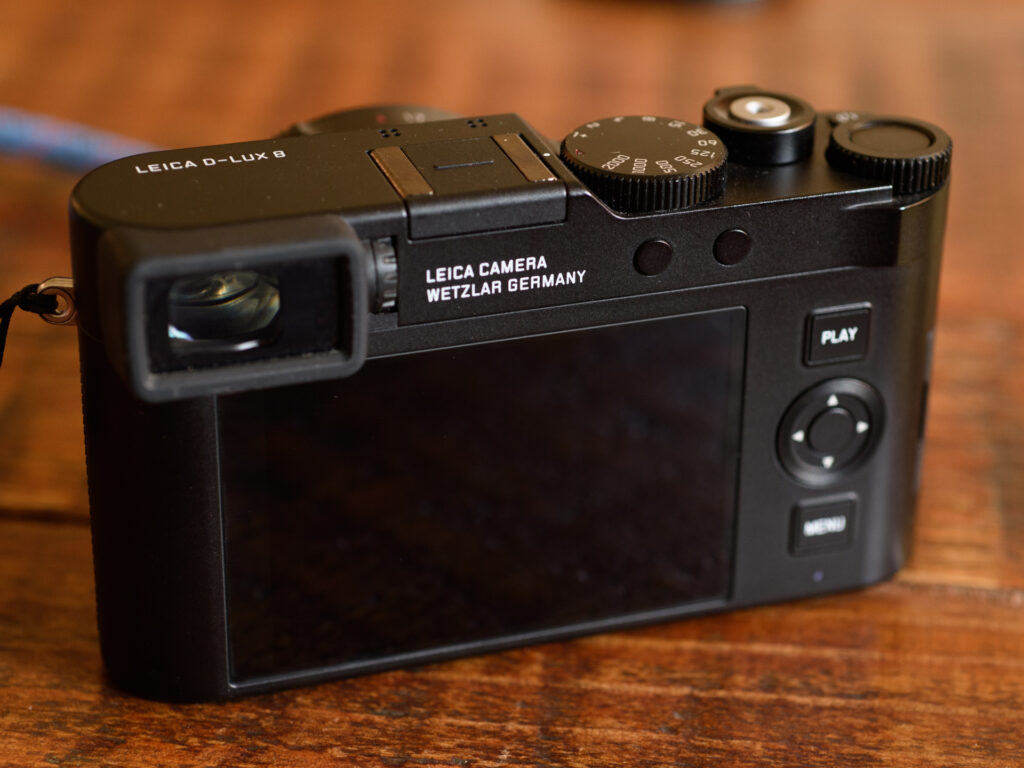
What I didn’t like:
- The zoom – I’m not a zoom guy, and it looks ugly when the zoom is out. I also wish you could set the zoom to set (equivalent) focal lengths, of say, 35, 50 etc
- Waterproofing – I wish it were WP, and I’m also worried about dust.
- The Raw Files – they need work before they’re usable and the DNGs are huge at 30MB.
So how did we get on during the trip?
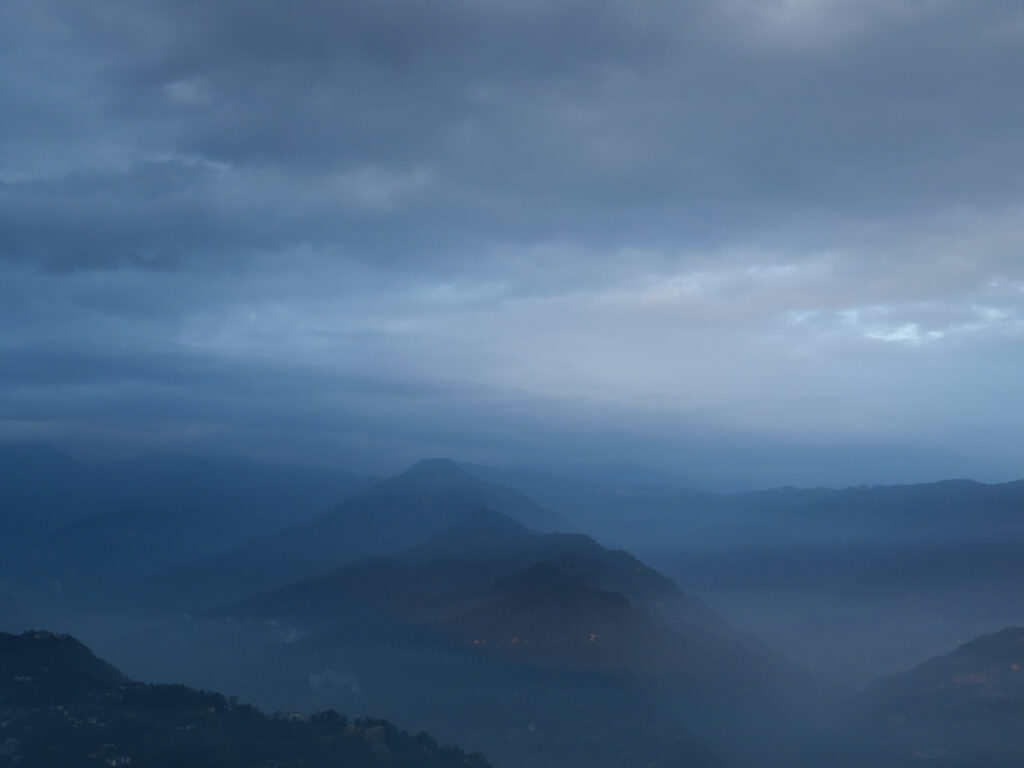
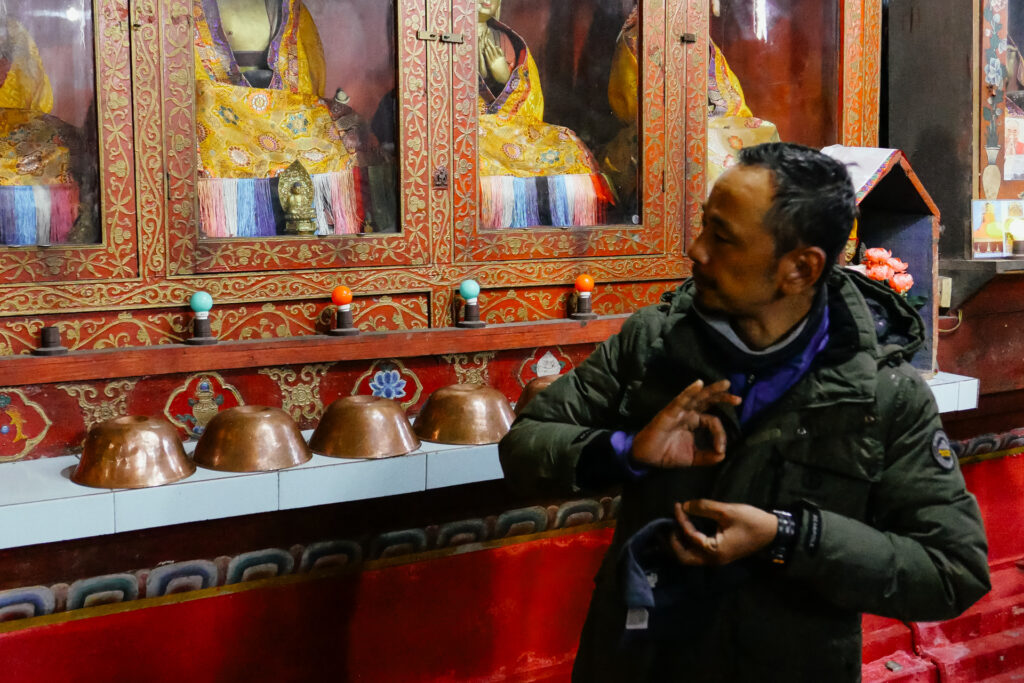
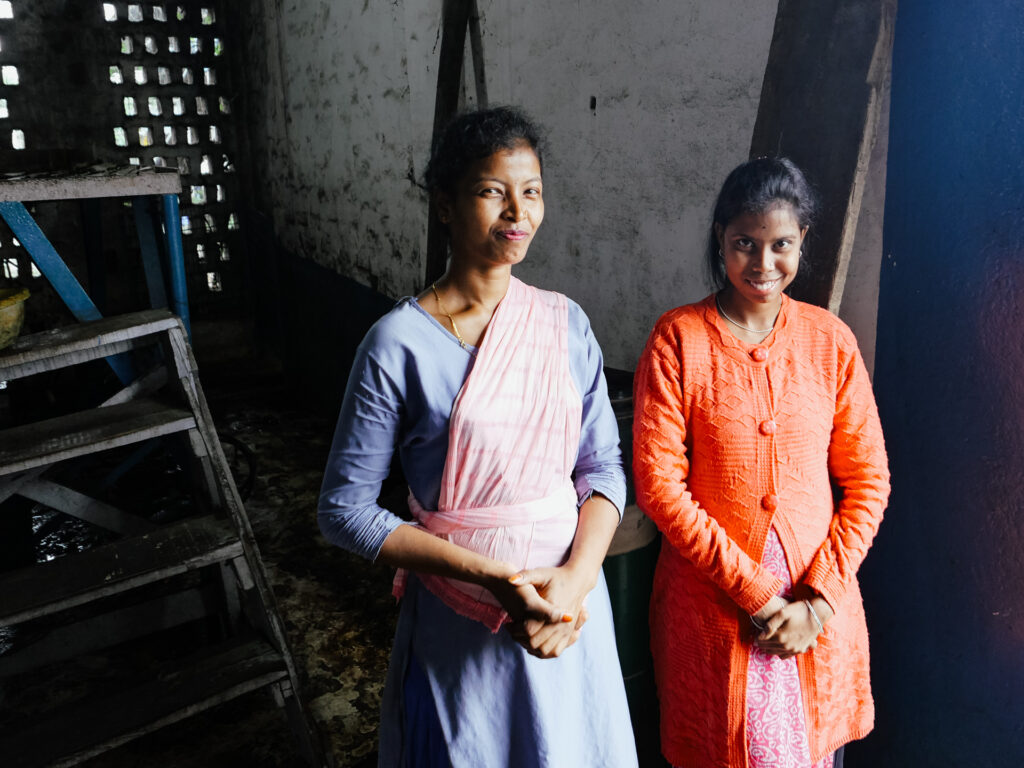
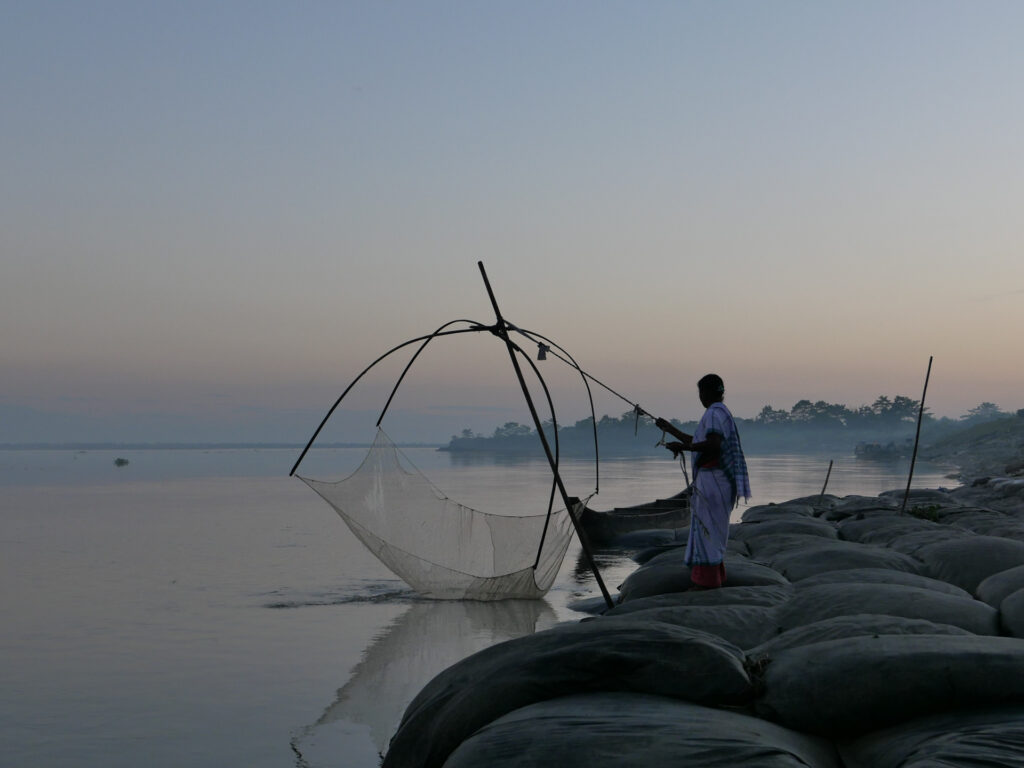
Image Quality and Ergonomics:
So in use, I guess I’d have to say that I was super happy with the image quality from the Leica D-Lux 8. No qualms at all. I shot Raw for about 10 frames until I got a sick of thinking of all the storage space that I’d be using up and I just put it on JPEG and left it there for the rest of the trip.
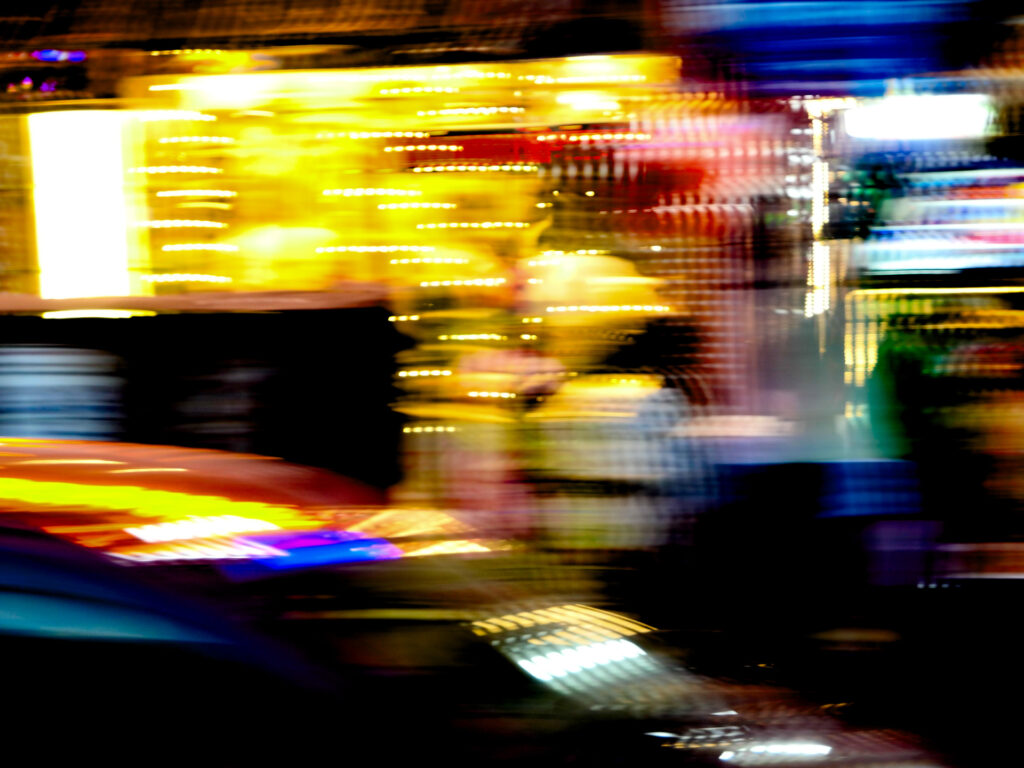
And I just used standard colour mode. There are great profile settings, which I’ll mention later, but really these shots are all JPEGs and touched very little from SOOC. I was surprised at how little I played with them.
And this could just be me, but I have this idea that JPEG is the new Raw. What I mean by that is that the processing inside the cameras is so clever these days that you can pretty much get the camera’s processor to do the heavy lifting and let it manage the dynamic range and work out where to put the highlights and the shadows so that you’ve got a little bit of breathing room to play with in the JPEGs that you get out of it and just take it from there.
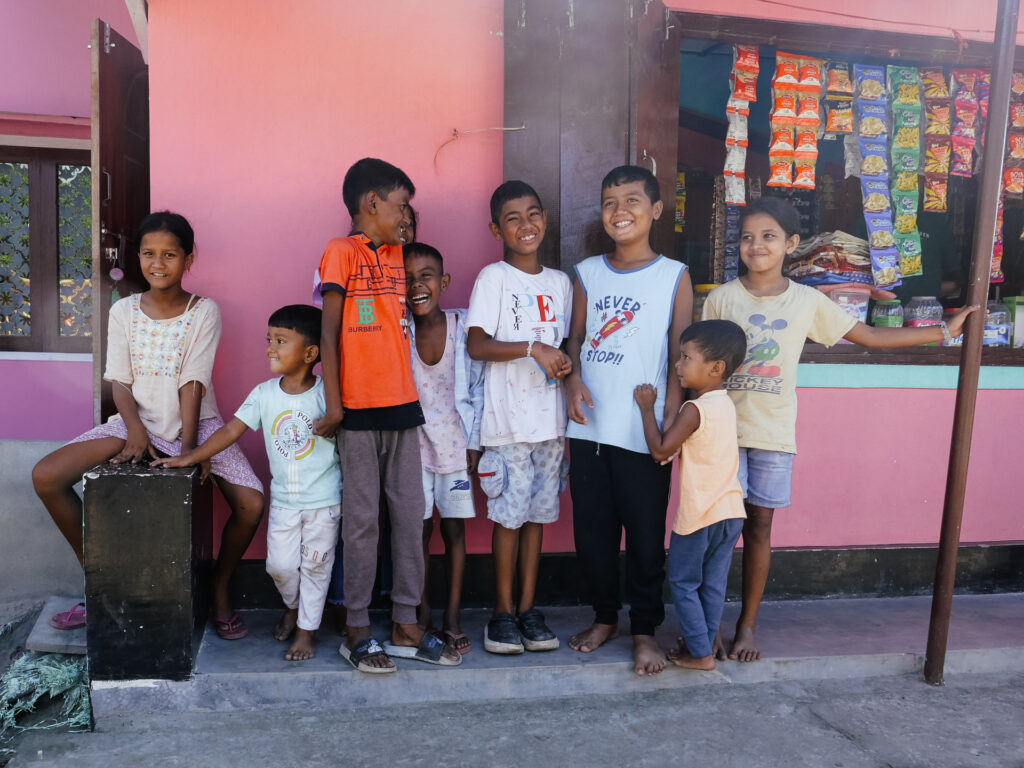
The Leica D-Lux 8 lens and sensor were just fine, and worked really well together. I left it at ISO400, because it’s completely clean there, and also my brain will tell me what the exposure is likely to be so I can pre visualise what I’ll get with motion blur etc. I also use daylight WB rather than auto because I want all shots from a similar situation to have the same WB and the camera not to get tricked.
There was one time – and one time only – when I took the filter off the lens to reduce flare when I was shooting into light inside a smoky temple, but that was it. I found the lens to be sharp everywhere; I never had to think about aperture. I would usually leave the camera on P. (There is no switch for P mode – it just means setting auto aperture and auto exposure so the camera picks both) Or just grab aperture on the lens and click it to 1.7, which will keep it as open as it can be for whatever focal length.
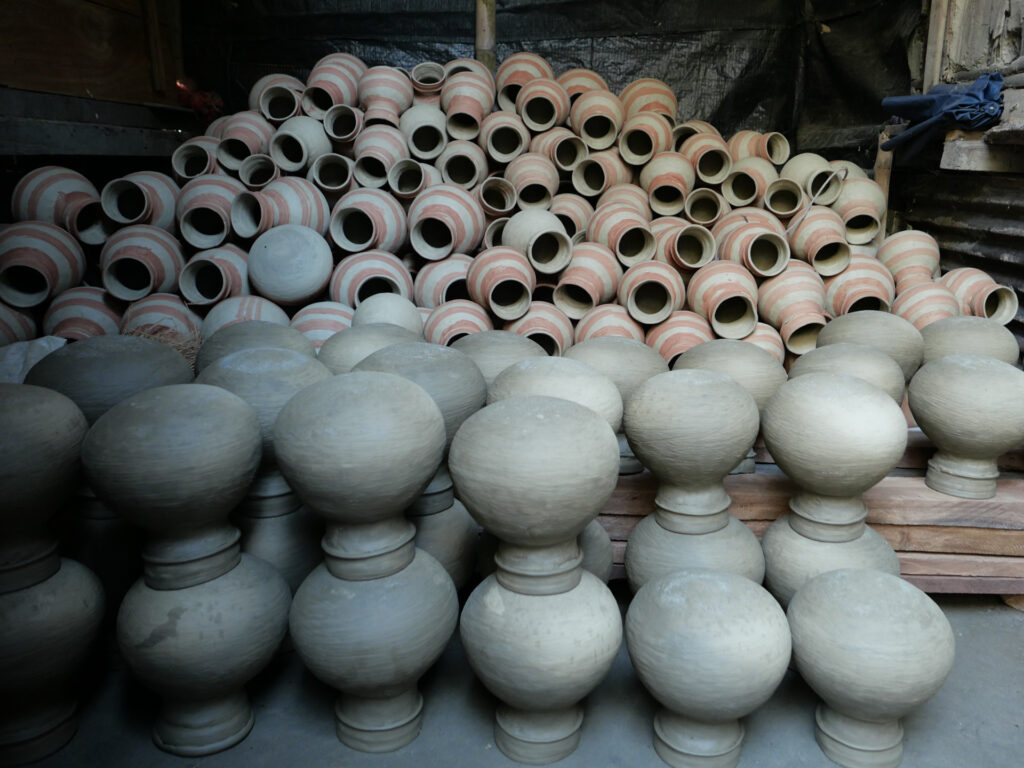
Now – a minor niggle that I’ll fold in with the section on ergonomics. When you switch it on, it goes to widest focal length no matter where it was when you switched it off. It would be SO nice if you could set it to go straight to 35mm equiv or whatever. And set it so a little flick of the zoom tap would toggle 24-35-50-75 or whatever. I have no idea why they did not do this. Maybe Leica is keeping something back? but it seems mean not to do this via an upgrade (And yes I know the Panny LX100 2 does it) It also harks back to the Tri Elmar lenses that came out with the M8 – so what the hell, Leica?
But really, the ergonomics are a delight. Some people have found the camera a bit hard to hold and suggest the grip, but I think it’s great as is. And why buy a small camera only to make it bigger?
I did get nervous shooting it in the rain; I didn’t want to retract a wet lens barrel back in to the body.
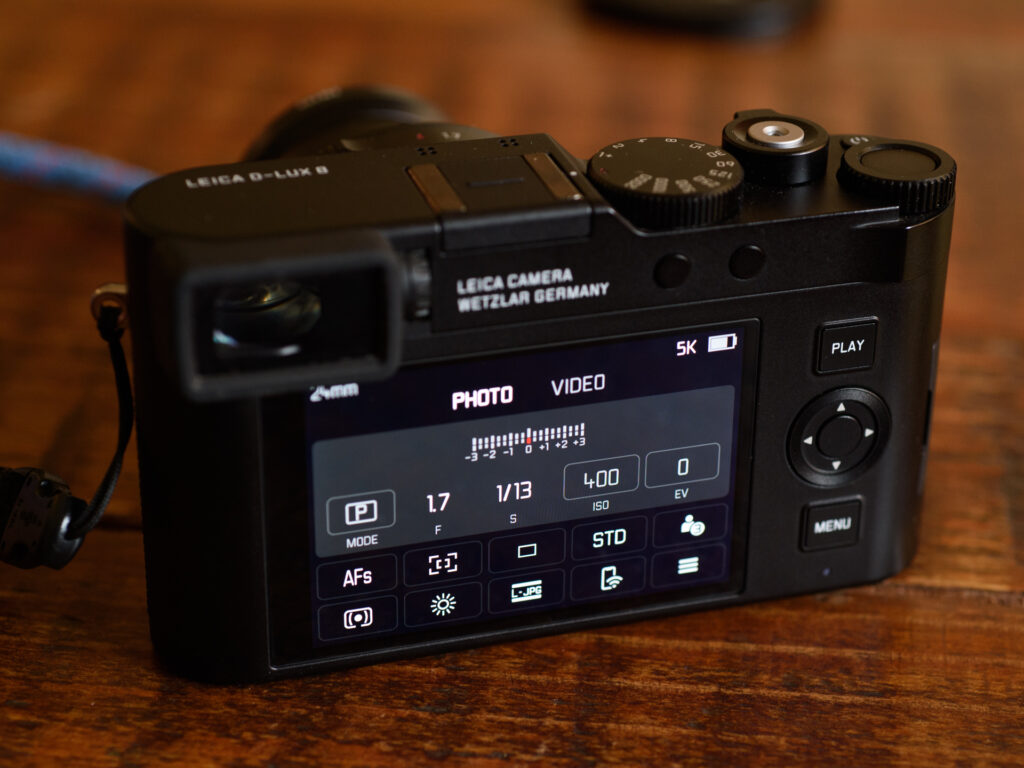
But the way the buttons work with the menus and how clean the menus are is great. All my Fujis just look so button infested by comparison.
One press of the menu button brings the menu above up, and one more press takes you in to the menus proper. The only thing I found myself using the menu for was changing between profiles, which I didn’t really do anyway. I can’t really stress enough how much these profiles and menus help make the camera a great tool.
Say you want to shoot Raw. You just create 2 profiles with the same settings, except one is Raw, one is Raw+Jpeg and you’re set. In practical use on my trip, though, I don’t think I used the menus at all. It was all buttons.
Back to the top view. Shutter and aperture – check. See that unmarked dial on the right? As-is it’s exposure comp. Press the middle bit, and it’s ISO. That’s it really. If there was a really tricky metering situation I’d go in to quick menu and switch to a profile where I had Raw+Jpeg instead of just Raw, but I never did that.
Picking up the camera again to write this reminded me just how nice all the buttons and dials are. For example the click away from A for the aperture is harder than all the rest so you won’t do it by mistake. That unmarked dial on the right is just right in its resistance, and even if it gets moved while the camera is off, it won’t change exposure comp.
Final Thoughts:
So where do I stand? Is the Leica D-Lux 8 the gateway drug for me to get a Q43? Not likely, I’d say. And money has a lot to do with it, but even if I owned a Q it’s probably more what I’d call “money on the tray” than outright cost.
By “money on the tray” – a term which only just occurred to me then – I mean that when you’re travelling, your camera(s) spend a lot of time on plastic trays going through scanners at airports. And when it’s India and three flights are all departing from the same gate at the same time and I have an artificial knee which sets every scanner off anyway, so I’m standing there with my belt in one hand and my shoes in the other and no idea where my carry-on is while the guy is wanding me, the extra stress of wondering where my Leica Q (Or Fuji GFX or Blad X2D or whatever) is not what I really want.

This non-review ended up a bit more glowing than I thought it would. And, truth be told, since returning home I’ve used the camera very little. For shooting portraits and family gatherings at home I use a DSLR or film SLR. Normally I just have my phone in my pocket.
Other cameras are more fun to use, but this one makes a pretty compelling case as a travel camera, and all its good features – whether or not they justify the price – have mitigated any concerns I had about the money.
I’m currently planning for a trip to Europe starting with a bike tour from Prague to Vienna and culminating in a boat trip down the fjords in Norway, so it’s camera decision time again. My current thinking is that I’ll take either the Leica D-Lux 8 or my X-Pro 3 because the fjord part is somewhere I’ll want to make another project. I might even take a rollfilm folder as well (I have a 6×6 Agfa Isolette III) and try to buy film in Copenhagen. Then because any camera that needs to go in and out of a bag is a hassle when you’re on a bike, I might also take a very old Oly Tough Digicam I picked up for $5 and go Lo-Fi funky on the bike trip, and maybe even for the rest of the holiday.
But first, in Part II of this series I’ll tell of how this little camera, with the aid of a 10 stop ND filter that I popped in my bag just because I had one with the right thread size, led to what might be called a series of work.
Thanks for reading.
Oh, and if you want to see a photo essay based on this trip it’s on Adobe Spark here .
Share this post:

Comments
David Pauley on Leica D-Lux 8 in India – Part One
Comment posted: 23/03/2026
Peter Schu on Leica D-Lux 8 in India – Part One
Comment posted: 23/03/2026