

My creative journey usually looks like this: have a slight interest in a topic, go on a deep dive online, and learn as much as I can before committing fully.
I started photography this way: months of research on which camera to buy, followed by endless forum discussions about which lenses are a must-have. Of course, as for many of us, this led down a road of trial and error, and somehow I ended up trying more lenses than I can remember. I bought, sold, and traded dozens of lenses over the years. Eventually ending up in the current creative space. A sense of curiosity began to brew towards lenses that didn’t exactly fit under the “plug-and-play” category.
At first, this curiosity was satiated by vintage SLR lenses. This world, as many know, has an endless range of lenses from many manufacturers, many with cult status.
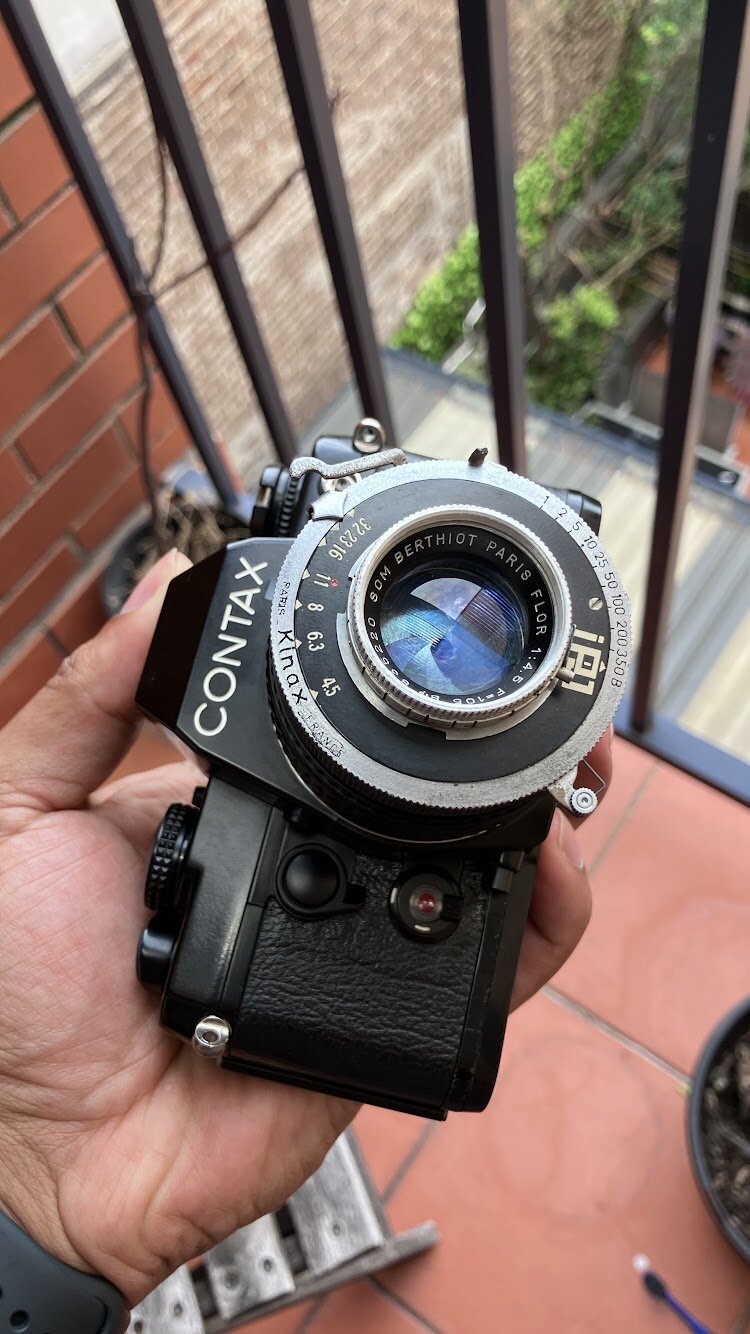
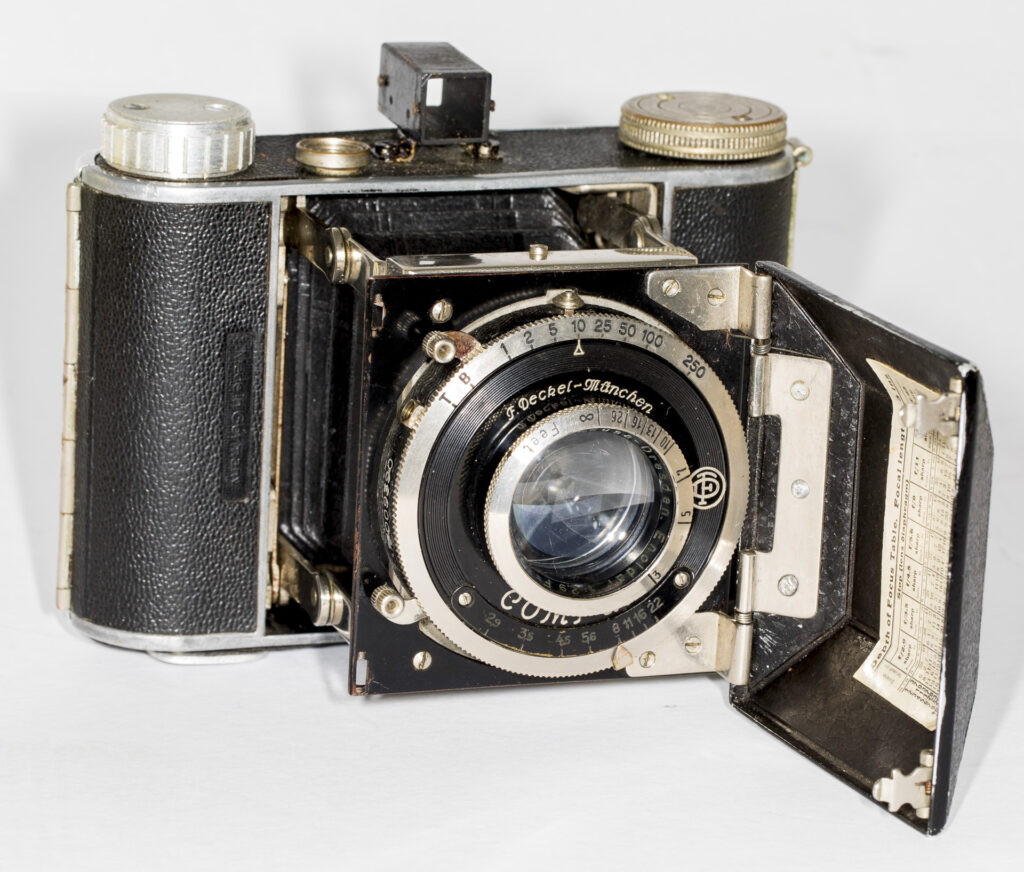
Not long after scratching that itch, I wanted to dip my toes into something else. I went down a rabbit hole and began seeing that it was possible to adapt lenses from old film projectors, convert the lenses from vintage folder cameras and even adapt enlarger lenses.
My brain was flooded with ideas, and the hunt for my first project began, but I wanted to establish some ground rules:
- First, I only wanted to source lenses from cameras that were considered broken or as-is.
- Second, I wanted to try lenses that didn’t have too many reviews online but came from reputable companies.
- Lastly, I wanted to assemble lenses that I could use across my different camera systems.
The hunt began, and not long after, I came across a Zeiss Opton Jena 3.5/75 taken off an old Zeiss medium format camera.
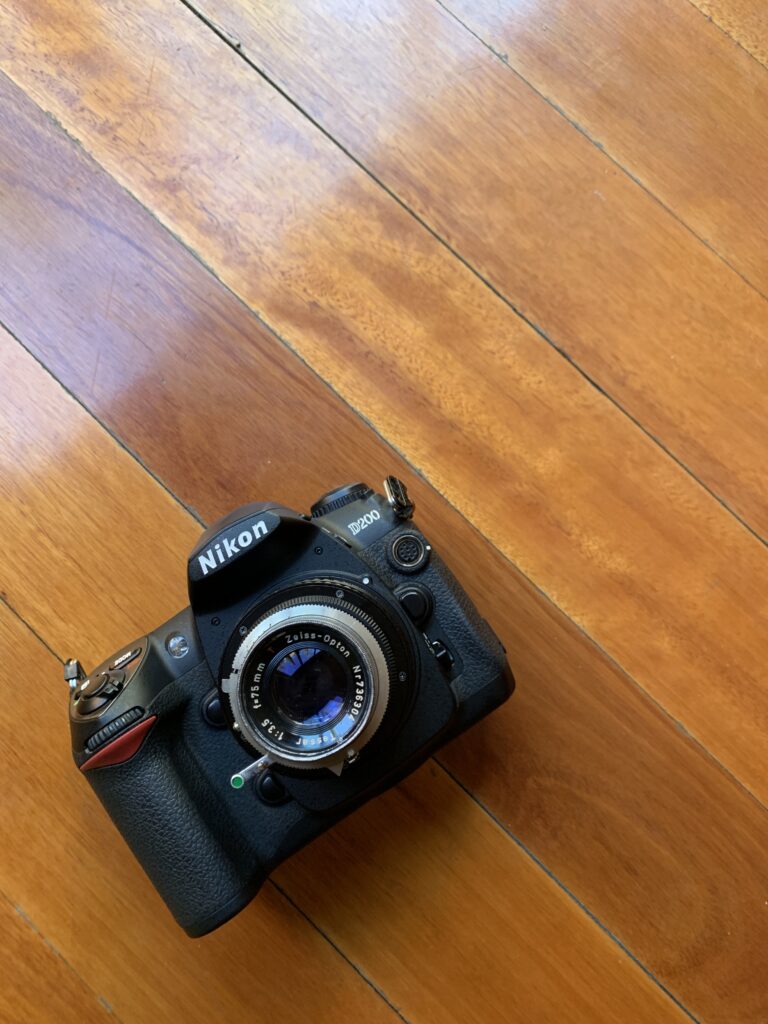
After tinkering with temporary mockups, I made my first “image.”
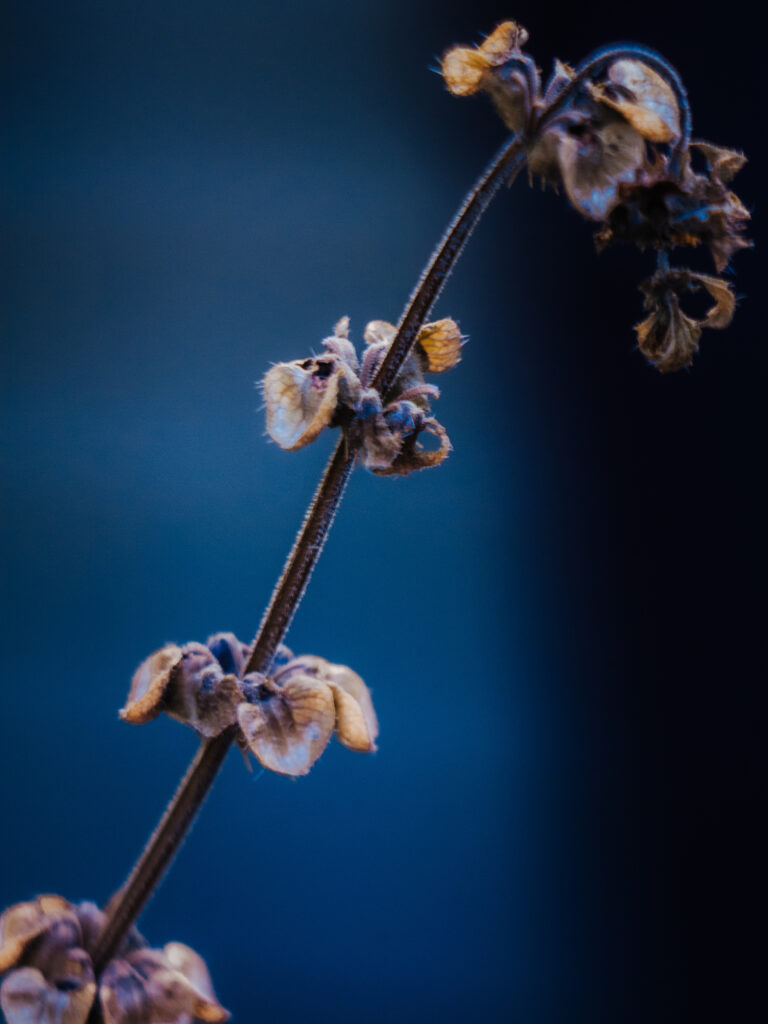
Seeing the image back on my screen, I felt a rush that reminded me of the first time I took an image that I was proud of. Here I was, holding a lens from the 1950s, at the end of a plastic tube, feeling like a mad scientist, giving an abandoned lens another chance to team up with a photographer 70 years later.
eBay became my playground, coming across new ideas frequently and at a price of entry that allowed exploration and mistakes.
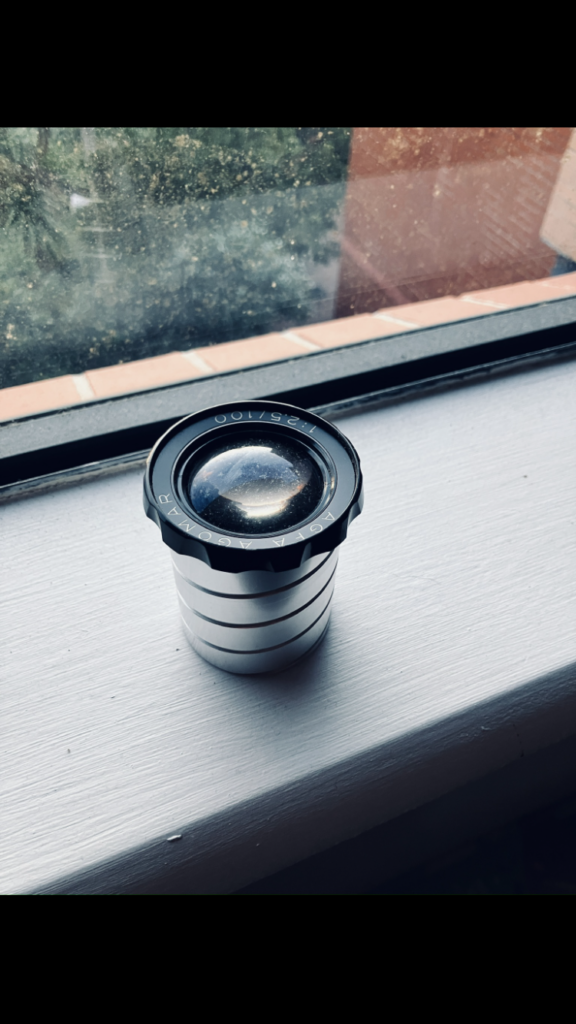
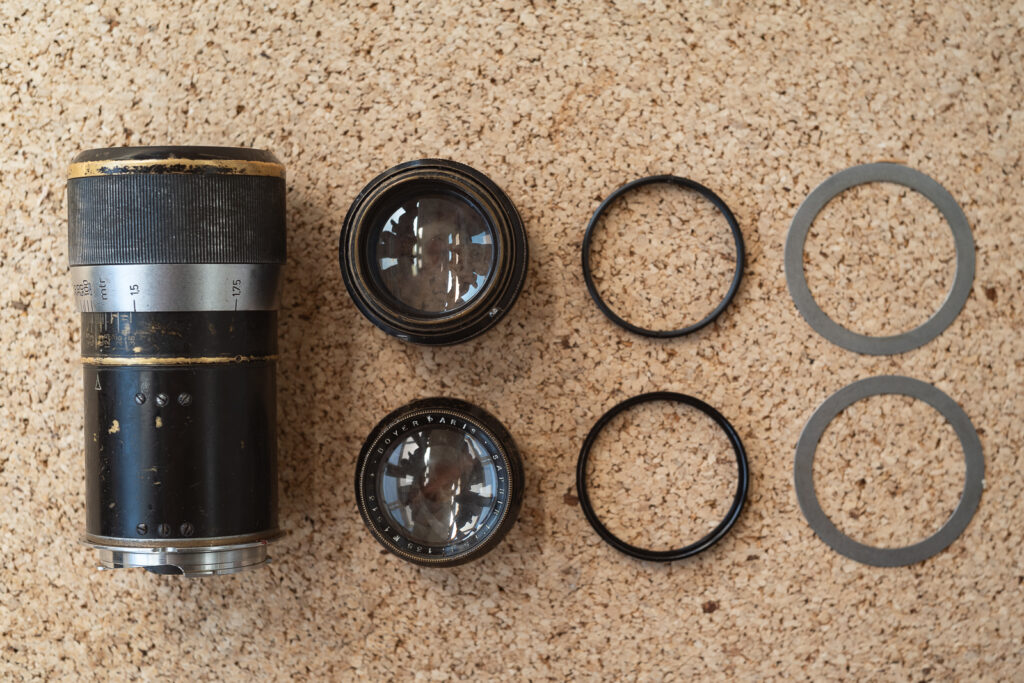
My recent pickup was an Agfa Agomar 2.5/100 purchased for 5 dollars AUD at a local antiques shop. The lens had a bit of fungus and needed some cleaning. Adapting lenses has, over time, given me the confidence to learn to clean and service simple lens designs. I took the Agomar apart and adapted it to my camera.
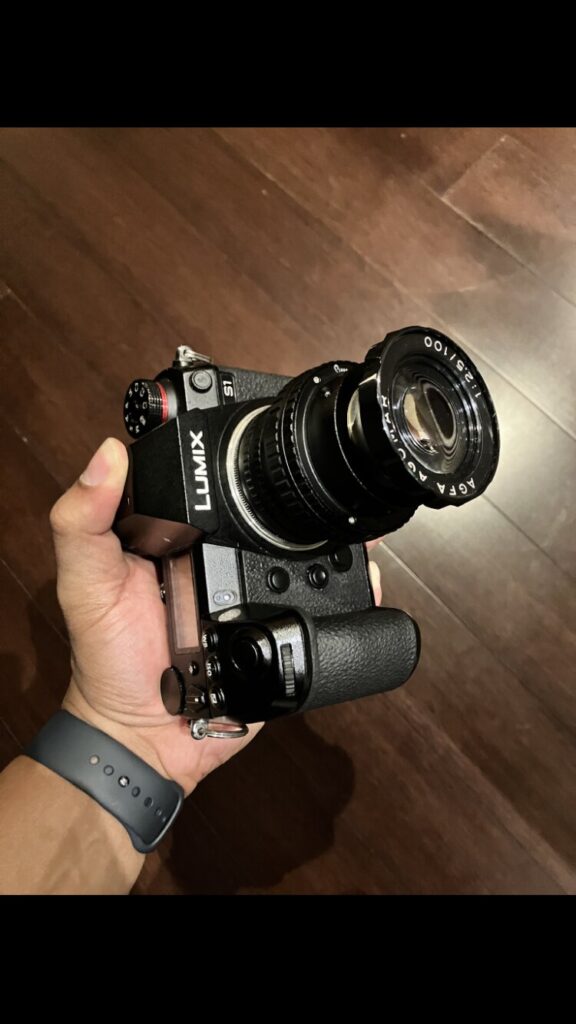
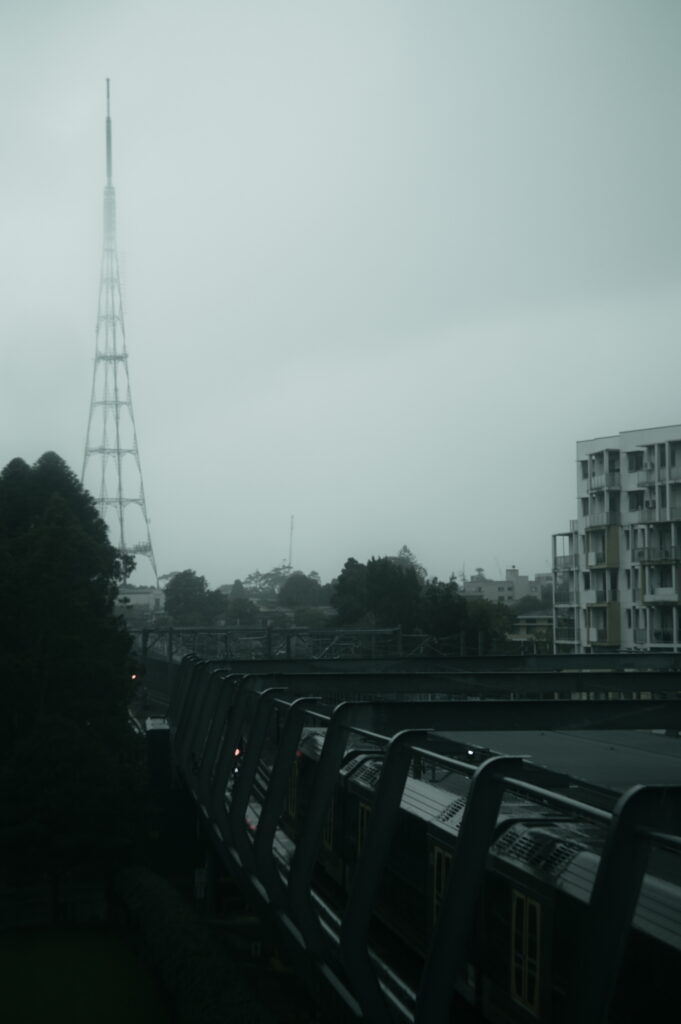
The Toolkit
Now that’s out of the way, let me share the tools that I’ve been using to put lenses together:
* M42 helicoids of all sizes: as they come in different flavours, I found that the standard 17- 31 mm version covers my needs most of the time.
* M52 helicoid: This is a must for lenses that are bigger than most 16mm projector lenses.
* Slim M42 adapters for different lens mounts
* M42 camera body caps: They are excellent for holding rangefinder lenses in place and screwing onto the M42 helicoids.
* Velvet tape: helps reduce slipping when adapting projector lenses into helicoids.
* Callipers: to measure barrels and to take lenses apart when my dedicated lens tools don’t work.
* M42 extension tubes in various sizes
* Step-up and step-down rings
Things to Consider
Of course, there are things to consider:
Shooting Wide Open: Projector lenses do not have internal aperture blades, so shooting wide open is the default option. I’ve seen a few examples of adapting an aperture mechanism to these types of lenses, but personally, I’m not there yet.
Achieving Infinity Focus: Infinity focus will be a challenge in most cases and will require some effort to get the right distance from the camera sensor. Please bear in mind that caution is required, as some lenses have deeply recessed rear elements, forcing you to get close to the camera sensor. At times, further modifications to the lens are required.
Lastly, I go into these builds not knowing what to expect except for the enjoyment of the experience. I never expected to find anything past that, and it’s helped me stay focused on what the point of these experiments is for me, a creative process that allows me to dive deeper into a practice that I truly enjoy.
Share this post:





Comments
Gary Smith on New Horizons with Adapted Lenses
Comment posted: 23/07/2026