


When I re-entered the world of film, I wanted to avoid at all costs Kodak Gold 200, a film I shot extensively throughout the 1980s. Gold is a classic family holiday film, nice and warm, like an English seaside postcard. Ironically, I’ve come to use Gold as my go to every-day colour film, but that’s another story.
I wanted something more true to the real colours I see. I was chasing the myth of capturing the objective truth and never needing Adobe Lightroom. I started thinking about Kodak Vision 3, both D (Daylight) and T (Tungston), which are used in cinema films and capture natural colours. Note that around a quarter of movies are shot on film but more are transferred to film to get that cinematic look. There are respooling companies that take film rolls meant for cinema use and respool them for photographers. I’m not entirely sure of the commercial relationships, but, hey, it’s film!
This fool’s errand led me to experiment with Silbersalz35 250D, Cinestill 400D and other Kodak Vision 3 based films. Silbersalz required ECN 2 processing and Cinestill introduced halation which is sometimes enjoyable. Recently, Kodak announced Kodak films with a new anti-halation undercover layer (AHU) which allowed standard C-41 development without all the pollution of the remjet layer.
Then Analogue Revival released their Kodak Vision 3 250d and I decided to try some. The name is confusing. If you process it in C-41, it’s ISO 320, in ECN-2, it’s ISO 250. I usually overexpose film my one stop and expose for the overall scene of two thirds land and one third sky, so after some google research, I shot this roll at ISO 200.
Photographs
I loaded the film into my 1958 Leica M2 and shot these photographs through the summer of 2026. As far as I remember, I used my Leitz Elmar 50mm f2.8 lens, but maybe some frames were shot with a Voigtlander 35mm f1.4 Nokton Classic II.
NOTE: The scans from Come Through Lab and have been lightly processed in Adobe Lightroom. The way that I meter, means that I usually need to stop down the sky around 1 stop in Lightroom, but I love the way that sky gets rendered on film and there’s sometimes a little dodging and burning.
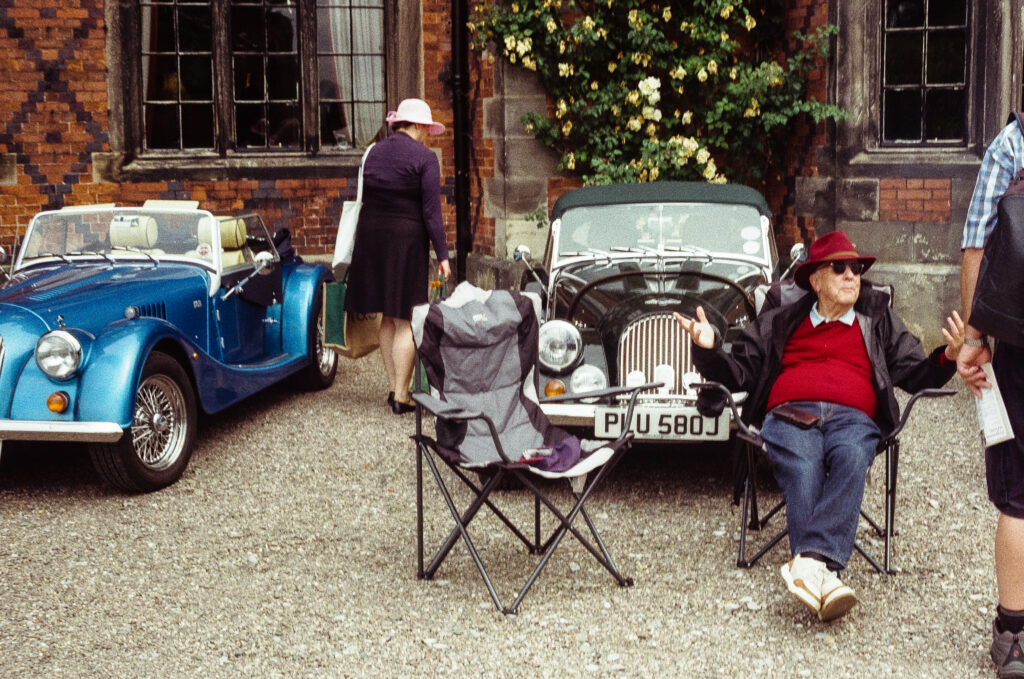
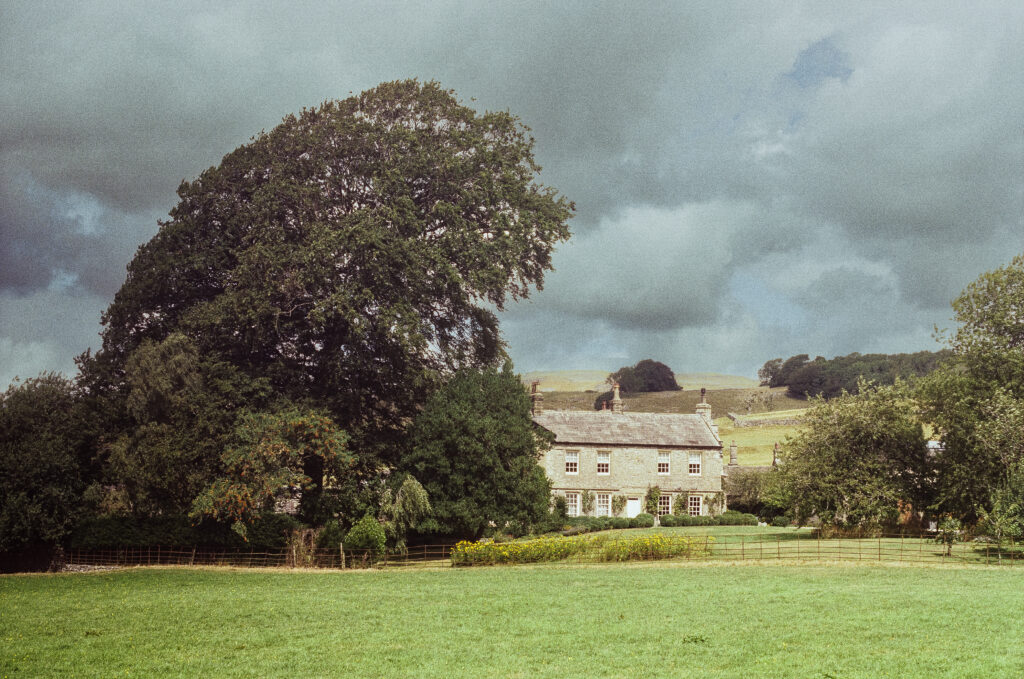
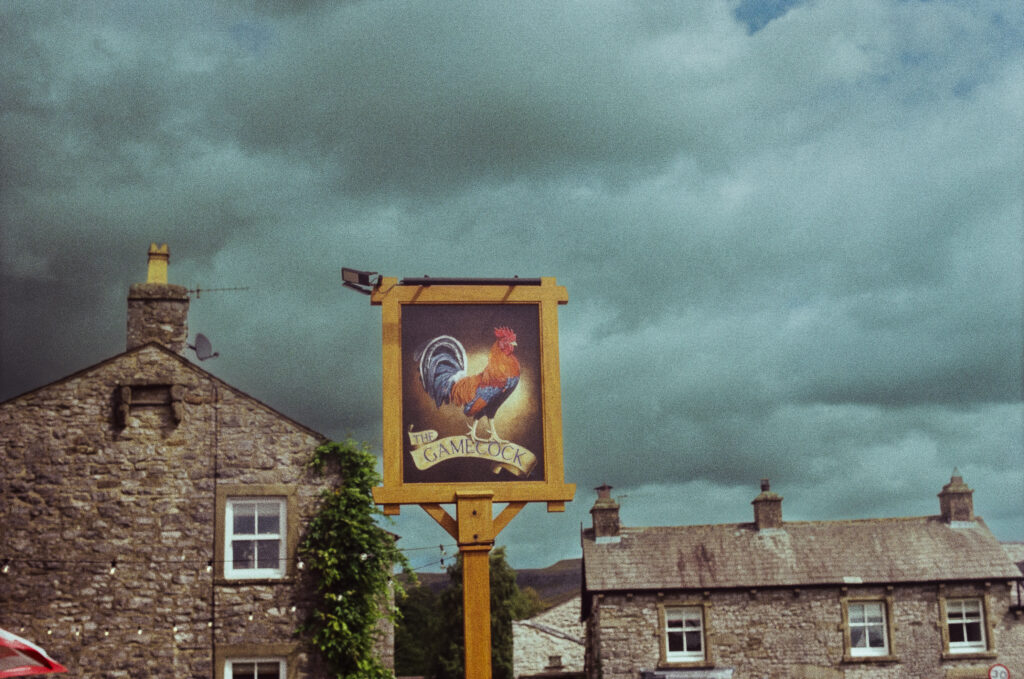

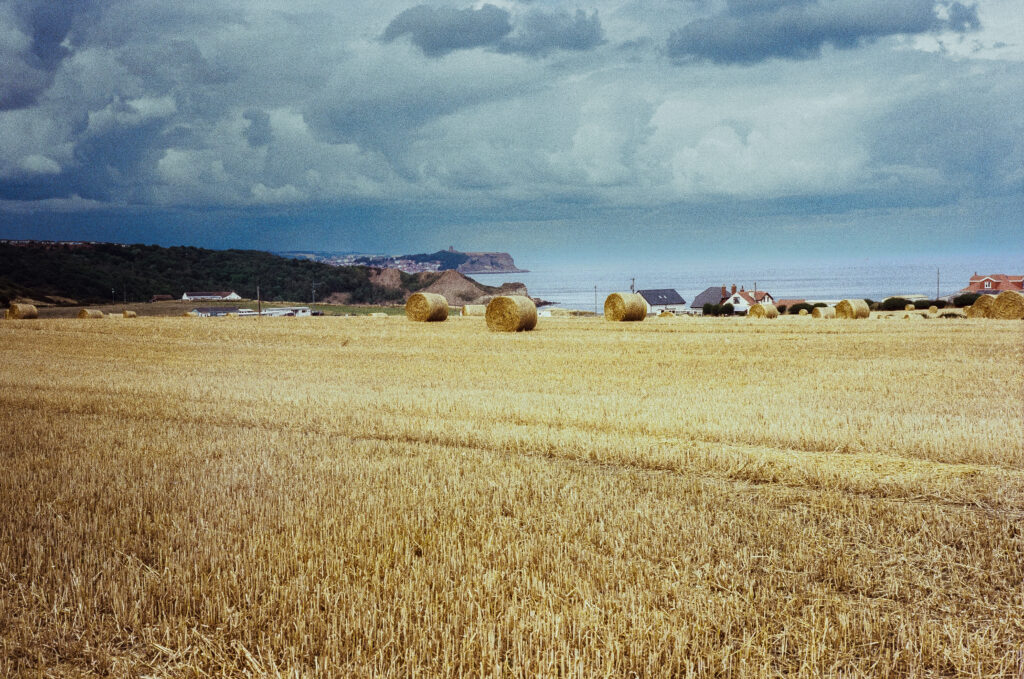
Conclusions
I’m really pleased with this film, it gave me true to life colours with deep, contrasty images and was very forgiving to light conditions. It is currently £8.99 for a roll of 36 exposures which is cheaper than Kodak Gold 200. I also prefer it to Kodak Portra which always strikes me as somewhat flat and insipid. Also expensive.
I’ve explored many films in the last 2 years but I’ve settled on a reliable, pleasing subset. Kodak Vision 3 AHU 320D is one of them. Give it a try.
https://bsky.app/profile/davidrusling.bsky.social
Share this post:




Comments
Paul Clayton on 5 Frames with Kodak Vision 3 AHU 320D
Comment posted: 26/11/2026
Comment posted: 26/11/2026