

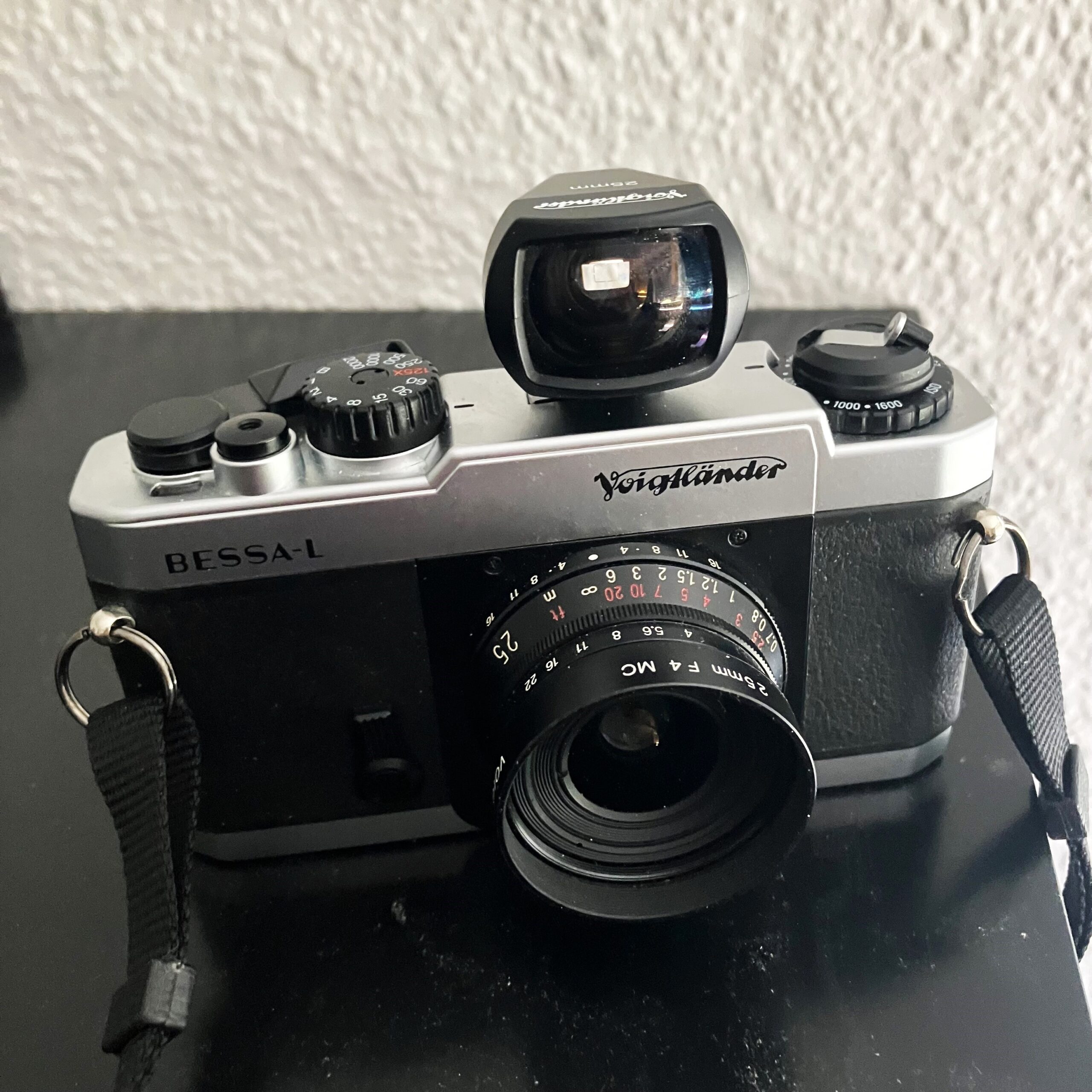
What sort of camera is this? It is not a rangefinder; it has no built-in viewfinder, but it does feature integrated TTL metering with LED lights. It accommodates interchangeable 39mm screw-mount lenses (LTM), and the corresponding external viewfinder can be attached to a hot shoe-style mount. The Bessa uses 35mm 35mm film. The camera only requires a battery for exposure metering. It is likely common knowledge that the camera was manufactured by Cosina in Japan, which now also owns the trademark rights to ‘Voigtländer’ and produces high-quality lenses under this name for a range of camera mounts, which need not shy away from comparison with competitors.
I’ll spare you the details about this Bessa L, but suffice to say it was manufactured from 1999 to 2005 and was followed by further Bessa models. It was launched with 15mm and 25mm Voigtländer lenses, but it is also compatible with other lenses. As it was actually designed for use with ultra-wide-angle lenses, the lack of a rangefinder is not really a drawback.
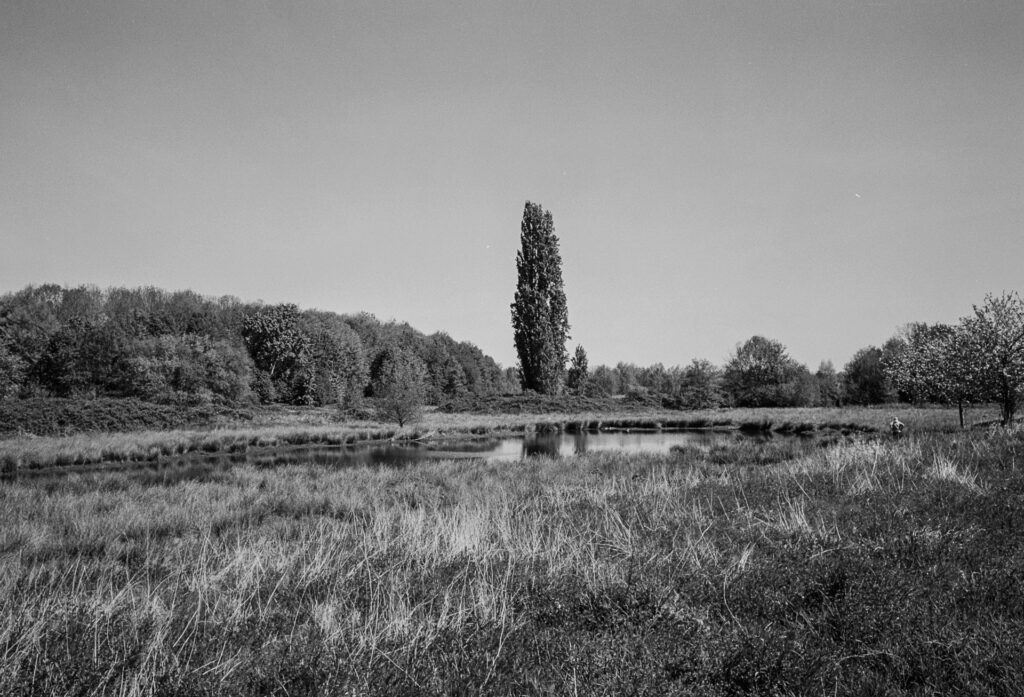
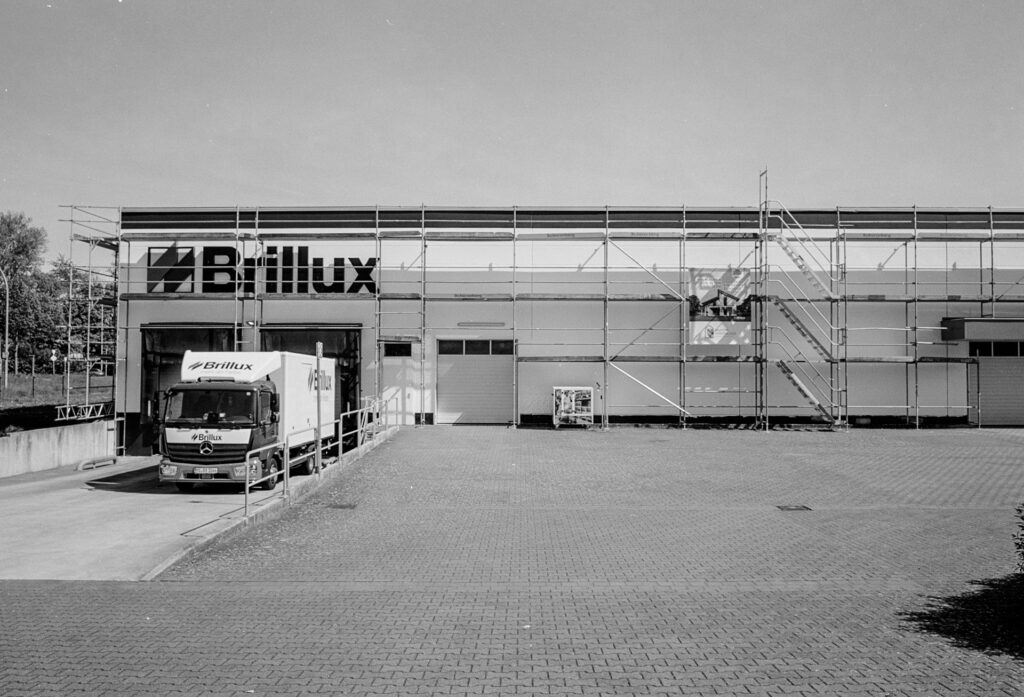
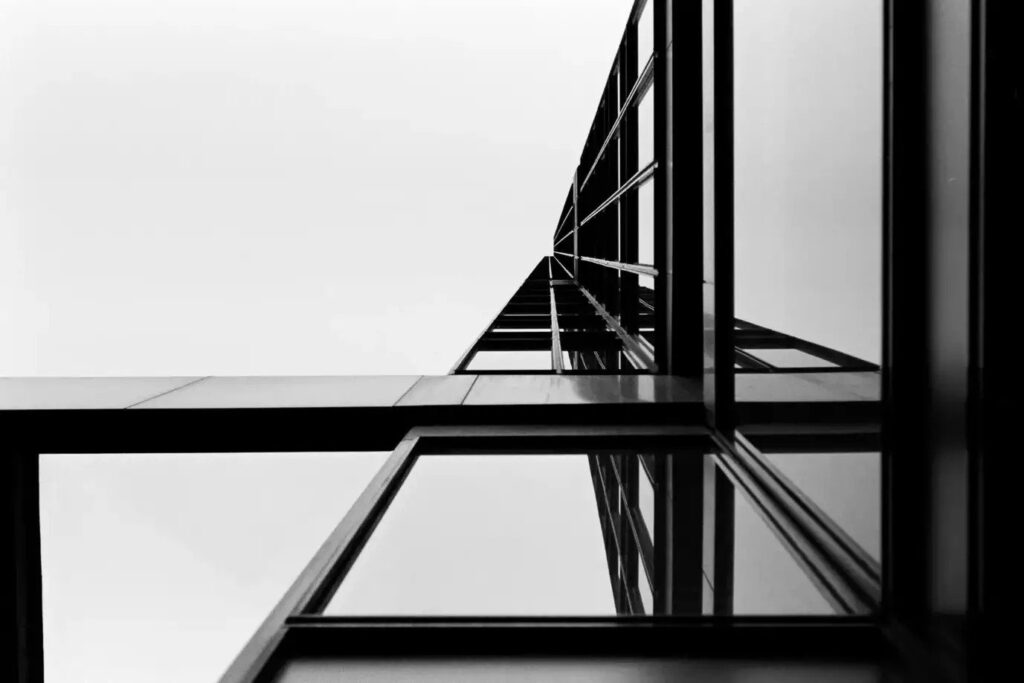
I am the proud owner of both ultra-wide-angle lenses, which I use with the Bessa R and the Bessa R3M, as well as adapting them for use on APS-C cameras from Sony and Ricoh. The photographs shown here were taken with the Voigtländer Snapshot-Skopar 25mm F4 MC. I loaded the camera with Ilford XP2 Super 400, which I exposed at box speed. Exposure metering was carried out using the Sekonic Twinmate L-208. The Bessa’s internal metering is fine, but at the moment I prefer to use my external meters and favour incident light metering with the dome cover extended. The film was developed using the C41 process by a specialist lab. There, the film was also scanned at 4K resolution. I then made minor adjustments to the gradation myself in LrC. Here I am showing 5 images from the 36-exposure roll; all the images were taken on different days in my local area, and I was always out and about on my bike.
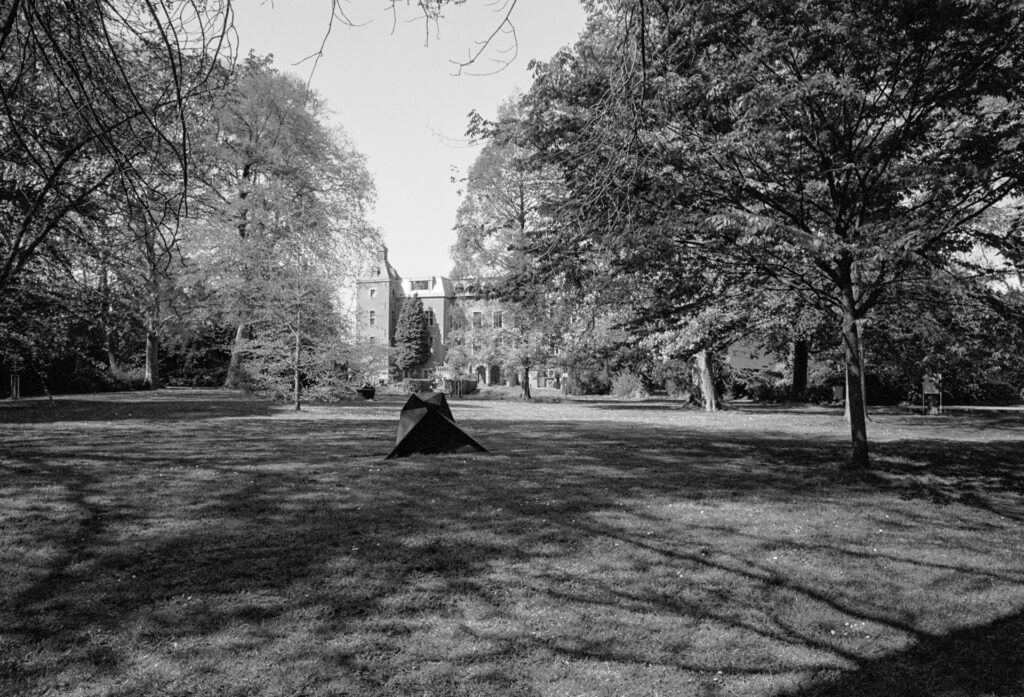
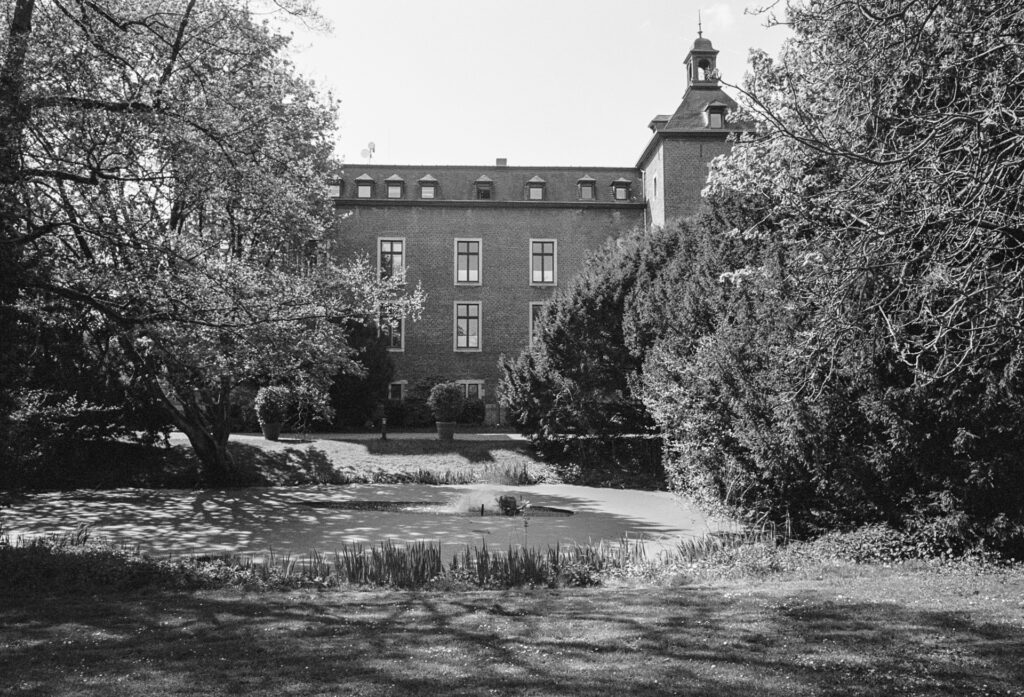
I’m more than happy with the results; for me, the XP2 is also a good alternative to black-and-white film, especially as I no longer develop my own film. The film is relatively inexpensive to buy and can be developed using the standard C41 process at low cost. In my lab, I paid €8.50 for a 36-exposure roll, including development and a 4K scan. The JPEG image files were made available to me via Dropbox three days later.
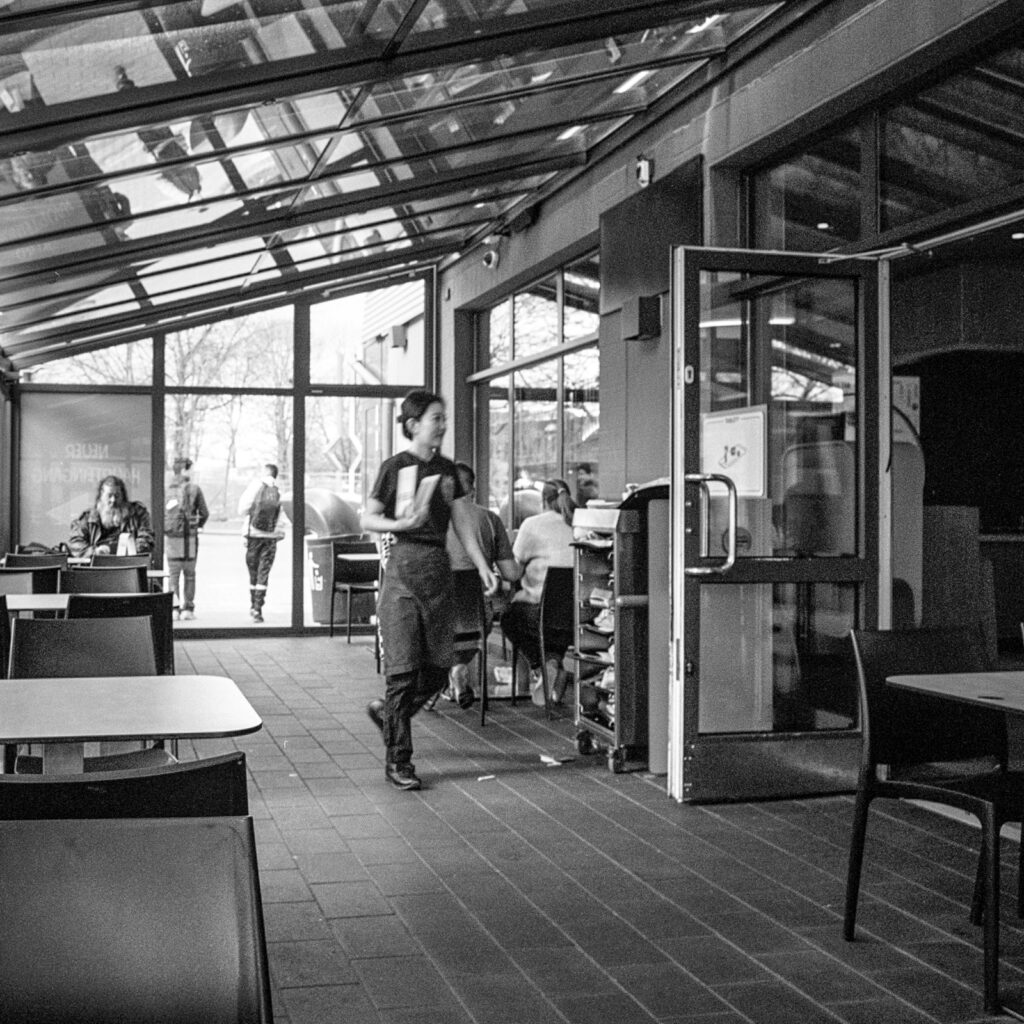
I’m sharing my photos here without much further description. That way, everyone can form their own opinion. I’d be delighted to receive comments with questions, criticism and suggestions. Thank you for your interest.
Share this post:

Comments
Oliver G. on 5 frames with a Voigtländer BESSA L
Comment posted: 30/05/2026
beautiful photos taken with a beautiful camera.
I haven't used this film in over 20 years.
Does it still have that slight brown tint, or did you remove it during scanning?
Best regards,
Oliver
Comment posted: 30/05/2026
Michael Jardine on 5 frames with a Voigtländer BESSA L
Comment posted: 30/05/2026
Comment posted: 30/05/2026
Fred Nelson on 5 frames with a Voigtländer BESSA L
Comment posted: 30/05/2026
Gary Smith on 5 frames with a Voigtländer BESSA L
Comment posted: 30/05/2026
David Kieltyka on 5 frames with a Voigtländer BESSA L
Comment posted: 30/05/2026