

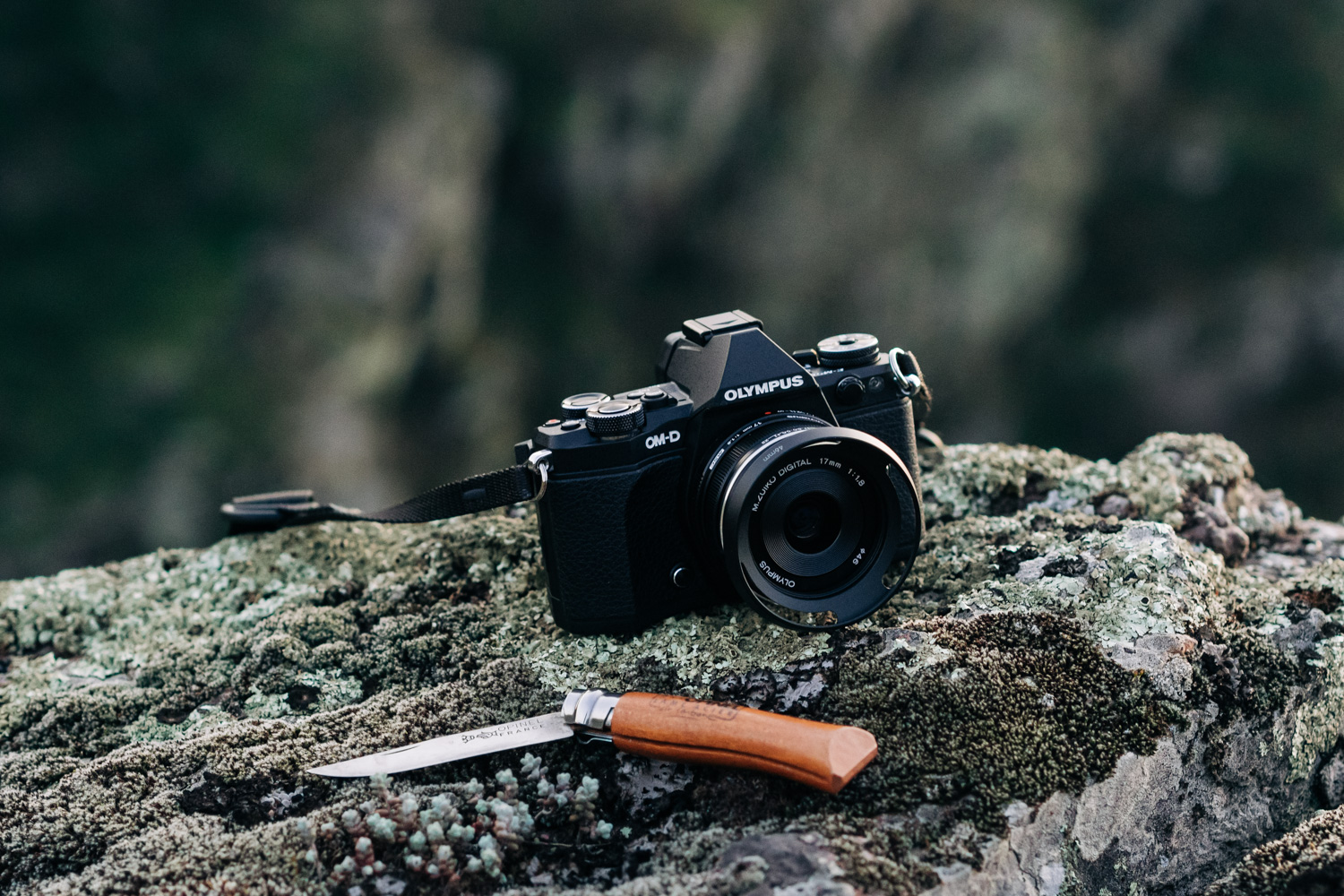
Here is the link to Olympus Passion’s website and online magazine – do check it out before reading the post.
I have been a long time fan of Olympus Cameras, as my posts on 35mmc have shown, I’ve covered a few models ranging from the original Olympus Pen F to my favourite digital, the Olympus E1.
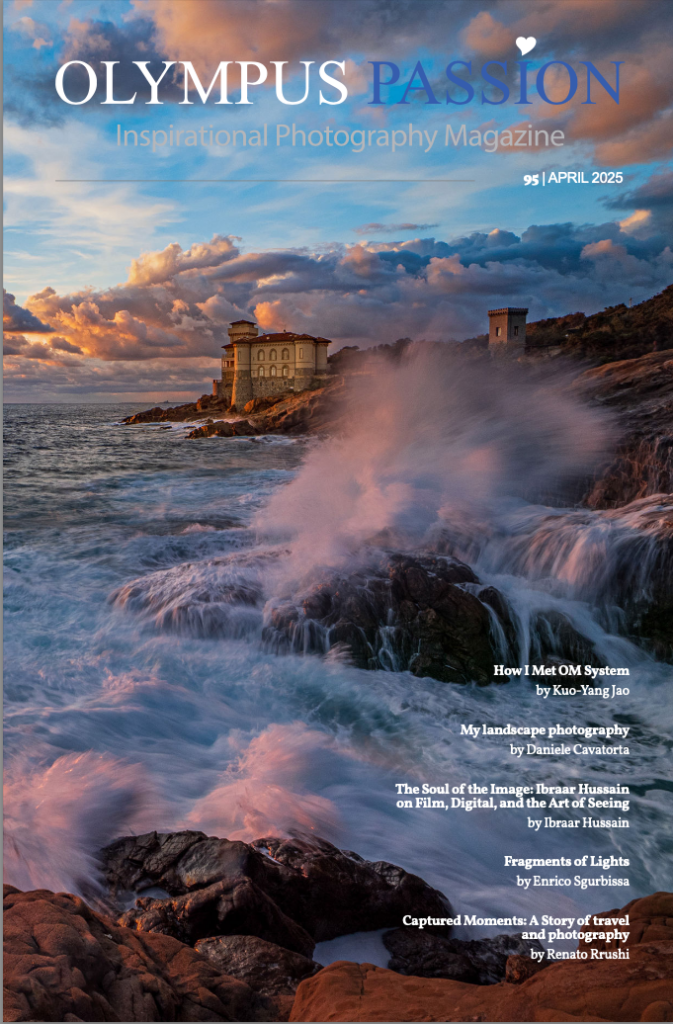
While perusing the world wide web for Magazines dedicated to Olympus Cameras, I came across Olympus Passion. I was sucked into the website as it is so multi faceted; not only are there online articles and galleries, ranging from. wildlife, Landscape, nature to Boudoir.,in Film and Digital, classic and modern. Exceptional stuff.
They also feature a monthly PDF magazine with more detailed content, I immediately subscribed as the magazines being beautifully presented contained so much gorgeous Photography. To my delight there were also Printed bound volumes published every few months.
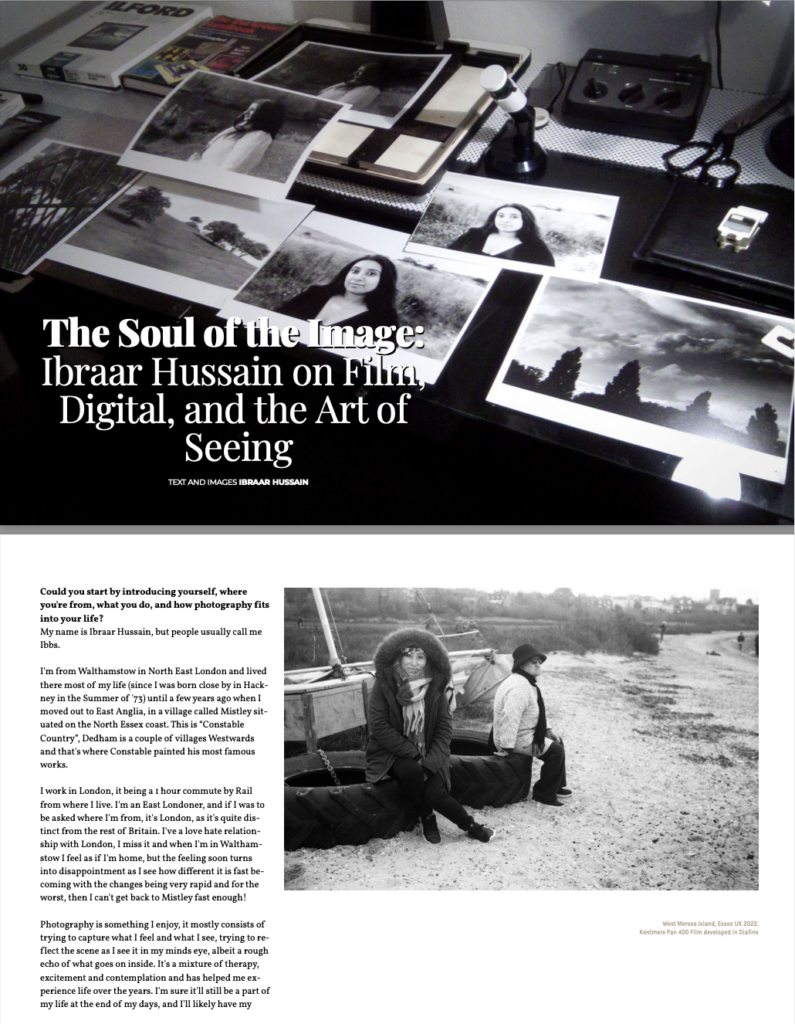
After being a reader for a while I wrote to them Hugo kindly responded and asked me if I were able to perhaps submit an article for the April 2025 issue of their PDF magazine. I of course jumped at the opportunity.
both exceptional photographers with years of experience and a passion which reflects itself in the publication and photographers.
You’ll find out all much of what is to know about this excellent publication below, but to cut a long story short if you haven’t visited the website, go pay it a visit and enjoy.
Ibbs: Can you please introduce yourselves? Where are you from? How long have you been enthusiastic about Photography and Olympus in general?
Maurício and Hugo: Hello Ibbs, and Hamish of 35mmc.com! First of all, we want to thank you for this wonderful initiative and for giving us the opportunity to share a bit about ourselves. Usually, we are on the opposite side, being the ones asking the questions in an interview, so it feels both strange and very interesting to be in this position.
We are Maurício and Hugo, two amateur photographers from Portugal. We met many years ago, coincidentally because of our long-standing passion for photography. Our children attended the same kindergarten, and among all the parents who attended the parties organised by the teachers, we were the ones always holding a camera. And you know how it is when one photographer spots another with a camera — it is always the perfect conversation starter.
Our passion for photography goes back even further than our friendship. To give you an idea, my first camera was a brand-new Pentax K1000 film SLR, and Maurício photographed his honeymoon with a Sony that used 3.5″ floppy disks to store images.
My story with Olympus goes back even longer. My father owned only two cameras in his lifetime, both Olympus. The first was an Olympus 35RC rangefinder film camera, older than I am, which captured our entire childhood, family outings, days at the beach, birthday parties, and later, an early 2000s Olympus digital compact.
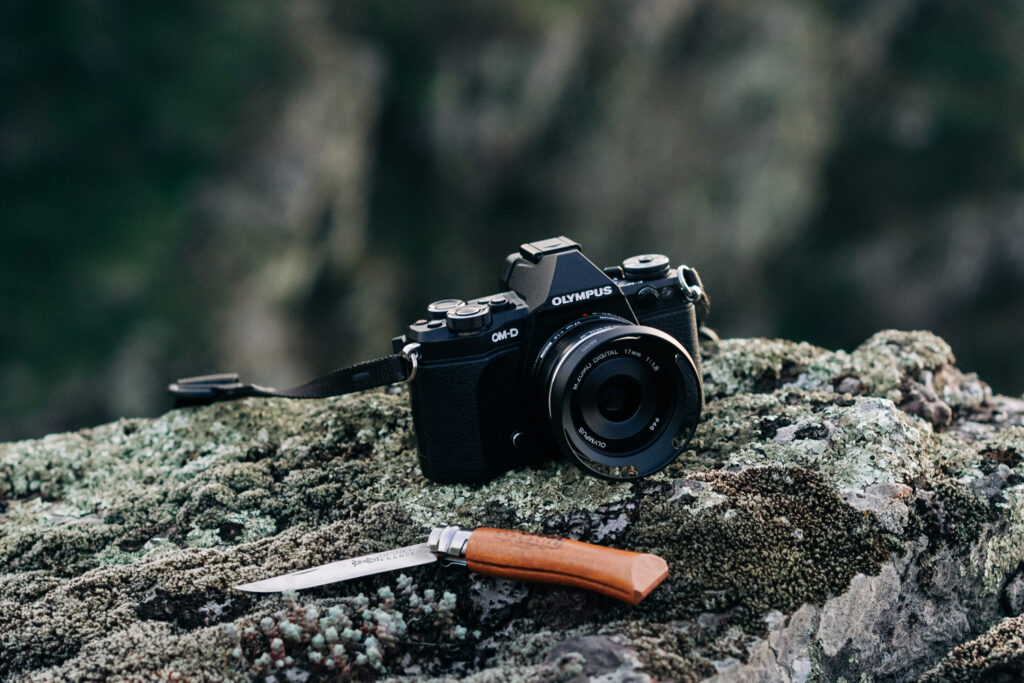
Almost ten years ago, when we were both already using other camera systems, we tried the Olympus OM-D E-M5 Mark II. Once we held that little marvel, so solidly built and incredibly advanced for its time, it was impossible not to fall in love with the system.
Ibbs: What cameras, lenses, and subjects are your favourites?
Hugo: I was an early adopter of mirrorless systems more than 10 years ago, when full-frame DSLRs were considered a must-have for any photography enthusiast seeking the best image quality and the widest lens selection. Back then, I used a Sony NEX-7 extensively and also had the chance to shoot with a friend’s Fuji X-Pro1, which led me to buy one for myself a few years later. You can probably see a pattern here, as I have always been drawn to rangefinder-styled mirrorless cameras.
Later, with Olympus, although I owned an E-M5 Mark II and an E-M1 Mark I, I eventually bought a PEN-F, staying true to that same preference. There is something about this type of camera that feels more intuitive to me. Even though I have owned several other cameras, most of which I could never bring myself to sell, the one I use the most nowadays — probably around ninety per cent of the time — is the Olympus PEN-F. It has everything I could ask for in a camera: small, fast, feature-rich yet simple to use, and with that distinctive retro-modern design that no other camera has quite matched. Since OM System has not yet released a successor, I continue to use the PEN-F.
I have always preferred prime lenses, and the ones I use most often are the M.Zuiko 25mm f/1.8 and the 17mm f/1.8, which are a perfect match for the PEN-F.
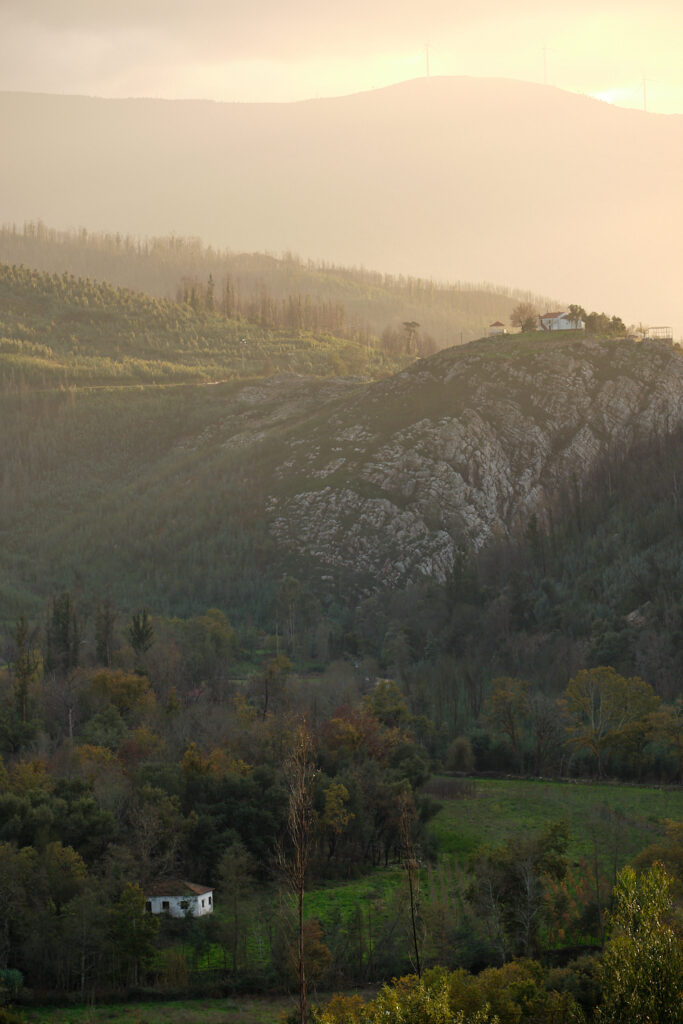
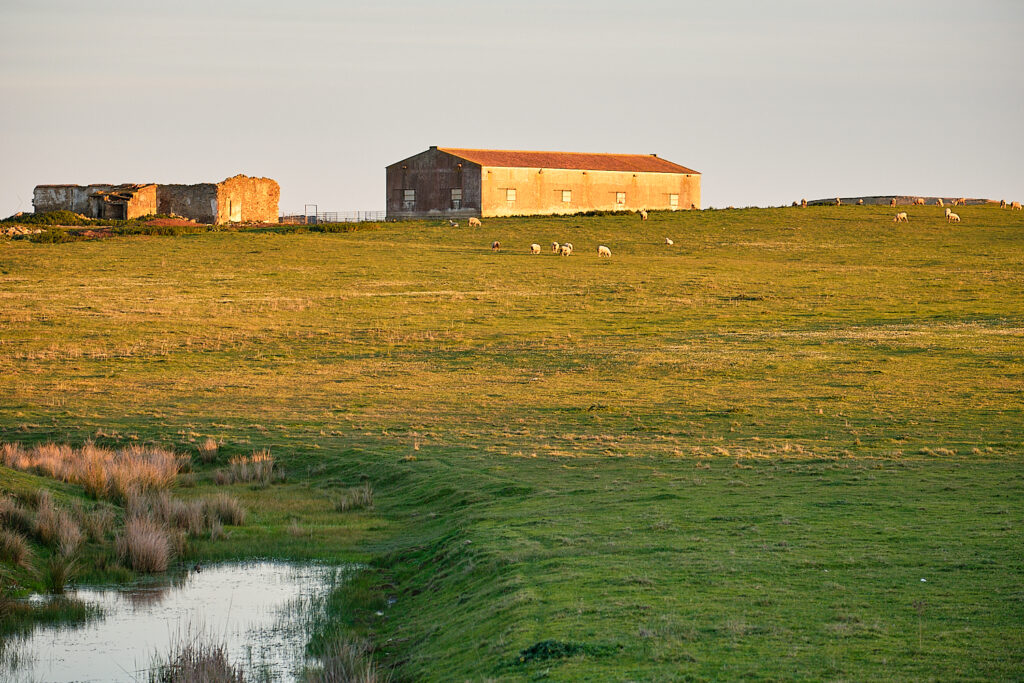
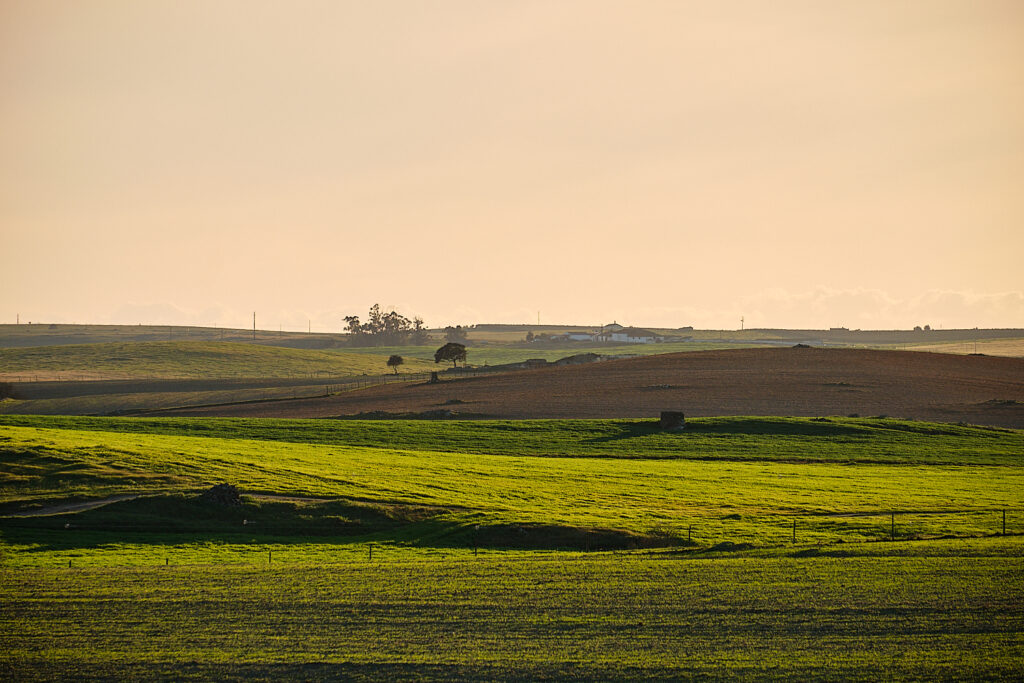
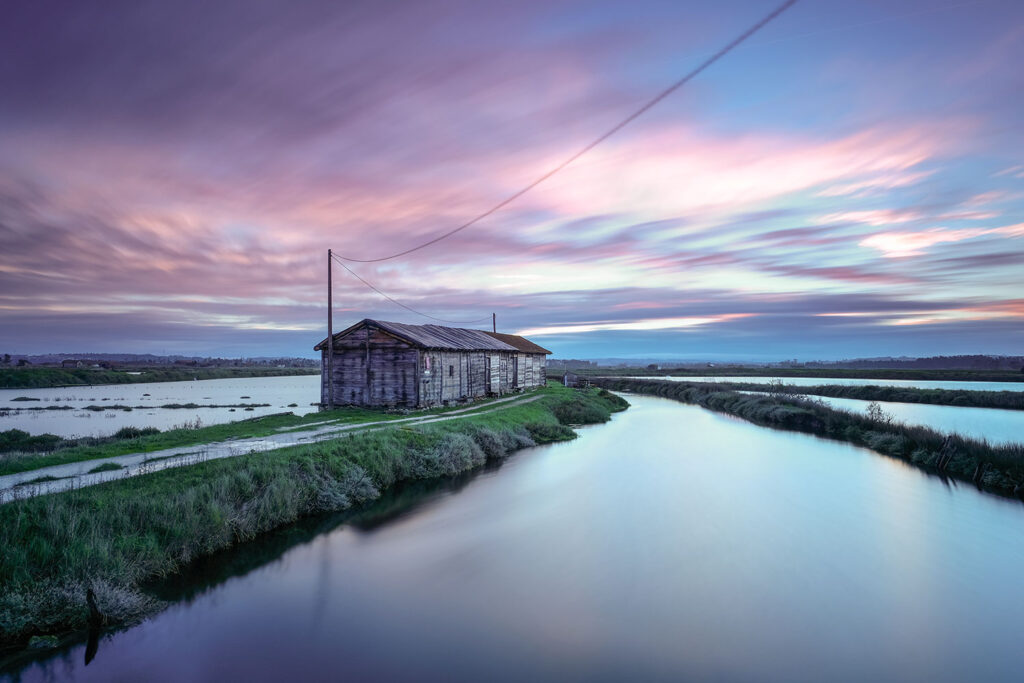
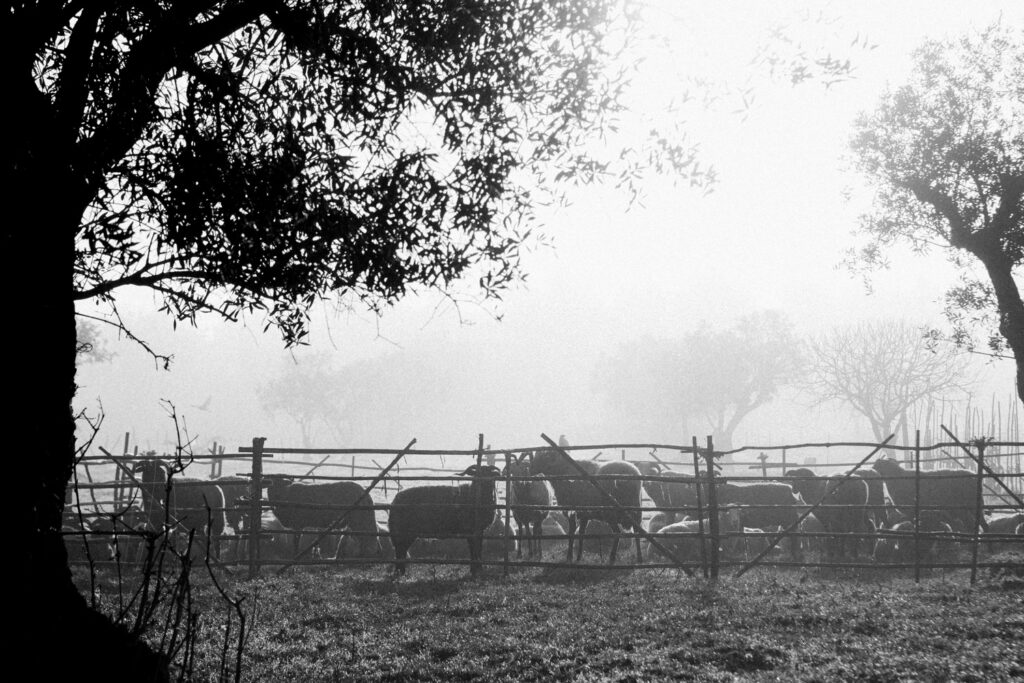
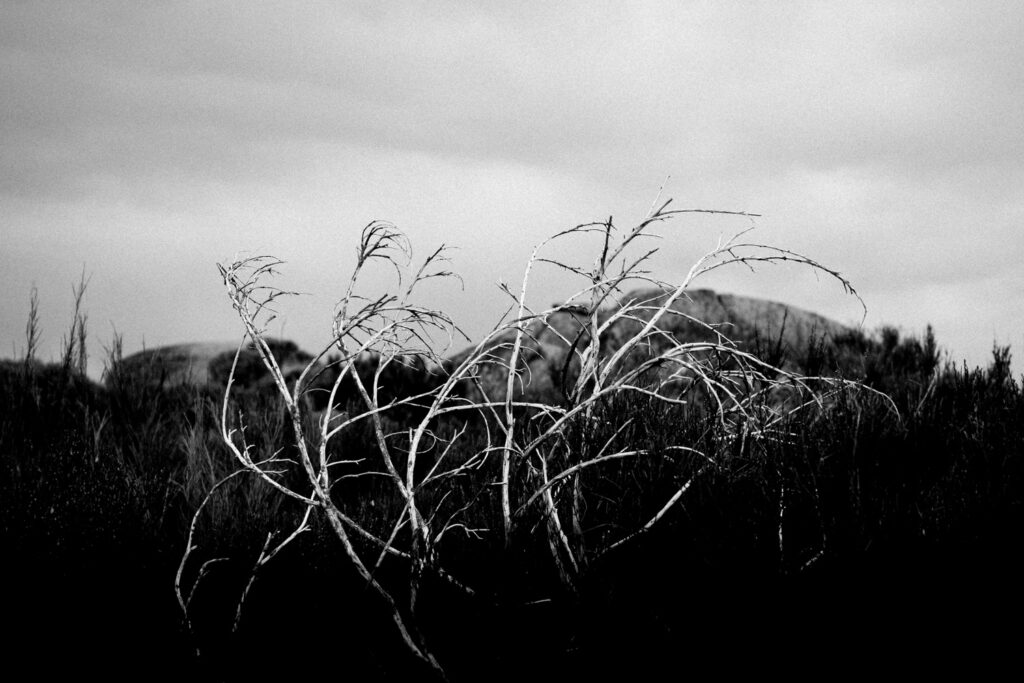
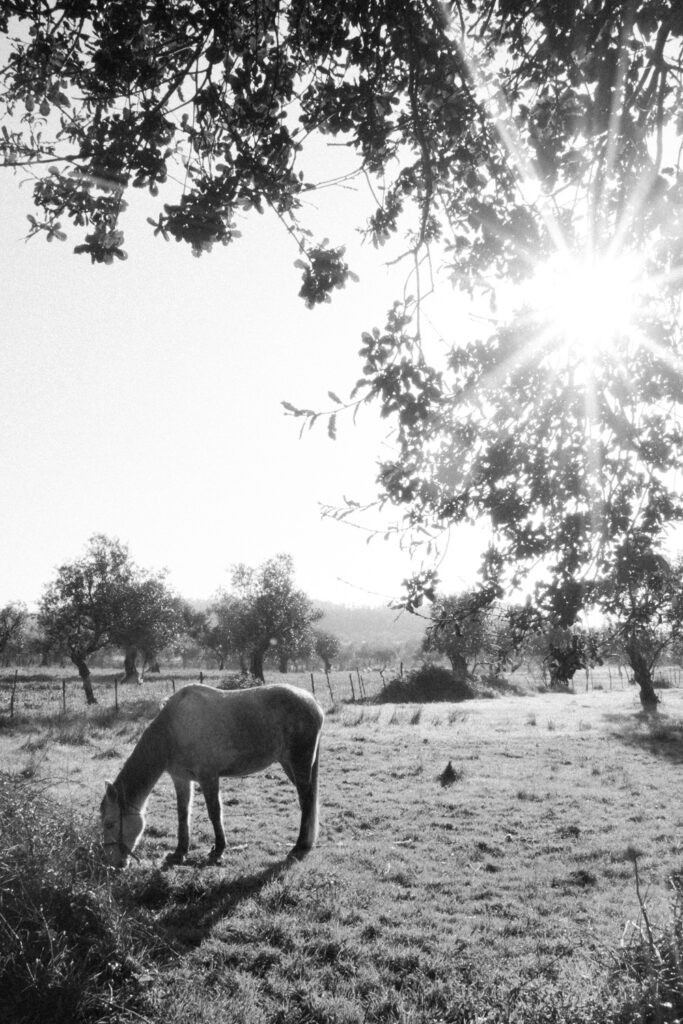
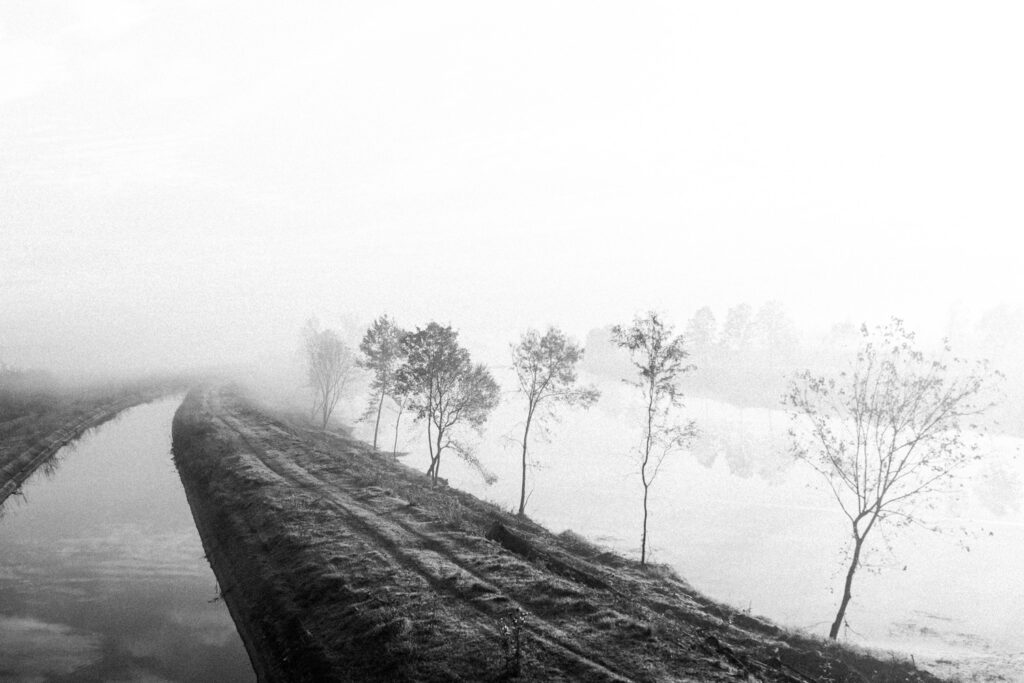
For a long time, I focused on black-and-white documentary photography, capturing places and people I encountered through my day job. More recently, as family life takes up more of my time, my documentary projects have shifted towards recording my local surroundings. The approach has also changed, it is now more about the sense of place itself rather than the people within it.
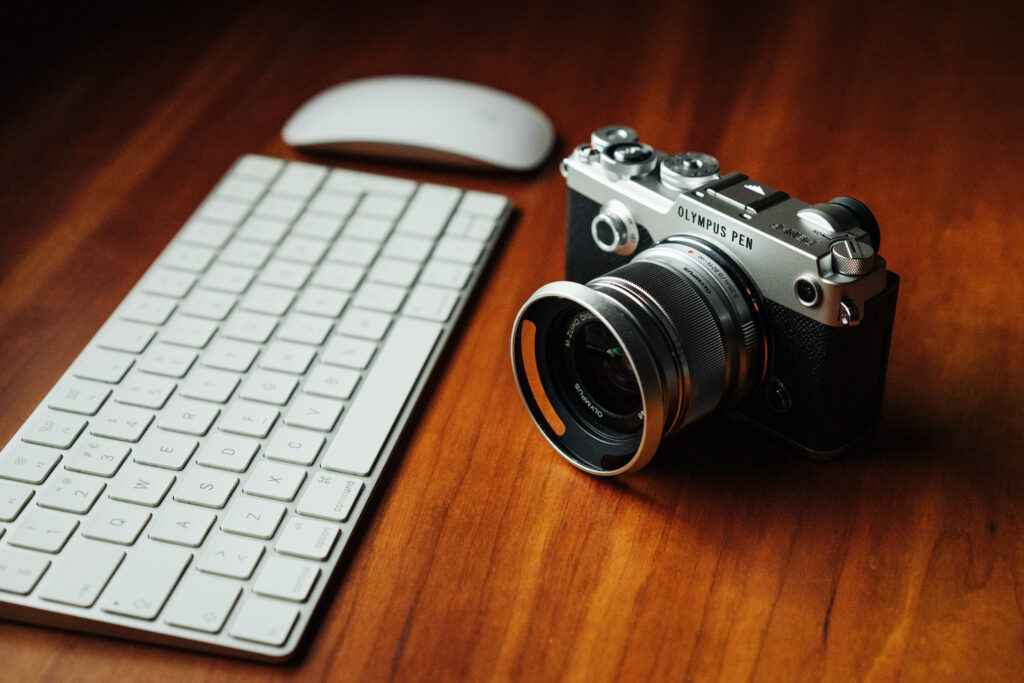
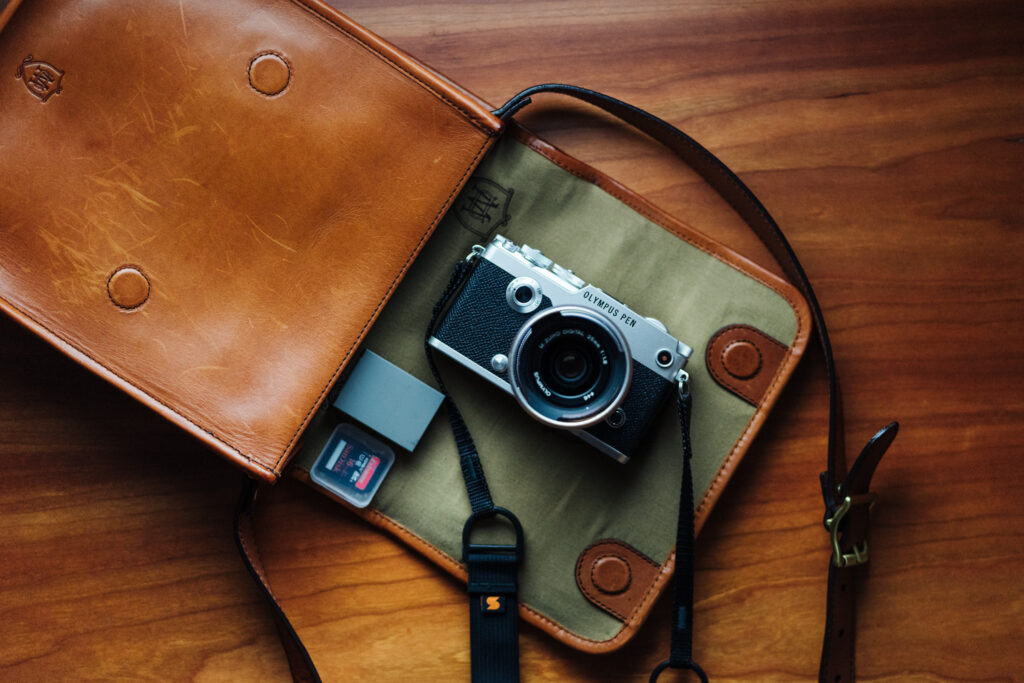
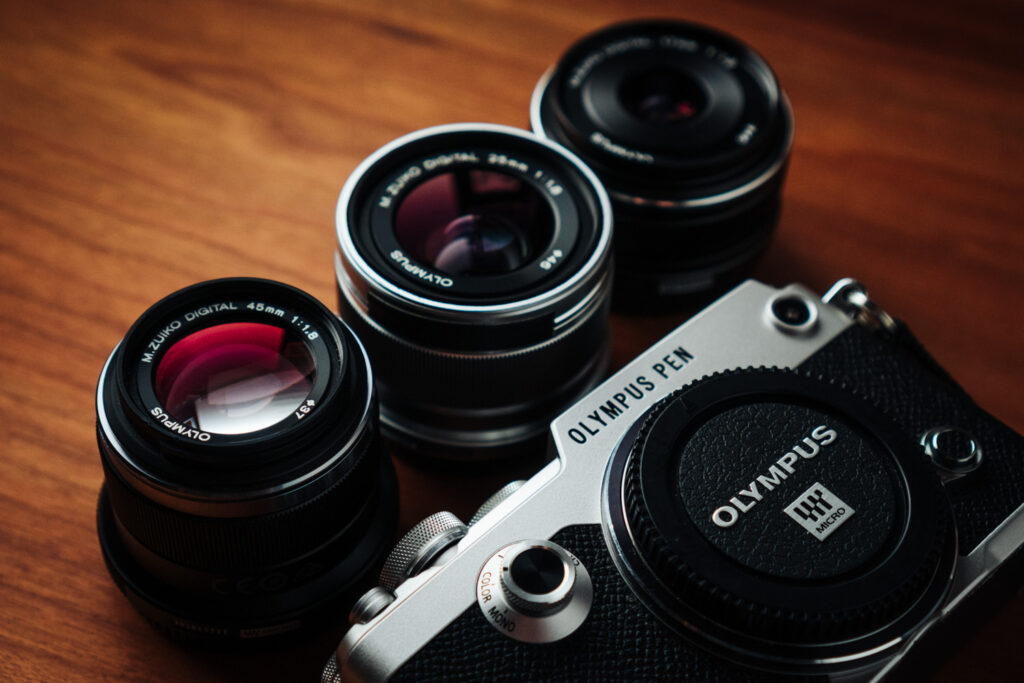
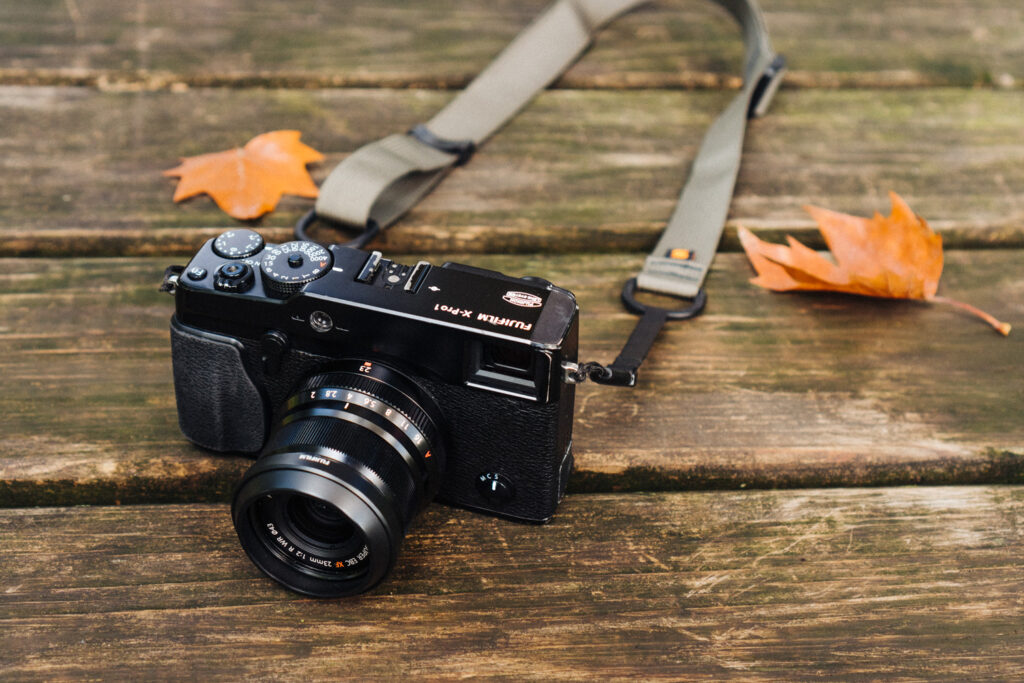
Maurício: My journey in photography began with the Sony Mavica FD91, a camera with less than a megapixel of resolution—yet using it was an absolute joy. My passion deepened when I bought a Canon 400D, which marked a turning point in my understanding of photography. Soon after, I upgraded to the Canon 50D as soon as it was released. Landscape photography quickly became my favourite genre, although I occasionally experimented with other styles; being out in nature with my camera has always felt the most rewarding.
Following the 50D, I moved on to the Canon 5D MK II and MK III, using a selection of Canon’s L-series lenses. However, over time, this kit became quite heavy, prompting me to search for a lighter solution that could still deliver excellent image quality. After countless hours of research, I decided to make the switch to Fujifilm, with the Fuji X-T1 becoming my camera of choice. My lens lineup included the 14mm F2.8, 18-55mm F2.8-4, 55-200mm F4-5.6, and the 35mm F2—each offering a new perspective and approach to photography.
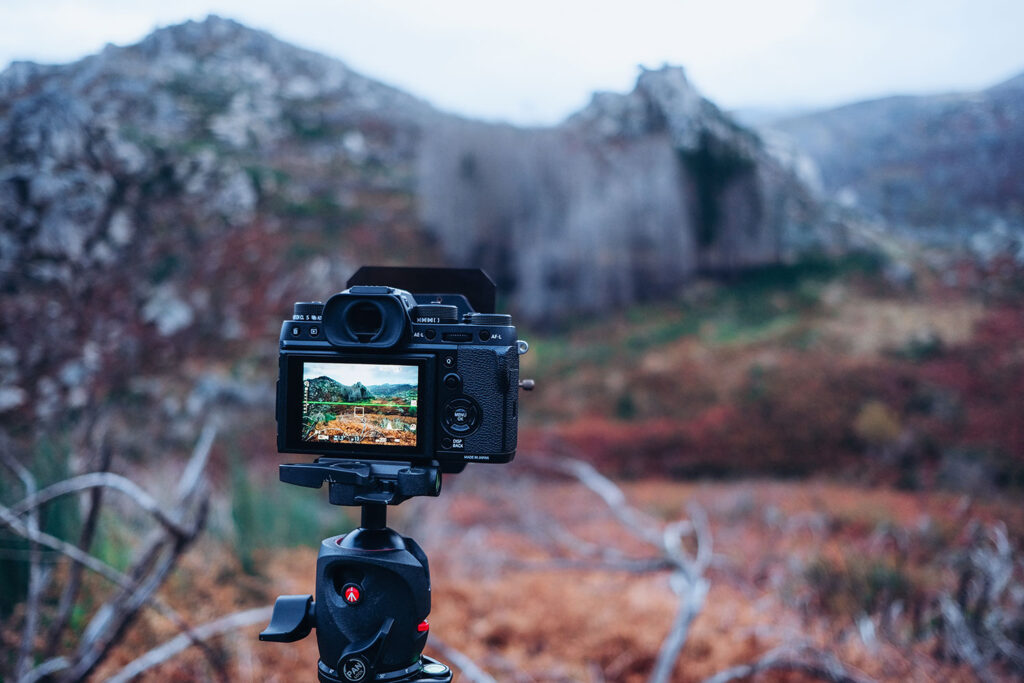
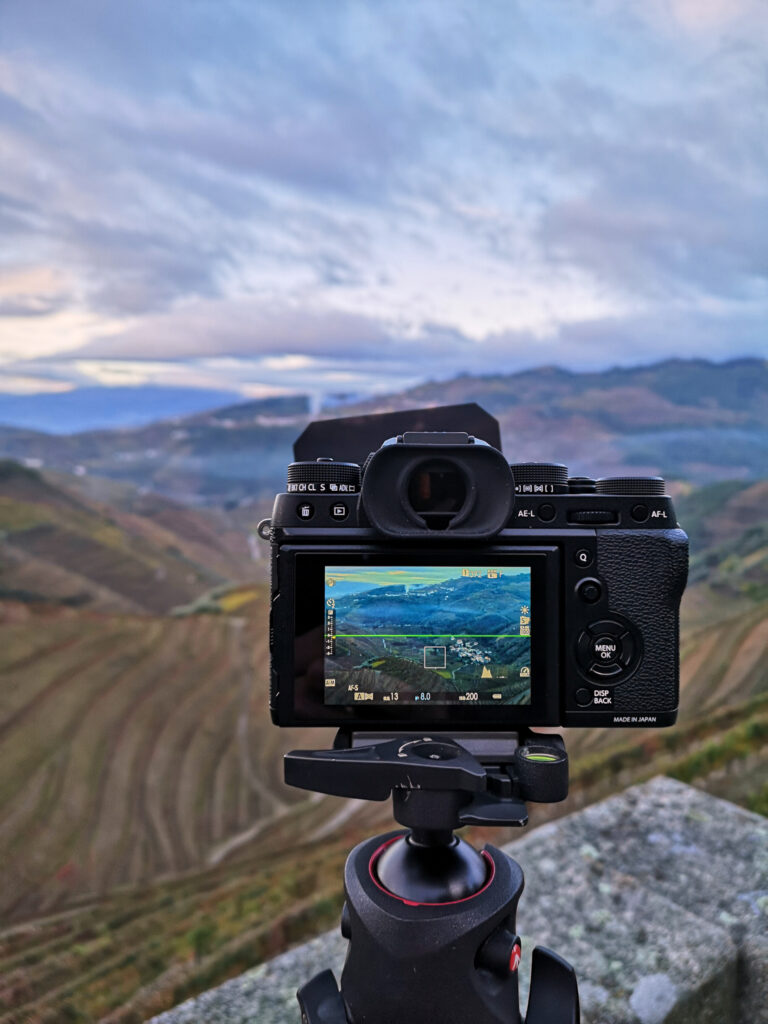
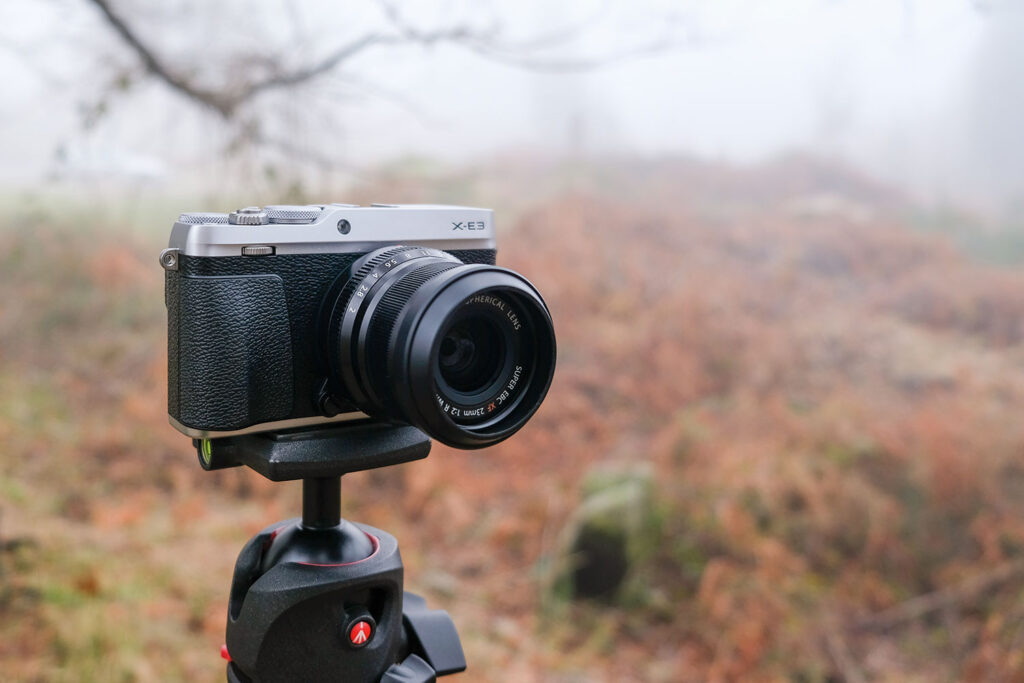
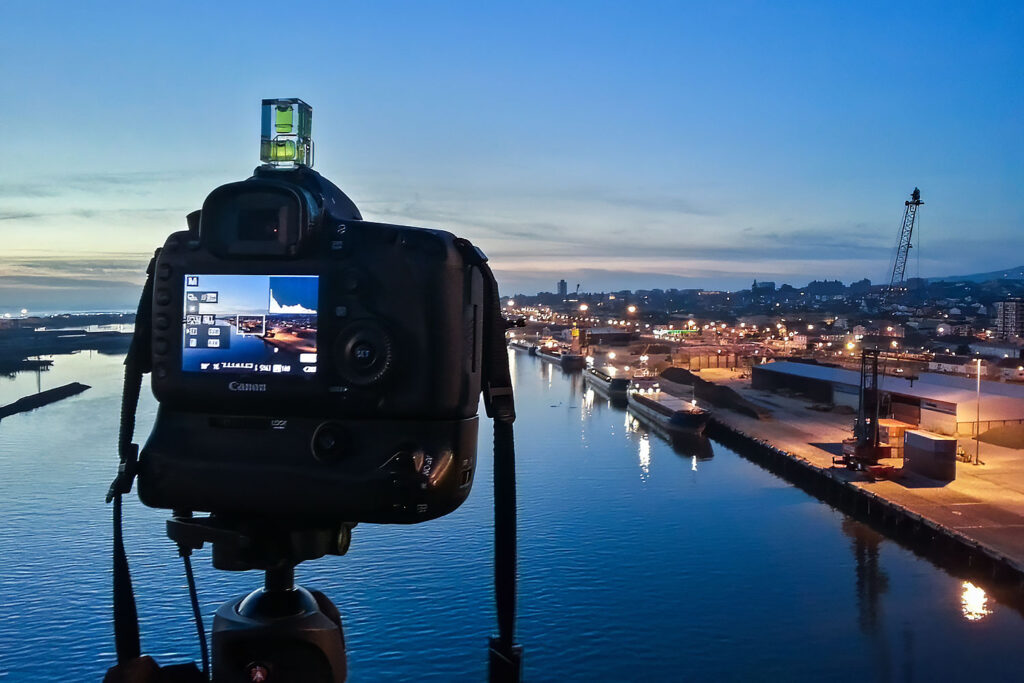
Moving to the X-T1 was a revelation; the camera felt compact and lightweight compared to the robust Canon 5D MKIII, but I quickly grew fond of its size and functionality. Later, I upgraded to the X-T2, which remains my current workhorse. For the type of photography I pursue, I genuinely don’t feel the need for more. In addition, I use an X-E3 for quick outings, and the Olympus E-M5 MK II primarily for video production.
Landscape photography continues to be my greatest passion and the subject to which I am most drawn. The combination of excellent cameras and choice lenses, alongside the opportunity to explore natural environments, makes the experience continually exciting and fulfilling.
Ibbs: How long has Olympus Passion been published as a Magazine, and how did you come about the idea?
Hugo: Perhaps most of our readers do not know this, but Olympus Passion actually began as a printed magazine, produced on beautiful, thick matte paper. Maurício had decades of experience in print publishing, and both of us have always had a soft spot for the tactile quality of paper. It is no coincidence that in both our homes, photography books are piled up in the living room. The printed format remains, in our view, the ultimate expression of any great photograph.
Although that first (and only) printed edition turned out beautifully and received excellent feedback, our readers also made us realise that times had changed. It had become impractical to wait several days for a copy to arrive by post. They wanted something more immediate and accessible, something they could download instantly to their devices, whether desktops, tablets or smartphones.
In May 2017, we launched the first issue of our monthly PDF magazine. We have now passed one hundred published editions, and through all the articles and interviews, it has been an incredible experience to meet and connect with so many talented photographers from around the world.
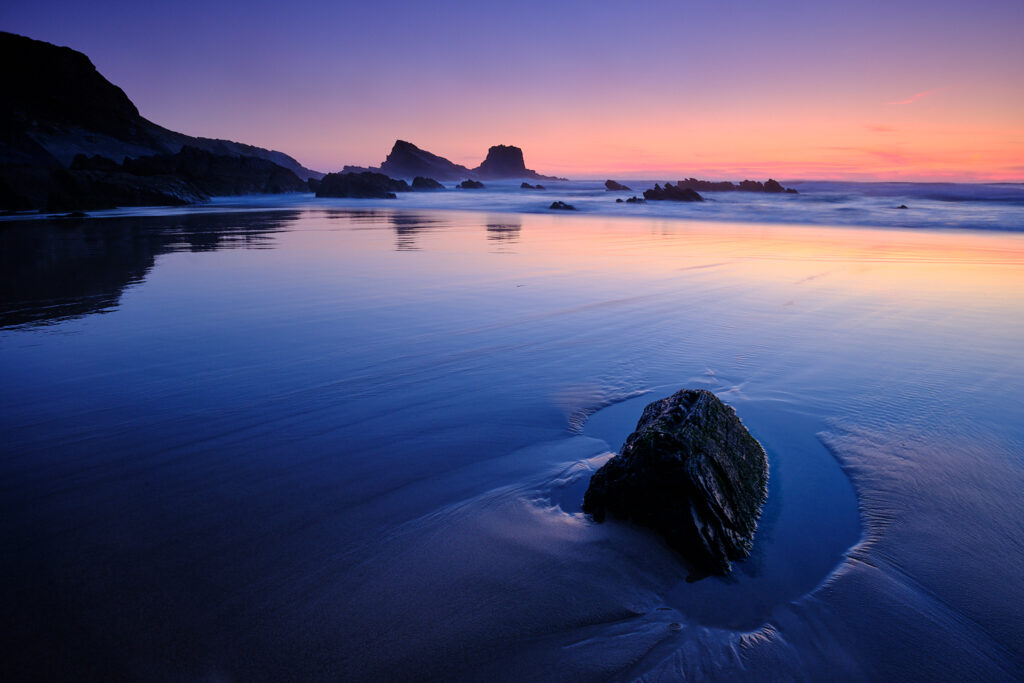
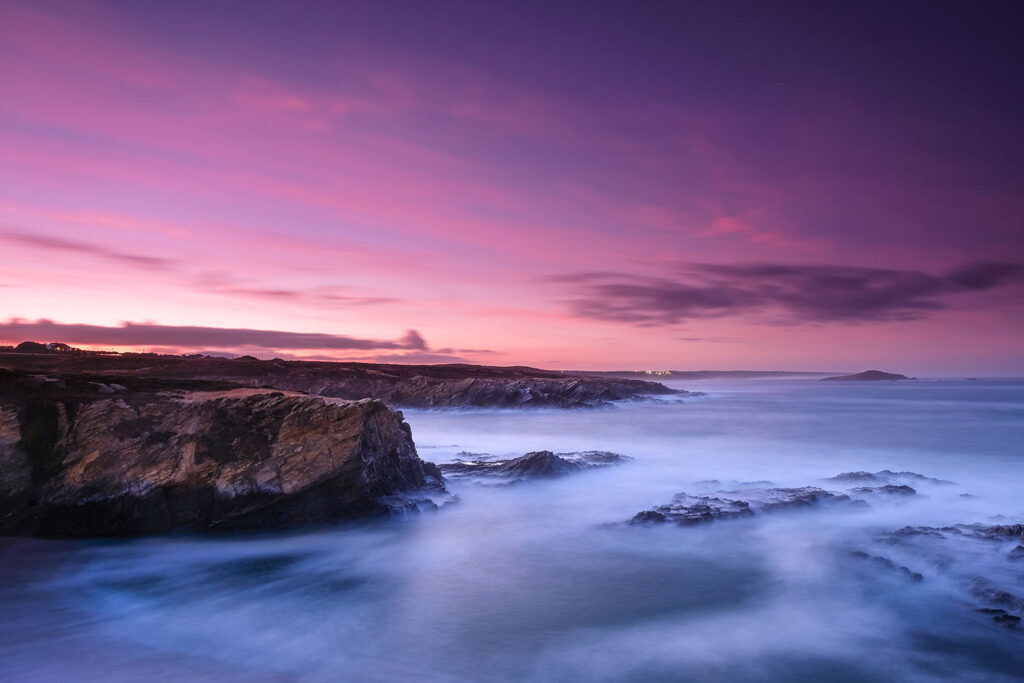
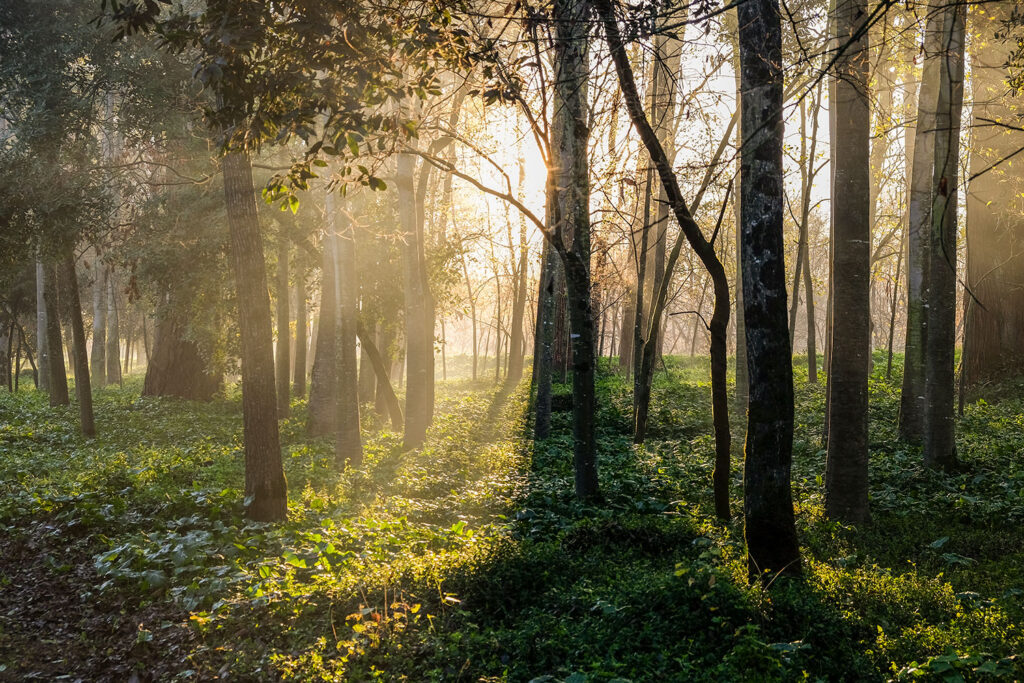
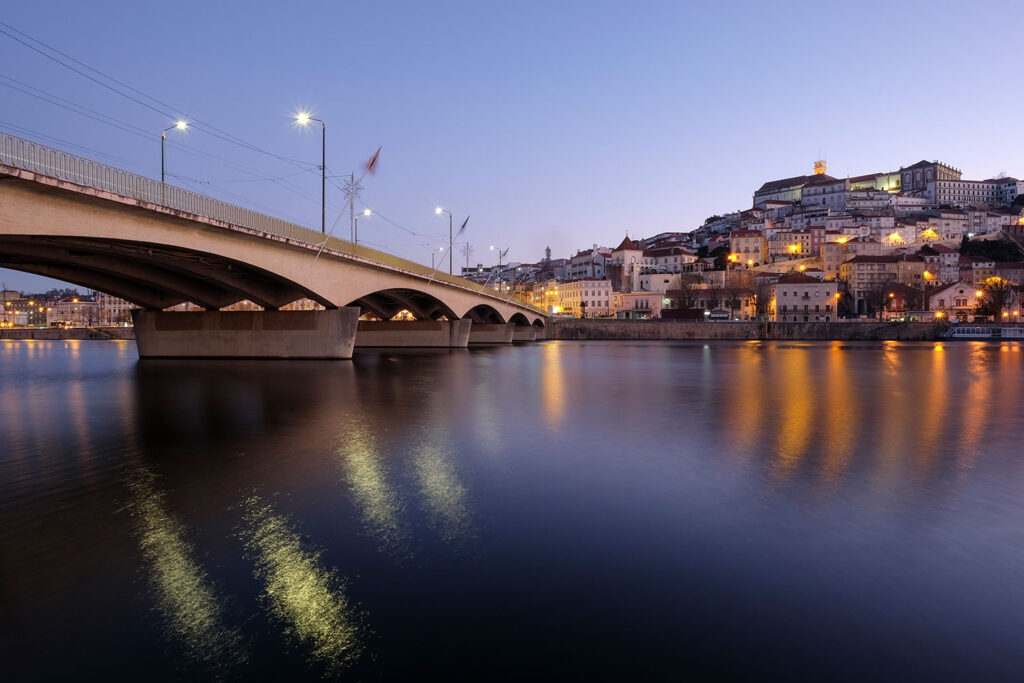
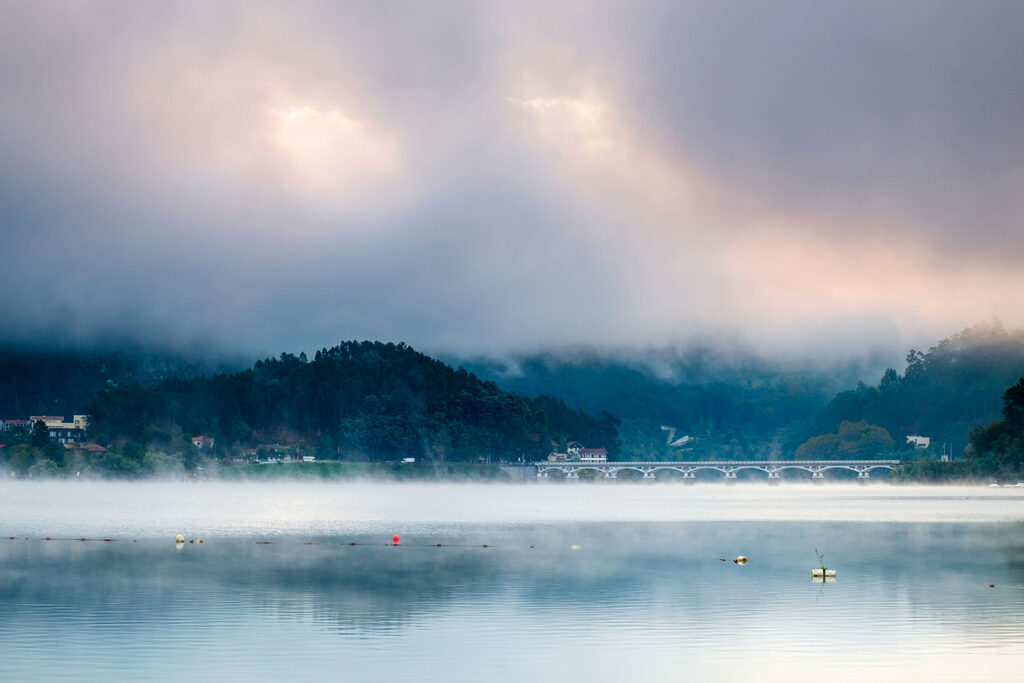
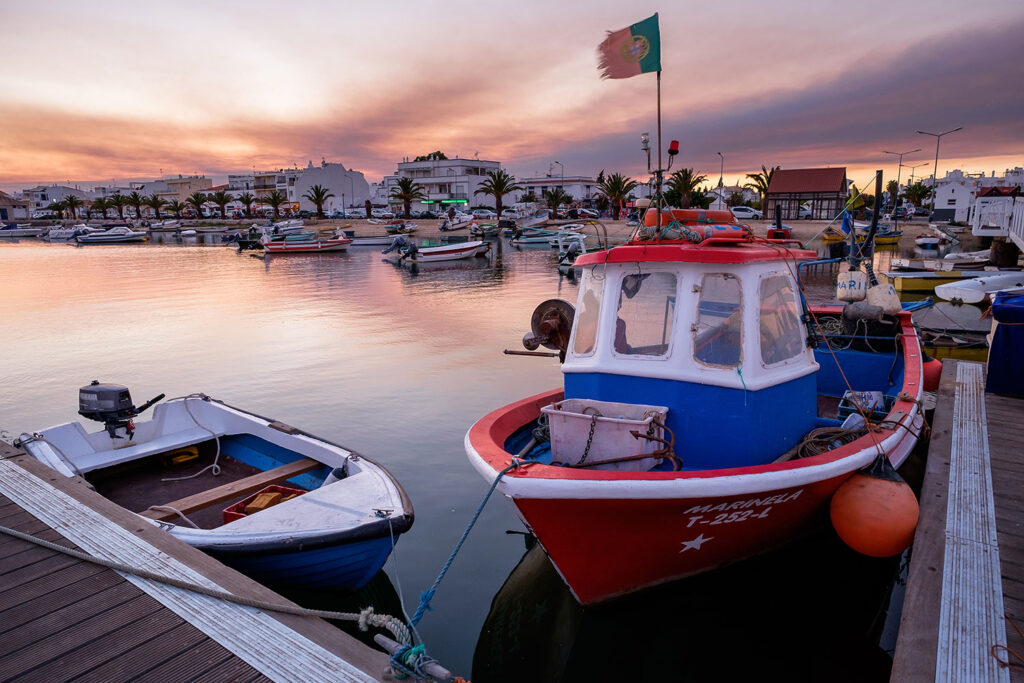
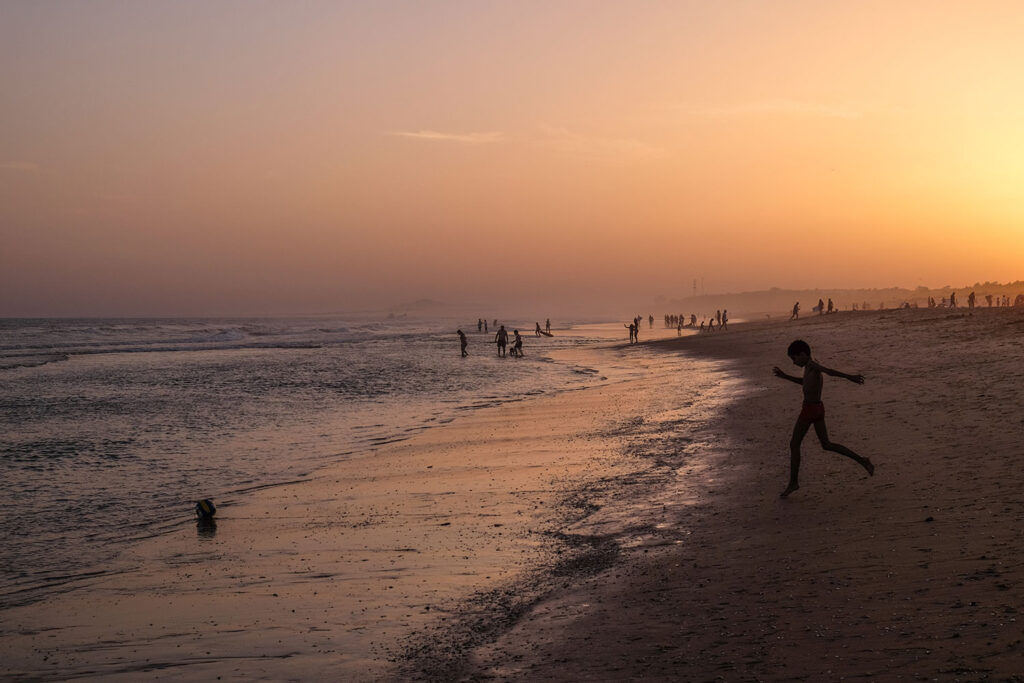
Ibbs: What sort of Contributions and Photographers have you had?
Hugo: That is a very interesting question and one that captures the essence of this entire project. For quite some time, we have noticed a shift in the type of online content related to photography, with an increasing focus on equipment. Whether on YouTube channels or the now-rare photography blogs, the emphasis has shifted to cameras and lenses themselves rather than the photographs they produce. This is not necessarily a problem, of course, as there is room for everything, and news, reviews, and comparisons all have their place. However, we began to see that attention to gear was far outweighing what truly matters: the results, the photographs themselves.
We felt there was a gap that needed to be filled, so we wanted to give visibility to the portfolios photographers build over the years and, even more importantly, to the people behind the cameras, exploring what motivates and inspires them to step outside and capture the world. Although Olympus Passion also discusses Olympus and OM System equipment and how these tools help photographers bring their vision to life, our main focus is on the human side of photography.
There is often a misconception that we look only for professional photographers or brand ambassadors. In reality, our approach is quite the opposite. Yes, we have published the work of many professionals across different fields — from photojournalism to product and wedding photography — and we have had the honour of featuring several Olympus and OM System ambassadors, as well as a Pulitzer Prize winner. But above all, we look for meaningful stories, whether from a professional with thirty years of experience or an amateur who picked up a camera just six months ago. And believe us, we have often been amazed by the extraordinary talent of newcomers taking their first steps into the world of photography.
Ibbs: What are your plans for the future? Where do you think the Magazine and website (and YouTube channel) will lead to? What are you hoping for? Aims?
Hugo: Since this project is, as the name suggests, something created out of passion, we do not think too much about the future. We would love to dedicate more time to it and do much more, but between our day jobs and family life, some of those ideas have never gone beyond intention. Still, we are constantly discussing new ideas and thinking about what our readers might enjoy.
The blog and the magazine are the foundation of this project and something we will always continue. We are aware that blogs have been falling out of favour, and many that were once major references in the photography world have already closed. That type of content has gradually been replaced by new ways of consuming photography-related material, whether through Instagram’s increasingly popular reels or YouTube’s videos and shorts.
Call us old-fashioned, but we still enjoy reading a good article and a well-told story. For that reason, our website is not going anywhere, nor is our monthly magazine, which readers can download in PDF format and read whenever and wherever they wish, whether at home on the sofa with a drink or on their commute using a mobile device.
Our small YouTube channel was created with the same spirit as Olympus Passion, not to review equipment but to share, in an unpretentious way, what we do with it. We do not travel to paradise destinations or capture the kind of epic images everyone dreams of. Instead, they are simple but honest records, usually of one of us photographing in the region where we live. We would love to do more and improve, but while much of our available time is focused on the website and magazine, we also feel something many photographers will understand: it is not easy to switch from photographer to videographer and back again. Many people manage it beautifully, but for us, it remains a real challenge to shift our focus between the two.
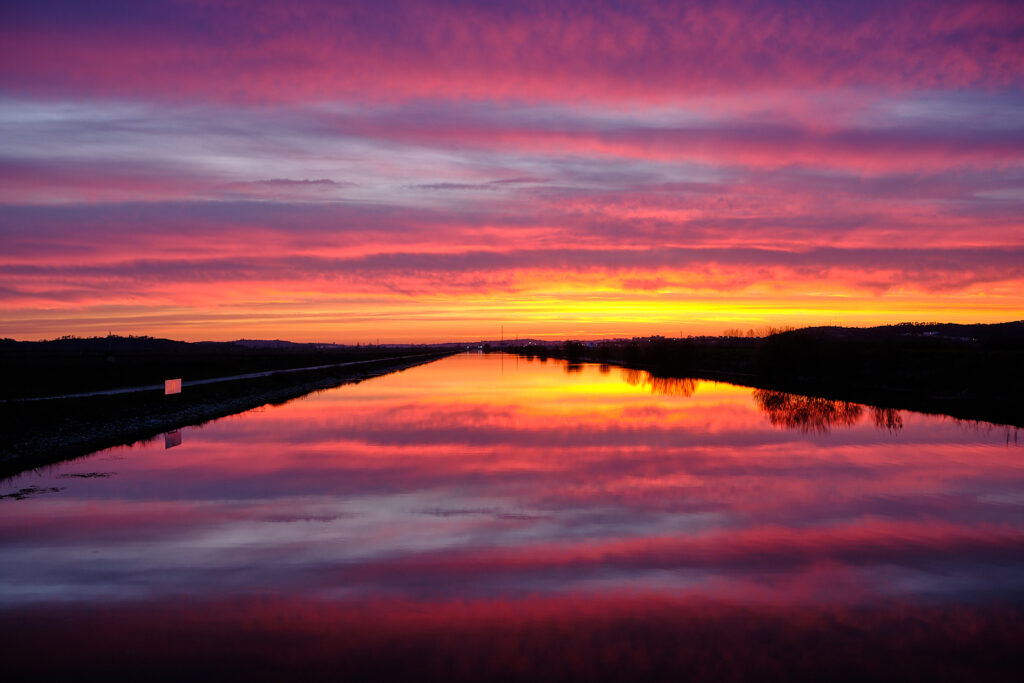
Ibbs: Any advice you’d give to a budding enthusiastic photographer?
Hugo: Yes, definitely. We have no regrets about anything we have done over all these years with a camera in hand, but if you ask whether we would do things differently today, the answer is absolutely yes. In a few words, these are the pieces of advice we would offer to anyone who has fallen in love with the beautiful world of photography and is just beginning their journey:
-
Enjoy the process and your growth as a photographer. Take pleasure in it rather than stress.
-
Photograph what you truly love, not what you think others will like.
-
Experiment with different genres of photography until you find the one that truly excites you. Trends change from year to year, so forget about them. You will not want to follow the crowd.
-
Find the equipment that works for you. It is important, of course, but ultimately it is only a tool that stands between your subject and your vision. Do not let yourself be swayed by every review of the latest camera or lens that promises to solve problems you never knew you had.
-
Choose one camera and one or two lenses, and stick with them for an extended period of time. You must know your camera as well as your own hands, understanding its strengths and its limitations. When you reach the point where you can operate it instinctively, it will disappear, and it will feel as if nothing stands between you and your subject. Never let the camera become a barrier between you and the image you want to capture.
-
It is important to learn the basics of photography and how to process your RAW files, but do not make that the core of your photography. These are simply tools to help you reach your ultimate goal: creating a body of work you can be proud of. You will meet people who can explain every camera setting and every editing technique, but take in only what truly matters to you, and do not let the technical side become an obstacle to your vision.
-
Accept feedback from photographers whose work you respect, but ignore the noise. If you ask ten different people for an opinion on your photo, you will get ten different answers. If you try to follow them all, you will go nowhere.
-
Follow your own path and trust your instincts. There is no right or wrong. Do not let anyone tell you otherwise. Think of Vivian Maier, who photographed her entire life without showing a single picture to anyone.
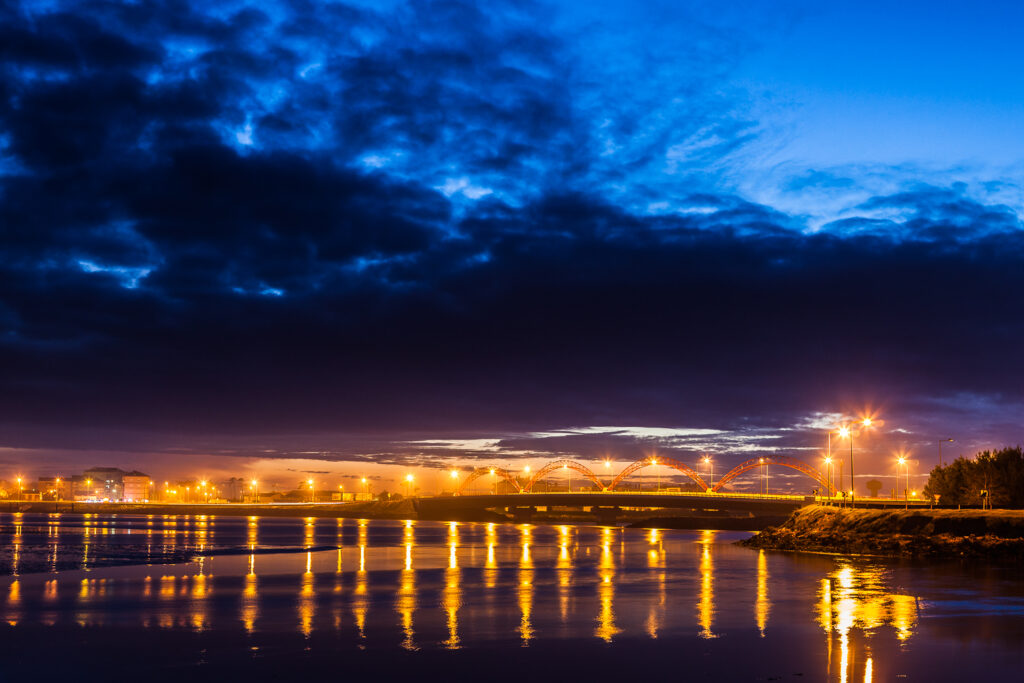
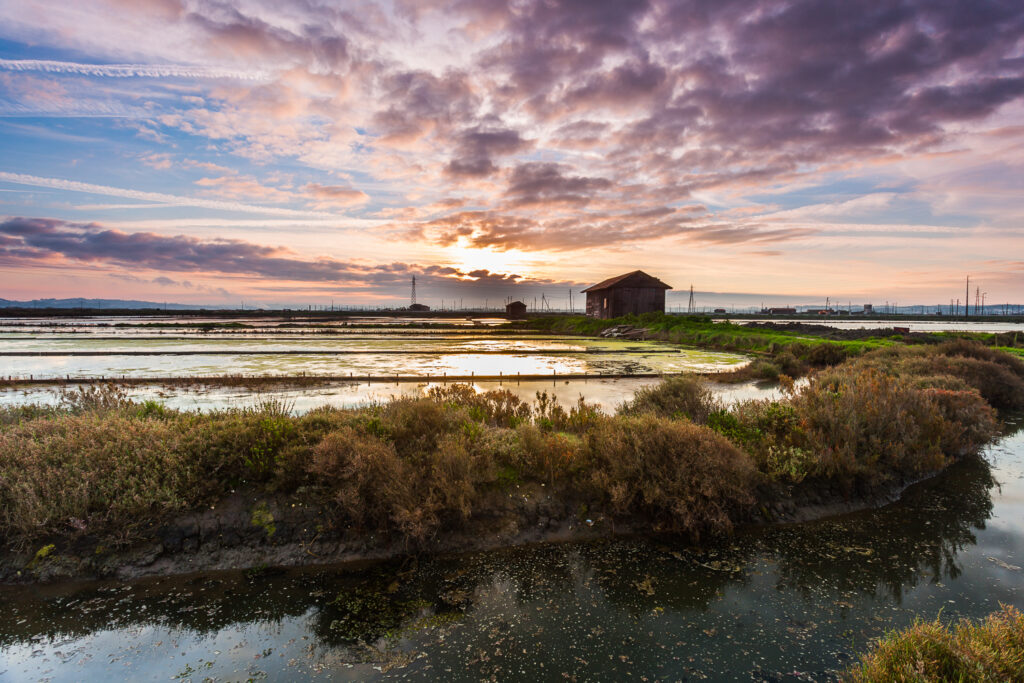
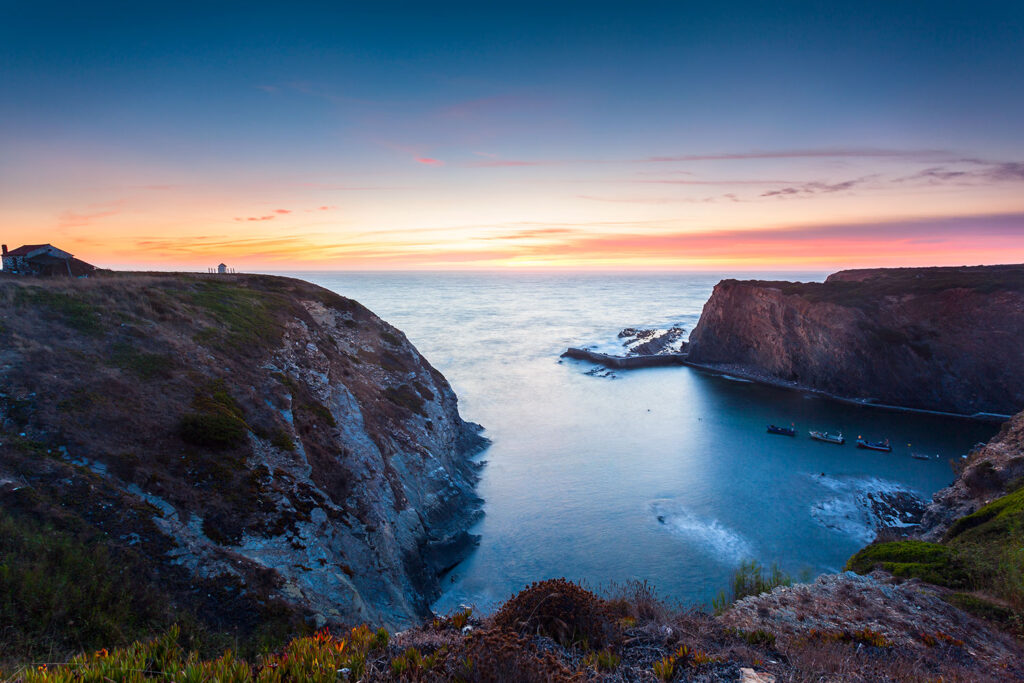
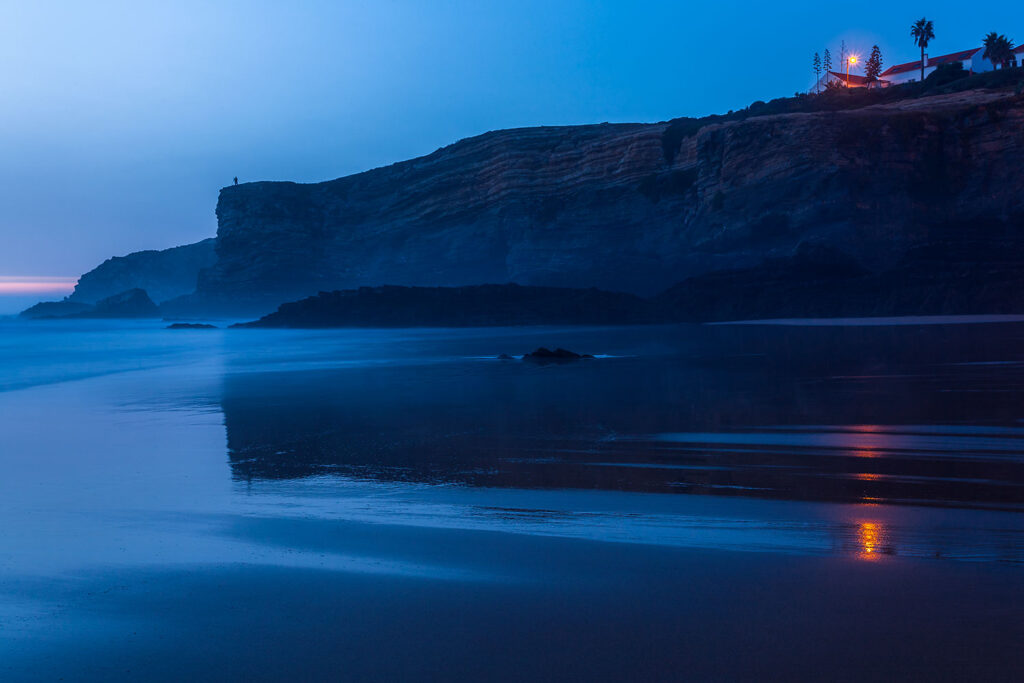
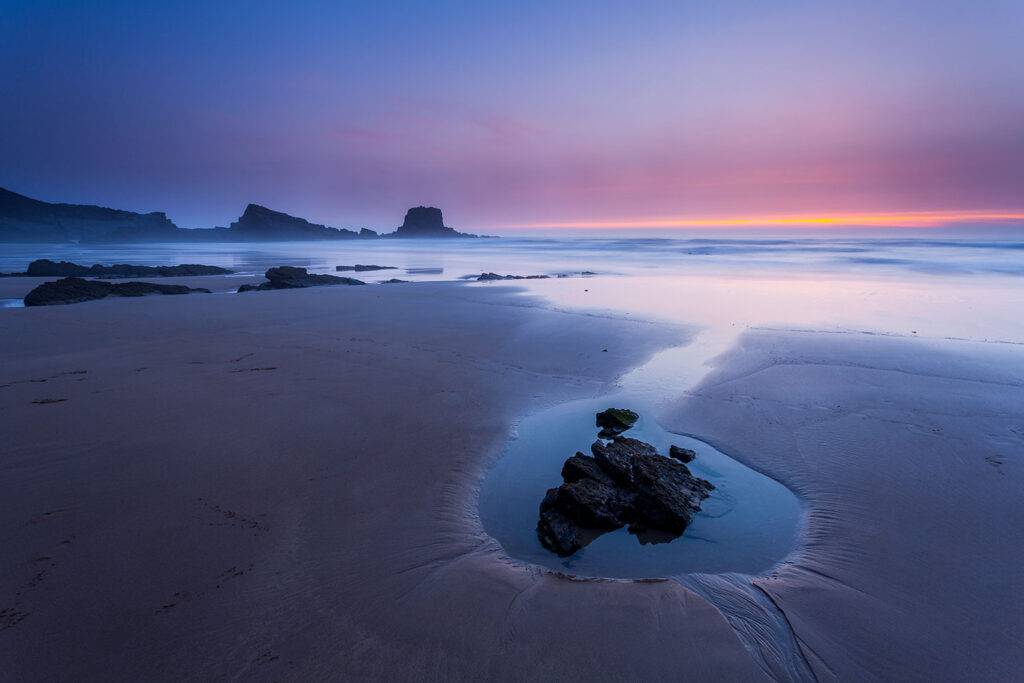 Ibbs: What are your thoughts on Film photography? And which Olympus film cameras do you like?
Hugo: Although both of us developed an interest in photography during the era when film still reigned, Maurício quickly realised that the future would be digital and became one of the early adopters with his Sony Mavica.
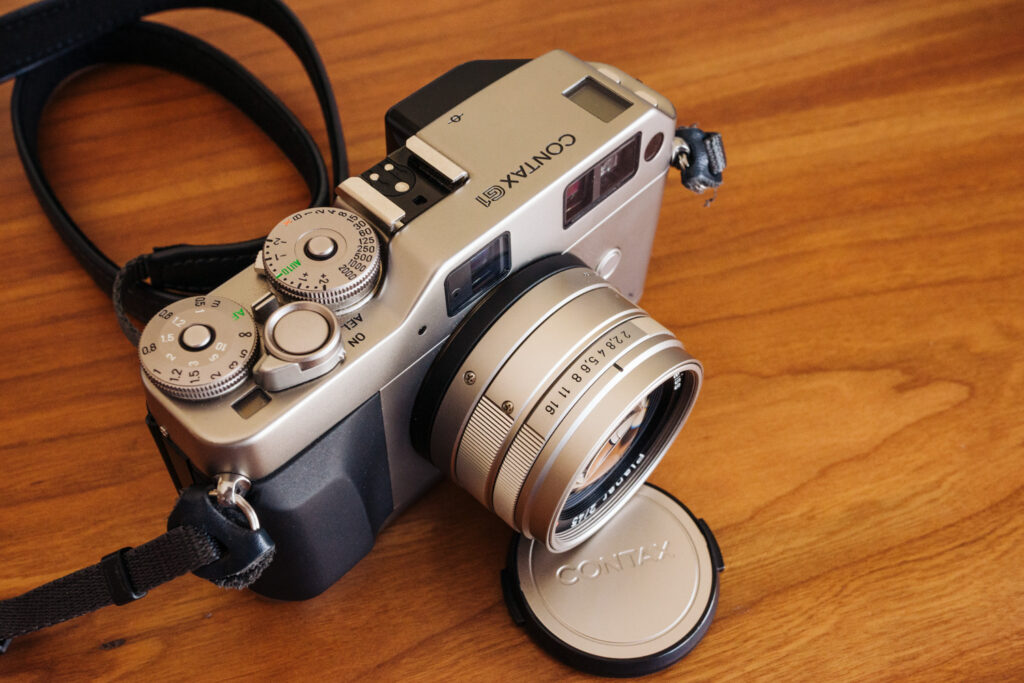
As for me, I continued using film for quite a long time and only made the full transition to digital in the early 2010s. I still have some of my film cameras and quite a few rolls stored in the vegetable drawer of the fridge, but to make room for digital, I sold several beautiful cameras, including the Contax G1 and G2 with their full range of Carl Zeiss lenses, a Mamiya 645 AFD and the fantastic Nikon FM2n.
I have noticed that many of today’s film photographers belong to a younger generation who began with smartphones or digital cameras and are now discovering the charm of film. I think that is wonderful, as it is largely thanks to them that film continues to survive today. Otherwise, it would be difficult for companies to keep producing both film and developing chemicals.
Although Olympus produced many iconic and revolutionary film cameras over more than seven decades, such as the OM-1, the PEN series and the Olympus Trip 35, which brought photography to the masses, the one that truly captured my heart was a small autofocus compact, the Olympus mju I, known as the Infinity Stylus in the American market. It is tiny, elegant, and fitted with a super-sharp 35mm f/3.5 lens. If OM System ever released a digital version of this camera, it would be all I would ever use for the rest of my life.
Ibbs: What do you think the future holds for OM Digital?
Hugo: The sale of Olympus’s Imaging Division naturally caused concern among all of us, who feared it might mark the end of an era. However, those fears proved to be unfounded, and OM System has shown itself to be a worthy heir to decades of heritage, with a bright and promising future ahead. The iconic build quality remains, as does the relentless pursuit of innovation.
When digital photography took over, everyone seemed to aspire to owning a full-frame camera, and images with completely blurred backgrounds became synonymous with being “professional.” Exaggerated bokeh, where the background entirely disappears behind the main subject, was to me simply a sign of expensive equipment, as a good photographer seeks to use the background to complement and enhance the subject, not to erase it.
That pursuit of bokeh led many people to wrongly dismiss smaller-sensor systems such as Micro Four Thirds, which were perceived as inferior. Today, with the market flooded with second-hand full-frame cameras, that bias regarding sensor size has begun to fade, and photographers are increasingly choosing what truly works for them. In that respect, OM System has a great deal in its favour.
As we all know, the Micro Four Thirds system has found a strong following among bird and wildlife photographers, who can carry long telephoto zooms in their backpacks without the heavy burden of full-frame systems. Personally, that is not the kind of photography I do, so I would love to see OM System broaden its focus rather than concentrating on a single segment. The new OM-3 and the updates to several prime lenses are steps in the right direction, but I would also like to see a revival of the PEN series, particularly the PEN-F. Investing in modern, feature-packed cameras with a retro aesthetic seems to me a safe and highly desirable direction that many photographers are eagerly hoping for.

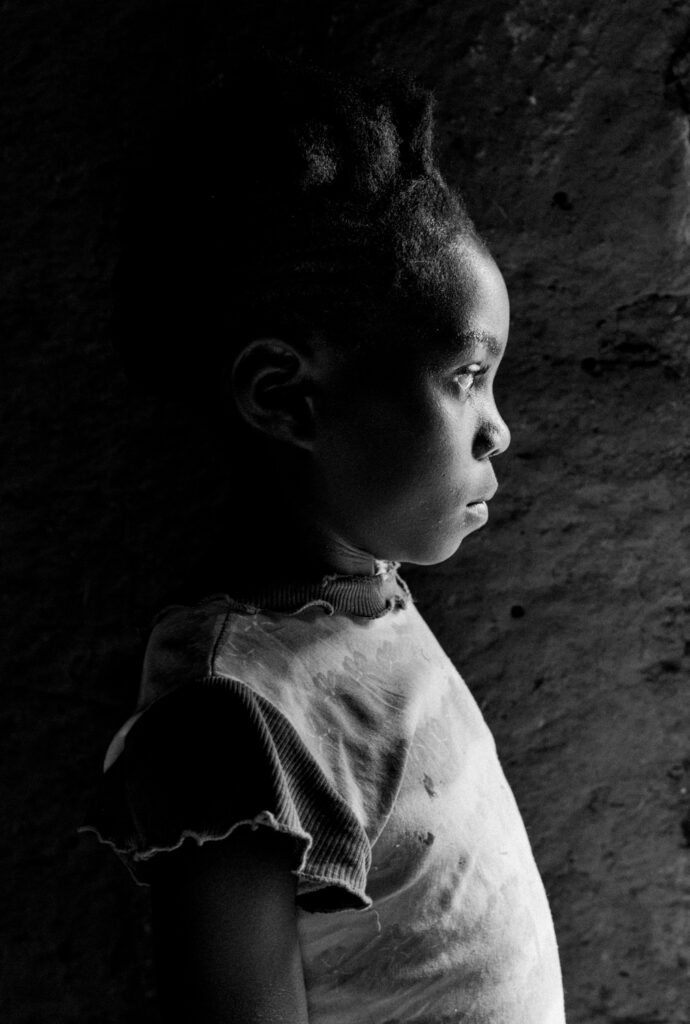
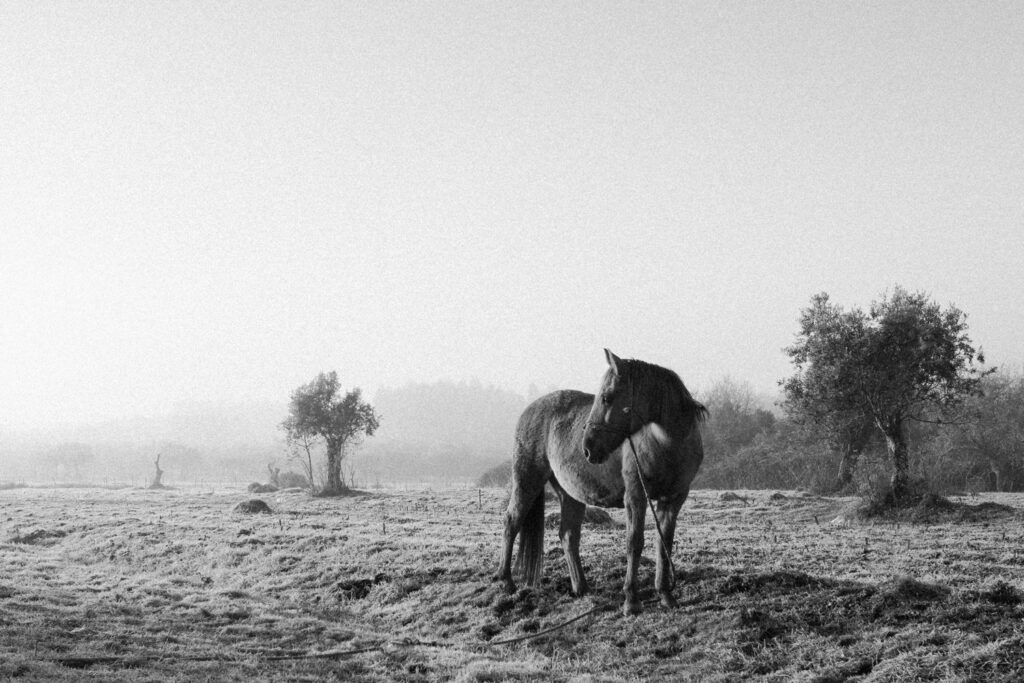
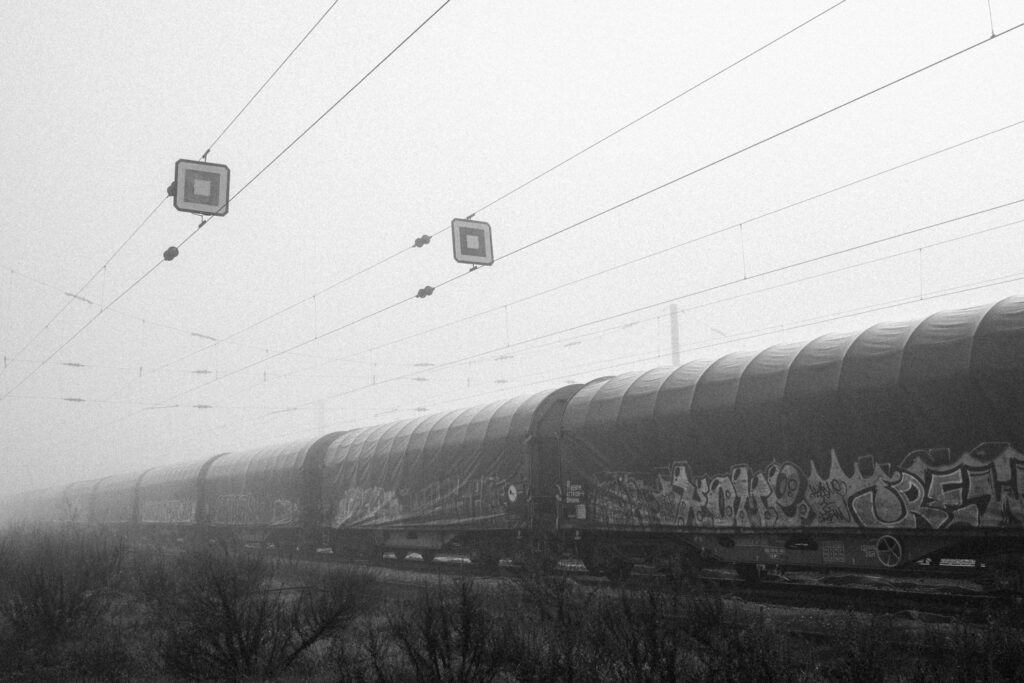
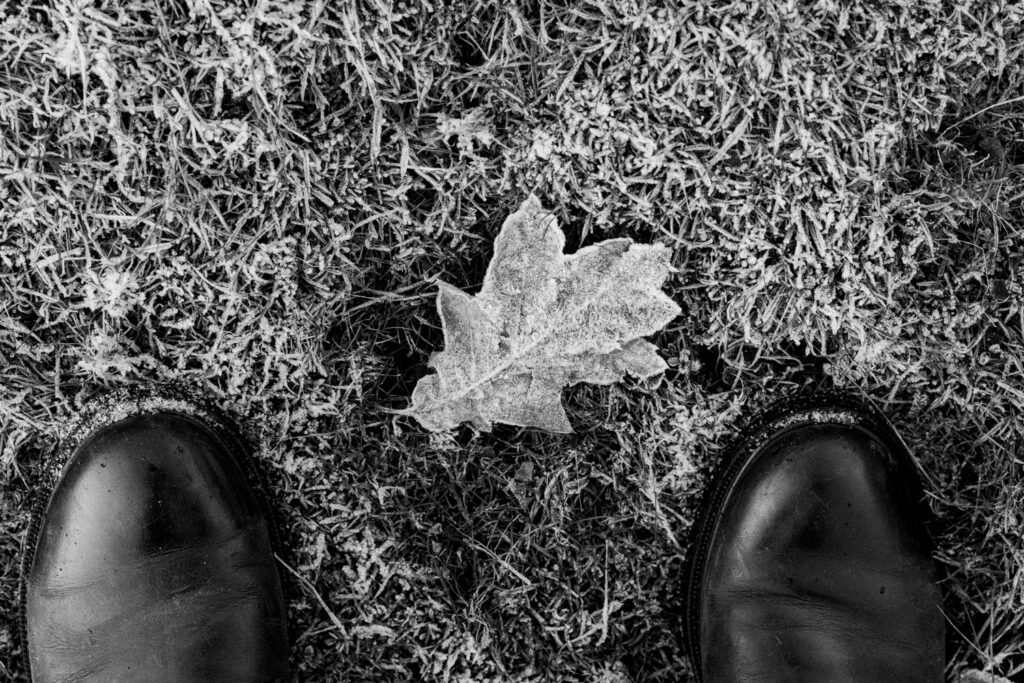
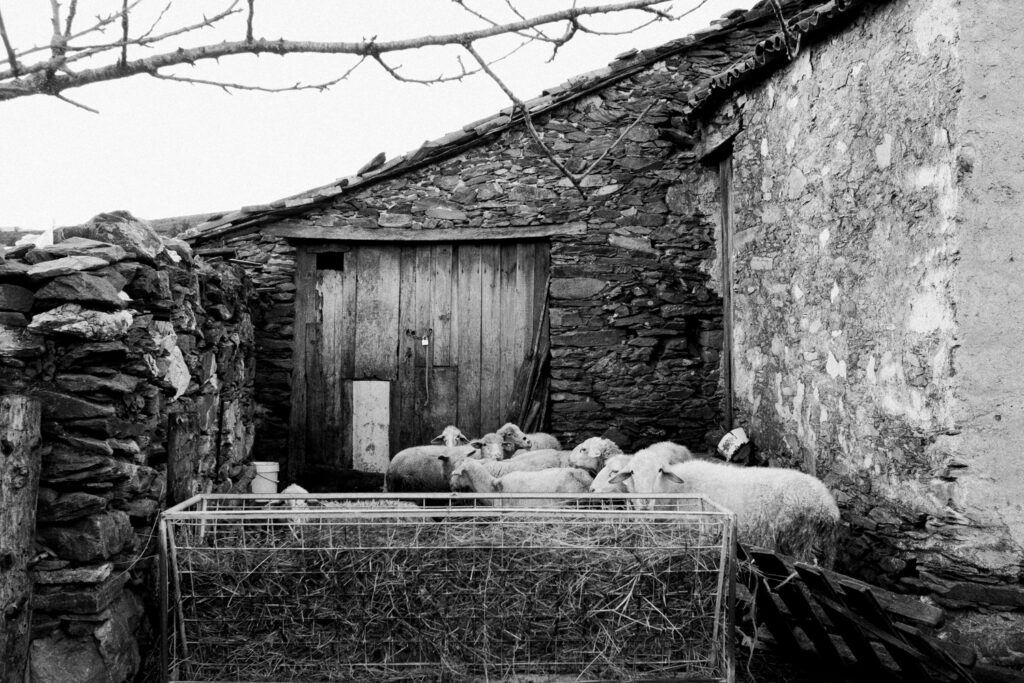
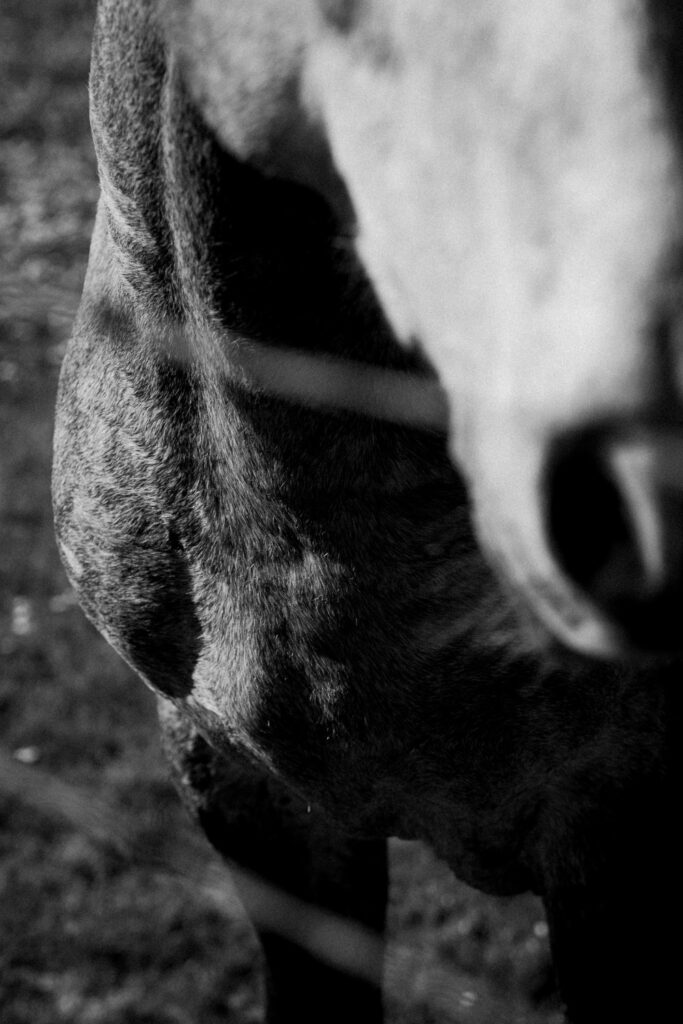
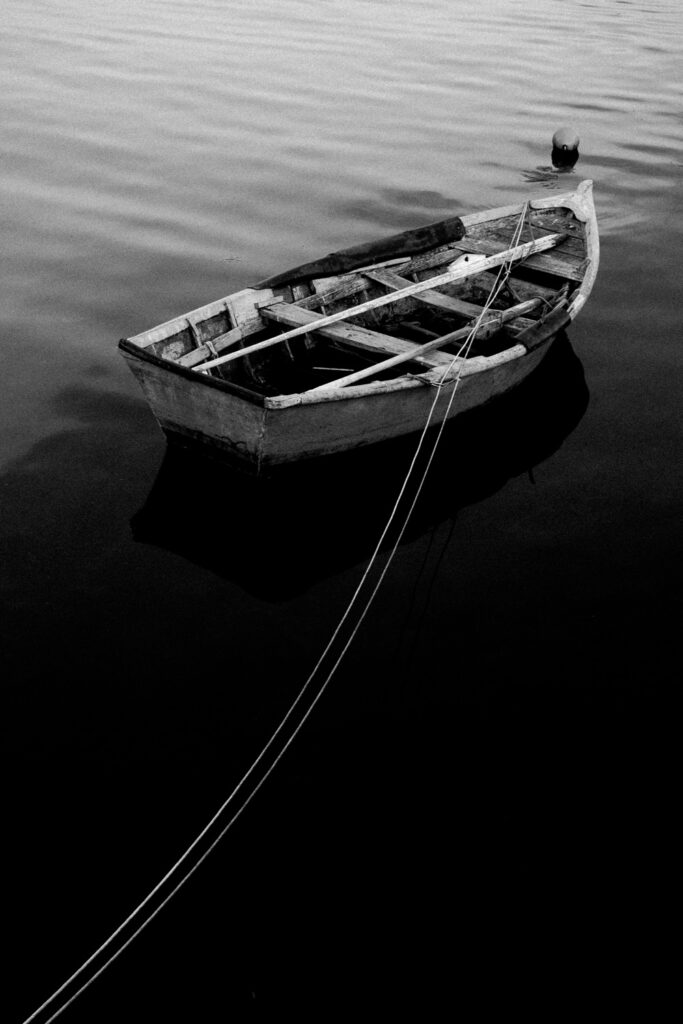
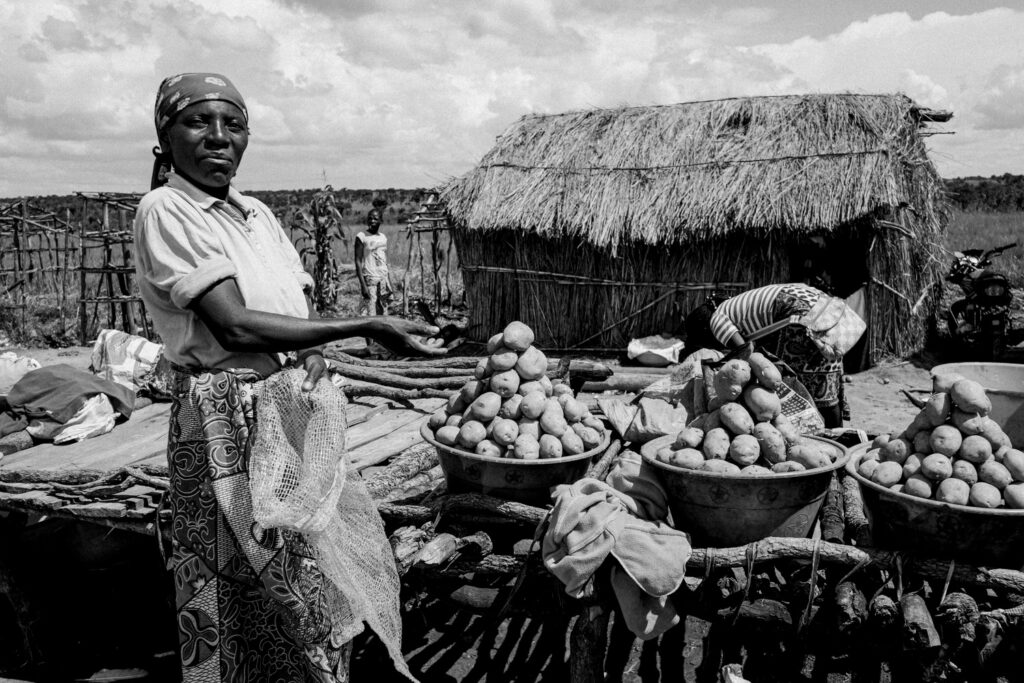
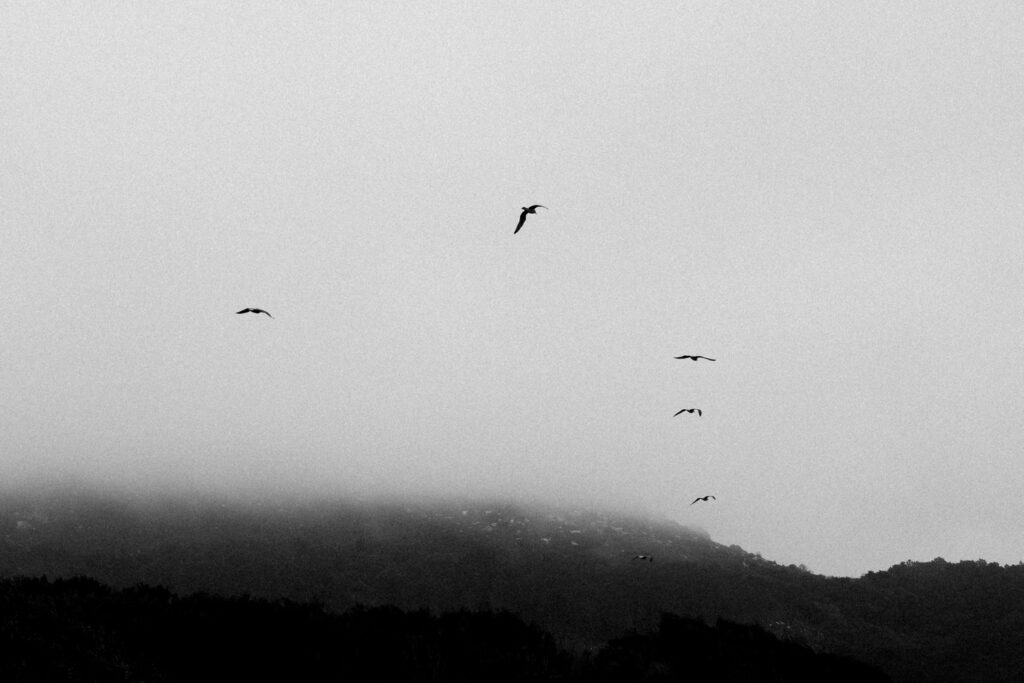
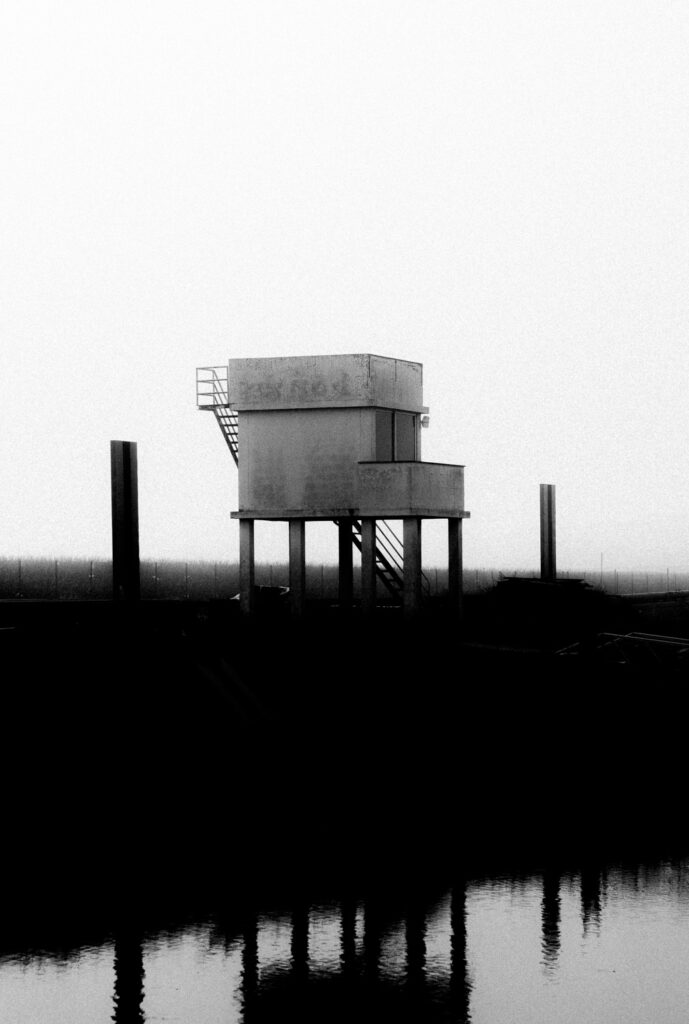
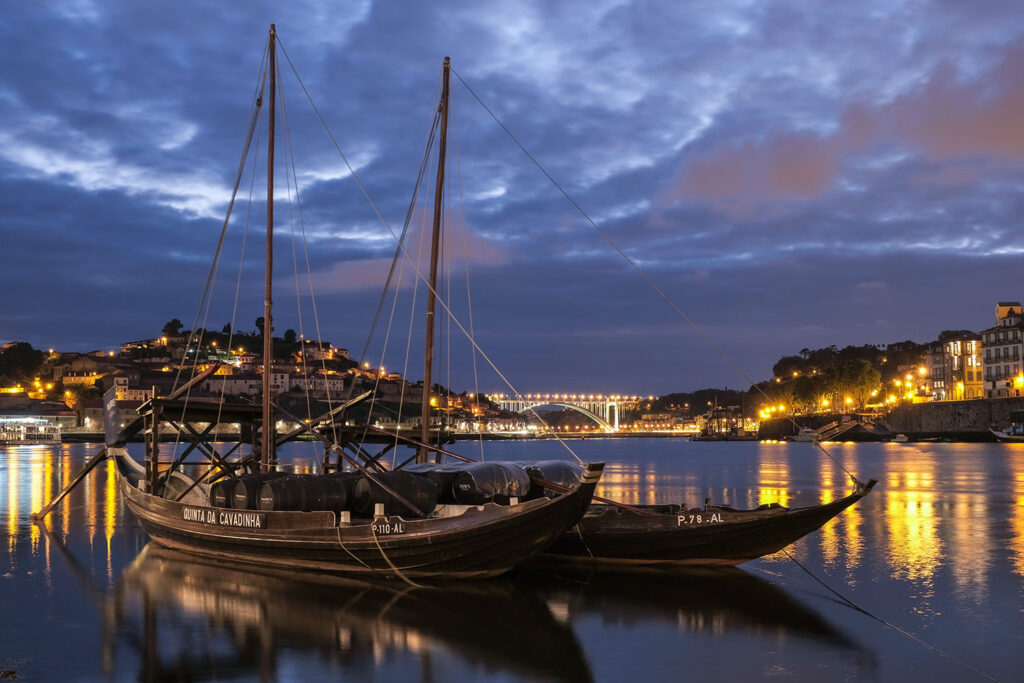
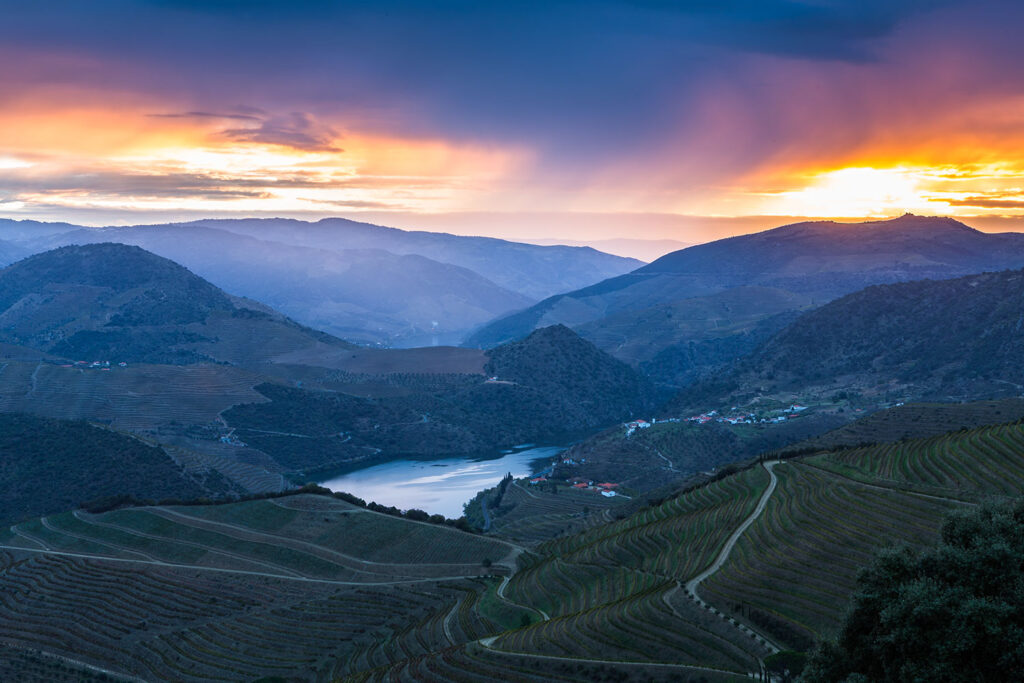
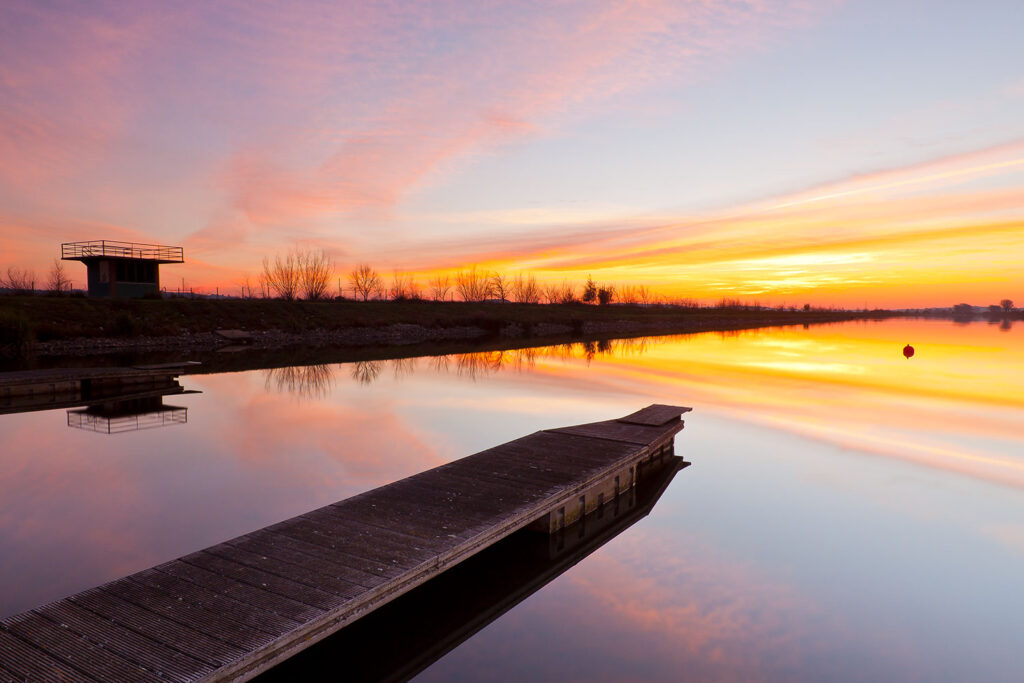
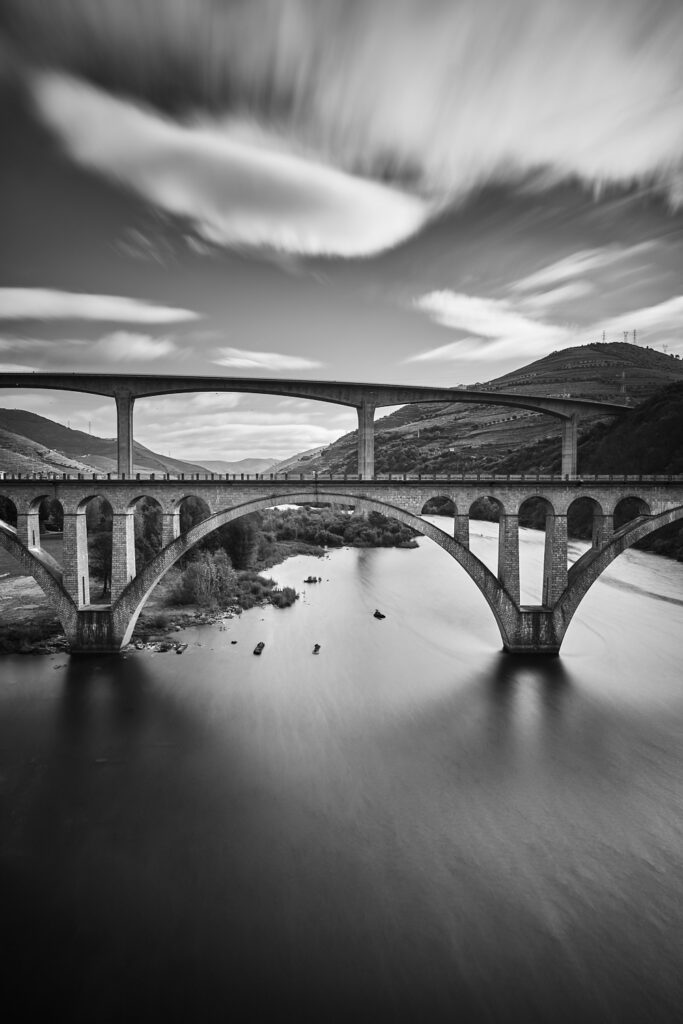
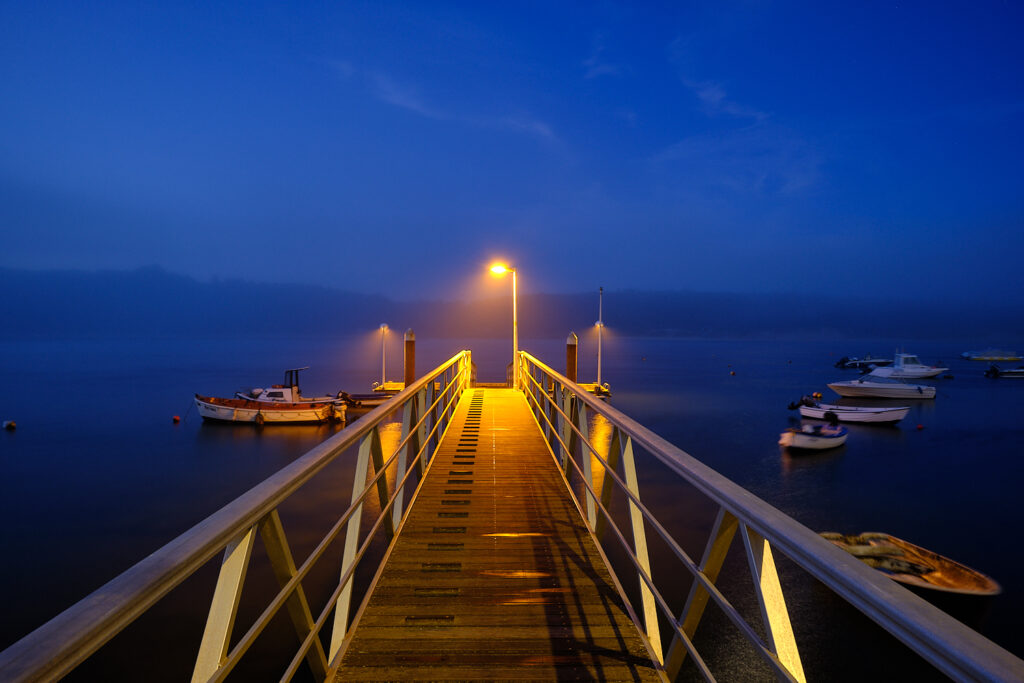
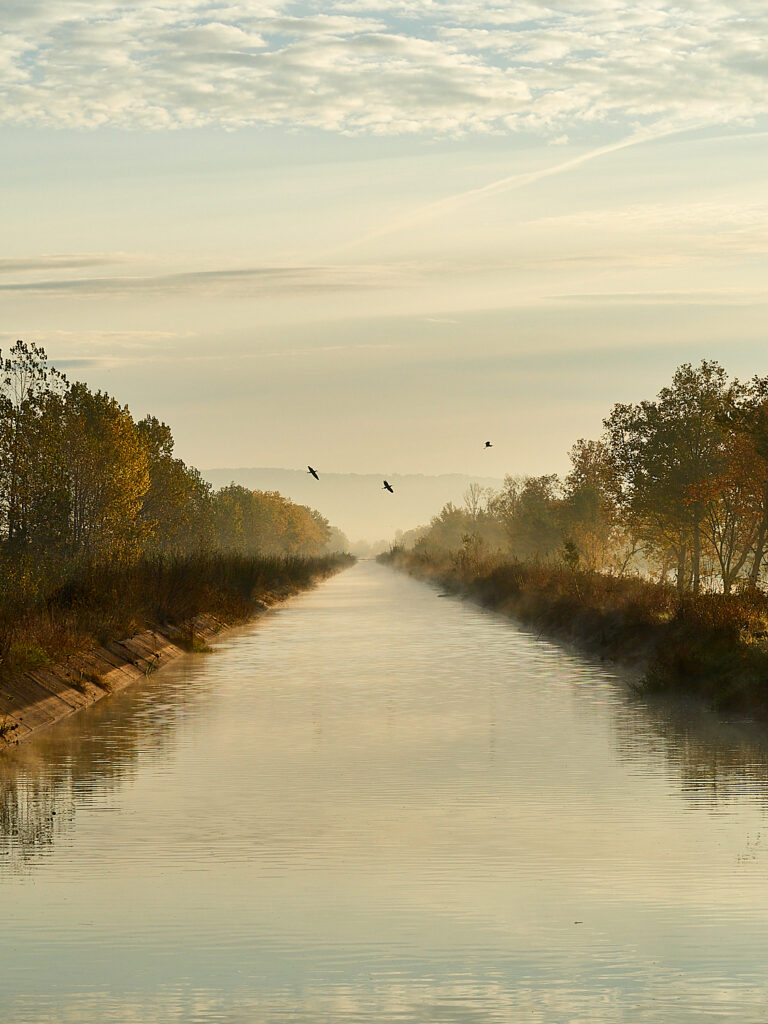
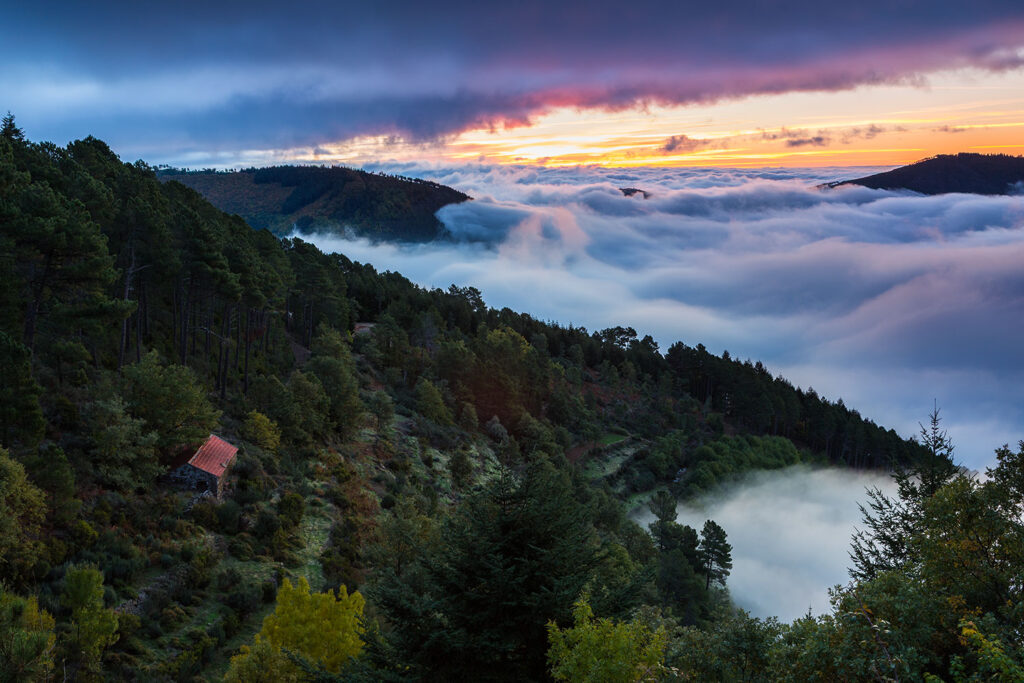
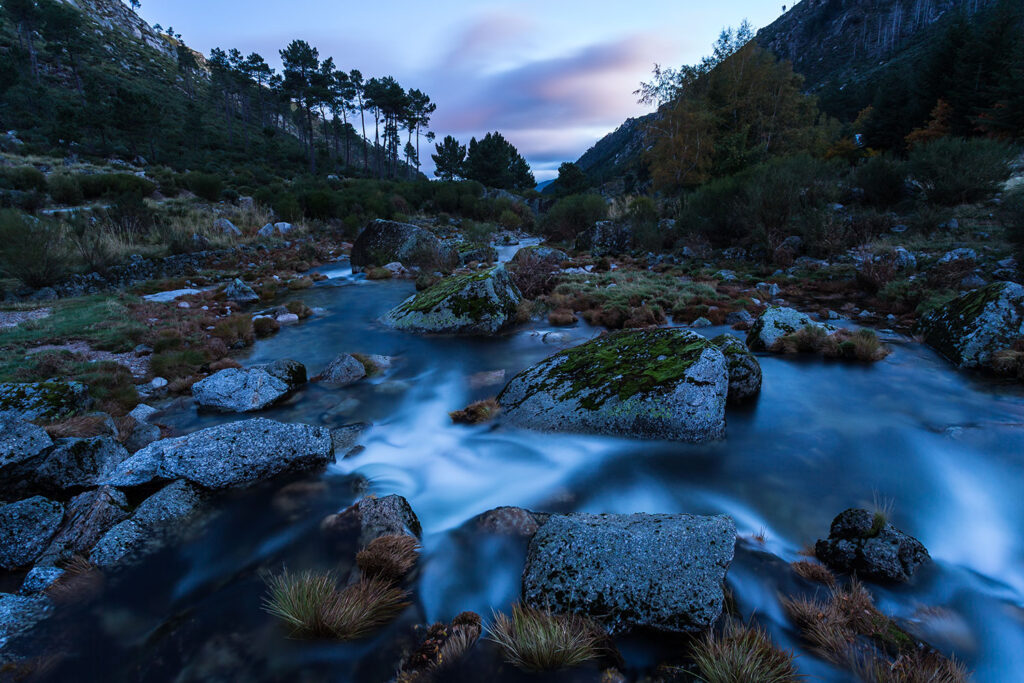
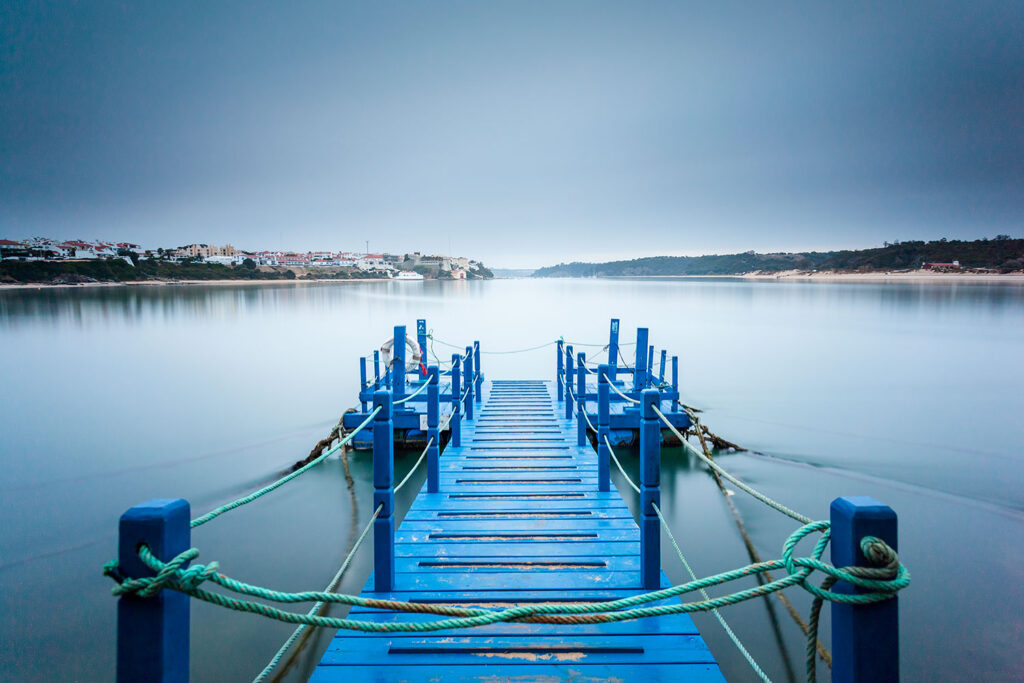
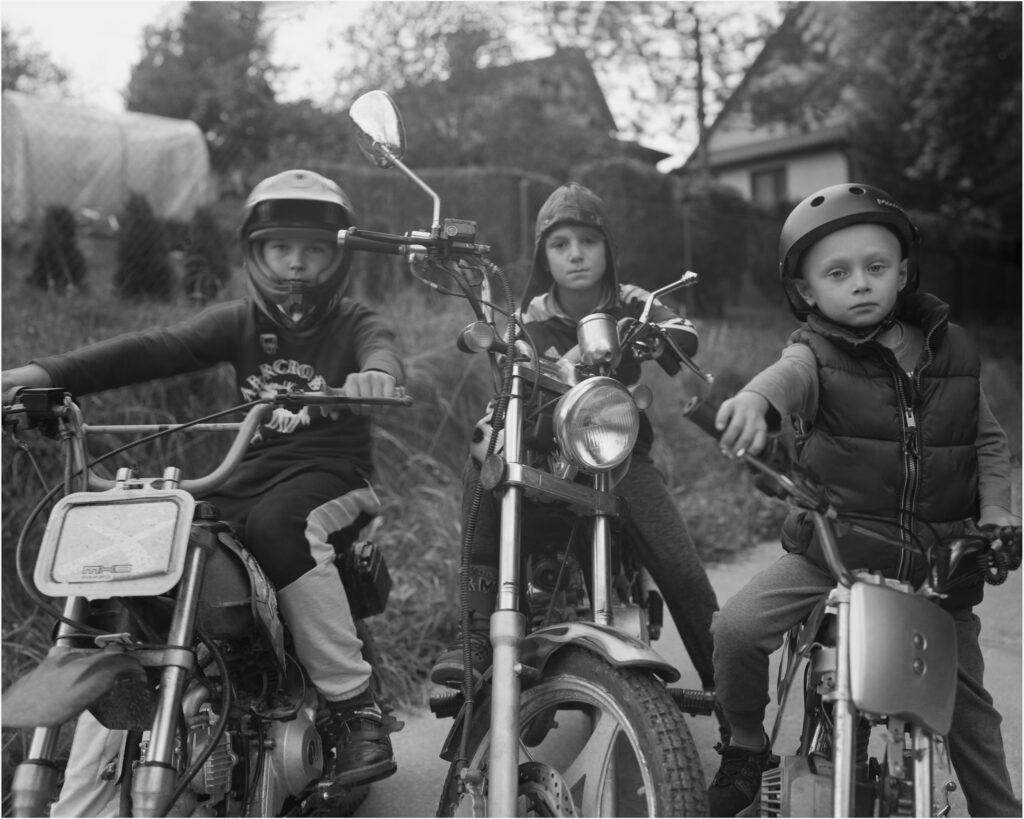
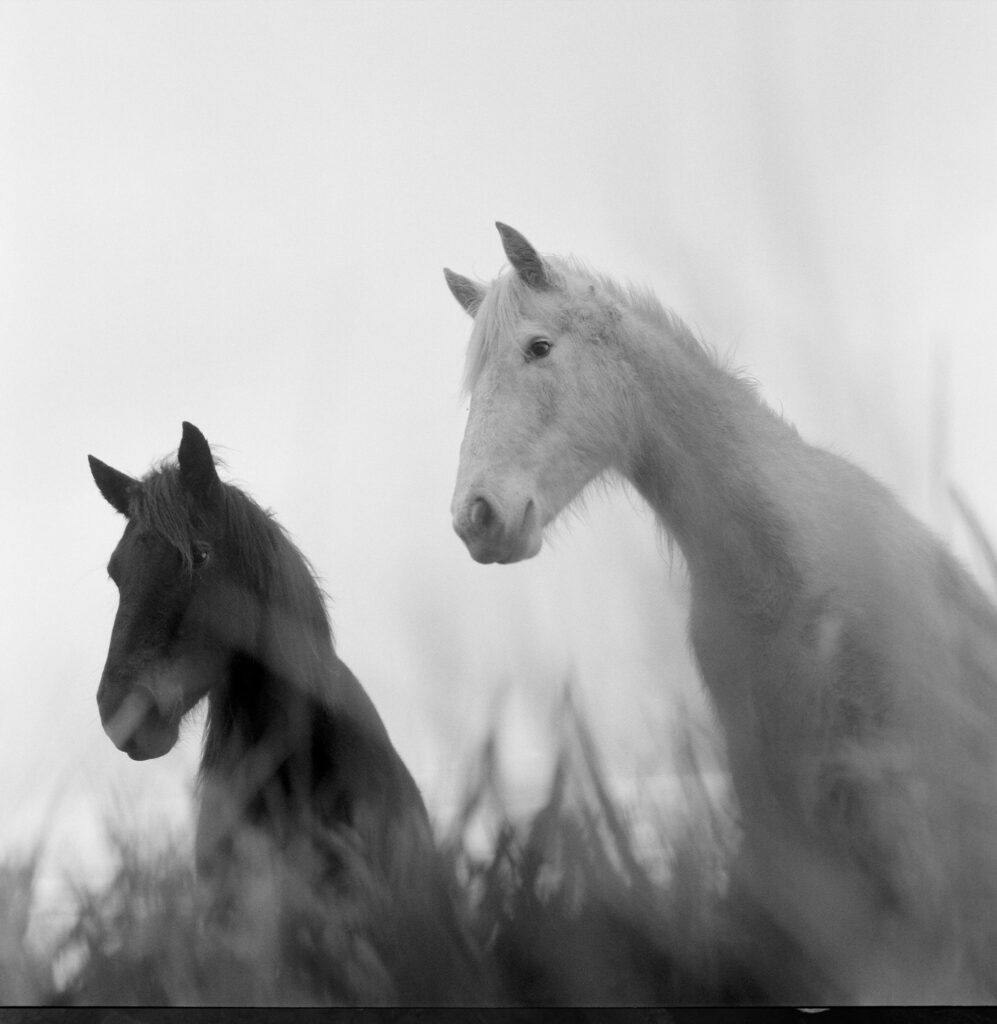
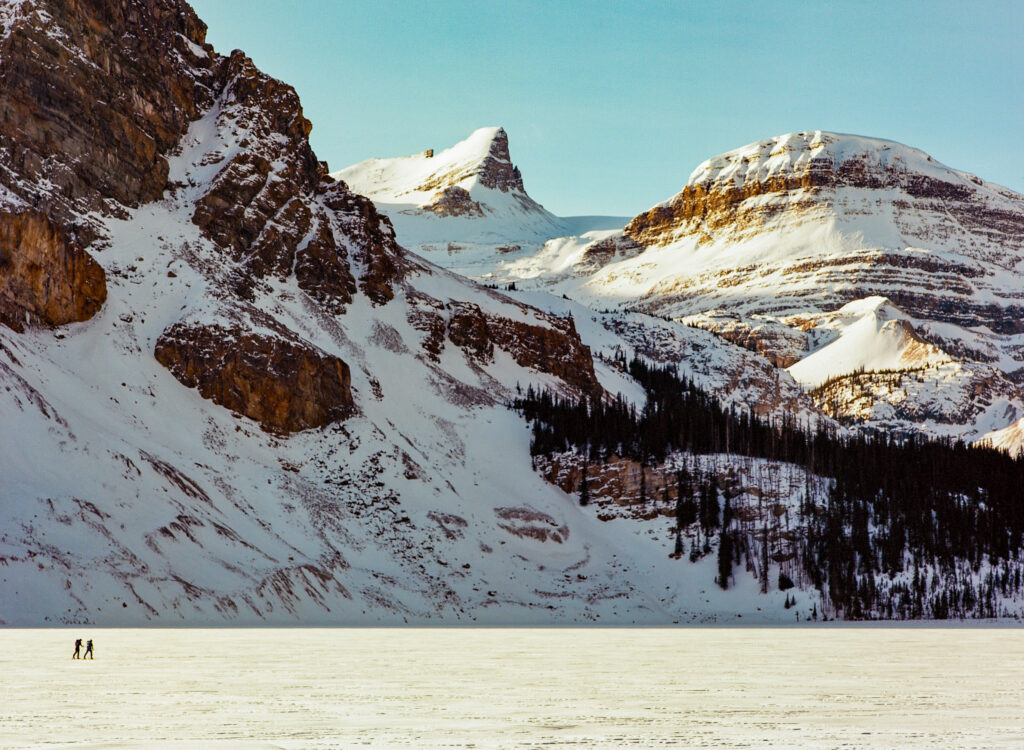
Olympus Passion
https://www.olympuspassion.com/
https://www.instagram.com/olympuspassion/
Maurício Reis
https://www.instagram.com/mreisphoto/
Hugo Pinho
https://www.instagram.com/_hugopinho_/
Share this post:


Comments
Walter Reumkens on Interview with Maurício and Hugo from Olympus Passion Magazine. For lovers of all things Olympus & OM Digital
Comment posted: 11/01/2026
You didn't have to apologise, I took note of everything as a newcomer and drew my conclusions for the future. I think some people misunderstood me regarding the exposure. I can only agree with your recommendations in the last comment. Scott only set the exposure dial to +2 (ISO 1600); he should have turned it down. Or better yet, used an SLR. But that topic is closed.
Now to Olympus, as I have several in my collection myself, both analogue (FV, RC, SP, TRIP, EES-2, OM-1n, OM-2n, OM-4 Ti) and digital. Several PEN and OM-Ds. While I have no problems with the old analogue ones, my PEN-F gave up the ghost shortly after the warranty expired, the display went haywire and it was no longer repairable as spare parts were no longer available. Olympus Service in Portugal offered me a refurbished PL7 as a replacement. The mode dial on my OM-D E-M1 suddenly came loose in my camera bag, and there are no spare parts available. They offered me a small voucher, which I declined. I glued the dial back on, but now I can't adjust it anymore. By chance, it was set to "A". I now have a "real" aperture priority camera. Quality has deteriorated, sales are plummeting, and endless discounts are not helping. I will take care of my old treasures. If only Yoshishisa Maitani had lived to see this. Thank you for sharing!
Comment posted: 11/01/2026
Comment posted: 11/01/2026
Comment posted: 11/01/2026
Comment posted: 11/01/2026
Comment posted: 11/01/2026
Comment posted: 11/01/2026
Gary Smith on Interview with Maurício and Hugo from Olympus Passion Magazine. For lovers of all things Olympus & OM Digital
Comment posted: 11/01/2026
I bookmarked the site.
I don't believe any of my work with my OM-1 and M.Zuiko 300/4 Pro has made it into any of my posts here. Part of me feels like I ought to be searching for a Pen-F but truth be told, I feel like I have plenty of cameras (then why was I researching the Kodak sensor used in the Leica 8 based on the incredible color of the CCD)? Maybe I need a Pentax 645D?
I agree with Walter: quality in general is in decline not only at Leica.
I've been incredibly lucky with my new camera purchases. All of my mFT cameras work great. I've been equally lucky (for the most part) with acquiring new-to-me ancient film cameras.
In the end, it's all about enjoying going out and seeing images to capture!
- G
Comment posted: 11/01/2026
Comment posted: 11/01/2026
Marcus Gunaratnam on Interview with Maurício and Hugo from Olympus Passion Magazine. For lovers of all things Olympus & OM Digital
Comment posted: 11/01/2026
nice way of introducing discussion re digital cameras on a site devoted to 35mm film cameras!.with adapters for use of film cameras to take the digital lenses and vice versa,I mean using digital cameras to use film camera lenses,thanks to chinese manufacturers and the internet search engines.It was going to be about time that digital format was included in a site devoted to 35mm photography.I feel that all photography should be included in a discussion about photography.I am an"Olympus nut"thru' and thru' I have many of the Olympus film cameras still working,from the legendary PenFT,XA,OM1 and OM4Ti,to name a few,The only non -Olympus camera that I own is a Minolta Autocord,purchased during the time I sought Royal(Australian) Photographic Society membership,because they required you to submit photos taken with a format larger than 35mm. I shot mainly with the PenFT and developed my own, having spooled my own from a bulk loader,I used to push process using Neofin blue and Paterson 4 system with a time- temperature chart, developed and filtered solution using a Buchner Funnel and a Venturi pump,and printed using an EL-Nikkor lens.I am a retired Medical Specialist,who mourns the death of Yoshihisa Maitani the inventor of the legendary PenFT,XAand OM series of film cameras.
Comment posted: 11/01/2026
Marcus Gunaratnam on Interview with Maurício and Hugo from Olympus Passion Magazine. For lovers of all things Olympus & OM Digital
Comment posted: 12/01/2026
Comment posted: 12/01/2026
Alexandre Kreisman on Interview with Maurício and Hugo from Olympus Passion Magazine. For lovers of all things Olympus & OM Digital
Comment posted: 12/01/2026
Gorgeous images!
You made e areal nice piece here Ibraar!
And congrats!
Cheers
Alex
Comment posted: 12/01/2026
Alexander Seidler on Interview with Maurício and Hugo from Olympus Passion Magazine. For lovers of all things Olympus & OM Digital
Comment posted: 14/01/2026