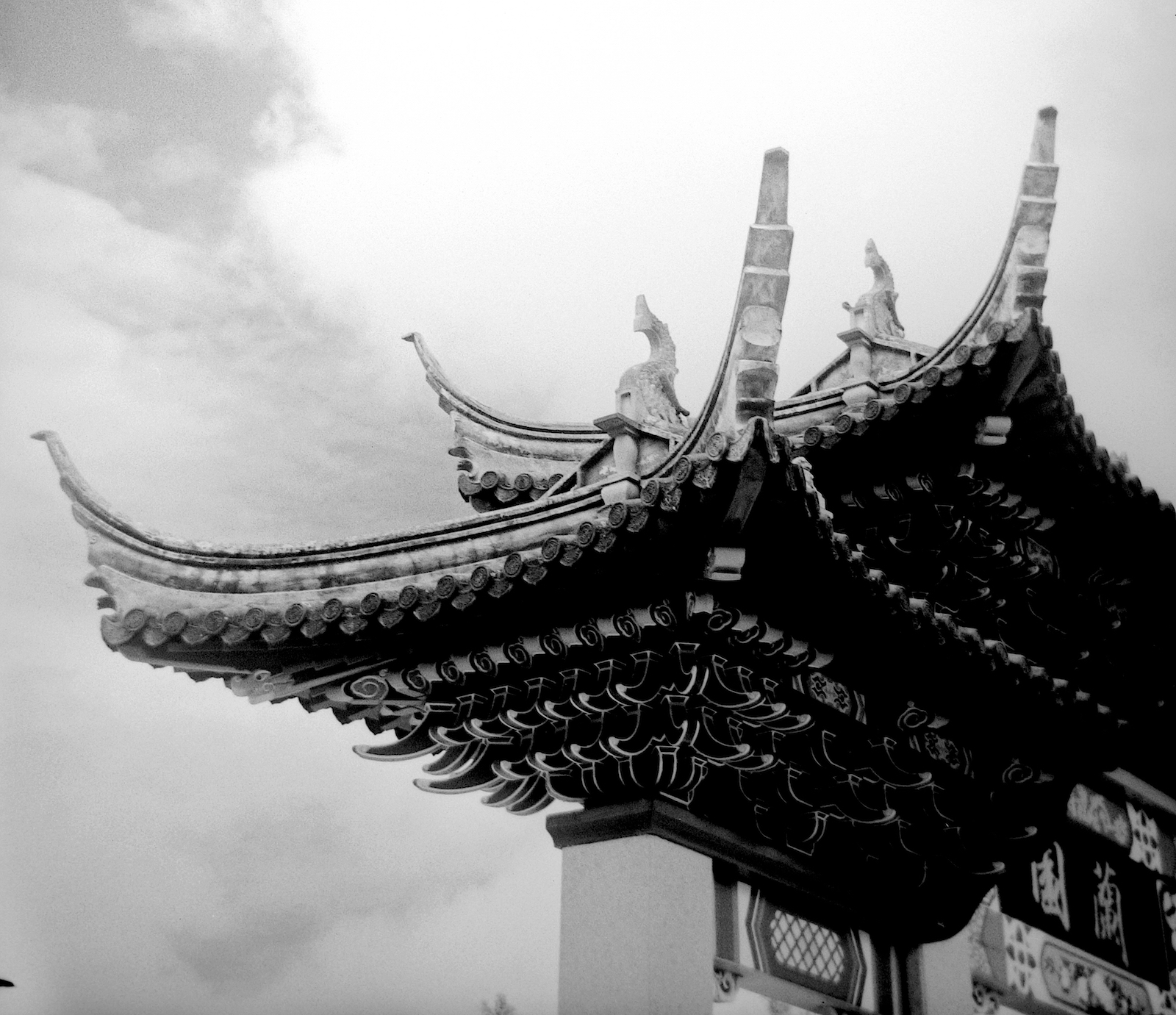
A reprise of the Agfa Iso-Rapid 1F

By Tony Warren

The responses I received to my first article about this little camera made me feel a little guilty. It has clearly played a significant part in many people’s journey into photography and has evoked many good memories.

So I felt it deserved a better crack of the whip than I had given it and I asked for the loan of the camera and cassettes from my grandson again, resolving to take care to avoid the problems I had experienced. In particular, the cassette did not see daylight once loaded and went straight into the camera before the light was turned on and the exposed cassette came out of the camera in the changing bag as I loaded the developing tank.
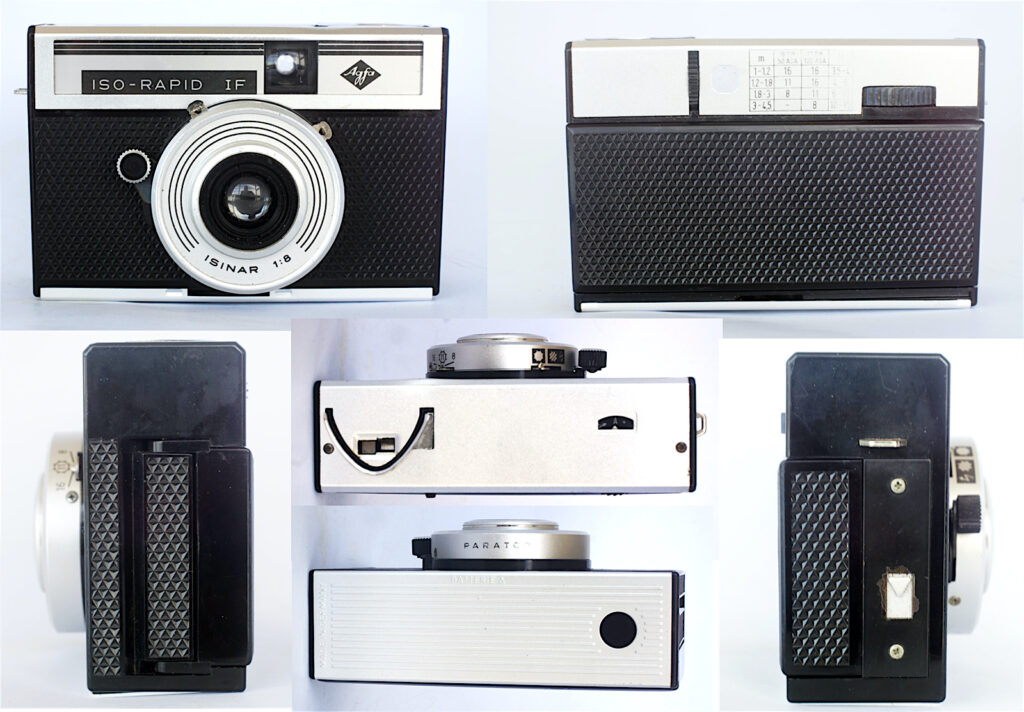
The camera.
The camera.

As well as the fogging first time around, the frames least affected appeared to be overexposed so I assumed that the shutter was running slow. I felt the two shutter speeds should be taken to be closer to 1/25 and 1/50 rather than the suggested 1/40 and 1/80. As a further precaution I stand processed the length of Rollei Retro 80S I had loaded to even out development.

Using the camera again reminded me that it is very nice to handle, the finder being easy to use even wearing glasses. The shutter release in particular is smooth and positive and the finder easy to use even wearing glasses. Wind on is also smooth and effortless while the prismatic patterned finish to the body gives a very secure grip.
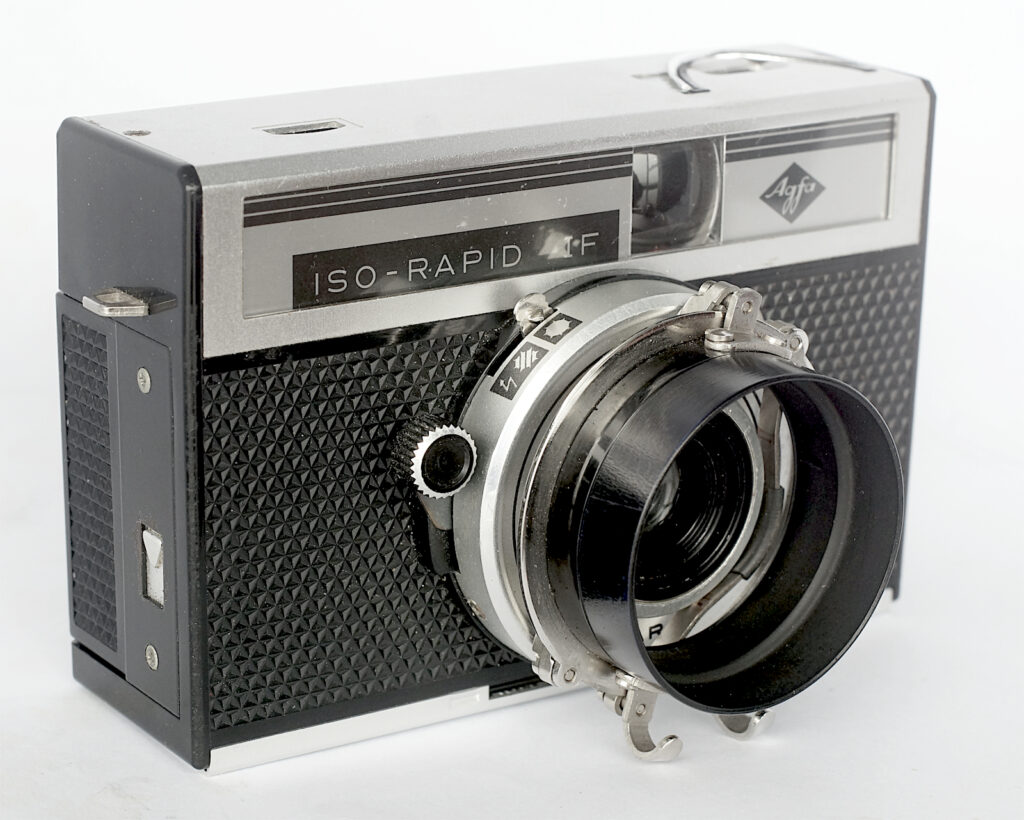
With the Nebro handcross in place.

Once again I used my Handcross lens hood filter holder for some of the shots.
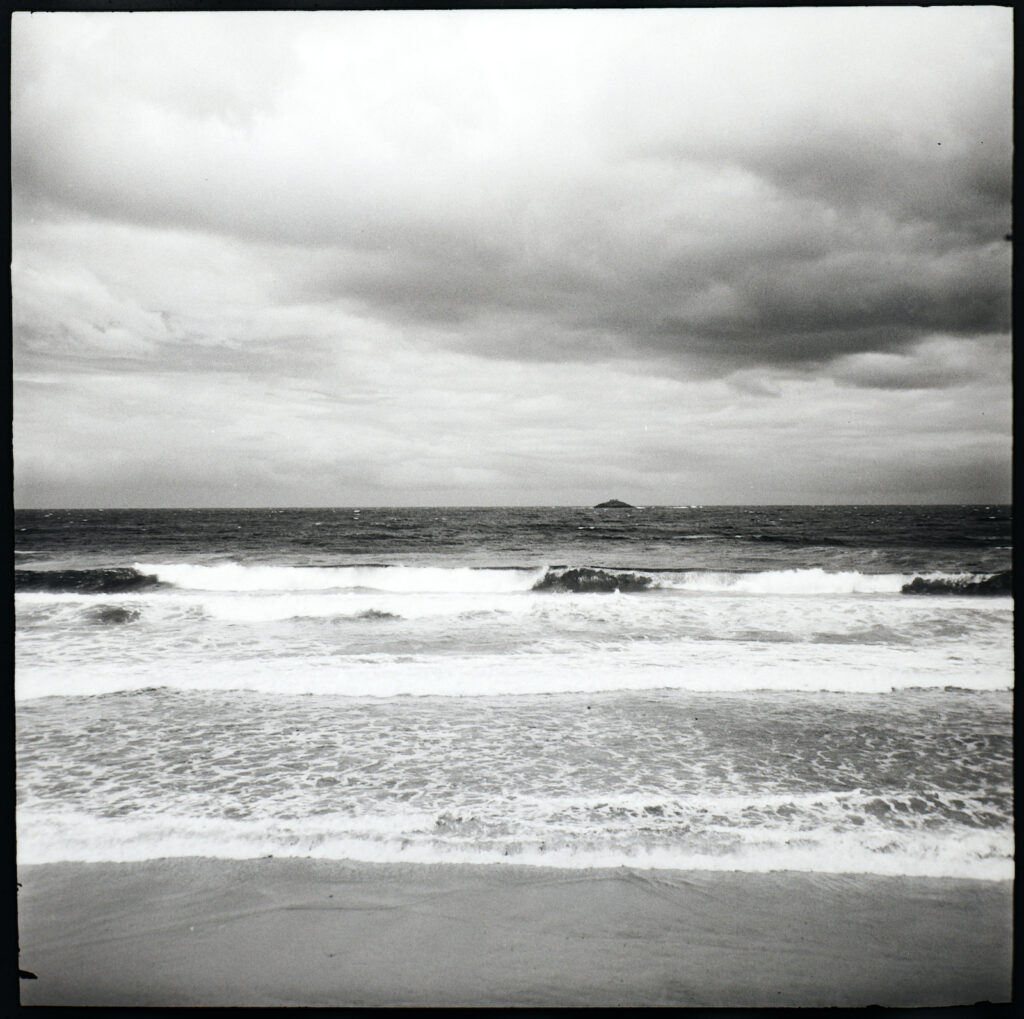
St. Clair, Dunedin with White Island (not the volcanic one up north) - next stop South America. Red filter.
St. Clair, Dunedin with White Island (not the volcanic one up north) – next stop South America. Red filter.

Results

A little over 3mil of of my very last drops of R09/Rodinal went into 300mil or so of water and the film semi stand developed for 60 minutes at 20ºC. No trace of the fogging from weakened light trapping thanks to my precautions but there was more base fog than I expected yet some very useable negatives appeared. Digitising was less problematic too with less dense negs so my assumptions as to shutter speeds must have been close but still overexposing a little I would say.
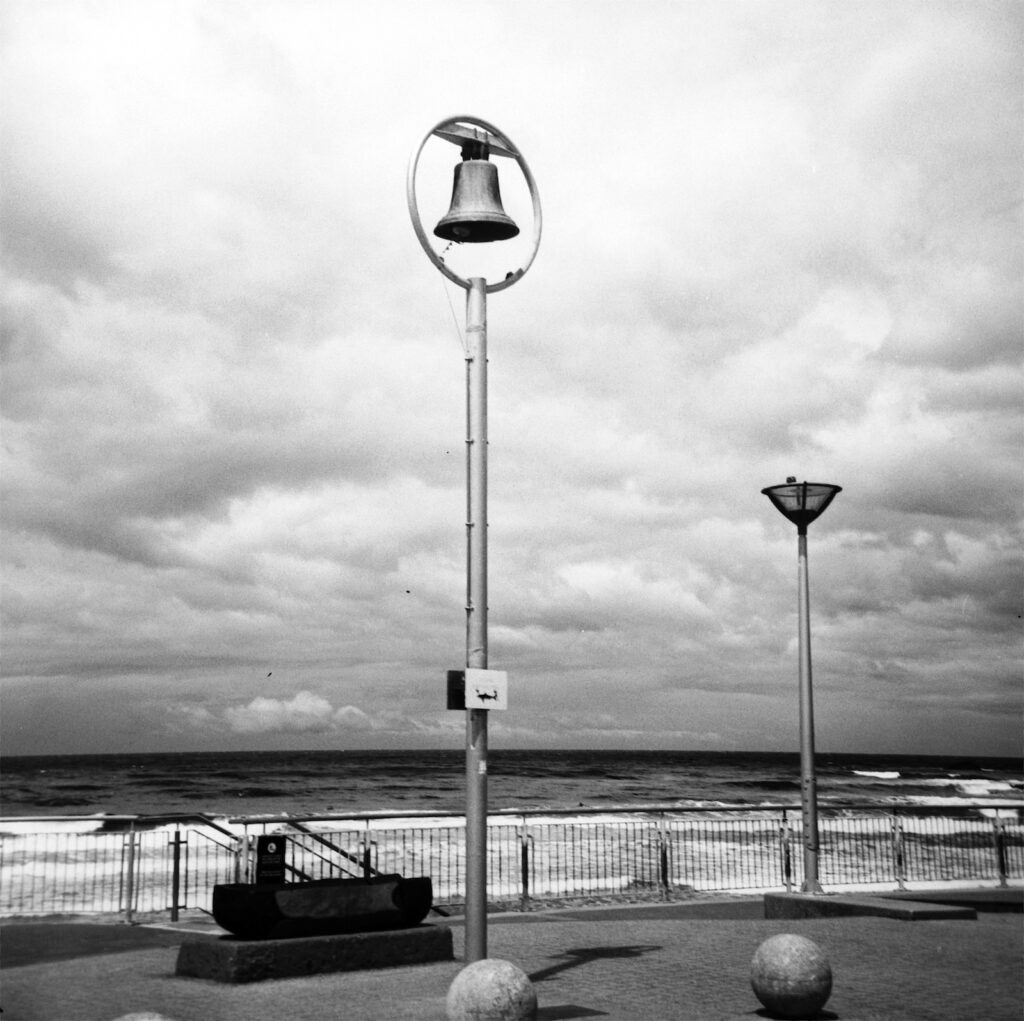
The Shark Bell at St. Clair, Dunedin’s surfer beach. Red filter.
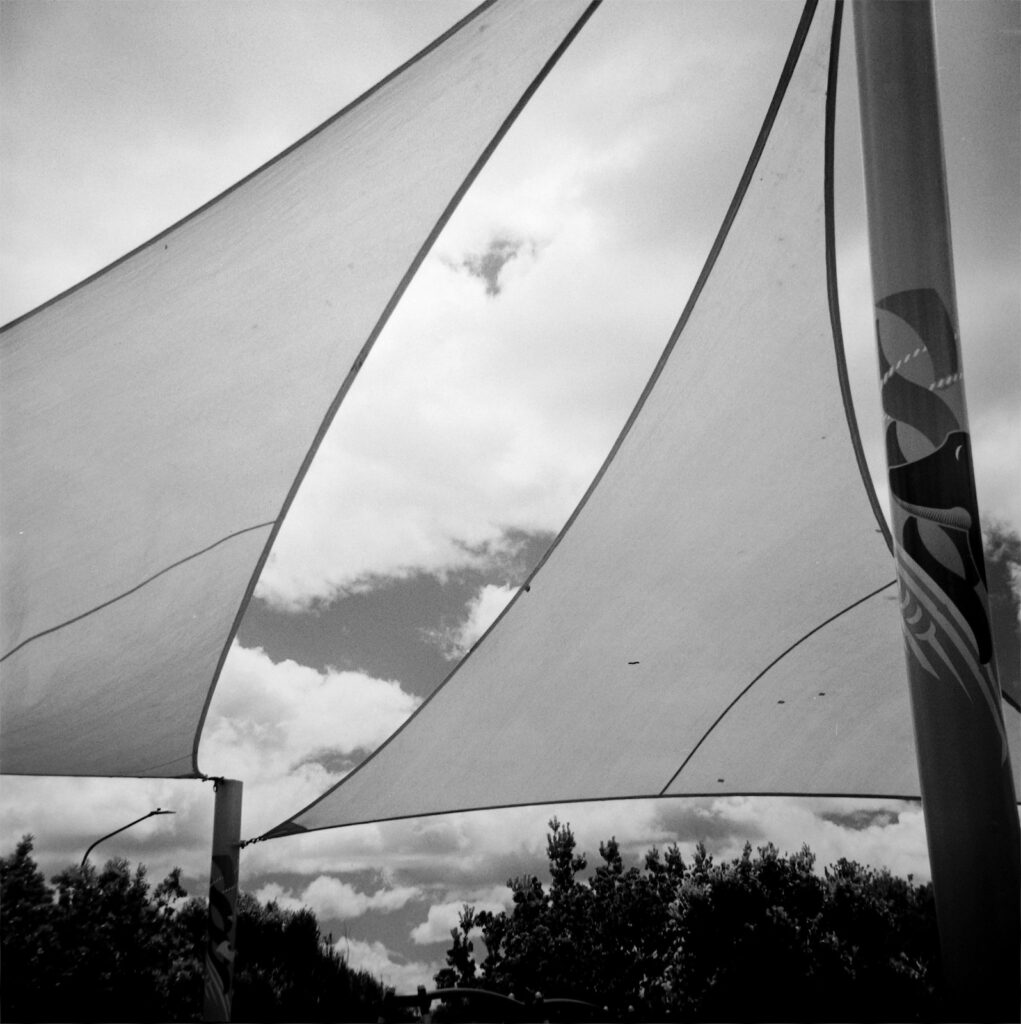
Shade sails, children’s playground, St. Clair. Red filter.
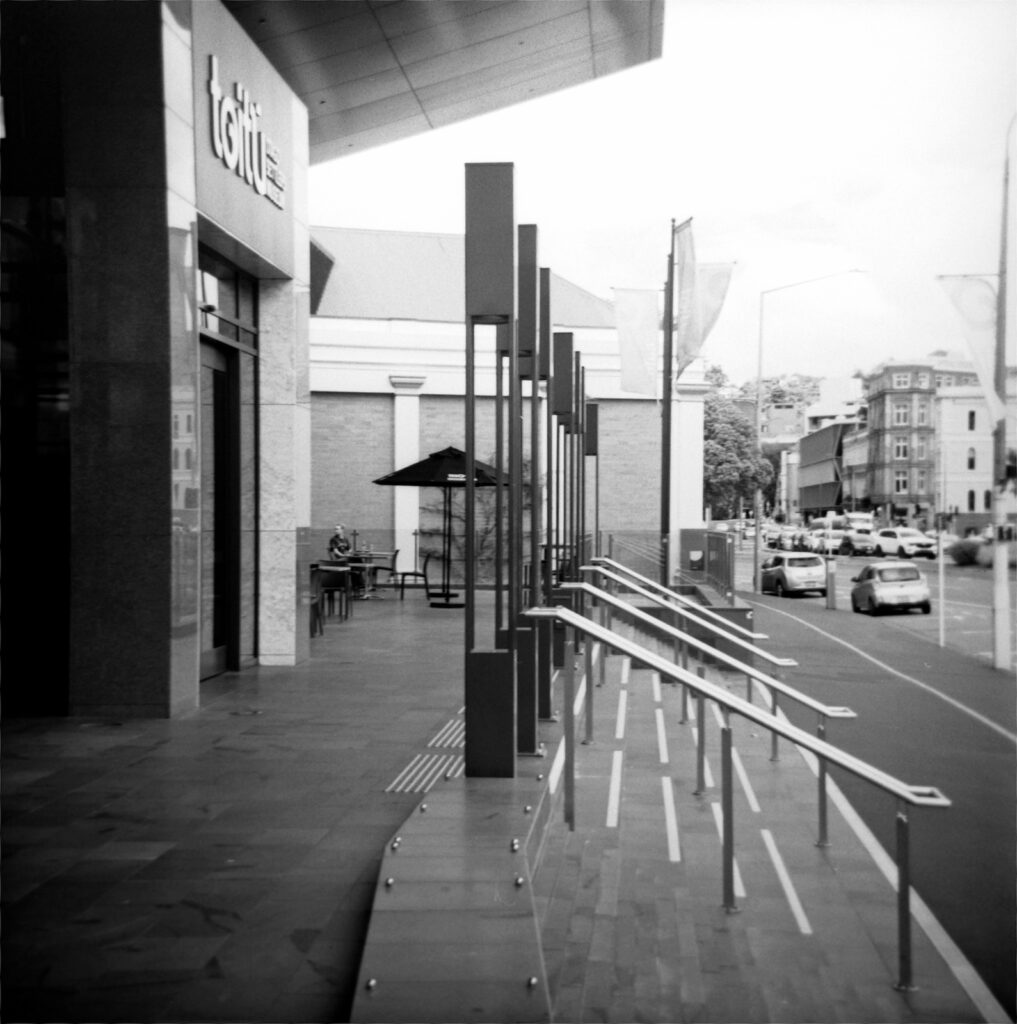
Entrance to Dunedin’s Toitu, Early Settlers Museum. Red filter.
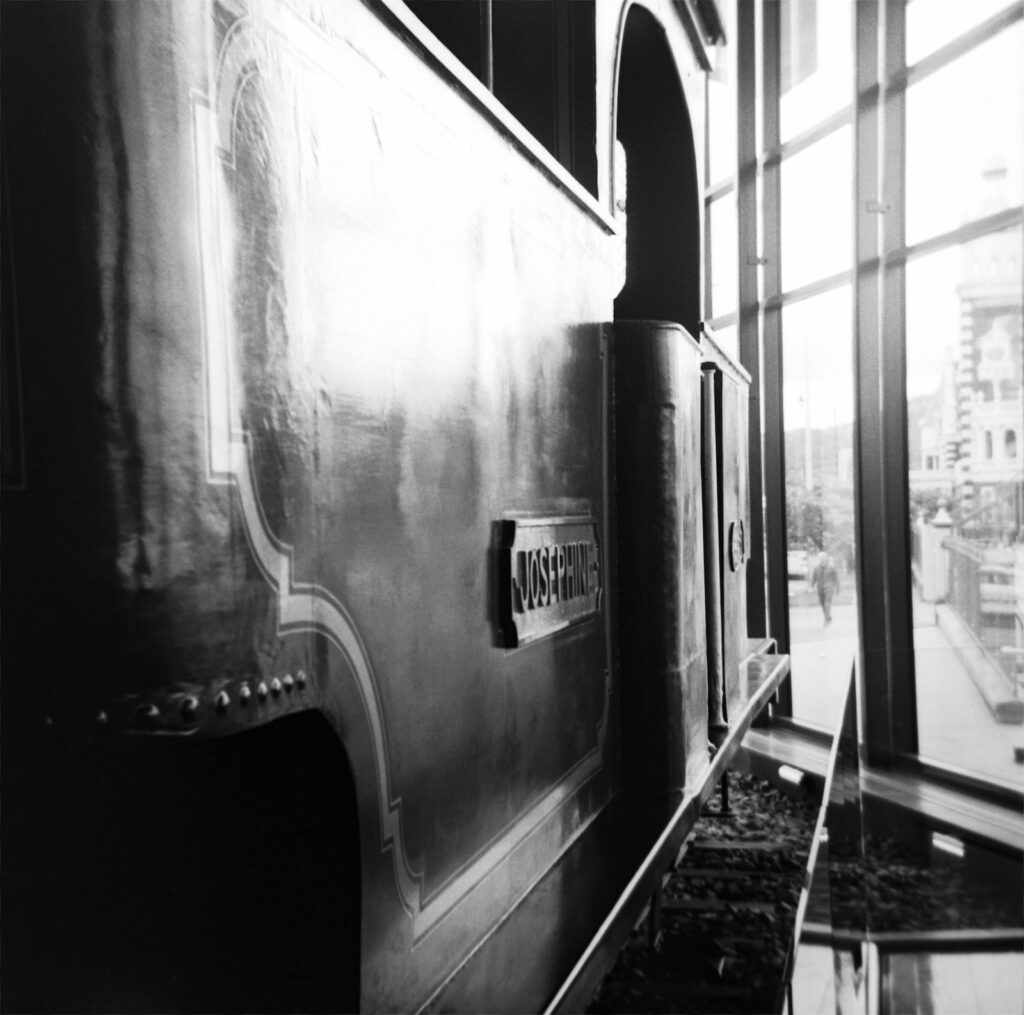
Preserved example of “Josephine”, a Double Fairley steam locomotive once used by New Zealand railways. Toitu Museum.
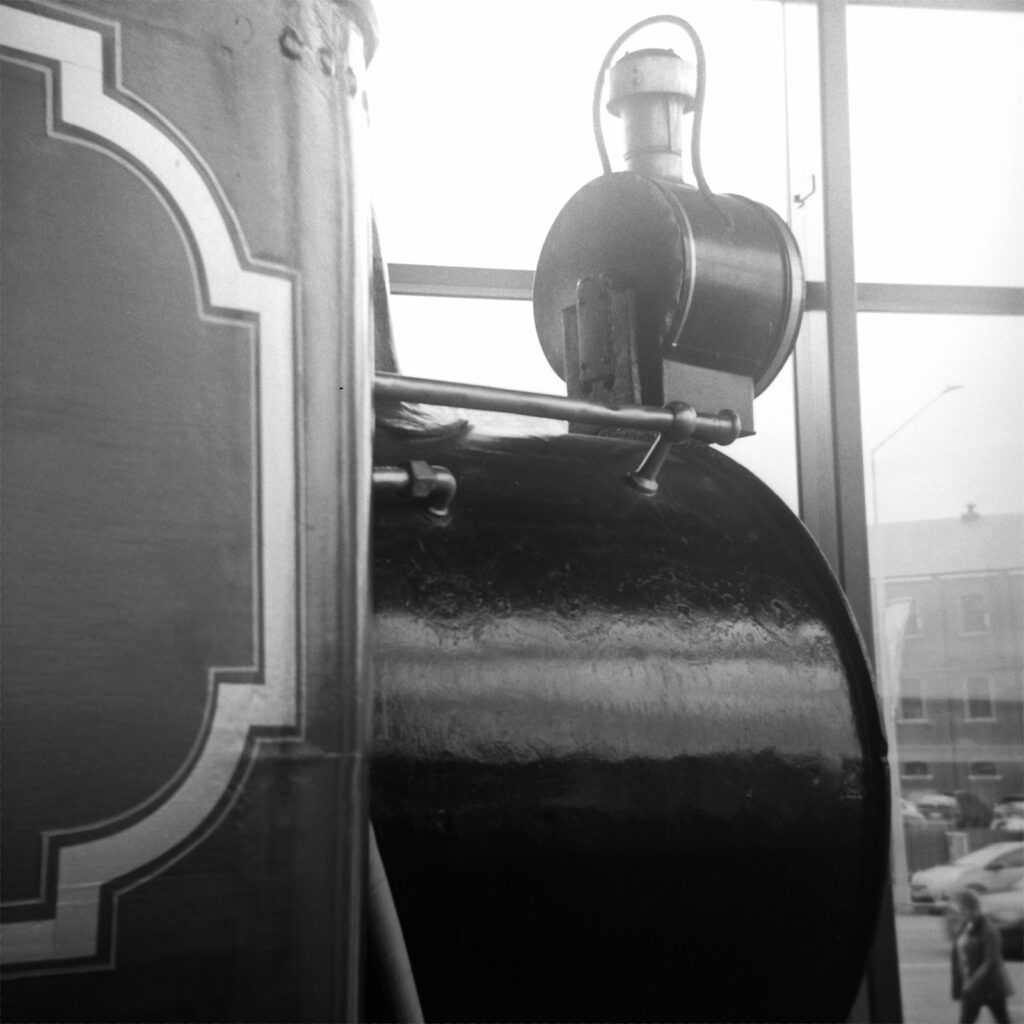
Detail of “Josephine" with flare showing but less noticeably than in some other frames.
Detail of “Josephine” with flare showing but less noticeably than in some other frames.
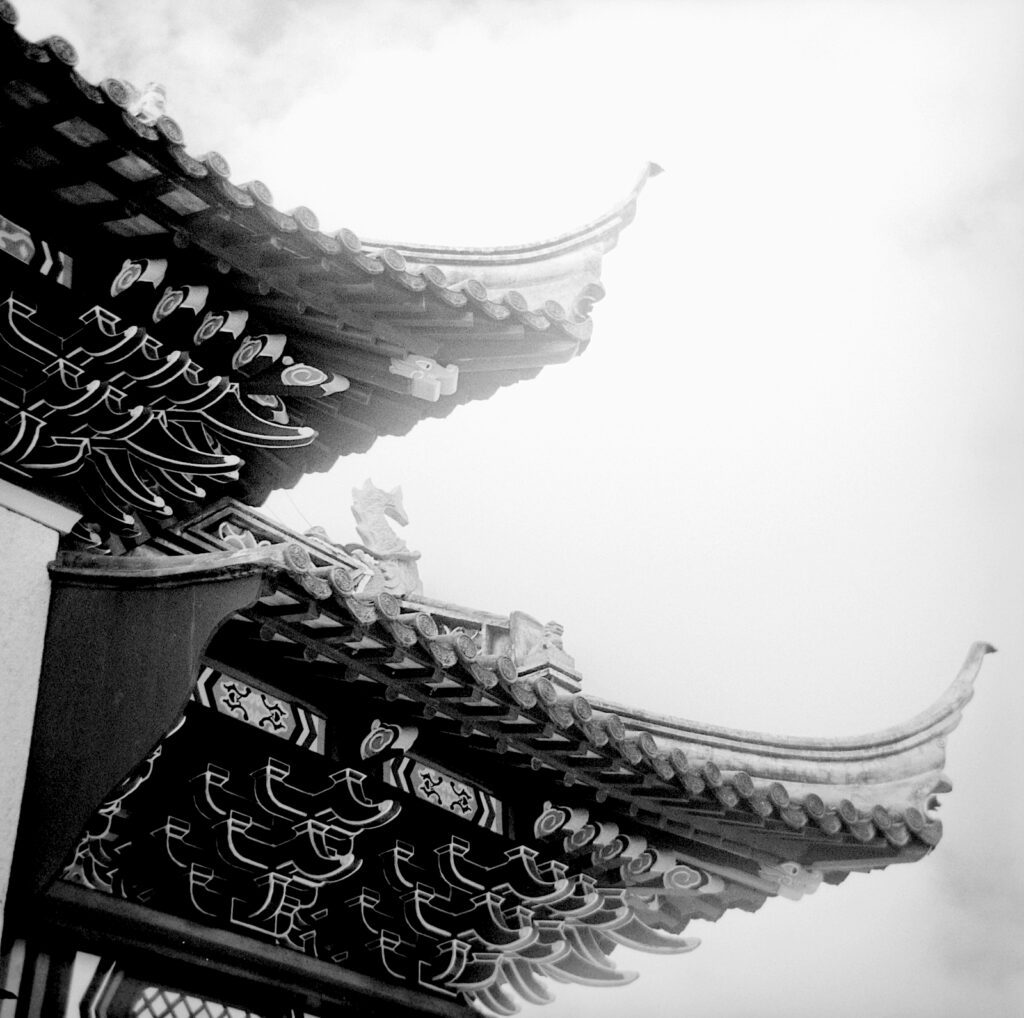
Detail of Entrance arch at Dunedin’s Chinese Gardens with flare apparent. The feature image is not affected. Red filter in both.

Conclusion

Overall, I am impressed by these results. The rejects were either the result of my mistakes or because I expected more than the camera could handle, flare in particular. I also like the square format being a long time TLR user.

So I can see that the better quality models would produce impressive results and even these simpler versions can turn out some good results. My thanks to Harry for the loan of the camera again so that I could salve my conscience.

Share this post:

About The Author

By Tony Warren
In my 60 or so years of serious involvement in photography I have seen the demise of the viewfinder, the rise of the SLR and the eclipse of them all with the meteoric development of the digital camera. Through it all, however, and above all else, the image is what it is all about so I now use film alongside digital. Whatever is the most appropriate or practical. My contributions will hopefully be useful for anyone interested in using film and also how a died-in-the-wool antique like me is continuing his life-long addiction in the digital age, using both platforms. The major benefit of an extended retirement is that I can spend most of my time nowadays with photography and writing about it.
Read More Articles From Tony Warren

Find more similar content on 35mmc

Use the tags below to search for more posts on related topics:

Donate to the upkeep, or contribute to 35mmc for an ad-free experience.

There are two ways to contribute to 35mmc and experience it without the adverts:

Paid Subscription – £3.99 per month and you’ll never see an advert again! (Free 3-day trial).

Subscribe here.

Content contributor – become a part of the world’s biggest film and alternative photography community blog. All our Contributors have an ad-free experience for life.

Sign up here.

Make a donation – If you would simply like to support Hamish Gill and 35mmc financially, you can also do so via ko-fi

Donate to 35mmc here.

Comments

Ibraar Hussain on A reprise of the Agfa Iso-Rapid 1F

Comment posted: 18/02/2026

Thank you kindly for this brief review
Man, you’ve got some silky smooth beautiful tones (and composition) - the photos remind me of the combination was the same rollei and ordinal) and look of the 6x6 MPP photos I took
And from this little guy!
Reply

Leave a Reply

Your email address will not be published. Required fields are marked *


Simon Foale on A reprise of the Agfa Iso-Rapid 1F

Comment posted: 18/02/2026

Great pics Tony!
Reply

Leave a Reply

Your email address will not be published. Required fields are marked *


Thomas Eland on A reprise of the Agfa Iso-Rapid 1F

Comment posted: 18/02/2026

I've not tried my agfa iso Rapid the same as yours yet. I did try the Fujica Rapid D1 though. It's very similar to their Drive which is a half-frame clockwork drive. I tried a preloaded agfa rapid isopan cassette which was way out of date, but the lab said it was blank. I got the cassette back though and tried again after loading it with fp4 plus. Generally poor results maybe the lens is not clear.
Reply

Leave a Reply

Your email address will not be published. Required fields are marked *


Leave a Comment

Leave a Reply

Your email address will not be published. Required fields are marked *