

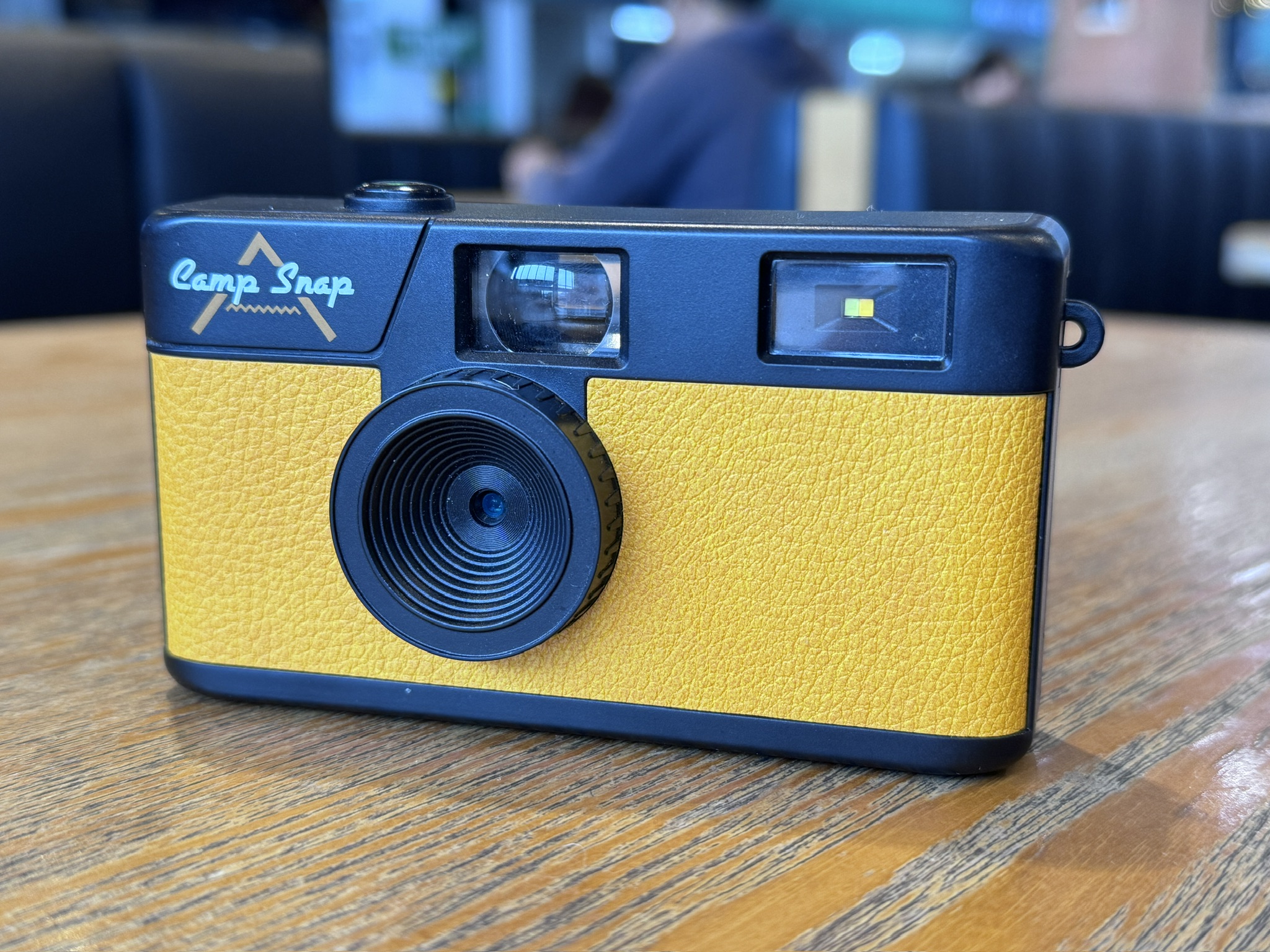
With the enduring popularity of compact cameras — both film and digital — there’s never a better time to get one (or a few) of these pocketable photo companions. We’re now so spoiled for choice that there’s one for everyone, and it’s easy to build a collection if you have the budget for it. But if you’re just getting into the hobby, you might want something that is simple and fuss-free enough to get you started shooting straight away.
Enter the Camp Snap, a screen-free, compact digital camera that emulates the look and feel of disposable film cameras. No settings needed; just point and shoot. This simplicity can be both liberating or limiting, depending on your expectations or photography style.
But first, let’s take a look at some basic details about this camera.
Technical Specifications
These specifications were taken from the Camp Snap website:
- 4.5″ x 2.5″ x 1″
- Version 105
- 8MP f/1.8 f=4.8mm (35mm equiv.) 1/3.2″ sensor
- Memory: pre-installed 4GB TF card capable of holding 2000 photos
- Built in Li-ion rechargeable battery capable of taking 500 photos per charge
- Built in LED flash
- USB-C to USB-C cable included (will work with other cables as well)
- Multiple image filter options available for free download
First Impressions
Straight out of the box, the Camp Snap readily gives itself away as the lovechild of a disposable film camera and a basic digital camera. There’s no screen at the back — the main feature that simulates the film photography experience. All you have to control the camera are the On/Off/Flash switch and the shutter button at the top. At the bottom, a screwed cover hides the buttons for mode setting, and the Micro SD card slot. Next to it are the reset button and the USB-C port for charging and transferring photos.
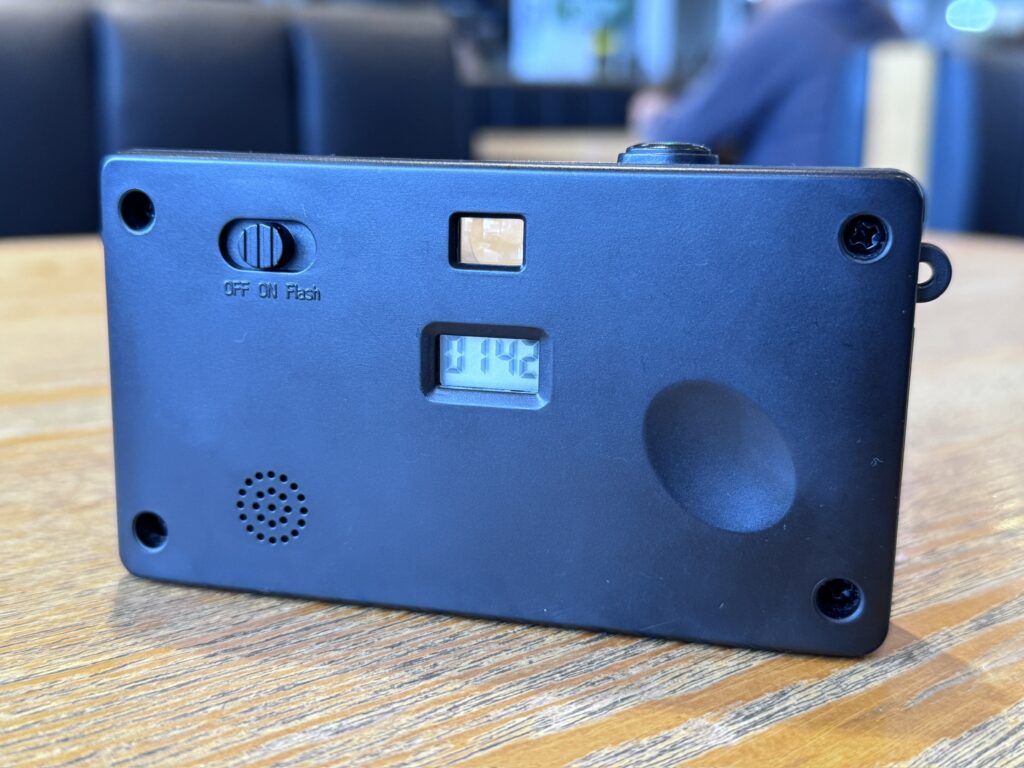
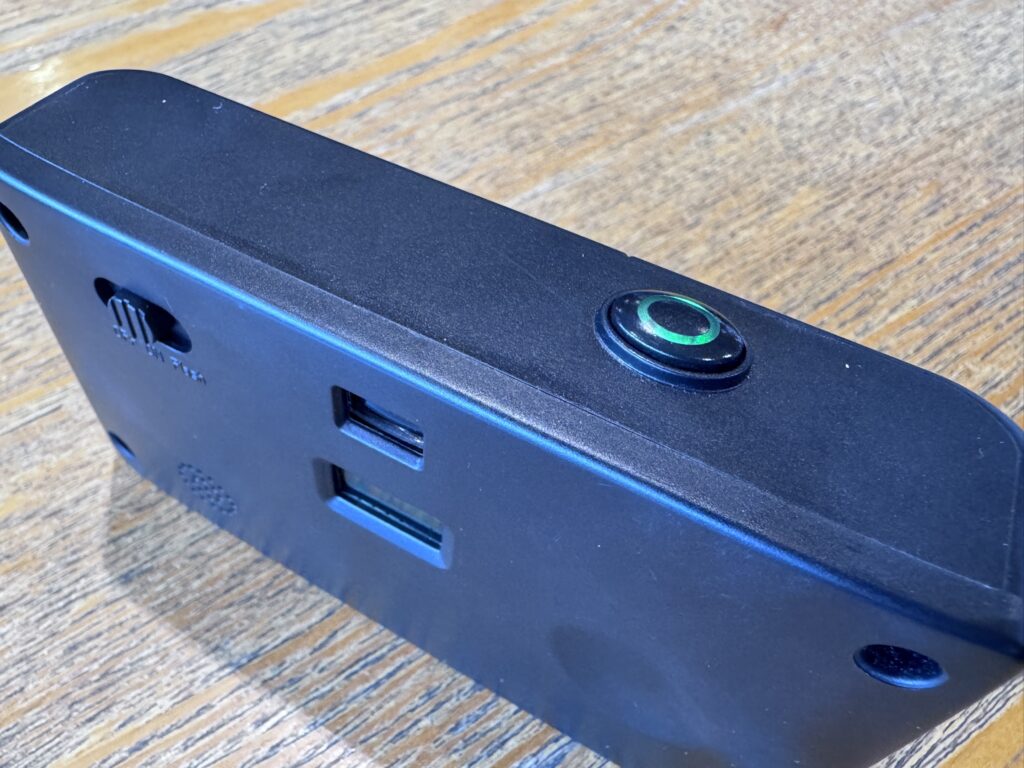
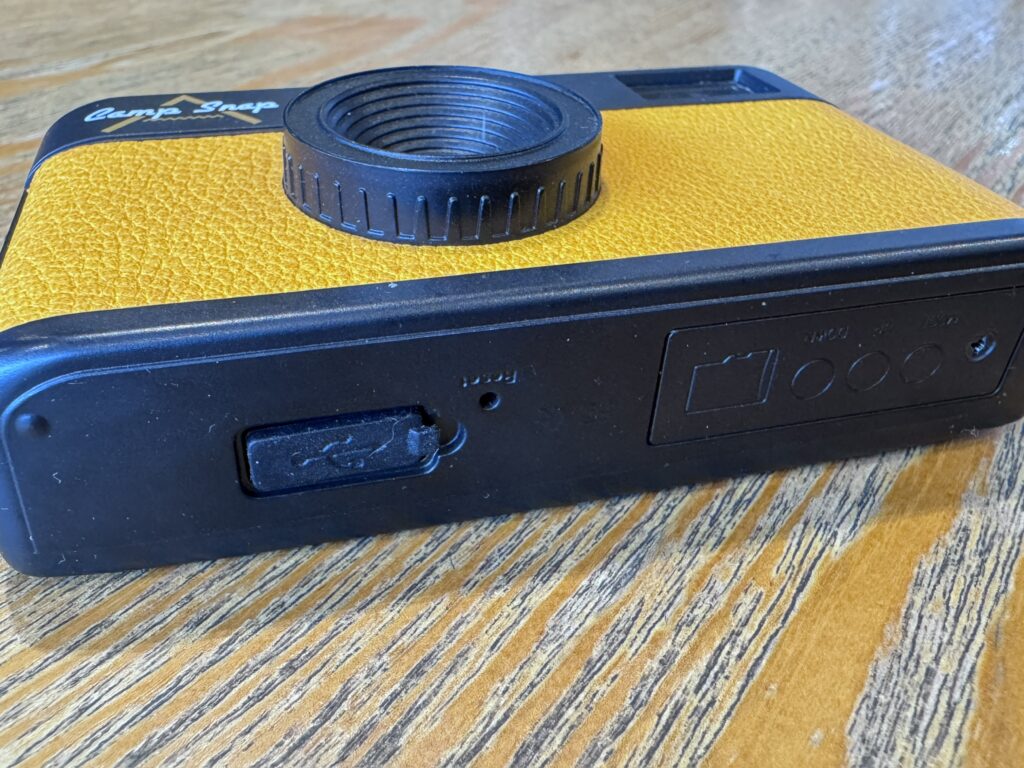
Design-wise, its sleek and simple form is a nod to the quintessential disposable film camera. The faux leather cover at the front is a nice touch that gives it a slightly fancy feel. I was sent the Sunbeam Yellow variant — very reminiscent of the Kodak disposable camera — but it comes in several other fun colors. It’s very light and compact, so it’s easy to just pop it into your purse or pocket as an everyday carry.
As a long-time film photographer, I can definitely see the novelty that makes the Camp Snap interesting for both film and digital shooters alike. Film has become increasingly expensive over the years, so many film photographers have become reluctant to “waste” their frames and prefer to save their favorite emulsions for special occasions or projects. For days when the itch to shoot film to document everyday life is too strong, this screen-less digital experience can be the next best thing. Likewise, digital photographers and young creatives interested in film photography but are reluctant to spend on vintage gear and film stocks can dip their toes into the experience through this camera. There’s definitely a place for this in today’s photography toolkit.
In the Field
After shooting with this camera for a little over two months, I found myself carrying it almost everyday, especially for days when I don’t want to burn through my film stash for everyday photography. It does deliver its promise of giving the disposable point-and-shoot camera experience (the aesthetics is a plus), so you can focus on capturing the moment as they unfold without CHIMP-ing after every photo. You can always view and transfer the photos to your phone or computer later using the USB-C cable included in the package.
However, there’s one thing to keep in mind when shooting with a camera whose lens is not positioned directly above the viewfinder: parallax error. Since the lens is offset a bit to the right (when you’re holding the camera to your eye), what you’re seeing through the viewfinder isn’t the same framing as the one in the final image. So, you’ll have to adjust your framing a bit to the left of what you see through the viewfinder to keep your subjects centered (or at least, where you want them in your final image). It can throw you off a bit at first, so you might want to take more than one shot to be sure.
The built-in LED flash is good enough for illuminating subjects around 1-2 feet away, which is also the camera’s minimum focus distance. For most bright, well-lit indoor situations, you won’t need the flash, but it’s good to have if you want to give your snaps an extra contrast.
As for the battery life, it promises to take 500 photos on one charge. I haven’t needed to charge my camera since I had it, but then, I haven’t been shooting with it as extensively yet to put that claim to the test. It may need charging when you’re using it for a trip or frequent photo walks, but other than that, the battery will last you for weeks before it needs to get juiced up. I find that reassuring, since I’m guilty of occasionally forgetting to charge my batteries or bringing some extra.
Lastly, I just found out that there are multiple filter options that can be downloaded for free, so you can experiment with different film-inspired looks. Take note that you can only install one filter at a time; take it as each filter being a different film roll that you load into your camera. It needs a bit of work to set this up and there’s a community dedicated to making and sharing Camp Snap filters. But I think that’s something for another time.
Image Quality
Given the camera’s sensor size, the images don’t compare to those by today’s mirrorless and compact digital cameras. They don’t look a lot like film photos either, which is to be expected for digital images. But they do give a nostalgic, early digital point-and-shoot vibe that has become popular in recent years with the enduring analog/modern retro revival. They’re also good enough for sharing online or even making small prints for journals and physical albums.
The images are sharp as long as you take note of the minimum physical distance to avoid out-of-focus photos. High-contrast scenes also don’t register well, with very bright areas often resulting in overexposed blobs or blown-out highlights. So, for best results, stick to evenly-lit daytime and indoor scenes or locations, or use the flash when in tricky and uneven lighting.
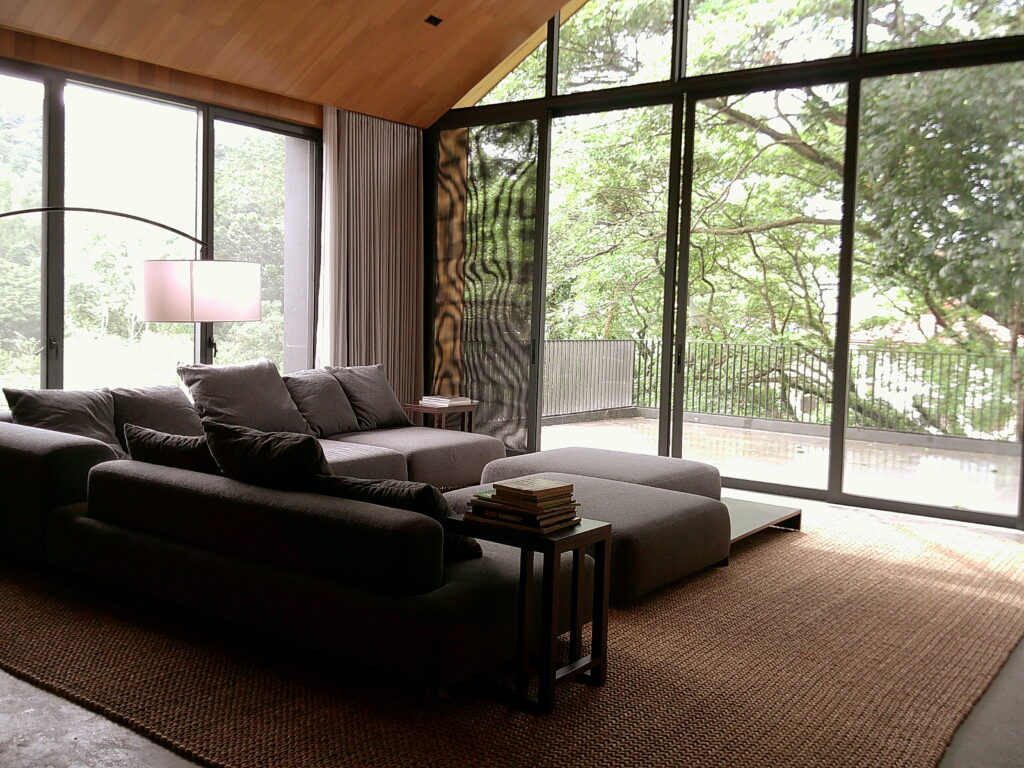
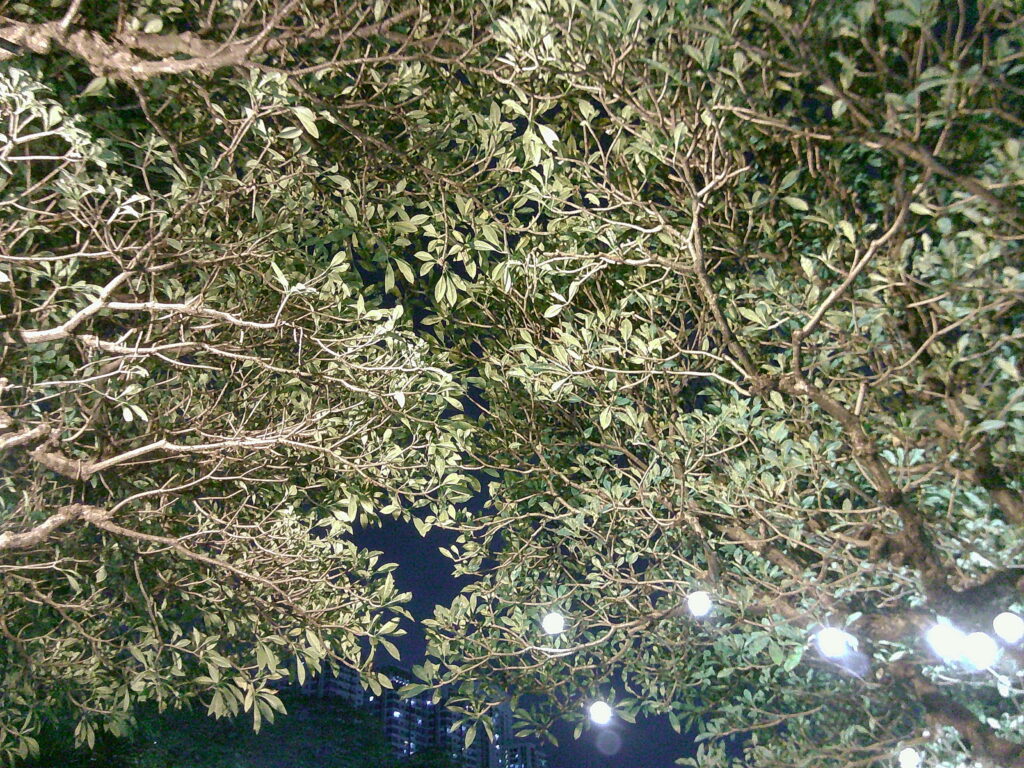
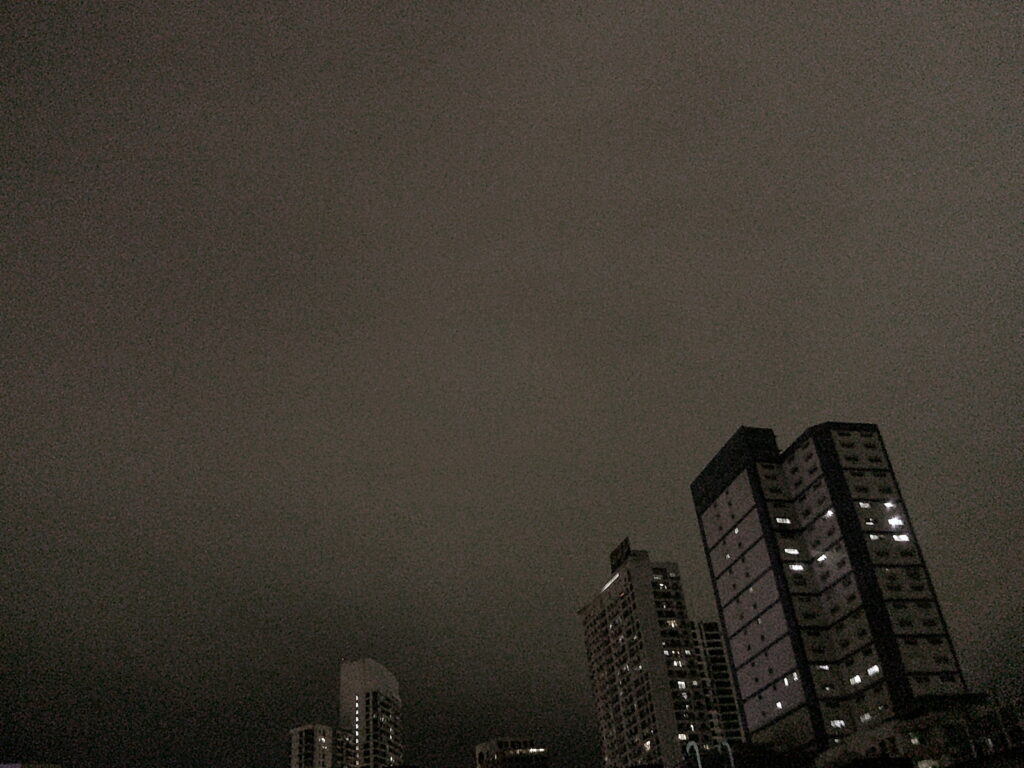
The photos below are straight out of the camera and with the default filter installed.
Well-lit indoor scenes typically turn out good:








Mixed lighting yields hit and miss results, while high-contrast scenes cause blown-up highlights.






Night and low light scenes turn out noisy, but still acceptable (and “grainy aesthetic” to some degree) for sharing online.


Final Thoughts
It’s a very basic digital camera, but I think Camp Snap succeeds where many cameras like it have failed: the hybrid experience itself. Many digital cameras focused too much on the lo-fi, filtered results that became popular in the early days of Instagram, and hardly on the act of slowing down and being more mindful of each shot. Some, like the controversial and overpriced Yashica Y35 and its DigiFilm cartridges, overdid it in a way that never clicked. But Camp Snap, with the simplicity of its form and function, offers a comfortable balance of film experience and digital technology.
If you’re used to taking photos with your smartphone or a digital camera, not seeing the results right away may frustrate you. It does take some time to get acclimatized to this, so be patient and give it the chance to assimilate into your creative process.
But if you’re a seasoned film photographer, everything will feel familiar. The main difference is, you won’t have to worry about running out of film, getting your rolls processed and scanned, or bringing batteries for your camera. I think you’ll still enjoy having this camera around, especially for days when you’d rather save those precious film rolls for major projects or life events.
While the images from these cameras aren’t comparable with those shot with most smartphone and digital cameras today, they can be good enough for sharing online or making small prints. So if you’re curious, it’s worth the $69.95 to try as a fuss-free everyday carry.
Share this post:




Comments
Kodachromeguy on Camp Snap Camera – A Simple and Fun Everyday Carry
Comment posted: 09/02/2026
Comment posted: 09/02/2026
Mark S. on Camp Snap Camera – A Simple and Fun Everyday Carry
Comment posted: 09/02/2026
Gary Smith on Camp Snap Camera – A Simple and Fun Everyday Carry
Comment posted: 09/02/2026
It certainly is cute...
Thanks for your article!
Comment posted: 09/02/2026
Comment posted: 09/02/2026