

A few years ago I decided to try and incorporate video into my workflow, for the sake of having some BTS for teaching, as well as to have an extra level of “evidence” while working at some of the more “edgy” protests and situations I was covering at the time. To this end, I went for a GoPro, super simple, one-button operation, wide lens, and incredible stabilisation. I pieced together a few videos, including a few protests, and travel videos from India and New York, but these all felt very paint-by-numbers, going through the motions of content creation. I made longer videos, cobbled together without a strong narrative or thematic glue, covering wider amount of time in the “community” ie just whatever fun clips I caught that didn’t really fit into anything else.
A breakthrough of sorts occured after living for some time at the Buddhist Monastery in Milton Keynes, where the result was almost a long form vlog, but I really dislike the vlog format, especially self-piece to camera talking, and I knew I was holding back overall. The GoPro and similar action cameras are superb for sweeping motion shots, long takes and expansive compositions including everything in the frame, but it’s rare to see them used for a full film unless it’s a gimmick or stylised effect. In the film there are a few seconds worth of clips I’d made with the GoPro, and a few from my phone, but the absolute vast majority of the runtime is made of footage from my Panasonic X1600, a handheld prosumer level ENG Camcorder. The limitations of the GoPro are in the focal length, as the wider FOV just doesn’t cut it for the more controlled compositions I often hope to achieve, and in a documentary context the need to reach out and surgically remove a frame from reality.
I wanted to try and make something “real” ie a feature length documentary film, and the subject matter was easy to settle on: just what I’d already been making, just more thoughtful and thematic. The result is “Everything Happens All the Time: A Love Letter to the Street Photography Community” which introduces us to twenty-seven Street Photographers known to me for their work in London, and as part of the fabric of the community here. For a narrative-driven, people-focused documentary, it works very well, and I think the main shortcomings I can identify are down to the sensor size. the HC-X1600 features a 1/2.5-inch sensor, a surface area of approximately 24.8 mm², which is closely analogous to Super 8mm film. This tiny sensor produces a deep depth of field; while the lens opens to f/1.8 at the wide end, the full-frame equivalent is roughly f/11.
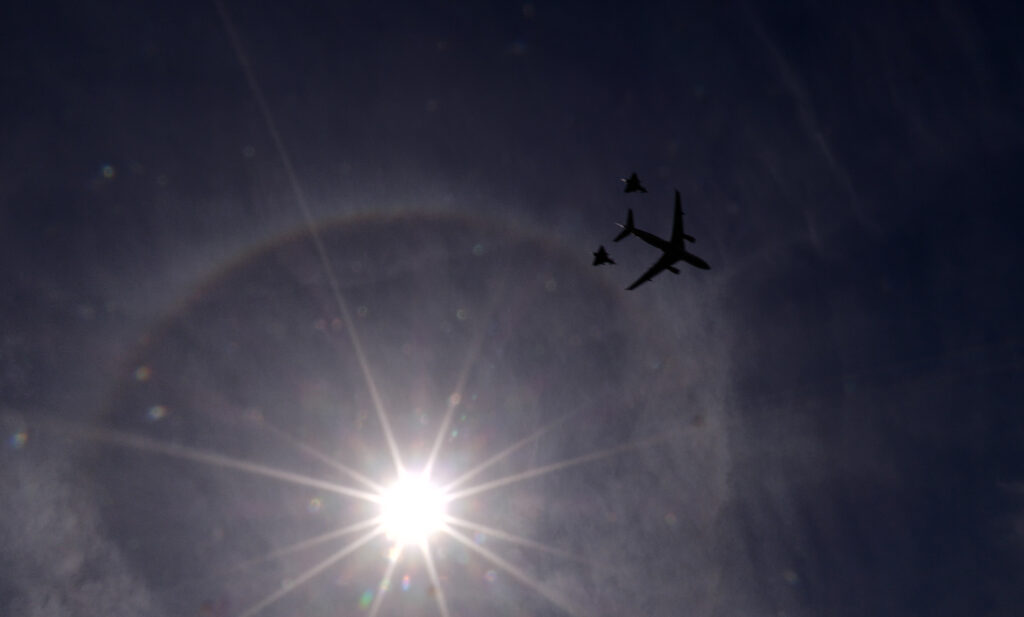
This can lead to any dust or debris on the front filter showing up quite prominently, an aspect of that “classic” camcorder look that people will likely recognise from other videos, which means either constant attention to cleaning (which isn’t something I usually care about) or accepting and embracing the dusty images.
At head-and-shoulder/interview working distances you’re not going to get that shallow, bokeh-heavy look that cheap APSC/FF mirrorless setups can achieve on a budget, more or less everything remains in fairly sharp focus, so I leaned hard into this aesthetic. I didn’t need shallow depth of field or “cinematic” bokeh, but there are outliers within cinema that have a similar approach, especially those with a documentary vibe, reminiscent of early Safdie Brothers cinematography, or films made with camcorders, such as David Lynch’s Inland Empire. I’m obviously not comparing my work to theirs, the point is that there’s a lineage of documentary and narrative filmmaking with these tools, and there’s enormous value in embracing what they offer rather than fighting their limitations. I don’t care if my equipment is “Netflix approved” or whatever metric some people look for because if what I make is good enough it won’t matter.
I also think about shows like It’s Always Sunny, which in early seasons used broadcast style cameras with I believe slightly smaller sensors than even my camcorder, very simple setups where the comedy and scenarios are the heart of the show, not precisely composed frames (which they can still do when needed).
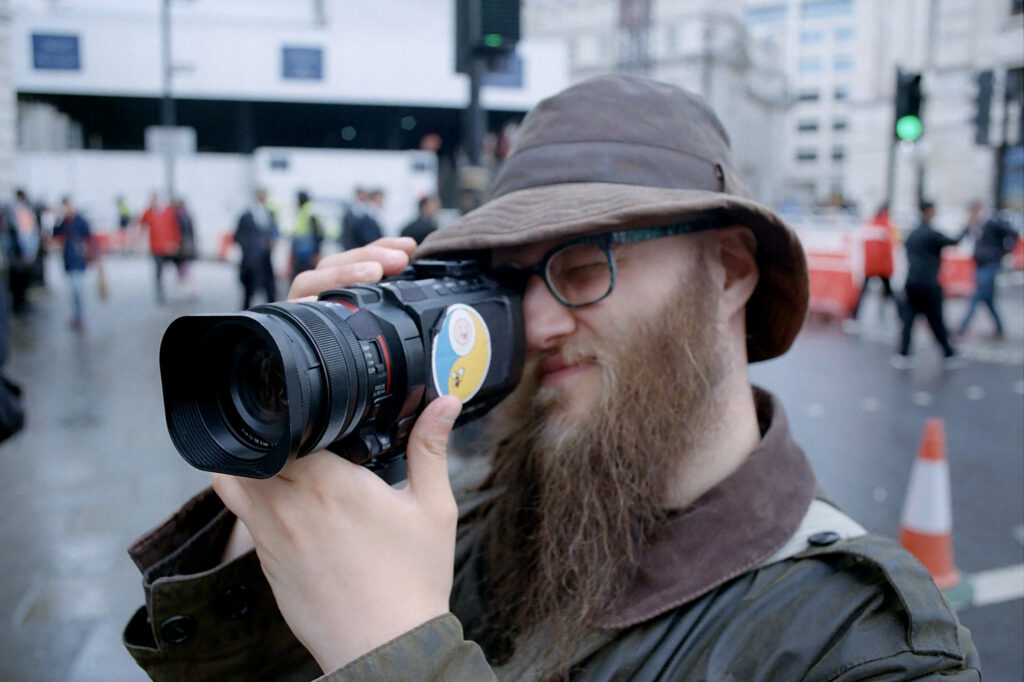
The main appeal of the X1600 was the stellar lens, with a vast zoom range of (equivalent) 25mm to almost 600mm, combined with great optical stabilisation (although not as good as the GoPro, which can fully spin while maintaining a flat horizon!) and all the external control options I could hope for. It isn’t quite as straightforward as the single button operation of the GoPro, but it’s not far off once I’d spent some time getting through the worst menus I’ve ever encountered in a digital camera. I cannot overstate how abysmal and frustrating the menus are. I remember using an early A7 model and finding it a bit cumbersome, but these seem to have been designed to actively sabotage my work. I would hope these could be changed via a firmware update, and while I’m making demands I question the value of “gain” rather than ISO. I have no idea what the number 0-30 corresponds to, and ISO would be actively helpful in allowing me to expose in the same way I and I imagine most people are used to. I also prefer “aperture” to “iris” but at least the numbers themselves are comprehensive.
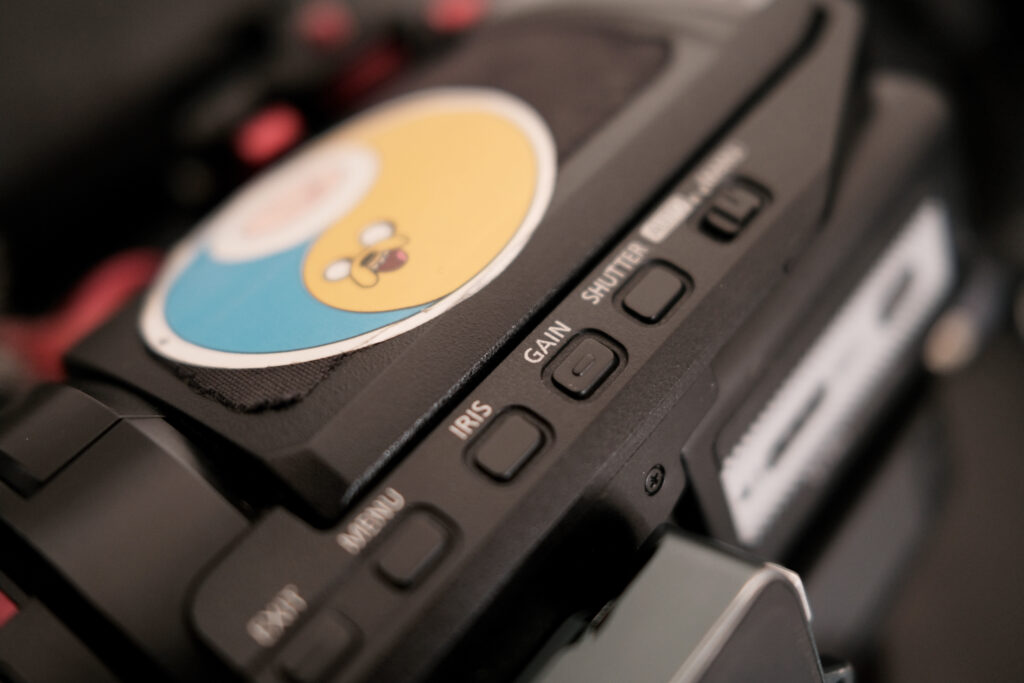
The record button is conveniently placed as you’d expect, although quite flat and plasticky, not as tactile as I think I’d prefer. It’s sensitive, and I’ve never false-started when I didn’t intent, but there have been a few accidental stops, especially during long takes. I’ve learned to rest my thumb just to the right rather than directly on the button, which sounds silly, but still something I needed to get used to.
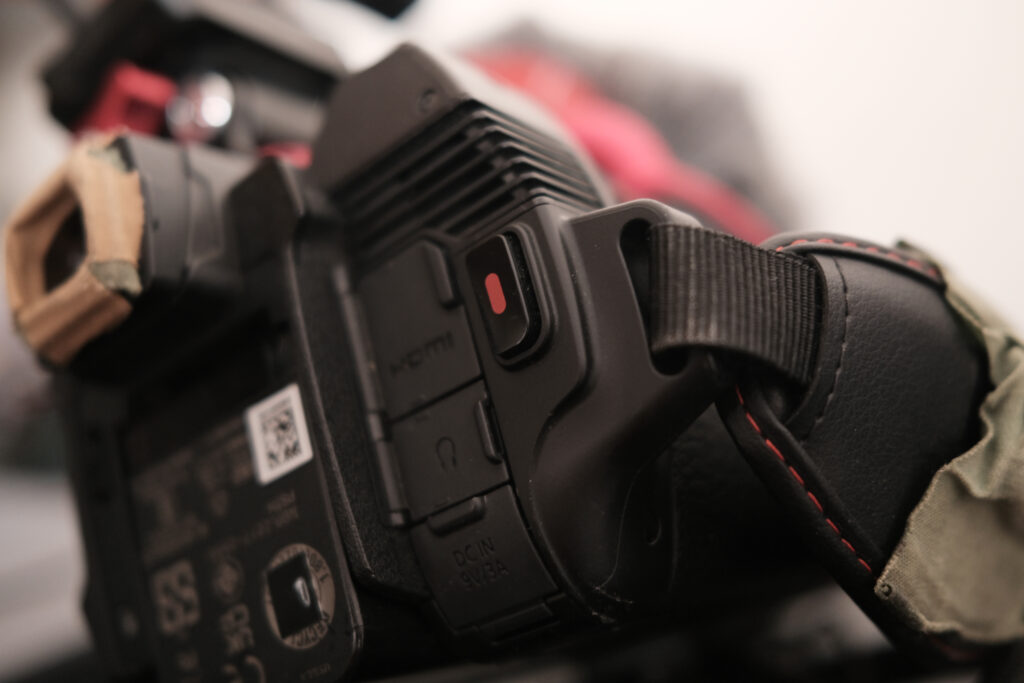
I also sometimes failed to end a recording when I intended, closed all the screens, but left it running, getting lots of footage of ambient sky and floor. The talley light could do with some improvement as currently it seems to only indicate power-on, with a steady red, where I would benefit from a blinking LED to let me know that it is recording. This would be more noticeable to me than the little red dot that appears on screen, which is the only clear indication that you are correctly taking a video.
My primary requirements are light and portable, to be carried on a strap rather than in a bag, minimal run-and-gun, so no need for lens changes and so on. This rules out the larger 1-inch sensor camcorder models, and when you look at what the equivalent “rig” would be from Sony, like an FX6 or FX3, or Lumix, or BlackMagic, considering the lens-reach and size and weight, not to mention complexity, it just wouldn’t be realistic. The image quality would still need to be good, and the Panasonic X1600 promises broadcast quality and has several options for live-streaming and broadcast, which I immediately disabled, and will likely never use. After my time with it so far, I’d summarise this camcorder as being as close to “point and shoot filmmaking” as you can get, while still offering full manual controls and an incredible lens with great range and versatility.
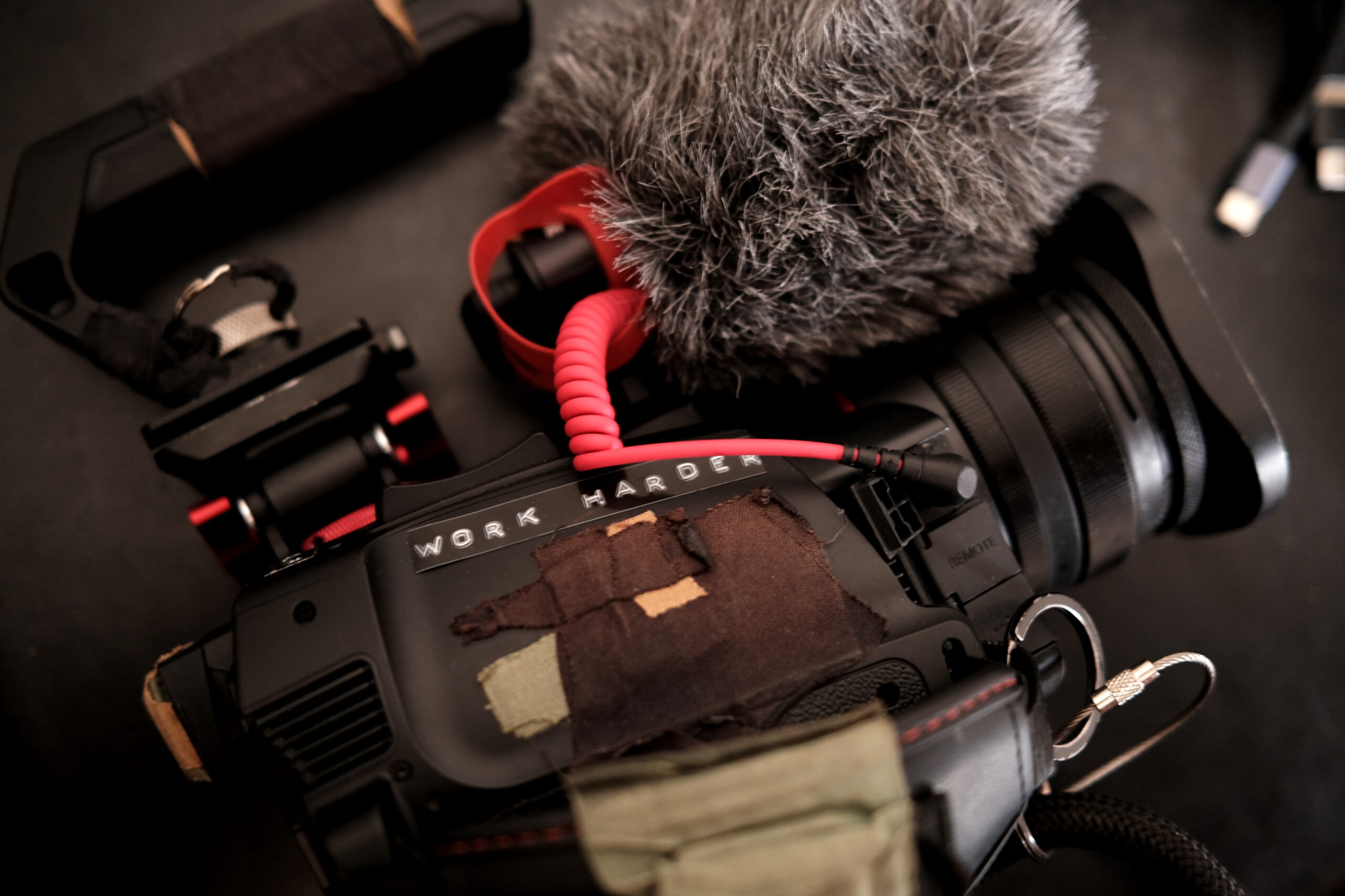
A camcorder is not traditionally the first choice for a filmmaker, especially today when a cinema quality image can be recorded onto a mirrorless camera several generations old. But for something portable, as a daily carry across two months of field interviews and B-roll, unobtrusive and even friendly-feeling, the camcorder form factor cannot be rivalled (yet). I removed the eye-cup and didn’t get the proprietary top handle, opting instead for a small-rig handle with arca swiss mount to easily attach and remove. I also replaced the chunky hood with something slimmer, keeping the form as minimal as possible, and with as little as possible sticking out to poke me while walking with it.
The small-rig handle was a compromise that took some time properly figuring out; the handycam form factor is comfortable in short bursts, but to hand-hold across long interviews was getting tiresome, and I didn’t like the jitters I was introducing to the footage. The proprietary top handle is expensive and overly bulky, and I wanted something that I could quickly attach and detach, and as I have some kind of arca swiss mount on everything else I use, it made sense to try and use that. However, I couldn’t figure out how to mount a base to the camera itself without sheering through the plastic, so I ended up using a blocky magic-arm type attachment, and then put a baseplate onto that, with the handle attached to the baseplate unit. It’s clumsy in use, but still faster than using screws every time.
The version of the camera I have is technically the X1600E, which means it is limited to “23.976fps” rather than the traditional 24fps, which is imperceptible, but does make for some synchronization issues if I try and transpose between the two. I’d rather have the ability to select the exact FPS, which again doesn’t seem like something too difficult for a software update. The difference between exporting and uploading was a few seconds, so I think frames have been interpolated and extended by YouTube, which is noticeable in places (to my eye). I’ll want to solve this moving forward, but it isn’t the absolute worst here for this simple presentation of information via interview and B-roll.
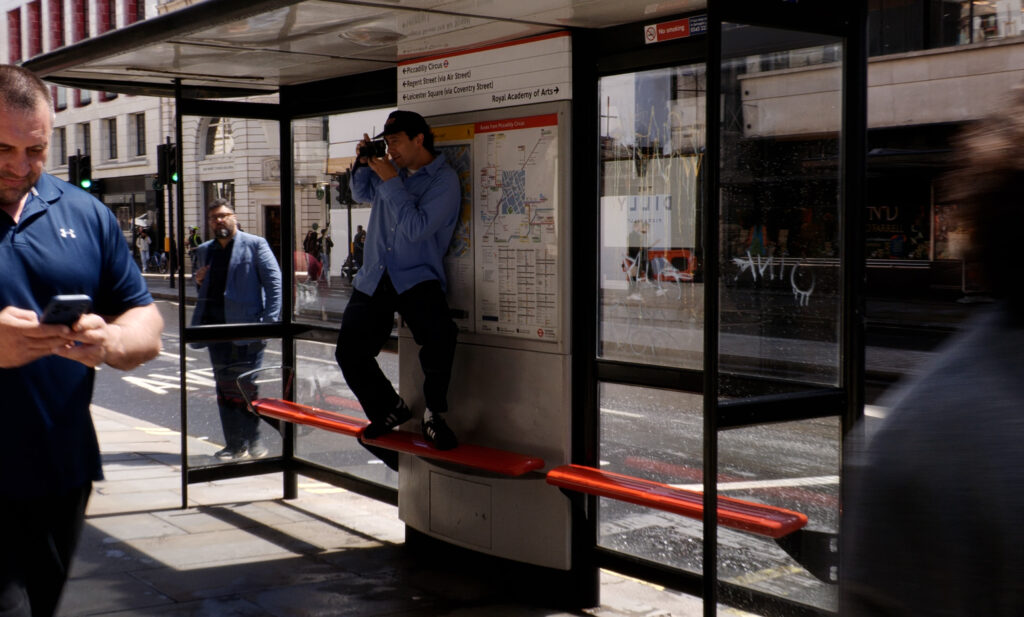
Something I really appreciate about the camcorder workflow is starting a recording and slowly zooming through different focal lengths in a single take, especially going from the widest angle to narrowest, without needing to line up a shot, film, cut and move on, and then In editing, I can cut between those perspectives while the audio runs continuously. Other cameras can do this too, but it feels more natural with this setup. I was able to switch up shots during the interview, allowing me to cut around and keep things fresh for the viewer, and being handheld throughout I tracked the movement of my interviewee if they shifted, making it feel a bit more conversational and not sterile, tripod, formal.
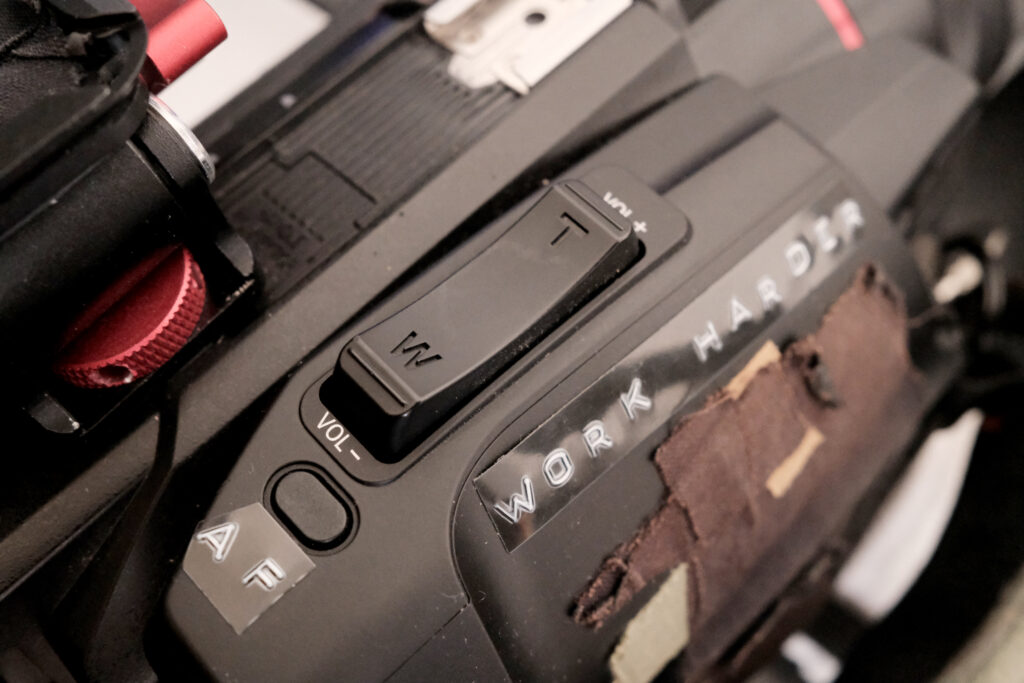
I did find that the “indecisiveness” of the zoom was annoying to me, as I was framing and reframing rather than just setting and forgetting, the fact that it’s there at my fingertips encourages me to use it, but at points it feels amateurish. I learned as I went, and became more comfortable setting up my shot, and then not using the zoom while filming except for when it seemed absolutely necessary. I did enjoy the potential for a slow dramatic zoom, which I used for static details.
One feature I underappreciated until my first few interviews were in the bag: the high-resolution LCD touchscreen, which I used for the interviews, while the EVF viewfinder I used for B roll and detail shots. For the interviews I can keep eye contact, check the screen, and keep a good dynamic, where the EVF just makes sense while quickly framing in the streets for moving action or finding my subject in a crowd. This makes for a sort of chest high shot, lower angle and not eye level, but it means keeping that connection and ability to help guide the discussion and keep my interviewee engaged.
I ended up conducted thirty-five (ish) interviews, often spontaneously when subjects were convenient nearby, so would carry the camera daily whether or not I had plans to work on the film, and would practice with it throughout, incorporating video into my usual daily photography. I have a Rode top mic, but mainly used some DJI Mic Minis (the original, lowest tech versions), which I clipped onto my interview subjects, and which broadcast directly to the receiver, attached to the camera via 3.5mm port, so directly recording to the video, not needing syncing later on. As this was recorded over a series of heatwaves we endured in the City, there weren’t many opportunities to hide the mic, and and I do cringe a little seeing the mic out in the open, but given the heatwaves, hiding it wasn’t really an option. It’s a bit unprofessional, but I think we’re all used to seeing that by now, and it’s something I can fix next time.
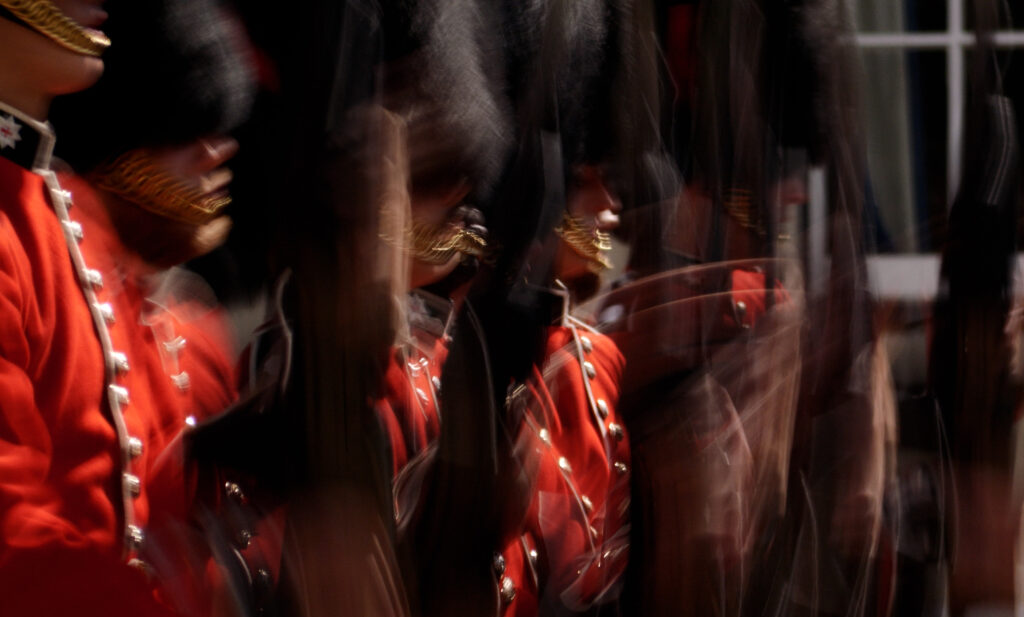
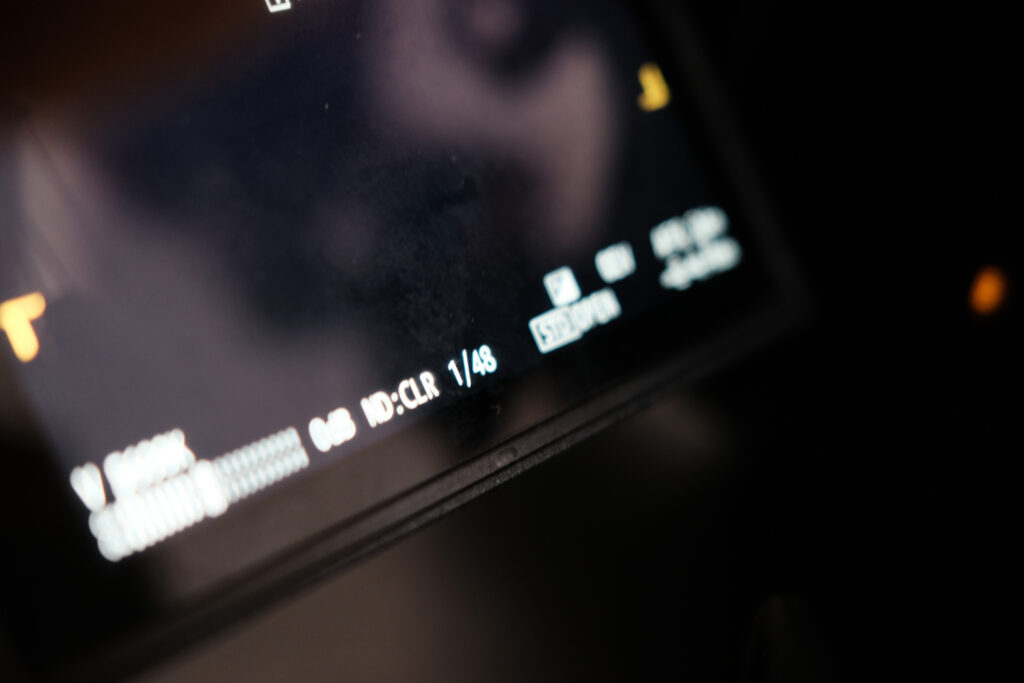
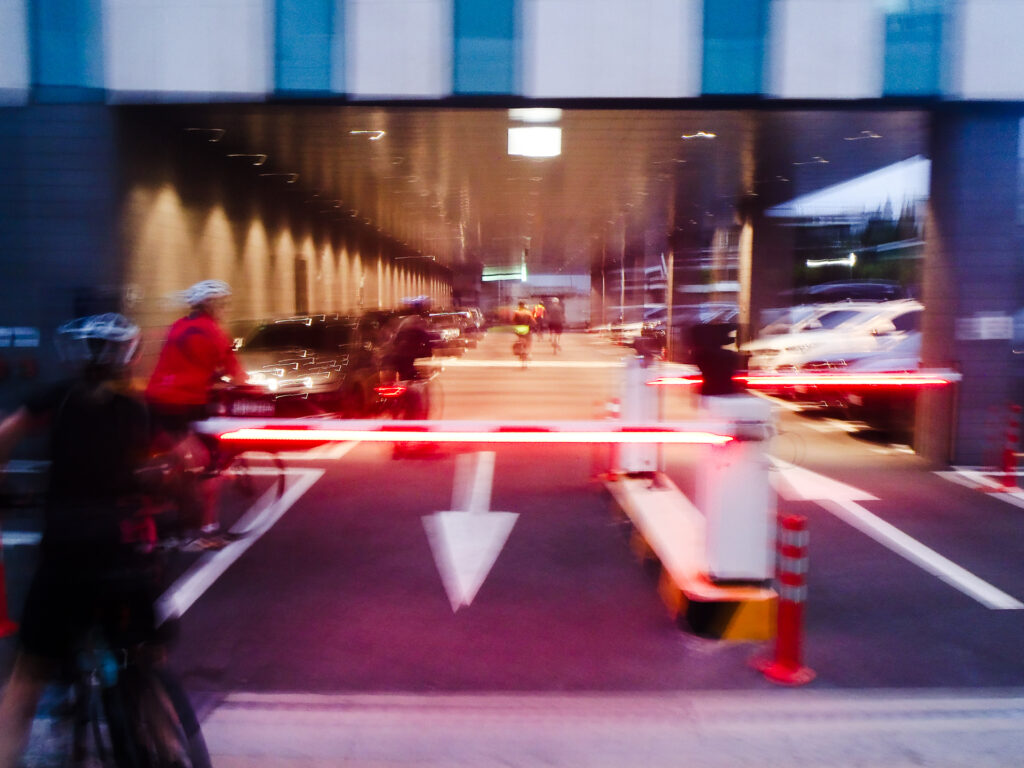
One of the X1600’s standout selling points for me is its ability to record 4:2:2 10-bit color internally, incredibly valuable in post-production. Having over one billion color shades to work with made colour grading exceptionally forgiving, and I initially explored a more “vintage” 8mm-inspired grade, but ultimately left the footage sharp and contrasty. The 10-bit flexibility meant I could experiment without worrying about banding or breaking the image. To avoid the jarring camcorder vibe I kept my shutter mostly at 1/48ths (180 degree shutter angle), and used the inbuilt ND filters to compensate in bright conditions, although I did switch to fully auto when time was of the essence, ie I’d caught someone with very limited time for setup. The lowest shutter speed available is 1/6ths, which allows for some fun drag shutter effects, which I have used a couple of times for effect, and when filming at the monastery for the low light availability, embracing the motion blur for an etherial feel.
A significant omission is a LOG profile, which I know is available on some of their higher end camcorders, and seems odd to have left out here, again maybe something to fix in an update. I managed to work with the available settings to sort of make my own flat LOG-adjacent formula, and have used that for a few projects, but not this film. For this, I made a profile with vibrant colour and contrast, with deepned gamma for crushed shadows, giving me punchy and consistent footage across conditions.
I am newer at colour grading, and didn’t end up changing much from what the camera delivered, which doesn’t have much in the way of “vibes” or “tones” it just feels like something you’d see during a news broadcast, something I want to work on more in the future, but for my first attempt the only parts I feel especially bad about are the people filmed in front of a plain brick wall, where there is very little to engage in the frame as far as composition. I would rely on the telephoto range to go right in on their face, a very intimate shot, which mostly works to keep you on their eyes and mouth as they speak, but not the most creative decision. A compromise, part and parcel of this kind of workflow.
The lens is impressive, I’m mainly used to older Nikon zooms, like their 70-300 which I used for some time, but I am mainly used to primes on my rangefinder. The “Leica Dicomar” lens on the X1600 has a vast range, perfect for documentary work, being wide enough for establishing shots and interviews, and telephoto enough for candid street photography sequences captured from a distance. I know this camera is designed for ENG, and also often seen for wildlife, birding and that sort of thing, and while I’m more on the ENG side of things, I can see how it would be perfect for honing in on details in a landscape, or while watching animals from a distance.
I appreciated and often used the dual manual rings system, which allows independent control of focus and zoom or iris . The front and rear rings are different sizes, making them distinguishable by touch without taking your eye off the viewfinder, a subtle but meaningful design choice for solo shooters without a focus puller or other crew – which also applies to the incredibly simple ports for audio and other accessories. The dual SD card slots allow for relay recording, which I used in case one card filled up, so a long take could continue uninterrupted. I didn’t use the other option, simultaneous recording for redundancy, taking the risk and backing up regularly as I worked. There would be no possibility for reshoots, so I just needed to make sure my SD cards were working alright and reliable beforehand.
The 5900mAh battery promises up to 6 hours of continuous 4K shooting, not something I’ve ever actually hit. I’ve never exhausted the battery, I think the closest I came was when I recorded four hours of footage at Stonehenge which ended up as a 40ish minute film “The Light Touches” which represents good practice with documentary filmmaking with this setup. Charging can be done with an external battery cradle, or direct USB C, which is mostly what I use. I never switch the camera off, closing the screen and viewfinder set it to standby, and I don’t notice serious drain from this. It’s worth it for the faster ready time, bypassing the second or so from switching fully on or off when I need to film something quick. The X1600’s heat-dispersing design uses a built in fan, preventing overheating even during extended recording sessions. I’ve never hit a heat related limitation, no warning or unexpected shutdown, even during the heatwaves that spanned across the majority of this production.
I also studied John Wilson’s style, and I get why people love the Sony FS/FX line, but for me, the extra weight and complexity just felt like too much to handle right now. I learned a lot from my friend Joey, a superb cinematographer currently working on a series about photographers with projects, and the methodology behind telling long form work with photography, and he has been using anamorphic lenses on the BlackMagic Pyxis, very unique for a YouTube series (although hopefully his series will live out greater lives than just YouTube!), and I think his work is best appreciated on a larger screen.
I don’t know the exact sensor readout speed, but I do know that rolling shutter during fast whip pans and similar movements is very displeasing. I avoided such movement, but it is unavoidable when, for example, a vehicle passes through frame, almost in italics even for a brief moment. I doubt a general audience will really notice or mind, but while editing it stood out to me. I’m not sure what would be required to implement a global shutter to this kind of camera, I believe that some other models of camcorder do have it, so I can’t imagine it would be too difficult, maybe at the expense of some of the other features – but a model designed less for live streaming and that kind of connectivity and more for cinematic/artistic applications would be really interesting.
My Panasonic films natively in 16:9, but I framed with a slight crop for 1.66:1, which is “European Widescreen” and also the native aspect ratio for Super 16mm; only a very slight difference, but still a creative decision for me to play with. I also actually really appreciate how different the footage from my camcorder looks from the trend of shooting everything wide open for very shallow DOF, and means that I had to concentrate on composition above all else, which is what I much prefer anyway. Even at the longer end, 600mm, the feel of the footage is very different from what I’m used to seeing as “content” with the compression and energy that comes with such a narrow FOV.
Honestly, looking back at what I was able to achieve, I think camcorders are quite severely underrated. The strengths, especially in size and portability, and the image you can achieve, can absolutely be used for beautiful images, and I think in different conditions, playing into the strengths of the kit, you could make something more traditionally cinematic with it, ie a narrative fiction film. I think it’s really easy to overlook the potential, when the average flagship phone has a lot of similar technology, but having the dedicated system, solely built around video-when-you-need-it, it can fulfil so many requirements, more than the typical assumption, like school plays or holiday videos, which I think is the impression most people have for this kind of machine.
I think the X1600, and similar camcorders, represent a bridge, and a strong lesson I’ve learned several times over now, that limitations in equipment are opportunities for creative thinking if you choose to embrace them. For a solo documentary filmmaker making their first feature, it was, and continues to deliver exactly what I ask of it, no more, no less. There is no magic factor, no special colour science, no special look to the lens, it’s just a quality image, and everything else is in your hands.
I’ve already started gathering footage for some other projects, including another attempt at a story about the Monastery in Milton Keynes, all with this camcorder, and yet to truly hit the next limitation – which when it arrives will most likely take the form of low-light capability, or a specific lens look, at which point it may make sense to move onto more of a “rig” setup, with a mirrorless camera hybrid, or maybe a Nikon ZR which seems ideal, mounted to a cage, so that I can use all my Leica M and Nikon F lenses and stay within those ecosystems. That’s a long time away, I hope.
Share this post:

Comments
Mike on Digital Super 8 – Documentary Filmmaking with the Panasonic X1600 Camcorder
Comment posted: 14/10/2026
Comment posted: 14/10/2026