

The narrow streets and alleys of the historic Medina make for a very intricate and, for many, very confusing geography of the place. Even if a map would exist, one would get lost for certain. It is early in the morning, a very beautiful day here in Marrakech, and to be honest, the very first indication that it is so are the empty (well, almost) narrow alleys. Most of the tourists are still sleeping, local merchants and pedlars are still on their way I guess. Only a few stalls are open, and only a handful of locals are seen in the street. Medina is yours and yours alone, to explore and appreciate.
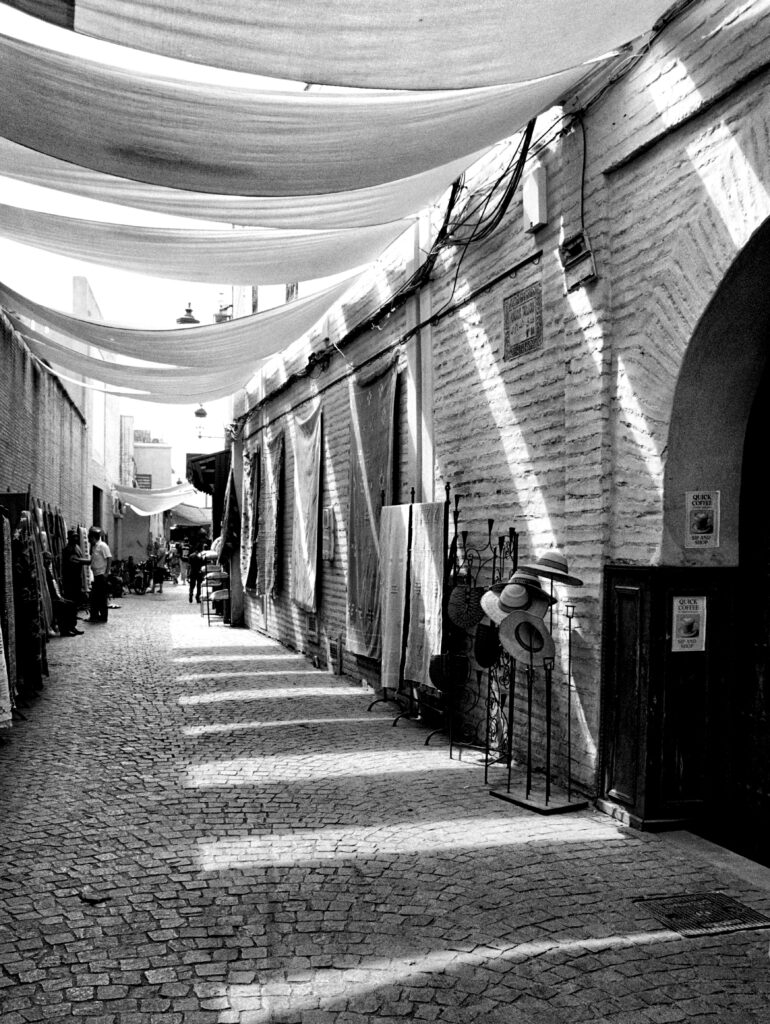
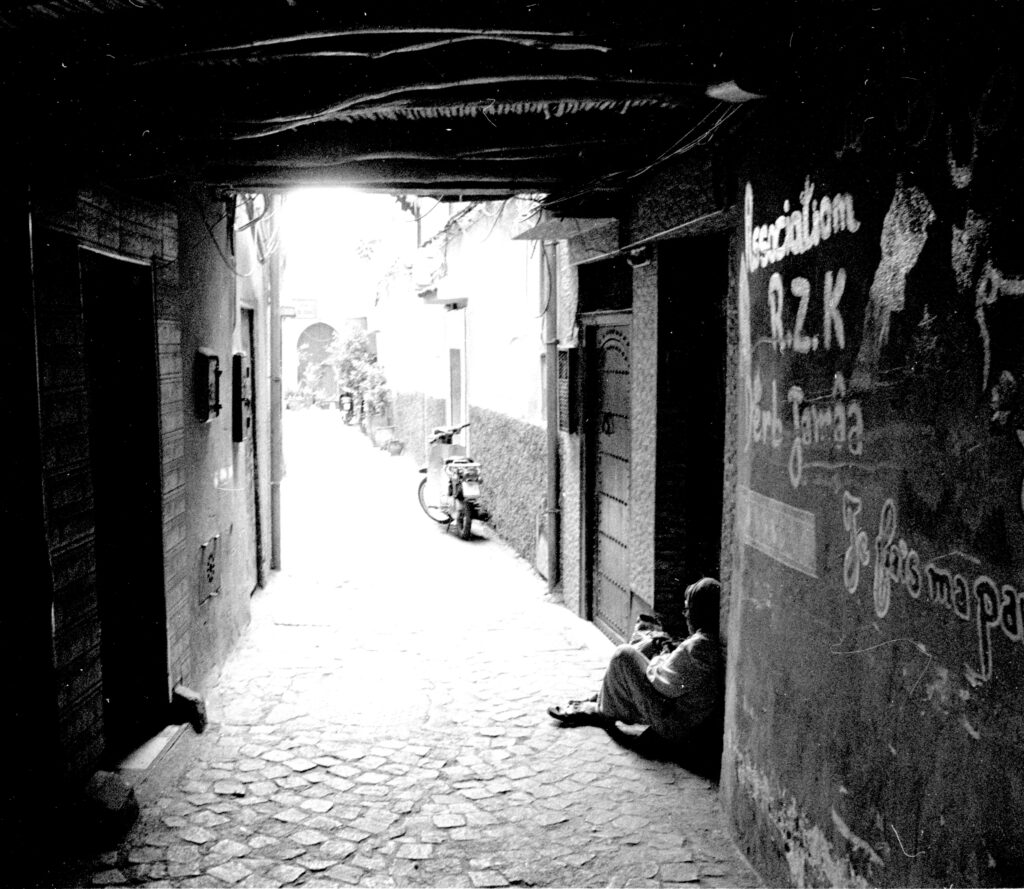
Guided by the welcomed shadows that offers me some protection against an already fierce sun, my steps take me to the 46 Rue Bin Lafnadek, a narrow-than-string alley; it is an old place, a “funduq”, initially built for the purpose of lodging and safekeeping of the traders, their wares, an inn for travellers, if you like.
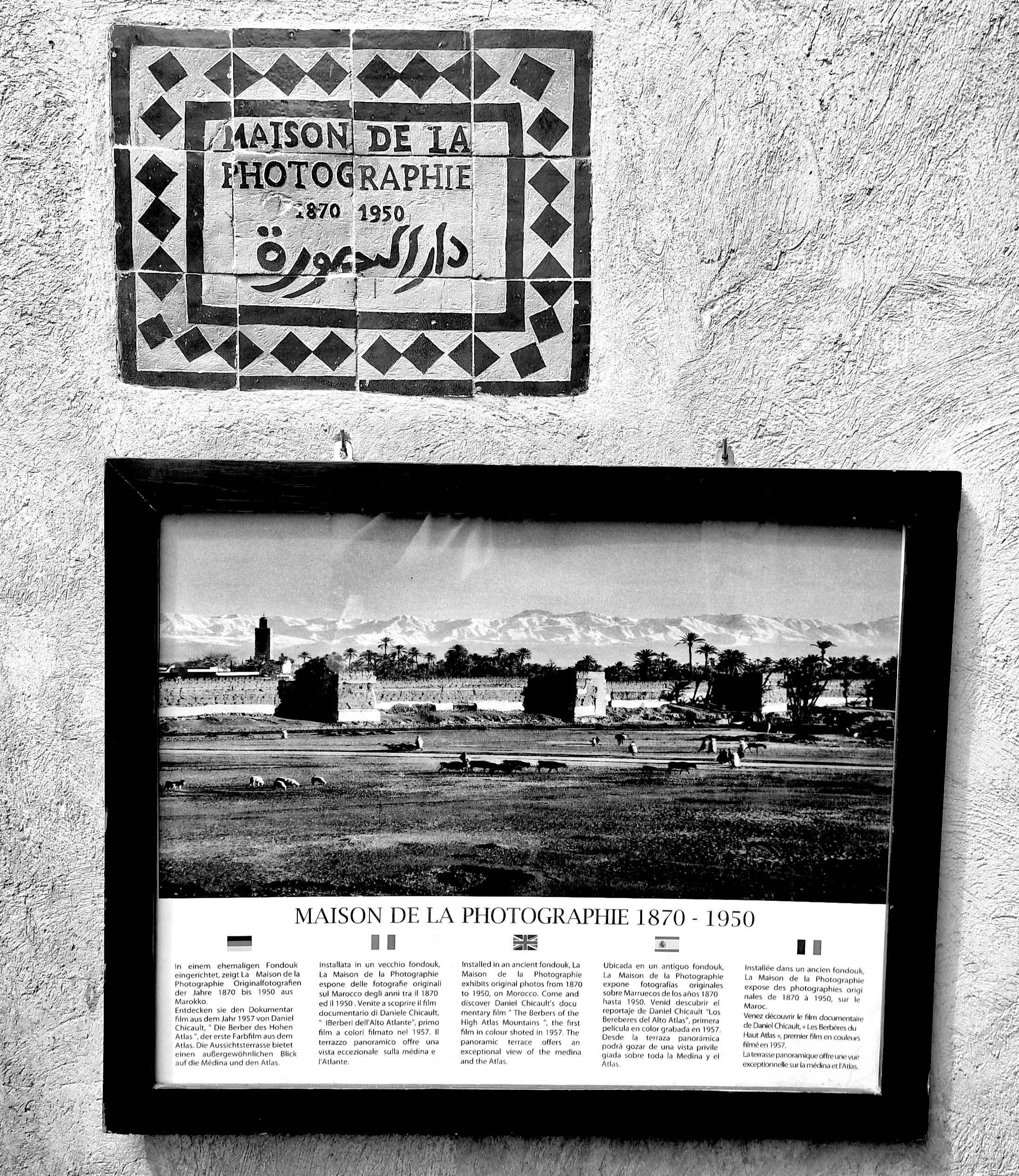
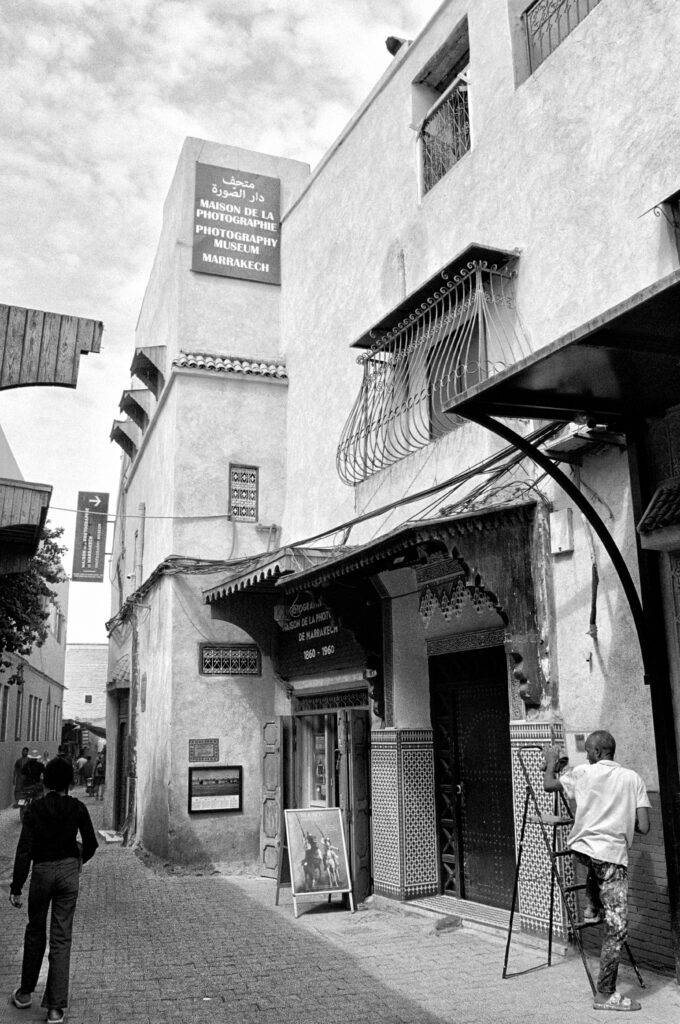
You would never guess that the La Maison de Photographie du Marrakech (the House of Photography of Marrakesh) is located in this small, unassuming building. Like almost all of the buildings in the historic Medina, it’s mudbricks and that reddish/earthy color do not set it apart from the other buildings around it, and why this should not be so? After all, it is part of the history of the Medina.
Inside, an oasis of cool shade and a photographic immersion into Morocco’s historical background. The architecture of this place is exquisite and one can discern immediately that the original scope of the building was a place of rest for travellers: inner court speaks of a really beautiful “riad”, very popular with tourists even in this day and age.
Some 10.000 photographs (and various documents) can be seen; my understanding is that the main period shown is 1870 to 1960’s. I would guess that may are still in storage, for I haven’t seen more than 200 plates, prints and reproductions. The entire collection is mainly based works of GW Wilson, Cavilla, the French photographers Flandrin, La Martiniere, Belin and Regnault.
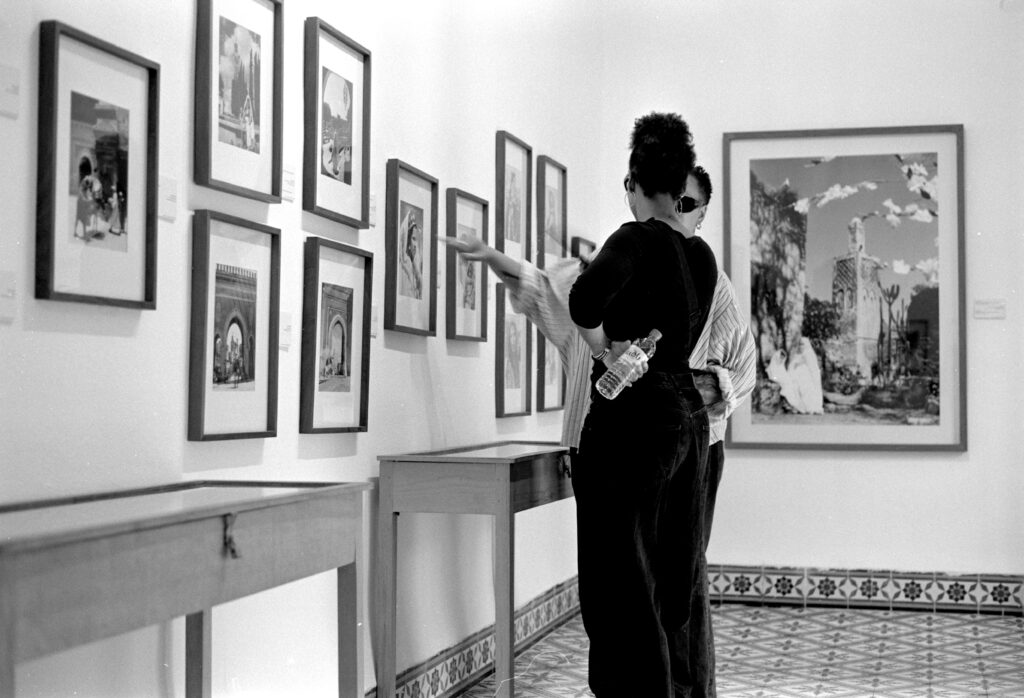
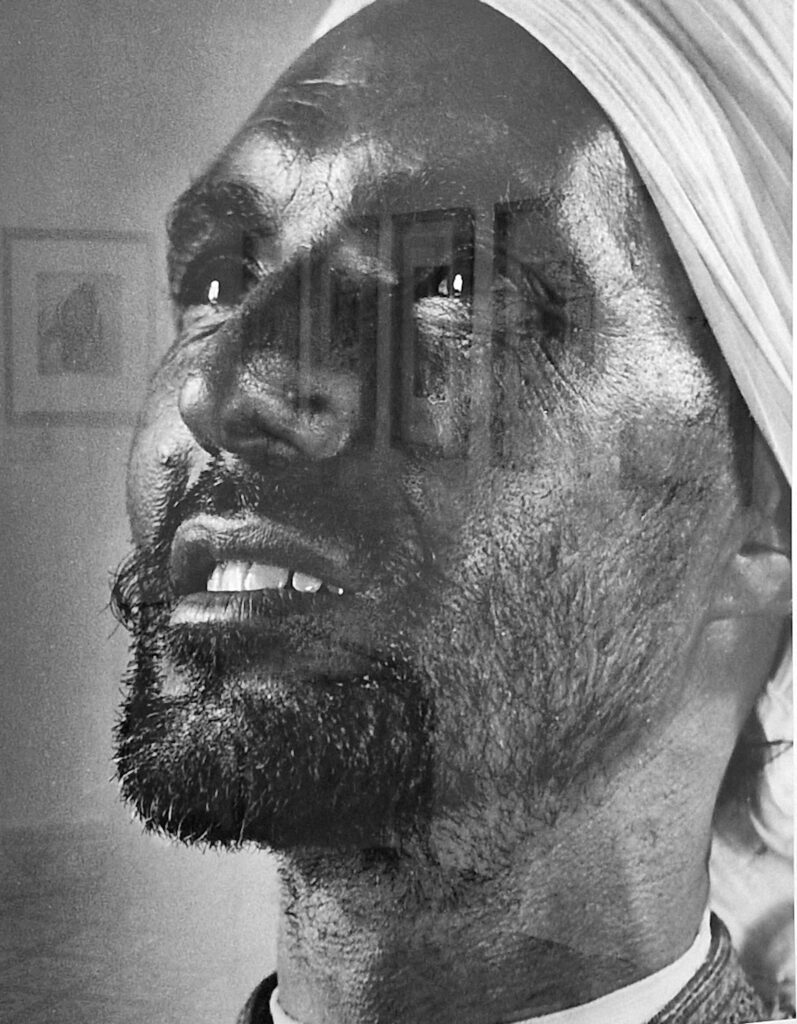
Portraits of Berbers, depicting their way of life, casbahs and various old architecture are on display, and one is mesmerized by the multitude of beautiful images. If one is so disposed, one can transports oneself in time, walking with the old photographers the sands of Erg Chebby, exploring the ancient Ait Ben Haddou and meet the Berbers as they were once. Excellent portraiture, some at a large scale, are so beautiful that one is left in awe; they are almost hypnotical. There is one such photograph, of a Berber man, taken in the early 1900s, which I found to be really soul touching. The jutted chin, sign of the fierce pride in his heritage, the jet black eyes, all of these are speaking to you. And the unspoken words are still heard today, by those inclined to listen.
I was amazed to see and understand the dedication of Moroccans for their history and heritage; not easy to establish and maintain a place like this. But they do, with success.
After a couple of hours, I left this place of culture in a really interesting state of mind: it was just me or did I just had a time travel experience?
All photographs taken with Nikon F3 and Ilford Delta 100.
Share this post:

Comments
No comments found