

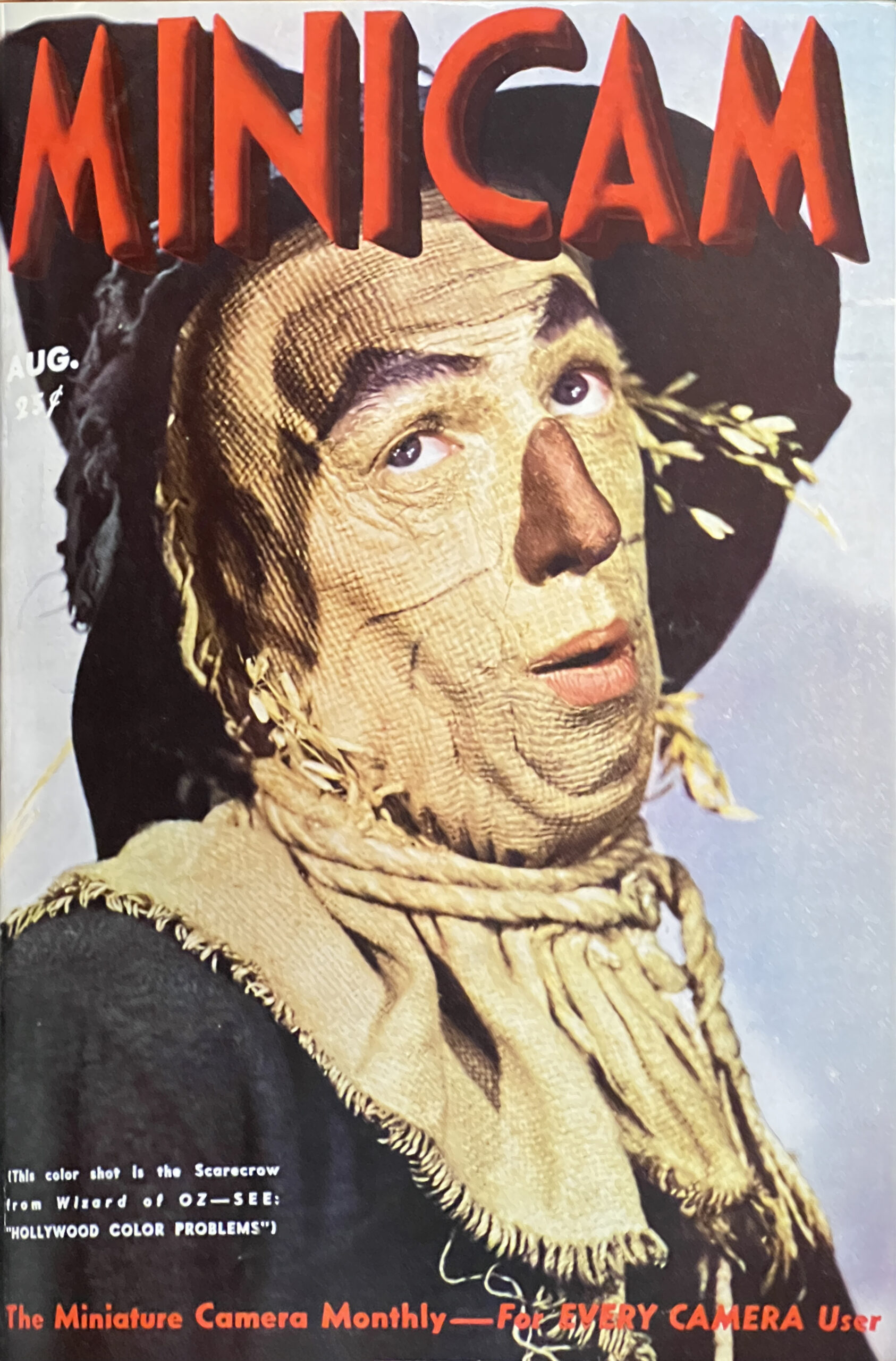
Above: Cover photo of the August 1939 issue of Ray Bolger for it’s feature article on the new about-to-be-released movie The Wizard of Oz
My wife retired a couple years ago. I’ve been winding down my freelance career. With no real reason to live where we do beyond our former careers, we decided recently to move to another state to live closer to the kids and grandkids.
We’ve been going total ‘Marie Kondo’ on our house to get ready for the move and have been giving away and throwing away years of accumulated objects we see no reason to move.
I’ve always used an antique steel and glass ‘dental’ cabinet to house and display many of my old cameras. I kept a couple old photo books in the cabinet as well. While packing up I looked at them for the first time in too long. I have had them so long I don’t remember where they came from.
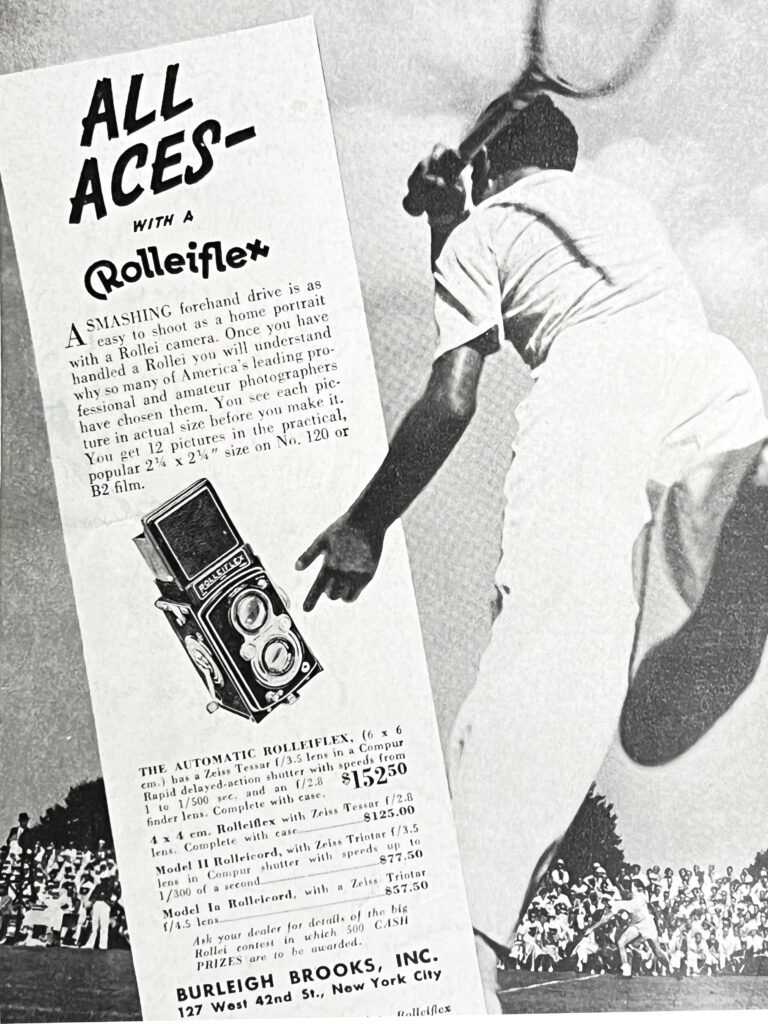
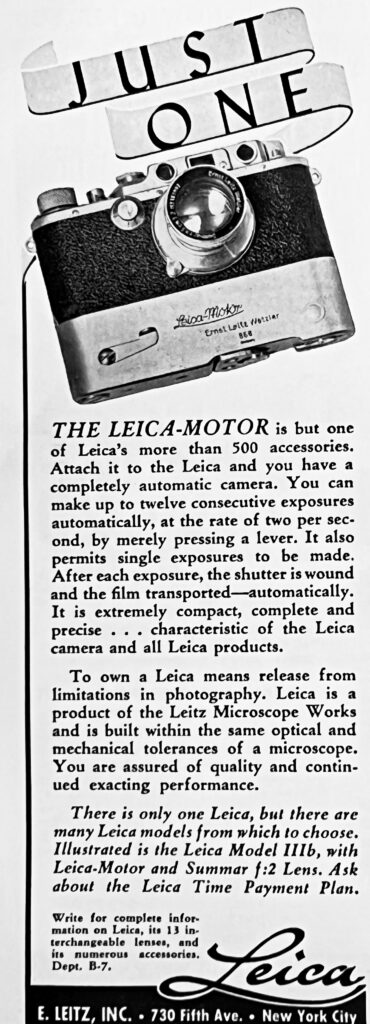
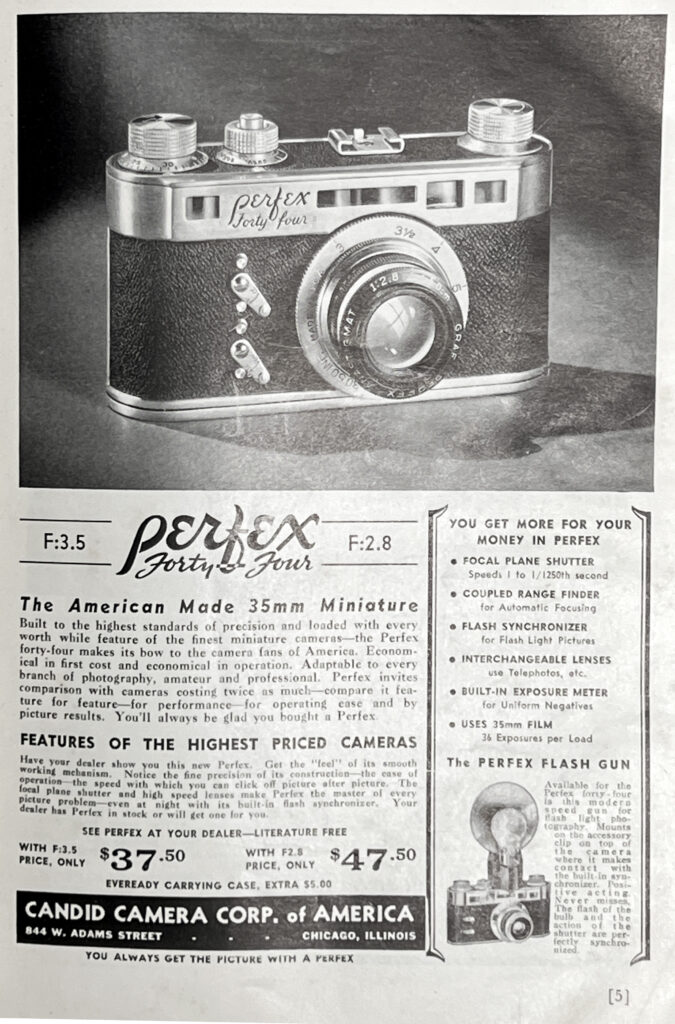
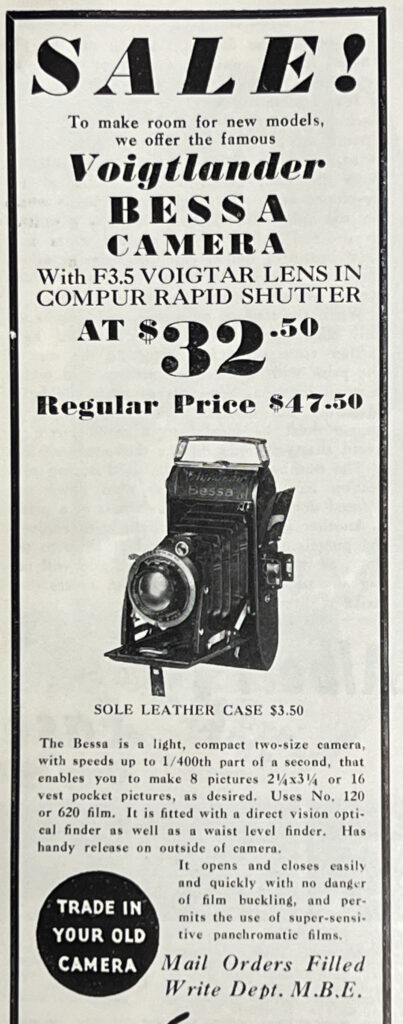
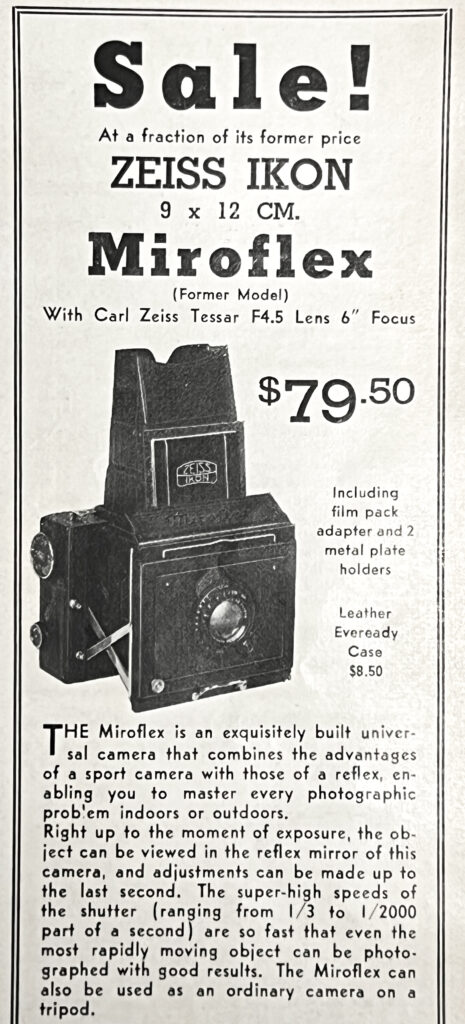
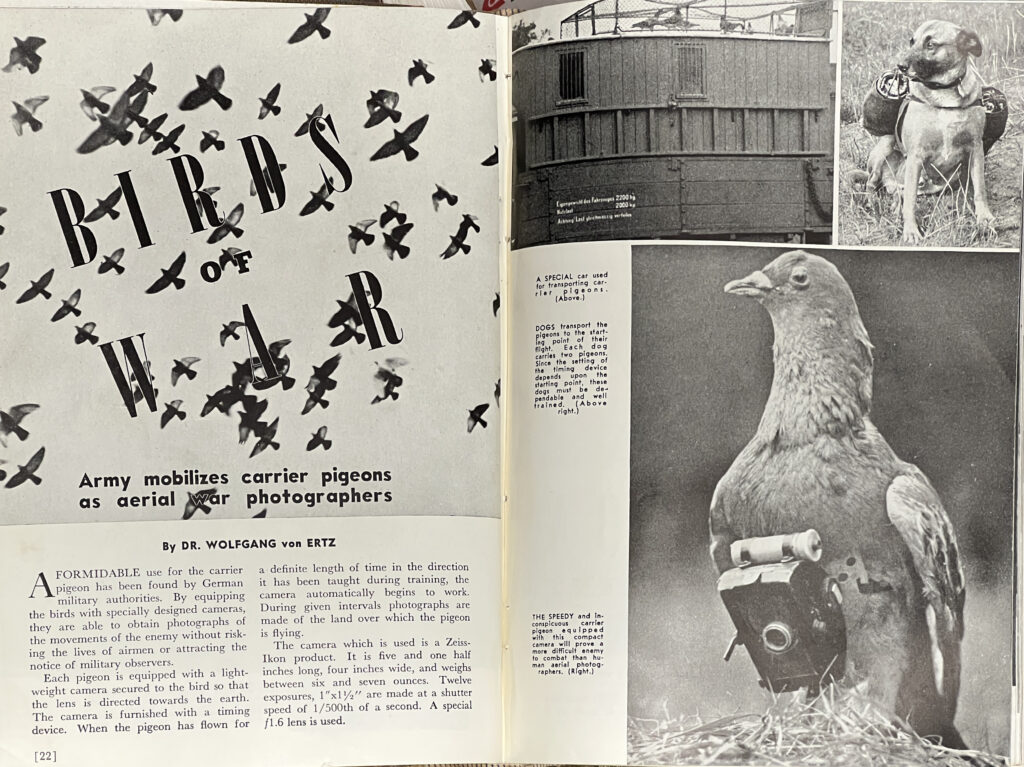
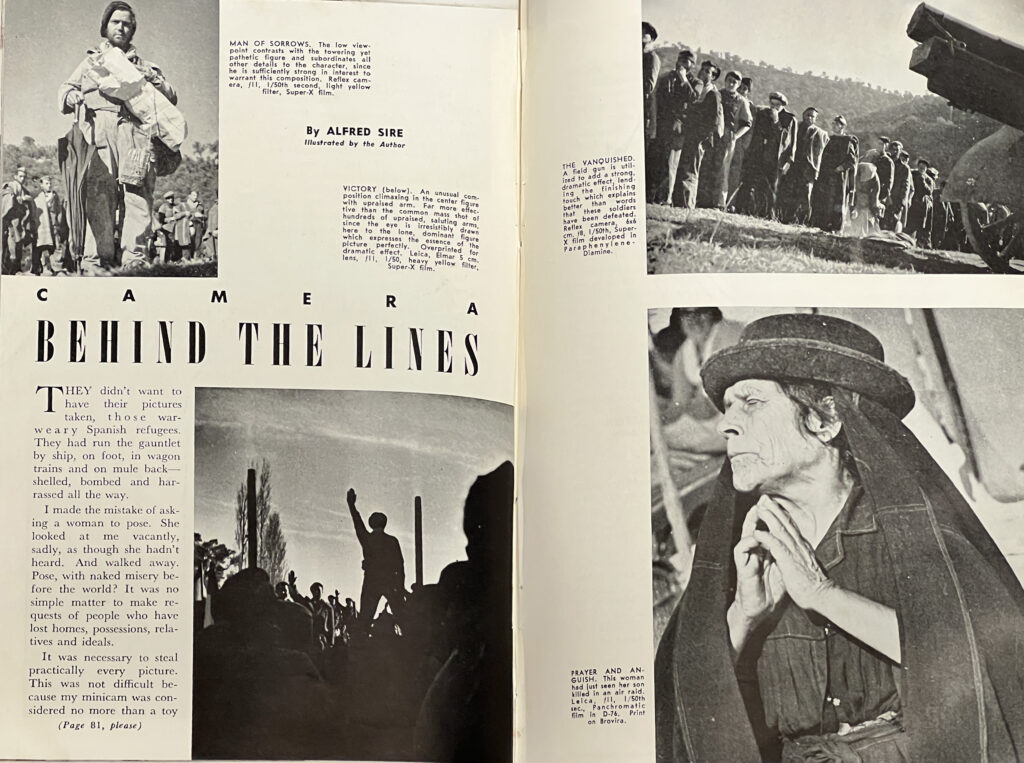
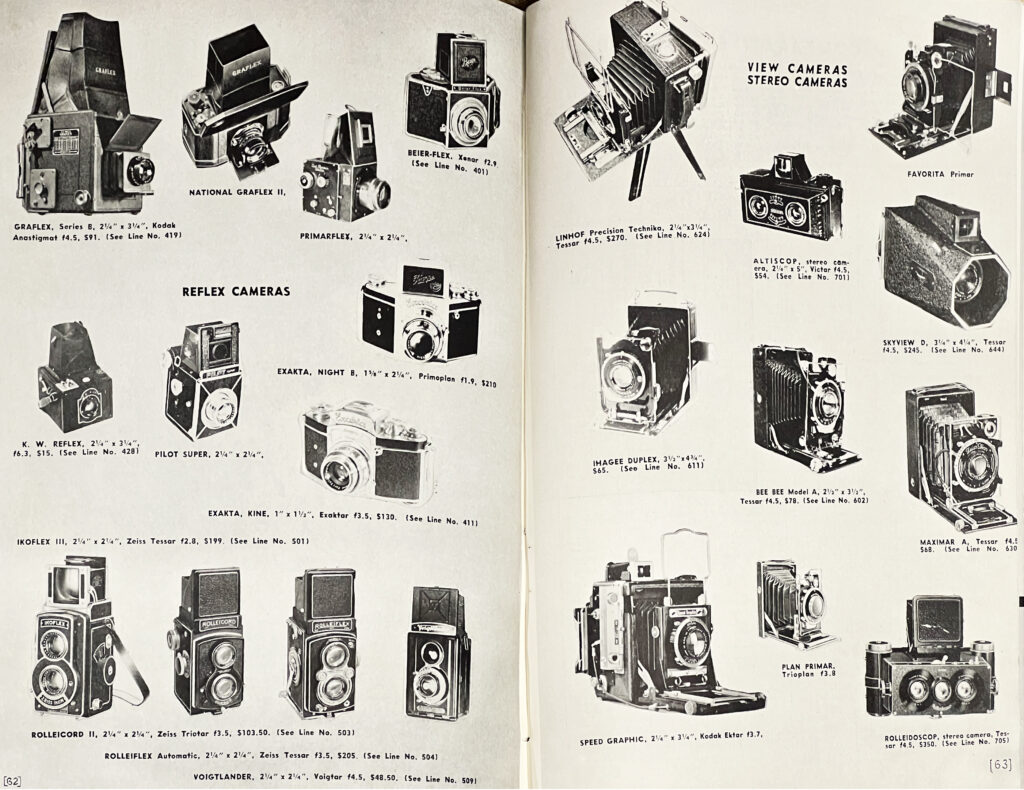
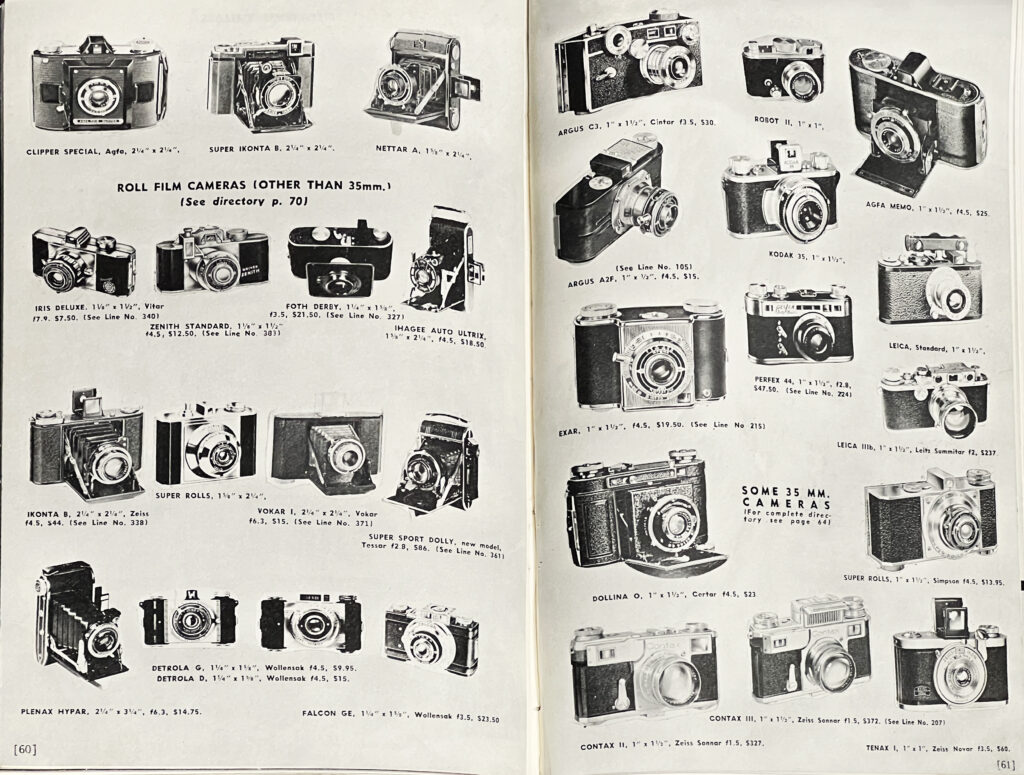
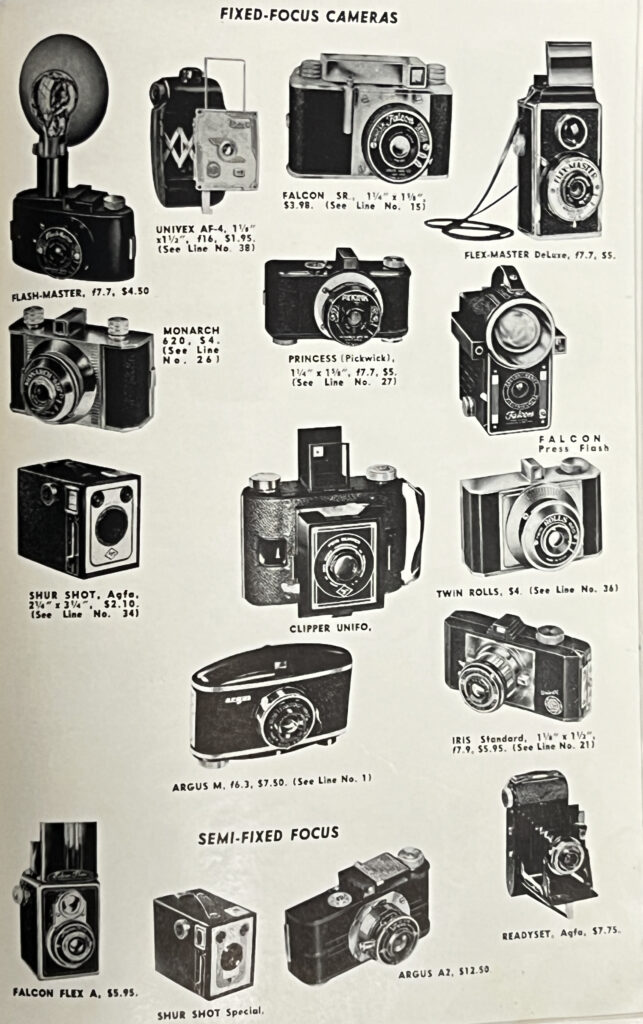
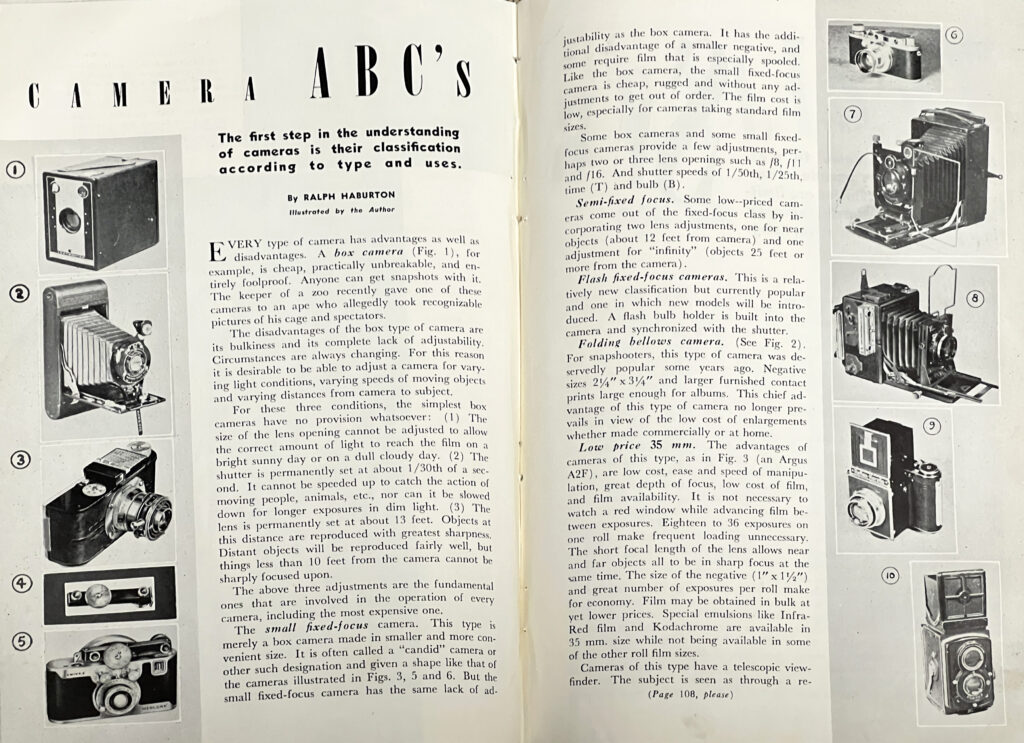
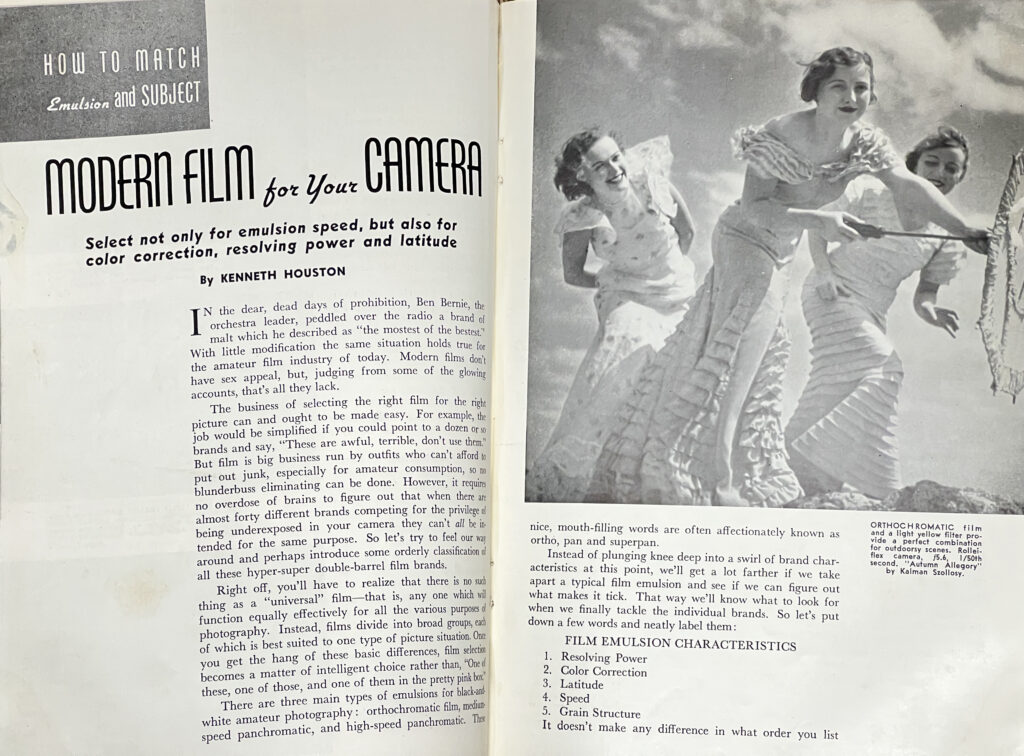
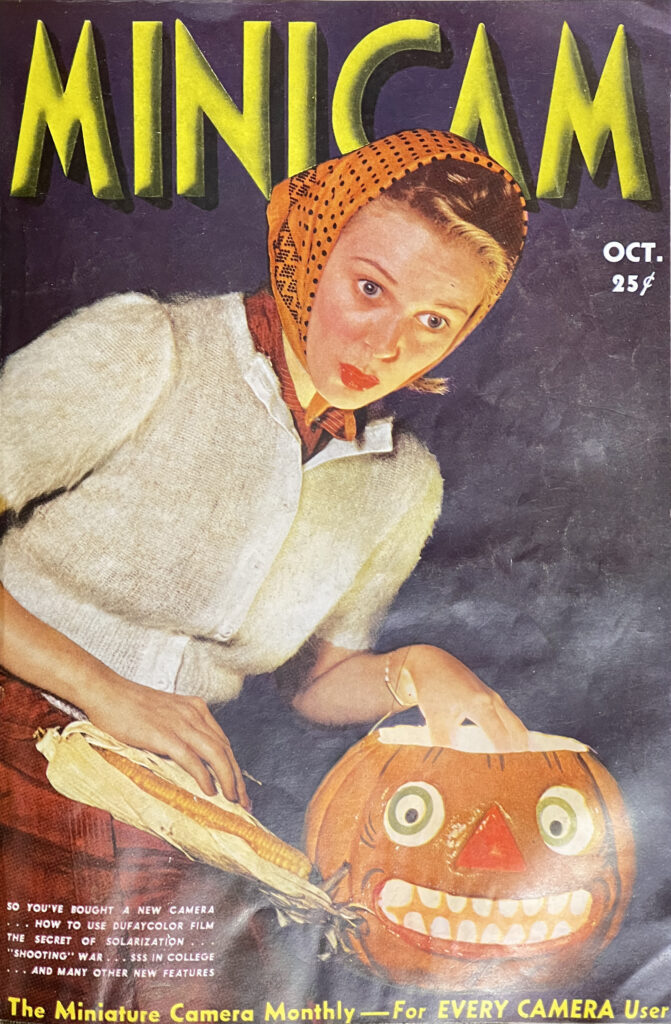
One book is a bound collection of the March to November issues of Minicam magazine from 1939. I opened it up and as they say, I went down the rabbit hole. Filled with a variety of how-to articles it also reflected the last pre-war months. What I found most interesting though were the ads. All those now 85+ year old cameras were the newest and latest marvels.
Minicam “The Miniature Camera Monthly” launched in Sept. 1937 and and ran for 12 years. Minicam was devoted to what was then considered the amateur 35mm “miniature” camera format. Rebranded as Minicam Photography in 1940 it became Modern Photography Magazine in 1949 and lasted another 40 years. Its subscriber list was then taken over by rival Popular Photography
Minicam stated aim was to educate amateur photographers on techniques, equipment, and taking better pictures by featuring technical advice, darkroom tips, and it even included photo related comic strips in early issues. It entered the market just a few months after the launch, also in 1937, of Popular Photography. The two publications remained fiercely competitive rivals.
These old issues feel like a valuable, historic resource for photography, and offer a fun window into the pre-war 20th-century camera culture.
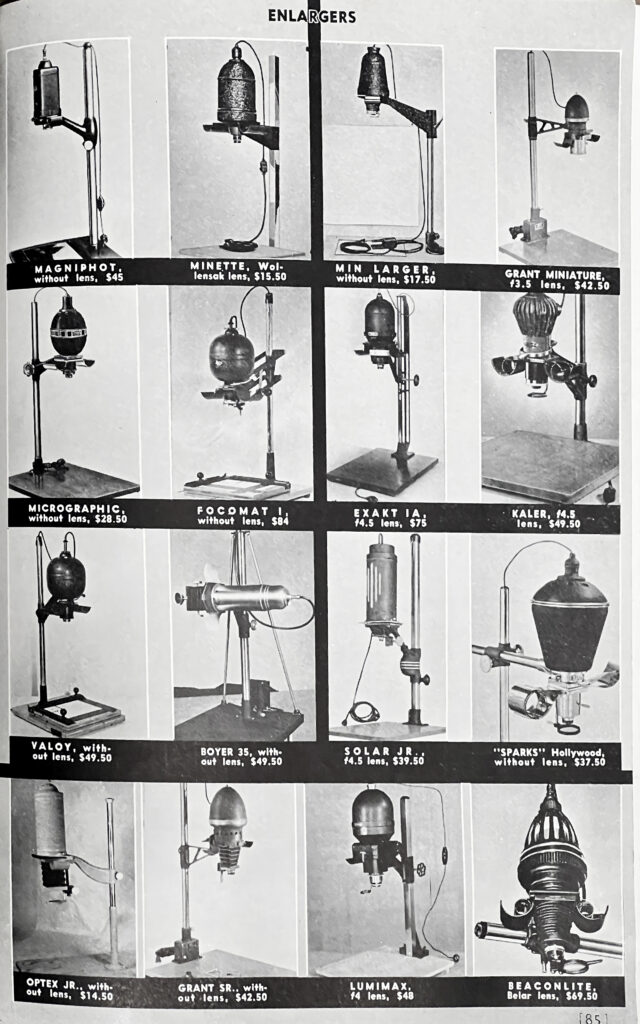
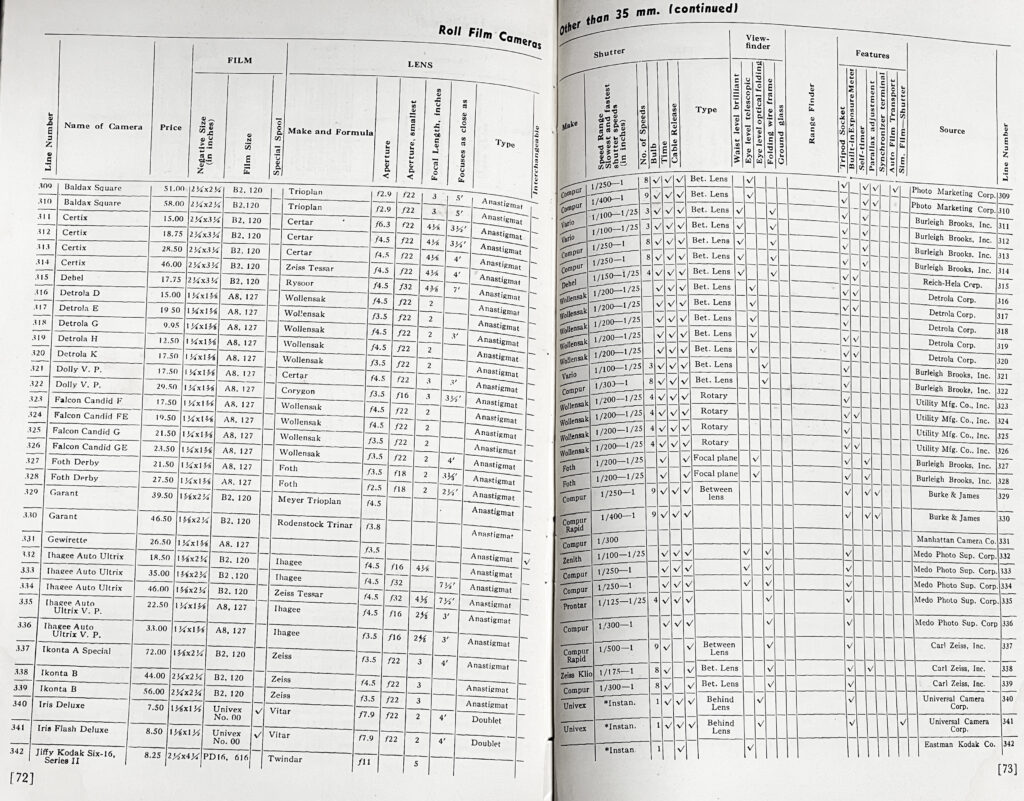
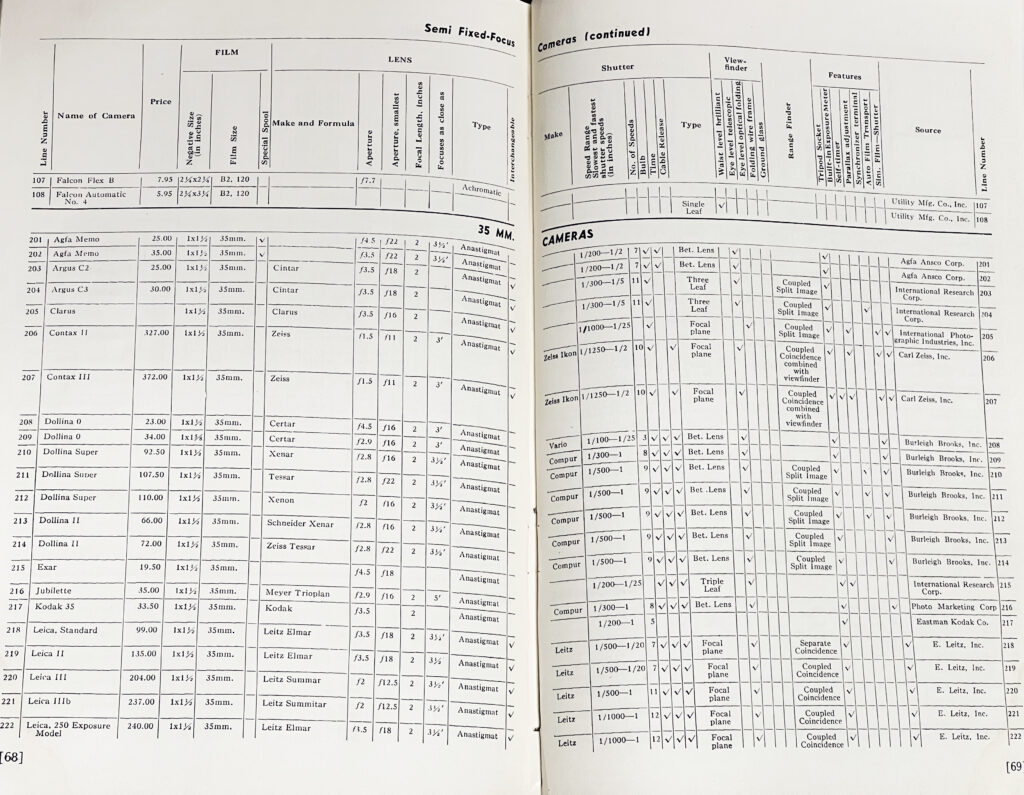
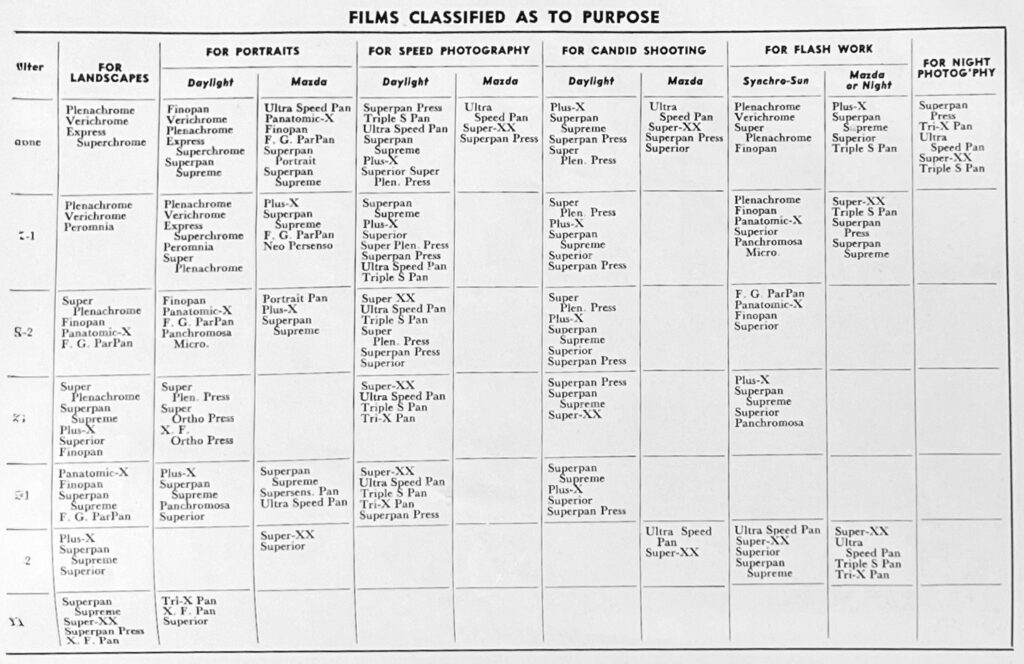
There are ads for chemicals and enlargers and flashes and everything photographic. There were so many cameras that I’ve never seen or even knew existed. They also have charts of gear comparisons and charts of ‘Salons’ to submit ones work. And when you take the listed prices of gear, they translate pretty close to today’s prices adjusted for inflation.
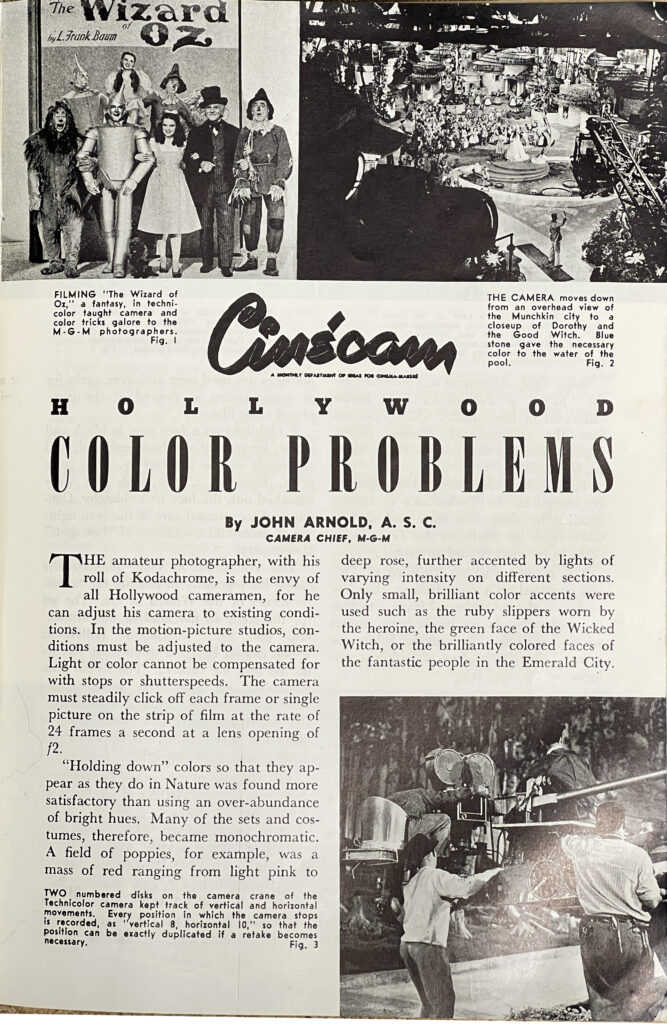
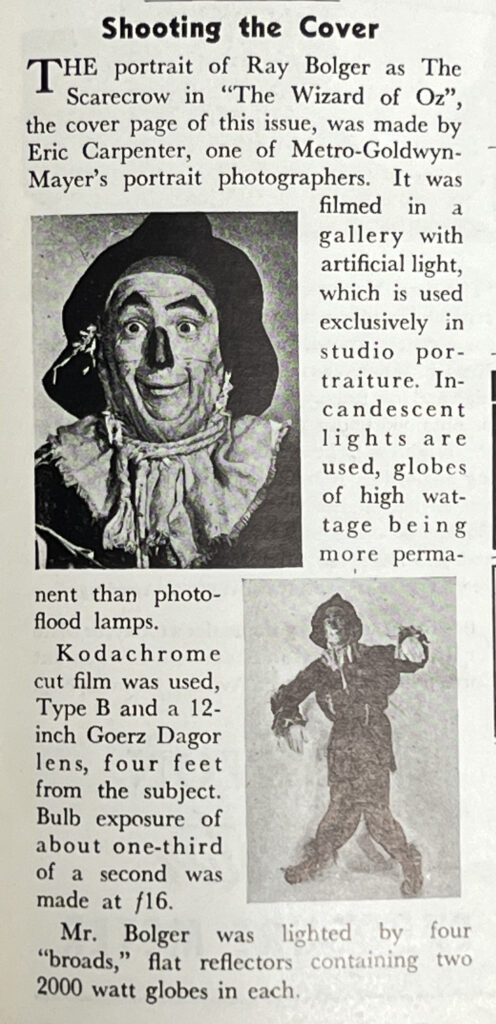
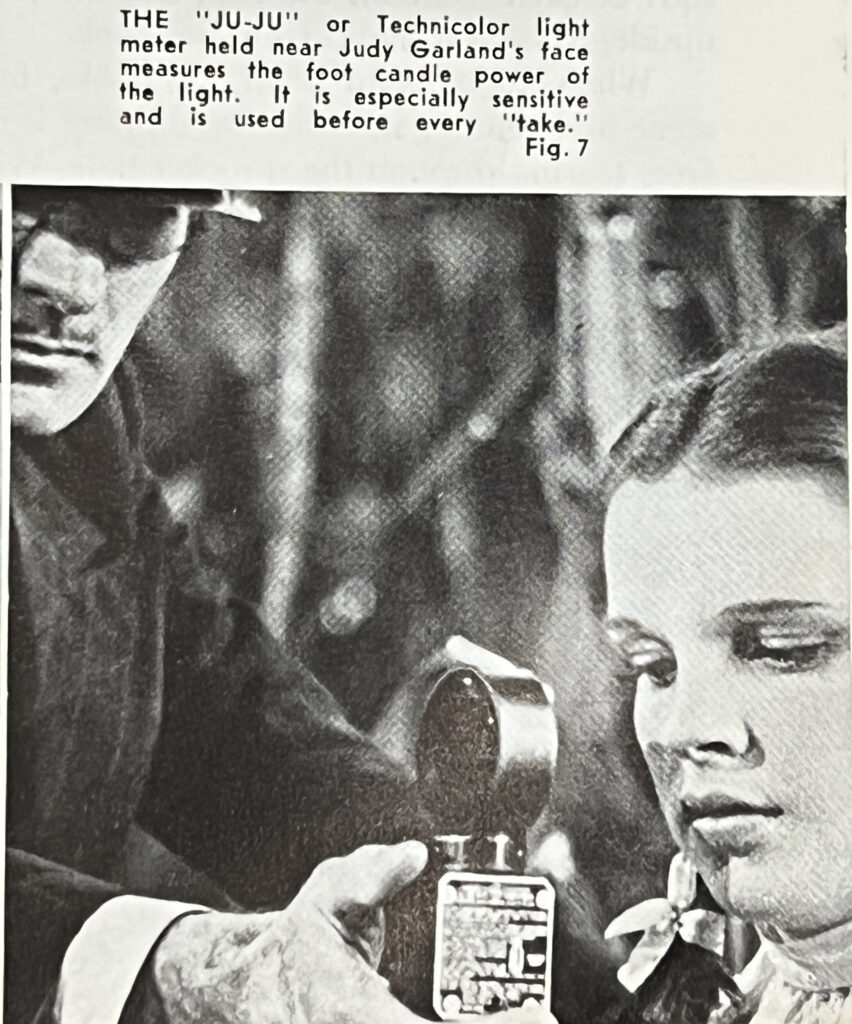
Here are some of the pages I copied out of the compendium. If you want to read some of the details you might need a larger screen than your phone. With an average of 150 pages per issue there’s a lot to see.
Share this post:





Comments
Tim Bradshaw on The Miniature Camera Monthly
Comment posted: 27/02/2026
Comment posted: 27/02/2026
Charles Young on The Miniature Camera Monthly
Comment posted: 27/02/2026
https://icatchshadows.com/listing-of-historic-photography-magazines-with-links-to-scanned-issues/
Chuck
Comment posted: 27/02/2026
Gary Smith on The Miniature Camera Monthly
Comment posted: 27/02/2026
Comment posted: 27/02/2026
Tony Warren on The Miniature Camera Monthly
Comment posted: 28/02/2026
Jeffery Luhn on The Miniature Camera Monthly
Comment posted: 28/02/2026
Fascinating! Ray Bolger is lit by eight 2,000 watt lamps!! Lucky it didn't catch his clothes on fire!
The camera ads are cool. A Zeiss Ikonta B for $56. I have one that I shoot with often. Many other models in my collection. What are you going to do with those magazines? Seems a shame to discard them.
Comment posted: 28/02/2026
Alan Simpson on The Miniature Camera Monthly
Comment posted: 28/02/2026
Comment posted: 28/02/2026
Alexander Seidler on The Miniature Camera Monthly
Comment posted: 02/03/2026
Neal Wellons on The Miniature Camera Monthly
Comment posted: 17/03/2026
Comment posted: 17/03/2026
Danilo Leonardi on The Miniature Camera Monthly
Comment posted: 01/04/2026
After reading your article, which I enjoyed very much, I went to check a few copies of Modern Photography that I still have at home here in London, and there it was again, that “35 Years Ago” section where Minicam would appear. That is how I first came across Minicam, through those pages in Modern Photography.
Talking about Modern, I remember those magazines for the endless pages of mail order listings, page after page of equipment, cameras, lenses, accessories. I do not even know whether Minicam had the same kind of thing in its time, but in Modern and Popular it felt like a world in itself. It was all very much of the pre-internet days. I used to pore over those listings, thinking carefully about which brand of camera I would one day end up with. I even decided, when I was 12 or 13, which “minicam” brand would be my choice in the future. As it happens, that brand is still my main system to this day. I have added two smaller format systems of different brands over the years, but I never really switched, I always stayed with that 35mm system (first film, then digital, then mirrorless) as my base. I find it a bit striking now to think of 35mm as “miniature”, because today "full fram" has been turned into some sort of reference point.
I remember the names of the writers in Modern as much as the cameras, among them Herbert Keppler, Bennett Sherman, Jason Schneider, and Julia Scully. Even when I did not fully understand everything in those articles, something stayed. I still find myself with a slight sense of déjà vu when I go into second-hand camera shops. I look along the shelves and recognise what feel like old friends, equipment I first met on those pages rather than in the hand.
Incidentally, another thing that comes to mind when looking through those old magazines is the way equipment was reviewed by Modern and also Popular Photography in the 1980s, which feels so different from reviews today. Perhaps under the guidance of writers like Herbert Keppler, there was often a kind of forensic disassembly to it. Cameras were taken apart and judged on their construction in detail, whether gears were metal or plastic, whether wiring and layout suggested careful design or an afterthought. It was about how something was built, not just how it performed.
Your piece brought back the feeling of walking into that bookshop in another country, another life, hoping a new issue had arrived. I know, your article is about Minicam, and I am talking about its successor, Modern, but in a way they are all part of the same thread.
All the best with the move!
Comment posted: 01/04/2026