The Joy of Computational Photography

By Andrea Monti

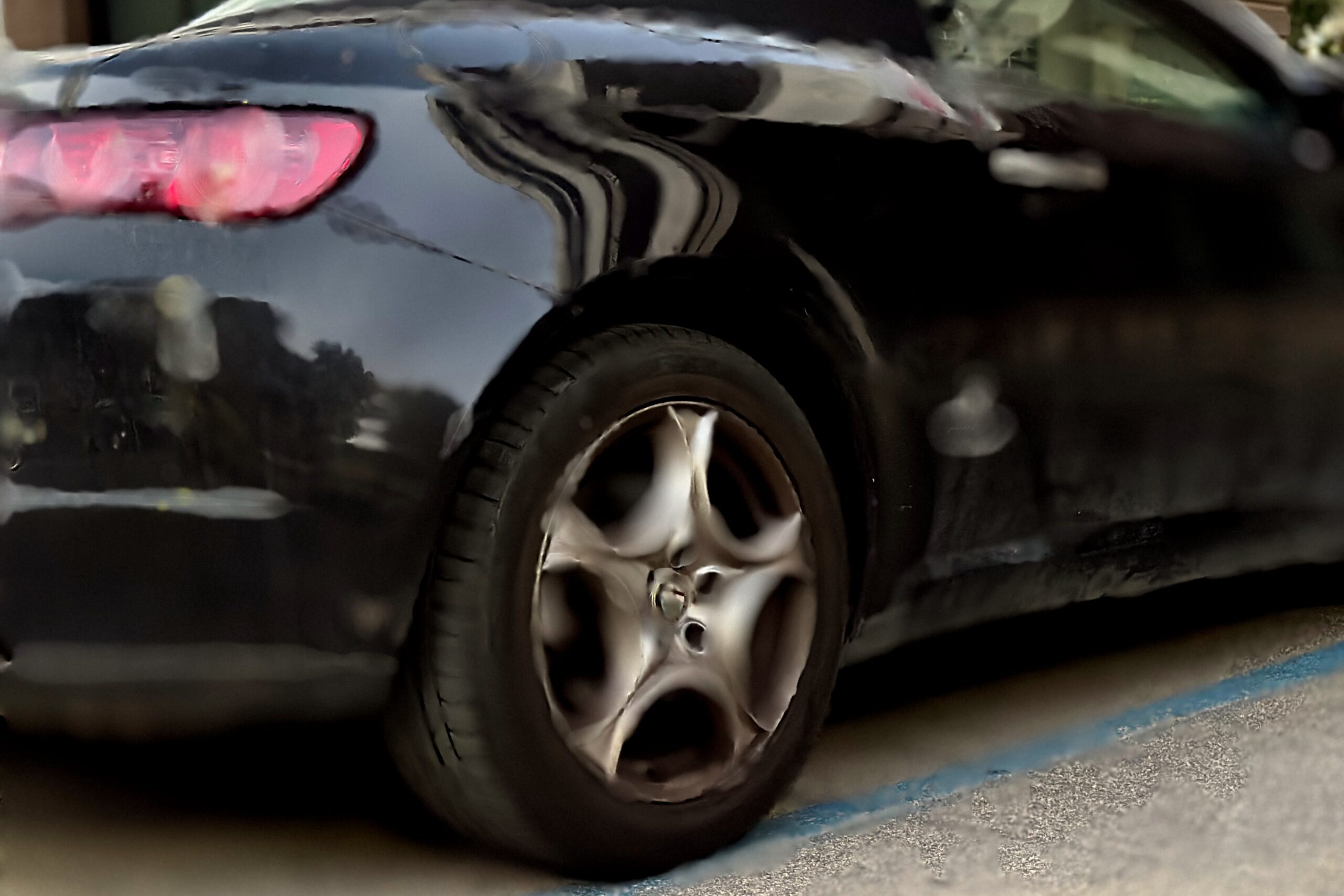
Before going any further, it is important to bear in mind that even if this photo of an Alfa Romeo Spider was actually taken in September 2026, it is still five years (or four iPhone versions) old as it was taken with an iPhone 14 Pro Max. A more modern smartphone (not necesssarily one made by Apple) might be more capable than this old horse. Still, this photograph is an interesting example of the difference between ‘real’ and computational photography.

As a reference, this is how the photo looks like without ‘portrait mode’ on:
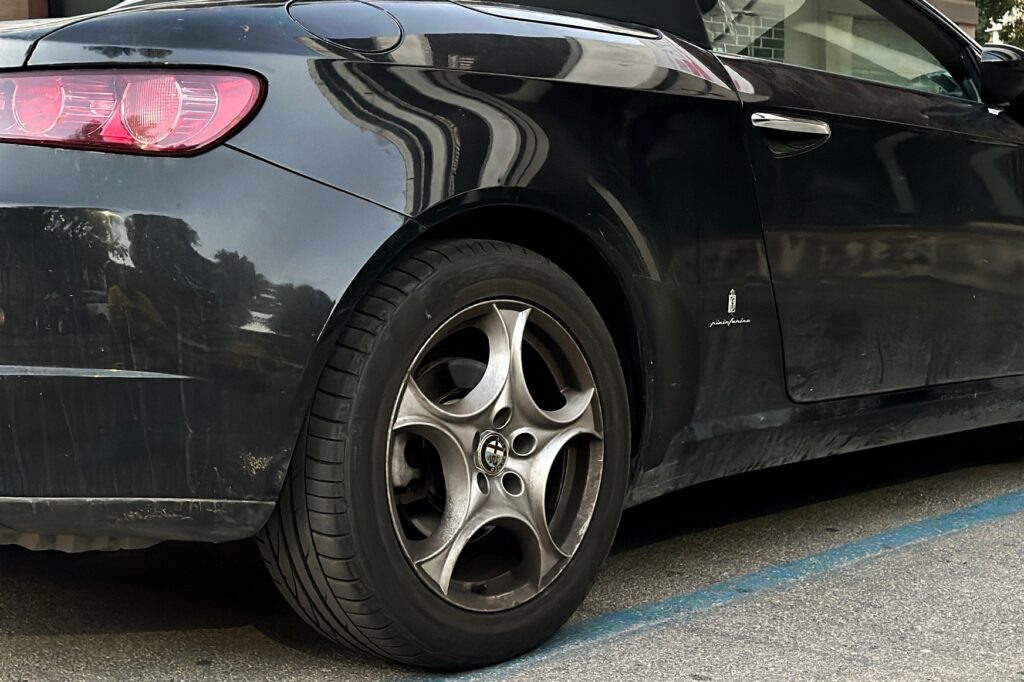
I don’t want to delve into the philosophical side of the argument and consider whether computational photography can also be considered ‘real’. In fact, it is real because it exists as an object; however, it is clear that it is not photography as we know it. Indeed, iPhone’s portrait mode produced an awful final result that was very similar to an early AI-made image and there is no need to go into specifics because the image speaks for itself.

I don’t either want to fuel the smartphone vs. real camera debate because it is clear that they simply are not comparable. Smartphones and camera do different jobs and serve different kind of photography needs, so there is no point in complaining about a screwdriver not being capable of hitting a nail.

What matters is being aware of the tools’ limitations so as not to be deluded into believing that one can beat a speed record on a race track with a city car. This is why I ask myself how come that article and blog posts written by people with at least a minimum competence still continue comparing orange and… Apple.

Share this post:

About The Author

By Andrea Monti
My name is Andrea Monti. I’m an Italian free-lance journalist, photographer and – in my spare time – an hi-tech lawyer. The works I am more proud of are covering live jazz, pop and rock concerts for an Italian online music magazine and Opera and prose for a 200 years-old theatre. I also do sport photography mainly in athletics and fighting disciplines. You may find out more about me on https://andrea.monti.photography
Read More Articles From Andrea Monti

Find more similar content on 35mmc

Use the tags below to search for more posts on related topics:

Donate to the upkeep, or contribute to 35mmc for an ad-free experience.

There are two ways to contribute to 35mmc and experience it without the adverts:

Paid Subscription – £3.99 per month and you’ll never see an advert again! (Free 3-day trial).

Subscribe here.

Content contributor – become a part of the world’s biggest film and alternative photography community blog. All our Contributors have an ad-free experience for life.

Sign up here.

Make a donation – If you would simply like to support Hamish Gill and 35mmc financially, you can also do so via ko-fi

Donate to 35mmc here.

Comments

Gerard on The Joy of Computational Photography

Comment posted: 28/10/2026

"....computational photography can also be considered ‘real’. In fact, it is real because it exists as an object; however, it is clear that it is not photography as we know it."
Not everyone would agree that computational images are 'real'. At least not the provider of my tapwater in France, which rules out the 'virtualisation' of their bills and send them by email to me.
Reply

Leave a Reply

Your email address will not be published. Required fields are marked *

Jens Kotlenga replied:

Comment posted: 28/10/2026

"Computational photography" is an abstract concept, in itself it has no reality, if by reality you mean materiality. A digital photograph is a series of (intangible) data that tells a device how to convert this data into a visible image on a screen. Fair enough, what more do you want? Well, some of us want something else, a tangible piece of coated paper, revealing what light did to the chemistry of the coating. An artefact of sorts ... Both concepts have their merits ... BTW: I'm not sure I get the point that you, Andrea, are trying to make.

Reply

Leave a Reply

Your email address will not be published. Required fields are marked *

Tony Warren on The Joy of Computational Photography

Comment posted: 28/10/2026

I have said before that I think the word"photography" should be replaced by "imaging" wen it comes to the digital camera's output. The word "photography is a combination of meanings for "light" and "drawing", i.e. drawing with light. You could argue it means the same in either way of creating the image but with film, the light actually "draws" the image into the film coating and is not visible until after the development stage. With digital it is always there and can be inspected immediately on the camera's screen. Any later work is more like working on a negative in the darkroom after it has been developed but not before.
At the end of the day though, it is how one personally understands what it describes rather than what the word means. An interesting intellectual discussion but a similar result in practice, simply differently achieved.
Reply

Leave a Reply

Your email address will not be published. Required fields are marked *

Jeffery Luhn on The Joy of Computational Photography

Comment posted: 29/10/2026

I've heard this discussion many times, and been involved often. Just like digital recording, which replaced analog, there's no turning back. So why pit one against the other?

People still say, "Let's tape the event." No tape involved. It's capturing, no matter the tool.

I like film. I use digital too. Whatever works.

Jeffery
Reply

Leave a Reply

Your email address will not be published. Required fields are marked *

Gerard on The Joy of Computational Photography

Comment posted: 29/10/2026

The word "virtualization" is the right term, and SOGEDO, the water provider in France was right, a digital document or image is only 'like the real thing,' and so they keep sending paper bills.
(Let's not pose the question whether money hasn't been virtualized as well)
Reply

Leave a Reply

Your email address will not be published. Required fields are marked *

Leave a Comment

Leave a Reply

Your email address will not be published. Required fields are marked *