

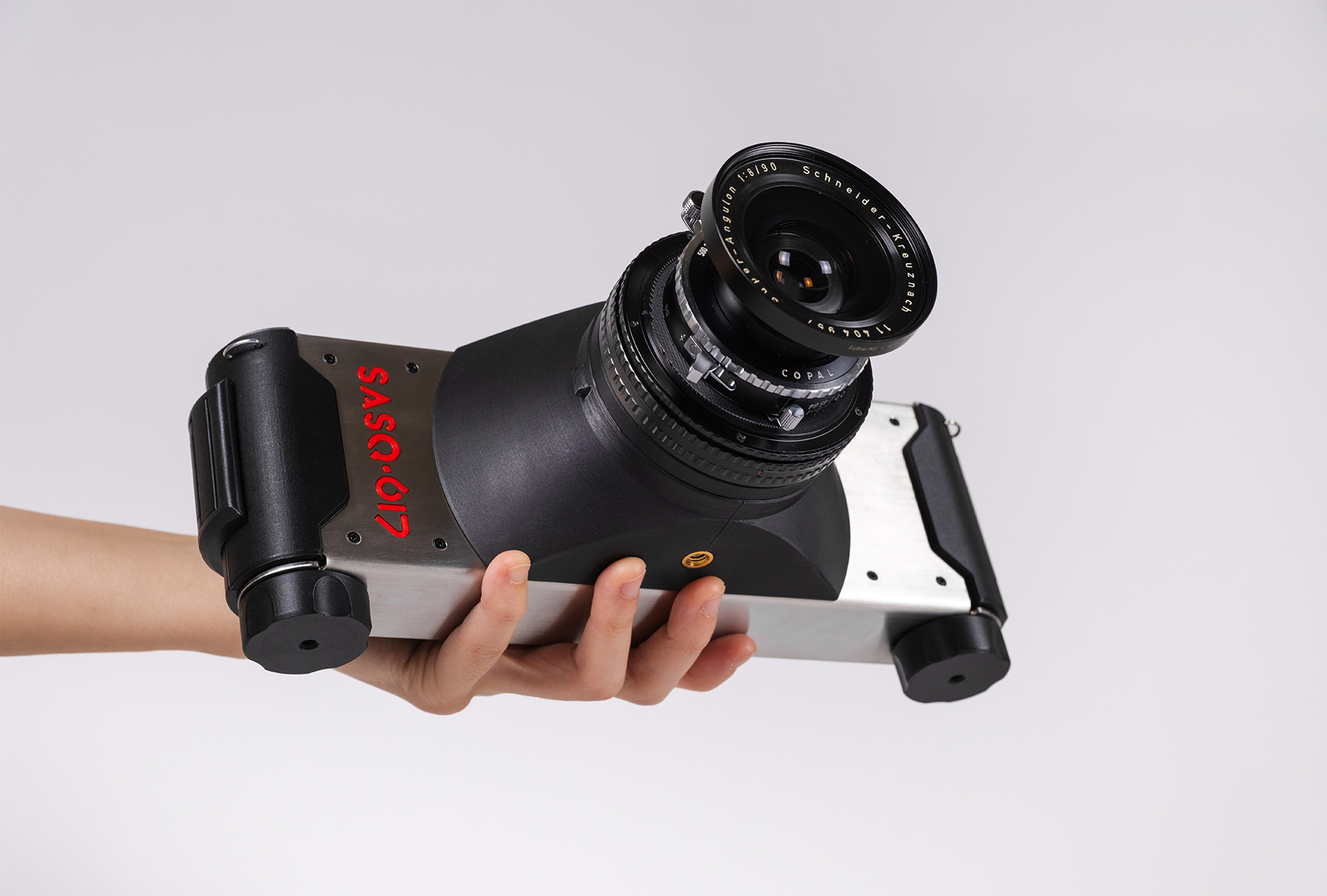
There’s something quietly addictive about panoramic film photography. The way it stretches time and space across a single frame feels very different from shooting standard formats.
We’re Derek and Ellie, two industrial designers based in California, and we genuinely love shooting film. We had long been interested in the X-Pan, but realistically, it was far beyond what we could afford. Instead of letting that idea go, we started asking a different question: what if we tried to build our own 6×17 camera?
From a Personal Project to a Real Camera
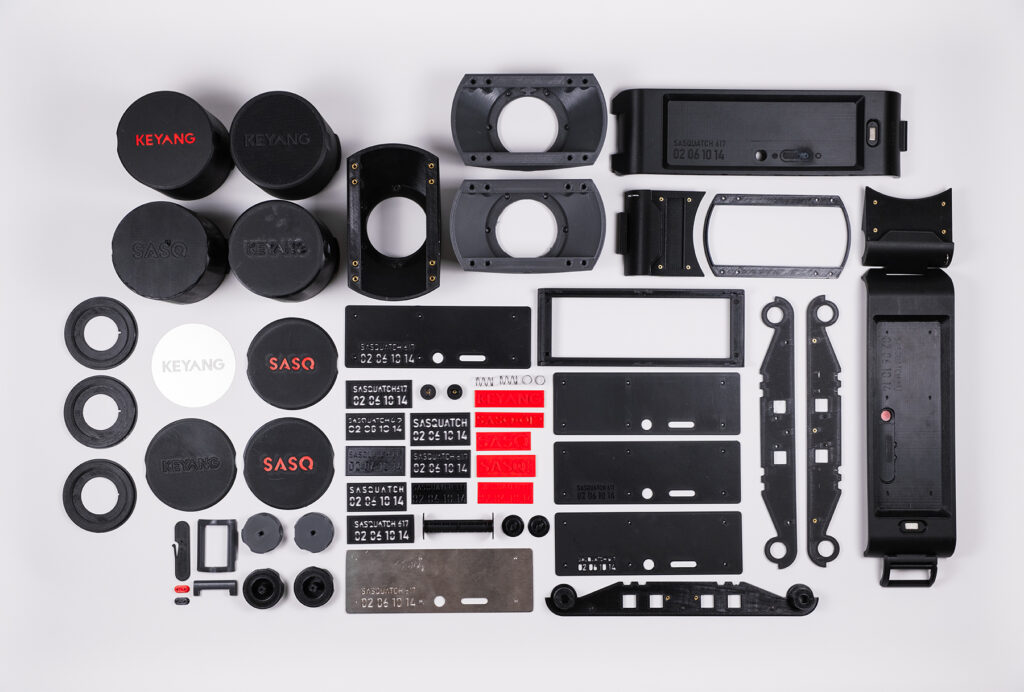
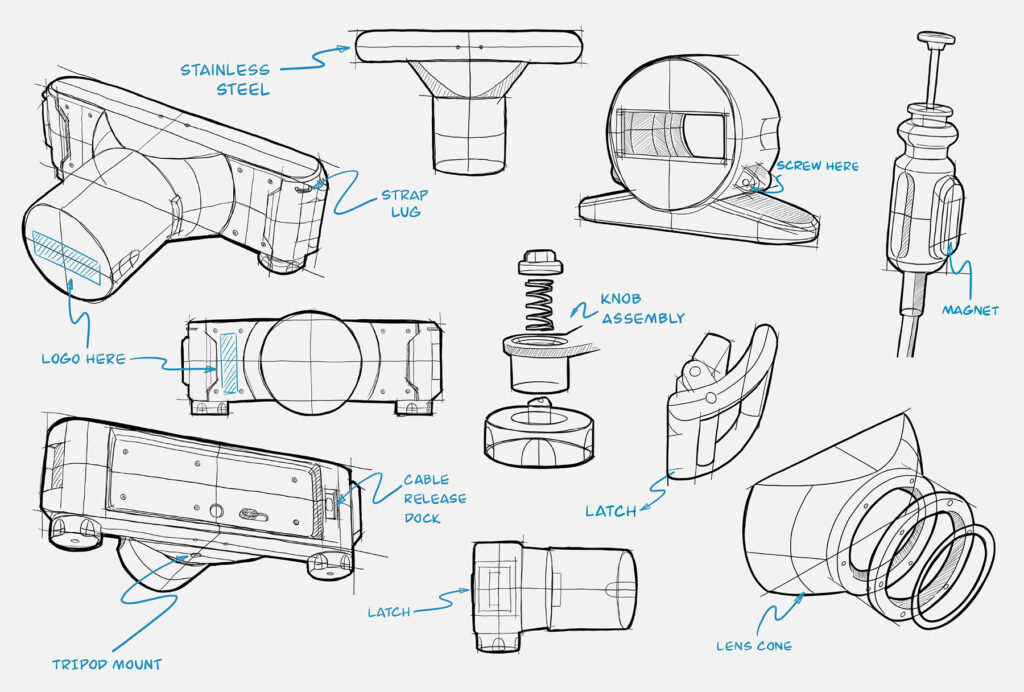
The Sasquatch 617 began as a very personal project. At the time, we already had a 3D printer at home, design backgrounds, and a lot of curiosity. We weren’t trying to start a camera company. We simply wanted a tool that would let us shoot panoramic film in a way that felt honest, mechanical, and hands-on.
Early prototypes were rough and purely functional. We focused on light-tightness, film flatness, and basic usability. Once we started shooting real rolls through those early versions, we realized that the camera wasn’t just working, it was genuinely fun to use. The format encouraged slower shooting, careful composition, and a deeper connection to each frame.
That was the moment we decided to refine the design properly and see how far we could take it.
Why 6×17?
We chose the 6×17 format because it feels unapologetically panoramic. It’s wide enough to demand intention, but still grounded in the tactile rhythm of medium format film. Each roll gives you only four frames, which naturally slows everything down.
For us, that limitation is part of the appeal. Shooting with the Sasquatch 617 feels closer to large format thinking, but without the complexity of sheet film.
Materials and Making
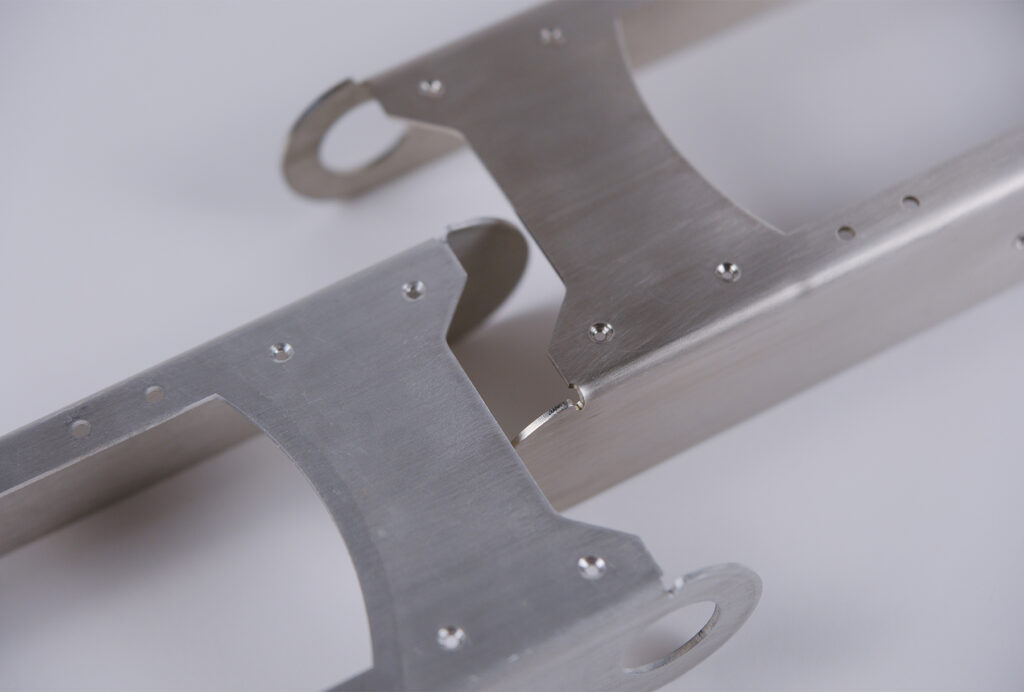
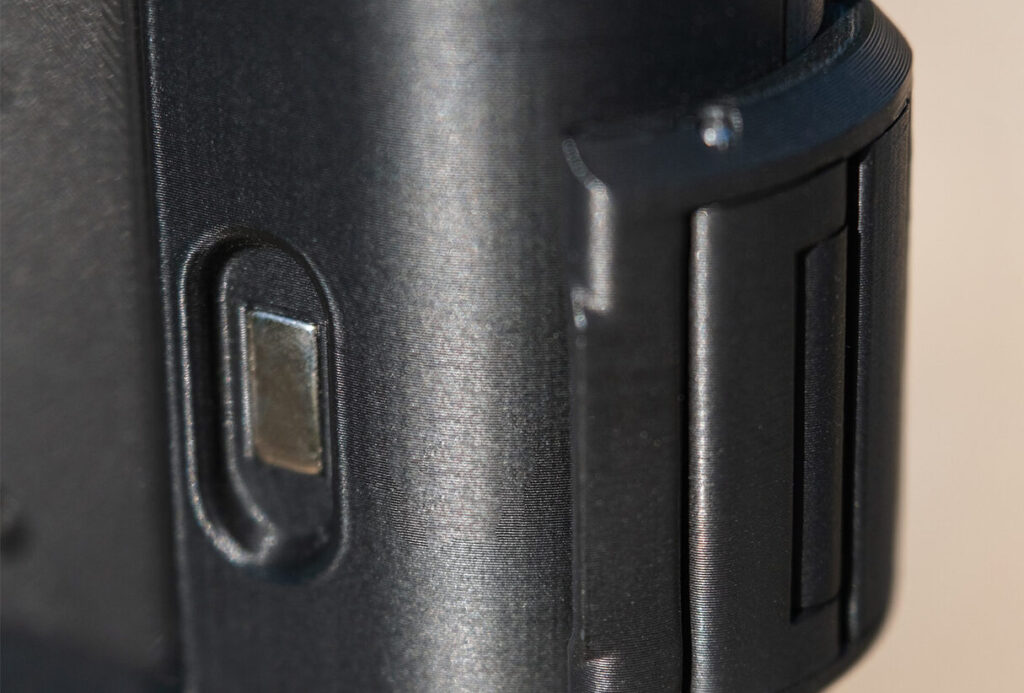
From the beginning, we wanted the camera to feel solid, honest, and durable. The core structure of the Sasquatch 617 is built around a 304 stainless steel frame. It provides rigidity, alignment accuracy, and a reassuring weight in the hands.
The body itself is made from 3D-printed PC and PETG components. Using 3D printing wasn’t just a convenience. It allowed us to iterate quickly, test tolerances, and refine ergonomics over time. Every design decision was tested through actual shooting, not just CAD models.
All finishing and assembly are done by hand. Because of this, each camera has small variations: subtle brushed textures on the stainless steel, or minor cosmetic marks on the printed parts. We see these not as flaws, but as evidence that the camera is made, not mass-produced.
Lens Compatibility
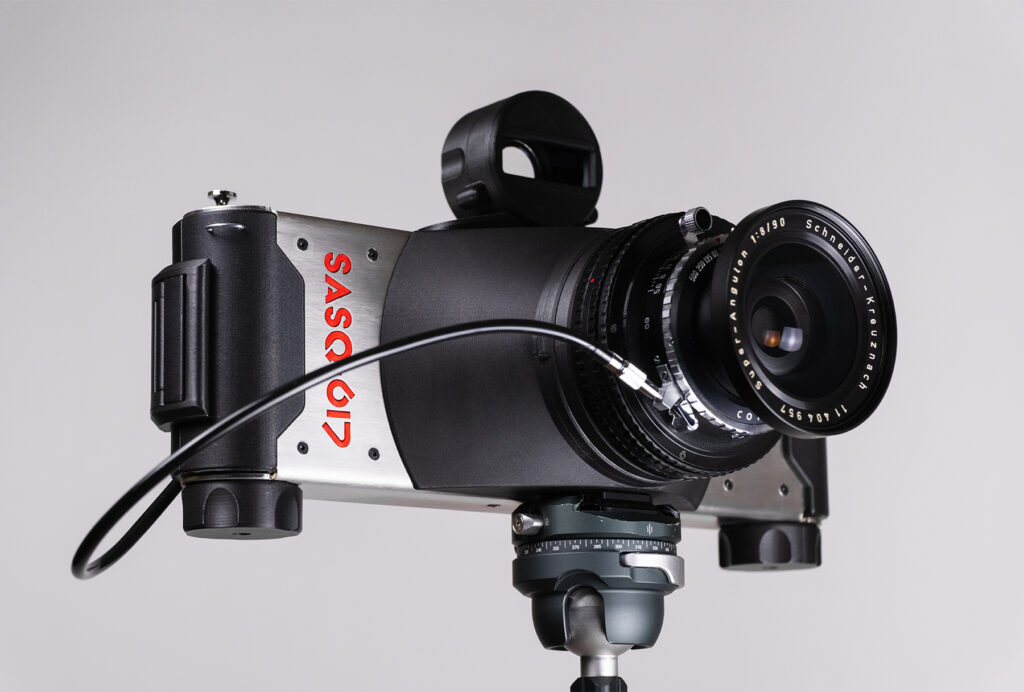
The Sasquatch 617 was designed and tested specifically around two lenses:
Schneider Kreuznach Super Angulon 90mm f/8
Nikon Nikkor SW 90mm f/8
We verified compatibility with Copal #0 and Synchro-Compur shutters so far. Rather than trying to support every possible option, we chose to fully optimize the camera for these lenses to ensure consistent results, reliable focusing, and proper coverage.
Shooting Experience
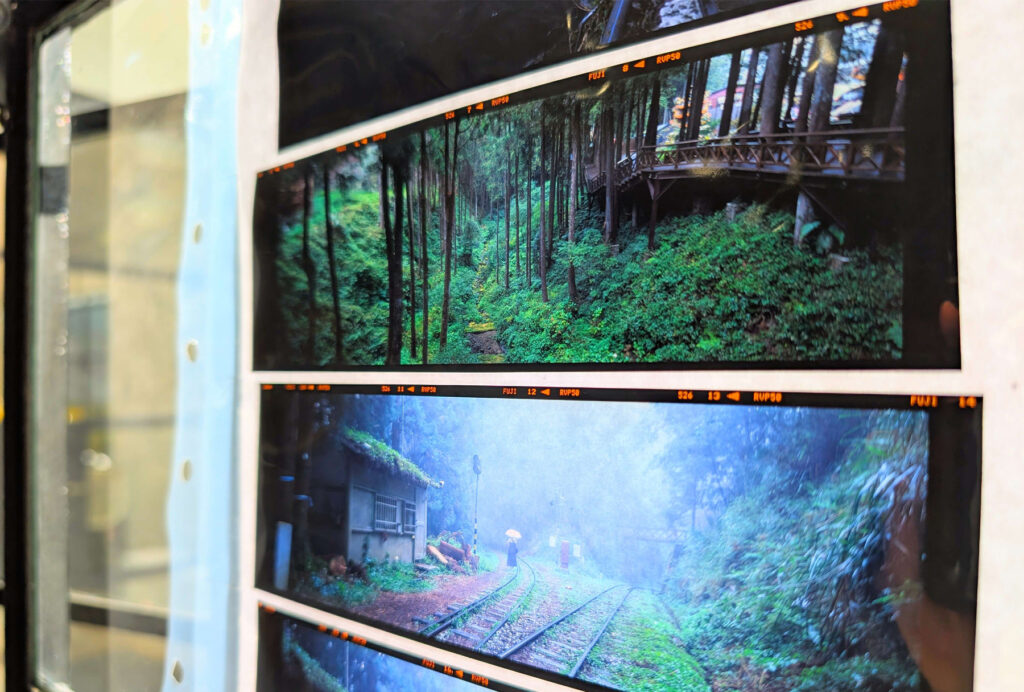
Using the Sasquatch 617 is intentionally simple. There’s no meter, no automation, and no shortcuts. You slow down, set your focus, think carefully about framing, and commit to the shot. When you finally see the negatives, the reward feels earned.
The panoramic frame changes how you approach scenes. Horizontal movement, negative space, and environmental context become just as important as the subject itself. It encourages you to look longer and wait more.
Sharing the Sasquatch
What started as a personal solution eventually felt worth sharing. After refining the design and spending a lot of time shooting with the camera, we successfully funded the Sasquatch 617 on Kickstarter last year. This year, the Sasquatch 617 made the transition into retail, allowing more film shooters to experience it.
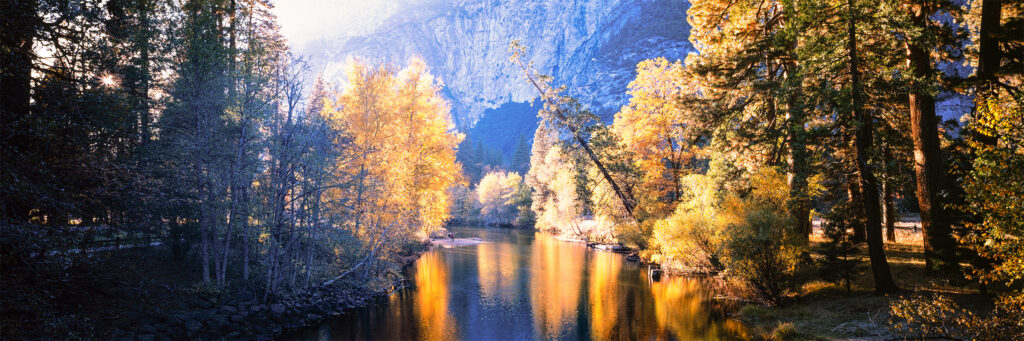
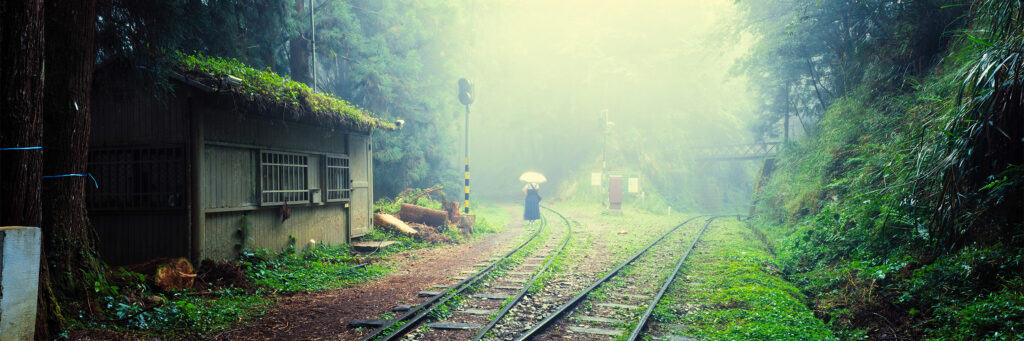
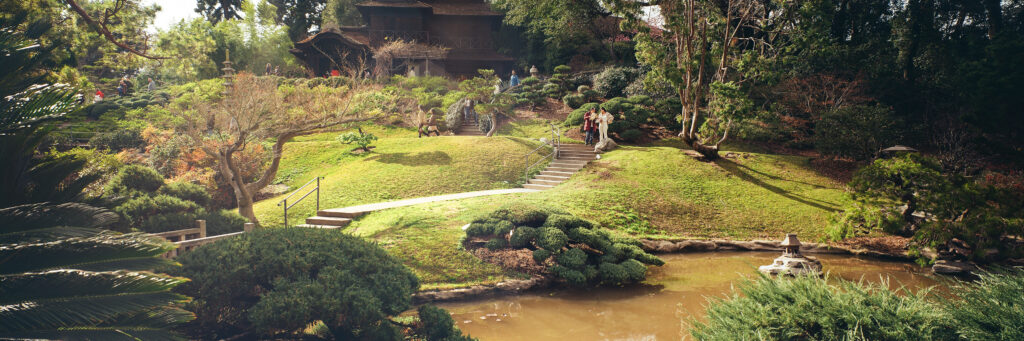
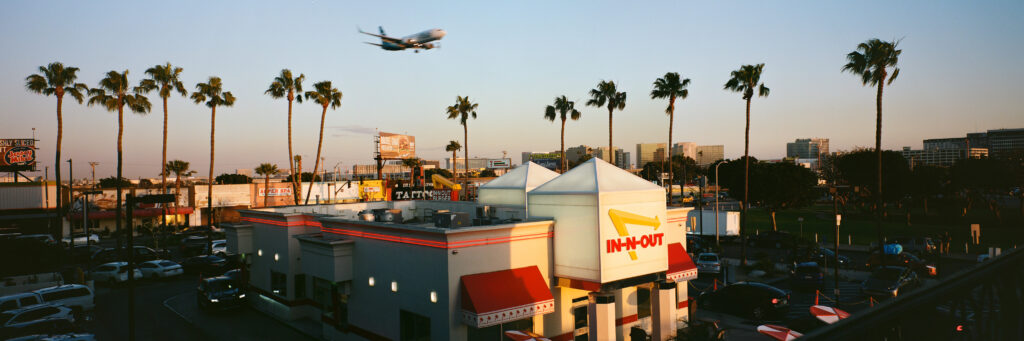
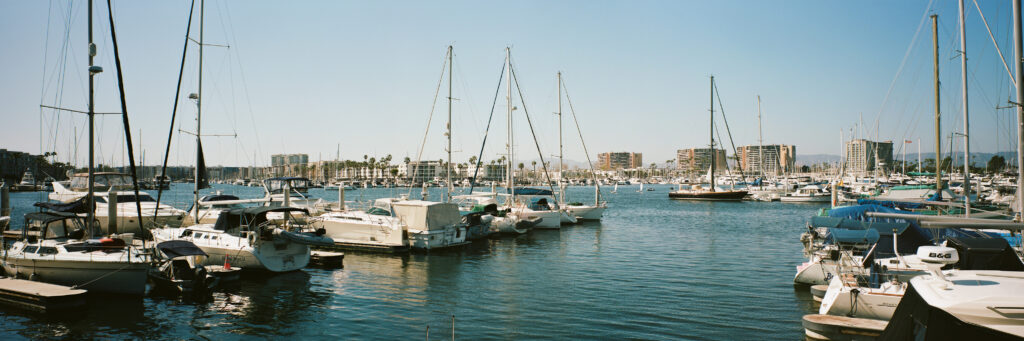
Photographing with a camera we designed ourselves brings a very different feeling to the process. The Sasquatch 617 wasn’t something we had to adapt to, it was built around how we wanted to shoot from the beginning. Because of that, using it carries a deeper sense of meaning for us.
In many ways, the experience of creating and shooting with this camera has been more valuable than simply owning a camera we once admired from afar.
Now that the Sasquatch 617 is being used by photographers around the world, the project continues to grow. Seeing how others approach the format and sharing the camera with the community has become one of the most rewarding parts of the journey.
Share this post:

Comments
Ibraar Hussain on Sasquatch 617 – Why We Built Our Own 6×17 Panoramic Film Camera
Comment posted: 29/03/2026
Nice to see panoramic trend continuing here!