

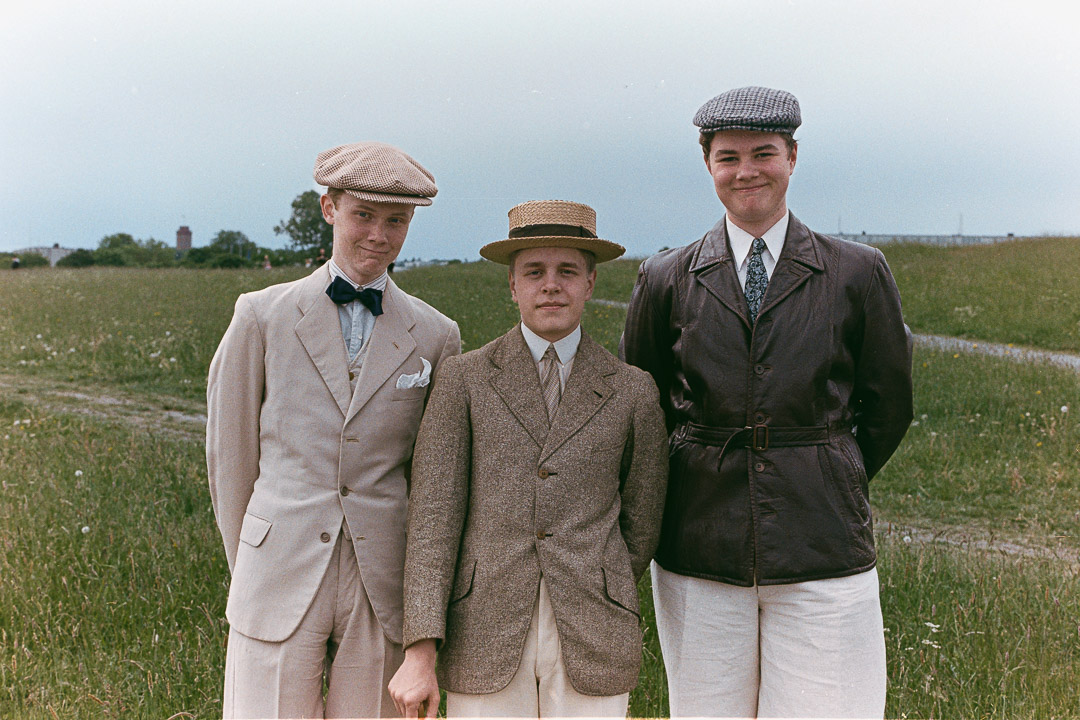
In my previous articles, I explored two of the most classic and iconic black-and-white films: Kodak Tri-X and Ilford HP5 Plus. Now I turn my attention to a classic colour negative stock — Kodak ColorPlus 200.
This film is said to be based on an older emulsion technology, one tracing back to the 1970s and 1980s (Kodacolor II / Kodacolor VR). That makes it older than Kodak Gold, which many already consider to have a vintage look. So this one should offer an even more vintage feel. Let’s have a look at the images.
This is a “whole roll” article, which means you can view all the images from a 24-exposure roll. I ended up with 25 frames from the 24-exposure roll, and I’ve included all of them (the whole roll) in this article.
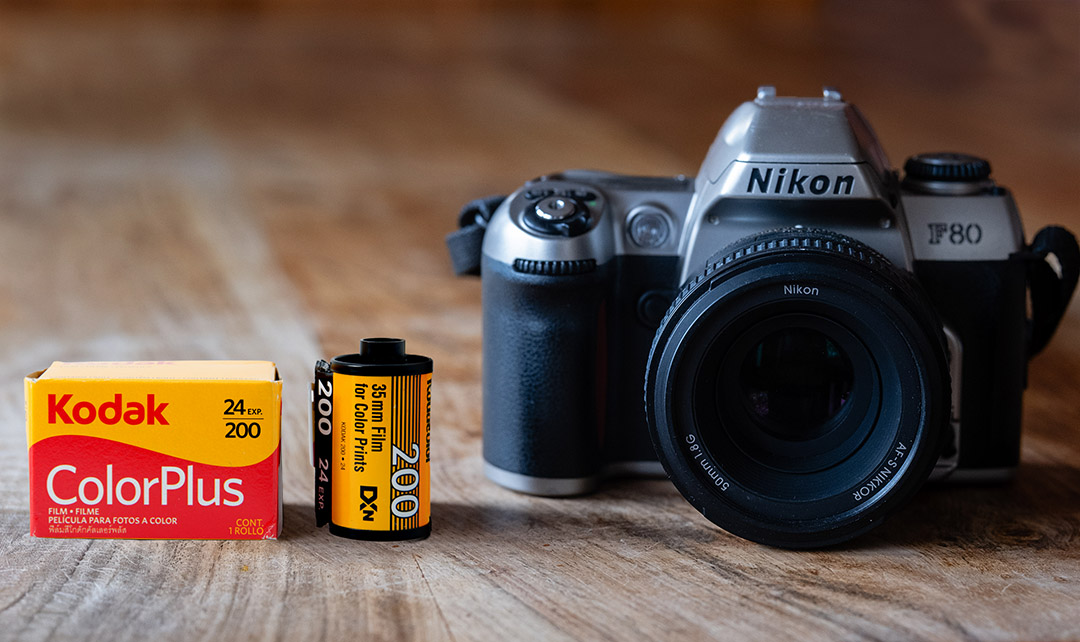
The photos in this article all come from a single roll of Kodak ColorPlus 200 (135-24). For converting the negatives, I used Negative Lab Pro in Adobe Lightroom.
First, a comparison of colours between this film and a modern digital camera.
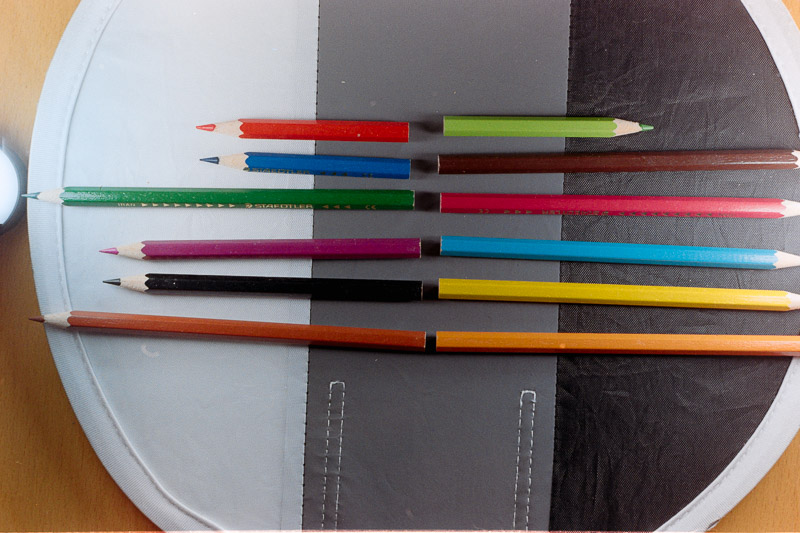
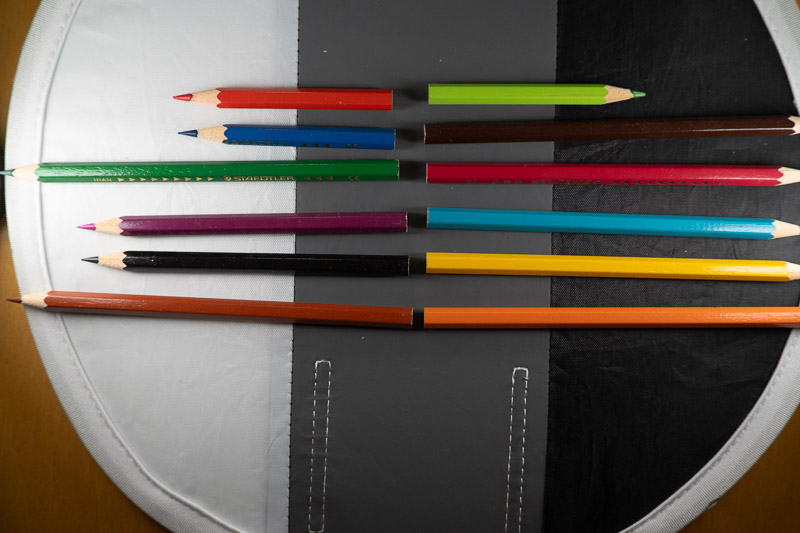
Compared to digital, the most obvious differences are lower contrast, slightly muted colours, more apparent grain, and a possible greenish or yellowish colour cast, although this last point can depend on how the colours are tweaked.
Now let’s get to the rest of the roll and the event I shot on this film stock. For this installment, I chose a theme that matches the film’s vintage character — a classic car event. In fact, it’s the same event I photographed on Kodak Tri-X for my black-and-white images.
The Classic Car Race/Show
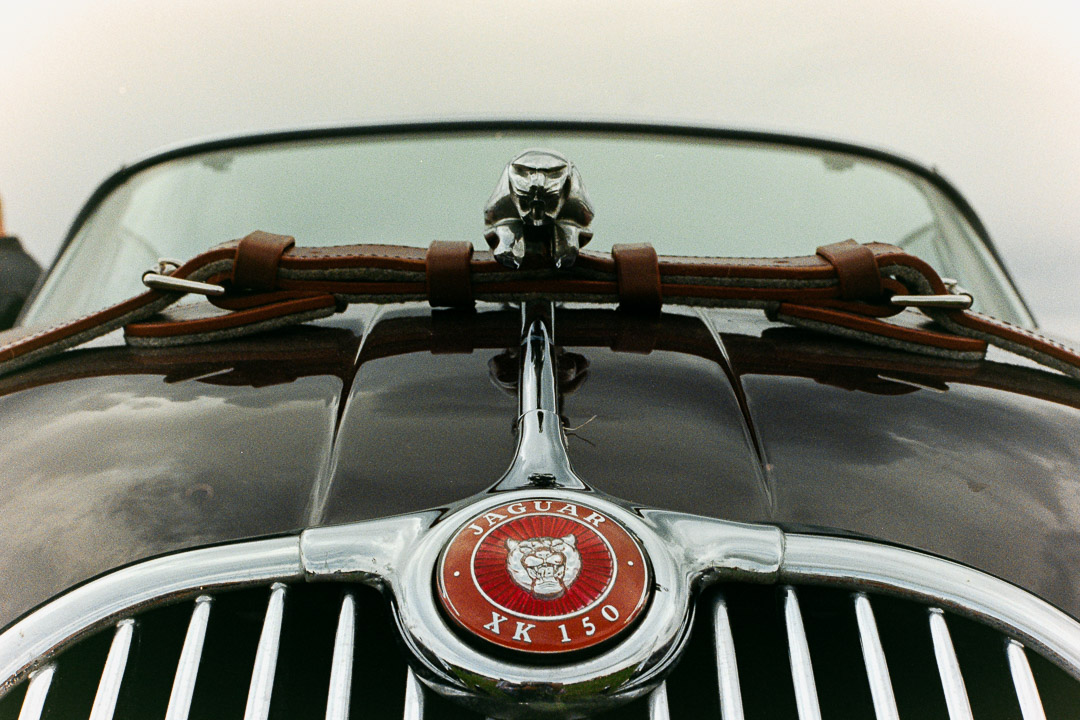
The event is a mix of a classic car race, an exhibition of beautifully maintained old-timers proudly presented by their owners, a family-friendly happening with activities for children, and a laid-back picnic venue with food trucks — and plenty more going on besides.
First, I snapped a couple of frames of the race itself, or actually of a couple of the cars in the race.
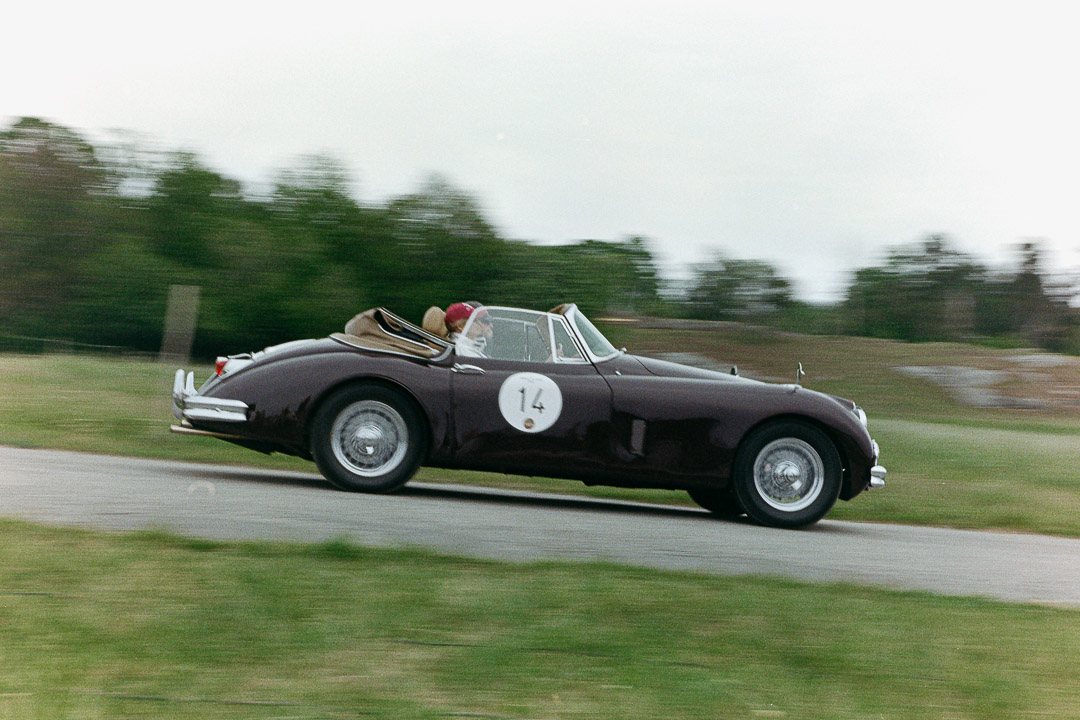
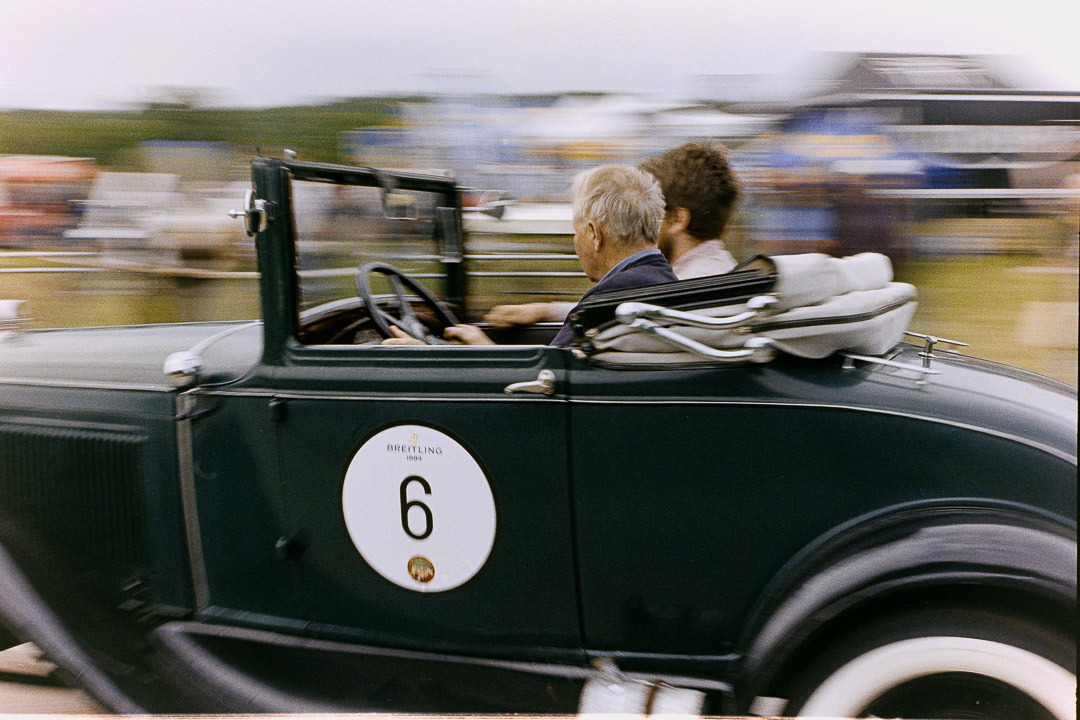
With digital photography, you can see in an instant if the image matches what you envisioned, simply by glancing at the display on the back of the camera. With film, there’s no such certainty — you press the shutter and trust your instincts, hoping the light and timing are kind. Photographing fast-moving vehicles at close range is a delicate dance with chance, each frame a negotiation of shutter speed, aperture, and the sweep of panning, all trying to capture the blur and depth-of-field the mind imagines. Later, it became clear that some of the shots had worked, though in the moment, uncertainty lingered, thick as the morning fog. To steady the hands and the mind, attention shifted to a few stationary cars — quiet shapes in the soft morning light, beneath a cloudy sky that seemed to hold its breath, waiting for clarity.
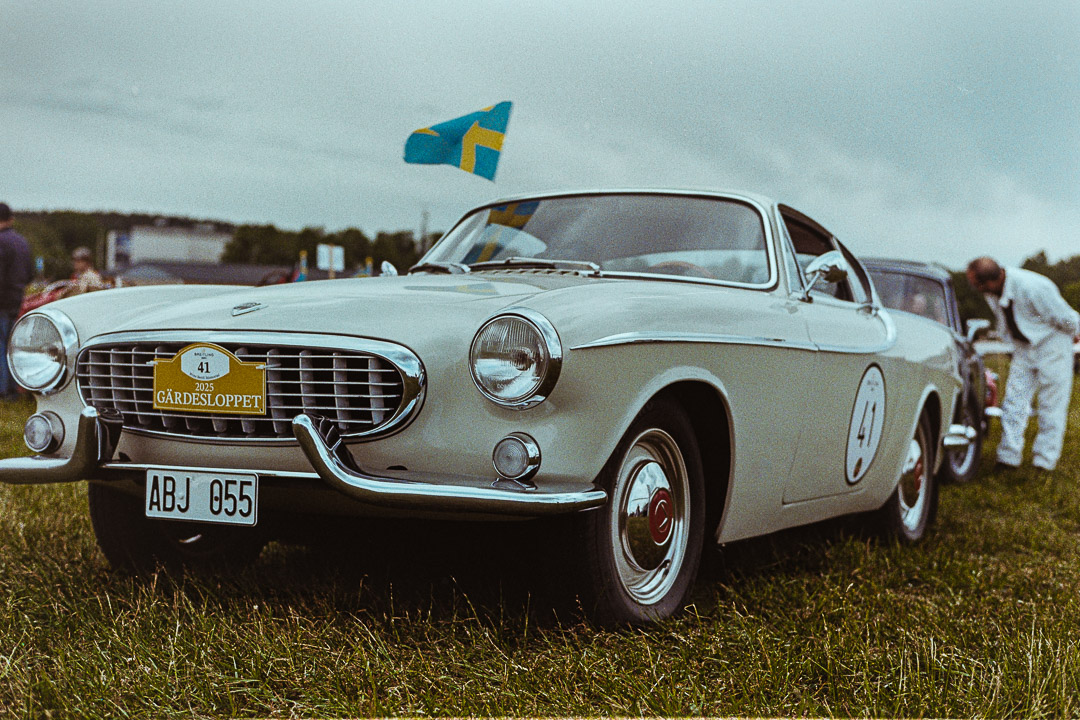
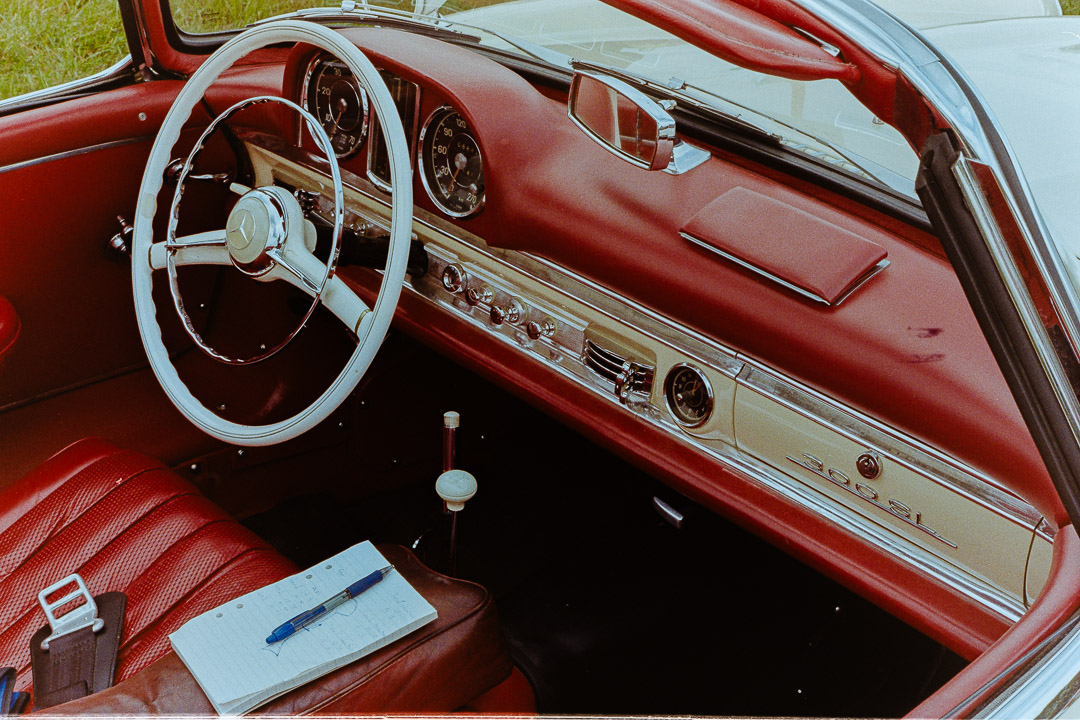
Concurs de Charme
The event also featured a competition, which, to me, was more interesting than the race: the Concours de Charme. In this competition, the overall charm and style of the entire presentation are judged based on three main criteria:
- The Car’s Character: This includes its restoration quality, unique charm, and story.
- Period Attire and Harmony: The driver and passengers must dress in clothing that is period-correct for the year of the car, creating a sense of harmony between the vehicle and its occupants.
- Theatrical Presentation: The crew is encouraged to bring time-appropriate accessories to enhance the overall impression.
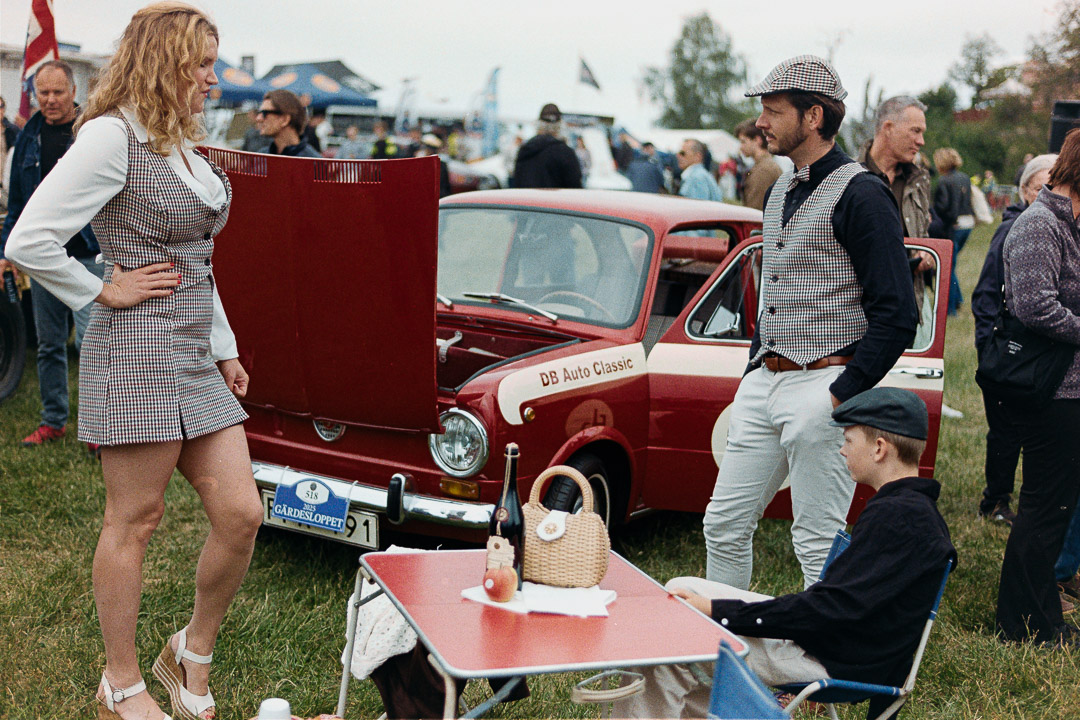
There were several contenders in this category, each interesting in its own way. Here is a small selection that I managed to photograph.
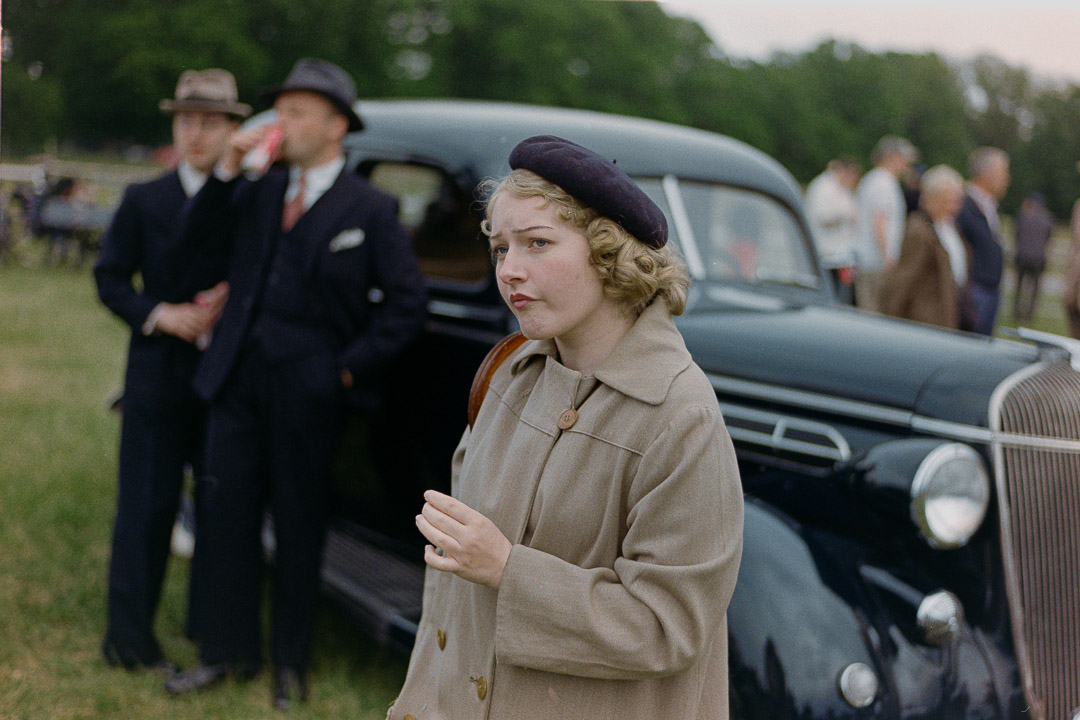
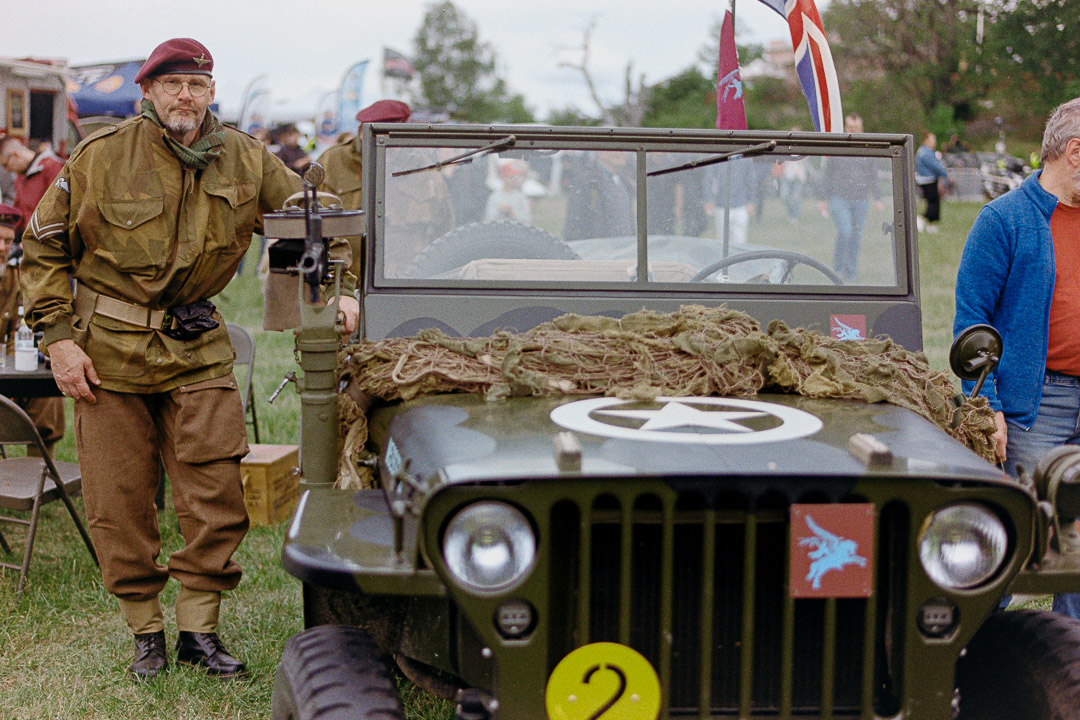
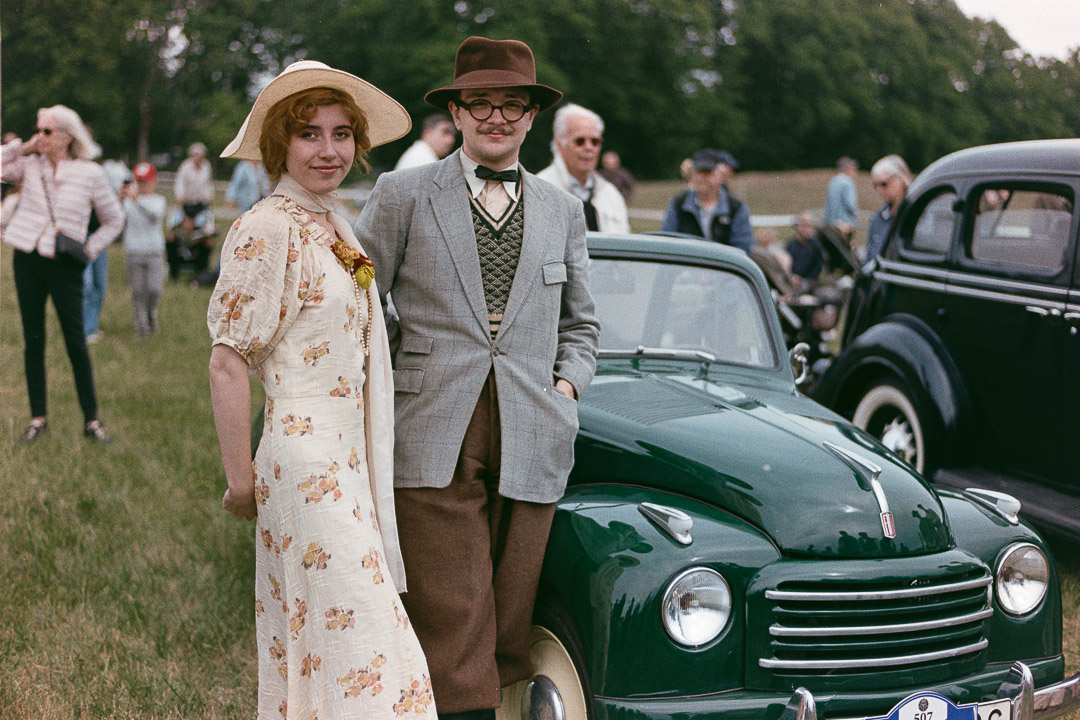
But the one I loved most of all was a much more recent car. This guy’s family owned a BMW in the early ’70s, when he was a child, and they used it to travel all across Europe. The car was sold before he moved out of his parents’ house in his early teens. Decades later, in his fifties, he found a similar car on the used market—it even had almost the same colour. He called his mother to ask if she remembered the old registration number. Unfortunately, she didn’t, but as people did back then, she had kept some old papers. And guess what? To his astonishment, he discovered it was the exact same car. He bought it, restored it inside and out, repainted it to match its original look, and now brings his whole family to events like this—complete with period-correct clothes and accessories—recreating his cherished childhood memories.
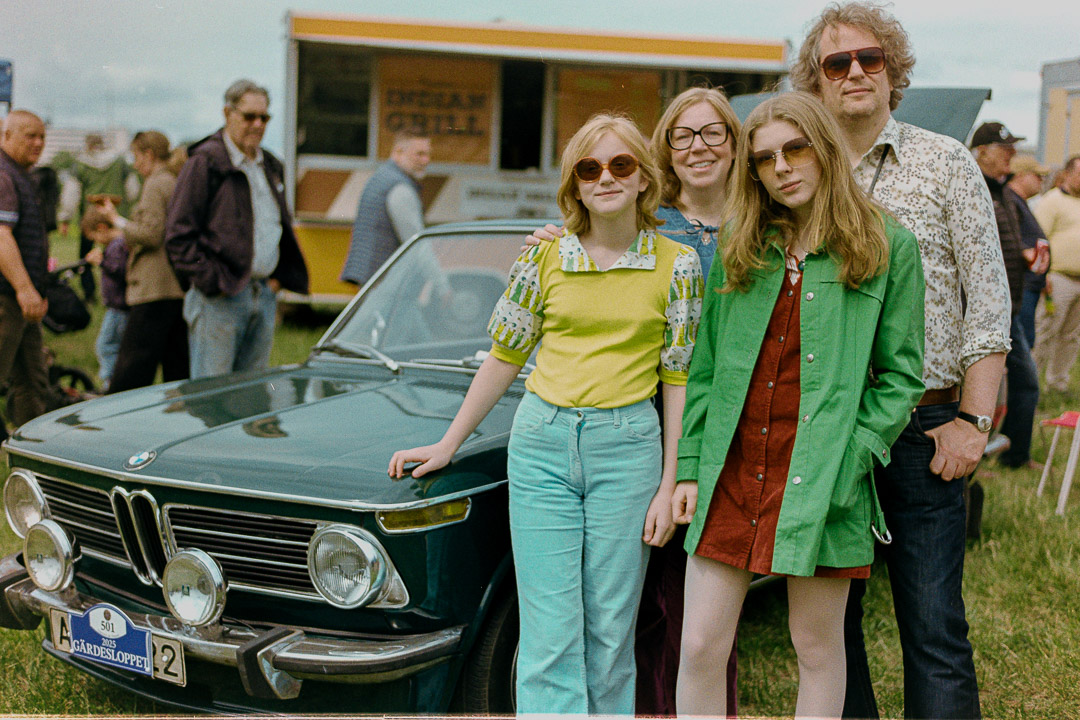
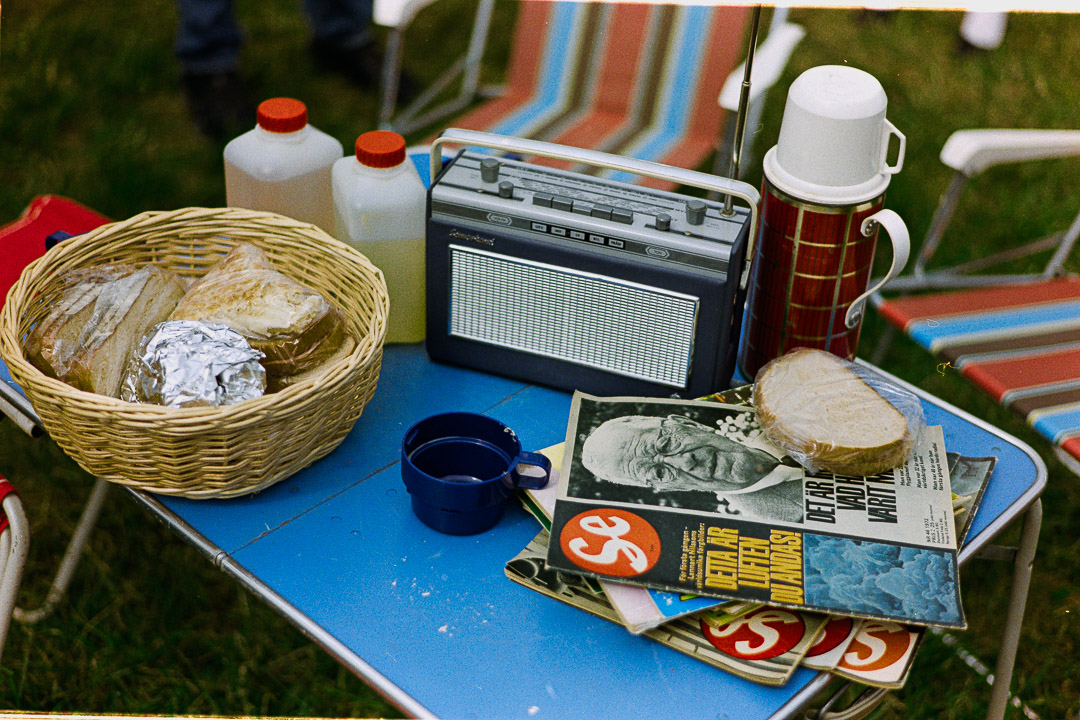
Apparently, I wasn’t the only one who liked the BMW, its team, and its story—at least according to the jury. The man with his family and their BMW took first place, the WWII Jeep and its crew came in second, and the American car with its team finished third.
Conclusion
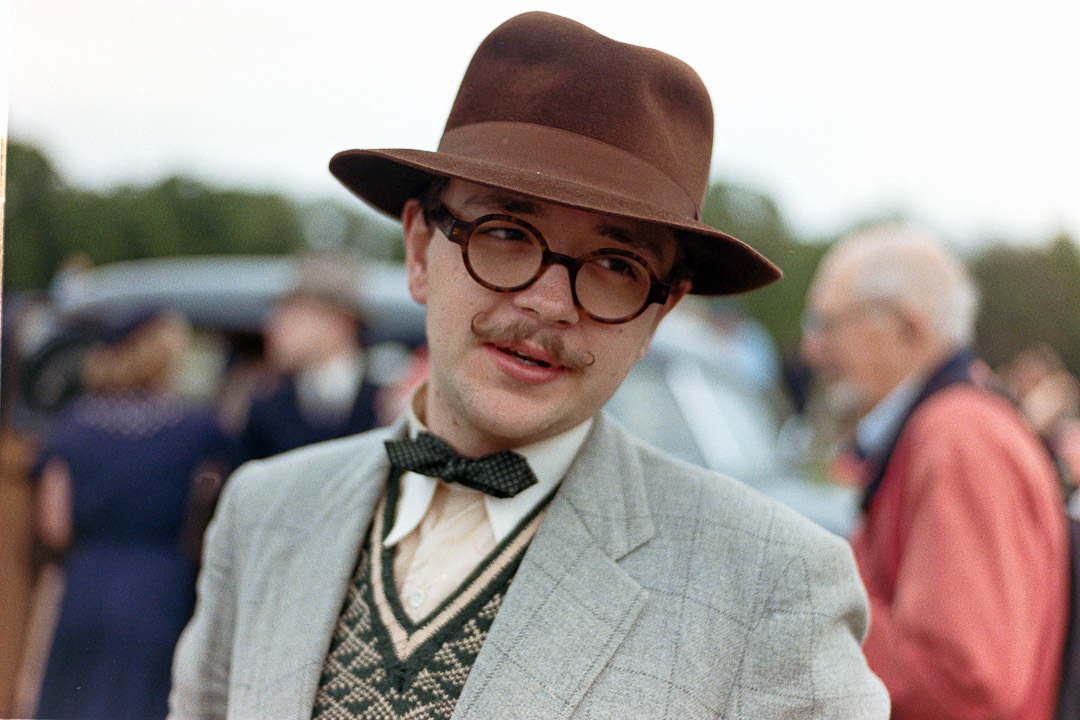
Without the sun, the colors didn’t ‘pop’—instead, they turned into this soft, nostalgic haze that looks like a lost family archive. Kodak ColorPlus 200 has a distinctly vintage character, with tones leaning toward the warmer side, but not as much as Kodak Gold. You can shift the colours toward a more neutral balance, but doing so often pushes the whites toward a bluish cast. It’s the most budget-friendly color film left on the market. It’s gritty, it’s yellow-toned, and it’s perfect for when you want soul over perfection. Personally, for a vintage look, I prefer a warmer, slightly yellow image with clean whites and a soft, classic feel, rather than a neutral rendering with cool, unnatural blue-tinted whites. But shooting this old technology on a grey day takes a specific approach to exposure. If you’re after a classic 1970s look—with matching grain, contrast, and colour palette—this film is made for you. Otherwise, you’re probably better off exploring other film stocks.
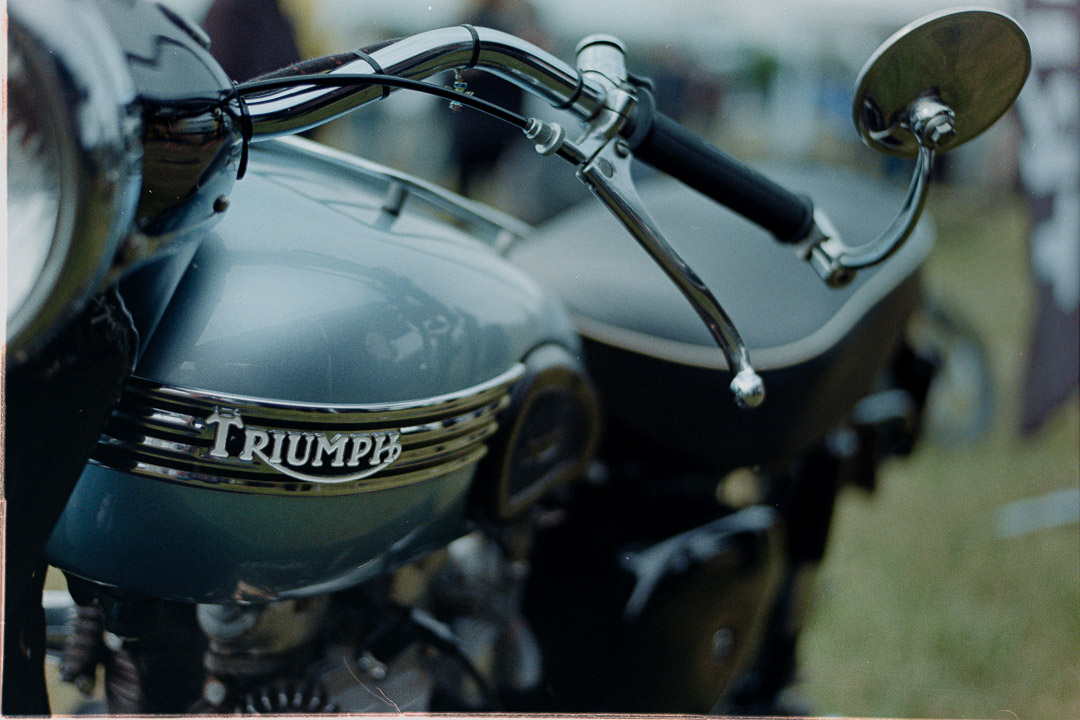
I’ve included all the frames from that roll, along with the equipment I used to capture and digitize them, in a separate article here
You can see this review as a YouTube video here, the full blog article here.
Share this post:


Comments
Steve Kotajarvi on Kodak ColorPlus 200 at a Nostalgic Car Show
Comment posted: 18/03/2026
Michael Flory on Kodak ColorPlus 200 at a Nostalgic Car Show
Comment posted: 18/03/2026
Comment posted: 18/03/2026
Walter Reumkens on Kodak ColorPlus 200 at a Nostalgic Car Show
Comment posted: 18/03/2026
As I read in the newsletter of a film lab that’s very well known in Germany, Kodak is now offering Kodacolor 100 and 200 in the US and Canada. According to the DX code, the 200 is actually the Kodak Color Plus 200. The roll has 36 exposures. This lab is already selling it, but there is no direct sales channel in Europe yet.
Thanks for sharing, Martin.
Comment posted: 18/03/2026
Comment posted: 18/03/2026
Gary Smith on Kodak ColorPlus 200 at a Nostalgic Car Show
Comment posted: 18/03/2026
Nice series of shots from the car show. While I'm not an automobile kinda guy, I have wandered through a local car show from time to time.
Russ Rosener on Kodak ColorPlus 200 at a Nostalgic Car Show
Comment posted: 19/03/2026
Overcast light definitely changes the character of this film to more of a Cyan misty atmosphere. I plan to try my rolls in bright sunshine but with a 1930s uncoated Zeiss Sonnar. Maybe I will even write an article here. Thanks for the wonderful snaps. You're panning technique following the autos in motion is quite good!
Comment posted: 19/03/2026
Bob on Kodak ColorPlus 200 at a Nostalgic Car Show
Comment posted: 23/03/2026