

My Instagram
This is the follow up to Part 1 – 33 Years Exploring Pakistan.
There aren’t many flights around the world where the Pilot decides to bank the aircraft around to turn and show the passengers some of the spectacular sights in the mountainous snow white landscape; “..for passengers on the right side of the aircraft, we are now flying by Nanga Parbat, the 8th highest mountain in the world, at 26,600 feet high… (after banking and turning the aircraft again) .. ladies and gentlemen here we have Tirich Mir, the highest mountain in the Hindu Kush, Tirich Mir means Lord of Shadows, named after the the shadows cast by its sheer flanks and because of legends which tell of his power over spirits and demons…don’t worry, I will turn the aircraft again to show you… look over towards the horizon, see the pyramid shaped mountain? That is K2, Mount Godwin Austin, the second highest in the world, and to his right you can see Broad Peak and further those peaks are the Gasherbrums – some of the most remote in the Karakoram..and below us the Indus”. Only an hour, but a proper Air Tour if there ever was one.
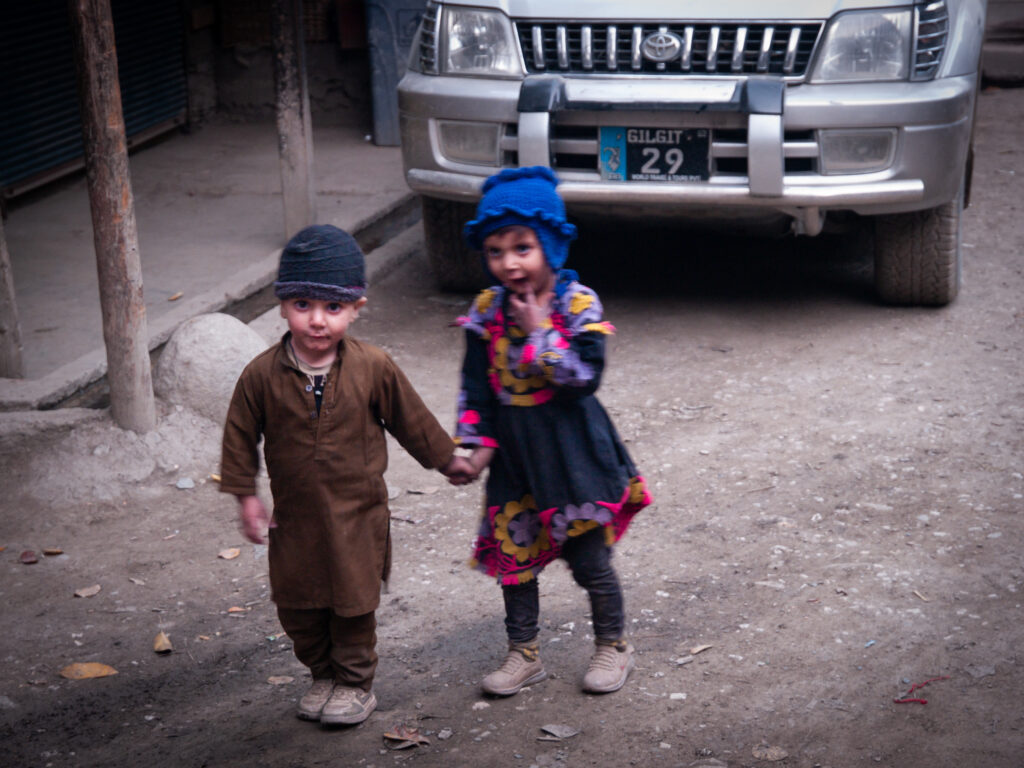
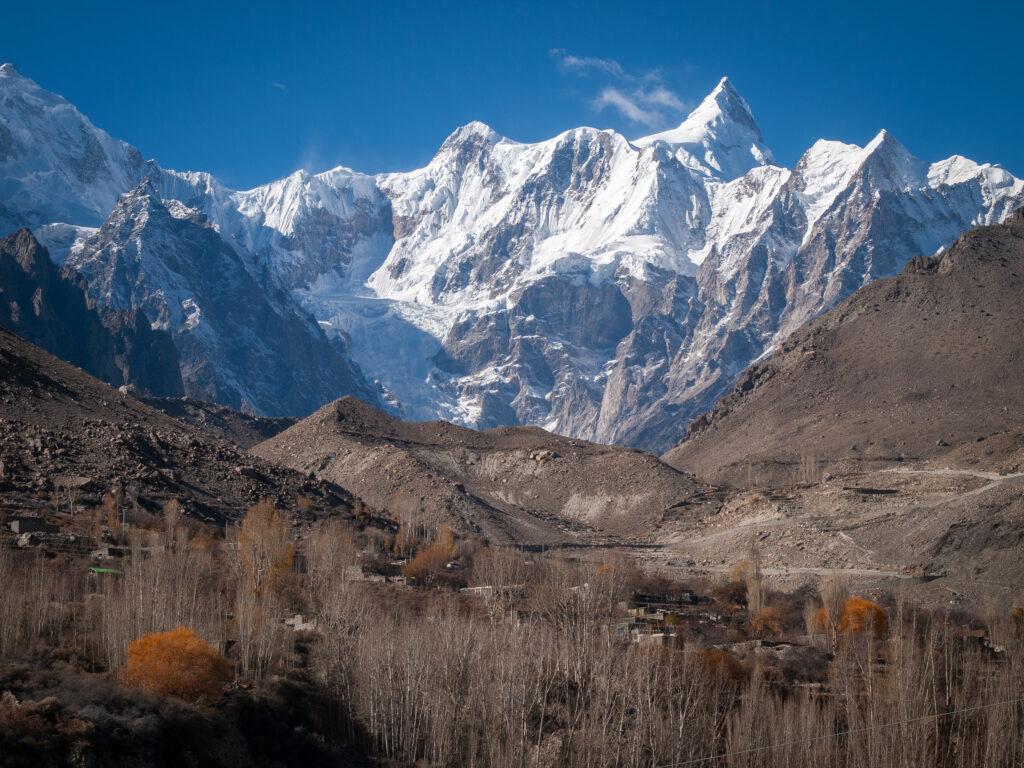
Then from Skardu to Gilgit. Gilgit is a dusty town, quite busy and bustling with the noise and pollution you often get in Sub Continental towns and cities, the difference being that it’s surrounded by sheer cliffs and mountains, some of which are so close that they overwhelm. Both Rakaposhi and Nanga Parbat are always visible, like giant sentinels they frown upon the ant like humans as they get on with their lives.
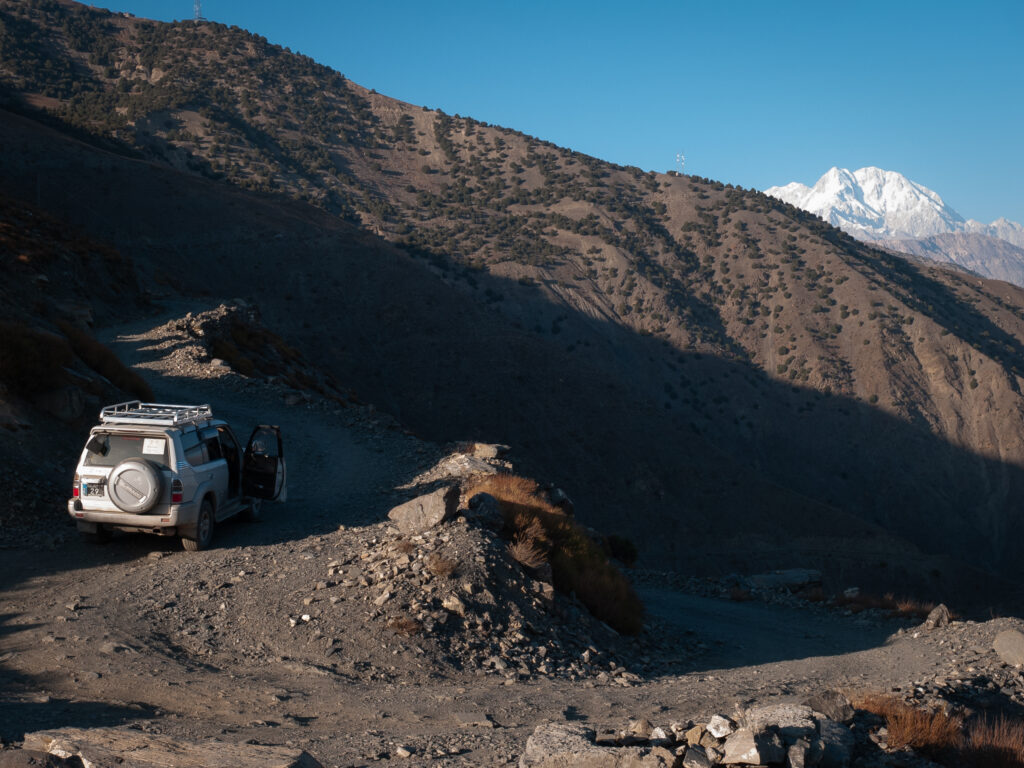
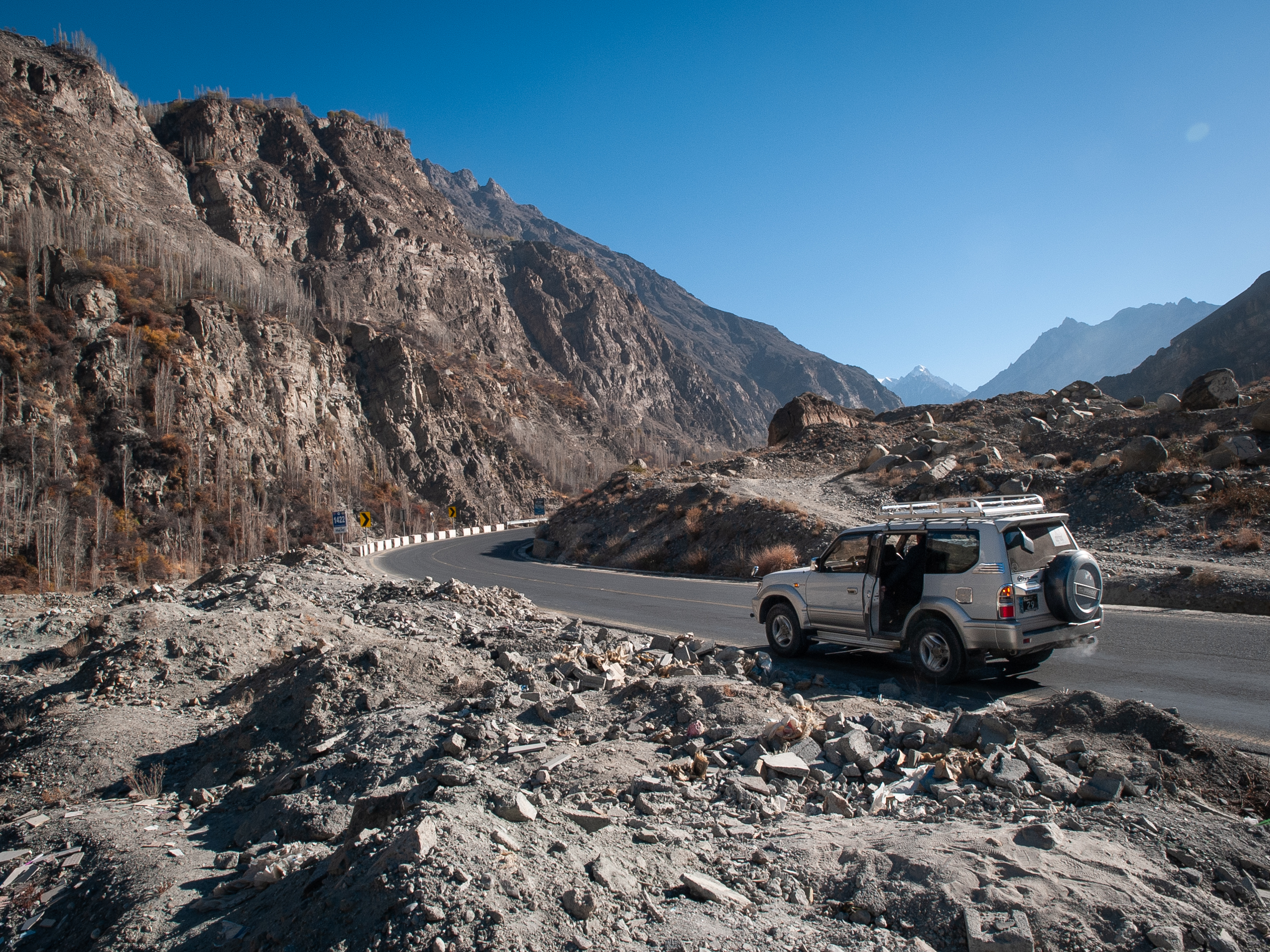
I don’t know whether it was a mistake or not, but I convinced Welshman Steve (my friend who accompanied me) to go on a 9 days overland trip by 4×4; rather than stay in one place. In hindsight, we should’ve stayed locally and went on a few Winter treks around the surrounding Hunza, Nagar and Hopper Valleys. It was cold as a Witches tit, temperatures went down to around minus 10 celsius, and the dust, fumes and cold entered the lungs in a vicious way. Lets just say I was coughing like a chain smoker on crack, and at the end of it had a face like a bulldog chewing a wasp and an arse as sore as if it’d spent a while being pounded by Mike Tyson (with his fists that is).
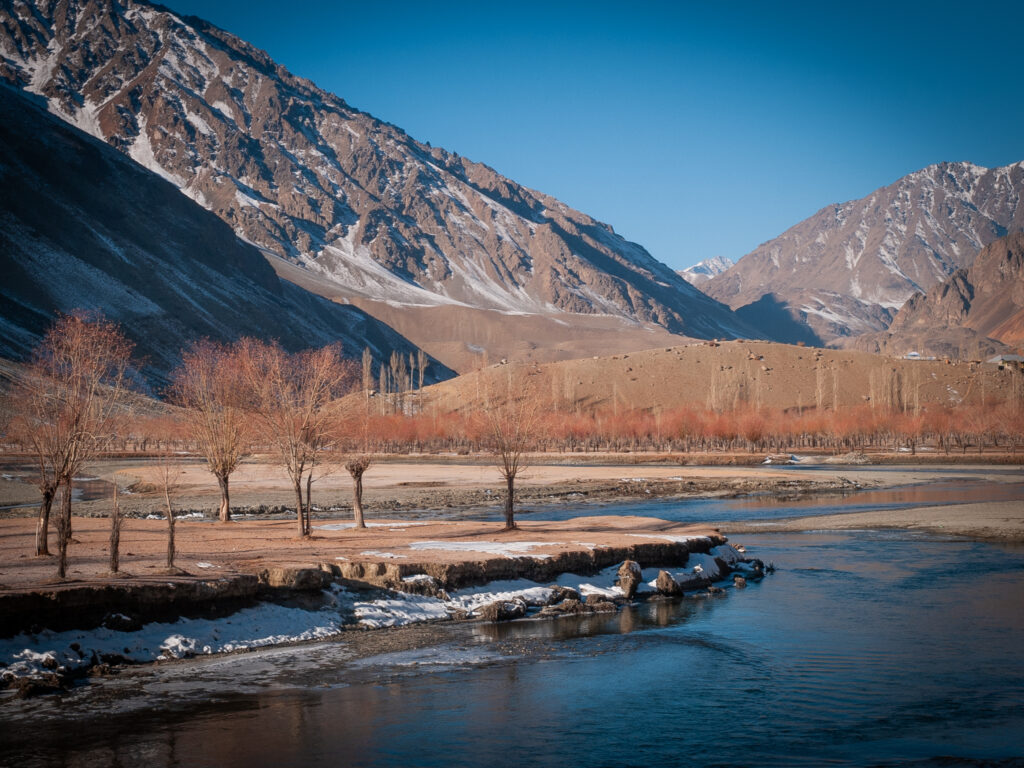
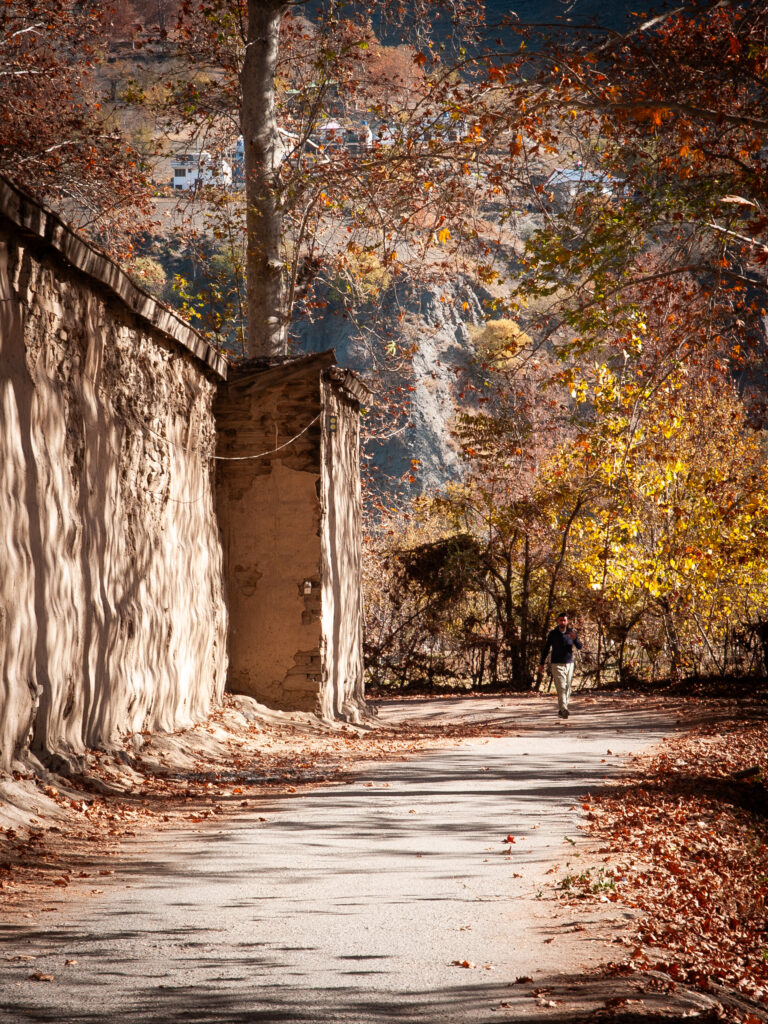
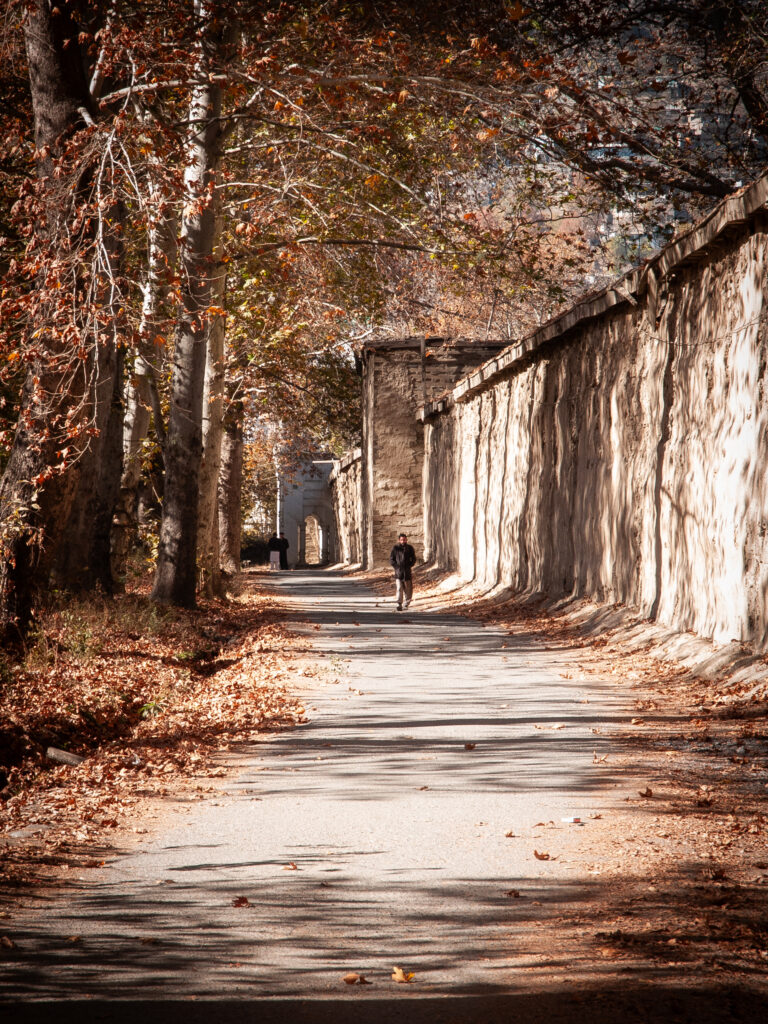
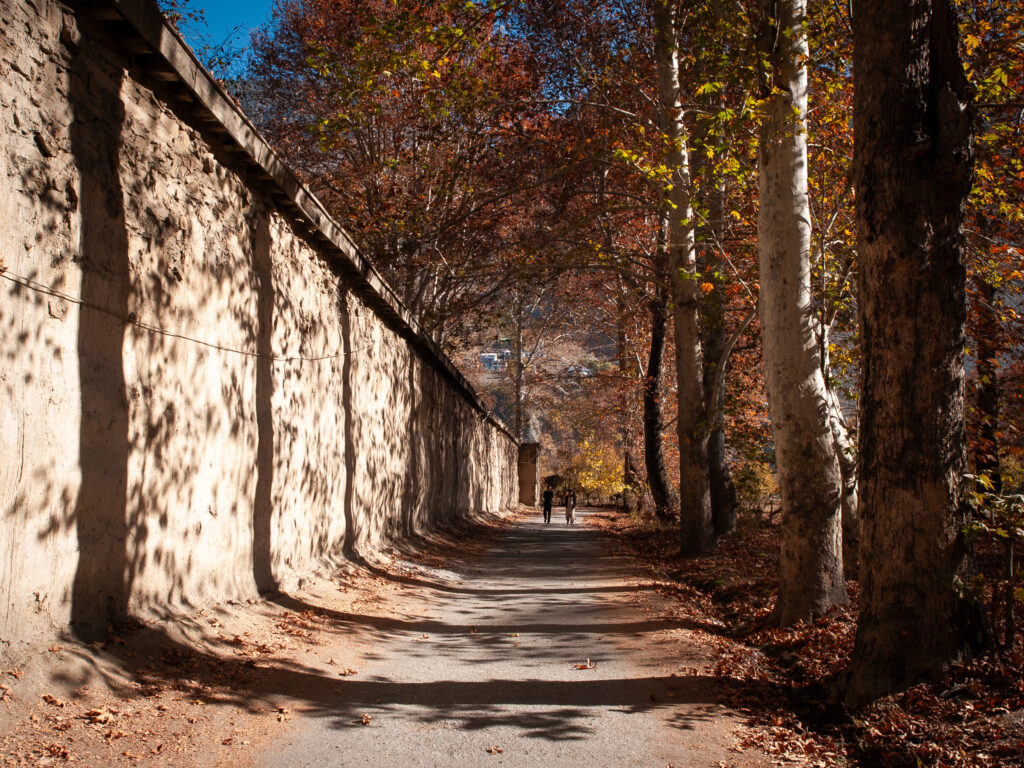
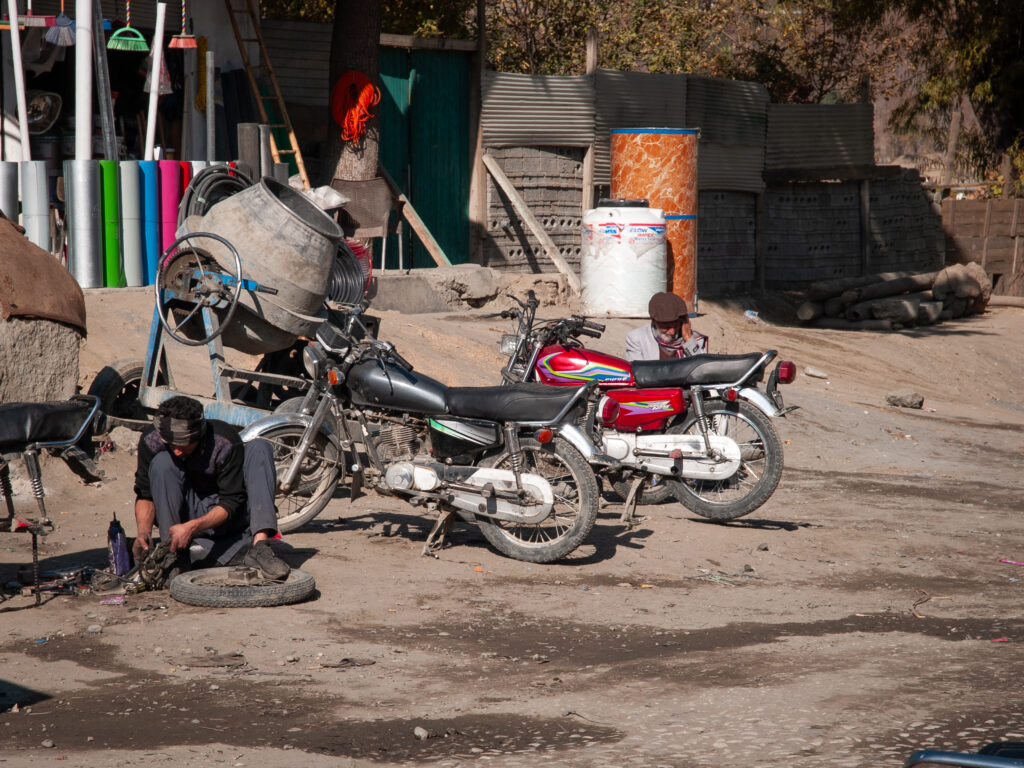
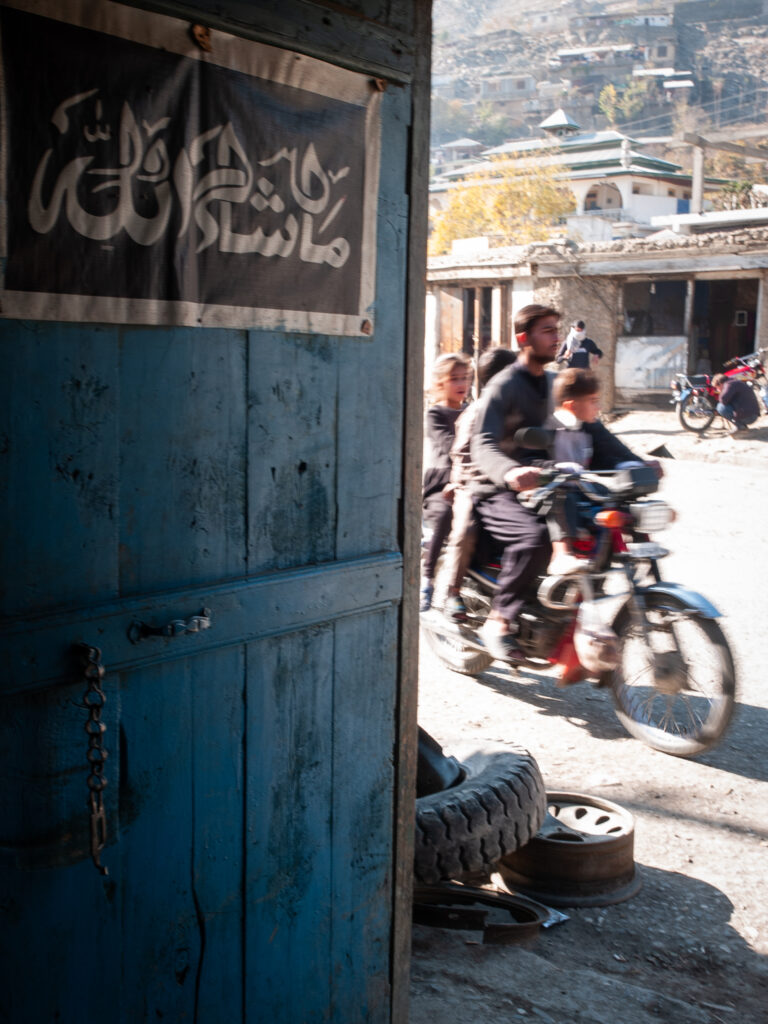
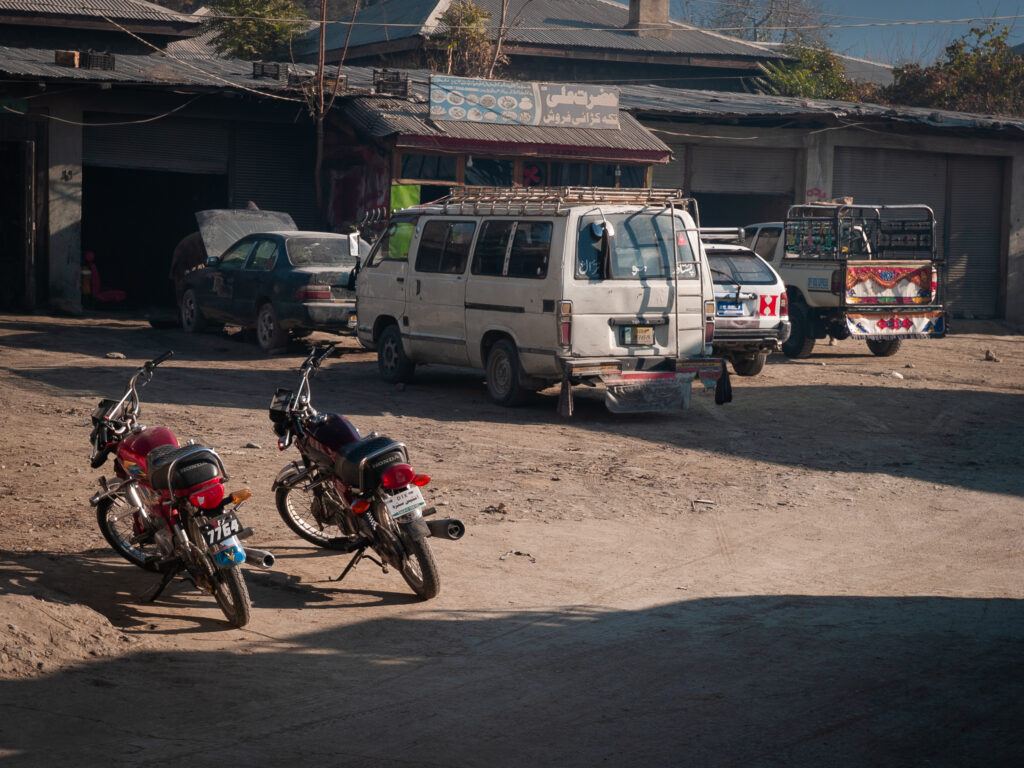
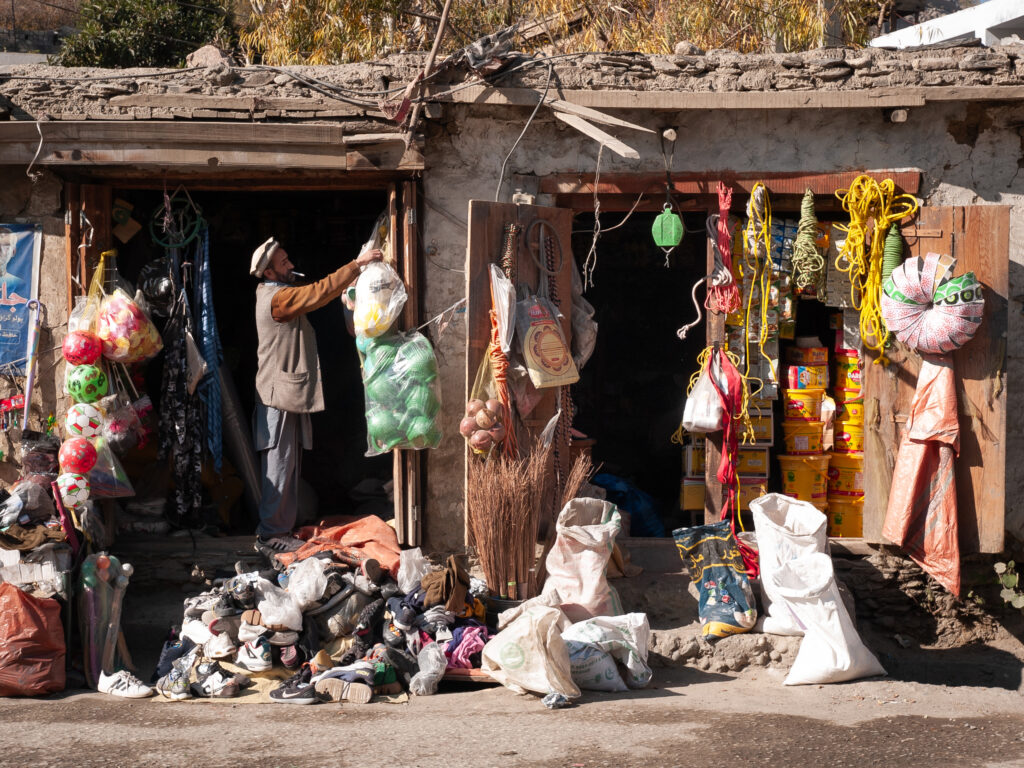
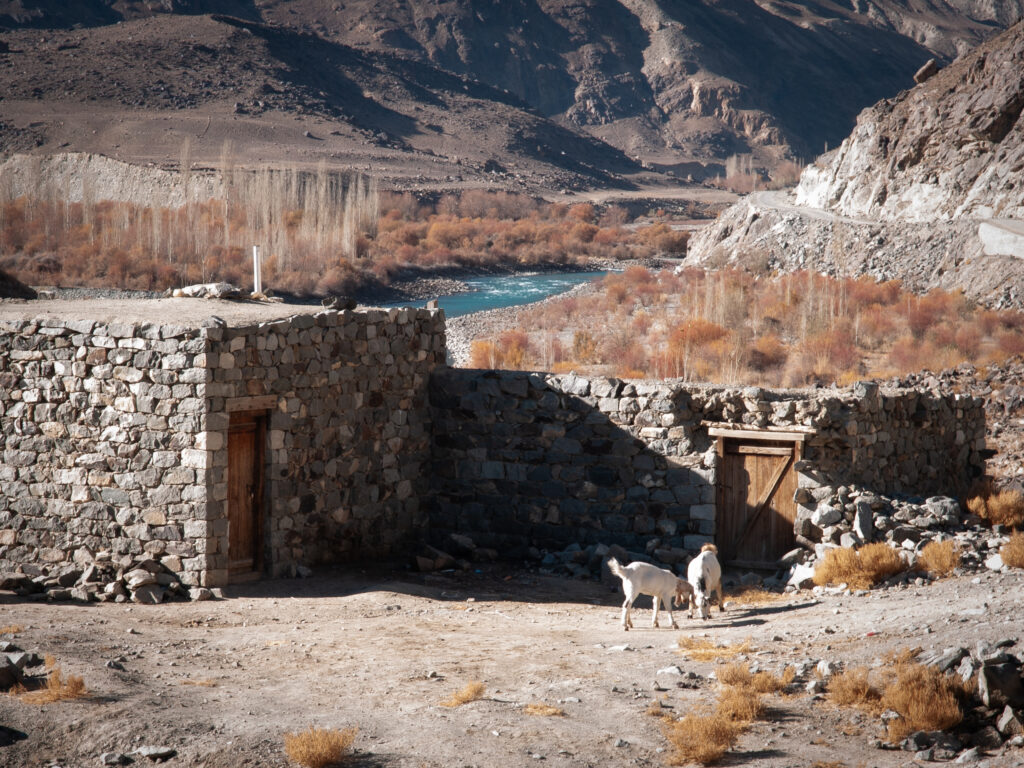
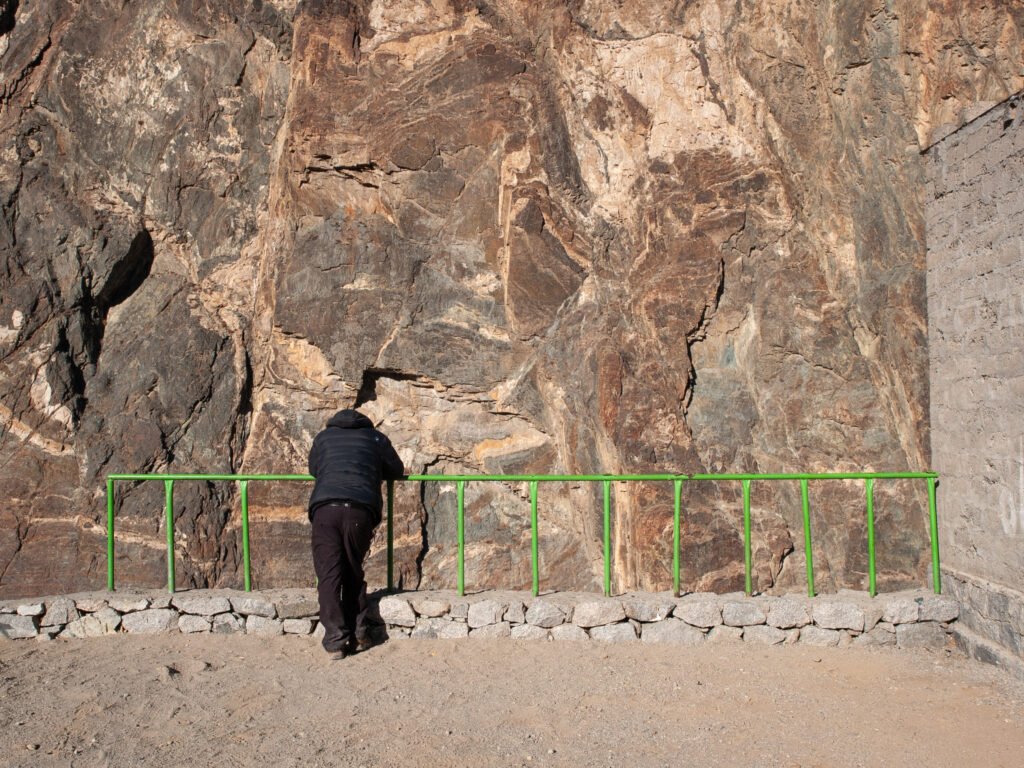
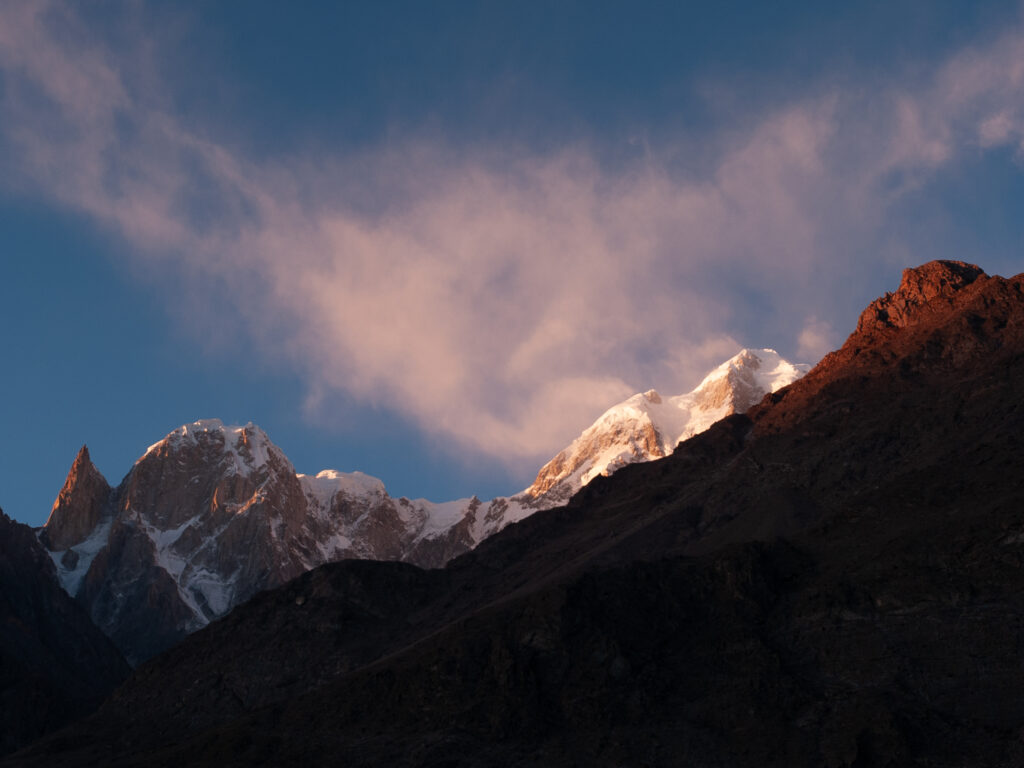
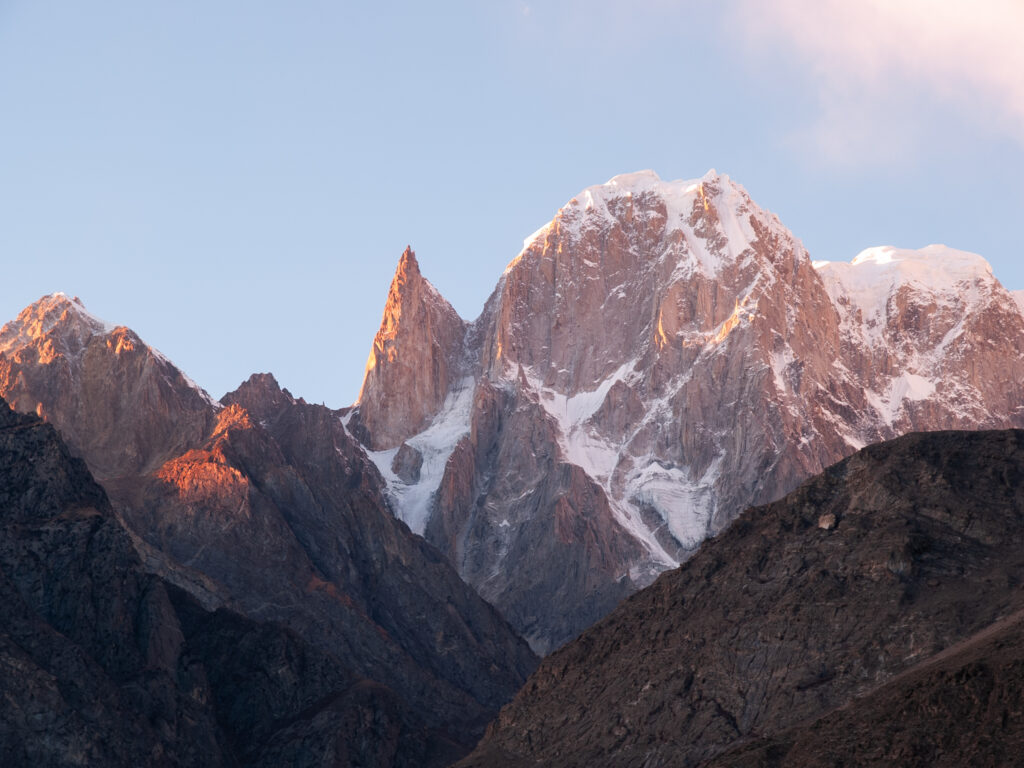
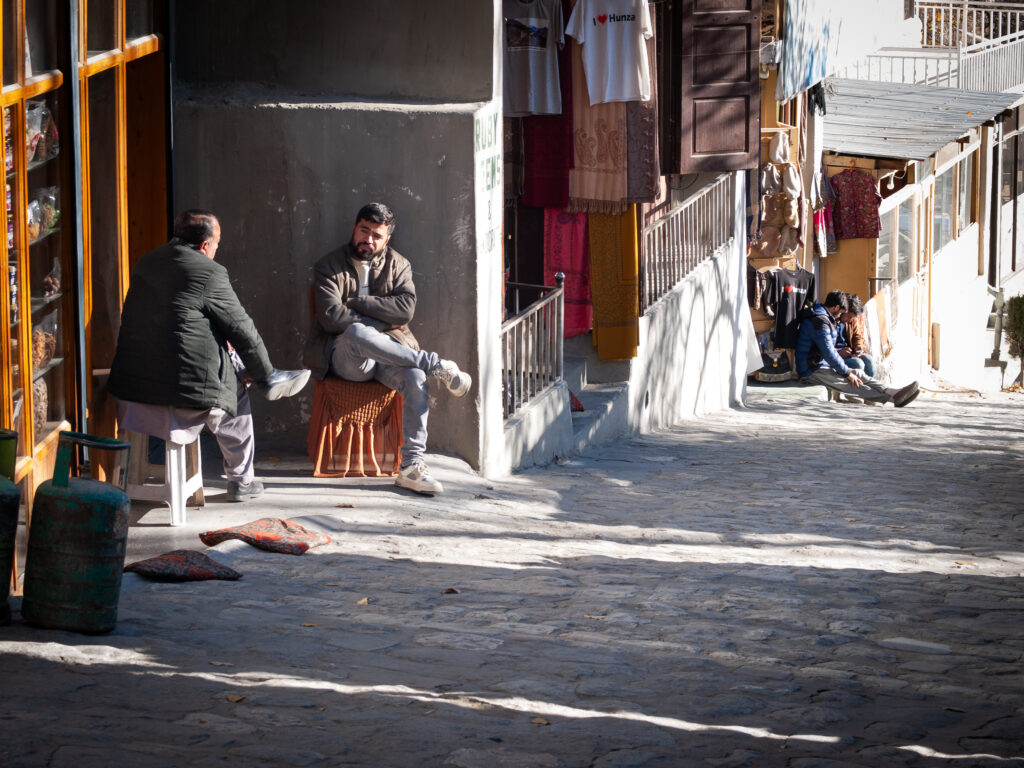
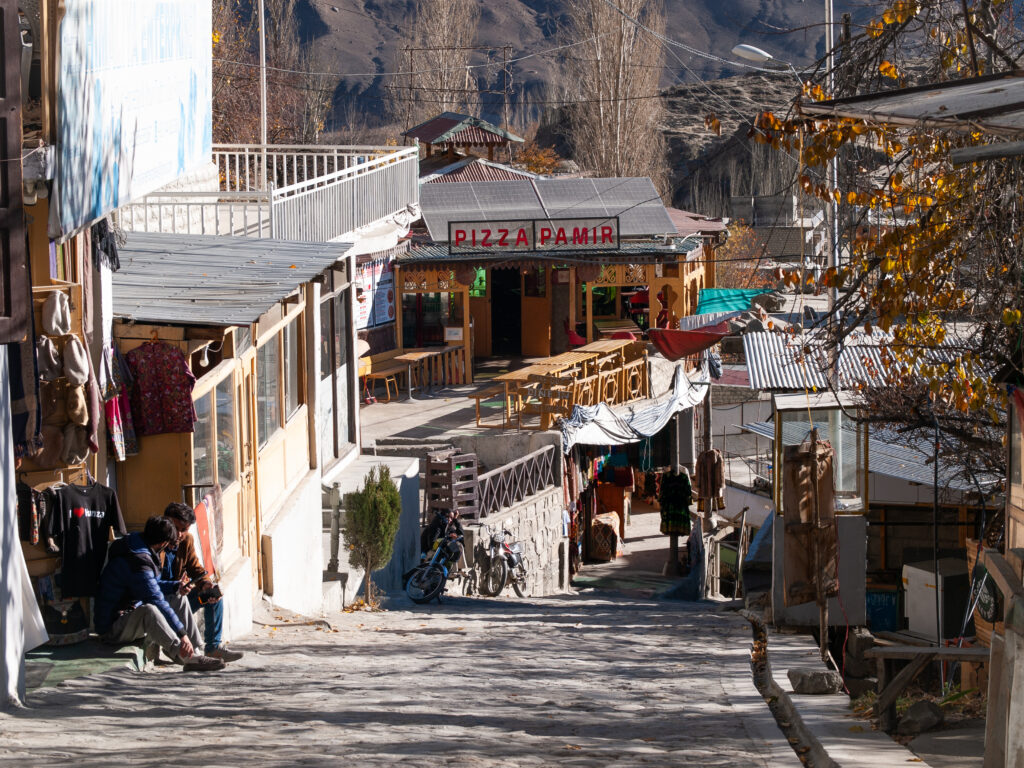
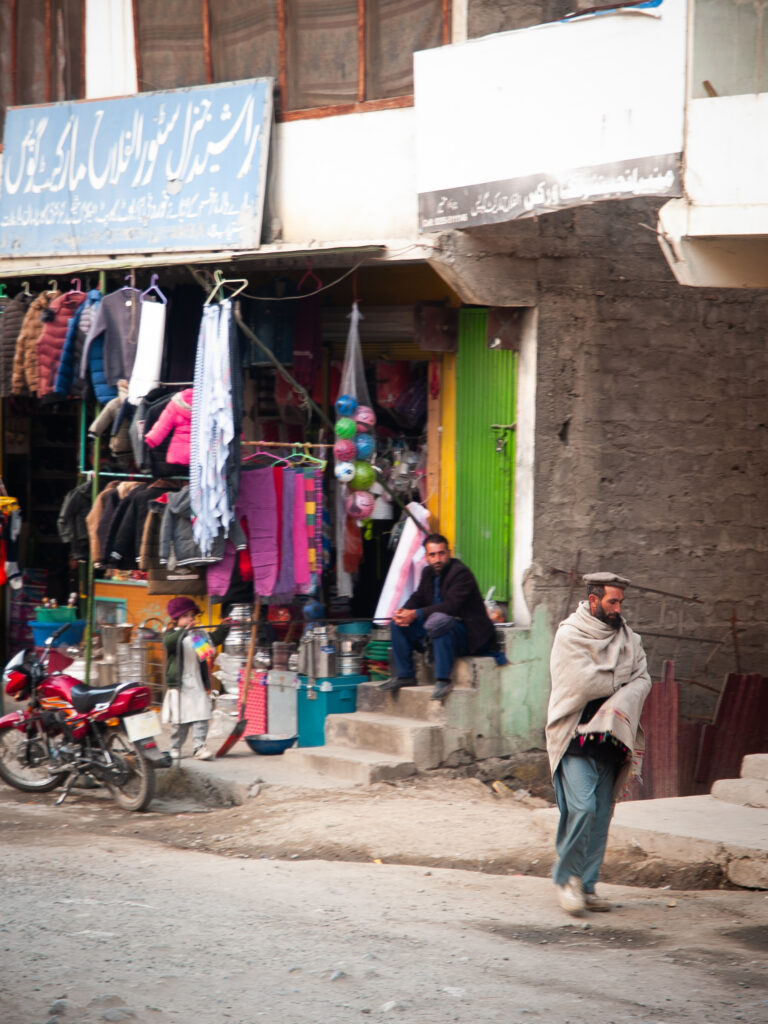
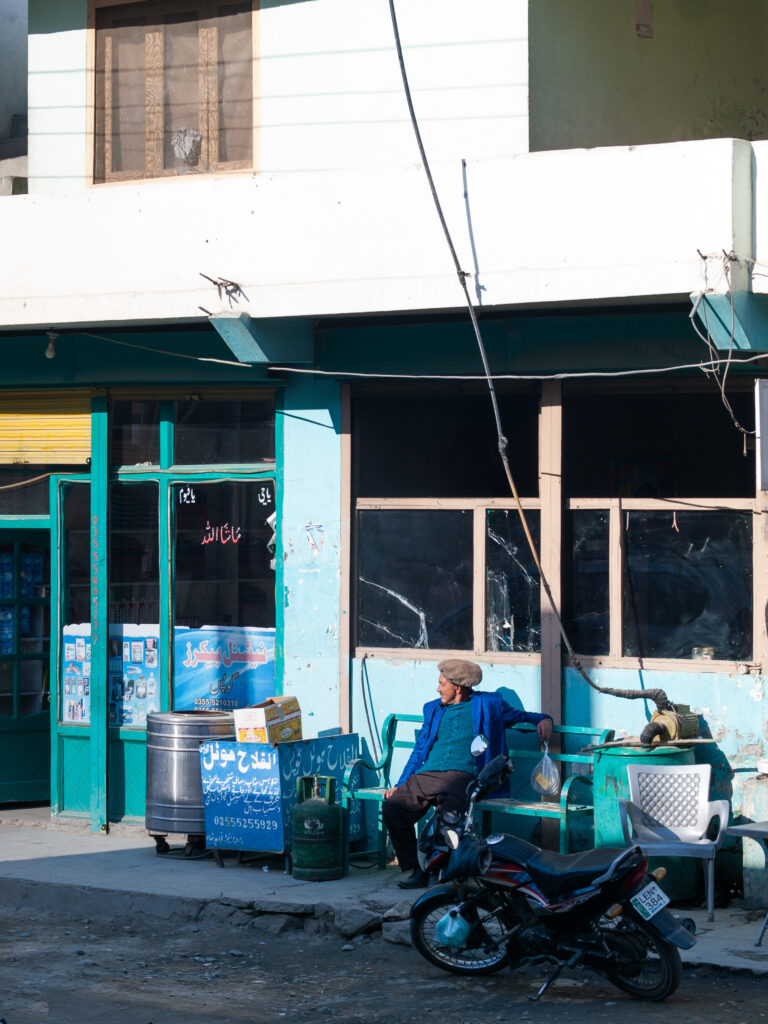
Gilgit (The main town (along with Skardu) of Gilgit-Baltistan) is great for urban photography, most people, would want to get their landscape gear, and after a short hike, get ready for golden hour vistas. I’ve not much interest in landscape photography, unless there are people or animals present – some ‘life’ rather than a trippy coloured scene. Whatever floats one’s boat eh? (I did of course take the odd vista shot, that’s only because there was a camera in my hand!).
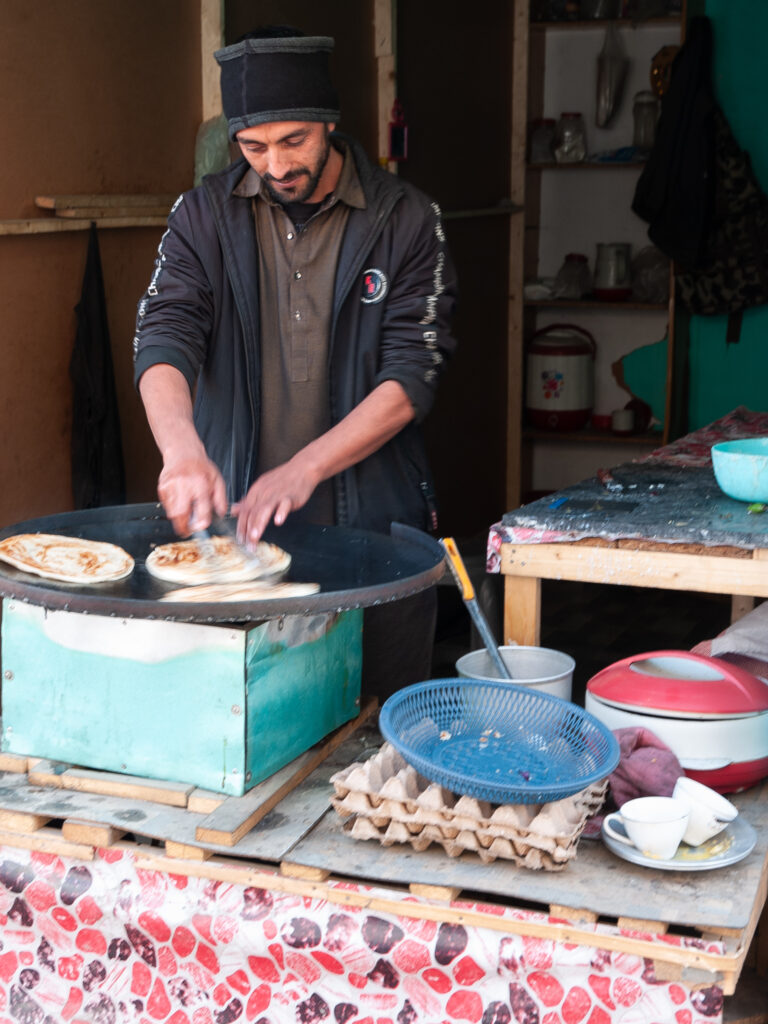
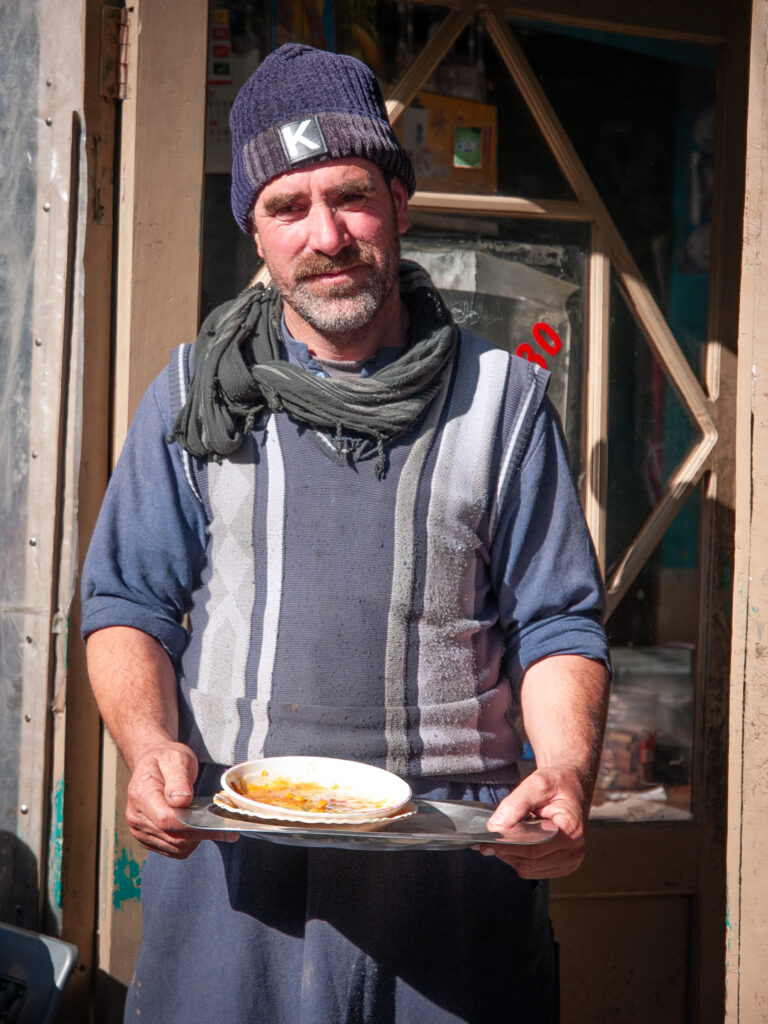
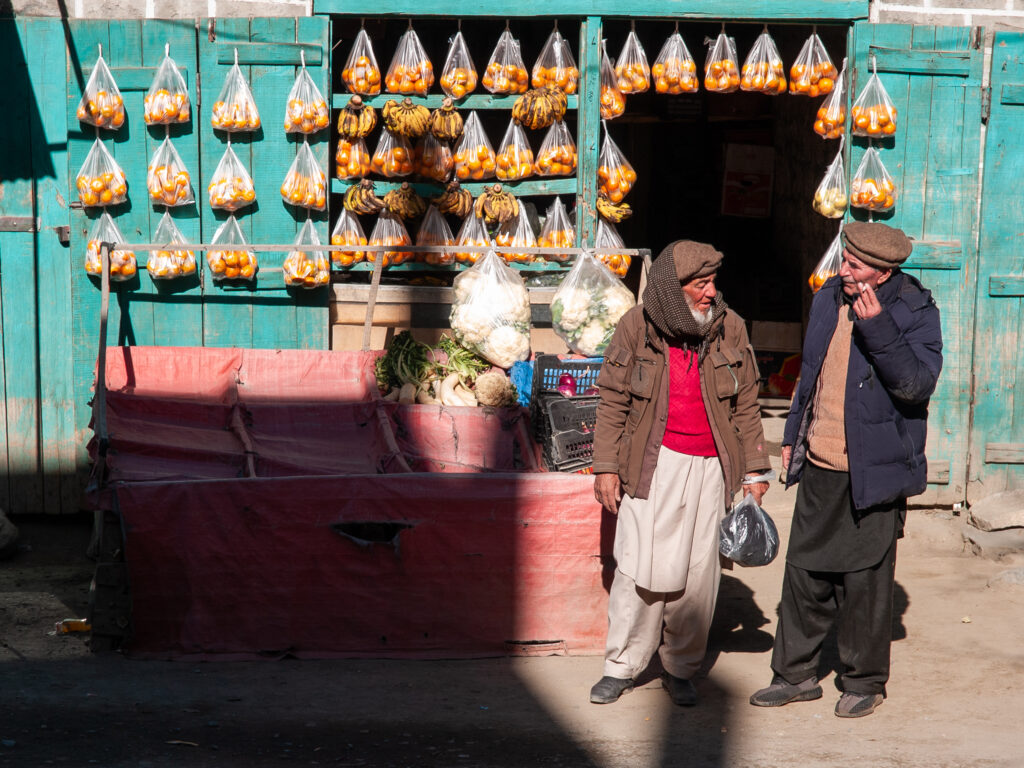
It was great loafing around, chatting to all and sundry, even spent an hour drinking tea with Soldiers from the NLI (Northern Light Infantry) around a fire. Street food is also one of my hidden vices; munching away on whatever looks and smells nice!
NB. I could hardly walk, limping like Quasi Modo as my knee is toast and has been since being the victim of an an assault. So no trekking for me for a long while
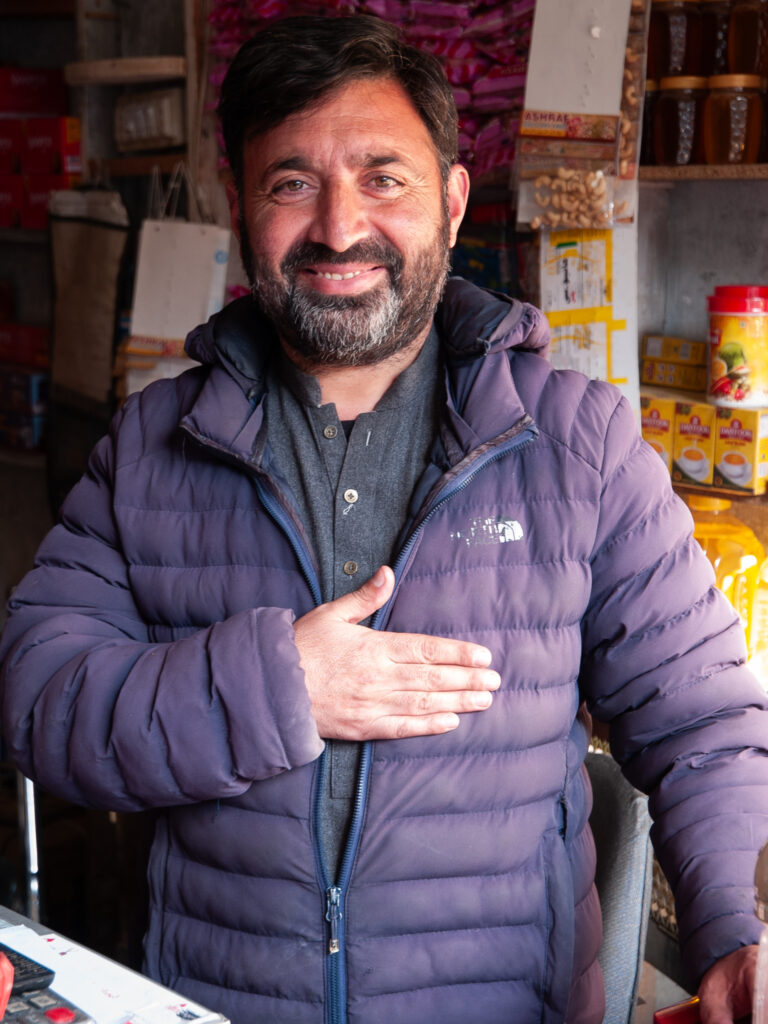
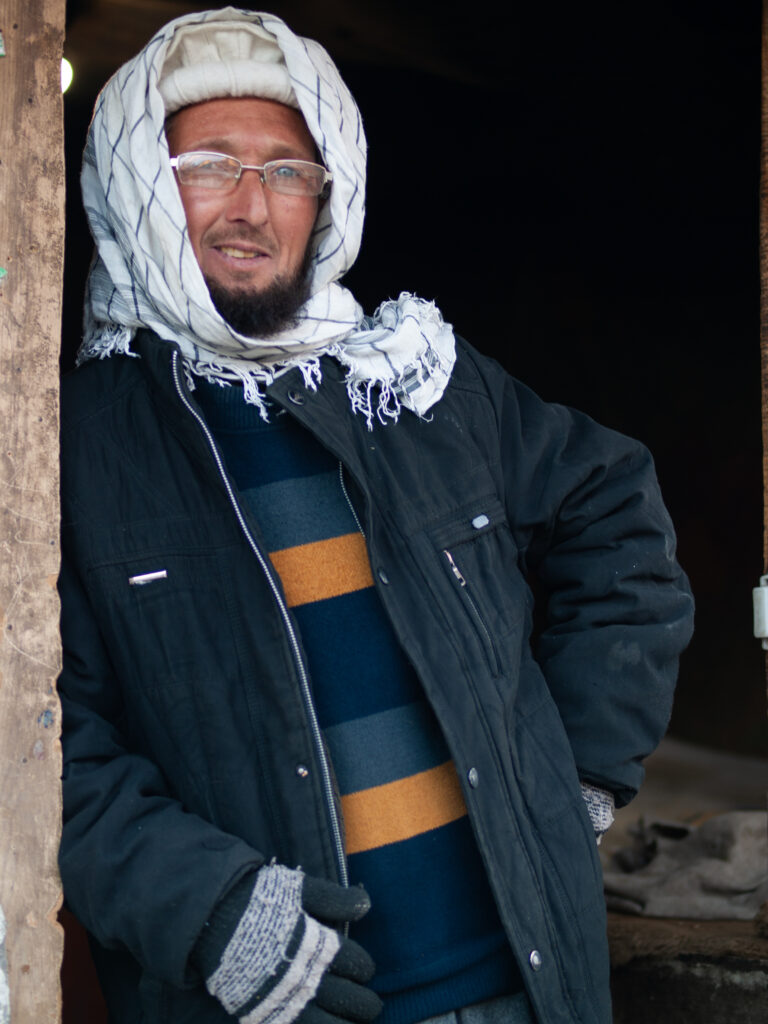
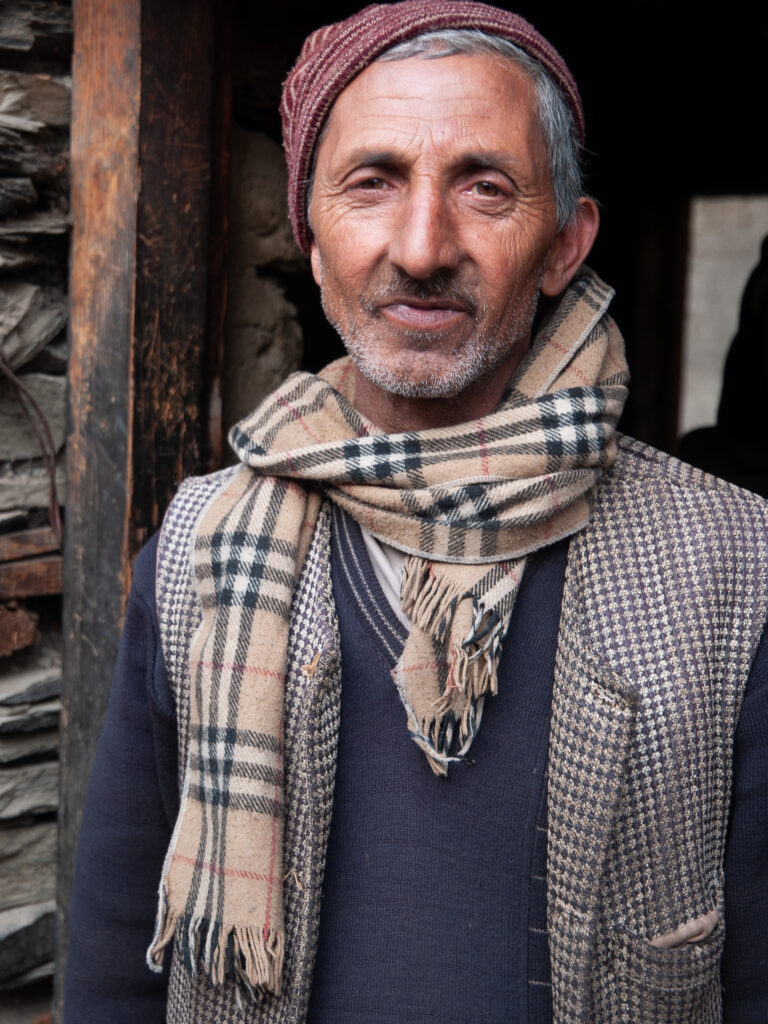
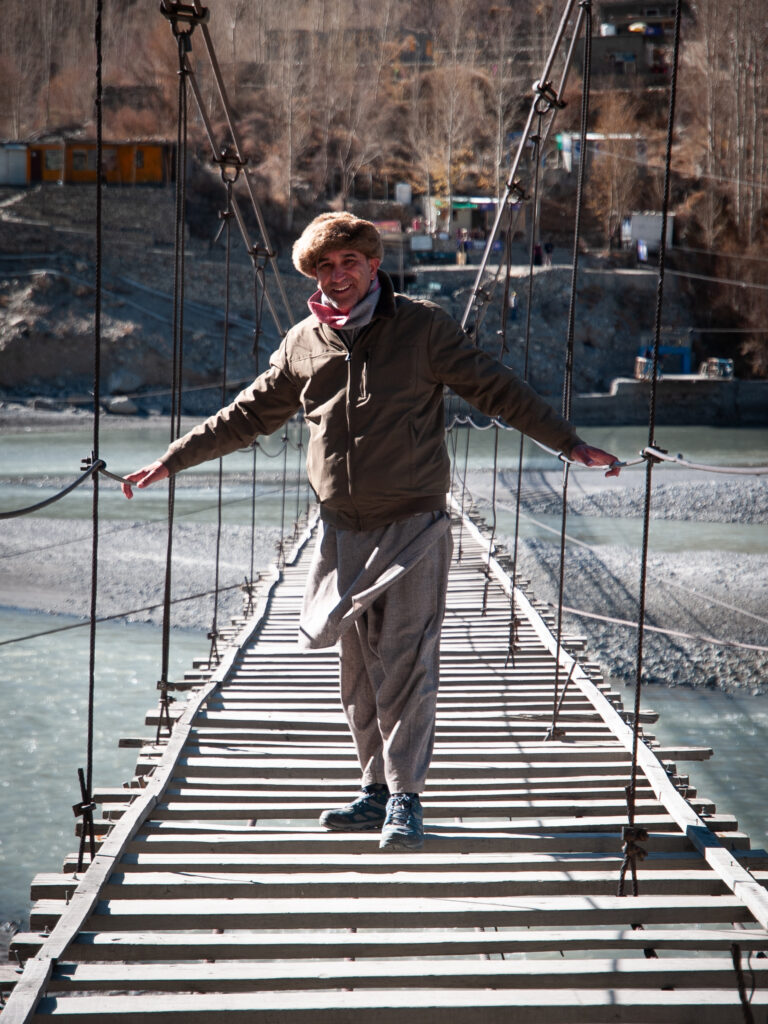
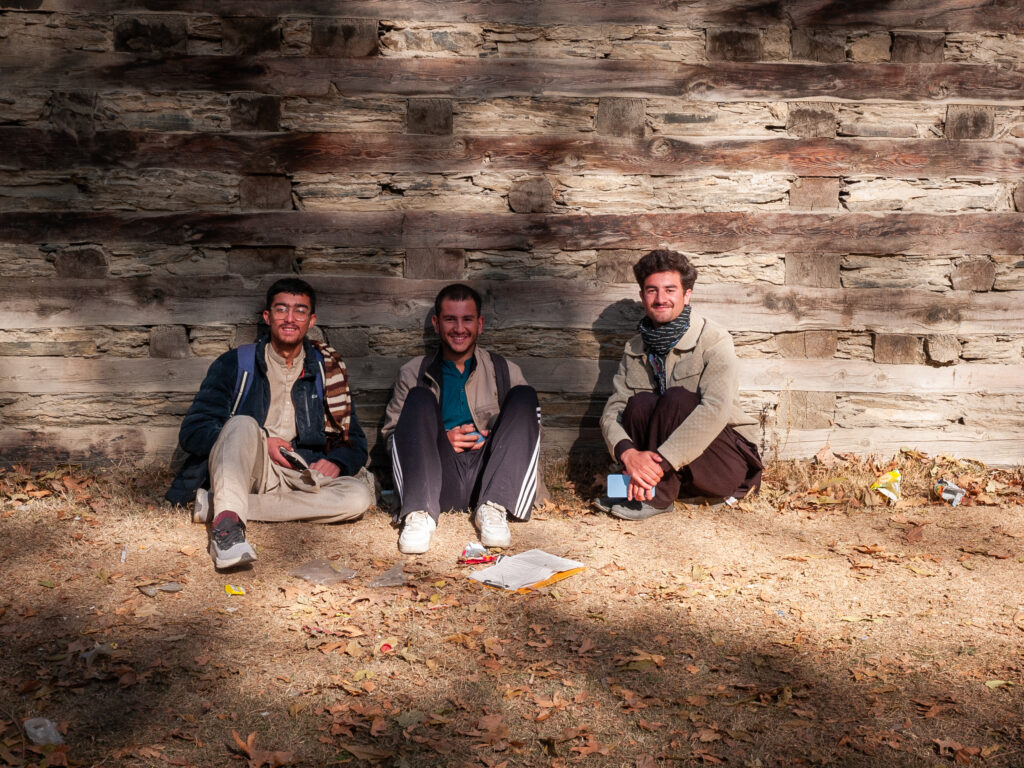
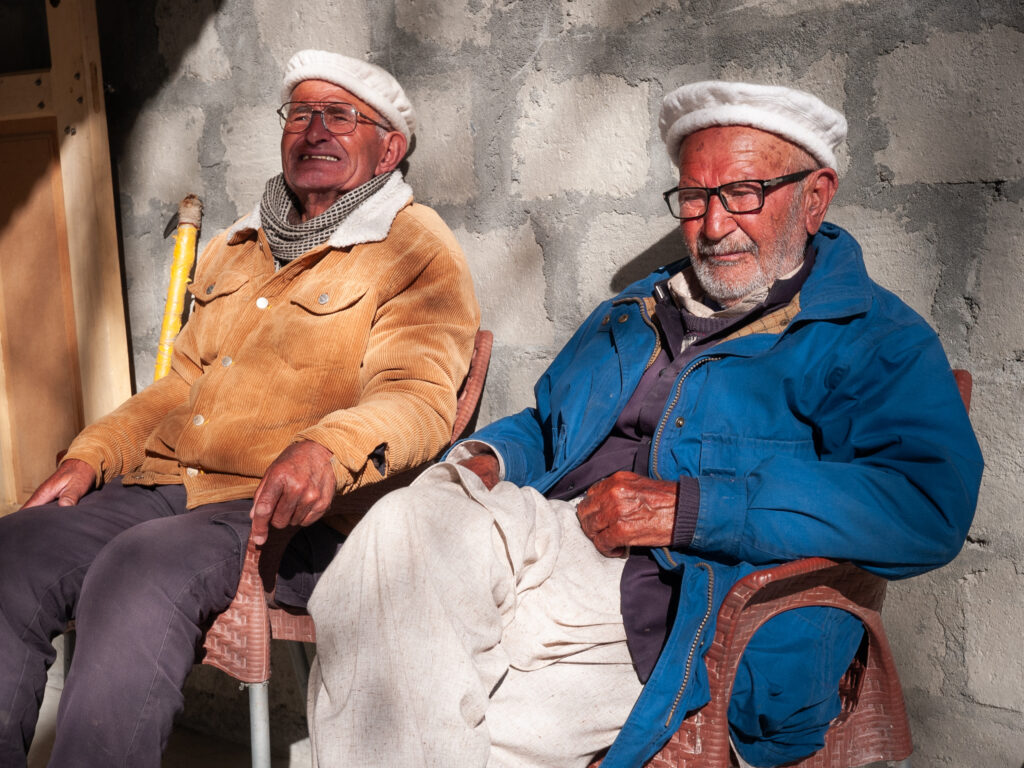
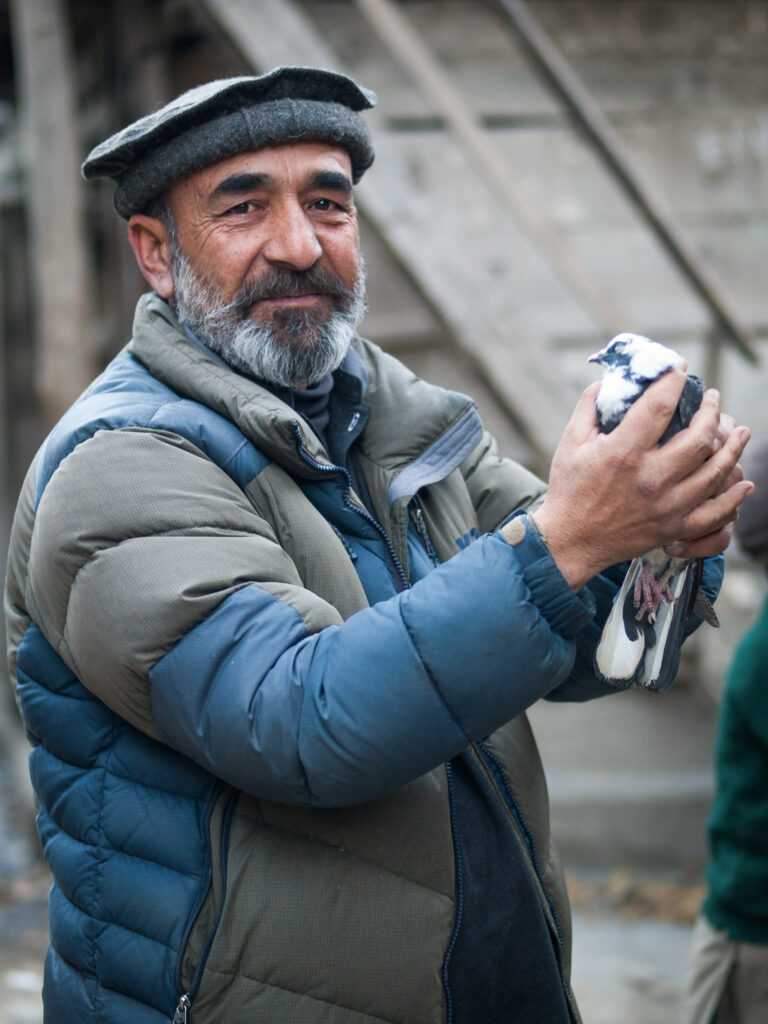
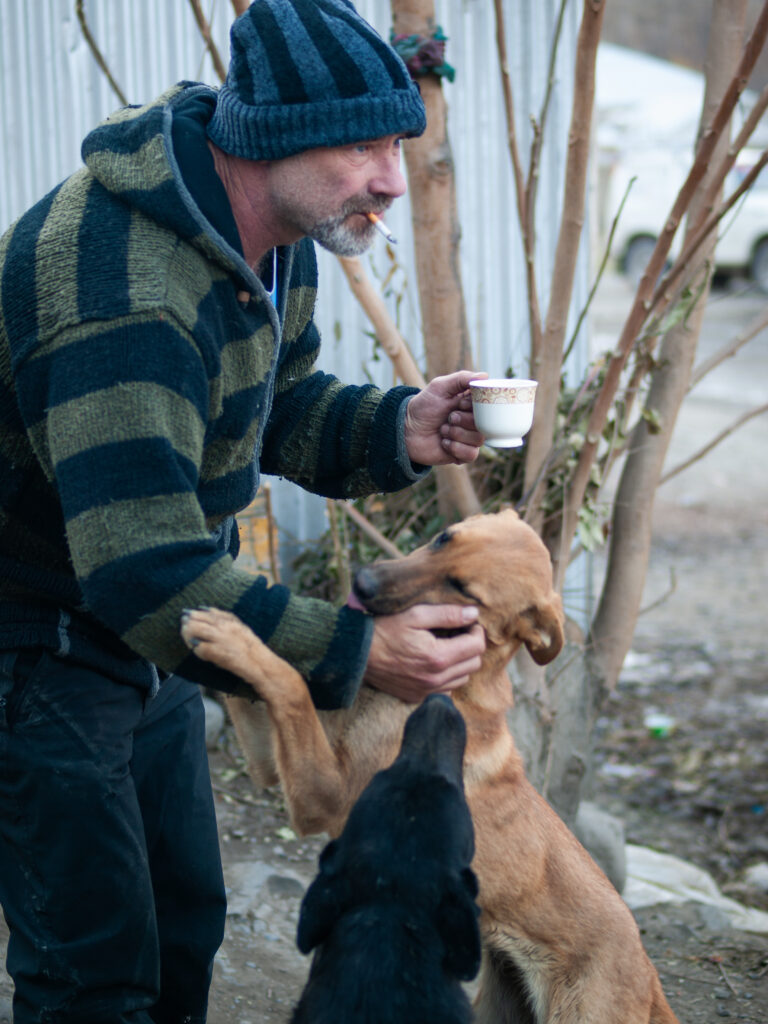
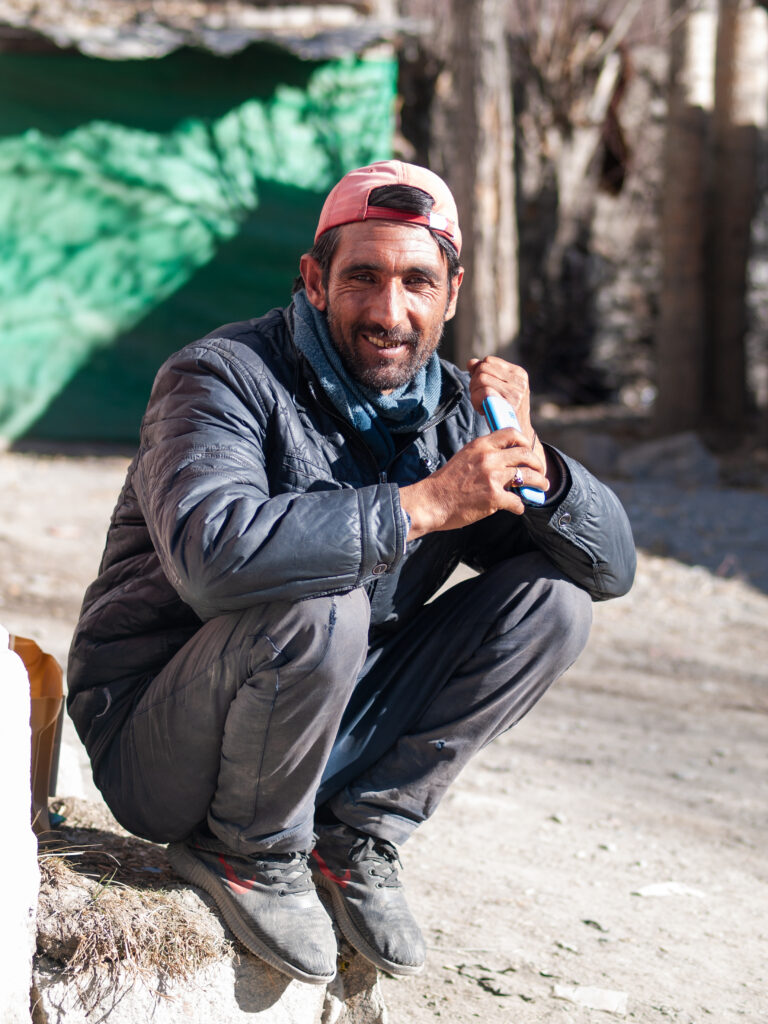
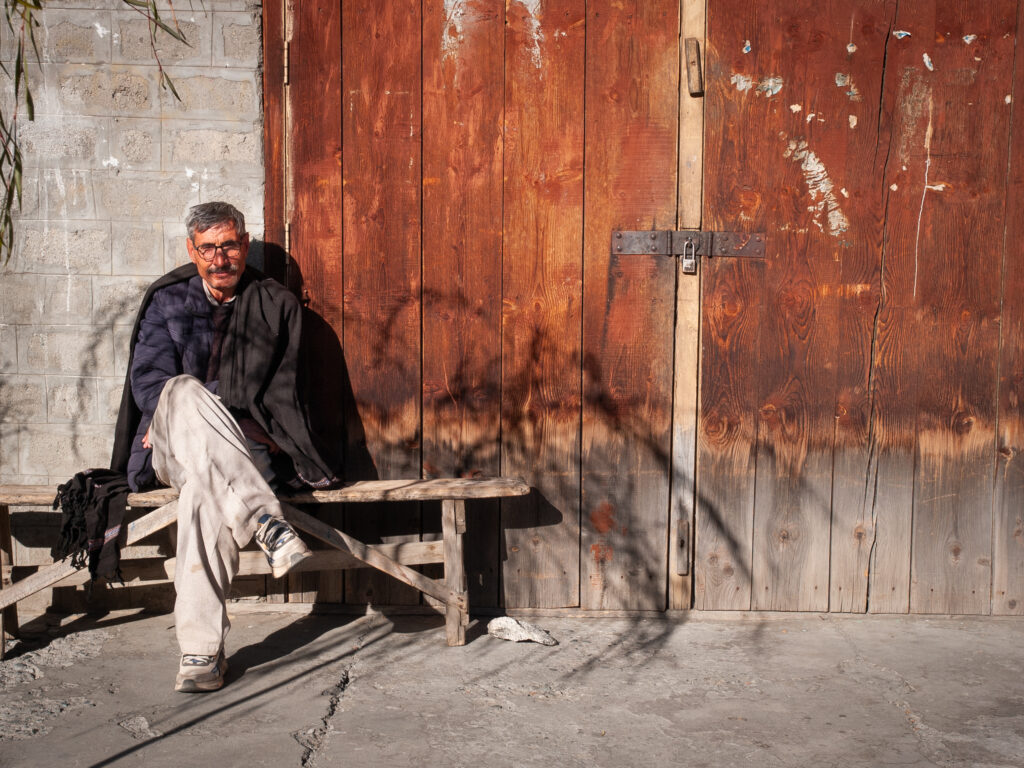
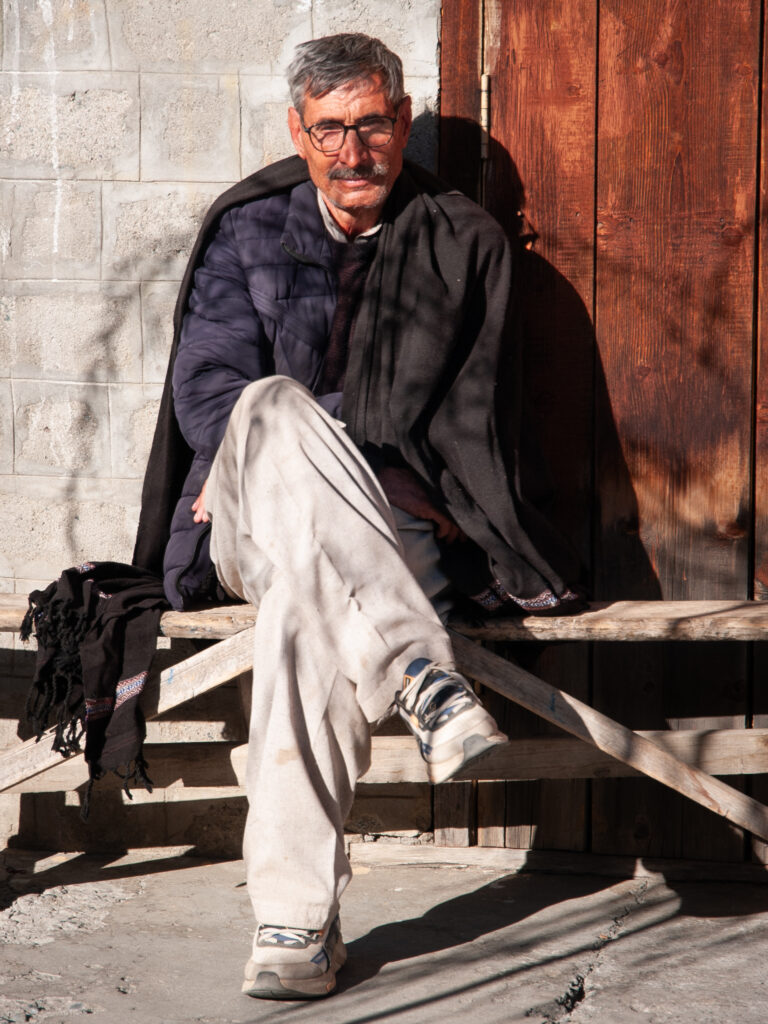
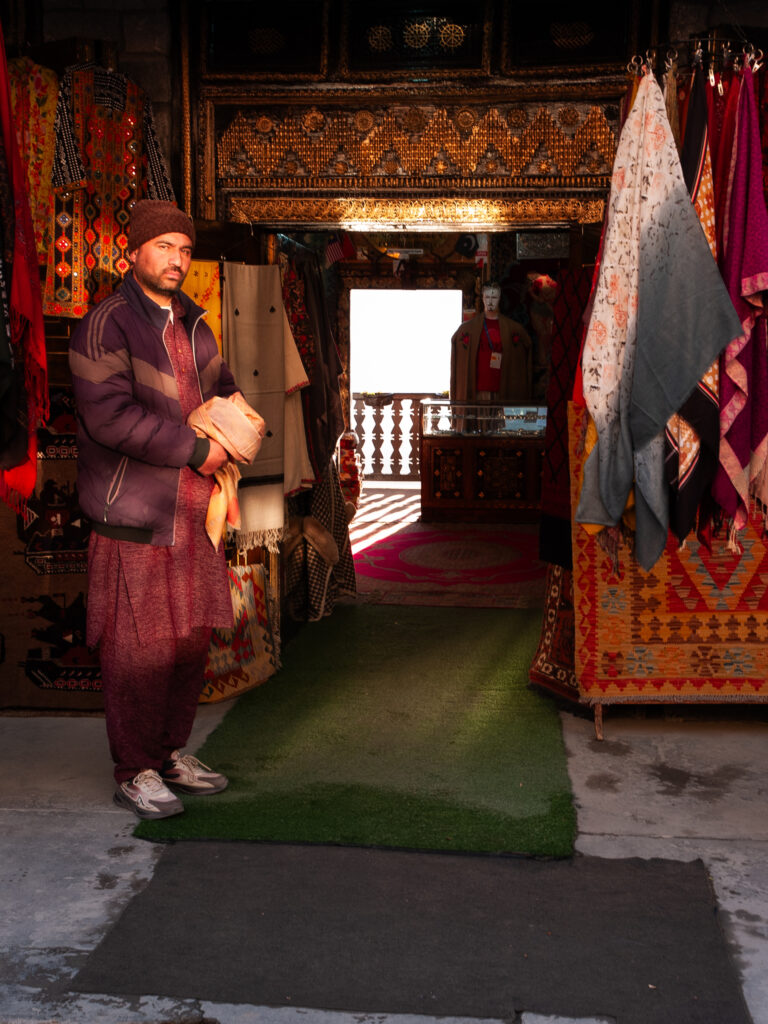
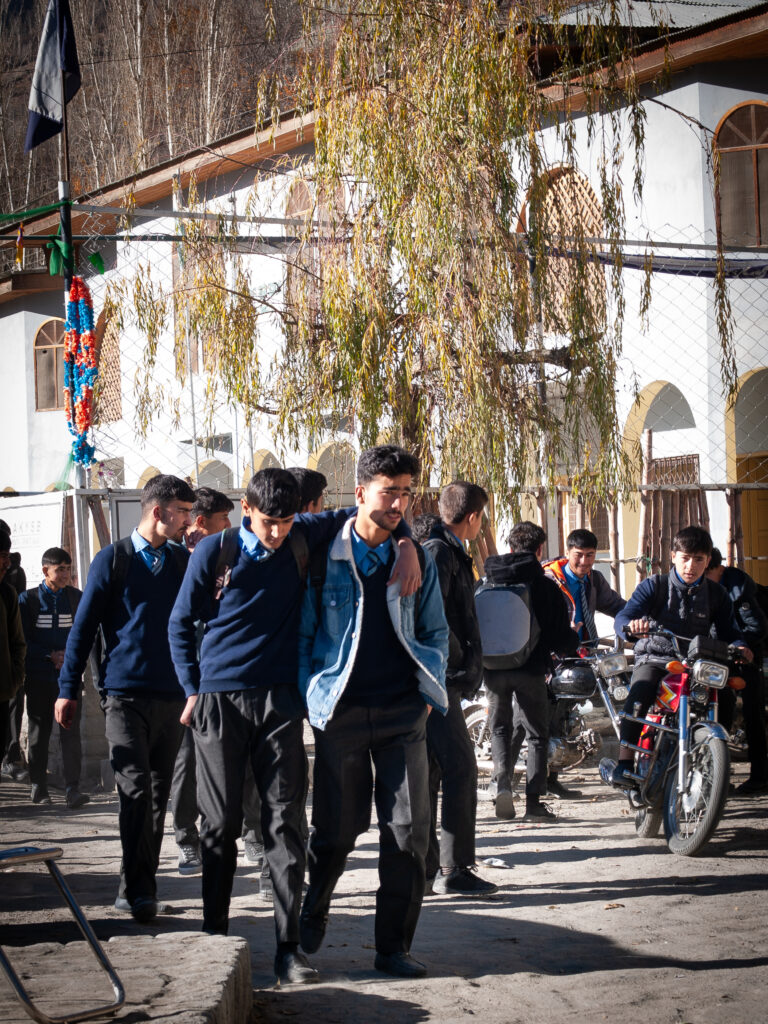
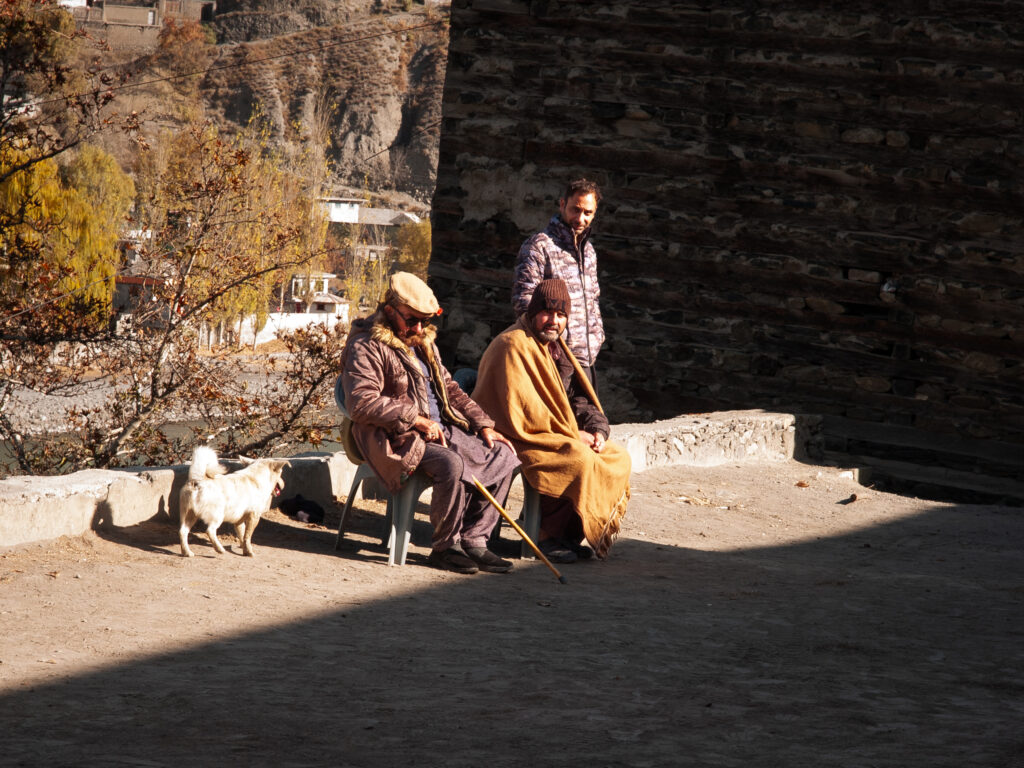
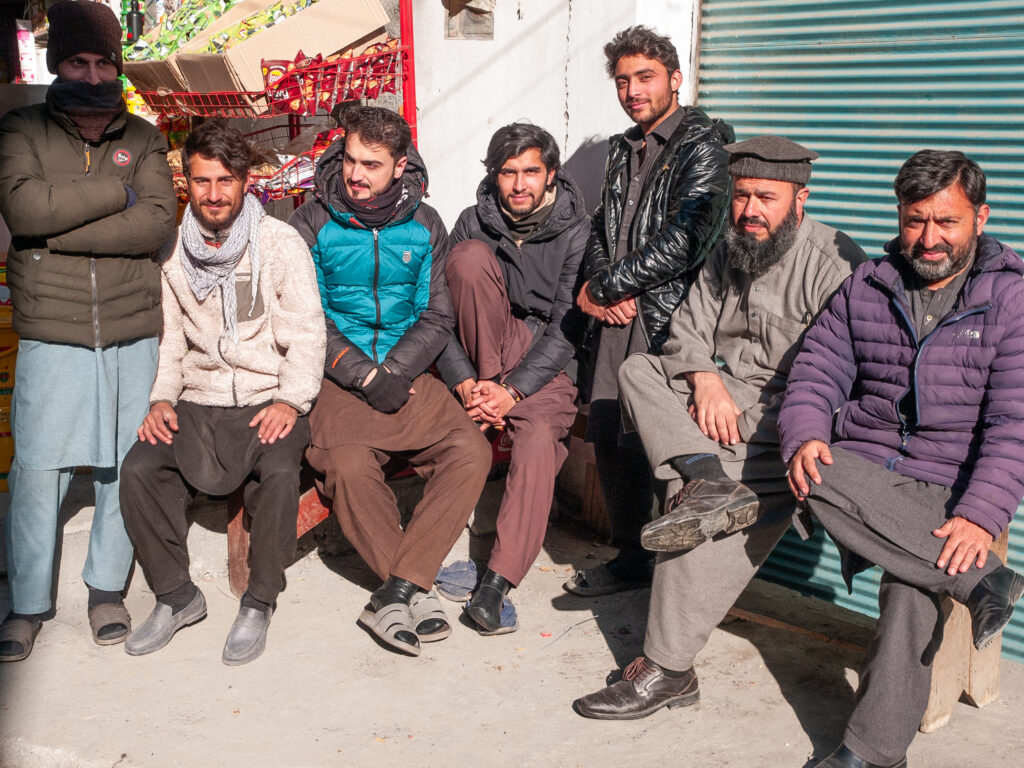
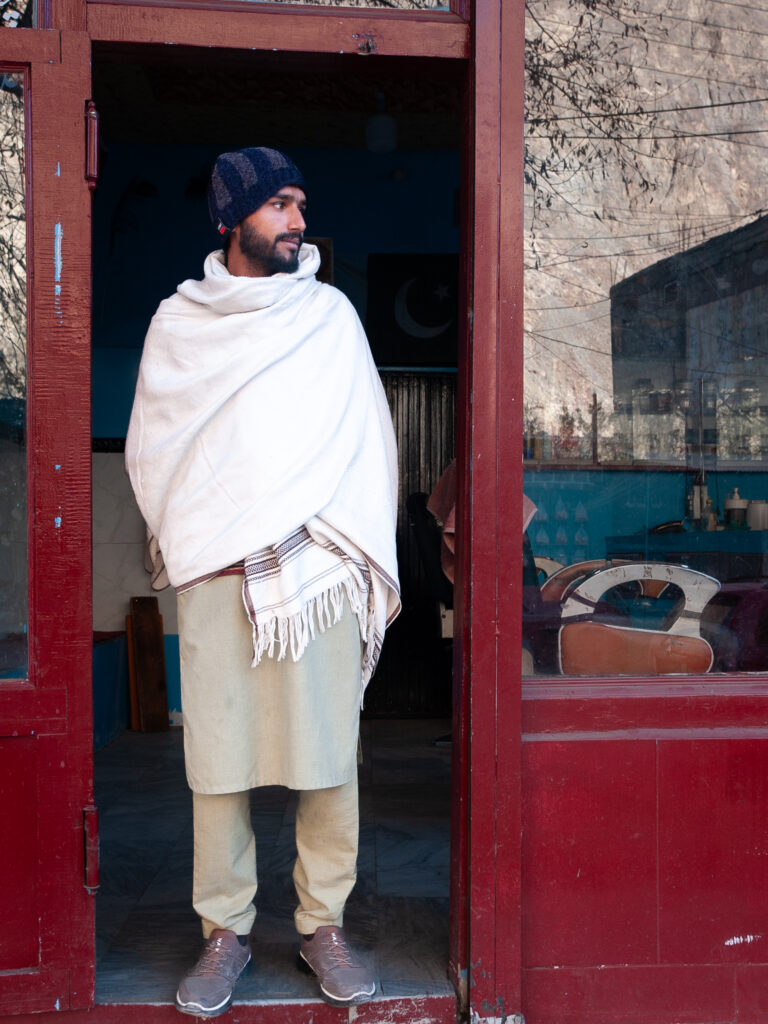
I more or less photographed anyone I wanted to, a brief chat and then permission. Wasn’t turned down not even once! There’s a story behind many photos here which I would have liked to tell.
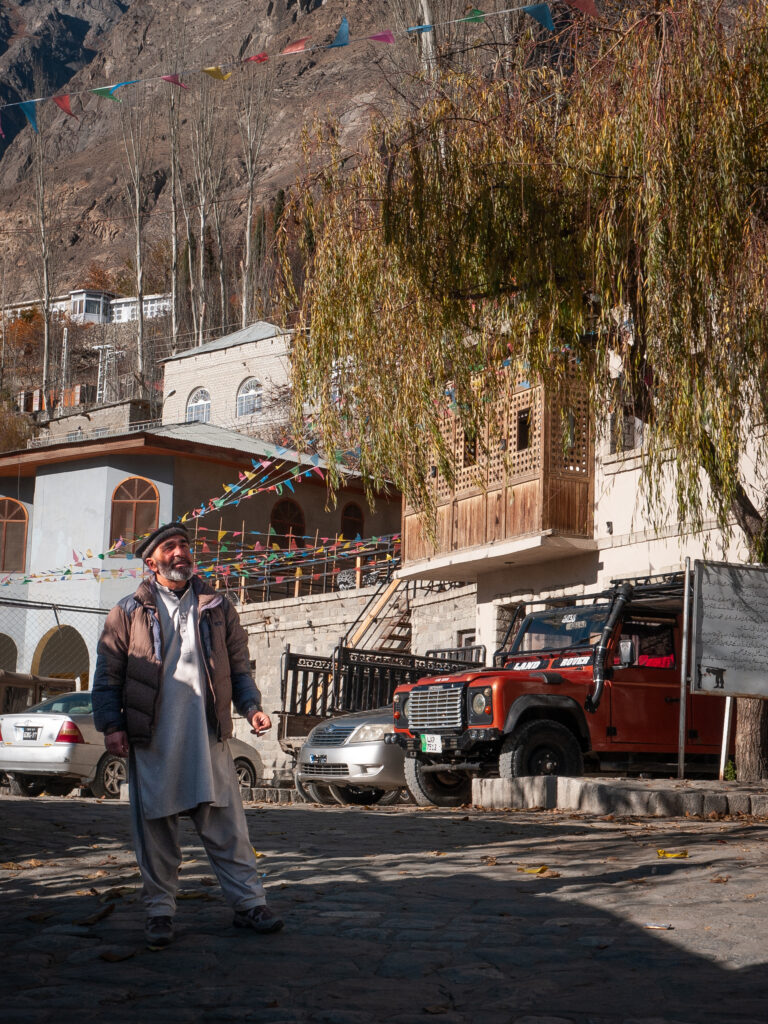
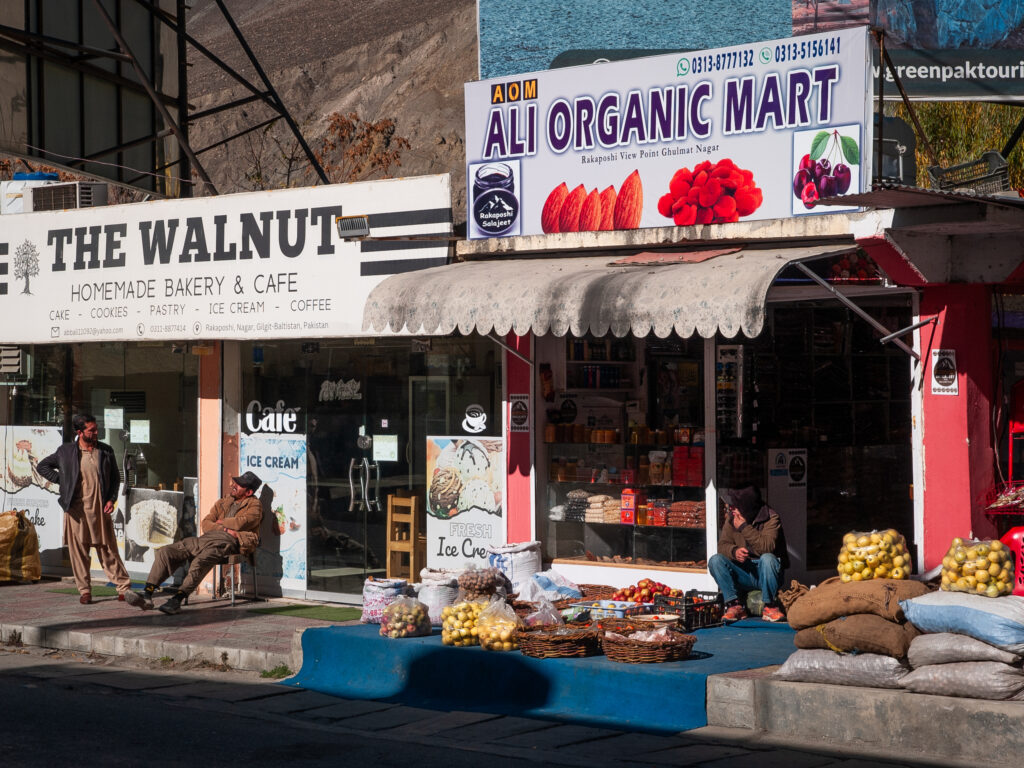
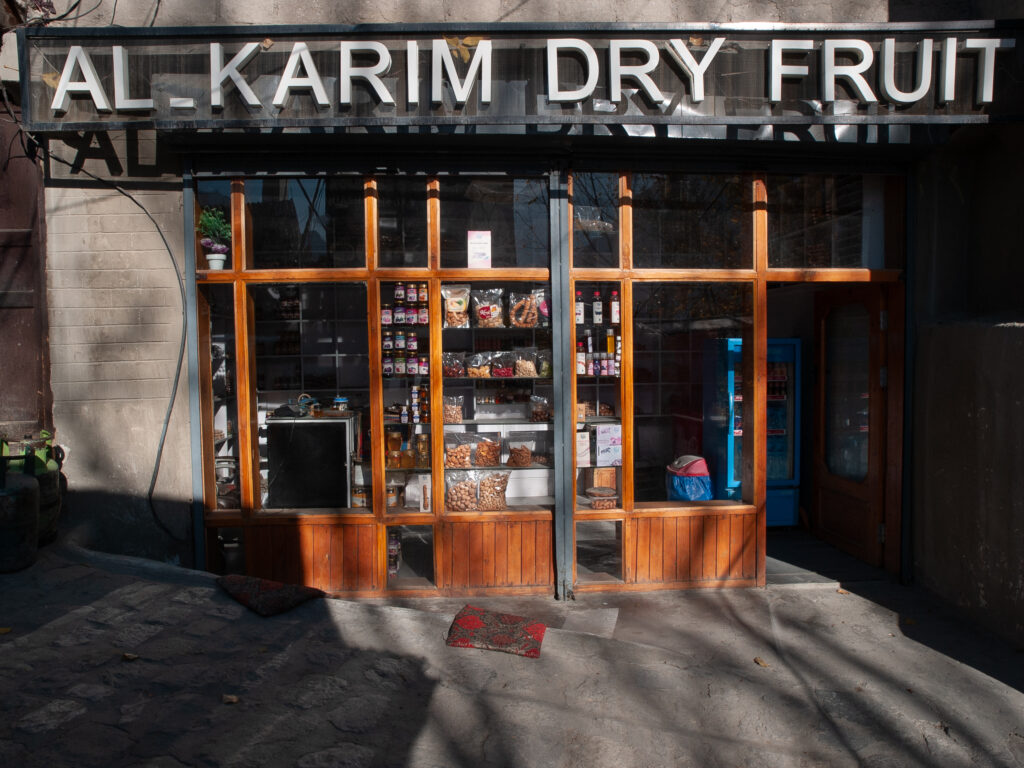
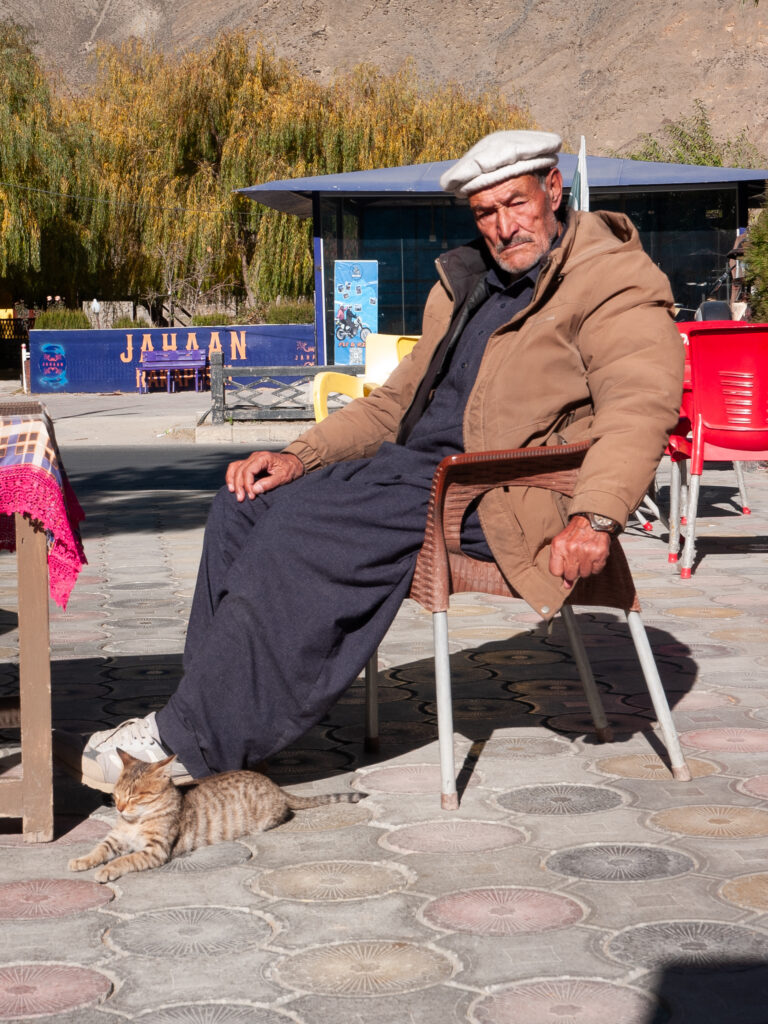
People in Gilgit speak one of the Dardic languages, namely Shina (ݜݨیاٗ, Ṣiṇyaá, [ʂiɳjá]), also known by its exonym Gilgiti,[a] is an Indo-Aryan language of the Dardic branch in the Indo-European language family, primarily spoken by the Shina people,[3][4] native to northern Pakistan, specifically Gilgit-Baltistan and Kohistan.[3][5] A small community of Shina speakers is also found in India, in the Gurez valley of Jammu and Kashmir and in Dras valley of Ladakh.[3] Outliers of Shina language such as Brokskat are found in Ladakh, Kundal Shahi in Azad Kashmir, Palula and Sawi in Chitral, Ushojo in the Swat Valley and Kalkoti in Dir.[3]
A little north, the folk in the Nagar and Hunza Valleys speak Shina along with Burushaski (/ˌbʊrʊˈʃæski/;[3] Burushaski: بُرُݸشَسْکِݵ, romanized: burúśaski,[4] IPA: [bʊ˧ˈrʊ˧ɕa˧ski˧]) is a language isolate, spoken by the Burusho people, who predominantly reside in northern Gilgit-Baltistan, Pakistan.[5][6] There are also a few hundred speakers of this language in northern Jammu and Kashmir, India.[5][7]
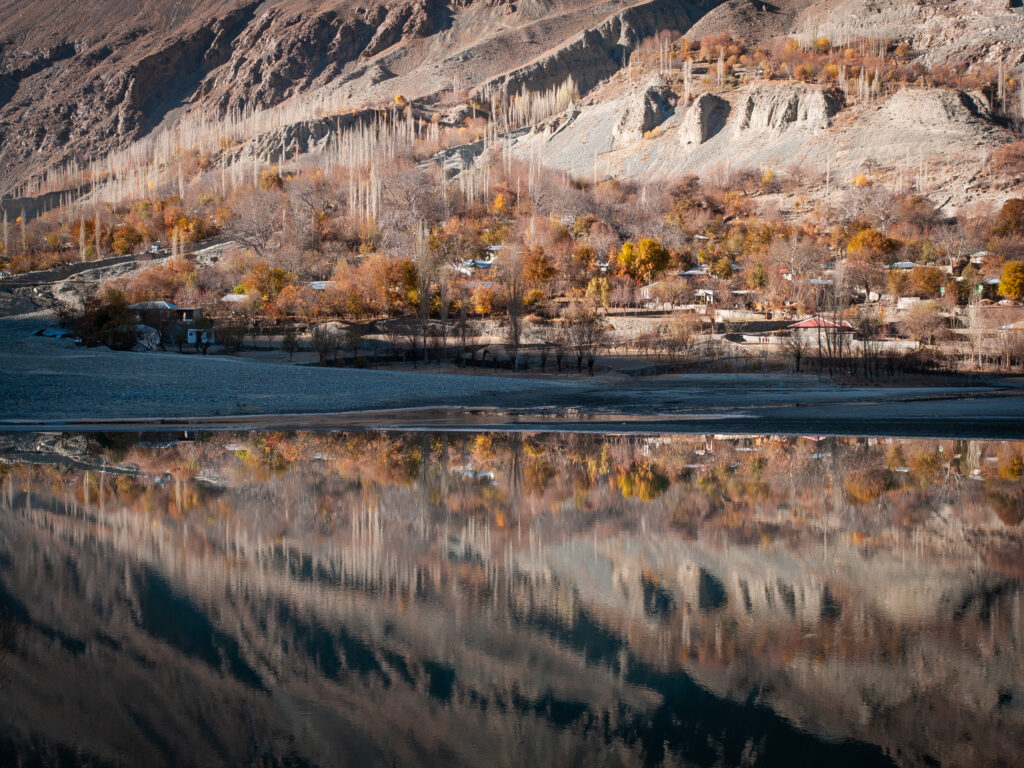
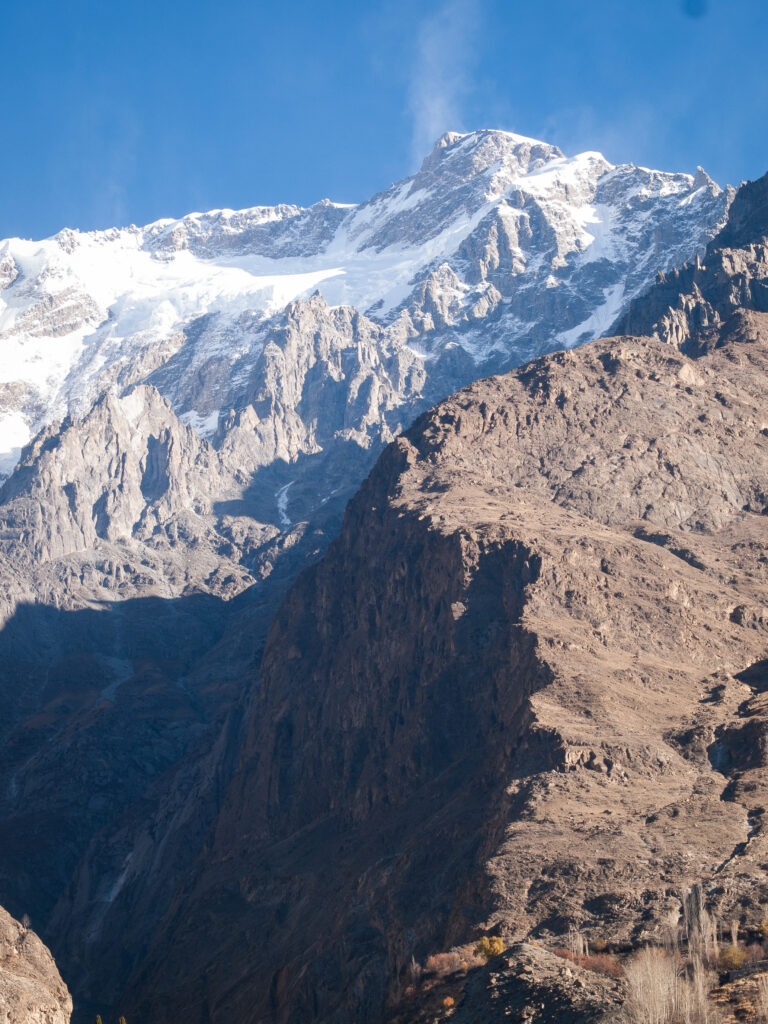
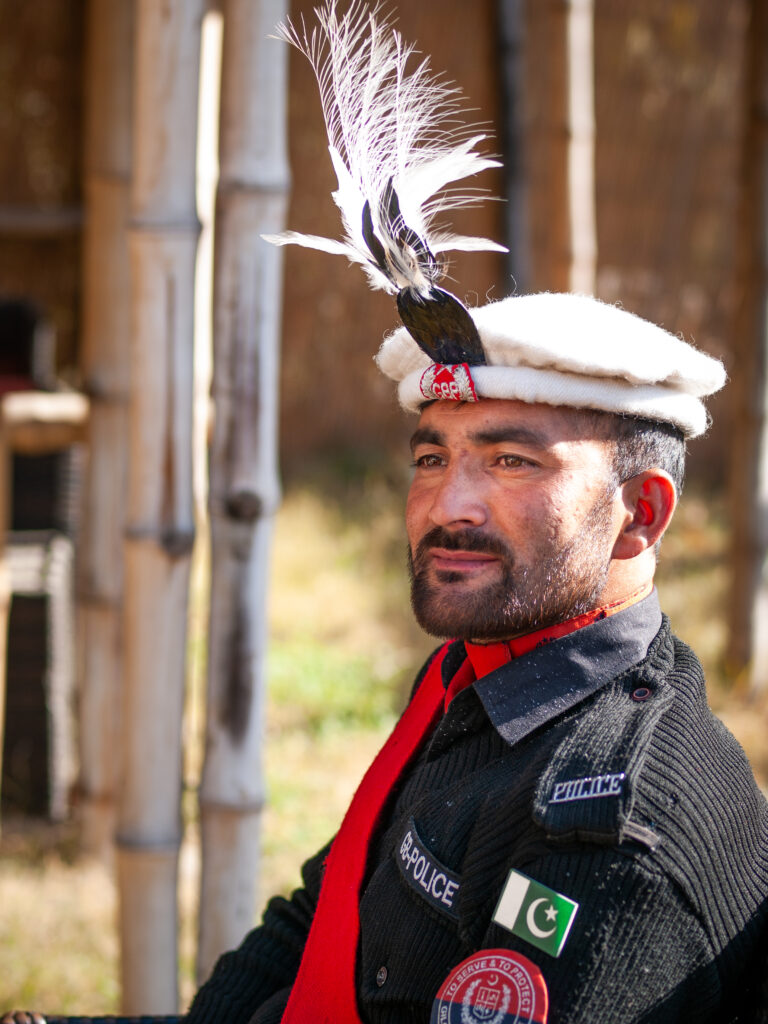
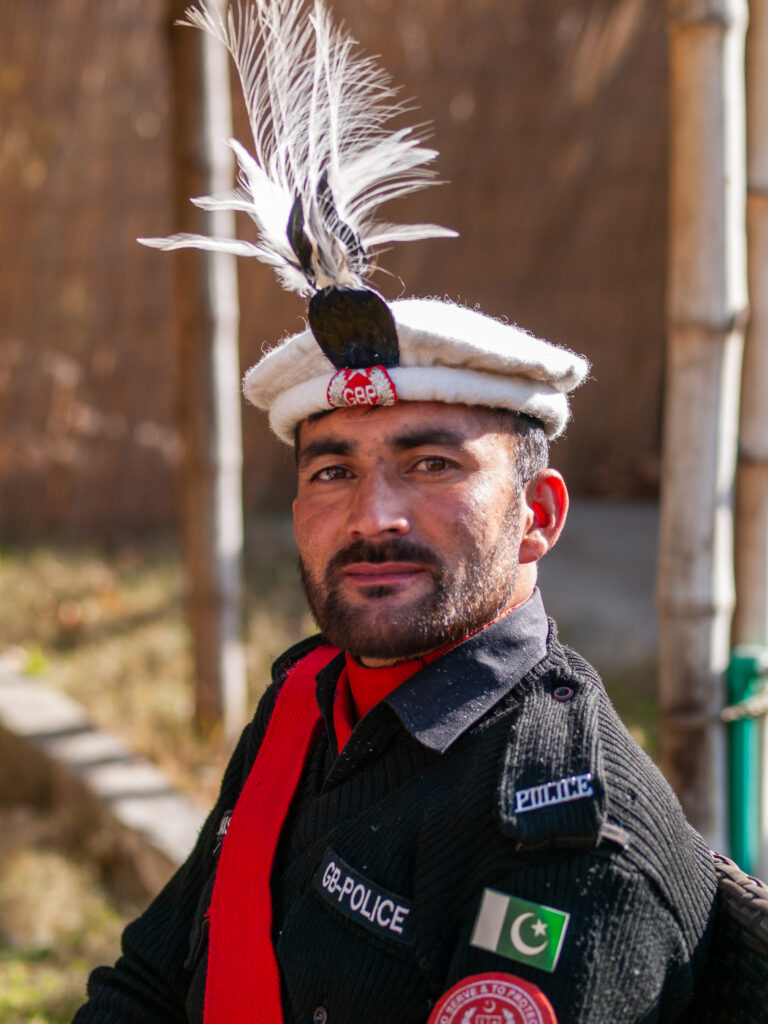
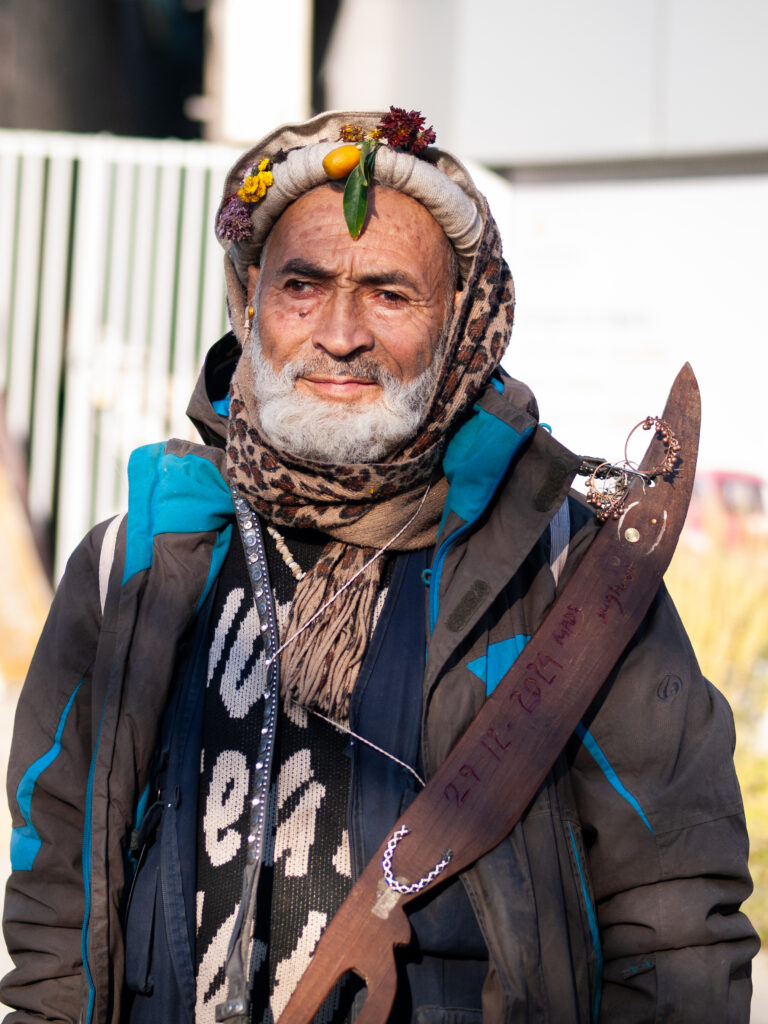
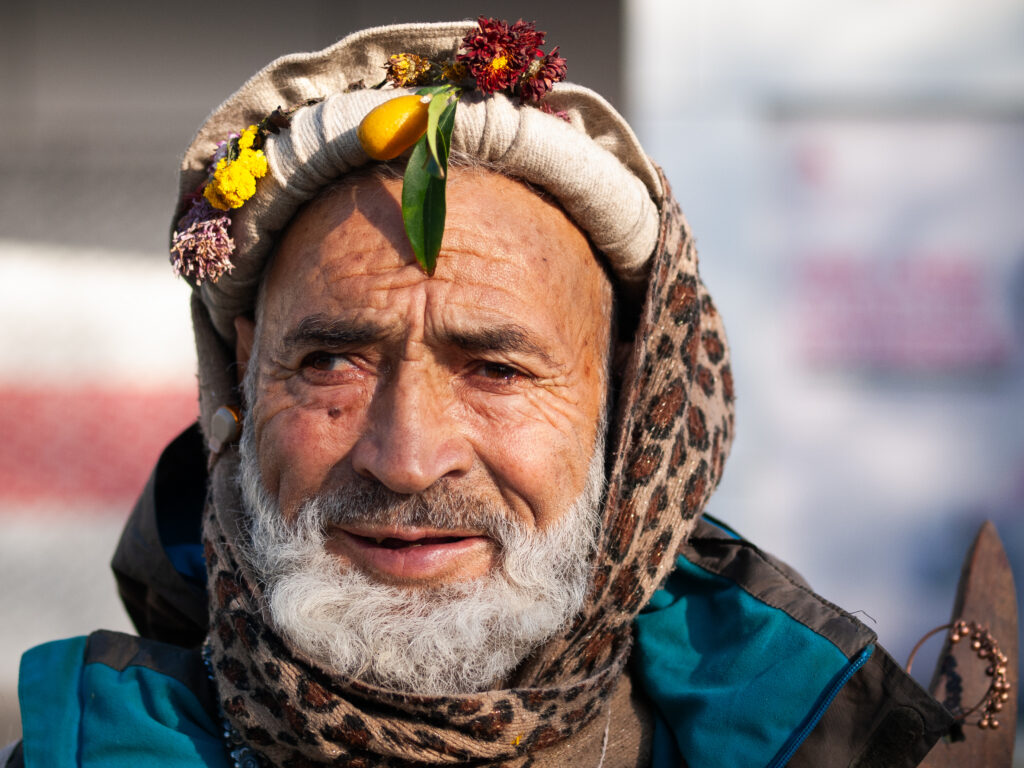
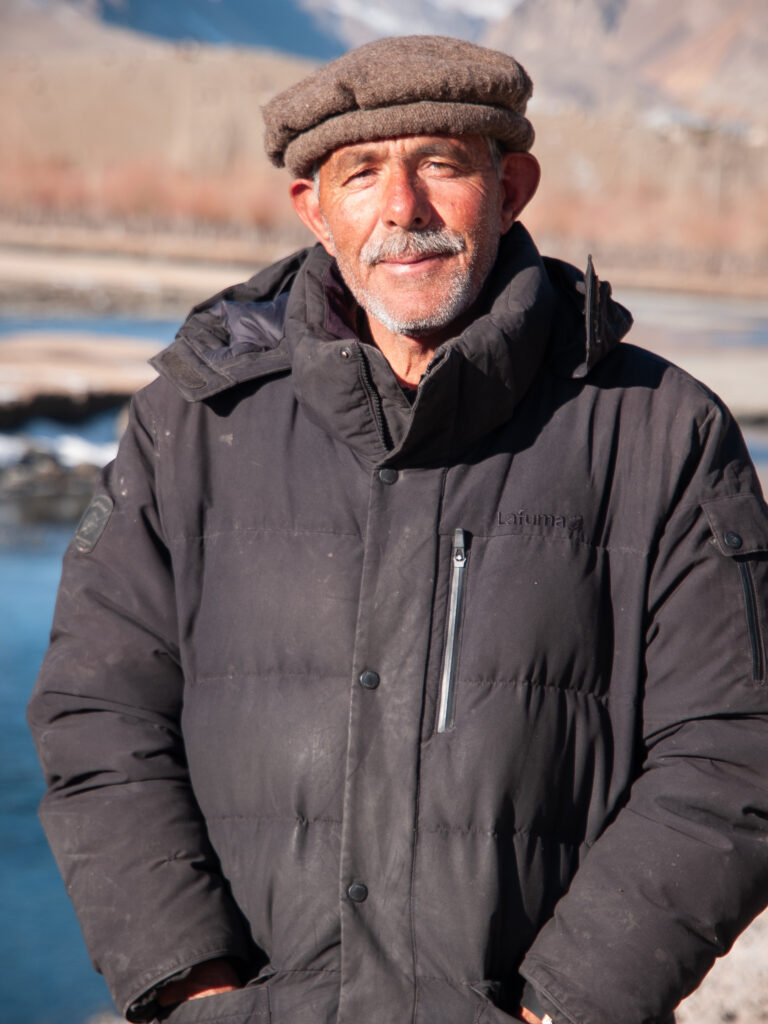
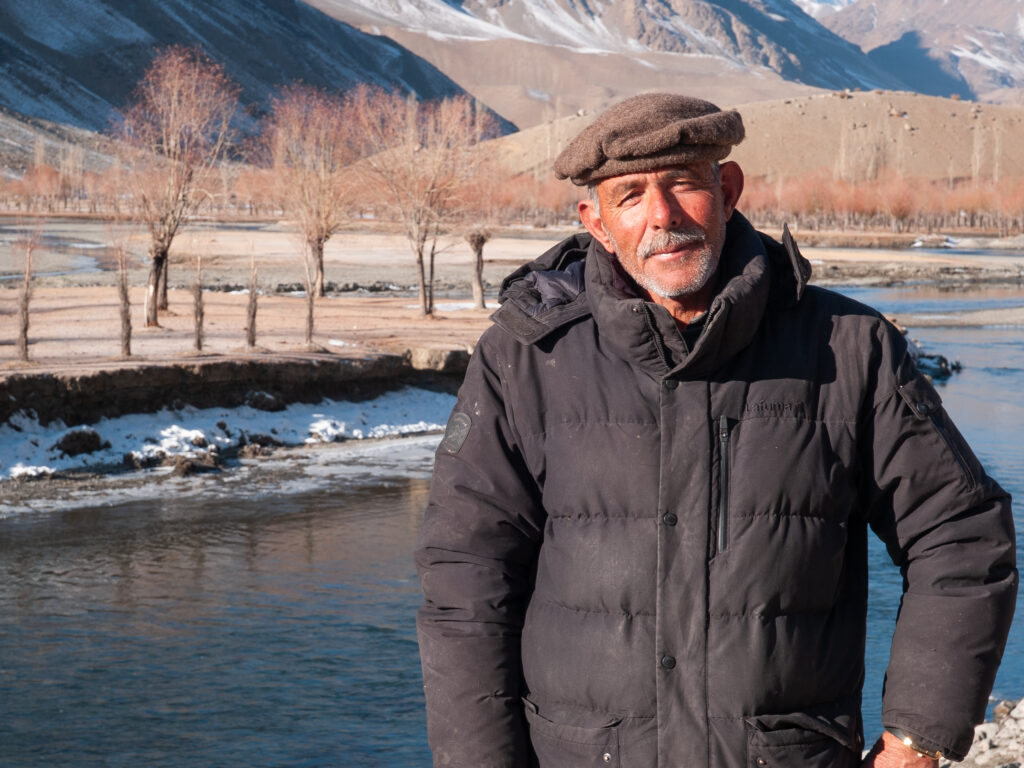
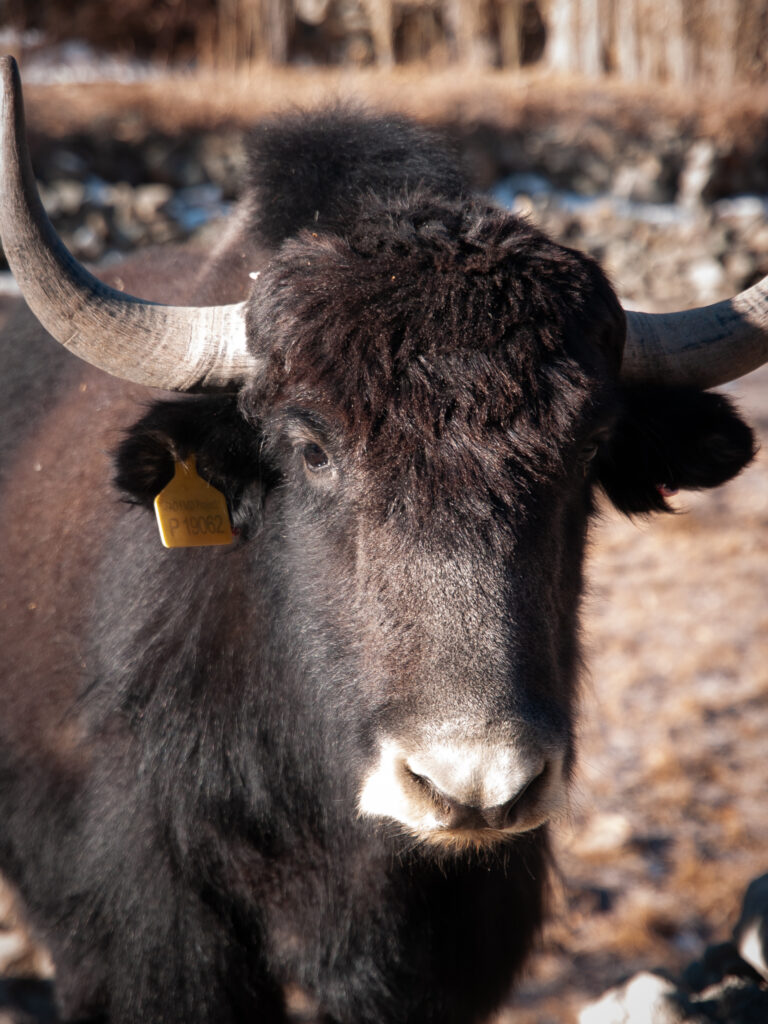
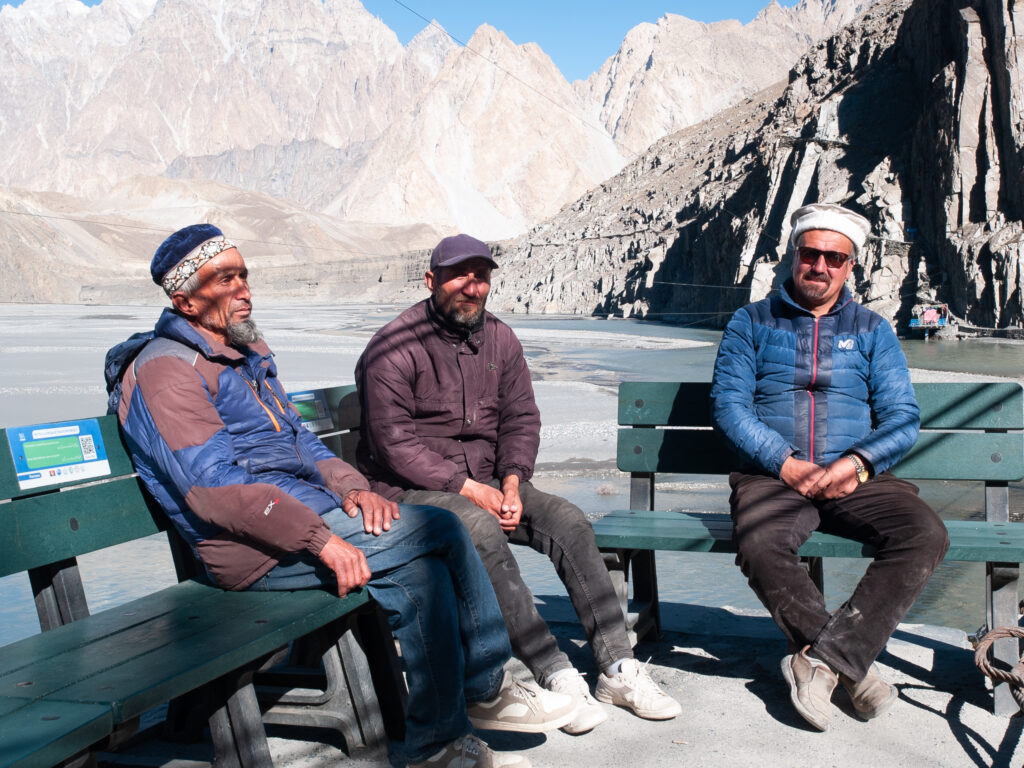
Farther north and in Upper Hunza, Passu and Shimshal, towards the Chinese border you’ll find Wakhi peoples, Wakhi (ښیکوار, Х̆икв̆ор, IPA: [xikwɔr]) is an Indo-European language in the Eastern Iranian branch of the language family spoken today in Wakhan District, Northern Afghanistan, and neighboring areas of Tajikistan, Pakistan and China.
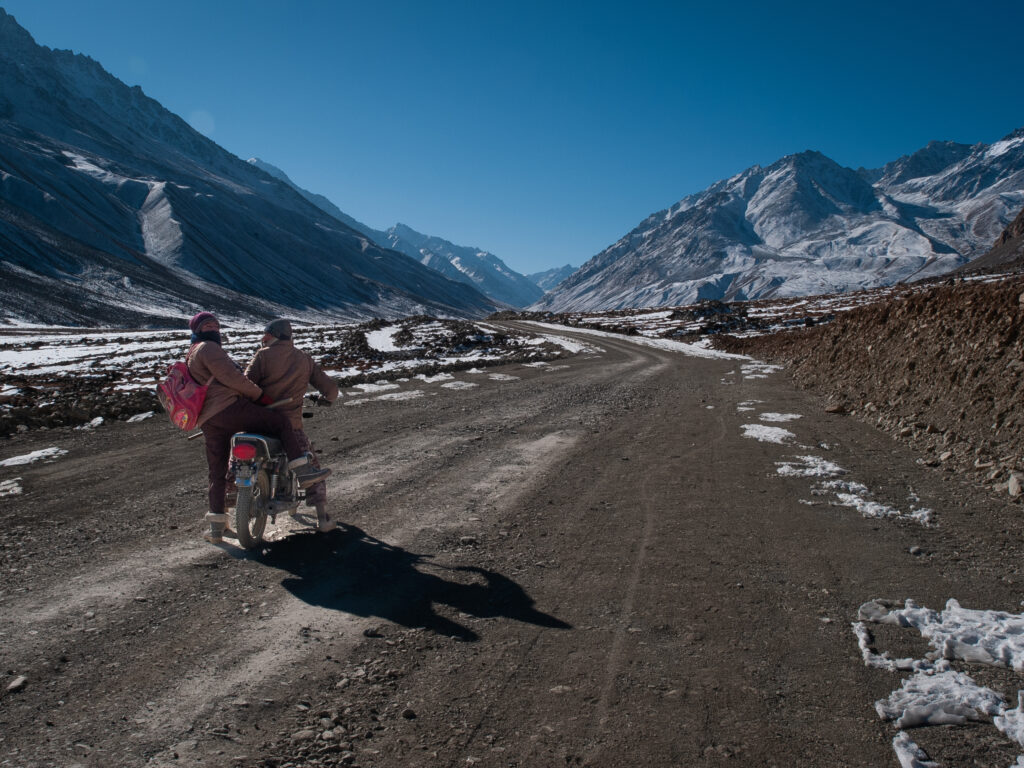
Travel West, passing into the Hindu Kush and towards the Shandur Pass, the people are a mix, the Valleys are gorgeous, the time to travel here is Spring into Summer and for Autumnal colours. The road passes through the Yasin and Phandar valleys in the Ghizer District before crossing the Shandur Pass into the North West Frontier Province (NWFP – now known as Khyber-Pakhtunkhwa). The people speak the Chitrali language known as Khowar, which is spoken on the Chitral side of the Pass from Mastuj, past the town of Chitral, to where the Lowarai Pass gets you into Pashto and Persian speaking areas, where the majority of people are Pashtuns or Pathans. There are pockets of Hindko speakers here, a sort of Punjabi Pashto hybrid.
Khowar (کھووار, Khōwār, [kʰɔːwɑːɾ]), also known by its common exonym Chitrali,[a] is an Indo-Aryan language of the Dardic group, primarily spoken by the Kho people (Chitralis), native to the Chitral region and surrounding areas of Pakistan.[3]
Khowar is the lingua franca of Chitral,[3] and it is also spoken in the Gupis-Yasin and Ghizer districts of Gilgit-Baltistan, as well as in the Upper Swat district.[4]
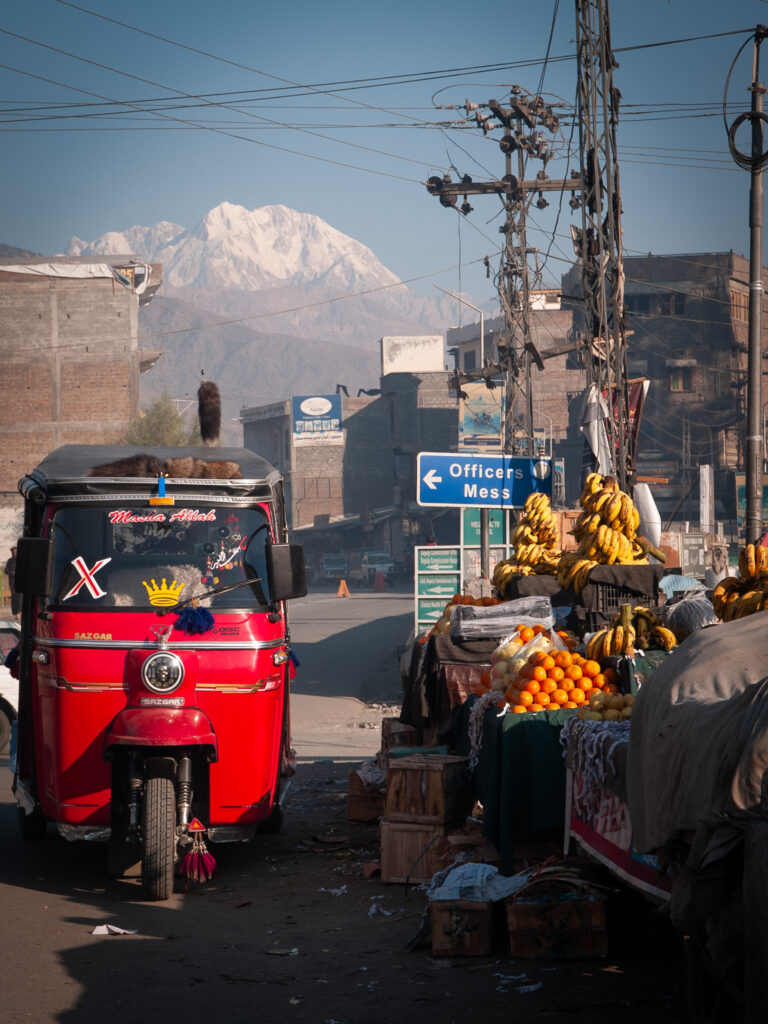
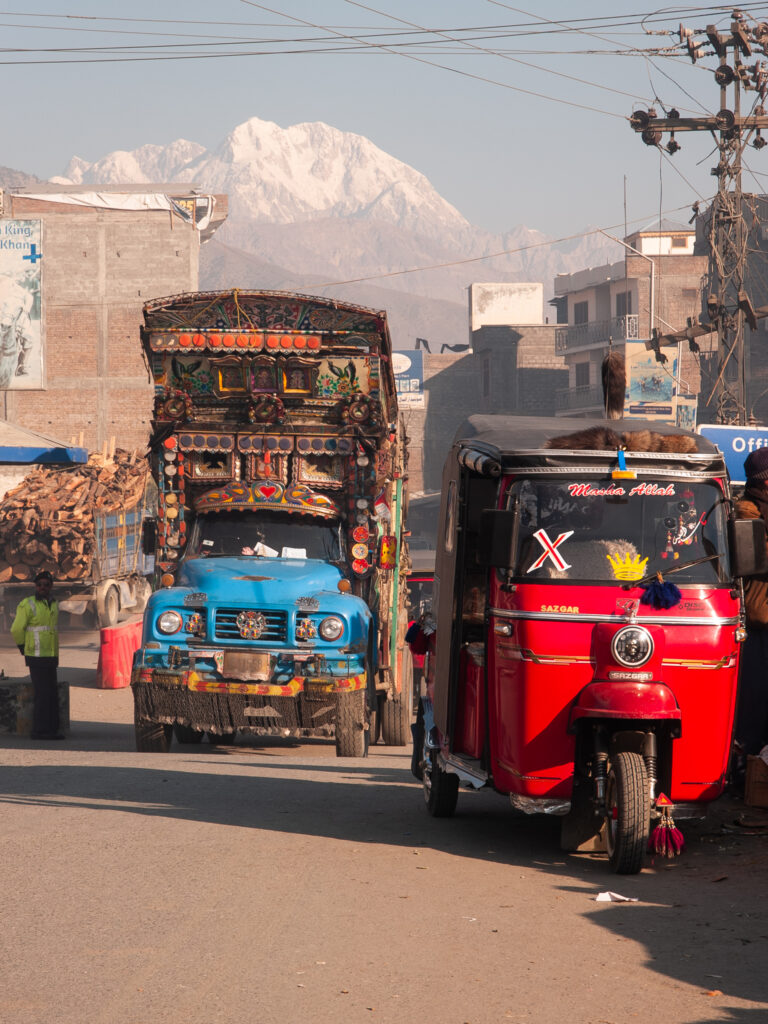
All confusing, but gives you a general idea of the people in these parts. You’ll also find Uyghurs (like my friend and Mountain Guide Habib) from Kashgar and Sinkiang/Eastern Turkestan in China.
And finally nestled amongst a few valleys in The Hindu Kush, past the town of Ayun you’ll find the Kalash people. Who speak Kalasha (IPA: [kaɫaʂaː], locally: Kal’as’amondr) is an Indo-Aryan language spoken by the Kalash people, in the Chitral District of Khyber Pakhtunkhwa province of Pakistan. There are an estimated 7,466 speakers of Kalasha according to the 2023 Census of Pakistan.[3][4] It is an endangered language and there is an ongoing language shift to Khowar.[5].
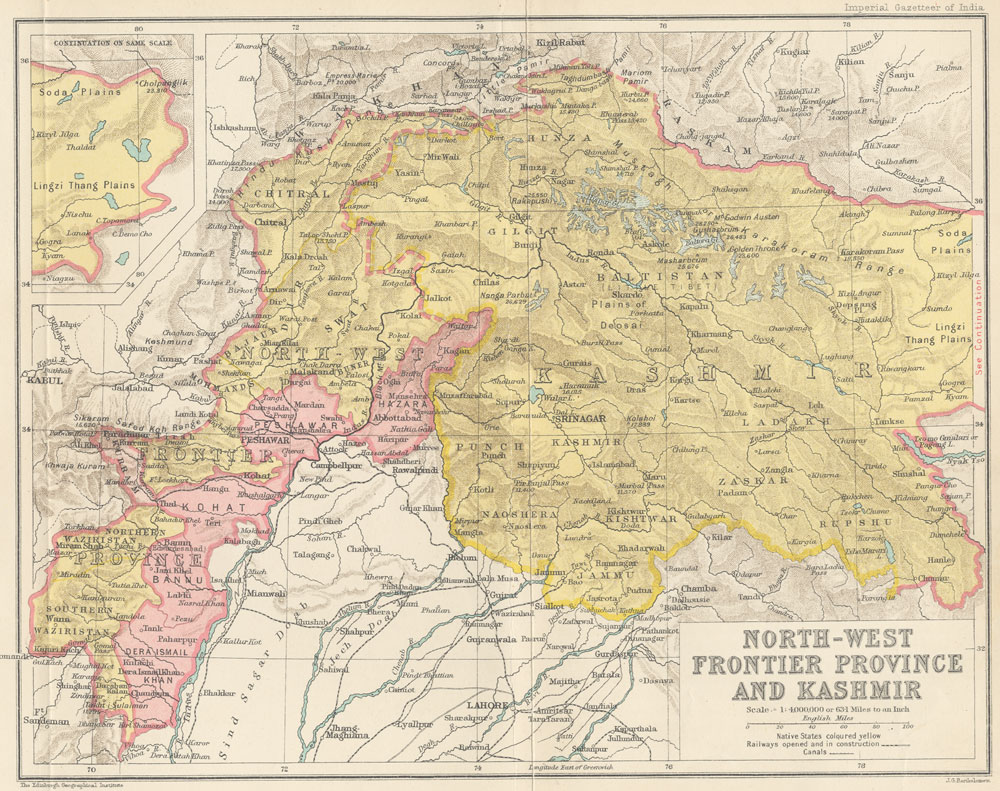
So off we went. From Gilgit north to The Hunza Valley, crossing the Hunza River (tributary of the Indus) to Gojal, Passu and then back, Westwards to Ghizer, Shandur, Over the Pass (where. the Welshman danced a 5000m Irish jig) to Mastuj then south to Chitral, the Kalash Valleys, then through the Southern foothills of the Hindu Kush, over the Lowarai Pass to Dir, Swat and finally Malakand where our trip finished 9 days later.
The Cameras and Shooting style
As in Part 1, I took two cameras. Ancient Olympus DSLR’s. The Olympus E1 from 2003 and the 10 mega Pixel Olympus E3 from 2007.
In Gilgit-Baltistan and Chitral NWFP I almost exclusively used my Olympus E1 with the 12-60mm f2.8 – f4 High Grade Zuiko lens. With a few exceptions when I needed ISO 400+ and a fast lens (I used the E3 with the Zuiko 50mm f2).
My E1 was used as with Film, as the LCD being faulty, I had to rely on my familiarity and experience with shooting photos with it.
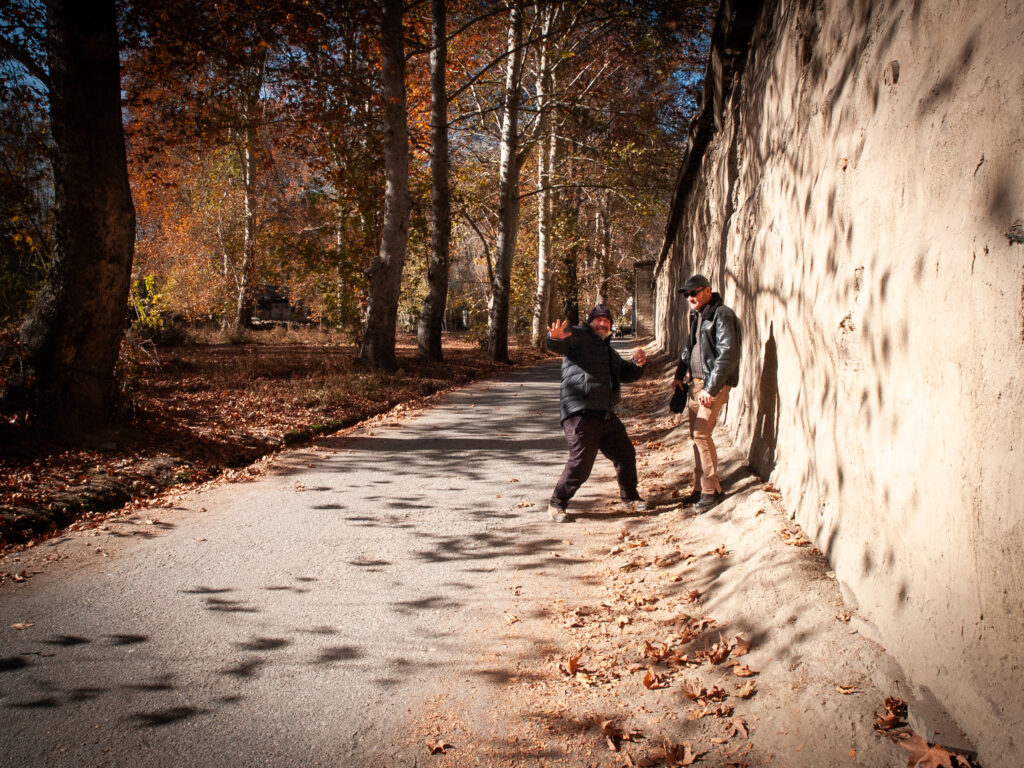
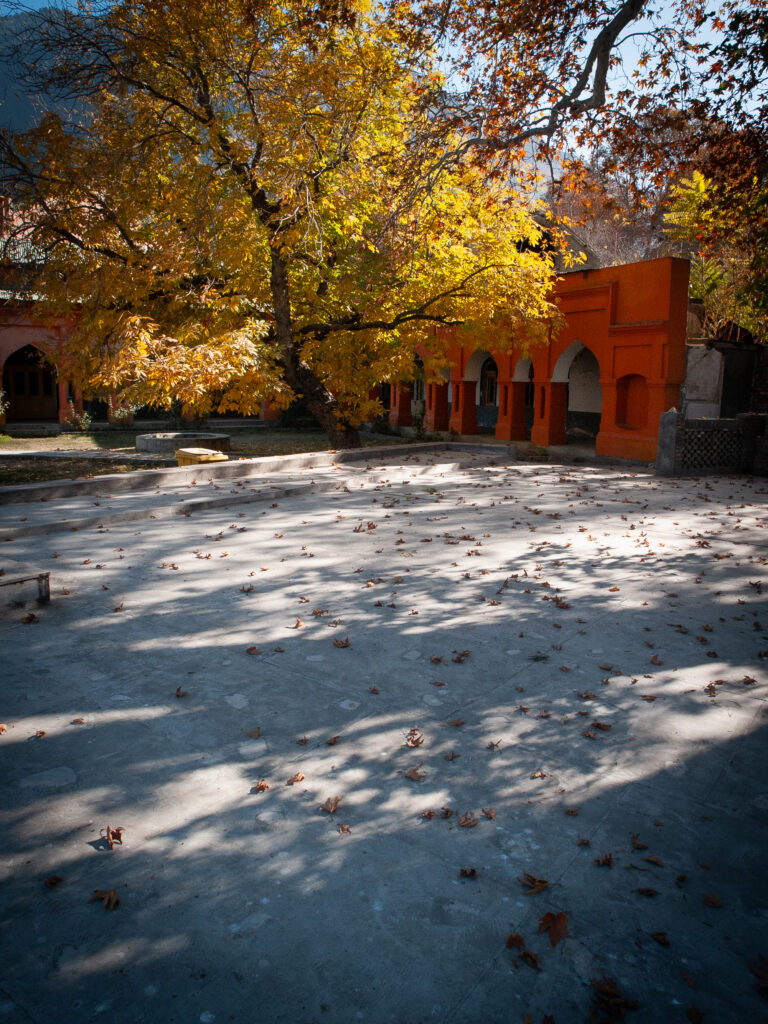
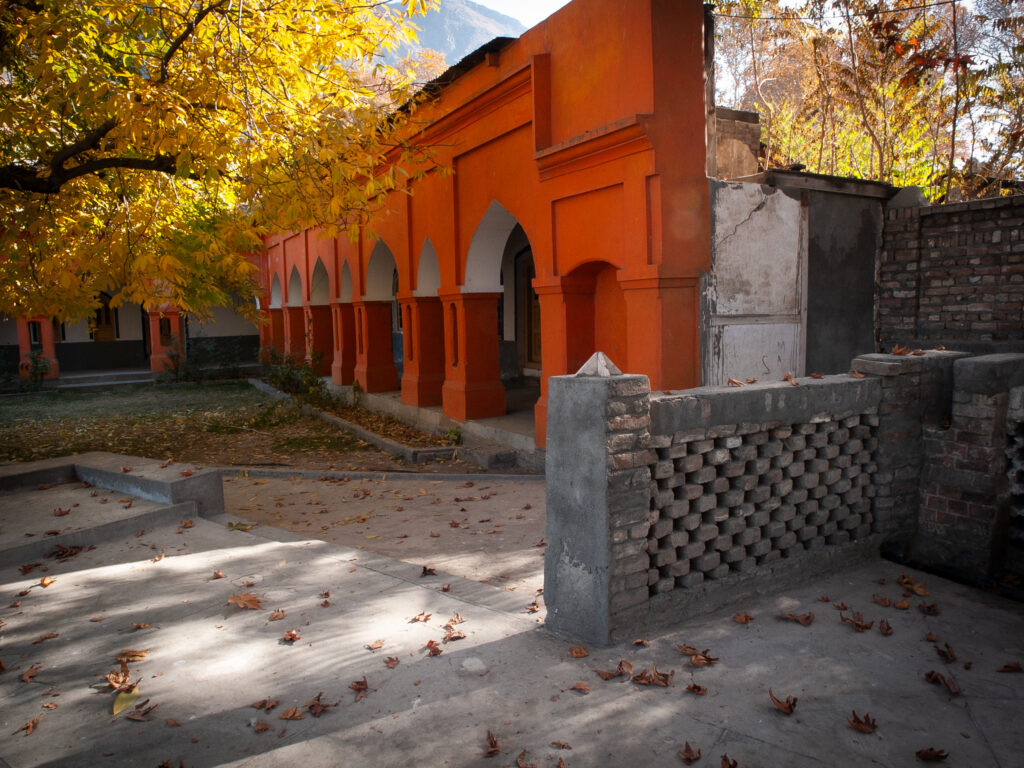
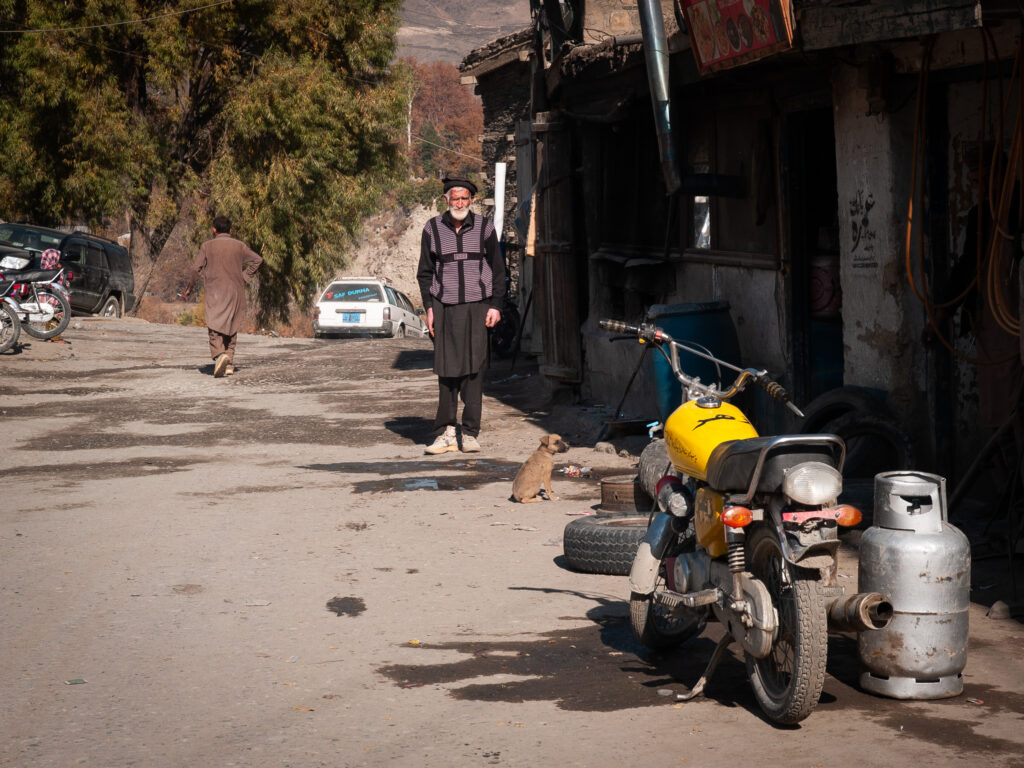
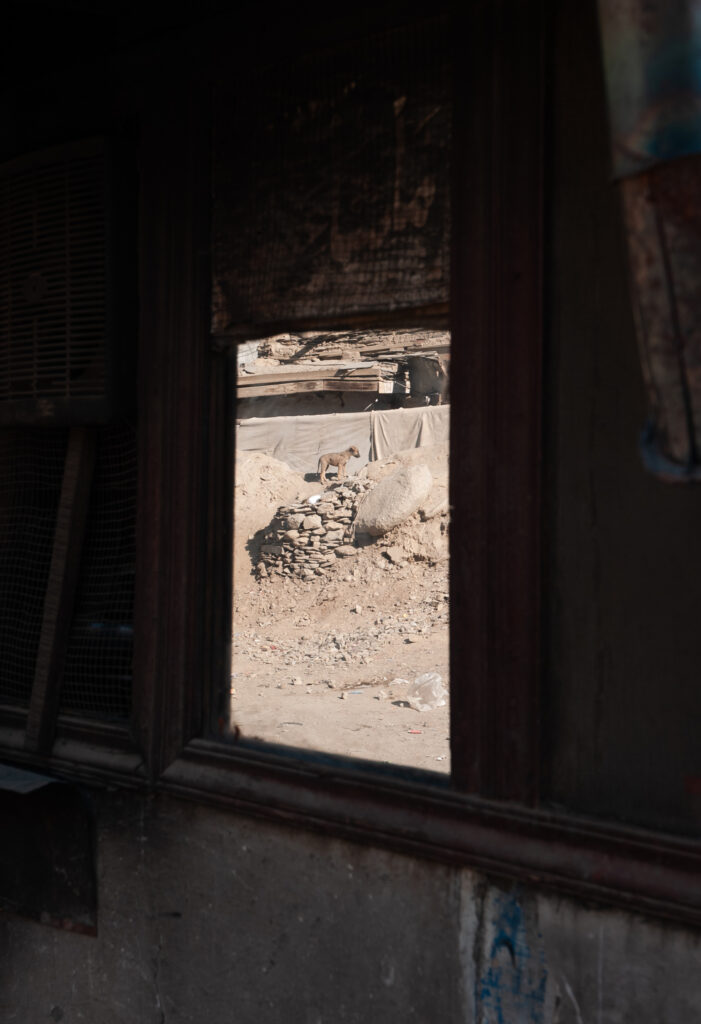
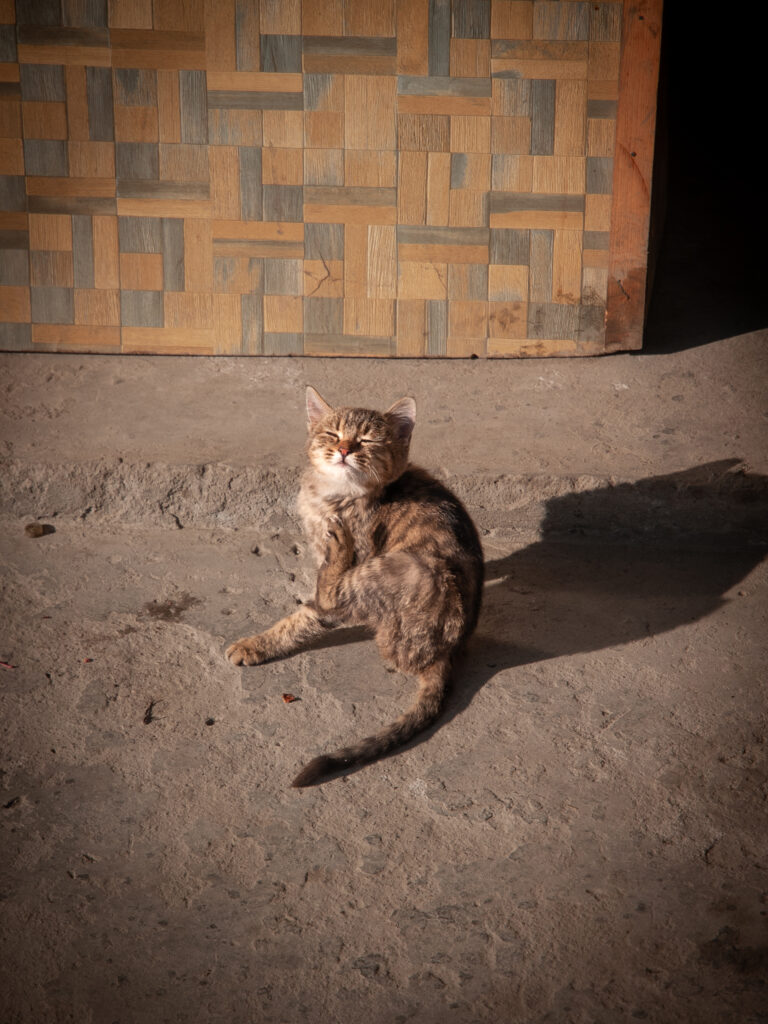
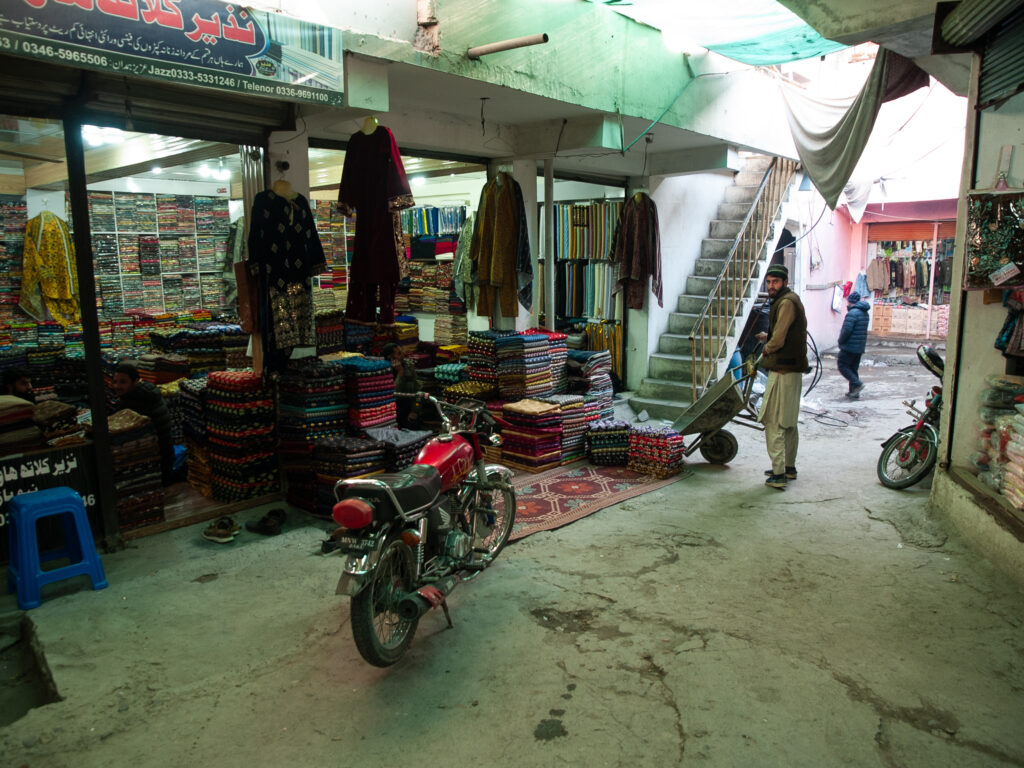
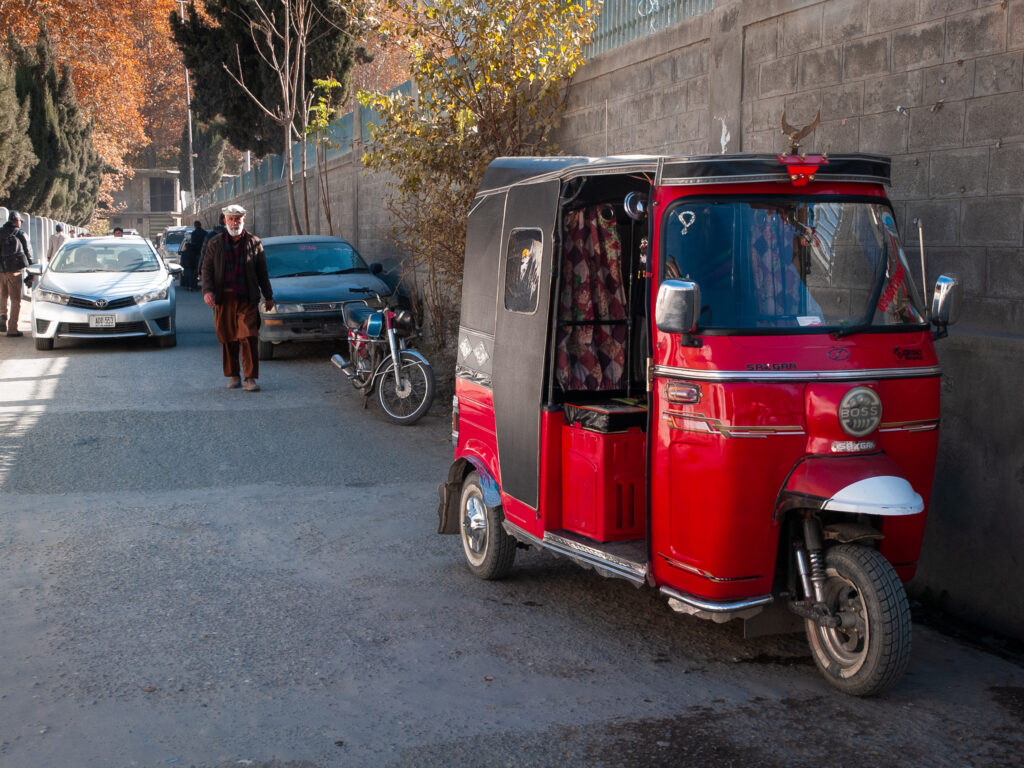
Whereas in The Punjab (in Part 1) I mainly shot people and portraits, as it’s difficult and limiting being in rural parts to try anything urban or of a “street” nature is impossible, so here visiting the Mountain towns I was able to use that excellent zoom lens to get some pleasing compositions.
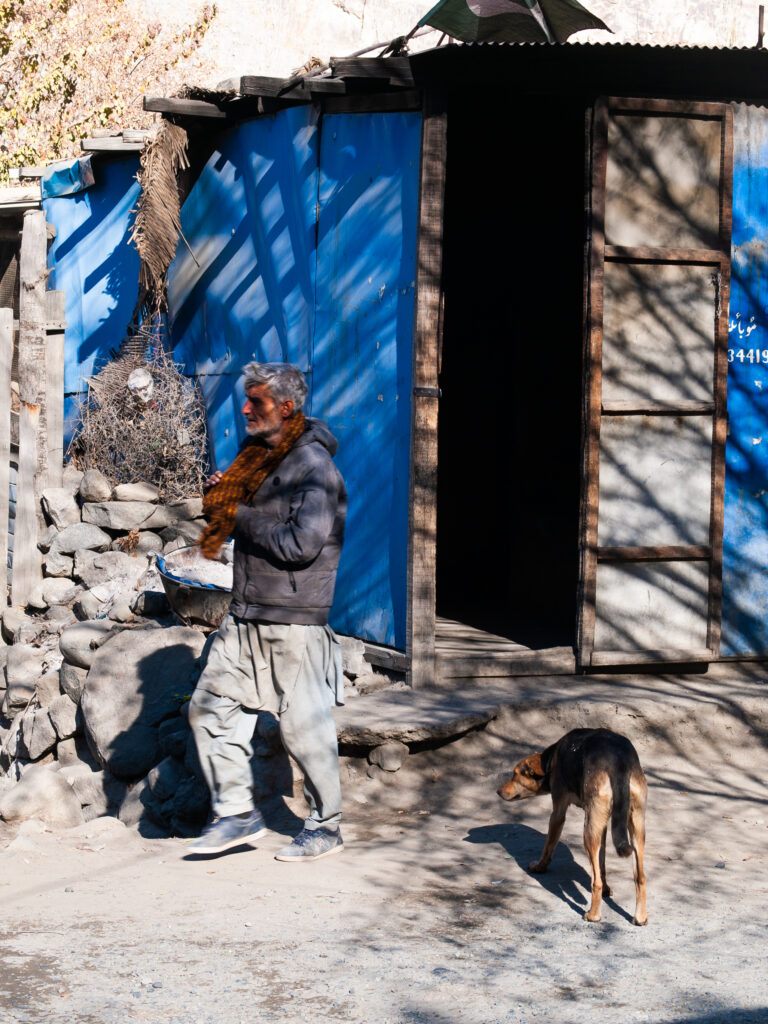
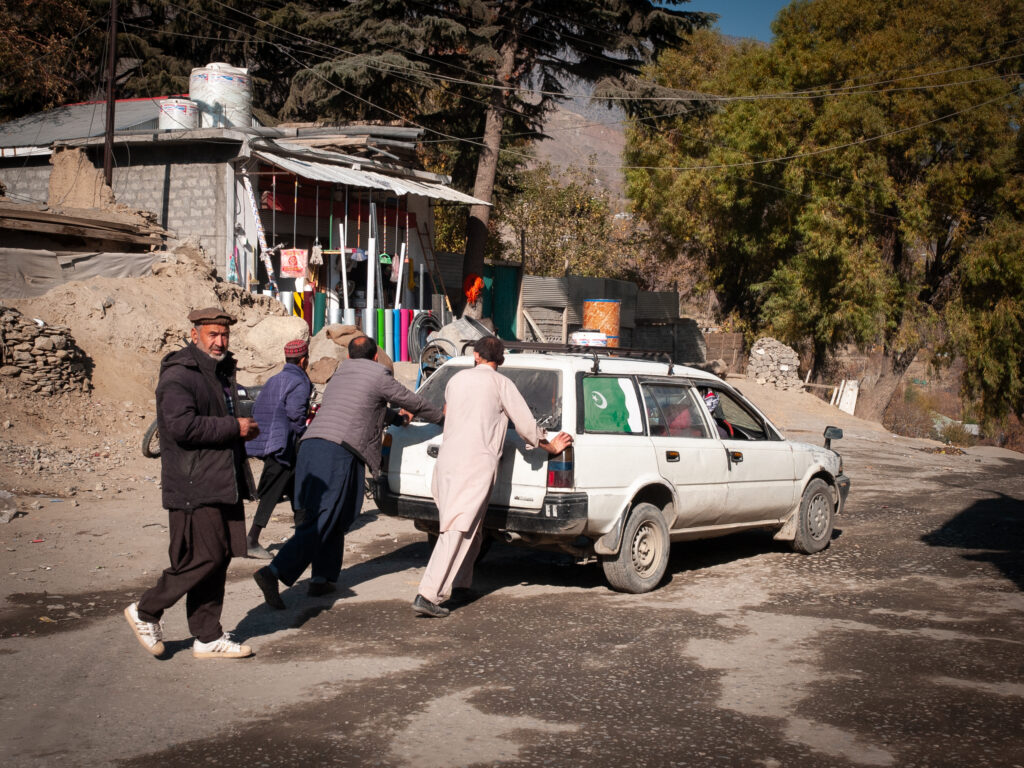
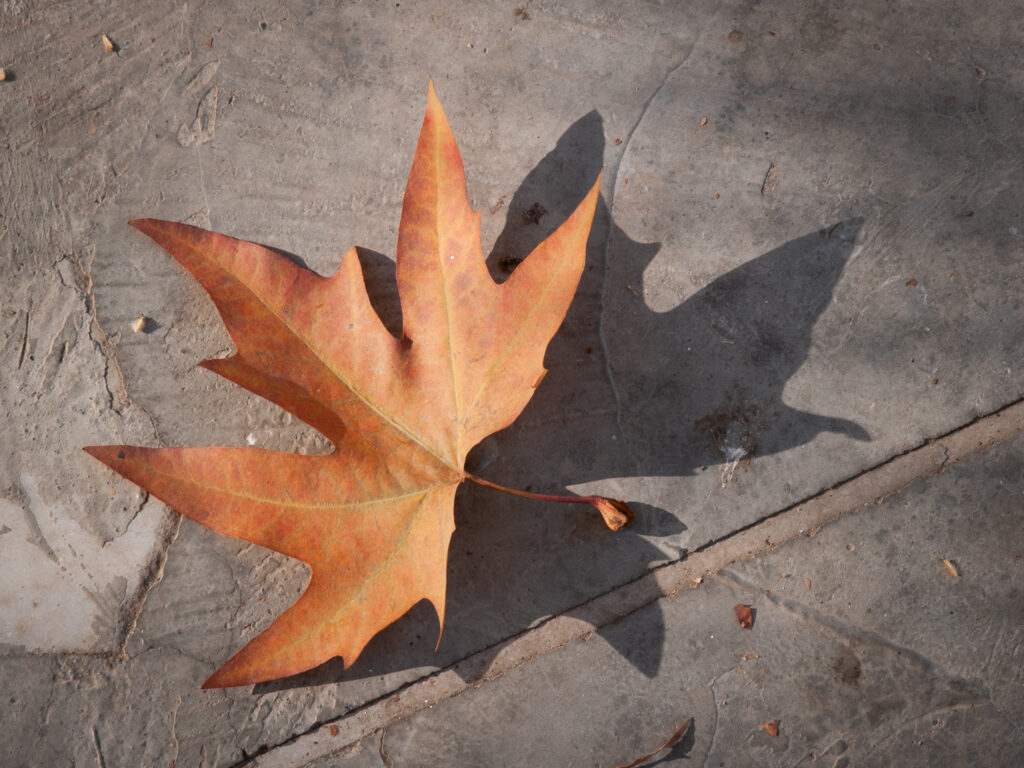
Concentrating on colour, and especially composition in my own style – which is usually light and shadow, shape and colour, trying to show some soul and flavour with strict compositional balance as a priority., rather than random shots of people walking past and calling it “street”. For an example of The Best urban/street/candid Reportage photographer and photography ever (HCB eat your heart out) seek out La Lunga Strada Di Sabbia by Paolo Di Paolo – perfect harmonious beautiful compositions first and foremost. Ok, I’m no Di Paolo but he inspired all right!
I don’t actually take that many photos, some shoot thousands and then get to select some keepers. I only shoot when I see a photo and am 100% certain I want it, even then I miss a great deal as the moment has passed.
The Olympus E1 has fantastic white balance and especially colour, it has limited dynamic range and a low 5 Mega Pixel resolution, but the new Lightroom is great for being able to lift a little shadow without noise and to tweak an image with a measure of precision.
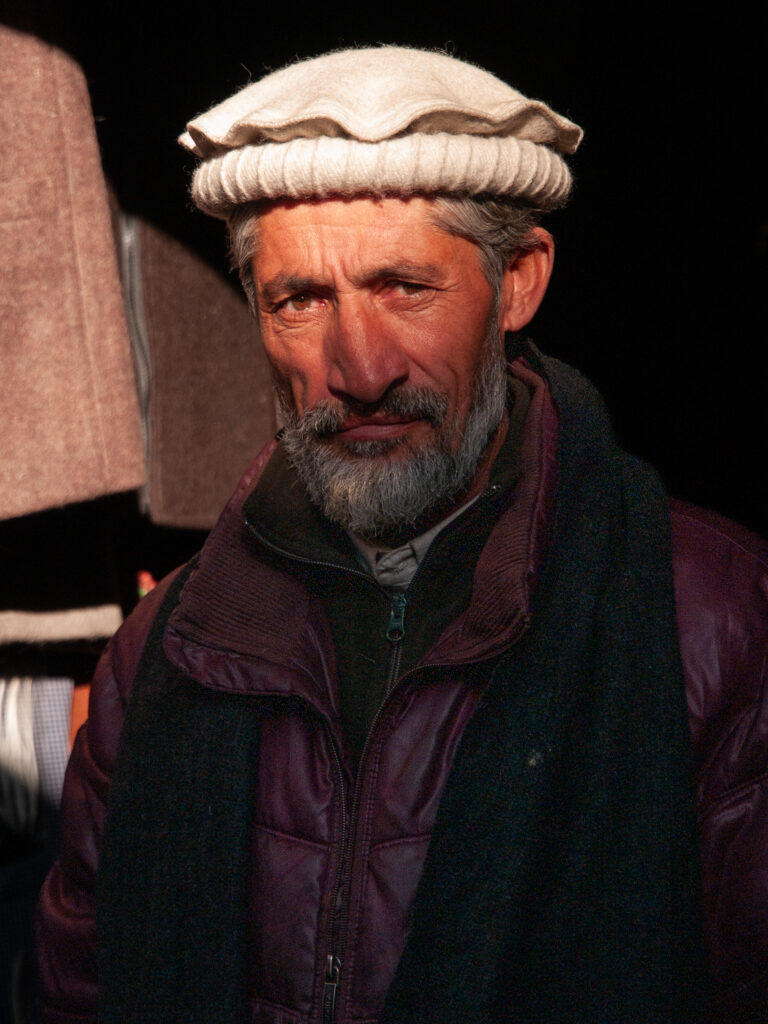
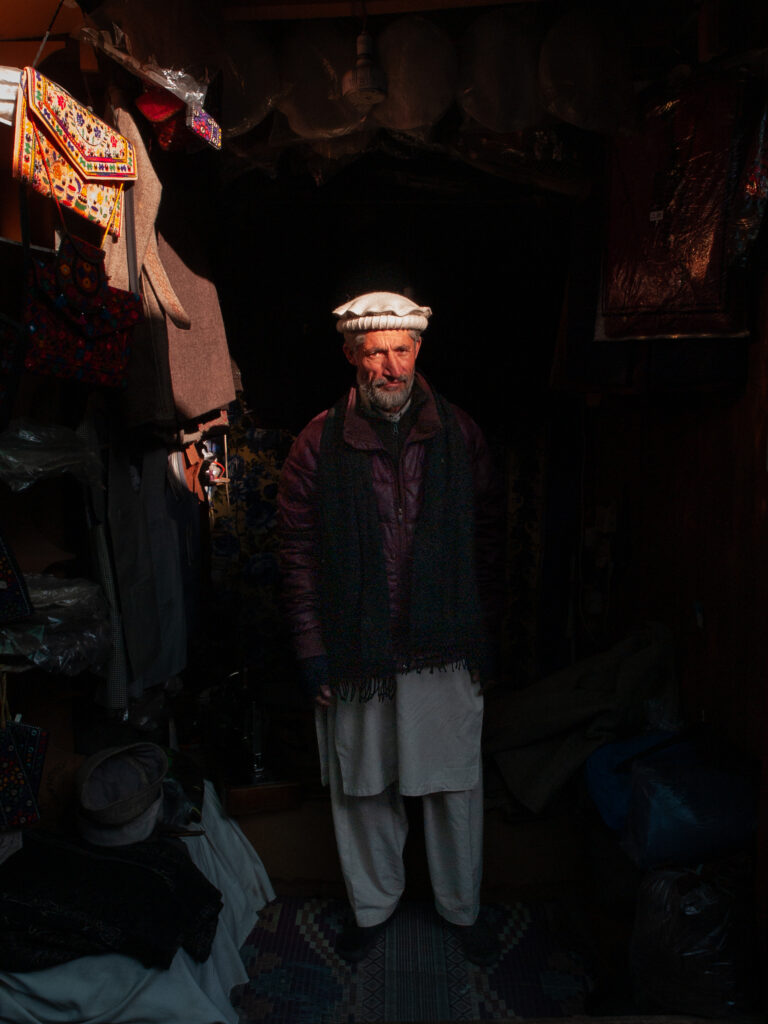
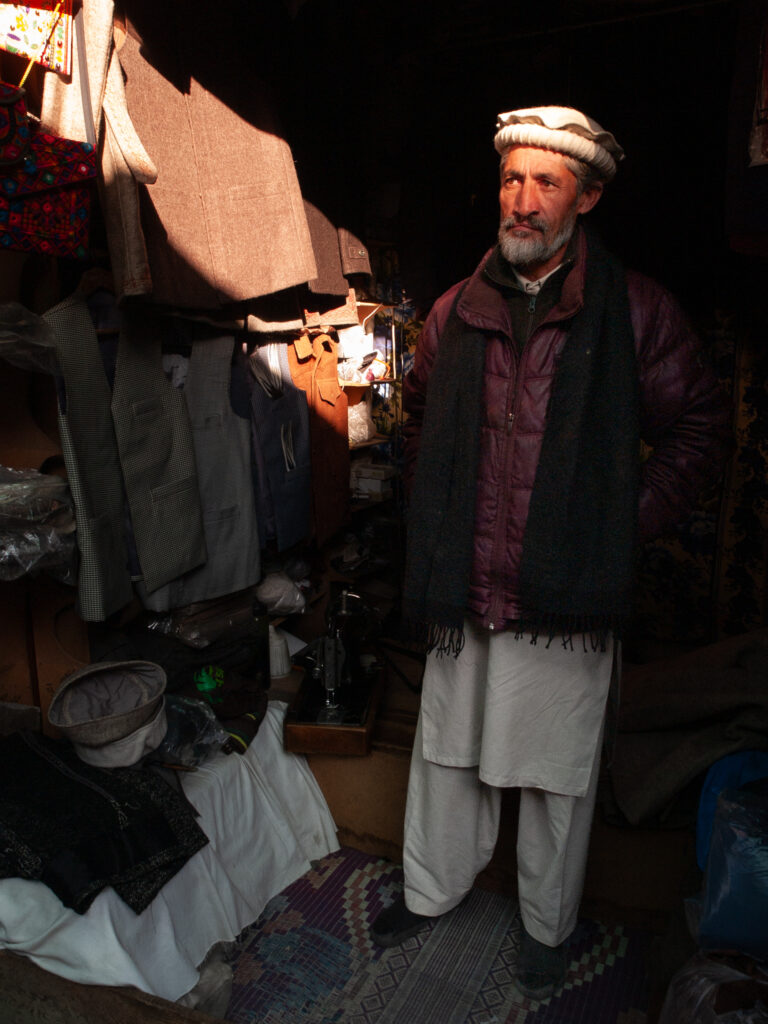
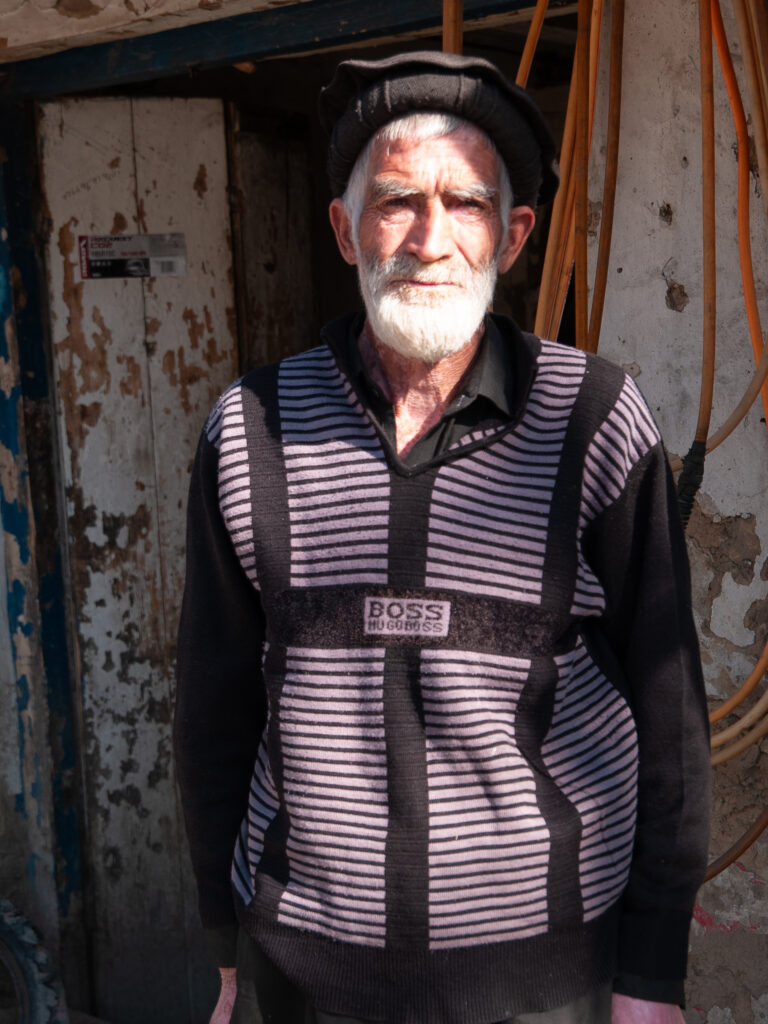
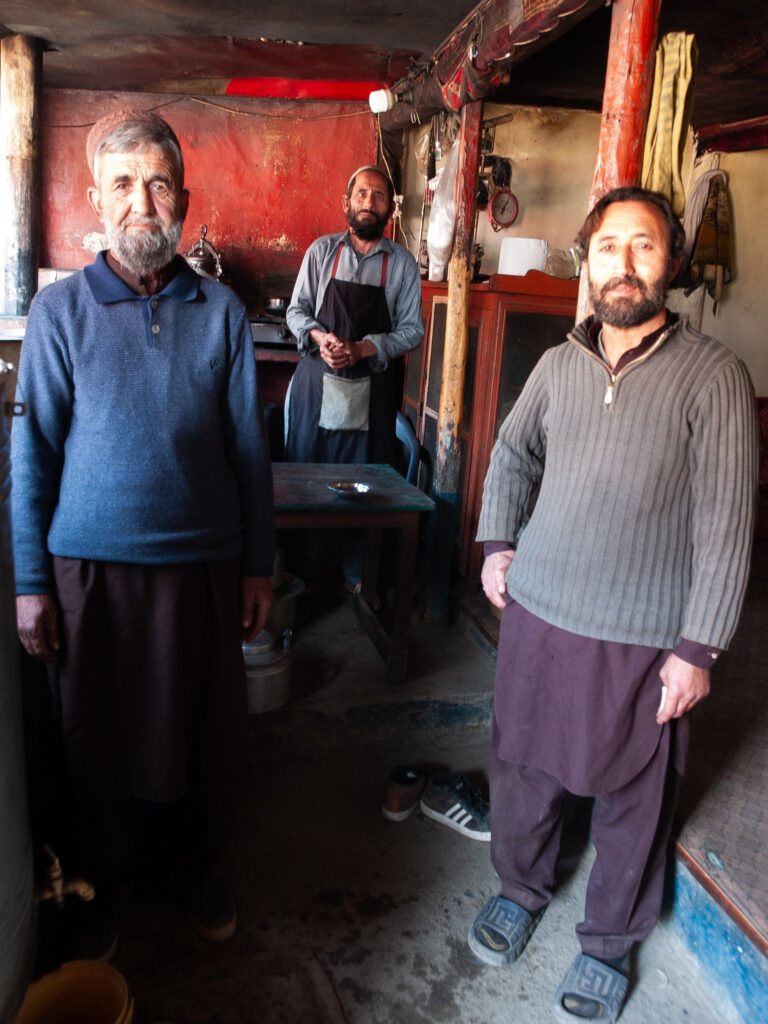
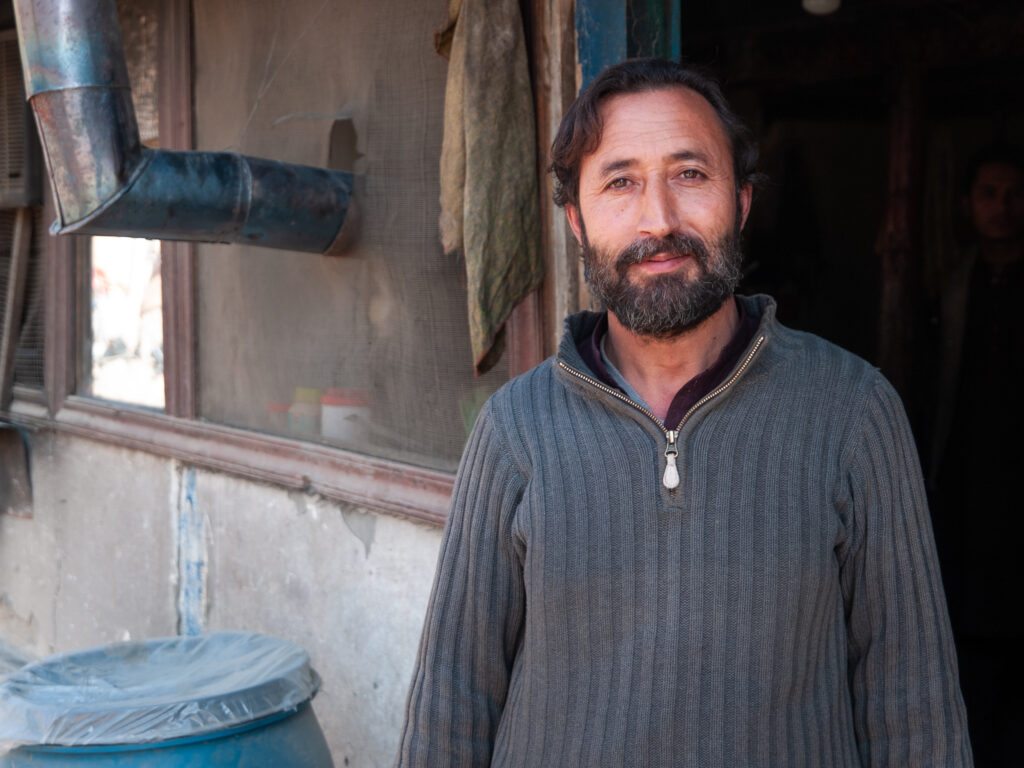
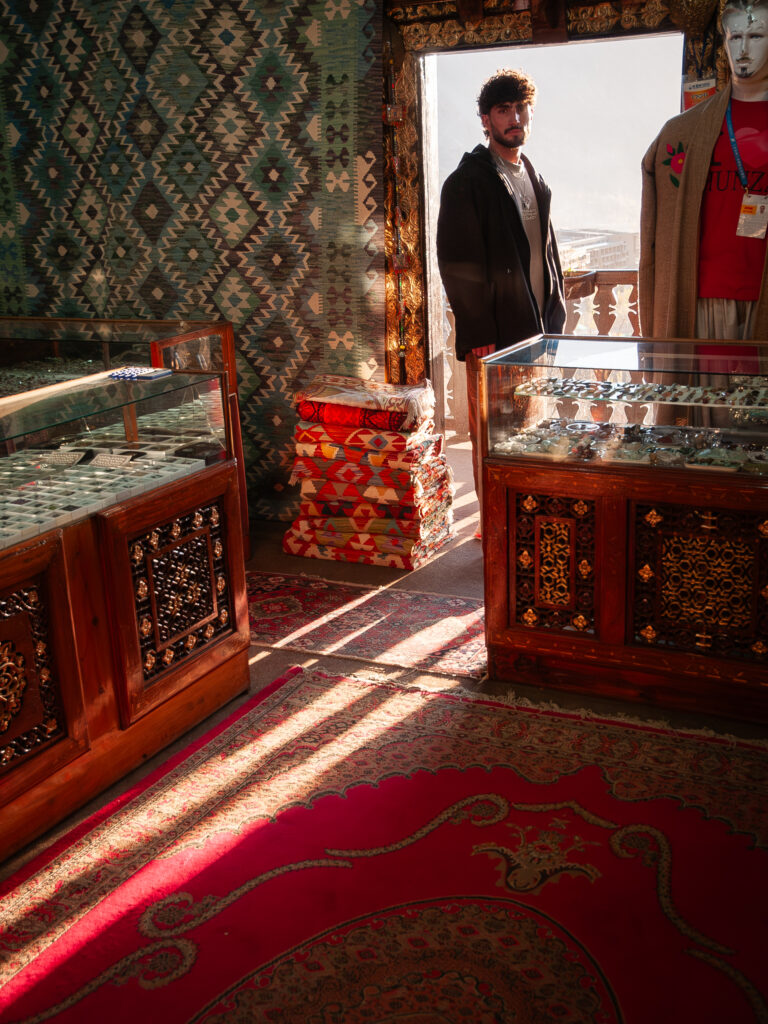
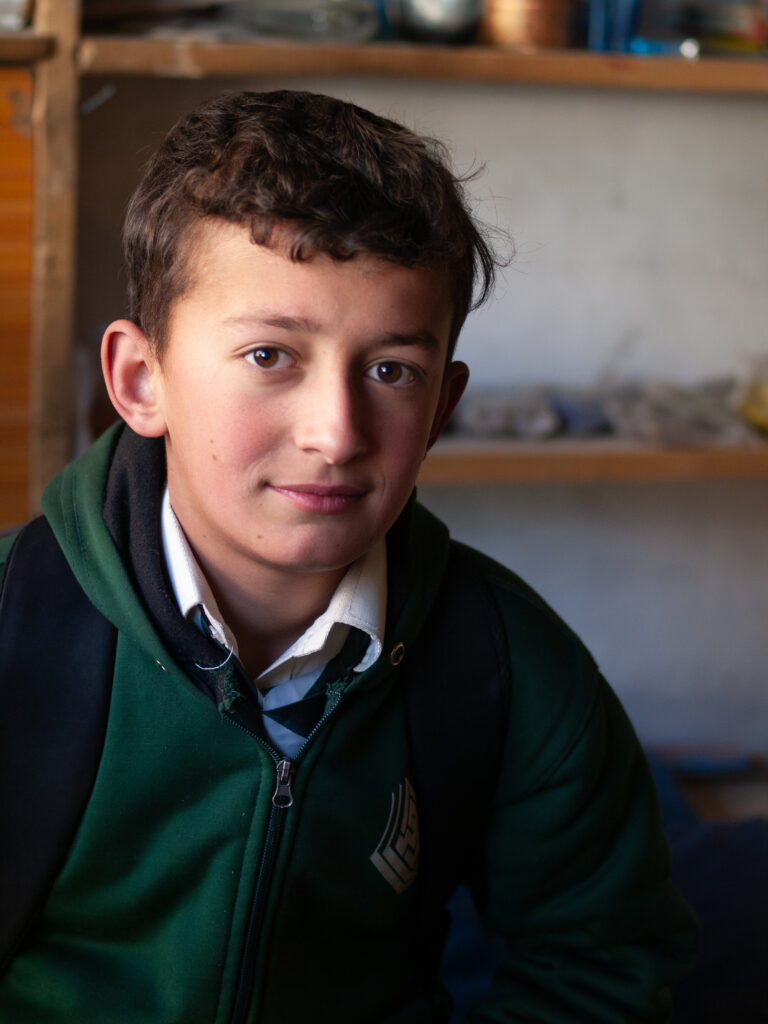
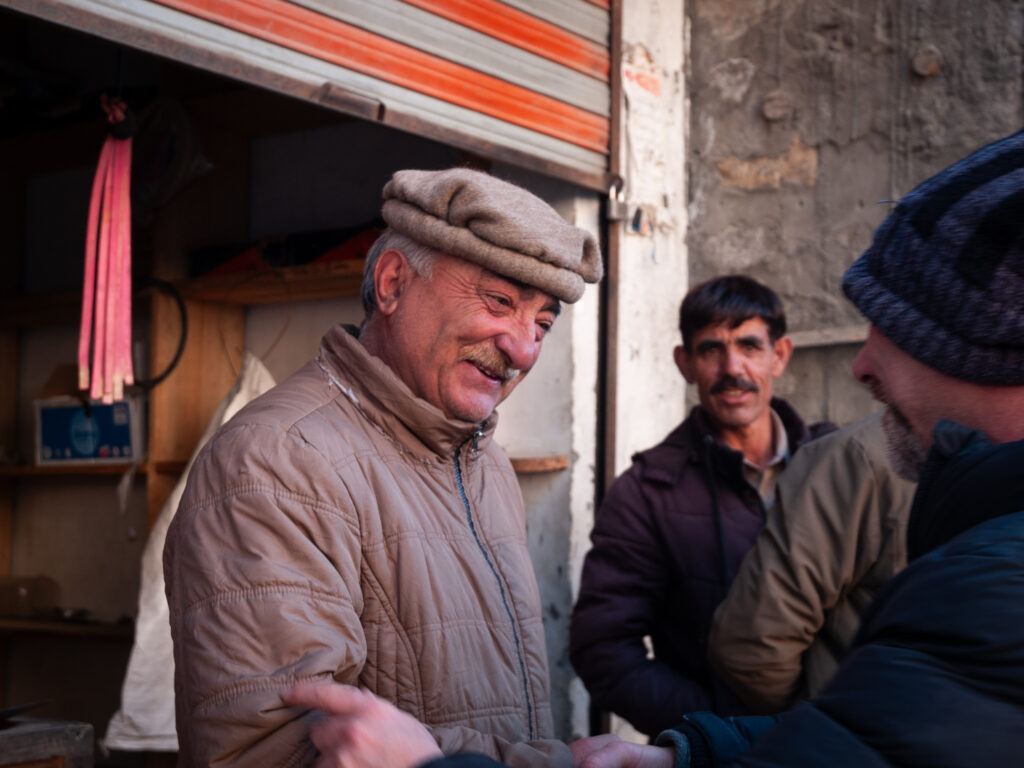
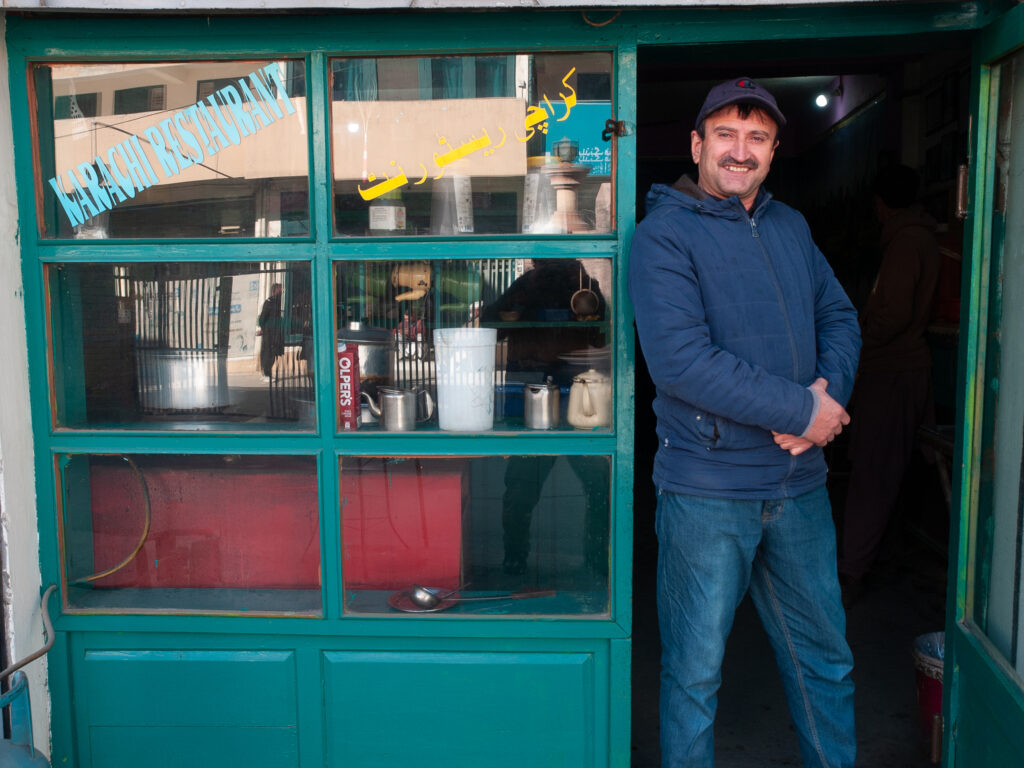
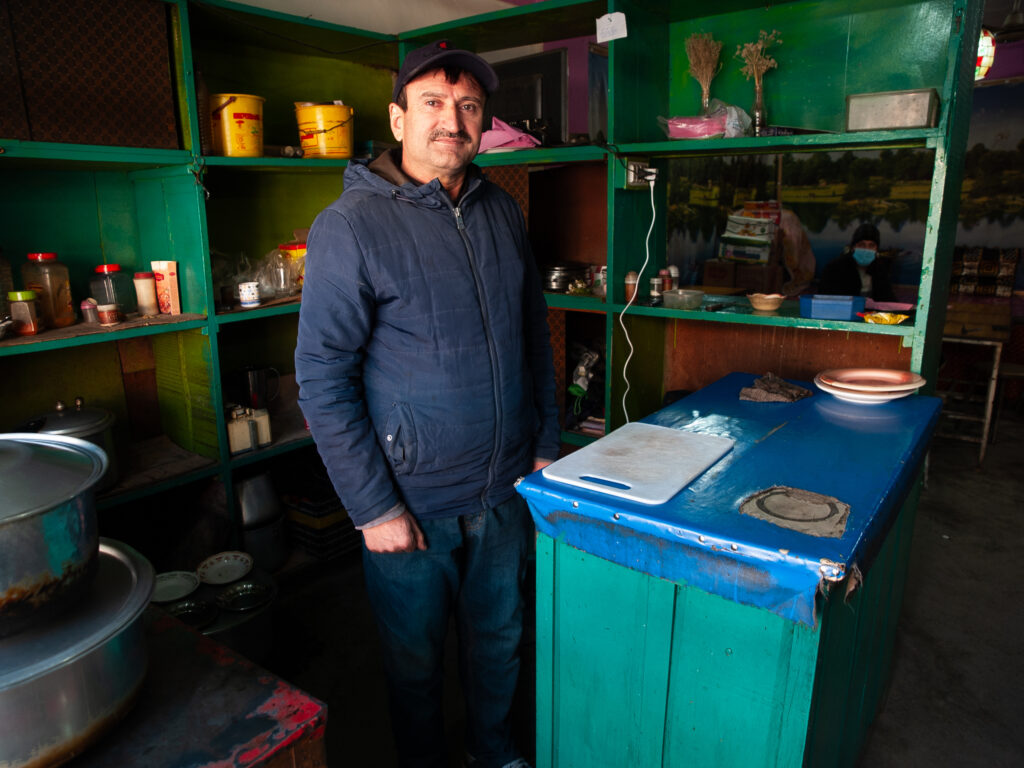
Many portraits were taken after a brief chat. What I really like to do is take a selection, usually a study of the person using different aspects and F stops, where they work or live, to get a feel for their world. I especially like the natural light photos of the Tailor in his shop. I bought a few things from him after he kindly allowed me to photograph him.
People were very willing to be photographed, they all know who is a twit and who isn’t. You do get some prats pointing cameras at all and sundry and strutting around like cocks (not the male chicken variety) this is especially tru of Pakistanis (and foreigners) from big cities, with money or those who are “Photographers”. I’m not a Photographer, sure as with anyone, even my cat, put a camera in their hand (or paws) and they’re a “photographer”. I like taking pictures, I also enjoy taking a record of my travels, of memorable things and nice people and places. People notice this as first and foremost they don’t see a camera, they see a friendly and curious smiling middle aged midget and I’m genuinely interested in the people I meet and wish i couild meet them again – in many cases I do, and even after many years they remember me. I often give a gift at a parting, I want to be remembered, fondly.
The camera comes out afterwards, and as I don’t have social media I make a point of letting them know this. Saying I write for a world renowned Film Photography magazine called 35mmc also helps!
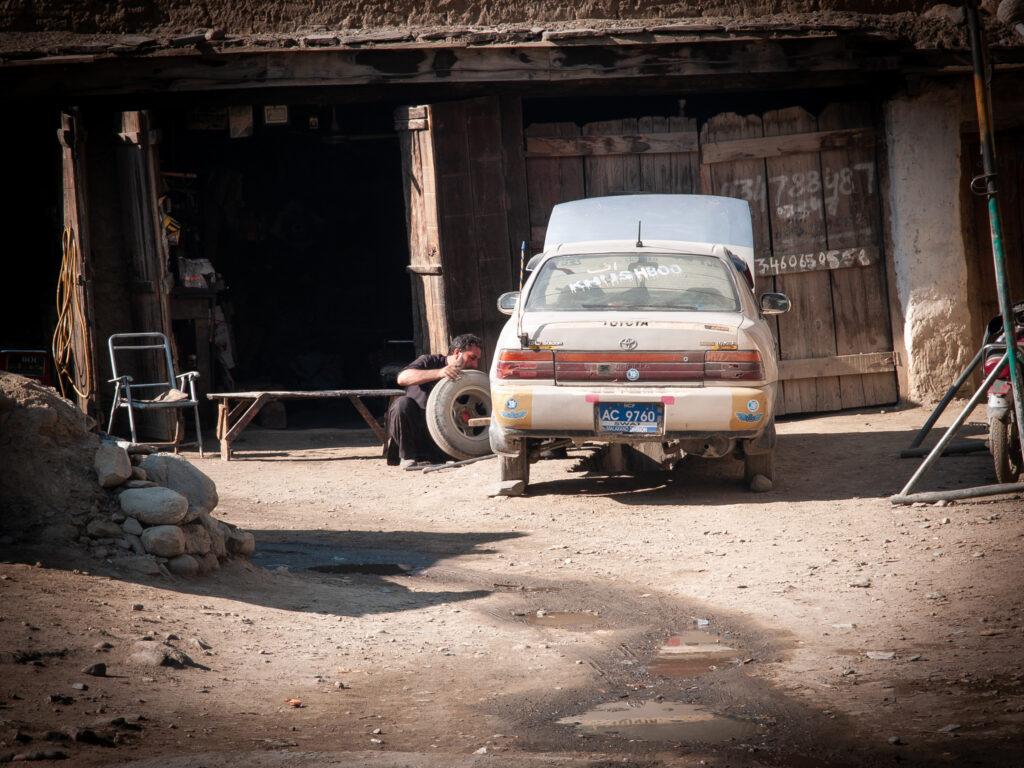
As regards candid photos of people doing stuff, they have to be doing something; anything interesting and be a complete part and parcel of the overall composition.
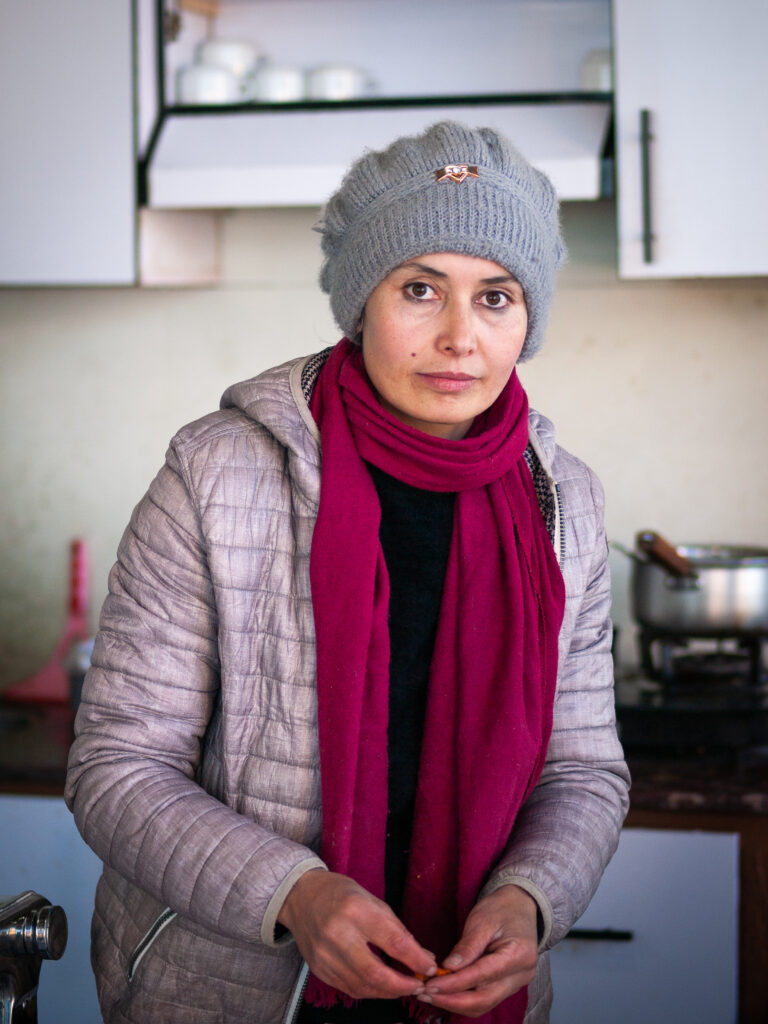
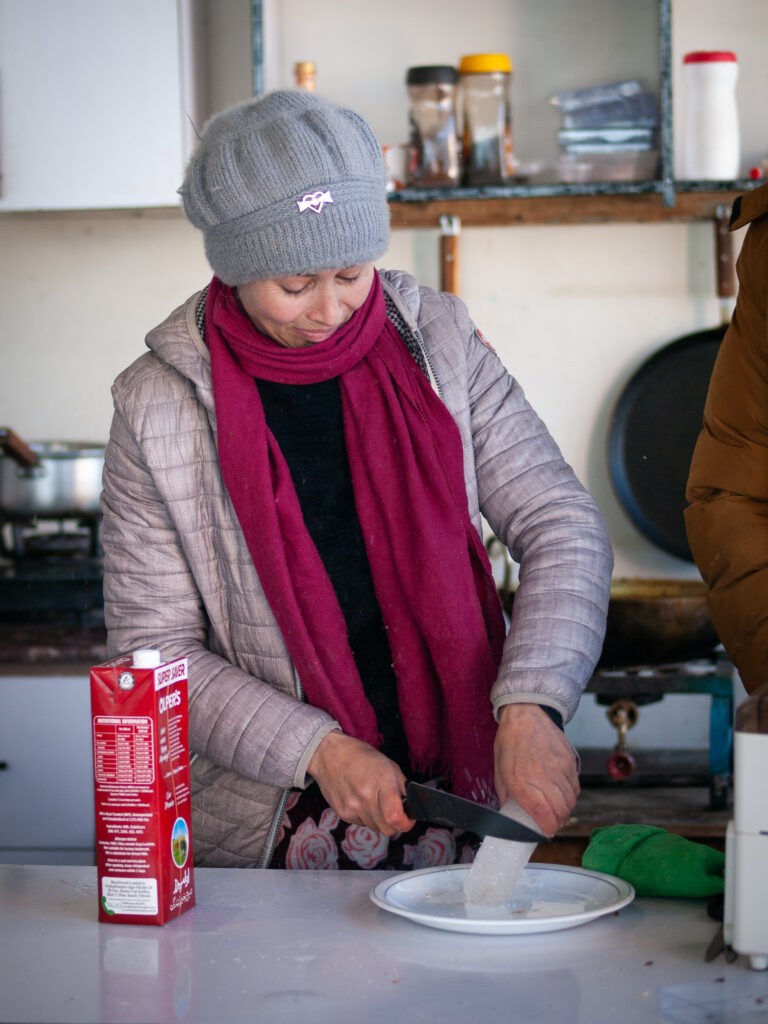
I think Passu in Upper Hunza is the only place in the world where you can get a nice ice cold jar of Shilajit and Apricot kernel Milkshake, made by this wonderful lady at the Atabad lake, Hussaini Zipwire. It is delicious with hints of that almond like kernel flavour, with out the shitty smell of Shilajit (which is rife around these parts).
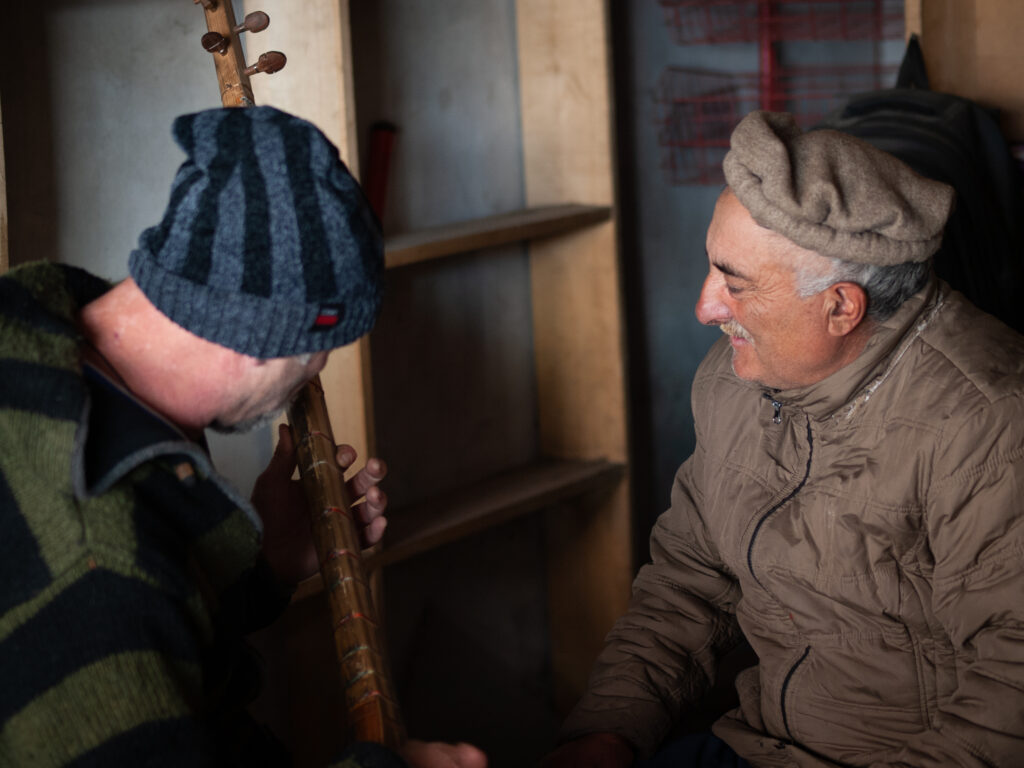
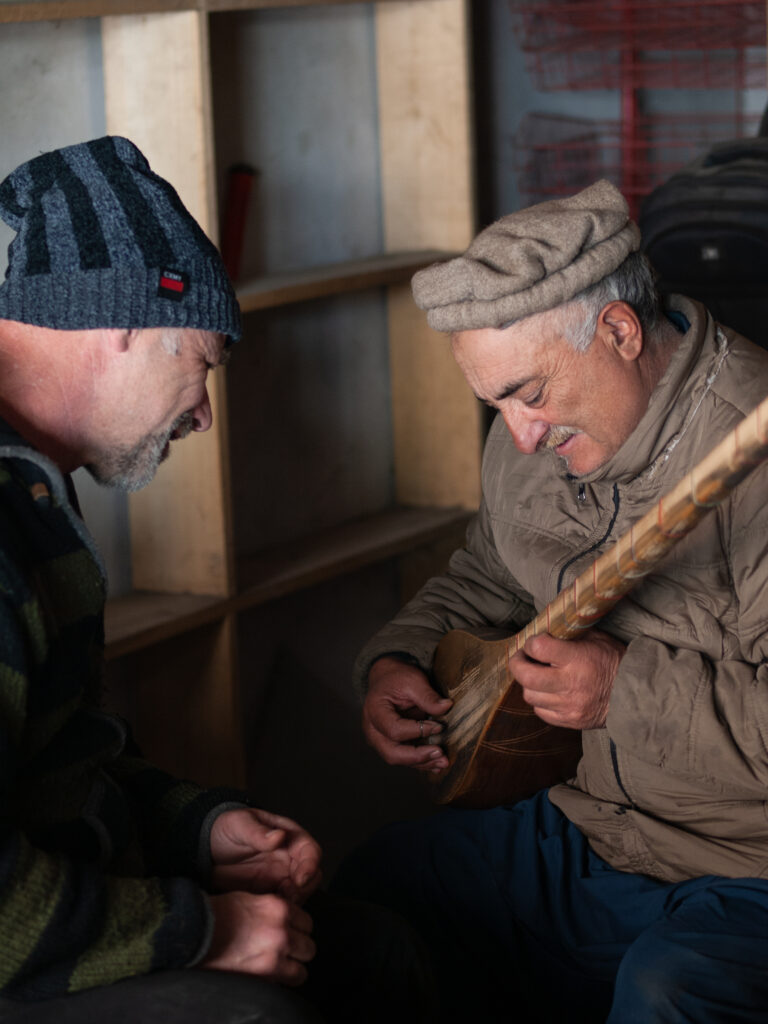
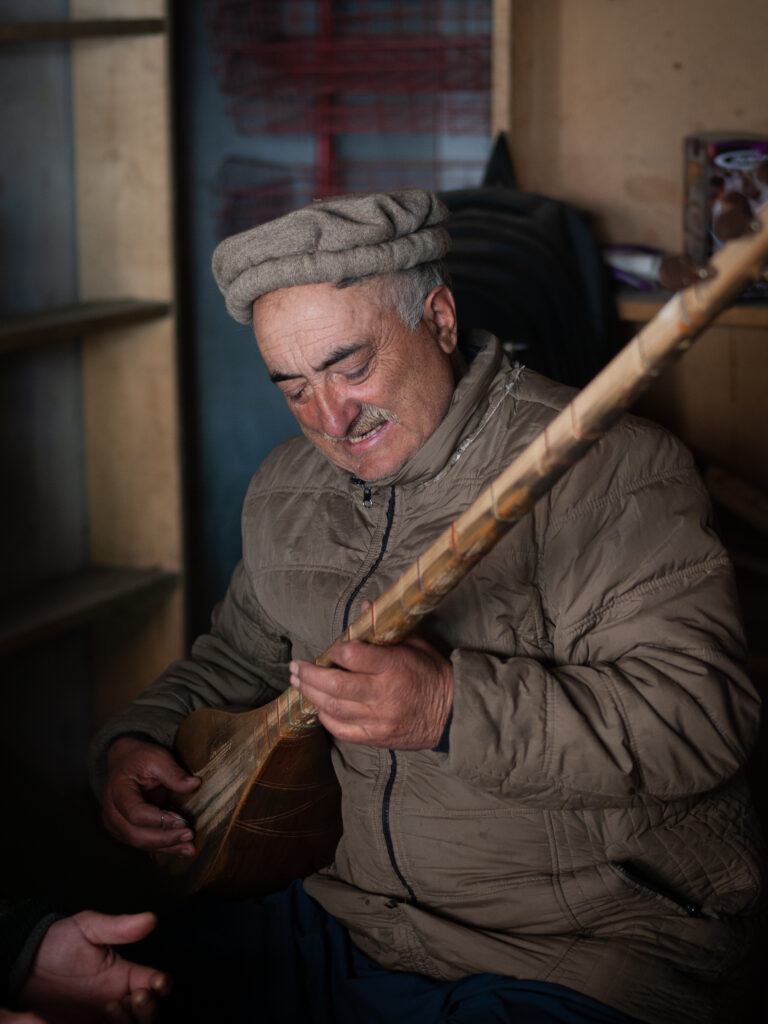
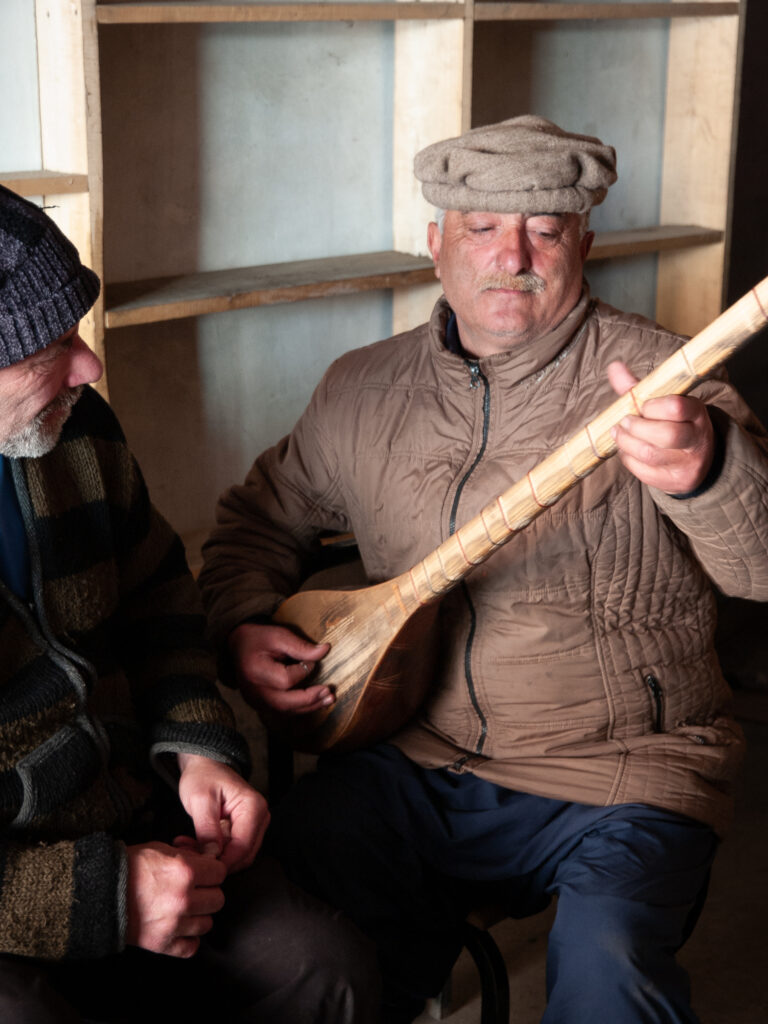
One memorable moment was when in Phander in the Ghizer Valley I heard an instrument being played, the instrument has that sound which conjures up a feeling of high places and cold mountains. It was being played by a Luthier, Steve being a guitarist immediately ran inside to see. Needless to say the two struck up an immediate connection and were still at it an hour or so later. Steve had a go, to be fair he didn’t do too badly! These I shot with the Olympus E3 and Zuiko 50mm f2.
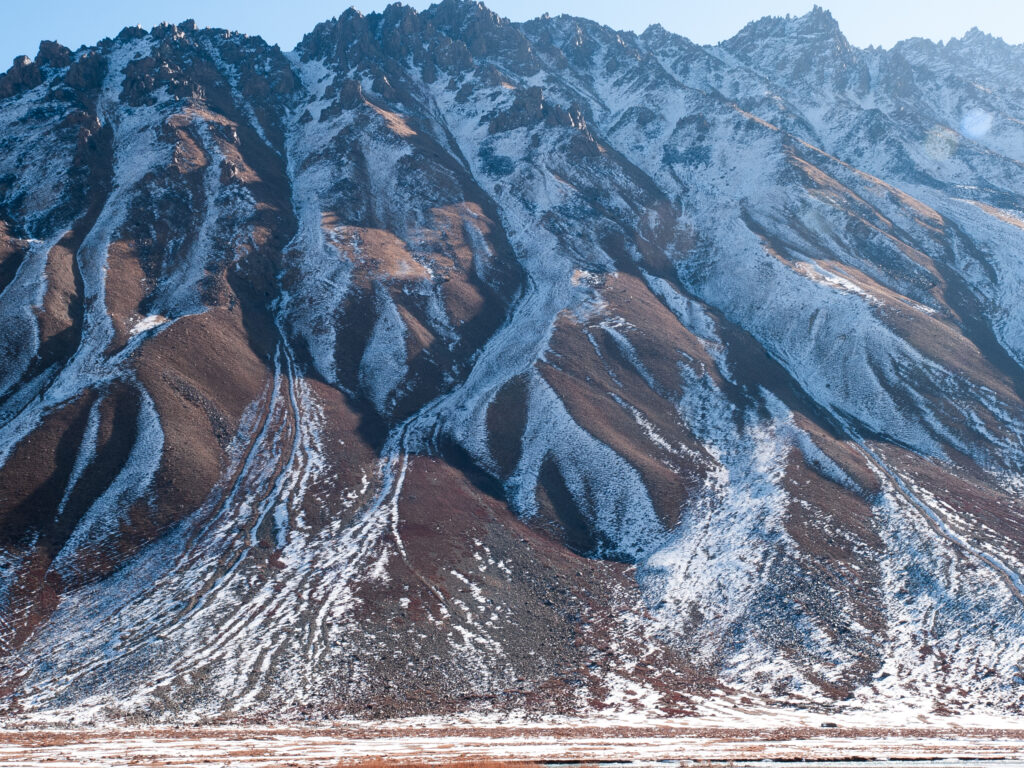
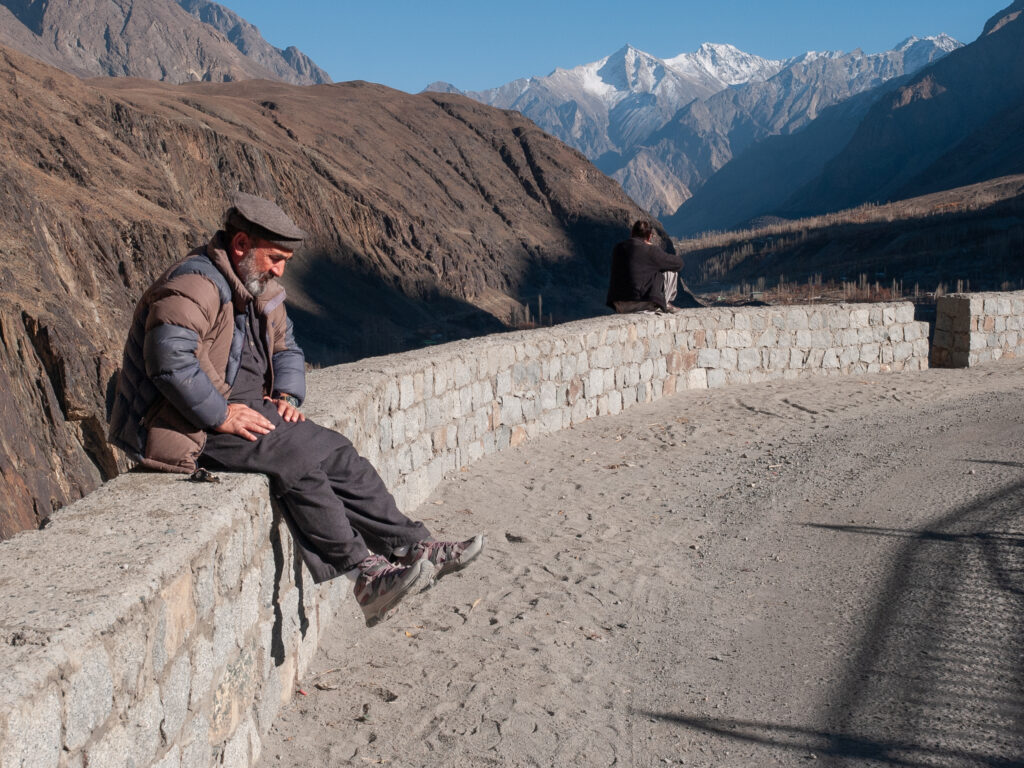
The one big problem with a 23 year old DSLR such as the Olympus E1 is the severe lack of dynamic range. It’s probably worse than using a Slide film such as Kodak Ektachrome E100vs. I have visited the Chitral Gol a number of times, which I have written about HERE (with the Fuji GA645) and HERE. As you can see, Tirich Mir dominates, and with the right equipment you can take some beautiful Mountain photography. But with this, unless the light is even, or you are set up with a Graduated Filter, CP FIlter and Tripod, forget it.
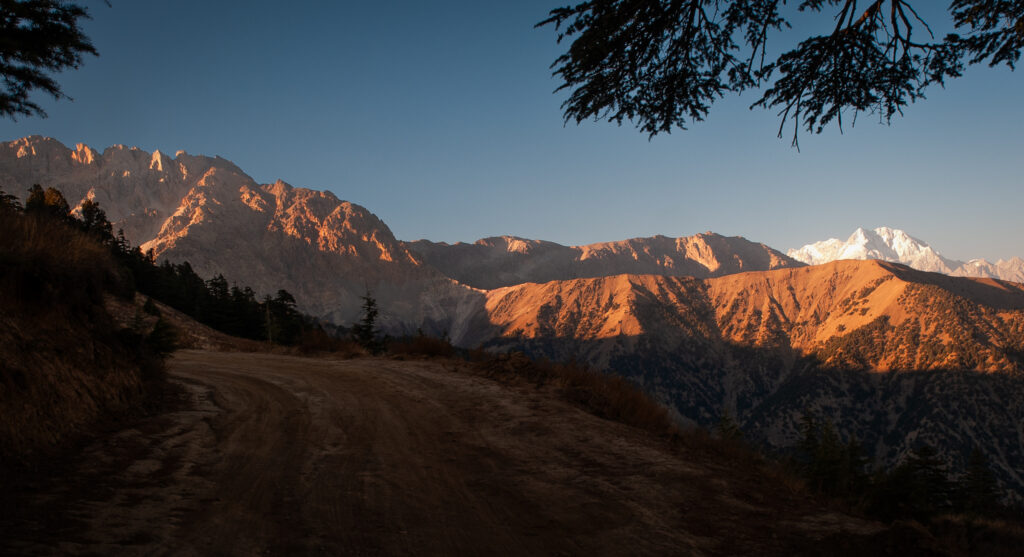
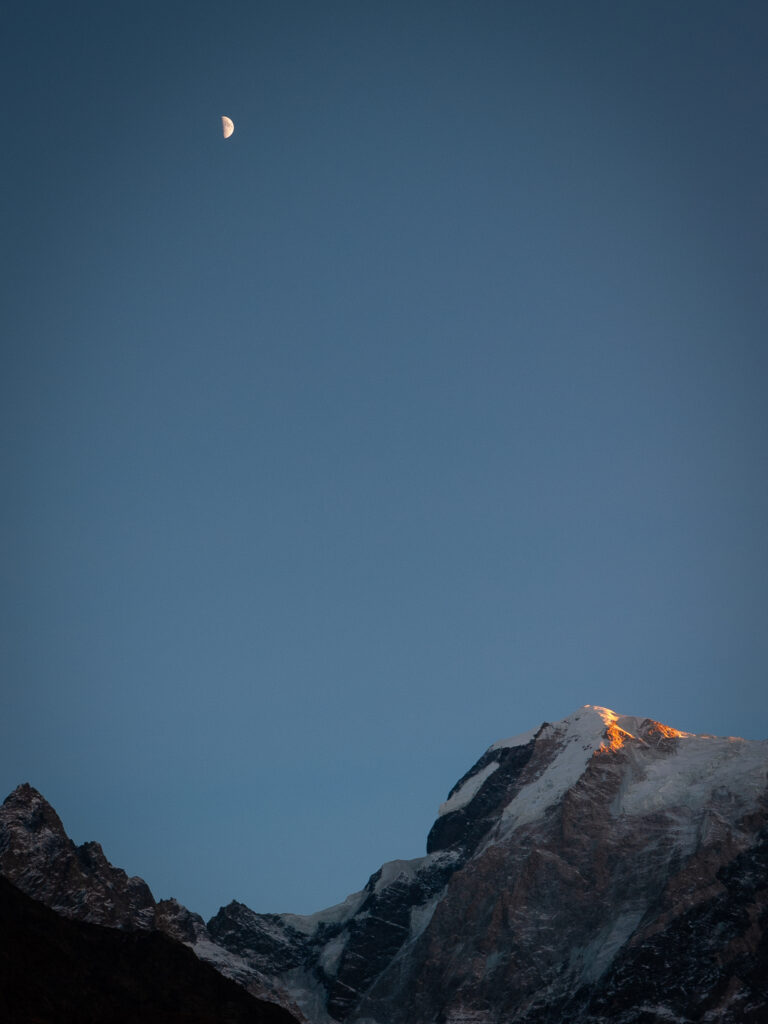
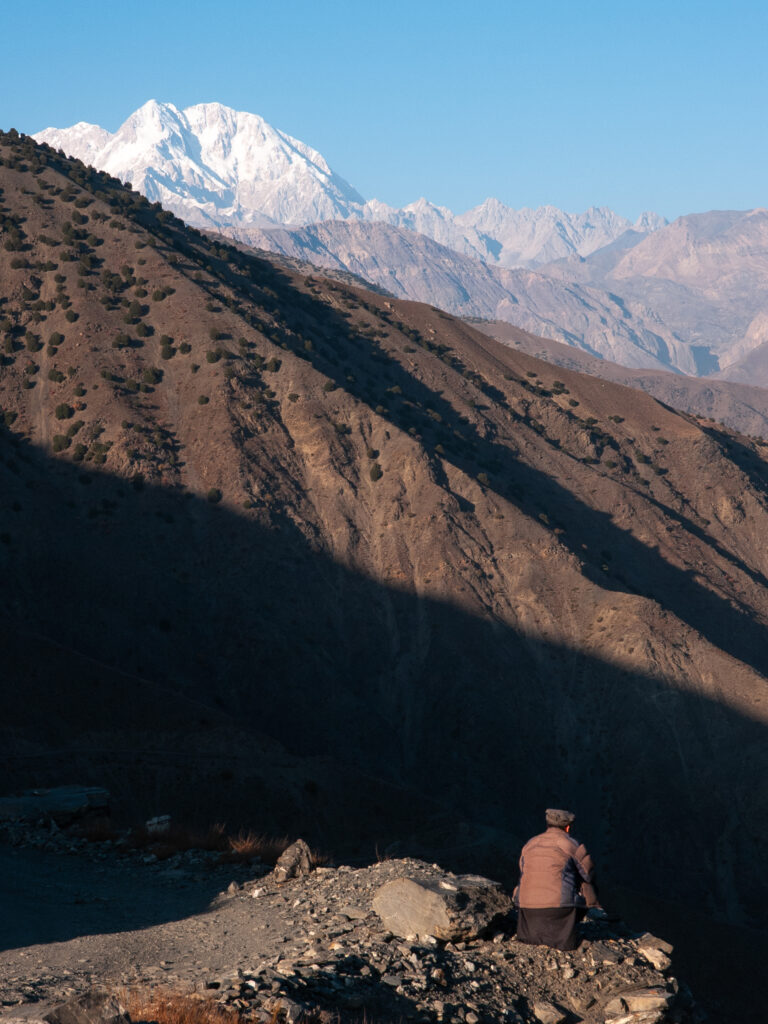
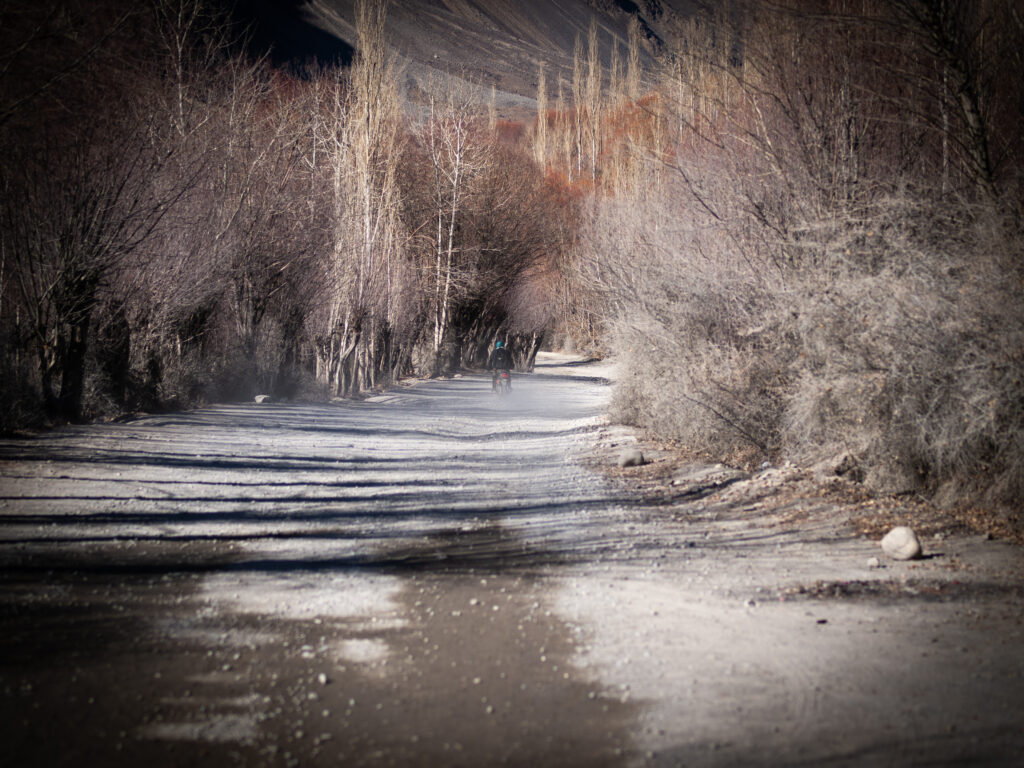
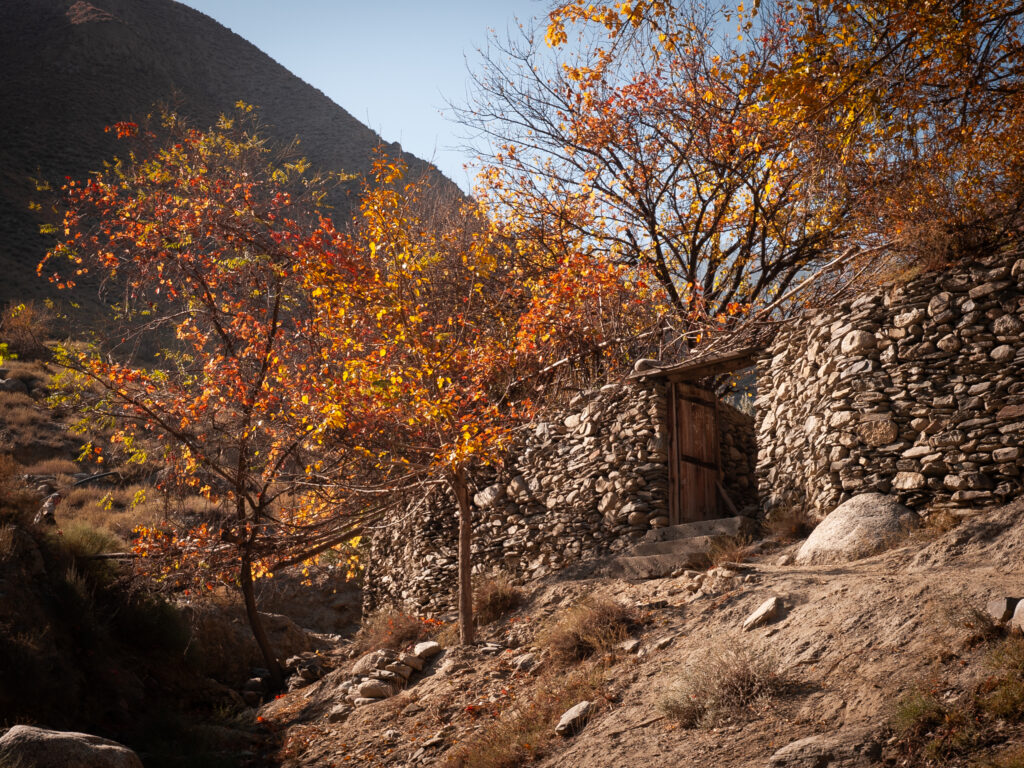
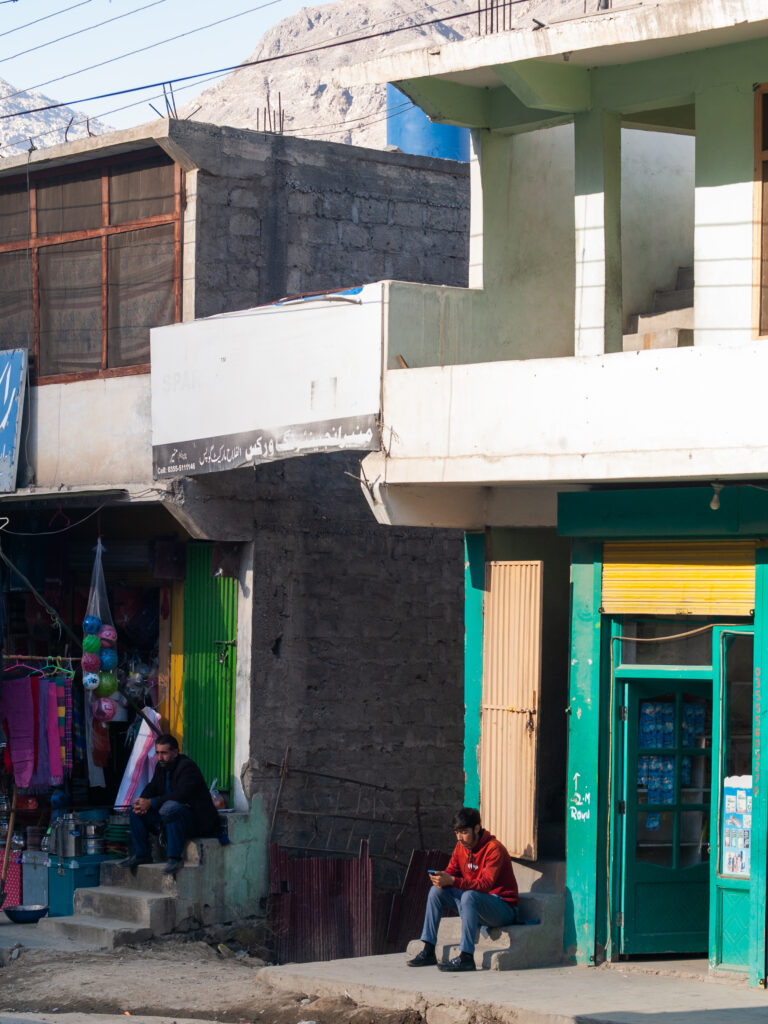
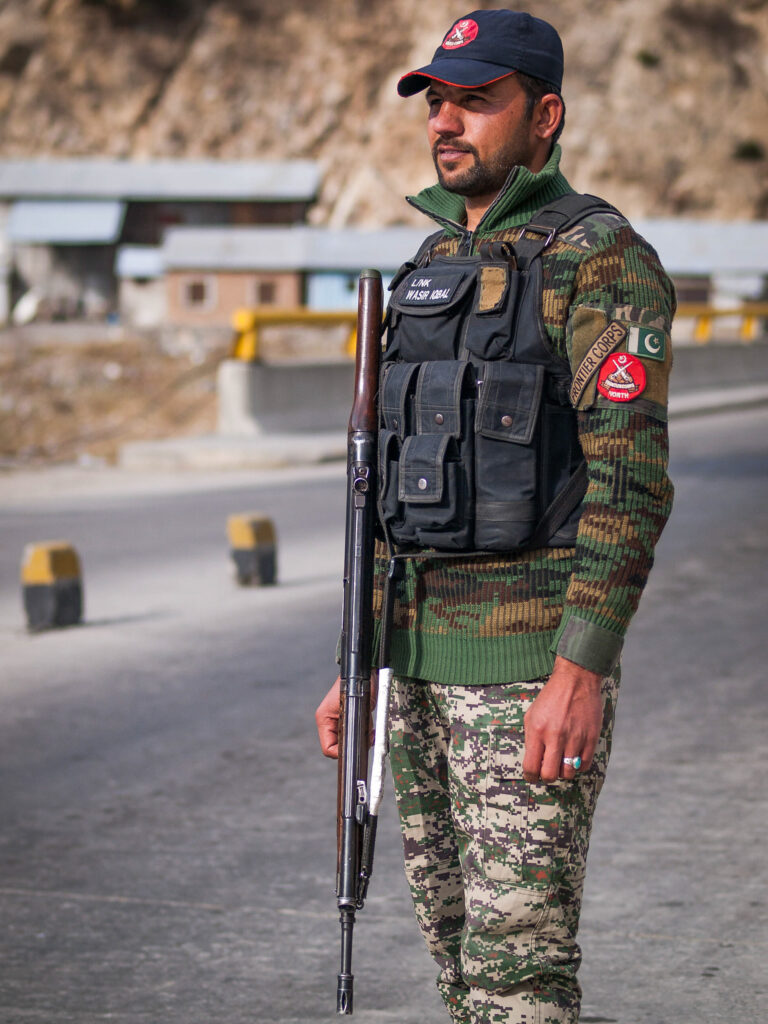
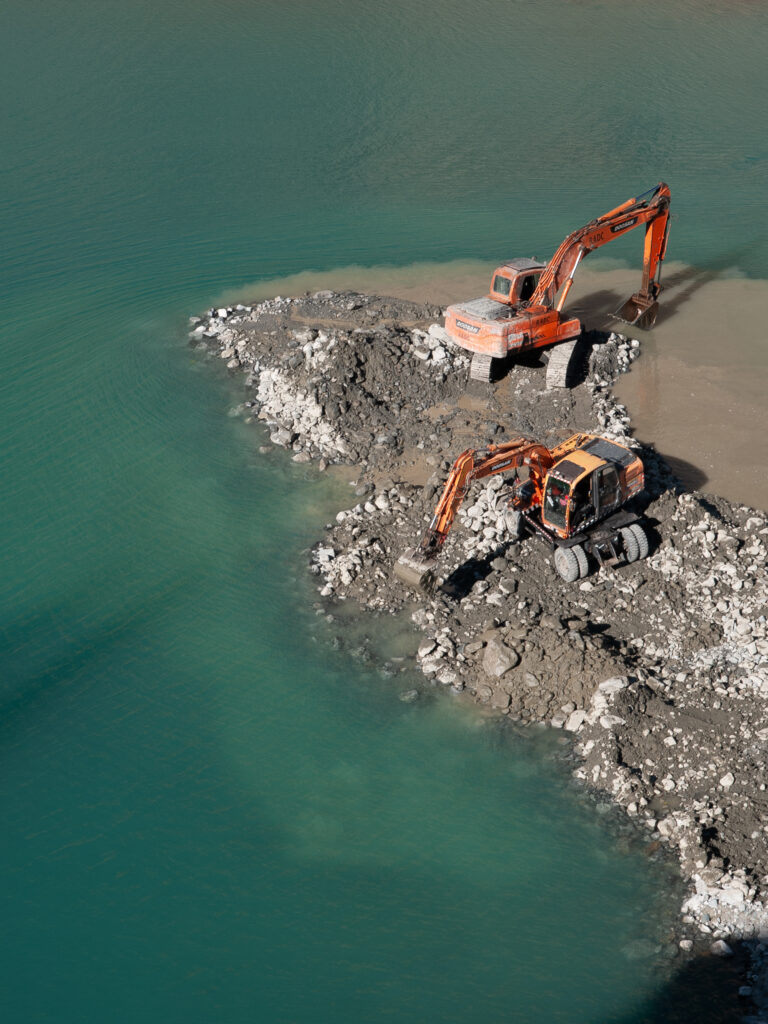
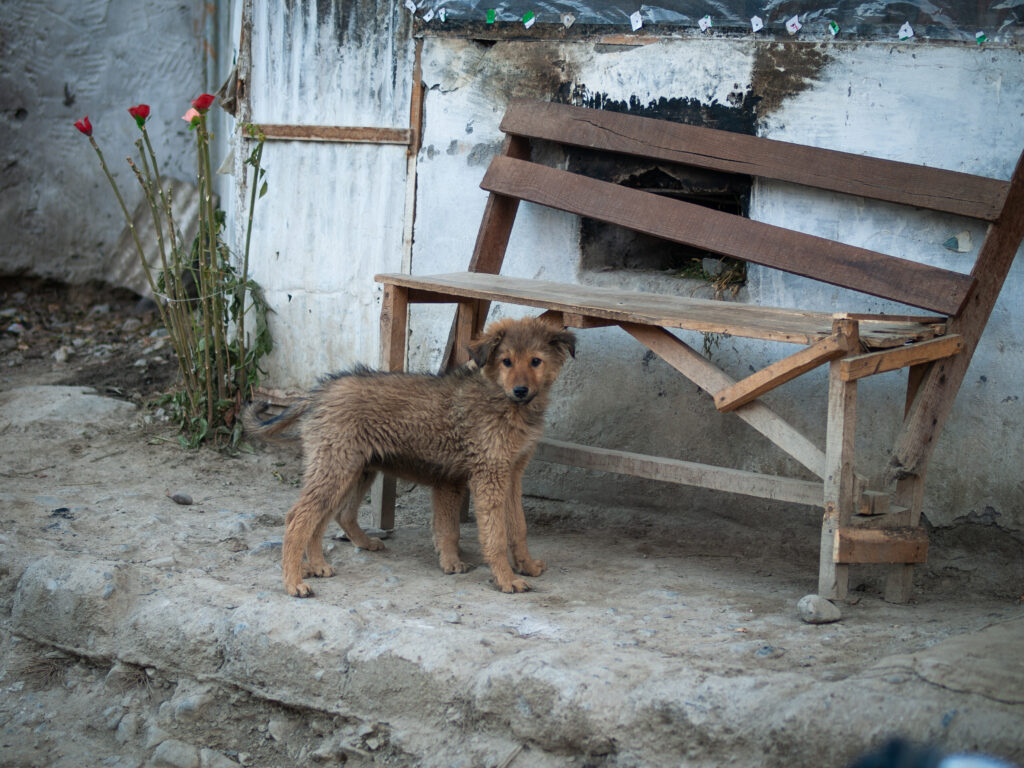
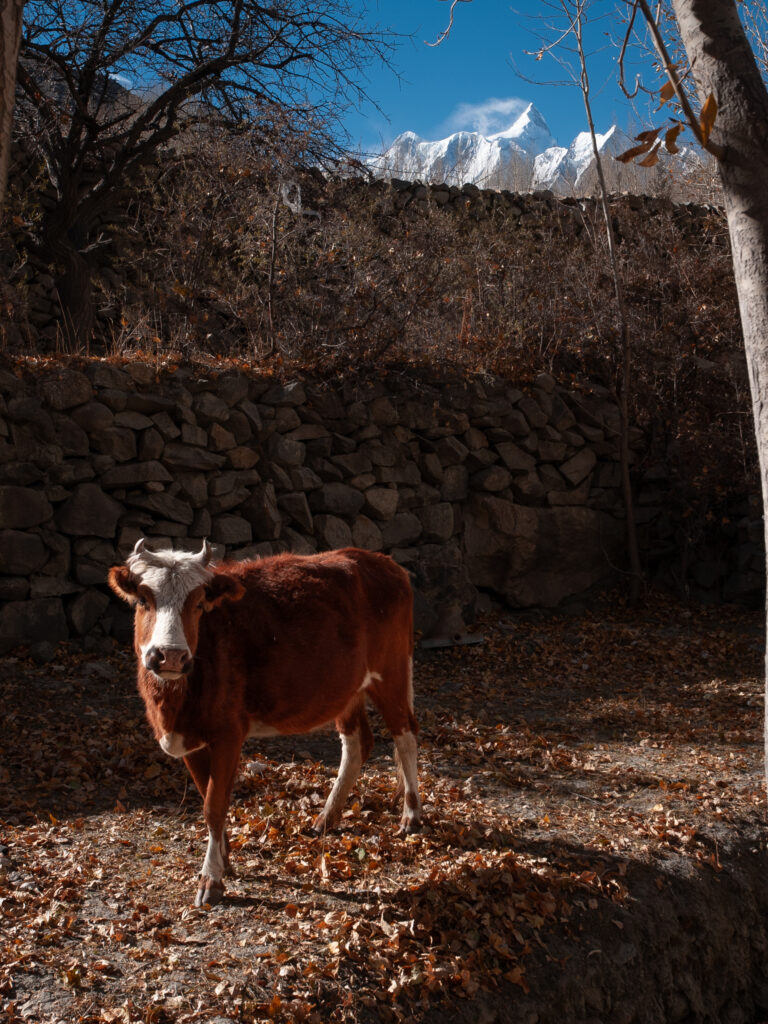
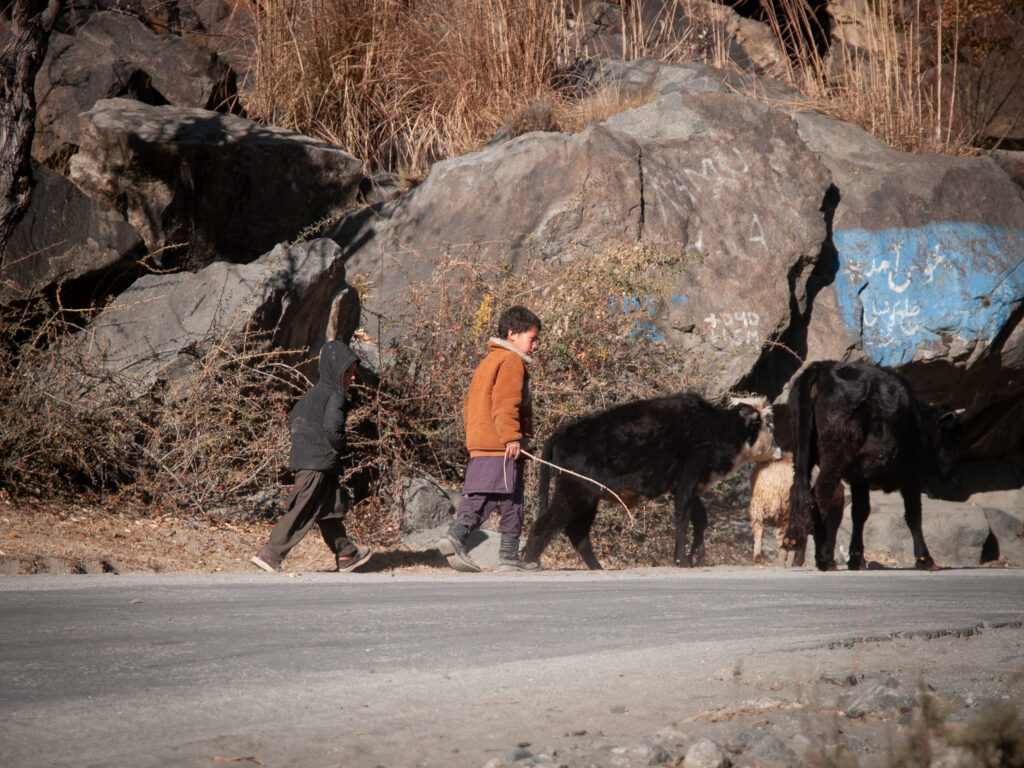
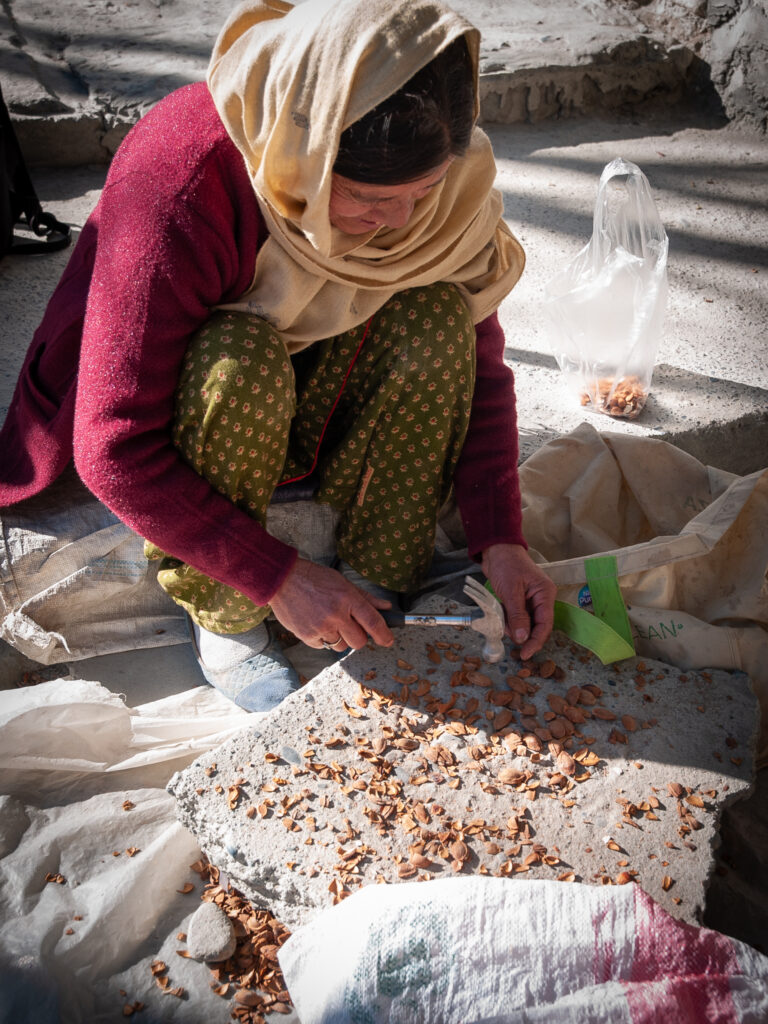
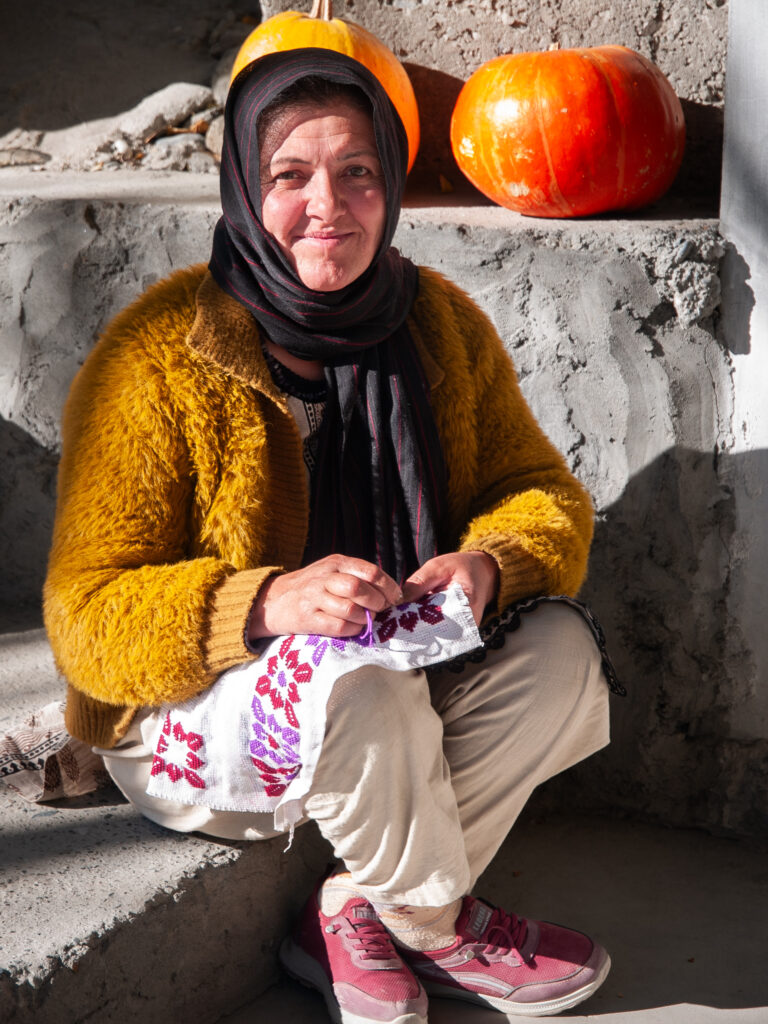
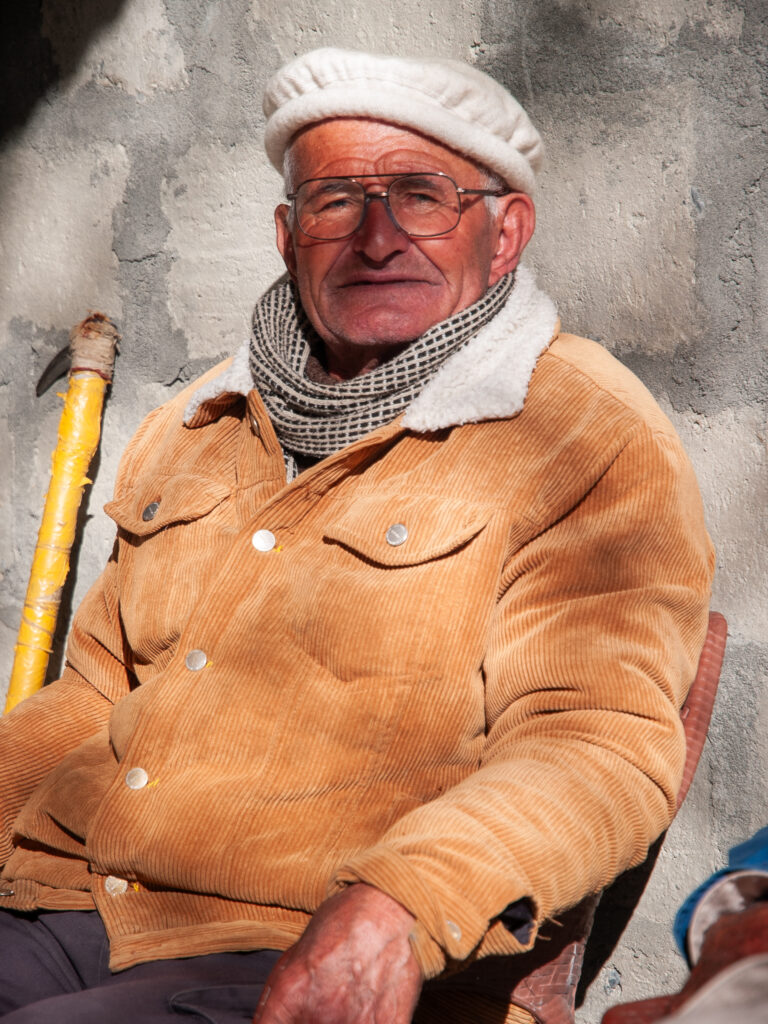
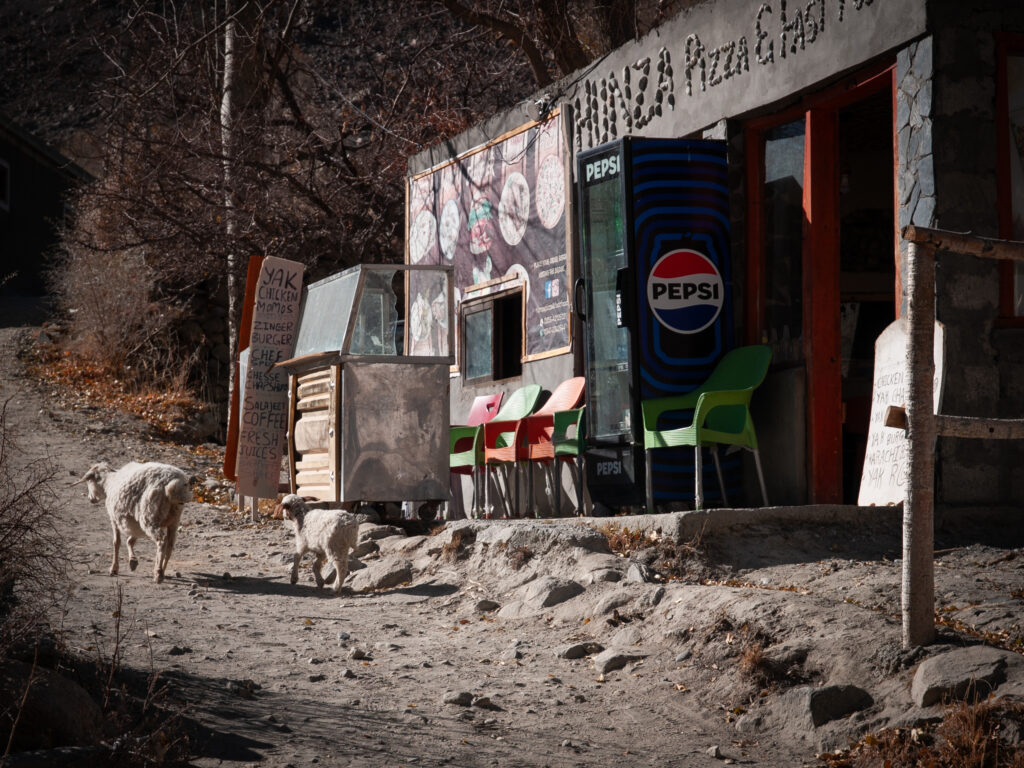
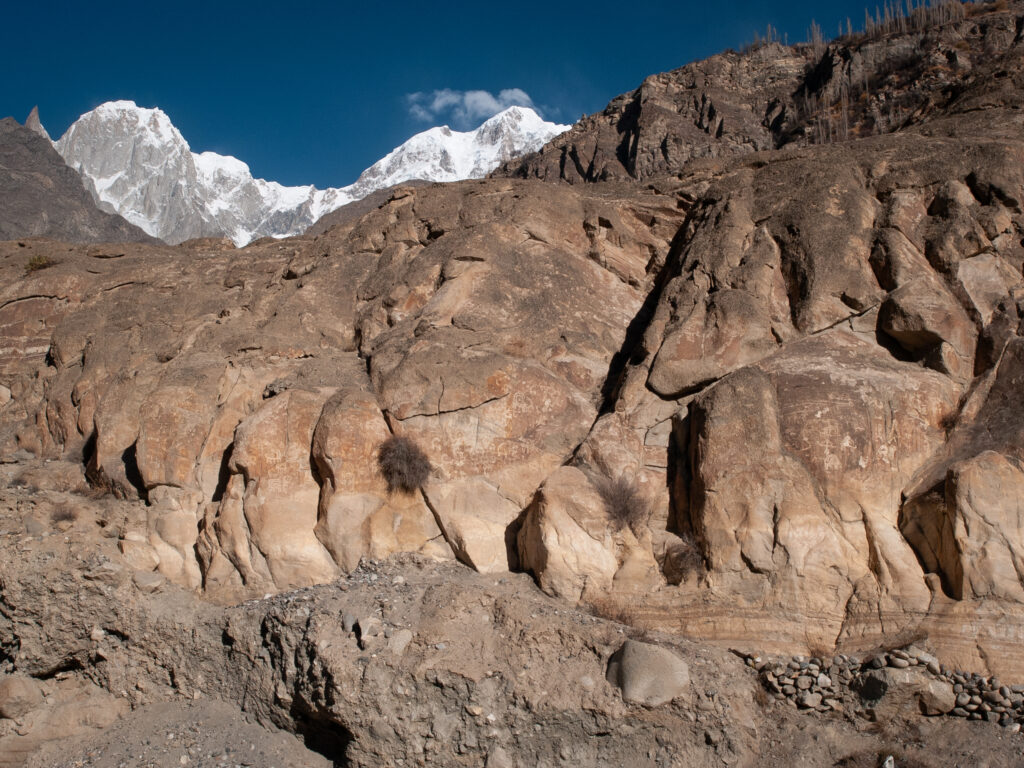
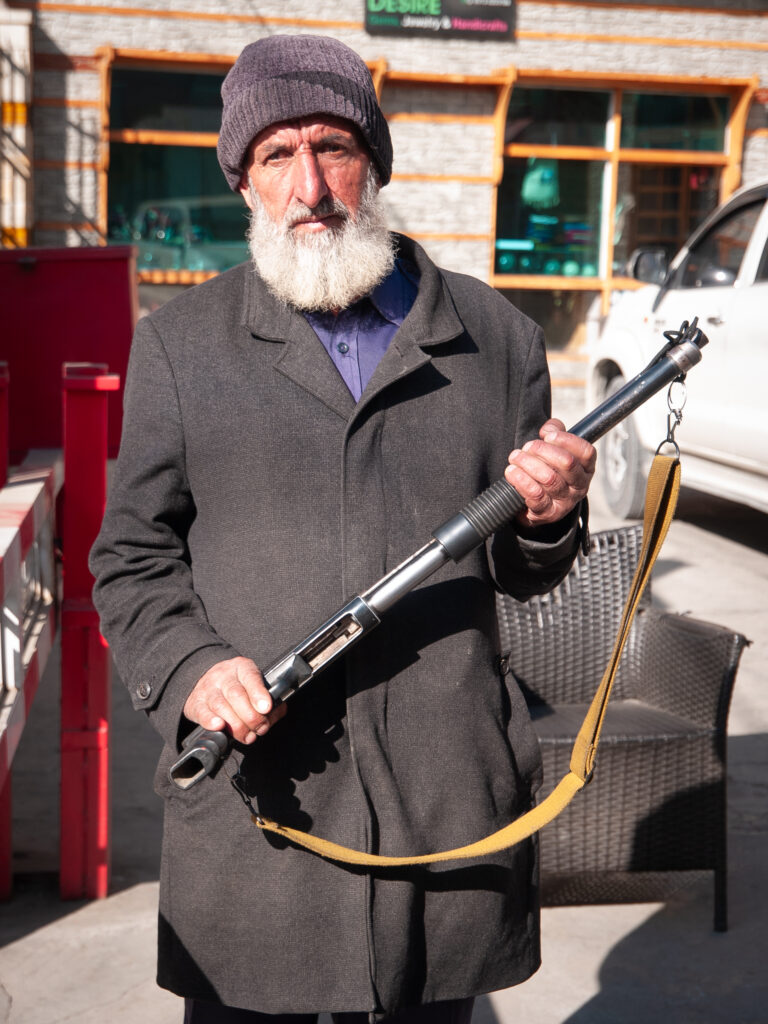
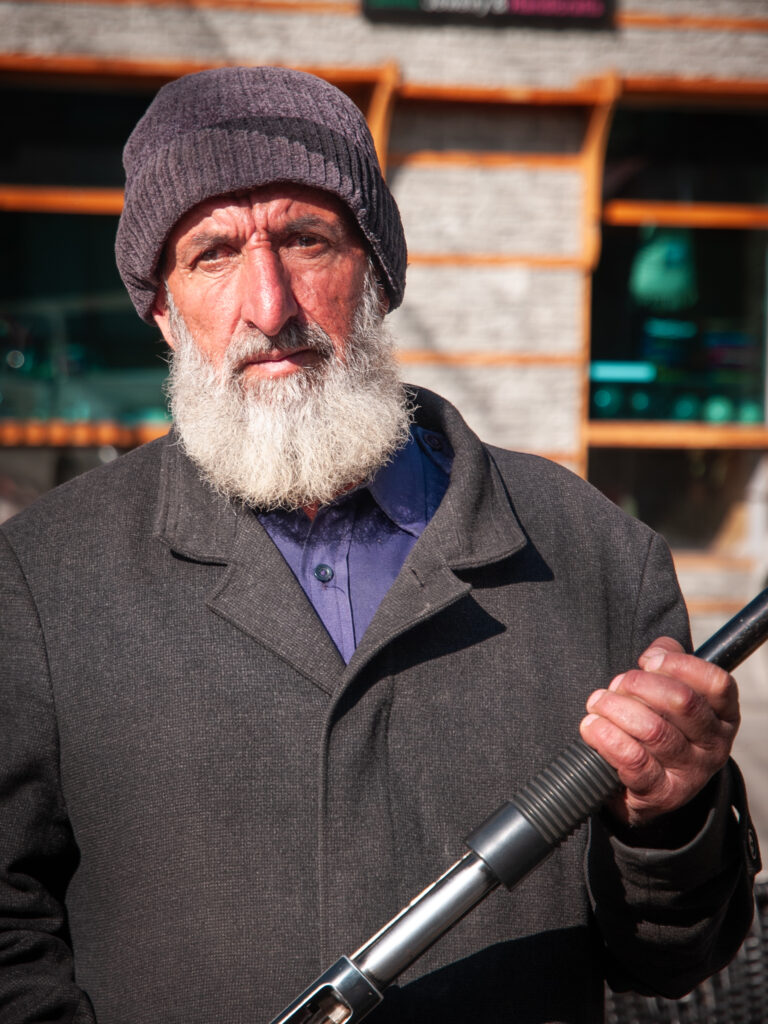
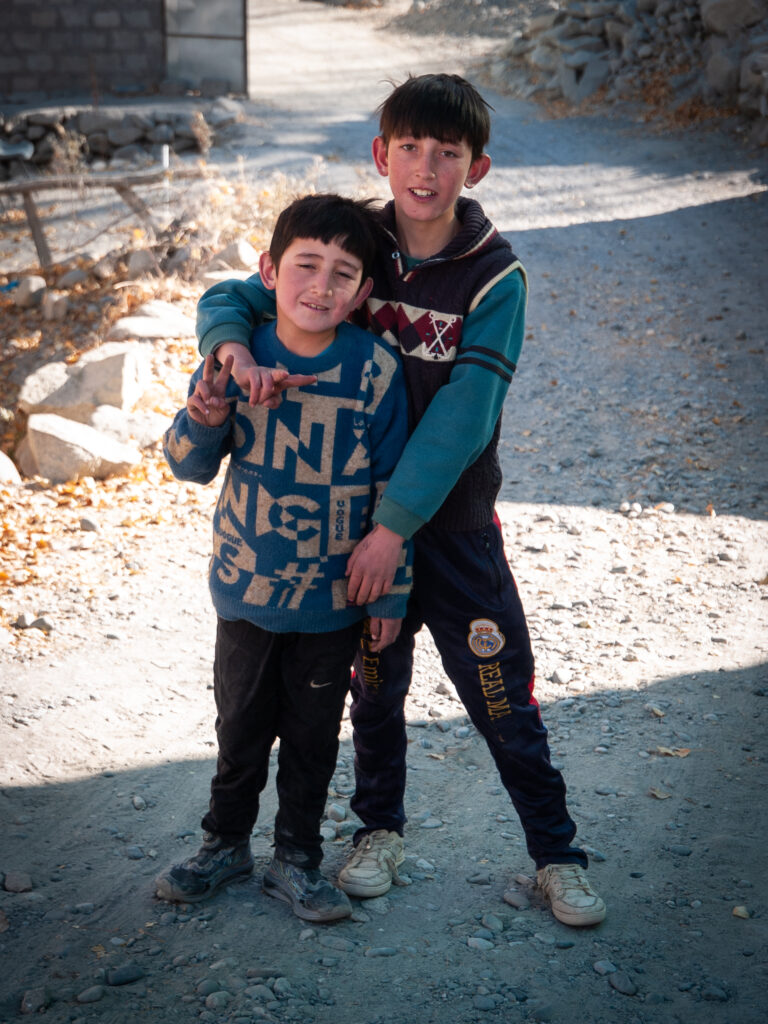
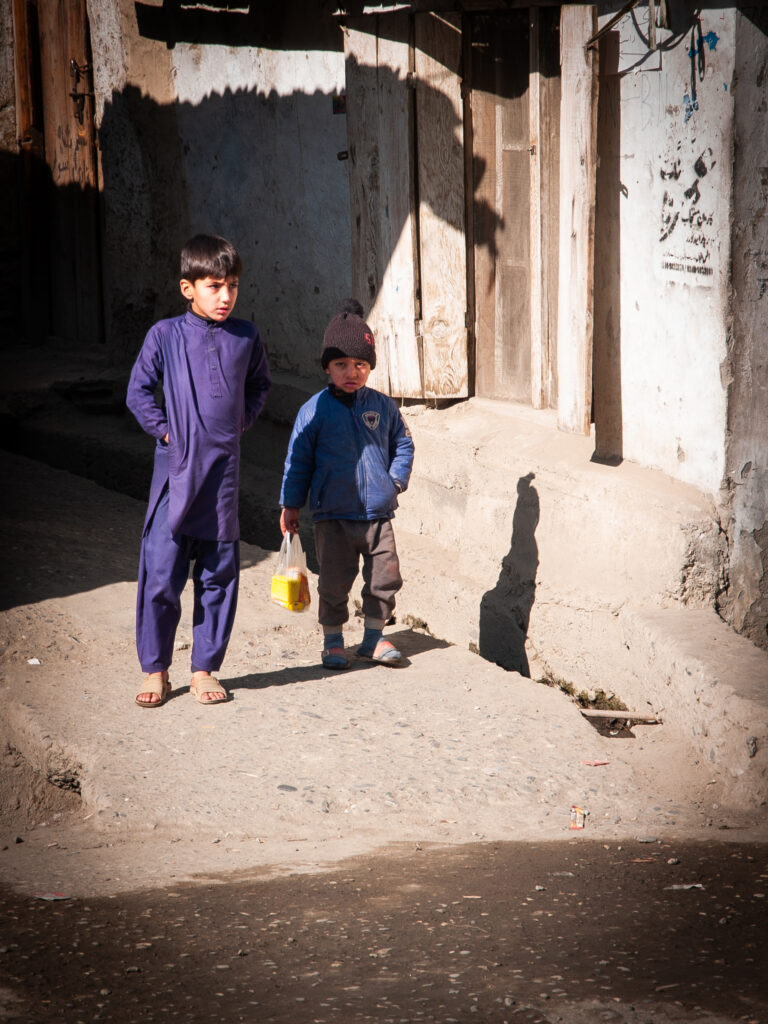
Anyway, it was 9 days of adventure and very sore arses. A fascinating place, my regret is that I seemed to have spent longer in the car than actually experiencing the land and the people. I also regret not using the Olympus E3 during this trip, bar a few photos it stayed in the bag as I was a) intent upon using the E1 and b) too lazy to get it out much.
As I said earlier, most people would concentrate on the mountains and he majestic natural wonders here, but I wanted to just enjoy using the camera. This post is picture heavy and I hope Hamish publishes it. (editor’s note: …as if I wouldn’t)
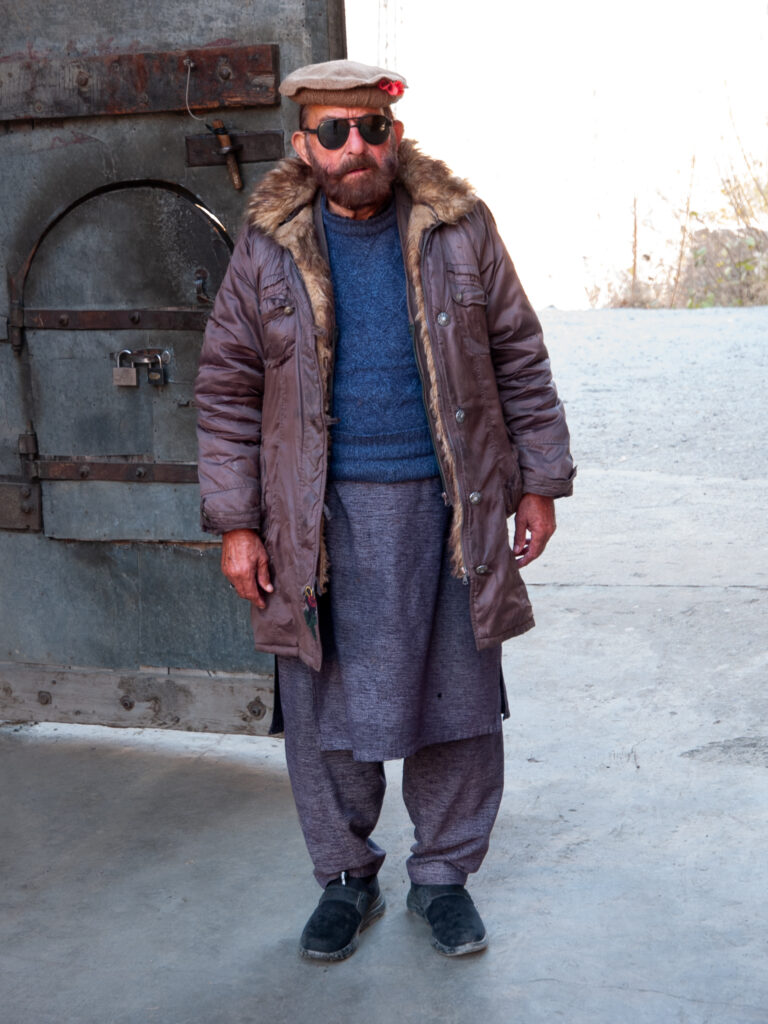
Oh and finally, the hats, most men wear a flat hat called a Pakul, either in the Gilgit style or Chitrali style, the Chitrali style has a seam around the edge (the names sort of give away the regions in which they’re worn) and is also to be seen worn in Pashtun areas and in Afghanistan – some people refer to it as the Ahmed Shah Masood or Afghan hat – though it is certainly not Afghan – it’s Pakistani and Chitrali.
All photos: Olympus E1 DSLR, Zuiko 12-60 f2.8 – f4, Apple Macintosh Studio M1 Max, Adobe Lightroom
Share this post:

Comments
Safiyyah on Pakistan With the Olympus E1 and E3 – Part 2 Overlanding the Karakoram and Hindu Kush by 4×4
Comment posted: 02/03/2026
Comment posted: 02/03/2026
Charles Young on Pakistan With the Olympus E1 and E3 – Part 2 Overlanding the Karakoram and Hindu Kush by 4×4
Comment posted: 02/03/2026
Chuck
Comment posted: 02/03/2026
Will Percy on Pakistan With the Olympus E1 and E3 – Part 2 Overlanding the Karakoram and Hindu Kush by 4×4
Comment posted: 02/03/2026
Comment posted: 02/03/2026
Josh Baker on Pakistan With the Olympus E1 and E3 – Part 2 Overlanding the Karakoram and Hindu Kush by 4×4
Comment posted: 02/03/2026
Comment posted: 02/03/2026
Bradley Newman on Pakistan With the Olympus E1 and E3 – Part 2 Overlanding the Karakoram and Hindu Kush by 4×4
Comment posted: 02/03/2026
Comment posted: 02/03/2026
Art Meripol on Pakistan With the Olympus E1 and E3 – Part 2 Overlanding the Karakoram and Hindu Kush by 4×4
Comment posted: 02/03/2026
Comment posted: 02/03/2026
Gary Smith on Pakistan With the Olympus E1 and E3 – Part 2 Overlanding the Karakoram and Hindu Kush by 4×4
Comment posted: 02/03/2026
Excellent!
Comment posted: 02/03/2026
Peter Roberts on Pakistan With the Olympus E1 and E3 – Part 2 Overlanding the Karakoram and Hindu Kush by 4×4
Comment posted: 02/03/2026
As an aside, I also sometimes name-drop 35mmc when out with a camera and people show an interest in what I'm up to. It's always surprised me how many have heard of it and say they look in occasionally. Not many in the Karakoram or Hindu Kush I don't suppose....yet.
Comment posted: 02/03/2026
Walter Reumkens on Pakistan With the Olympus E1 and E3 – Part 2 Overlanding the Karakoram and Hindu Kush by 4×4
Comment posted: 02/03/2026
Comment posted: 02/03/2026
Tony Warren on Pakistan With the Olympus E1 and E3 – Part 2 Overlanding the Karakoram and Hindu Kush by 4×4
Comment posted: 02/03/2026
Comment posted: 02/03/2026
Mark on Pakistan With the Olympus E1 and E3 – Part 2 Overlanding the Karakoram and Hindu Kush by 4×4
Comment posted: 02/03/2026
Thanks, Mark
Comment posted: 02/03/2026
Gary on Pakistan With the Olympus E1 and E3 – Part 2 Overlanding the Karakoram and Hindu Kush by 4×4
Comment posted: 03/03/2026
Comment posted: 03/03/2026
Comment posted: 03/03/2026
Comment posted: 03/03/2026
Comment posted: 03/03/2026
Alexander Seidler on Pakistan With the Olympus E1 and E3 – Part 2 Overlanding the Karakoram and Hindu Kush by 4×4
Comment posted: 03/03/2026
Comment posted: 03/03/2026
Geoff Chaplin on Pakistan With the Olympus E1 and E3 – Part 2 Overlanding the Karakoram and Hindu Kush by 4×4
Comment posted: 03/03/2026
Comment posted: 03/03/2026
Omar Tibi on Pakistan With the Olympus E1 and E3 – Part 2 Overlanding the Karakoram and Hindu Kush by 4×4
Comment posted: 04/03/2026
I think similarly to you when it comes to landscapes and travel photography. Of course I won't say no to a beautiful sunset or mountain range, but the human element is more interesting to me to photograph. Whether as people-less urbanscapes or street photography, any place in the world in shaped by the people who inhabit it. And what a colorful cast of characters you captured here!
Happy shooting and looking forward to journeying through Pakistan with you further my friend.
Comment posted: 04/03/2026
David Pauley on Pakistan With the Olympus E1 and E3 – Part 2 Overlanding the Karakoram and Hindu Kush by 4×4
Comment posted: 05/03/2026
I keep scrolling back up to look at your splendid portraits, with the result that I never manage to finish one line of this response. This is a wonderful continuation of the series that started with the Punjab. The text and photos flow seamlessly together and the effect is almost monumental. Well done and keep at it! Fond best, David
Comment posted: 05/03/2026
Neal Wellons on Pakistan With the Olympus E1 and E3 – Part 2 Overlanding the Karakoram and Hindu Kush by 4×4
Comment posted: 09/03/2026
Thanks for putting this together.
Comment posted: 09/03/2026