

In the 35mm format, Leica rangefinders have been my go-to cameras since I returned to film in 2019. I currently own three: a Leica I from 1930; a Leica III from 1933; and a Leica M3 from 1961. The black-enamel “III,” with its mellow, satin-nickel fittings, despite many dings and scratches, may be my favorite. Over the years I’ve also briefly used an M6 and, even more briefly, an electronic M7 and a digital M10-R. (These last two just weren’t for me: I returned them during the dealers’ thirty-day grace period).
As design objects, the 20th-century film Leicas, as Steve Jobs famously remarked, have for sheer beauty seldom been surpassed. Ken Rockwell, more fulsomely, compares his M3 to the “Mona Lisa.” And I must admit that with a suitably compact lens, the cameras do have a certain magic, a combination of heft plus elegance that would seem to require hyperbole. Before you even raise the camera to your eye, you feel different, like an artist… or so (as a non-artist) I’ve long imagined. Although I’ve been frustrated by other aspects of Leica—the ludicrously expensive lenses; the limited frameline choices; the 1/50th of a second maximum flash sync speed; the one-meter minimum focusing distance—that elevated, Artist feeling has persisted. Probably more than any other factor, it’s kept me in the Leica fold for going on eight years.
On a recent trip to Paris, however, I left my Leica rangefinders at home, and instead packed a camera that might be considered the anti-Leica: the bulbous, efficient, shockingly inexpensive Nikon FE.
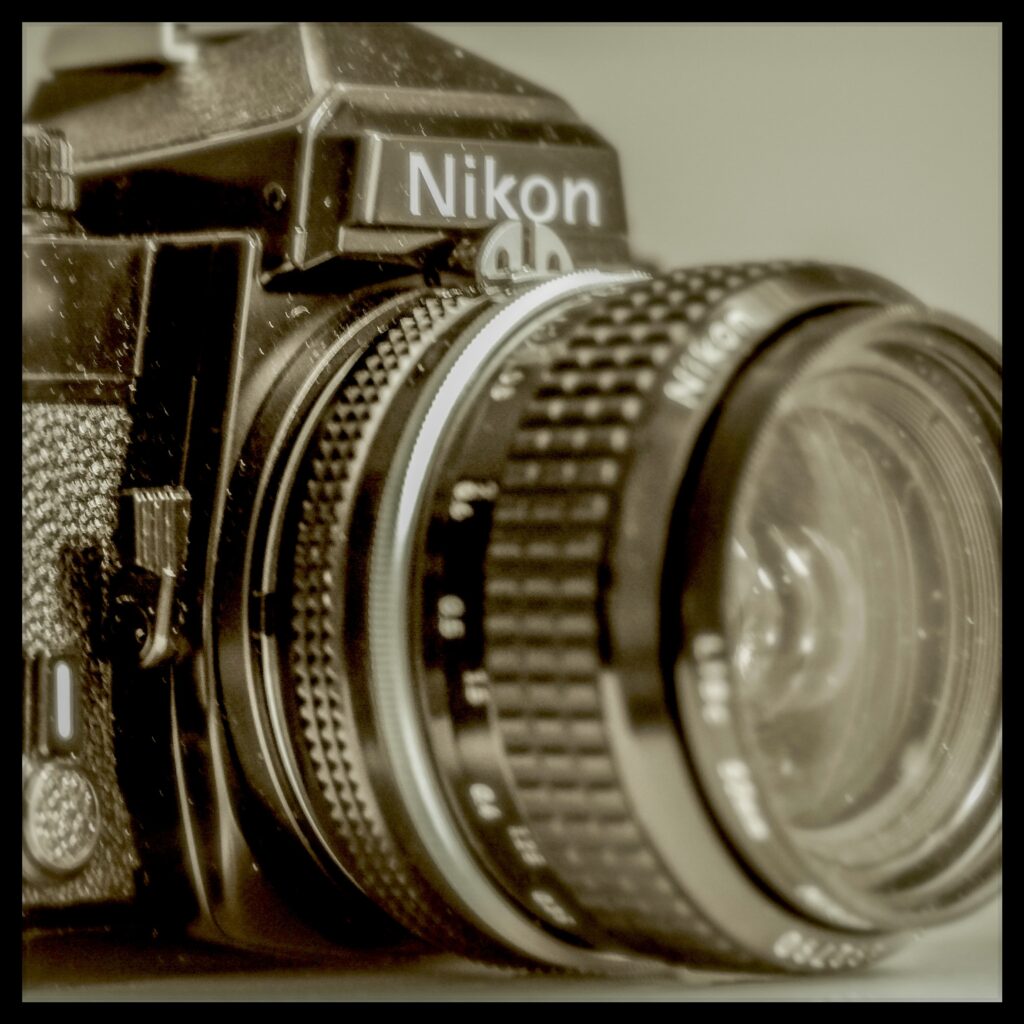
I’ve written elsewhere on this blog about that particular 1970s Nikon SLR, noting the usefulness of its aperture-priority shutter. What decided me on taking it to Paris this time was something a bit more systematic: the experience, a few days before our departure, of looking over contact sheets of images made with it side by side with some others made with my M3.
Neither contact sheet was objectively superior across every frame; there were winners and losers on each. What struck me generally, and was later borne out in printing, was the FE’s greater accuracy and consistency handling exposure across a wide range of lighting conditions, a consistency I can only attribute to the built-in light meter and that convenient, aperture-priority shutter. (I generally mount an external meter on my M3, but even then often rely on “instinct,” especially when composing on the fly). The other major difference between the two contact sheets was the range of optical perspectives, based on lenses of varying focal lengths, revealed in the FE images. With the M3 I used only two lenses: a 35mm (guesstimating framing because the M3 lacks the appropriate framelines) and a 50mm.
With the FE, in contrast, I made use of four Nikkor lenses extending across a wide spectrum: a 20mm, a 28, a 50 and a 105. While employing such a range of lenses makes for a heavy bag—and wouldn’t generally be advisable in a travel kit—to one accustomed to the Leica M system, the ease of changing focal lengths, with no fiddly add-on finders to misplace and one standard filter size, was too enticing to pass up. Accordingly, in spite of my concerns about weight (well-founded; after a few days, my back was killing me), I took all four lenses along with a speedlight, a tripod and two FE bodies to Paris—having at the last minute snapped up a “spare” camera for $90 on eBay.
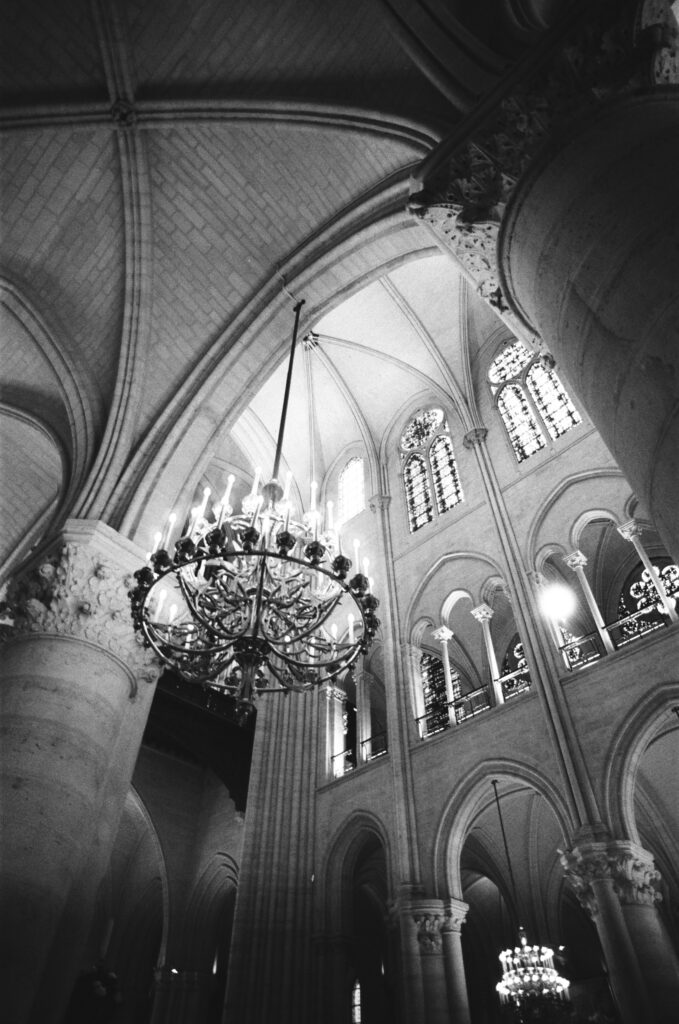
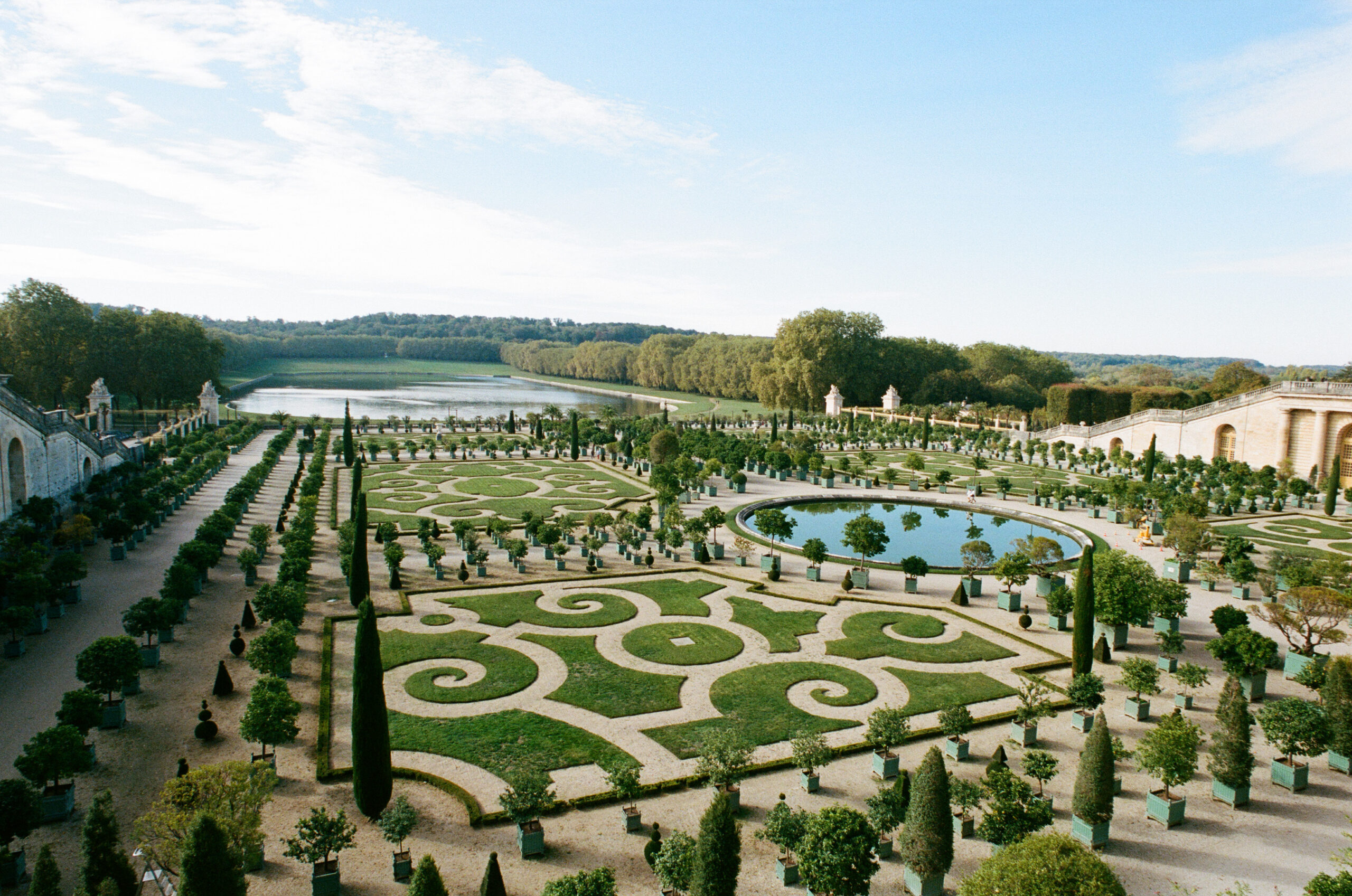
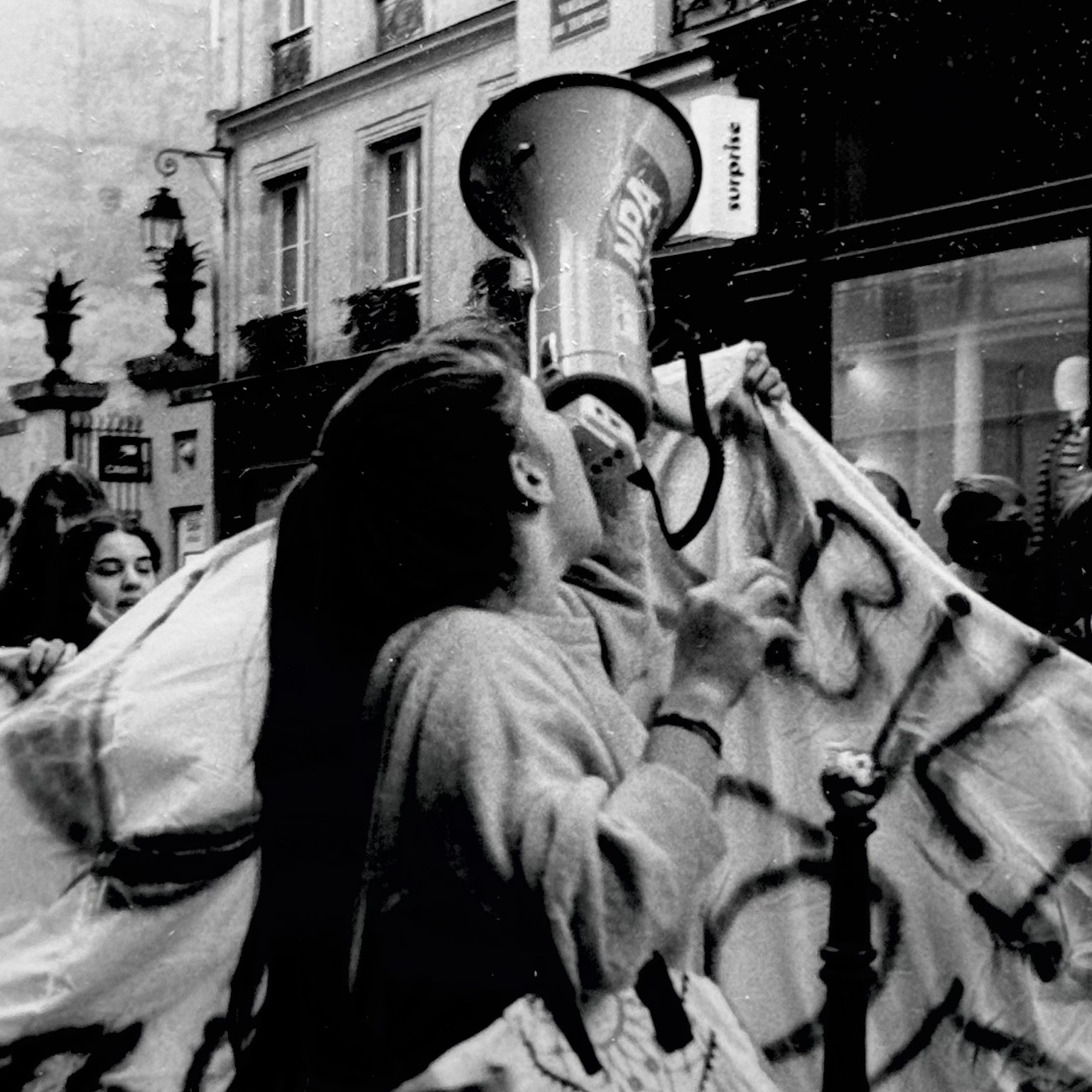
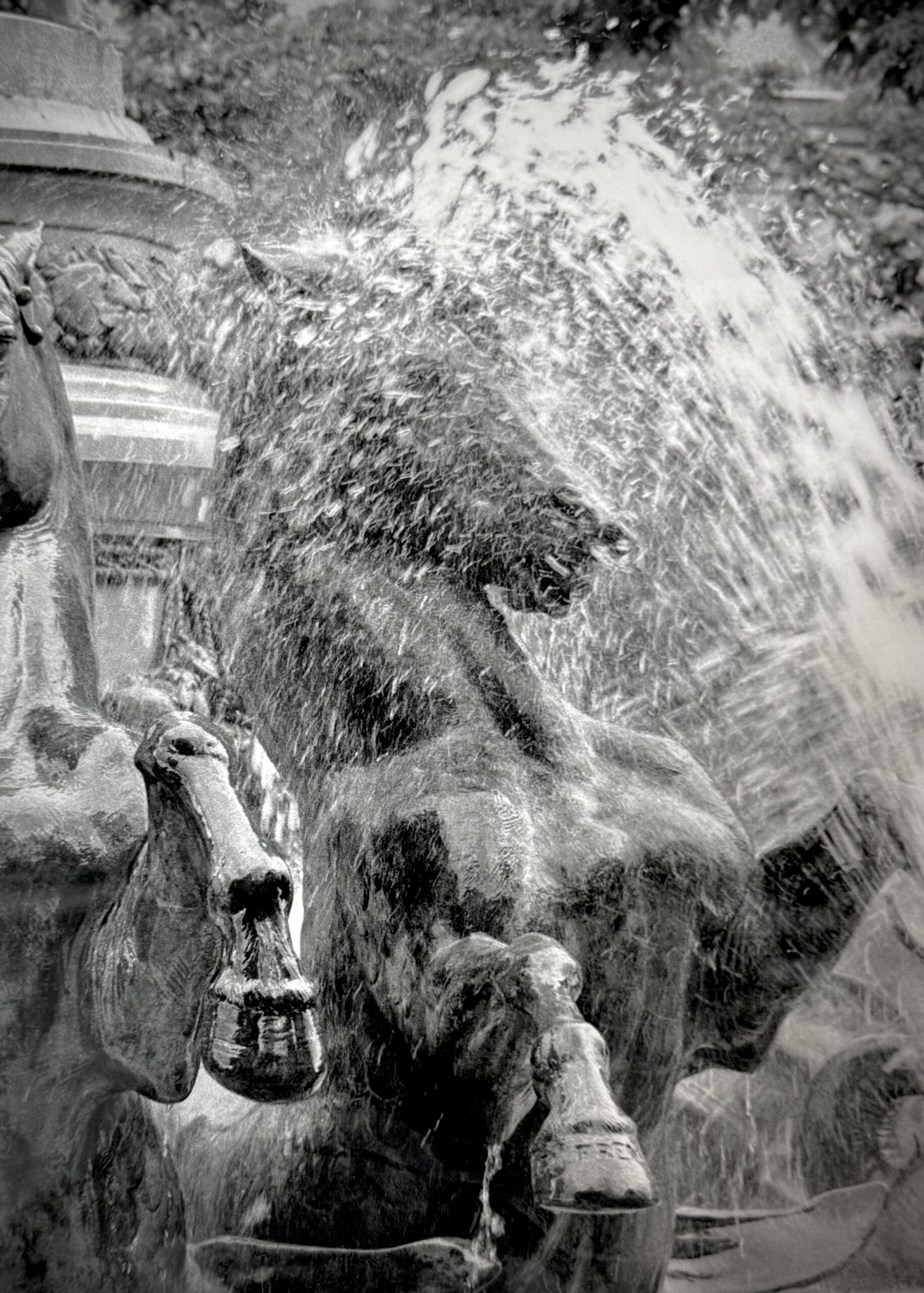
Back spasm notwithstanding, here is a sampling of the photos that resulted.
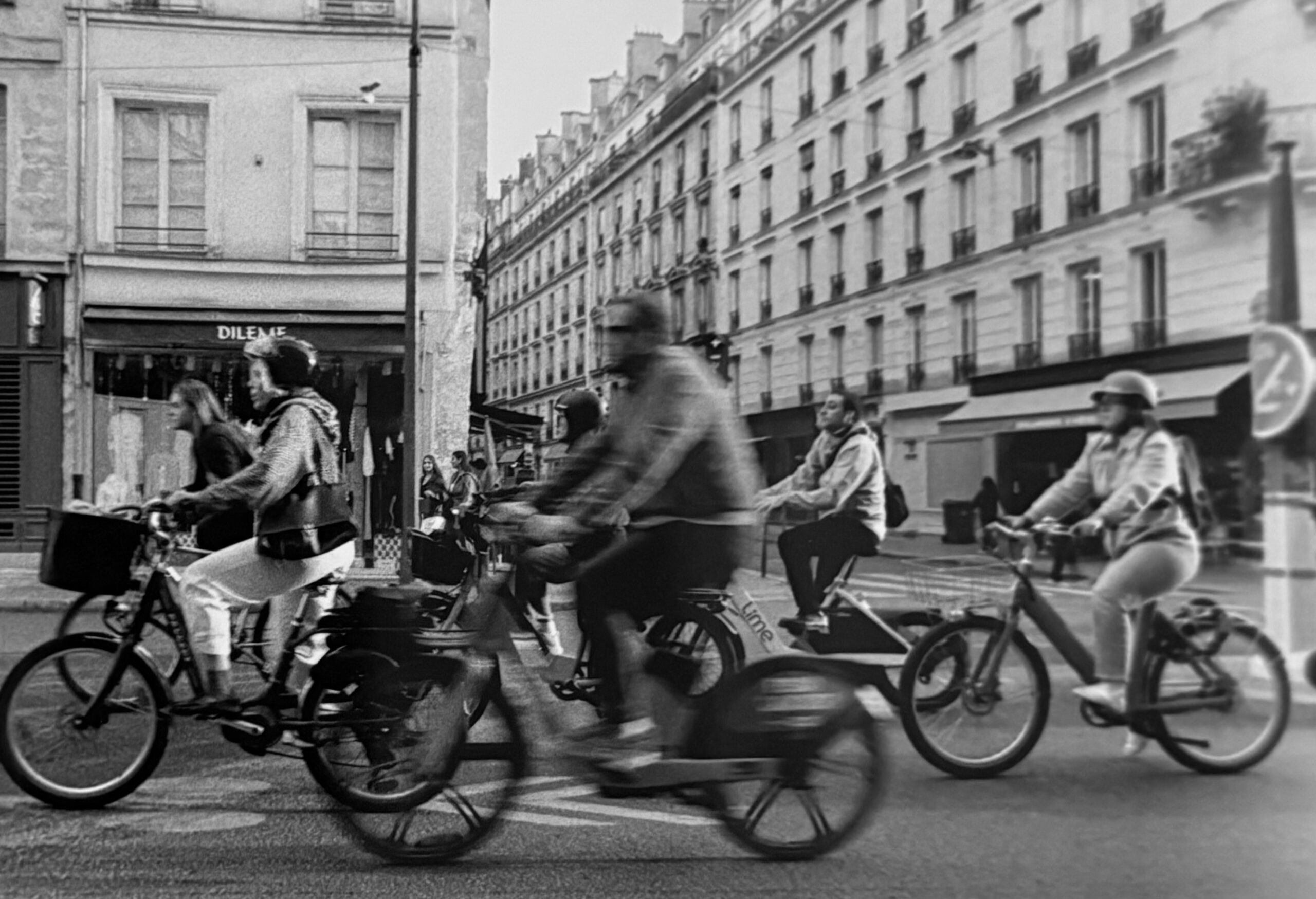
Nikkor 20mm AI f/3.5
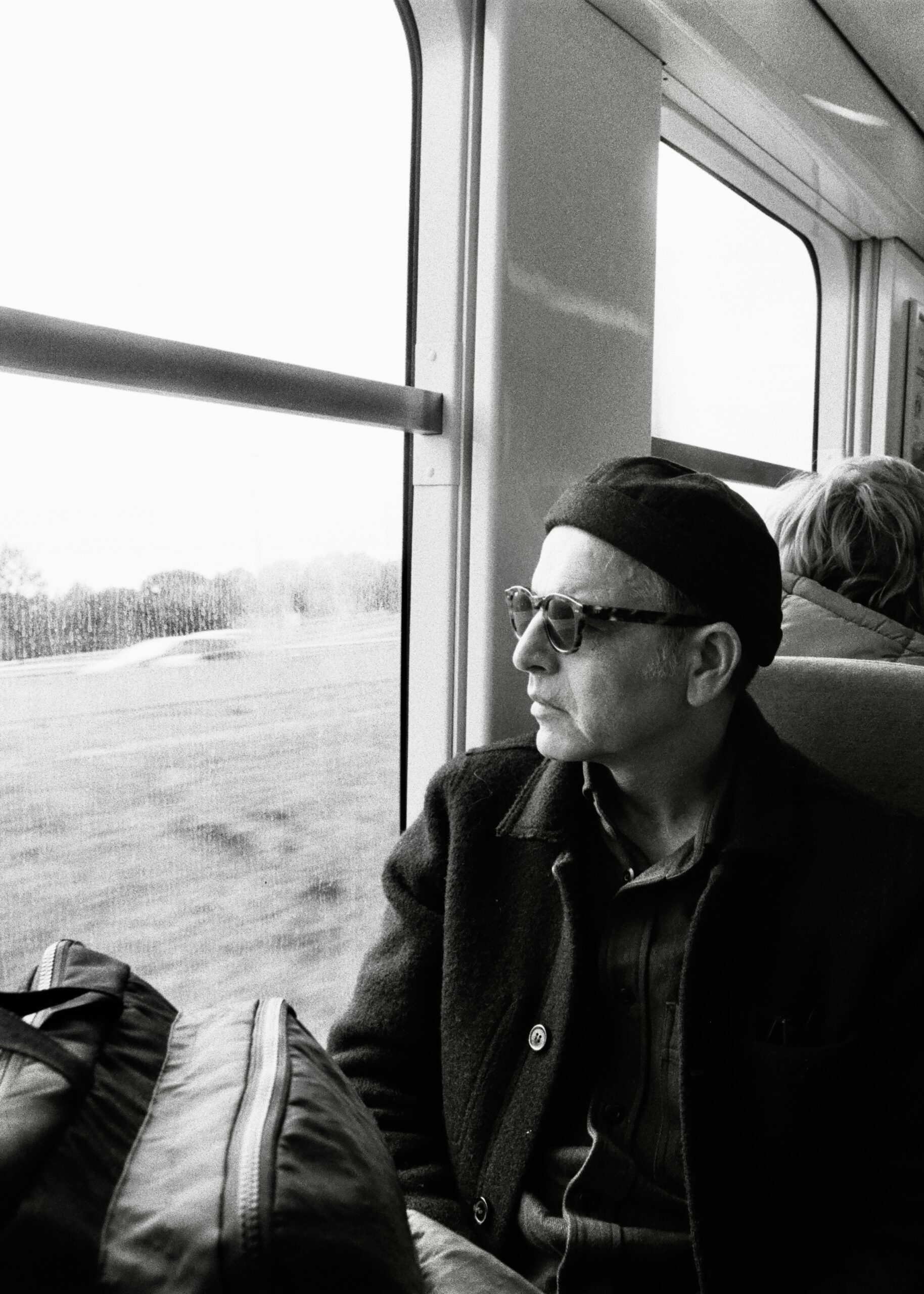
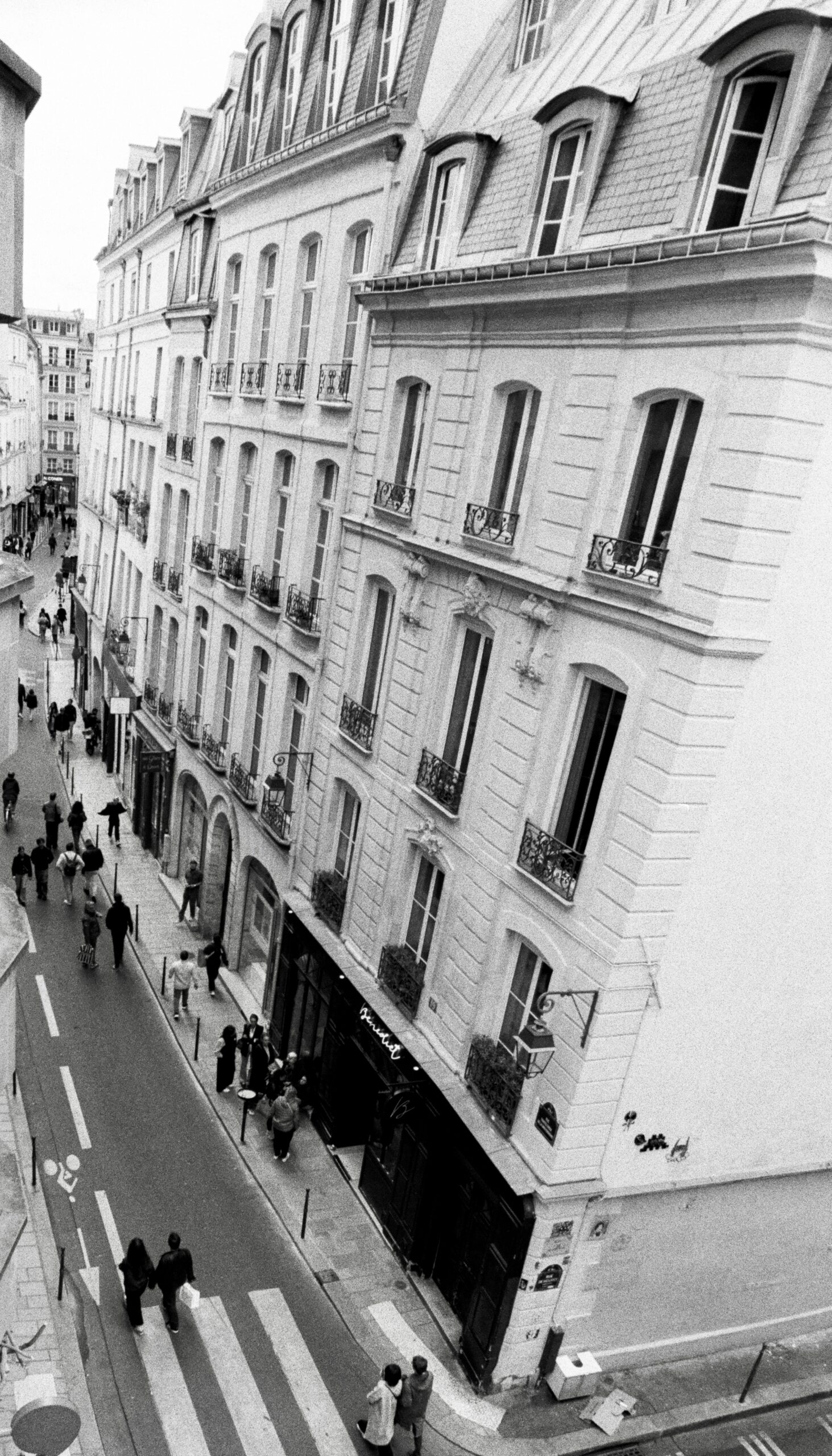
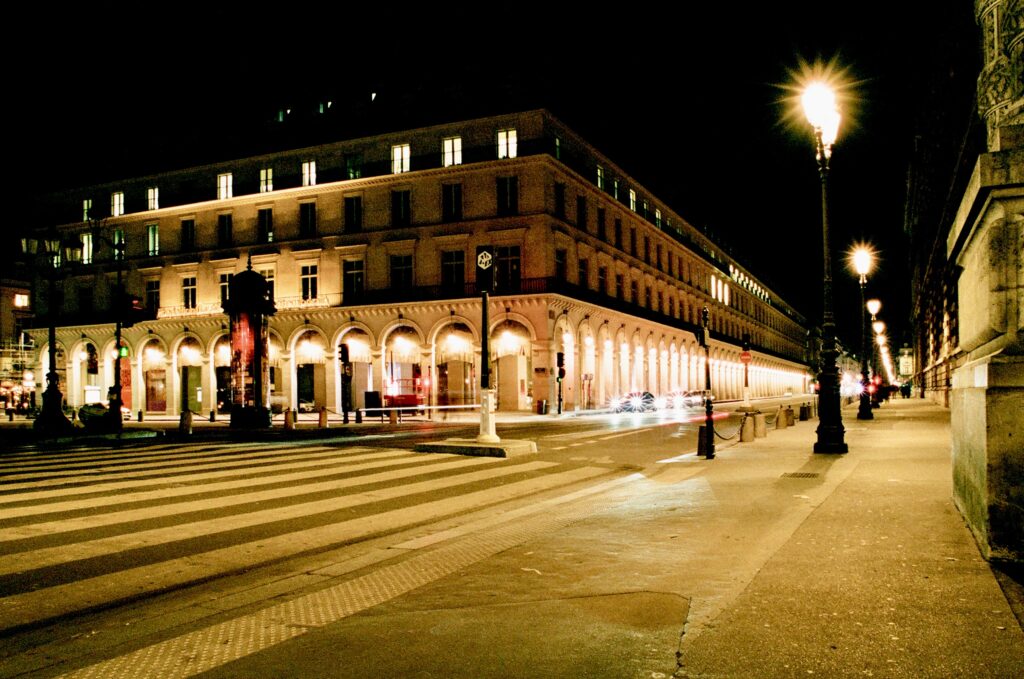
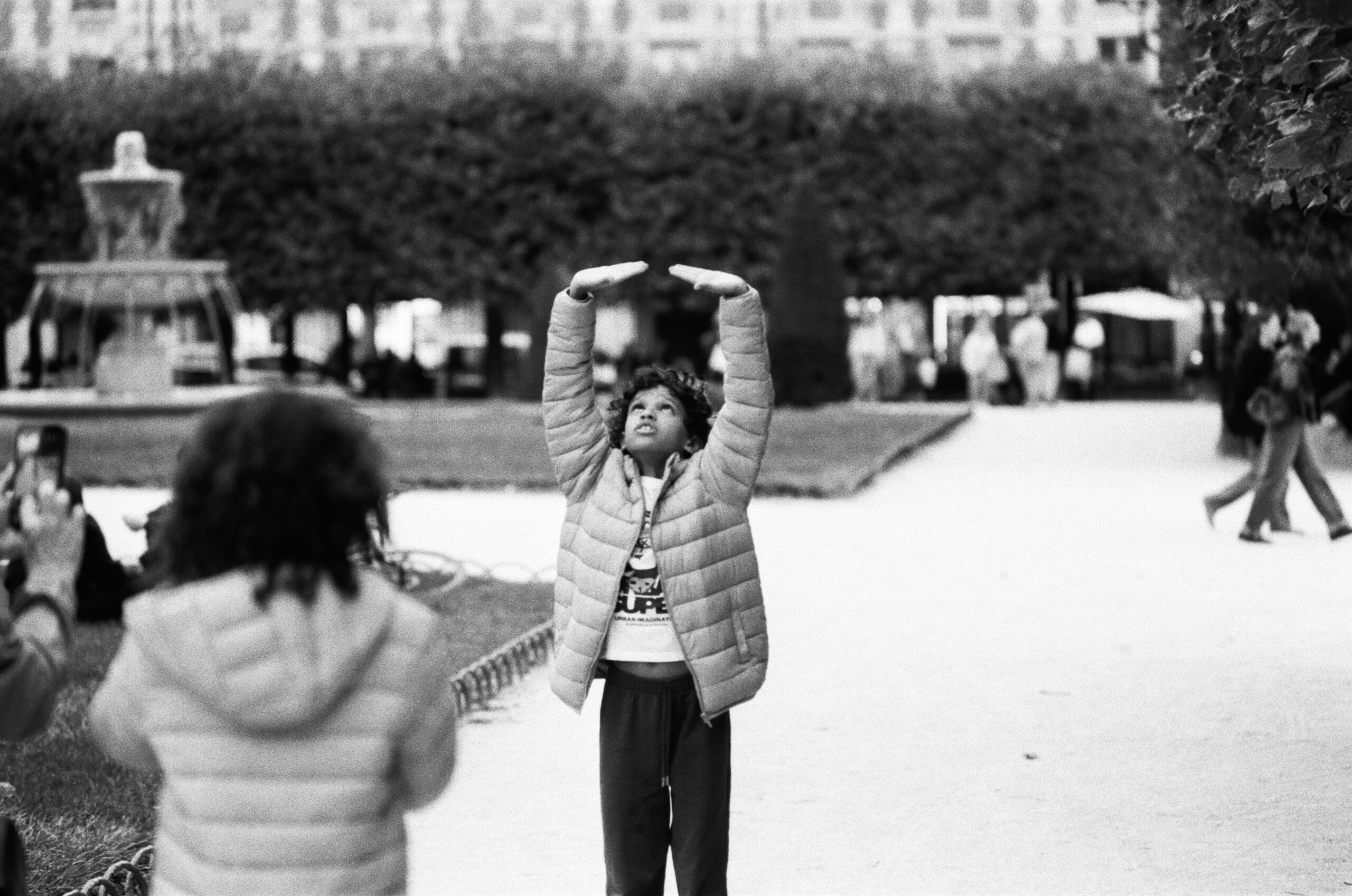
Nikkor 28mm AI f/2.8
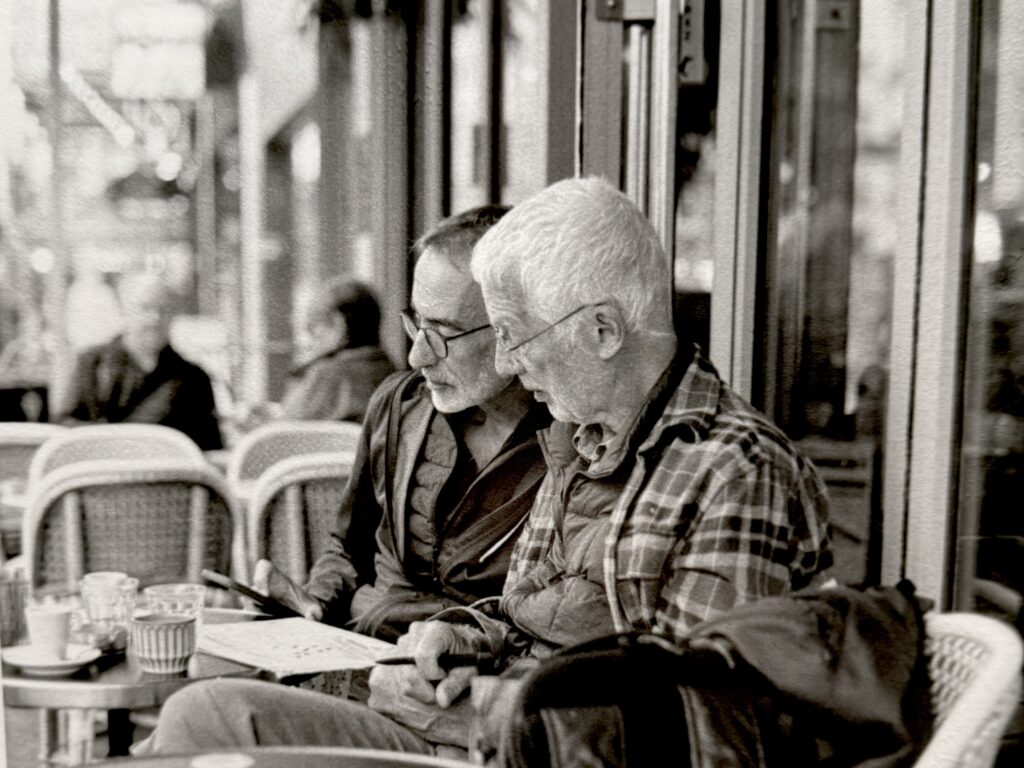
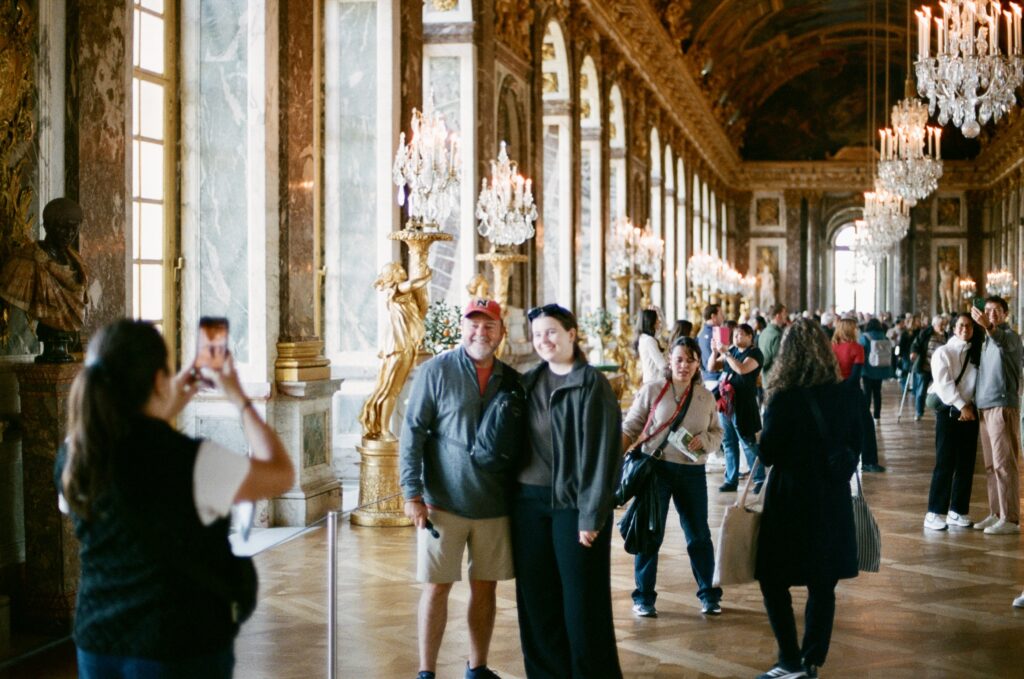
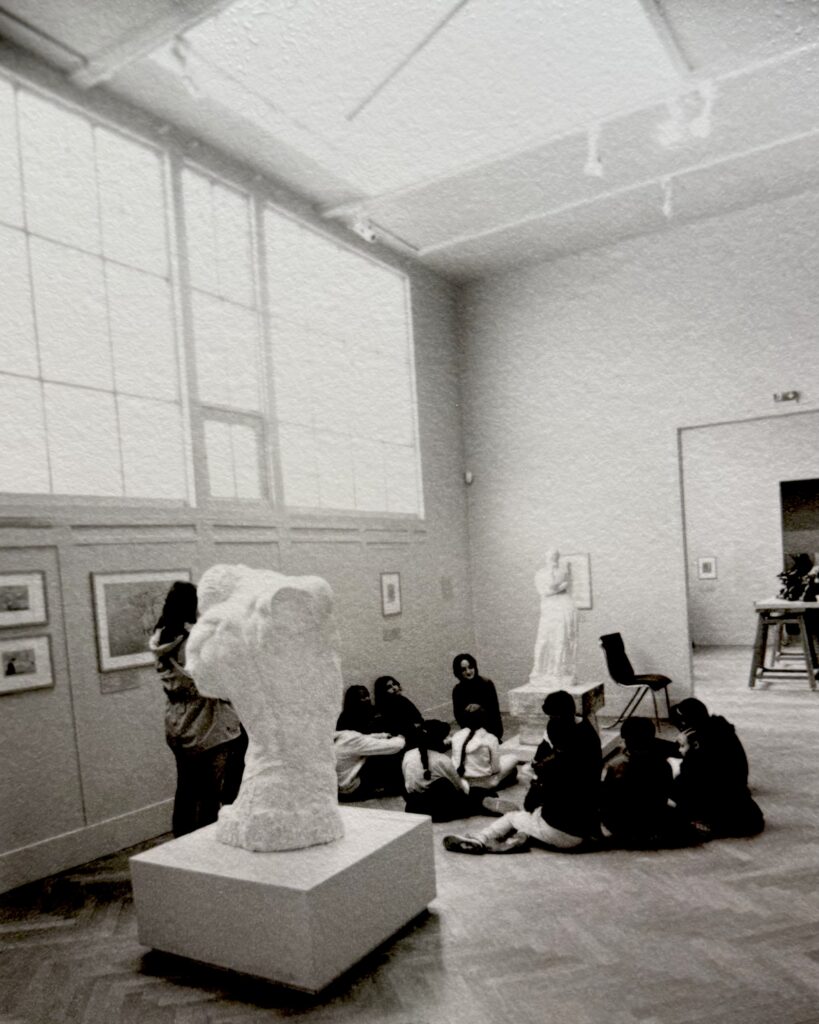
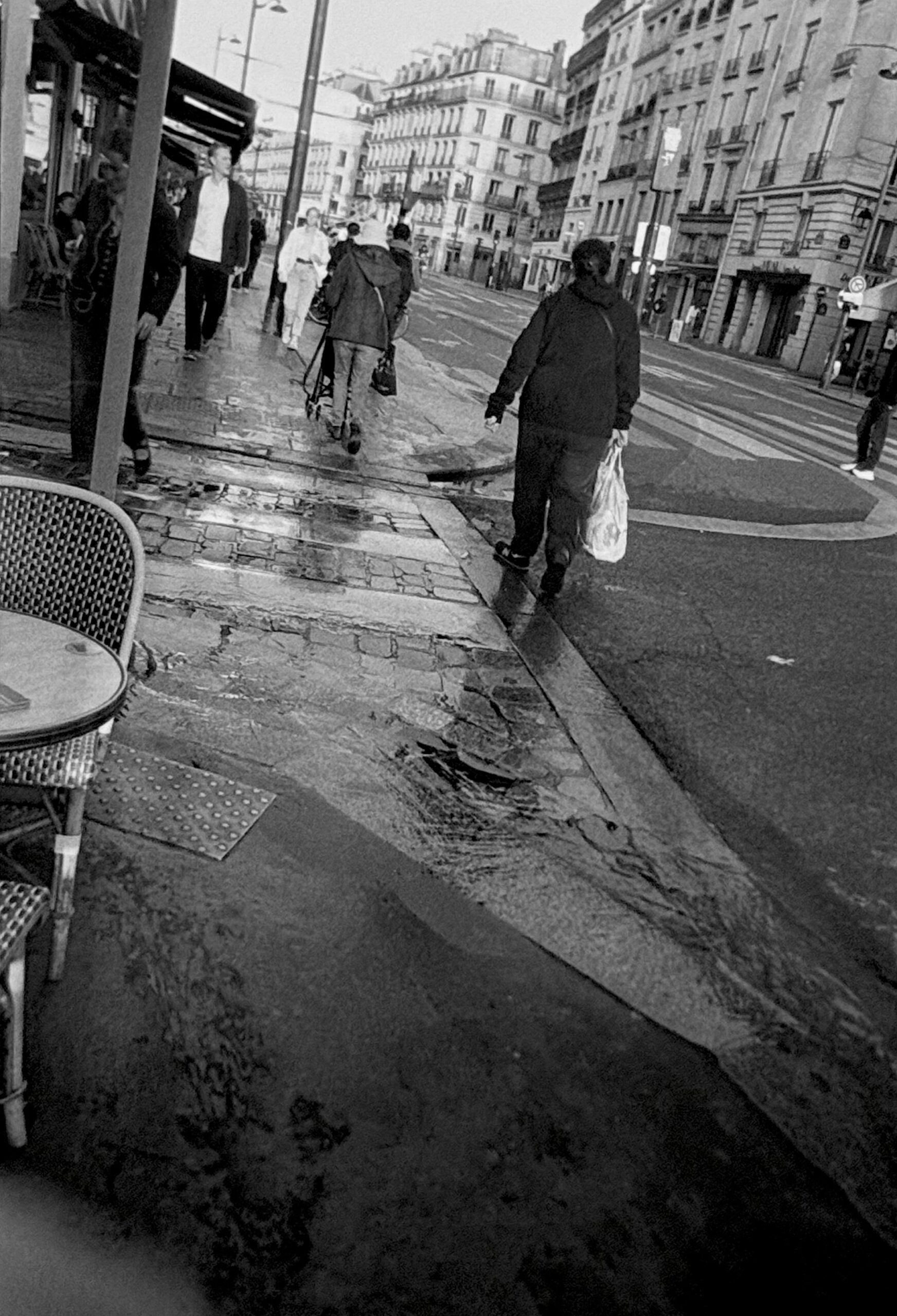
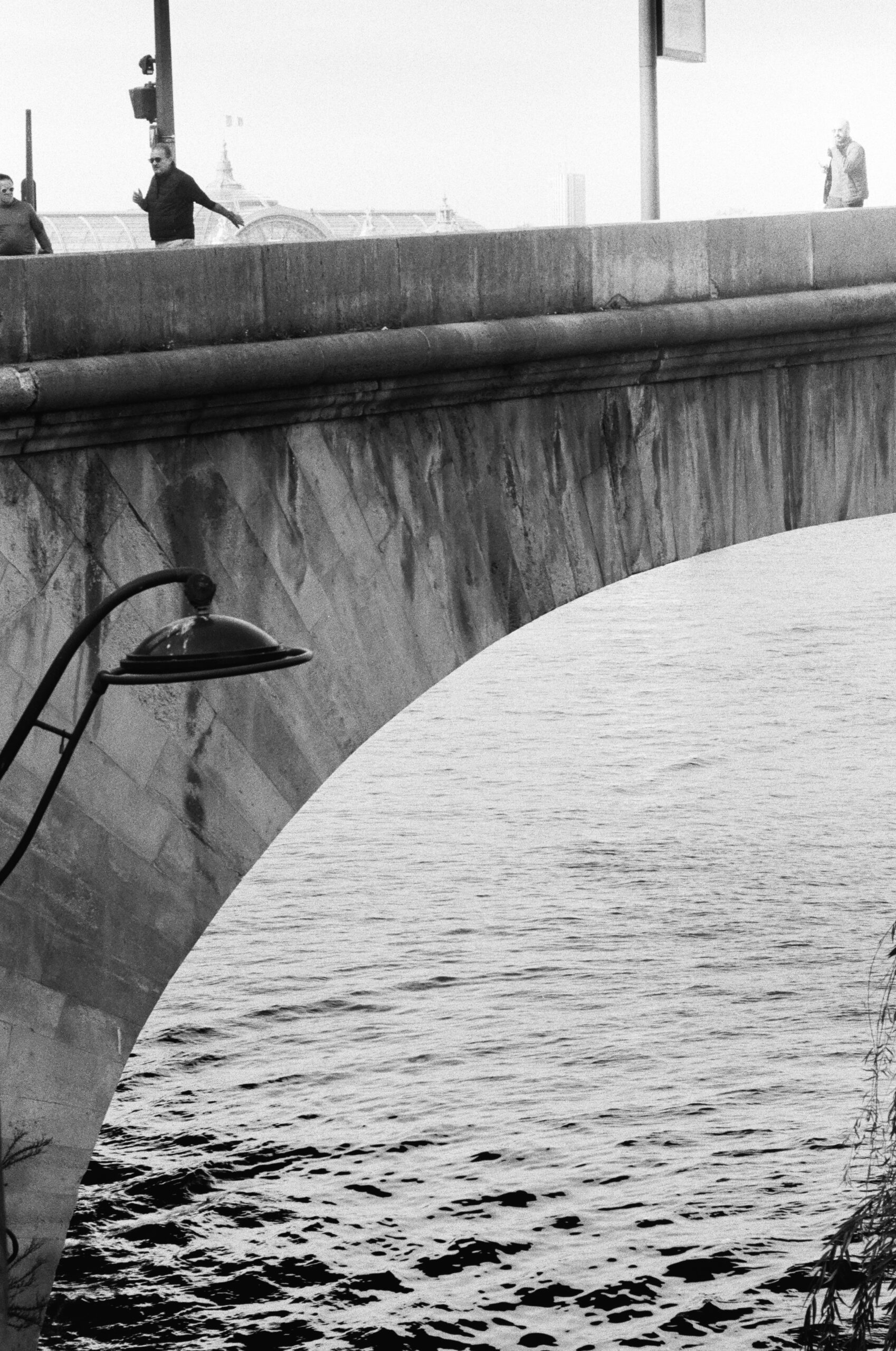
Nikkor 50mm AIS f/1.4
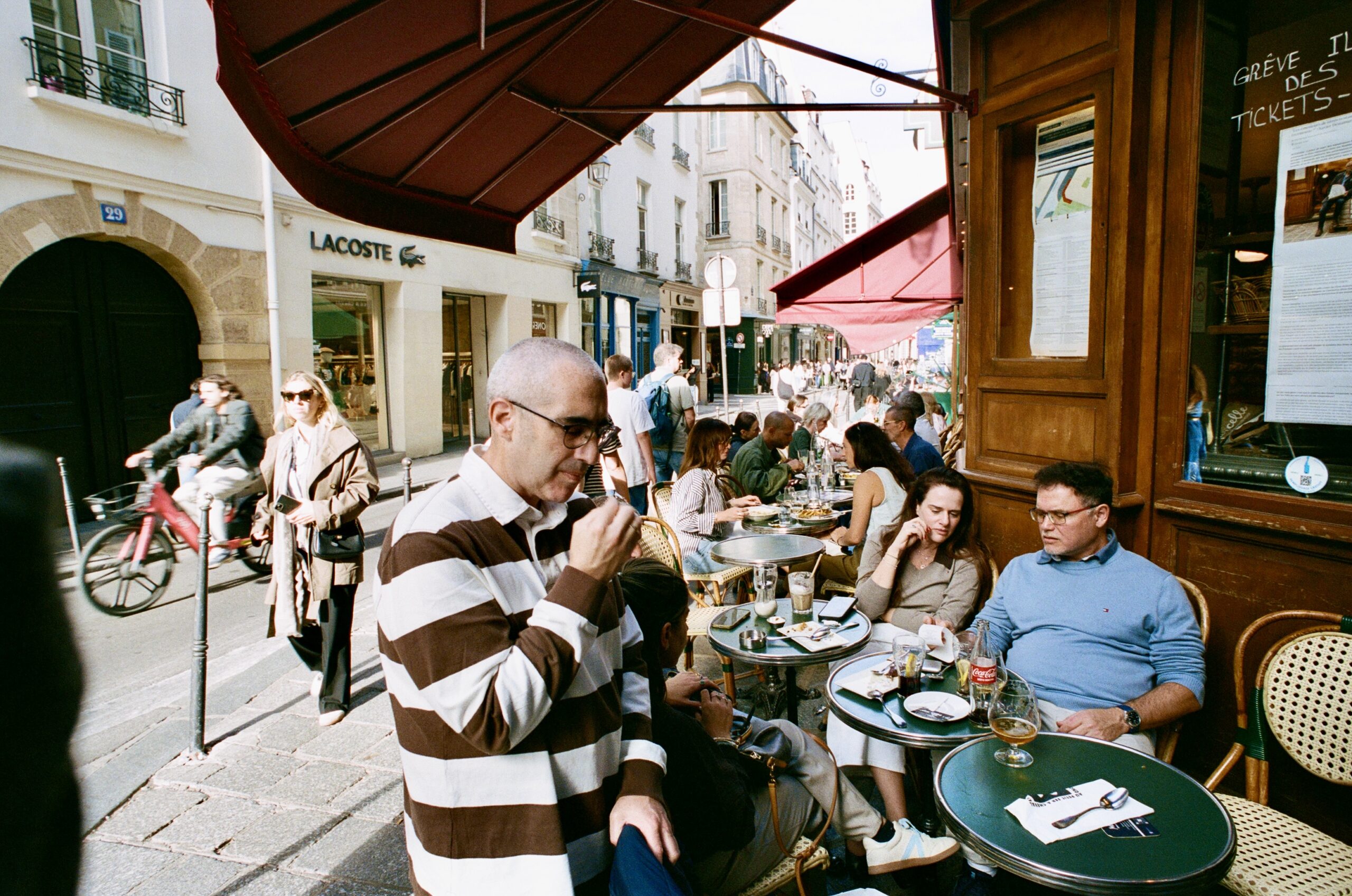
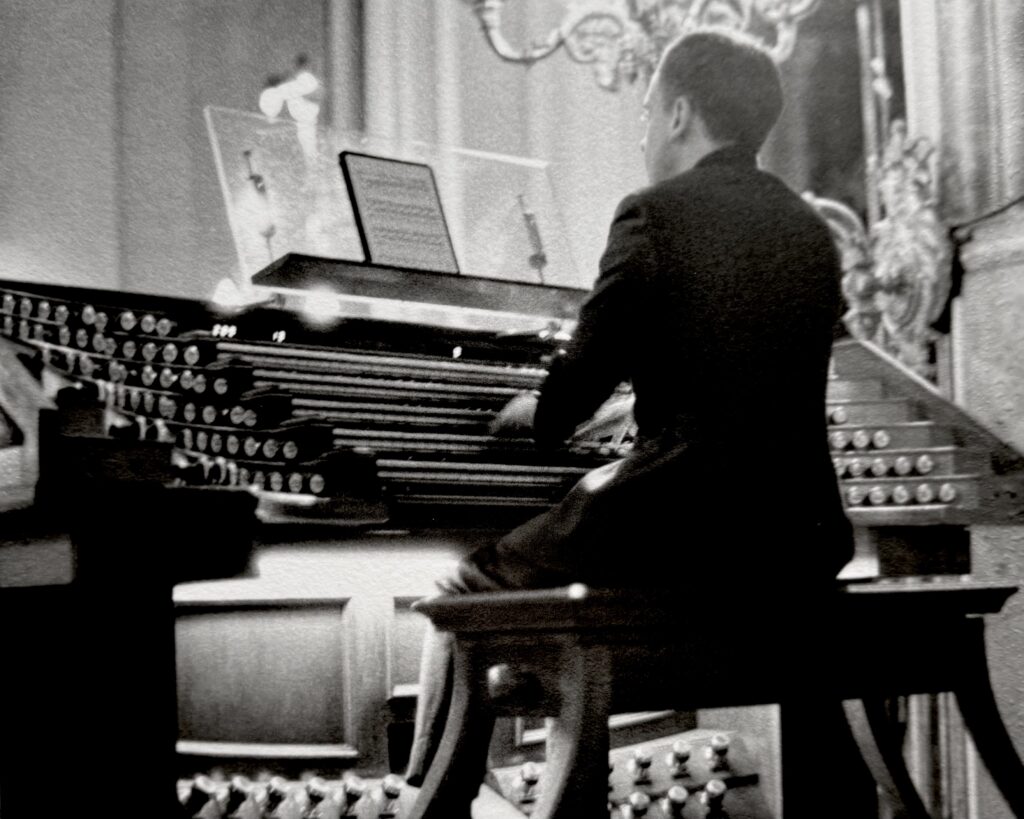
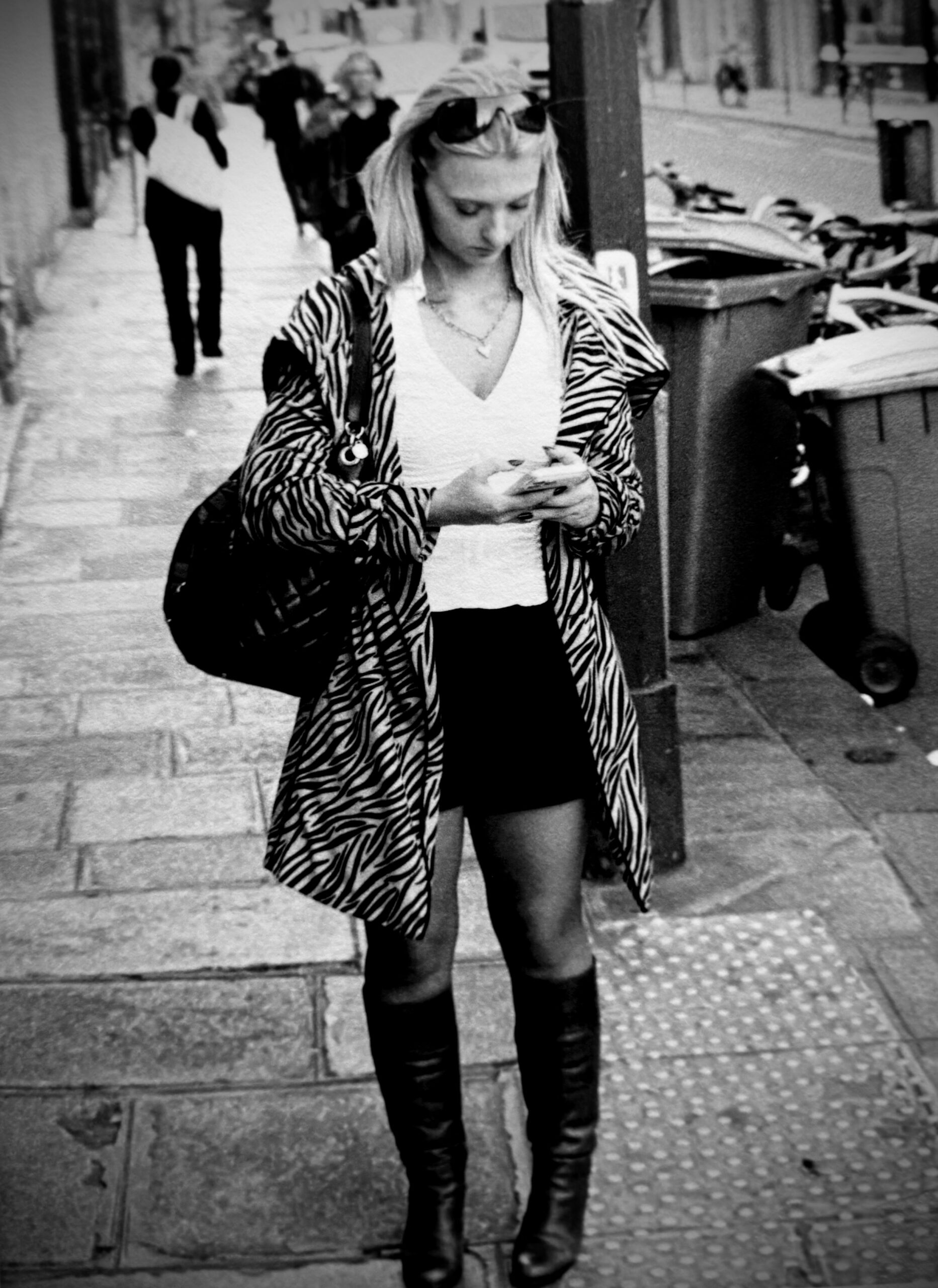
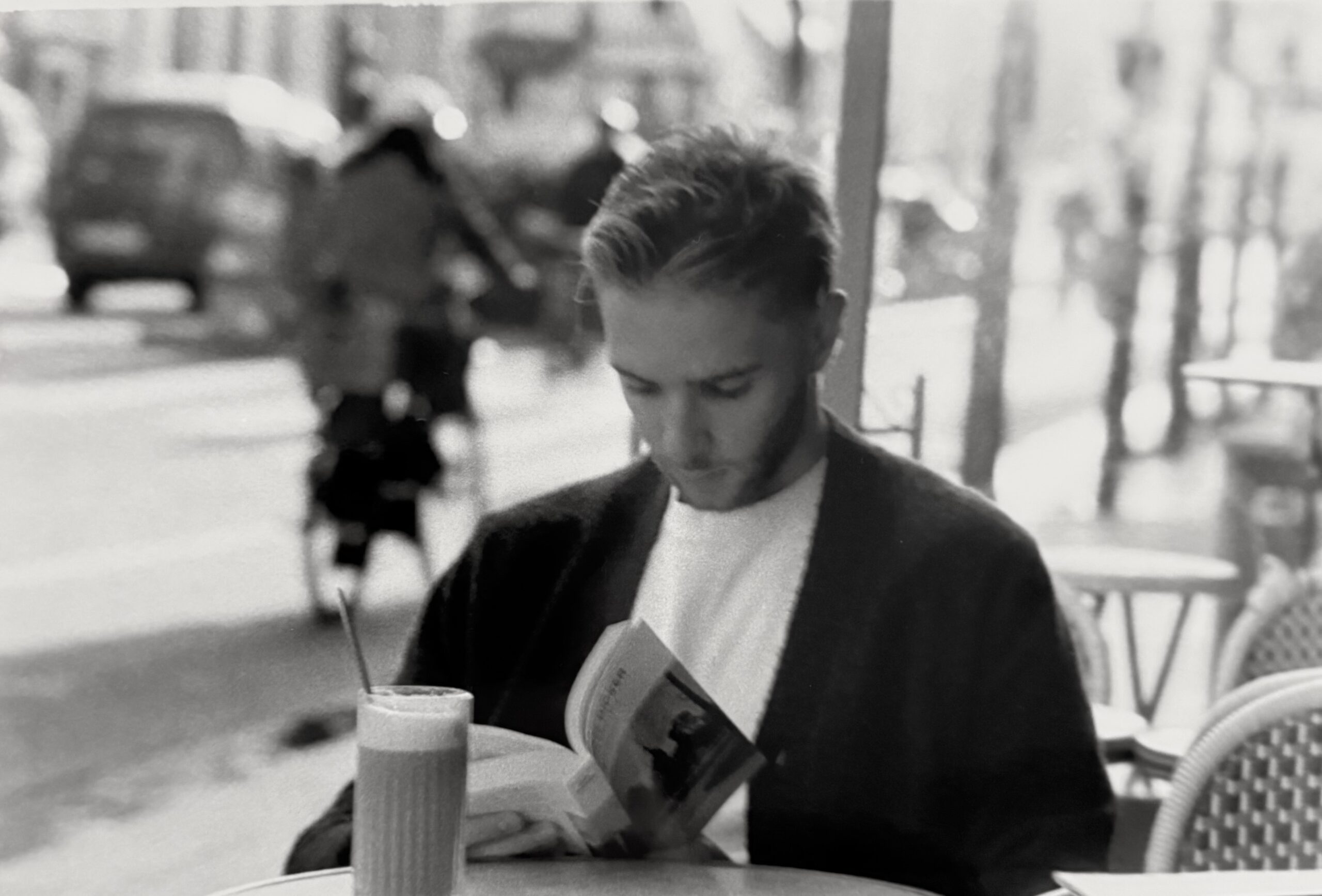
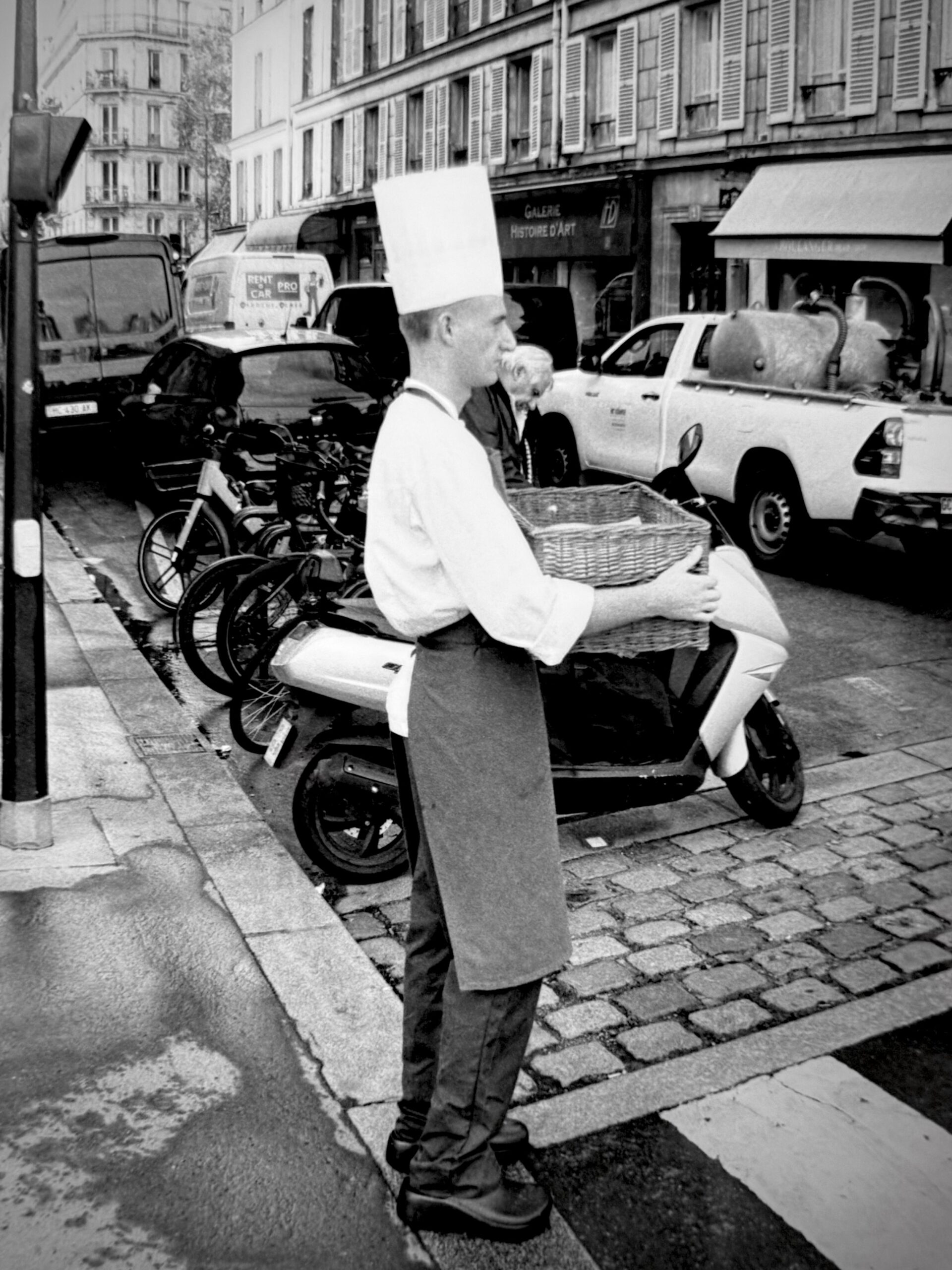
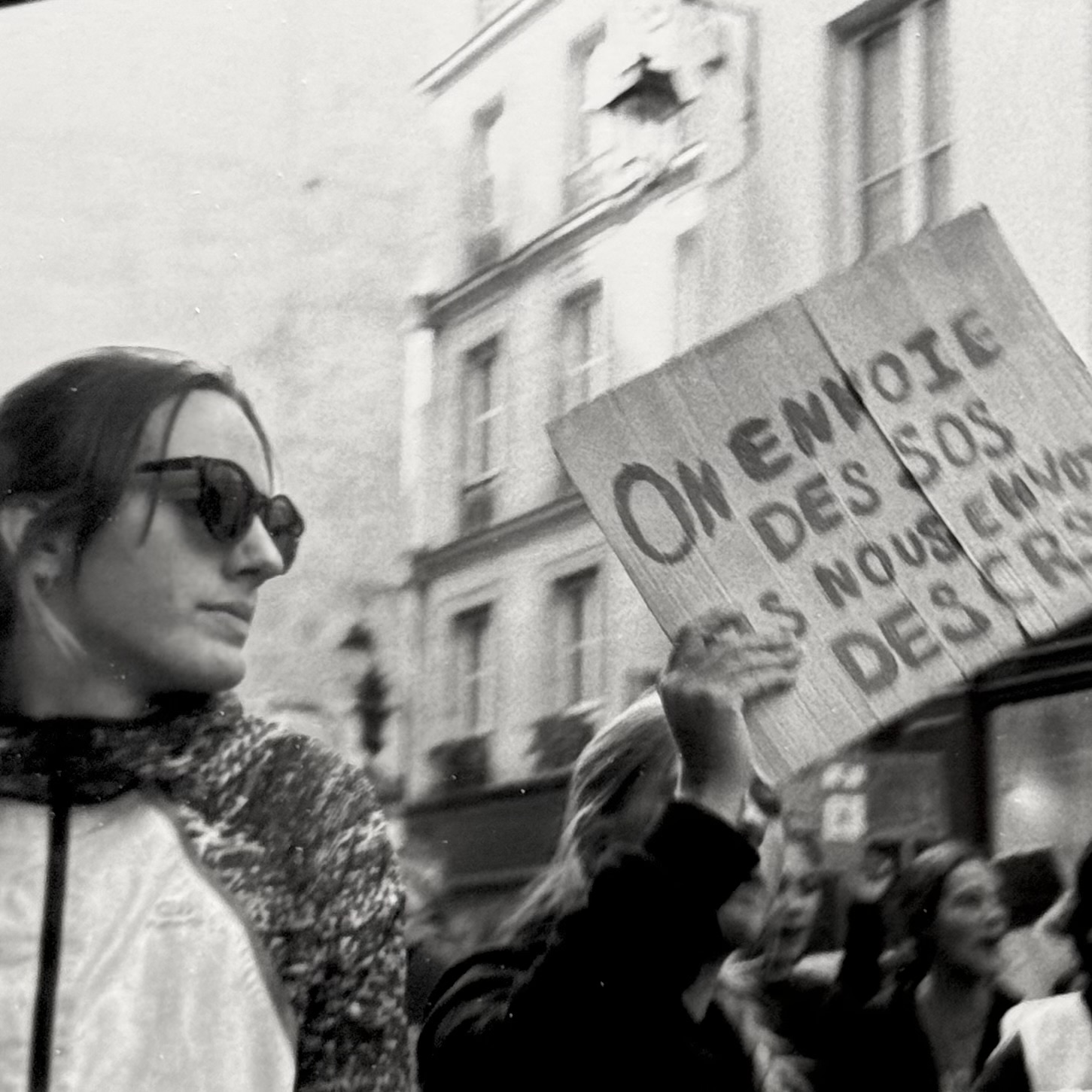
Nikkor 105mm AI f2.5
Concluding Thoughts
As may be clear from these photos, I not only had an excellent holiday in Paris, but had great fun using the Nikon FE and its lenses. At no time did I wish I’d brought a different camera system, which is saying something. (A grass-is-often-greener photographer, I almost invariably hanker for a medium format camera when using a 35mm, and vice versa.)
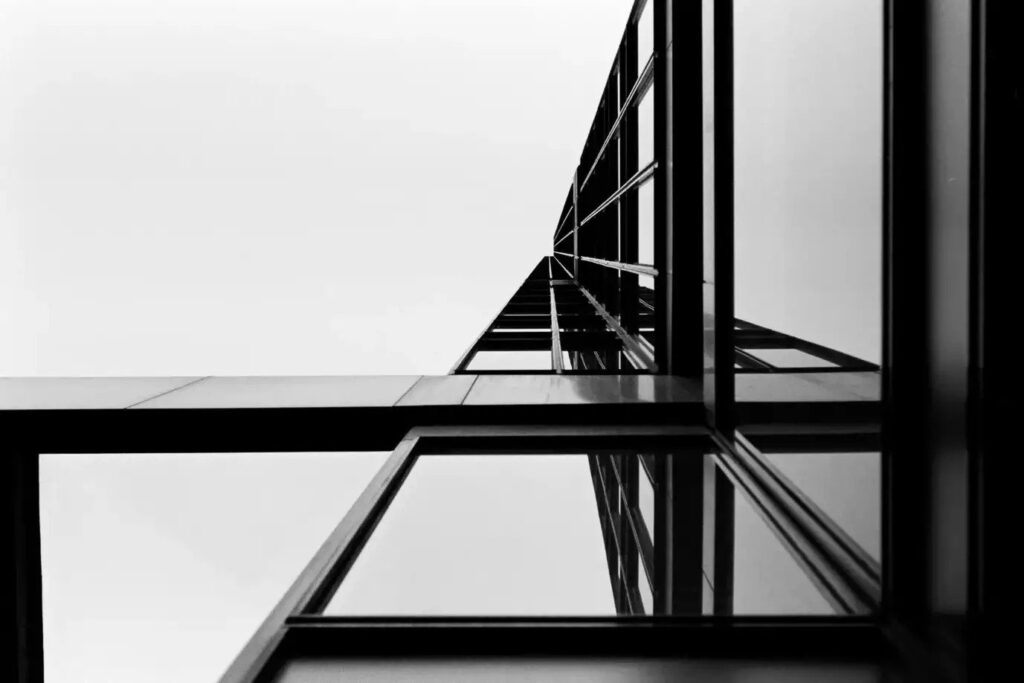
The advantages of the FE setup were much as I’d expected: swift on-the-fly exposures plus the ability to seamlessly shift lenses (without external finders) for different perspectives. The ultra-wide 20mm lens, especially, was a standout, and in my mind gives the architectural photos a bit of the quality of photos made with the Hasselblad SWC. Although I didn’t carry a tripod, and as a result made no long exposures, the few night frames I did attempt (propping the camera on a sill or concrete stanchion for support) came out brilliantly. The FE’s aperture-priority meter, which reliably calculates exposures ranging into minutes, is a latter-day technical marvel (albeit one from the 1970s).
As Paris is a city I’ve been attached to since living in France in my early 20s, I have plenty of photos from other cameras for comparison. Was this year’s crop really superior to those taken a while back with my Rolleiflex? Or the raft of photos I wrote about on 35mmc a year ago, taken with my Leica III?
One could argue that the FE set shows a clarity across focal lengths that may be absent with the other camera systems, an evenness in rendering that I can’t really explain; it may stem from something as banal as the coatings on the Nikkor glass. The Elmar 50 frames with the Leica III, on the other hand, while occasionally marred by flare even when hooded (my copy is from 1930!), do display an idiosyncratic glow that is lovely in specific compositions. That vintage character is obviously not present in photos taken with the more neutral—yet far from cold—Nikkor optics.
In addition to weight (a concern owing to the many lenses I packed), the only other disadvantages I associate with the FE are a certain dimness in the finder that made focusing in low light a bit of a challenge, a noisier shutter, and the camera’s lack of visual panache. Having grown accustomed on previous trips to folks stopping me in the street to exclaim at my Leica or Rolleiflex, the Nikon, while definitely noted by passers-by, was never remarked upon—let alone gushed over.
In conclusion, while I’m unlikely to ever part with my Barnack Leicas—their tiny size and historical significance put them in a separate category—the FE does in my mind occupy a very similar niche as the venerable Leica M3. While lacking the Wetzlar camera’s iconic profile, the Nikon is a joy to use, and, based on my experience in Paris and the resulting photographs, arguably does at least a few things better.
Thanks for reading.
TECHNICAL NOTE: All photos taken on Ilford HP5+ and Kodak Portra 400 films. All color photos and some of the monochrome frames processed and scanned at Atelier Publimod, Paris. I processed the remainder of the monochrome images at home.
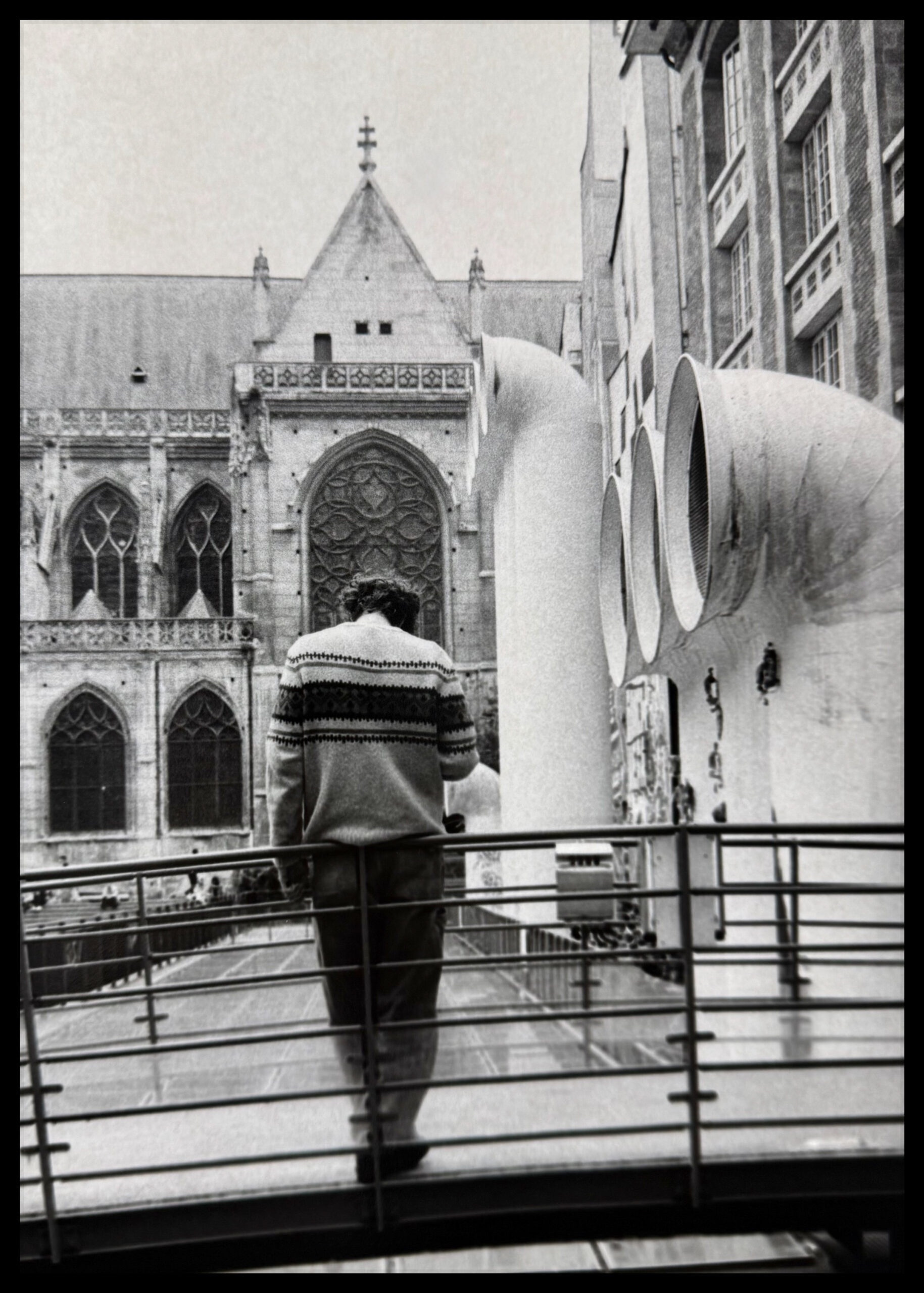
FEATURED IMAGE: Place Igor Stravinsky & Église Saint-Merry (made with Nikkor AI 28 mm f/2.8 on Ilford HP5+; Ilford MG fiber print).
You can see more of my photos at www.leica1933.com.
Share this post:

Comments
No comments found