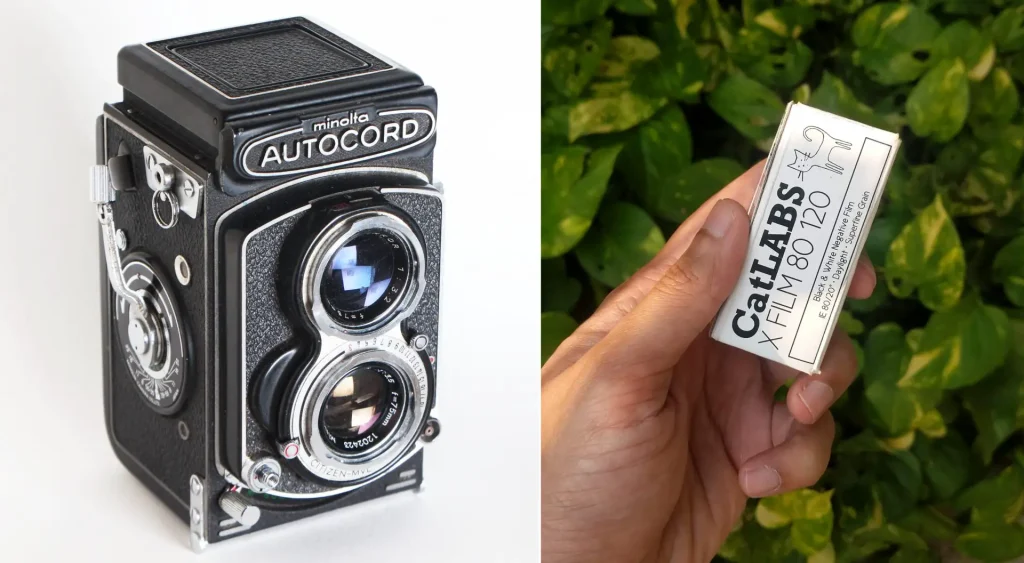
There is no such thing as a failed experiment because you can always learn from them. Well that’s what they say on LinkedIn… but I hate failed experiments. Why can&#...
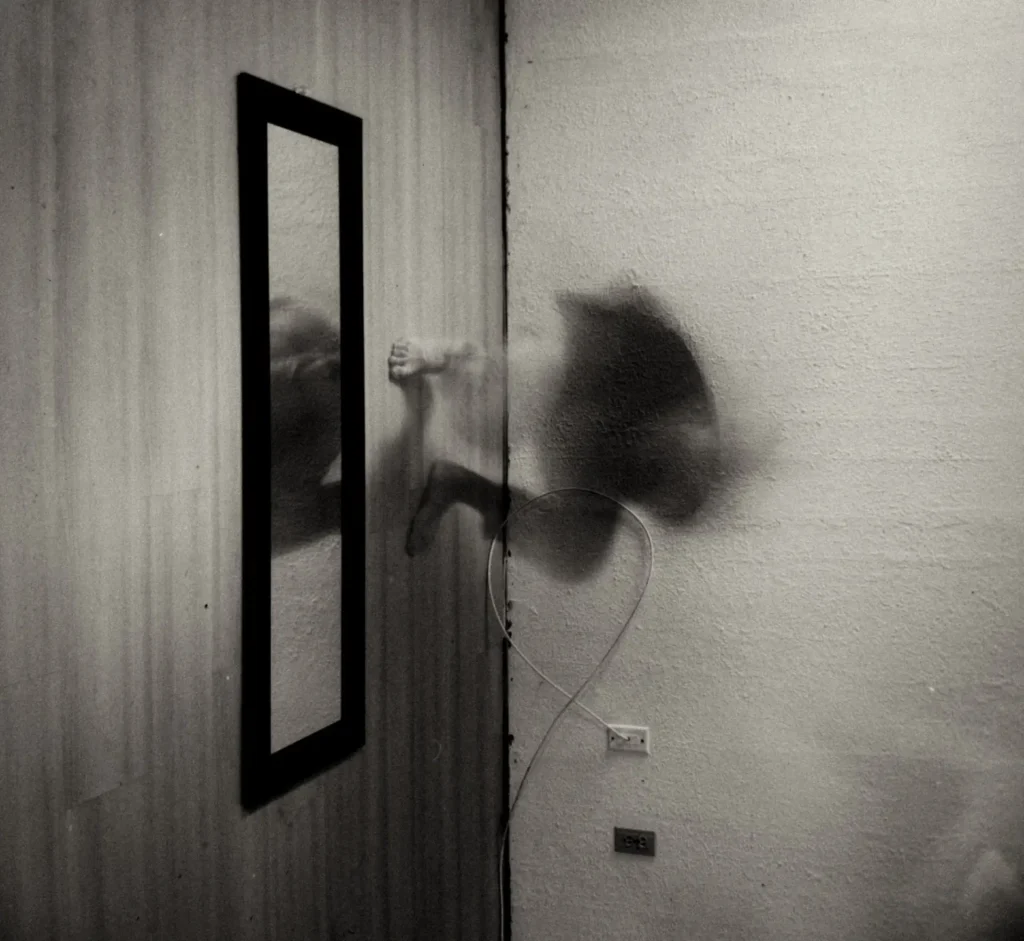
When asked if blur in photographs is undesirable because it obscures what is there, William Klein disagreed: "If you look carefully at life, you see blur. Shake your hand. Blur ...
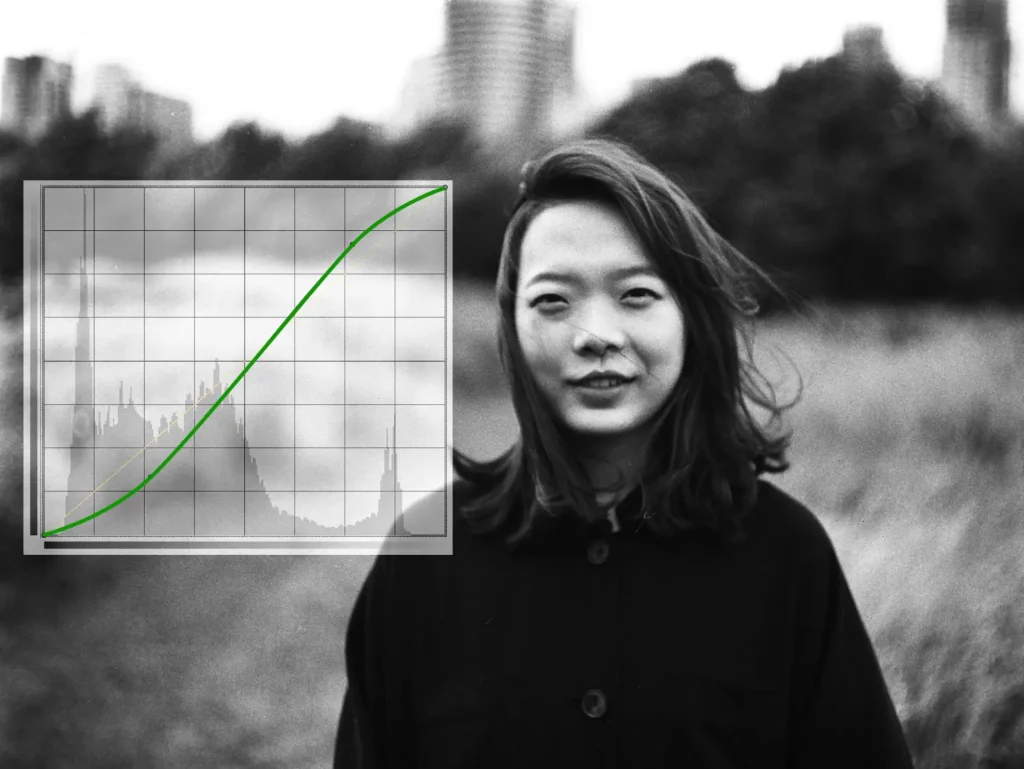
In Part 1 of this three-part series, I used histograms of famous photographs to introduce some fundamental ideas about contrast and tonality. In this part I’ll talk about ...
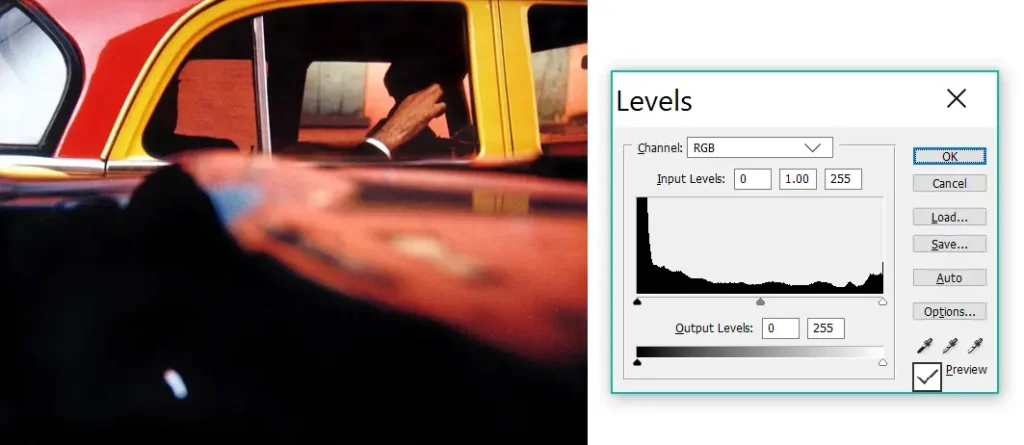
Let’s face it, “analysing” photos with histograms can only take us so far. A hundred years later, people may or may not look at your photographs and gasp in ad...
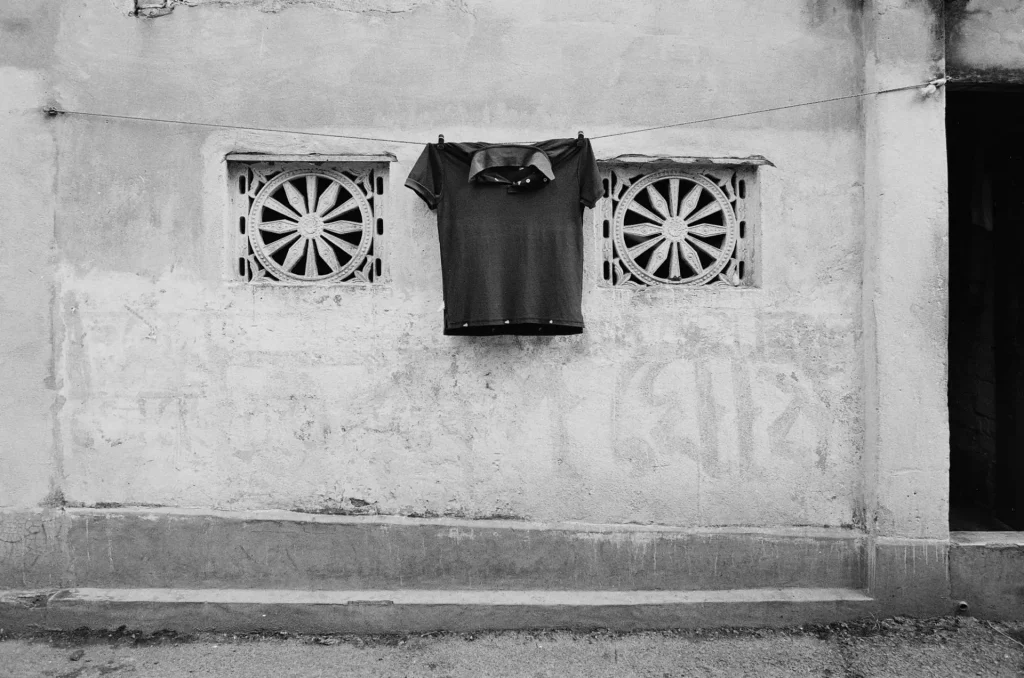
I’ve been part of the 35mmc team for the past year or so; some of you may have come across my articles, but behind the scenes, I also try and look for contributors who can...
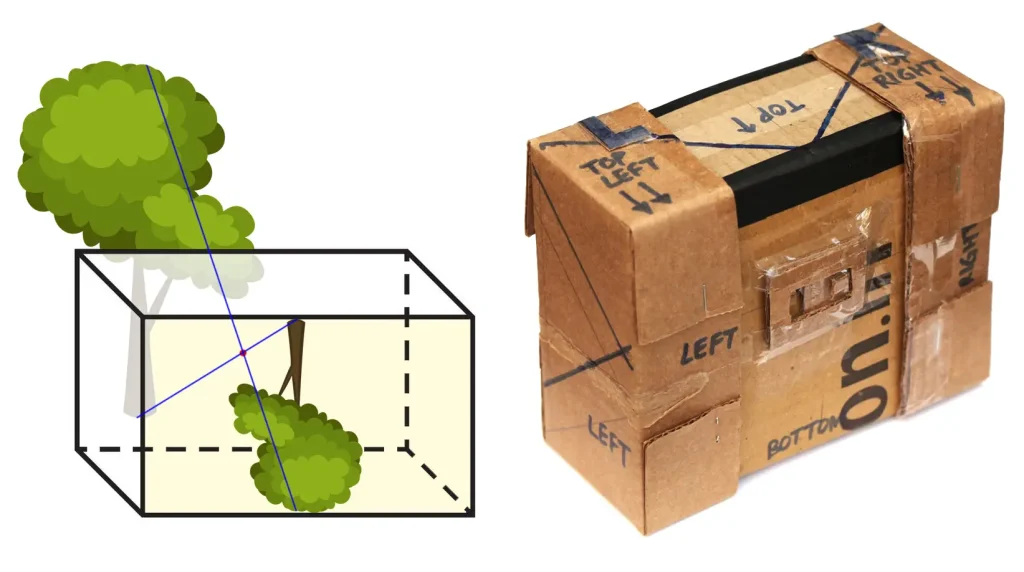
Two main factors determine how a pinhole camera “sees” – that is, whether its angle of view is wide, normal or tele. The first is the sensor size (throughout this po...
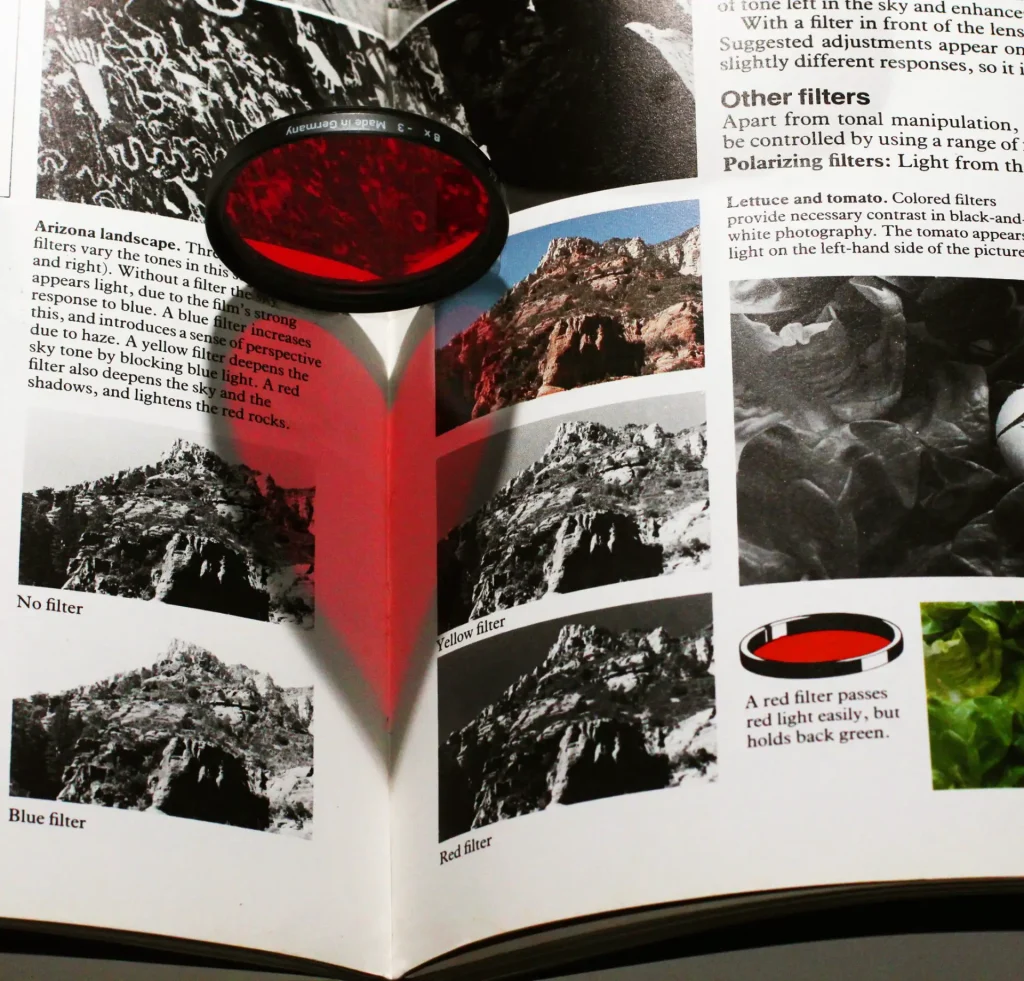
A black and white photograph "translates" the colours of the original scene into shades of grey. This "translation" or conversion is done by the film (in film photography), or b...
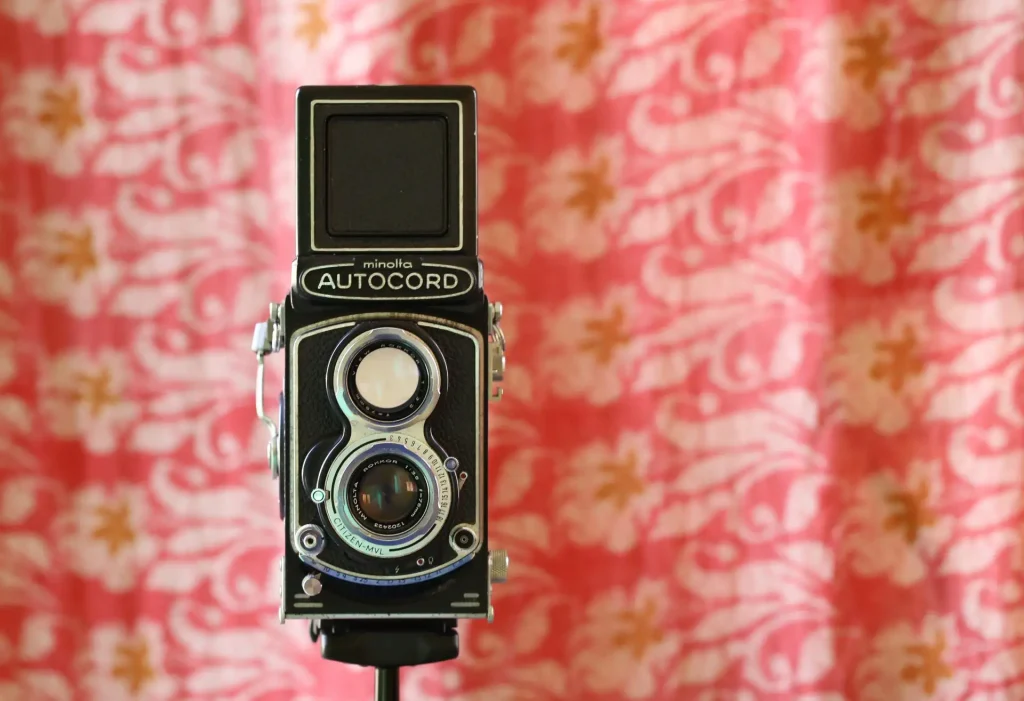
I shot a roll with a twin-lens reflex camera (TLR) for the first time this month. But long before I used a TLR in real life, I loved the idea of it – so much so that I thought t...