

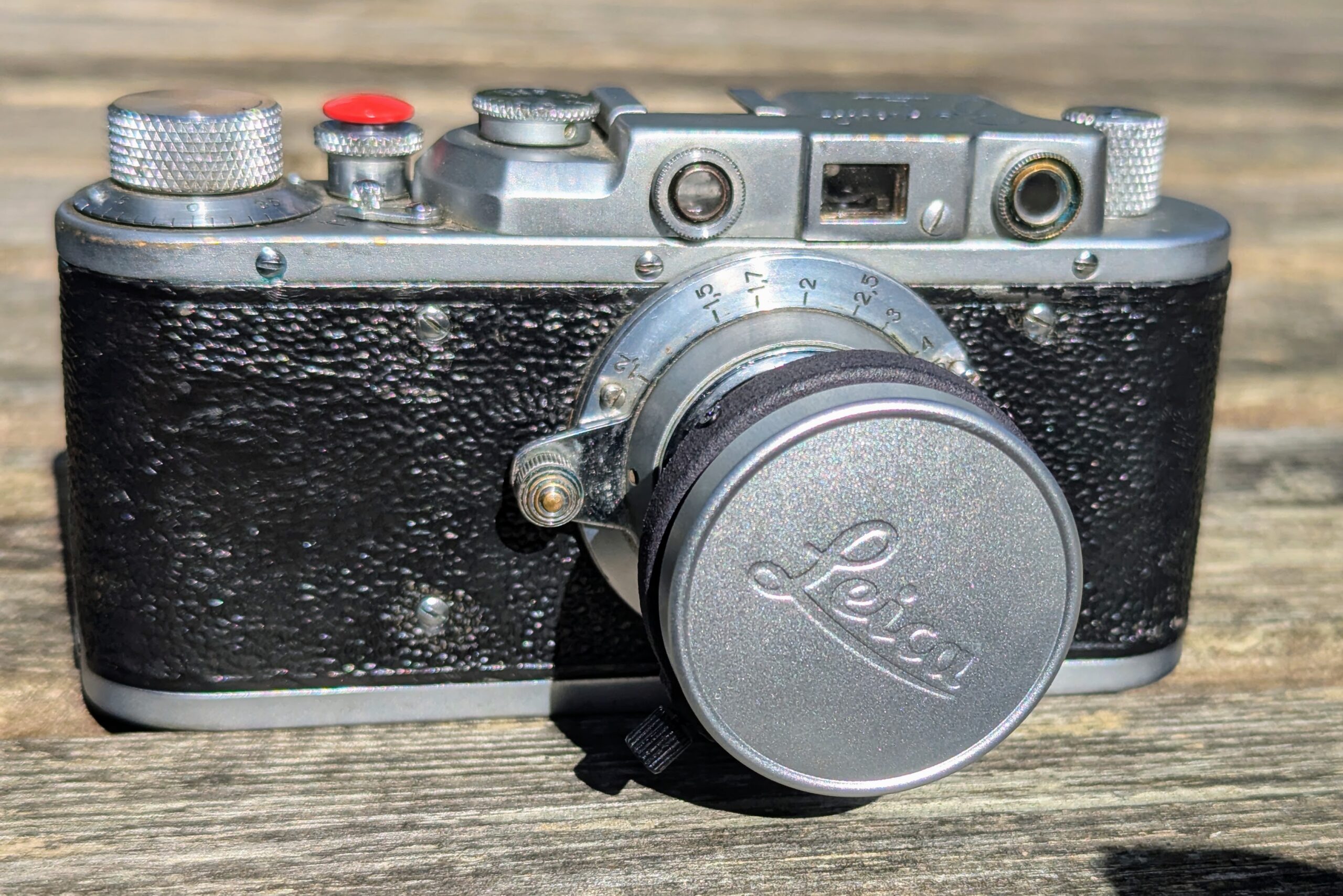
I bought my first Barnack, a 1953 Leica IIIf Red Dial whilst waiting for my Leica M2 to come back from a CLA. It was a revelation. I really loved collapsing the lens (Leitz Elmar 50mm f3.5, naturally) and popping it in my pocket on walks. Strangely, the ‘squinty’ rangefinder nailed focus 99% of the time. I bought more lense and added separate viewfinders as I like them for framing.
I read the history of Japanese Barnack clones and bought a Canon IId (lovely and under rated, even though the curtains were shot and needed replacing). Arguably, the Japanese manufacturers were outpacing Leica, but switched to SLRs as the Leica M3 came out.
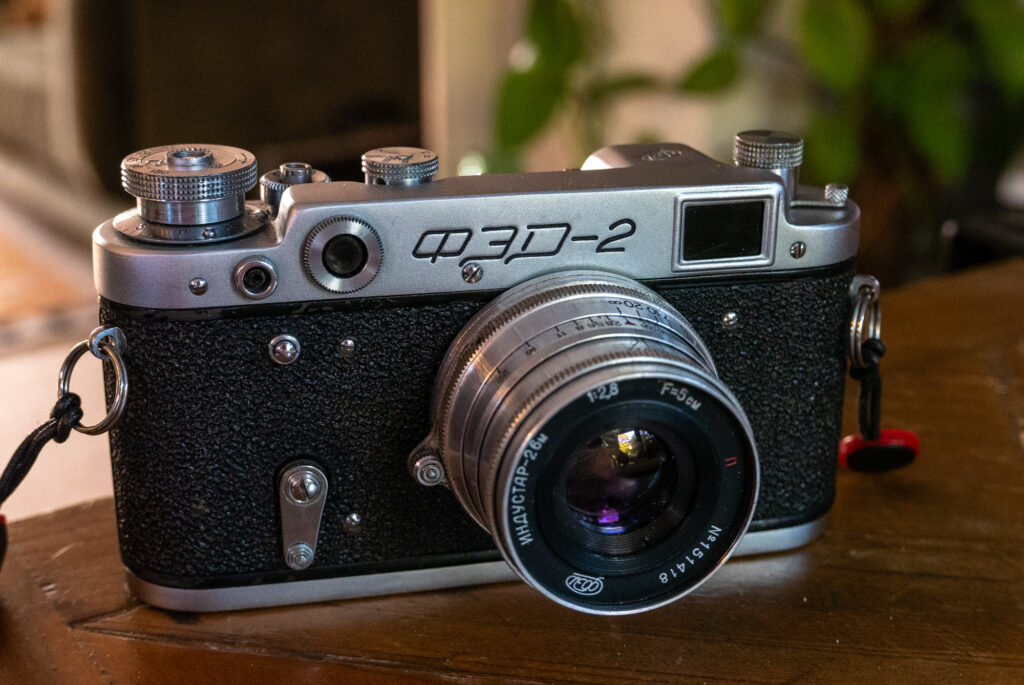
The Russians took a different path. They copied the Leica II as a camera for the masses; they were also used by the press, the military and secret police. Their pace of innovation was much slower than the west, hence the Zorki 1c, built in 1952 but, essentially, a 1930s camera. As I ‘researched’ I looked at Zorki 1s on eBay and came across this camera. The price was reasonable and it included the Fed Industar-22 50mm f3.5, in effect, a copy of the Leitz Elmar I already owned.
First Impressions
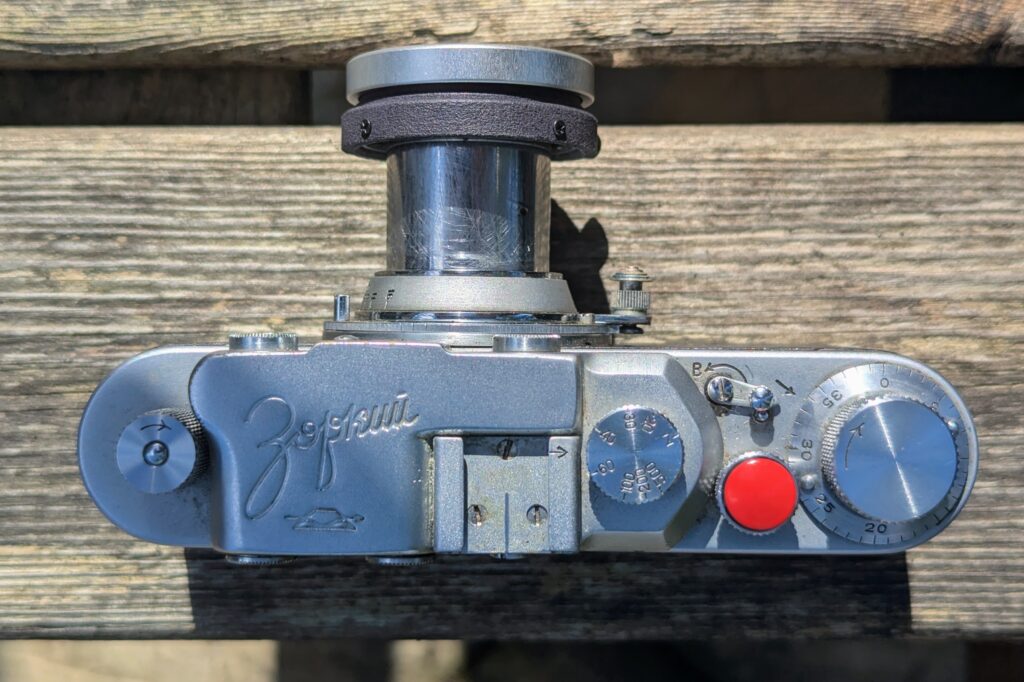
It arrived well packaged and matched the photographs, that is, a well used and slightly grubby Russian 1950s camera. So much was familiar, the bottom film loading (after trimming), the retracting lens (beloved by hikers), the ‘squinty’ and separate rangefinder and viewfinder. A compact little camera with the absolute minimum of controls and fuss.
The curtains looked good, the controls surprised me by being smooth and easy to operate. This was unlike a previous Zorki 4 that I owned. That particular camera was really quite unpleasant. This felt familiar. The shutters operated at all speeds, and at least sounded appropriately slow and fast.
Unfortunately, the camera was a Zorki 1c, not the advertised 1b. That’s OK as there are only a few minor differences and they’re worth about the same. The Soviet and Russian Cameras is a really good website for figuring out what model / date you have. Additionally the rangefinder infinity adjustment was out. This is easy to fix and after a bit of trial and error it looked good. Near focus (1m) was fine. A little irritating, but that’s the lottery that is eBay.
The only thing that I didn’t like was the lack of lugs. However, I have a rather nice camera bag that I can hang from my belt if I’m not wearing a jacket.
Testing
I put a roll of Kodak Gold 200 into it (my first colour film in a Barnack) and followed my usual testing routine. I shoot at all shutter speeds, take frames at near, medium and far focus. I check for pinhole leaks in the shutters by leaving the lens cap off indoors in diffuse light for an hour with the shutter unwound and wound.
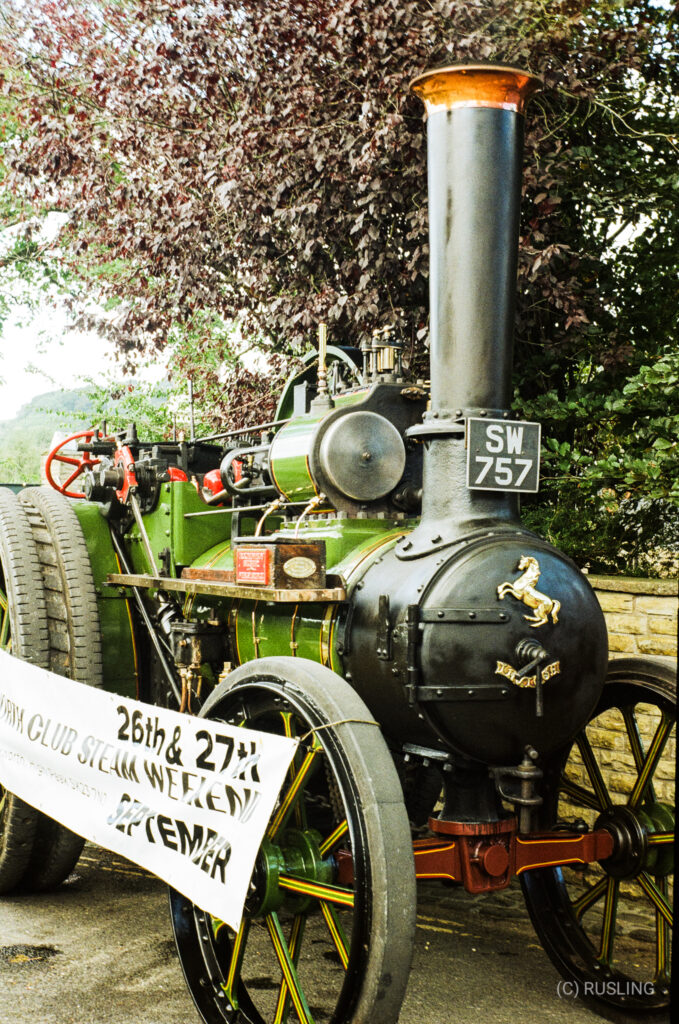
I found it lovely to use and enjoyed having it in my pocket. I use Leitz 50mm bright line viewfinder to frame, but the viewfinder is the same as my other Barnacks and works well (although, again, ‘squinty’). I also tested it with a variety of lenses to see any differences. The photograph of the Traction Engine below used the Leitz Elmar 50mm f3.5. There’s very little difference, although I’d try and keep the aperture on the Fed above f5.6. Note that both lenses are coated and that I always use a lens hood.
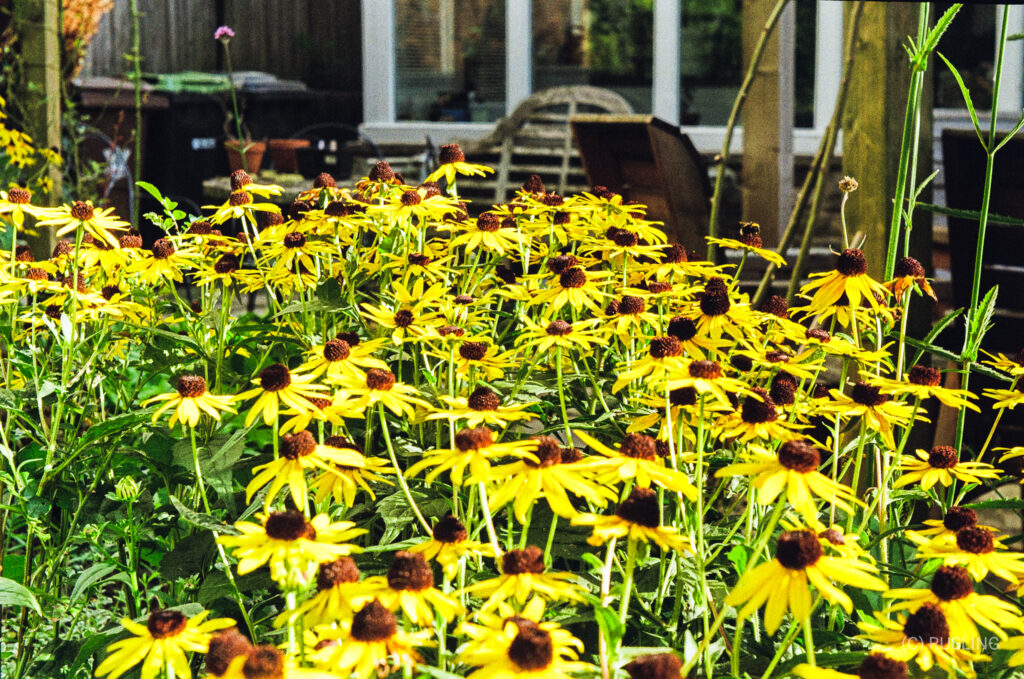
I sent the film off to Come Through Lab in Manchester as I trust them and the scans came back a couple of days later. Every frame was good with no shutter problems. I nailed focus every time; this meant that the lens was good and my adjustments had worked.
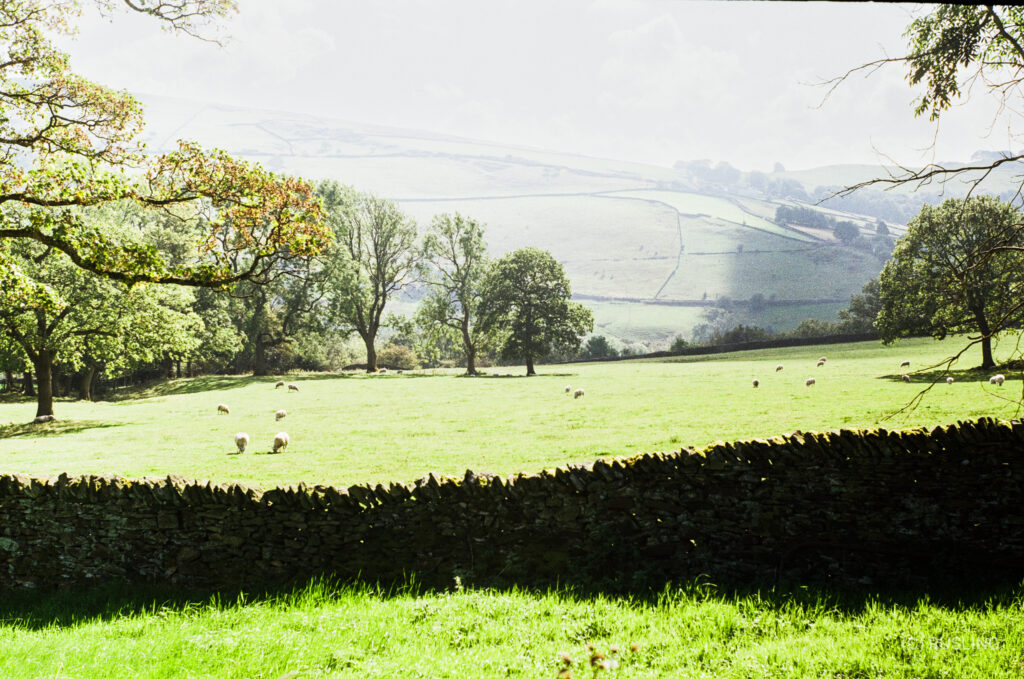
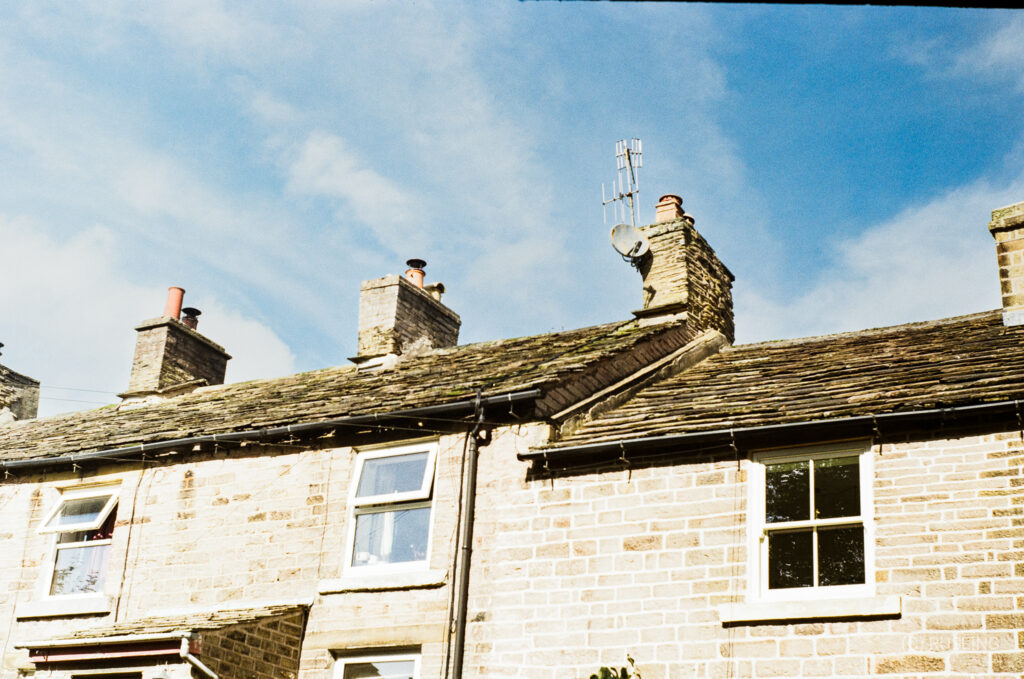
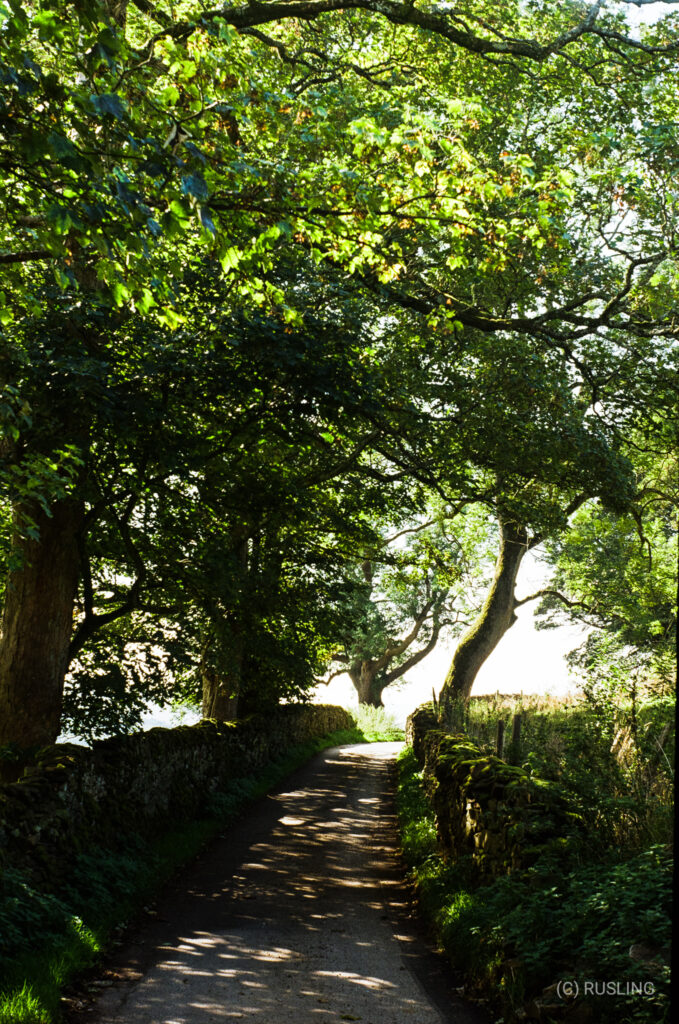
Sample Photographs
These were all shot in Derbyshire, UK.
Summary
If the shutter speeds and focusing work and the lens is of reasonable quality, all film cameras can take equivalent photographs. What is different is the user experience and that is just as much about emotion as it is about the layout and operation of controls
The biggest difference to my other Barnacks is the build quality. It is not a Leica or a Canon. Where the Canon IId is equal to the Leica IIIf in build quality and operation, the Zorki 1c is less precise, from the shutter dial to the wind / rewind and the engraving. This is not surprising as each part on the Leica IIIf was crafted to fit one particular camera and the Zorki 1c was assembled from stamped pieces. That said, the user experience is the same, with some slight differences in viewfinder / rangefinder usage. When shooting old, manual, cameras I use the same slow and deliberate sequence to take photographs. Extend the lens, lens cap off, set the aperture, wind on, set the shutter speed, focus, frame, shoot, lens cap on, collapse the lens. I thoroughly enjoyed using it and I think that it has a certain charm as well as an interesting history.
Heresy, but I preferred the Zorki’s separate rangefinder and viewfinder to the ‘barely separated’ rangefinder and viewfinder on the Leica IIIf. They both have a 1.5 rangefinder magnification. The Canon IId has a combined (squinty) rangefinder and viewfinder nifty zoom, with three positions corresponding to 50mm, 100mm and 135mm. The 135 zoom is equivalent to a 1.5 magnification. Handily, the Leica IIIf has a diopter adjustment, if, like me, your eyesight is not perfect. The Zorki is just as good at framing a scene than the Leica IIIf and I get good results without the external viewfinder on that camera. This is mostly irrelevant to me as I use a Leitz SBOOI 50mm Shoe Mount Viewfinder,
I really like Barnack cameras. I live in Derbyshire and walk my German Shepherd three times a day in all weathers and it suits my lifestyle. Like my other Barnacks, the Zorki 1c can be dropped into a jacket pocket, ready to use but out of the rain. I enjoyed using the camera and I will keep it. It’s not a Leica, but it is a Barnack. My final argument in favour of the Zorki 1c is the price, it is a fifth of the price of a Leica and half the price of a Canon IId.
Share this post:

Comments
Gary Smith on Zorki 1c – Further Down the Barnack Rabbit Hole
Comment posted: 12/11/2026
Thanks for your thoughts on the Zorki.
Comment posted: 12/11/2026