

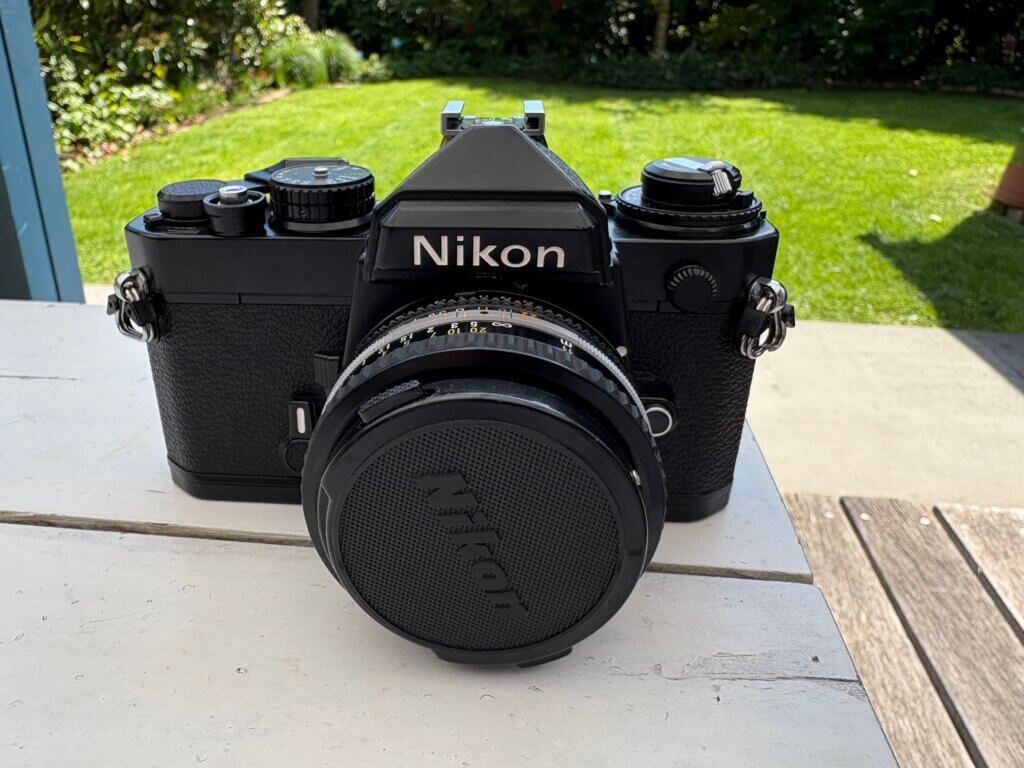
I recently purchased a Nikon FE analog camera with a 50mm lens. Here’s the story behind it.
So I decided to buy a new camera. You’d wonder why. Do I not own enough cameras as it is? As you may know, I am a big fan of Leica and I own both digital as well as analog Leica cameras. When I bought my M10 I fooled myself to say ‘I don’t ever need another camera now that I own an M10’.
A second hand DLSR
For a trip to Indonesia last year, however, I decided to invest in a second hand DSLR with some long lenses. You are not always able to be close to your subject when traveling and DSLRs really shine in that area, where Leica usually requires proximity to your subject.
So, enter my new Nikon D700. A full frame DSLR which is famous for its image quality and color rendition. Only 12MP, but totally satisfying, as you can see on my portfolio site.
Along with the D700 I bought a 28-70mm, a 80-200mm as well as 50mm lens. This gives me a good coverage in many situations. Now, having these lenses and being a film photographer as well, I got the idea to use these lenses on an analog Nikon camera as well. However, I did not own an analog Nikon camera. The search began.
Selecting an SLR
My first decision was that this camera needed to have a classic design of the analog SLR era. This ruled out D700 lookalikes like the F5 or F100. Though very familiar to use due to them being the blueprint for all Nikon DLSRs, I needed something more classic.
Second criterium was that I needed a professional or semi-professional camera. This meant choosing from the classic F line of cameras or something similar like the FM, FE. All of these cameras feature full-metal bodies and are built to last a lifetime.
Narrowing down
Next, when shooting digital I usually use aperture priority mode. Granted, my Leica M4-P is a manual only camera, but if I’m honest I prefer aperture priority. This meant the like F3 would be a very good candidate: a legendary professional camera that was built between 1980 and 2001.
However, when I was reading up on the F3 on Ken Rockwell’s blog, I saw his reference to the Nikon FE. His review of the Nikon FE basically stated that the FE has everything that the F3 offers, but being smaller it was easier to handle. Moreover, the lightmeter of the FE features a needle indicator, whereas the F3 has a LCD readout that is more difficult to read. This made the FE my ideal candidate.
But there is also the successor of the Nikon FE, the FE2. Why not get the FE2?
As in the end money is also a criterium, I noticed that the FE2 is substantially more expensive than the FE. The FE2 has a mix shutter speed of 1/4000s, whereas the FE goes up to 1/1000s. However, it is also stated that the FE in aperture priority mode goes way beyond the 1/1000s. Furthermore, the FE features a battery indicator that tells you when to change batteries. The FE2 does not have that, which means you run out of power in the middle of shooting.
The purchase
So, the Nikon FE was the camera of choice. I could also have considered the Nikon FM3a, but this advanced analog camera was way out of my budget.
Looking on EBay, I noticed many Nikon FE cameras were offered with a 50mm lens. As this is one of my favorite focal lengths, I was prepared to spend around €200 for a body including a lens.
Reading up on the manual focus Nikon lenses, I again read an article by Ken Rockwell on the Nikon 50mm 1.8 pancake lens He praises the lens as being one of the best 50mm manual focus lenses ever made by Nikon in a very small package. I noticed this lens alone would be around €200, so if it came with the a Nikon FE body for around €200, I would go for it.
The Nikon FE
In the end I bought my Nikon FE with 50mm pancake lens for €180 excluding shipping and taxes. I ended up paying €250 for the whole deal, with a near mint Nikon FE and a 50mm pancake in very good condition. I purchased it from a Japanese seller, which I can recommend if you are in the market for a classic Japanese camera. They sit on a very large stock of used cameras that are in many cases taken very good care of.
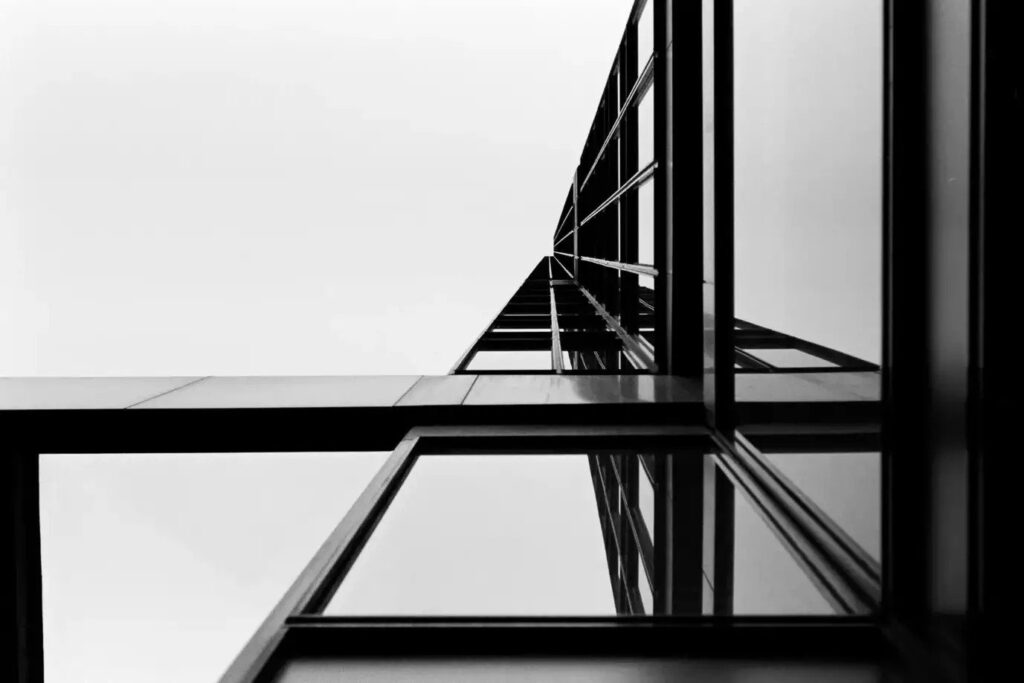
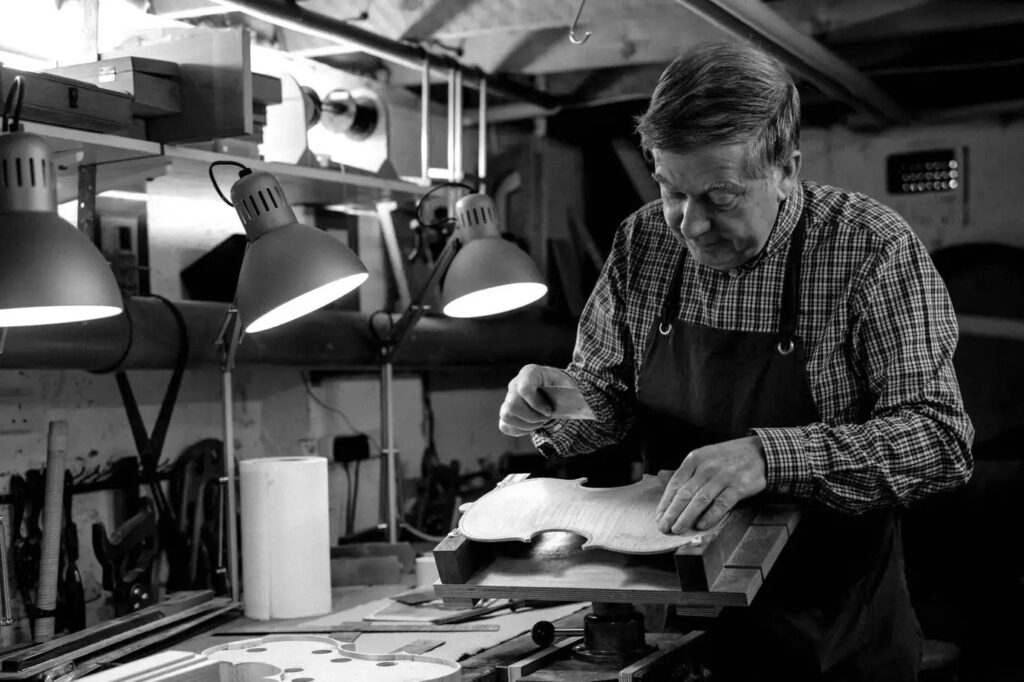
Below a couple of frames I took with my new purchase.

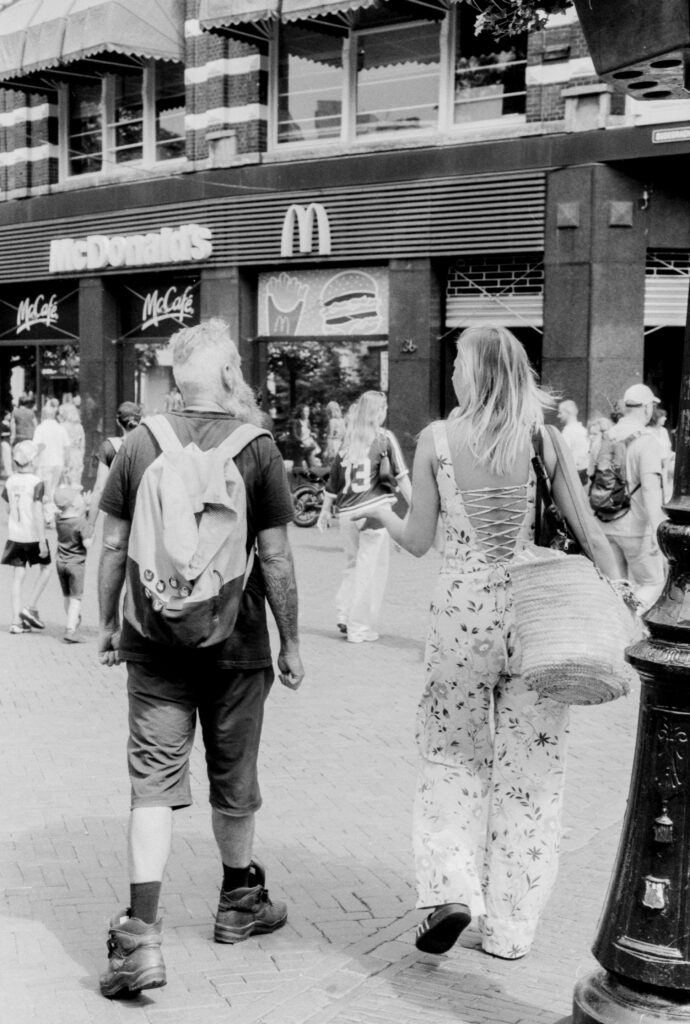
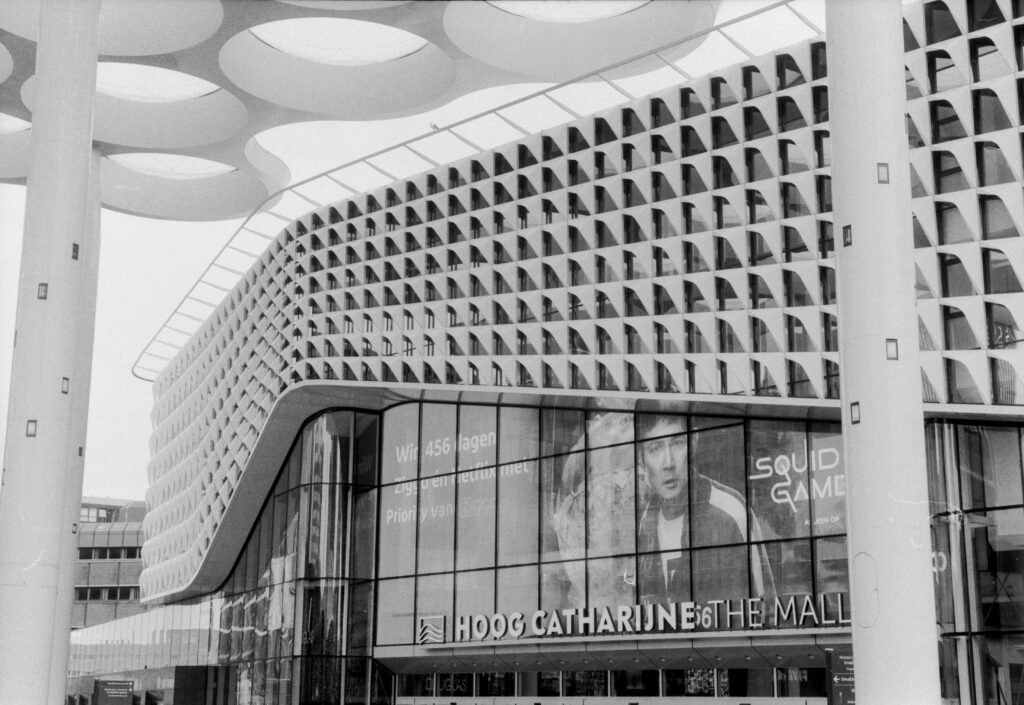
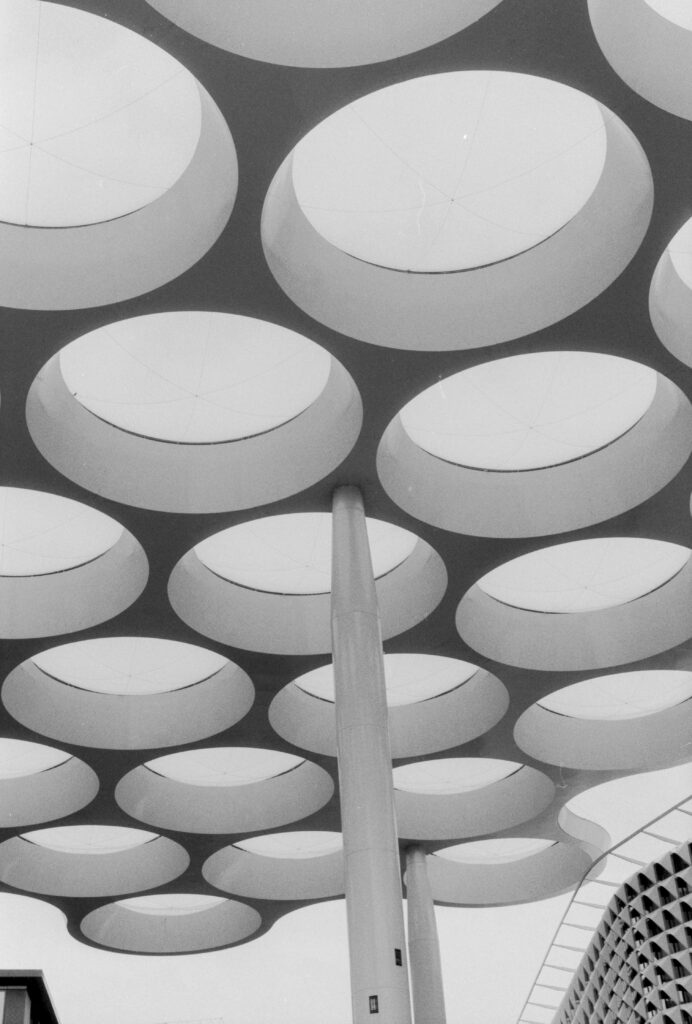
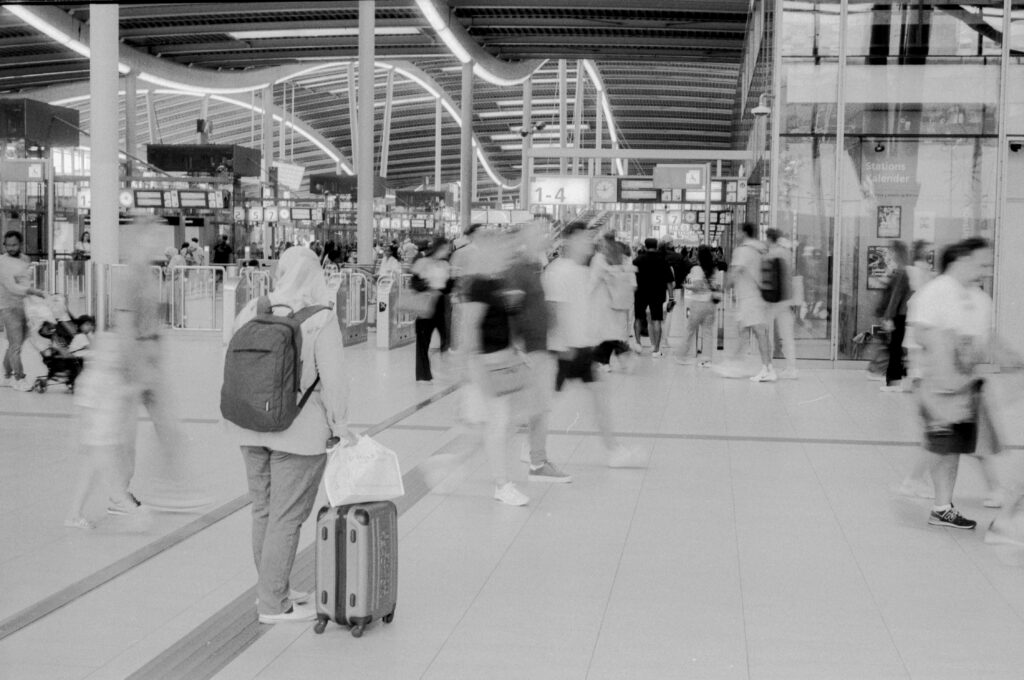
All in all, a very good deal and I am enjoying the camera very much!
Share this post:

Comments
Scott O’Brien on 5 Frames with a classic SLR – Why I Chose the Nikon FE
Comment posted: 13/01/2026
Walter Reumkens on 5 Frames with a classic SLR – Why I Chose the Nikon FE
Comment posted: 13/01/2026
Comment posted: 13/01/2026
Comment posted: 13/01/2026
Comment posted: 13/01/2026
Comment posted: 13/01/2026
Stephen McGonigle on 5 Frames with a classic SLR – Why I Chose the Nikon FE
Comment posted: 13/01/2026
Comment posted: 13/01/2026
Thomas Wolstenholme on 5 Frames with a classic SLR – Why I Chose the Nikon FE
Comment posted: 13/01/2026
Ibraar Hussain on 5 Frames with a classic SLR – Why I Chose the Nikon FE
Comment posted: 13/01/2026
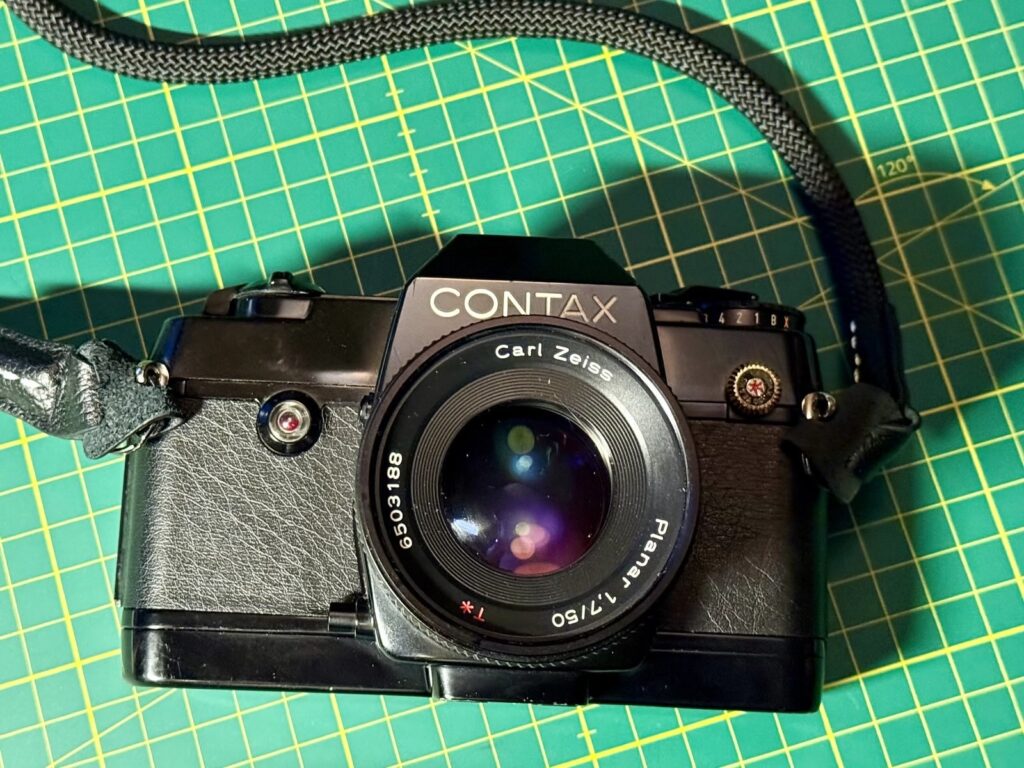
My main manual SLR is a Contax RTS
II - as have a soft spot for the marque.
Haven’t used it much layers
Comment posted: 13/01/2026
Comment posted: 13/01/2026
Comment posted: 13/01/2026
Bob Morgans on 5 Frames with a classic SLR – Why I Chose the Nikon FE
Comment posted: 13/01/2026
You won't go wrong with the FE. Incidentally a couple of months ago I was cycling with my FM3A on a strap across my body when the clip broke and the camera flew off and rolled along the concrete cycle path. A slight removal of paint but still working great.
I'm never going to sell them. Just love using them with it's cross of fully manual or fully automatic choice!
Nice article.
Bradley Newman on 5 Frames with a classic SLR – Why I Chose the Nikon FE
Comment posted: 13/01/2026
Comment posted: 13/01/2026
Gil Aegerter on 5 Frames with a classic SLR – Why I Chose the Nikon FE
Comment posted: 13/01/2026
Alexander K on 5 Frames with a classic SLR – Why I Chose the Nikon FE
Comment posted: 14/01/2026
Gary Smith on 5 Frames with a classic SLR – Why I Chose the Nikon FE
Comment posted: 14/01/2026
Gus on 5 Frames with a classic SLR – Why I Chose the Nikon FE
Comment posted: 14/01/2026
Sharpie on 5 Frames with a classic SLR – Why I Chose the Nikon FE
Comment posted: 15/01/2026