

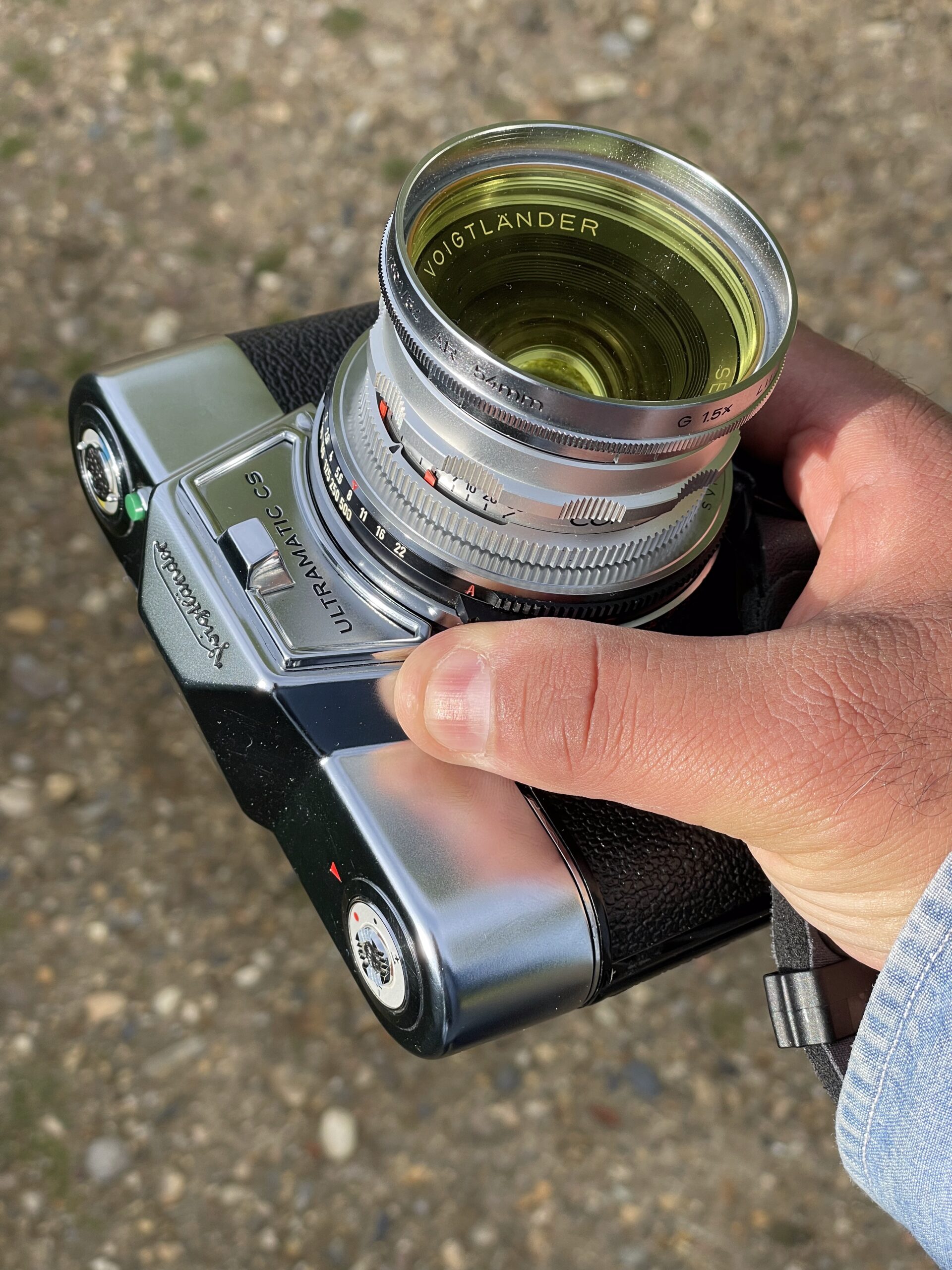
My small collection of high quality precision made West German cameras grows. Thanks to 35mmc author, my friend Tony Warren I have been enlightened into really appreciating and understanding such things in the world of 35mm cameras. My latest acquisitions have been a triplet of real German Voigtländer cameras, which I mentioned in my articles on the equally desirable Zeiss Ikon Contaflex Super and Icarex 35 CS SLR cameras from the 50ies and 60ies. Being generally skint most of the time I think the lot (all inc the Zeiss Ikons lenses etc) cost me just over £300 in total, so no sore blow.
It’s amazing and bizarre that such exquisite pieces are to be found at bargain basement prices and generally overlooked and ignored by most 35mm shooters. It makes no sense that many fashionable brands could cost a multitude of times as much as these, that new Film cameras cost a relative fortune.
But that’s always the case; the cost of something fashionable or endorsed will always be driven by the market. There are other factors which come into play, such as repairability or the availability of parts, which I think are also driven by popularity. If there were something in it for camera repairmen to learn and focus on such cameras, they would – as spare parts are readily available (there being a multitude of non working bodies which can be used for spare parts).
Anyway, as things stand those in the know will be happy and lucky to collect these beautiful things and enjoy them without having to sell body parts or use a credit card to do so. The three Voigtländer are the Bessamatic Deluxe, Ultramatic CS SLR’s and Vitomatic II RF. These have been reviewed everywhere; especially the Bessamatic and Vitomatic II. The Ultramatic has less love, it hasn’t been reviewed much, though as always the superb Mike Eckman has excellent full reviews of both of these.
Incidentally I no longer have any Range Finders – I gave the Vitomatic II away, sure it’s beautifully made, bright RF spot, huge VF and a very quiet leaf shutter – but I tried the RF experience again, didn’t like it, I shot 6 frames, the rewound the roll, before I realized it felt quite detached, and for the life of me can’t work out what the attraction is. I think the SLR is supreme, it’s the only real immersive actual through the lens experience.
The lenses I have are the 50mm f2.8 Skopar and 35mm f3.2 Skoparex, plus the 50mm f2 Septon. With a yellow Voigtlander filter for each and extras (filters, close up filters etc). I haven’t used the 4 element 50mm Skopar, as I have the same lens on the Icarex (labelled Carl Zeiss Tessar f2.8) and the Vitomatic II, the sensible combination is the 50mm f2 Septon and the 35mm Skoparex, if I didn’t have the Septon I’d of course have used the Skopar.
Now both the Voigtländer Ultramatic and Bessamatic are works of art, beauty and precision. Both very nice to behold, handle and use, with their Zeiss Ikon Contarex and Contaflex brethren are in my opinion the most beautiful and lovingly built 35mm cameras of any type. As I wrote elsewhere, Voigtländer and Zeiss Ikon combined to make the Zeiss Ikon Icarex; their last hurrah and fully a part of this illustrious company of loveliness. The fit and finish, the attention to detail and the feel of these is something very very special indeed, if you’re only used to handling Japanese SLR’s, or modern electronic computer Photographist gadgets then you’ve missed out big time. I’ve owned and handled most classics; the Voigtländer Ultramatic in particular makes many look and feel like toys, or cheap tat, and it puts the Rolleiflex to shame.
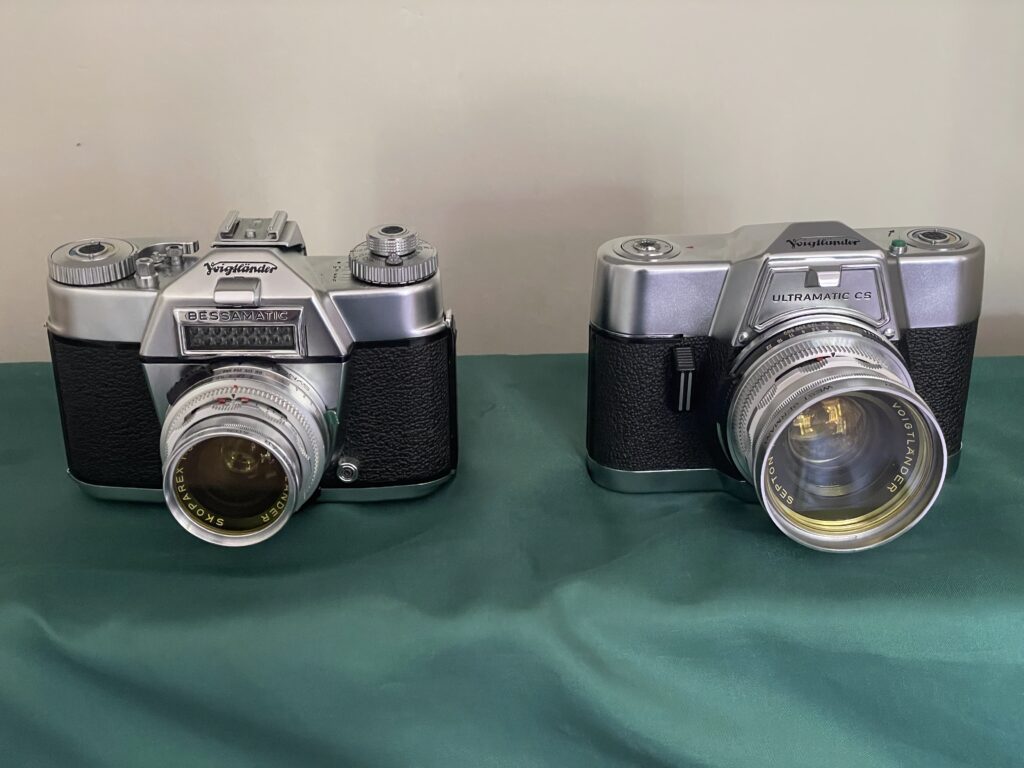
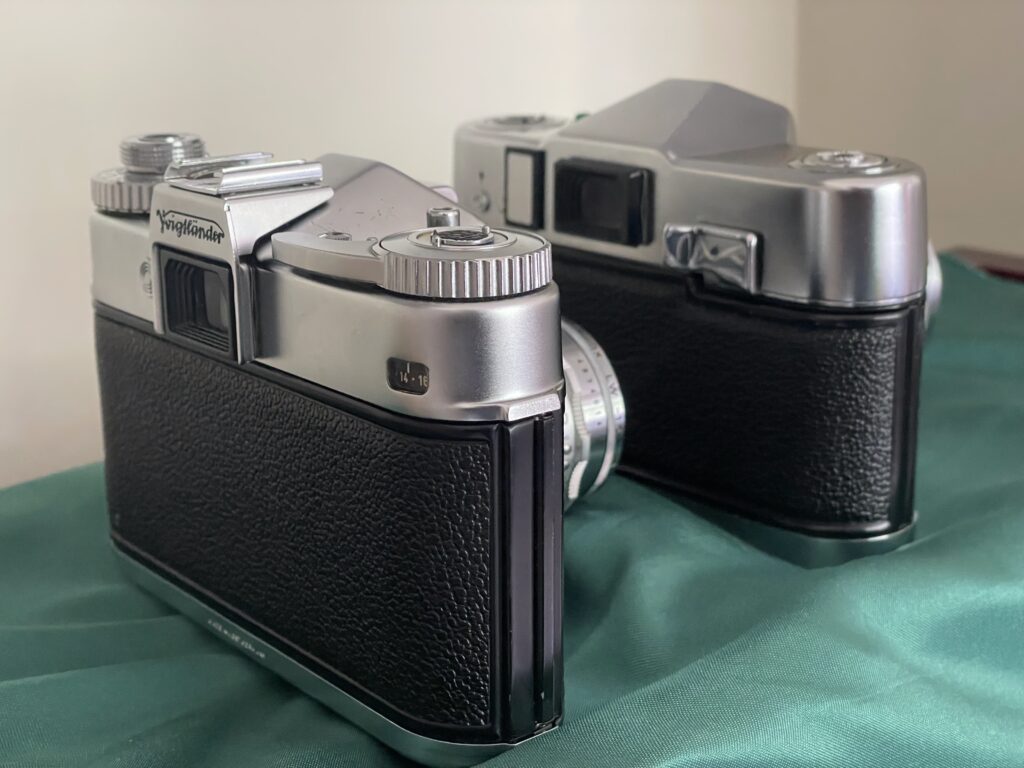
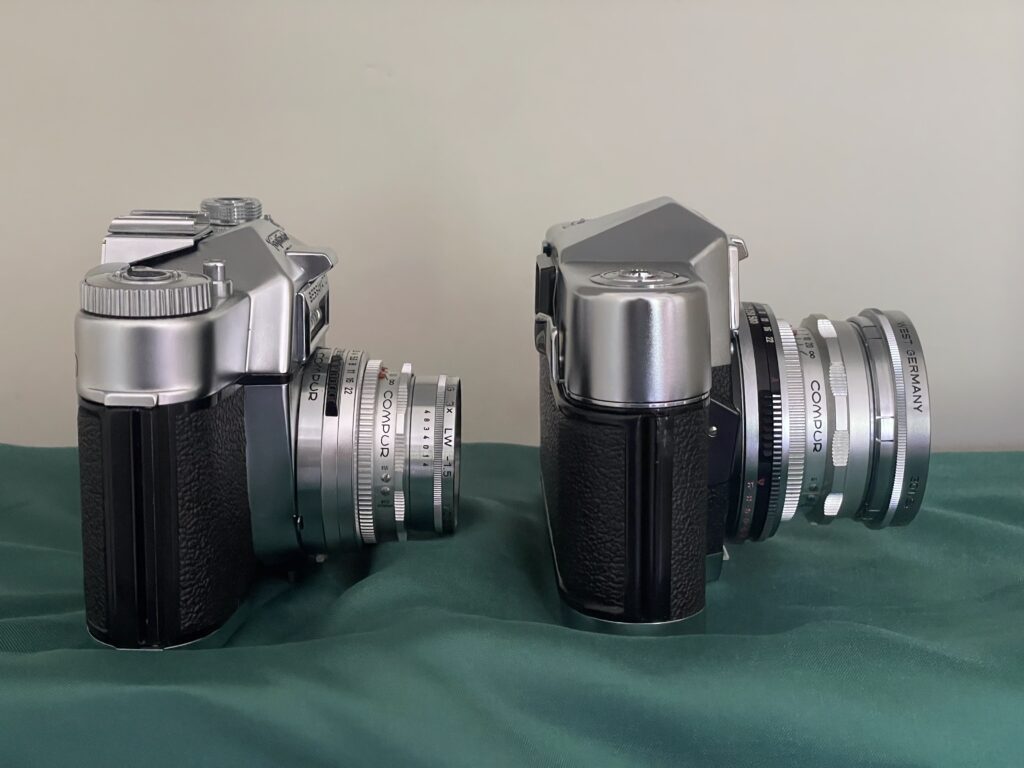
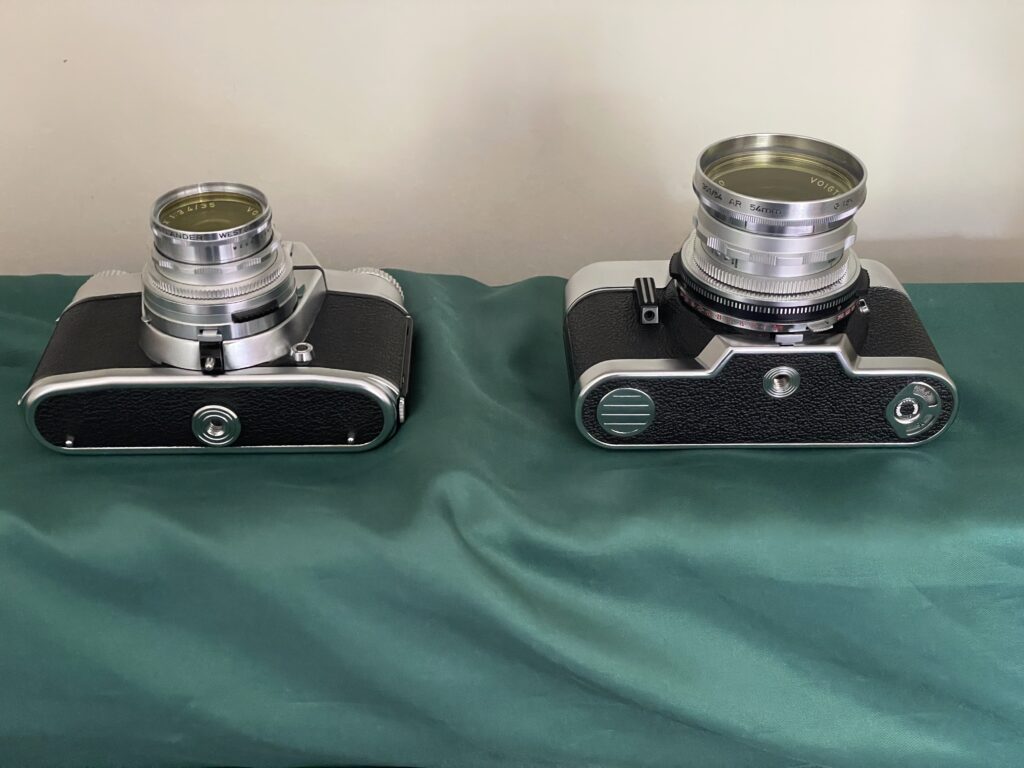
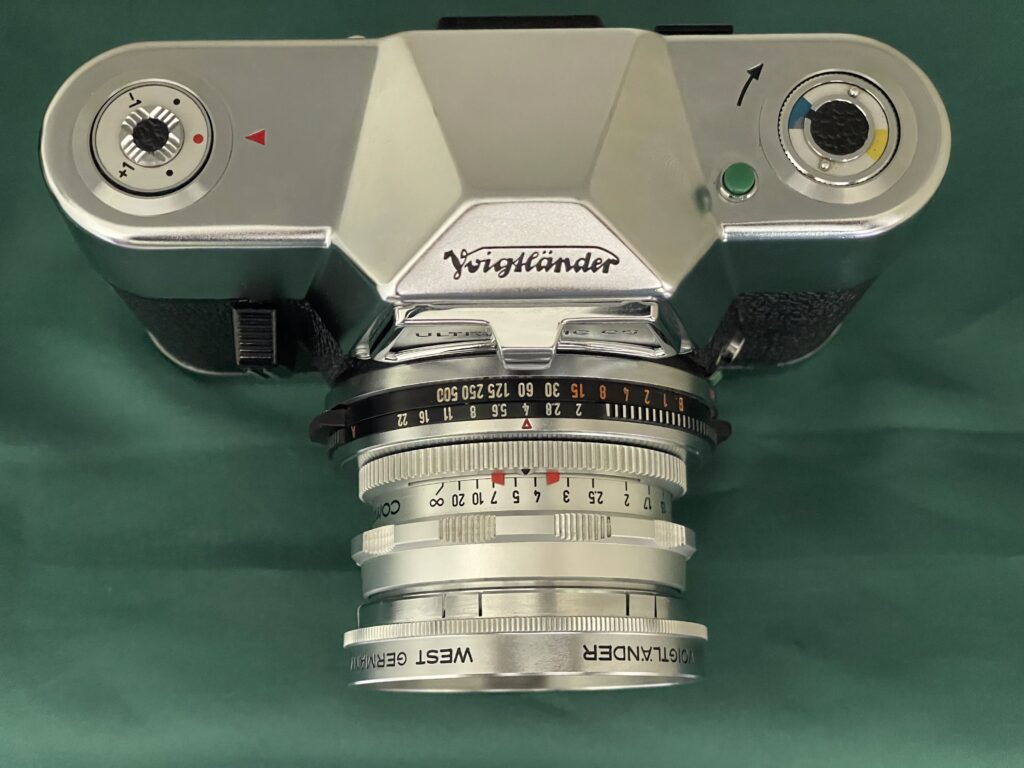
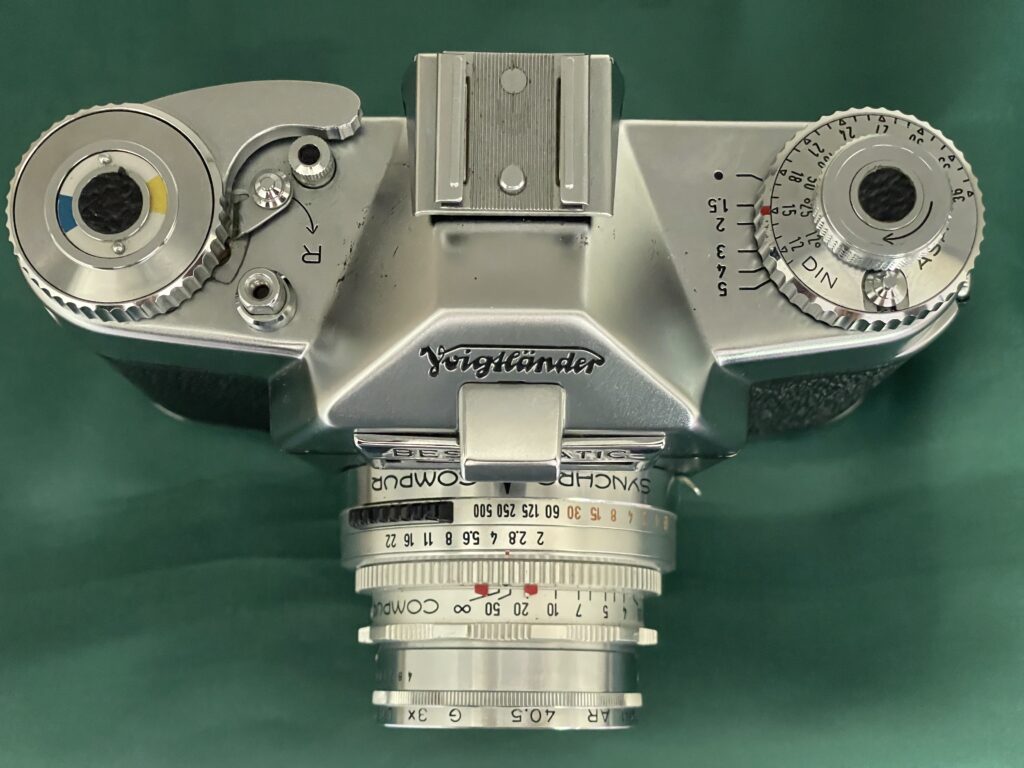
The Voigtländer Ultramatic compared to the Bessamatic
The differences between the two (Bessamatic and Ultramatic) are quite noticeable. They have a similar design language, both obviously Voigtlander – with the Bessamatic being the more extravagant, with a somewhat late 50ies look, and the Ultramatic having very clean simplistic lines; made from solid metal, the finest camera Voigtlander ever produced, and rivalling the Zeiss Ikon Contarex. The shutter release is perfectly placed (in my opinion) at the front right, just where the index finger naturally rests when holding it right handed and ready to shoot. The Aperture controls are on the lens mount (unlike the Bessamatic) and fully independent (not semi-coupled as on the Bessamatic). The wind on lever is recessed into the back and has a 3/4 throw unlike the top placed full throw lever on the Bessamatic. The rewind knob, as on the Vito B is inside the top plate and released via a little lever, to pop up ready for action. The Cold Shoe is fully Bessamatic compatible (as are the lenses) and slots into the View Finder frame.
In terms of ergonomics, it’s fantastic, I have both of these and the Ultramatic feels better, more comfortable even though it is taller and heavier. The Viewfinder is where the Bessamatic wins – as the left side of the Ultramatic is occluded by the metering system – whereas the Bessamatic is cleaner and brighter, though the size is the same.
The first thing you’ll notice when looking at the Voigtländer Ultramatic for the first time is how beautiful the finishing is, the chrome is slightly sand blasted then buffed again to give a gorgeous silky satin, the leatherette is impeccable fit and even features on the underside. It looks like no other camera. And when you lift it, the weight and heft, this weighs well over 2.5 lbs 1.1kg, with the small Skoparex and more with the big Septon. It also feels solid, not hollow, tap it and you might as well be tapping a solid iron weight – it is that dense and altogether precious.
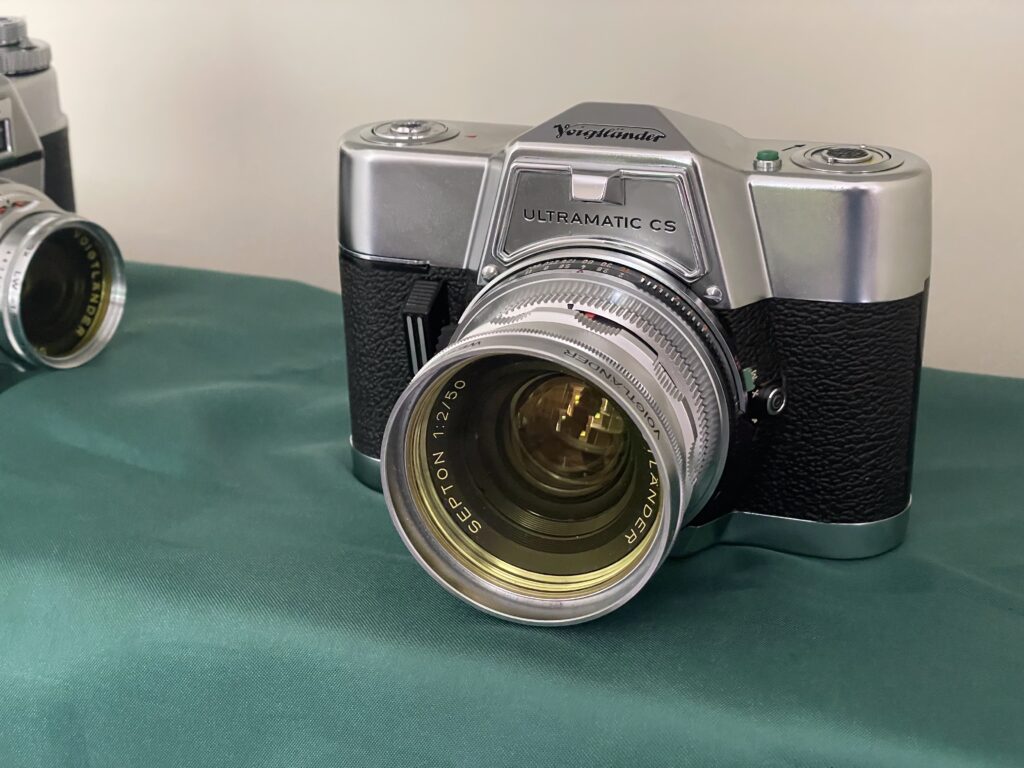
In the hand, it feels like silk, comfortable even with that heft. It’s the type of camera you just want to handle – even when it’s on the shelf – you’ll pick it up and cold fire it just to hear the wonderful click click click on the wind on lever, and the sound of that damped, elegant and satisfyingly gorgeous sound of the shutter firing.
The Ultramatic is more refined than the Bessamatic in almost every way – from the touch, to the sound and feel of the shutter and wind on lever – it’s as if Voigtländer finely tuned everything on the Bessamatic to perfection. I own both and have shot both, I found the Bessamatic stayed in the bag and I was more content to shoot the Ultramatic – as everyone will tell you, the Bessamatic is a wonderful camera in every way – but imagine an S Class Mercedes compared to a Maybach, that’s the difference. A super high end luxury experience, if it had Cartier embossed across the front it wouldn’t look out of place.
Even with the brighter and cleaner finder, I preferred the Ultramatic – the sum of all parts and experience put it on a level up. You’ll need to experience it to understand what I mean, when you hold this, you’re holding and shooting one of two of the most beautifully made and engineered cameras of any type (the other being the Contarex). Such a camera could not and would not be made today; if someone did so this would be at a stratospheric price; far exceeding anything else. The complexity of engineering gone into it was also and is also its downfall – if they malfunction or break then you’ll be left with a very heavy and beautiful paperweight. But if these were more popular, if more people understood these cameras, which in todays world for those wanting an Analogue Revolution make more sense than a Japanese SLR – the price would rise and as a consequence there’d be more people learning how to and thus able to fix these.
My only complaints; as with all of these Voigtländers, is that unlike Zeiss Ikon, they don’t have any strap lugs! So unless you use an Ever Ready case (I don’t) you must use a tripod mount D ring, to which I tied on a Wrist Strap.
Film Development
Anyway, my Voigtländer Ultramatic has a dead meter, but I use a handheld (Gossen Lunasix 3) one, mostly shot in incident and the rest of the exposure I set by feel and knowing.
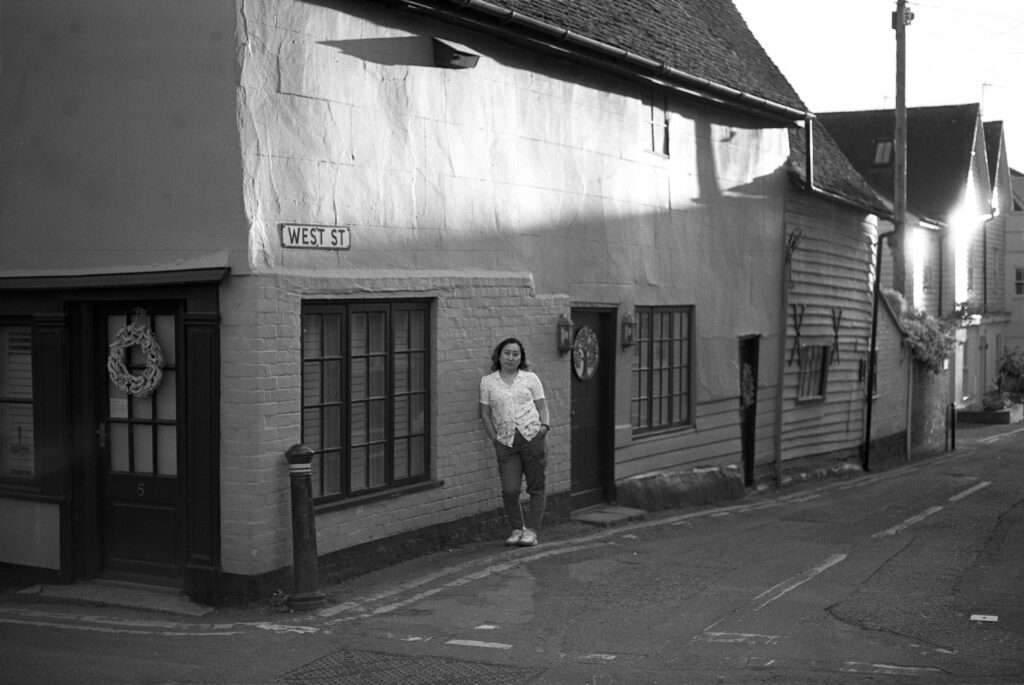
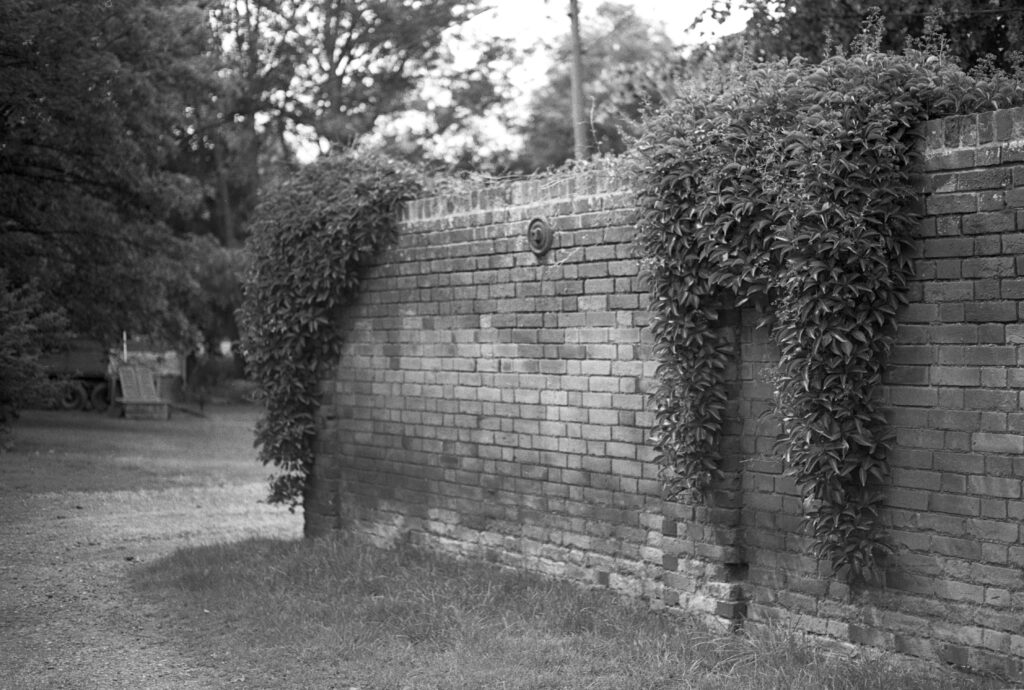
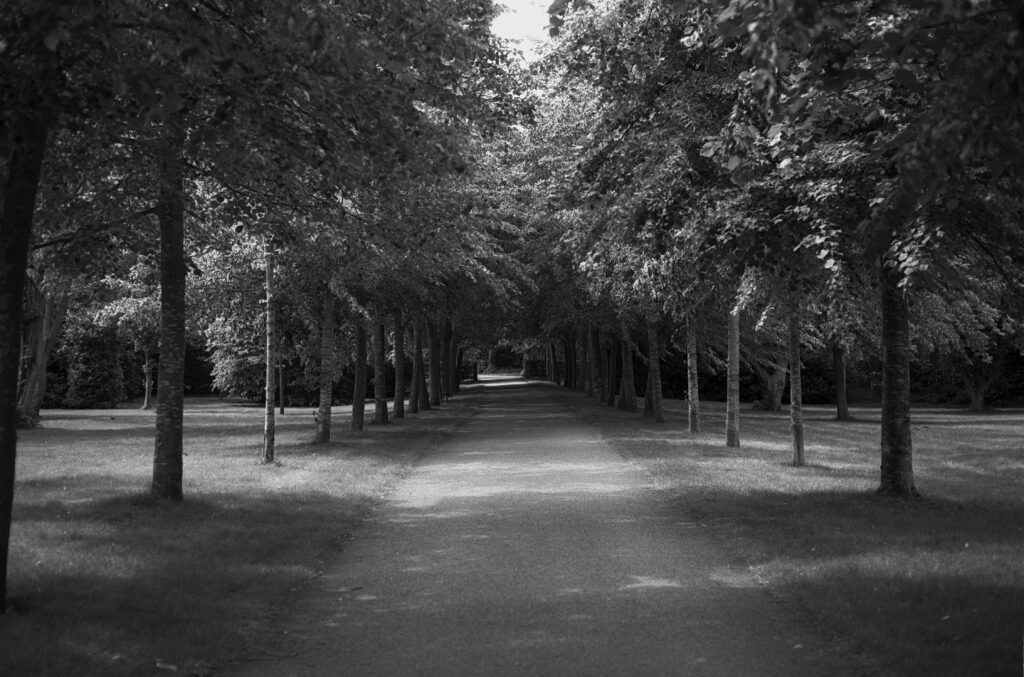
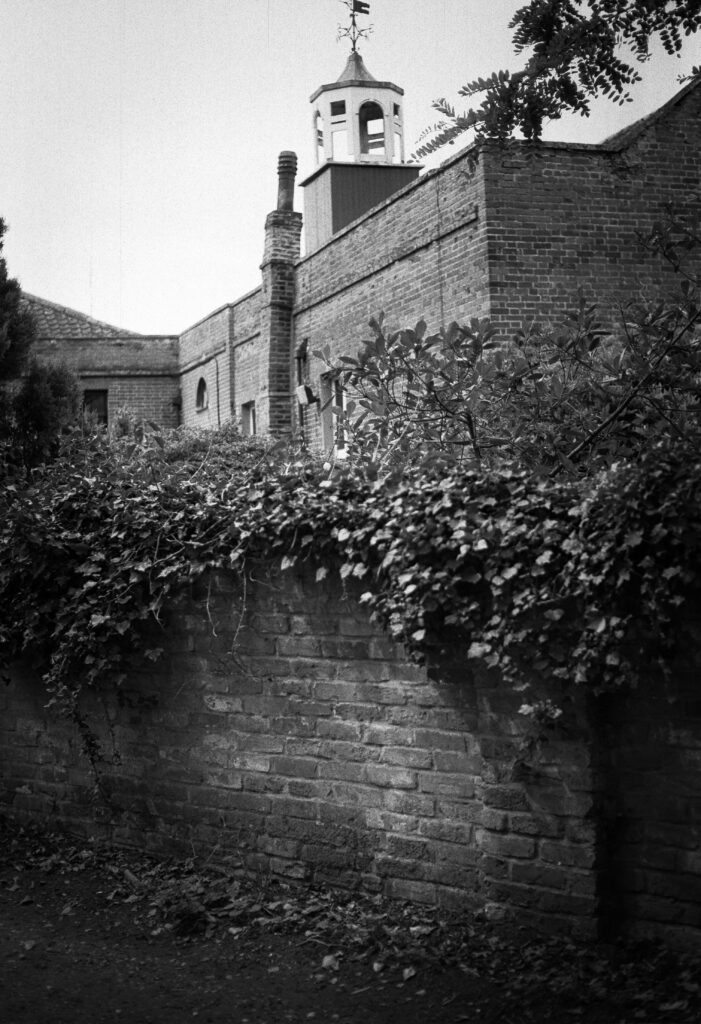
I shot three rolls of expired Film in this; a roll of Agfa Pan APX 100, Fuji Neopan Acros 100 and Ilford FP4 – all discontinued and expired original Mk I Films, and one roll of fresh Ilford Pan F plus 50. After the first roll of Fuji, I foolishly contaminated my usual Bellini Duo Step Diafine developer and had to resort to Rodinal RO9 for the rest which I admit I’m not keen on. Apart from taking several times longer in the development process, the Rodinal is also time, temperature and inversion dependent – a lot more user control, but for lazy bastards like me a royal pain in the arse. I just mixed the one shot up with Distilled Water and just did whatever I wanted for 10 minutes – the results weren’t a disaster, but not great. For the Ilford FP4 I took extra care and performed exactly as the Agfa Rodinal data sheet suggested – 5m 1+25 @ 20’c, 30s inversion followed by 5s every 30s. The results you can see below. I then shot the roll of Ilford Pan F Plus 50, this was a fresh roll, developed in Rodinal 1+50, and results again are below. That Ilford Pan F is lush.
My Experience with the Voigtländer Ultramatic
I had intended to write an article on both the Bessa and the Ultra, but found myself shooting almost exclusively with that big 7 element Septon on the Ultra (apart from in London where I was mainly using the 35mm Skoparer on the Bessamatic). hehe!! I got to laugh as the lens is just stunning in every way – I can’t say whether it’s sharper than the 4 element Skopar but it does have greater resolving power, it’s a solid machined hunk of metal and glass, damped to perfection. Even the slip on Voigtländer Yellow filter has a weight and heft to it I haven’t felt before. We have many people wanting to and many who have already adapted this lens to digital. This lens is a Film camera lens, it’s strengths are that with Film it resolved very nicely. In Film world it is stellar. I don’t see the point in adapting this to Digital as it’s not a lens with distinctive character such as the Helios 44-2 or others with a vintage feel and look – as this has a more modern feel, so a dedicated modern lens will be better.
In use the camera is a pleasure to use, simply delightful. The mirror is the non-returning type – so the VF blacks out after every shot and clears when wound on. The Films all differ in the details, the developer has had an obvious effect. I find the Rodinal to produce sharper but grainier negatives – though I’d put some of that down to my shoddy developing with the Rodinal.
I never shoot at f2, f2.8 is the widest I ever get and only then for the odd portrait or close up where I need shallow depth of field- my usual is f8 – f11 if I can (depending on shutter speed of 1/60 or more so at times I can’t shoot at f8 – f11 – so many here with a shallower depth of field were as they are because I needed to shoot at 1/60 so had to open up the aperture to compensate). Most of these were shot using zone focus, (apart from the close ups) I just set the distance, raised the camera, framed and shot. This is very easy on these cameras as the red markers on the lens does all the work for you, this is of course easier stopped down.
What more can I say? if you haven’t shot with a West German leaf Shutter SLR before then I urge you to buy one and enjoy it – whether a Bessamatic, Ultramatic or Contaflex; the handling, the sound and feel of the wind on lever and shutter firing is all part of the experience and pleasure of taking a picture and as I have said before, with such a camera you’ll take better photos than with anything lesser. I am a snap shooter and this makes me take care and concentrate on each picture, elevating my snaps to be quite pleasing (to me anyway). The thing is, in Digital world a top of the range camera makes you take worse photos – as the unlimited amount of shots and excitement you’ll fire of thousands of frames of junk, as Flickr shows us (Fuji GFX)
Would I recommend this over the Bessamatic? Absolutely – it’s a nicer, better built, more refined and more interesting camera – it also handles better. The Contaflex? Out of the three that’s my favourite as an everyday easy snap shooter – everything about it is nailed with no flaws, but the Ultramatic has the extra heft, refinement, the finishing and good looks and that 7 element Septon which cannot be found on any Contaflex – as they’re limited to Tessar and Pro-Tessar lenses. – this sounds as if I’m putting the Contaflex and Bessamatic down – I’m not, they’re sublime, with the Contaflex probably tipping the Bessamatic into 2nd place – but the Ultramatic has that little extra, the nuances which all amount to a super luxury experience – and the absolute pinnacle of Leaf Shutter SLR design.
The Bessamatic is supposed to have better reliability and apparently more technicians are able to fix these, being less complex. A good idea would be to have both – the Bessamatic being a daily shooter and the Ultramatic on occasions. One thing to note, Leaf Shutter SLR’s need regular use, even when stored, the shutter should be fired at all speeds to save it from seizing; which happens if stored without use for a long time. I would recommend storing in a box or cabinet with a form of humidity control such as silica gel packs.
I will at some point hunt for a portrait lens – like the 90mm f3.2 Dynarex as a perfect set.
You know when people say ‘the best camera is the one you have with you’, that’s not fully true; the best camera is the one you like best, in my case the Ultramatic is my favourite film camera ever and the best I’ve ever had – I wouldn’t swap it for any camera of any type or cost, even if my old Contax G2 turned up with all the lenses I’d pass. The same for my favourite digital – the Olympus E1 – I wouldn’t swap that for anything. Both perfect in every way for what I snap.
So, The Voigtländer Ultramatic CS – probably the Ultimate Leaf Shutter SLR, and the I think the most beautiful camera of any type ever built.
I’m now on Instagram
Agfa Pan APX 100 + Agfa Rodinal 1+50
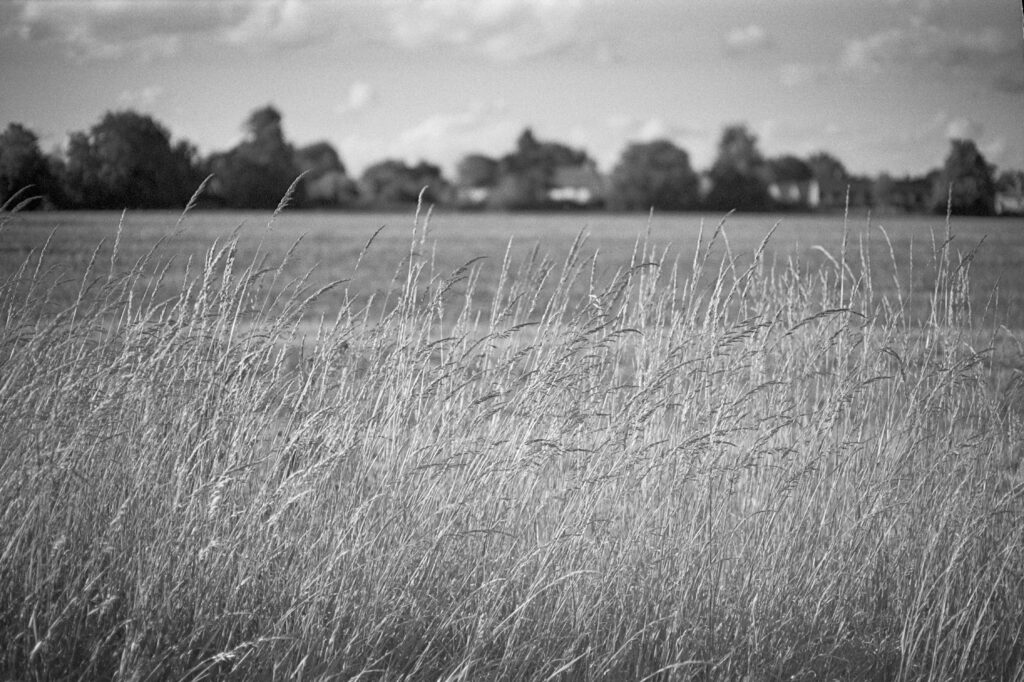
Rodinal Septon 50mm f2 – A difficult photo to work on, because of the uniform tones.
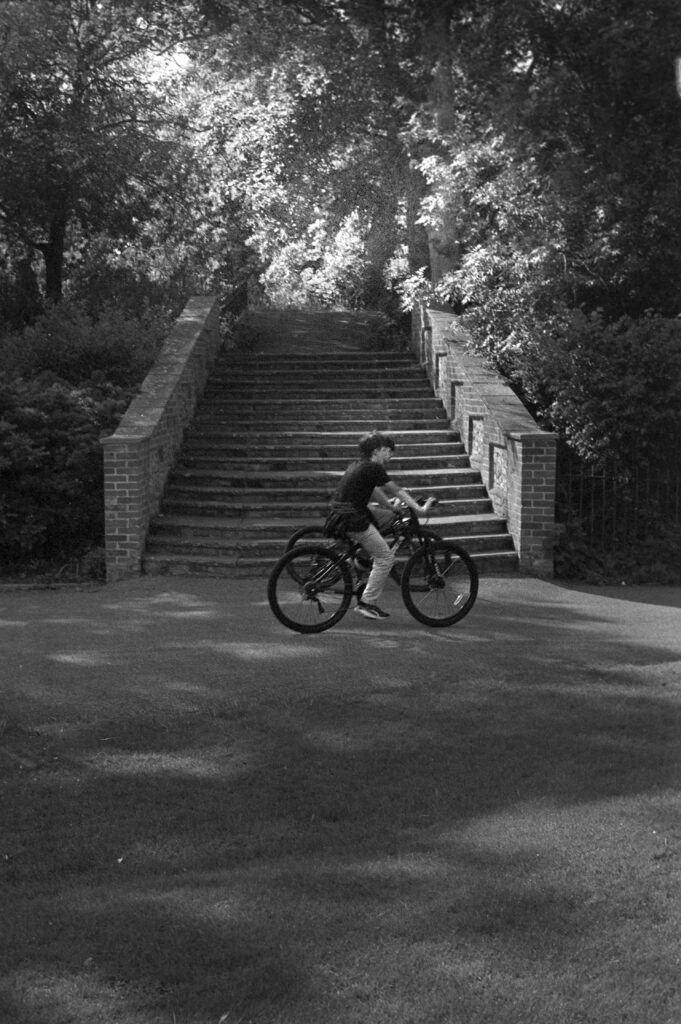
Rodinal
Septon 50mm f2 Yellow Filter
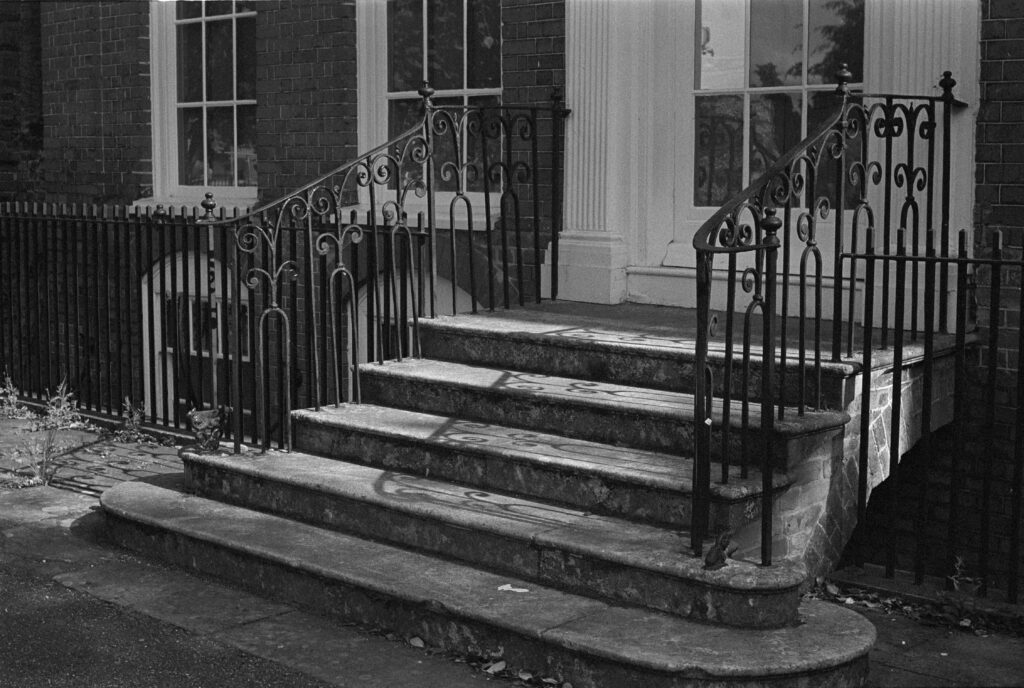
Rodinal
Septon 50mm f2
Yellow Filter
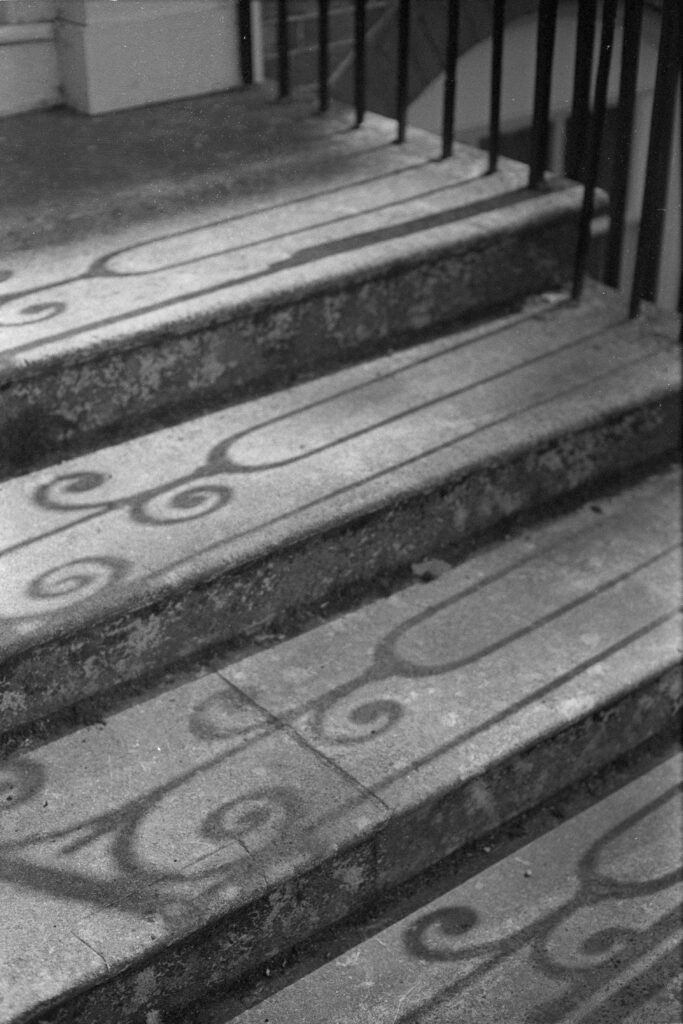
Rodinal
Septon 50mm f2 Yellow Filter
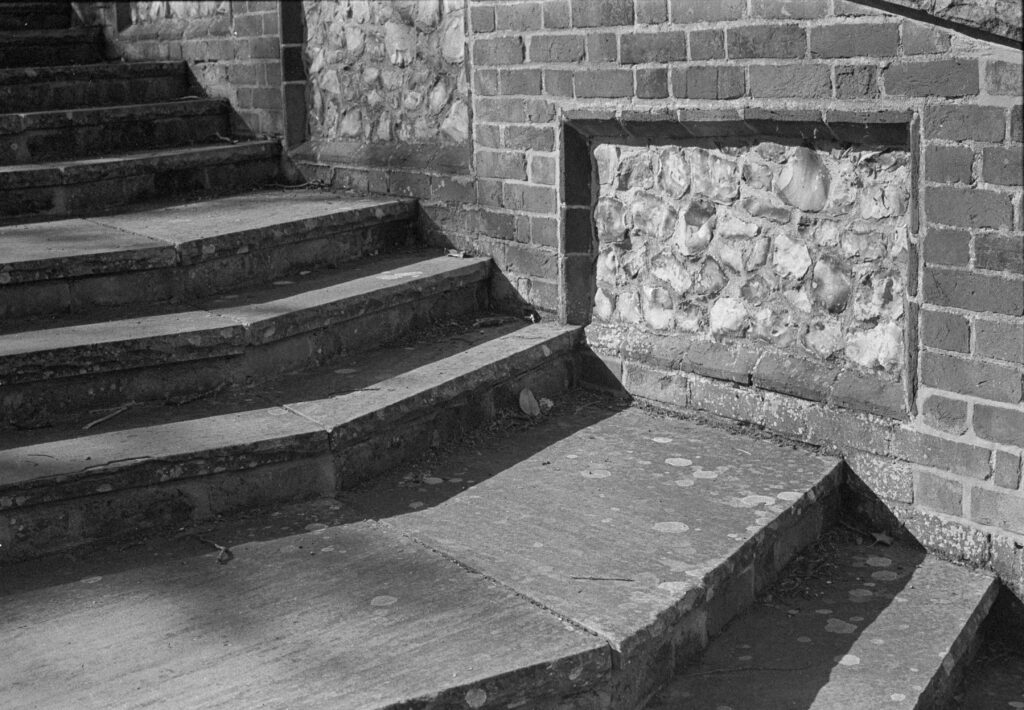
Rodinal
Septon 50mm f2 Yellow Filter
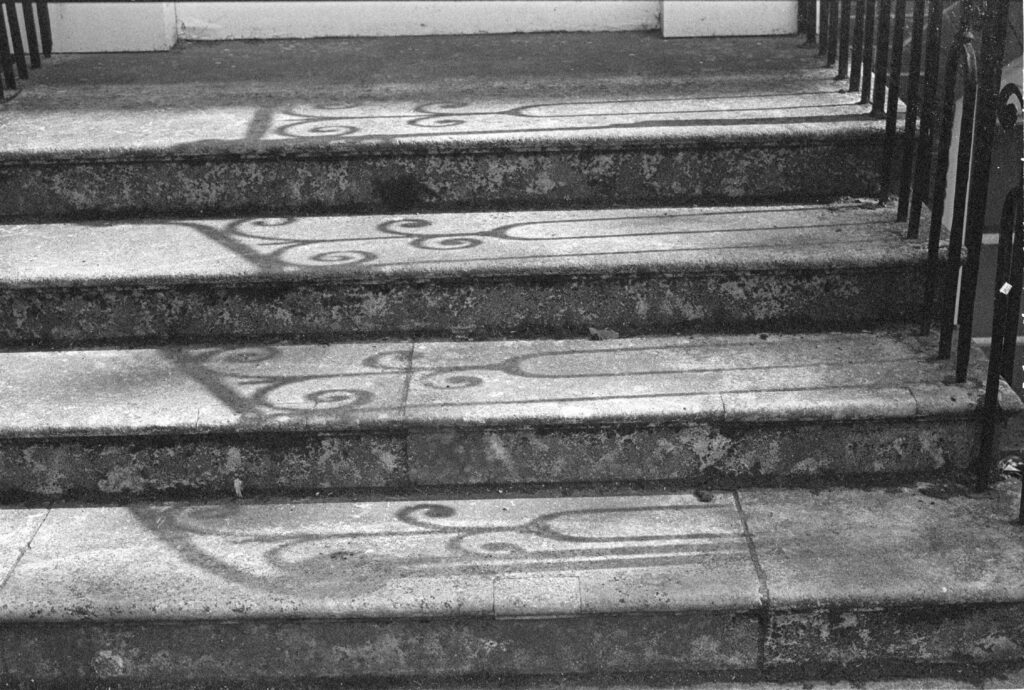
Rodinal
Septon 50mm f2
Yellow Filter
Fujifilm Neopan Acros 100 I + Bellini Duo Step Diafine
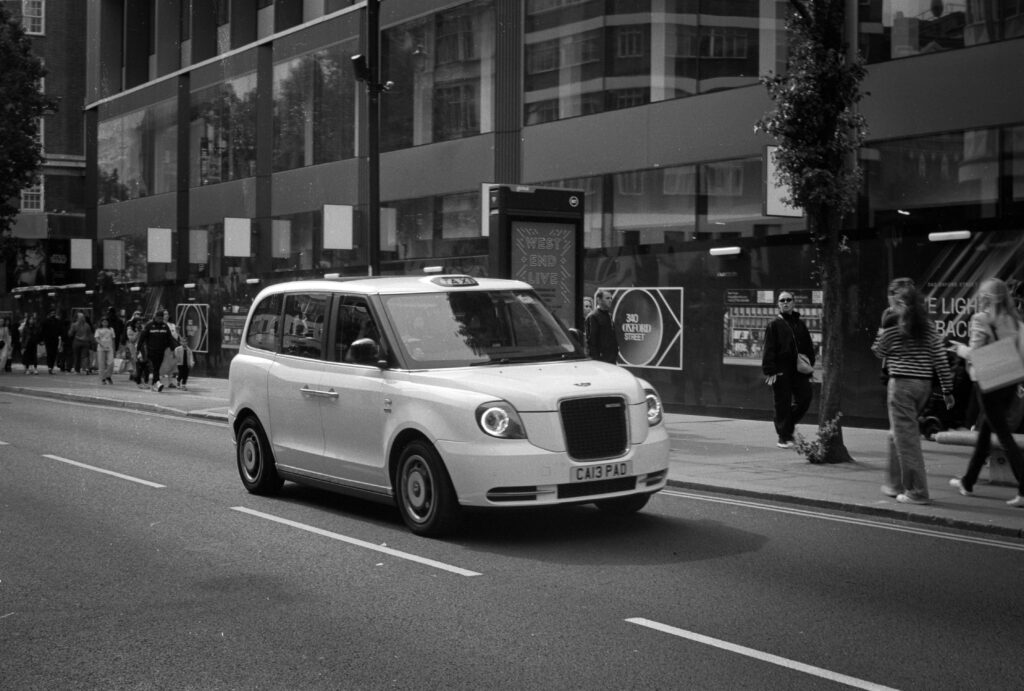
Diafine
Septon 50mm f2 Yellow Filter
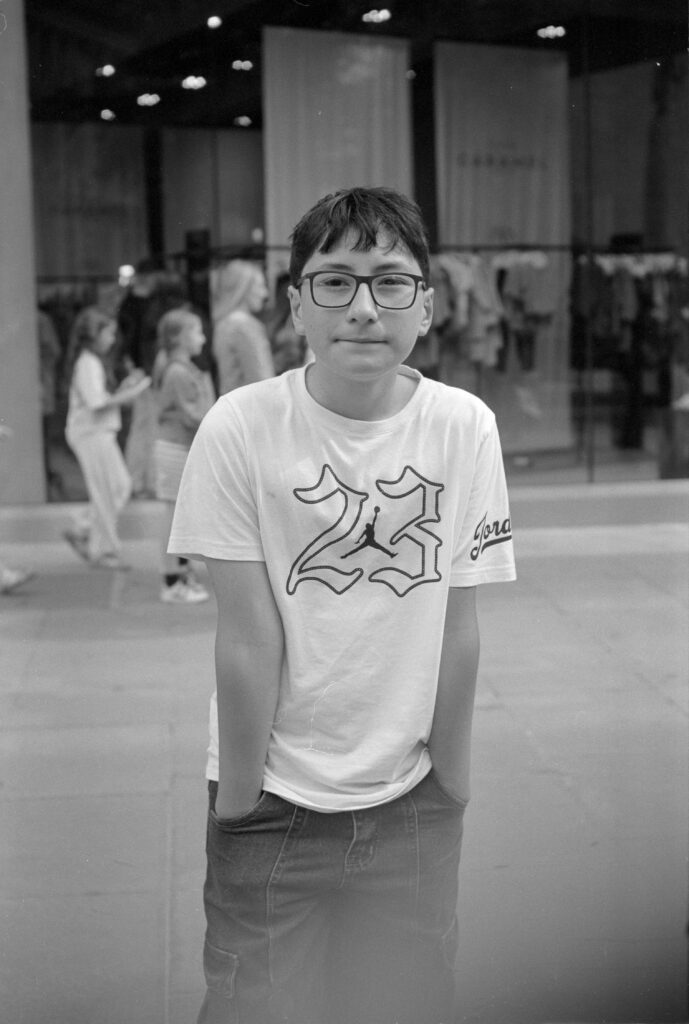
Diafine
Septon 50mm f2 Yellow Filter
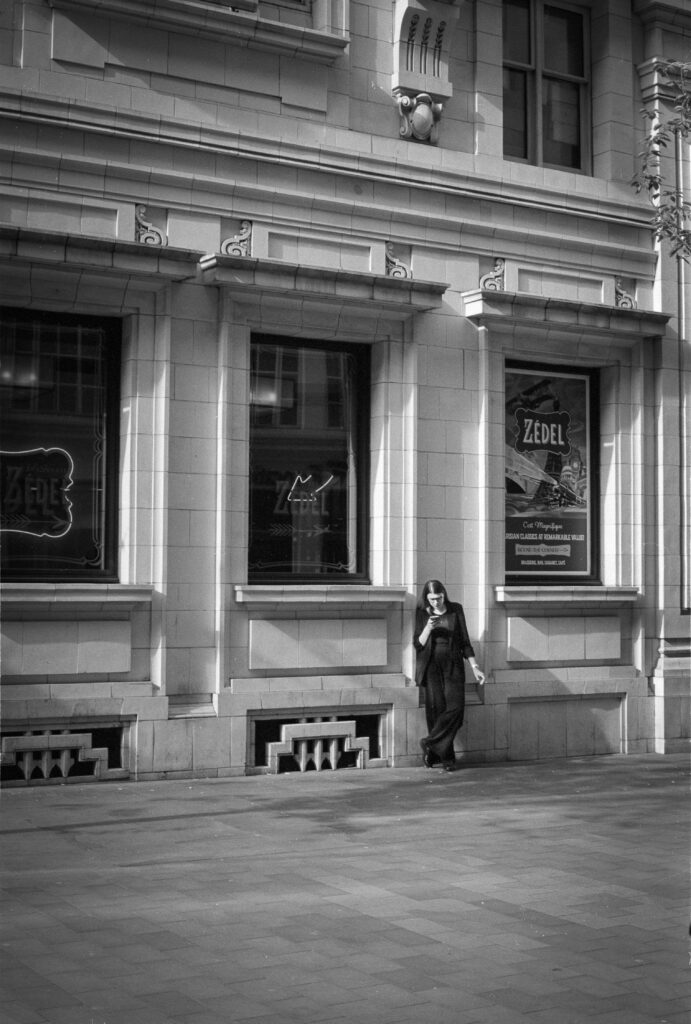
Diafine
Septon 50mm f2 Yellow Filter
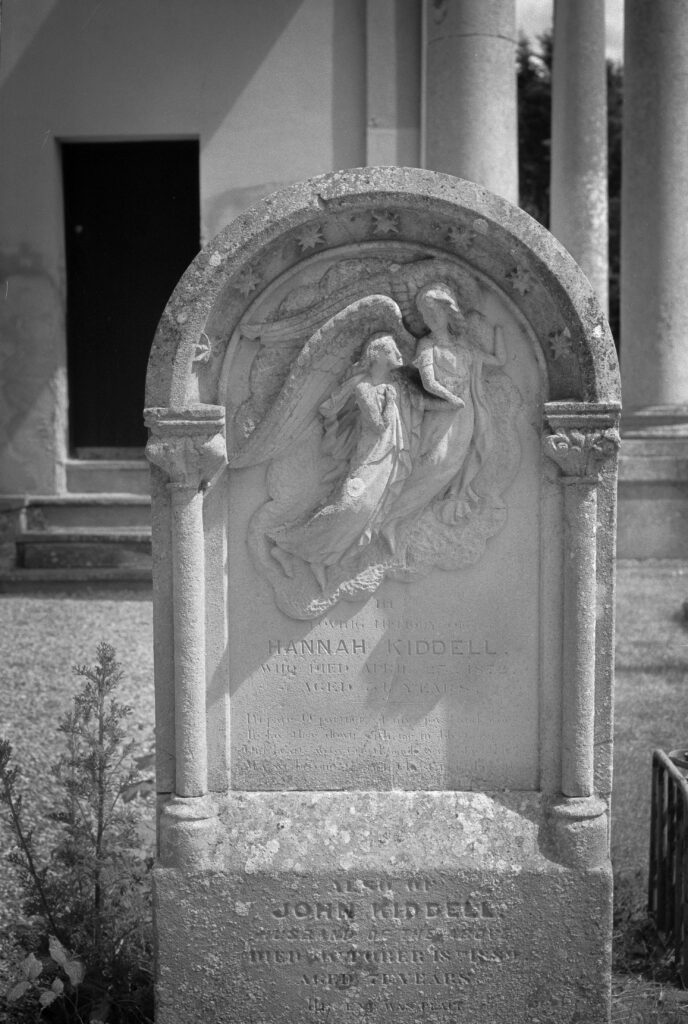
Diafine
Septon 50mm f2 Yellow Filter
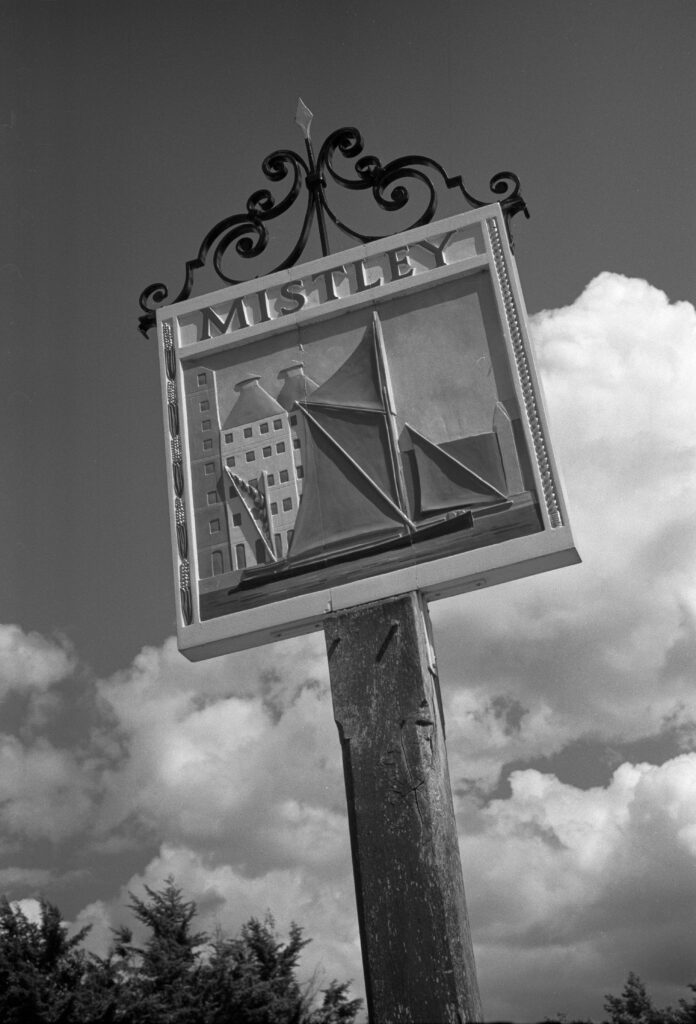
Diafine
Septon 50mm f2 Yellow Filter

Diafine
Septon 50mm f2 Yellow Filter
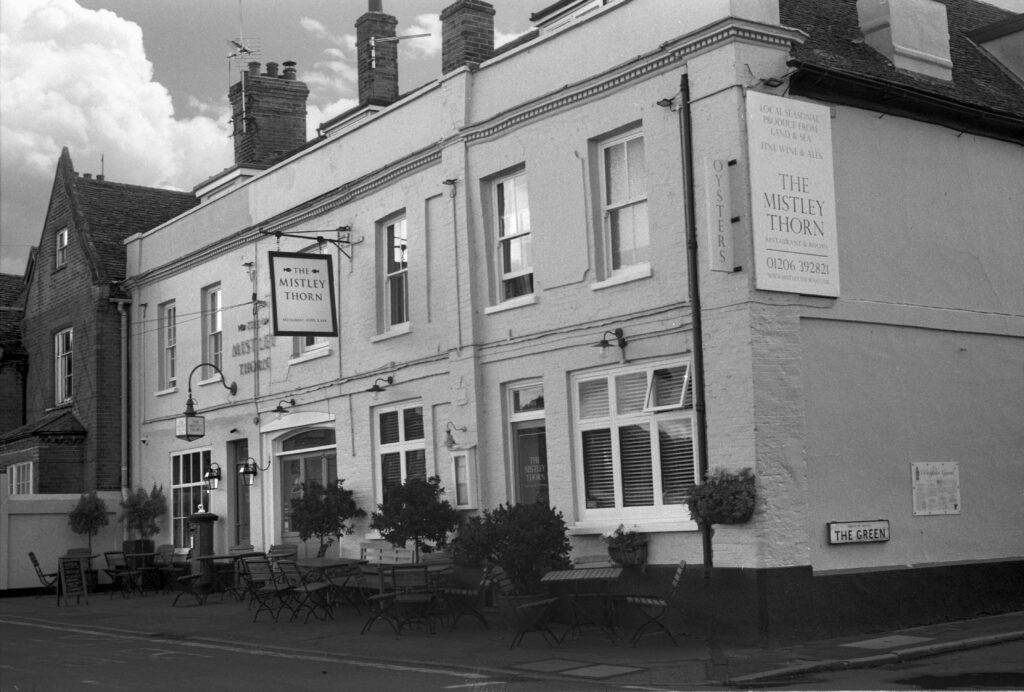
Diafine
Septon 50mm f2 Yellow Filter
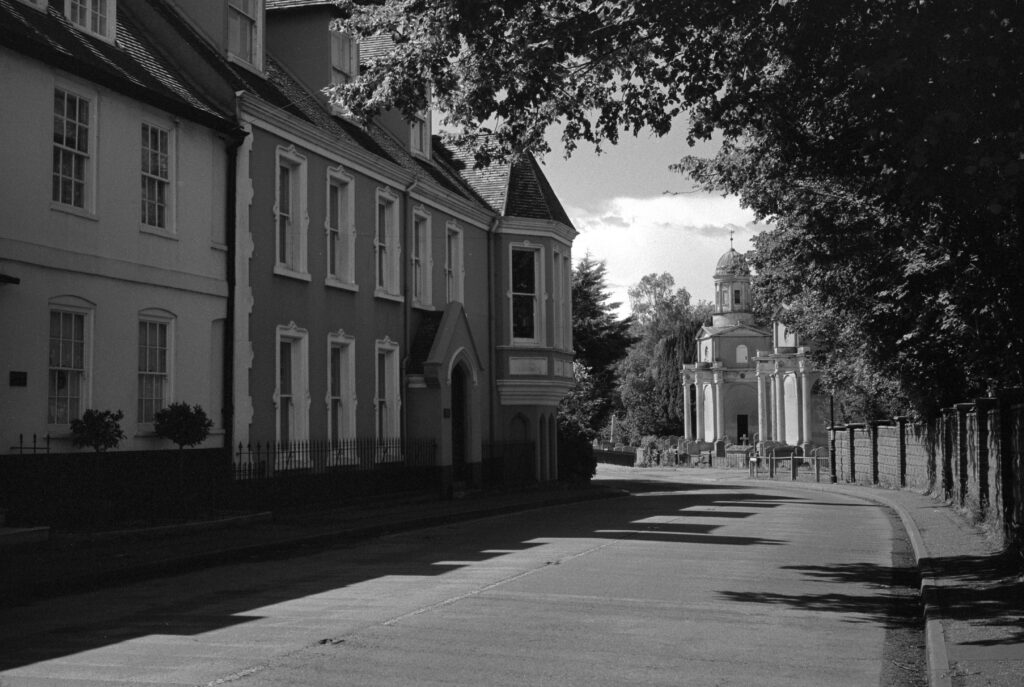
Diafine
Septon 50mm f2 Yellow Filter
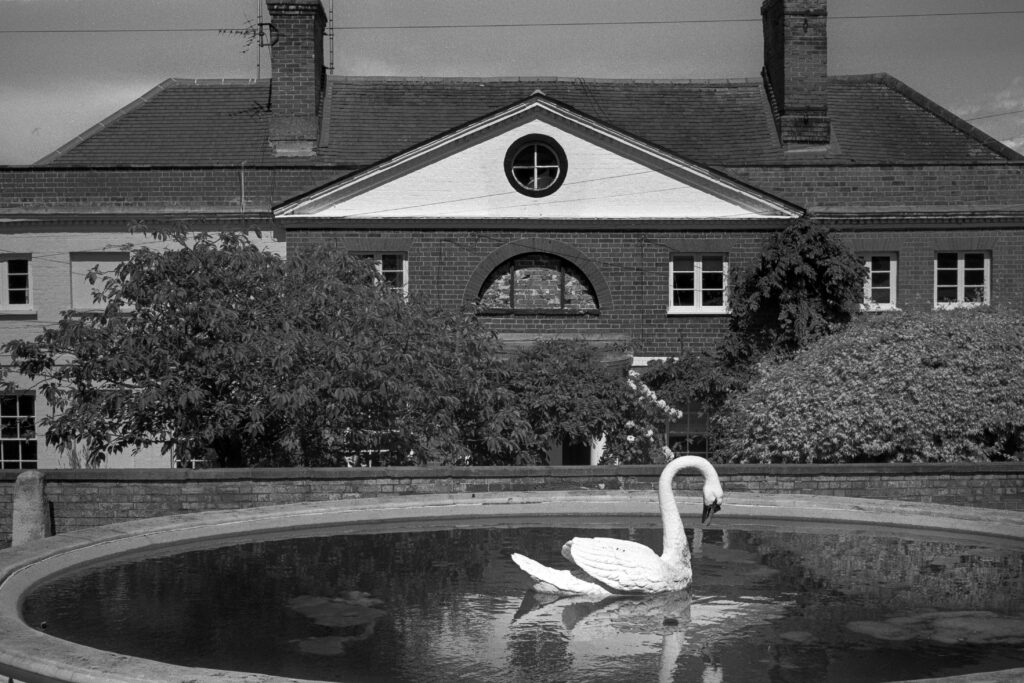
Diafine
Septon 50mm f2
Yellow Filter
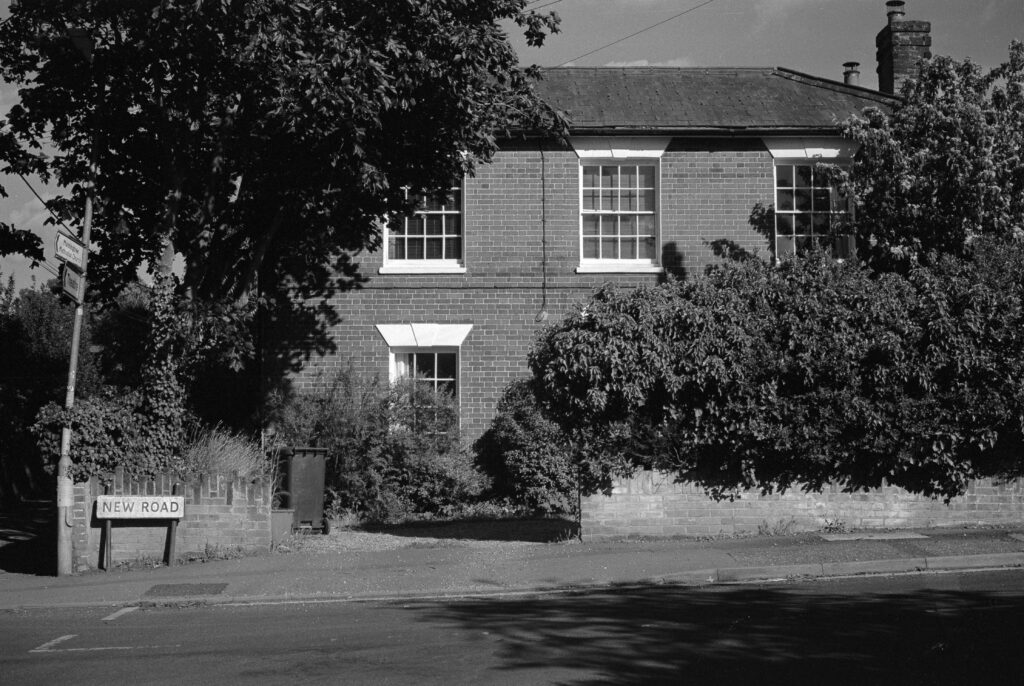
Diafine
Septon 50mm f2
Yellow Filter
Ilford FP4 + Agfa Rodinal 1+25
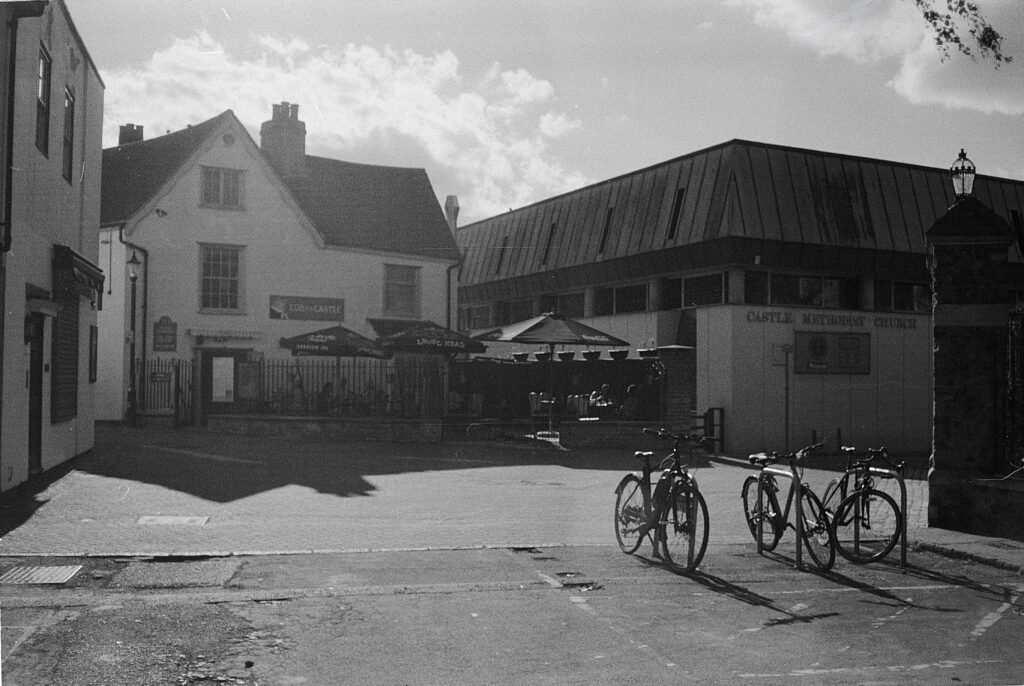
Yellow Filter – excuse that huge thumb print barely visible over the buildings

Yellow Filter
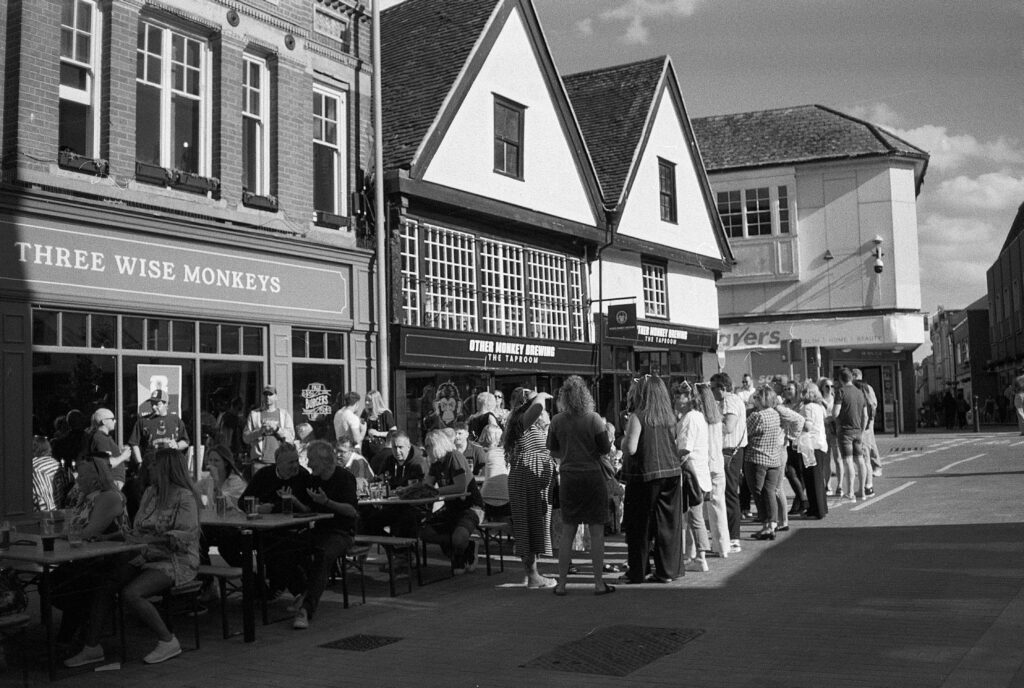
Yellow Filter
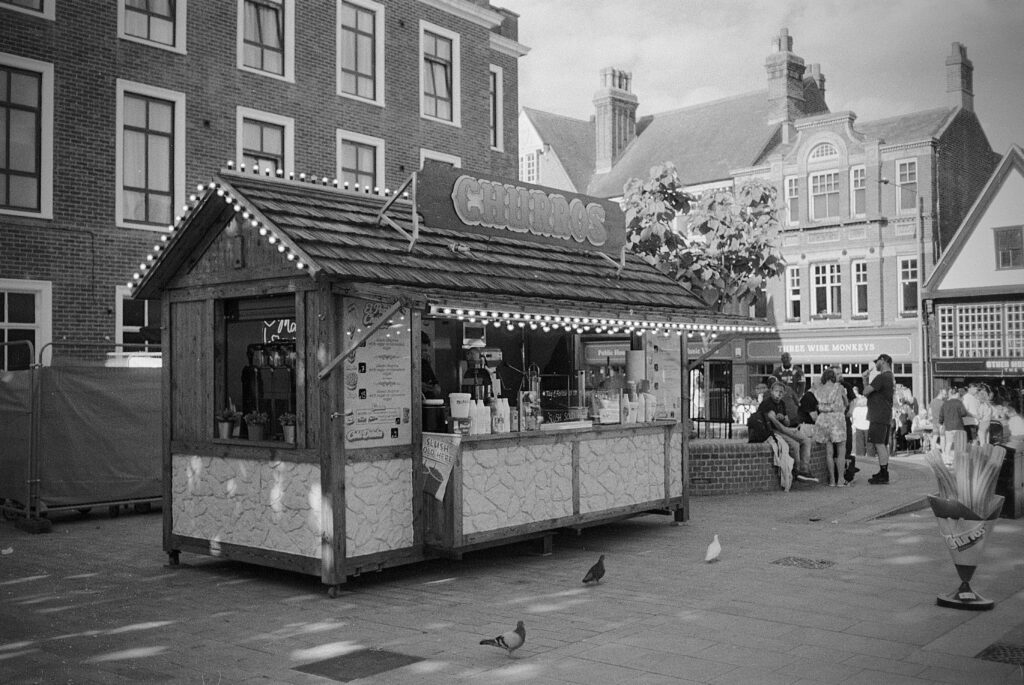
Yellow Filter
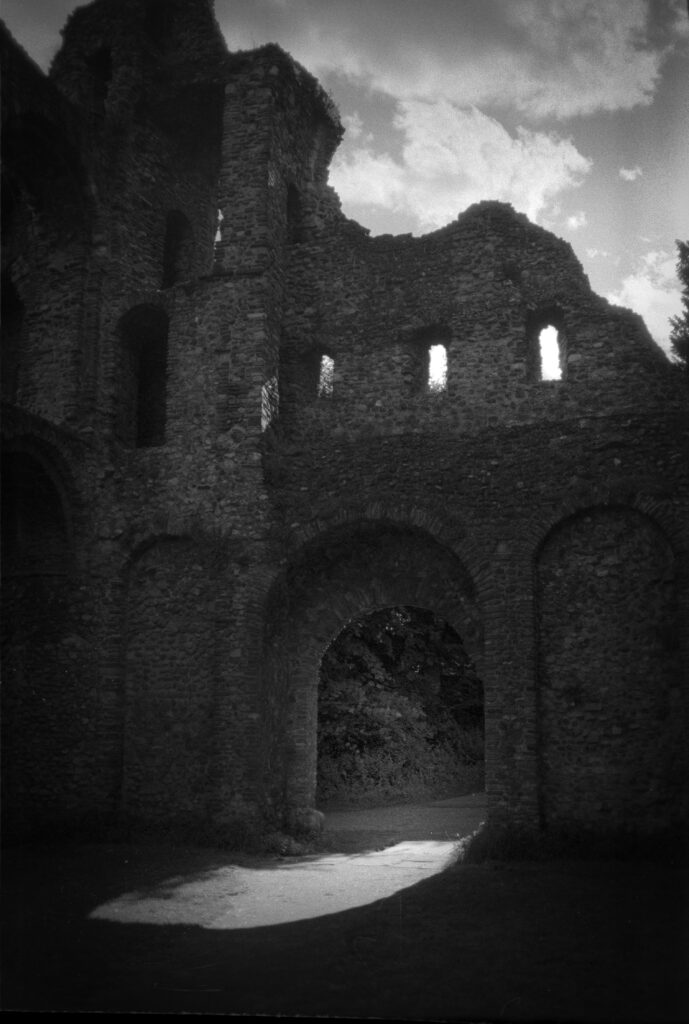
Yellow Filter
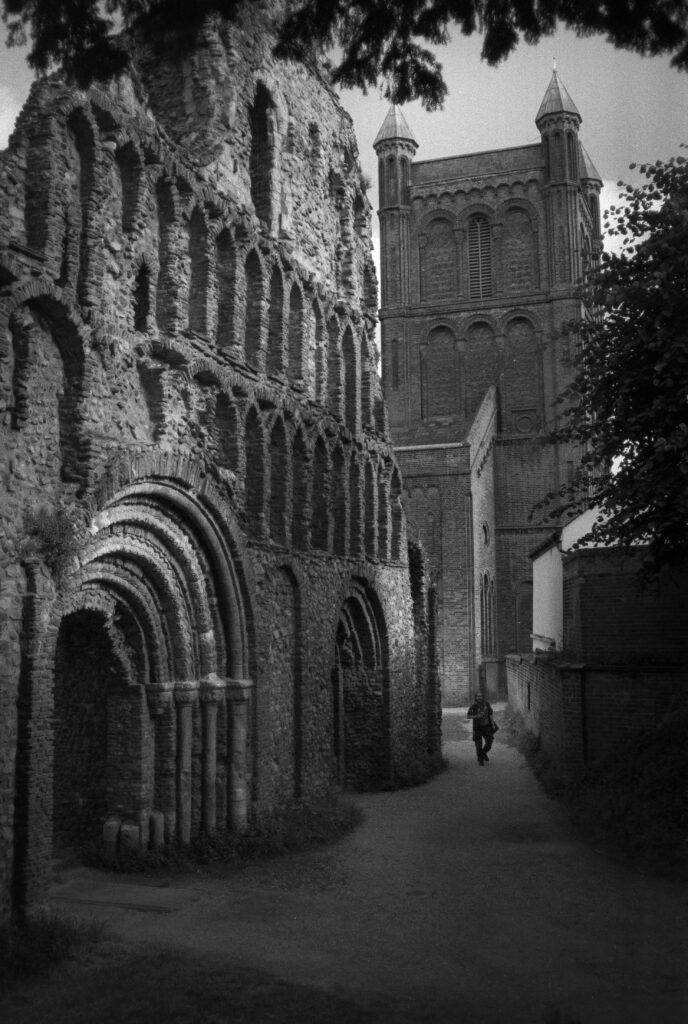
Yellow Filter
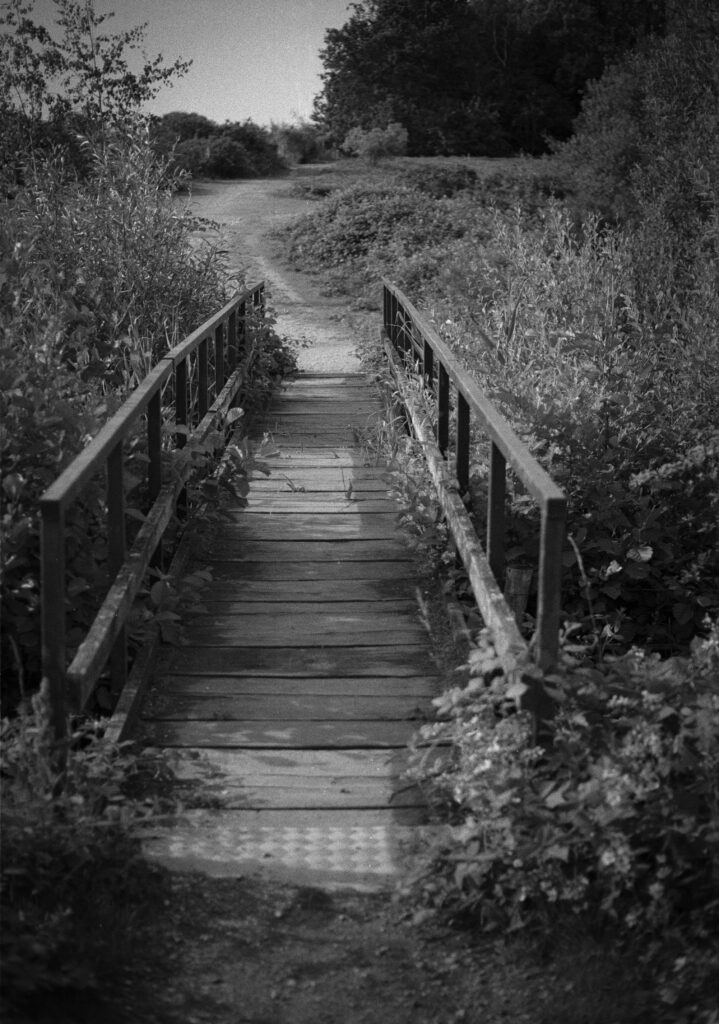
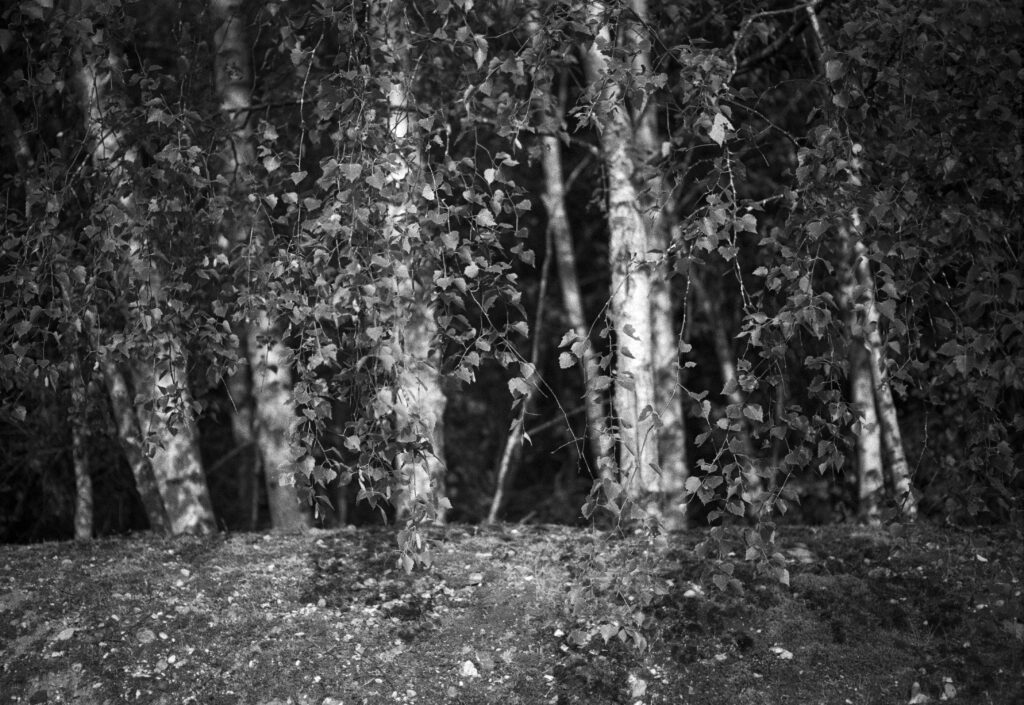
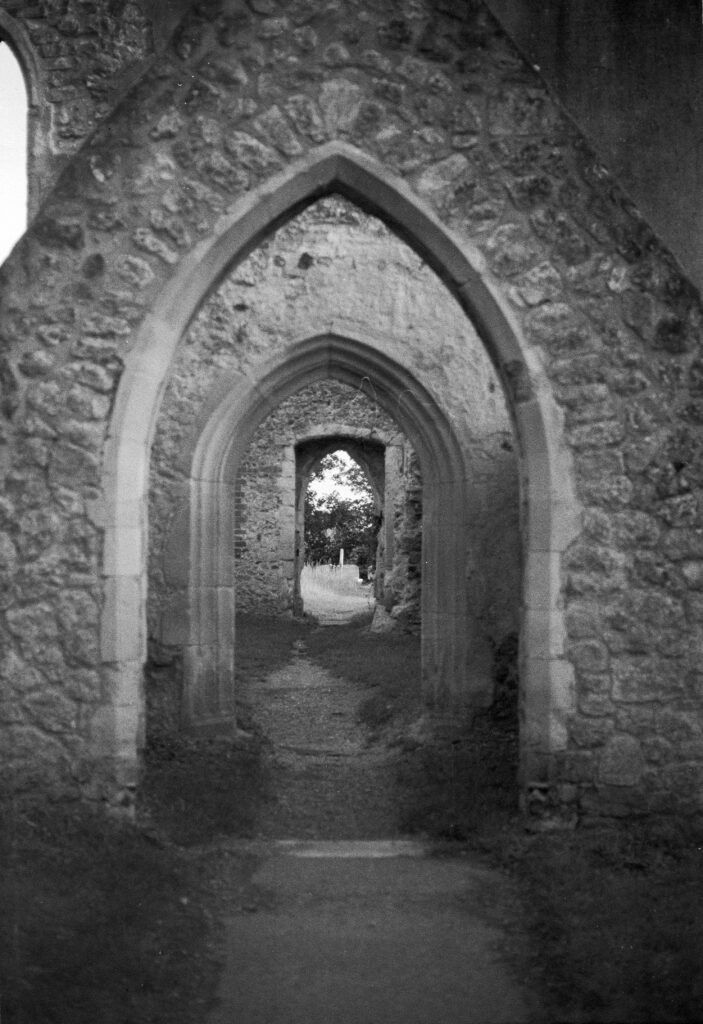
Yellow Filter
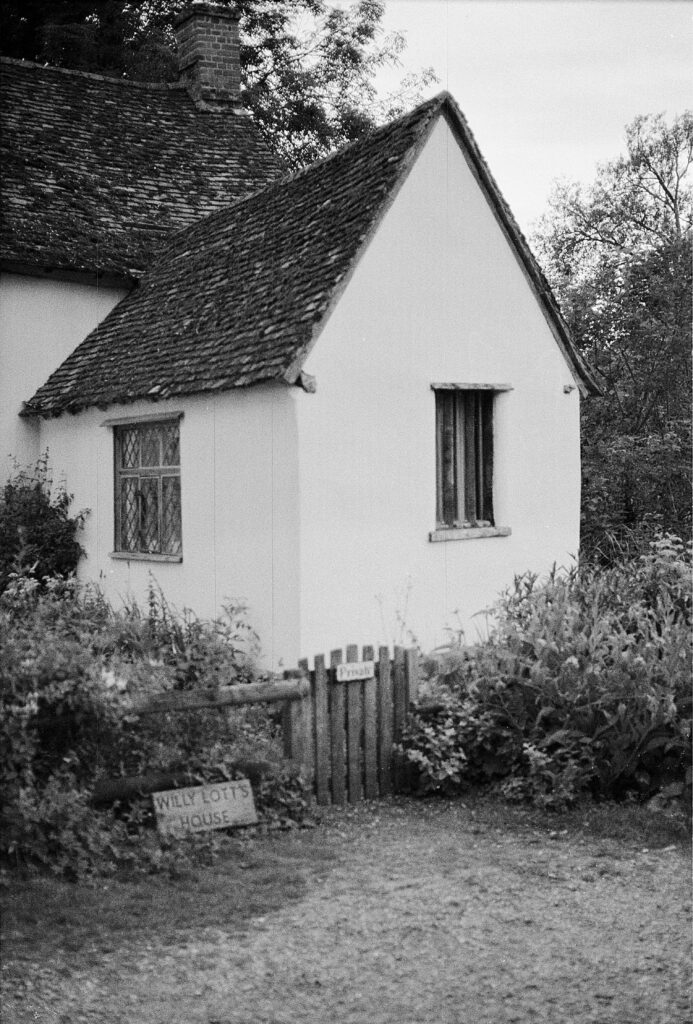
Yellow Filter
Ilford Pan F Plus 50. Rodinal 1+50



Share this post:

Comments
Walter Reumkens on Voigtländer Ultramatic and 50mm Septon f/2 – The Ultimate Luxury Experience.
Comment posted: 13/07/2026
A very well-written piece; I like the photos. I’ll be taking another look at both of them at least once more when I have a moment.
Thanks, Ibraar, and all the best!
Comment posted: 13/07/2026
James Langmesser on Voigtländer Ultramatic and 50mm Septon f/2 – The Ultimate Luxury Experience.
Comment posted: 13/07/2026
Comment posted: 13/07/2026
Reinhold on Voigtländer Ultramatic and 50mm Septon f/2 – The Ultimate Luxury Experience.
Comment posted: 13/07/2026
Here at home, a non-CS Ultramatic with its dead meter is working flawless using the 40mm Skopagon.
I‘m using it from time to time and it is a joy holding this gem in my hands. I got mine as a gift from a friend including filters and the original leather box.
Keep on shooting film
Comment posted: 13/07/2026
Gary Smith on Voigtländer Ultramatic and 50mm Septon f/2 – The Ultimate Luxury Experience.
Comment posted: 13/07/2026
And they seem to take great photos (or maybe that's you?)
Both of my German Voigtländers have fixed Color-Skopars.
Comment posted: 13/07/2026
Comment posted: 13/07/2026
Jeffery Luhn on Voigtländer Ultramatic and 50mm Septon f/2 – The Ultimate Luxury Experience.
Comment posted: 13/07/2026
Absolutely great images! Superb compositions and tones. You never fail to deliver great images!
I am still exploring range finders. Especially after getting a Nikon S-2 and three lenses as a gift from a generous woman cleaning out a shed on her ranch! I'll write about it later.
More to the point: Yes, SLRs are so much easier to operate and get good results. When I want to grab some shots without struggling, I use a Nikon F-3 and great Nikkor lenses. The results are always wonderful. Why, why, why, do we even bother with older cameras?
Your expression of love and wonderment for your Voigtlander cameras answers that question. Cameras of beauty inspire creativity. If we maintain a harem of fine cameras, we will stay enthused. At least that's what I tell myself...and my wife accepts that as an alternative to other possible distractions.
Comment posted: 13/07/2026
Comment posted: 13/07/2026
Geoff Chaplin on Voigtländer Ultramatic and 50mm Septon f/2 – The Ultimate Luxury Experience.
Comment posted: 13/07/2026
An excellent post as always with illustrations to prove your points, but you're tempting me down yet another rabbit hole when I've found a couple of others myself (posts to come). That Ultramatic does look elegant and tempting though ....
Comment posted: 13/07/2026
Comment posted: 13/07/2026
Comment posted: 13/07/2026
Comment posted: 13/07/2026
Comment posted: 13/07/2026
Comment posted: 13/07/2026
Benjamin Chan on Voigtländer Ultramatic and 50mm Septon f/2 – The Ultimate Luxury Experience.
Comment posted: 14/07/2026
Comment posted: 14/07/2026
Walter Reumkens on Voigtländer Ultramatic and 50mm Septon f/2 – The Ultimate Luxury Experience.
Comment posted: 14/07/2026
Comment posted: 14/07/2026
Comment posted: 14/07/2026
Comment posted: 14/07/2026
David Pauley on Voigtländer Ultramatic and 50mm Septon f/2 – The Ultimate Luxury Experience.
Comment posted: 14/07/2026
Comment posted: 14/07/2026
Omar Tibi on Voigtländer Ultramatic and 50mm Septon f/2 – The Ultimate Luxury Experience.
Comment posted: 14/07/2026
Comment posted: 14/07/2026
Alexandre Kreisman on Voigtländer Ultramatic and 50mm Septon f/2 – The Ultimate Luxury Experience.
Comment posted: 15/07/2026
Well done and continue, please!
Comment posted: 15/07/2026
Tony Warren on Voigtländer Ultramatic and 50mm Septon f/2 – The Ultimate Luxury Experience.
Comment posted: 15/07/2026
Comment posted: 15/07/2026
Scott Ferguson on Voigtländer Ultramatic and 50mm Septon f/2 – The Ultimate Luxury Experience.
Comment posted: 16/07/2026
I love this post and the mix of joy you share about these cameras you love, and the pride you should feel about the great photos. My fear about trying out any of these gorgeous cameras is the availability of service to get it or keep it working. The other issue for me, is that I prefer using a rangefinder to an SLR on 35mm. I'm intrigued by the leaf shutters. I am not unused to leaf shutters, as I have a Hasselblad as my MF camera, but again, worry a bit about repair/maintenance. But the photos look great! Lovely article, as usual.
sf
Comment posted: 16/07/2026
Comment posted: 16/07/2026
Comment posted: 16/07/2026