

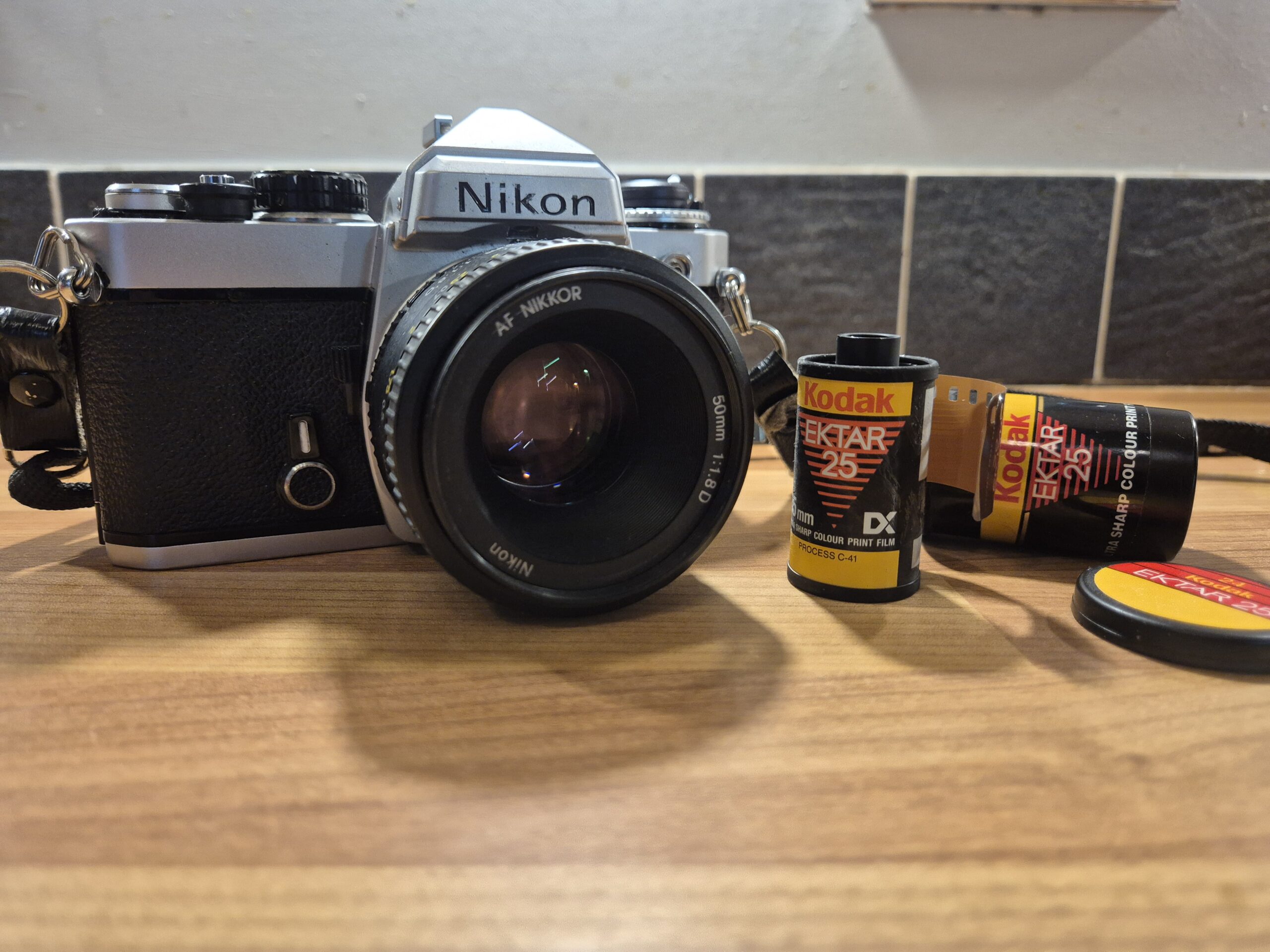
This article doesn’t quite fit my ‘Out of the Drawer’ series, but then again it sort of does. Perhaps it should be called, ‘Reverse lens macro photography with a Nikkor 50mm f1.8D, and an unexpected roll of a beautiful old film’. I had earmarked the Nikon FE as the next camera on my list, despite knowing that it would be staying with me as it was a gift to me by my daughter’s fiancé. It fits the bill in that it has been languishing unused for a significant amount of time.
To my eye, it is a beautiful machine, although the light meter no longer works on my specific model. To be honest, this suits the project perfectly; it forces me to slow down and meter externally. There are plenty of brilliant articles online about the FE, so I shall keep my technical description brief.
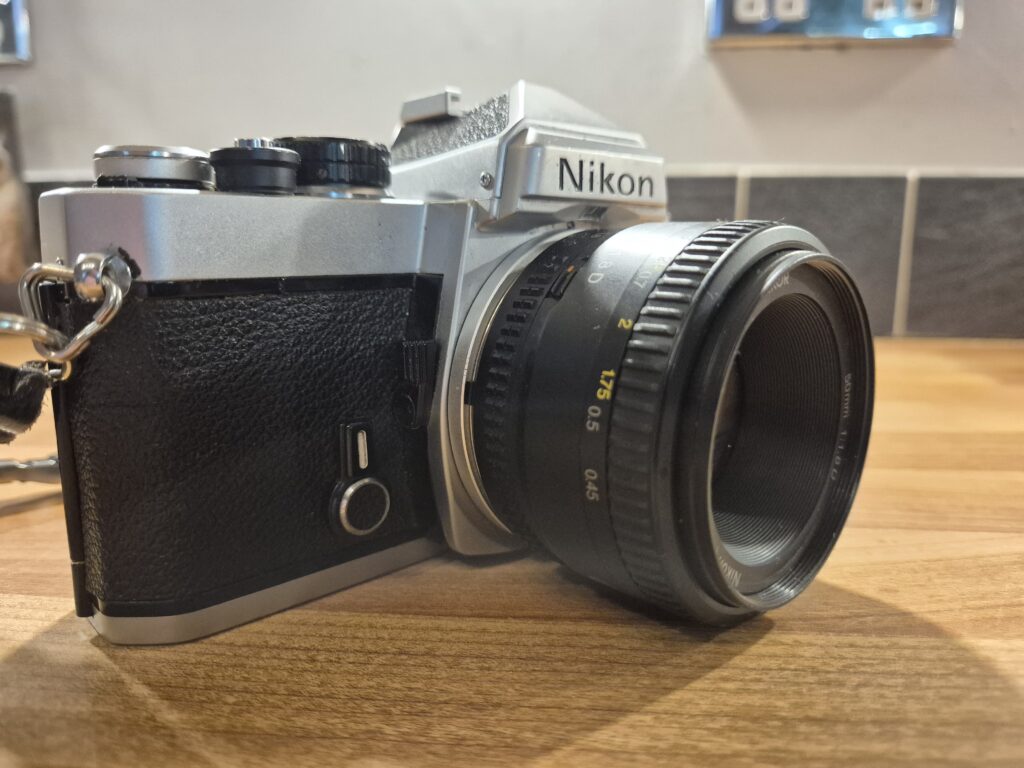
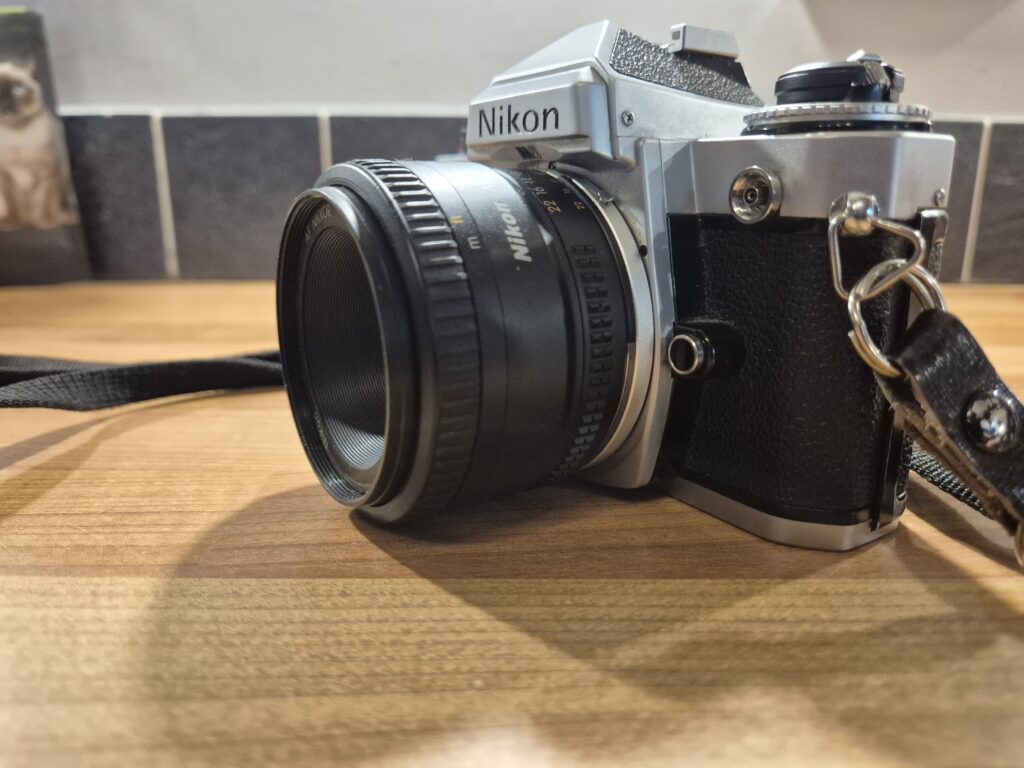
Nikon launched the FE as a semi-professional SLR in 1978, and it was manufactured until 1983, being replaced by the cleverly-named FE2, which had improved shutter speeds and TTL flash metering. It was available in black or silver; personally, I am a sucker for the classic look of a silver vintage camera and I am pleased that this is what Joe (for ‘twas he) gave me. I’d have been happy with black too, of course…
It has shutter speeds from 8 seconds to 1/1000 second and very usable ISO settings from 12 to 4000. In terms of exposure modes, it has aperture priority or manual. Naturally, with no working meter, I stuck to the latter.
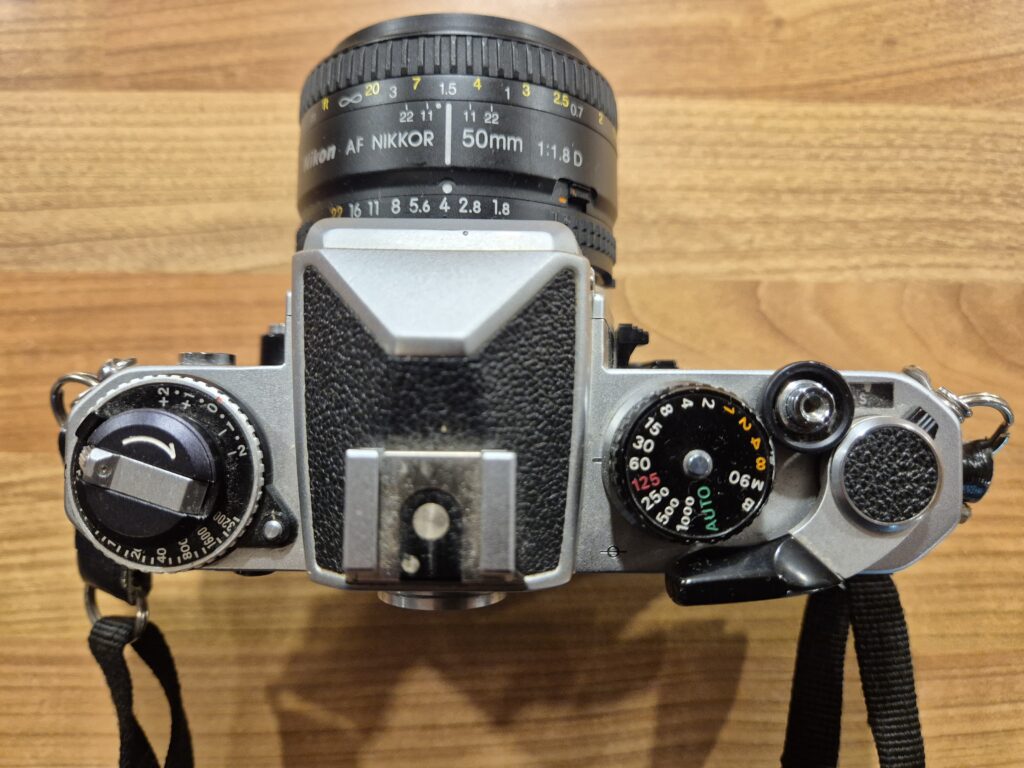
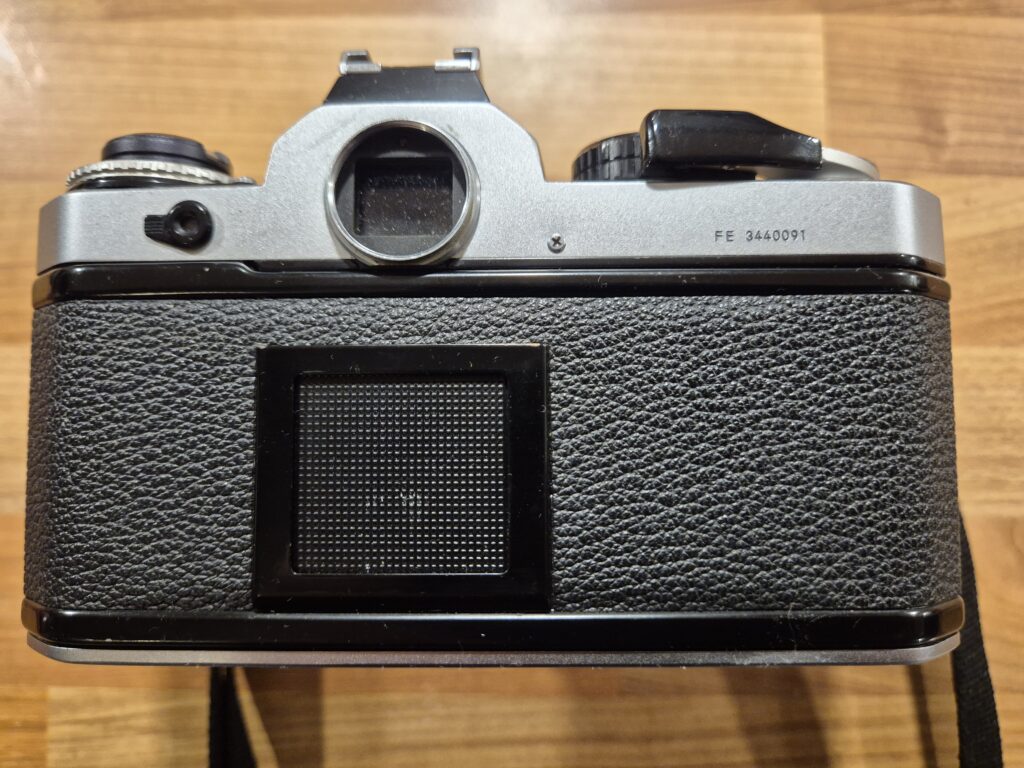
I have a bad habit of loading a camera with film and then forgetting about it. Over time, I have lost quite a few shots by opening a camera back and finding a now-spoiled roll of something expensive. To help combat this I’ve had to develop a counter-habit of opening cameras in a dark bag just to check, and sure enough the FE had a roll already loaded. Bringing it out of the bag, I looked at the ISO setting and saw it was set to 12. Aha! My shocking memory spluttered into action; I had a vague recollection of loading it with a roll of heavily expired Kodak Ektar 25 that I purchased on eBay a lifetime ago and stored in the freezer. A more recent eBay purchase was a Nikkor 50mm 1.8D lens to use with my F801S, so I decided to give that an outing too.
Now, the catalyst for starting this project was my poor mental health at the tail end of last year—mostly related to my work as, and eventual resignation from, my 19-year career as a teacher. I am happy to say that my mindset has significantly improved, and I am convinced that a huge part of my recovery is due to the creative process. Analogue photography has been key in helping me slow down, consider each aspect of a shot, and accept that there will be mistakes—that the final scan may not be what was originally envisaged. When I began the project, I told myself I must apply this to my own life and stop beating myself up for not achieving perfection. Like many of us, I still have some way to go in this area.
So, back to the camera and the shots. Knowing what film was in there, I had a decision to make: whether to shoot that roll, then load with Ilford Type 517 (the film the other cameras are loaded with, for the sake of continuity), or commit to the Ektar. I decided to see how they turned out and go from there.
In fact, much of what I originally set out to do changed for this stage of the project, and I had the idea to try reverse lens macro. Obviously, this wouldn’t be a great test of the new lens, but there’s time for that.
Spring was beginning to unfurl its first green shoots in Birmingham after a very long, very wet and very dark winter. Flowers were tentatively beginning to bloom, and colour was returning to the world, both literally and metaphorically, at least in my own noggin. I headed into the garden on a bright but breezy day with the Nikon and my new lens.
This article is not the place to go into the intricacies of reverse lens macro photography, but it is a fascinating technique and one I would urge others to try (perhaps with digital before attempting it with film). It usually requires a coupling ring, which I don’t have, but I experimented with a digital SLR many moons ago and knew that I could potentially get away with hand-holding the lens in front of the mount. This, combined with the very tight margins for error in focusing and the breeze moving my subjects, meant I was a little concerned for the sharpness of the shots. Nothing ventured, and all that.
Having finished the roll, I had another choice: send it to a lab or try to self-develop. I haven’t developed colour film in quite a while, but I liked the idea of being fully involved in the process, so I ordered the 500ml CineStill C-41 kit. Developing was much easier than I remembered, perhaps because of the simple two-bath nature of the kit, and I was over the moon when I opened the tank to find frames on the film.
I was even more delighted when I scanned them. The colours absolutely leapt out at me; I genuinely felt a surge of pure joy. THIS is what the project is all about. This is why analogue photography has the ability to lift one from the mire and provide a feeling that can be searched for in darker times.
Of course, it also has the ability to shoot one down, to offer levels of disappointment that are difficult to deal with, and upon closer inspection my focusing fears were realised on many of the shots. I began my usual self-berating, telling myself I was an idiot (and much worse) for continuing to photograph on such a windy day, that I should have waited, should have used a tripod at such a slow speed, and that I will never learn patience. I’ve been doing this to myself for over 50 years and it is a very, very hard habit to break, but my therapy and self-care programmes are beginning to pay off…
I stopped and considered the reasons I had continued to shoot that day, despite my misgivings: the sun warming my neck; the flowers I didn’t even remember planting; our cat soaking up the sun and following me around; the joy of using such a beautiful camera. The process of actually taking the photos had provided me with peace and calmness of mind, which is a rare thing for me to attain.
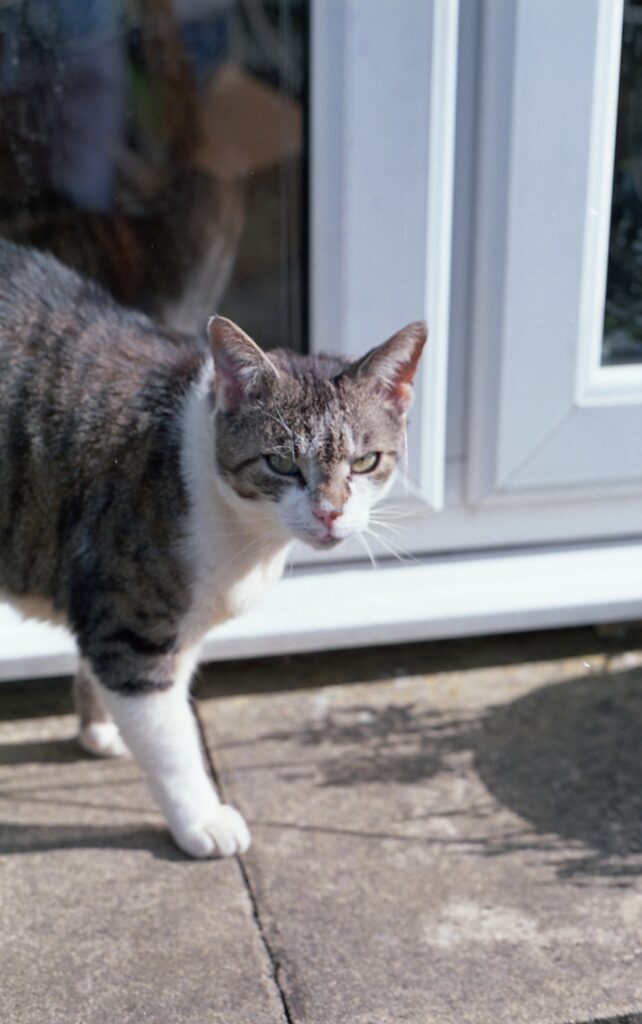
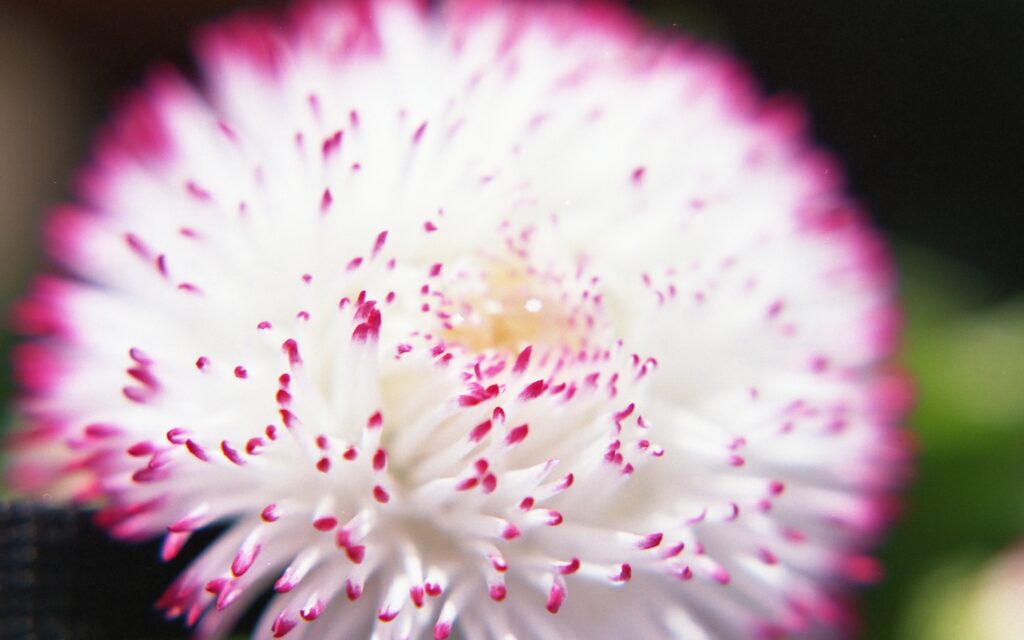
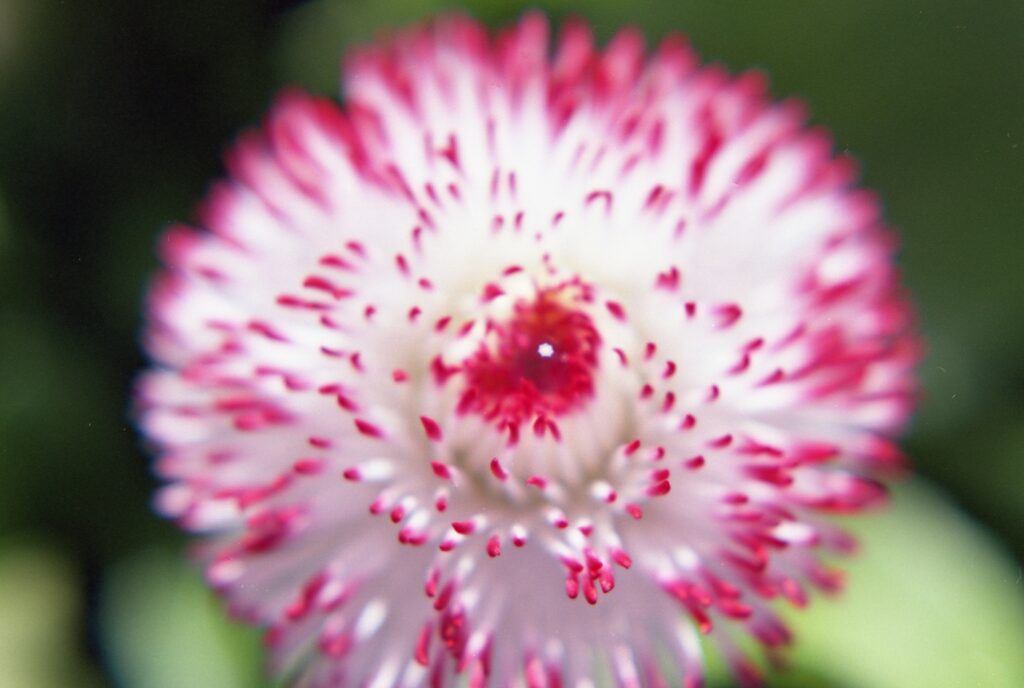
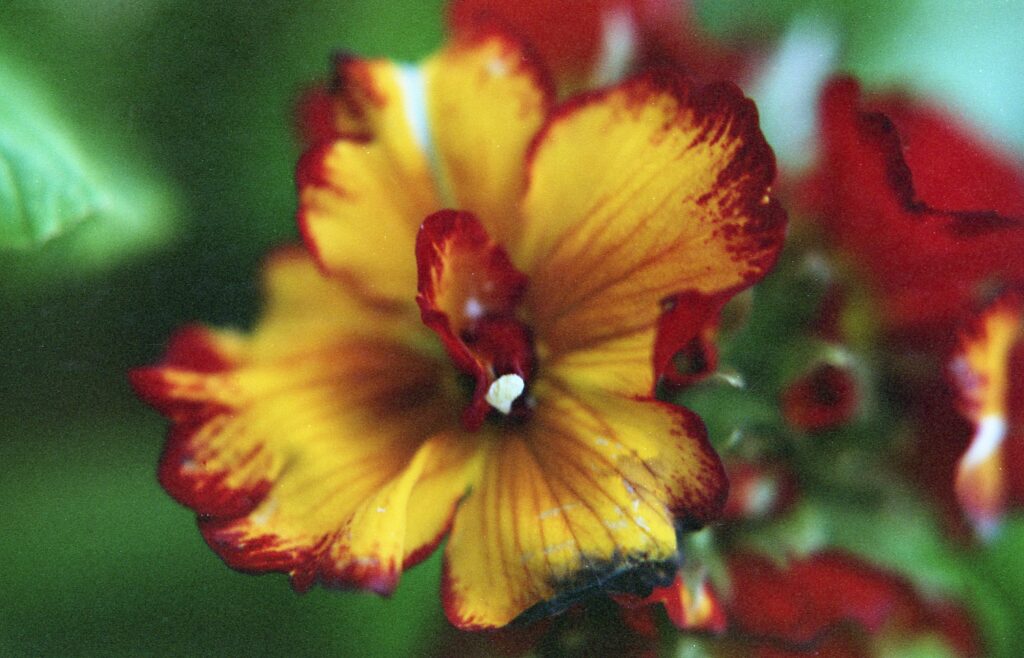
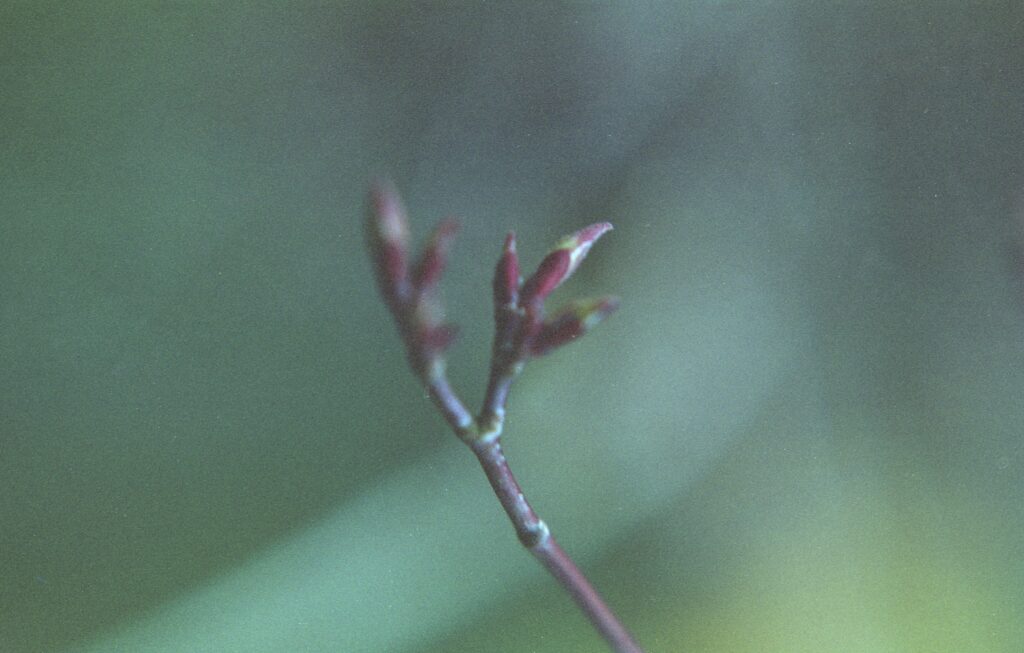
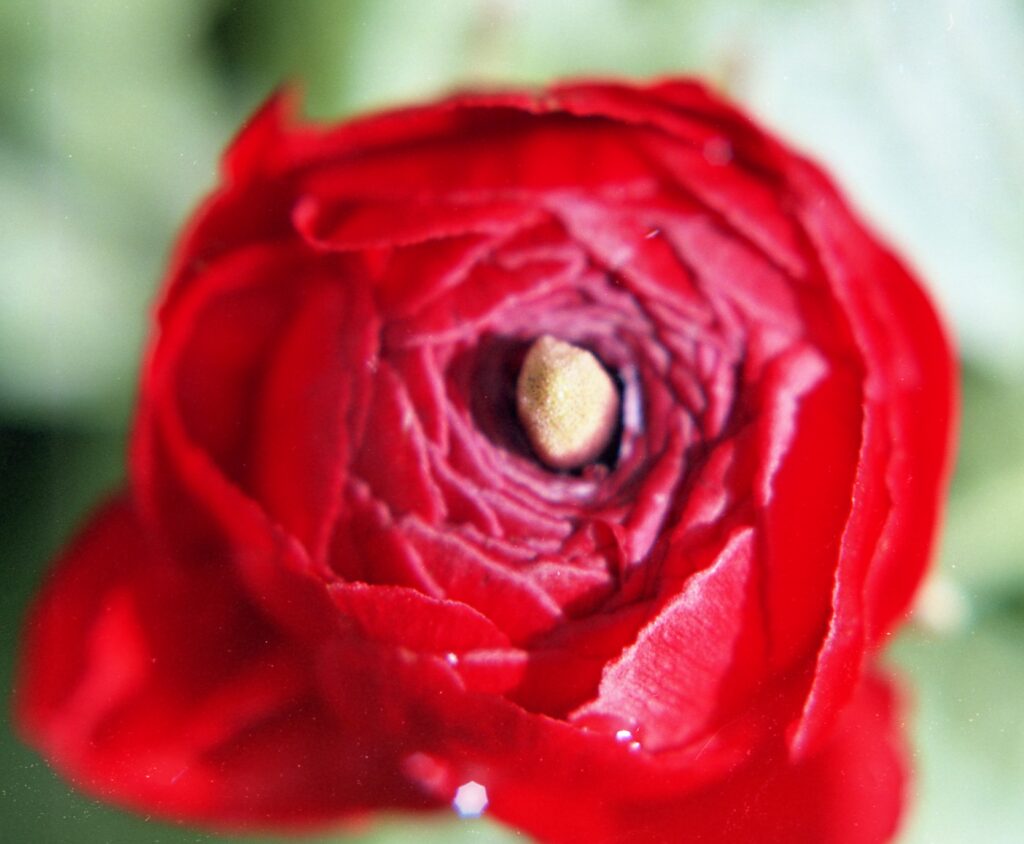
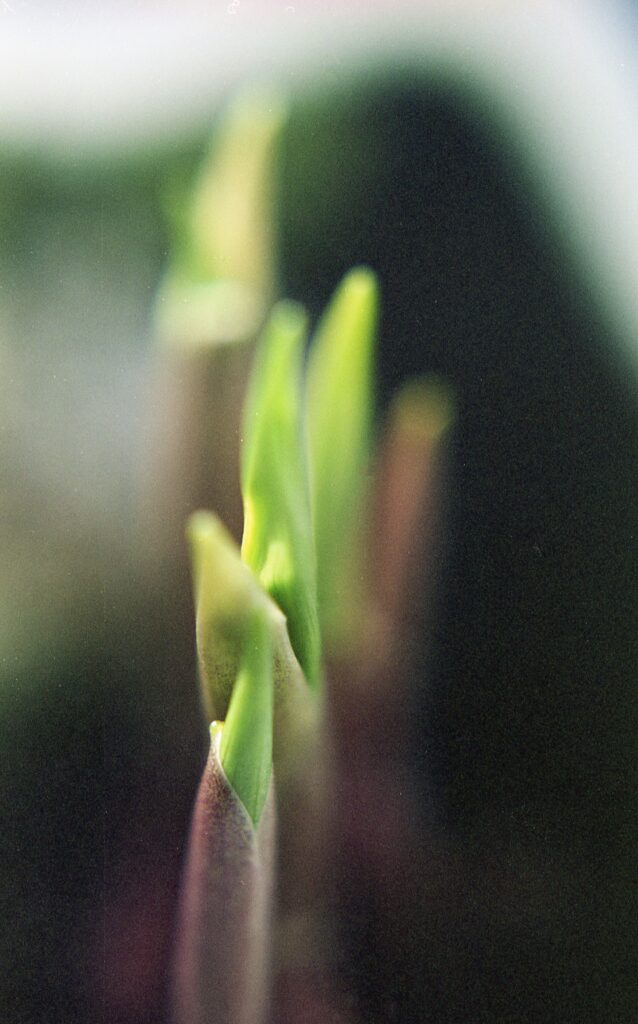
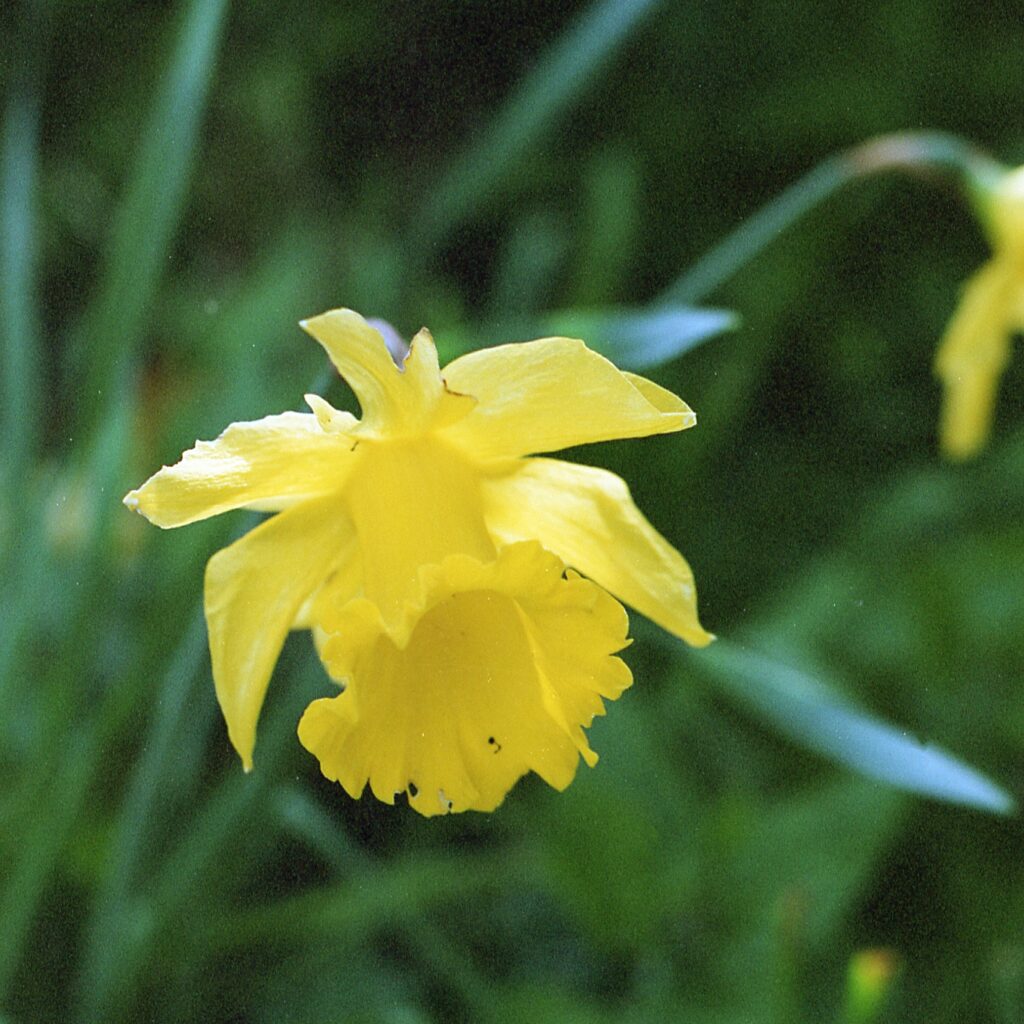
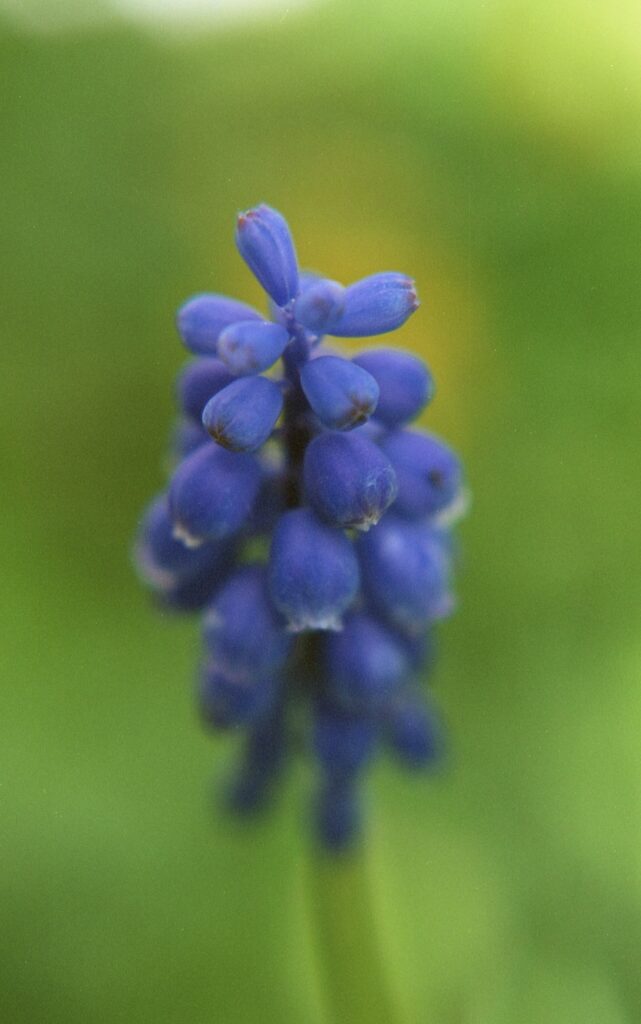
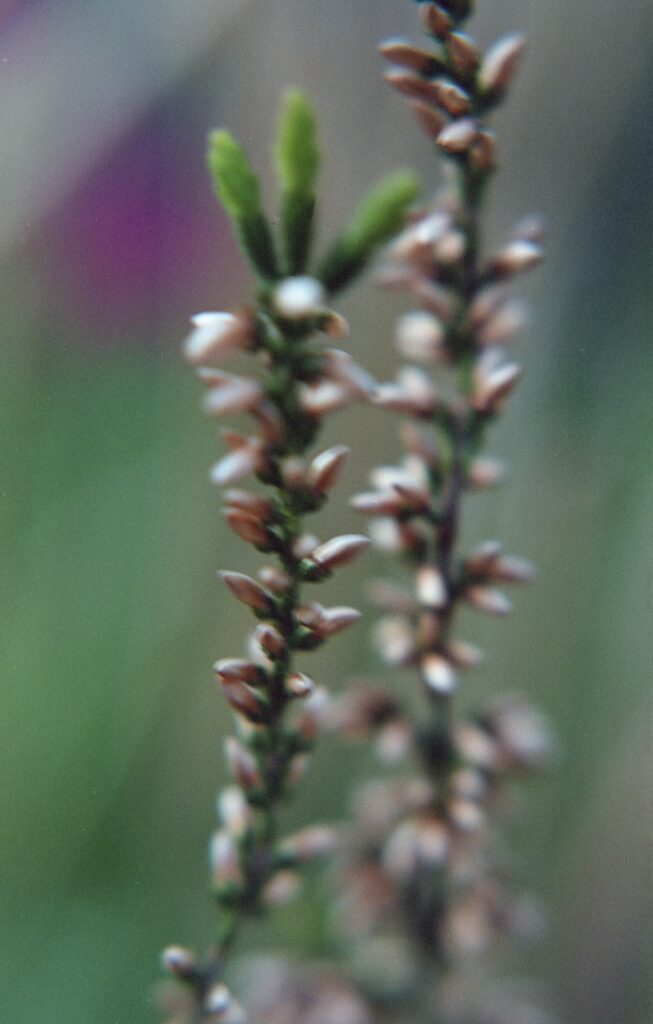
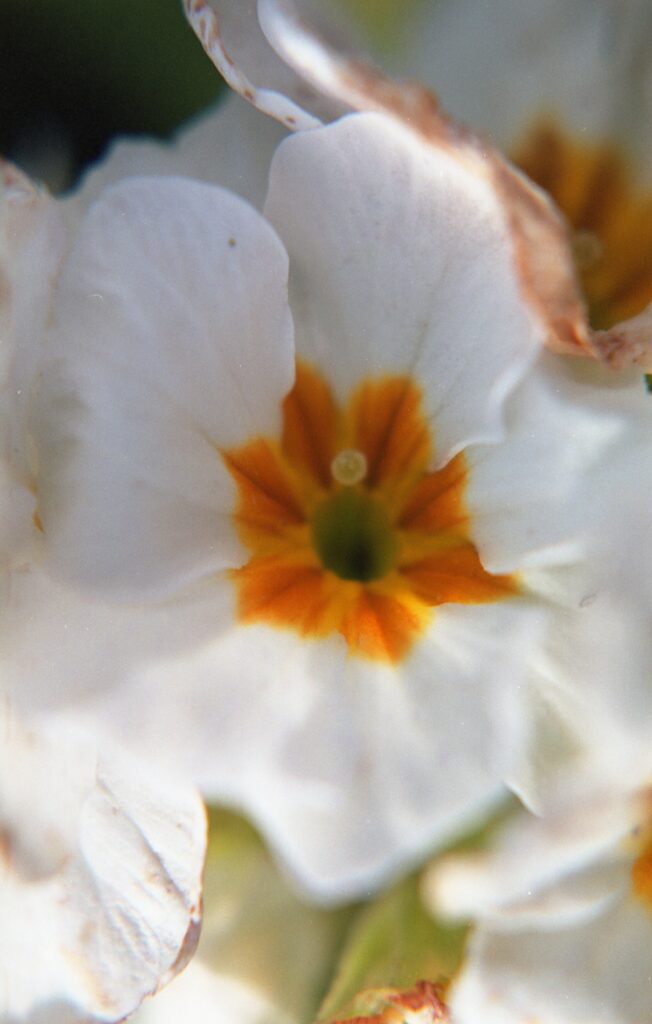
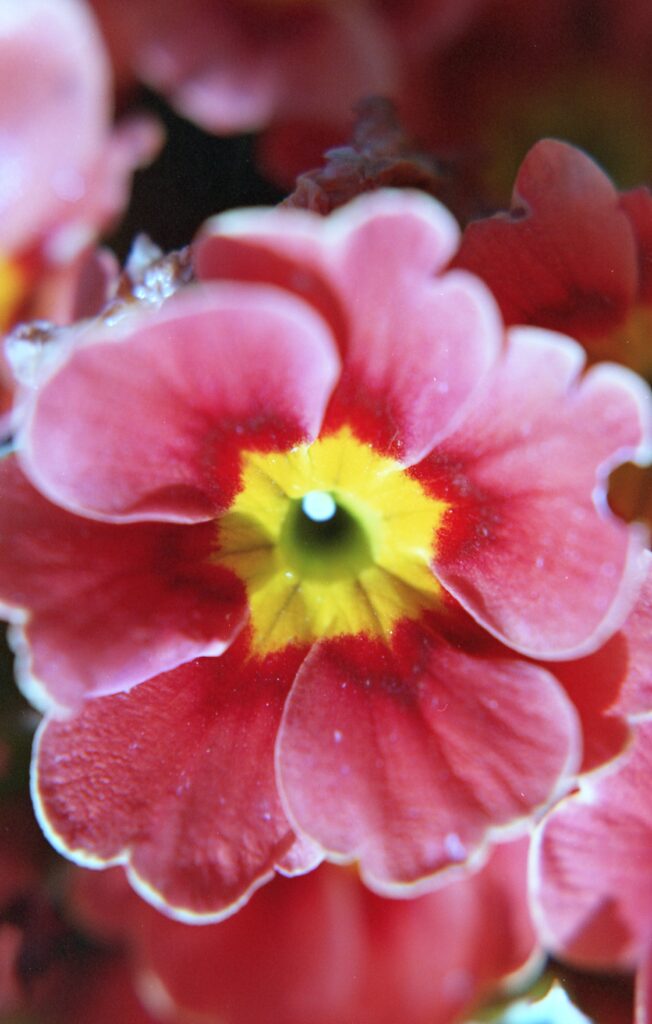
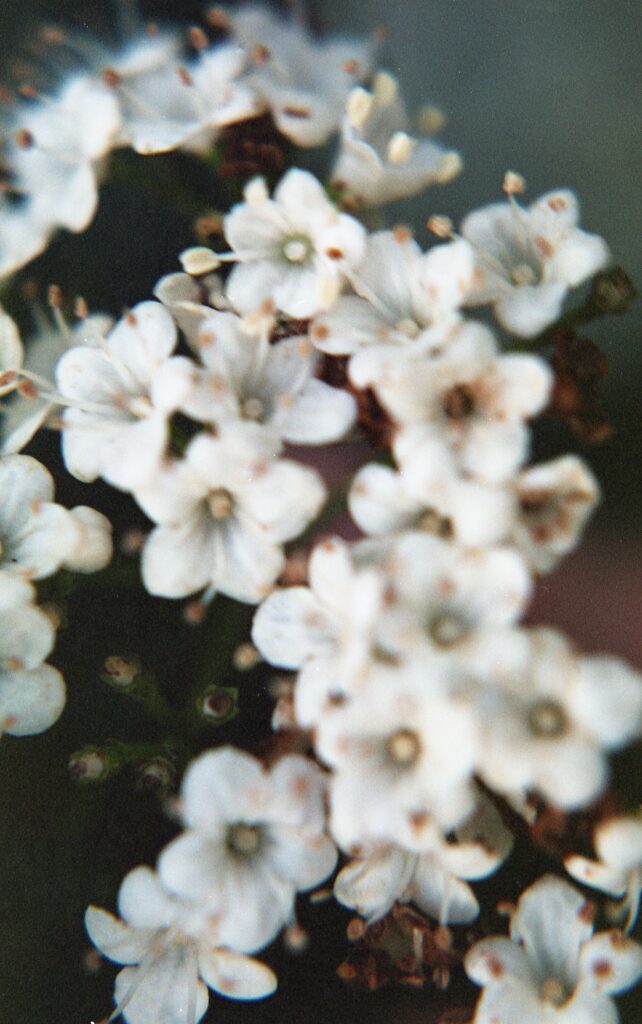
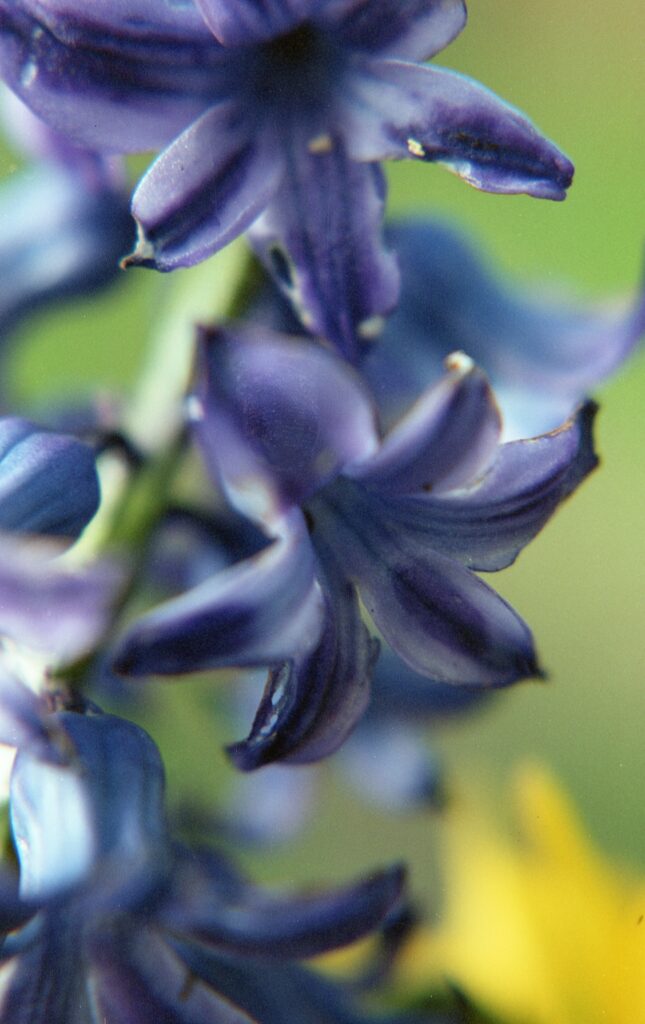
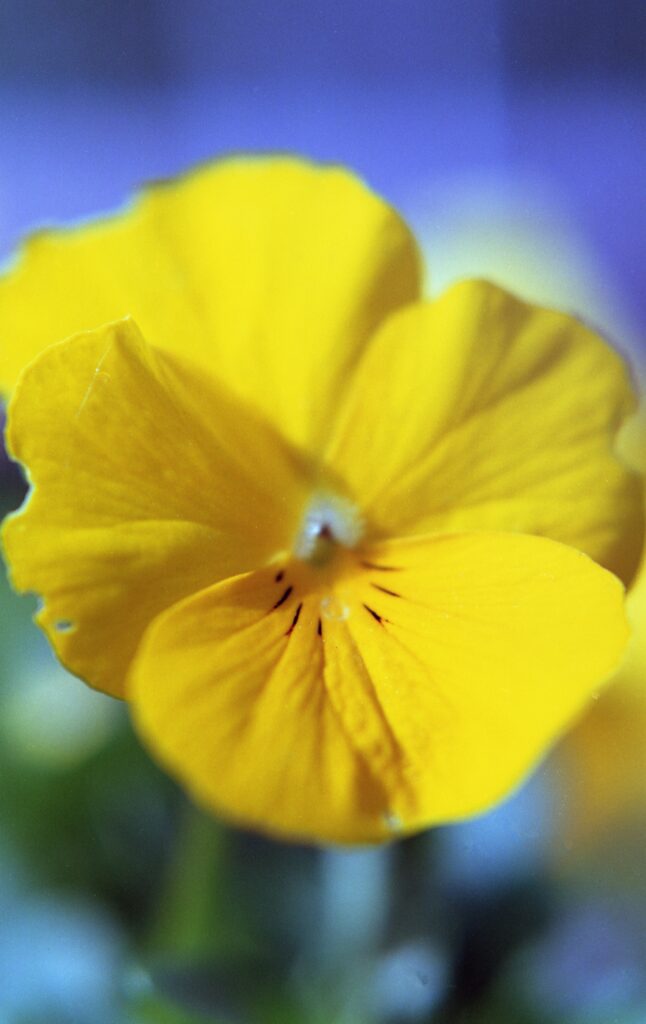
That I was able to stop myself spiralling into self-hate is, I think, my greatest achievement at this stage of the project. I do not expect always to have the ability to do this, and I certainly would have been unable to do so three months ago, but I feel vindicated. My ideas of reflecting upon photography, considering my reasons for doing it in the first place, are beginning to bear fruit.
Oh, and the Nikon FE is beautiful. I am beginning to think of it as a bit of a kindred spirit; we both have parts that don’t quite work as originally intended, but that doesn’t mean we aren’t capable of capturing something joyous. I absolutely loved the whole process of shooting with it. The solidity of the metal body is reassuringly sturdy, and the familiar layout and operation of the controls – including a beautiful action to the winding lever – made it a dream to use. I have started looking into the possibility of having the light meter repaired (any advice very welcome), but even without that we will enjoy regular outings together from now.
It’s a keeper.
Share this post:

Comments
Miguel Mendez on Nikon FE – Out of the Drawer and Into the Light – A Journey of Recovery and Rejuvanation (Part Four)
Comment posted: 22/05/2026
Comment posted: 22/05/2026
Gary Smith on Nikon FE – Out of the Drawer and Into the Light – A Journey of Recovery and Rejuvanation (Part Four)
Comment posted: 22/05/2026
Comment posted: 22/05/2026
Comment posted: 22/05/2026
Comment posted: 22/05/2026
Comment posted: 22/05/2026
Comment posted: 22/05/2026
Comment posted: 22/05/2026
Comment posted: 22/05/2026
Comment posted: 22/05/2026
Andrés Purriños on Nikon FE – Out of the Drawer and Into the Light – A Journey of Recovery and Rejuvanation (Part Four)
Comment posted: 22/05/2026
Nice story and nice pictures.
Comment posted: 22/05/2026
Walter Reumkens on Nikon FE – Out of the Drawer and Into the Light – A Journey of Recovery and Rejuvanation (Part Four)
Comment posted: 23/05/2026
Now to your project. You’ve come up with something brilliant, and the photos are quite unusual, with distinctive colours and a special charm. I like the shots. No iPhone, no photo-editing app, nothing artificial. I’m familiar with this technique using an adapter, but I’ve never tried it myself, let alone in the way you’ve done it. Great idea and execution. All the best, Niall!
Comment posted: 23/05/2026
Jeffery Luhn on Nikon FE – Out of the Drawer and Into the Light – A Journey of Recovery and Rejuvanation (Part Four)
Comment posted: 24/05/2026
I like your results a lot! The color is joyous. I do reverse lens macro once in a while using a rubber lens shade to make a somewhat light-tight seal. I do have a reversing ring, but where is it?
Comment posted: 24/05/2026