

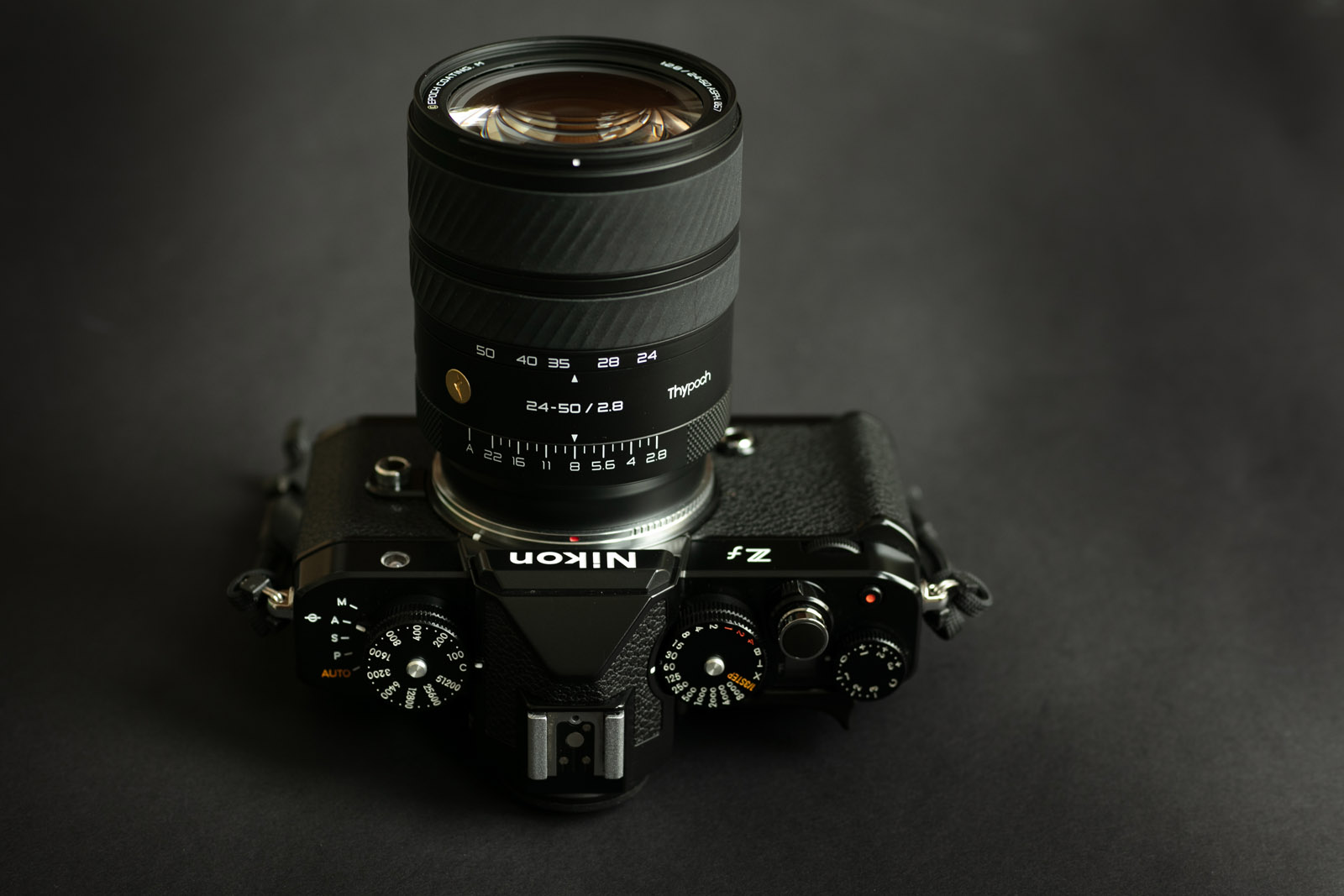
Like many photographers, I tend to gravitate toward prime lenses. My Nikon Zf is usually paired with lenses such as the Sigma 35mm f/2, Sigma 65mm f/2, or various manual-focus lenses. Zooms have never really been my thing. I enjoy working within the constraints of a single focal length, and I generally find that prime lenses better suit the way I see and photograph.
Then came a three-day sailing trip around Brittany.
Life aboard a sailboat naturally encourages a minimalist approach. Carrying multiple lenses isn’t always practical, changing lenses can be inconvenient, and the scenes around you evolve constantly: wide seascapes, life on deck, portraits, distant details, changing weather and light. You want to be prepared for everything, but you also want to travel light.
It turned out to be the perfect environment to test the Thypoch Voyager 24-50mm.
By the end of the trip, I realized something unexpected: this was exactly the kind of lens my kit had been missing.
Thypoch has already built a strong reputation with its cine, rangefinder, and mirrorless lenses, often delivering image quality that rivals or surpasses more established brands. Until now, however, autofocus zooms remained untouched territory. With the Voyager 24-50mm f/2.8, Thypoch enters a highly competitive segment with a lens that prioritizes practicality, compactness, and versatility.
Let’s see how it performs.
Build Quality
I should start with a confession: this is probably the first zoom lens I’ve reviewed seriously.
Most of the lenses I use on my Nikon Zf are either from Sigma’s Contemporary series (35mm f/2 and 65mm f/2) or Zeiss’s E-mount lineup (Loxia 21mm and Sonnar 55mm f/1.8), all converted to Z mount thanks to the great Megadap ETZ21 adapter. These lenses all share a common trait: excellent build quality, metal construction, compact dimensions, and a reassuringly premium feel.
The Thypoch Voyager 24-50mm takes a different approach.
Its outer shell is predominantly plastic, with the exception of the metal lens mount. The good news is that the mount includes a weather-sealing gasket, offering some protection against the elements. The overall finish is attractive, with a subtle matte texture, well-designed rubberized zoom and focus rings, an AF/MF switch, and a customizable function button.
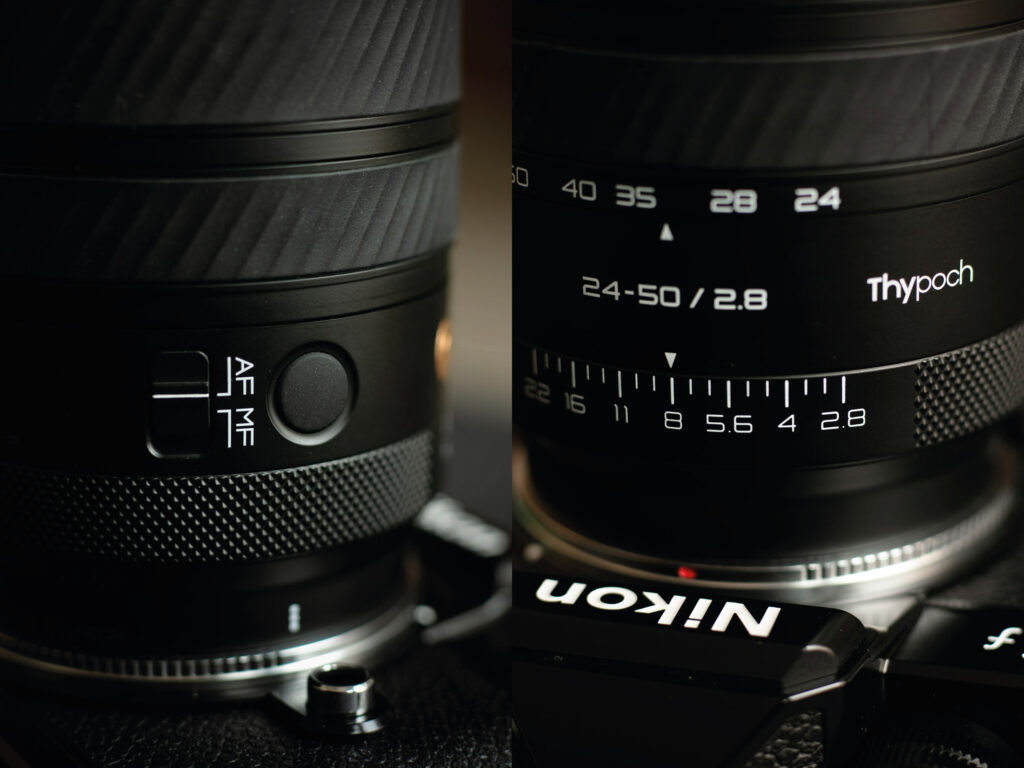
One particularly welcome feature is the dedicated aperture ring, complete with positive click stops and an “A” position for automatic aperture control.
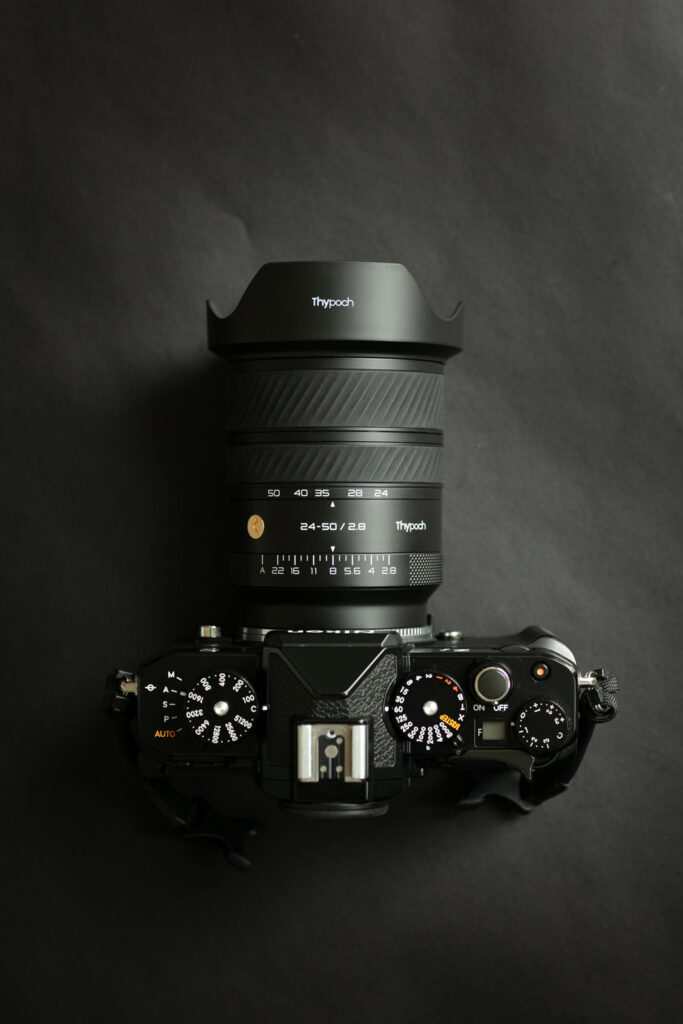
The lens hood is also made of plastic but feels sturdy and locks securely into place. The only part that gives me slight pause is the 67mm filter thread, which is plastic as well. While this probably won’t be an issue for most users, metal filter threads always inspire a little more confidence.
In use, both the zoom and focus rings feel smooth and well damped.
Perhaps the most impressive aspect of the design is that the Thypoch Voyager 24-50mm uses both an internal zoom and internal focus mechanism. The lens never changes size regardless of focal length or focus distance. This is relatively uncommon, especially at this price point, and brings several advantages: improved weather resistance, better balance, and a more robust feel.
It’s a genuinely nice touch and contributes significantly to the overall user experience.
Optical Performance
The Thypoch Voyager 24-50mm sits somewhere between a cinematic and a clinical rendering style.
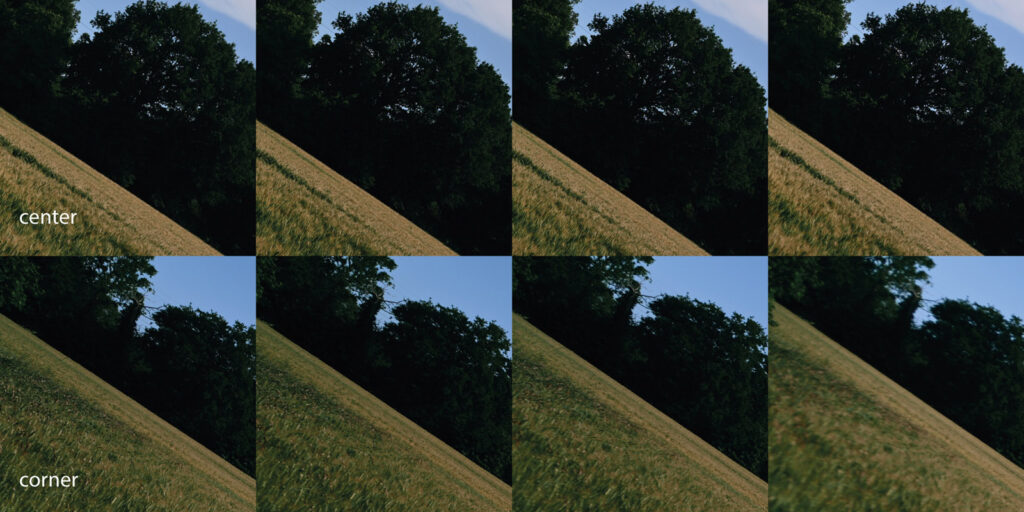
Wide open at f/2.8, sharpness is already very good, particularly in the center of the frame. Stopping down by one or two stops improves edge and corner performance noticeably, resulting in excellent sharpness across the image.
The lens performs consistently throughout the zoom range and delivers more than enough resolution for demanding modern sensors. In practical use, I rarely found myself thinking about sharpness at all, which is usually a good sign.
Of course, the real appeal of this lens lies in its versatility.
The 24-50mm range covers a remarkable number of situations, from landscapes and documentary photography to environmental portraits and street shooting. Combined with the constant f/2.8 aperture, it offers much of the flexibility of a multi-prime setup while remaining compact and lightweight.
One characteristic worth discussing separately is flare resistance.
When the sun sits just outside the frame, particularly toward the longer end of the zoom range, flare can become surprisingly aggressive. In several situations I encountered significant veiling flare that noticeably reduced contrast and washed out the image, whether the hood was attached or not.

Some photographers may actually appreciate the character this introduces, especially when aiming for a more cinematic look. Personally, I found it a little stronger than expected, and it is probably the lens’s most significant optical weakness.
That said, outside of these specific situations, performance remains extremely impressive.
Here is a summary of infinity sharpness performance according to focal length and aperture:


The Thypoch Voyager 24-50mm is also capable of producing surprisingly attractive bokeh for a moderate-aperture zoom. Nobody will mistake it for a fast prime, but out-of-focus rendering is smooth and pleasant enough to create a convincing sense of depth.

Price Considerations
This is where the Thypoch Voyager 24-50mm becomes particularly compelling.
At around €570 (plus VAT), it is remarkably difficult to beat.
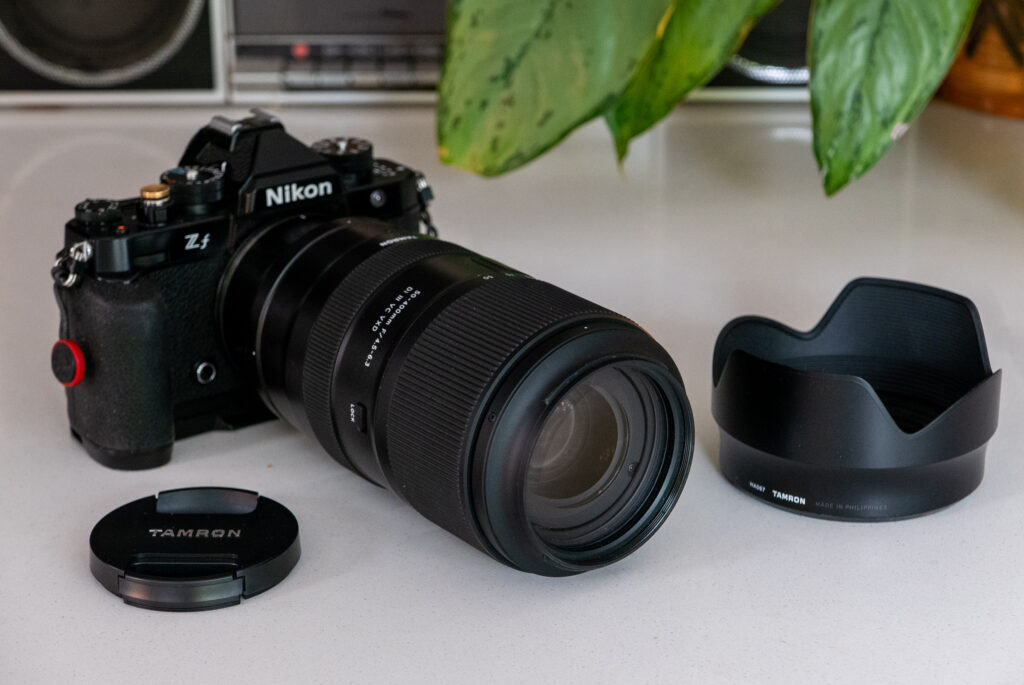
Finding direct competitors isn’t entirely straightforward. For Nikon Z users, the most obvious alternative is the Nikon Z 24-50mm, which is smaller and cheaper but significantly slower and less ambitious in terms of performance and construction.
A set of 24mm, 35mm, and 50mm prime lenses would certainly offer some advantages, but at the cost of increased weight, greater expense, and the inconvenience of changing lenses.
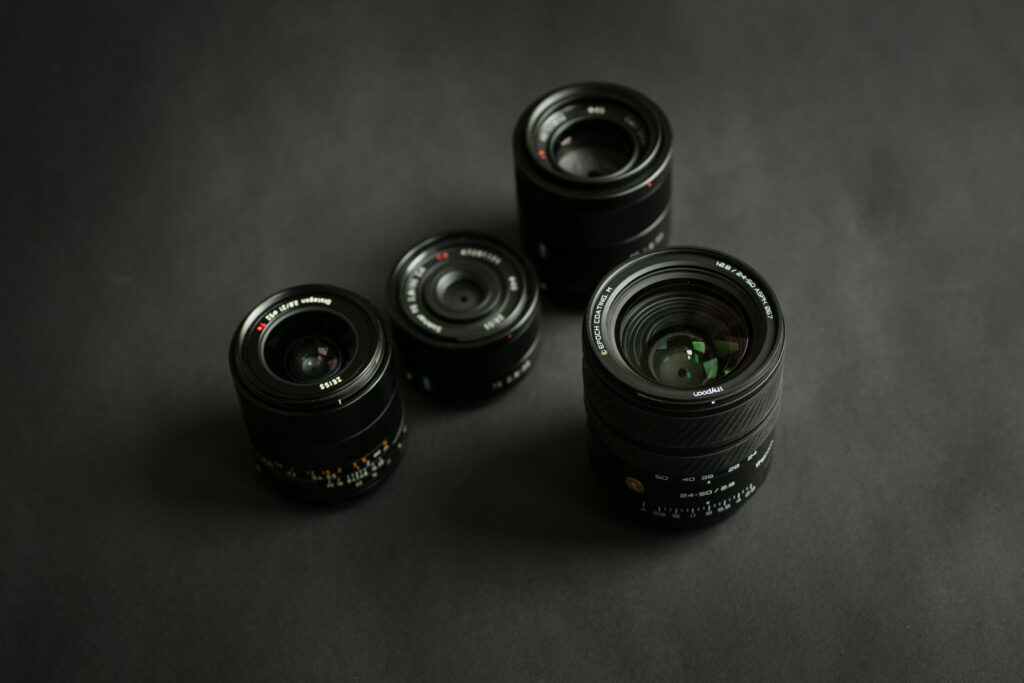
Another logical comparison would be Nikon’s 24-70mm f/4 S. While still reasonably compact, it typically costs almost twice as much and targets a different segment of the market.
The Thypoch Voyager 24-50mm occupies a particularly attractive middle ground: compact, bright, versatile, and surprisingly affordable.
Pictures
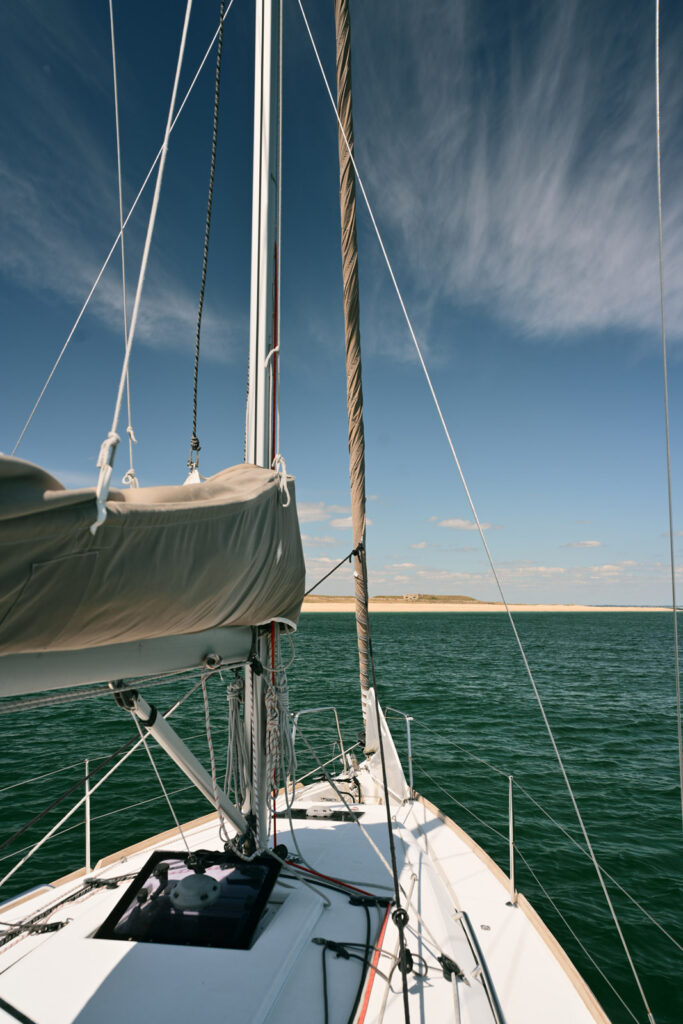
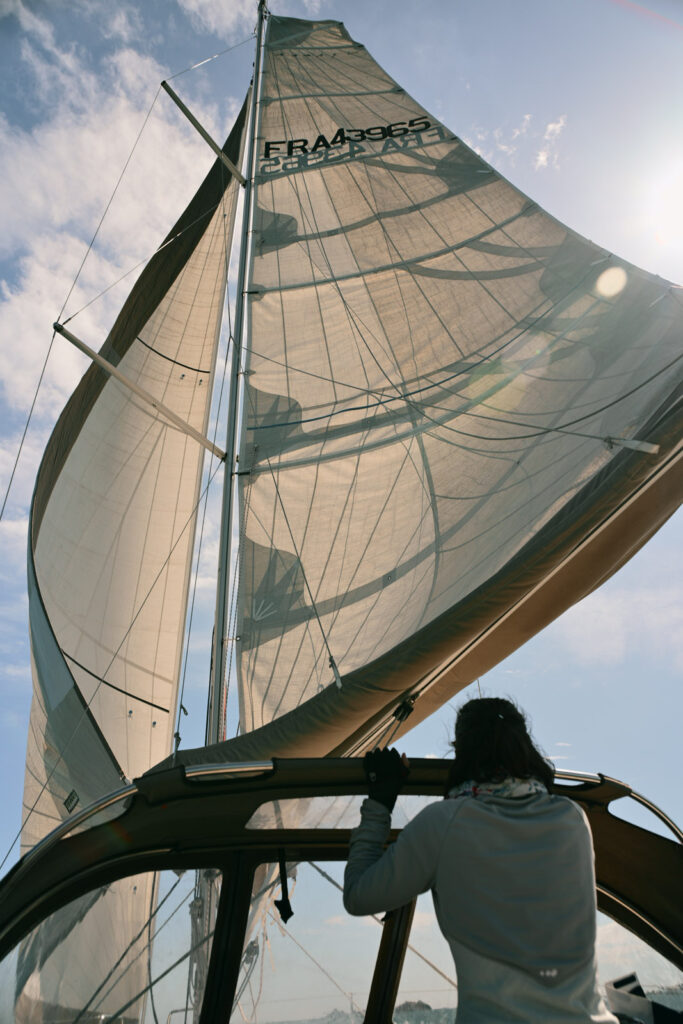
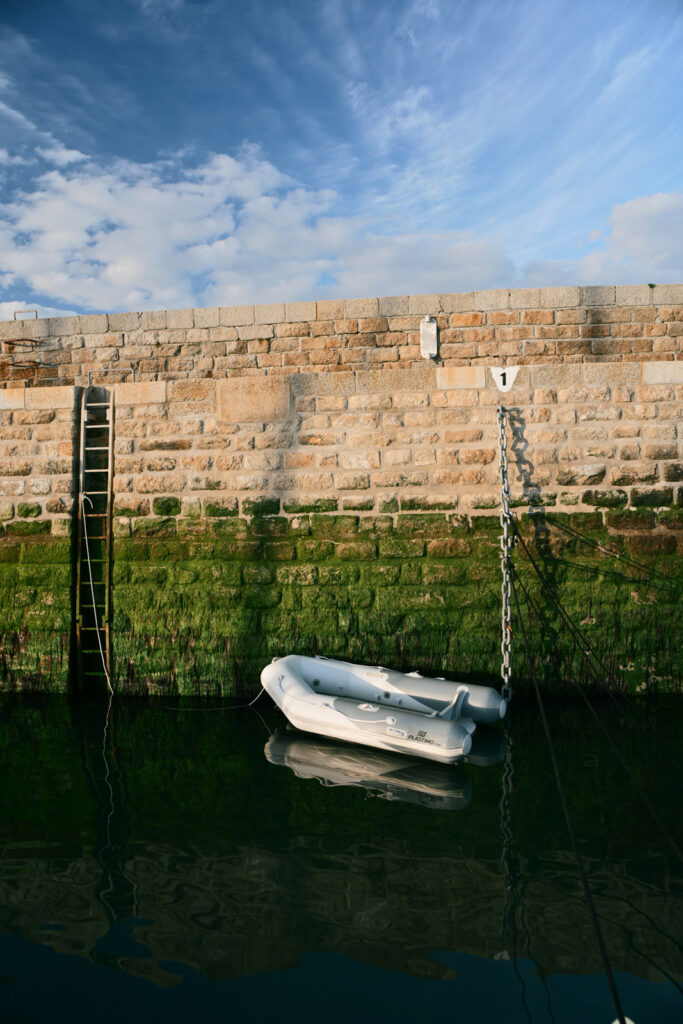
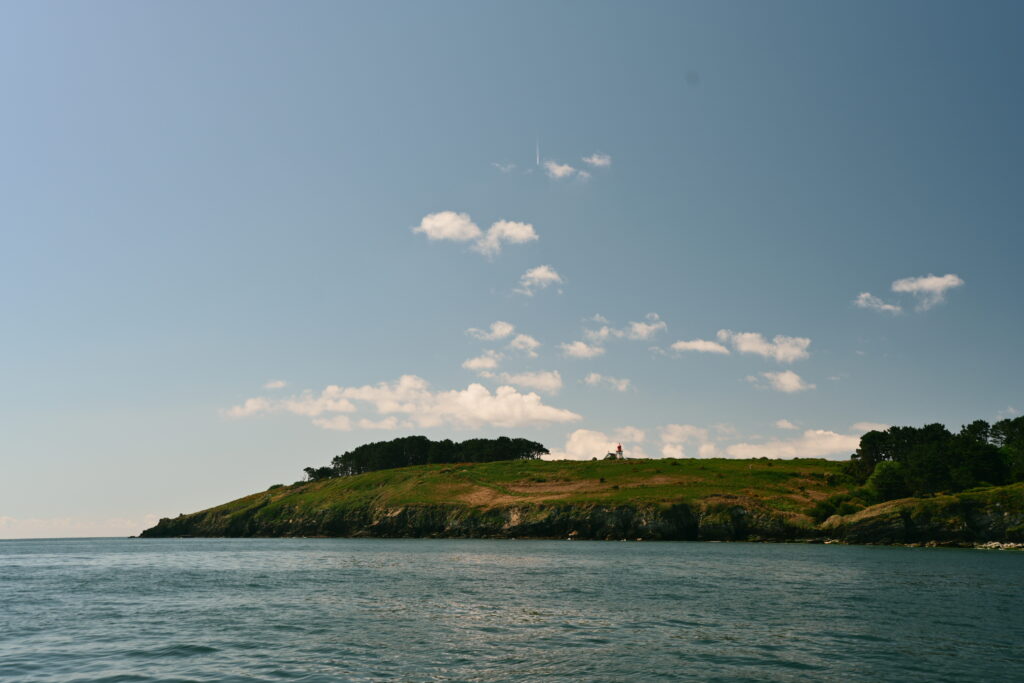
The following images were taken during the three-day sailing trip around Brittany that ultimately convinced me of this lens’s value.
Mounted on my Nikon Zf, the Voyager became my only lens for most of the trip. I removed the hood to keep the setup as compact as possible but kept a polarizing filter attached throughout.
What impressed me wasn’t necessarily the image quality—although that was certainly there—but the freedom this lens provided.
One minute I was photographing life aboard the boat. The next I was shooting a distant lighthouse, then a wide coastal landscape. Under normal circumstances I would have either missed some of these images or carried several lenses to achieve the same result.
The Thypoch Voyager 24-50mm simply removed that friction.
The results speak for themselves.




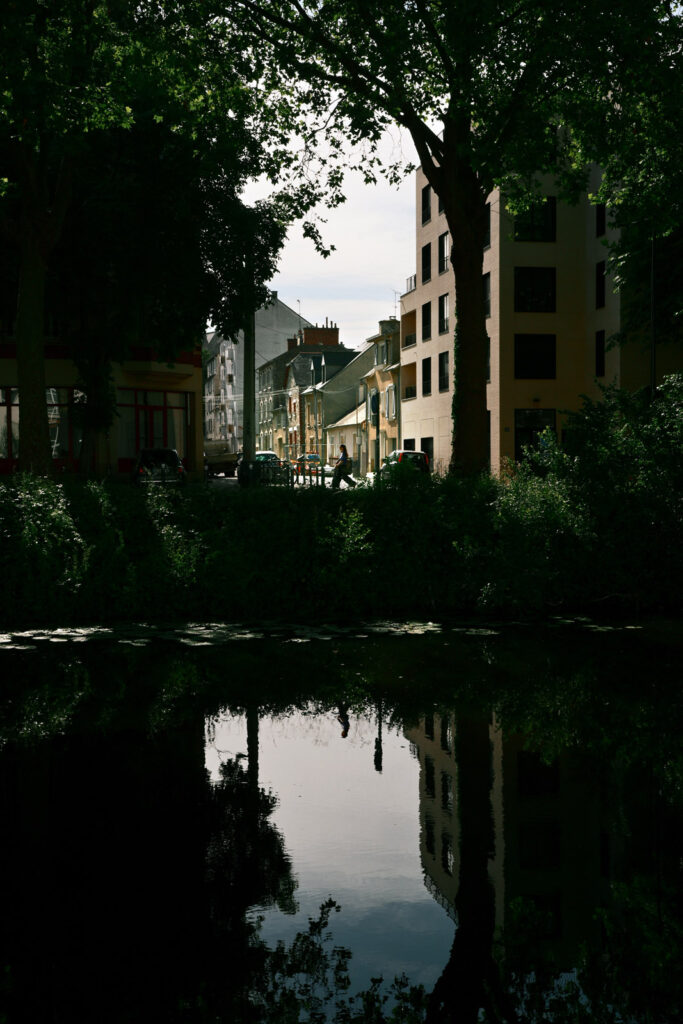
The next series comes from street photography sessions.
Street photography is perhaps where my feelings about zooms become more nuanced. I still prefer working with a fixed focal length whenever possible. A prime lens encourages anticipation, movement, and a deeper familiarity with one’s surroundings.
That said, the Voyager can absolutely be used as if it were a prime lens. It simply requires a bit more discipline and a conscious effort not to rely on the zoom ring as a shortcut.
The flexibility is there when needed, but the experience doesn’t necessarily have to be fundamentally different.




Conclusion
Pros
- Compact and versatile package
- Constant f/2.8 aperture
- Internal zoom and internal focus
- Sharp throughout the zoom range
- Excellent value for money
- Well suited to travel and documentary photography
Cons
- Strong flare in certain backlit situations
- Construction feels somewhat plasticky
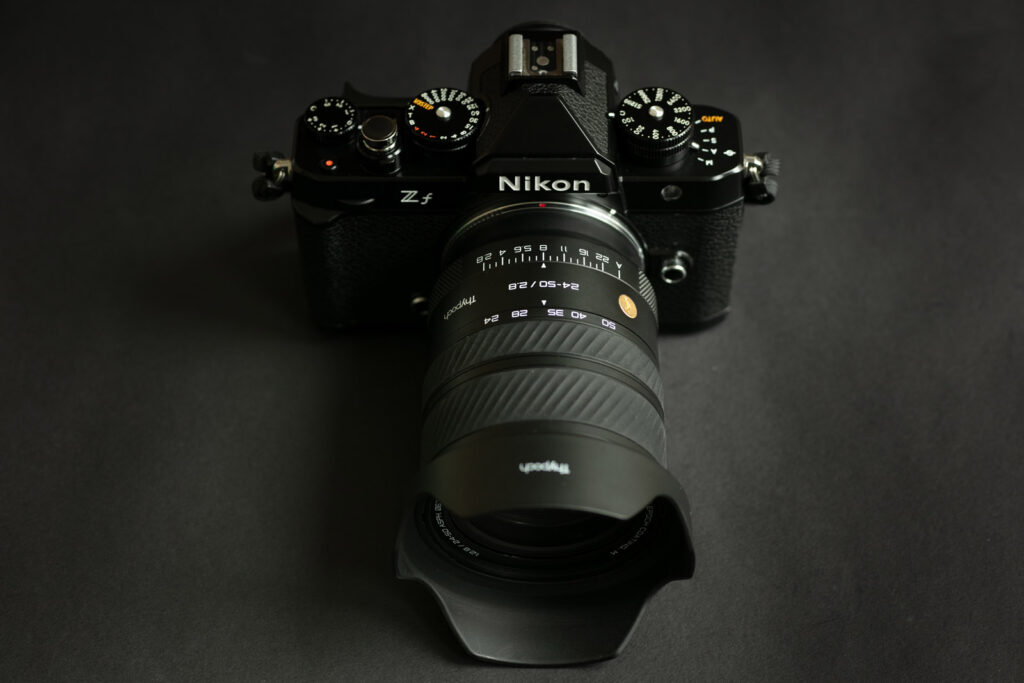
After extensive use, I can confidently say that the Thypoch Voyager 24-50mm filled a gap I didn’t realize existed in my kit.
The relatively short zoom range may not sound exciting on paper, but in practice it proved incredibly useful. Whether aboard a sailboat, on a bicycle trip, during a hike, or while travelling, this kind of flexibility brings genuine advantages compared to a fixed focal length setup.
The lens is well executed overall, with weather sealing, thoughtful ergonomics, and a clever internal design. I do, however, feel that Thypoch could have stayed a little closer to the premium character of its other products. A metal filter ring alone would have added a more reassuring feel to the package.
Still, considering the lens’s excellent price-to-performance ratio, these criticisms remain relatively minor.
More importantly, I hope this lens signals the beginning of a broader and more adventurous autofocus lineup from Thypoch. The 24-50mm focal range is an intelligent choice that genuinely differentiates the Voyager from the crowd. In a market saturated with yet another 35mm or 50mm prime, that’s refreshing to see.
If you wish to, Thypoch will offer you a 5% discount on any purchase made on their store using this link and the coupon code VINCENTBIHLER
Thanks for reading! If you haven’t already, feel free to follow me on Instagram. And if you’re interested in Leica grips or Nikon Zf thumb rests, check out my website or follow KameraKraft on Instagram. Cheers!
Cheers!
Share this post:




Comments
Michael on Thypoch Voyager 24-50mm f/2.8 review
Comment posted: 16/06/2026
Comment posted: 16/06/2026
Philippe on Thypoch Voyager 24-50mm f/2.8 review
Comment posted: 12/09/2026