

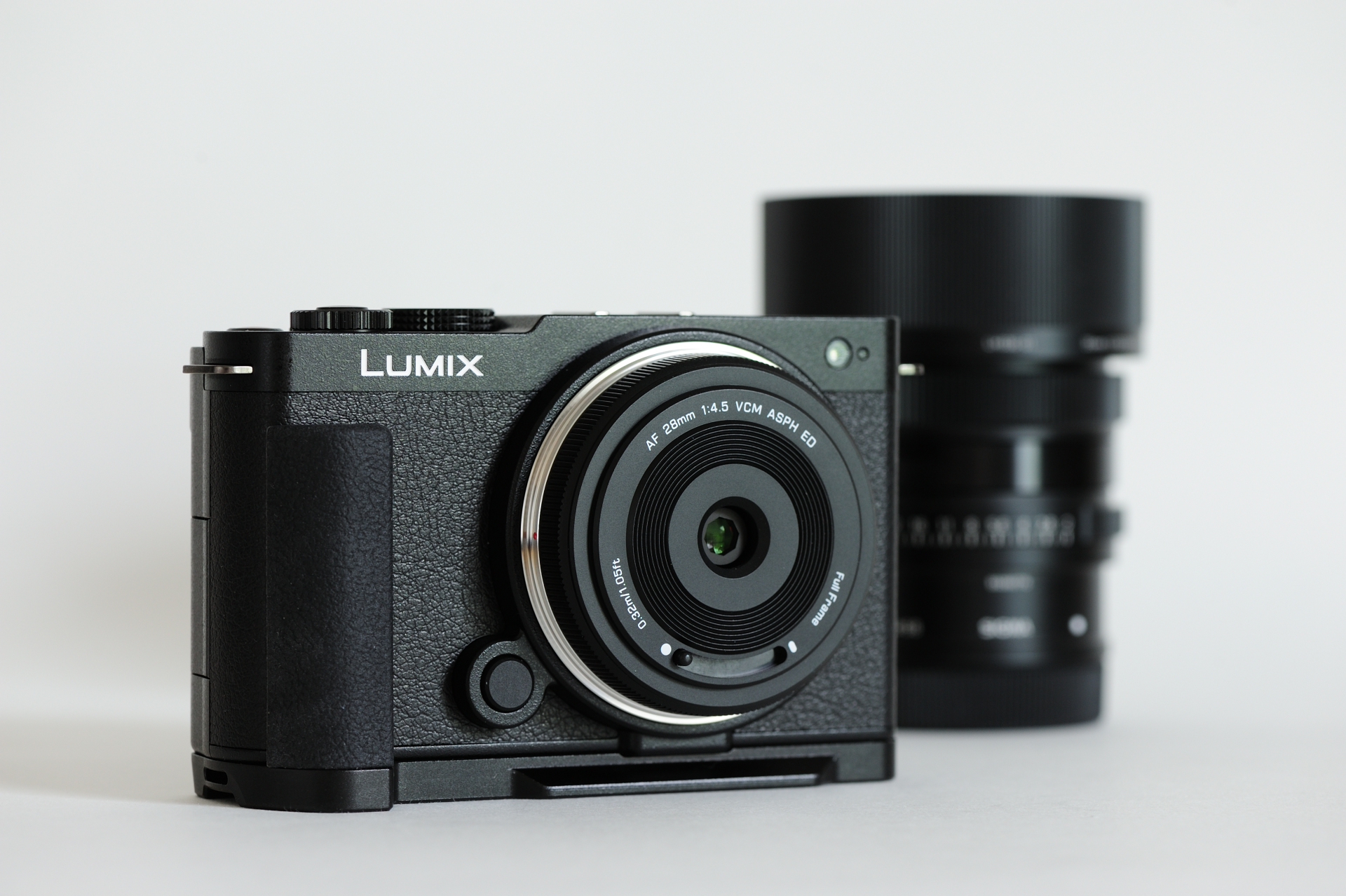
The Viltrox AF 28mm f/4.5 “Chip” lens was recently released for the L-Mount Alliance platform. It is a fixed-aperture, AF lens. No explanation for the word “Chip” appears in the Viltrox marketing material. Perhaps it’s down to its diminutive size, barely bigger than a lens cap or poker chip. Or, maybe it’s a reference to being inexpensive, i.e., “Cheap as chips” at just $99 USD? Either way, this 28mm lens is extremely handy for travel, landscape, and street photography. Being a moderate wide-angle, it makes composition rather easy. Its lack of features encourages carefree snap shooting. When paired with a full-frame Lumix S9 or Leica CL (why did I sell that camera?), it could easily slip into one’s jacket pocket. It doesn’t even need an external lens cap; it has one built in!
Features
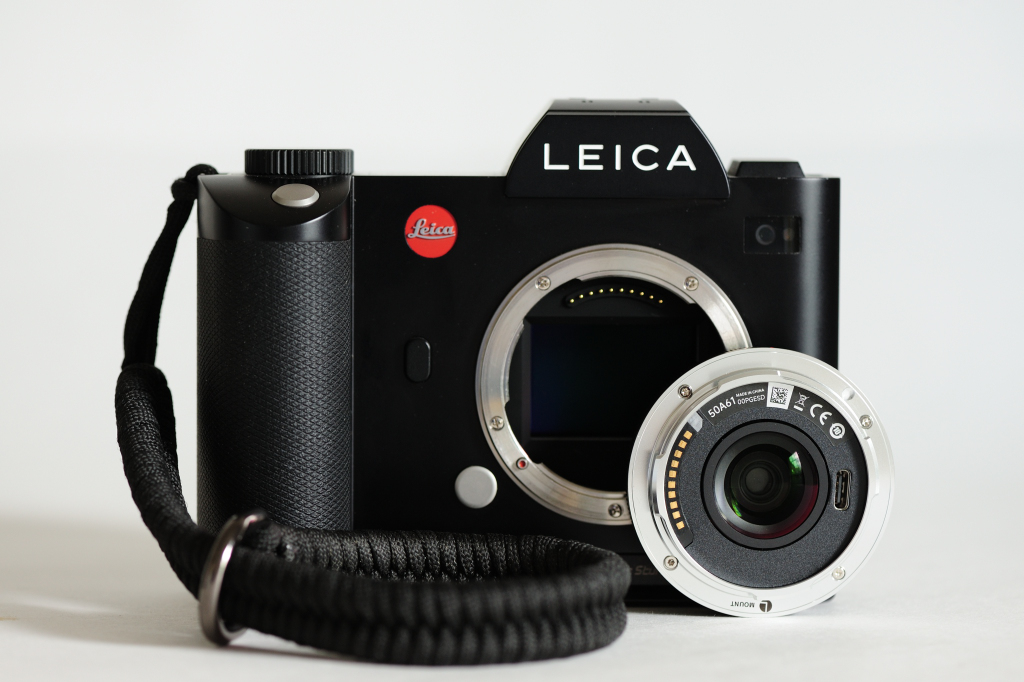
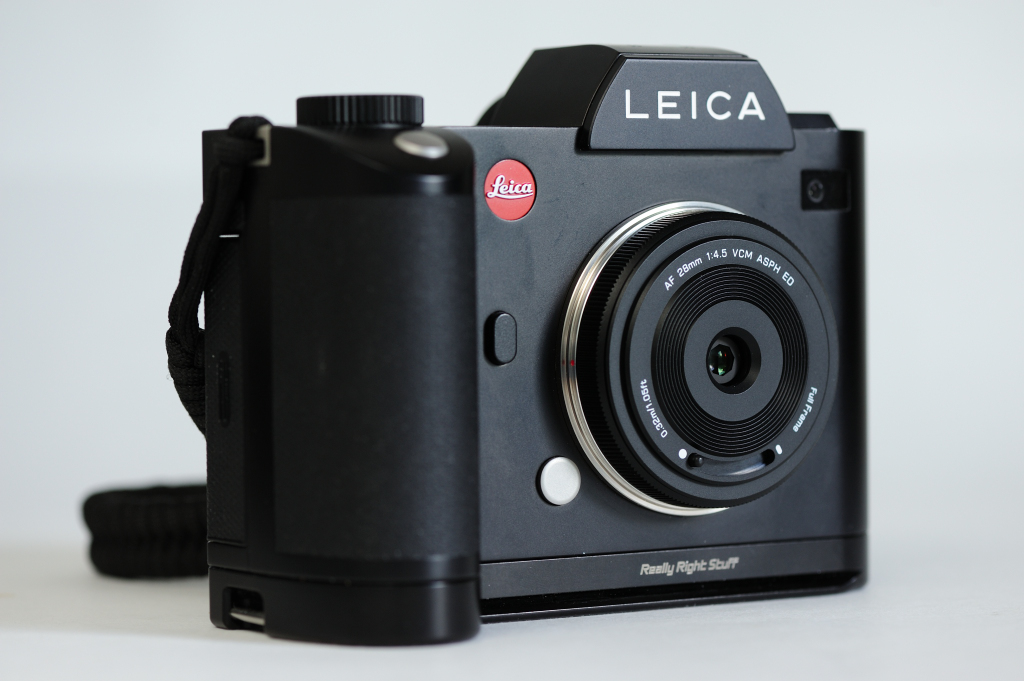
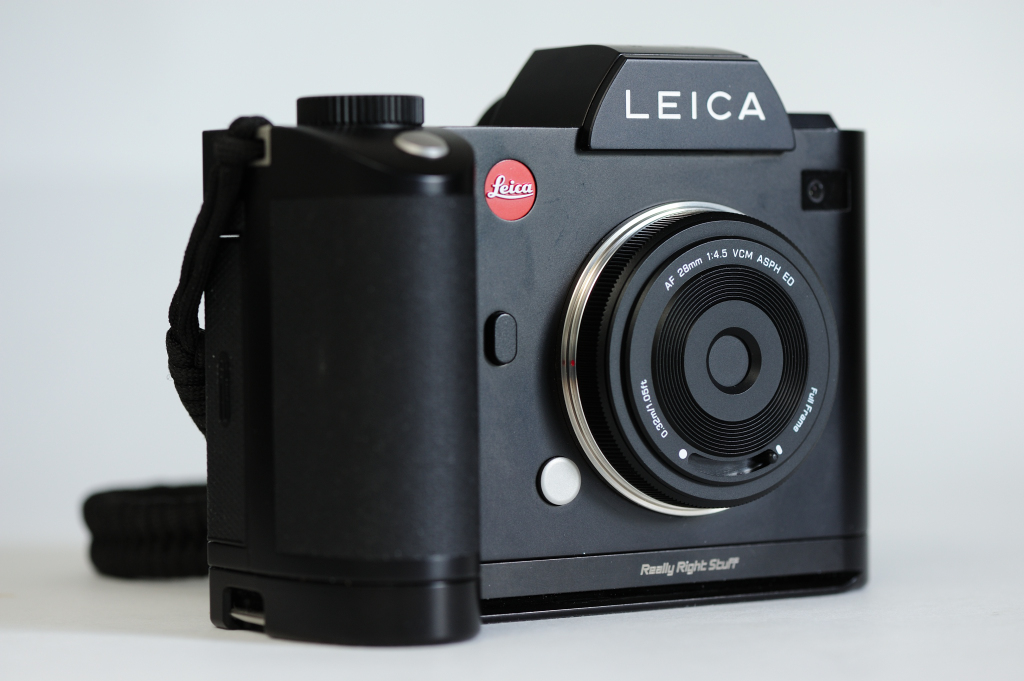
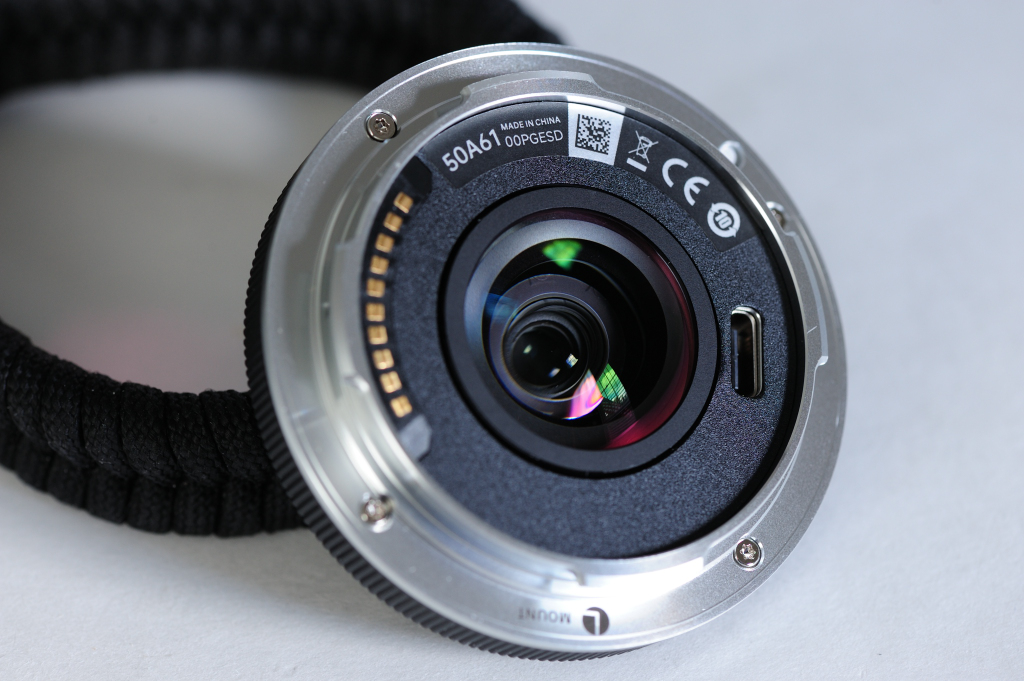
As you can see, this pancake lens is extremely compact. And lightweight. My review sample weighed in at just 52g. It is barely over 13mm thick. How Viltrox managed to squeeze a VCM AF motor, a retractable lens cover, and a 6-element, 6-group (2 ED, 2 Aspherical) optical package into this tiny lens is a mystery. Some things, however, were removed. There is no manual focus capability or variable aperture. Yes, you read that right. It has a fixed, moderately fast f/4.5 aperture. The aperture is a polygonal plate, placed in front of the lens elements, which produces some interesting starburst effects and veiling flare, but more on that later. Native L-mount support with in-camera lens corrections is available for several late-model cameras from Lumix, Sigma, and Leica. Even my ancient Leica SL (601) was able to identify, if not correct, the specific lens in use according to the EXIF data. It also has a USB-C port for firmware updates, which may increase compatibility for future camera models. Being so small, it also lacks filter threads. So no lens hood can be fitted.
Build Quality
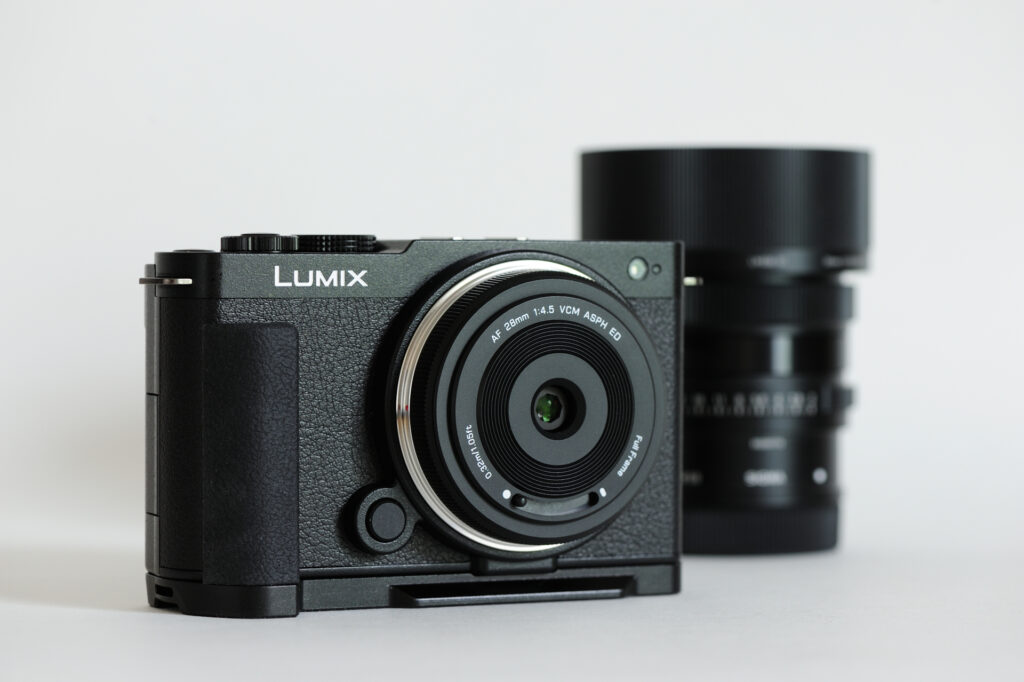
Like most modern lenses, the Viltrox is made of quite a bit of plastic, but it seems fairly robust. The lens mount is made of aluminum alloy with electronic contacts. Very nice. There is no gasket at the base, nor any discussion from the manufacturer about weather sealing. Again, the only functional part the user can interact with is the retractable lens cover, as we have no manual focus capability or selectable aperture. Below you can see it fitted to the Panasonic Lumix S9, making an incredibly portable image-making machine!
Functionality/Ergonomics
In use, the tiny Viltrox AF 28mm is quickly forgotten. There is no manual focus override to bump. No pesky aperture choices or DOF scale. It is the ultimate point-and-shoot lens. AF was quite adequate for my needs. I experienced no hunting or other difficulty. My main test camera, the Leica SL (601), is a beast next to this tiny lens. Viltrox has answered the call of those who thought modern mirrorless cameras meant smaller packages. Physics is what it is however, and many forget that if you want a 70-200mm f/2 full-frame lens, it is going to equal older DSLR lenses in size and weight, due to the very nature of optical design. In fact, many mirrorless 50mm f/1.4 lenses are substantially larger than their DSLR predecessors. Viltrox chose another path.

Image Quality
I happen to live in a resort/tourist area, and as I write this, the Fourth of July is fast approaching. Folks are proudly displaying the flag to commemorate the birth of our nation, just 250 years ago! So, you may see a theme emerge in the following images. These examples were taken with little care, other than my innate sense of composition, honed through many years of commercial photography 😉 With no aperture to choose, nor zoom to fiddle with, I simply composed and shot. Surprisingly, even at f/4.5, a pleasant bokeh became evident (above). I found backgrounds to be neither busy nor dramatic.

Many reviewers before me found fault with flare in this tiny lens. This author is someone who shot film commercially for years, with manual-focus, manual-exposure camera systems. It was never en vogue to intentionally flare one’s lens or eschew lens hoods altogether, as seems to be the fashion today. Indeed, this “creative choice” has been done so much that I would say it has become cliché. It is a signature photographic style of a generation. If that happens to be your thing, this lens will save you some time in post-production. No need for filters to be applied. You can obtain the flared-lens look straight in-camera.
 Shooting directly into the sun? With no lens hood? A veiling flare will result. The above example (the worst that I could intentionally produce) was shot directly into the midday sun. It displays a bit of flare and rainbows in the lower right corner. Had I simply shielded the front lens element with my hand, a perfectly normal image could have been obtained. If, however, you place the sun at your back or side, you will be rewarded with perfectly sharp images, solid contrast, and good color saturation. Viltrox states that the lens features an HD nano multi-layer coating to reduce flaring and ghosting.
Now, on to sharpness. Again, since we’ve no choice in aperture, how did this little marvel perform? Quite well indeed. Even this image, taken inside a boathouse with minimal light, is quite crisp in the center. Every thread is very discernible at the point of focus.


There is some noticeable vignetting in the corners, as well as a drop-off in sharpness, as seen in the obligatory brick wall image below:

Conclusion
Viltrox should be commended for bringing this tiny jewel to market. As I peruse the current choice of compact lenses for the L-mount system, it is certainly a standout. For just $99 USD, you get a faithful companion I feel confident recommending. The lens is also available for the Nikon Z-mount, Sony E-mount, and Fuji X-mount systems.

Share this post:




Comments
DeeDee Yelverton on VILTROX AF 28mm F4.5 Lens for L-Mount Review
Comment posted: 24/07/2026
Comment posted: 24/07/2026
David Kieltyka on VILTROX AF 28mm F4.5 Lens for L-Mount Review
Comment posted: 24/07/2026
Comment posted: 24/07/2026
Gary Smith on VILTROX AF 28mm F4.5 Lens for L-Mount Review
Comment posted: 24/07/2026
Comment posted: 24/07/2026