

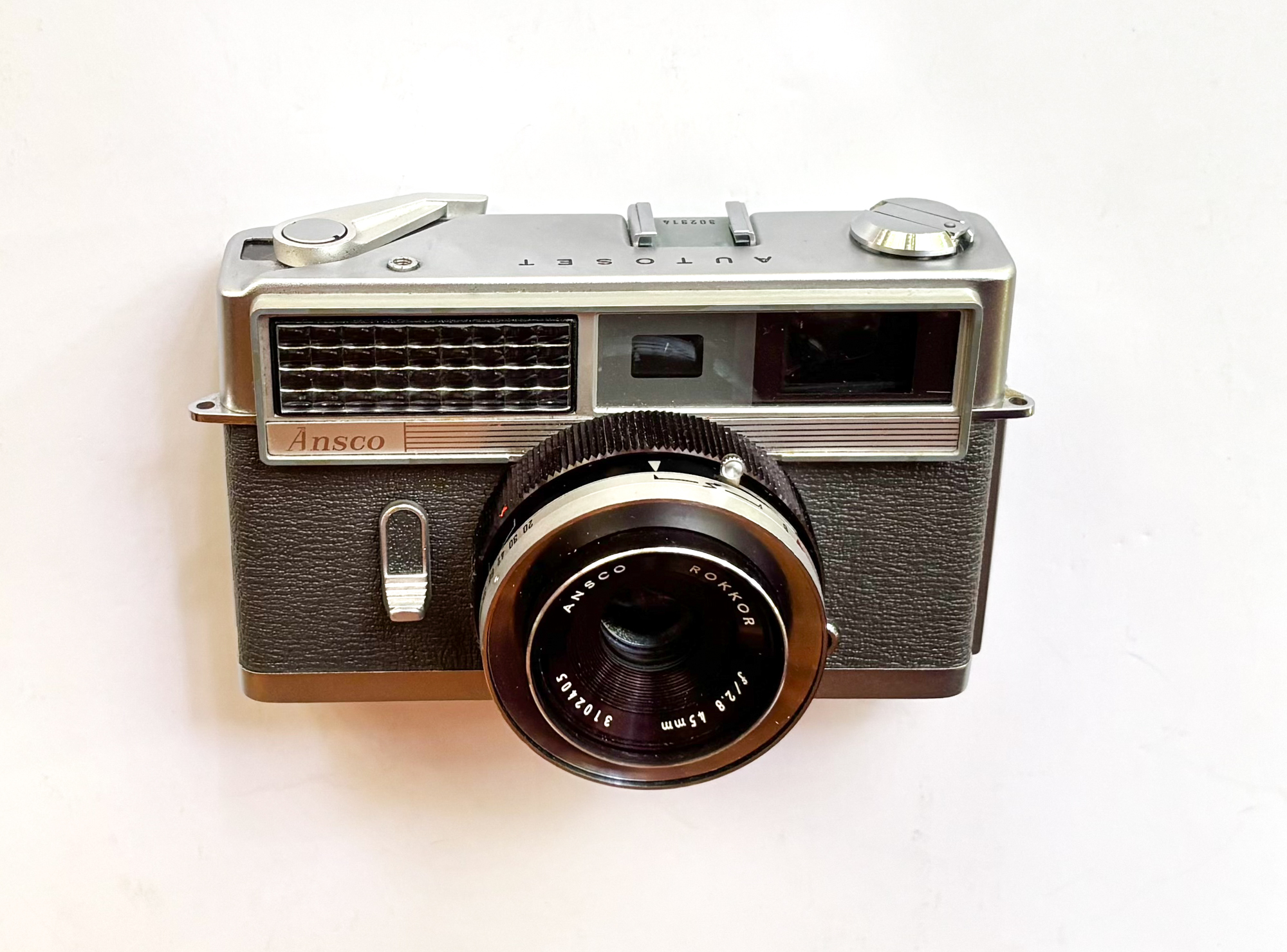
This is the Ansco Autoset camera, a rebadged Minolta Hi-Matic. It was introduced in 1961 with a coupled rangefinder and selenium cell meter that operated the camera in automatic only mode. The lens is a Rokkor 45mm f/2.8 and shutter speeds were from 1/30 to 1/800 second with f/stops from f/2.8 to f/16.
As many of you may know, John Glenn was the first American Astronaut to orbit the earth, back in 1962.
What makes this story interesting is that he was the first person to use a still camera in space to shoot pictures out the spacecraft window so that others could see what he saw. He was not the first to carry a camera to shoot the view, as Soviet Cosmonaut Gherman Titov carried a movie camera on Vostok 2 in 1961.
I don’t have a movie camera like Titov’s so we will get back to the still camera John Glenn used. While Glenn was the first American to orbit the earth, he was the third American astronaut after two suborbital flights preceded his flight. No one previously thought to bring a camera but he wanted the world to see some of his views out of Friendship 7’s window. At his urging, NASA had been looking at cameras but had not found one that would be easy to operate with the spacesuit and helmet that he had to wear the whole time on his flight.
One day Glenn was in Cocoa Beach getting a haircut. He stopped in a drugstore to pick up a few things and saw an Ansco Autoset 35mm camera on display. Realizing that this recently introduced camera had auto exposure which would make it much easier to shoot than previous cameras he had considered, he bought it for $45 and took it to NASA. It was not ready for handling in space so the technicians made a number of modifications. They mounted a handgrip with a trigger for winding and shooting plus a viewfinder that would work while wearing a space helmet. All of this necessitated using the camera upside down. It was painted black and there is a shield over part of the lens.
I can’t include Glenn’s camera and photographs here as this is legally considered a commercial site (ads help support 35mmc) but you can see a great article on the camera and his photographs from space at PentaPixel here.
After recently reading a book about NASA and discovering the camera story, I took a deep dive and learned a lot about the Ansco Autoset. I wanted to shoot the camera so I checked eBay and there were only two for sale. One had a stuck shutter so I bought the other that wasn’t tested but looked to be in great condition. When I received it, I could see that the camera is beautiful and looks like new. Unfortunately the shutter is stuck open and no amount of lighter fluid could free it. I’m thinking the shutter return spring may have slipped or broken and I don’t plan to take it apart. I really liked the look and feel of the camera so I bought the other one from eBay (only $25), figuring surely they both wouldn’t have the same problem and I could fix it as I had so many other leaf shutters in the past. Unfortunately, the whole camera was jammed, not just the shutter. I had no luck fixing either camera but I planned to donate one to the local Camera Museum anyway.
I wanted to shoot one and decided to try the one that was not jammed but had the open shutter. I found that after turning the selector from auto, all the f/stops were available. It was nice that the rangefinder was accurate and the selenium cell meter seemed to be accurate. But to shoot it, I had to treat it like some of the really old cameras and expose using the lens cap for a shutter. Since I would be shooting in the daylight, I would have an excess of light so I added a ND 400 that allowed me to shoot Sunny 16 with five second exposures.
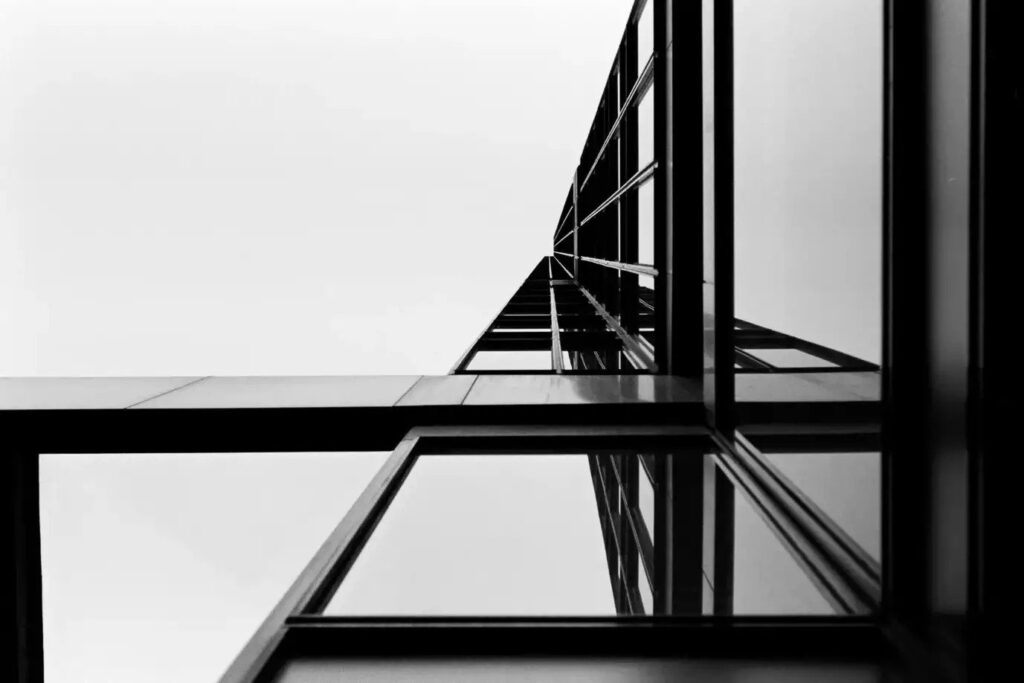
Here are some samples, shot on Santacolor 100 which is respooled Kodak Aerocolor IV film.
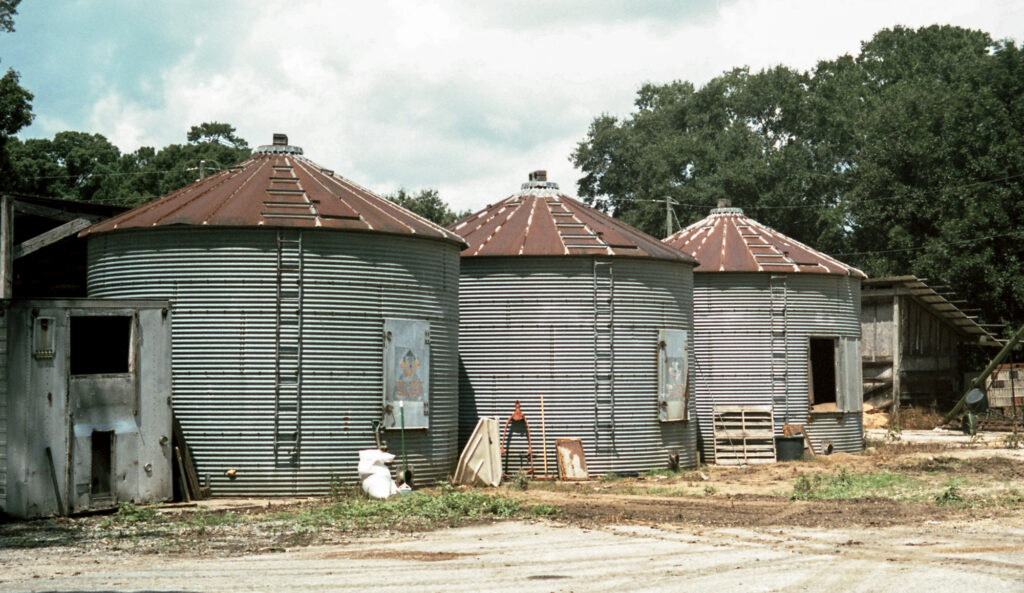
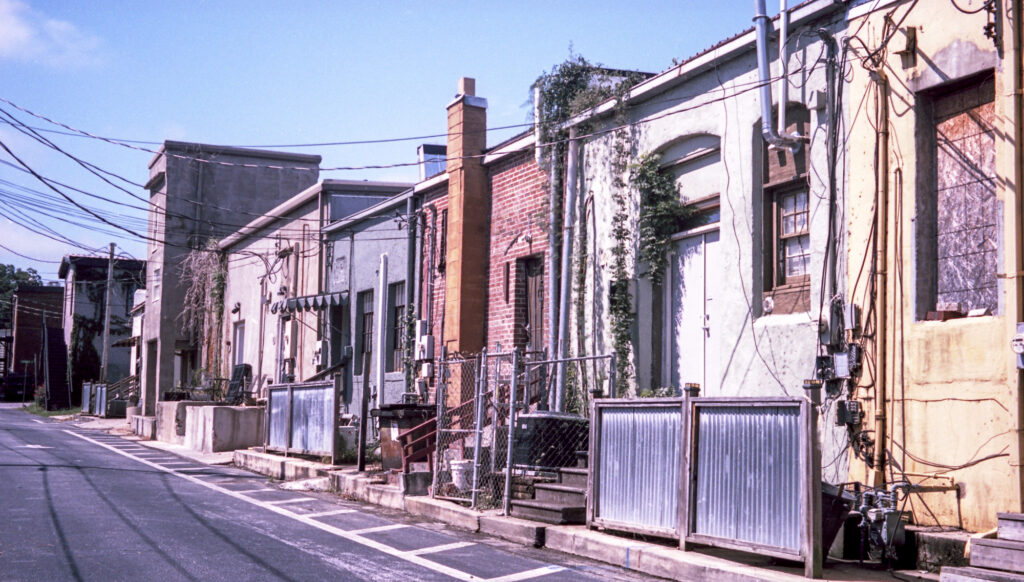
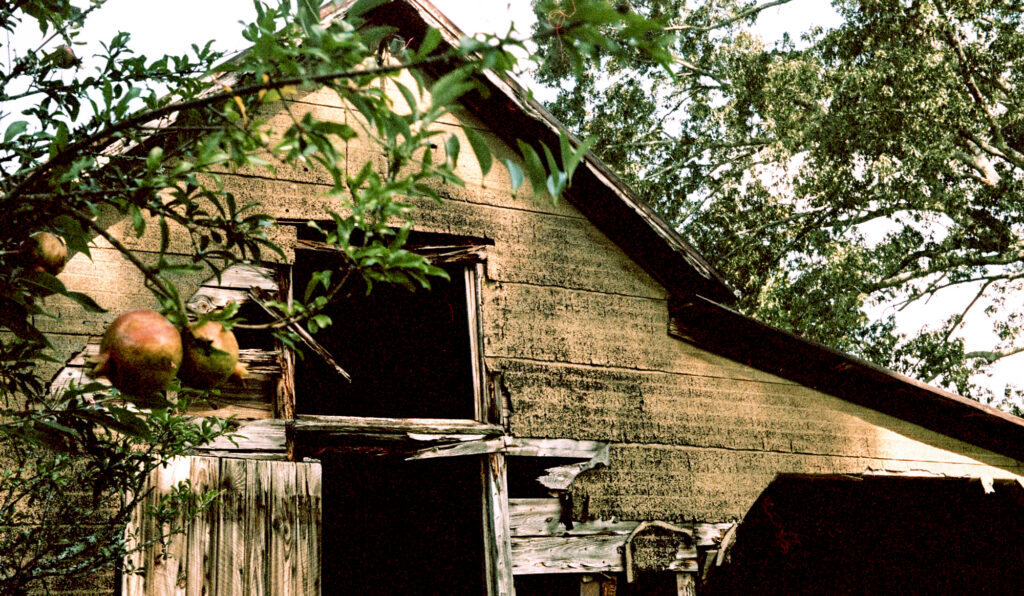
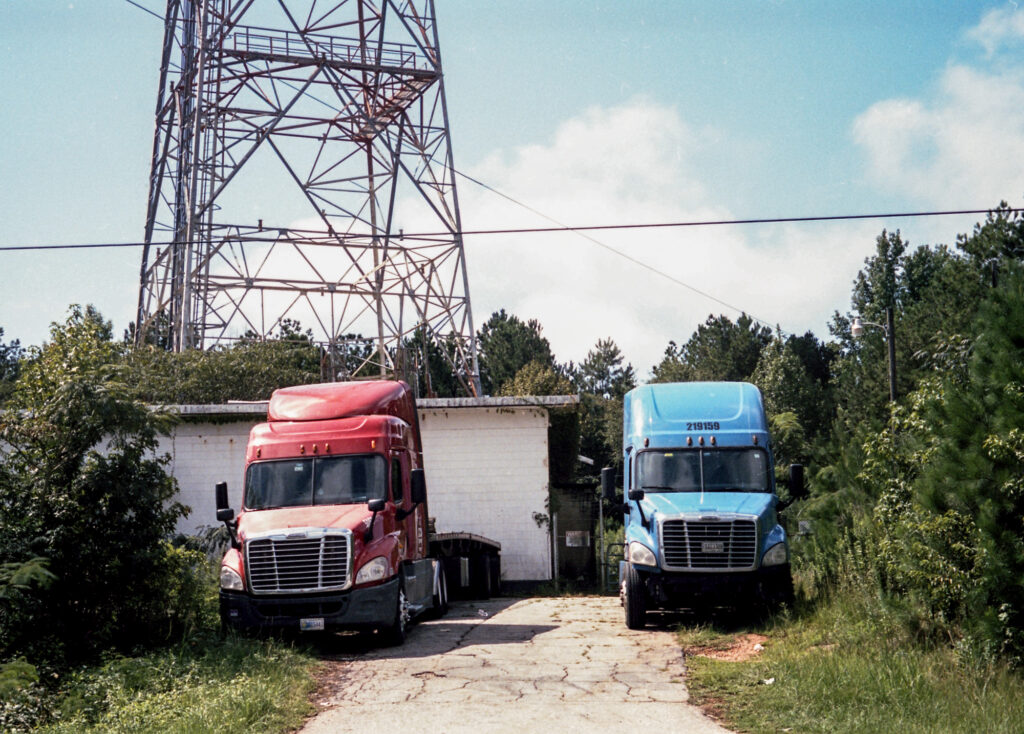
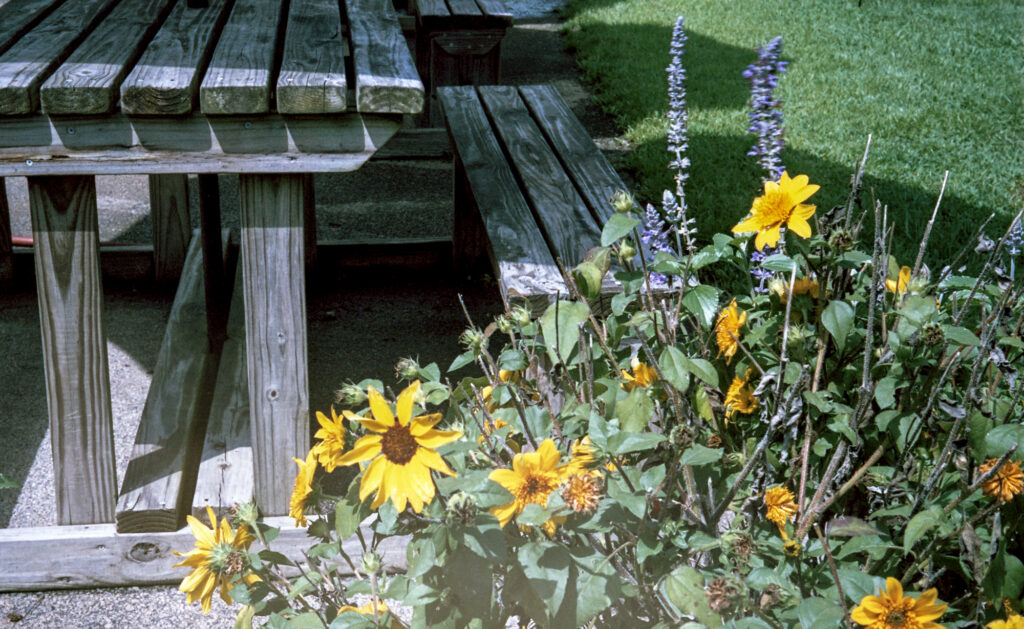
I was very pleased with the results and will keep this one on my display shelf as I have many other similar cameras that don’t require a tripod. But the challenge was a lot of fun.
Another great source if you want to learn much more about this camera plus more from the space program is “Mr. Martin’s Web Site” Ansco Autoset and the Original Minolta Hi-Matic. Mark Martin has graciously allowed me to pick and choose any information I want to use in his history of the Ansco Autoset and it includes numerous links to drill down further and learn lots more fascinating information.
This project has been even more fun than I expected and made me quite happy that I figured out a way to shoot the beautiful camera that came with so much history.
Share this post:

Comments
No comments found