

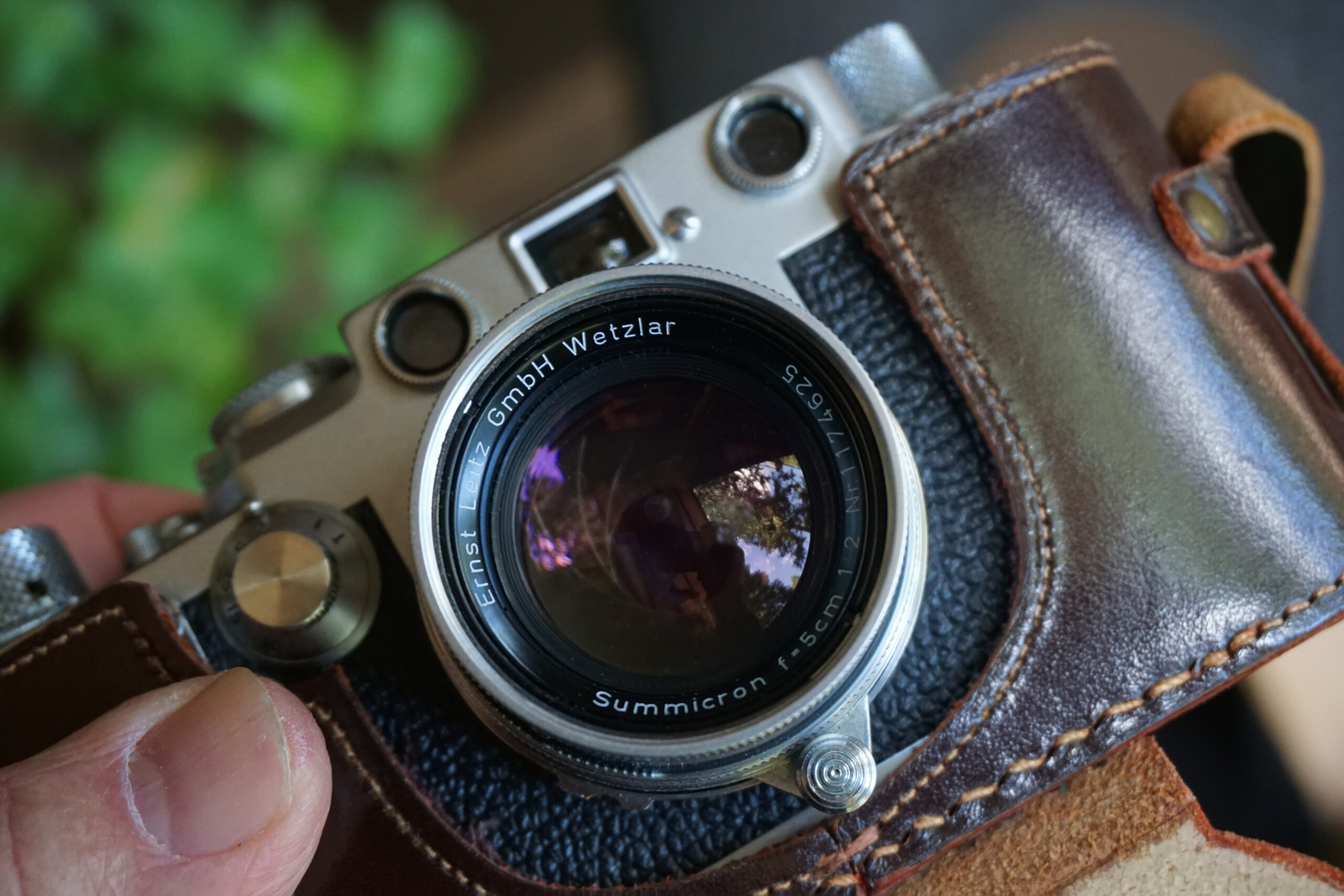
Am I un-Leica? No… Well in the case of a IIIf, yes I am.
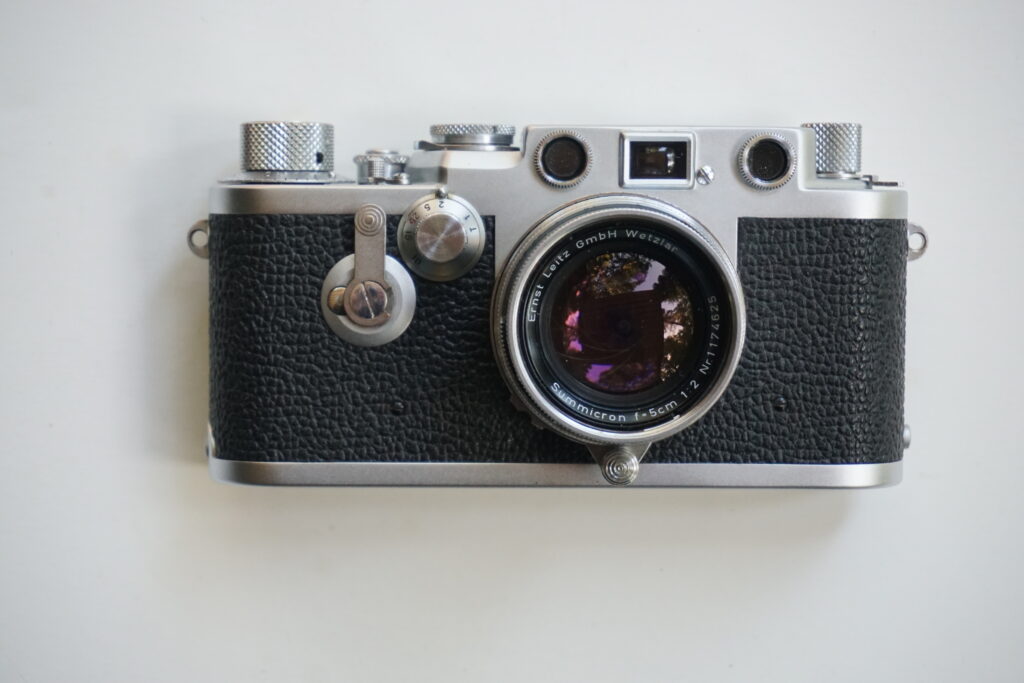
I’ve been giving some thought as to why I’m not a Leica user. It’s not because I don’t like them. What’s not to like? I did attempt a conversion a year ago when Thad, a fellow photography instructor, offered me his IIIf with several accessories for $300. It was a gift price, especially because it had been recently CLA’d and was cosmetically perfect. In my 74 years I’d never shot with a Leica, so I looked forward to this opportunity. It felt great to hold and I loved the collapsible lens. I shot some tests.


It was difficult to load, hard to focus, film advance was a chore, and the results were meh. I could not operate the camera fast enough to match my workflow. Something was wrong. I shot another roll and photographed some subjects I usually shoot with any newly acquired camera. I compared the IIIf results to shots with a Zeiss Contessa, Fed 3, Canonet G-III, Konica-III, Kodak Retina IIa, and Nikon S-2. As before, the Leica was a disappointment. Harder to use in every way and not sharp, even when stopped down. I redid the shots using a LTM Industar Russian lens. Those results were much the same as the Leica Summicron. I borrowed a Summilux lens from a friend and ran a roll of film. Better sharpness, but only a bit. How could millions of Leica users be wrong? Maybe the rangefinder needed adjustment? I checked it with a measuring tape and to the best of my efforts, it was accurate. Am I cursed?
Thad had the same experience with it and didn’t want it back. He asked me to sell it on eBay. It sold for $950 in less than an hour! It had several accessories, so the price was right. The buyer has since posted feedback that was gushingly positive. At least someone is happy with it. For me, that Leica model wasn’t right.
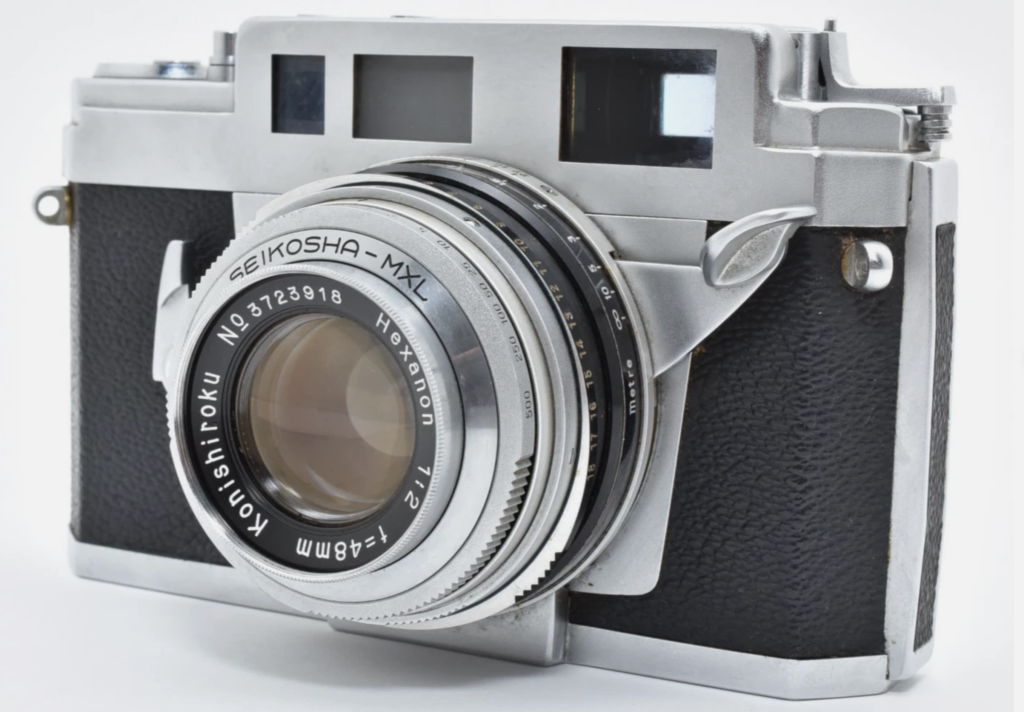
In my opinion, if a person is going to shoot primarily with a 50mm, there are fixed lens rangefinders that will perform better than the Barnack era Leica I tested. From 1954, the Konica III is a great camera. The film advance is located on a ring around the lens and is operated with the left thumb. Wow, that is convenient and fast! The F/2 48mm Hexanon lens is tack sharp. My model is in great shape, and the rangefinder is accurate at the closest distance of 3 feet. It cost me $154 USD in Feb of 2026, including shipping from Japan. It is the fastest rangefinder for focusing and film advance that I own. It feels great. Bright 1:1 viewing. I believe the Konica III is the best bang for the buck in its category.
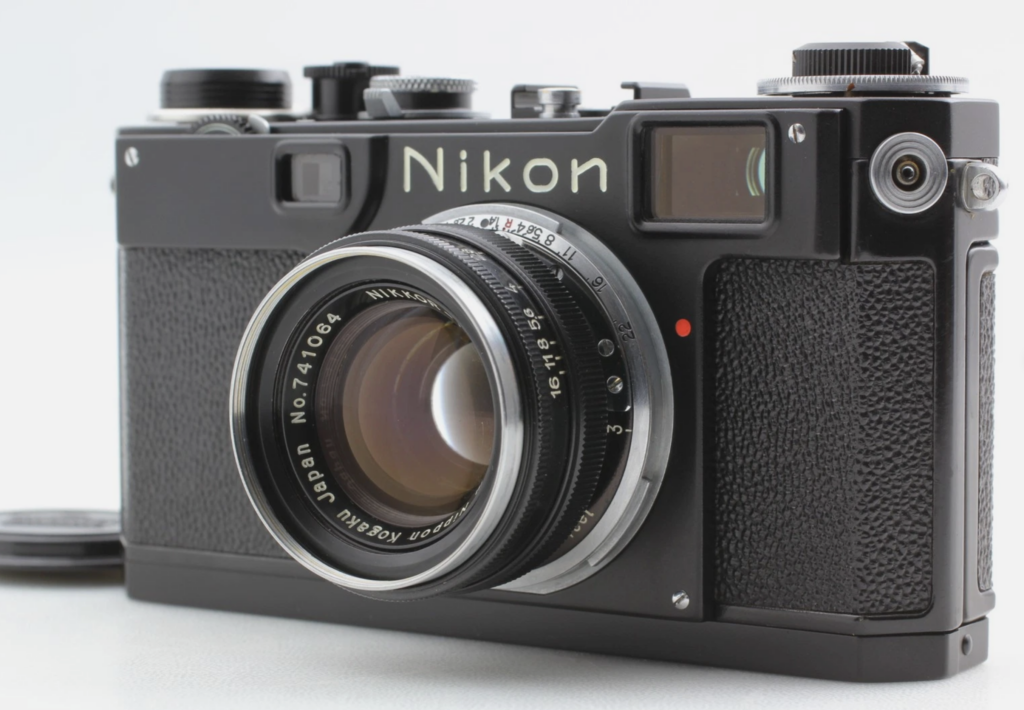

Another rangefinder from the same era is my beloved Nikon S2. The film advance is a thumb driven one-stroke lever in the conventional location. I find the focus to be quick and bright. It’s not as silent as the Leica IIIf, but the ease of focus and film advance makes up for that. The three lenses I have are all sharp, but the 35mm is a real standout. I paid $750 in June 2025 for the camera, 35mm, 50mm, 135mm, viewer, manual, and vintage Nikon leather case. A Nikon S2 with a 50mm is normally about $550.
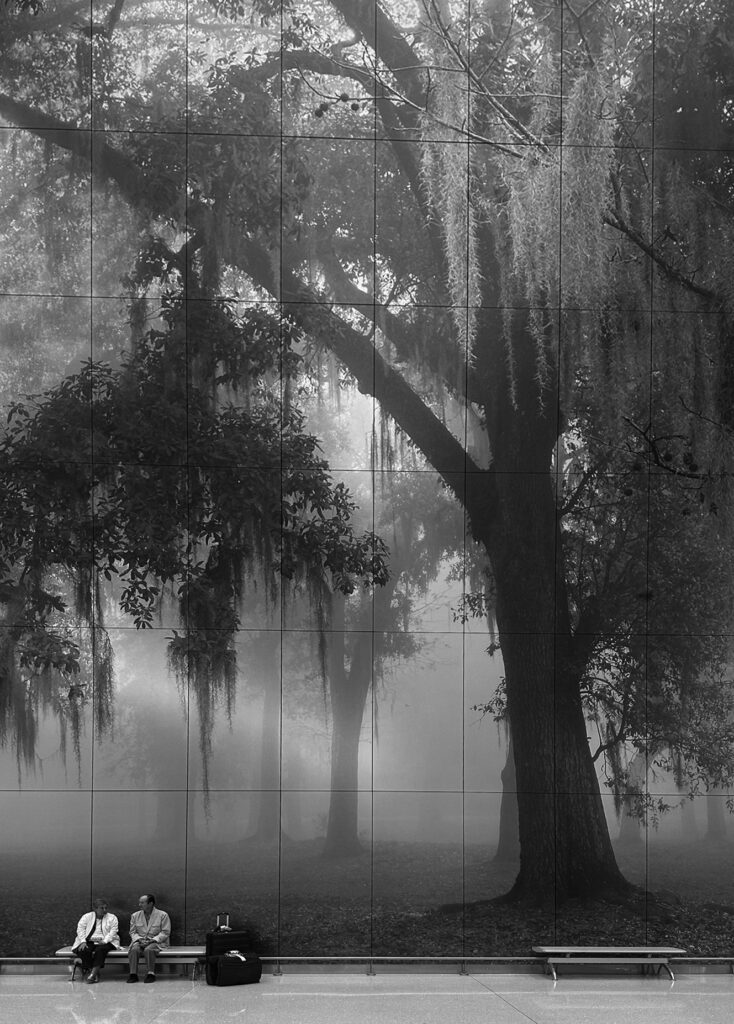


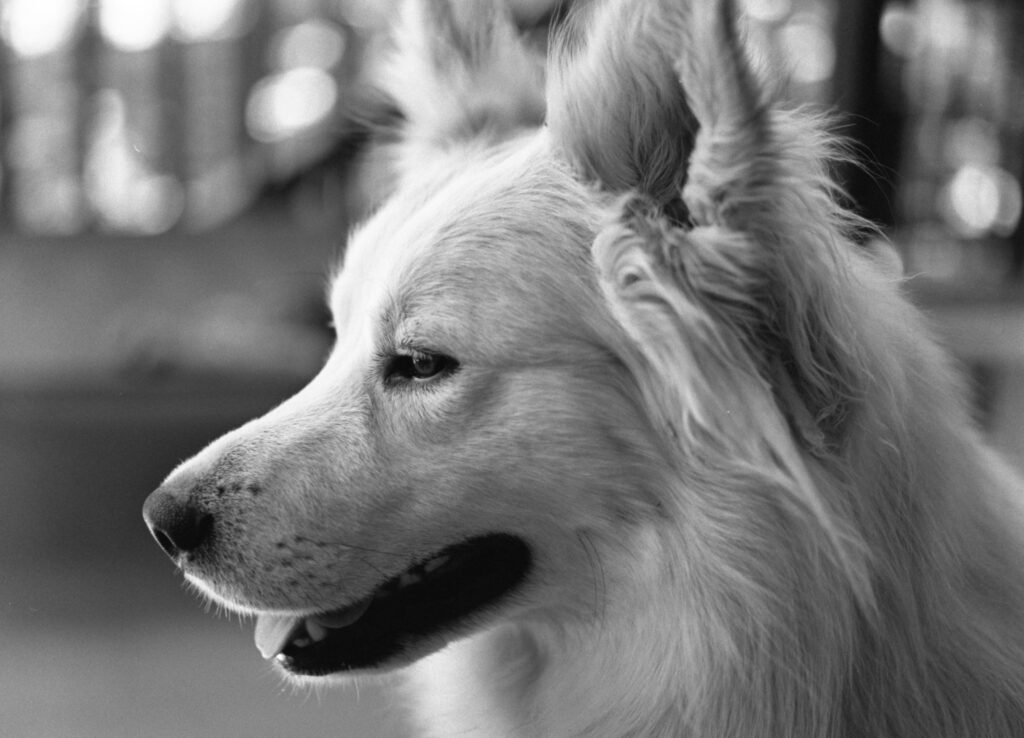
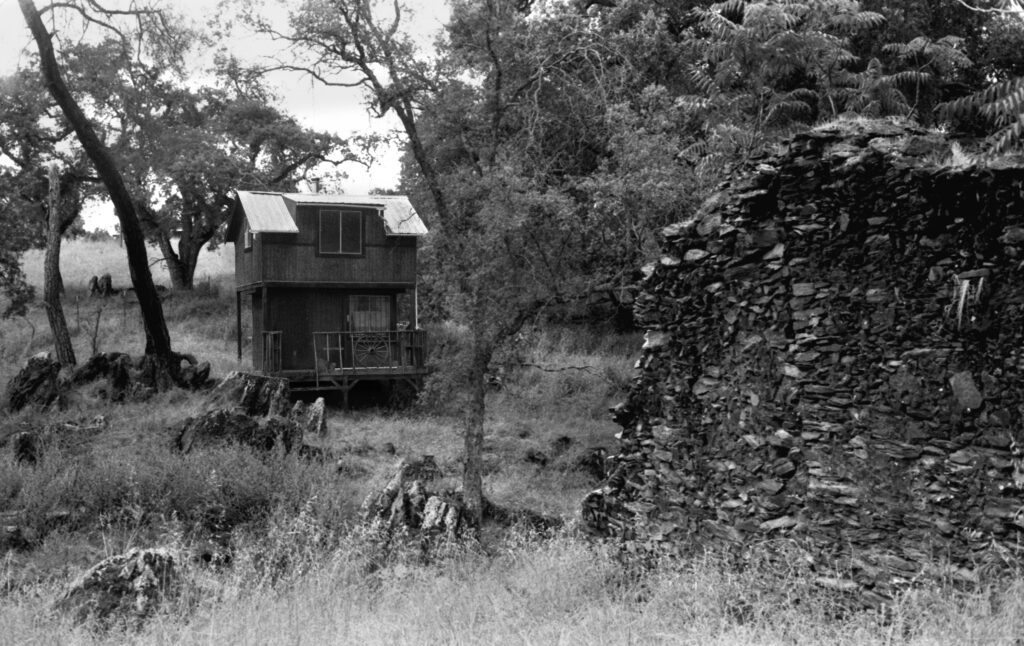
Another camera that’s worth mentioning is the Kodak Retina IIa. It folds into a small form and fits into the back pocket of a pair of jeans. I inherited mine in 1969 and used it on endless backpacking trips. The Schneider 50mm lens is sharp and easy to focus. Sadly, I dropped my Retina IIa through the ice into the Stanislaus River. I bought another but haven’t done much with it yet. These photos were taken about 40 years ago!
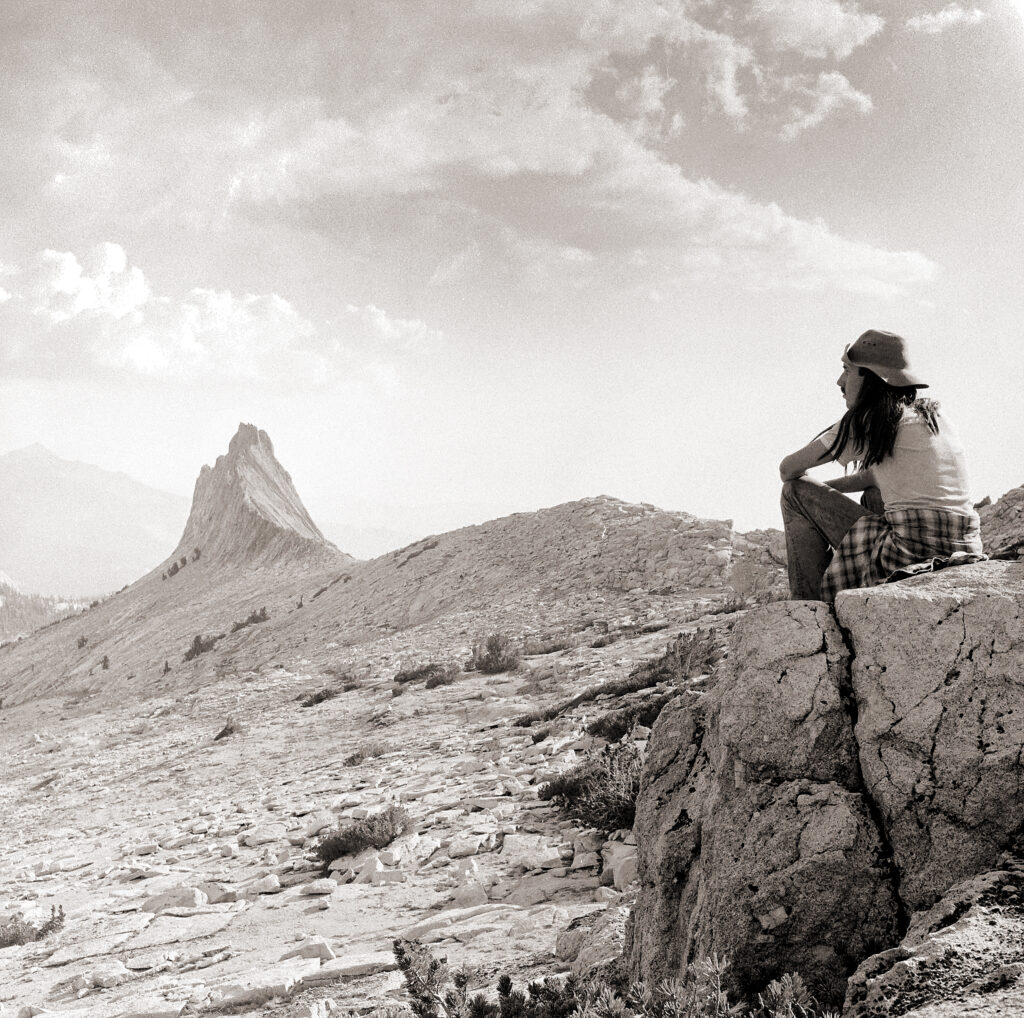

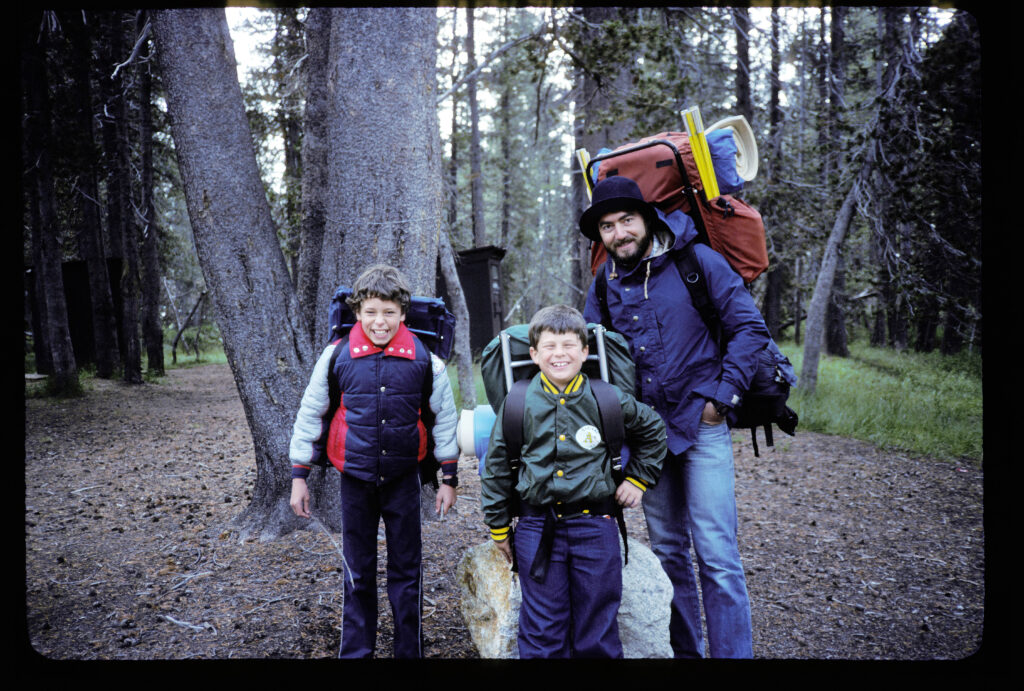
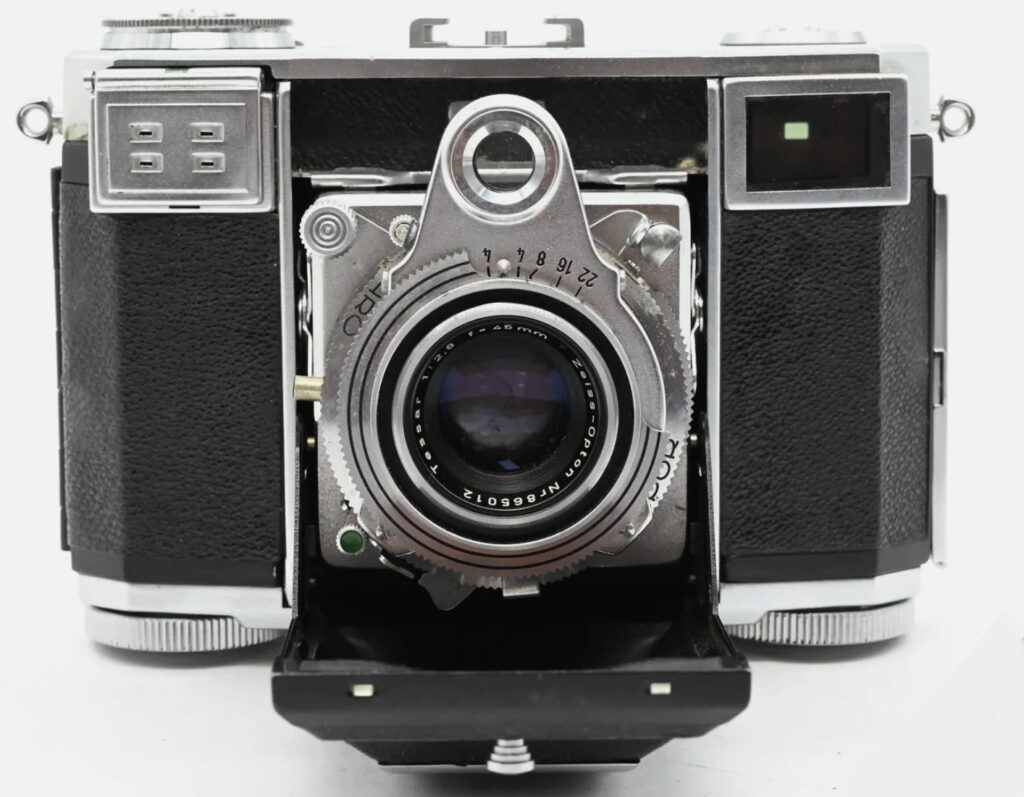
The Zeiss Contessa is very compact folding 35mm rangefinder with a stellar lens. Sharper than the Retina it replaced. My models (I have three) all miss focus at the 1 meter mark. I’ve learned to be a half step back to compensate. All other distances are accurate. If you’re an active person and want a fine camera with a small form factor, you can’t beat the Contessa. All of my fully functional models cost less than $150. each. Why do I own three? Because I loan them out to students. Risky, I know, but no fatalities so far.
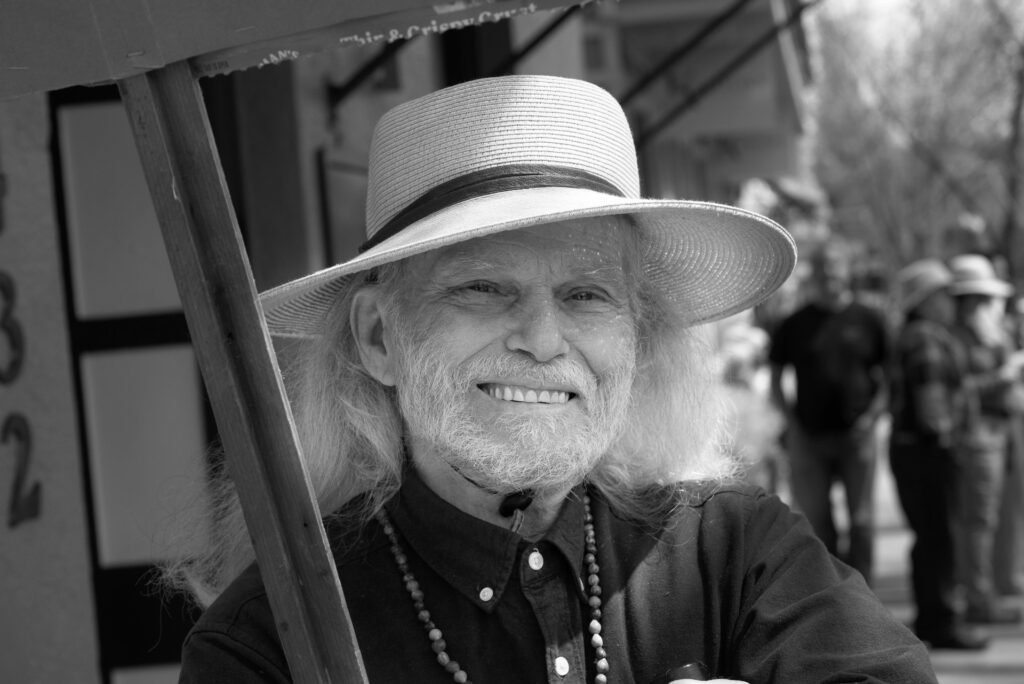
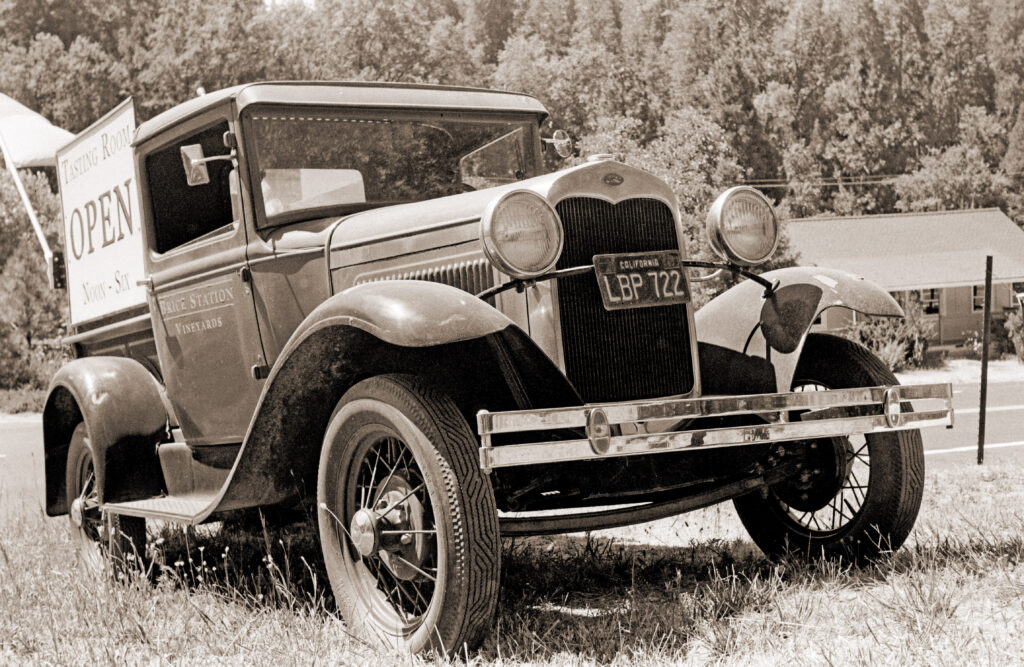
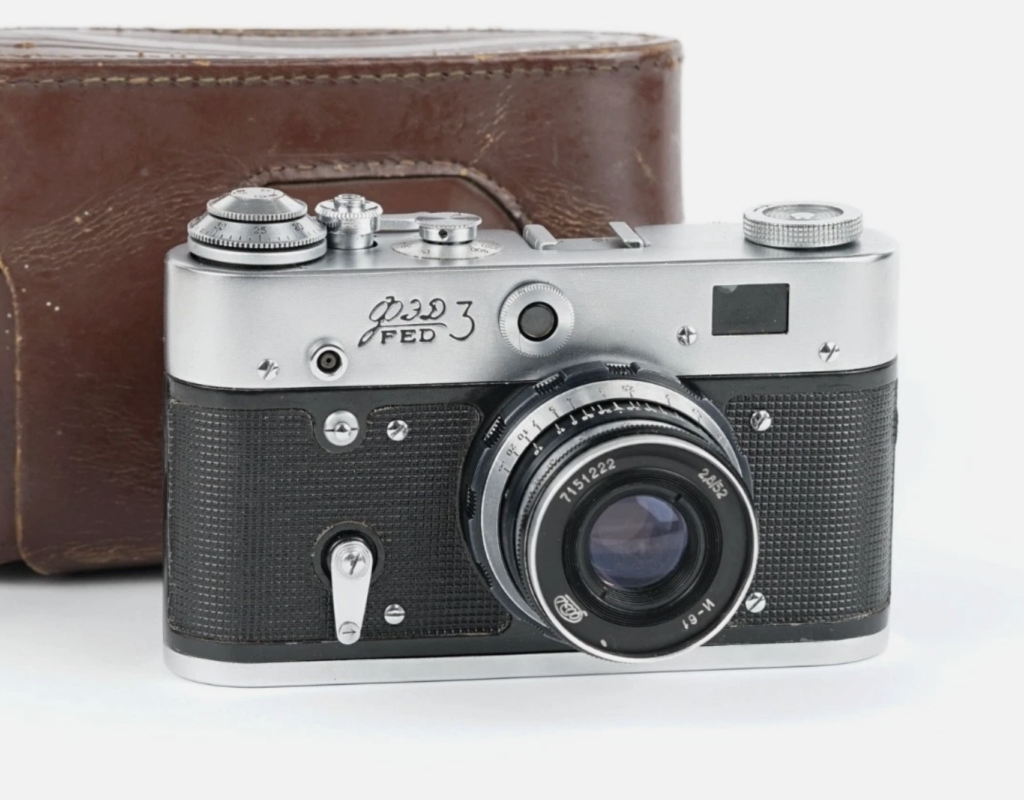
One may also consider a Russian Fed-3. It is a pleasure to use. The adjustable eye piece lens is a nice feature if you must wear glasses while shooting. I have N26 and N61 lenses. Both are F/2.8 50mm. I think these are Industar lenses. The N61 is soft, but the N26 is quite good at f/8 and f/11. From what I’ve read, the optics are not consistent. I wish I knew which ones were made on Mondays, because vodka hangovers may be a factor. I paid $60 for this camera from a dealer in Ukraine. I loan this camera out to students because it’s robust.
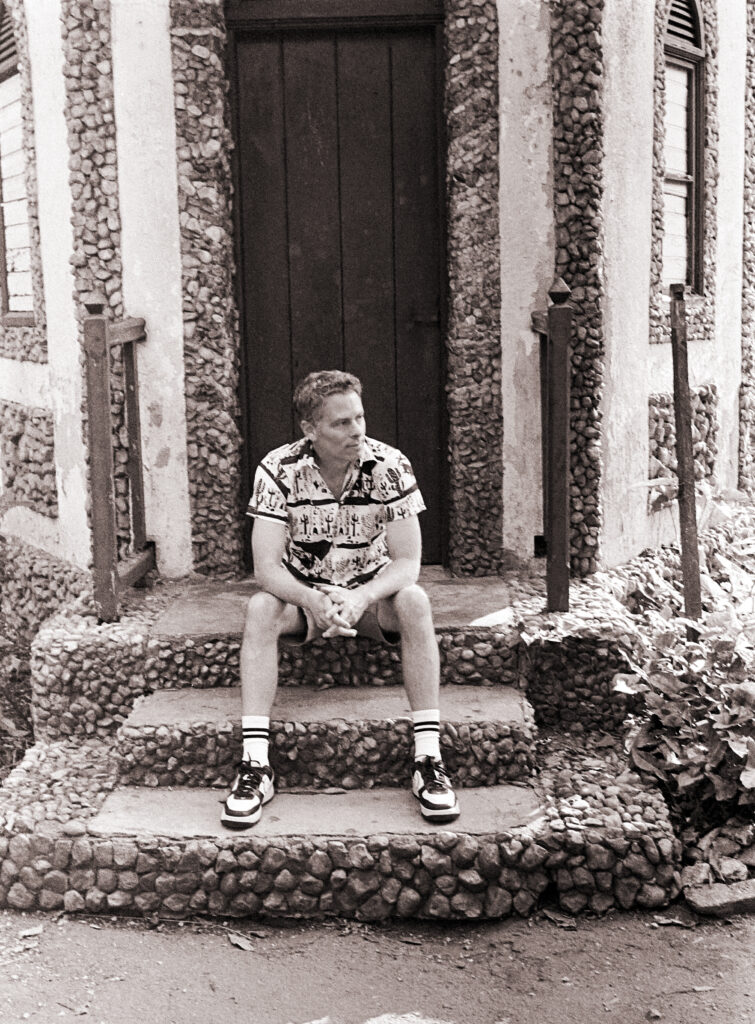
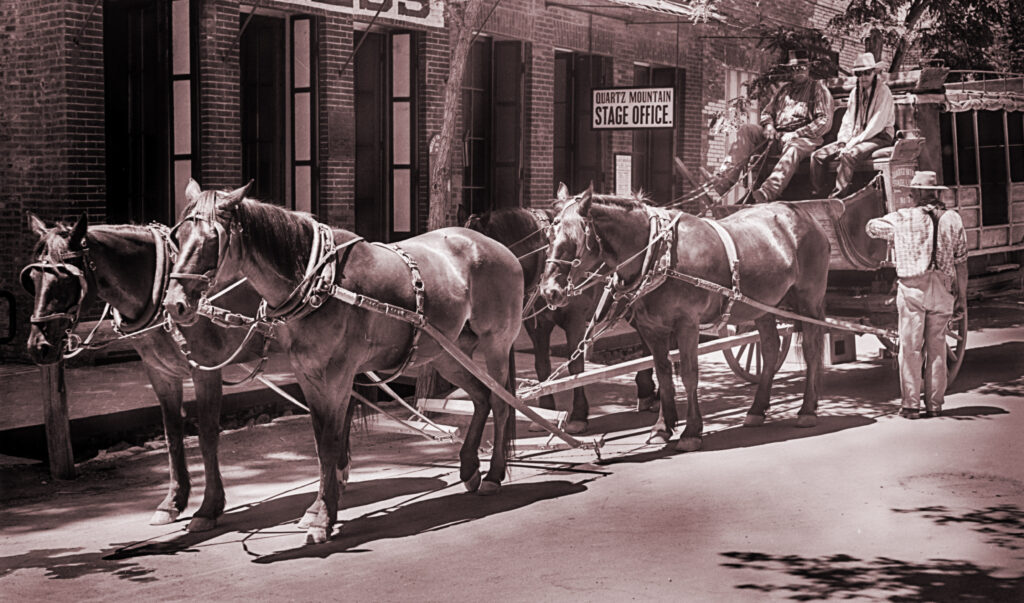
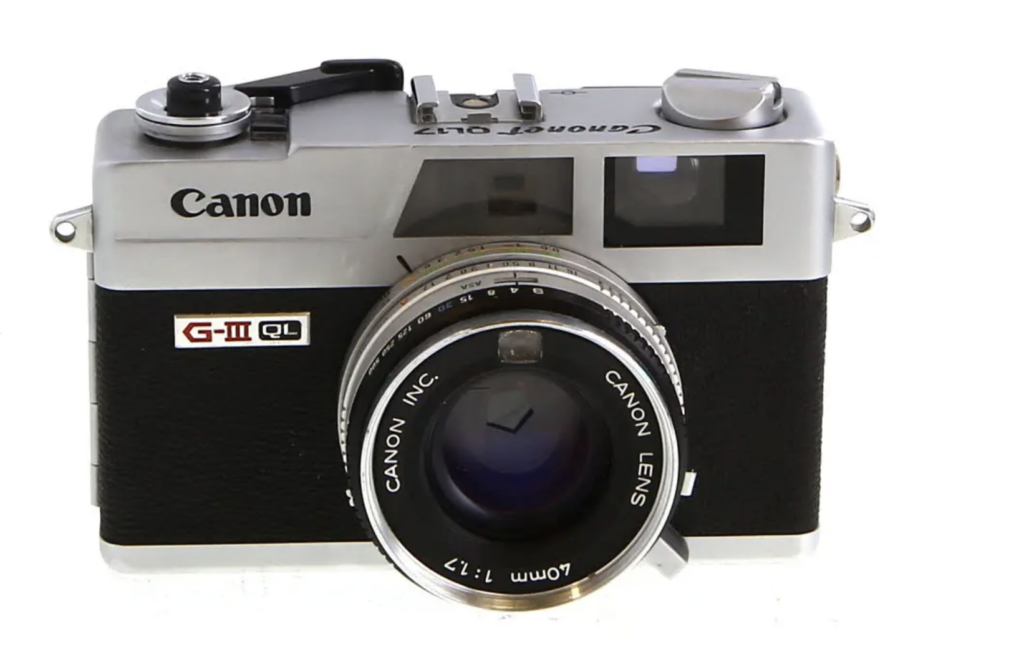
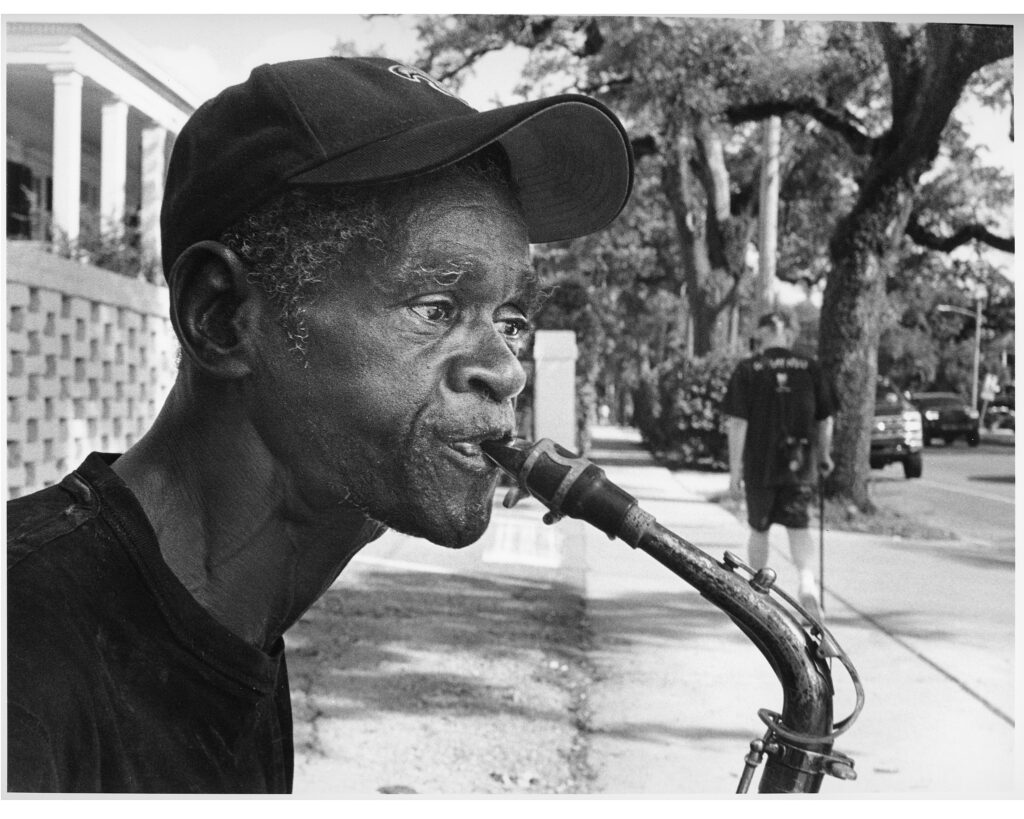
Lastly, I’ll mention the Canonet GIII QL. This camera is from the 1960s, so it’s newer than the others on my hit parade. I love everything about this camera. The bright rangefinder is easy to focus and it’s accurate from 2 1/2 feet to infinity. The 40mm coated lens is a bit wider than the competition, which makes it very nice for street shooting. The lens is a 6-element in four groups Planar design. Very good contrast and color rendition. It has a battery powered meter that works! Another plus for street shooters is the Canon ‘Quick Load’ feature. No threading the film into a spindle. Just lay the film leader in place and close the back. You never have a problem, and you get two extra shots. I paid $60 for two of these on eBay in May 2025. They both required new light seals, which I bought online for $12 each. Easy fix.
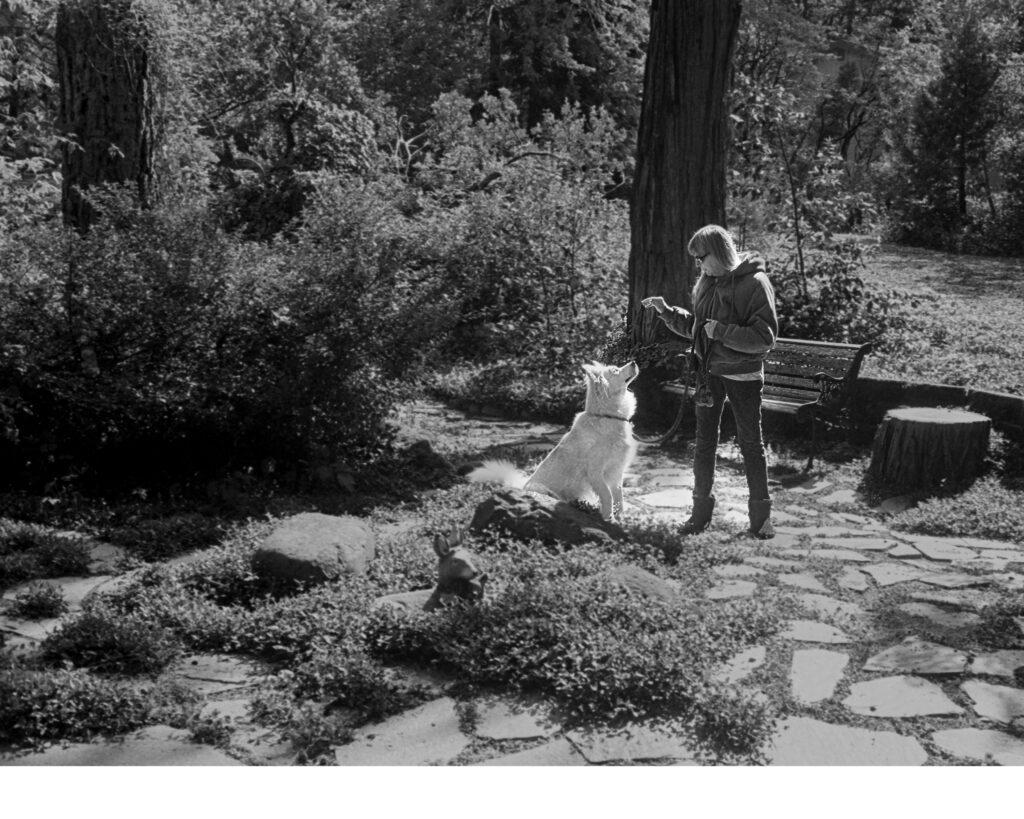
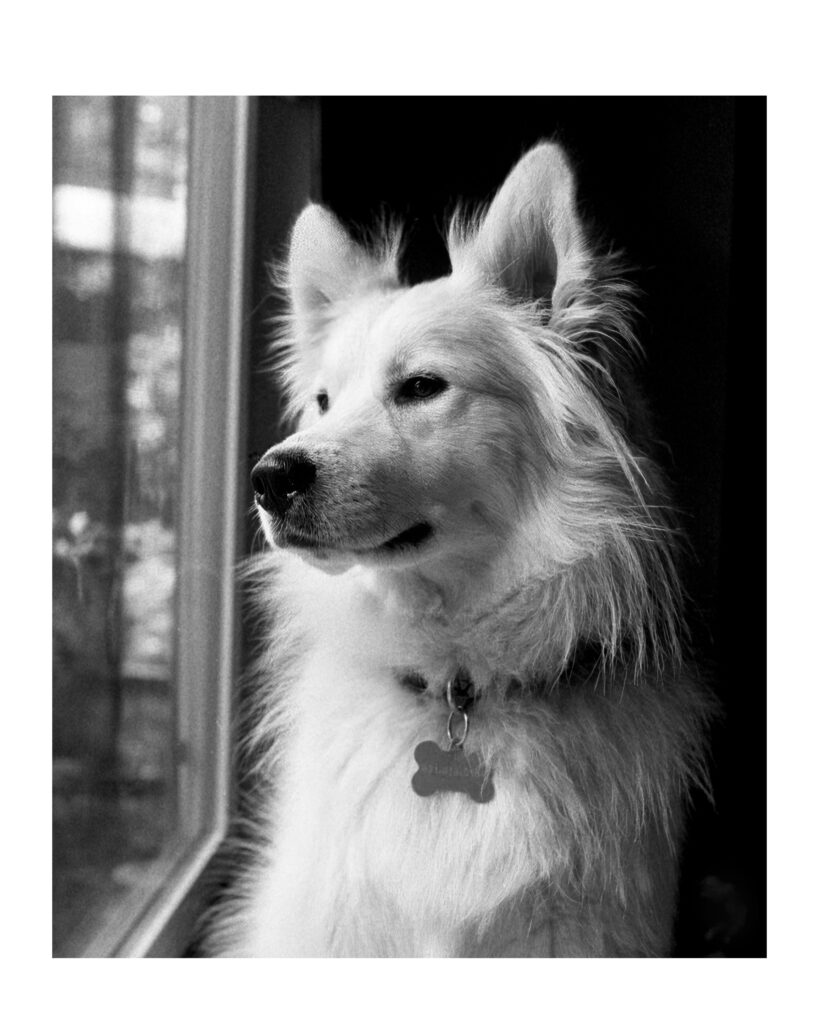
I am not anti-Leica. I enjoy reading about and viewing Leica photos as much as any others. I will certainly try a newer Leica if I have a chance. I just wanted to share with you the possibility of owning a collection of good cameras for the price of one Leica IIIf.
Share this post:





Comments
Michael Sherman on Being Un-Leica
Comment posted: 20/08/2026
Geoff Chaplin on Being Un-Leica
Comment posted: 20/08/2026