

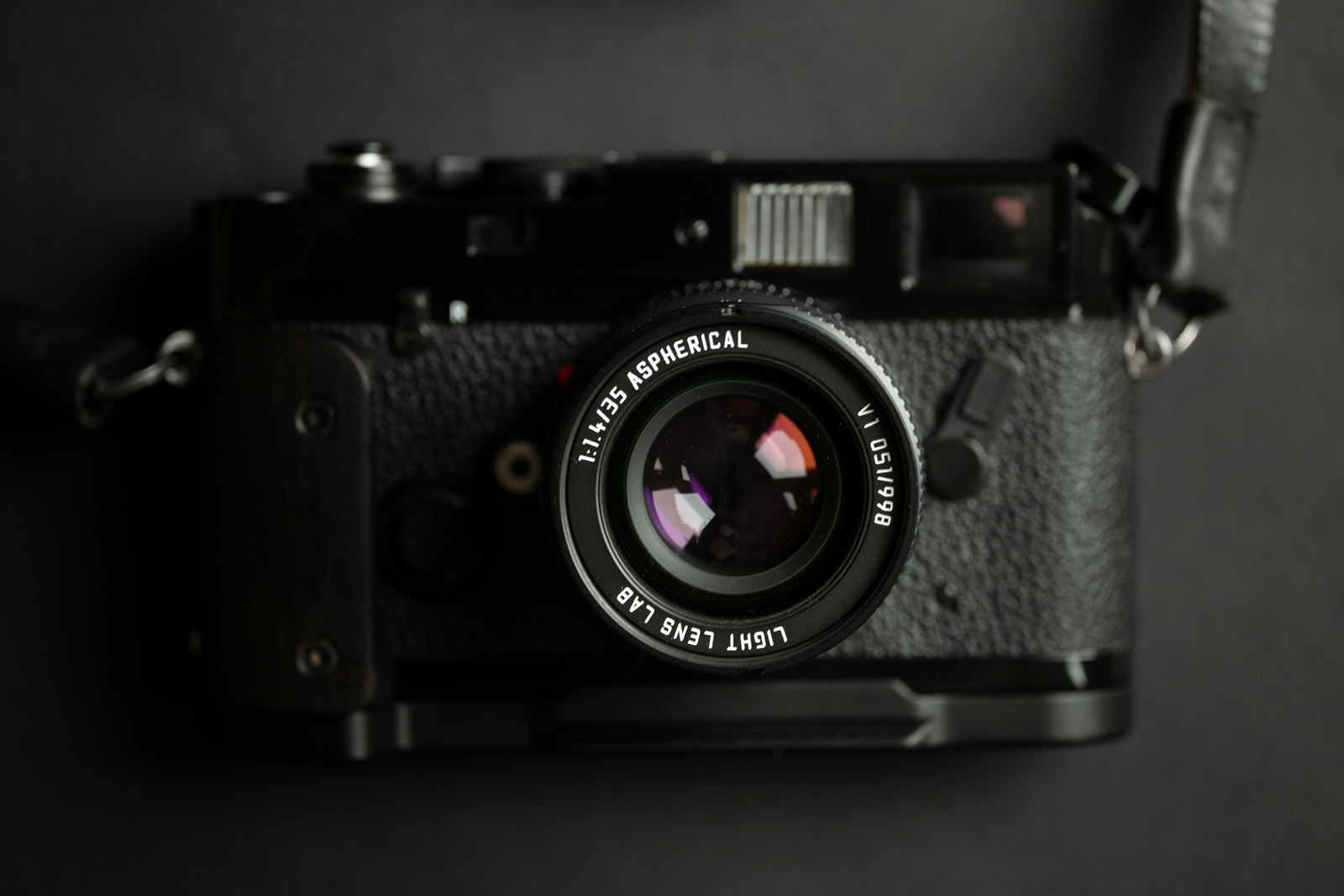
Some lenses have always held a special appeal for me: compact wide angles and fast moderate wides. Among them, one lens stands above all others. I can safely say that my favourite lens of all time is the Leica Summilux-M 35mm ASPH (pre-FLE). It draws in a way that remains surprisingly unique even today. There is a touch of glow, plenty of sharpness without being clinical, and a calm, almost medium-format-like rendering that sits somewhere between modern perfection and vintage charm. The lens itself was Leica’s second attempt at taming the ambitious Summilux 35mm ASPHERICAL that came before it. The original version, often referred to as the “AA”, pushed manufacturing technology to its limits at that time. Its double-sided hand-polished aspherical element proved incredibly difficult and expensive to produce, even for Leica. Production numbers remained low, and today the lens has become something of a legend, often commanding well into five figures on the second-hand market. Unfortunately, I have never had the opportunity to try one myself. Those fortunate enough to own one often describe it as having a beautifully balanced rendering: a touch of vintage softness and glow, but with slightly more contrast and bite than the later pre-FLE Summilux. For many Leica enthusiasts, myself included, it has long remained one of the ultimate objects of desire.
Now imagine a company like Light Lens Lab deciding to recreate this mythical lens. Imagine having accumulated enough experience through lenses such as their 35mm 8-element, 28mm 9-element and 50mm f/1.2 ASPH replicas to tackle a design that was arguably too ambitious even for Leica at the time. Well, that moment has arrived. I was fortunate enough to receive a loan sample for several months, giving me plenty of time to use it in real-world situations.
These are my thoughts on the Light Lens Lab 35mm f/1.4 ASPHERICAL.
Build Quality
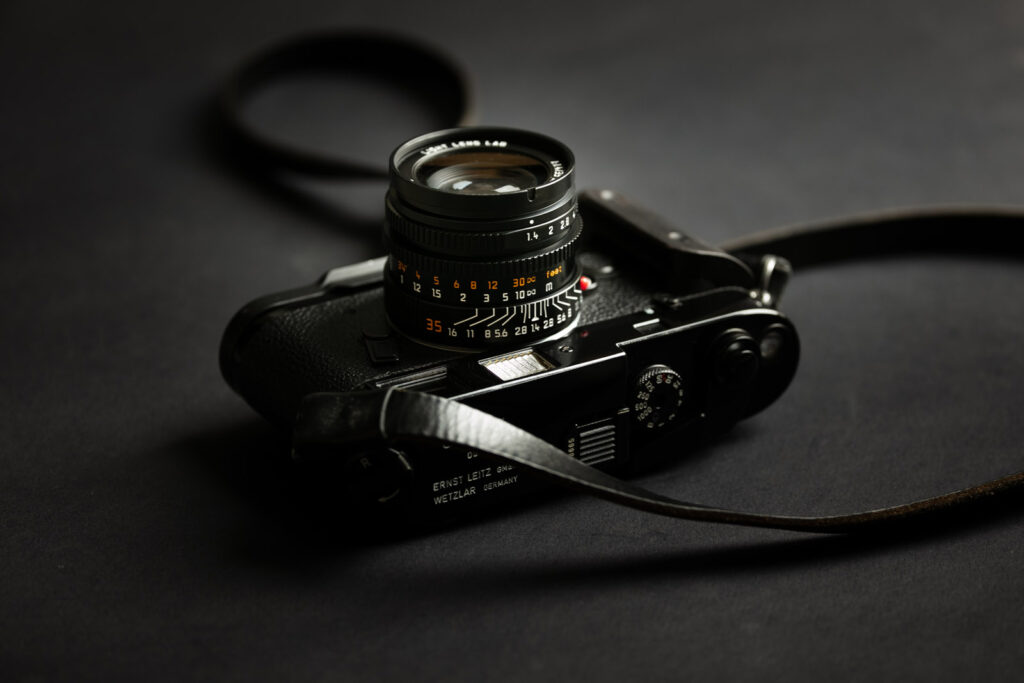
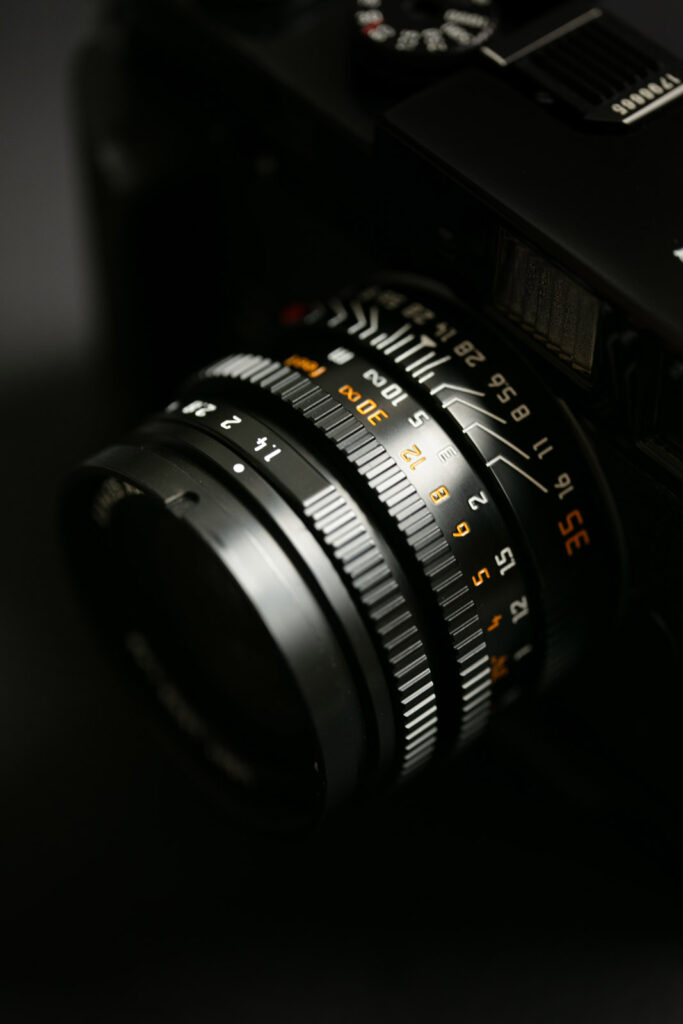
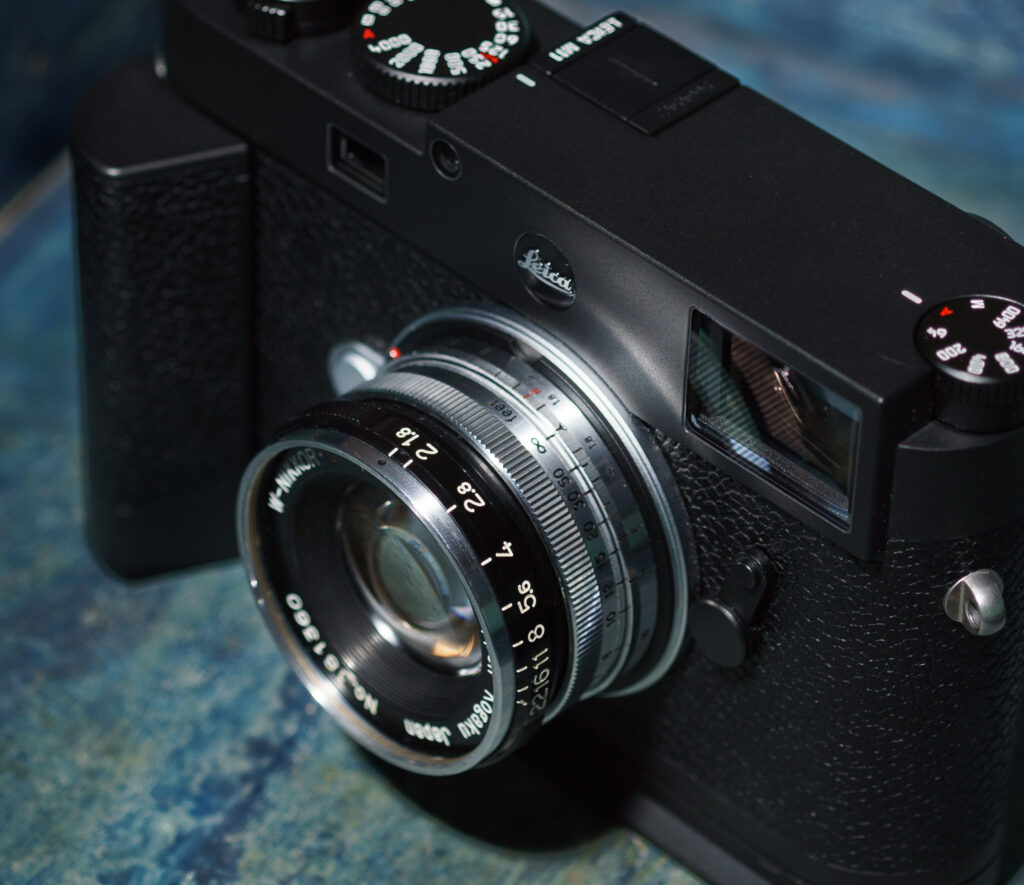
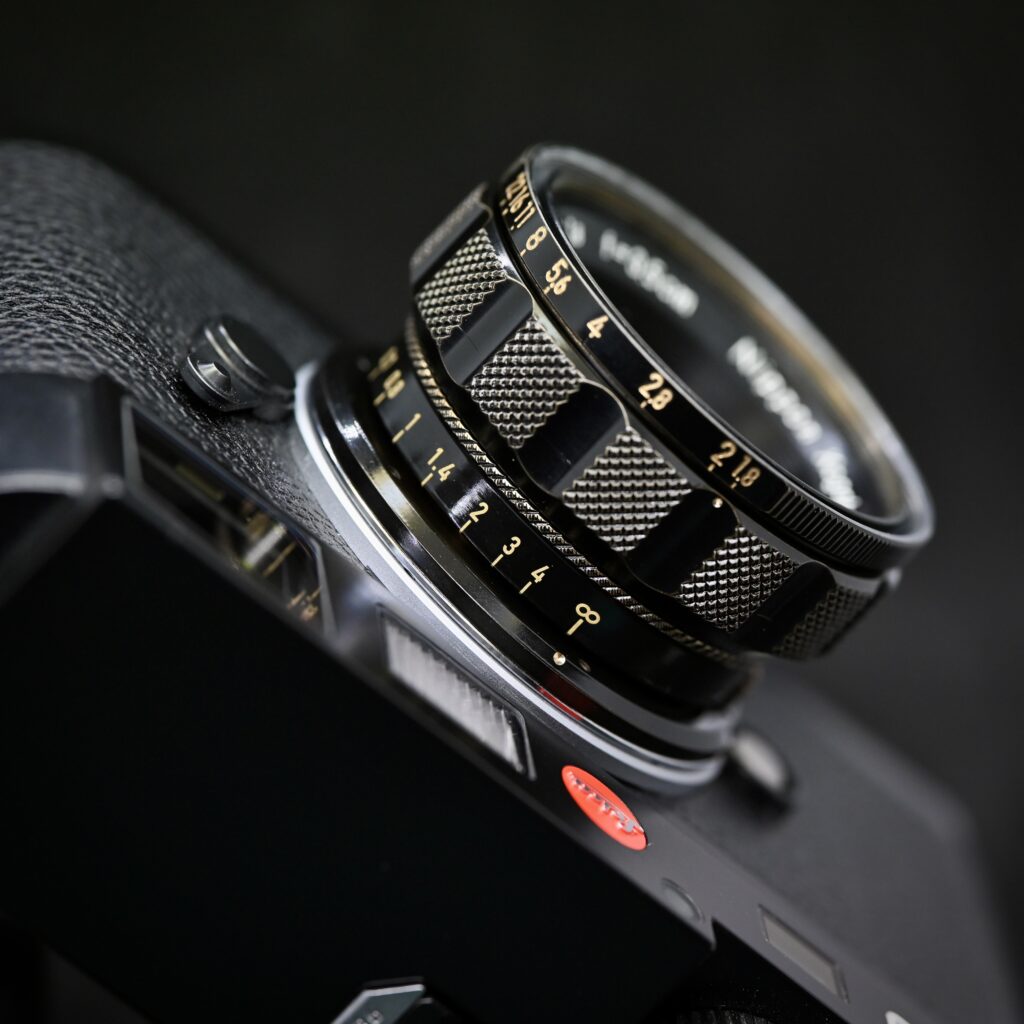
Of all the lenses I have had the opportunity to review, the Light Lens Lab 35mm f/1.4 ASPHERICAL may well be the best built. The lens feels dense and reassuringly solid despite its aluminium outer construction. There is plenty of brass hidden inside, and every control operates with a precision that immediately inspires confidence. Focus is smooth, tolerances are tight, and nothing feels loose. Special mention must go to the aperture ring, which offers exactly the right balance of resistance and click feedback. It feels excellent.
My sample is a black paint version rather than the previously released Titanium finish, and it looks absolutely stunning mounted on a black paint Leica body.
The only real criticism I have concerns the hood. Light Lens Lab chose to replicate the original hood design, which was plastic on the Leica version and has never exactly been beloved. It is large, somewhat awkward-looking, and adds noticeable bulk to an otherwise elegant lens. Reproducing it in metal instead of plastic has not changed my opinion, especially hearing the wobble the hood has when fitted on the lens. I would have greatly preferred the tulip-style vented hood supplied with the titanium version. It is a shame that Light Lens Lab did not make that option standard across the range. The hood also introduces a more practical issue: filter compatibility. None of the filters I commonly use (Heliopan, B+W and others) would fit once the hood was installed. Light Lens Lab confirmed that only Leica slim filters are guaranteed to work. This is disappointing for anyone who enjoys using common contrast filters for black-and-white photography, or ND filters when shooting wide open in bright conditions.
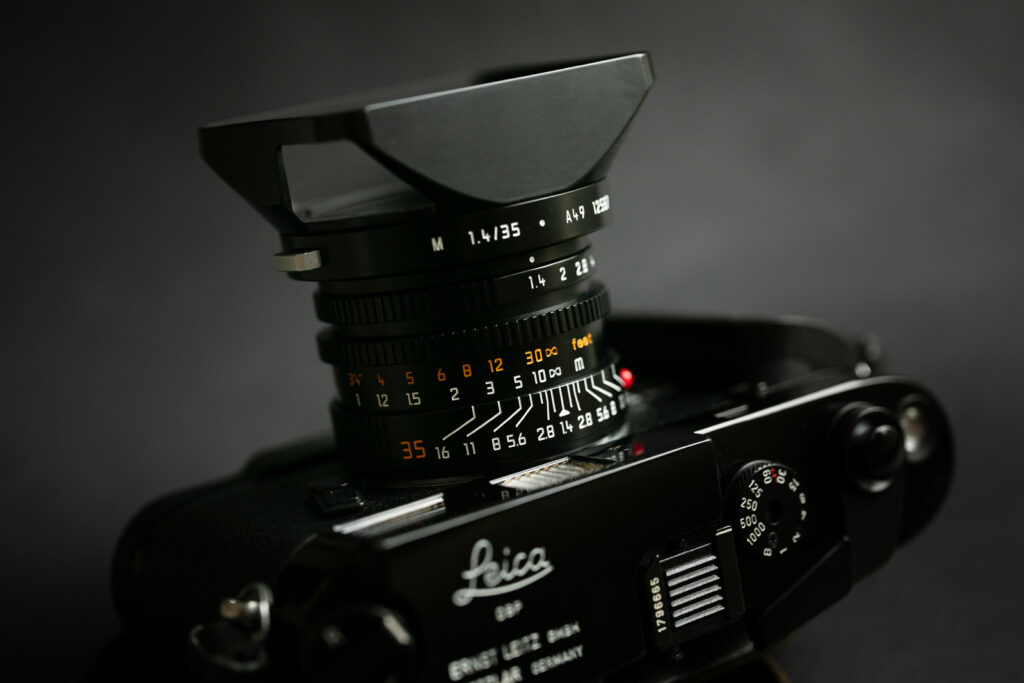
Without the hood installed, the Light Lens Lab 35mm f/1.4 ASPHERICAL is also marginally shorter (3mm) than the Summilux. Once both hoods are fitted, however, the Leica becomes the more compact and practical package.
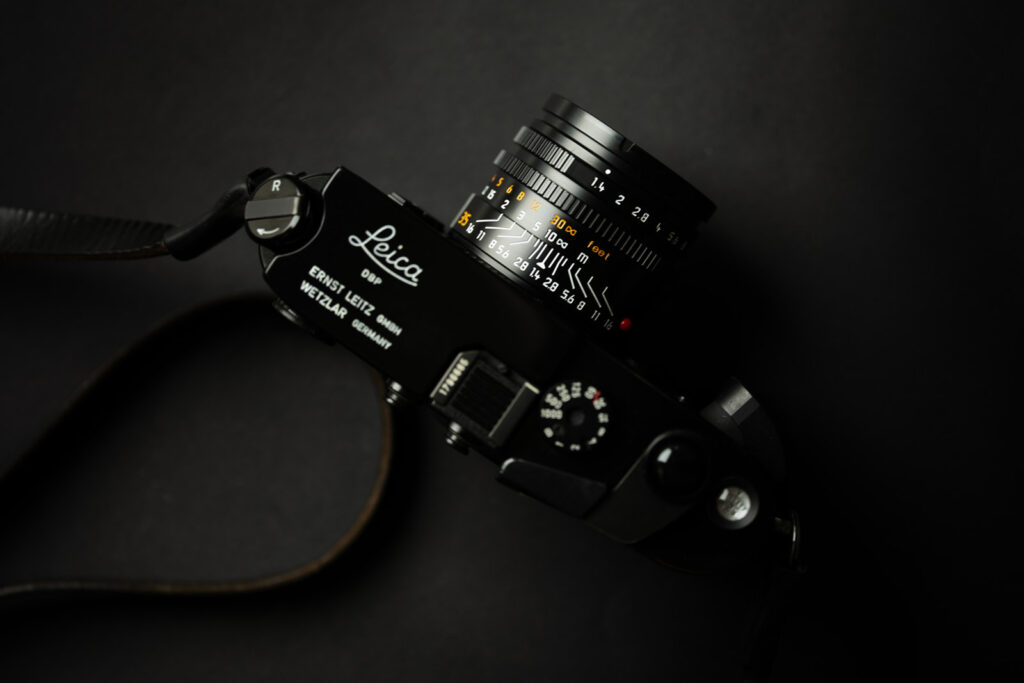
One difference that matters quite a lot to me is the focusing throw. The Leica requires roughly 100 degrees of rotation from minimum focus to infinity, making it extremely quick to use. The Light Lens Lab extends that to something closer to 110~120 degrees. Some photographers may appreciate the added precision, but personally I prefer Leica’s shorter throw. Similarly, the focus tab follows the shape of the original AA and is therefore slightly more angular than the later Leica design. It is not quite as comfortable, although I adapted to it very quickly.
Rangefinder calibration on my camera was spot-on, which is exactly what I have come to expect from Light Lens Lab’s quality control.
All things considered, it is remarkably difficult to fault the construction of this lens. Apart from the hood, it comes very close to perfection.
Pictures
Now comes the fun part.
I was particularly curious to see how this legendary optical formula would perform in real-world use. Before going further, it is worth mentioning that Light Lens Lab did not simply attempt to produce a one-to-one copy. The company has openly stated that it wanted to improve certain aspects of the design, particularly sharpness and out-of-focus rendering. As a result, this lens is not intended to be an exact recreation of the original AA. Instead, it feels more like an interpretation of what that lens might have become if its development had continued.
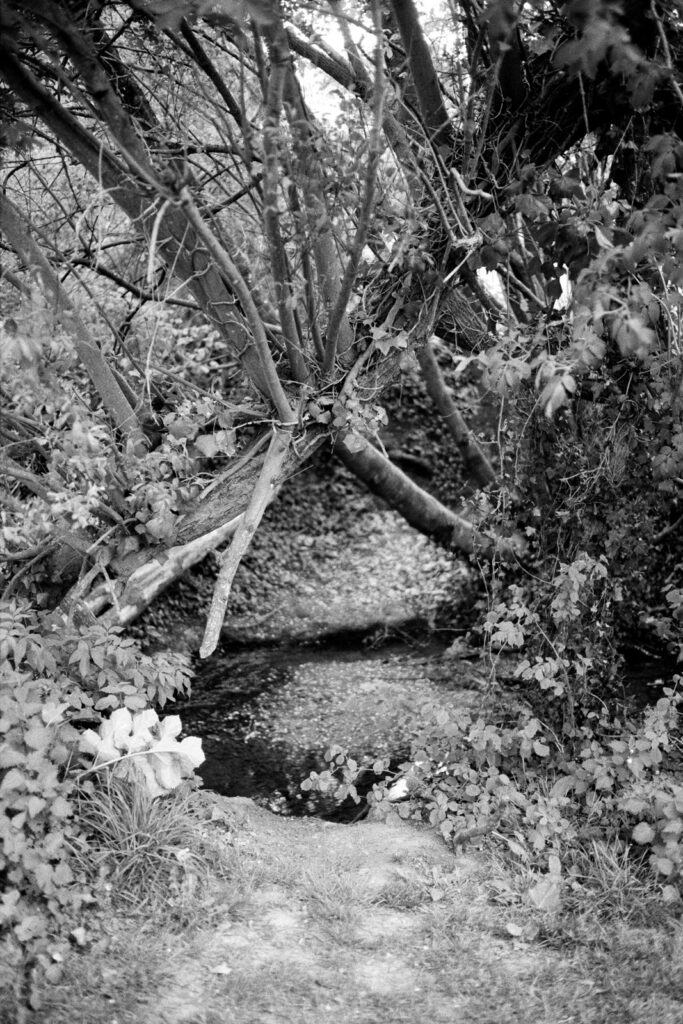
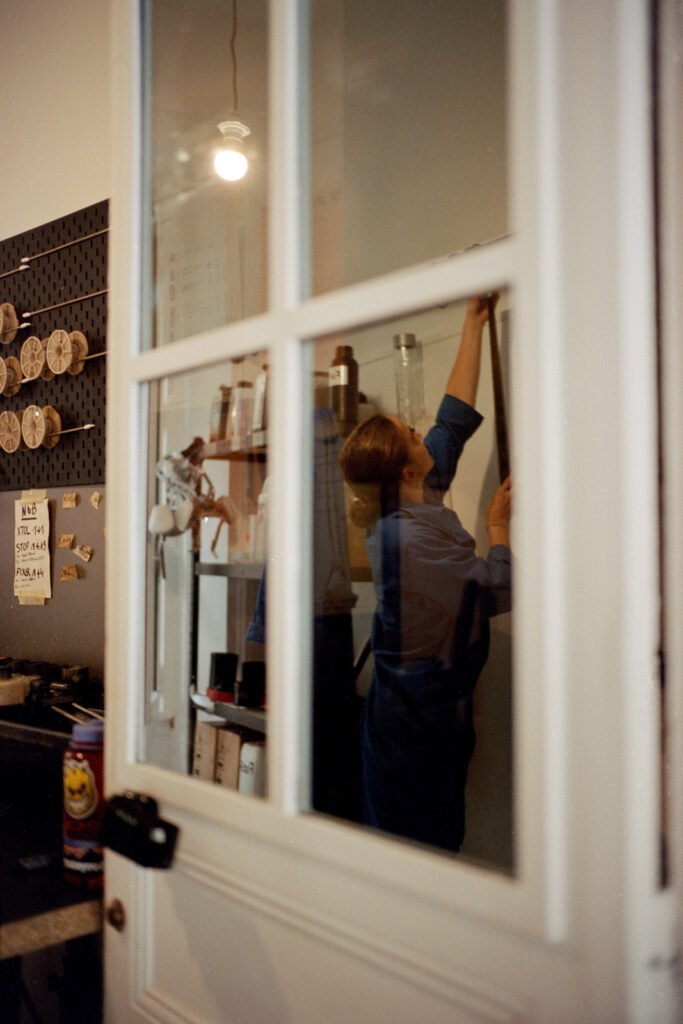
Wide open, the rendering is beautiful.
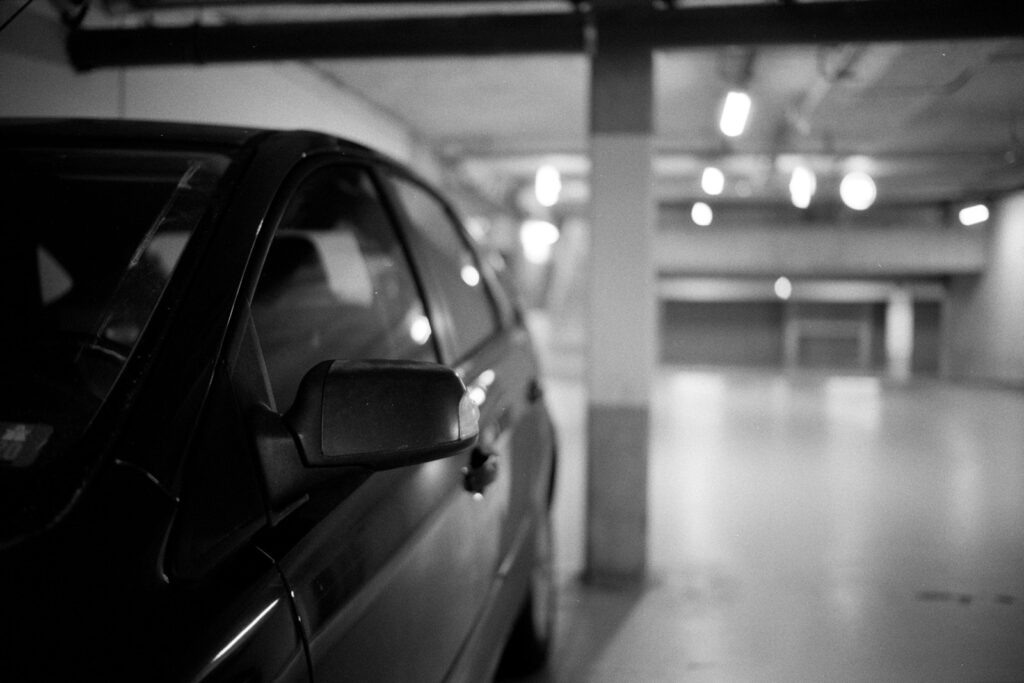
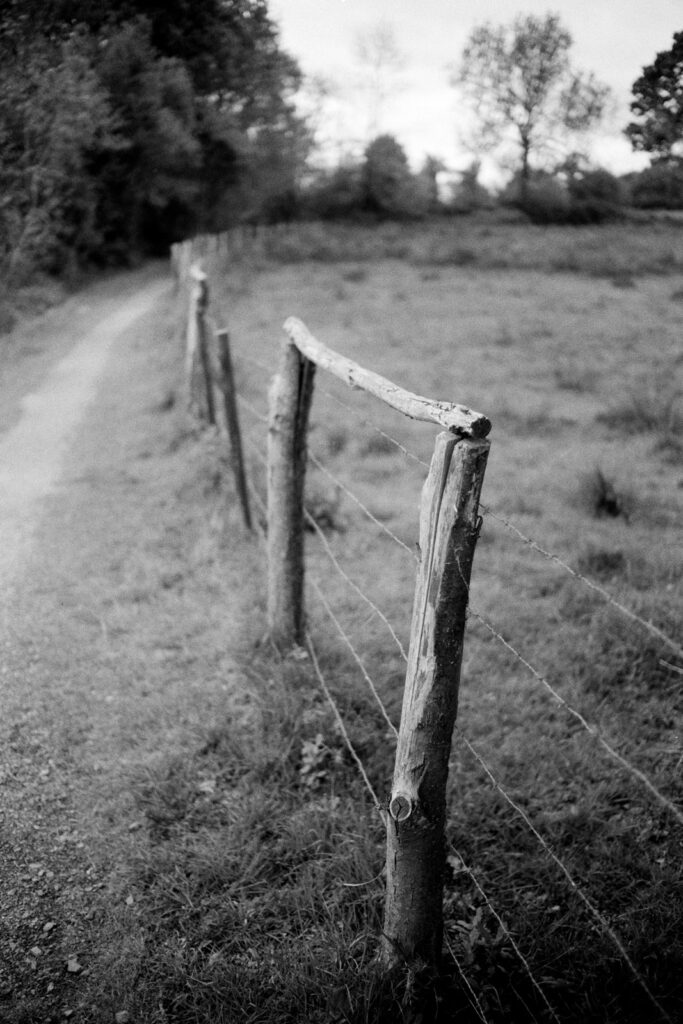
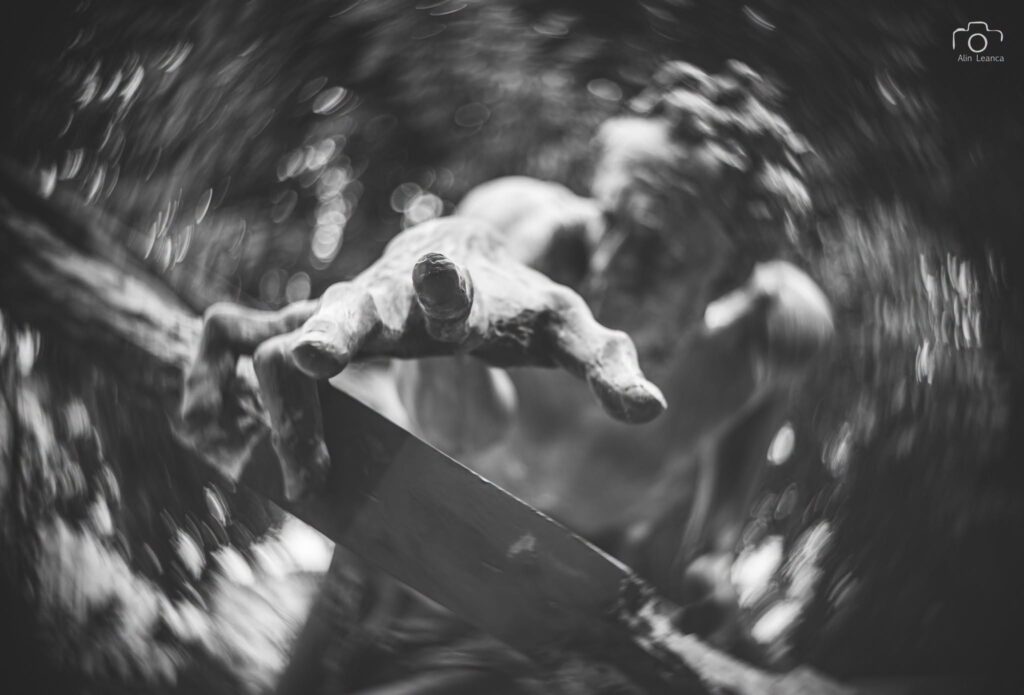
Out-of-focus areas are smooth and creamy in the centre while exhibiting a gentle swirl towards the edges of the frame, likely influenced by the lens’s field curvature. Personally, I enjoy this characteristic. It gives images a sense of depth with a vintage and subtle touch that perfectly corrected lenses sometimes lack.
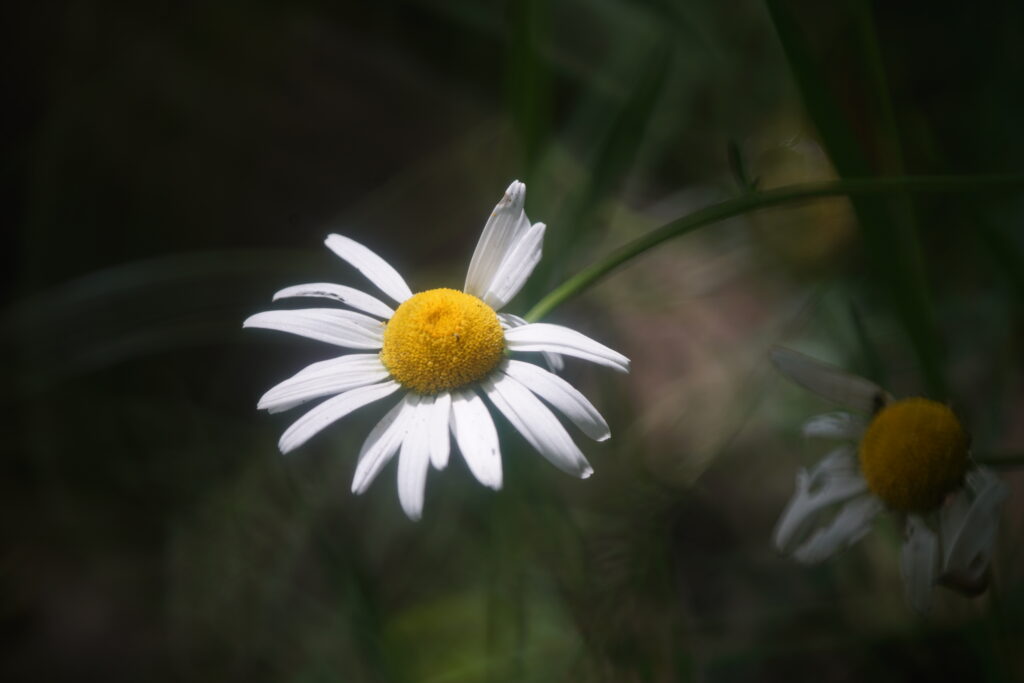
There is also a very light glow at f/1.4 around highlights that contributes significantly to the lens’s character. It never feels excessive or distracting. Instead, it adds atmosphere and delivers that elusive Leica-like signature many photographers chase.
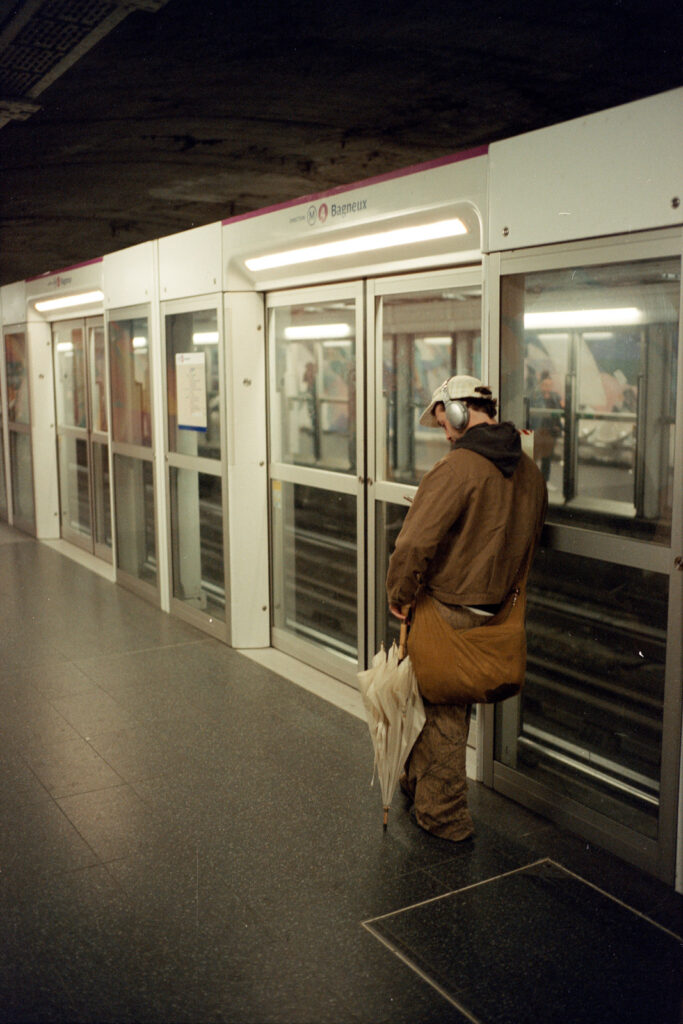

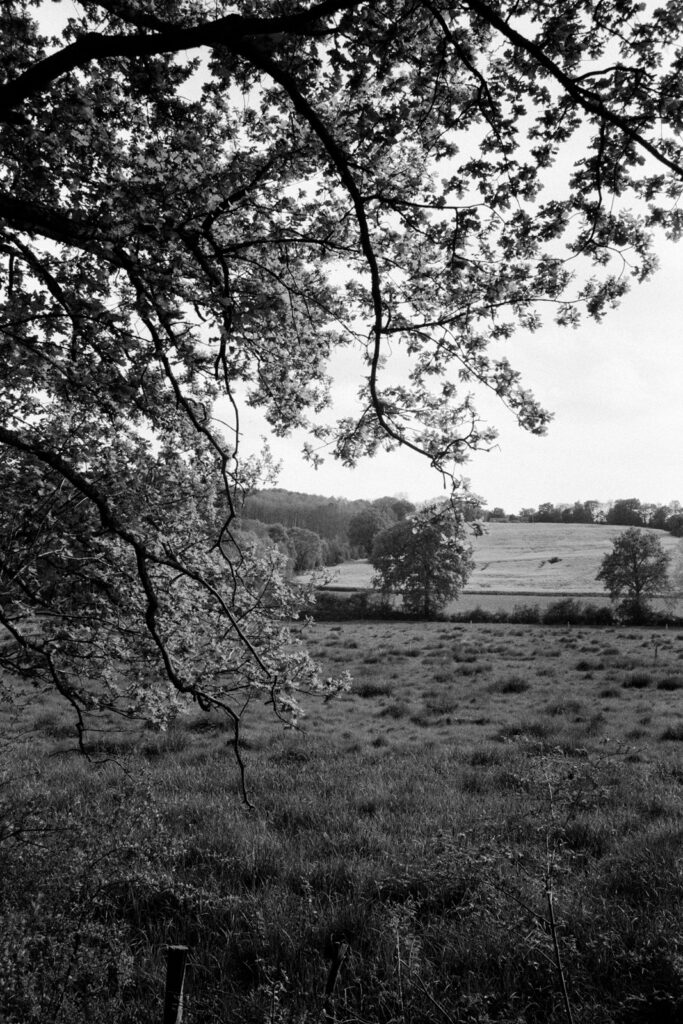
Stop the lens down slightly and sharpness becomes genuinely impressive, extending all the way to the corners of the frame. The Eiffel Tower image below demonstrates just how much detail the lens is capable of resolving when you look at the right hand pillar with graphs, or the hotel wall.
As expected from a non-floating-element design, close-range performance under one meter does not quite match distant subjects, but it is much better than the pre-FLE I have actually.
One thing I really enjoyed too was the near-total absence of distortion. I struggled to find any meaningful amount in practical use, which makes the lens particularly pleasant for architecture and street photography.
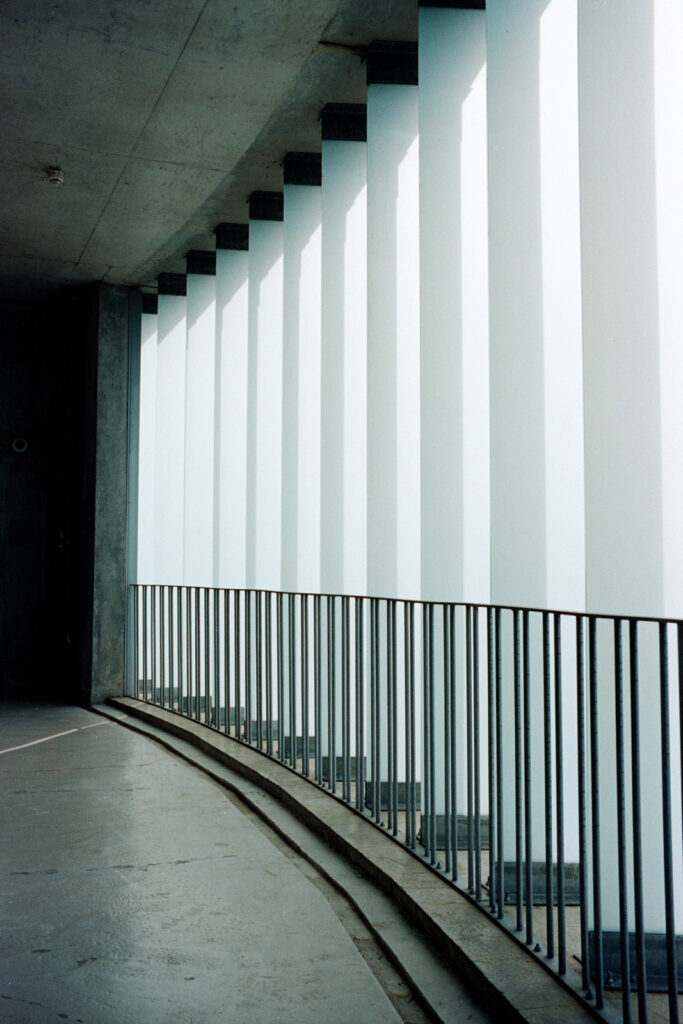
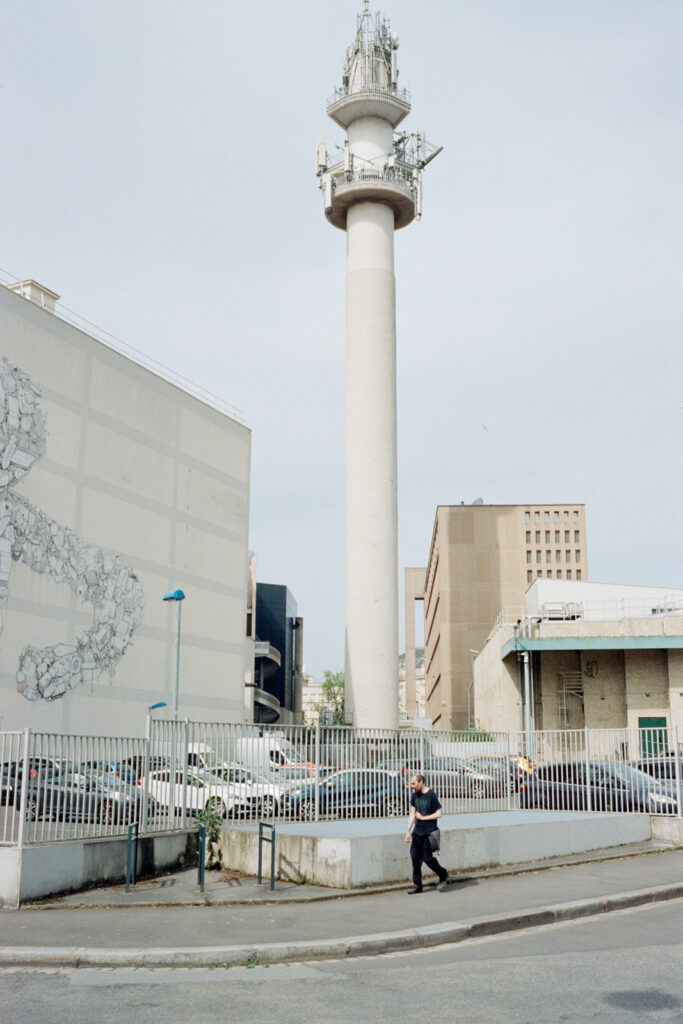
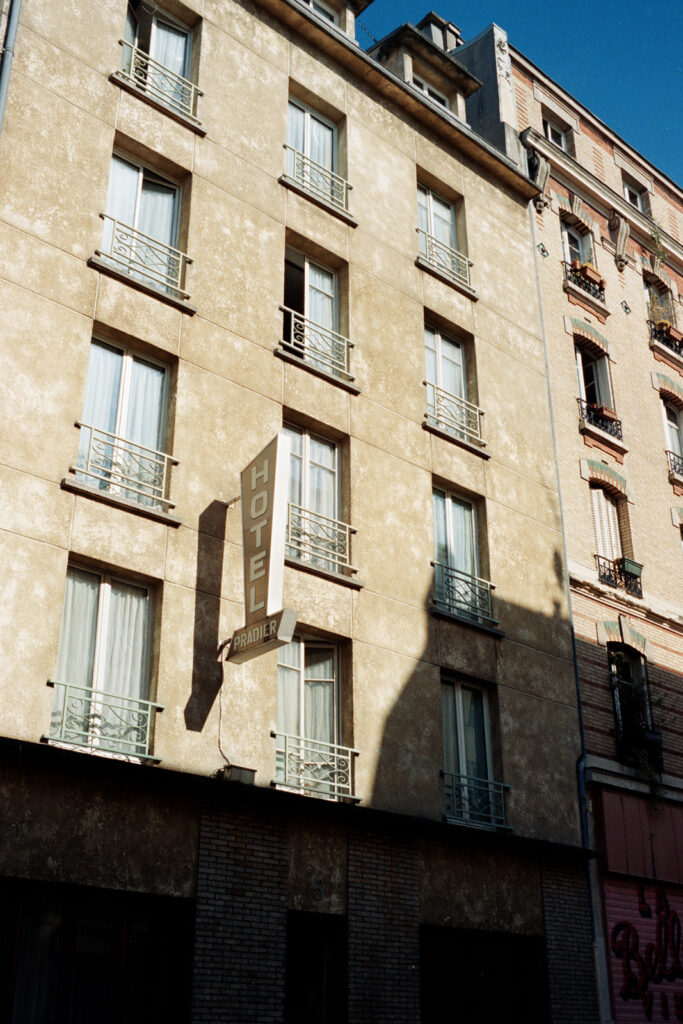
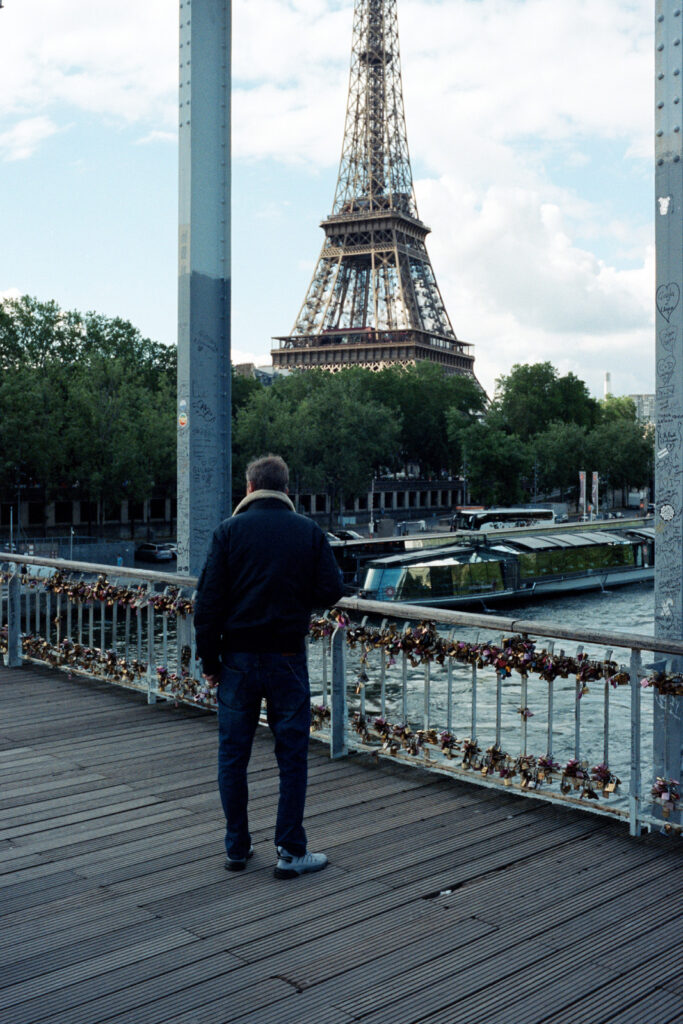
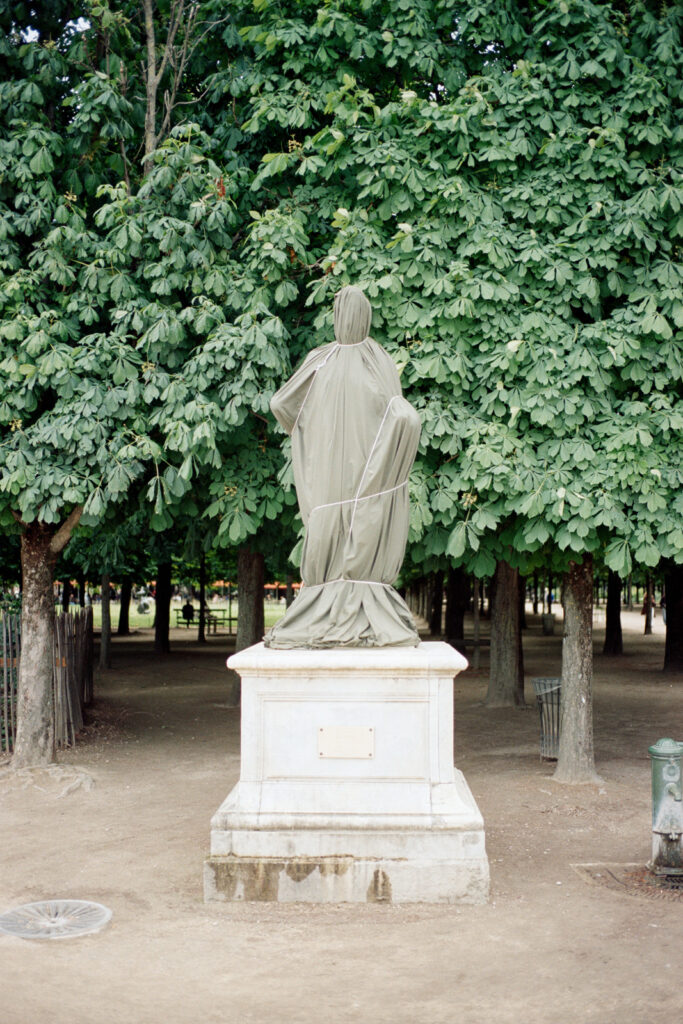
Overall, it is difficult not to come away thinking that the Light Lens Lab 35mm f/1.4 ASPHERICAL lens genuinely feels like a Summilux. It delivers that familiar blend of sharpness, glow and character that has made Leica’s fast 35mm lenses so desirable over the years. Naturally, I wanted to compare it directly against my own Summilux. So I put together a small blind comparison. I’ll let readers guess which image belongs to which lens in the comments and reveal the answer a few days after publication.
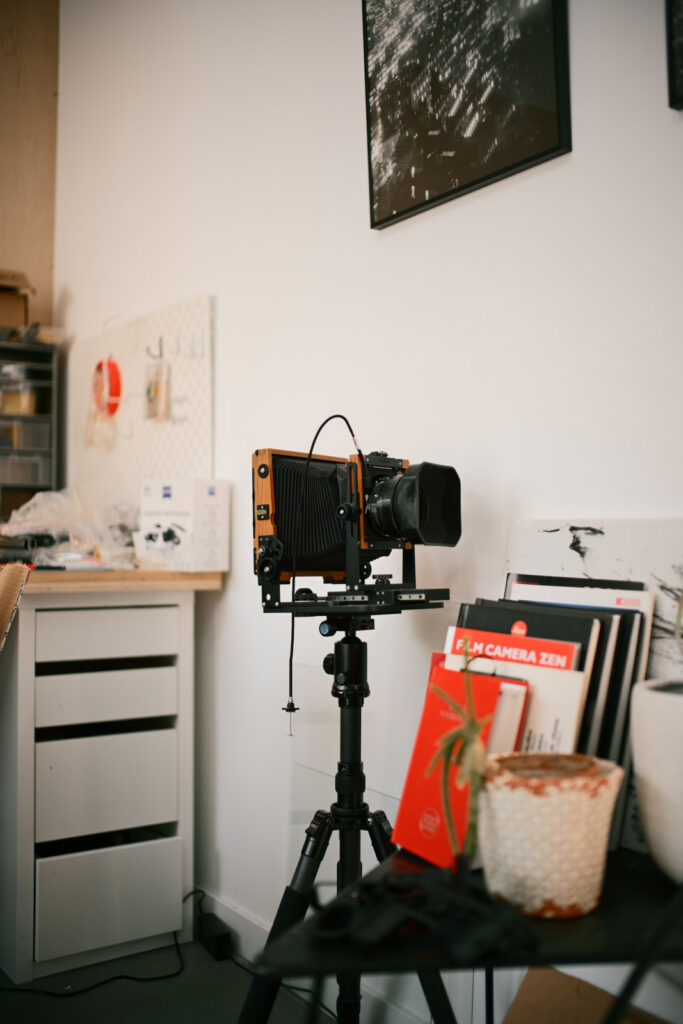
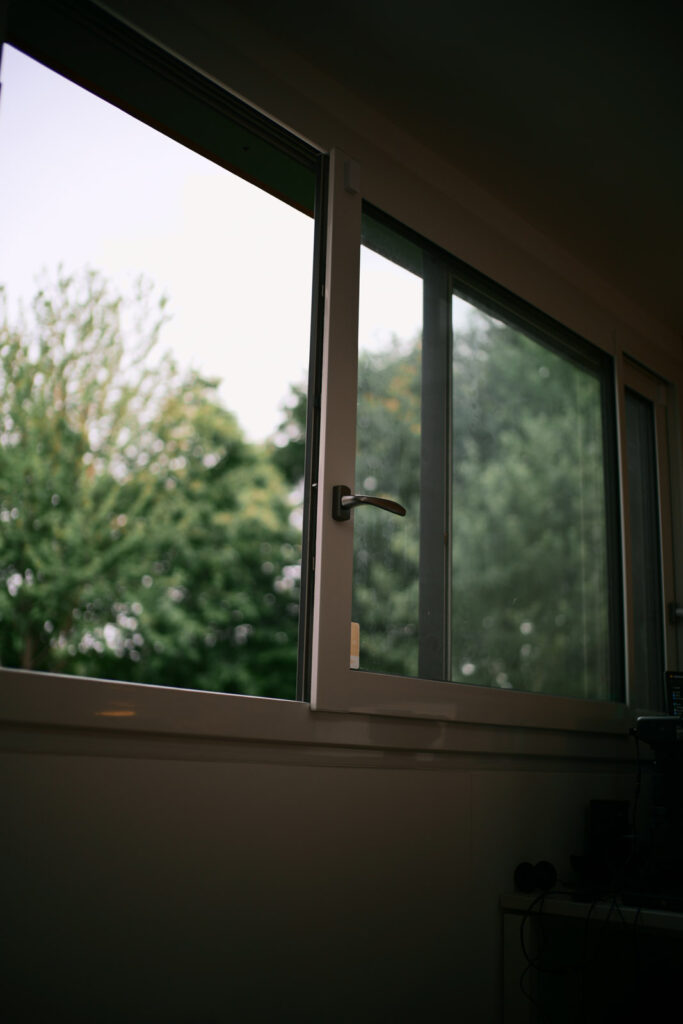
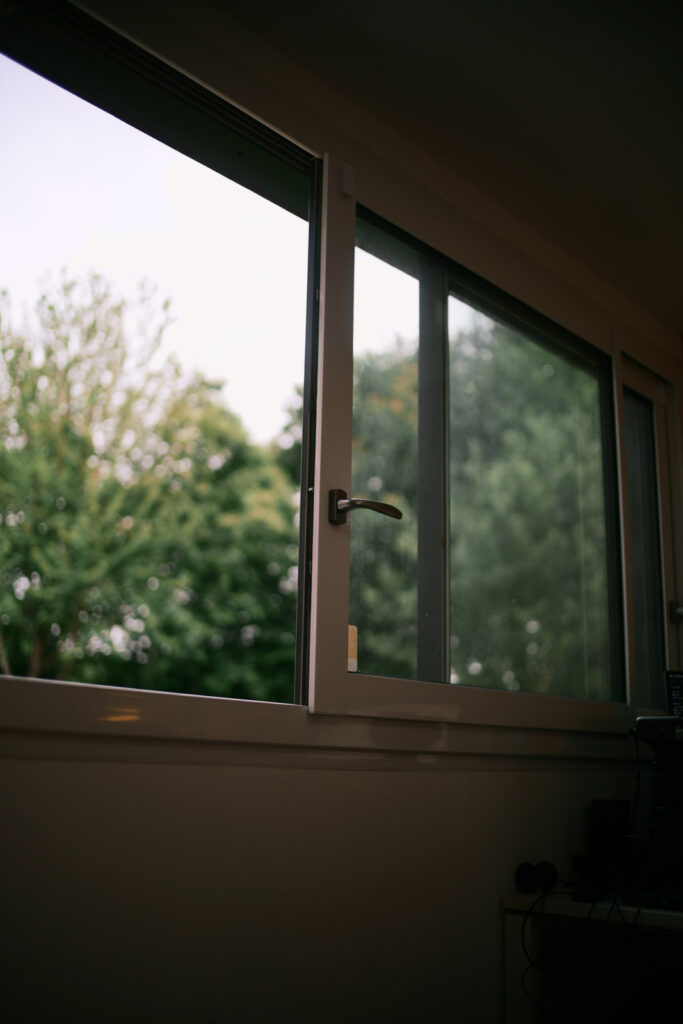
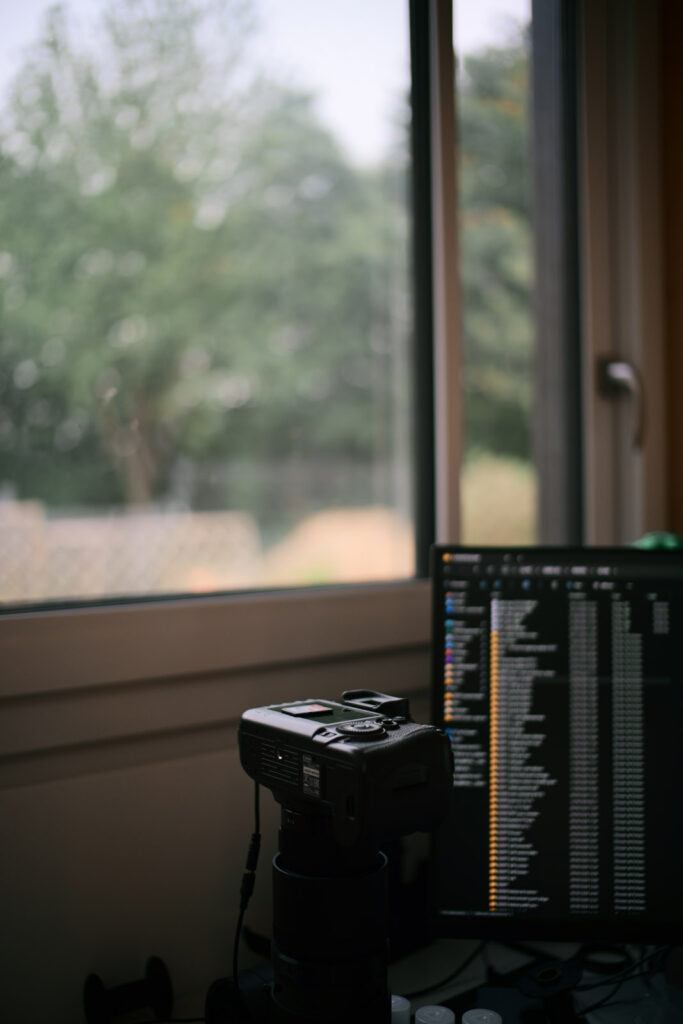
Pretty close, isn’t it? The one comparison I wish I could have made is against the Thypoch Simera 35mm f/1.4. Unfortunately, I no longer have access to that lens, and I suspect the similarities between the two would have made for an interesting test.
All pictures of the review are available at maximum resolution on this drive.
Price Considerations
As with most of Light Lens Lab’s products, pricing places this lens firmly in the premium third-party category. At roughly €1230 before VAT, depending on where you live, it sits alongside some very strong competition. Today, photographers are spoiled for choice. Voigtländer offers the excellent Noktons 35mm f/1.5, or f/1.2, Thypoch has the Simera 35mm f/1.4, Zeiss still offers the Distagon 35mm f/1.4, and used Leica Summilux pre-FLE lenses can occasionally be found around the €2000 mark. All of these lenses are capable of producing outstanding images. What separates the Light Lens Lab is not necessarily outright performance. Rather, it is the combination of exceptional craftsmanship and a rendering style that deliberately preserves some of the character that many modern lenses have abandoned. This is not the lens for photographers chasing APO ASPH perfection, it is for photographers who want personality. It combines modern levels of sharpness with enough vintage touches to make images feel distinctive, and it does so while offering some of the finest construction quality available at this price point.
Conclusions
Pros
- Tremendous build quality
- Beautiful rendering wide open
- Low distortion
- Excellent sharpness when stopped down
Cons
- Hood prevents the use of most standard filters
- Hood is bulkier than necessary
For me, the Light Lens Lab 35mm f/1.4 ASPHERICAL is a winner. Much like their excellent 35mm 8-element replica, Light Lens Lab have successfully recreated a piece of Leica history while subtly refining it for modern use. The result is a lens that feels wonderful in the hand, delivers beautiful images wide open, and offers all the performance most photographers could ever ask for.
What impressed me most is that it never feels like a mere replica. It seems to capture the footprint of the original while standing on its own as a genuinely compelling 35mm lens. Is it the most rational choice at this price point? Well it depends, if you are looking for a lens with personality, one that blends vintage charm with modern performance and comes wrapped in some of the finest construction available today, the Light Lens Lab 35mm f/1.4 ASPHERICAL deserves a very close look!
Thanks for reading! If you haven’t already, feel free to follow me on Instagram. And if you’re interested in Leica grips or Nikon Zf thumb rests, check out my website or follow KameraKraft on Instagram.


Share this post:

Comments
Kyle on Light Lens Lab 35mm f1.4 ASPHERICAL Review
Comment posted: 06/07/2026
Comment posted: 06/07/2026
Gary Smith on Light Lens Lab 35mm f1.4 ASPHERICAL Review
Comment posted: 06/07/2026
Thanks for your review. I keep wondering if LLL is ever going to build a Leica-like camera.
Comment posted: 06/07/2026
Stephen Jenner on Light Lens Lab 35mm f1.4 ASPHERICAL Review
Comment posted: 13/07/2026
The Germans are doing it on their lenses and cameras too.
My primary film camera is a Leica iiig made in 1957 and they have the city and country of manufacture discreetly and in very small script engraved on the top plate. It has a 1956 Summicron attached and that has, in very small white print 'Ernst Leitz GmbH Wetzlar embossed around the bevelled inner housing that the front lens abuts, and just near the beginning of the screw mounting, it has Germany engraved in black, again in a very small typeface. For me, even that is too much. The fact is that the camera is a tool, it might be a masterpiece and mechanically 'jewel like', but it is me that uses it to make the mostly poor and sometimes quite good snaps, and when I bought it, I knew what I was buying.
My last Summicron was a version five that went with my MP type 262, and there it was, just like the LLL version, prominently displayed, every time I looked through the viewfinder, I saw GERMANY shouting at me.
Those folk who wear necklaces and other jewellery would be mightily miffed if everything that they wore displayed some random national territory all over it.
Leica themselves clearly know this, since they often follow up a red dotted camera, with a more discrete issue.
It is not necessary, and yet they all seem to do it, I just wonder if it is a pan-governmental requirement?
Many years ago, when I was still fit enough, I used to cycle quite a lot. The keyword for a good bike is lightness and my frame was made from Columbus SLX tubing, just about the finest that was available at that time. As soon as I acquired it, I had it professionally resprayed without the name of ANY steel company, frame maker, or assembler displayed, I did not want it to be recognized as such.
Camera companies should do the same, or at least if they must, be VERY discreet about it, as on the aforementioned iiig.
Finally, it should be enough for a manufacturer to grow or adopt a style of their own, and it will be instantly recognized. As a great example of this, I was watching 'Vertigo' an old Hitchcock film the other day, and one of the actors (Kim Novak) was driving a Jaguar car, it was instantly recognizable, but I had to consult the interweb to establish exactly which Jag it was, a mark 8, as it happens... I liked that.
EDIT:
Further to my last comment, it seems that Light Lens Lab are less guilty of name diarrhea than the Europeans, which seems to be quite new, when I first saw their products CHINA was everywhere.
Comment posted: 13/07/2026
Comment posted: 13/07/2026
Comment posted: 13/07/2026
vincentbihler on Light Lens Lab 35mm f1.4 ASPHERICAL Review
Comment posted: 11/08/2026
Stephen on Light Lens Lab 35mm f1.4 ASPHERICAL Review
Comment posted: 26/08/2026
Just for clarity, is this the lens that LLL refers to as 11873 on their website? Thanks again.