

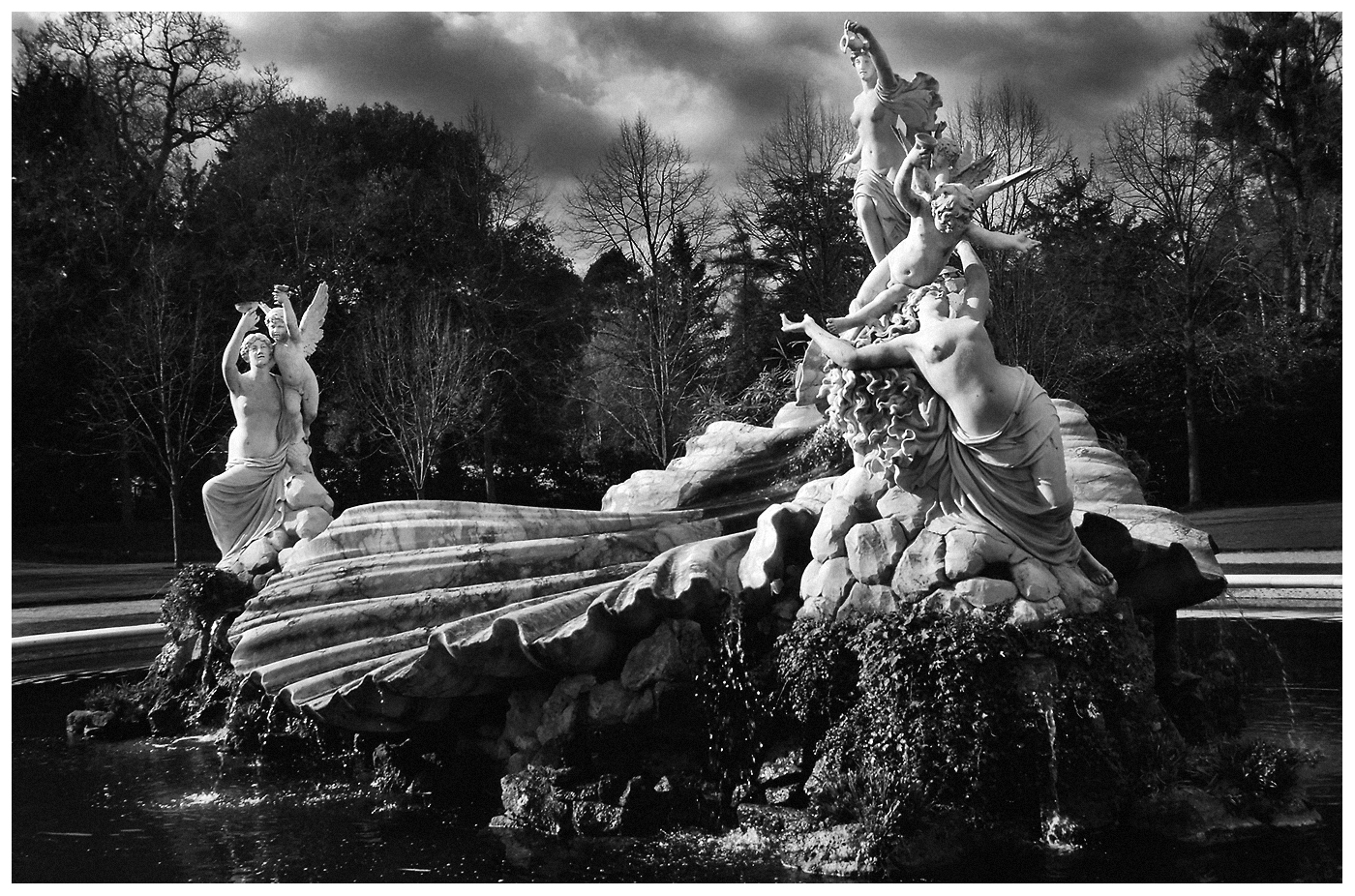
I have dabbled quite a bit with various Fujifilm cameras. My very first Digital camera was a 4 Mega Pixel Fujifilm A403 which I used quite a bit in 2002/03. My most memorable journey was a trip to Pakistan where I spent 2 weeks shooting with it and then foolishly wiped the XD Card by accident on day 12. I did take a few snaps on day 13 and 14 but rued my stupidity. There’s a very interesting article about this elusive little camera, which featured a Fuji Super CCD.
I at the time wasn’t very savvy about Digital camera features and shot it on Auto everything, as you can see from the photos they’re all pretty much ISO 200 and pretty noisy, the colours are also a bit messy. One was not impressed, so this was soon replaced by a Kodak Z760 which was miles better in all respects.

Lahore
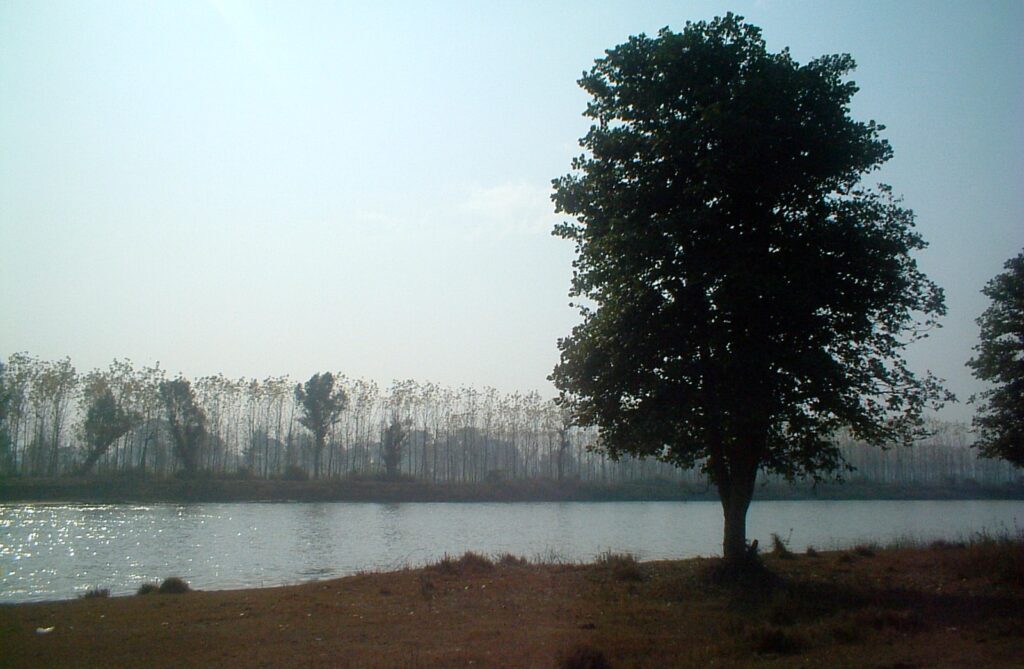
Lahore

Lahore

Lahore
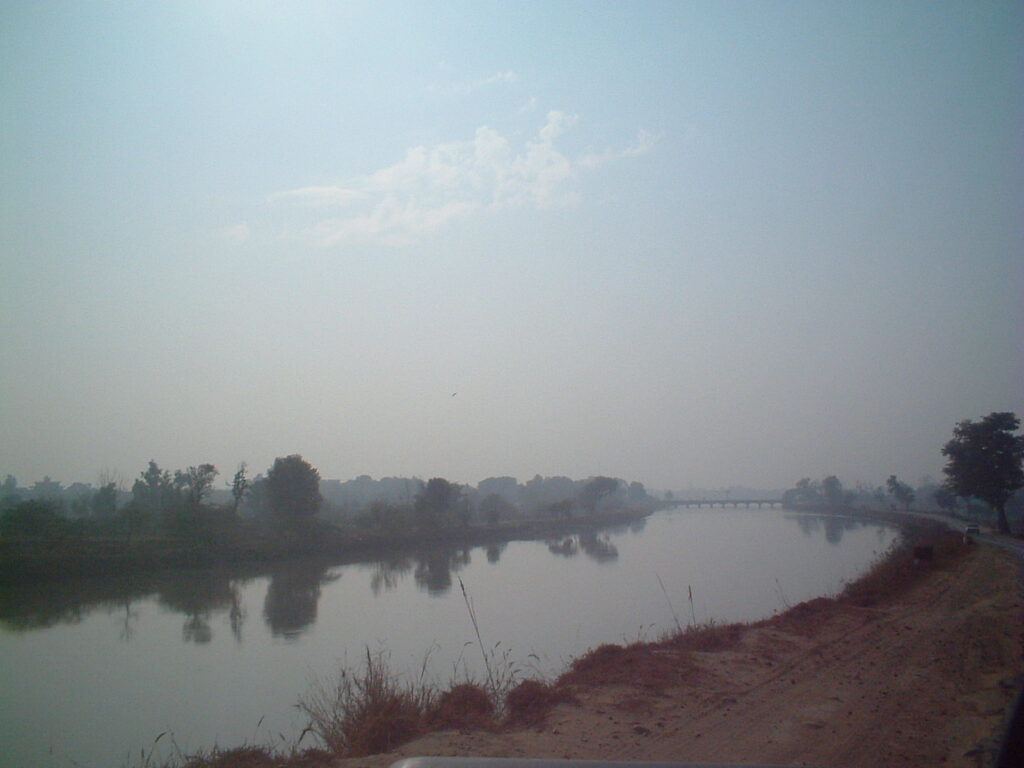
Lahore
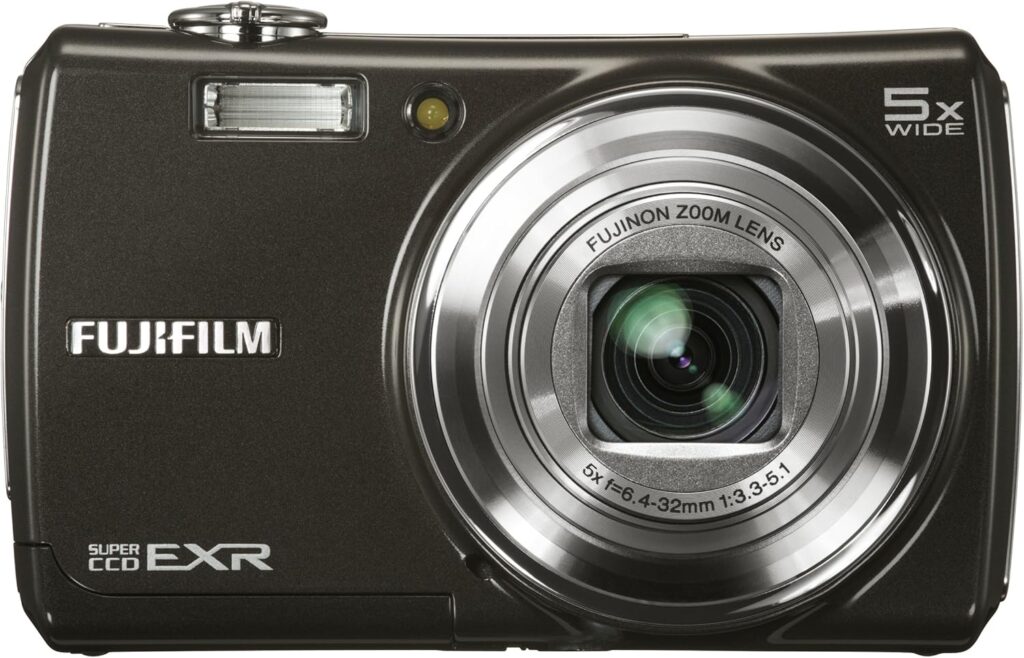
Back in the 2010’s I had a collection of a few, namely the XPan II version, the GA645 and a Fujifilm XE2s, plus a Fuji F200 EXR. I bought this (as I used to) brand new in 2009 for its Super CCD feature. I had actually wanted a Fuji S5 Pro but couldn’t afford it, I was enamoured with the Fuji colours at the time and thought this would be an ideal, budget alternative. I had bought it to replace a Kodak Digicam I had been using since 2005, as a pocket sized companion for my Contax G2 and my GA645.
As with all Fuji Digicams from the time it wasn’t the prettiest and had a slowish lens with only 5x Optical Zoom. But I wasn’t bothered by all that as it was relatively quick to focus with very good metering and very pleasing colours.
- Zoom: 5x optical
- Resolution: 12Mp
- Sensor size: 1/1.6in
- Sensor type: CCD EXR
- Max. image size: 4000×3000
- File type: JPEG
The interesting feature apart from the Super CCD was the EXR mode, which in hindsight set the bar for computational photography – giving the camera’s internal software to manipulate images on the fly, setting the camera to allow HR (High resolution priority), SN (High ISO/Low noise priority) and DR (Dynamic Range priority. It also, on the fly and instantly combined exposure for High Dynamic Range.
Using this indoors, like in a Pub for instance was quick and easy, the camera set the ISO and photos were pleasing considering the higher ISO.
As with all Compact Cameras, or rather most, there was no RAW function, but I wasn’t bothered as at the time I had never used RAW before.
It featured a large clear 230,000 dots 3 inch LCD which was very good in bright light and was made solidly and nicely of metal with some plastic.
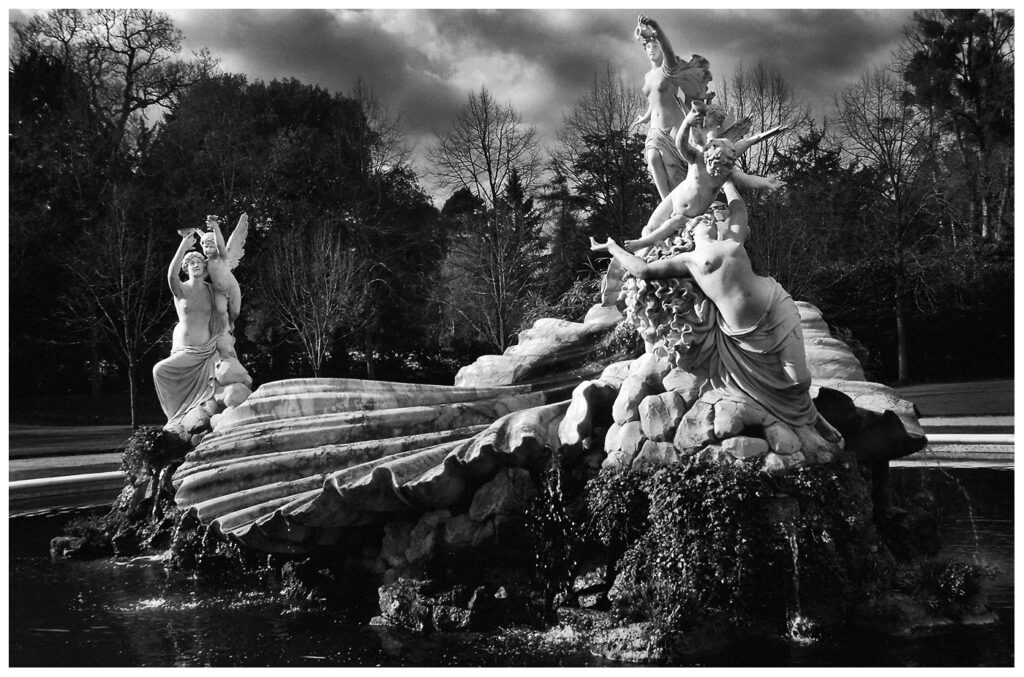
The downsides were the slow EXR processing and the slow limited lens. I did enjoy it for a few months as you can see from the small selection of photos below.
The metering was good, very good, with options to spot meter, hence B&W conversions were easy and with good tone and impact. The EXR mode was quite effective at keeping ISO down, the exposure compensation worked flawlessly.
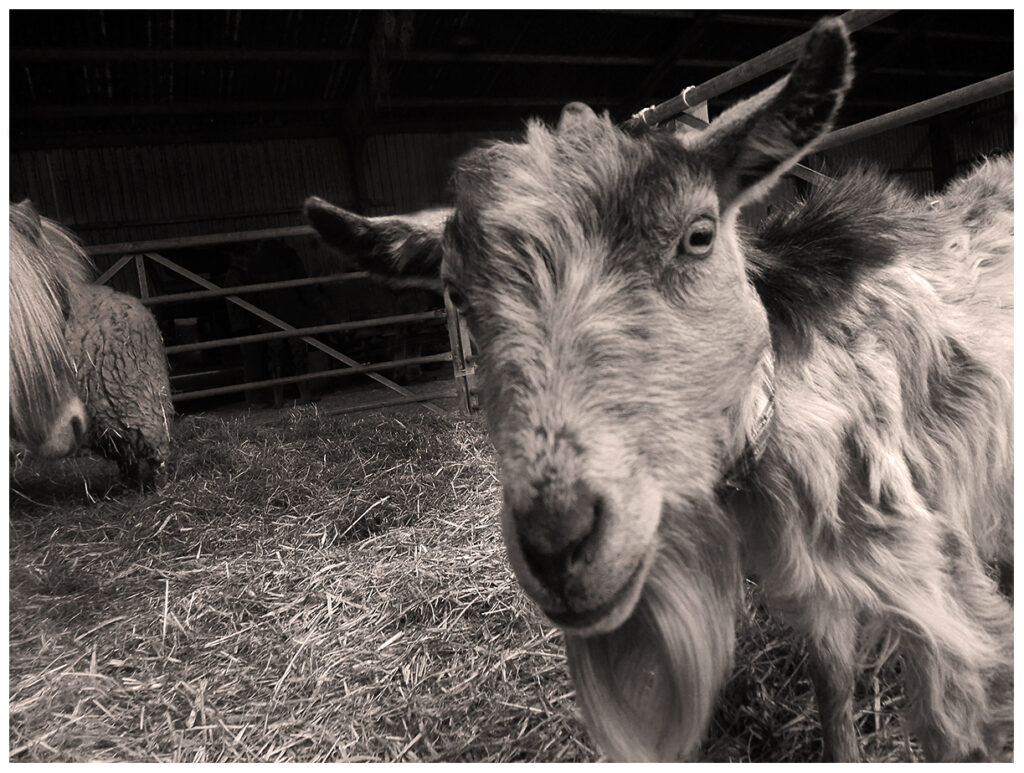
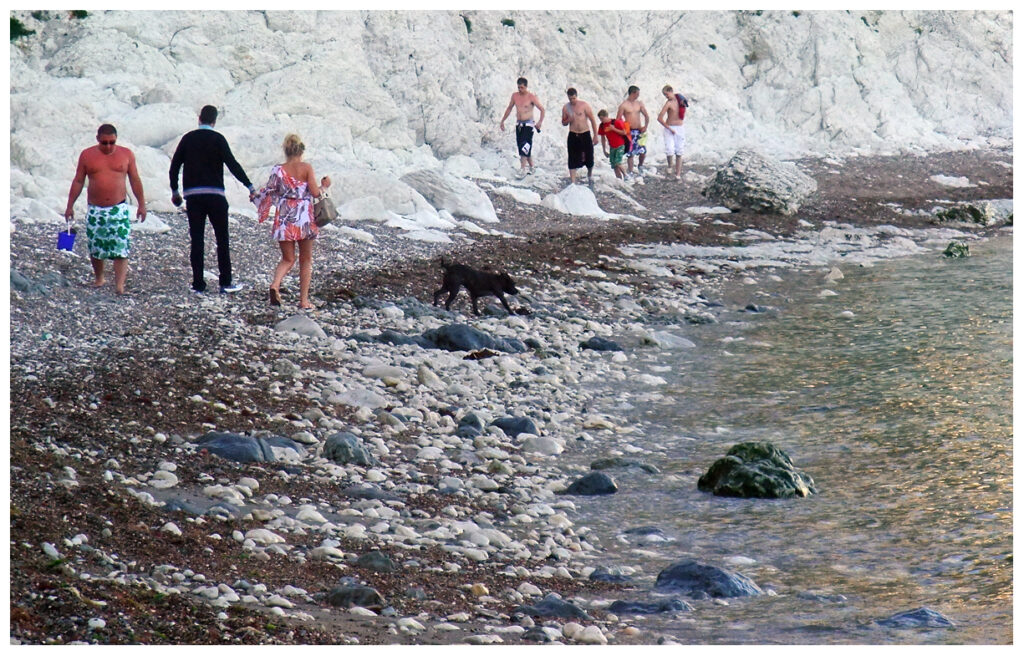



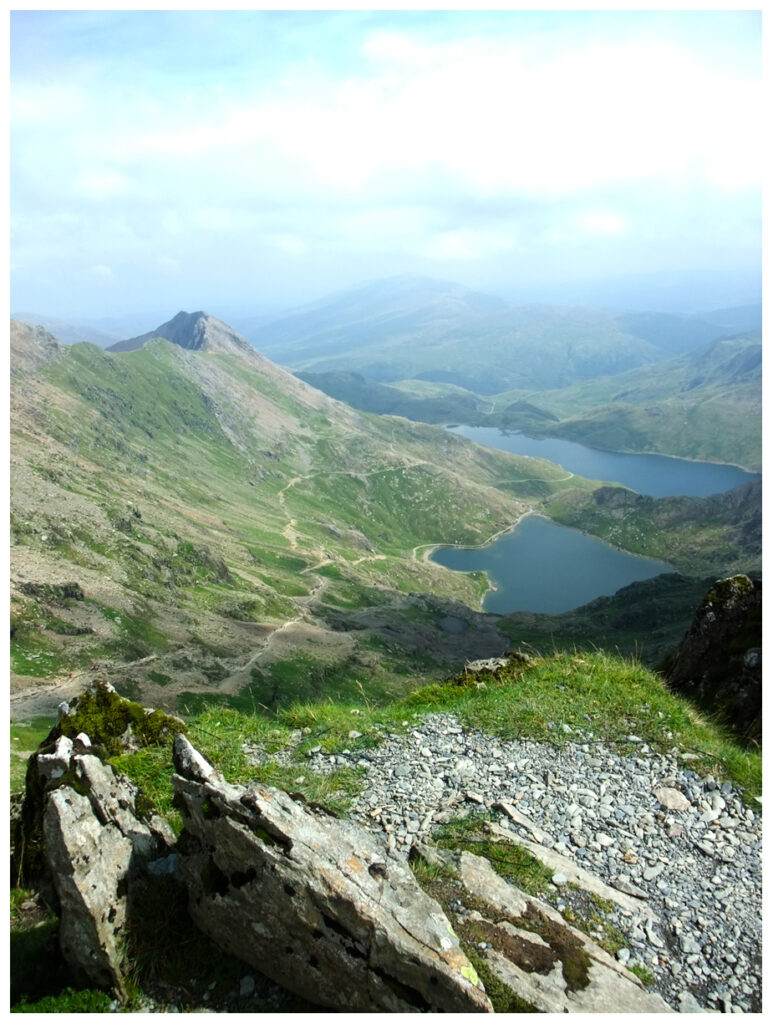

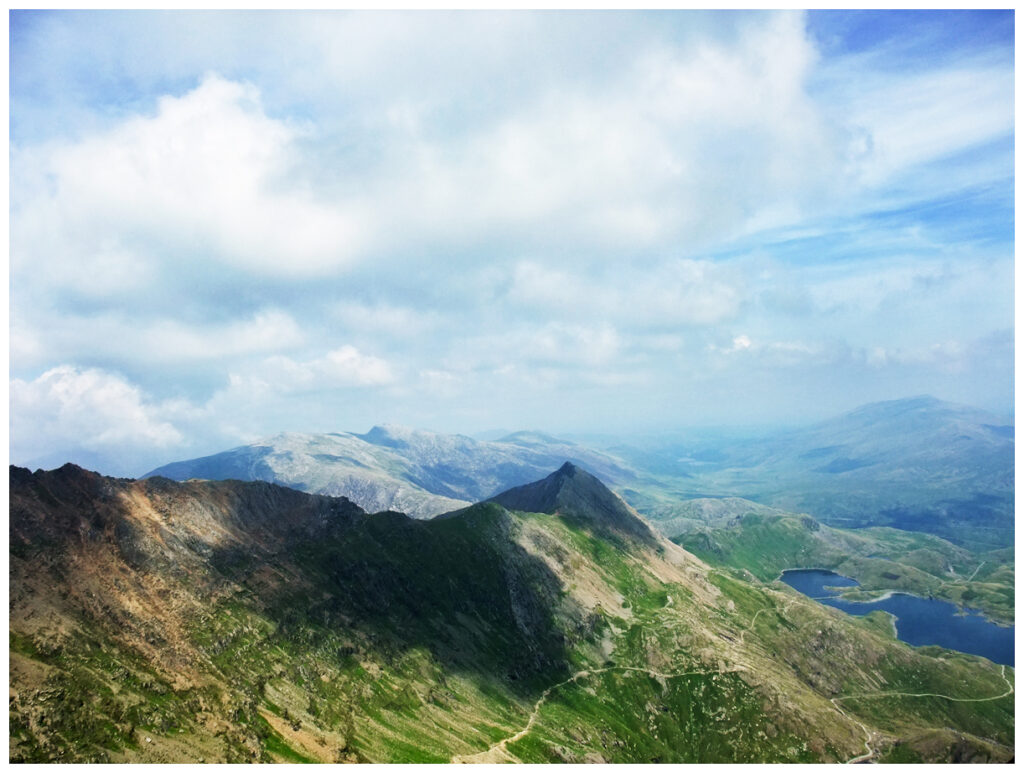
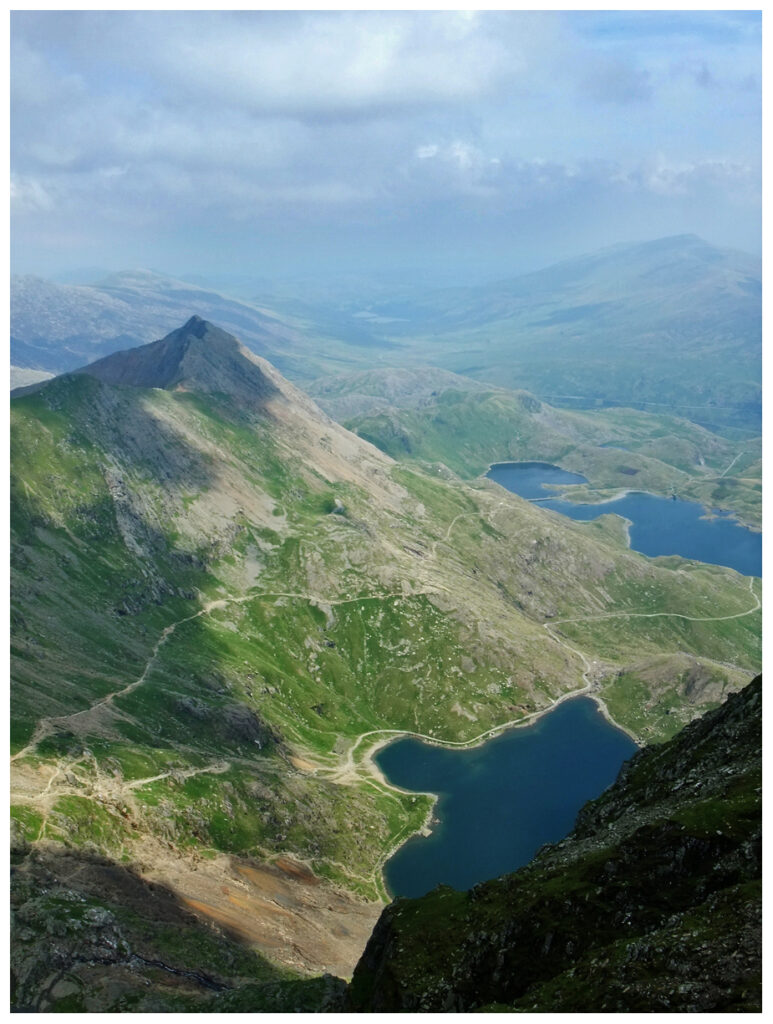

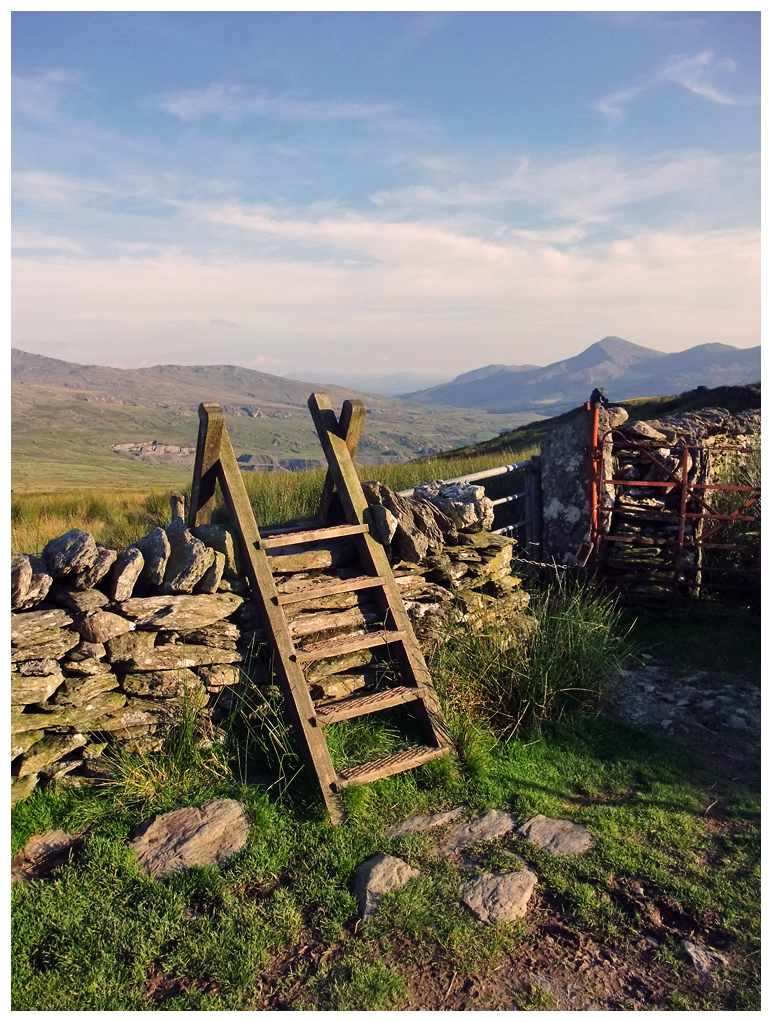
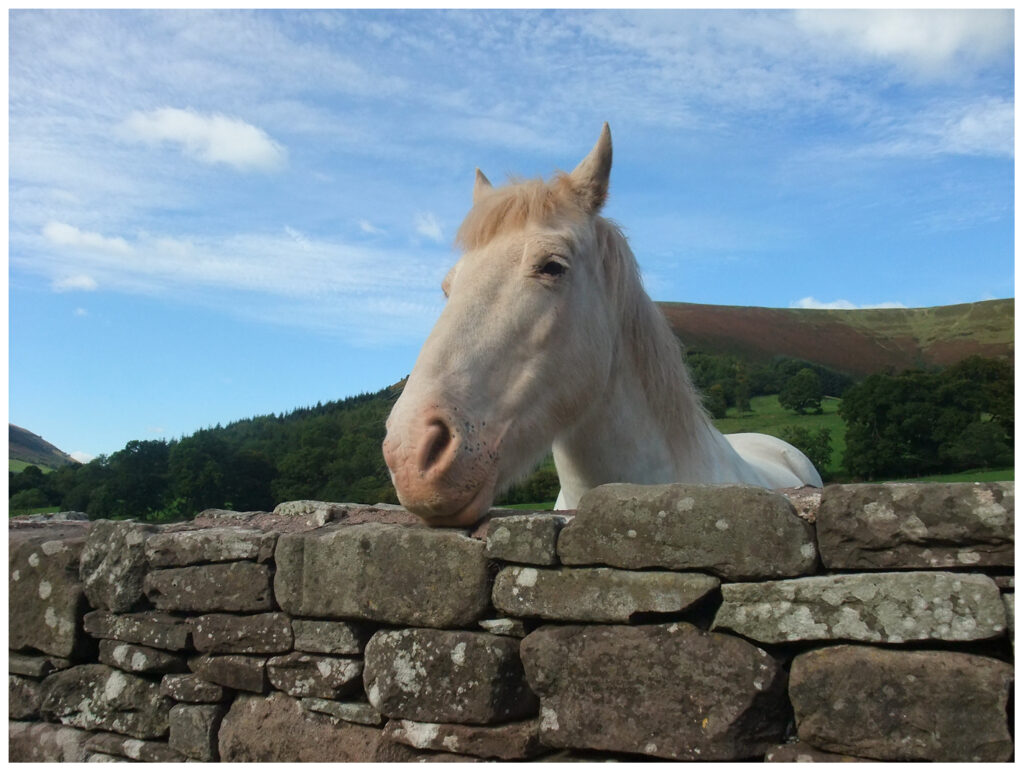
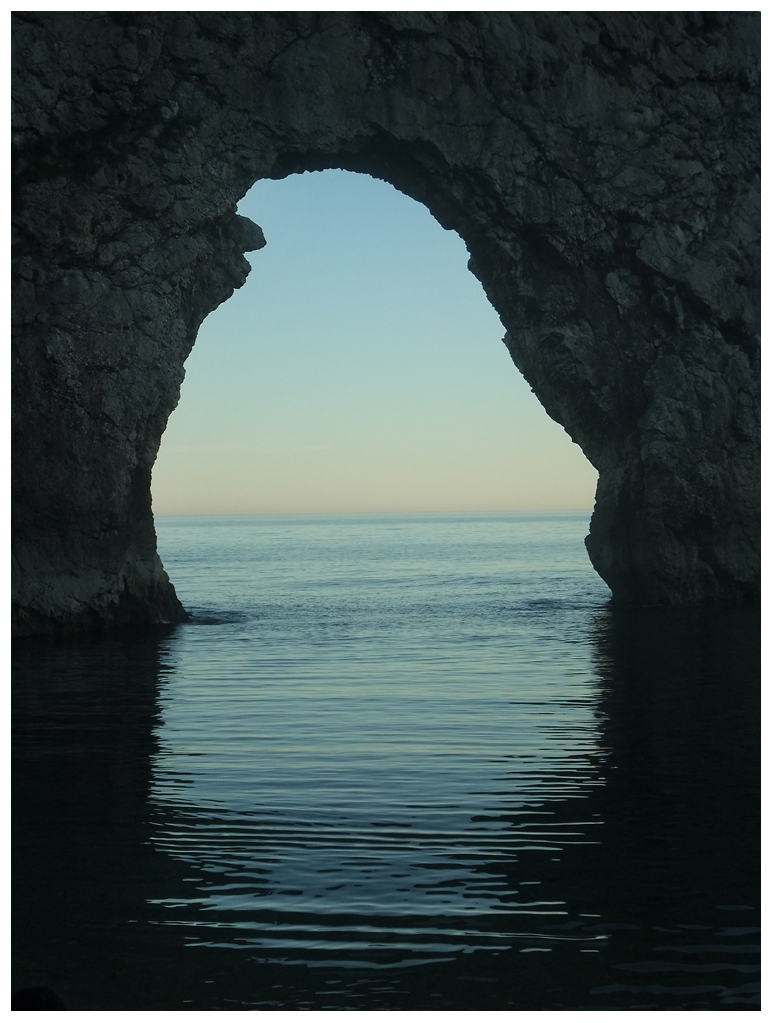

Fuji replaced this model with the Fuji F300 EXR and continued the EXR trend until they released the legendary Finepix X100. That marked the beginning of a new era where they combined everything from computational elements to color science they had worked on for years with such models as the F200 EXR.
If you can find one around, I think you’ll enjoy the pleasing colours, the good Dynamic range and the sharp photos with the nailed metering. I only had mine for about 6 months and eventually sold it to replace it with the Olympus XZ-1.
Share this post:




Comments
Bob Janes on Fujifilm FinePix F200 EXR and a trip down Digicam Lane
Comment posted: 25/04/2026
A good example of how relatively humble kit can provide great results in the hands of someone with an eye for a good photograph!
Comment posted: 25/04/2026
Walter Reumkens on Fujifilm FinePix F200 EXR and a trip down Digicam Lane
Comment posted: 25/04/2026
Beautiful photos, a very keen eye for subjects, and then there’s the CCD sensor. I have the Fujifilm FinePix S5 Pro; my Nikon D80 and D200 also have that sensor. And they all, including your FinePix F200 EXR, have far fewer megapixels than today’s cameras. We didn’t crop the images too much back then either; we were more mobile on our feet. And yet you find these photos very beautiful. Or perhaps precisely because of that... Thanks for sharing, Ibraar.
Comment posted: 25/04/2026
Miguel Mendez on Fujifilm FinePix F200 EXR and a trip down Digicam Lane
Comment posted: 25/04/2026
Comment posted: 25/04/2026
Andrew on Fujifilm FinePix F200 EXR and a trip down Digicam Lane
Comment posted: 25/04/2026
At the risk of being boring, perhaps some readers may be interested in the technology involved. CCD sensors produce great colours and lovely pictorial effects, but have 2 drawbacks- first, the read speed is low, and second, the dynamic range is not huge. This isn’t a problem for many industrial applications, and here CCD is still used. But consumers want their cameras to record video in 4K, and to have huge dynamic range, and CCD can’t deliver this, hence CMOS is now ubiquitous.
But EXR was Fujis very clever way of overcoming the second difficulty. Each pixel on the sensor was duplicated, so a green pixel had another green pixel next to it, the red had a second red alongside it, and so forth. You could then ask the camera to read each pixel independently and give you the full sensor resolution, along with the usual CCD limitations. Or you could ask the camera to read the pairs in parallel and process each of the pairs differently. So for extended dynamic range (HDR mode) one pixel would be read with exposure biased towards the highlights, and the second biased towards the shadows. The two parallel images would then be combined in camera to give you a single picture with extended dynamic range. Something similar could be done for the low light mode to minimise noise.
I only ever use my z900 in HDR mode (8MP is plenty enough), and yes, the dynamic range is almost as good as a modern CMOS camera, along with the lovely CCD imaging. There’s a lot to like, and it was very clever technology.
Modern Canon cameras use a dual pixel design on the sensor, but in this case for full sensor phase detection autofocus. And the latest high end cameras sort of replicate the Fuji idea with a “dual gain” circuitry.
On the market right now is a real dearth of decent point and shoot cameras, and my experience says that an F100 or F200 are still up there as a decent compact to consider (provided you don’t want video). Also the z900 for which there is no current equivalent. Just don’t shoot them at full resolution and always use HDR mode in decent light.
Comment posted: 25/04/2026
Comment posted: 25/04/2026
Gary Smith on Fujifilm FinePix F200 EXR and a trip down Digicam Lane
Comment posted: 25/04/2026
That said, I'm still curious.
Your great photos certainly don't help my G.A.S. but it is safe to say that any camera in your hands would make great photographs!
Comment posted: 25/04/2026
Comment posted: 25/04/2026
Comment posted: 25/04/2026
Geoff Chaplin on Fujifilm FinePix F200 EXR and a trip down Digicam Lane
Comment posted: 26/04/2026
Comment posted: 26/04/2026
Comment posted: 26/04/2026
Comment posted: 26/04/2026
Comment posted: 26/04/2026
Comment posted: 26/04/2026
Comment posted: 26/04/2026
Comment posted: 26/04/2026
Alexandre Kreisman on Fujifilm FinePix F200 EXR and a trip down Digicam Lane
Comment posted: 26/04/2026
Comment posted: 26/04/2026
Danilo Leonardi on Fujifilm FinePix F200 EXR and a trip down Digicam Lane
Comment posted: 26/04/2026
The photo of the F200 EXR camera you included made me think about the design ambitions of some of those digicams. They had an aspirational feel, I think, a kind of everyday “luxury” touch, with chrome trim, and some were shaped like a business card holder, or even a cigarette case maybe? I really liked your photographs, and from your archive with the A403.
Comment posted: 26/04/2026
Lilianna Elrod on Fujifilm FinePix F200 EXR and a trip down Digicam Lane
Comment posted: 26/04/2026
Comment posted: 26/04/2026
Comment posted: 26/04/2026
Comment posted: 26/04/2026
Comment posted: 26/04/2026
Comment posted: 26/04/2026
Comment posted: 26/04/2026
Mark Ellerby on Fujifilm FinePix F200 EXR and a trip down Digicam Lane
Comment posted: 03/05/2026
Comment posted: 03/05/2026