

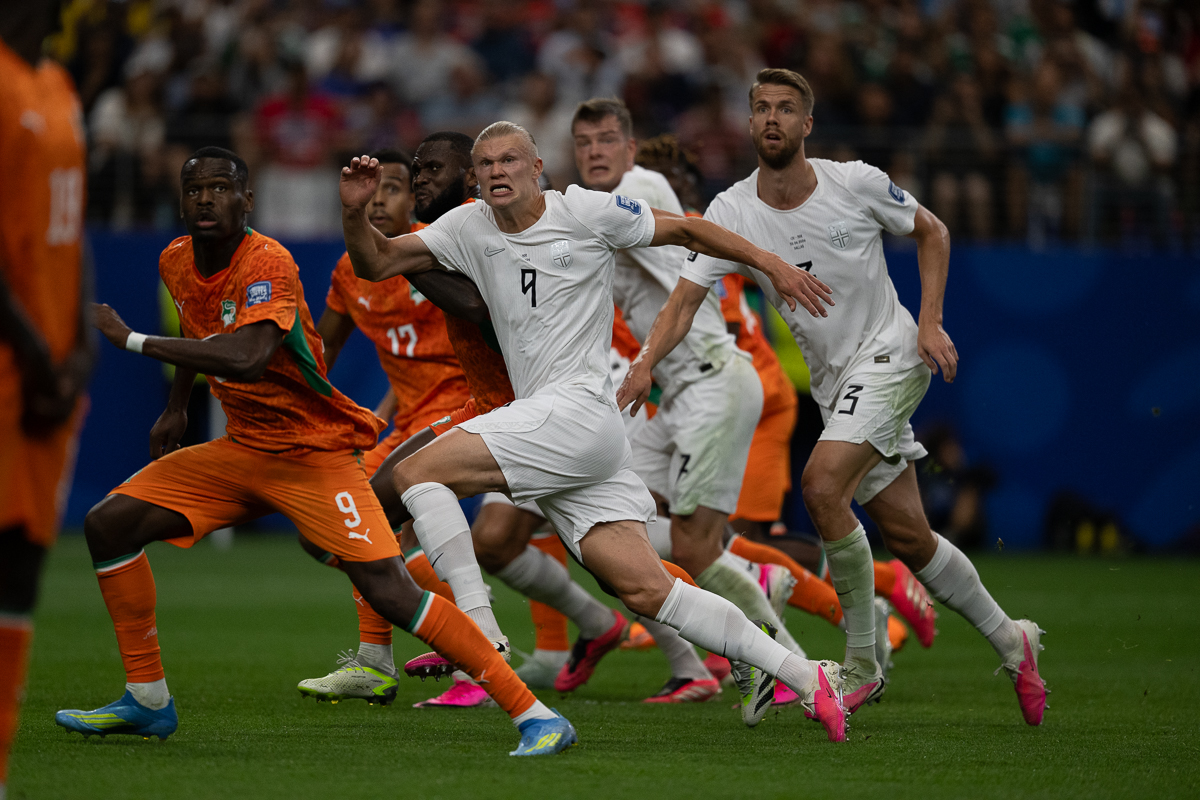
This summer the World Cup came to my hometown. This is a story about how a fantasy of shooting the tournament morphed into a dream, which turned into a goal, and then became reality. It ended where it does for every photographer; grumbling about my seating assignment.
Trigger warning: This is a long post with a lot of information about what photographers go through to get a field level seat at a World Cup game. I that doesn’t interest you, I hope you enjoy the pictures 😉
In the 1970’s, I was playing high school soccer in Hawaii and learning photography with using a Minolta SRT 101. The world Cup was known to me, but it was a strange foreign thing. There was no internet or social media or ESPN or streaming services. That started to change in 1994 when the World Cup was played here in the states, and we got a taste of the games and the crazy fandom that is such a big part of the competition. Not long after that, the internet and updated television technology made it possible to see every game of each tournament, but it was still a long way between watching a game on TV to sitting on the sidelines with a camera. I was still in the dream state.
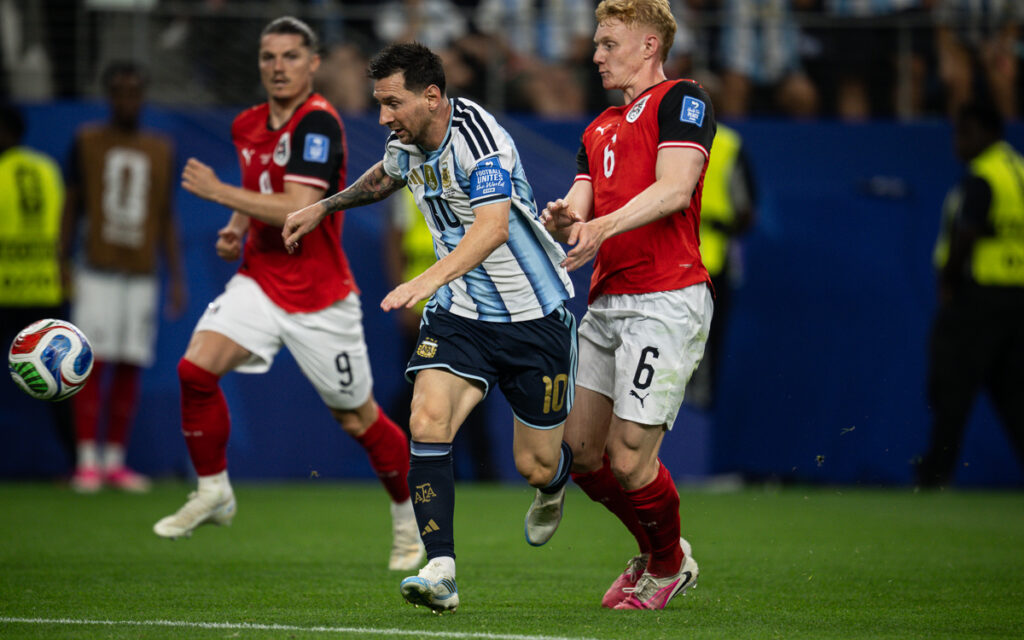
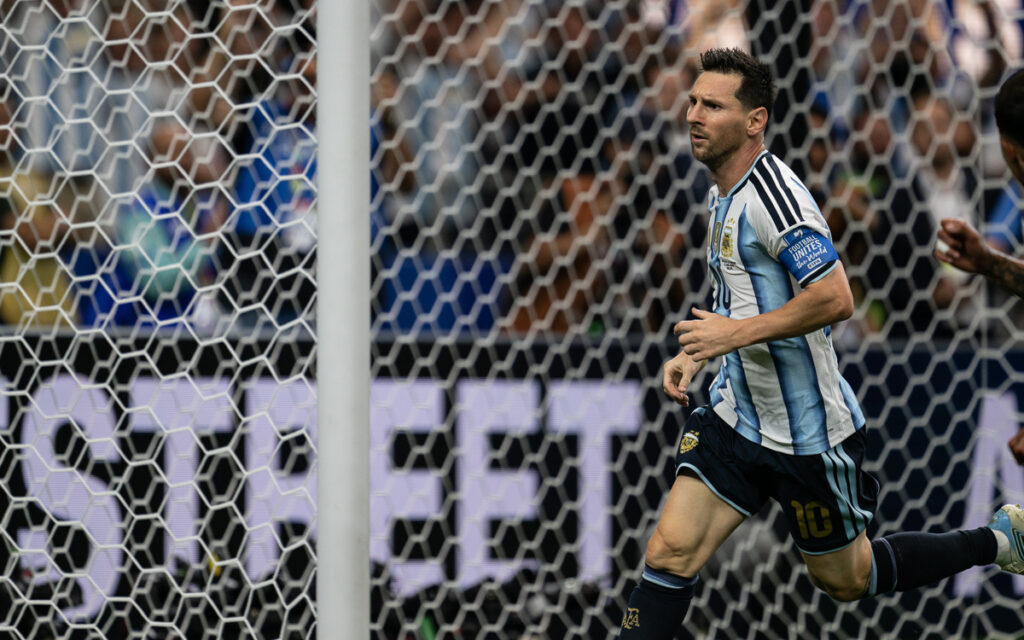
For me, that changed a couple of years ago, when Lionel Messi signed on to play with Inter Miami, the MLS team that David Beckham (partially) owns. I was a long-time freelance contributor to the Dallas Observer and while the paper doesn’t have a lot of sports coverage, they do cover local “events”. Messi and Inter were scheduled to play our local lads (FC Dallas) and it would be Messi’s first road game in an MLS shirt. The game had “big event” written all over it. My editor at the time, who just happened to be an Argentinian, asked if I would like to go cover the scene. My answer was yes, or maybe it was “oh hell yes” or something to that effect. A dream was in the very early stages of becoming a goal.
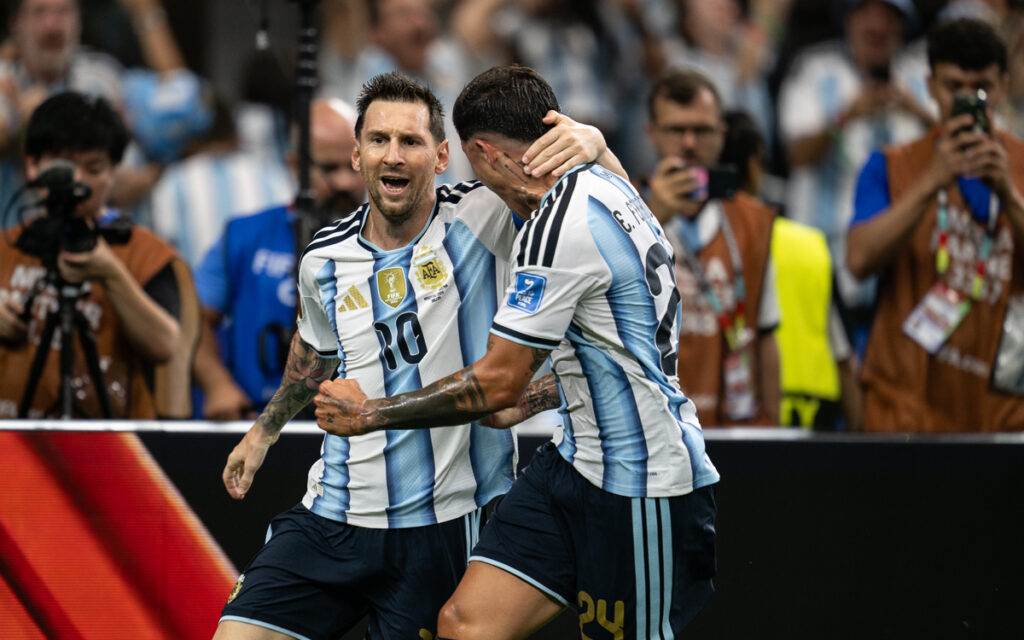
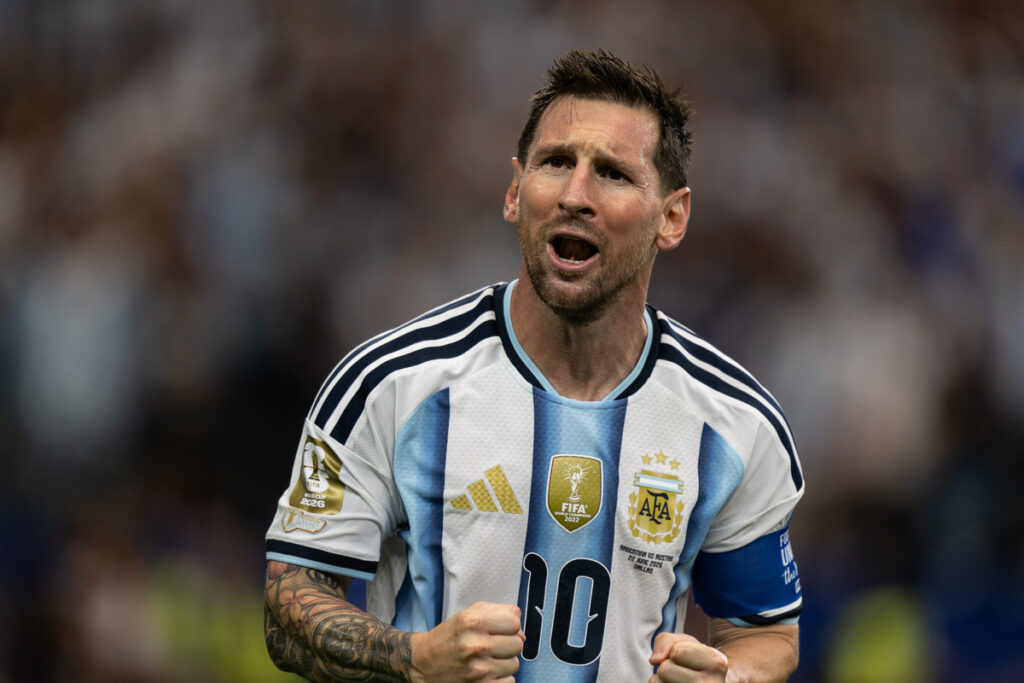
This may be too much history for some of you, but it has relevance. After the Inter Miami game, and armed with a full 90 minutes of experience, I started shooting as much “soccer” as I could. I got a season pass to shoot FC Dallas, I started shooting our new women’s pro team (Trinity FC) and even shot the new USL II team up the road where I live. All the while I was collecting contact names and email addresses. USL teams are pro teams, but just barely. But as it turns out one of the kids on the team has a father who would come to watch, and his father is also a primary investor in a new team higher up the USL pyramid that will be starting play in 2027. And that team just signed the Mexican legend Chicharito. Needless to say, dad got pictures of his kid.
Now here’s the relevance to the World Cup. Shooting a FIFA event is not impossible, but it is complicated. Three months before the first game they opened up the World Cup media center for applications. Step one in the process is to get FIFA accreditation, and for photographers they want a picture of your current photo passes and a link to any recent published work. Accreditation is also on multiple levels, and in the end the Dallas Observer was accredited as a media organization along with me personally for photography, and my editor and a couple of staff writers who would sit up high in the press box. Accreditation also comes in different flavors depending on the reach of your publication, national or regional. If you were from a country that had a team in the tournament, that was a point in your favor as well. I really can’t say how many flavors there are, or how many factors FIFA has for determining this first layer of access. At the time it seemed like we were navigating Dante’s nine circles of hell, but in FIFA’s defense it is a huge undertaking with 48 countries sending teams and multiple venues across Mexico, Canada and the US. At the end of the day, we were accredited as a local/regional outlet and could apply for any of the games in Dallas (9) or Houston (6).
At this point, we had made progress but still did not have approval for the coveted game day pass that gets you in the door for a specific match. I guess we were in about the third circle of the inferno. As you may have guessed, there is an additional process for getting in the game. And an additional app.
Group stage games are scheduled well in advance, so you know the times, venue and teams involved a solid month before kickoff. This is important for out-of-town visitors who are following a specific team and becomes one of the factors involved in game day approvals. Knockout games follow a similar process, but applications don’t open until the teams have been determined. At the Observer, we filled out our applications for the group stage well in advance and then waited with some trepidation for the approval confirmation. And waited. And waited. About a week before the first game, I ran into another photographer I know who shoots for the Associated Press and asked him if he had gotten his approvals yet and he looked at me curiously. He had been approved weeks ago. This brings up the whole discussion around pecking order, which I’ll get to in a second. The good news is that my editor and I got our email for the first game a couple days later and many happy face emojis were exchanged. Apparently, FIFA waits as long as they can to get a full list of applicants before passing judgement on who gets in. By the end of the tournament, we were approved for all the games we applied for (12) so I’m not complaining, but there were some nervous moments before that first notification arrived.
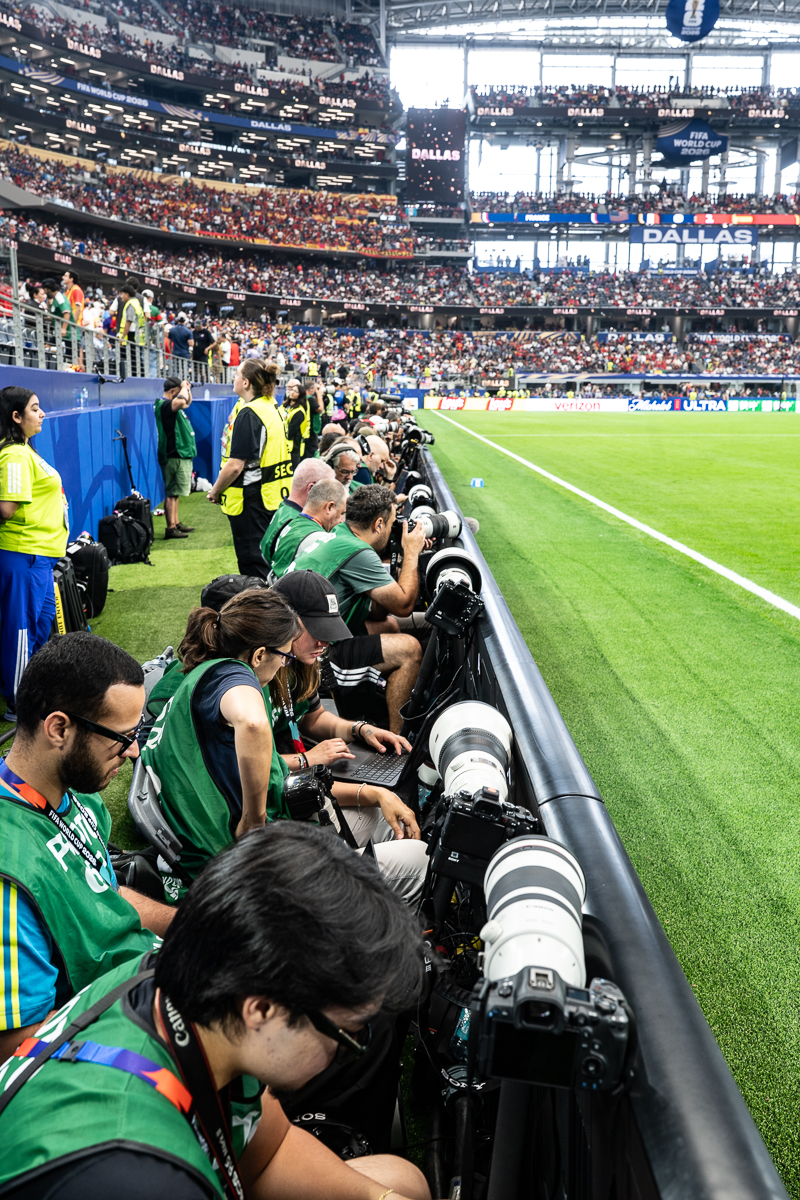
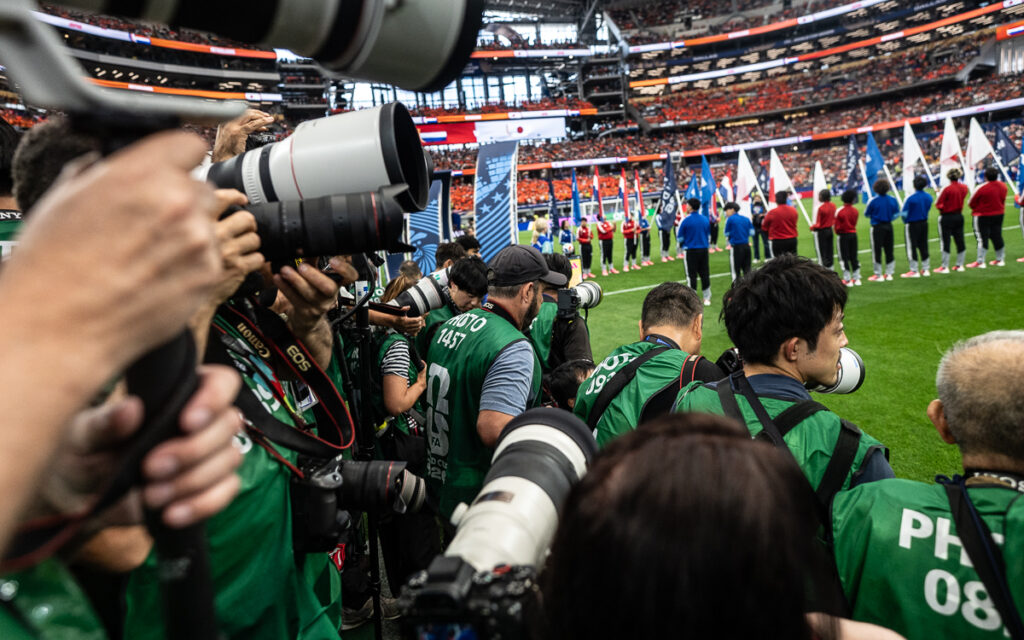
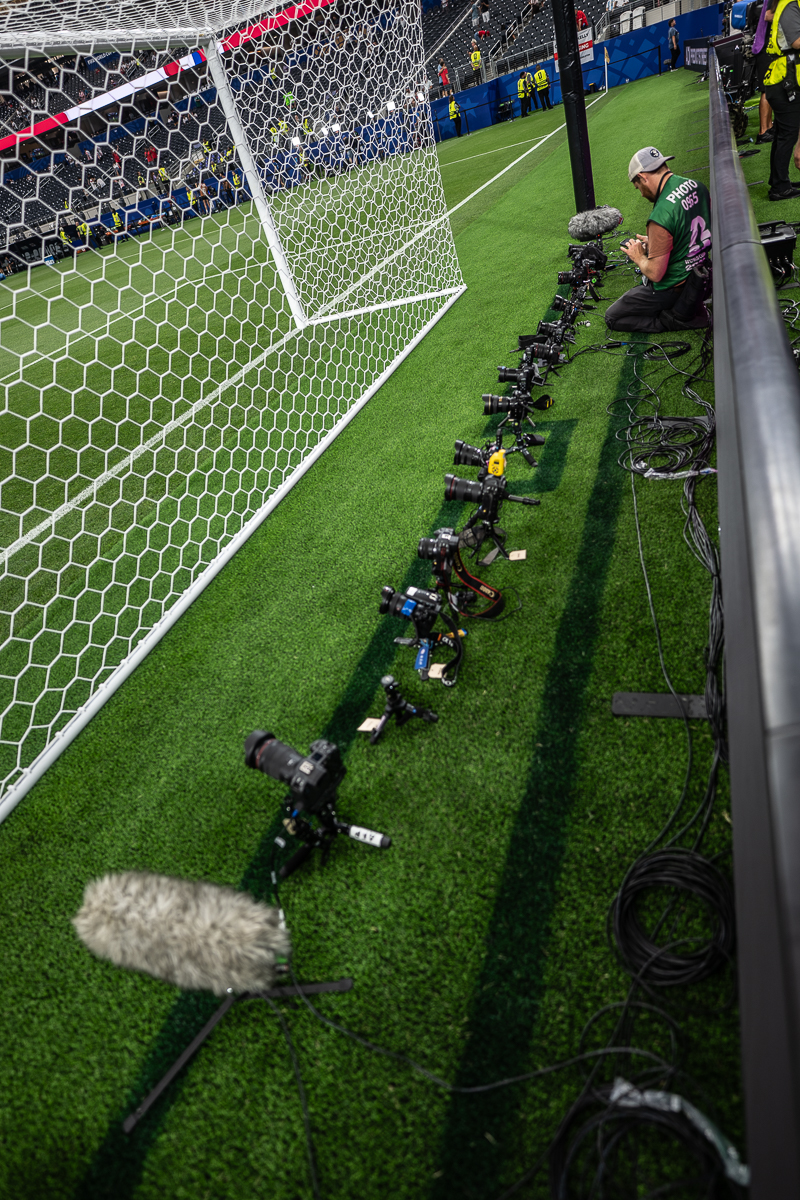
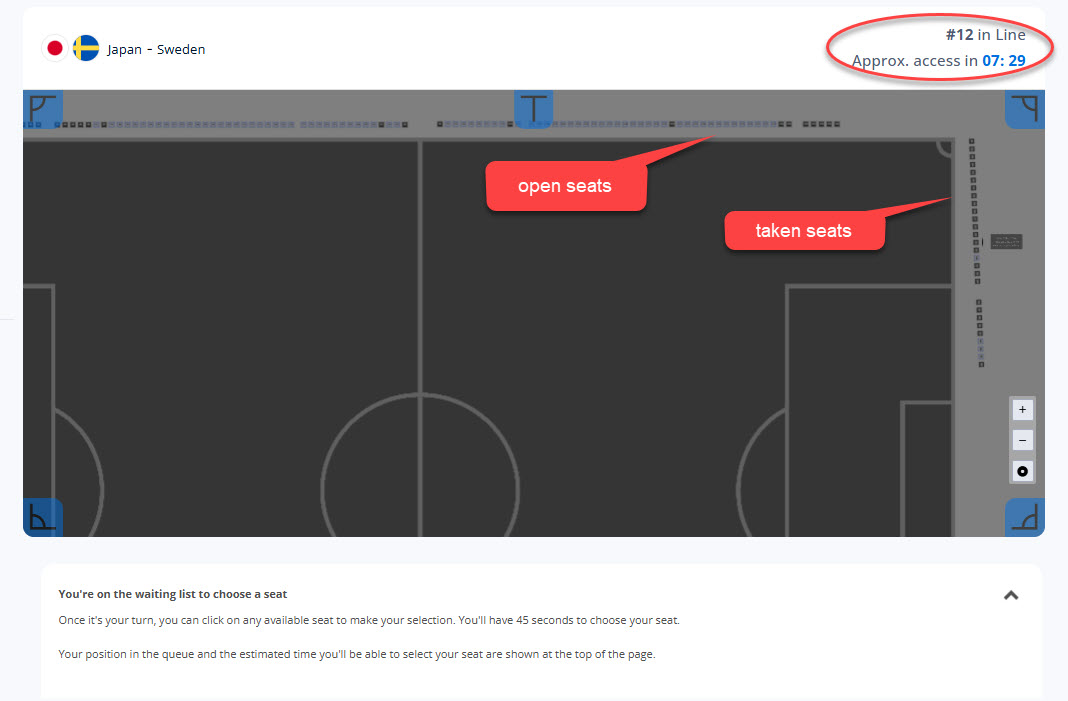
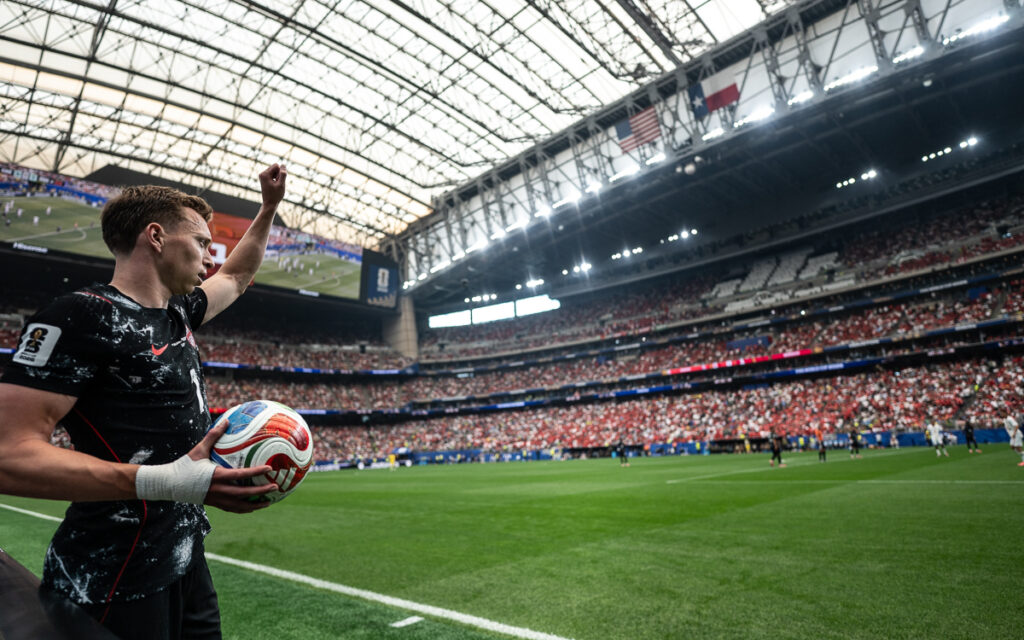
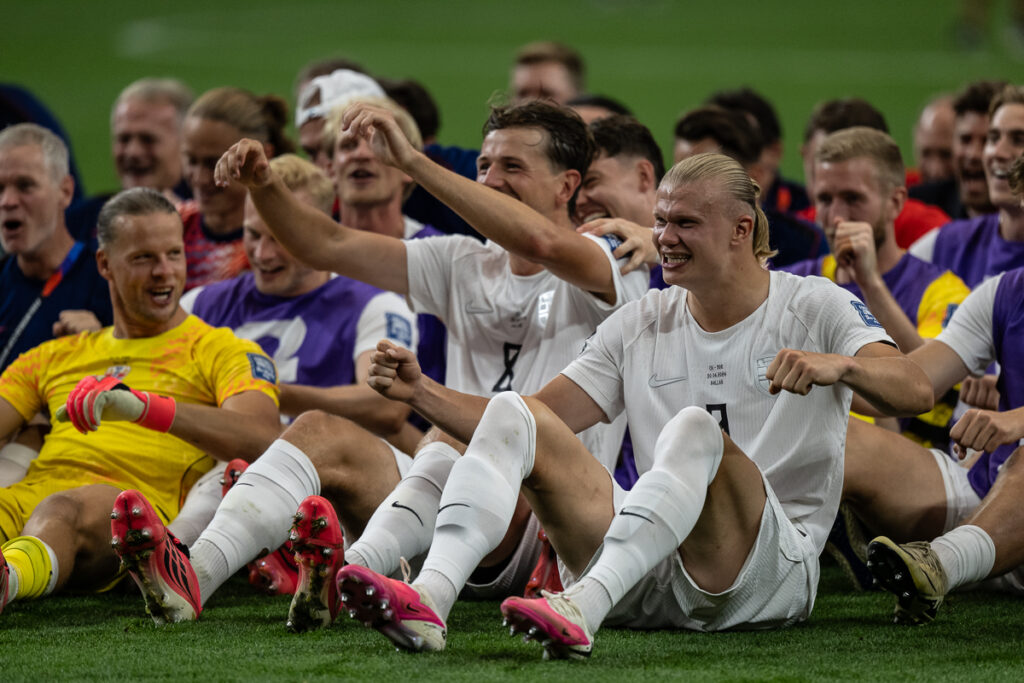
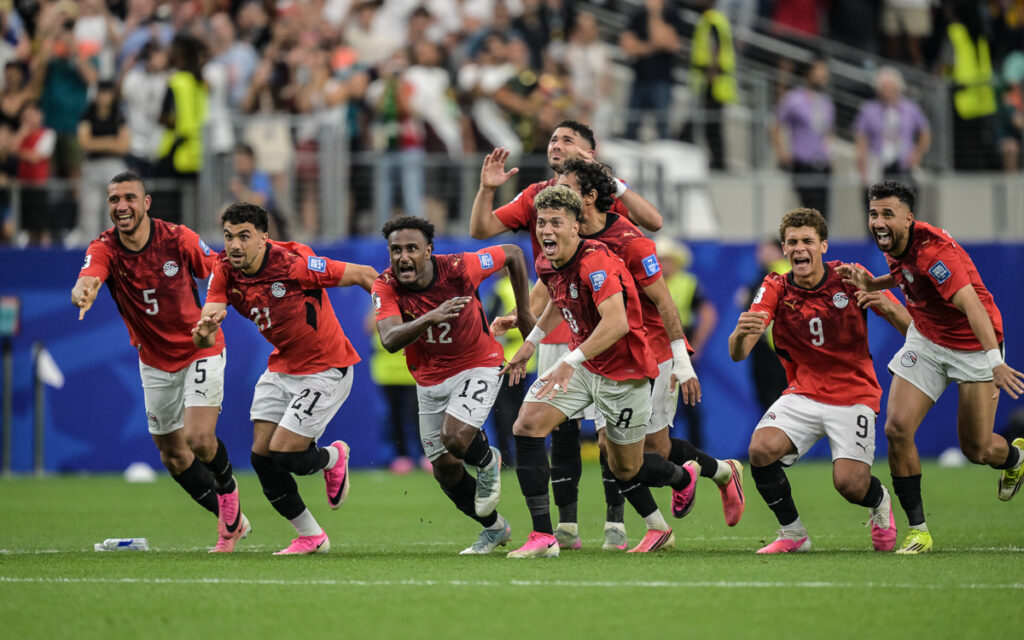
For those of you who want to know about what it’s like to actually shoot a game, this is where it starts. Kind of. For photographers, there is one more level of hell to pass through, and it directly impacts the pictures you will capture. Each photographer is assigned a seat for the game, and there is an app to make your selection. When photographers get their approval notification, they are sectioned into groups A, B or C. The app opens up about 24 hours before kick-off. 10 AM local for A listers, 11 AM for the B group and 12 PM for the C group, which for photographers is kind of our very own group of death. Group A is basically the big wire services, and they normally have multiple shooters at every game. The most coveted seating positions are in the two corners on the side of the field with the team benches, because those corners give you the best opportunities to get celebration shots. There are about a dozen chairs in each corner, and they will all be taken when groups B and C get to make their selections. I was lucky enough to be in group B for 11 of the 12 games I shot, which means at best I would have access to the 30th or so most desirable location and at worst 75th. When 11 AM rolls around, everyone in group B would click the link to get in the seating assignment queue. Click fast on a good internet connection and you may go to the front of the line, click slow and you will be in the back. A count down timer shows your progression in line, along with the available seats. When it is your turn you have 45 seconds to select a seat or you go to the back of the queue. Another complication is the configuration of American football stadiums. I prefer to sit on the sideline just outside the 6-yard box. But because the fields had to be widened for World Cup soccer, these sections of the field were extremely tight, and no seating was available until almost the 18-yard box. And yes, that was the grumbling part of the story. Happily, I’m over it. All I ever wanted was a seat at the table and I got one.
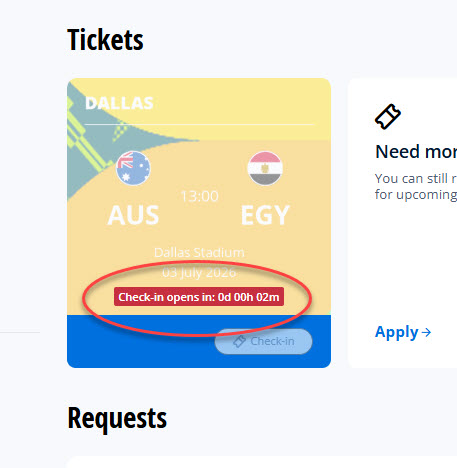
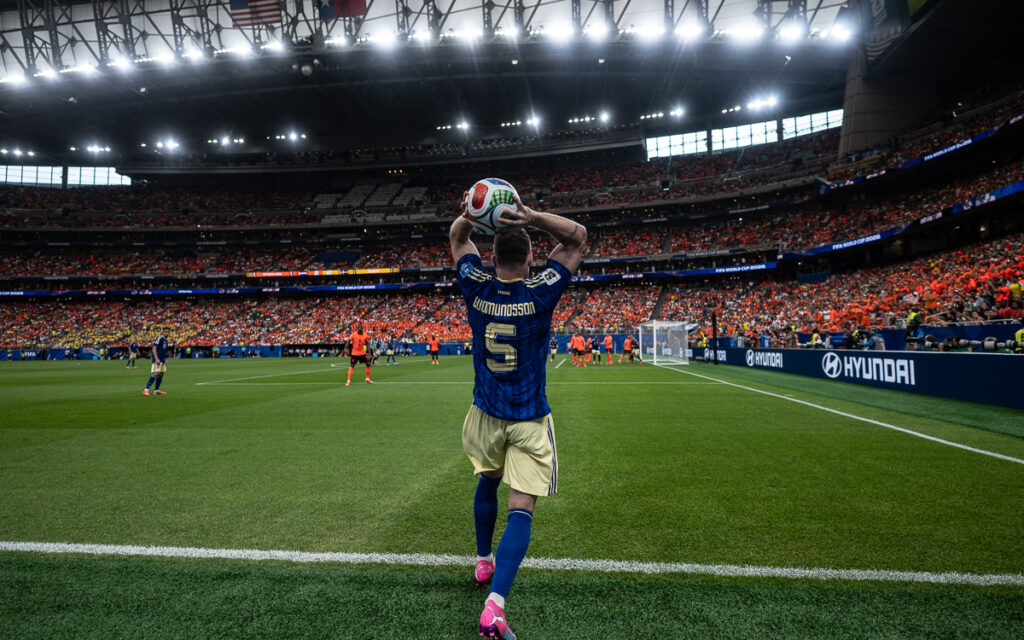
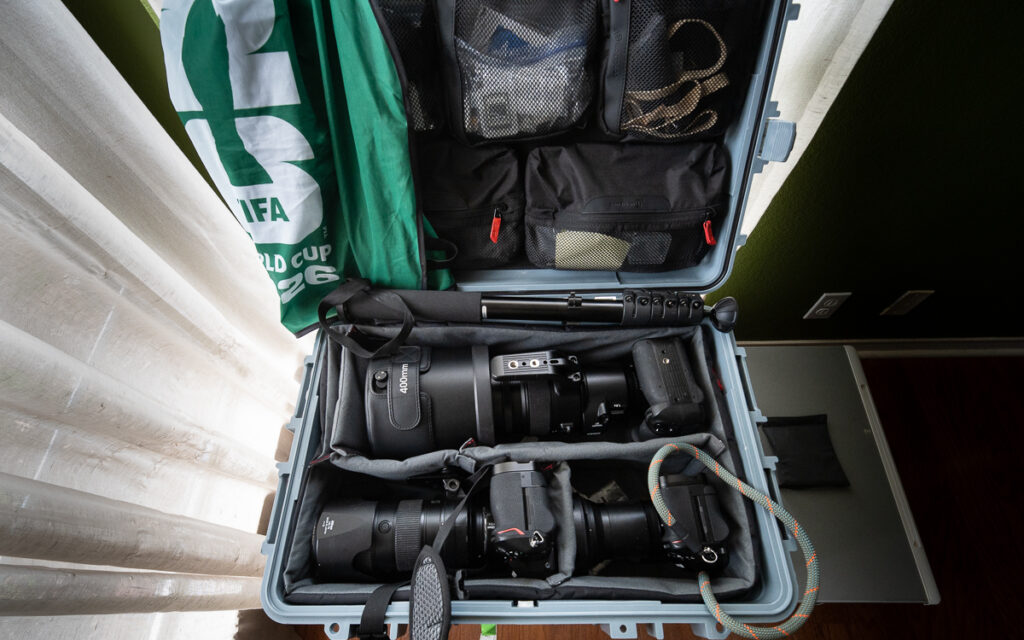
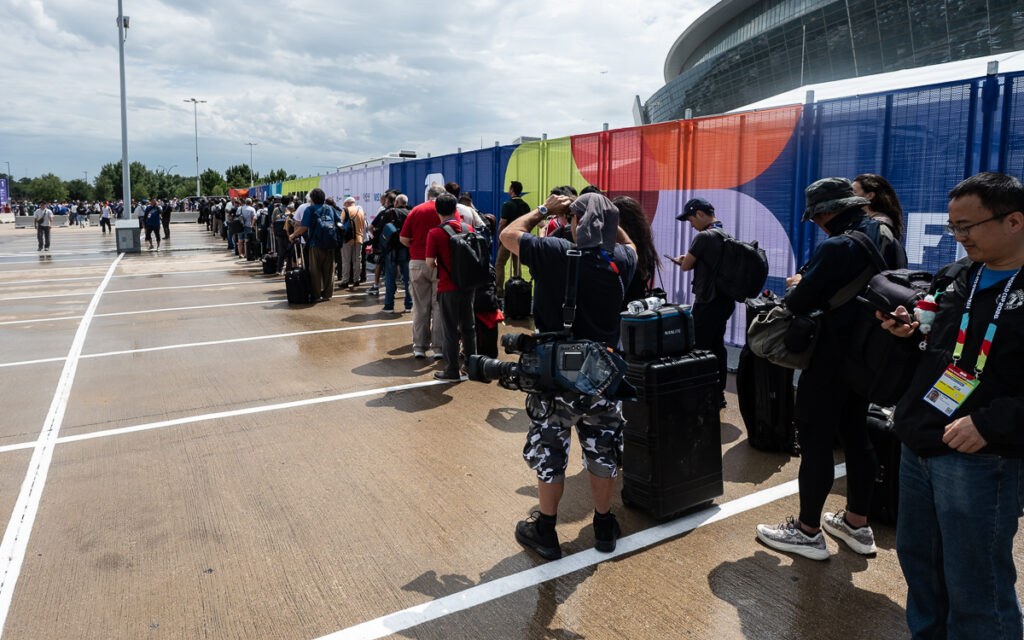
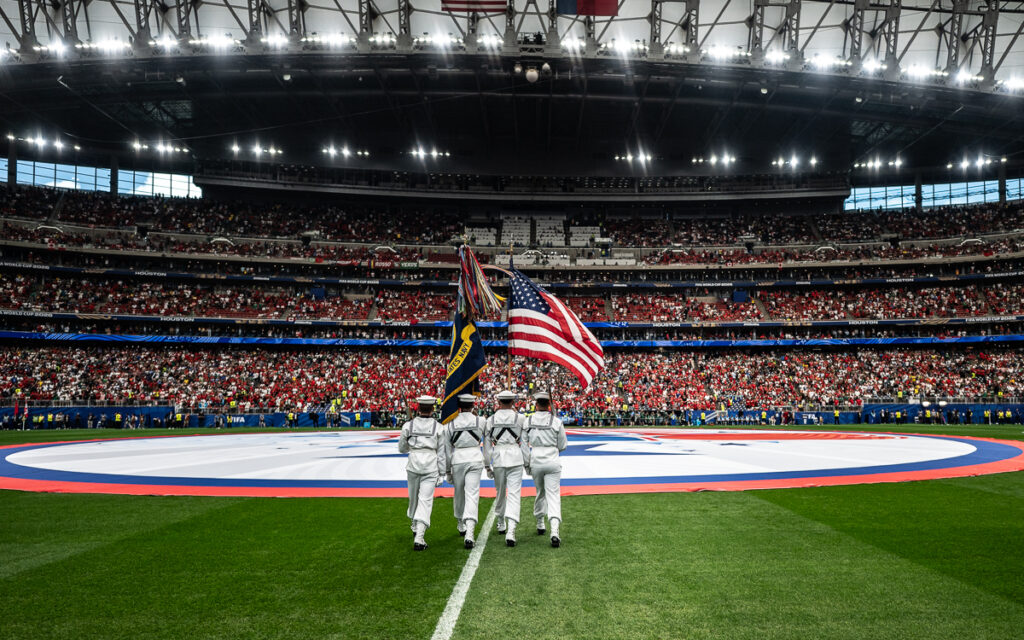
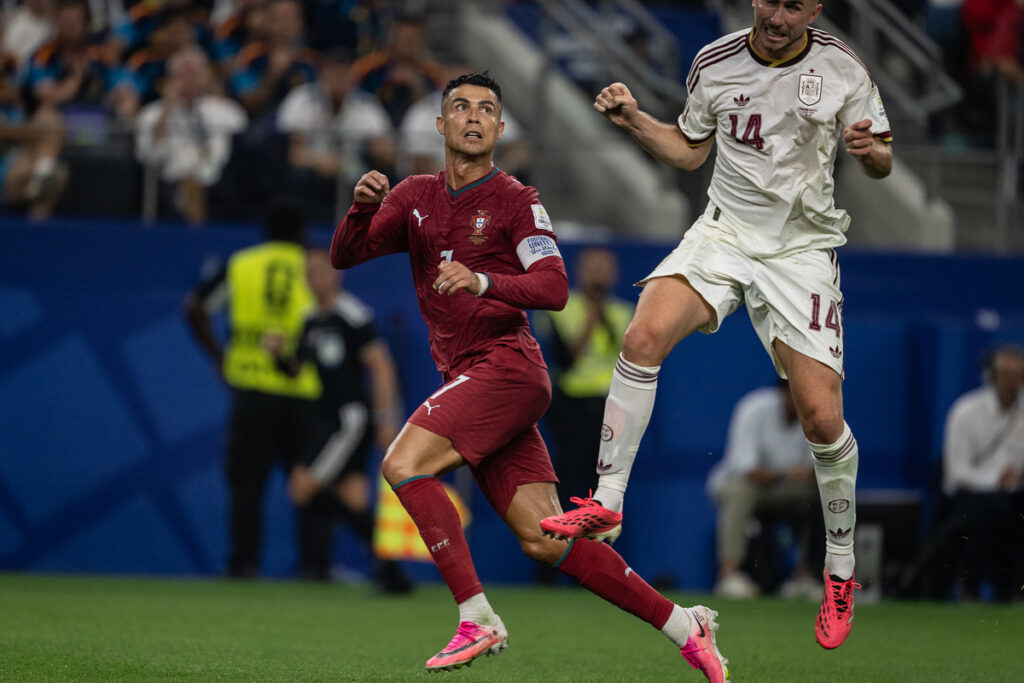
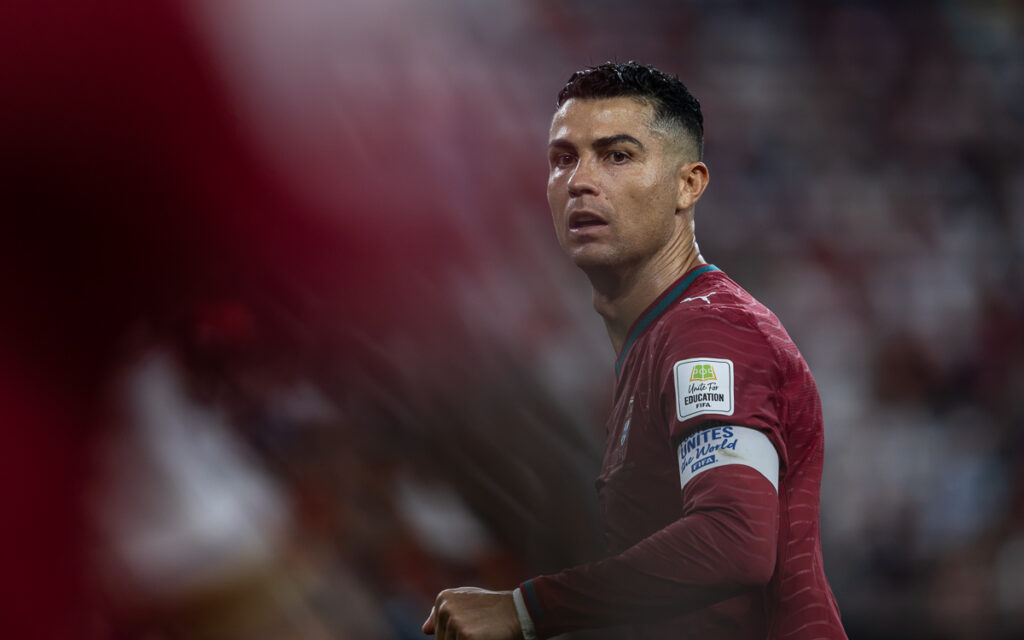
Game days started early. Most of the games in Texas were played in the middle of the day, and you’ll want to show up 3 – 4 hours early to get a halfway decent parking spot. Along with 100 to 150 photographers, there are live broadcasts from the field, team photographers, FIFA photographers and the dreaded FIFA media partners with their i-phones and lack of any awareness about getting in the way. All media goes through the same security gate, and it could take as long as one hour to get in. Add in all the cops and bouncers and field marshals and hundreds of volunteers and the sidelines become pretty chaotic before the game starts. For the game, photographers are packed together cheek to cheek. Think of the space on an economy airline except you all have multiple cameras and 400mm lenses, laptops and wired internet connections. In my bag I carried a Nikon Z9 with the Z mount 400 f 2.8, a Z8 with a 70-200 and a Z6iii with a wider lens (normally 20mm). For the most part, everyone around you has a similar kit, and we are all watching the same game. For competent photographers, it’s straightforward to get a good picture at the World Cup. To get a picture that is unique is a whole different challenge, and to get a picture that no one else got is almost impossible. I know there are shots I got that made me giggle with happiness, and shots I missed that made me sick to my stomach on the entire drive home.
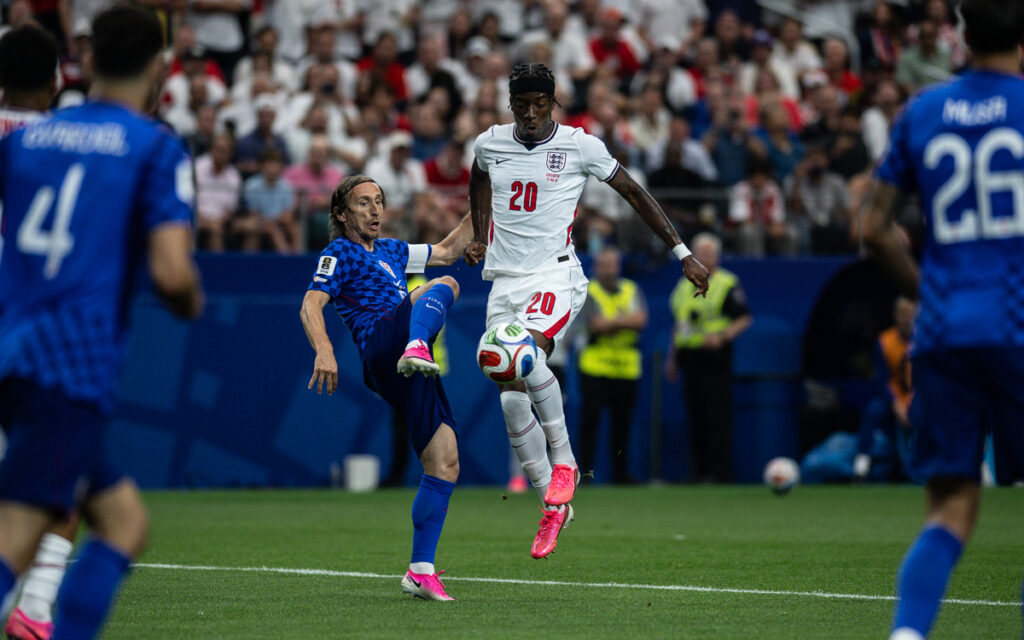
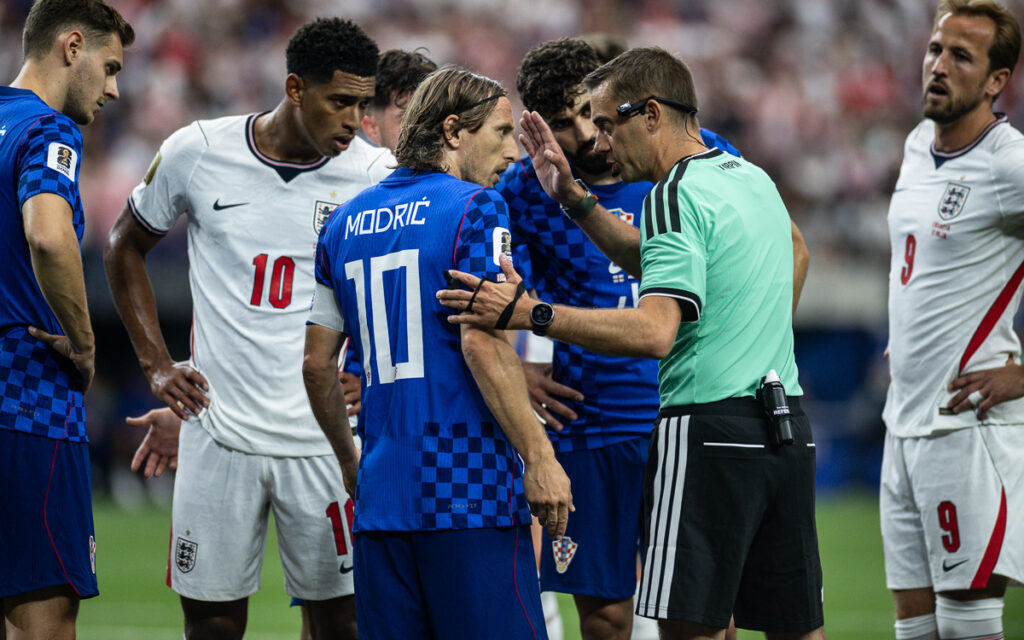
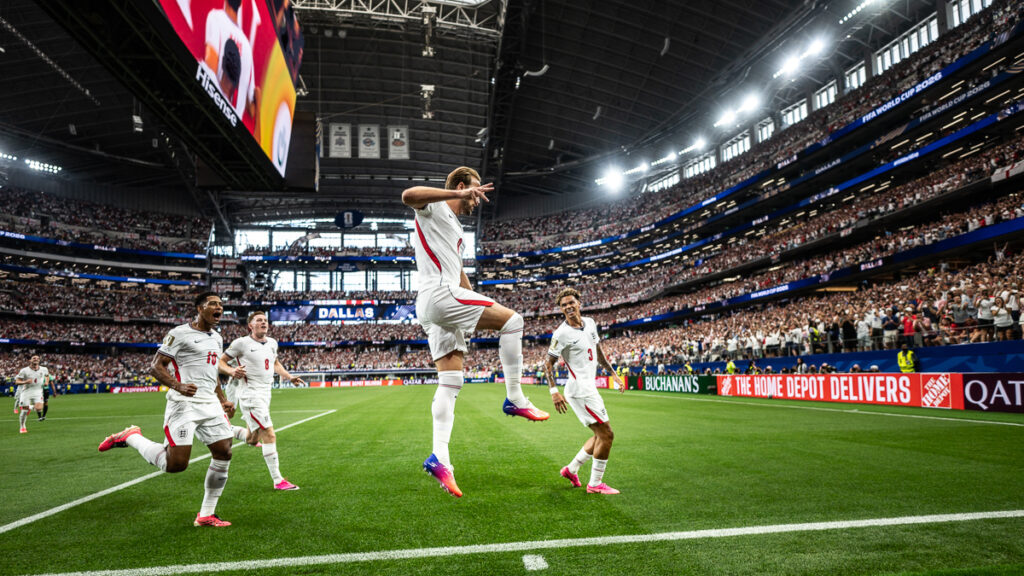
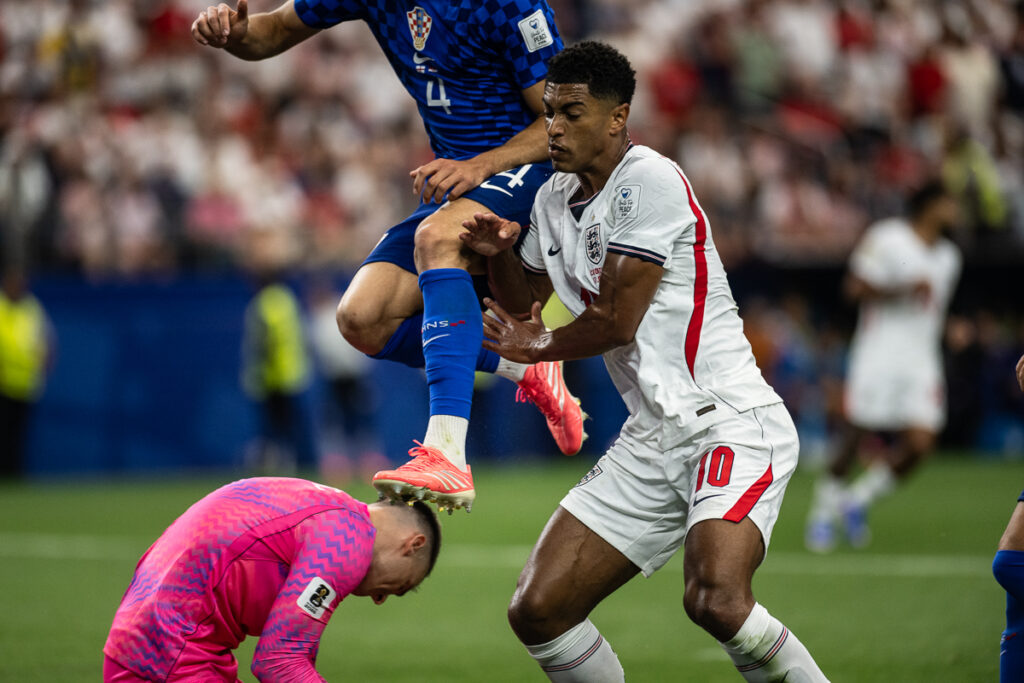
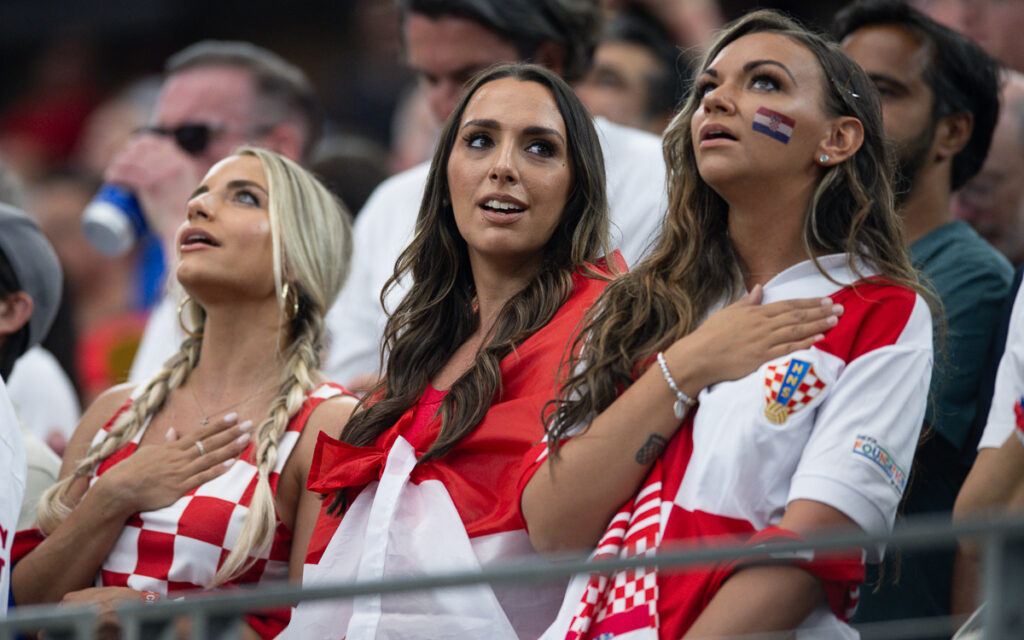
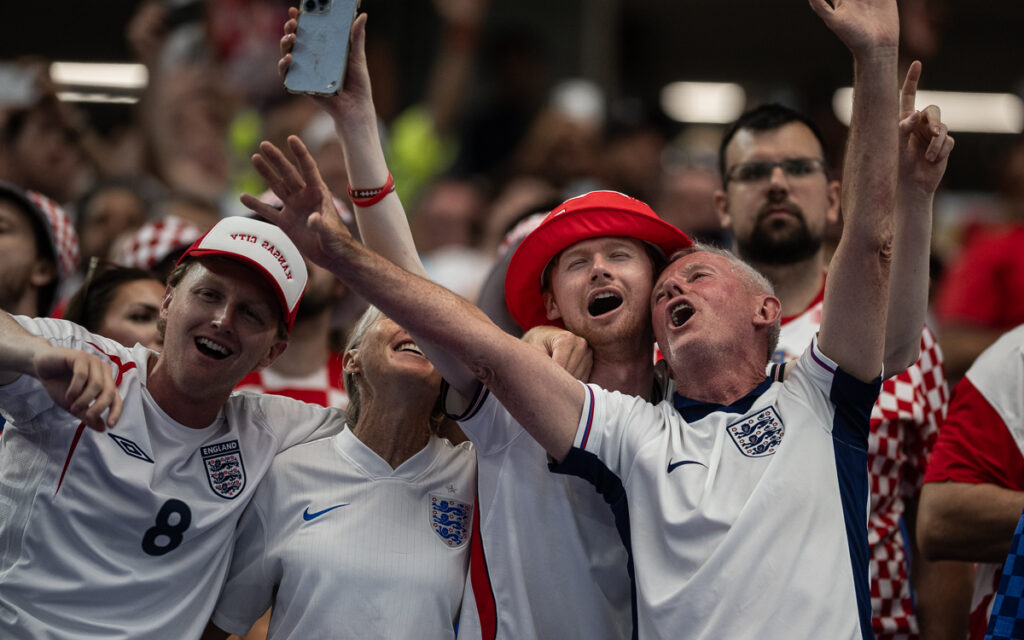
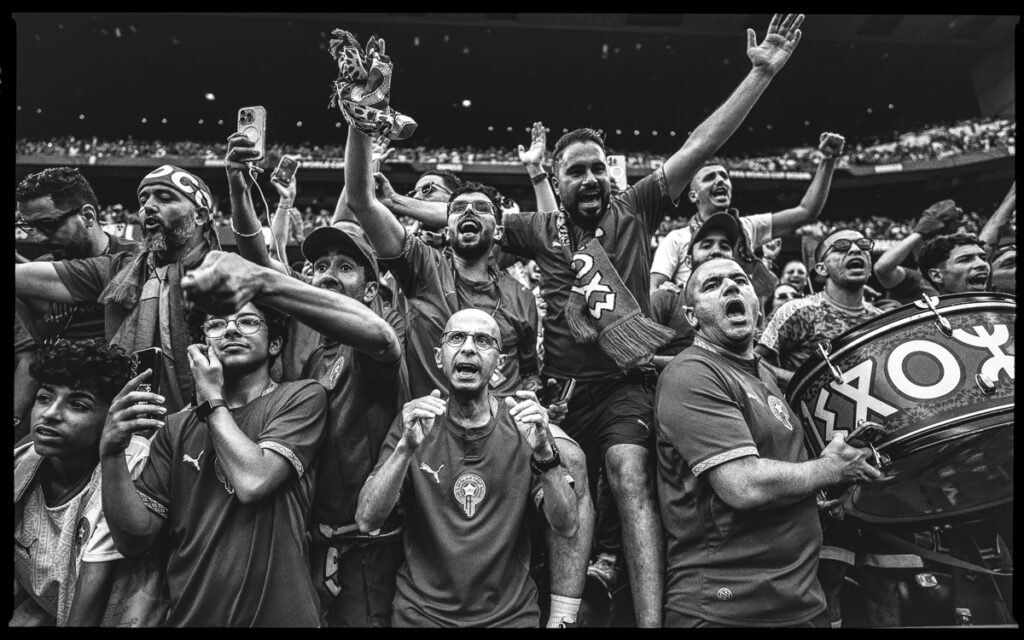
Along with the games themselves, I also got out to shoot some of the fan events taking place around town. At a World Cup, the fan engagement is almost as big of a story as the games. This is especially true here in the States, where we just don’t see this kind of soccer loyalty. The visitors were great. Japan, England, Croatia, the Netherlands and swarms of Argentinians all brought international soccer joy to little old Dallas, drinking all our beer and eating up barbeque like they had just discovered the wheel. Even though their team didn’t play in Dallas, the strong local Mexican fan base packed the Fan Fests and were visible at every game in their green El Tri jerseys. It was an unforgettable month, and I hope everyone reading this gets to experience the World Cup where they live.
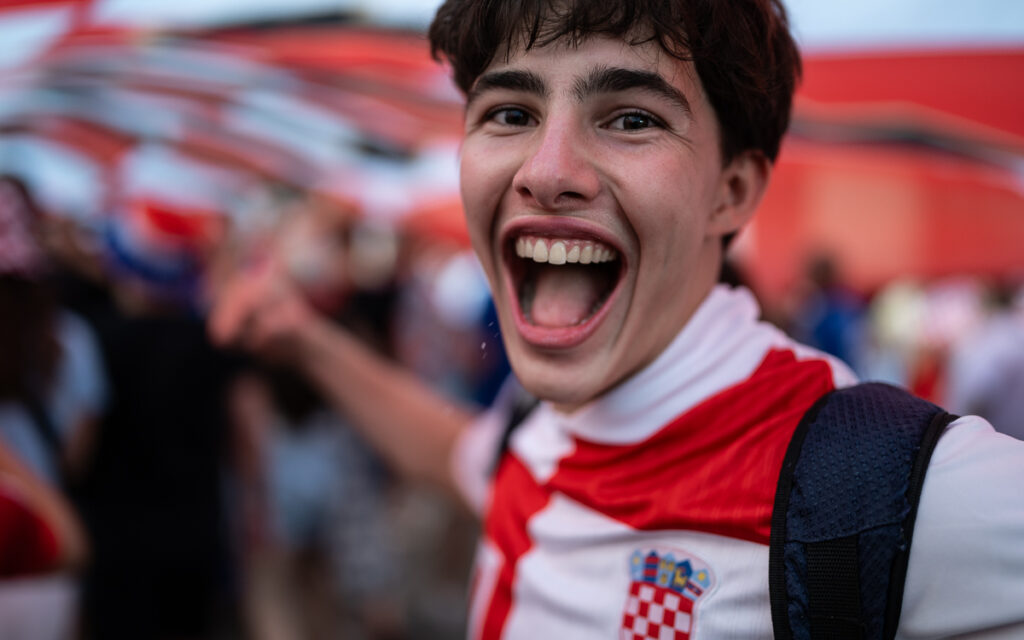
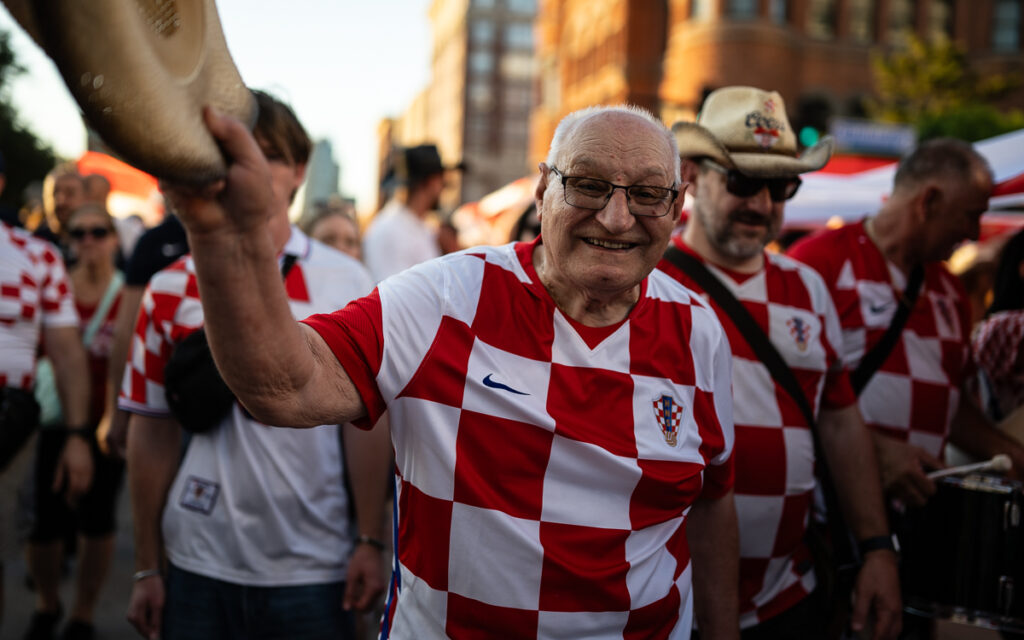
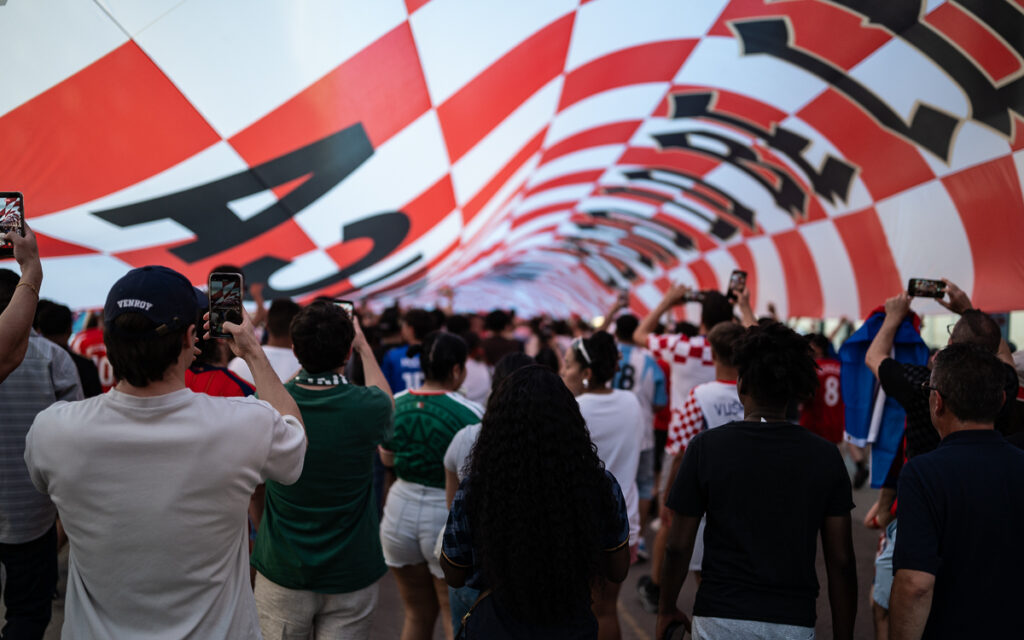
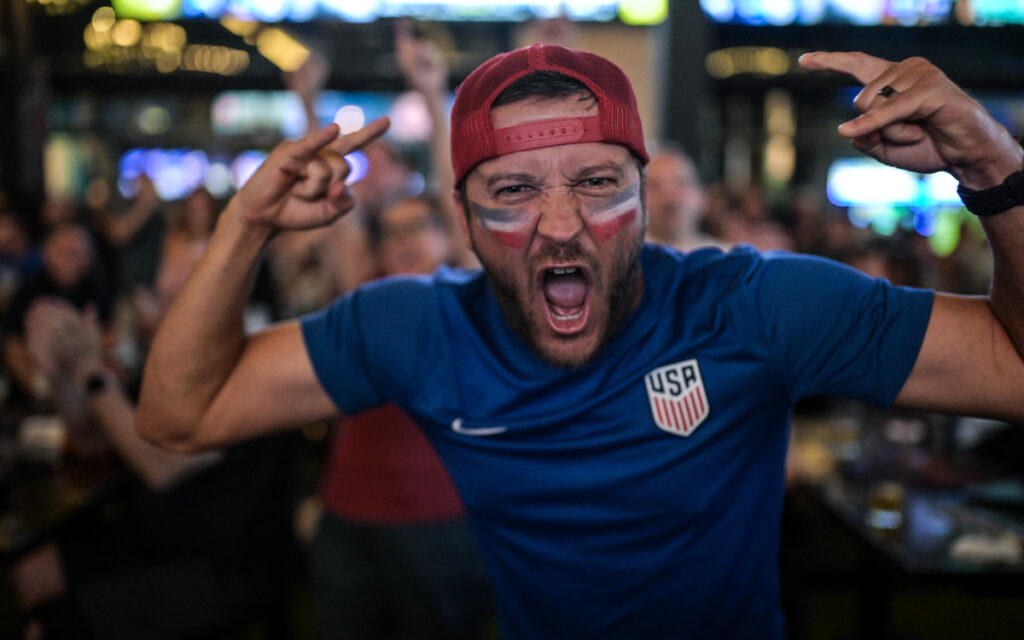
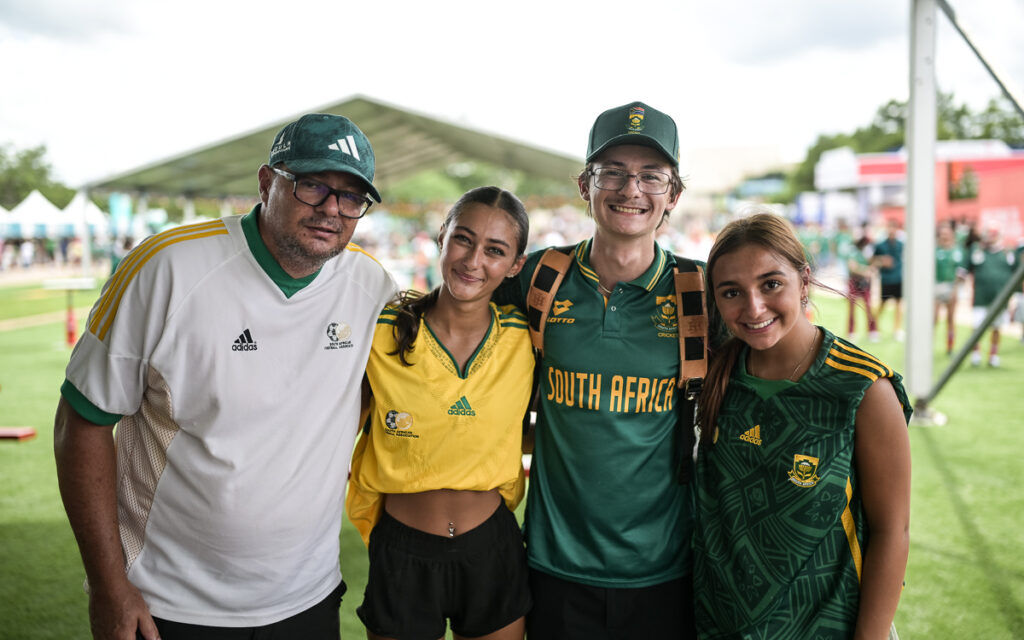
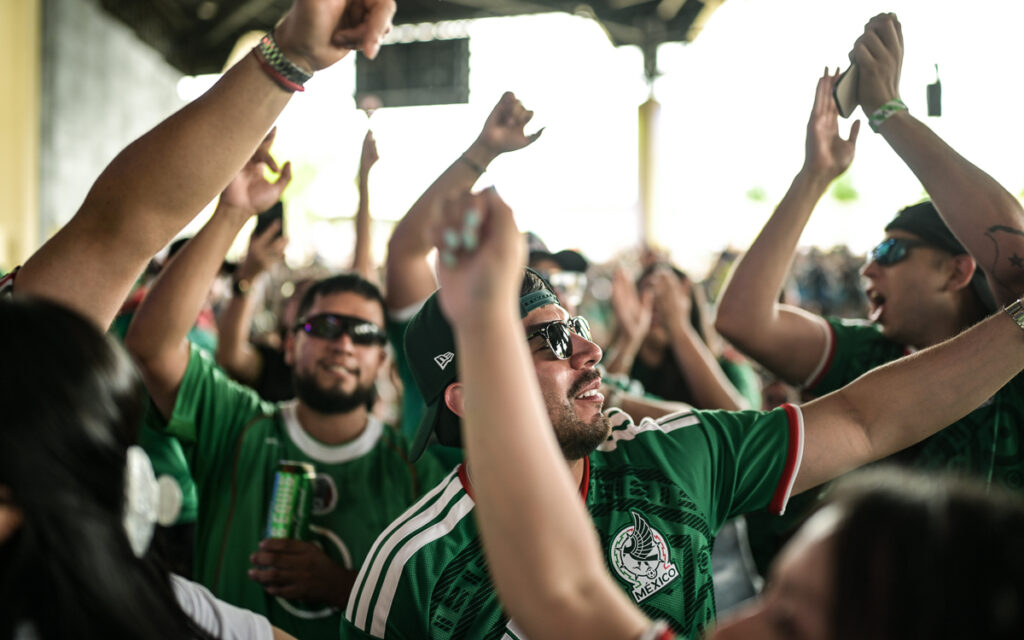
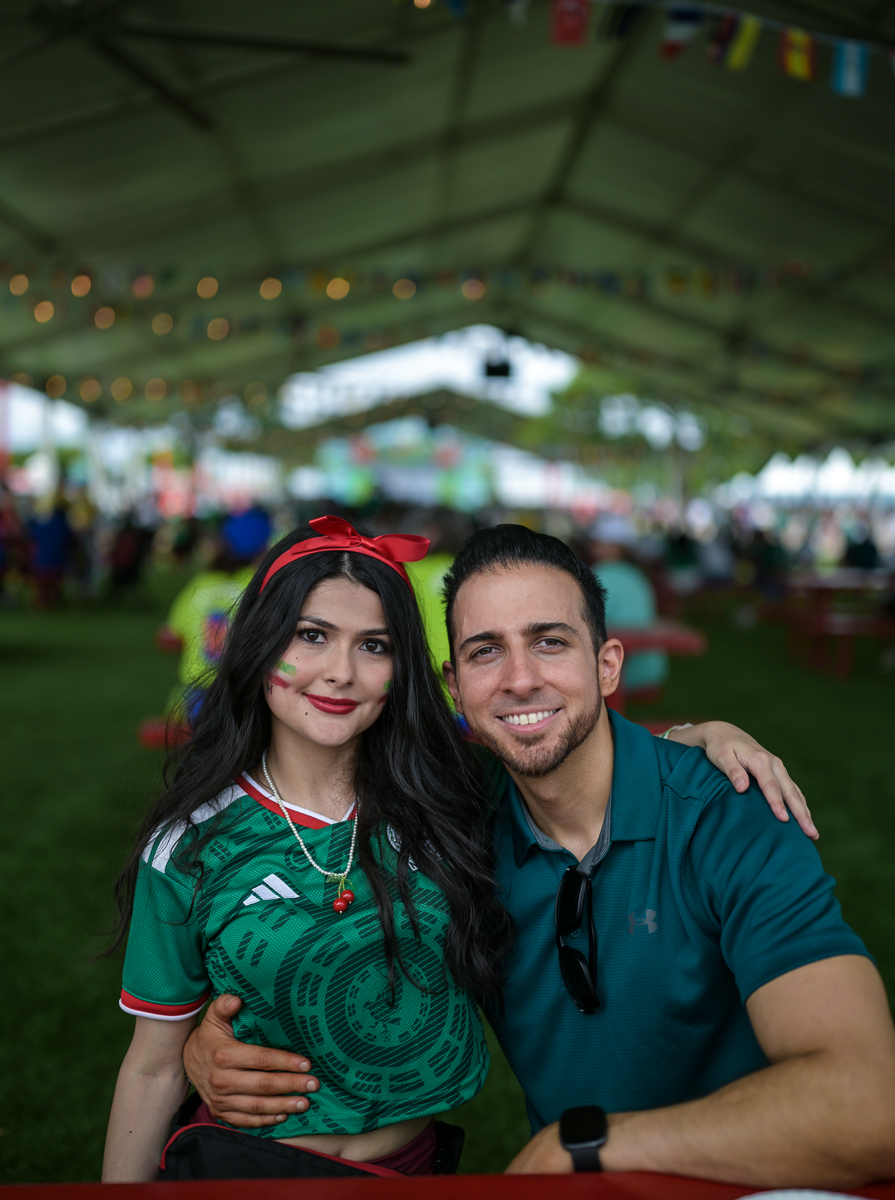
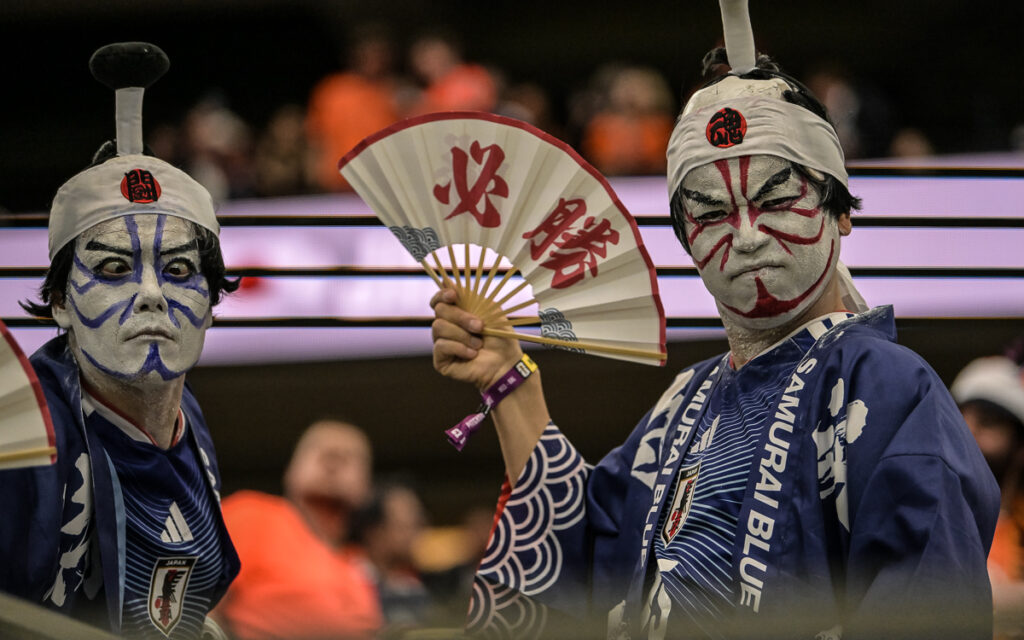
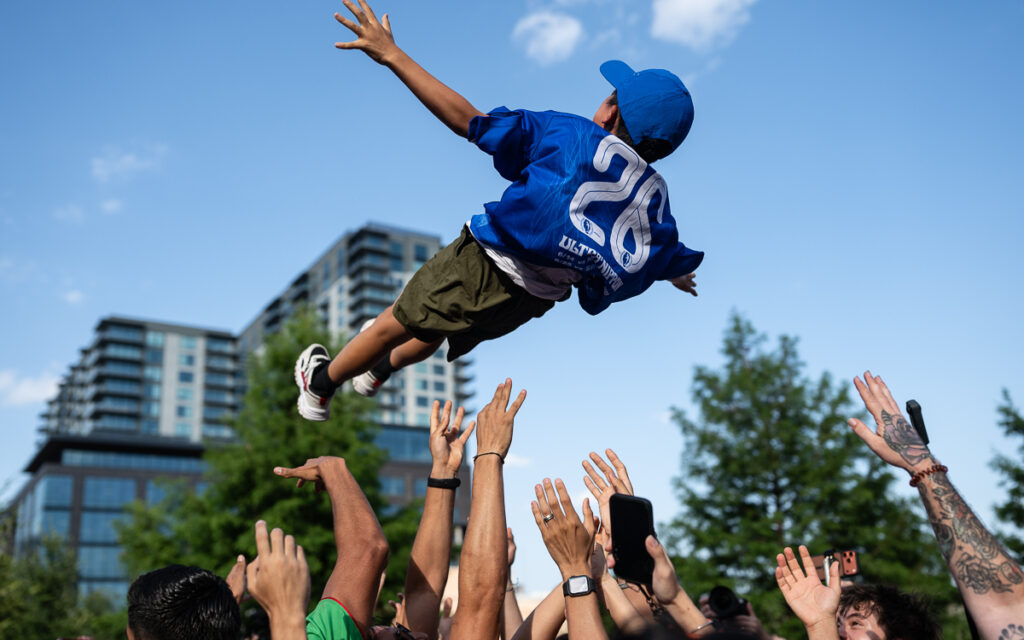
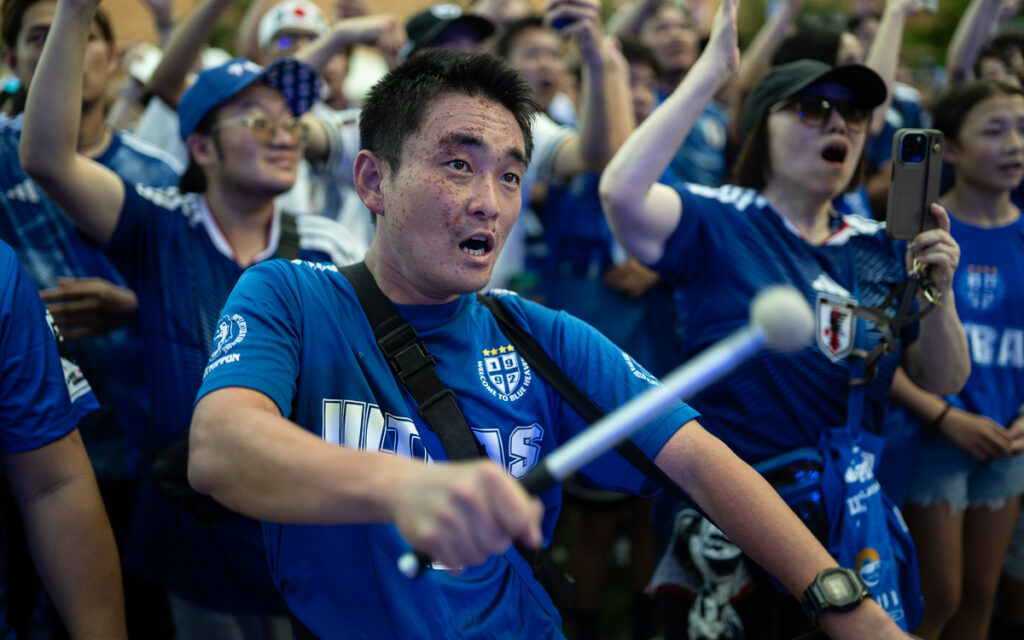
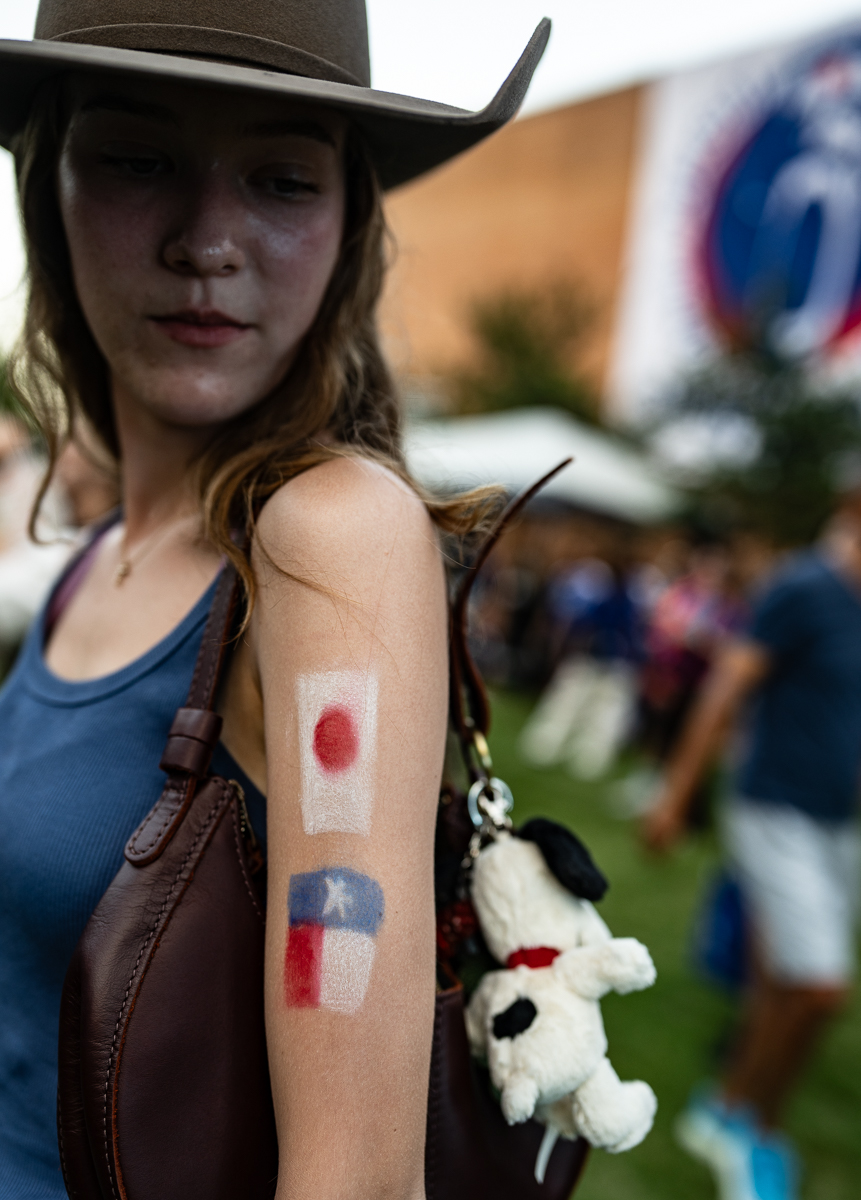
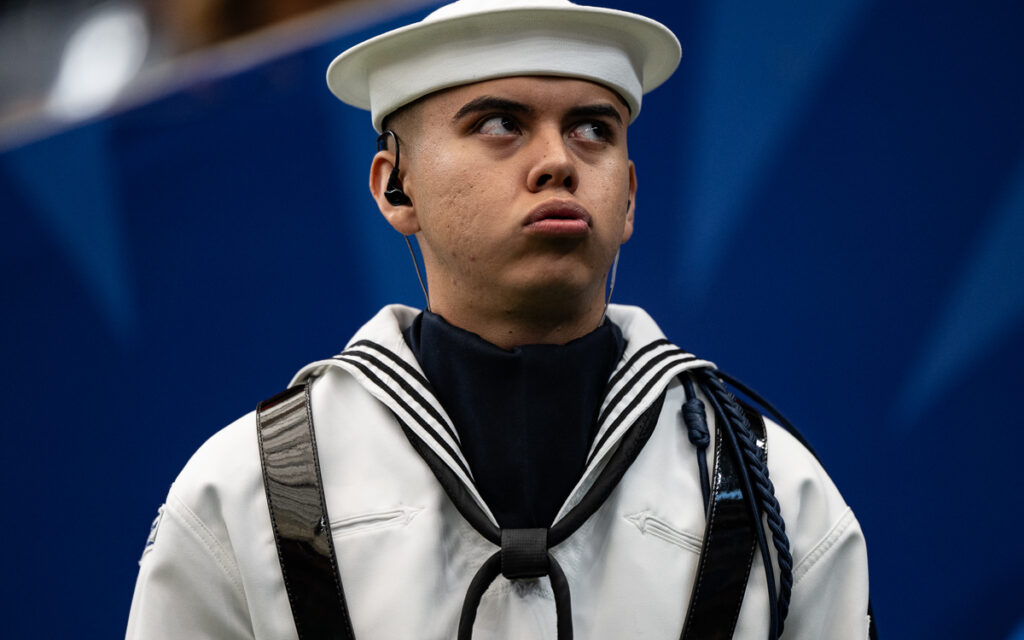
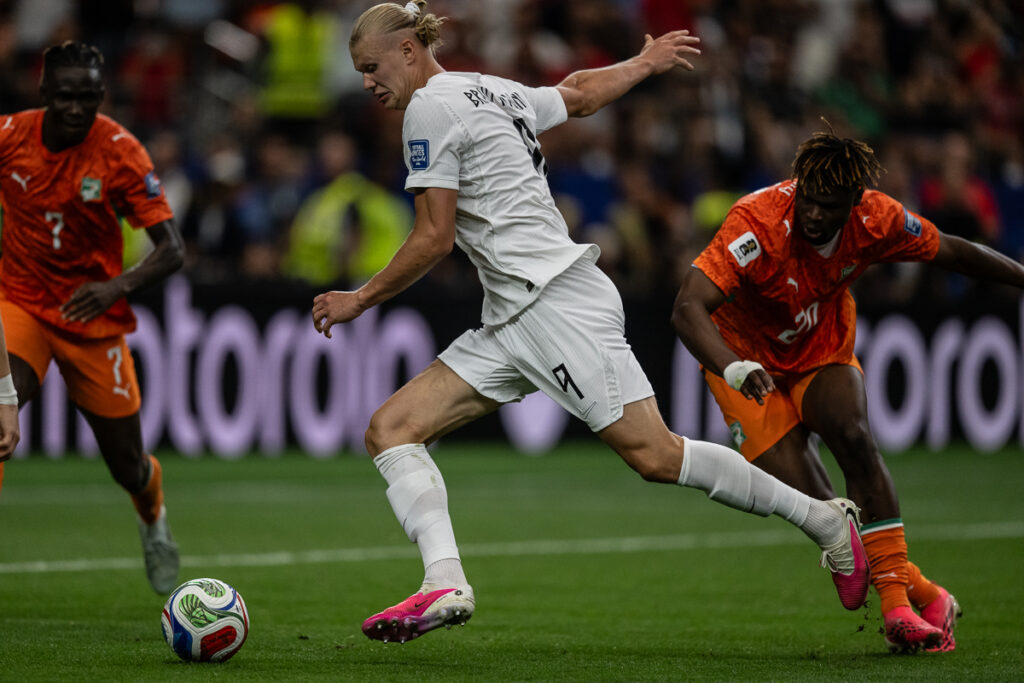
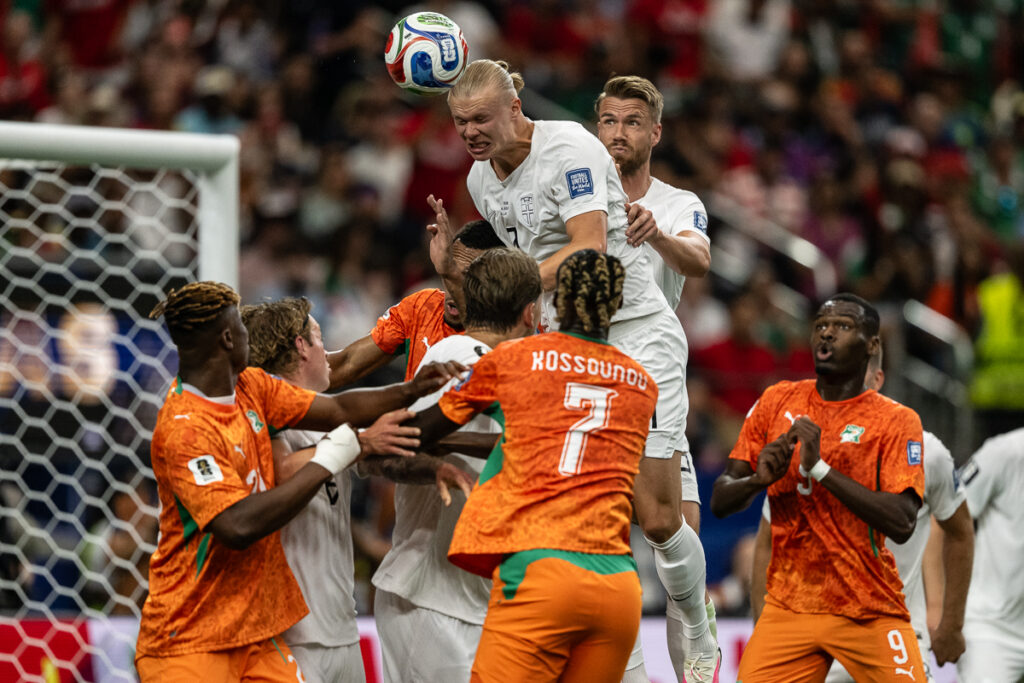
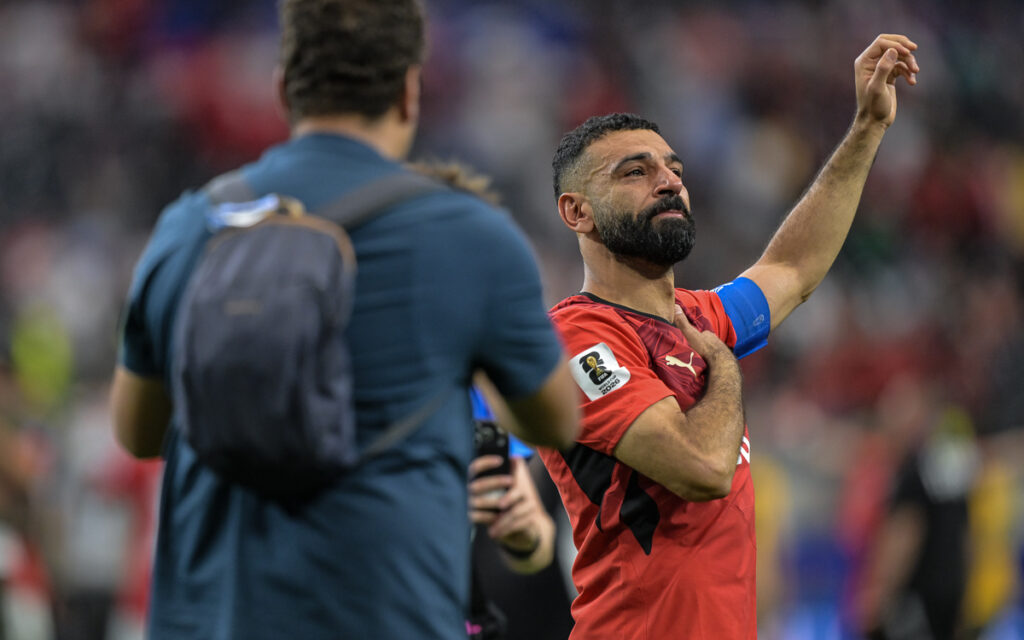
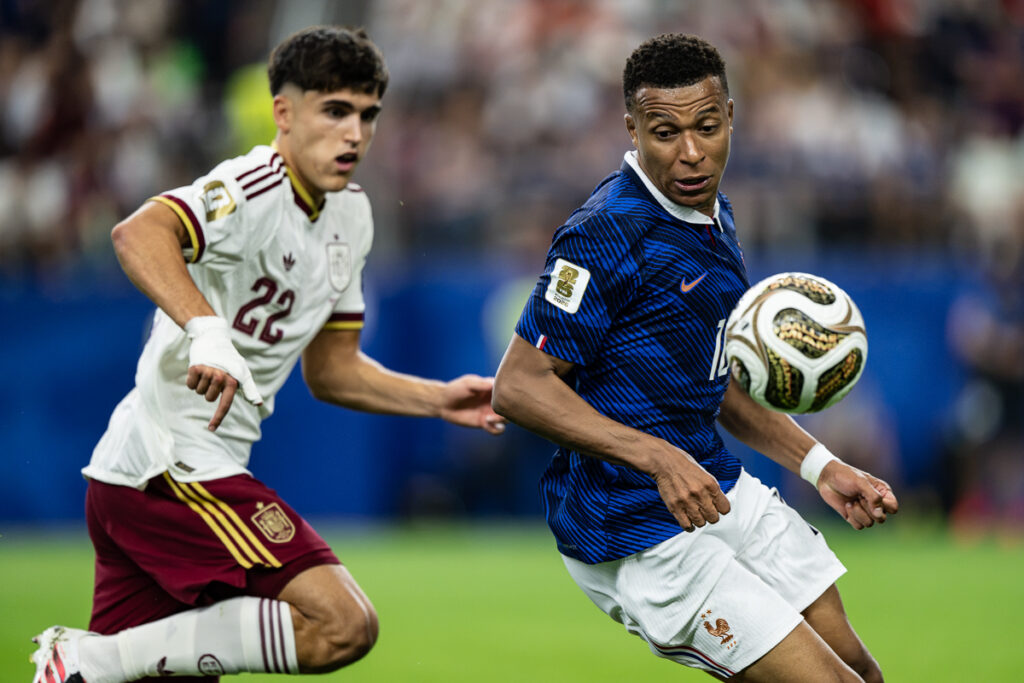
Here are a few more examples of the shots I brought home with brief descriptions. I have a more complete photo journal here on my web site if you are interested. If you have specific questions, leave them in the comments and I’ll try my best to give you an answer.
What an unbelievable experience this was to have the World Cup right in my backyard, and to get an opportunity to shoot so many games. At my age I’m pretty sure that this will end up being a literal “once in a lifetime” event. I’m going to have to create an entirely new bucket list.
Share this post:

Comments
John Bennett on A Behind the Scenes Look at Shooting the World Cup
Comment posted: 28/08/2026
Comment posted: 28/08/2026