


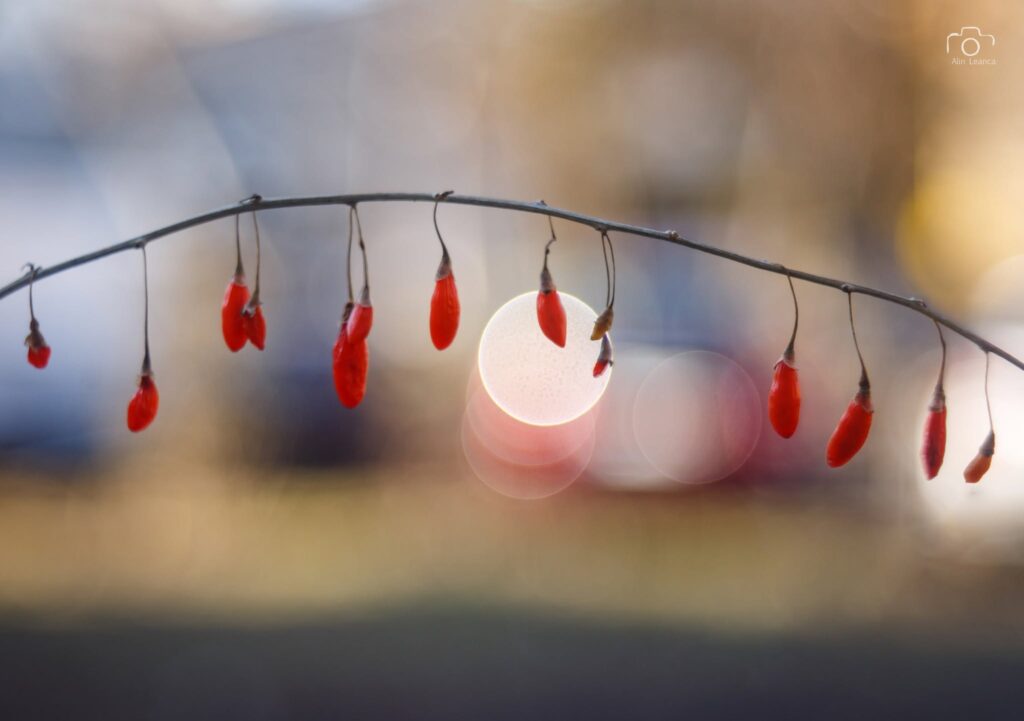
To paraphrase a fellow photographer from a forum – if you want the real crazy bokeh, projection lenses are the drug of choice. The following article – coming from my hobbyist passion for vintage glass and my direct experience using it – is kind of an informal review for six projector lenses that I got / adapted / tested / enjoyed / kept.
The Old Cinephile
What a crazy idea – to mount on a camera a lens that was never made for this. Over the past few years, my photographic journey has taken me into the less common and more difficult-to-explore world of adapting projector lenses (for slides or movies). Guided by the little information available online and encouraged by curiosity, I eventually discovered the ninety-years-old Hugo Meyer Kinon Superior f=5cm (50mm) F1.8, a lens intended for movie projectors.
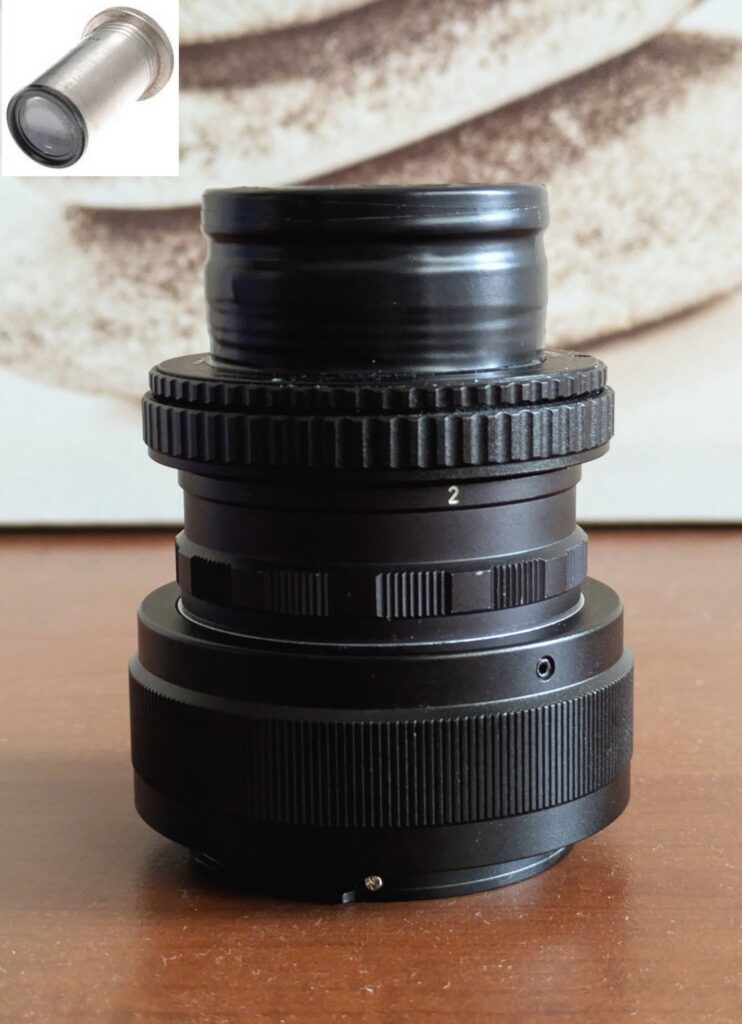
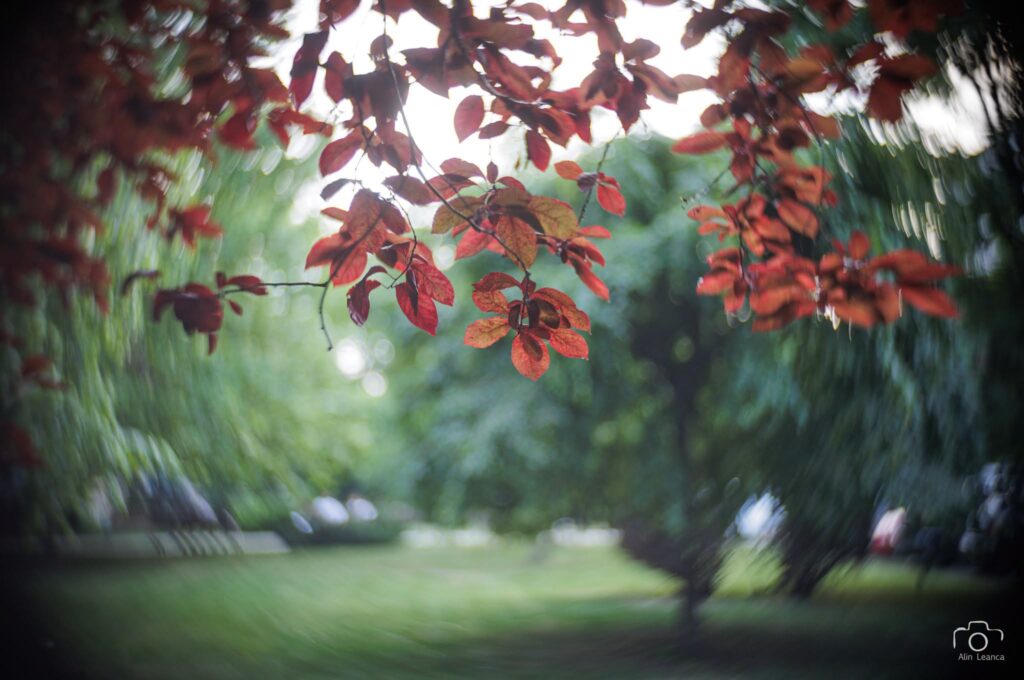
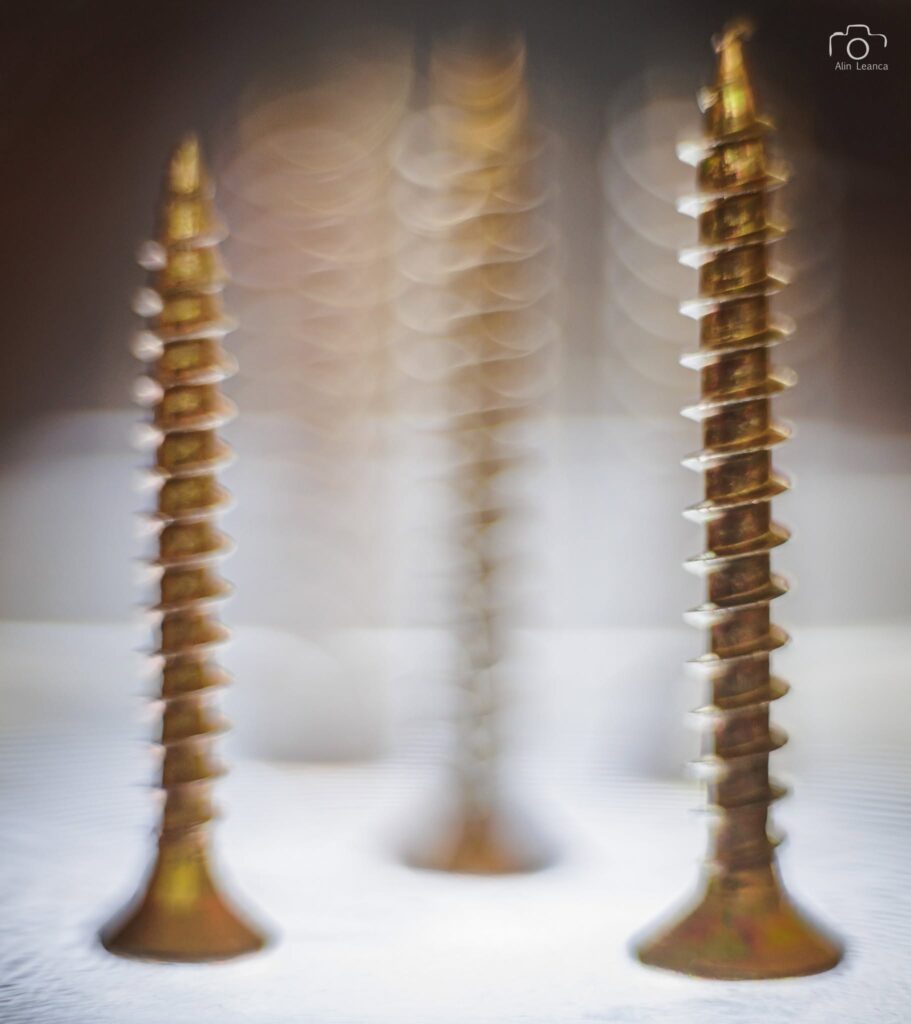
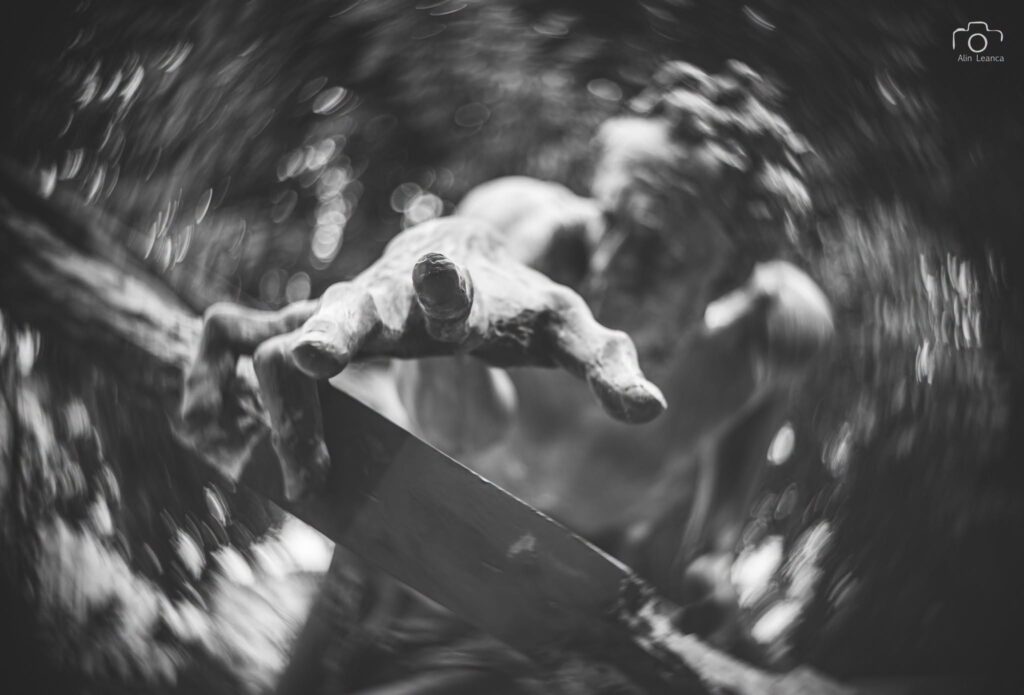
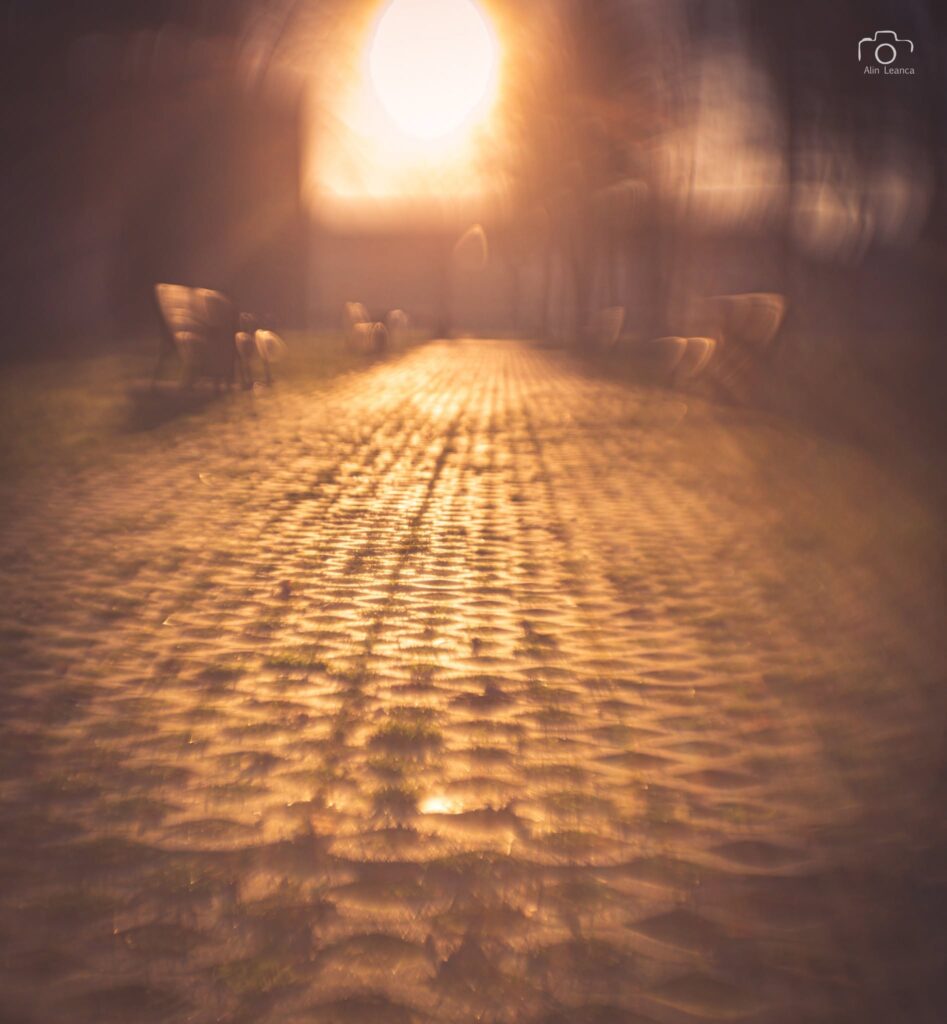
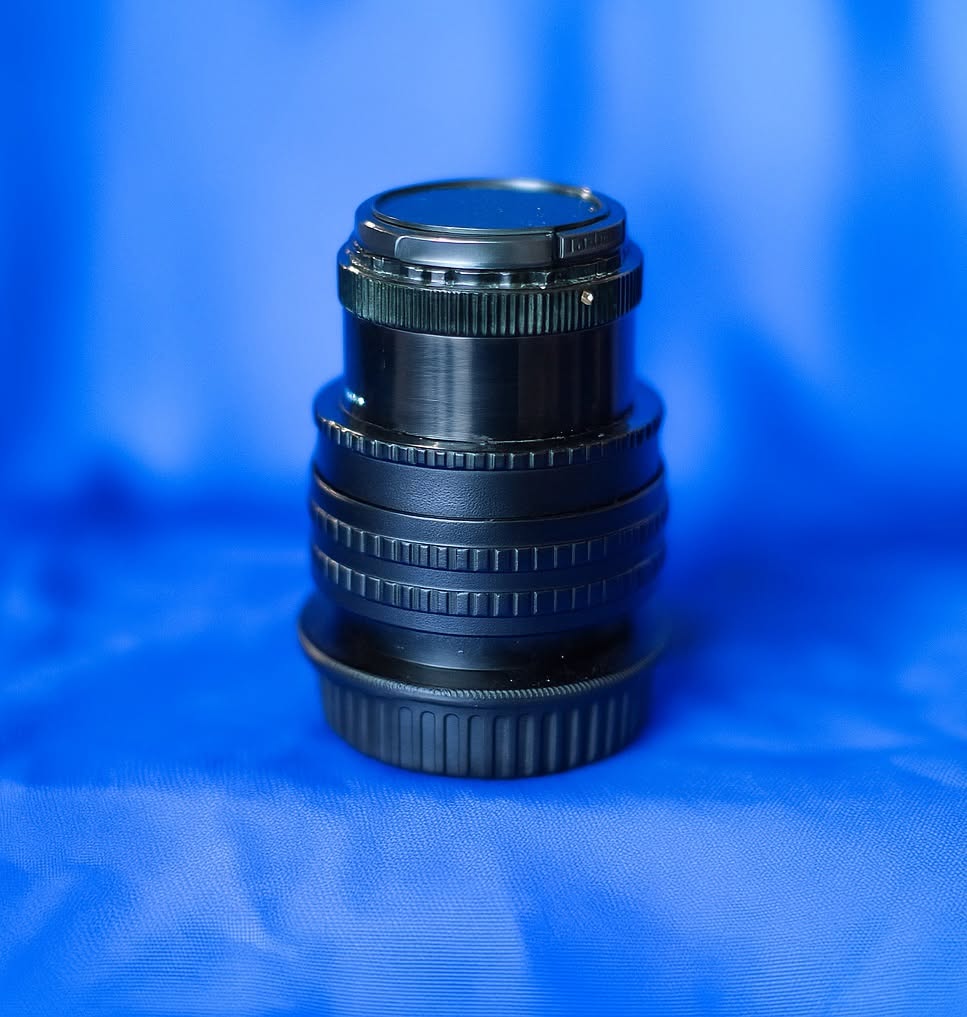
The German company Hugo Meyer, founded back in the 19th century, would later become famous as Meyer Optik Görlitz (or Pentacon after WW2). The Kinon (which reached me by sheer luck) looked more like a museum piece. A tube of metal and glass, without aperture or focusing mechanism. So I started improvising, measuring, testing. A piece of plastic pipe… a focusing helicoid… a macro tube… electrical tape… some glue… and the thing in the photo was born. As if that wasn’t enough, I also started playing with the rear optical elements, changing their position and order over and over again – in a crazy search for “the ideal bokeh”. Essentially, this Kinon appears to be a Petzval, a very old optical formula with plenty of charm. In its normal version, so to speak, it’s sharp in the center, while the field curvature creates a magnificent swirl. In the modified version, sharpness drops a bit and a slight glow appears, but bokeh becomes simply painterly. It’s a bit of a toy, but if you accept its limitations (for example vignetting at medium and long distances is pretty annoying), the images can be absolutely wonderful.

The Old Painter
The Cinephile has a bigger brother – The Painter. Another cine projector lens from the Meyer Kinon Superior family, with a focal length of 11.5cm (115mm) and a fixed aperture around F2.5. I found it with a reseller, and seeing the name I bought it on impulse. Only afterwards did I learn that it’s a rarity – and research turned out to be difficult. It appears to have been produced in inter-war Germany, featuring a Petzval design. It strangely doesn’t produce any swirl, but covers a full-frame sensor.
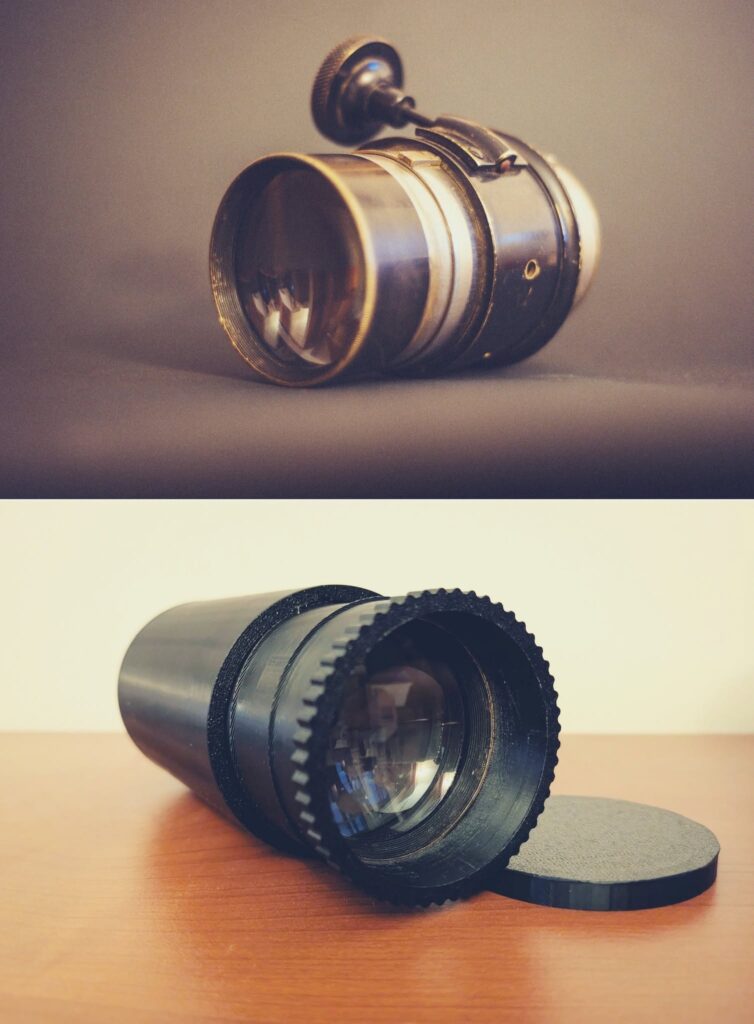
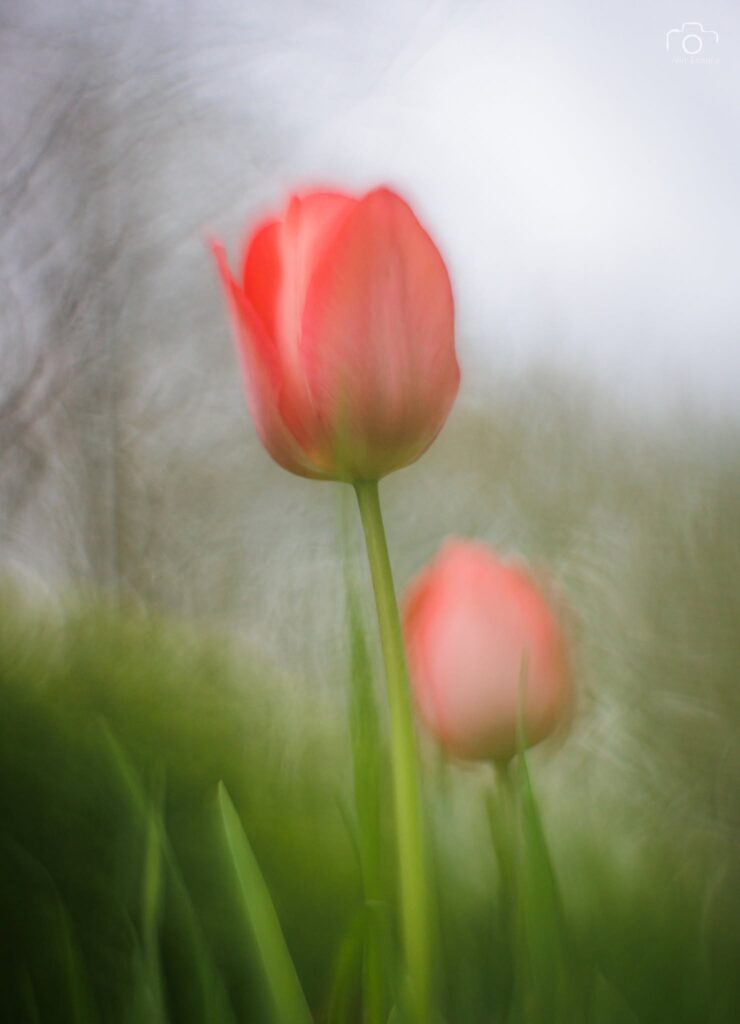
Fortunately, adapting wasn’t a problem because I found someone with a 3D printer and ordered a housing that lets me use the lens normally or reversed. You’re probably wondering what’s so special about this lens – and what does painting have to do with it. Well, I couldn’t resist tinkering with it. Its rendering was already quite nice in its original state, but I already have normal telephoto lenses. After several attempts and tests, I settled on a configuration that surprised me with the painterly look of the images. I don’t know exactly what I did (optics isn’t my strongest point), but now it seems to “draw” more than it photographs.




Vintage from Bucharest
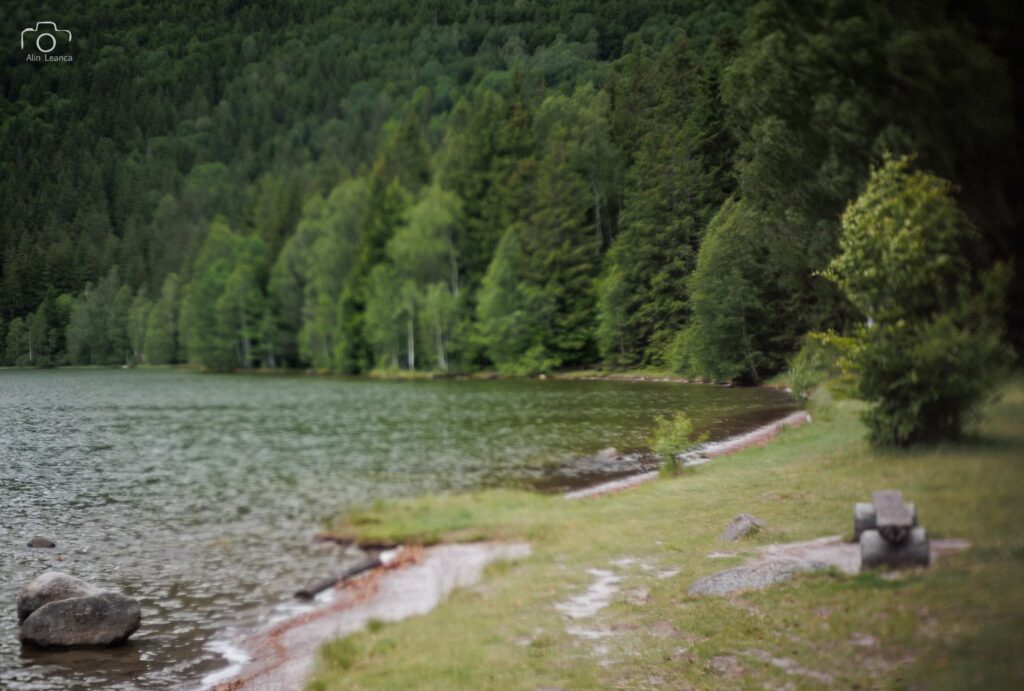
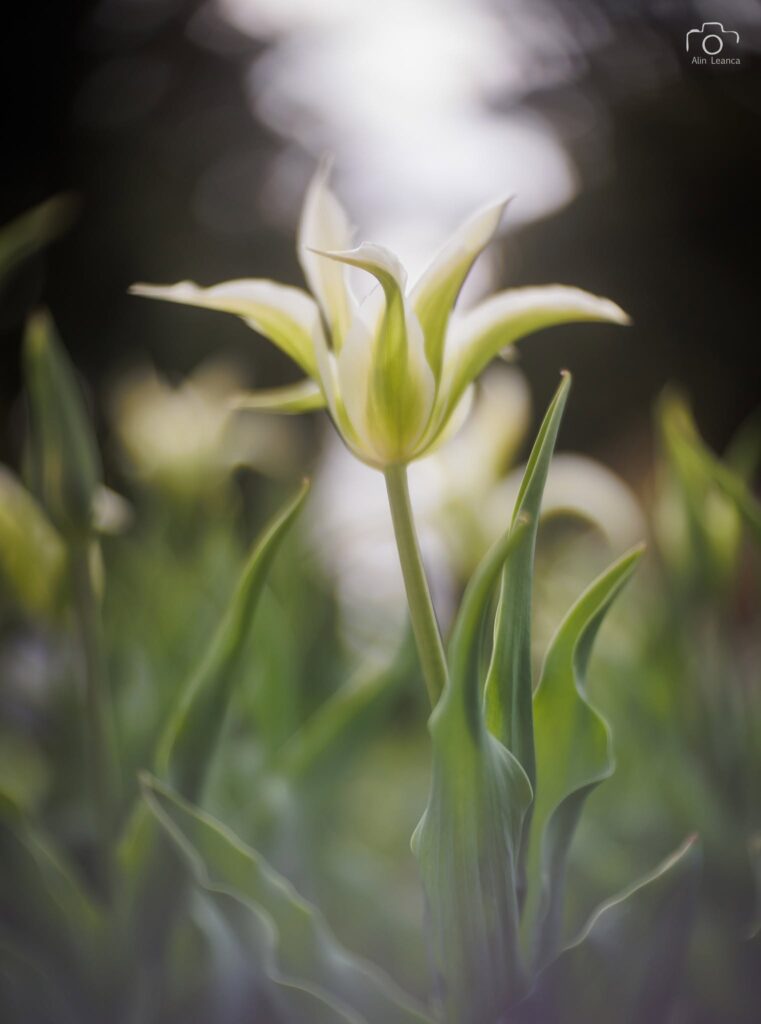
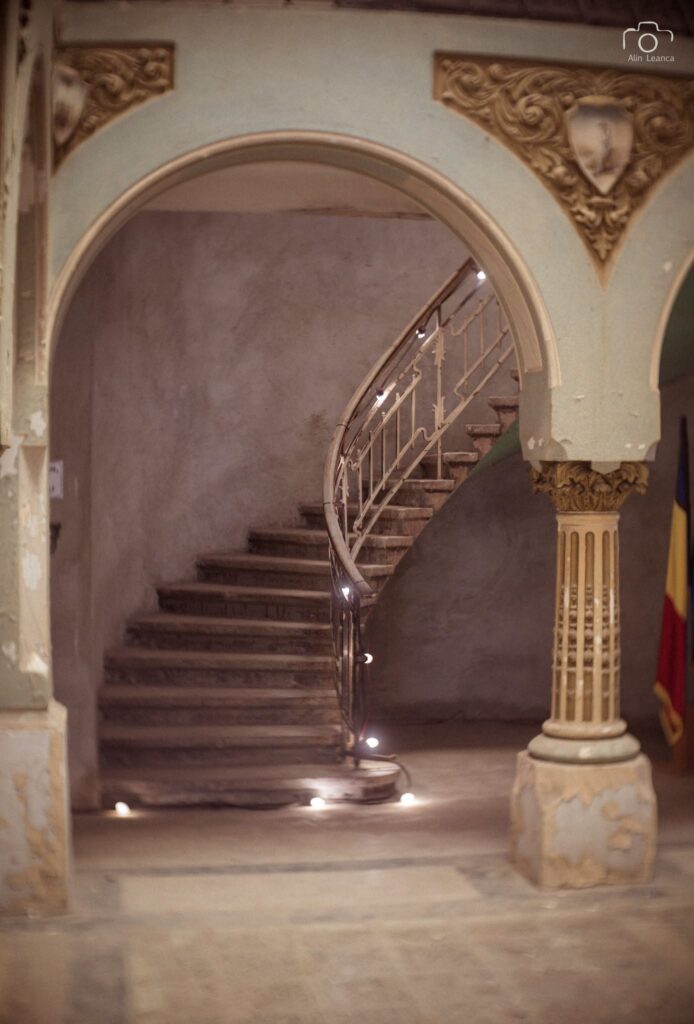
Obscure, yet fascinating. Ironically, I discovered the Romanian projector lens Supercin 50mm F1.4 thanks to a photographer from abroad; I had no idea such a thing had ever been manufactured in my country. The internet seems to know very little about this elusive old lens. It was produced in the 1960s by IOR Bucharest (a state-owned company for military optics), possibly under a Zeiss or Pentacon license, for smaller cinema projectors. Fortunately, I didn’t have to settle for theory: I managed to find one, and adapting it turned out to be surprisingly easy. I just used the lens, a few strips of rubber cut from a bicycle inner tube, a 17-31mm M42-to-M42 helicoid and a simple cheap adapter for mirrorless cameras. I wrapped the rubber around the Supercin like a gasket and pushed it firmly into the helicoid (as far as it would go), then screwed the helicoid onto the adapter and the adapter on the camera. And that was it! The result is a special lens, perfectly secure to use and capable of focusing from infinity down to about 16cm.
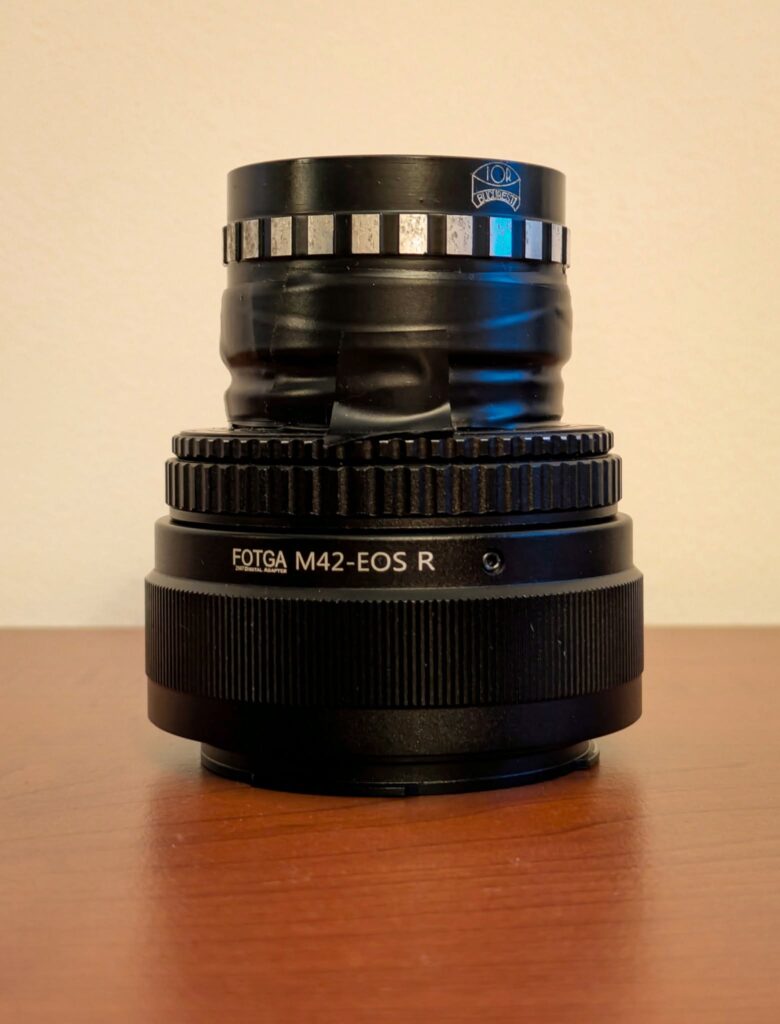
It’s fairly sharp in the center, painterly, doesn’t mind low light, produces a gentler swirl than Kinon Superior 5cm (seems to be a Double Gauss design) and has unusually little vignetting on full frame.


The Monster
I know, that title sounds a bit like a horror movie, but for a good reason. The Monster is Carl Zeiss Jena Kipronar 140mm f1.9, a Petzval-design lens produced in the 1950s for large cinema projectors. I discovered it a few years back and immediately fell in love with its strange rendering (which at the time I had only admired online), but I was discouraged by its steep price, combined with its weight of one kilo (adapted). Funny, in the end I received one as a gift. The experience wasn’t without adventures: on one hand, I was lucky that it fit into the adapter of another lens; on the other hand, I had to treat it for fungus and – more stressful – had to cut off a piece of its rear with an grinder (otherwise it wouldn’t focus beyond two meters). Finally I took it out for a test and… ran into new challenges. In short, I’d say it’s the kind of toy that gives you gray hair.
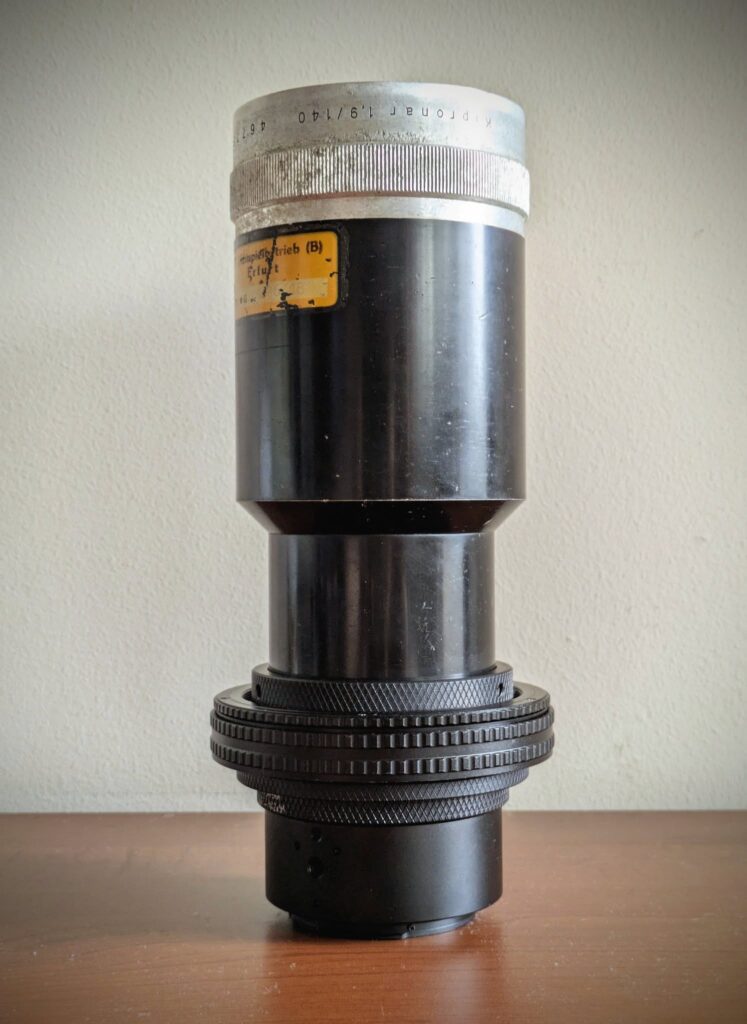
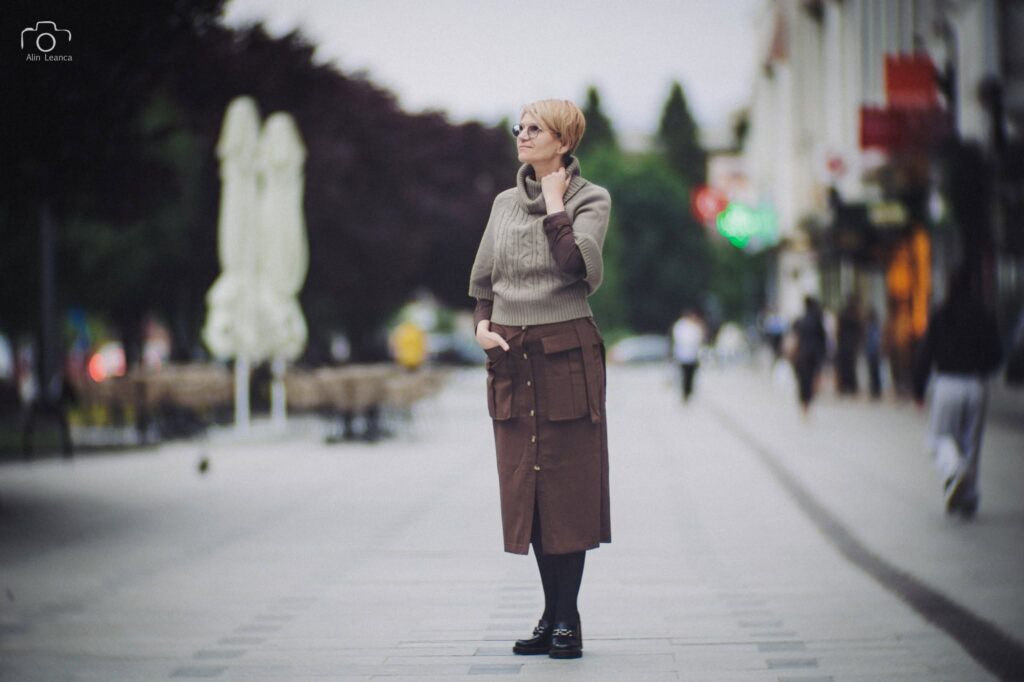
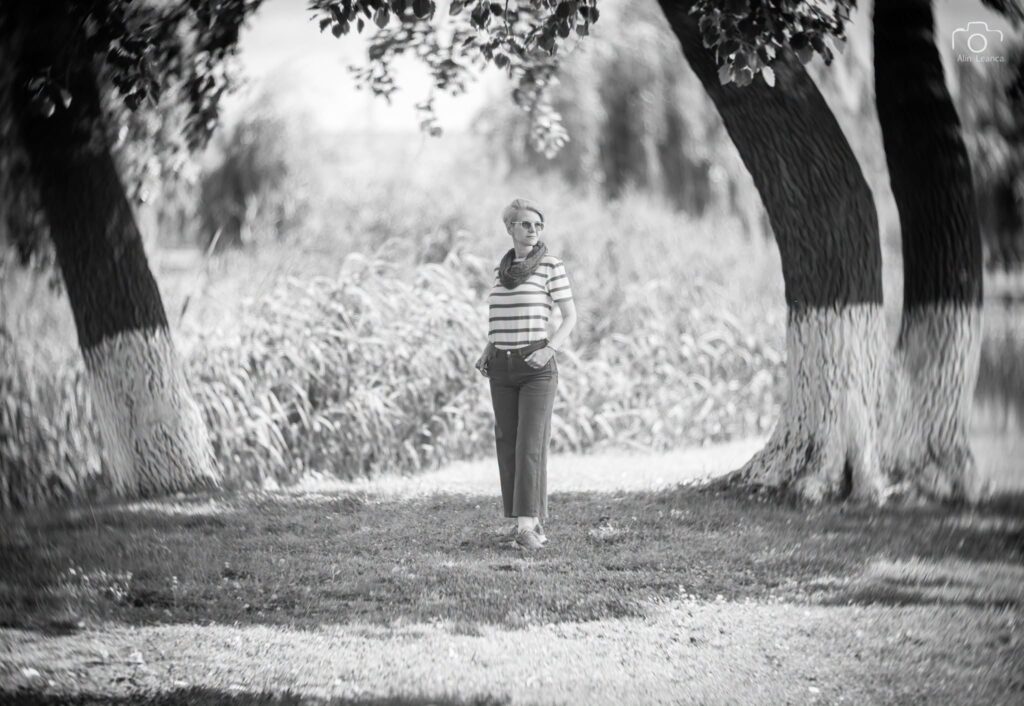
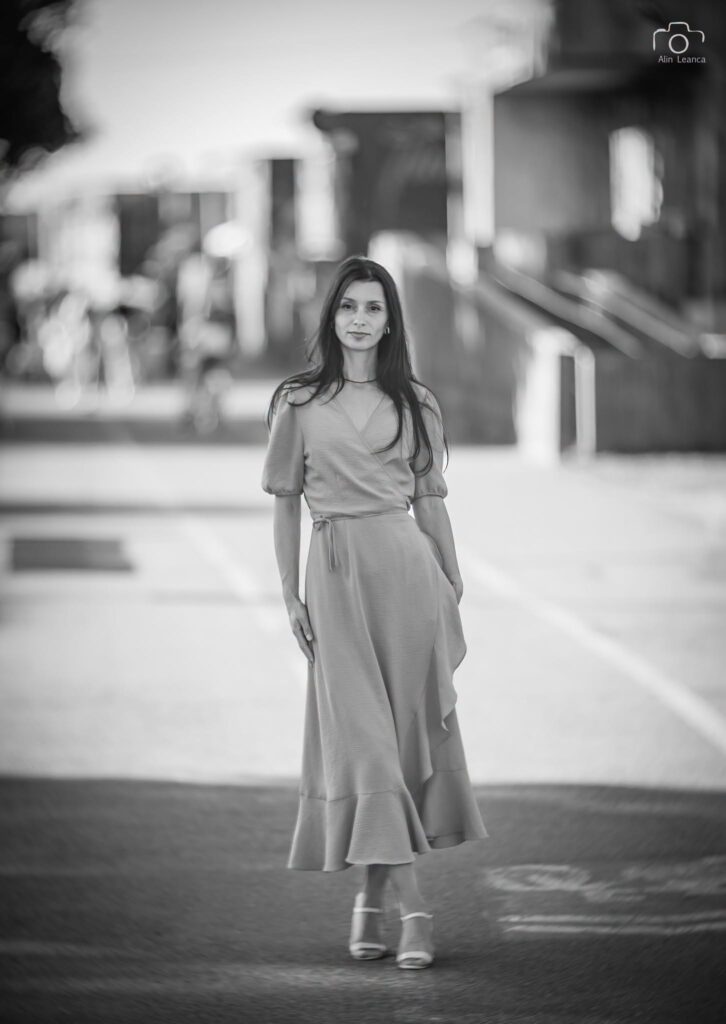
It’s physically difficult to focus, with sharpness limited to the center of the image and varying from shot to shot because of the extremely strong field curvature. And sunlight immediately scares away the contrast. But if you accept all that and make friends with it, the Monster will reward you with images that look straight out of a fairy tale. I think its main purpose would be portraiture – headshots, but also full-body portraits (where the subject emerges beautifully from a strange, unreal, swirling background). In conclusion, Kipronar 140mm is for fans. It’s wonderful, but at the same time it’s pretty much the limit (for me, anyway) when it comes to projector lenses.


Cinestar
The professional adapter I needed for the Kipronar came from another cinema projector lens called Benoist Berthiot Cinestar (110mm F2). When I got it, I couldn’t help wondering what movies this tube of metal and glass might have “seen” in a Paris cinema back in the 1960s.
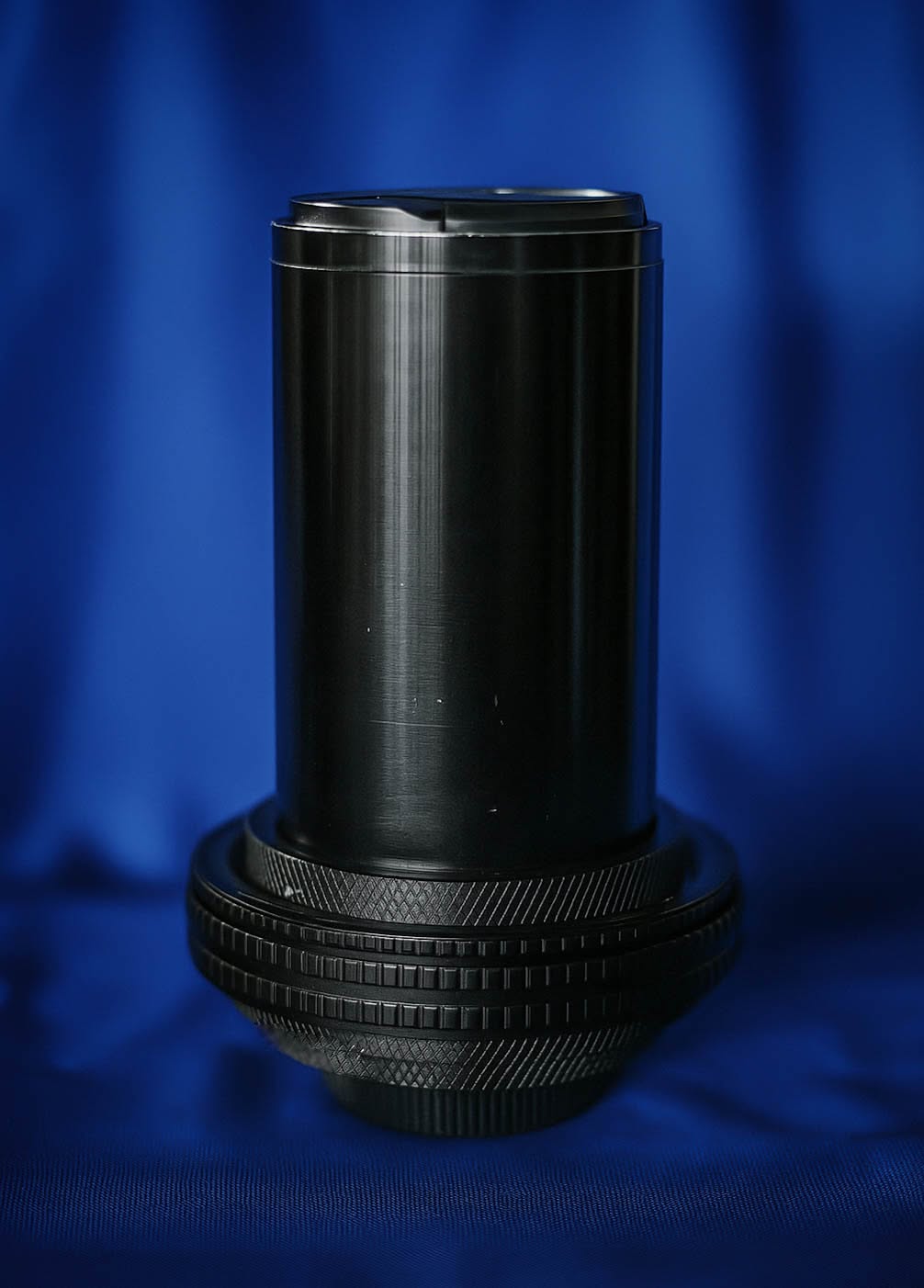
It’s quite sharp, has Petzval field curvature (the swirl that so many of us love) and relatively soft bokeh (well suited for portraits). It’s also very sensitive to any sun rays it encounters – it can loose an astonishing amount of contrast. I couldn’t find much information about it online, except that the French company that created it began its activity as far back as the first half of the 19th century.


Cinderella
What can you do with a makeshift lens that has stained internal elements and cannot be disassembled? Create unique images. Exactly what happened with my only slide projector lens. Pentacon AV 80mm F2.8 was produced in the 1980s and named by some “the poor man’s Trioplan” (because of its Cooke Triplet bokeh). My copy had been already adapted with a focusing mechanism and mount, but its internal elements were impossible to clean, so I was thinking of giving up on it. Naturally, not before playing around with it.
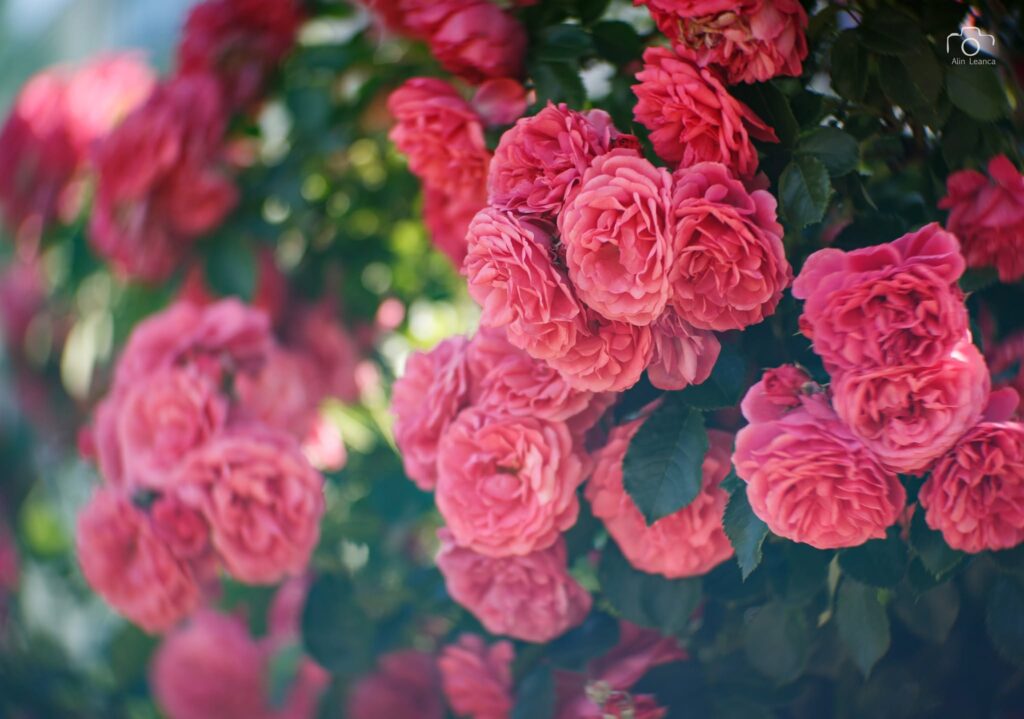
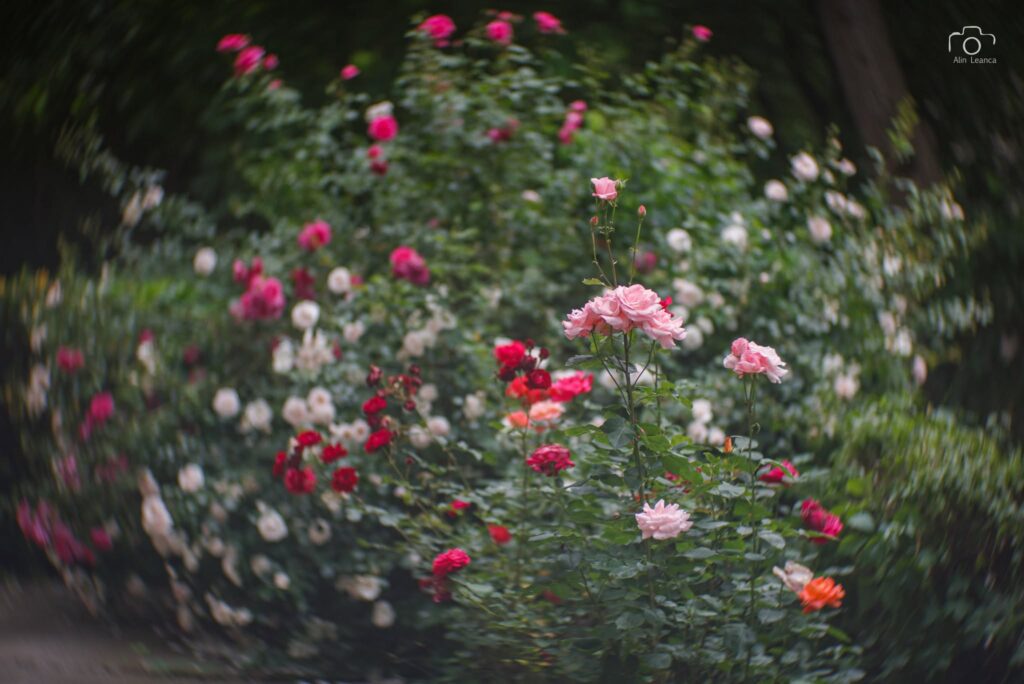
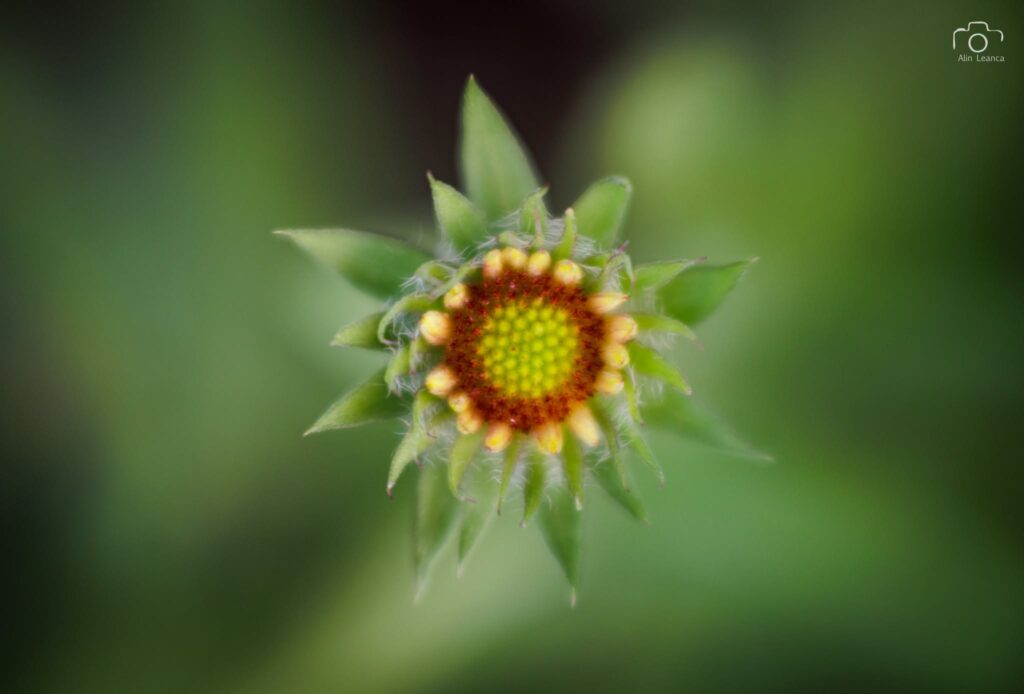
The tests changed my mind: damaged as it is (or perhaps precisely because of that), it’s the only vintage lens that has given me (so far) a rendering identical to that of a film camera (see the portrait). Moreover, on a mirrorless camera it still delivers reasonable sharpness, produces bubble bokeh and the images often have a painterly quality (perfect for flowers). It’s also one of the few projector lenses that can still be found for sale already adapted, at a reasonable price.




If you wish to see more of my photos, feel free to check flickr.com/photos/201833576@N05/ or facebook.com/alinleancafoto2014.
THANK YOU!
Share this post:


Comments
Erik Brammer on Projector Lenses – My Drug of Choice
Comment posted: 05/08/2026
Comment posted: 05/08/2026
Jonathan Leavitt on Projector Lenses – My Drug of Choice
Comment posted: 05/08/2026
Comment posted: 05/08/2026
Walter Reumkens on Projector Lenses – My Drug of Choice
Comment posted: 05/08/2026
My assessment is based on comments made to me by a number of precision engineers from the GDR who still offer a servicing service for these old lenses to this day. Thanks for the article and the photos!
Comment posted: 05/08/2026
Stuart Jenkins on Projector Lenses – My Drug of Choice
Comment posted: 05/08/2026
Projector lenses can also very sharp if you fit an aperture, as I did with the 35KP 70mm f1.8 lens in this 35mmc article: https://www.35mmc.com/10/07/2019/russian-slide-projector-lens-modification/
Comment posted: 05/08/2026
David Pauley on Projector Lenses – My Drug of Choice
Comment posted: 05/08/2026
Comment posted: 05/08/2026
Rollin Banderob on Projector Lenses – My Drug of Choice
Comment posted: 05/08/2026
Comment posted: 05/08/2026
Ed on Projector Lenses – My Drug of Choice
Comment posted: 05/08/2026
Comment posted: 05/08/2026
Julian Tanase on Projector Lenses – My Drug of Choice
Comment posted: 05/08/2026
Good writing, great shots, and good luck in the future. All the best !
Comment posted: 05/08/2026
Gary Smith on Projector Lenses – My Drug of Choice
Comment posted: 05/08/2026
Comment posted: 05/08/2026
Ken Tuomi on Projector Lenses – My Drug of Choice
Comment posted: 05/08/2026
Comment posted: 05/08/2026
Russ Rosener on Projector Lenses – My Drug of Choice
Comment posted: 06/08/2026
Comment posted: 06/08/2026
Bill Brown on Projector Lenses – My Drug of Choice
Comment posted: 06/08/2026
Jeffery Luhn on Projector Lenses – My Drug of Choice
Comment posted: 08/08/2026
Comment posted: 08/08/2026
brian moore on Projector Lenses – My Drug of Choice
Comment posted: 23/08/2026
Comment posted: 23/08/2026