Voigtlander Bessamatic and supplementaries at The Gasworks

By Tony Warren

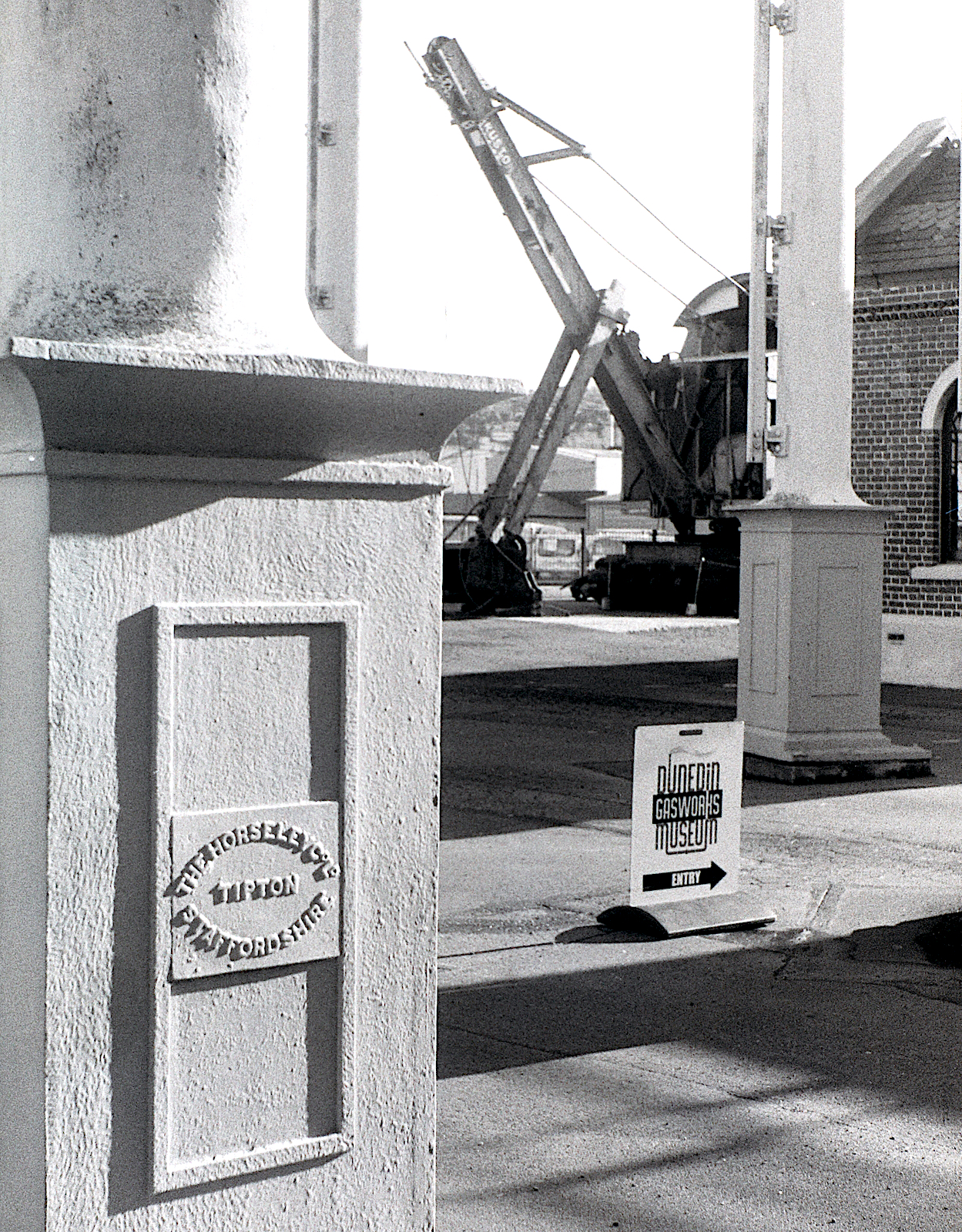
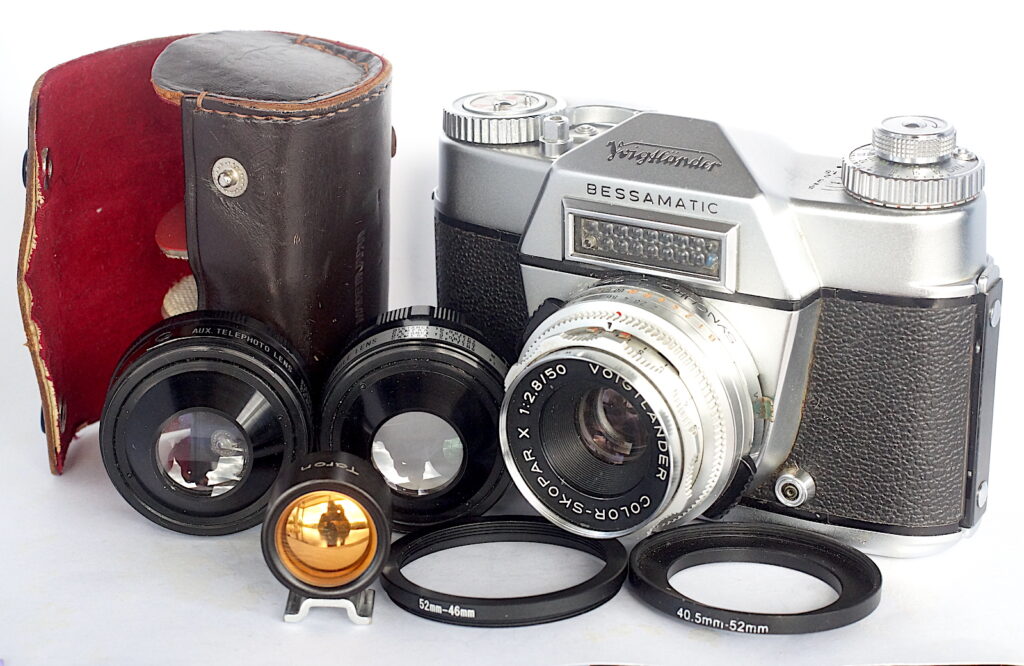
On my recent visit to Dunedin’s Gasworks Museum I took along my sad little Pentax Auto 110, reported on recently, and also my Bessamatic together with a set of supplementary lenses originally made to fit Taron cameras.
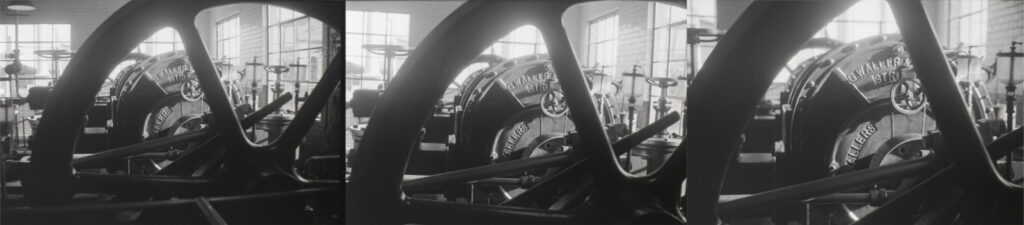
Supplementaries coverage, wide, standard, tele.

The Supplementaries

Taron were a relatively short lived camera maker in Japan who produced some interesting and reportedly very well made models including the Eyemax, a strange looking camera along with more conventional ones. They were viewfinder, fixed lens, leaf shutter cameras so the inclusion of a set of supplementaries and matching finder makes sense for the time they were on the market. Their very first camera though had been a 120 TLR from 1943.
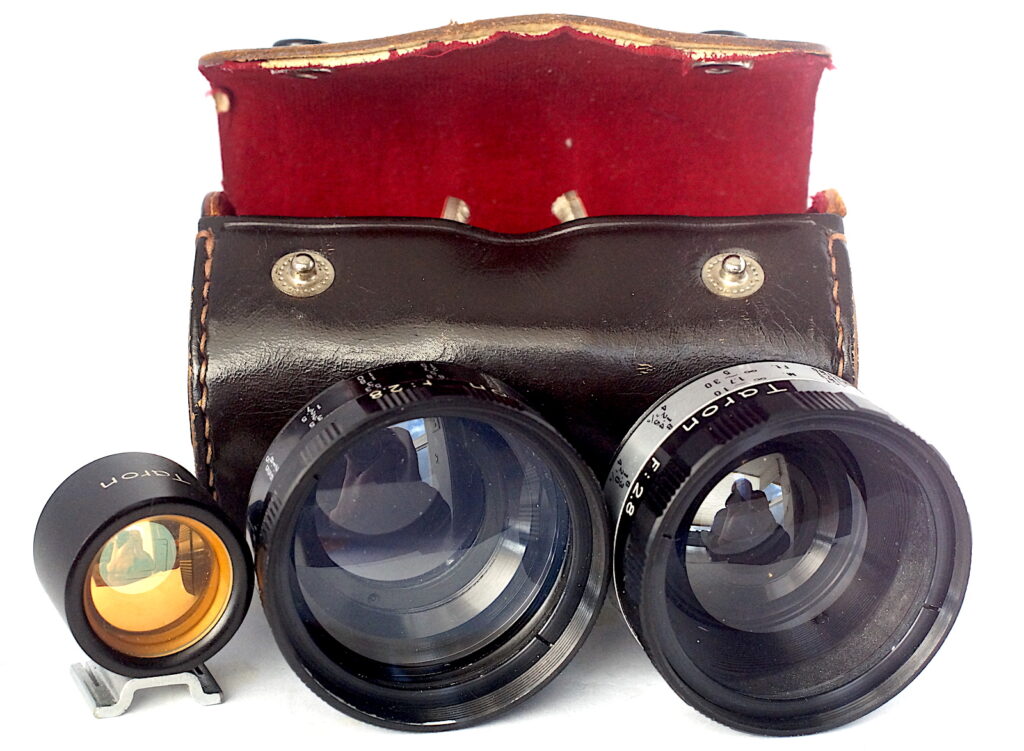
The set, very like many others of their time for TLR and viewfinder 35mm cameras, is very well made, with clear glass that doesn’t look to be coated, and a nicely made, tinted viewfinder with suspended frames for the two lenses. The lenses themselves have scales for adjustment of the focus with adjusted distances that need to be set when using them.
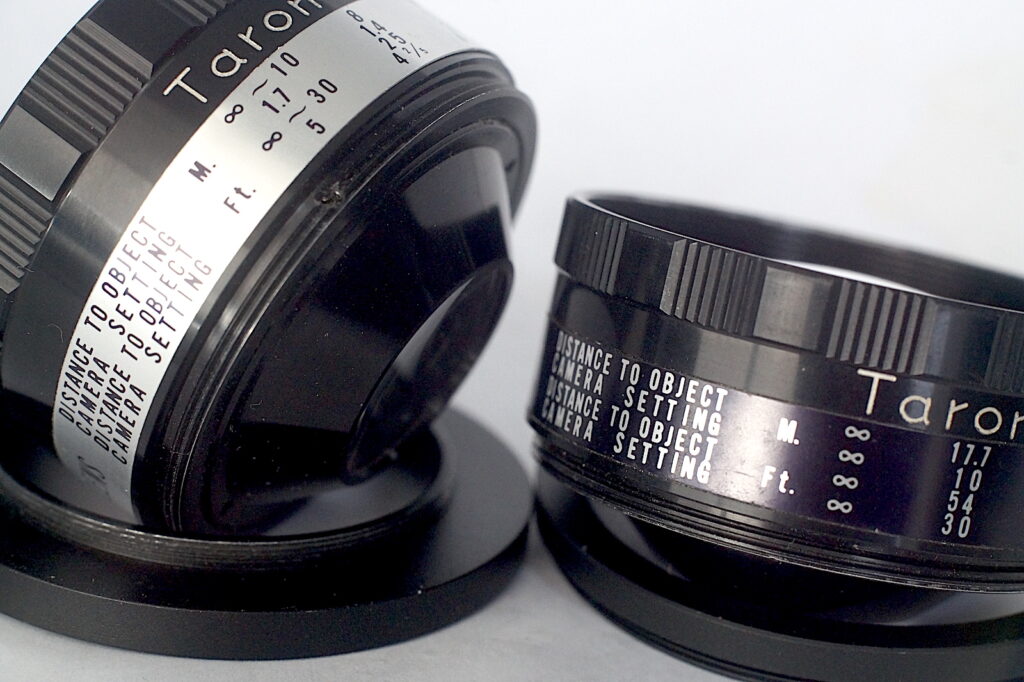
Close up of scales
Close up of scales

They came in a fitted, leather case.

The Gasworks Museum
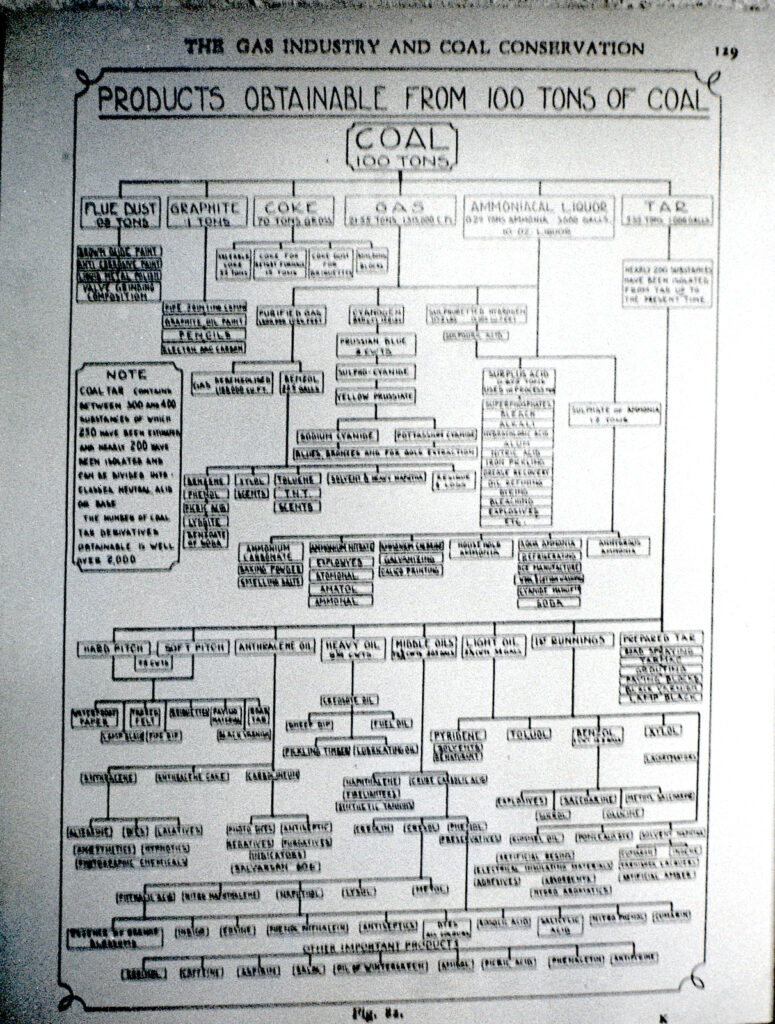
Products from coal
Products from coal

This is a completely volunteer run operation which has preserved the buildings and machinery, opening one day a week when the whole, complex process can be explored. The number of products extracted from coal is on a par with the petrochemical industry. It runs on steam power but the steam side is hampered at present because the chimney is being earthquake proofed.
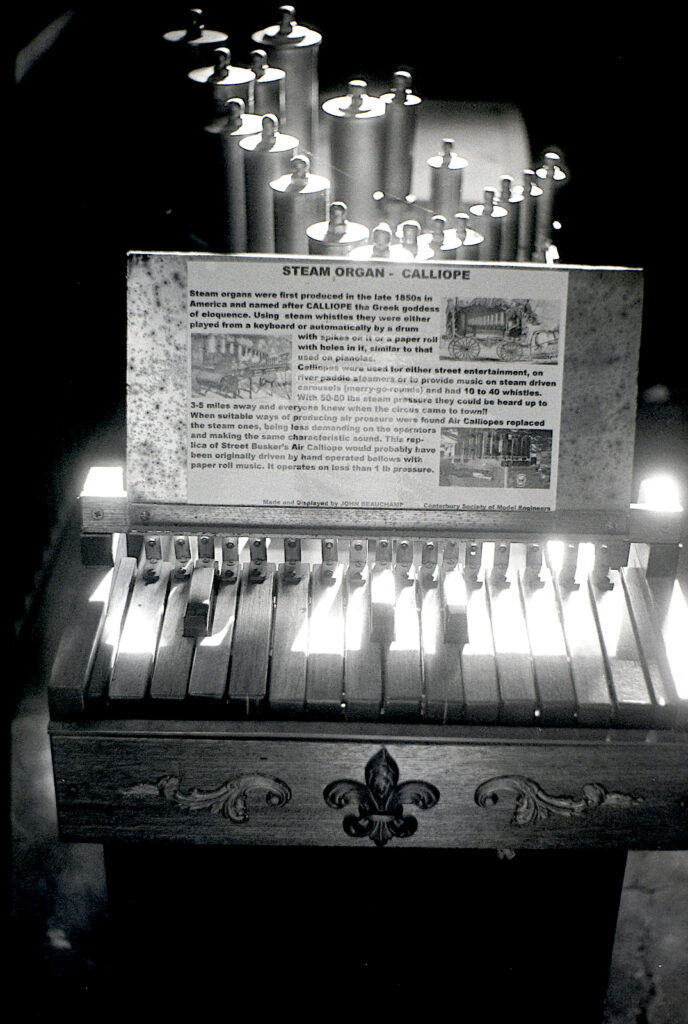
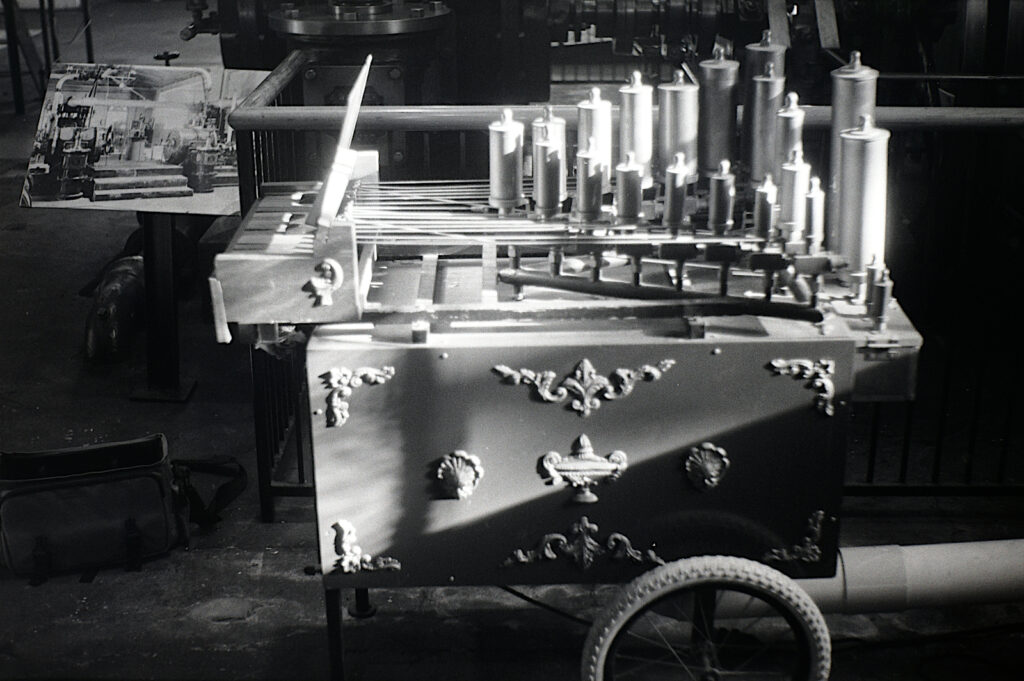
A steam related exhibit - the Calliope steam organ
A steam related exhibit – the Calliope steam organ
Decorative side view of the Calliope

Using 50+ year old cameras to photograph even older machinery that also still works is somehow appropriate. The web site of the Museum is at https://www.gasworksmuseum.org.nz/ if you want to find out more of its history.
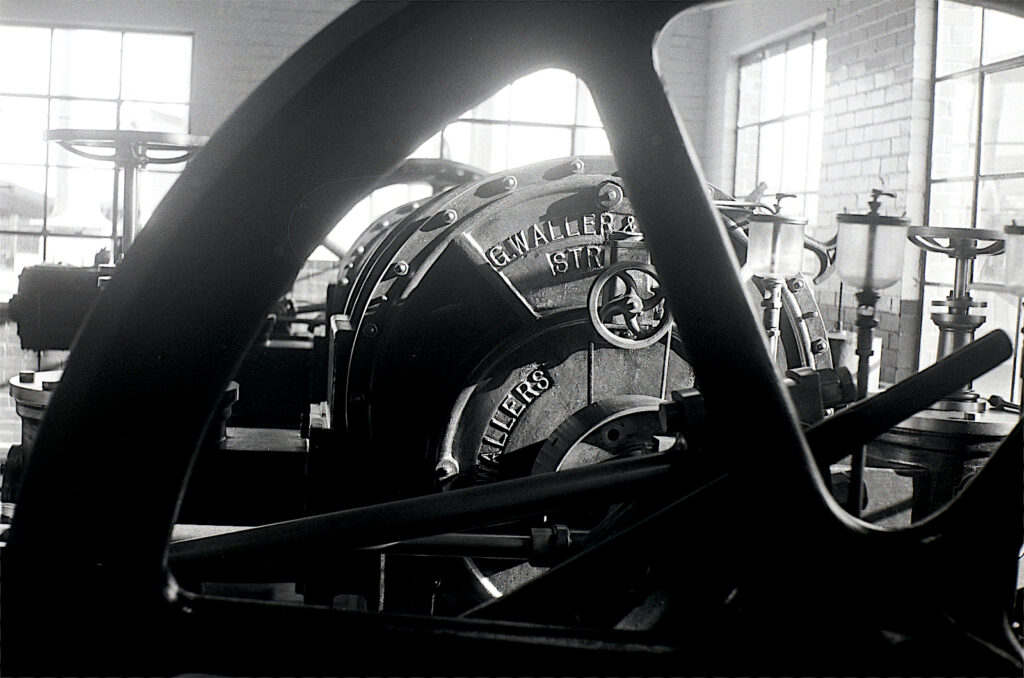
One of the massive working exhibits.
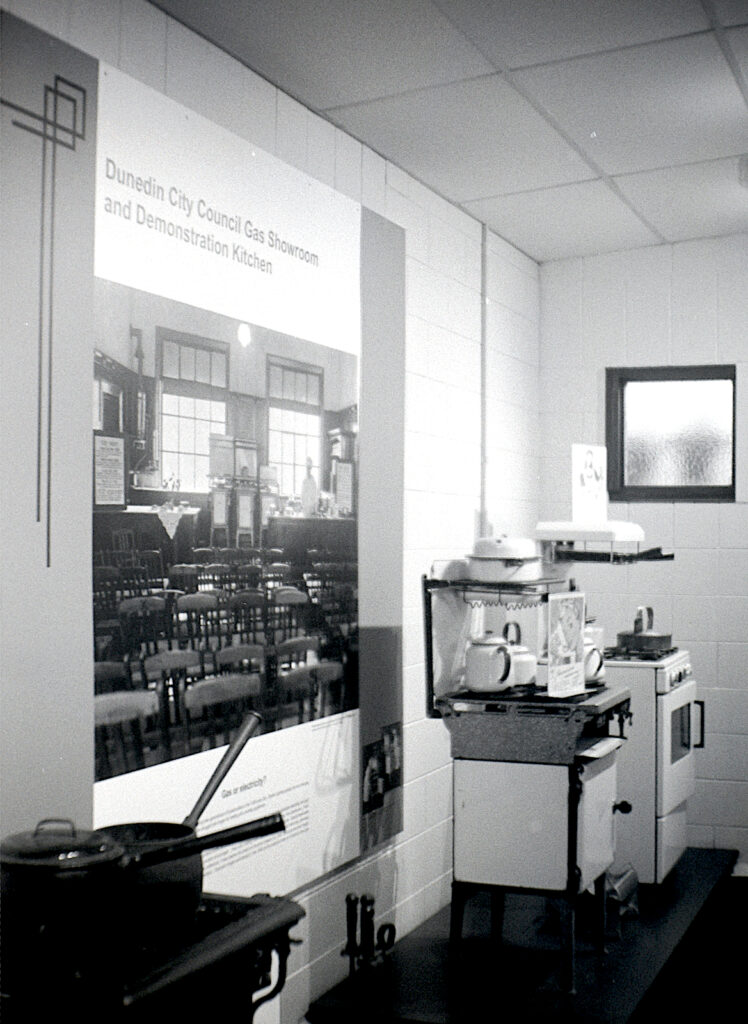
A recreation of a gas showroom with examples of domestic appliances using gas. WA attachment.

This is Victorian industry through and through. The production process and controls are basic physics, no computers anywhere. Control was handled by valves and gears, all manually operated.

The Bessamatic
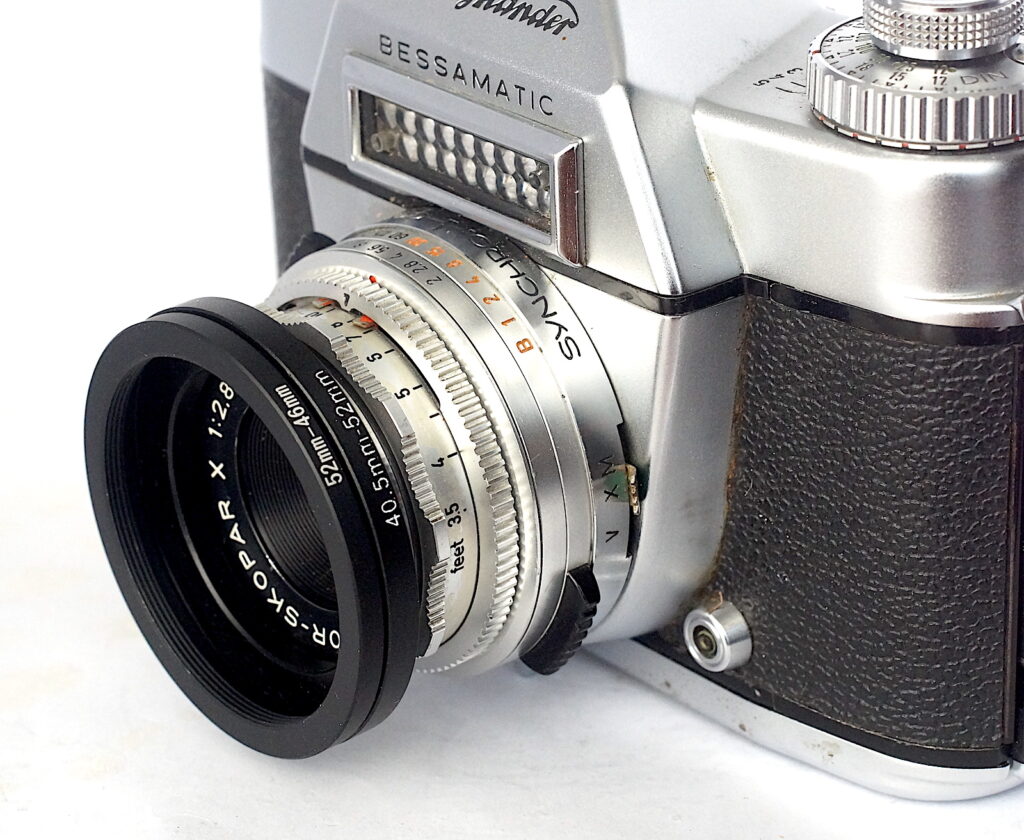
The mounting arrangement for the lenses. Acts as a lens hood too.

I have reviewed this camera, the first model, recently here so I won’t repeat myself. The only modification to take the supplementaries is the addition of a 52 to 46 step down ring fitted to the 40.5 to 52 step up ring I use for filters on the Bessamatic. The finder isn’t needed of course.

The pictures

The examples are taken with FP4+ processed in Rodinal 1/;50, mostly with the standard 50mm Skopar X on the Bessamatic. I note where auxilliaries have been used,
Dunedin’s own version of the Sphinx.
Times gone by.
Times gone by.
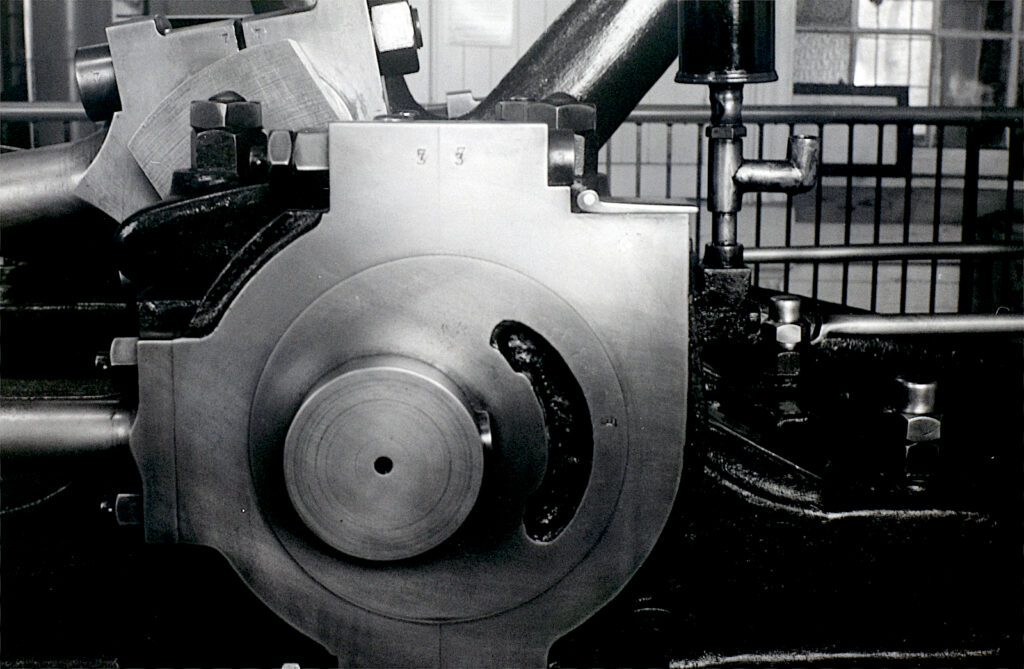
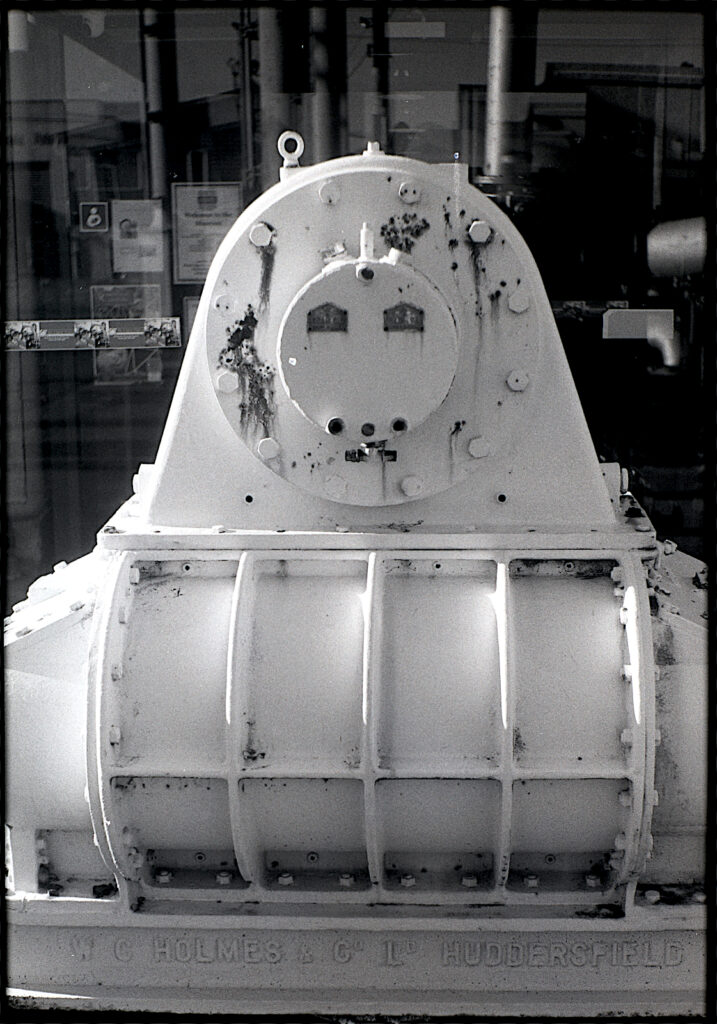
A massive bearing on one of the machines. Tele attachment.
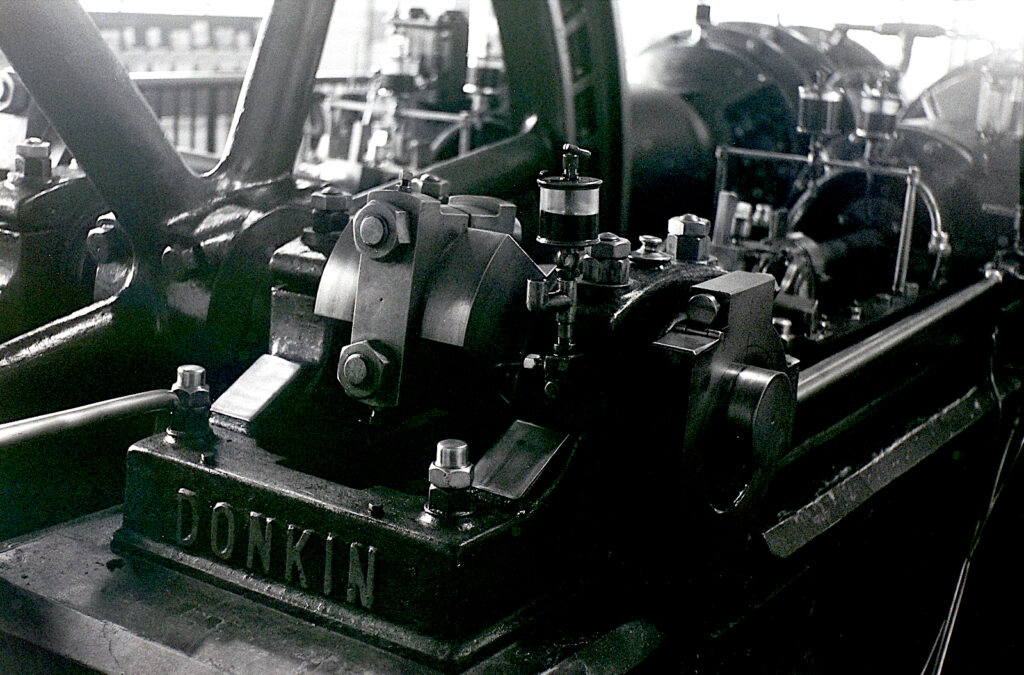
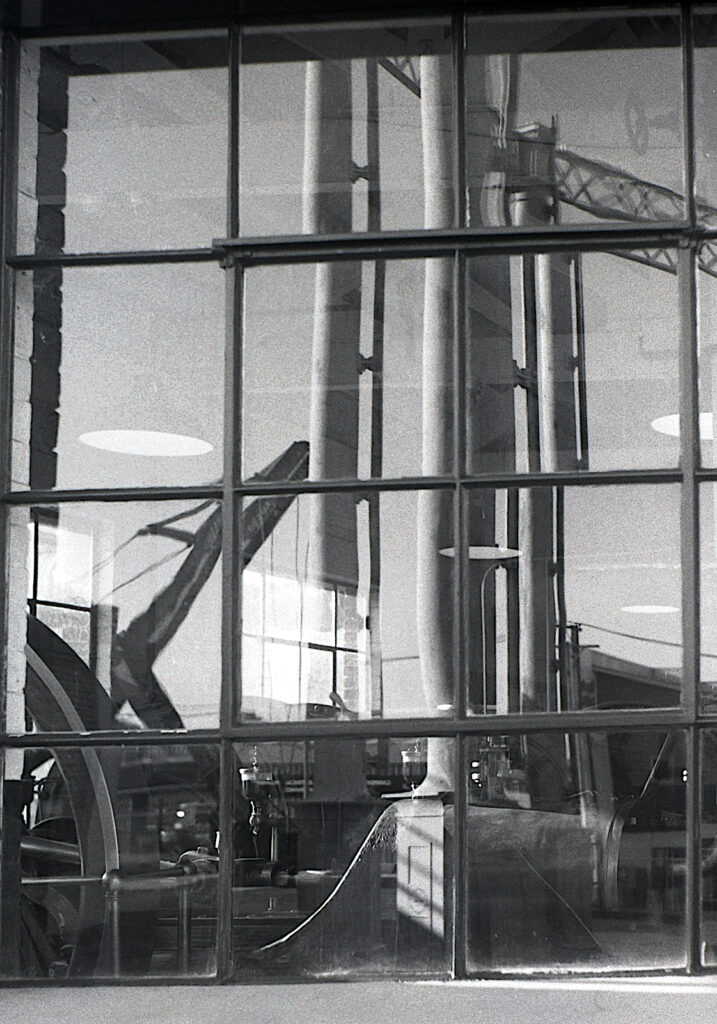
Complex detail of the castings, components and assemblies needed to make these machines work accurately. Tele attachment.
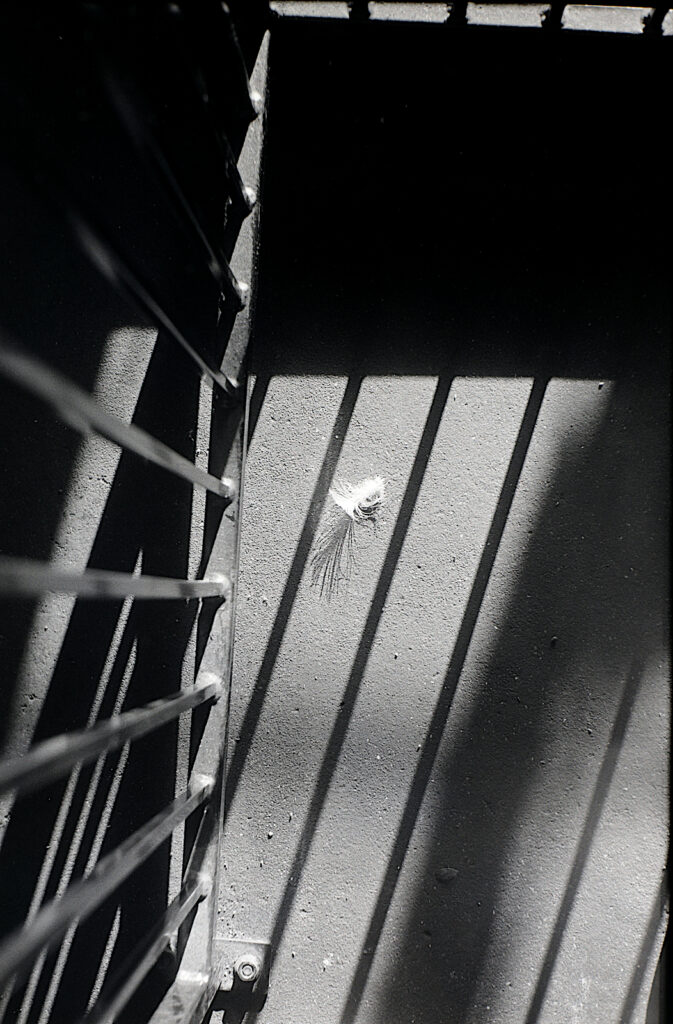
A delicate but incongruous find contrasting with everything else surrounding it.

Final thoughts

I came away from this visit with several impressions, mainly how inventive and skilled the people who designed and manufactured this amazing machinery so long ago. Every angle, every throw, every gear ratio had to be calculated without any help from electronic devices, maybe an early calculator of some type. Babbage? And then their creations had to be manufactured and assembled to work consistently and accurately after having been transported half way around the world. The cameras were no less amazing too.

The lens attachments performed well also. Not up to modern extremes I suppose but useful none the less. They certainly don’t seem to have taken the edge off the Skopar’s performance.

Share this post:

About The Author

By Tony Warren
In my 60 or so years of serious involvement in photography I have seen the demise of the viewfinder, the rise of the SLR and the eclipse of them all with the meteoric development of the digital camera. Through it all, however, and above all else, the image is what it is all about so I now use film alongside digital. Whatever is the most appropriate or practical. My contributions will hopefully be useful for anyone interested in using film and also how a died-in-the-wool antique like me is continuing his life-long addiction in the digital age, using both platforms. The major benefit of an extended retirement is that I can spend most of my time nowadays with photography and writing about it.
Read More Articles From Tony Warren

Find more similar content on 35mmc

Use the tags below to search for more posts on related topics:

Donate to the upkeep, or contribute to 35mmc for an ad-free experience.

There are two ways to contribute to 35mmc and experience it without the adverts:

Paid Subscription – £3.99 per month and you’ll never see an advert again! (Free 3-day trial).

Subscribe here.

Content contributor – become a part of the world’s biggest film and alternative photography community blog. All our Contributors have an ad-free experience for life.

Sign up here.

Make a donation – If you would simply like to support Hamish Gill and 35mmc financially, you can also do so via ko-fi

Donate to 35mmc here.

Comments

Geoff Chaplin on Voigtlander Bessamatic and supplementaries at The Gasworks

Comment posted: 08/08/2026

Lovely images - its great to see this equipment preserved and on show. The camera performed well - the attachment lenses don't seem to make a huge difference: would a step or two forward or backward have been sufficient? The feather image and comment made me laugh, excellent!
Reply

Leave a Reply

Your email address will not be published. Required fields are marked *

Tony Warren replied:

Comment posted: 08/08/2026

Thanks Gwoff. You are quite right in your comment suggesting zooming with your feet would have the same effect. I guess with less space available or for a better portrait perspective they would have had their uses. Plus, in their day, there would have been a novelty factor for someone with a fixed lens 35mm like the Taron.

Reply

Leave a Reply

Your email address will not be published. Required fields are marked *

davesurrey on Voigtlander Bessamatic and supplementaries at The Gasworks

Comment posted: 08/08/2026

Another great post from you Tony.
I think it’s very appropriate and fitting to shoot such ancient equipment with an old film camera. Both made in the era when quality and workmanship shone through.
I did that last week at a classic car show and it’s surprising how many came up and ask what the camera it is. Some of my more interesting shots have been made at traction engine, steam engine and car rallies or at vintage railways. It just seems fitting.
Apart from a couple of Vitos and a Bessa II (oh and a Vitoret 110) I don’t have many Voigtlanders but they do seem to have made some great cameras in their days.
Reply

Leave a Reply

Your email address will not be published. Required fields are marked *

Tony Warren replied:

Comment posted: 08/08/2026

Thanks David. These kinds of mechanisms, like cars, traction engines and, especially stem locomotives, really work so will with film images. We often hear comments about the special quality film images produce and it comes out so well with these kind of subjects. Like the cameras of the period, they were all largely made by hand or with basic manufacturing techniques. No CAD/CAM or the like involved anywhere. Or any other than very early plastics. It shows, as you say.

Reply

Leave a Reply

Your email address will not be published. Required fields are marked *

Michael Kaplan on Voigtlander Bessamatic and supplementaries at The Gasworks

Comment posted: 08/08/2026

Tony,
A lovely and profound set of images. I enjoyed how abstract some of them were drawing attention to the fascinating Gasworks rather than just a record of your visit. The Voigtlander performed admirably as one would expect considering its draws its lineage from the remarkable Prominent. And the supplemental Taron lenses measured up nicely without detracting from the Skopar’s inherent clarity. Thanks for sharing. - Michael
Reply

Leave a Reply

Your email address will not be published. Required fields are marked *

Tony Warren replied:

Comment posted: 08/08/2026

Thank you Michael. I think Homer Simpson would say:"mmmmm Voigtländer"

Reply

Leave a Reply

Your email address will not be published. Required fields are marked *

David Pauley on Voigtlander Bessamatic and supplementaries at The Gasworks

Comment posted: 08/08/2026

Hi Tony,

A really excellent pairing of subject matter and camera/lenses. And film choice as well. I love the Dunedin Sphinx! It is amazing how tight cropping can render even ordinary things almost as abstractions, a transformation that's all the more acute with historical finds of this sort. Your Taron lens attachments by the way remind me of two attachments Yashica made for the Electro 35 (a wide angle and a telephoto—they screwed I into the fixed 50mm). I wonder if there was every any relationship beteeen the 2 companies...
Reply

Leave a Reply

Your email address will not be published. Required fields are marked *

Tony Warren replied:

Comment posted: 08/08/2026

Thank you David. Like you I have had similar attachments, for a TLR in my case, and I know they were offered for several other models like the Yashica. I wouldn't be at all surprised to find many originated from outside sub-contactors. The Proximeter is a good example. It was made by an independent German firm, Hermann Schneider for numerous manufacturers with their own branding on them.

Reply

Leave a Reply

Your email address will not be published. Required fields are marked *

William Hawkins on Voigtlander Bessamatic and supplementaries at The Gasworks

Comment posted: 08/08/2026

The Sphinx!
Reply

Leave a Reply

Your email address will not be published. Required fields are marked *

Tony Warren replied:

Comment posted: 08/08/2026

Didn't see it when I took it but it shouted out on the screen as I digitised. Glad you enjoyed it too.

Reply

Leave a Reply

Your email address will not be published. Required fields are marked *

Jeffery Luhn on Voigtlander Bessamatic and supplementaries at The Gasworks

Comment posted: 08/08/2026

Tony,
Those are beautiful images! The highlights on the colliape..colliope...the organ, seem to be blooming in a most attractive way. That was my favorite out of many great shots.
It's nice to use vintage cameras to photograph vintage stuff. As you say, they go together very well. Your image quality is superb. Prints? Scans? Keep posting good stuff, Tony. Jeffery
Reply

Leave a Reply

Your email address will not be published. Required fields are marked *

Tony Warren replied:

Comment posted: 08/08/2026

Thanks Jeffry. The effect on the organ highlights are something only older lenses seem to produce. Modern coatings and computations have almost completely removed them, plus in camera adjustments in some cases and mobile phone images which are so sanitised. Thanks again for your kind words.

Reply

Leave a Reply

Your email address will not be published. Required fields are marked *

Andrew on Voigtlander Bessamatic and supplementaries at The Gasworks

Comment posted: 08/08/2026

For British readers, there is a complete town gasworks preserved as a museum in Fakenham, Norfolk. Well worth a visit if you have the opportunity!
Reply

Leave a Reply

Your email address will not be published. Required fields are marked *

Tony Warren replied:

Comment posted: 08/08/2026

That's good to know, Andrew, thank you. There aren't many surviving.

Reply

Leave a Reply

Your email address will not be published. Required fields are marked *

Andrew replied:

Comment posted: 08/08/2026

And there is a strong link to photography! The developer, hydroquinone, and the cyan, magenta and yellow dyes were all derived from coal tar distillate produced at a town gasworks!

Reply

Leave a Reply

Your email address will not be published. Required fields are marked *

Tony Warren replied:

Comment posted: 08/08/2026

Thanks again, as above.

Reply

Leave a Reply

Your email address will not be published. Required fields are marked *

Gary Smith on Voigtlander Bessamatic and supplementaries at The Gasworks

Comment posted: 08/08/2026

My wife and I routinely visit odd sites: the power generation inside Bonneville Dam, the insides of a lighthouse boat, local historic museums... and I always seems to be interested in the oddball items. It's good to know that you suffer from the same addictions as I do... :-)
Reply

Leave a Reply

Your email address will not be published. Required fields are marked *

Tony Warren replied:

Comment posted: 08/08/2026

These places really should be required "reading" shouldn't they? When I was in the Early Settlers Museum recently, another Dunedin gem, there was a party of school children working away on a project. A terrific resource for the schools. And it is far from an addiction, something more calming than that. Maybe that is just nostalgia in my case.

Reply

Leave a Reply

Your email address will not be published. Required fields are marked *

Kodachromeguy replied:

Comment posted: 08/08/2026

Don't forget the Georgetown Steam Plant in Seattle (near Boeing Field). You can take a tripod and wander about.

Reply

Leave a Reply

Your email address will not be published. Required fields are marked *

RichardH on Voigtlander Bessamatic and supplementaries at The Gasworks

Comment posted: 08/08/2026

Tony: I am thoroughly enjoying your photos here. The tones of your film and development are a fine match for the well-oiled machinery. In your “massive bearing” photo, I love the shades of the metal surfaces, and the smooth flats of the bolt heads and nuts. Your composition reminds me of Fernand Leger’s Purism-era paintings.
You are fortunate to have that gasworks museum near you, especially the steam powered equipment in fine working condition.
Reply

Leave a Reply

Your email address will not be published. Required fields are marked *

Tony Warren replied:

Comment posted: 08/08/2026

Thanks for the comments Richard. New Zealand is a very young country and European settlers heritage only stretches back a couple of hundred years so I am pleased to see these museums thriving. Dunedin was one of the major settlements so has quite a lot to offer. The modern emulsions available now have quite a distinctive rendering. Hard to define but they has quite a bit more spread of tones at the mid-tone to highlight range I feel which is why the oiled, machined castings are rendered so well as you note. When they apply steam to this machinery it introduces a very different impression, much more like working there would have been.

Reply

Leave a Reply

Your email address will not be published. Required fields are marked *

Omar Tibi on Voigtlander Bessamatic and supplementaries at The Gasworks

Comment posted: 09/08/2026

Love it Tony! Always enjoy seeing experiments and putting old gear to new uses. Great shots all around and I think the choice of glass was very fitting for the subjects, they're all full of mood. I especially liked the calliope and the gearing shot after it. Do you have a pairing of glass/camera and film that you like to use?
Reply

Leave a Reply

Your email address will not be published. Required fields are marked *

Tony Warren replied:

Comment posted: 09/08/2026

Thank you Omar. number of my lenses are Tessar types, including the Skopar here. The camera just needs to work properly really and my film choice is quite varied. I always use Rodinal/RO09 these days and that seems to have as much impact on image character as film does. I do like FP4+ though but the more recent Rollei films give good results. That glow around the highlights on the calliope I guess are typical of the coatings of the time.

Reply

Leave a Reply

Your email address will not be published. Required fields are marked *

Alexander Seidler on Voigtlander Bessamatic and supplementaries at The Gasworks

Comment posted: 09/08/2026

Beautiful images, Tony !
Reply

Leave a Reply

Your email address will not be published. Required fields are marked *

Tony Warren replied:

Comment posted: 09/08/2026

Thanks Alexander.

Reply

Leave a Reply

Your email address will not be published. Required fields are marked *

Walter Reumkens on Voigtlander Bessamatic and supplementaries at The Gasworks

Comment posted: 09/08/2026

Stunning images, including the development and scanning process – just as you’d expect from you, Tony. Even if there were a museum like this here in Germany, I’d probably have taken digital photos. I wouldn’t have been able to relax there, even if taking photos – or bringing a larger camera – had been allowed at all.
Reply

Leave a Reply

Your email address will not be published. Required fields are marked *

Tony Warren replied:

Comment posted: 09/08/2026

Thank you Walter. There have been acouple of other similar places mentioned in the comments but I know there are very few in the world. I have never tried to use a tripod or flash for that matter as I know they are not usually allowed.

Reply

Leave a Reply

Your email address will not be published. Required fields are marked *

Andrew on Voigtlander Bessamatic and supplementaries at The Gasworks

Comment posted: 10/08/2026

Perhaps it’s worth saying up front…..
These pictures from a town gasworks are also showing the chemical origin of a number of compounds fundamental to photography. The dyes cyan, magenta and yellow were all produced from coal tar distillate. Ditto the developer hydroquinone. Ditto some of the early plastics like Bakelite that went into camera bodies.
These compounds are all nowadays produced from fractions of crude oil, but before crude oil, coal tar distillate from town gasworks was the feedstock for the chemical industry, 100s of fractions being present in that tar. It was a chemical gold mine, that also gave us medicines like aspirin and paracetamol.
So, hooray for gasworks photos! Without those works, we wouldn’t have the photographic processes we’ve come to love…,,
Reply

Leave a Reply

Your email address will not be published. Required fields are marked *

Tony Warren replied:

Comment posted: 10/08/2026

Thank you Andrew for your comments. All things I was largely unaware of. It makes me even more appreciative of the part these processes played in the development of so any things we take for granted. Thank you again.

Reply

Leave a Reply

Your email address will not be published. Required fields are marked *

Leave a Comment

Leave a Reply

Your email address will not be published. Required fields are marked *